Embrace Small Garden Inspiration Ideas For Your Space
Defining Your Garden Style
Your garden style determines every decision that follows. Identify whether you want structured geometry, naturalistic planting, or something hybrid. Modern styles use clean lines and limited plant palettes. Cottage gardens embrace density and mixed plantings. Japanese gardens emphasize balance and restraint. Your choice directly impacts plant selection, hardscape materials, and maintenance demands.
Style selection also controls your budget allocation and time commitment. A modern minimalist garden requires fewer plants but demands precision in placement and hardscape quality. Cottage gardens tolerate imperfection but need more plants and regular pruning. Knowing your style upfront prevents costly redesigns and wasted purchases that clutter small spaces.
Maximizing Limited Square Footage
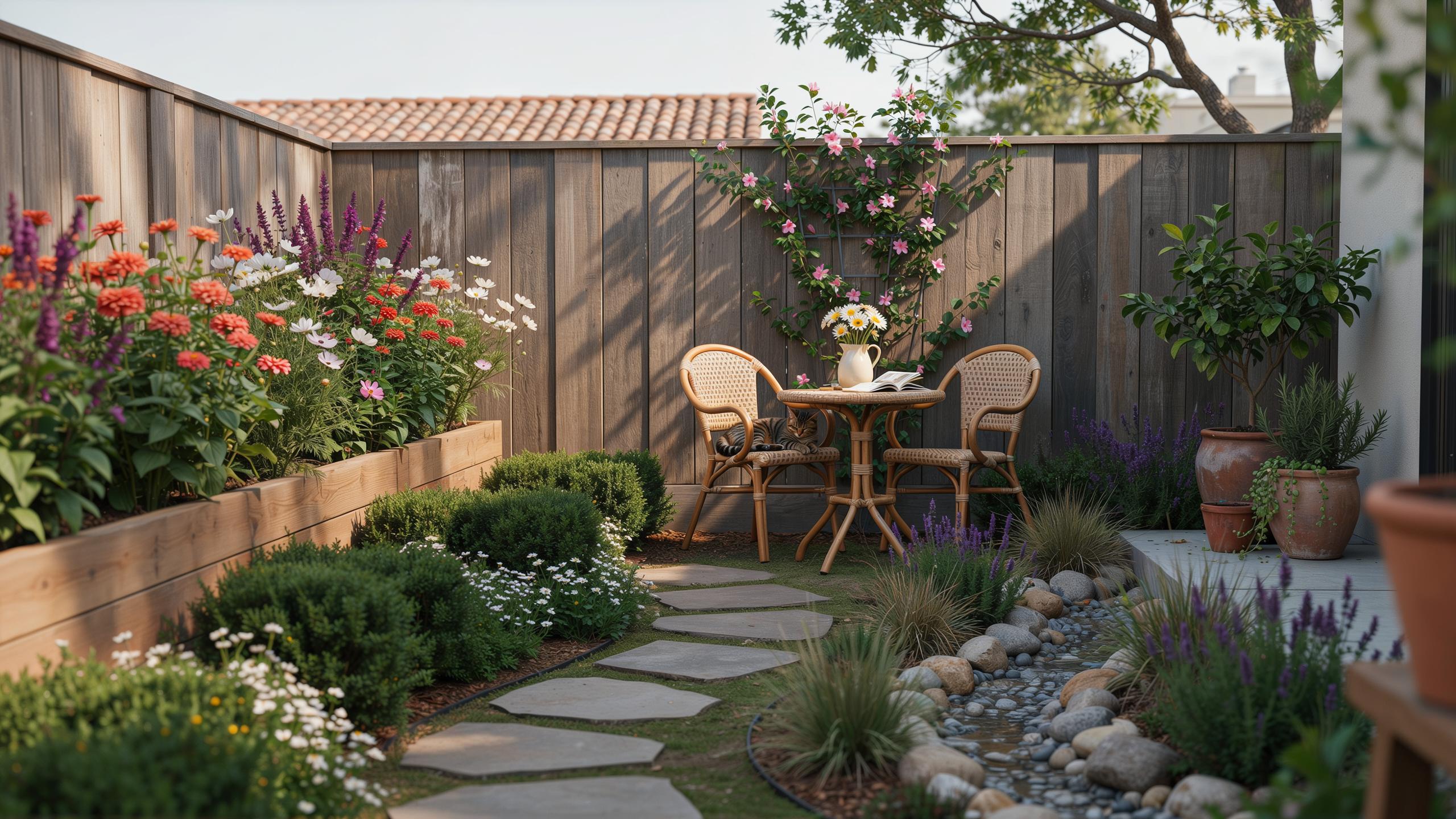
Small spaces require ruthless spatial planning. Every element must earn its place. Establish one clear focal point like a seating area, water feature, or specimen plant. Design pathways that move traffic efficiently without zigzagging. Remove dead corners and wasted transitions. These decisions make tiny yards feel intentional rather than cramped.
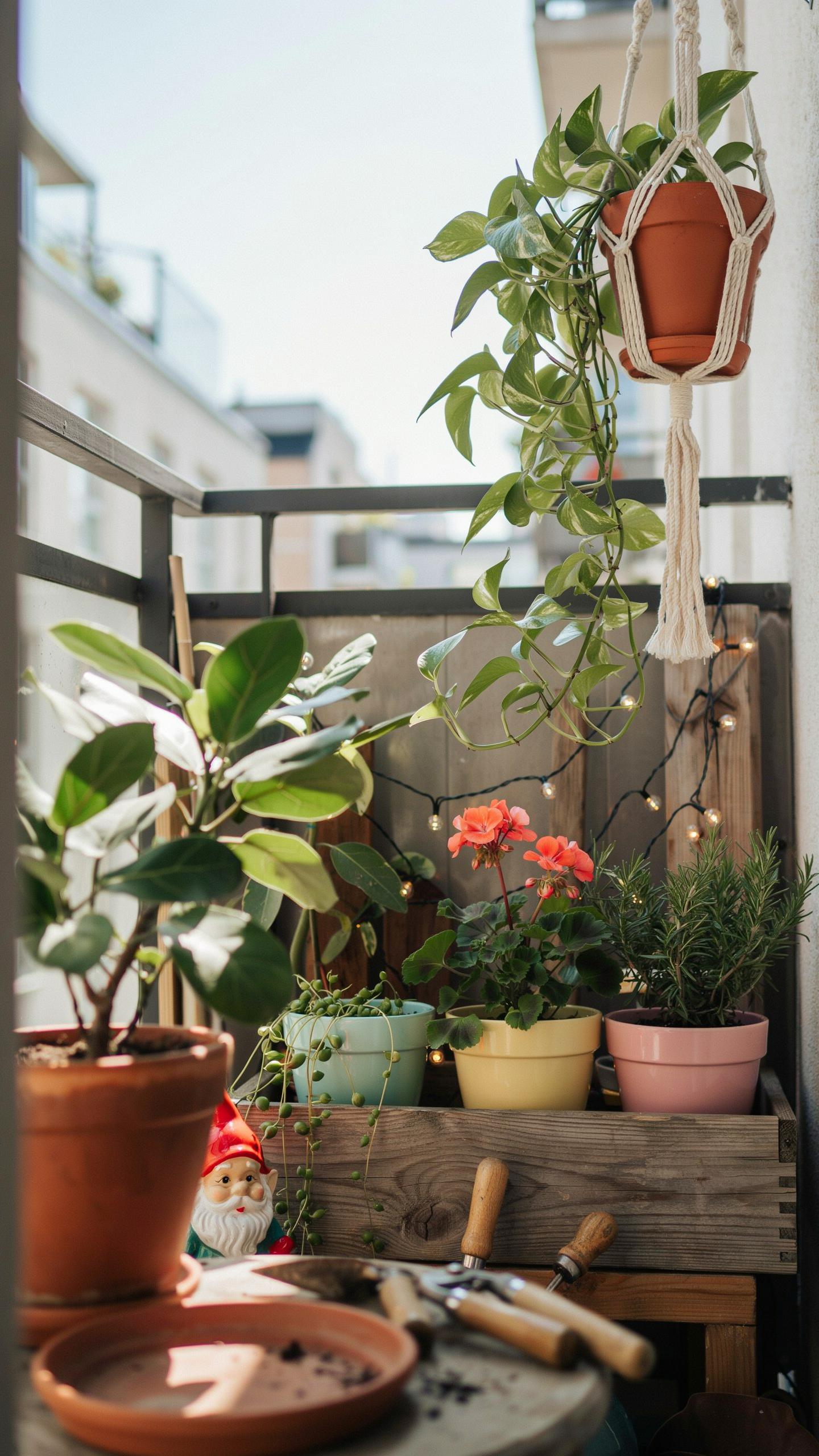
Vertical growing expands usable garden area without expanding footprint. Wall planters, trellises, and elevated beds multiply planting zones. Ground-level storage doubles as seating. Raised beds define zones and improve drainage in compact yards. Strategic layering of heights creates visual depth and functional separation in limited space.

Planning Your Dedicated Garden Area Layout
Assessing Sunlight And Soil Conditions
Map your yard’s sunlight patterns over three days before planting anything. Track where direct sun hits at morning, midday, and evening. Most vegetables need six to eight hours of direct sunlight daily. Shade patterns shift seasonally, so account for summer tree growth and winter sun angles when you plan placement.
Test your soil before investing in plants. Use a basic soil testing kit to measure pH, nitrogen, phosphorus, and potassium levels. Your local extension office often provides affordable testing services. Knowing your soil composition prevents wasted money on plants that won’t survive in your specific conditions. Poor drainage or extreme pH levels require amendment before planting.
Essential Layout Topographies For Small Yards
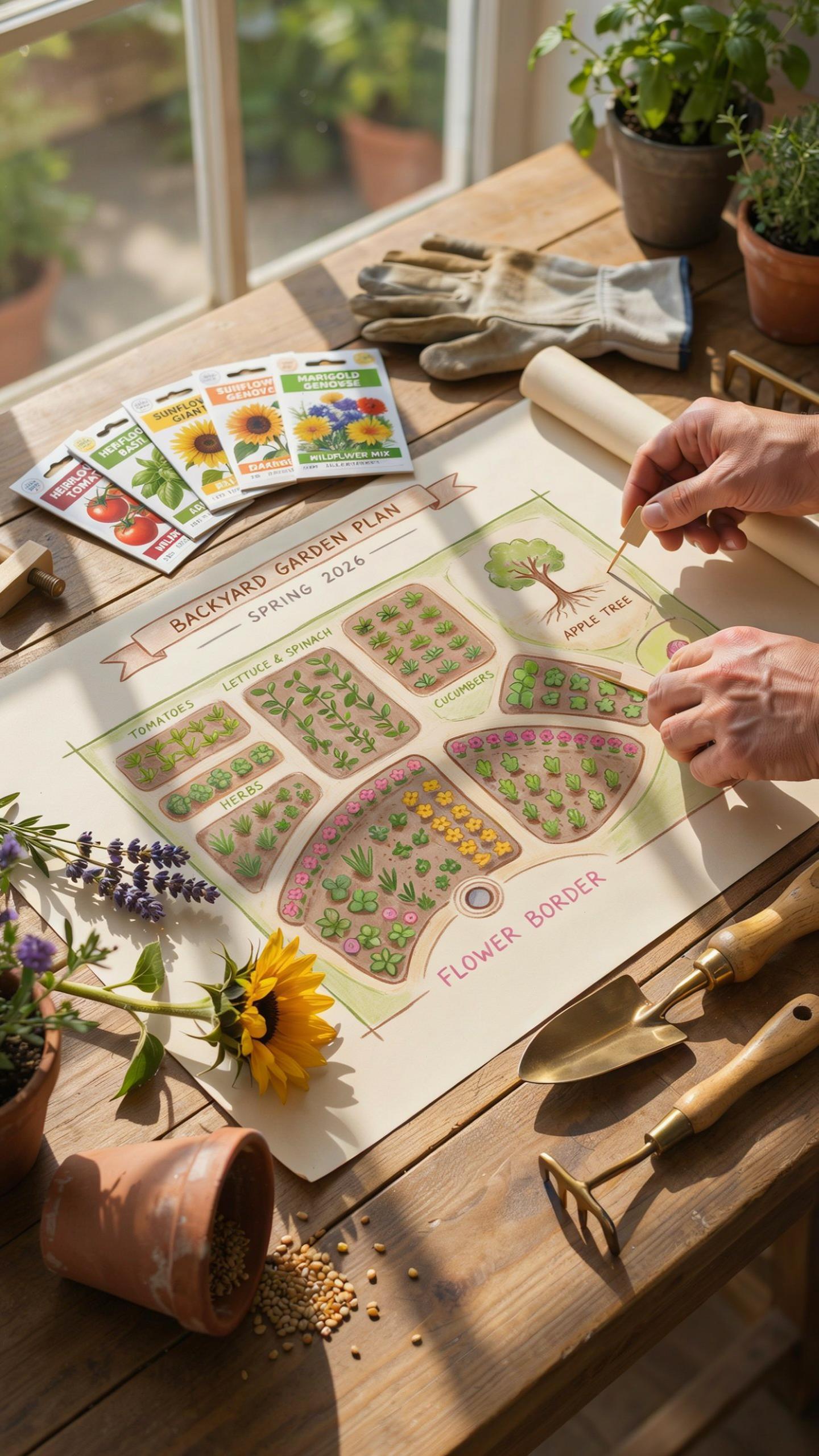
Small yards demand intentional structure to maximize usable space. Your layout choice determines how efficiently you grow and move through the garden. Grid systems work well for organized vegetable rows. Diagonal pathways create the illusion of depth and make narrow spaces feel larger. Perimeter borders maximize growing area by keeping plants against fence lines or walls. Zone division separates functional areas like seating, composting, and planting into distinct pockets.
- Grid Systems: Organize rows in straight lines running north to south. This layout simplifies watering systems and makes harvesting methodical. Works best for vegetable gardens where you plant similar crops together.
- Diagonal Pathways: Position walkways at 45-degree angles across the yard instead of straight paths. This technique stretches sight lines and makes compact spaces feel more expansive and usable.
- Perimeter Borders: Plant along fence lines and against walls to free up center yard space. This arrangement doubles your growing area without consuming walkway or seating zones.
- Zone Division: Designate separate functional areas for growing, composting, tool storage, and seating. Clear zones prevent crowding and help you maintain different microclimates for varied plants.
- Vertical Structures: Install trellises, wall planters, or tiered shelving to grow upward instead of outward. This method multiplies planting space in yards under 200 square feet.
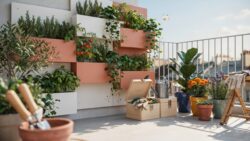
Your chosen layout directly impacts maintenance time and harvest yield. Select topology based on what you actually plan to grow and how much time you can dedicate to upkeep.
Innovative Tiny Backyard Garden Design Principles
Using Vertical Planting Techniques
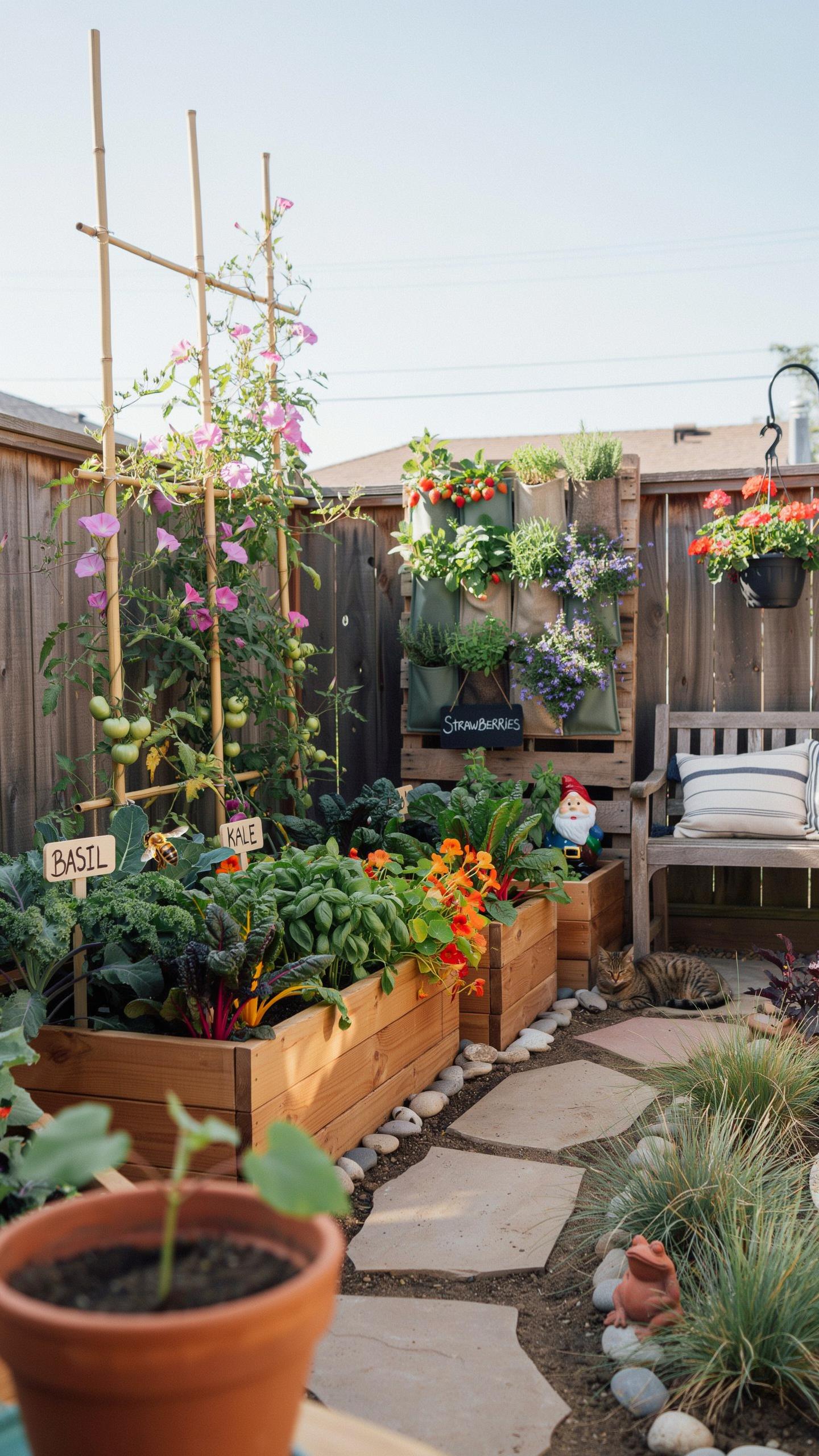
Ground space in tiny backyards runs out fast. Vertical gardening solves this by using walls, fences, and structures to grow plants upward. Trellises support climbing vegetables and flowers. Wall-mounted planters hold herbs and shallow-rooted plants. This approach multiplies your growing area without eating into walkways or seating zones.
Vertical systems work best with lightweight materials and proper drainage. Use soil that drains well to prevent water from running down walls and damaging structures. Install drip irrigation or soaker hoses at the top of vertical gardens to water efficiently. Weight matters too. Mount heavier planters directly into studs or use professional-grade brackets rated for your soil and water load.
Choosing A Cohesive Color Palette
Limiting colors creates visual order in confined spaces. A tight palette makes the garden feel intentional rather than scattered. Cool colors like blues and purples push visual boundaries outward, making small spaces feel larger. Warm tones like oranges and reds draw the eye forward and highlight focal points.
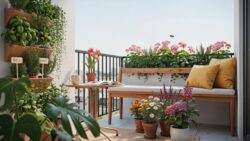
Stick to two or three colors maximum for planting areas. Add neutrals like grays and whites to give your eyes rest points. Use foliage color intentionally as part of your scheme, not just flowers. Dark green leaves recede while silvery foliage advances. This color layering builds depth that small yards desperately need.
Charming Garden Cottage Aesthetics For Urban Homes
Selecting Romantic English Flora
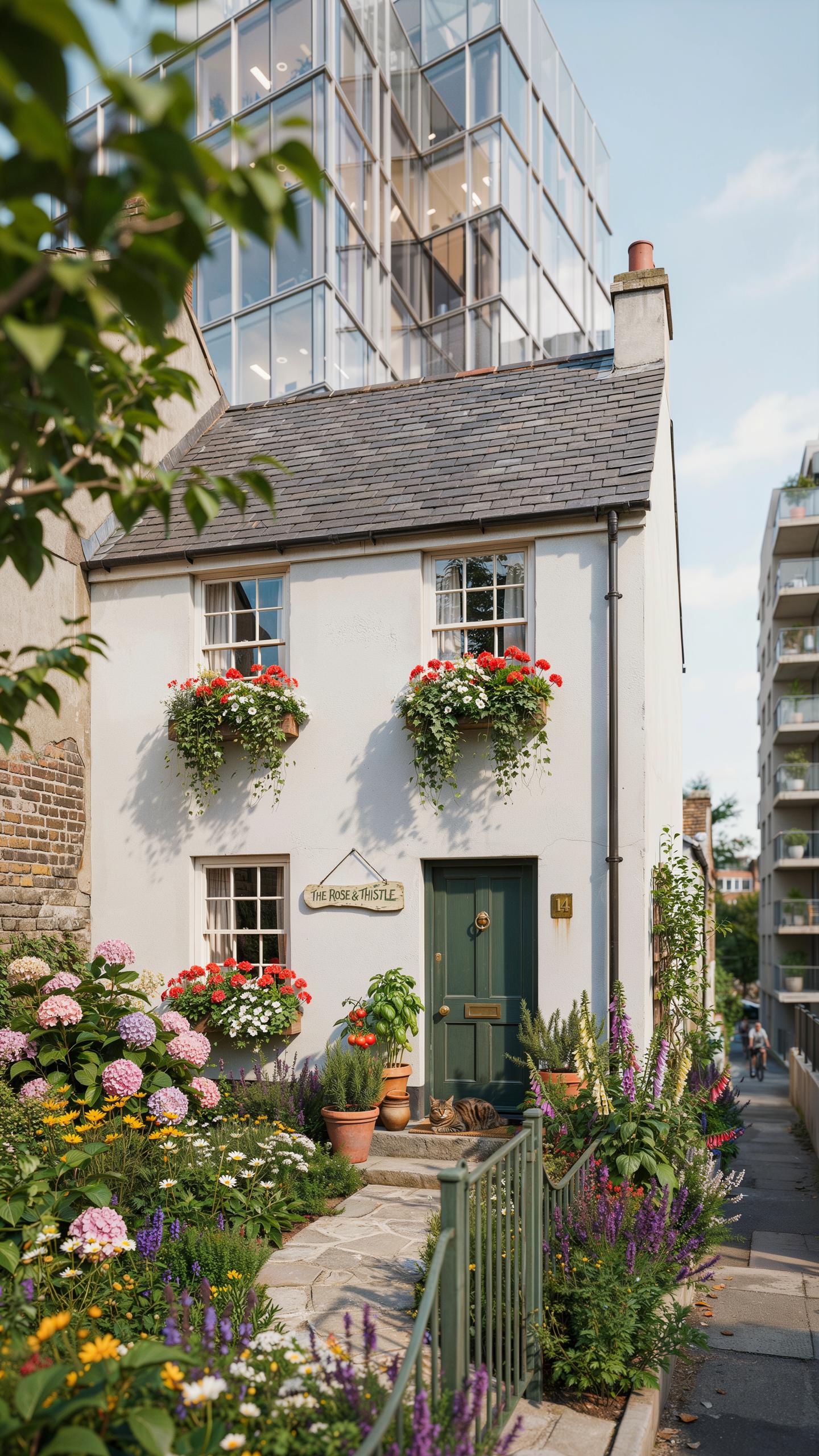
English cottage gardens rely on specific plants that perform reliably in most climates. Lavender thrives in well-draining soil and produces dense foliage that screens property lines effectively. Foxgloves reach 3 to 5 feet tall, creating vertical interest without consuming floor space. Climbing roses attach to arbors and fences, converting vertical surfaces into flowering features. These species tolerate partial shade and require minimal maintenance once established.
These plants deliver practical benefits beyond appearance. Lavender attracts pollinators and repels certain insects naturally. Foxgloves self-seed reliably, reducing replanting costs over time. Climbing roses produce blooms across multiple seasons depending on variety selection. Dense foliage from all three species conceals fences, utility boxes, and neighboring structures that compromise sightlines in compact yards.
To plant a garden is to believe in tomorrow, turning even the smallest patch of earth into a sanctuary for the soul. Within a tiny gate, a world of wonder can unfold to change the way you see home forever.
Adding Rustic Architectural Features
Wooden arbors provide structural support for climbing plants while defining garden zones in small spaces. Weathered gates create visual entry points that separate garden areas from patios or walkways. Gravel paths establish clear circulation routes without consuming space like decking or pavers. These elements work together to organize layouts and guide movement through tight quarters.
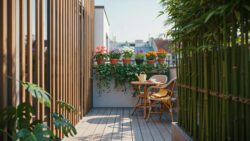
Materials matter for function and durability. Pressure-treated wood resists rot in damp climates and requires less maintenance than untreated timber. Weathering happens naturally over 2 to 3 years without intervention. Gravel compacts firmly over time and manages water drainage better than solid surfaces. All three elements blend into established neighborhoods and avoid the new construction appearance that disconnects yards from their surroundings.
Practical Small Side Yard Patio Ideas And Solutions
Selecting Scale Appropriate Outdoor Furniture
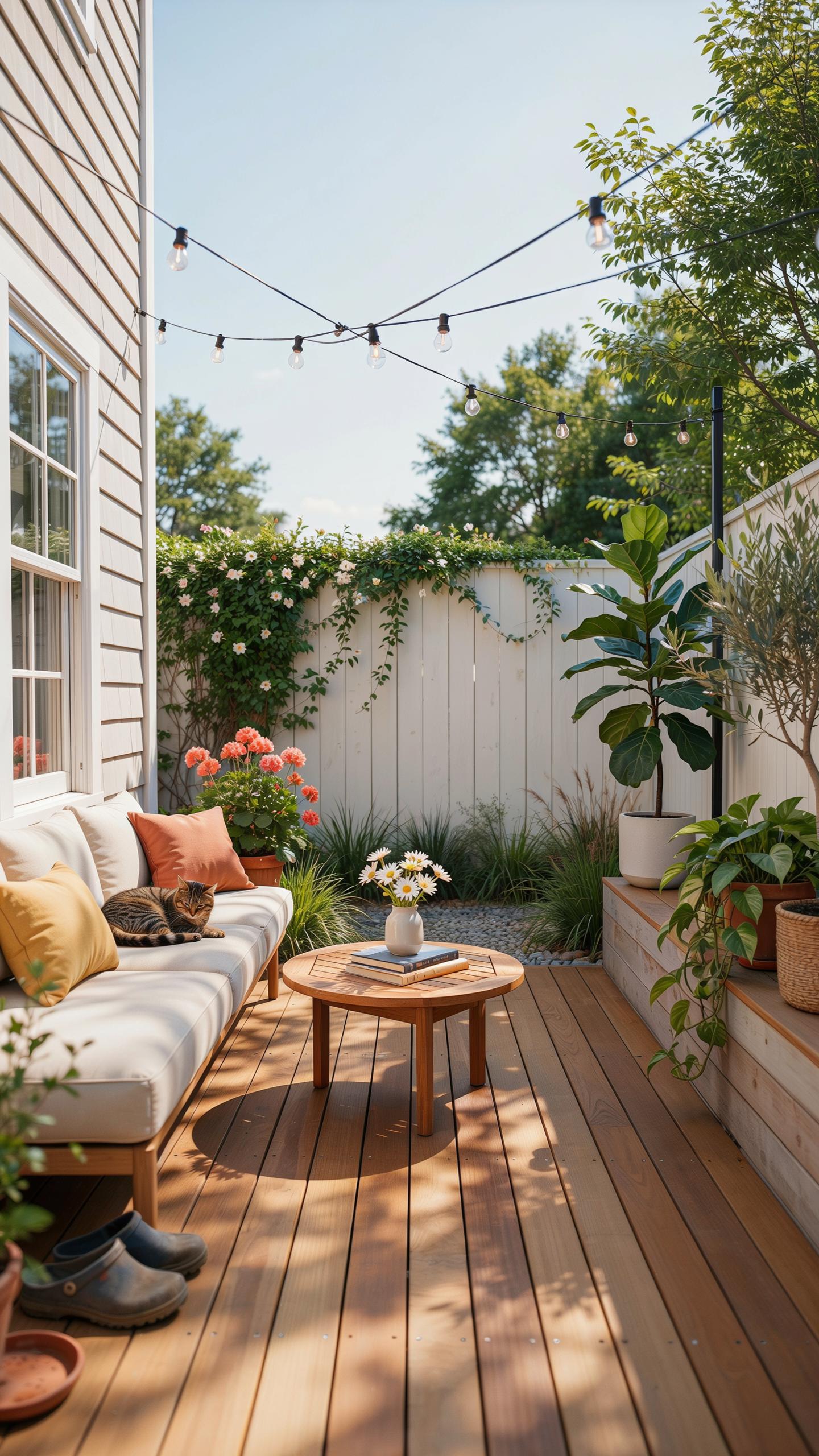
Narrow side yards demand furniture that occupies minimal footprint while delivering maximum utility. Folding bistro sets collapse flat against walls when not in use. Built-in bench seating along one edge eliminates the need for standalone pieces that consume walkway space. Choose furniture with exposed legs to maintain visual flow and prevent the area from feeling cramped. Lightweight materials like aluminum allow you to move pieces seasonally without strain.
Multifunctional pieces solve the space problem directly. A bench with storage handles garden tools, cushions, and seasonal items underneath. Side tables that fold down from walls provide surfaces without permanent obstruction. Stick to two or three furniture pieces maximum in a tight side yard. This restraint keeps pathways clear and maintains accessibility while preserving usable outdoor space.
Laying Down Visual Expanding Paving
Large format pavers create fewer grout lines and reduce visual clutter that makes tight spaces feel smaller. Light colored natural stone such as travertine or limestone reflects sunlight and opens up the perceived area. Lay pavers diagonally rather than straight across to elongate the corridor effect. Simple geometric patterns guide the eye along the length of the space rather than drawing attention to narrow width.
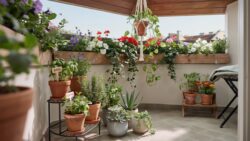
Material thickness matters for durability and drainage. Choose pavers at least one and a half inches thick to withstand foot traffic and resist cracking. Ensure proper base preparation with compacted gravel and sand for longevity. Diagonal layouts require cutting edge pavers to fit boundaries, so plan for waste during material estimates.
Budget Friendly Simple Small Garden Ideas To Try
Cost Effective DIY Enhancements
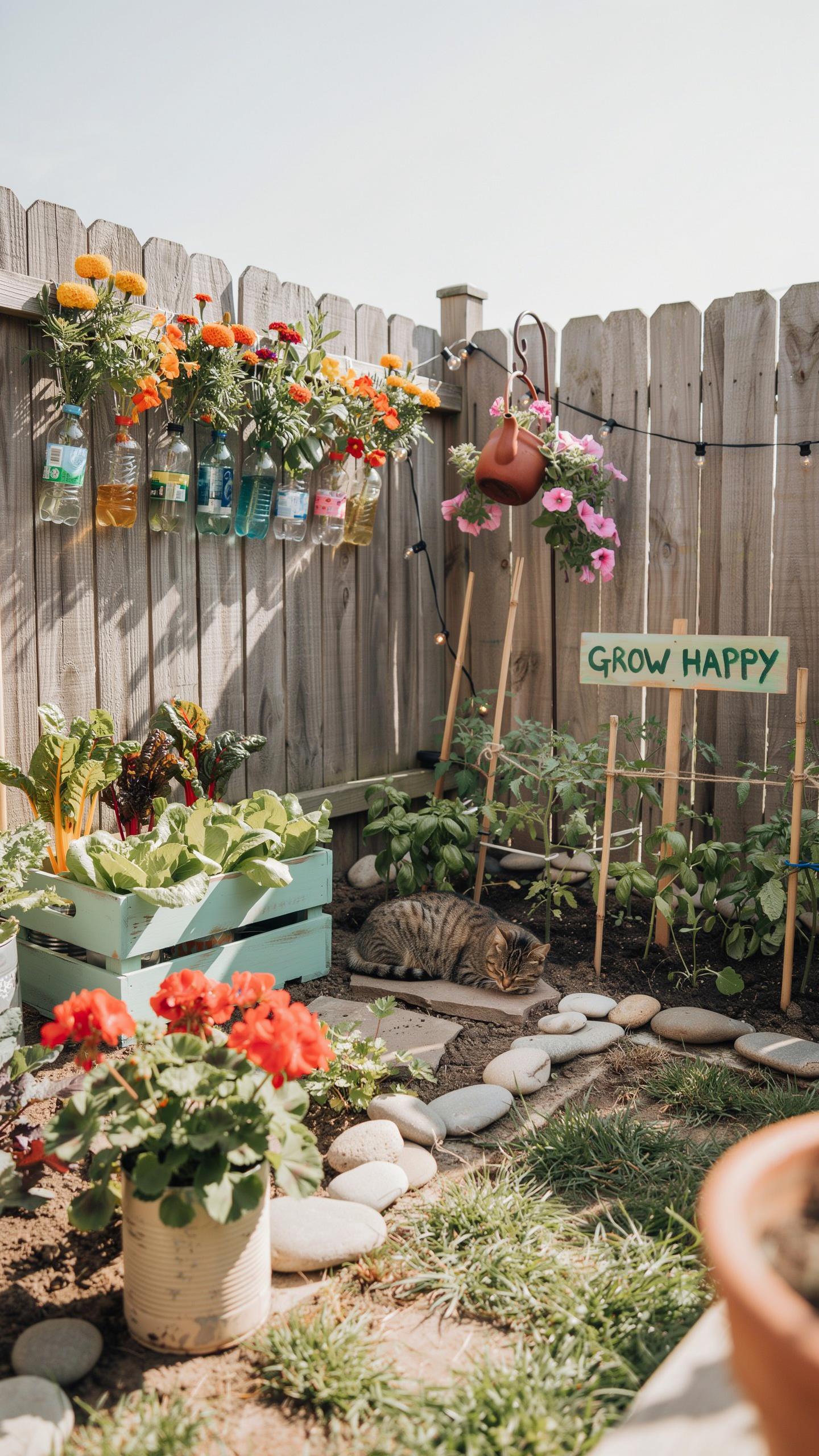
Transform your garden without spending money by using materials you already have or can source cheaply. Pallets become vertical planters for herbs. Dark paint on walls creates focal points and makes spaces feel intentional. Gravel paths cost less than hardscape and drain properly. Tin cans hang as lanterns.
- Wooden Pallet Vertical Planters: Stack pallets upright, line with landscape fabric, fill with soil, and plant herbs or trailing plants. Pallets cost nothing if sourced from local businesses. This approach maximizes vertical space in tight yards.
- Dark Accent Walls: Paint one fence section or boundary wall in charcoal, navy, or black. Dark colors recede visually, making small spaces feel deeper. Paint costs under 50 dollars and transforms the entire garden dynamic.
- Pea Gravel Pathways: Spread pea gravel over landscape fabric to create functional walking paths. Costs around 3 to 5 dollars per square foot. Gravel drains well, suppresses weeds, and requires minimal maintenance.
- Upcycled Tin Can Lanterns: Drill holes in tin cans and insert battery operated lights or hang them with string. Free materials collected from recycling. Creates ambient lighting without electrical work or ongoing fuel costs.
- Salvaged Wood Edging: Reclaimed wood boards define garden beds and contain soil. Source from demolition sites or estate sales. Wood edging costs nothing to minimal expense compared to metal or plastic alternatives.
These upgrades require sweat equity, not cash. You control the timeline and can spread work across multiple weekends. The result is a garden that functions better without debt.
Propagating Your Own Plant Library
Build your plant collection by dividing existing perennials and collecting seeds from mature plants. Division works best in spring or fall when plants focus on root establishment. Many perennials like daylilies, hostas, and ornamental grasses divide easily with a shovel. You get multiple plants from one established specimen at zero cost.

Cuttings root quickly from soft green stems of herbs, shrubs, and groundcovers. Take 4 to 6 inch cuttings from new growth. Place them in water or moist soil mix indoors until roots develop, typically within 2 to 4 weeks. Ask neighbors and friends for cuttings from plants they already grow. This network approach eliminates nursery costs while building community relationships.
Always Have Inspiration With Smart Multi Seasonal Planting
Integrating Year Round Evergreens
Evergreens solve a fundamental problem in tiny backyards: winter emptiness. Boxwoods, dwarf conifers, and hollies retain foliage year-round, creating structure when deciduous plants drop leaves. These plants anchor your design and prevent the garden from vanishing seasonally. Choose varieties that fit your space constraints. Small cultivars stay compact without constant pruning, reducing maintenance demands.
Evergreens function as skeleton elements in garden design. Their consistent form and color ground the entire composition during winter months when most color disappears. In tiny spaces, this consistency prevents the garden from feeling abandoned. Select plants with interesting texture or shape to add visual interest without requiring seasonal color changes. This approach maximizes your investment in each plant.
Layering Spring Bulbs And Autumn Foliage
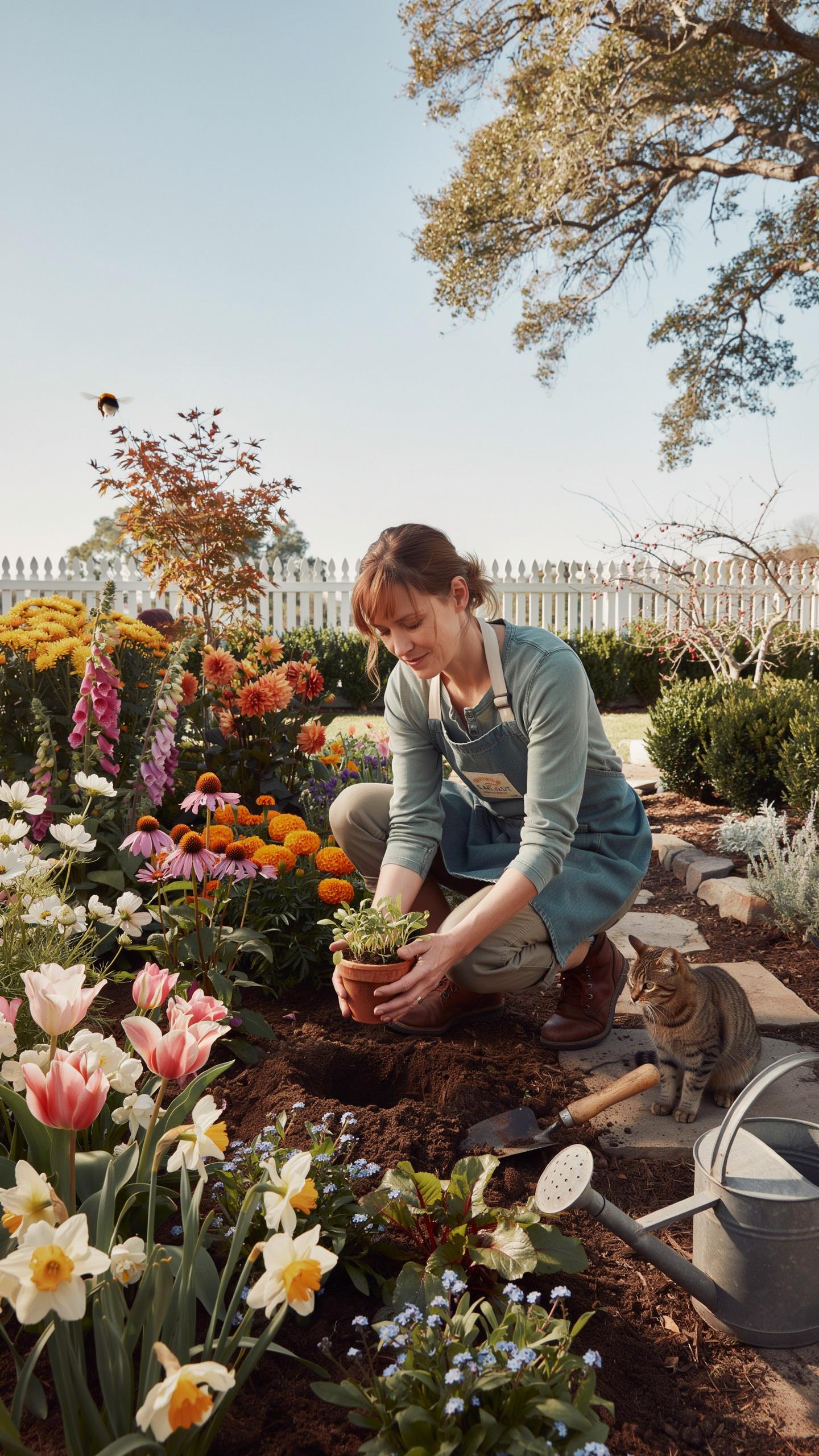
Spring bulbs emerge before other perennials, extending your growing season significantly. Tulips, daffodils, and crocuses bloom in spring, then perennials fill their space through summer and fall. This layering maximizes your square footage by using the same soil for sequential bloomers. Plant bulbs deeper than perennials to avoid root competition. This stacking technique delivers multiple bloom cycles from one bed.

Autumn foliage plants extend color interest well into late season. Perennials like sedum, ornamental grasses, and asters provide warm tones after spring bulbs fade. These plants maintain structure through early winter, bridging the gap to evergreens. Choose perennials with persistent seed heads and dried stems that remain visually interesting. This strategy keeps your tiny garden engaging from early spring through late fall.
Brilliant Small Garden Ideas For Cozy Nooks
Creating Intimate Reading Corners
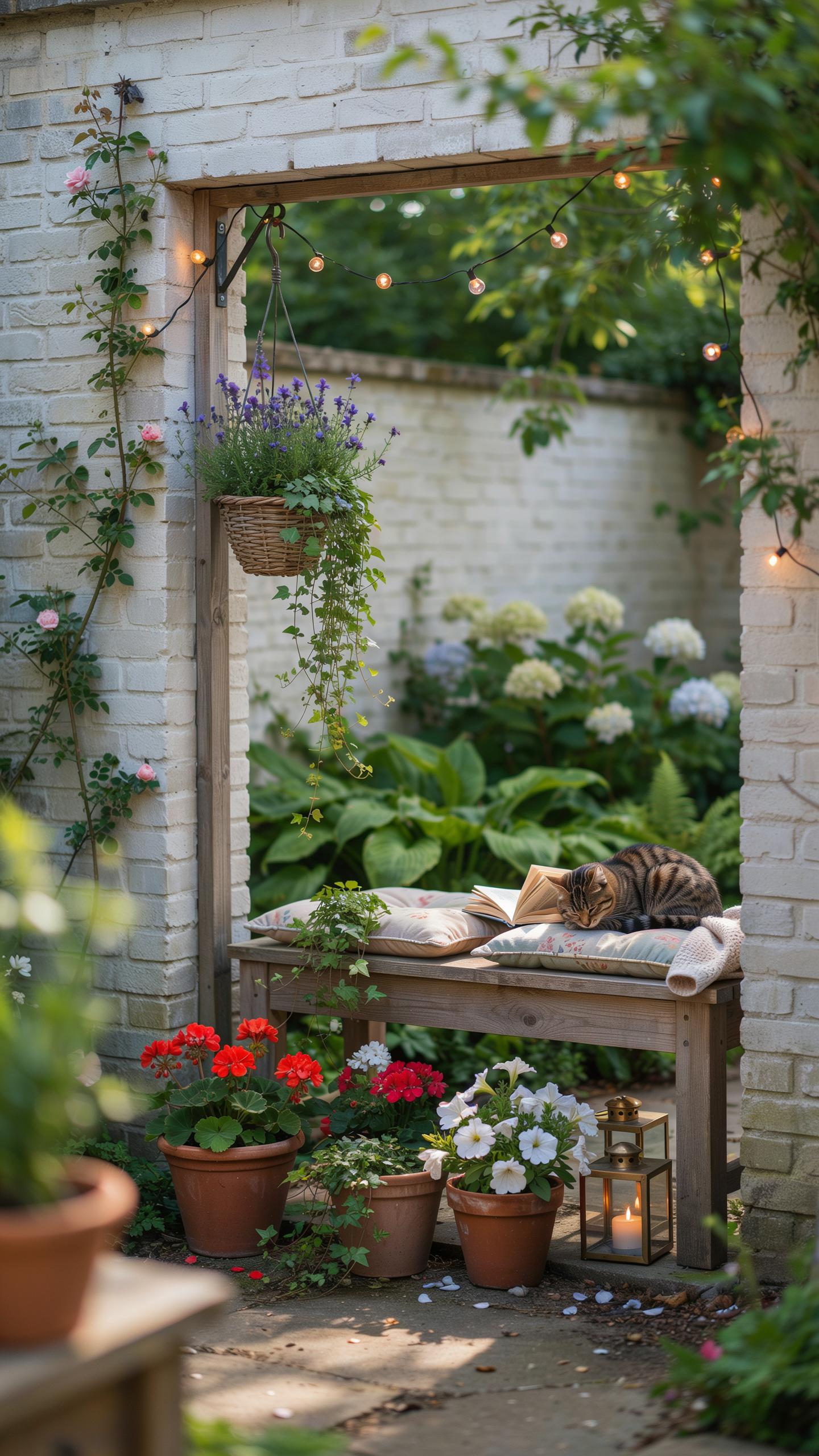
A single armchair or hammock anchors a reading zone in tight spaces. Position it against a fence or wall to define boundaries. Surround the seating with tall ornamental grasses like miscanthus or feather reed grass. These plants reach four to six feet and create a visual barrier that blocks sight lines to the rest of your yard.
This setup works because it isolates you from household activity. The plants muffle noise and reduce visual distractions. You need minimal square footage to execute this design. Even a four-by-six-foot corner delivers results. Install a simple side table for books and drinks. Keep furniture low-profile to maintain sight lines and prevent the space from feeling cramped.
Using Sound And Soft Lighting
Water features generate ambient sound that masks neighborhood noise and wind. A small recirculating fountain uses minimal power and requires no plumbing connections. Install it near seating to maximize acoustic benefit. Pair this with string lighting strung overhead or along fence lines. Warm-toned bulbs in the 2700K color temperature range provide comfortable illumination without glare.
This combination transforms evening usage patterns. You spend more time outside when lighting and sound work together. String lights consume fifteen to twenty watts per ten-foot span. Small tabletop fountains operate on fifteen to forty watts. Both create functional retreats in constrained spaces. Start with one element and add the other based on how you use the area.
Executing Your Ultimate Backyard Makeover Project
Staging And Chronological Construction Planning
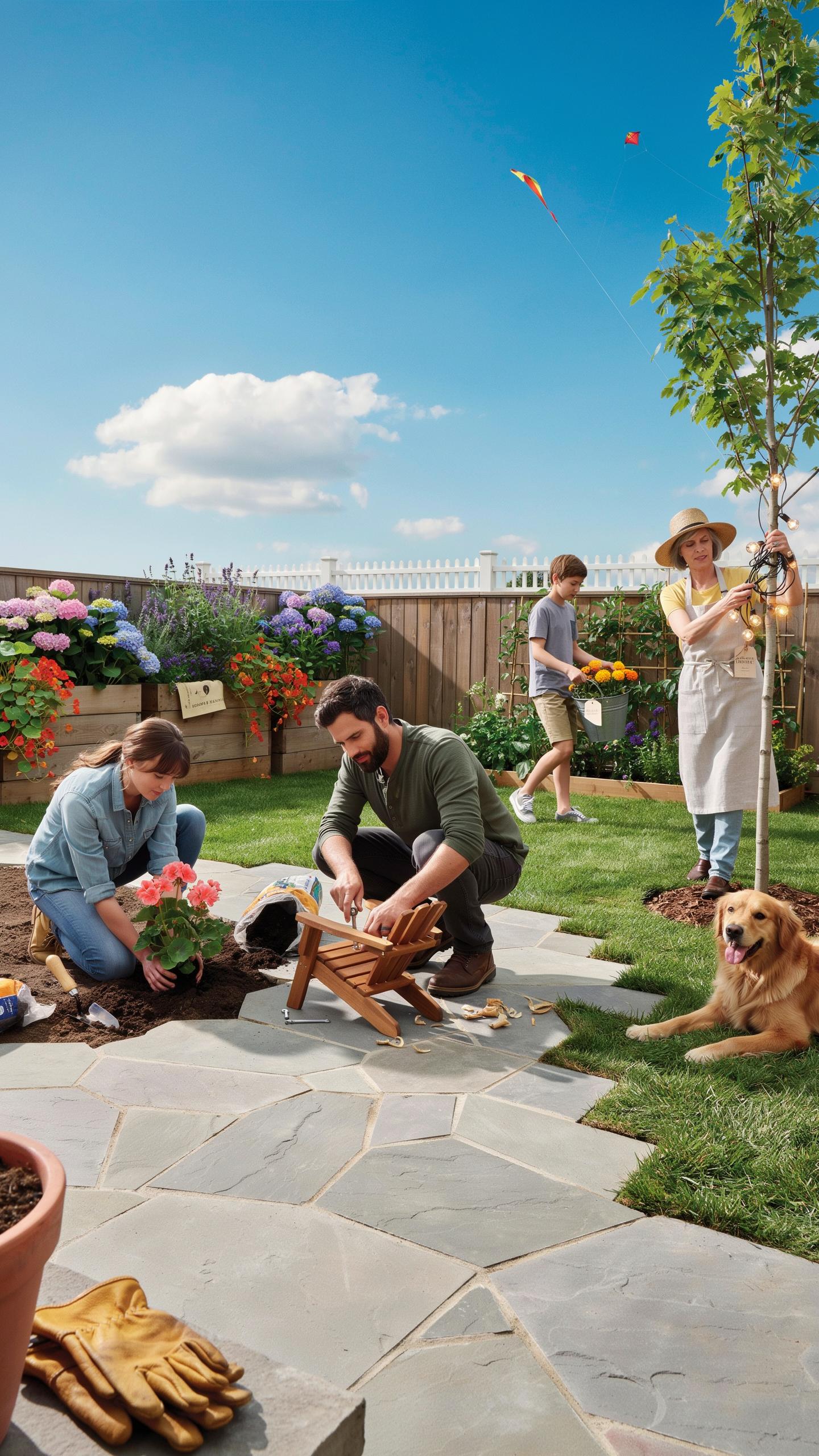
Start with hardscaping and drainage before planting anything. Install pathways, raised beds, and retaining walls first. Grade soil to direct water away from structures. Amend soil with compost and test pH levels. Only after these foundations are solid should you introduce plants to the space.
Rushing planting kills young plants fast. Improper drainage causes root rot and fungal issues. Unstable hardscaping shifts and fails within months. Build infrastructure in the correct sequence. This approach saves money and prevents costly replanting down the road.
Long Term Maintenance And Pruning Habits
Prune regularly to control plant size and shape in confined spaces. Remove dead wood and crossing branches monthly during growing season. Train vines vertically using trellises to prevent them from consuming square footage. Weeding prevents aggressive plants from choking out smaller companions. Consistent pruning maintains sight lines and prevents overcrowding.
Set a maintenance schedule and stick to it. Small spaces show neglect immediately. Dead leaves accumulate faster in tight quarters. Pest problems spread quickly between nearby plants. Monthly inspections catch problems before they escalate into larger issues requiring extensive fixes.
Frequently Asked Questions

How do I choose the best layout for a very small outdoor space?
When starting your tiny backyard garden design, focus on creating distinct zones to make the space feel larger. Use vertical elements like trellises or tall planters to draw the eye upward, preventing the area from feeling cramped. Consider a central focal point, such as a bistro set or a small water feature, to ground the design and provide a clear purpose for your compact outdoor sanctuary.
What are the best ways to maximize planting space when ground area is limited?
To maximize functionality in a tiny backyard garden design, embrace the power of vertical gardening and tiered shelving. Use wall-mounted planters, hanging baskets, and stacked garden beds to grow herbs and flowers without sacrificing precious floor space. This layered approach not only increases your planting capacity but also adds lush visual texture, making your small backyard feel like a private, immersive woodland retreat.
Is it possible to create a beautiful garden design on a strict budget?
Absolutely! You can achieve a stunning transformation by repurposing everyday items like wooden pallets, old tin cans, or vintage crates into unique planters. Buying young plants or starting from seeds is significantly cheaper than purchasing mature specimens. Additionally, using affordable materials like pea gravel for pathways or DIY string lighting can instantly elevate your aesthetic without requiring a major financial investment or professional landscaping help.