Designing Your Dream Backyard Garden With Compact Raised Beds
Benefits Of Raised Beds
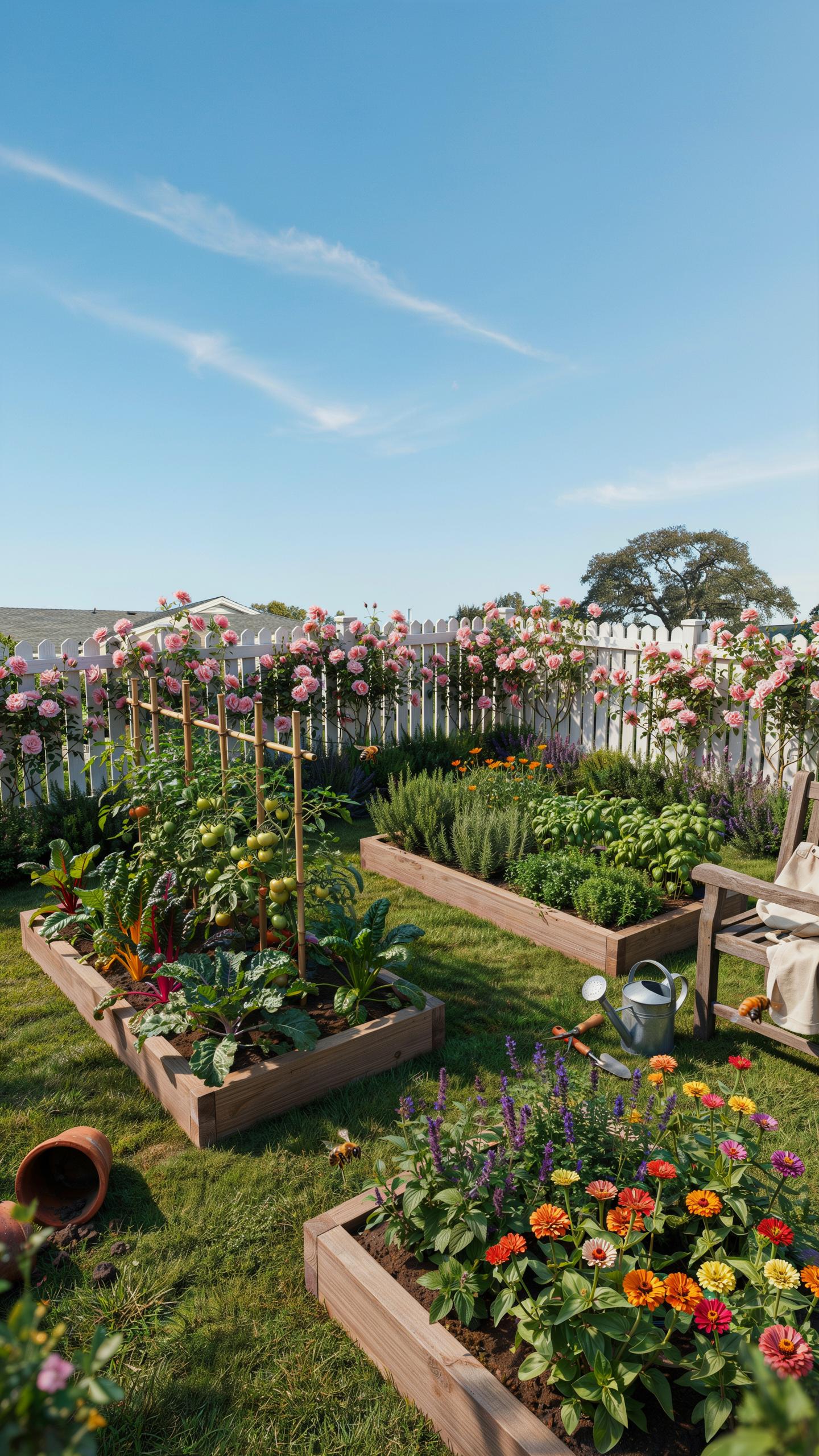
Raised beds solve the core problem of small space gardening: limited ground area and poor soil quality. They concentrate growing capacity into defined zones, letting you produce more food or flowers in less room. A four-by-eight-foot raised bed yields significantly more than the same footprint of in-ground garden. You control soil composition entirely, eliminating the need to amend poor native soil. This matters in urban areas and compacted yards where native soil drains poorly or contains contaminants.
Raised beds reduce physical strain during planting, weeding, and harvesting. By elevating plants to waist or chest height, you spend less time bending and kneeling. This accessibility makes gardening viable for people with mobility limitations or chronic pain. Raised beds also warm faster in spring because soil heats more quickly when elevated above ground. They drain better than ground-level gardens, preventing root rot and fungal diseases during heavy rain.
Choosing Materials
Cedar ranks as the top choice for raised beds due to its natural rot resistance. The wood contains compounds that prevent decay without requiring chemical treatment. A cedar frame lasts eight to twelve years before needing replacement. It costs more upfront than pressure-treated lumber but eliminates toxicity concerns near edibles. Cedar also looks finished and requires no sealing or maintenance beyond occasional cleaning.
Food-safe composite materials offer an alternative that lasts longer than wood. These engineered products combine recycled plastic and wood fibers, resisting rot indefinitely. Composites don’t splinter, require zero maintenance, and cost more than cedar initially but eliminate replacement costs over two decades. Both materials work equally well for plant growth. Choose cedar for lower initial investment or composites if you want a permanent structure requiring no upkeep or future replacement.

Planning The Perfect Backyard Layout For Maximum Sunlight
Sun Mapping Techniques
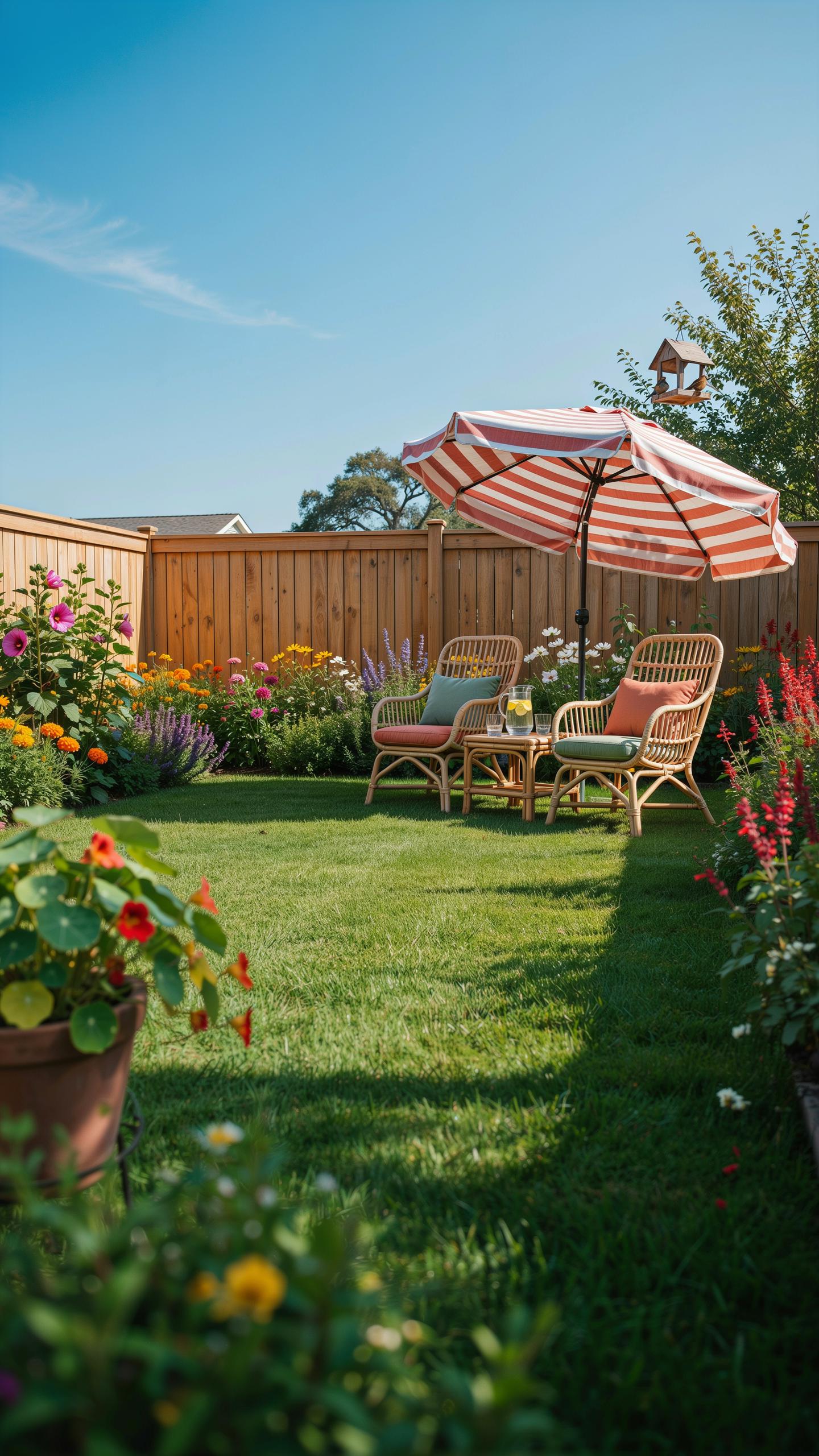
Track your yard’s sunlight patterns before placing beds. Spend three to five days observing how shadows move across your space. Note where sun hits at 9 AM, noon, and 3 PM. Mark these zones on a simple sketch. Most vegetables need six to eight hours of direct sunlight daily. This data determines bed placement and crop selection.
Document sun exposure in different seasons if possible. Winter sun angles differ from summer angles in your region. A spot that gets full sun in June might get partial shade in March. Map the shadiest and sunniest zones now. You avoid costly bed relocations later. This foundation work saves time and increases yields.
Vertical Integration
Stack your growing space to handle limited square footage. Trellises, wall-mounted planters, and tiered beds multiply your usable area. Position vertical structures on the north side of beds to prevent shading neighboring plants. Tomatoes, beans, peas, and cucumbers adapt well to vertical training. This approach produces more food per square foot than horizontal layouts alone.
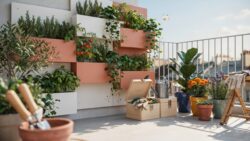
Combine bed height with climbing structures strategically. A four-foot-tall trellis next to a raised bed creates a two-tier system. Lower beds grow shade-tolerant crops while tall structures catch maximum light. Wire, wood frames, and netting all function as support systems. Choose materials that tolerate your climate for five to ten seasons without replacement.
Creative Small Garden Vegetable Ideas For High Yield Harvests
Compact Cultivars
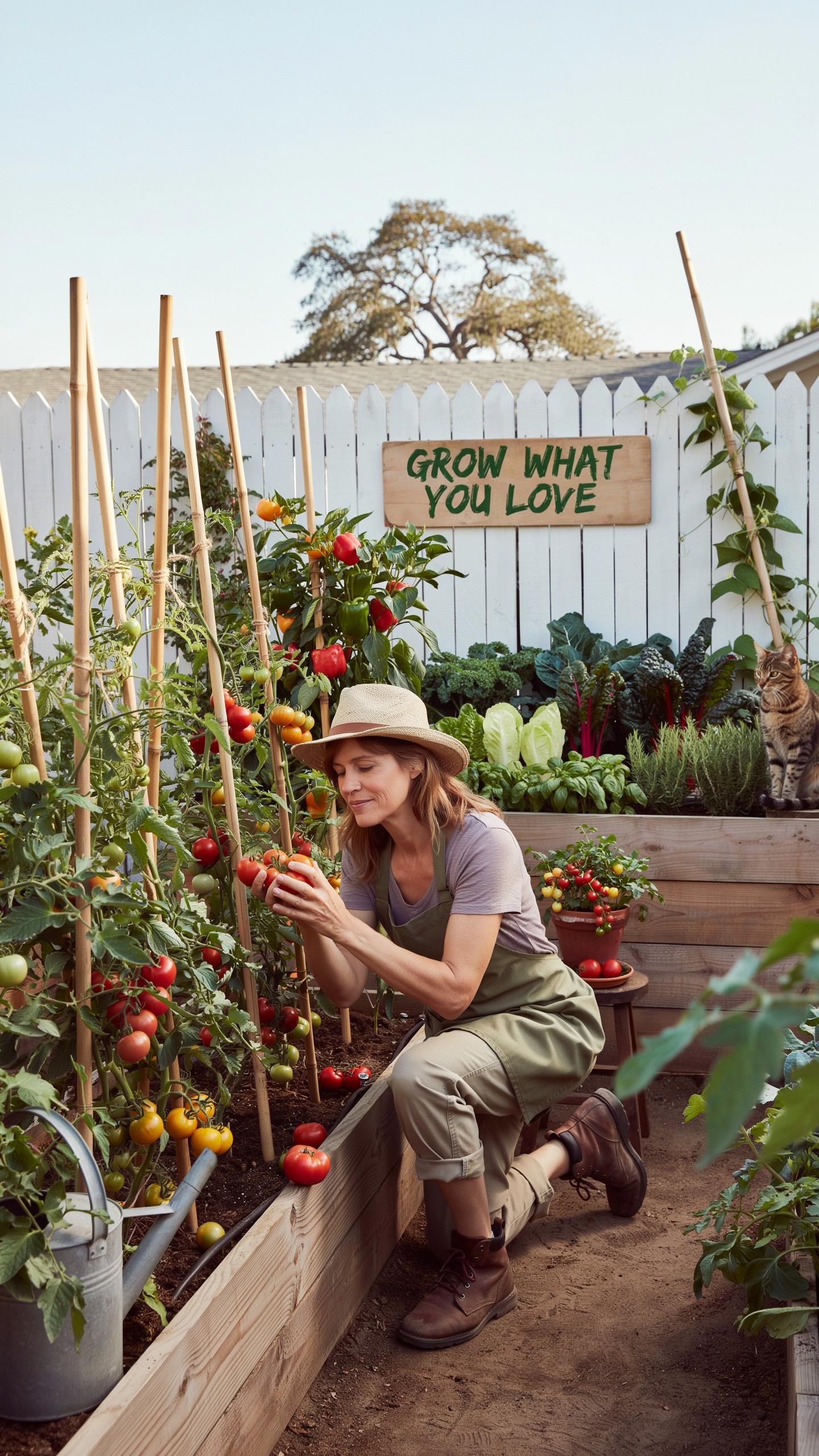
Seed catalogs and breeding programs have developed vegetable varieties engineered for container and raised bed growing. These cultivars produce full sized fruit on dwarf plants. They mature faster than standard varieties and fit within 2×4 or 2×6 foot beds without crowding.
Compact cultivars reduce the space needed per plant while maintaining yield. Cherry tomatoes, bush beans, and determinate pepper varieties deliver consistent harvests in tight quarters. Select varieties labeled “patio,” “dwarf,” or “bush” on seed packets to ensure plants stay manageable within raised bed dimensions.
Companion Planting Benefits Small Scale
Companion planting uses plant relationships to control pests and improve growth without chemicals. Certain vegetable combinations deter insects naturally while others fix nitrogen or improve soil structure. In small raised beds, this approach maximizes output from limited square footage.
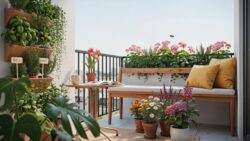
Pairing basil with tomatoes repels spider mites and whiteflies through volatile compounds the herb releases. Beans planted near squash fix nitrogen that squash plants need, while squash leaves shade soil and reduce water loss. These combinations solve multiple problems within confined spaces, freeing room for additional productive plants.
Mastering Plant Spacing In Raised Bed Systems For Optimal Growth
Square Foot Gardening Basics
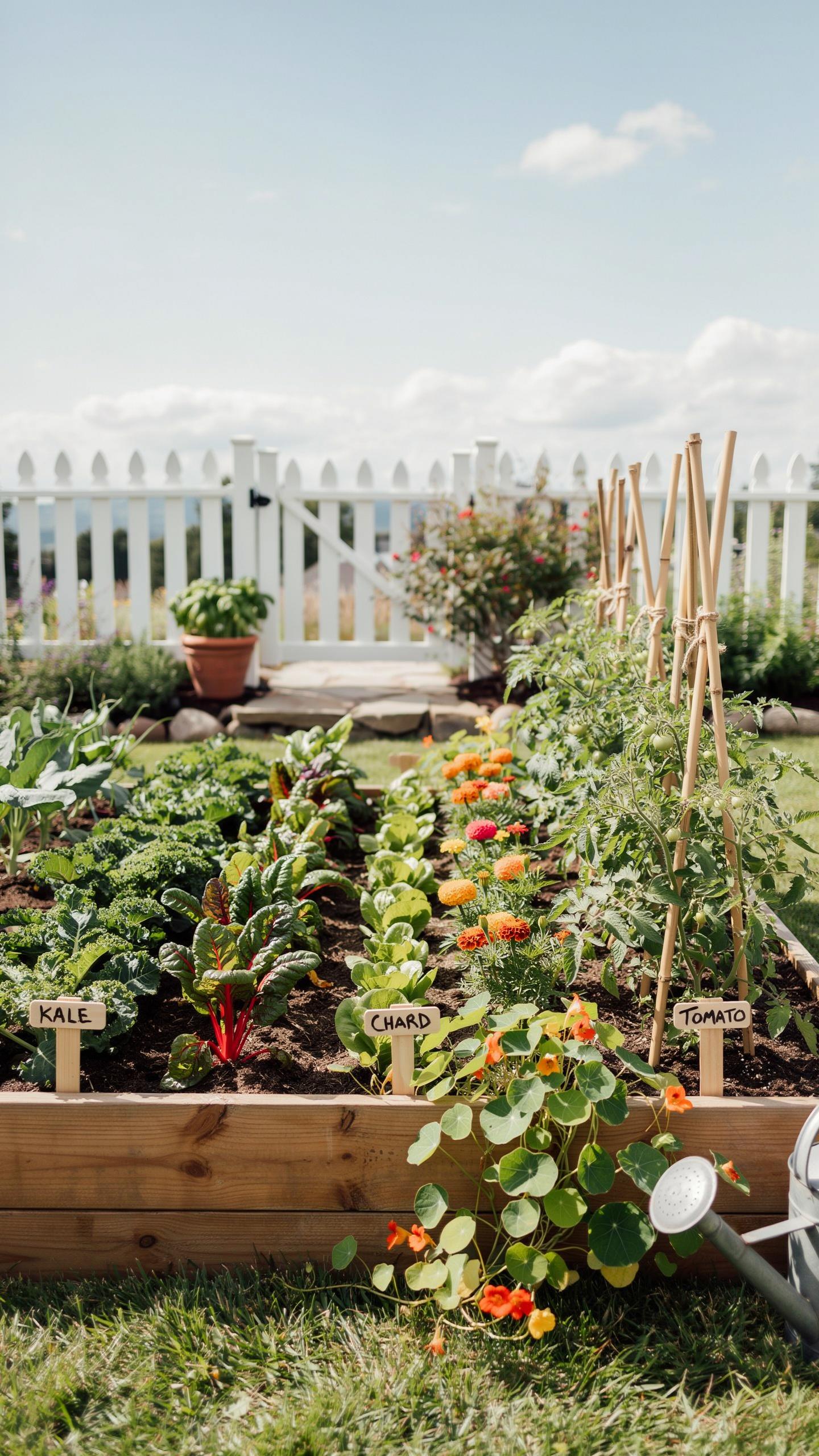
Square foot gardening divides your raised bed into a grid using wood or string. Each square holds one plant or multiple seeds depending on the crop type. This method prevents overcrowding by forcing you to follow spacing rules. You work with fixed bed dimensions, typically 4 by 4 feet, divided into 16 sections. The grid system eliminates guesswork and forces discipline on plant placement.
This approach originated from Mel Bartholomew’s work in the 1970s as a response to traditional row gardening waste. The grid forces intentional decisions about what you plant where. You cannot simply scatter seeds and hope for results. The system works because it matches plant spacing to actual growing requirements. Small space gardeners benefit from the physical constraint the grid provides.
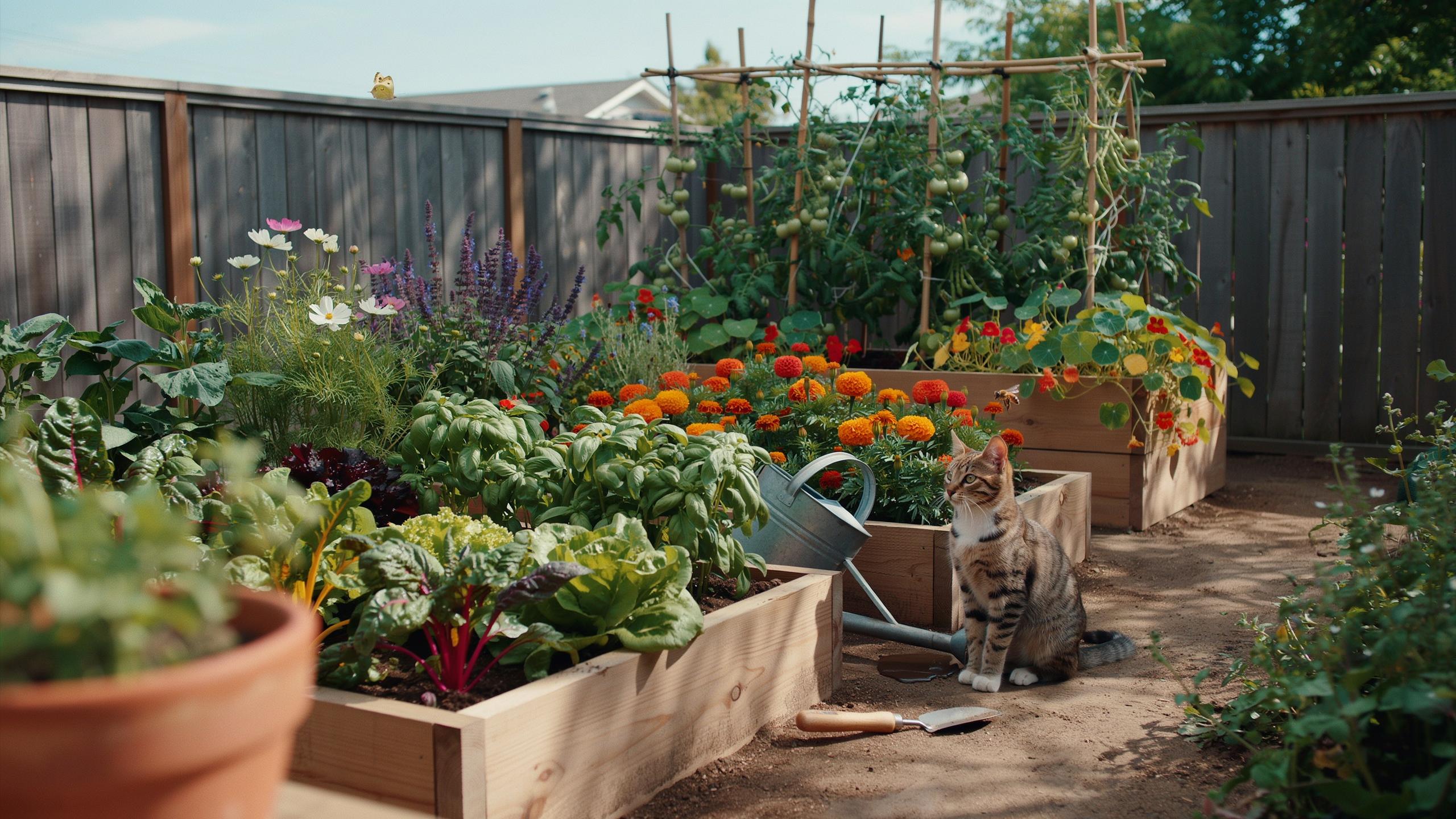
Even the smallest backyard becomes a sanctuary when you plant a garden in a simple raised bed. There is a quiet grace in watching a tiny patch of earth bloom into a beautiful masterpiece.
Root Depth Considerations
Soil depth directly determines which crops you can grow successfully. Shallow-rooted vegetables like lettuce and spinach need 6 to 8 inches of soil. Medium-rooted crops like beans and chard require 8 to 12 inches. Deep-rooted plants like tomatoes, carrots, and squash demand 12 to 18 inches minimum. Attempting to grow deep-rooted crops in shallow beds leads to stunted growth and reduced yields.
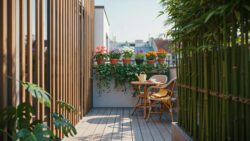
Match your raised bed depth to the crops you want to grow. A 12 inch deep bed handles most common vegetables across multiple seasons. Deeper beds accommodate root vegetables and larger fruiting plants. Shallower beds work for quick growing crops but limit your planting options. Build your bed depth based on what you plan to harvest, not convenience.
Innovative Above Garden Ideas For Balconies And Patios
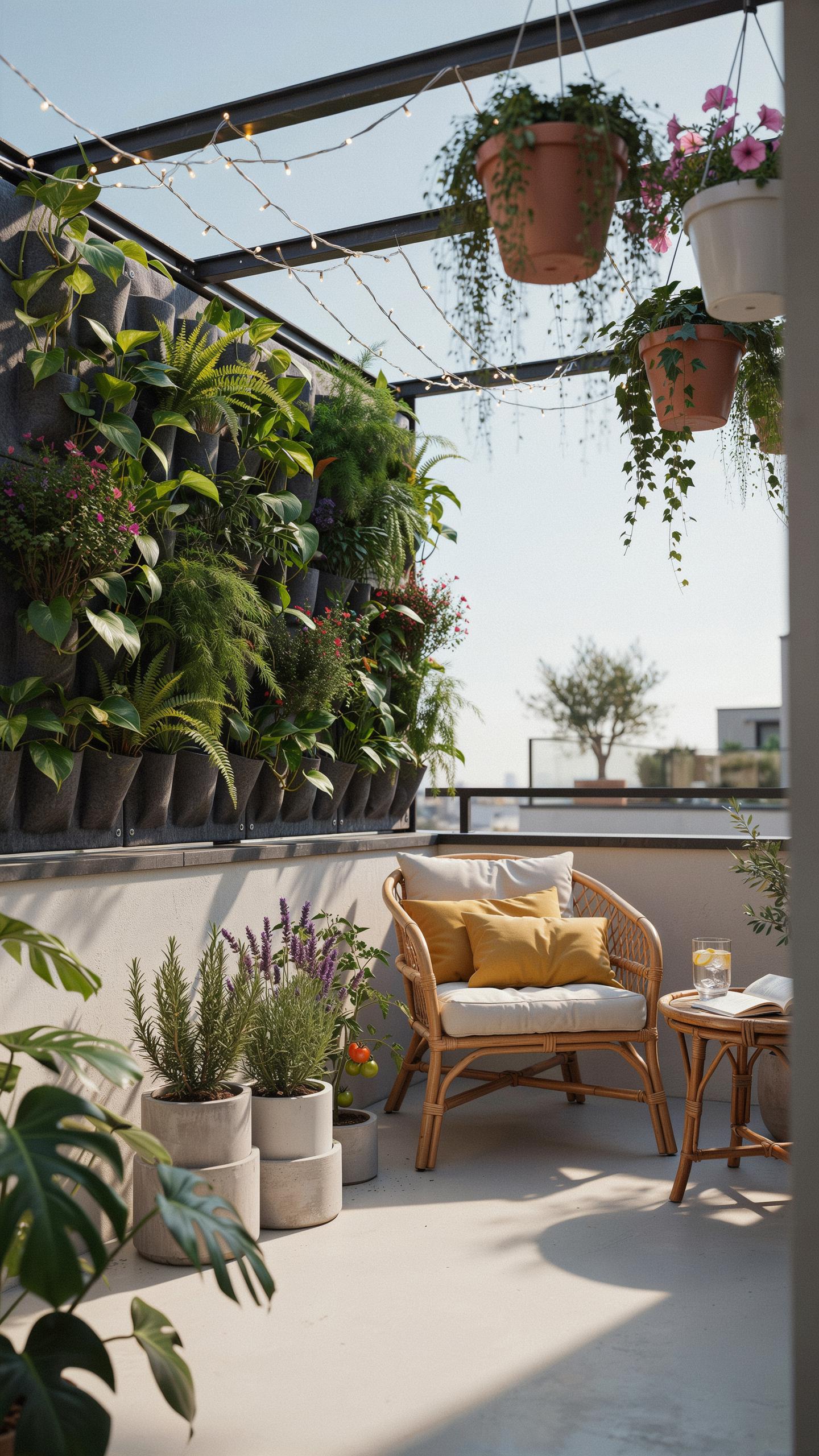
Elevated Planters Ergonomics Space
Waist-level elevated planters cut back strain and reduce bending. Standard garden beds sit at ground level, forcing you into repeated forward bends that damage your lower spine over time. Raised planters at 24 to 36 inches high keep your work in the neutral zone. This height matches your natural standing posture and lets you tend plants without injury risk.
Elevated planters also maximize small footprints. A single waist-high bed uses the same ground space as a traditional raised bed but contains 40 to 50 percent more soil volume because of vertical depth. This vertical stacking approach lets balcony and patio gardeners grow more food in confined areas. You gain functional growing space without expanding your horizontal footprint.
Hanging Cascading Crops Options Small Space
Hanging baskets and wall mounts transform bare vertical surfaces into productive growing zones. Strawberries thrive in hanging systems because runners cascade downward naturally, and vertical positioning improves air circulation around fruit. Herbs like trailing rosemary, oregano, and thyme spread outward from wall mounts, creating dense foliage without consuming ground real estate. These setups work on railings, fence lines, and exterior walls.
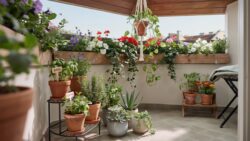
Wall-mounted systems deliver faster water drainage and better light exposure than ground-level containers. Hanging crops receive direct airflow that prevents fungal issues common in dense ground gardens. Install mounts on south or west-facing walls in northern climates to capture maximum sun exposure. This positioning strategy compensates for limited space by leveraging underutilized vertical surfaces that receive consistent daylight.
Smart Backyard Small Garden Design Strategies To Maximize Aesthetics
Creating Visual Focal Points
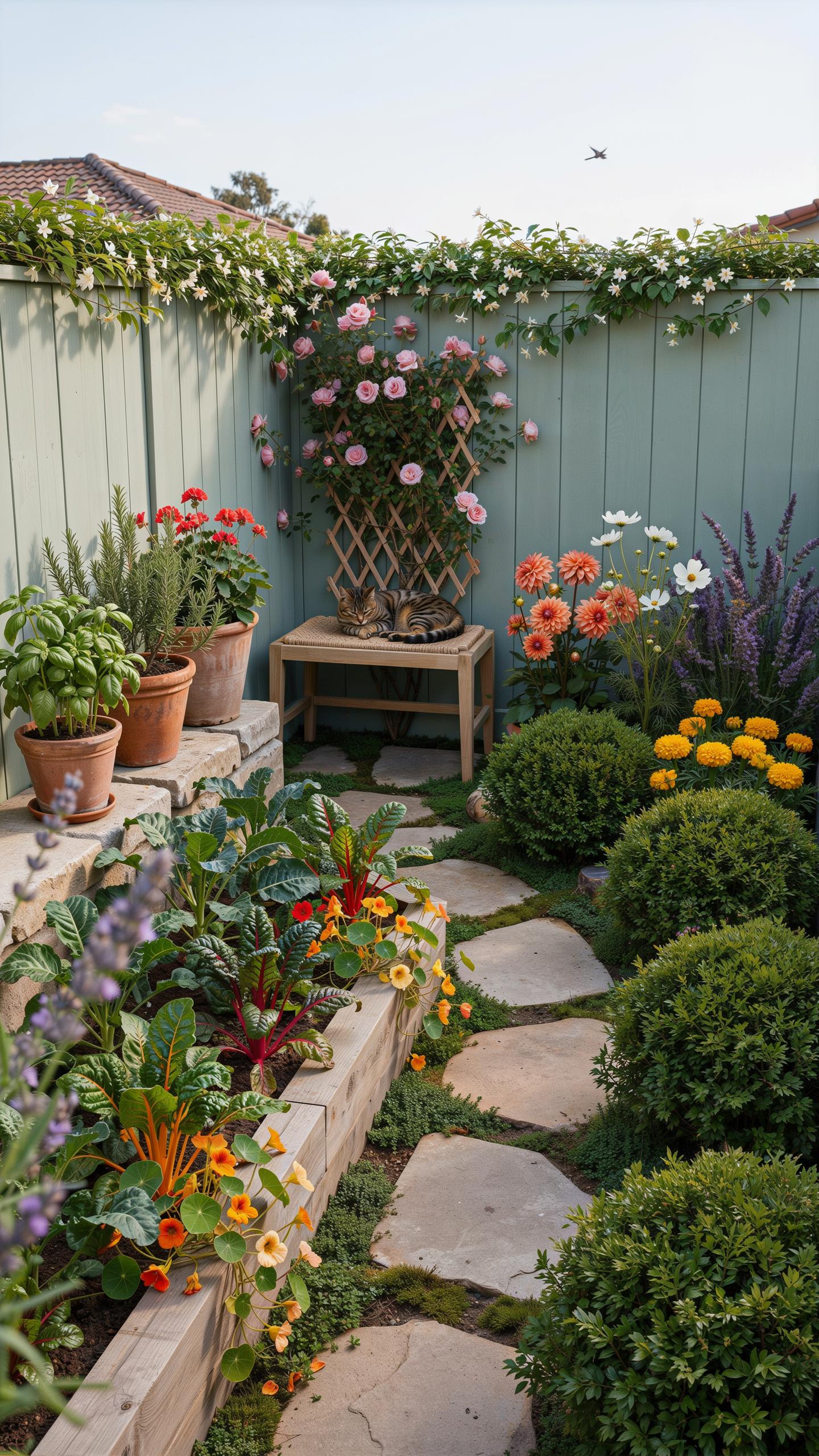
A focal point stops the eye and gives your raised bed garden structure. Position one elevated bed, container cluster, or garden feature where sight lines naturally land. This anchors the space and prevents scattered, disorganized feelings. Use height variation, color contrast, or material texture to draw attention. A single tall planter or tiered bed arrangement works better than spreading elements everywhere.
Artistic container arrangements amplify focal point impact in confined spaces. Group containers in odd numbers like three or five. Vary heights using plant stands, stacked materials, or tiered planters. This creates visual interest without consuming ground area. The arrangement becomes the design feature itself, not just plant housing.
Essential Design Elements Checklist
Start with hardscape bones first. Pathways, edging, and structural supports define your layout before plants arrive. These permanent features determine traffic flow and spatial perception. They also protect raised beds from foot traffic damage. Without intentional hardscape planning, small spaces feel cramped and unfinished.
- Raised bed dimensions: Standard heights of 12 to 18 inches accommodate most vegetables. Width should allow arm’s reach from either side, typically 3 to 4 feet maximum.
- Edging material: Wood, composite, metal, or stone establishes clean borders. Choose materials that match your existing outdoor structures and withstand soil pressure over time.
- Vertical elements: Trellises, stakes, and arbors add height without expanding footprint. They support climbing plants and create visual layering in tight quarters.
- Pathways: Narrow gravel, stone, or stepping stone paths define movement zones. They prevent soil compaction and organize bed placement into intentional areas.
- Drainage zones: Ensure water runoff directs away from structures and seating areas. Sloped ground or permeable surfaces prevent pooling and soil erosion problems.

Color coordination and material consistency tie separate elements together. Stick to two or three material types maximum in small spaces. Mismatched containers, edging styles, and hardscaping materials create visual chaos. Unified materials make confined areas feel intentional and controlled.
Setting Up A Raised Bed Garden Front Yard For Great Curb Appeal
Front Yard Zoning Rules Aesthetics
Check your local zoning ordinances before installing raised beds in your front yard. Many municipalities restrict front yard vegetable gardens through residential codes, though this has shifted in recent years. Some areas require setbacks from property lines or restrict bed height. Contact your city planning department directly rather than assuming regulations. Non-compliance results in removal orders or fines, so verification takes priority.
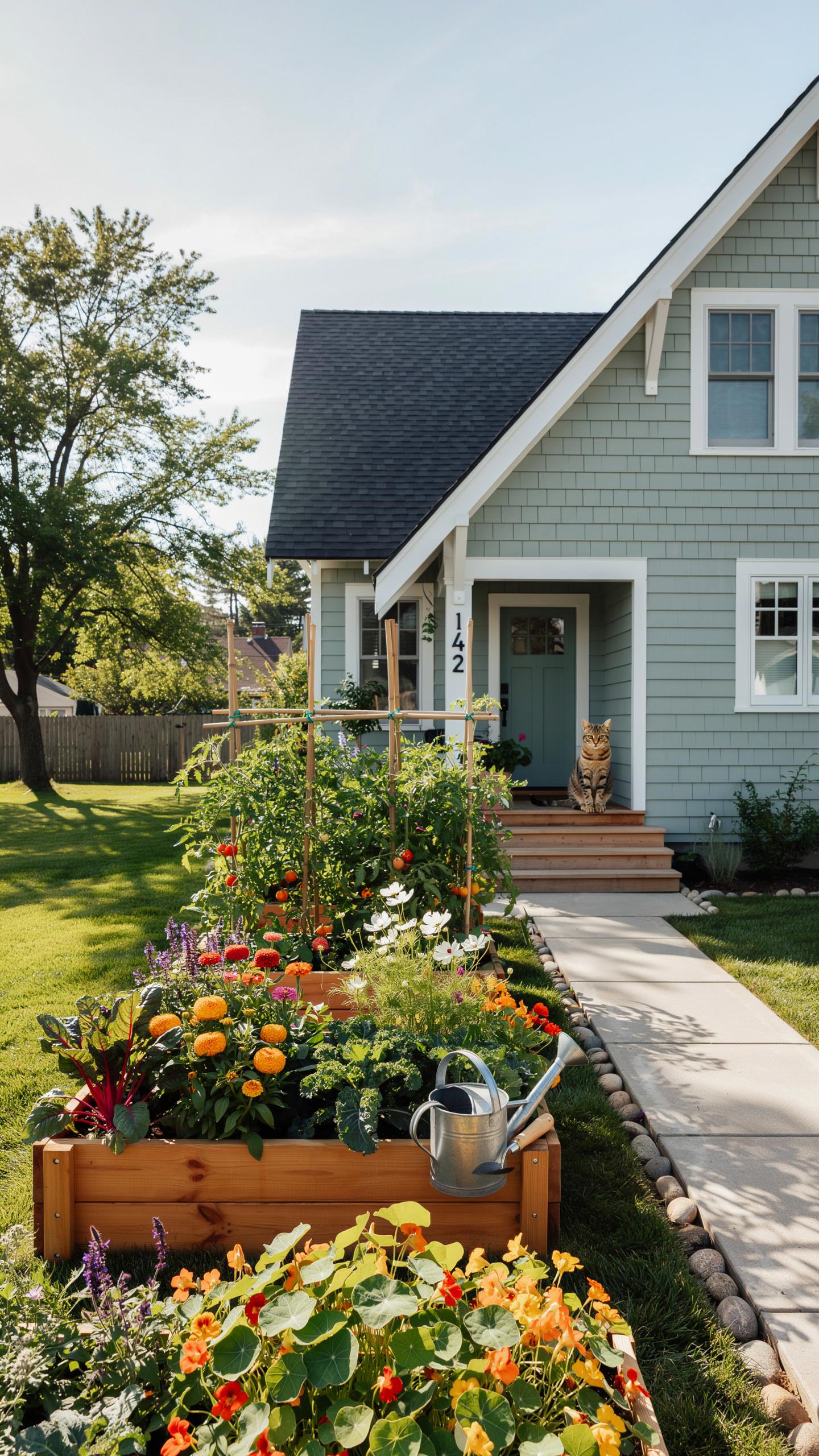
Design raised beds to complement existing front yard architecture and landscaping standards in your neighborhood. Uniform bed dimensions and materials that match your home’s exterior create visual coherence. Edging materials like cedar, composite, or metal should align with neighborhood expectations. Neat pathways and defined spacing between beds signal intentional design rather than ad-hoc planting. Strategic placement near entryways or property boundaries demonstrates deliberate landscaping rather than casual gardening.
Interplanting Ornamental Flowers With Crops
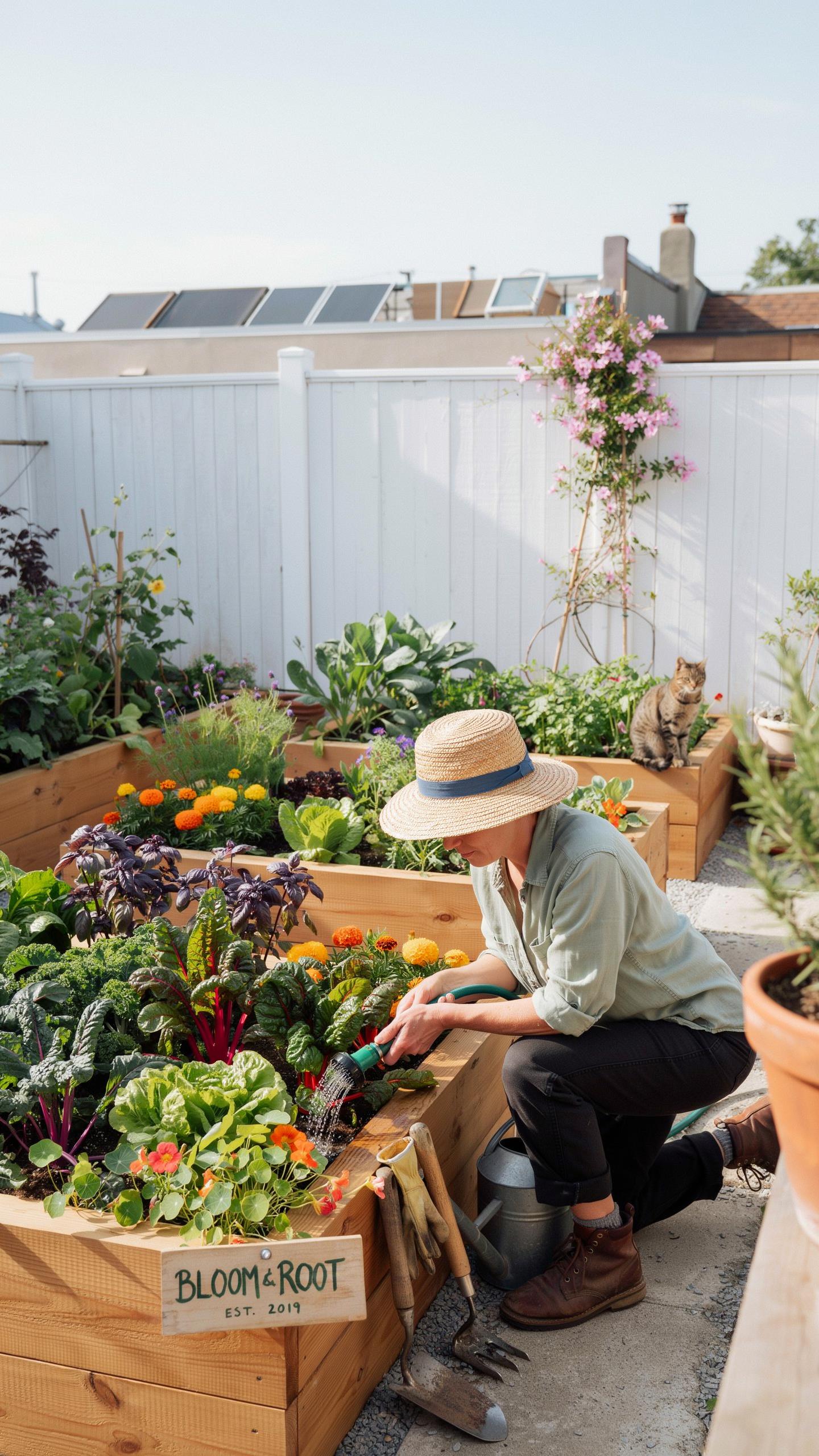
Plant marigolds, nasturtiums, and calendula directly in your vegetable beds to attract pollinators while adding visual interest. These flowers serve practical purposes beyond aesthetics: they repel certain pests and draw beneficial insects that pollinate crops. Interspersing flowers throughout vegetable rows breaks up monoculture appearance and creates layered visual depth. Choose flowers that thrive in your growing zone and tolerate the same watering schedule as your vegetables. This approach eliminates the need for separate ornamental beds while maximizing curb appeal.
Arrange flowers on bed perimeters or between crop rows to frame vegetables naturally. Border plantings of alyssum or violas create finished edges that neighbors recognize as intentional design. Tall flowers like sunflowers or zinnias work as background elements behind shorter crops like lettuce or chard. Flowering herbs like borage and cilantro flowers serve dual purposes as food and pollinator attractants. This integration transforms edible front yards into landscape features rather than utilitarian patches.
Practical Small Yard Garden Ideas Raised Beds Enthusiasts Love
U Shaped L Shaped Bed Designs
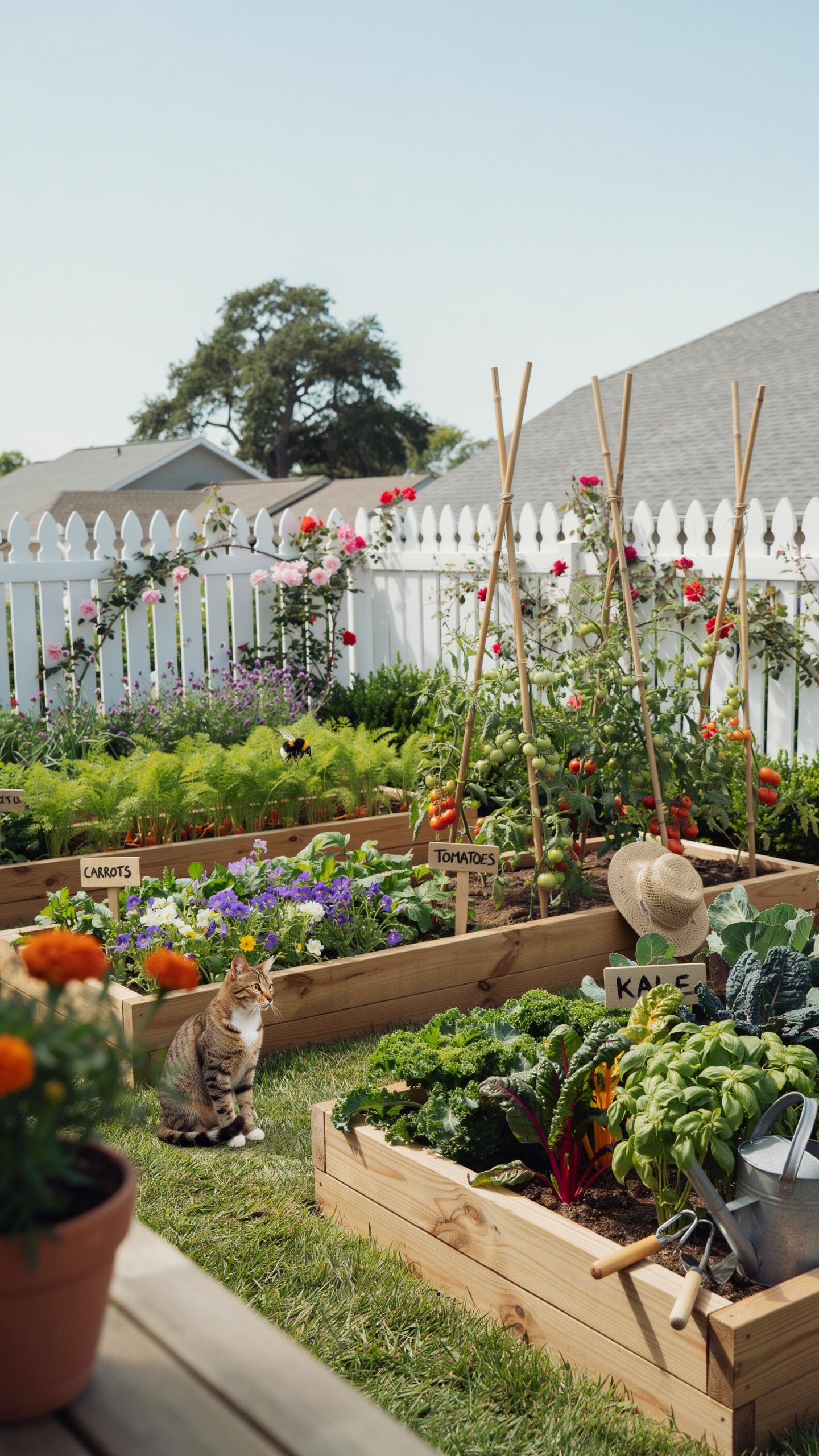
U-shaped and L-shaped raised beds solve a core problem: maximizing planting surface while fitting tight spaces. These geometric configurations hug fence lines and property edges, eliminating wasted corner areas. You access plants from multiple sides without stepping into beds. The design works because it wraps around existing structures instead of fighting them.
The math is straightforward. A U-shaped bed along a 20-foot fence gives you three sides of growing space instead of one linear row. L-shaped designs work well for corner properties or alongside driveways. Both shapes reduce walking distance between plants and improve your harvest efficiency. Standard bed height of 12 inches works with these shapes across all climate zones.
Mobile Wheeled Raised Gardens
Wheeled raised beds move sun exposure matching to your seasonal light patterns. Winter sun tracks lower across the southern sky. Summer sun climbs higher. Mobile beds follow this shift without permanent installation. You roll beds across decks, patios, and yards in minutes, not hours.

Building requires four locking wheels rated for the bed weight plus soil and water. Cedar or composite frames handle repeated movement better than untreated wood. A 4-by-8-foot bed filled with soil weighs roughly 500 to 800 pounds depending on soil type. Heavy-duty casters with brakes prevent rolling accidents and provide stability once positioned.
Fresh Ideas Small Garden Owners Can Implement This Weekend
Weekend Garden Materials Tools List Quick Start
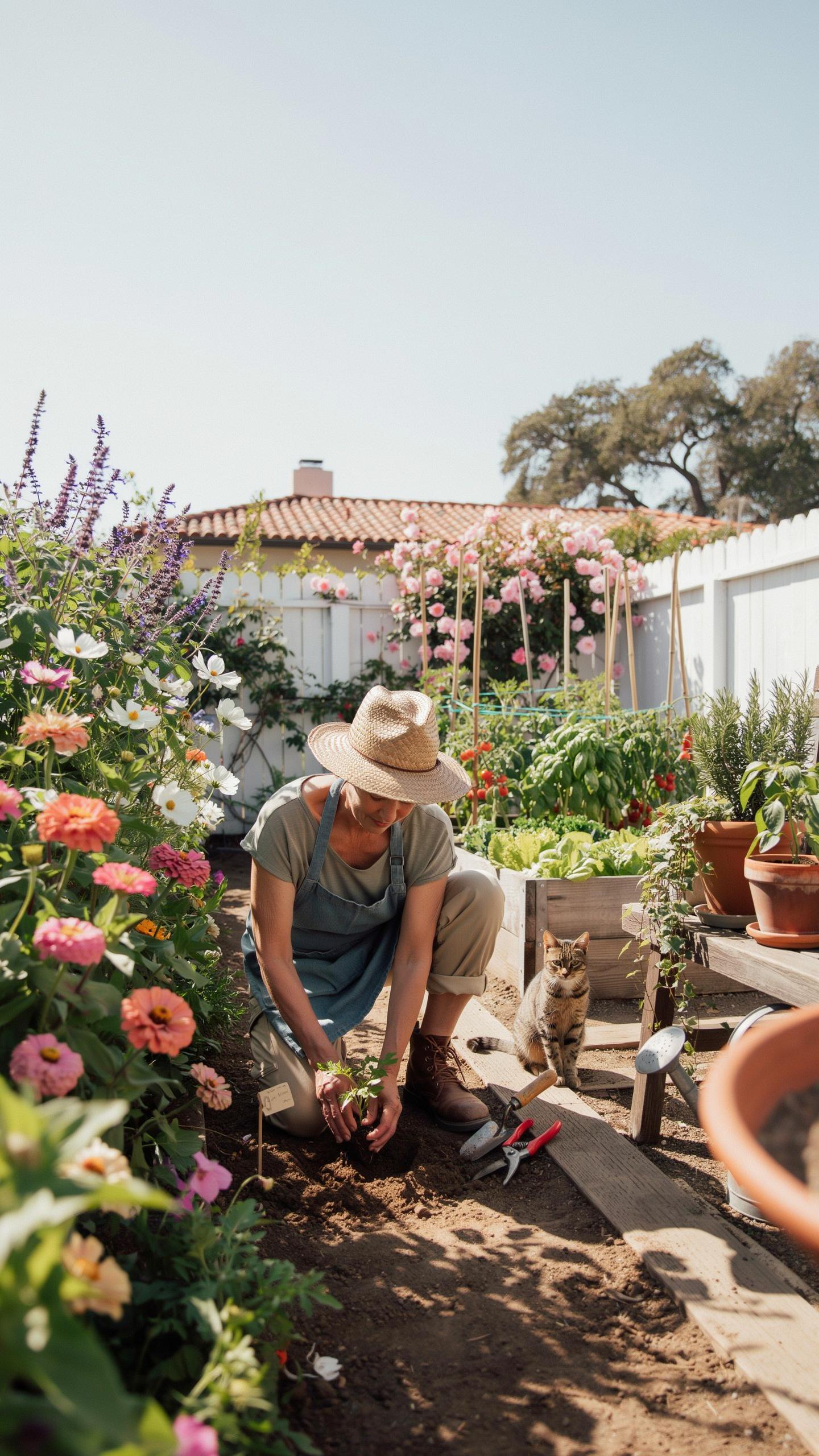
You need specific items to build and plant your raised bed this weekend. Gather everything before you start. This prevents delays and keeps momentum going. A focused shopping list saves time and money by eliminating guesswork.
- Shovel and spade: A round-point shovel moves soil efficiently. A flat-point spade cuts through compacted ground and edges beds cleanly.
- Landscape fabric and staples: Fabric blocks weeds from below. Staples secure it to wood frames without shifting during watering.
- Compost and topsoil blend: Mix these in equal parts for drainage and nutrient availability. Use 50% compost and 50% topsoil for optimal plant performance.
- Starter plants or seeds: Buy transplants like tomatoes and peppers for fast results. Direct sow lettuce and beans into soil for cost savings.
- Hand tools: A hand rake, trowel, and cultivator handle small-space work quickly. These three tools cover ninety percent of planting tasks.
Store these items in a designated spot before Saturday morning. This setup prevents wasted trips to the hardware store and keeps your project moving forward without breaks.
Quick DIY Raised Bed Kit Assembly
Pre-fabricated kits arrive with pre-cut boards, hardware, and instructions. Most kits use corrugated metal, composite materials, or cedar wood. Assembly takes ninety minutes to two hours with basic tools. You only need a drill and a level to complete installation.
Start by laying boards flat on level ground. Check corners with a carpenter’s square to ensure ninety-degree angles. Drill pilot holes before driving screws to prevent wood splitting. Tighten all hardware firmly so the frame stays rigid during soil filling and watering cycles.
Maintaining Your Small Space Gardening Raised Beds For Longevity
Seasonal Soil Enrichment Practices Raised Beds
Raised beds lose nutrients annually through plant uptake and water leaching. You must replenish soil each season to maintain productivity. Add two to three inches of finished compost or aged manure in spring before planting. This restores nitrogen, phosphorus, and potassium that vegetables consume during growth. Organic matter also improves water retention and microbial activity in confined spaces.
Fall applications of compost work equally well for winter crops or spring prep. Mix amendments into the top six to eight inches of existing soil rather than replacing it entirely. This approach preserves established soil structure and beneficial microorganisms already established in your bed. Annual enrichment costs less than replacing soil completely and produces stronger yields over time.
Winterization Crop Rotation Strategies
Stop planting warm season crops eight to ten weeks before your first frost date in fall. Remove spent plants and clear debris to prevent disease and pest overwintering in your bed. Apply a two to four inch mulch layer of straw or leaves to insulate soil and reduce frost penetration. This protects root systems and maintains soil life during dormancy periods.
Plan your crop rotation before winter to maximize space efficiency when spring arrives. Avoid planting the same crop families in identical locations year after year to break pest and disease cycles. Move heavy feeders like tomatoes and peppers to different beds, replacing them with nitrogen fixing legumes or leafy greens. Document which crops grew where to track rotations accurately across multiple seasons.
Frequently Asked Questions

What are the best materials for small space gardening raised beds?
When selecting materials for small space gardening raised beds, durability and safety are key. Cedar and redwood are popular natural choices because they resist rot without chemical treatments. If you prefer a modern look, galvanized steel or high-quality BPA-free plastic kits offer longevity and easy assembly. For those with limited mobility, elevated metal planters are excellent, as they bring the soil level higher to prevent unnecessary bending and straining while gardening.
How do I maximize my vegetable harvest in a compact raised garden?
To get the most out of small space gardening raised beds, utilize intensive planting methods like Square Foot Gardening. Choose “cut and come again” varieties like loose-leaf lettuce or kale, and incorporate vertical elements like trellises for climbing peas or cucumbers. Using high-quality organic compost ensures your plants have enough nutrients to thrive in close proximity, allowing you to grow a surprisingly large amount of fresh produce in a very tiny footprint.
Can I build a functional raised bed on a very tight budget?
Absolutely! You can create affordable small space gardening raised beds by repurposing untreated heat-treated (HT) wood pallets or using recycled plastic crates lined with landscape fabric. Another cost-effective hack is using fabric grow bags, which provide excellent drainage and portability at a fraction of the cost of timber. By starting with seeds instead of mature transplants and making your own compost, you can establish a beautiful, productive outdoor space without a major financial investment.