Evaluating Your Small Outdoor Space For Gardening Storage
Assessing Square Footage And Vertical Assets
Measure your balcony, patio, or courtyard with a tape measure. Record the width, depth, and any height restrictions from overhead structures or railings. This data determines what storage systems physically fit and how you arrange them. Document ceiling height, wall conditions, and structural elements that support weight.
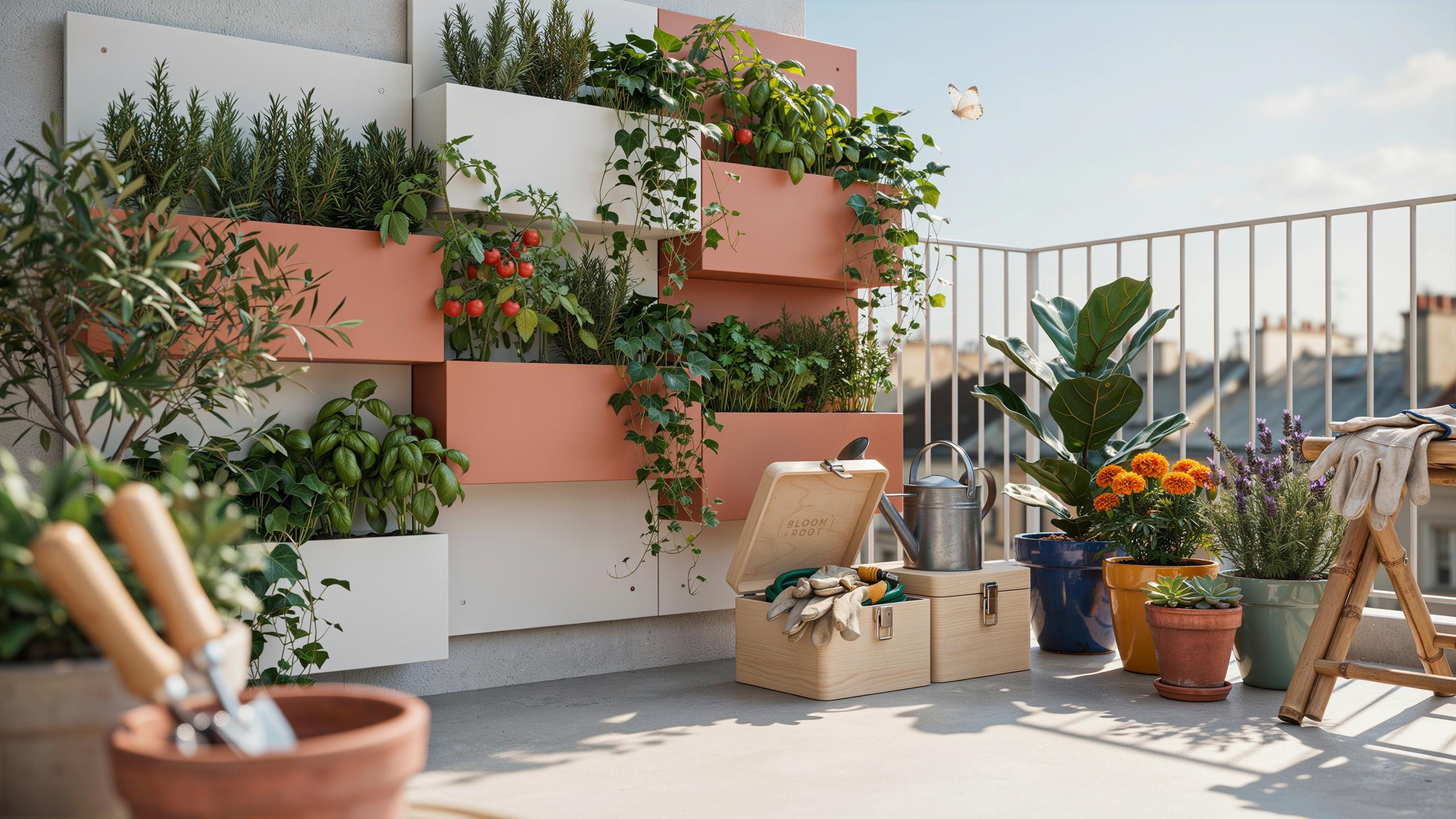
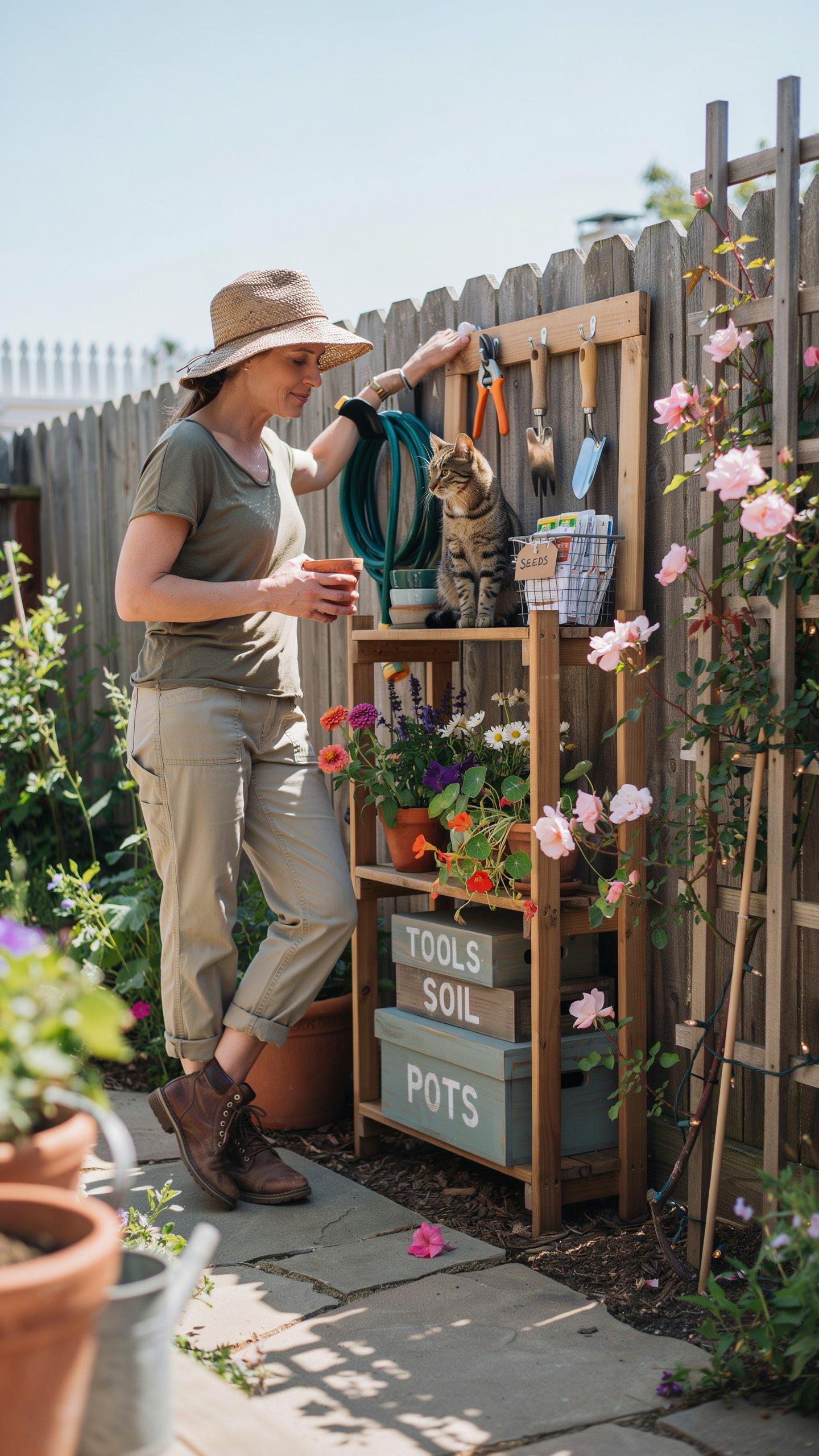
Vertical surfaces hold the most storage potential in confined areas. Examine brick walls, fences, and railings for load capacity and stability. Mount shelving units, pegboards, or hook systems on these surfaces to keep ground space clear. Corners and tight spots work well for tall, narrow storage that doesn’t obstruct pathways or sightlines.
Matching Storage Style With Balcony Or Patio Aesthetics
Identify your existing outdoor design scheme before purchasing storage. Note the materials, colors, and finishes of your furniture and architectural elements. Your storage system should use compatible materials and tones to create visual continuity. Mismatched storage looks chaotic and defeats the purpose of intentional outdoor design.
Treated cedar, weather-resistant resin, and powder-coated steel are industry-standard materials for outdoor storage. Cedar offers a natural wood aesthetic and resists rot without constant maintenance. Resin withstands UV exposure and requires minimal upkeep. Powder-coated steel provides durability and precise color matching to modern outdoor furniture. Select the material that aligns with your space’s existing design language.

Innovative Garden Tool Storage Ideas Small Spaces To Maximize Efficiency
Multi Functional Storage Benches And Seating
Deck boxes and storage benches solve two problems at once. You get seating for your balcony or patio while storing soil bags, watering cans, and hand tools underneath. These units work on narrow balconies where adding separate furniture wastes valuable space. The hinged lids open easily to access contents. Lifting mechanisms prevent lids from slamming shut. Most models accommodate 50 to 100 pounds of storage capacity beneath the seat.
Quality deck boxes use resin or wood construction that resists moisture and UV damage. Interior dimensions typically range from 12 to 24 inches deep and 36 to 48 inches wide. Drainage holes prevent water pooling inside during rain. The sealed bottom protects stored items from ground moisture. These benches cost between 150 and 400 dollars depending on size and material quality.
Even the smallest garden box can hold the vast beauty of seasons past when we store our tools with care and grace. Modern design simply gives our cherished outdoor traditions a beautiful new place to rest.
Top Features To Search For In Compact Containers
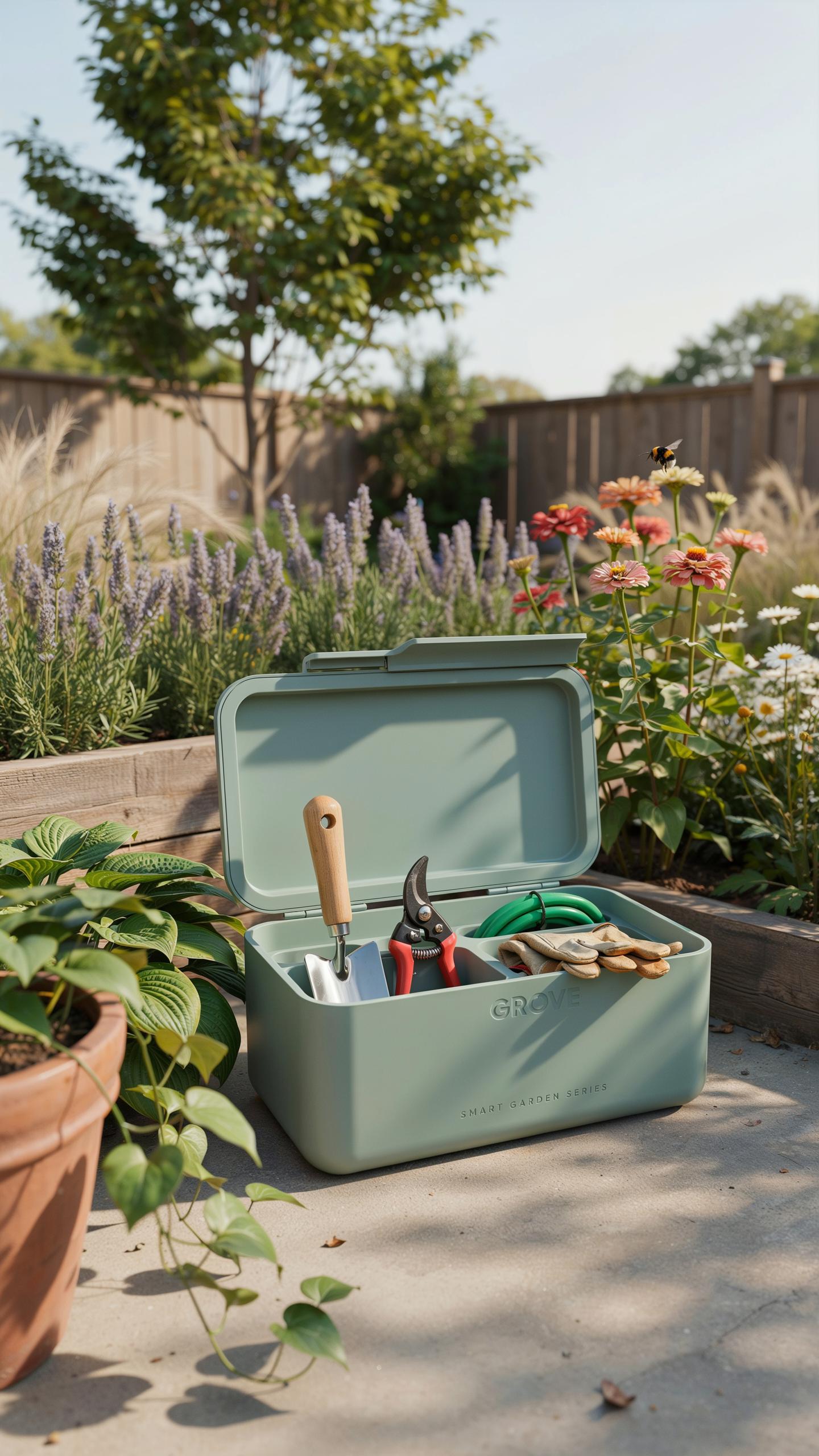
Selecting the right containers determines how well your storage system functions in tight spaces. Weatherproofing seals keep moisture out and protect tools from rust. Integrated ventilation prevents mold and mildew growth inside closed containers. Built in dividers separate small tools and prevent them from shifting during movement. Child safety locks secure lids and prevent accidental access to sharp objects and chemicals.
- Weatherproofing seals: Rubber gaskets and tight fitting lids block water entry and protect metal tools from corrosion in humid outdoor environments.
- Integrated ventilation: Strategically placed vents allow air circulation inside containers to prevent moisture buildup and mold formation on stored items.
- Built in dividers: Removable or fixed compartments organize small tools, seeds, and accessories so nothing gets lost or damaged during storage.
- Child safety locks: Locking mechanisms secure container lids and prevent children from accessing sharp tools, pesticides, or other dangerous materials.
- Drainage systems: Sloped floors or drainage plugs allow water to exit containers naturally instead of pooling and corroding stored equipment.

Compact containers range from 10 to 50 liters in capacity. Polypropylene and resin materials dominate the market because they withstand temperature swings and resist cracking. Check weight ratings before storing heavy items like soil or fertilizer bags. Most manufacturers provide weight specifications and recommended load limits in product documentation.
How To Choose The Best Small Tool Shed For Tight Corners
Selecting Weather Resistant Materials For Longevity
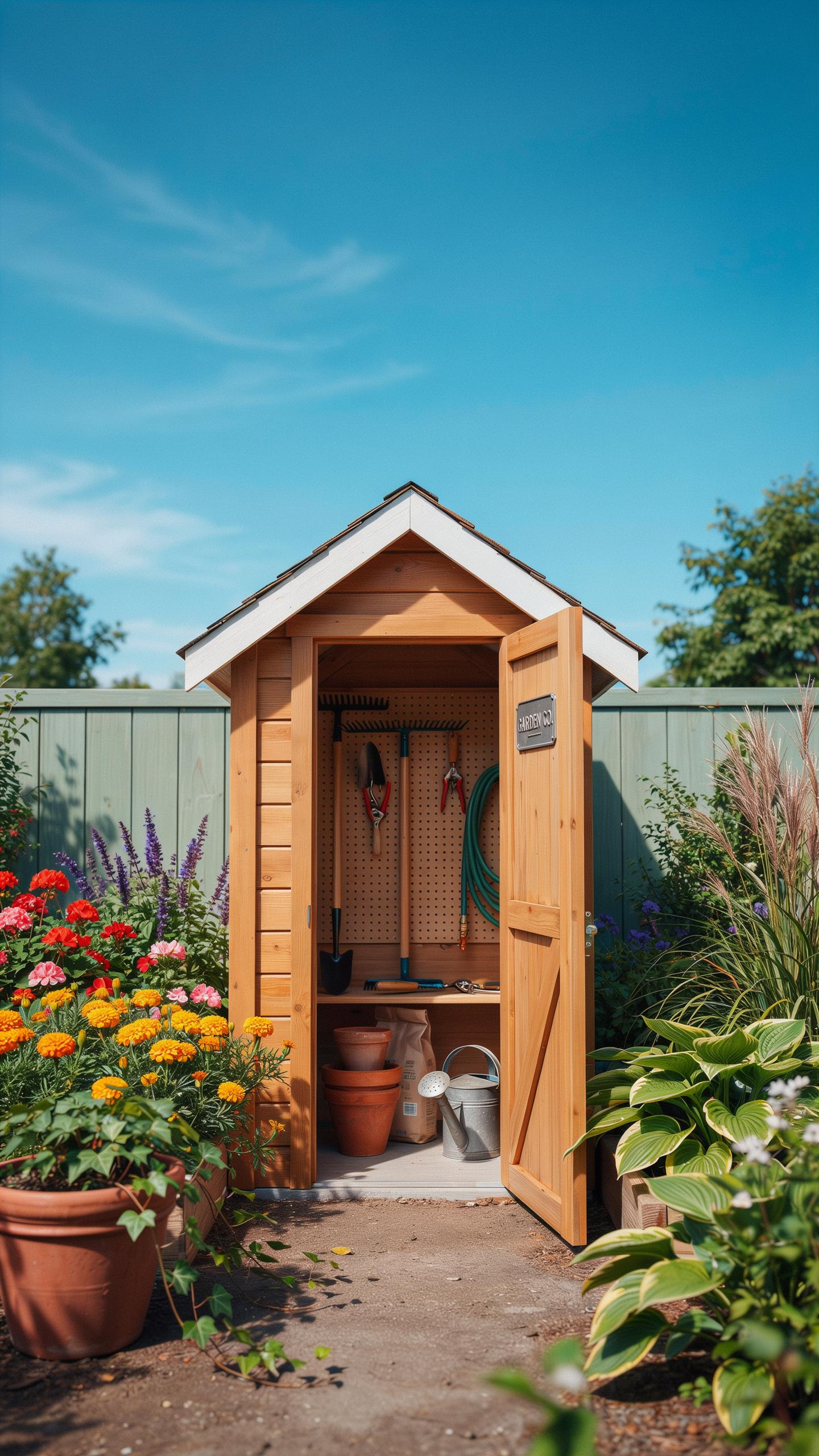
Galvanised steel sheds resist rust through zinc coating and handle extreme temperature swings. High-density polyethylene (HDPE) requires minimal maintenance and won’t rot or corrode. Pressure-treated wood costs less upfront but demands regular sealing every two to three years to prevent decay. Your choice depends on climate conditions, available maintenance time, and budget constraints.
UV exposure degrades most materials over time. Steel reflects heat effectively in hot climates but conducts temperature changes rapidly. HDPE resists UV damage better than untreated wood and maintains structural integrity for fifteen to twenty years with zero maintenance. Pressure-treated wood provides workable aesthetics but deteriorates faster in wet or freeze-thaw environments without consistent upkeep.
Optimum Dimensions For Narrow Side Yards And Walkways
Measure your available space before purchasing any shed. Target depths of 18 to 24 inches allow storage access without encroaching on walkways or blocking natural light to adjacent plants and windows. Width options range from 3 to 8 feet depending on your property layout. Verify clearance to existing structures and check local building codes for setback requirements.

Placement strategy matters as much as shed size. Position narrow sheds against north-facing walls to maximize light access for gardens on south and east exposures. Ensure water drainage slopes away from your foundation and neighboring properties. Leave gap space for maintenance access behind the shed, typically 12 to 18 inches minimum for cleaning and repairs.
Creative Small Tool Shed Ideas To Elevate Your Outdoor Decor
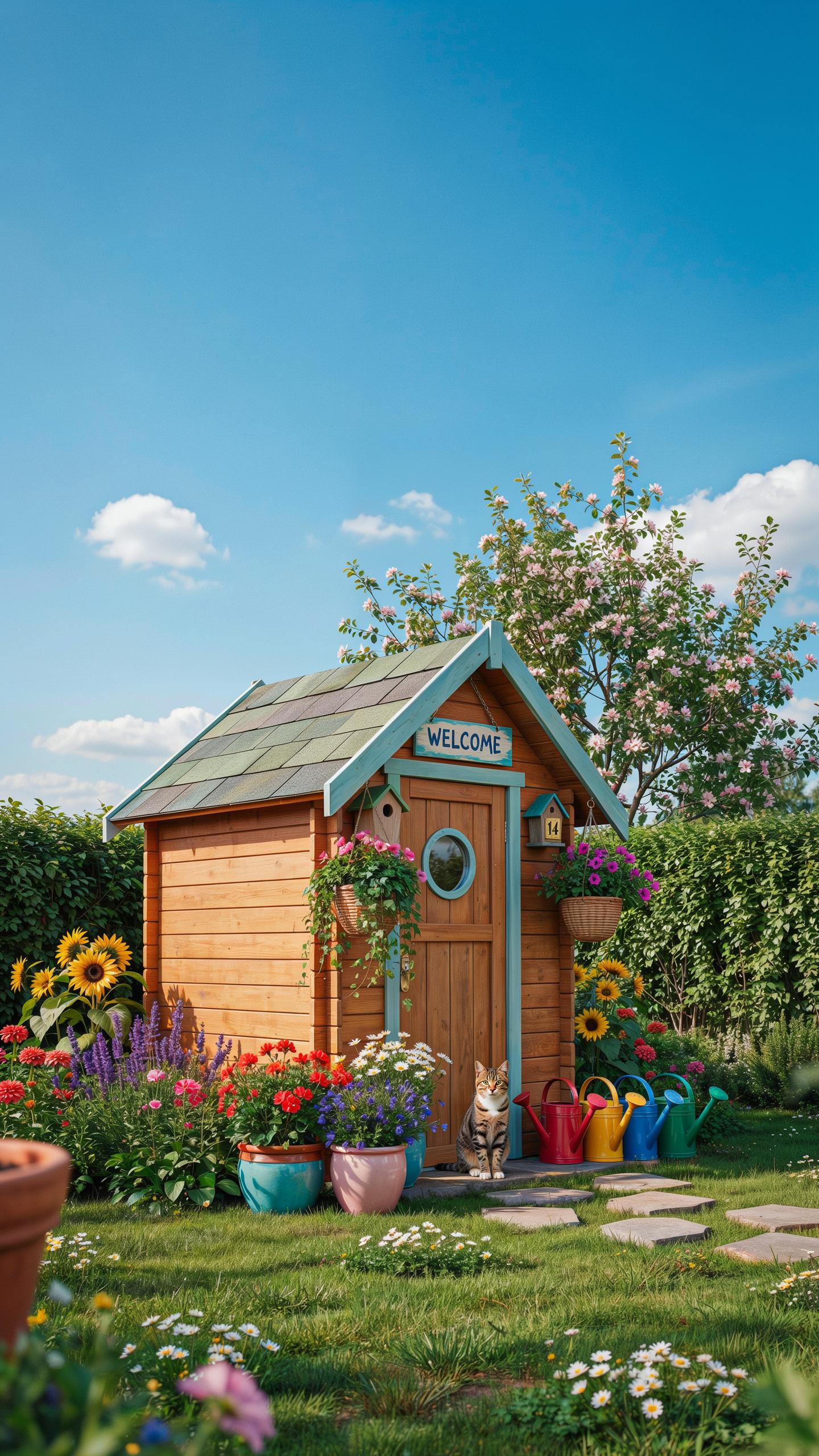
Integrating Green Roofs And Living Walls
Green roofs reduce shed visibility while adding functional growing space. Install a shallow substrate layer on the roof and plant sedums, which tolerate dry conditions and require minimal maintenance. Sedums root quickly and survive temperature swings. Trailing herbs like creeping thyme also work. This approach solves two problems: you gain growing real estate and hide an industrial structure inside your garden layout.
Living walls on shed exteriors multiply your planting capacity without expanding the footprint. Mount modular panels or pocket systems directly to exterior walls. Use trailing flowers, compact herbs, or shade-tolerant foliage plants depending on sun exposure. These vertical gardens require consistent watering but reward you with dense greenery that transforms a basic storage box into a landscape feature.
Upcycling Vintage Cabinets And Wardrobes
Old wooden armoires and metal lockers provide ready made storage frames with existing compartments. Apply exterior-grade polyurethane sealant to wood, then paint with quality outdoor paint. Metal cabinets need rust treatment and protective coating. Add a weatherproof roof via shingles or metal panels. Your tool organization follows the cabinet’s original design, eliminating custom build work while delivering vintage character outdoor spaces rarely achieve with new structures.
Weatherproofing determines longevity of upcycled pieces. Sealants protect wood grain from moisture penetration. Paint quality matters: exterior formulas withstand UV degradation better than interior finishes. Install cabinets on level ground or platforms to prevent water pooling underneath. These vintage pieces cost less than built sheds while offering distinct aesthetic appeal that mass produced storage cannot replicate.
Smart Small Outdoor Garden Tool Storage To Protect Your Equipment
Wall Mounted Tool Racks And Pegboard Systems
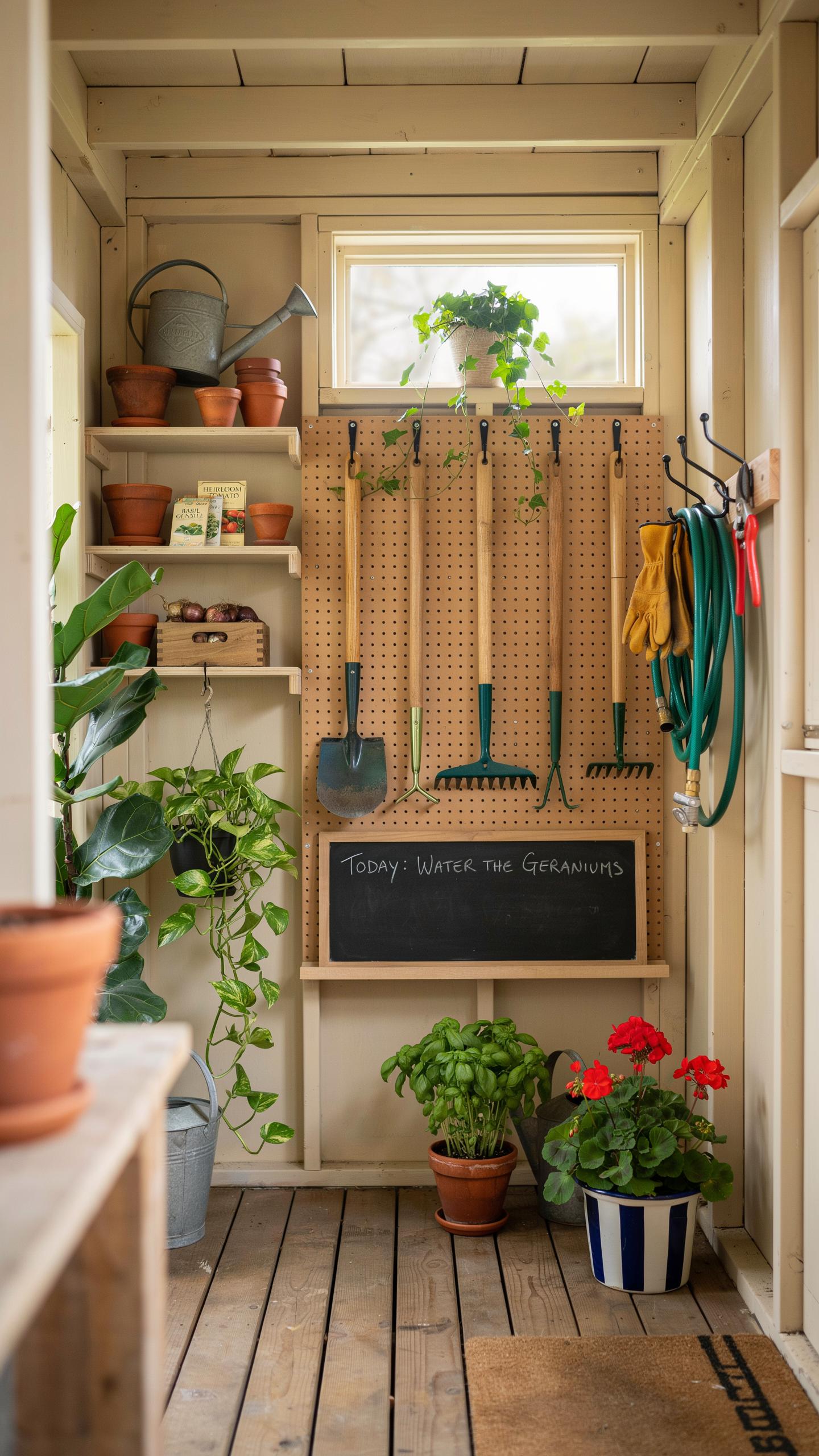
Wall-mounted pegboards and track systems anchor directly to exterior walls and hold hand tools securely off the ground. Rakes, shovels, and pruners hang vertically where you can grab them instantly. Metal pegboards with vinyl coating resist rust and weathering. This setup keeps tools dry, prevents soil contact that causes deterioration, and maximizes usable ground space in tight yards.
Pegboard systems work best on south or east-facing walls where sun exposure helps dry moisture after rain. Space tools at least six inches apart to allow air circulation around handles and metal heads. Heavy tools like shovels need reinforced hooks rated for their weight. Check mounting hardware annually for corrosion, and replace corroded bolts before tool weight causes wall damage or tools to drop.
Using Weatherproof Cabinets And Lockers
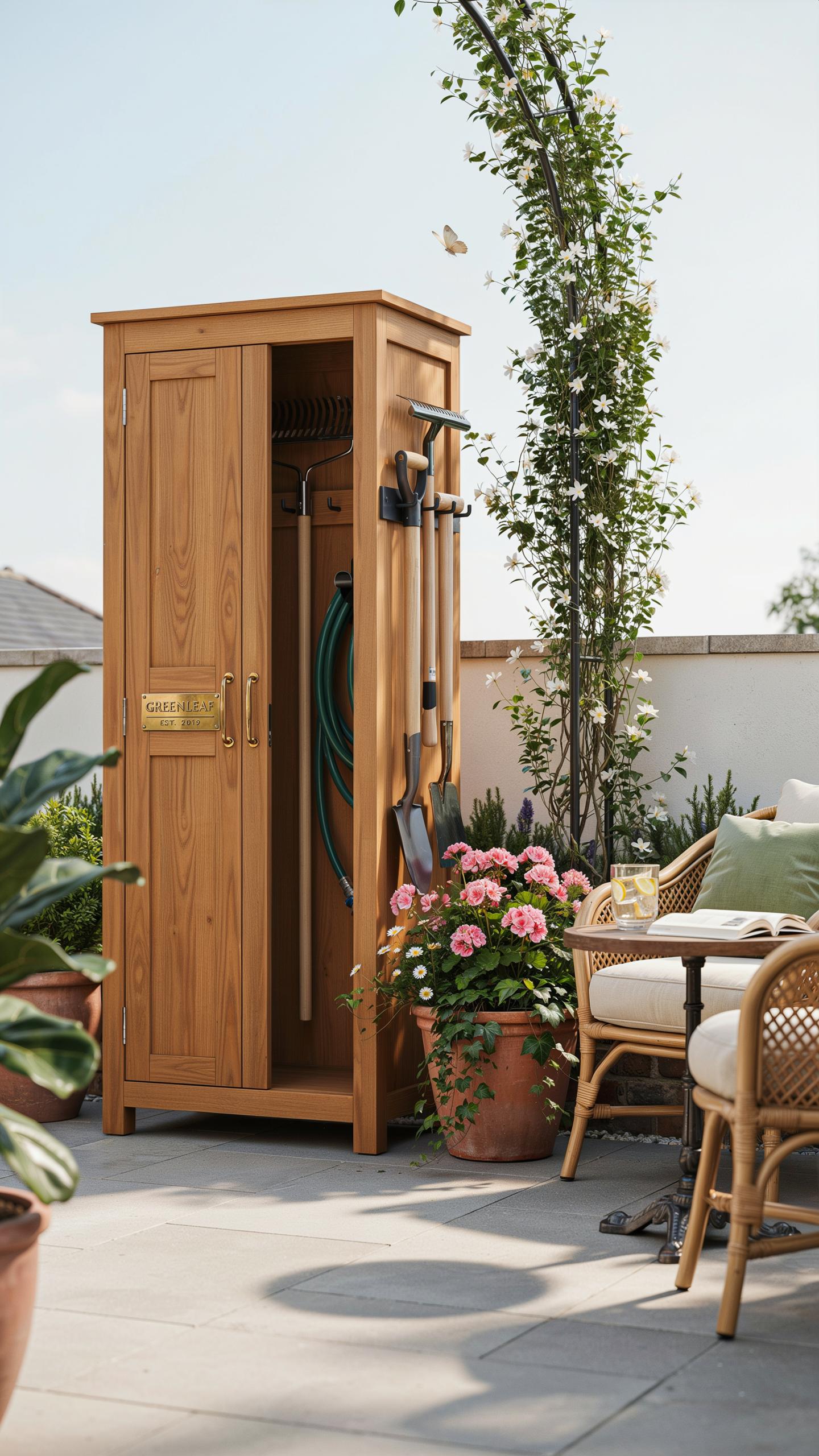
Freestanding outdoor resin cabinets store pots, fertilizers, and watering cans with sealed doors that block rain and UV rays. Adjustable shelves let you customize storage heights for different item sizes. These cabinets sit directly on level ground without anchoring to walls, making them portable if you redesign your garden layout.

Resin cabinet materials resist cracking and fading better than wood or metal alternatives in full sun exposure. Interlocking door seals prevent pest entry into stored fertilizers and seeds. Check door gaskets twice yearly and replace them if cracks appear. Ensure the cabinet base sits on level ground to keep doors sealing properly and prevent water pooling underneath.
Patio Tool Storage Solutions With High Aesthetic Appeal
Stylish Storage Trunks And Heavy Duty Side Tables
Dual purpose furniture solves the storage problem without consuming extra space. A side table or coffee table with internal compartments holds hand tools, pruners, and small containers while functioning as a surface for drinks or books. Choose tables with treated wood or metal frames that resist moisture and UV damage from outdoor exposure.
This approach eliminates the need for separate tool sheds or bulky cabinets on small patios. The table becomes part of your seating arrangement rather than an eyesore. Access tools instantly when you need them without walking to a distant storage area. The furniture blends into your patio design while keeping your gardening essentials organized and within arm’s reach.
Floating Shelves And Hanging Baskets For Vertical Charm
Floating shelves made from pressure treated slatted wood mount directly onto brick, siding, or stucco walls. Install shelves at eye level or higher to store terracotta pots, hand trowels, and small pruning tools. Slatted wood allows air circulation and water drainage, preventing moisture buildup and rot. Secure shelves with heavy duty brackets rated for the weight of filled containers.

Complement shelves with wire hanging baskets to air dry gardening gloves and store organic pest control materials. Wire baskets provide visibility so you find items quickly. The open design prevents moisture trapping that cloth or solid containers create. This layered vertical storage system maximizes square footage while keeping tools organized and accessible on small patios.
Clever Gardening Organization Ideas To Streamline Your Daily Chores
Essential Steps For Sorting And Categorizing Garden Gear
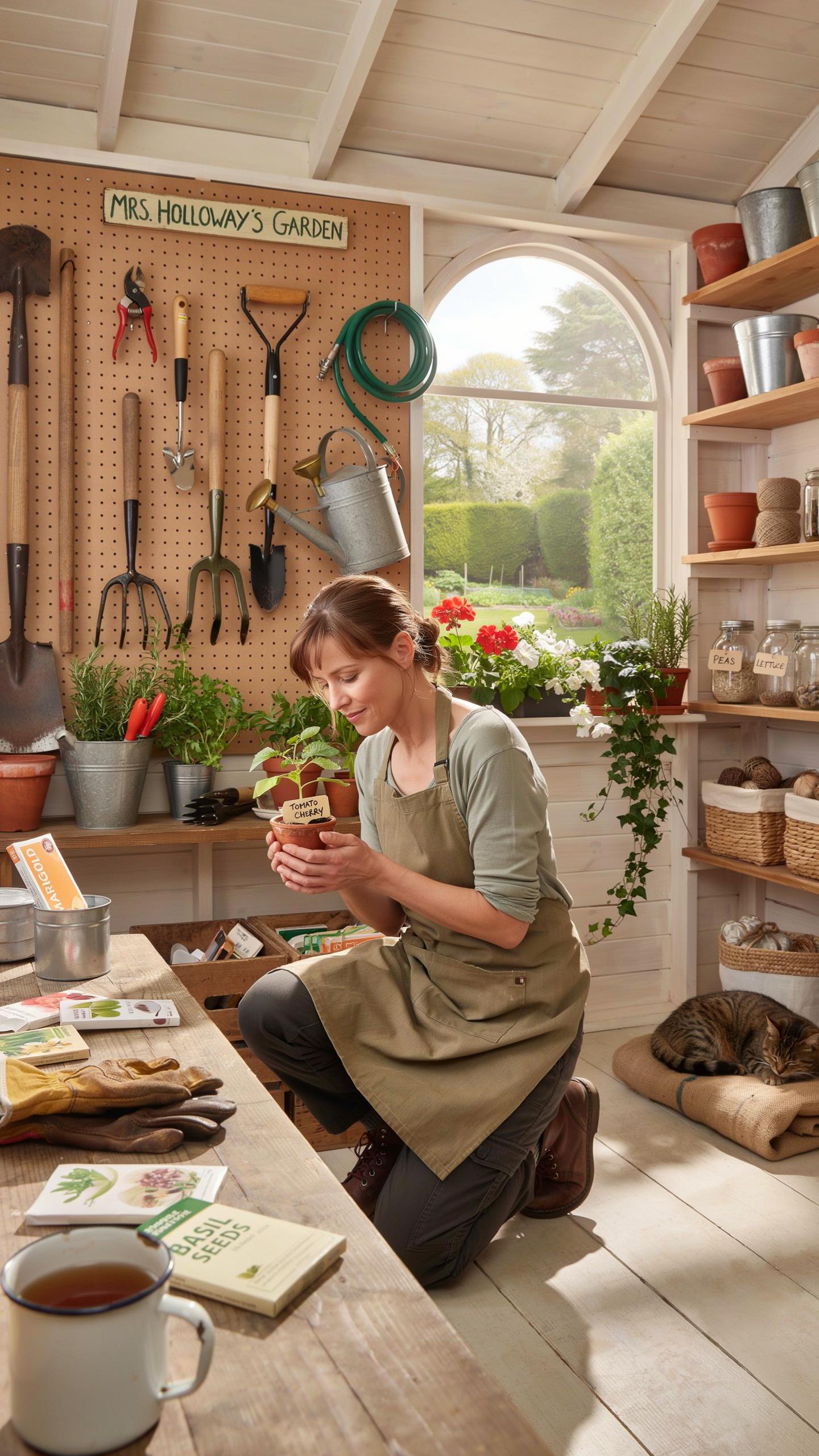
Start by grouping items by function and frequency of use. Hand tools go together. Seeds and plant tags occupy one zone. Fertilizers and soil amendments stay separate in heavy-duty airtight bins to prevent moisture damage and contamination. This system cuts search time and prevents you from buying duplicate items you already own.
- Hand Tools: Group shovels, spades, rakes, and trowels on a wall-mounted rack or pegboard. Store by size for quick identification during planting season.
- Seeds and Plant Tags: Use clear plastic containers or vintage card catalog systems. Label by plant type and growing season for fast reference.
- Soil and Amendments: Store in food-grade plastic bins with tight-fitting lids. Label contents and dates to track age and prevent nutrient degradation.
- Potting Supplies: Keep pots, trays, and soil mix together in one designated area. Stack pots by size to maximize vertical space in small areas.
- Fertilizers and Chemicals: Store in original containers with labels intact. Keep away from moisture and direct sunlight to preserve potency.
Position frequently used items near entry points or at arm’s reach. This reduces walking time and keeps your workflow efficient. Reserve deep storage for seasonal gear you access only a few times per year. Mount shelving at multiple heights to match tool size and access patterns.
Labeling And Ergonomic Storage Strategies
Apply waterproof labels to every bin, jar, and container. Use a consistent labeling system with plant names, dates, and contents. Weatherproof tape or label makers designed for outdoor use prevent fading and smudging. Clear labels eliminate guessing and save time during active gardening sessions.

Position your most-used tools at waist level to avoid excessive bending. This reduces strain on your back and knees during long work periods. Store heavier items like soil bags on lower shelves and lighter supplies overhead. Arrange tools by height to create an organized visual hierarchy that speeds up selection.
Effective Tool Shed Organization Ideas For Stress Free Maintenance
Maximizing Door Space With Hangings And Hooks
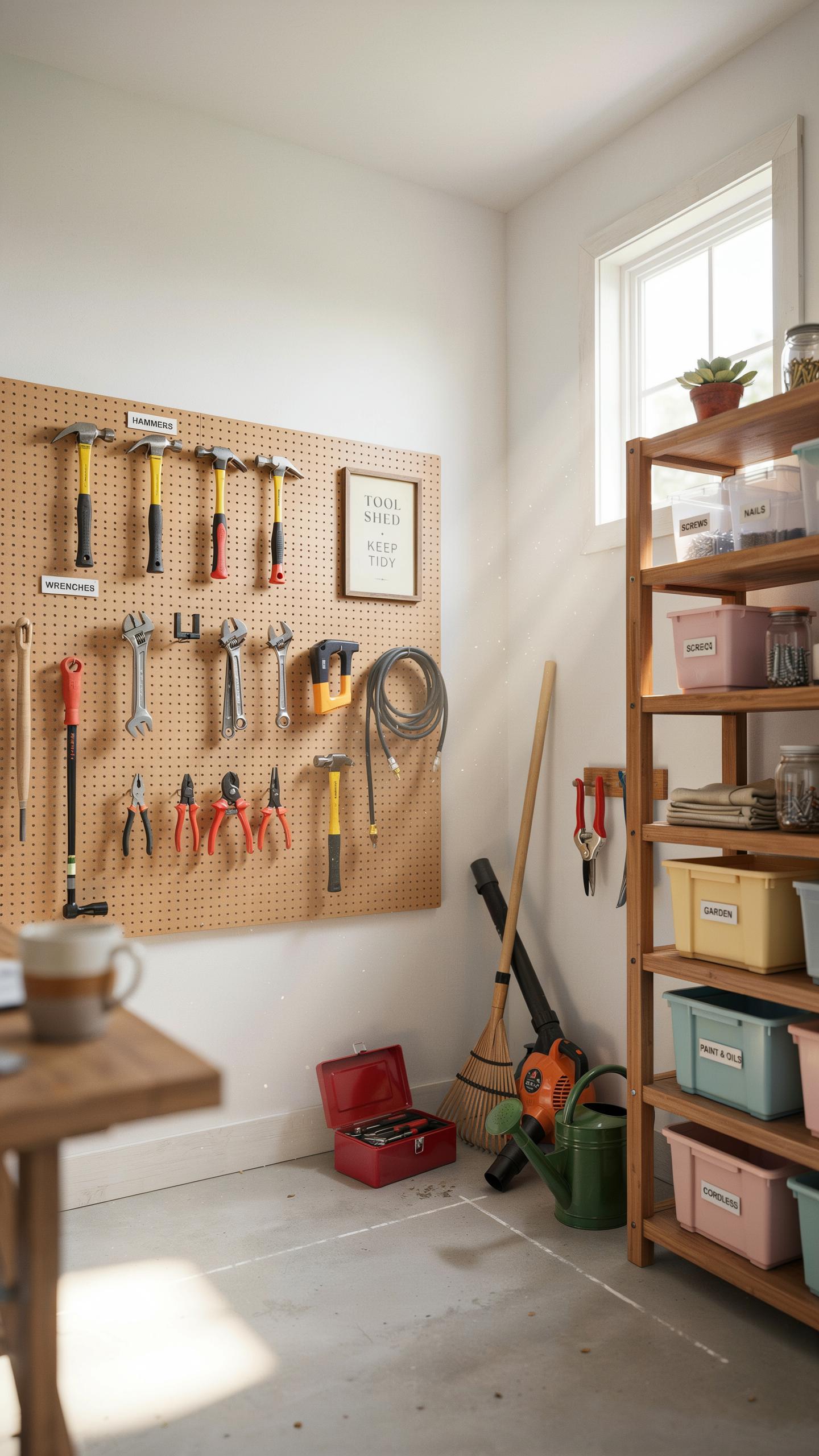
Door interiors represent wasted real estate in most sheds. Install over-the-door pocket organizers or magnetic tool strips on the interior back of doors. These systems transform dead space into functional storage for twine, labels, pruning shears, and small hand tools. You gain organized access without consuming floor or shelf area.
The magnetic strip method works best for metal tools. Over-the-door pockets suit lightweight items like seed packets and garden markers. Both options mount quickly without permanent damage. Choose based on your tool weight and the door material available in your space.
Configuring Adjustable Modular Shelving Units
Adjustable metal shelving units adapt to seasonal inventory changes without reinstallation. Modify shelf heights when you need room for tall soil bags in spring or smaller seed storage in winter. This flexibility prevents the need to rebuild shelving systems annually or relocate items constantly.

Place heavy items on bottom shelves to prevent tipping and maintain structural stability. Soil, compost, and fertilizer bags belong at ground level. Upper shelves accommodate lighter tools, containers, and supplies. This weight distribution strategy keeps your shed stable and extends the unit’s usable lifespan significantly.
Frequently Asked Questions

What are the best storage options for a tiny balcony or patio garden?
When working with limited square footage, verticality is your best friend. Look for wall-mounted racks or tiered shelving units designed specifically as small space gardening storage solutions. These allow you to organize hand trowels, pruners, and organic fertilizers without sacrificing valuable floor space. Choosing sleek, weather-resistant materials like powder-coated steel or treated cedar ensures your storage stays functional while adding a modern, curated look to your outdoor sanctuary.
How can I hide unsightly gardening supplies while maintaining easy access to them?
To keep your oasis looking chic, invest in dual-purpose furniture like storage benches or hollow ottomans. These clever small space gardening storage solutions provide a comfortable place to sit while concealing bags of potting soil and bulky watering cans tucked inside. By using hidden compartments, you can maintain a minimalist aesthetic and keep your essential tools protected from the elements, ensuring they are always within reach whenever inspiration strikes.
Is it possible to find stylish garden storage on a tight budget?
Absolutely! You can achieve a high-end look without overspending by repurposing everyday items. Upcycling vintage wooden crates or installing simple floating shelves can transform your organization game. Painting affordable plastic bins in matte, neutral tones immediately elevates their appearance. These creative DIY approaches serve as excellent small space gardening storage solutions, proving that you don’t need a large budget to create an organized, fashionable, and highly efficient outdoor workspace.