How To Create Backyard Privacy In Tiny Green Spaces
Maximizing Vertical Real Estate
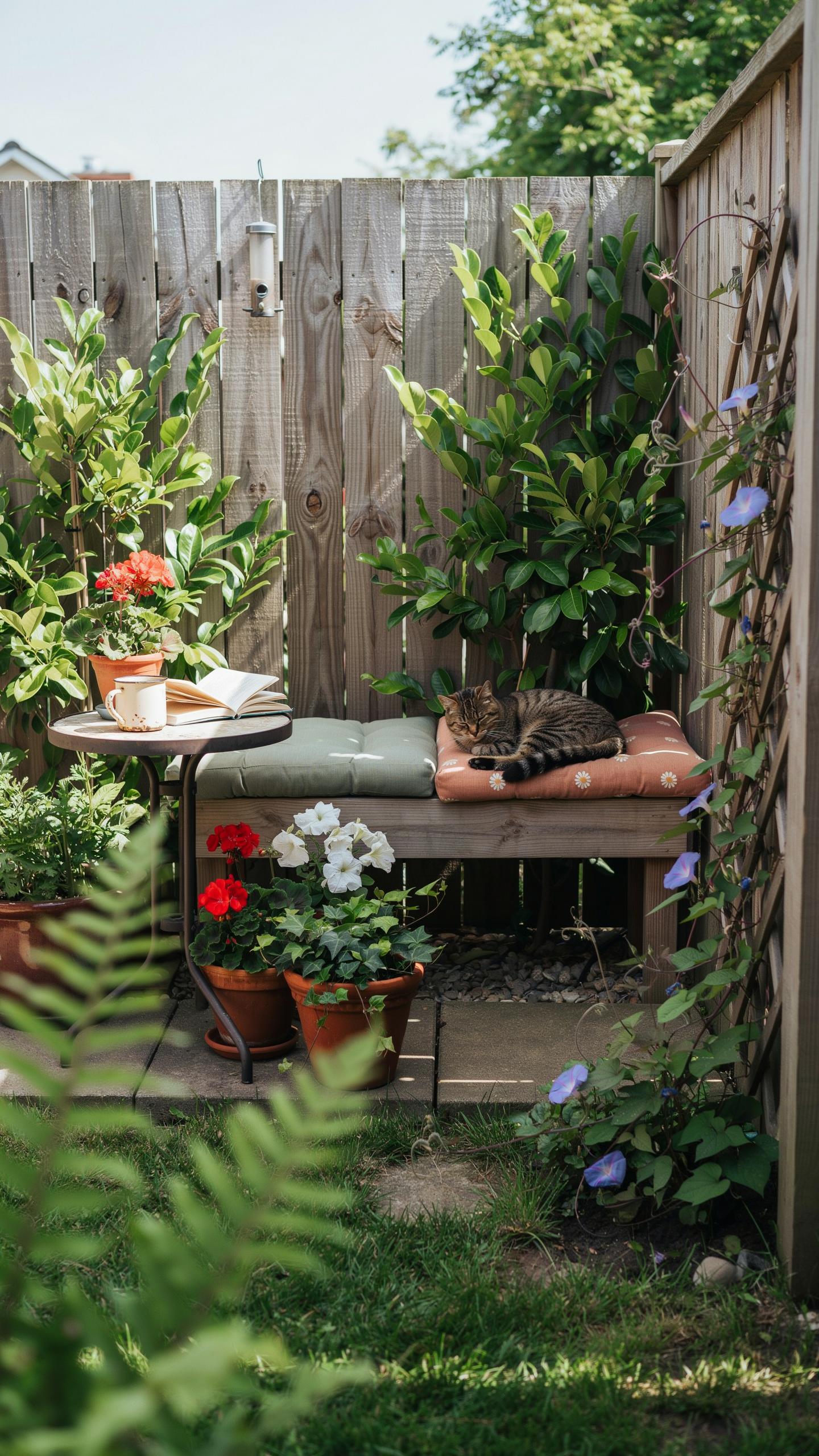
Vertical growing solves the core constraint of small spaces: limited ground area. Climbing plants and tall trellises redirect neighbors’ sightlines upward and away from your garden. Install trellises against property lines or fence tops. Use vining plants like clematis, ivy, or jasmine that naturally climb structures. These plants grow outward rather than spreading horizontally, making them ideal for cramped yards. The height creates an effective visual barrier without consuming precious square footage.
Choose plant species based on your climate zone and sunlight exposure. Evergreen climbers provide year-round coverage, while deciduous vines offer seasonal flexibility. Metal or wooden trellises measuring 6 to 8 feet tall work effectively in most residential settings. Plants establish faster on south-facing trellises due to increased sun exposure. Space trellises 12 to 18 inches from property lines to allow air circulation and reduce pest issues.
Strategic Plant Placement Tips
Container plants positioned at eye level block sightlines from neighboring windows most effectively. Place tall shrubs or potted plants along the perimeter where neighbors’ views penetrate your space. Identify these sightlines by standing in your neighbor’s yard position and noting direct angles into your garden. Use shrubs 4 to 6 feet tall for optimal blocking. Grouping three to five containers together creates denser coverage than scattered placement.
Leafy shrubs like privet, boxwood, or bamboo varieties work as natural screens in containers. Position containers on elevated platforms or tiered stands to increase their visual height without extra soil volume. This stacking method maximizes blocking power in constrained spaces. Container weight becomes crucial in windy areas. Use heavyweight pots filled with quality soil mix to prevent tipping and ensure plant stability.

Inspirational Outdoor Privacy Screen Ideas For Balconies And Patios
Slatted Wood Privacy Panels
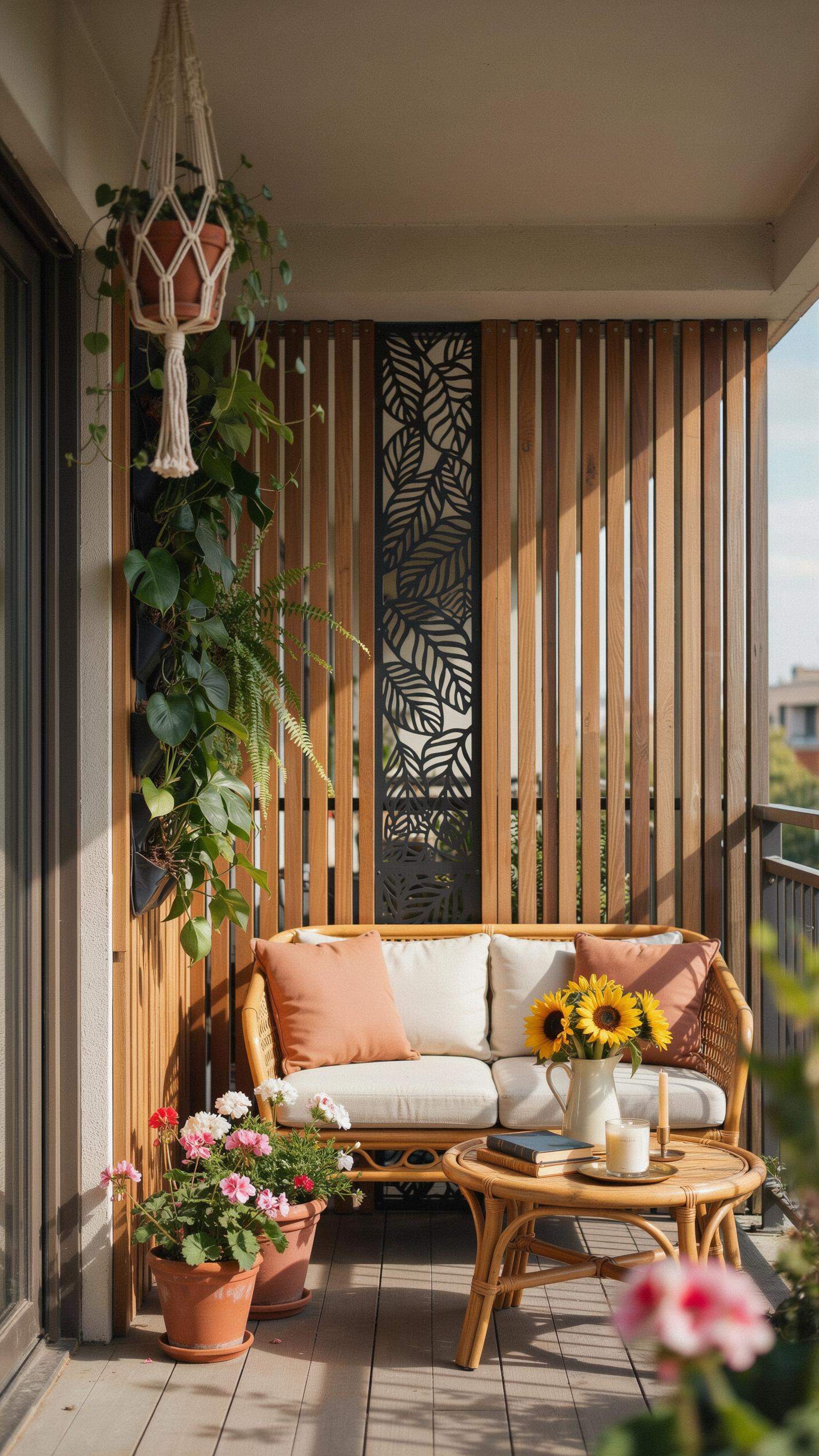
Slatted wood panels work because they block sight lines while allowing air and light penetration. The gaps between slats create visual breaks that prevent direct viewing into your space. Wood slats come in various spacing widths, typically from one to four inches apart. Horizontal orientation makes spaces feel wider. Vertical orientation draws the eye upward. Cedar and pressure-treated lumber resist weather damage and last ten to fifteen years with minimal maintenance.
Installation requires a sturdy frame anchored to your balcony railing or patio structure. Slats attach perpendicular to horizontal or vertical supports using corrosion-resistant fasteners. You can stain or leave wood natural, though staining extends the material life significantly. The cost runs two hundred to eight hundred dollars depending on panel size and wood type. DIY installation saves labor costs but demands basic carpentry skills and proper tools.
Textile And Fabric Outdoor Drapes
Outdoor fabric drapes provide flexible privacy you can adjust or remove seasonally. Solution-dyed acrylic and polyester fabrics resist fading, mildew, and water absorption when rated for exterior use. Fabrics like Sunbrella maintain color and structure through five to ten years of exposure. They filter light while maintaining privacy without blocking all airflow or ventilation to your space.
Install fabric drapes using tension rods, cable systems, or track rails mounted to your patio overhang or balcony frame. Tension rods offer the simplest setup with no permanent modifications. Cable systems provide cleaner aesthetics and better wind resistance. Costs range from fifty dollars for basic rod setups to four hundred dollars for professional track installation with premium fabrics. Remove and store fabrics during extreme weather to prevent damage and extend usability.
Creative Garden Screens Ideas Using Plants And Greenery
Living Bamboo Privacy Walls Care
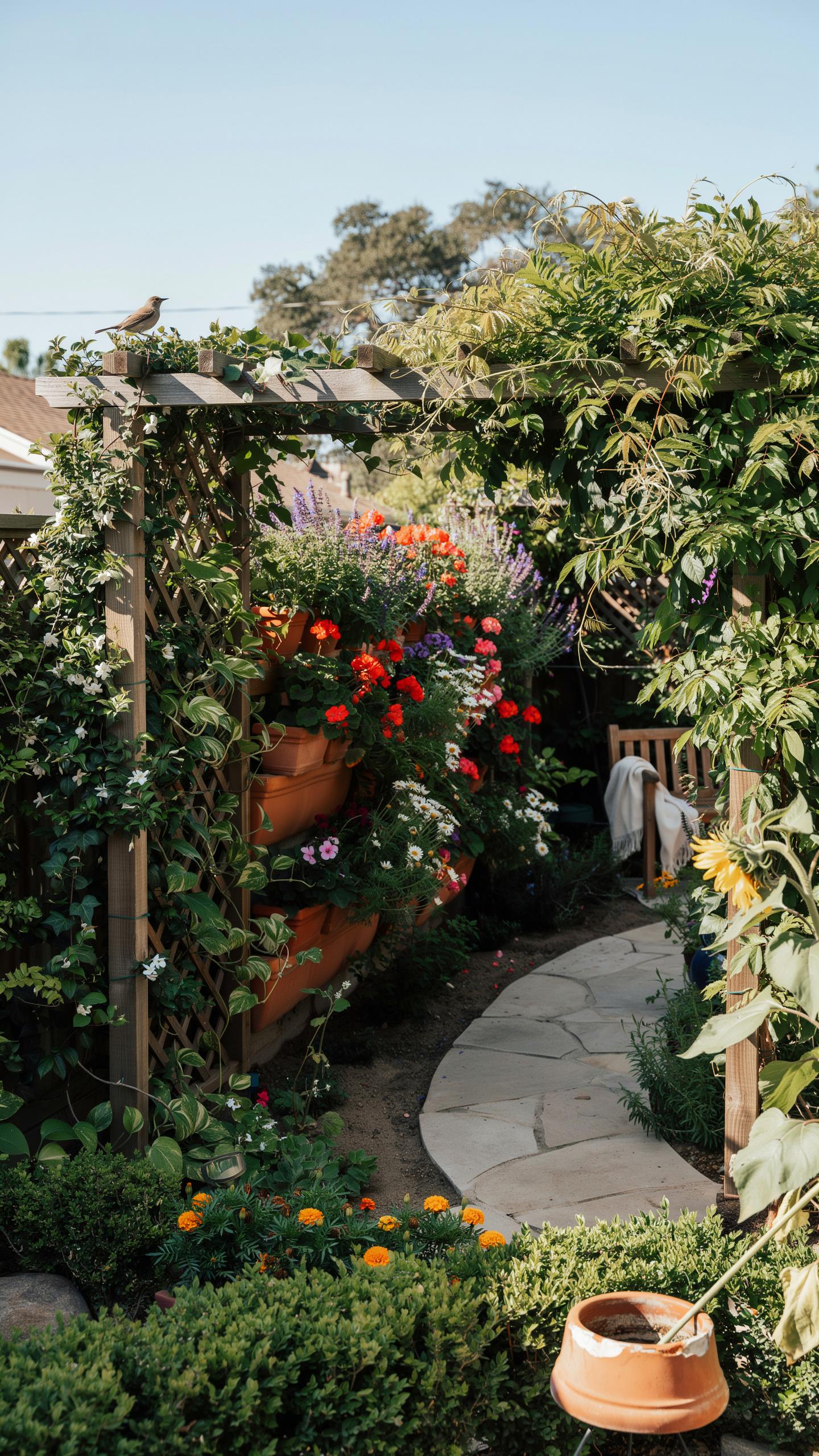
Clumping bamboo species contain rhizomes that stay contained within their root zone, eliminating the spreading problem of running varieties. Plant non-invasive clumping bamboo in narrow rectangular planters at least 24 inches deep and wide to support mature root systems. Space planters 12 to 18 inches apart to create overlapping canopy coverage. This setup works on patios, balconies, and narrow side yards. Clumping varieties like Fargesia robusta and Clumping Golden Bamboo reach 10 to 15 feet tall while staying manageable.
Water bamboo regularly during growing season, typically spring through fall. Bamboo needs consistent moisture but not waterlogged soil. Feed with balanced fertilizer monthly during active growth. Trim dead canes at soil level to encourage new shoots and maintain density. Clumping bamboo develops fuller screens faster than running types and reaches usable privacy height in two to three years under proper care.
Even the smallest garden, when wrapped in a veil of green, becomes a quiet sanctuary for the soul to rest. Every leaf is a reminder of the peace we find when we carve out a little corner of world just for ourselves.
Espalier Trees For Narrow Gardens
Espalier training flattens fruit trees against walls, trellises, or wires using pruning and branch positioning. This technique saves horizontal space while producing fruit on a vertical plane. Apple, pear, and cherry trees respond well to espalier training. Formal patterns like Belgian fence require more maintenance but deliver maximum screening with minimal footprint. Informal espalier allows natural branch growth while maintaining flat orientation.
Espalier trees need 6 to 8 hours of direct sunlight daily and regular pruning every 6 to 8 weeks during growing season. Remove branches growing outward away from the support structure. Tie young branches horizontally to encourage lateral fruiting spurs. Mature espalier trees reach 8 to 12 feet tall and 12 to 18 inches deep, creating functional privacy barriers that produce food simultaneously.
Erecting A Stylish Fence Between Neighbors In Tight Quarters
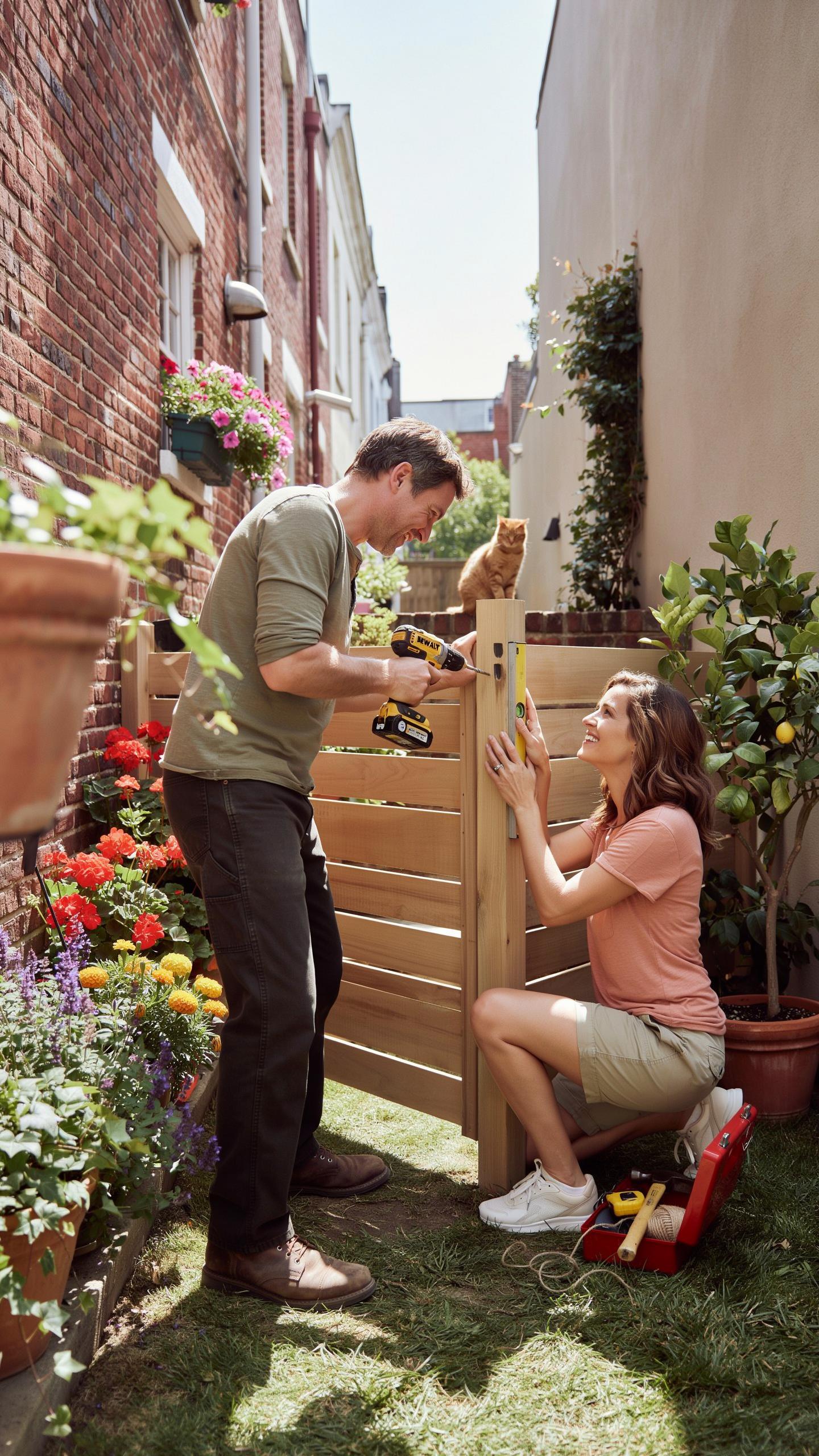
Communal Boundary Laws And Etiquette
Check your local zoning ordinances before installing any fence. Most municipalities enforce height restrictions that range from four to six feet in residential areas. Setback requirements dictate how far your fence must sit from property lines, typically between zero and twelve inches. Call your city planning department or review their website for specific codes in your zone.
Talk to your neighbor before building. Many disputes stem from unclear expectations about cost sharing, design, and placement. Some jurisdictions require written neighbor consent for fences under certain conditions. A brief conversation prevents costly conflicts and potential removal orders later. Document the conversation in writing if tensions exist.
Slim Modern Composite Fencing Options
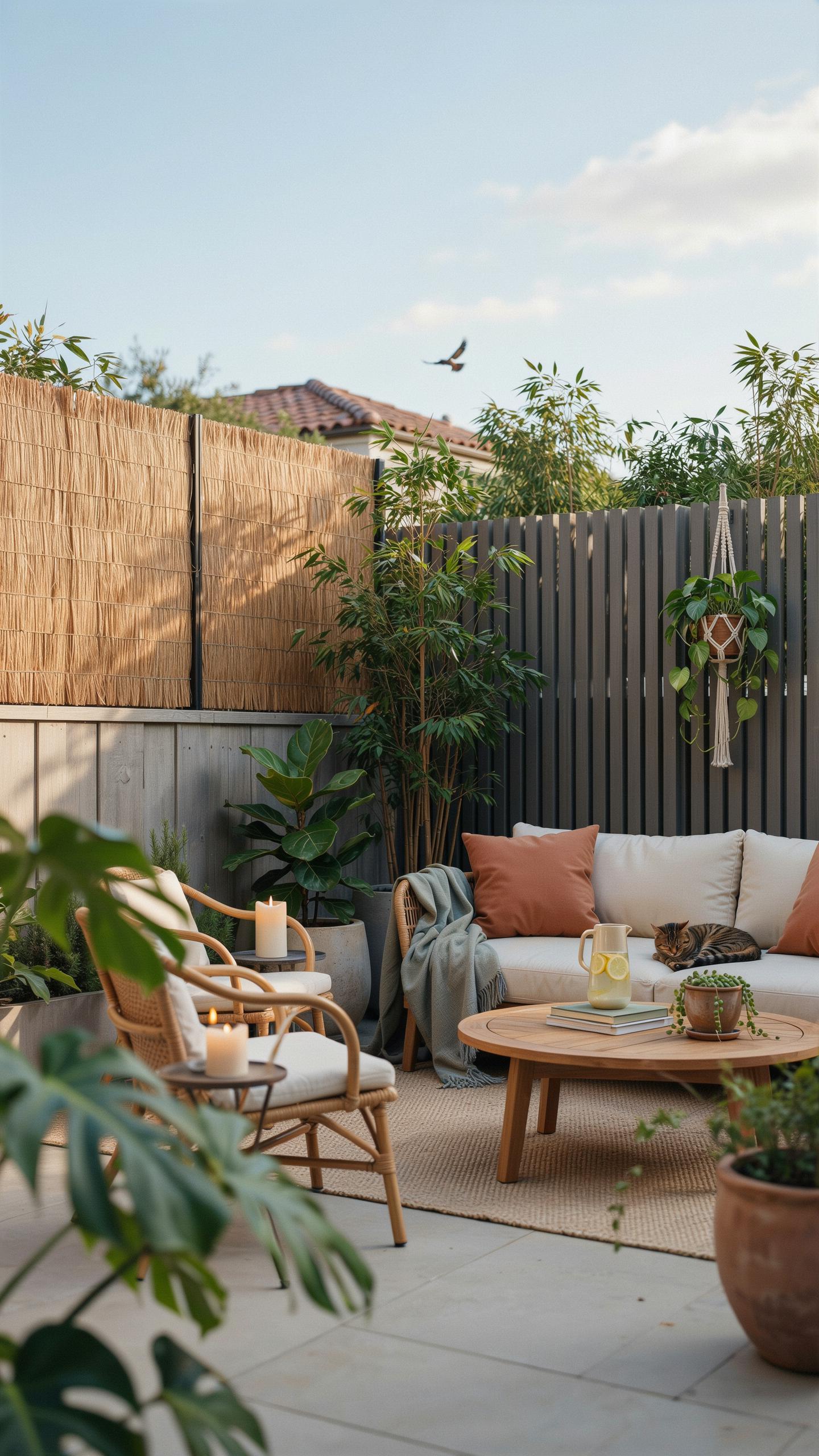
Composite fence panels combine wood fibers and plastic resins to create durable barriers that occupy minimal visual footprint. These materials withstand wind loads effectively because manufacturers engineer them for structural integrity. A four-inch-thick composite panel handles typical wind speeds without bracing. Installation uses aluminum posts spaced four to six feet apart, maintaining a clean profile that won’t dominate a small space.
Composite requires no staining, sealing, or annual painting. You rinse debris with a hose and occasionally clean with mild soap. Unlike wood, composite won’t rot, warp, or attract termites. This translates to lower maintenance costs and consistent appearance for ten to fifteen years or longer, making it practical for property owners who want set-and-forget solutions.
Budget Friendly Cheap Outdoor Privacy Screens That Look Premium
Upcycled Wooden Pallets For Planting
Wooden pallets cost nothing to free when sourced from warehouses or construction sites. You disassemble them into individual boards or use them intact as vertical frames. Attach landscape fabric to the back, fill pockets with soil, and plant trailing herbs like oregano and thyme. This method solves privacy and food production in one structure.
Pallet screens block sightlines while delivering functional growing space. Plants mature faster in vertical configurations due to improved air circulation. The weathered wood aesthetic fits most outdoor settings without appearing makeshift. Replace soil annually and treat wood with food-safe sealant to extend durability beyond three years.
Affordable Off The Shelf Materials List
Home improvement stores stock materials that deliver privacy without custom fabrication or installation fees. These options install in hours, not days, and require minimal tools or technical skill. Most materials withstand two to three seasons of weather exposure before needing replacement. Choose based on your climate zone and desired light transmission.
- Reed and willow roll-up fencing: Natural materials woven into 4-6 foot rolls that unroll horizontally or vertically. Install with zip ties or wire to existing fence posts. Lasts 3-5 years before degradation begins in direct sun.
- Heavy-duty outdoor privacy canvas panels: Polyester-based fabric rated for UV exposure that mounts to frames or tension systems. Blocks 85-95% of visibility depending on weave density. Resists mildew and requires only occasional hose-down cleaning.
- Pre-made vinyl lattice sheets: Lightweight plastic frameworks that attach to walls or standalone posts with brackets. Won’t rot or splinter like wood. Typical lifespan extends 7-10 years with minimal maintenance.
- Lightweight tension rods for curtain hanging: Metal poles that mount between fixed points to hold outdoor fabric curtains. Allows you to retract screens seasonally or adjust privacy levels. Installation takes 30 minutes with basic hardware.
Mixing materials on the same structure creates visual interest while optimizing for different functional needs. Canvas works well for full privacy while lattice allows partial sight-through for styling purposes. Combining approaches also distributes costs across multiple budget-conscious purchases rather than one large investment.
Innovative DIY Garden Screening Ideas For Weekend Creators
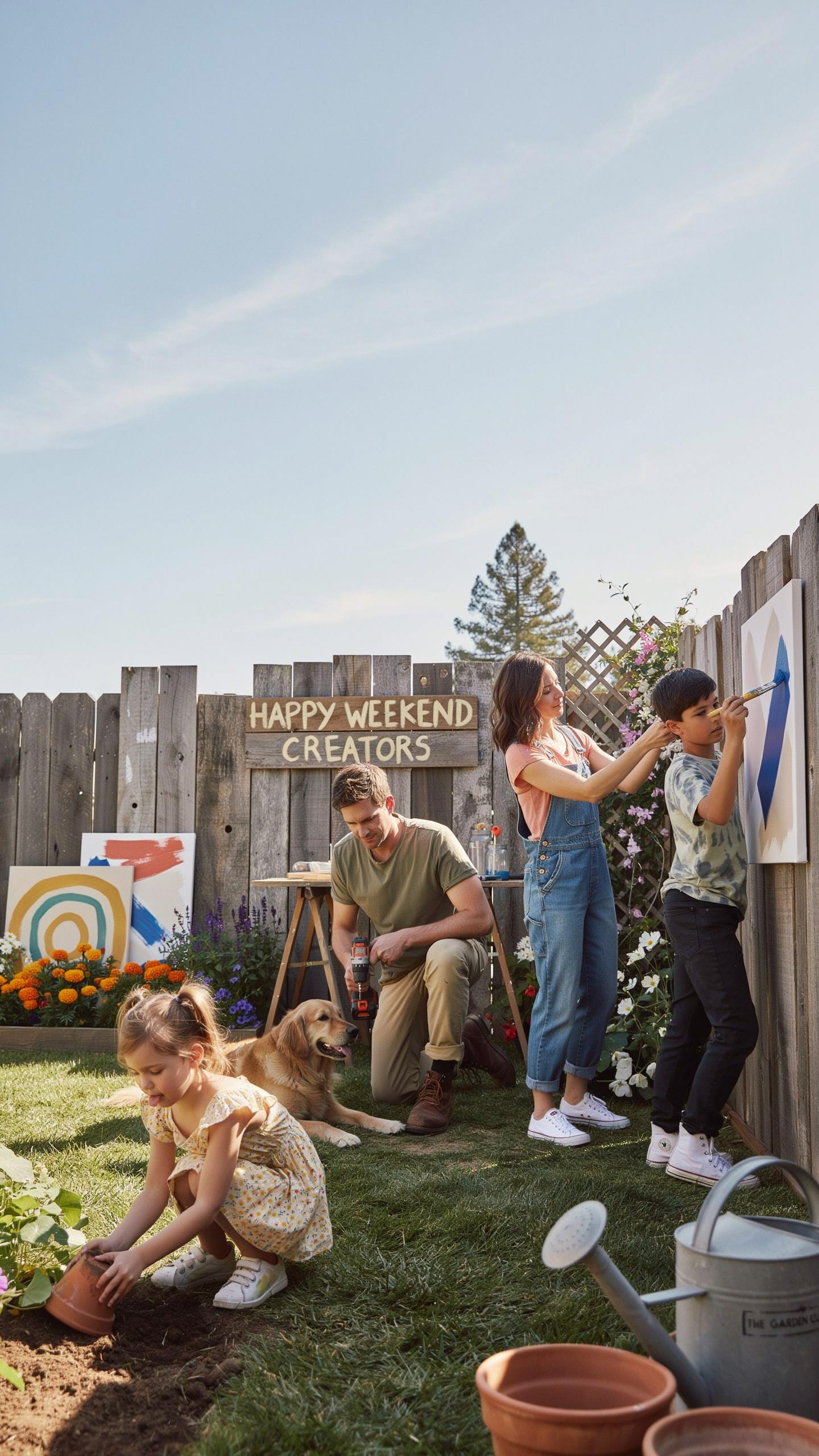
Building A Free Standing Wood Trellis
A freestanding wooden trellis anchored in a heavy rectangular planter box creates a stable privacy barrier without permanent installation. The planter box serves as the foundation, distributing weight evenly across your outdoor space. Wood trellises work well for climbing vines, which fill gaps and increase screening density over time. Choose untreated or naturally rot-resistant wood like cedar for longevity.
This setup offers flexibility you don’t get with wall-mounted screens. You can reposition the unit seasonally or move it when your space changes. The planter box doubles as functional growing space for trailing plants or ground covers. Stack multiple units to cover larger areas or create a stepped privacy effect.
Step By Step Draped Rope Screen Guide
Start with treated wood that resists moisture and rot. Cut your frame to match your target dimensions, then mark drilling points at consistent intervals along top and bottom rails. Precision here prevents alignment issues later. Use a drill with the correct bit size for your rope diameter to avoid loose fits or splitting.
- Treated wood frame: Select pressure-treated lumber or cedar for outdoor durability. Treat cut edges with sealant to extend lifespan.
- Manila or sisal rope: Natural fibers work best. They weather gradually and create architectural clean lines in sunlight.
- Even spacing: Measure and mark drilling points before drilling. Equal spacing prevents visual imbalance and supports climbing plants uniformly.
- Tight knotting: Double knots at both ends secure rope under tension. Loose knots fail when plants add weight or wind pushes the screen.
- Vertical threading: Thread all ropes before tightening any knots. This approach prevents rework and ensures consistent tension across the frame.

Rope screens age predictably and weather to neutral tones within one to two seasons. This characteristic makes them blend into most garden styles without requiring ongoing maintenance. Vertical rope lines guide climbing plants upward and create strong sight lines that enhance perceived space depth.
Easy Garden Privacy Solutions Requiring Low Effort And Zero Tools
Instant Pop Up Folding Privacy Screens
Freestanding folding screens deliver immediate privacy without installation. Metal frames with wicker or fabric panels work in small spaces because you position them anywhere and remove them without leaving marks or damage. These screens come in standard heights between three and six feet, covering sight lines from ground level to eye height. You move them as your garden layout changes or pack them away during winter in minutes.
The core advantage is flexibility. You don’t need to drill holes, dig post holes, or commit to permanent placement. Decorative metal screens with geometric patterns reduce wind resistance compared to solid panels, preventing tip-over in gusts. Wicker variants age gradually but maintain structure for years. Both types work as standalone barriers or anchor points for climbing plants you train onto the frame itself.
Tall Decorative Potted Grasses Setup
Ornamental grasses in containers create vertical privacy barriers without construction or planting into ground soil. Feather reed grass, miscanthus, and fountain grass reach five to seven feet tall when mature and establish within one growing season. Container growing gives you complete control over placement, soil quality, and drainage. You move pots as needed and group them to form connected visual blocks that obscure views from neighboring properties.
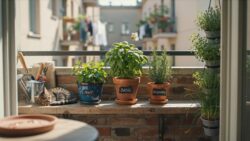
Potted grasses work because they’re structural and permanent looking while remaining removable. Unlike hedges requiring years to establish, mature grass specimens you purchase at nurseries deliver height immediately. Grasses tolerate part shade and require minimal fertilizing once established. Drainage holes prevent root rot, and seasonal cutting back in late winter or early spring maintains dense growth for consistent screening throughout the year.
Smart Cover Garden Wall Ideas To Hide Ugly Boundaries
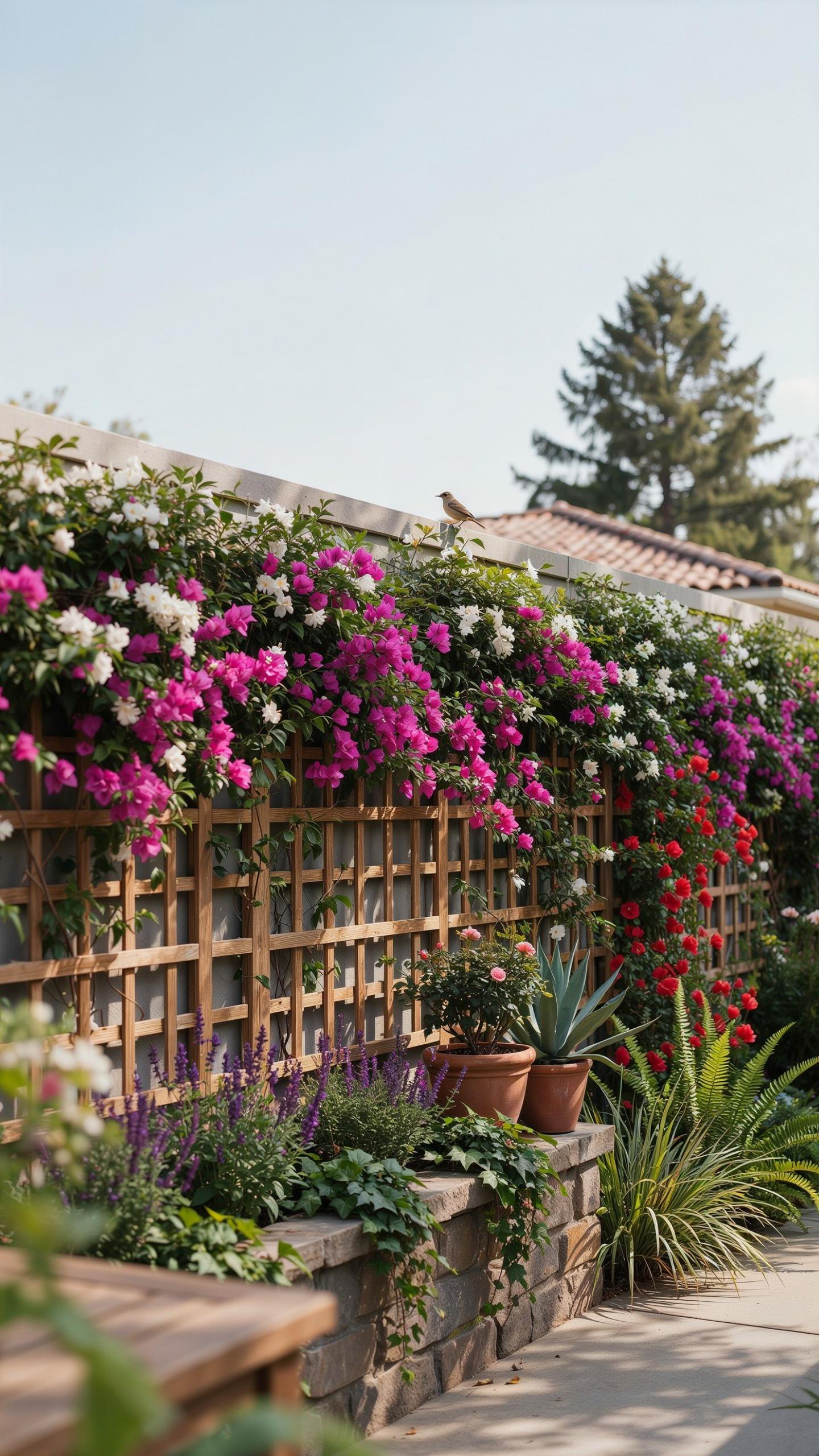
Ivy And Climbing Hydrangea Training Tips
Ivy and climbing hydrangea excel on vertical surfaces because they naturally seek structural support. Both tolerate shade effectively, making them ideal for north-facing walls or areas blocked from direct sun. Train these climbers by securing young stems horizontally along the wall using soft ties. This forces lateral branching instead of vertical growth, creating denser coverage faster and filling gaps completely.
Mortar damage occurs when climbers penetrate existing joints. Prevent this by attaching climbing vines to wall-mounted trellises or wires positioned one to two inches away from the brick or concrete surface. This gap allows air circulation behind the plants, reducing moisture buildup that weakens mortar. Prune regularly to manage growth direction and keep vines away from roof edges, gutters, and siding seams where they can cause structural issues.
Pocket Hanging Planters For Blank Spaces
Felt planting pockets attach directly to walls without drilling or permanent damage. These breathable pockets allow roots to access oxygen while containing soil effectively. Install them in staggered patterns across blank brick or concrete sections to create layered visual interest. Start with pockets near ground level and work upward. Felt material degrades gradually over several years, so plan for replacement cycles when selecting this method.

Fill pockets with shade-tolerant plants like sedums, trailing ivy varieties, and creeping fig to establish quick coverage. Water pockets more frequently than ground plantings because vertical exposure increases evaporation rates. Check soil moisture every two to three days during growing season. This system transforms dead wall space into functioning green surfaces while maintaining flexibility to relocate or reconfigure plantings without permanent alterations.
Stunning Deck Privacy Wall Ideas Diy Enthusiasts Can Build Today
Attaching Louvered Shutters To Deck Railings
Louvered shutters offer functional privacy control. The angled slats let you adjust light penetration and sightlines without full obstruction. Old wooden shutters work well for this purpose since they’re affordable and readily available. You bolt them directly to existing deck railings using rust-resistant hardware. This approach takes two to three hours per section.
Mount shutters horizontally or vertically depending on your space and privacy needs. Horizontal orientation blocks ground-level views while vertical placement works for eye-level screening. The slat angle controls airflow, preventing stagnant moisture buildup common in enclosed deck spaces. Rotate the shutters seasonally to maximize sun exposure during colder months and increase shade in summer.
Freestanding Horizontal Slat Deck Screens
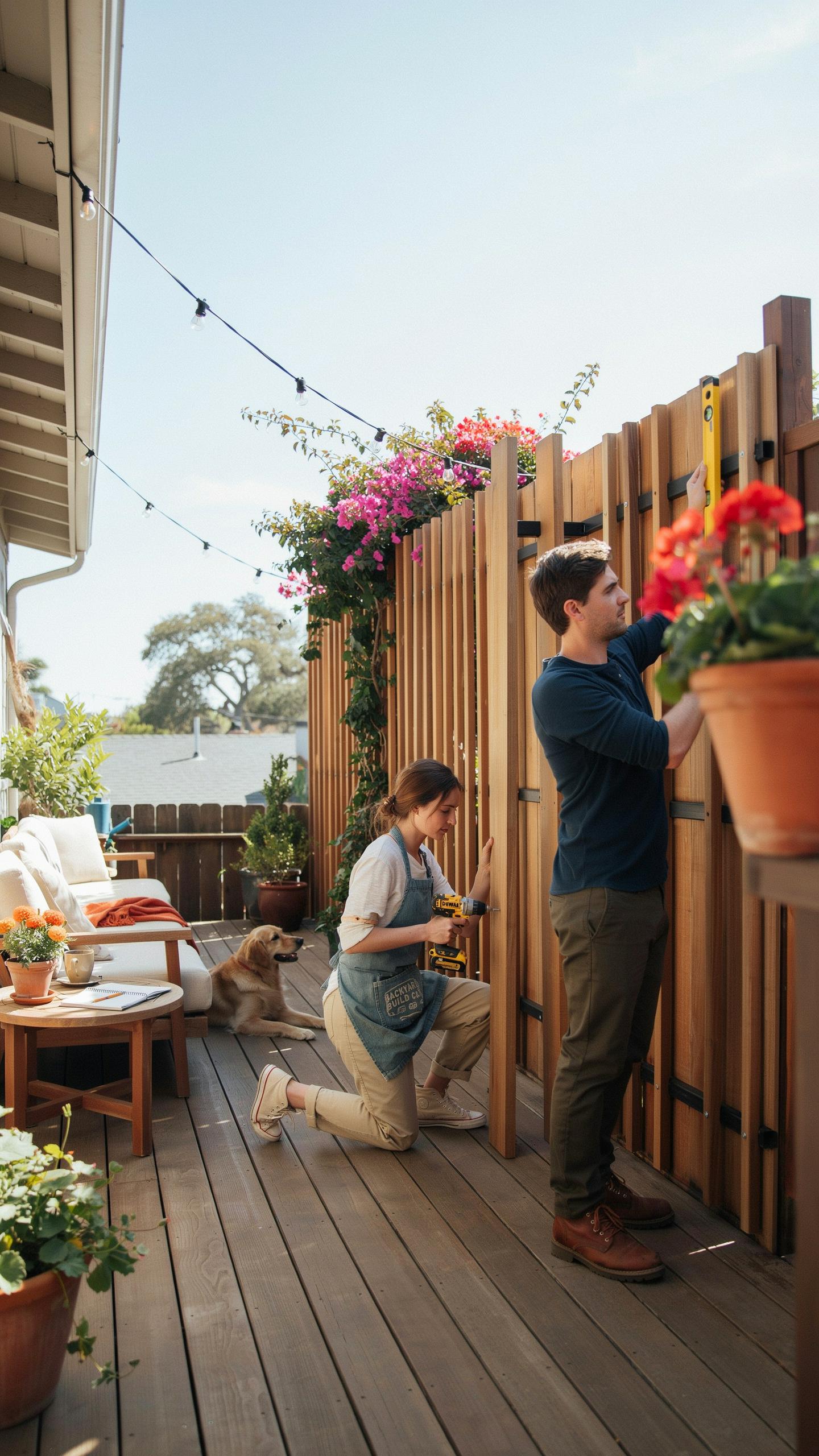
Horizontal slat walls anchor to deck joists without permanent modifications. Cut dimensional lumber into consistent widths and space them one to three inches apart for partial privacy. This spacing allows airflow while blocking direct sightlines. Construction time runs four to six hours for a standard eight-by-six-foot panel. The structure supports its own weight through secure bolting.
Use pressure-treated or cedar lumber for outdoor durability. Horizontal orientation creates a modern aesthetic and feels less imposing than vertical panels. The design works for small decks because you can build sections independently and arrange them to your needs. Sand the wood and apply exterior stain or sealant to extend lifespan and maintain appearance.
Frequently Asked Questions

What are the best plants to use for small space gardening privacy screens?
Selecting the right greenery is essential for creating intimate outdoor nooks. For effective small space gardening privacy screens, consider tall, narrow plants like bamboo, sky pencil hollies, or climbing vines like jasmine and clematis on a trellis. These choices provide vertical density without consuming precious floor real estate. If you prefer a low-maintenance approach, artificial boxwood panels offer an evergreen lushness that stays perfectly manicured year-round with zero effort.
How do I securely install a privacy screen on a small rental balcony?
Safety and stability are key when working with limited footprints. To install small space gardening privacy screens without damaging property, utilize heavy-duty zip ties to anchor lattice panels or reed fencing directly to existing railings. Alternatively, weighted planter boxes with built-in trellises offer a freestanding solution that won’t blow over in the wind. These non-permanent methods ensure your sanctuary remains private while keeping your security deposit perfectly intact.
Are there any budget-friendly ways to create privacy in a tiny garden?
Absolutely! You don’t need a massive budget to transform your area. Upcycling wooden pallets into vertical planters is an affordable way to gain seclusion while growing herbs or flowers. You can also hang outdoor-rated fabric curtains or string up simple clotheslines draped with fast-growing runner beans. DIY options allow you to customize the height and style of your barrier, ensuring your cozy retreat feels personal and secluded without overspending.