Embracing Cozy Tiny Balcony Garden Layouts
Maximizing Floor Space
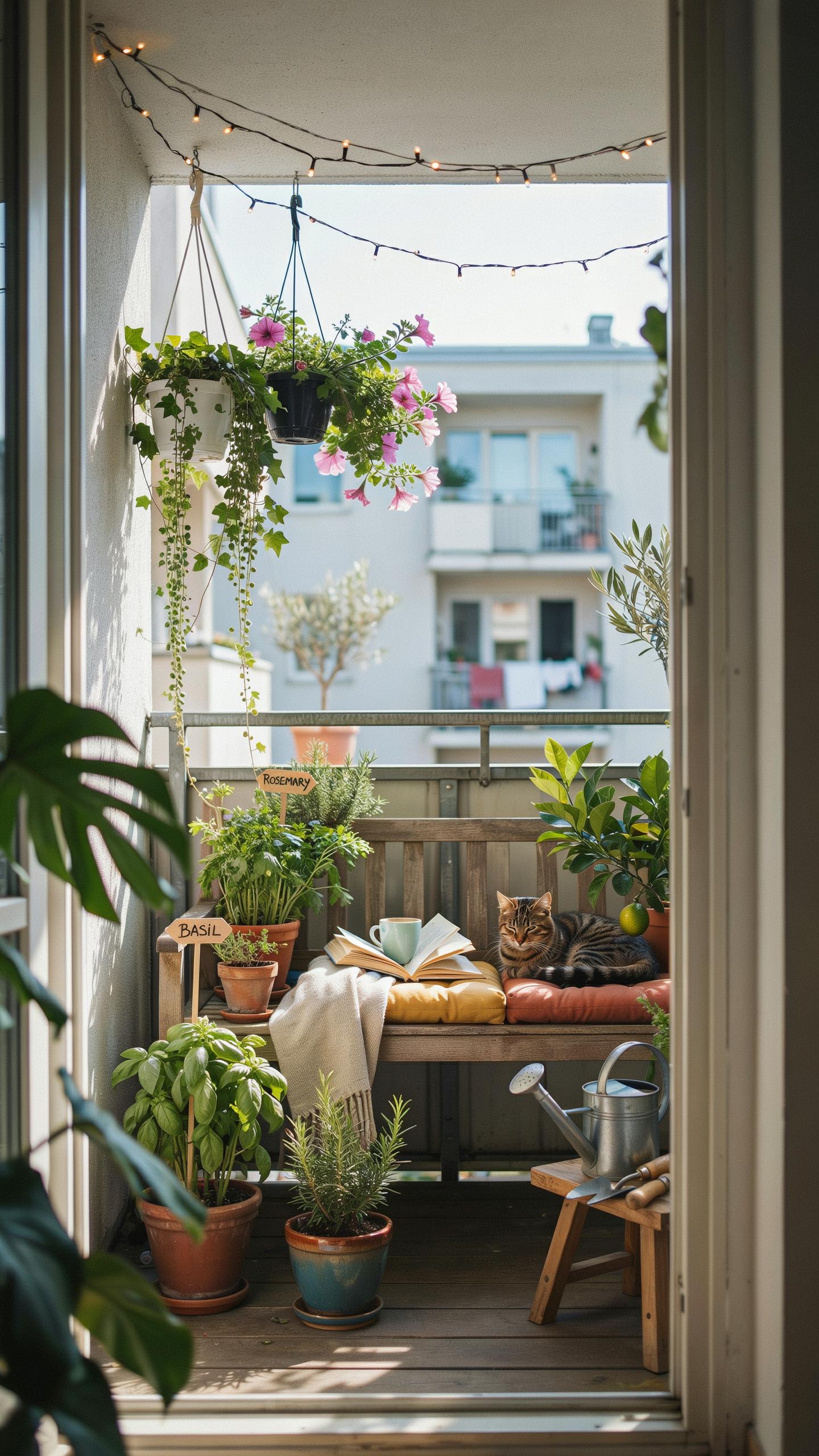
Start by measuring your balcony dimensions and weight capacity. Most apartments allow 40 to 100 pounds per square foot. Calculate how much space you need for movement, then allocate the remainder for plants. Furniture placement matters. Position seating in one corner and arrange containers along edges to preserve walkways and prevent crowding.
Your layout strategy depends on balcony shape. Long narrow spaces work best with single-file plant rows along one side. Square balconies accommodate containers in corners and against railings. Leave at least 30 inches of clear floor space for comfortable passage. This prevents the garden from feeling cramped and maintains functionality for both relaxation and plant care.
Vertical Gardening Solutions
Wall mounted systems solve ground space limitations directly. Use tiered wall planters, pocket systems, or trellises to grow upward. These systems typically use 2 to 4 inches of balcony depth while holding multiple plants. Install hardware properly into structural supports, not just the railing. This approach lets you cultivate 10 to 15 plants in areas where ground space only allows 2 to 3 containers.
Trellis systems support climbing plants and vining crops effectively. Beans, peas, and cucumbers grow vertically when trained properly. Wall mounted pockets hold herbs, succulents, and trailing plants with minimal maintenance. These solutions maximize light exposure since upper areas receive more direct sun than ground level. Stack your growing capacity without sacrificing the usable floor space you need for actual living.

Creative Garden Balcony Ideas For Visual Appeal
Color Schemes And Textures
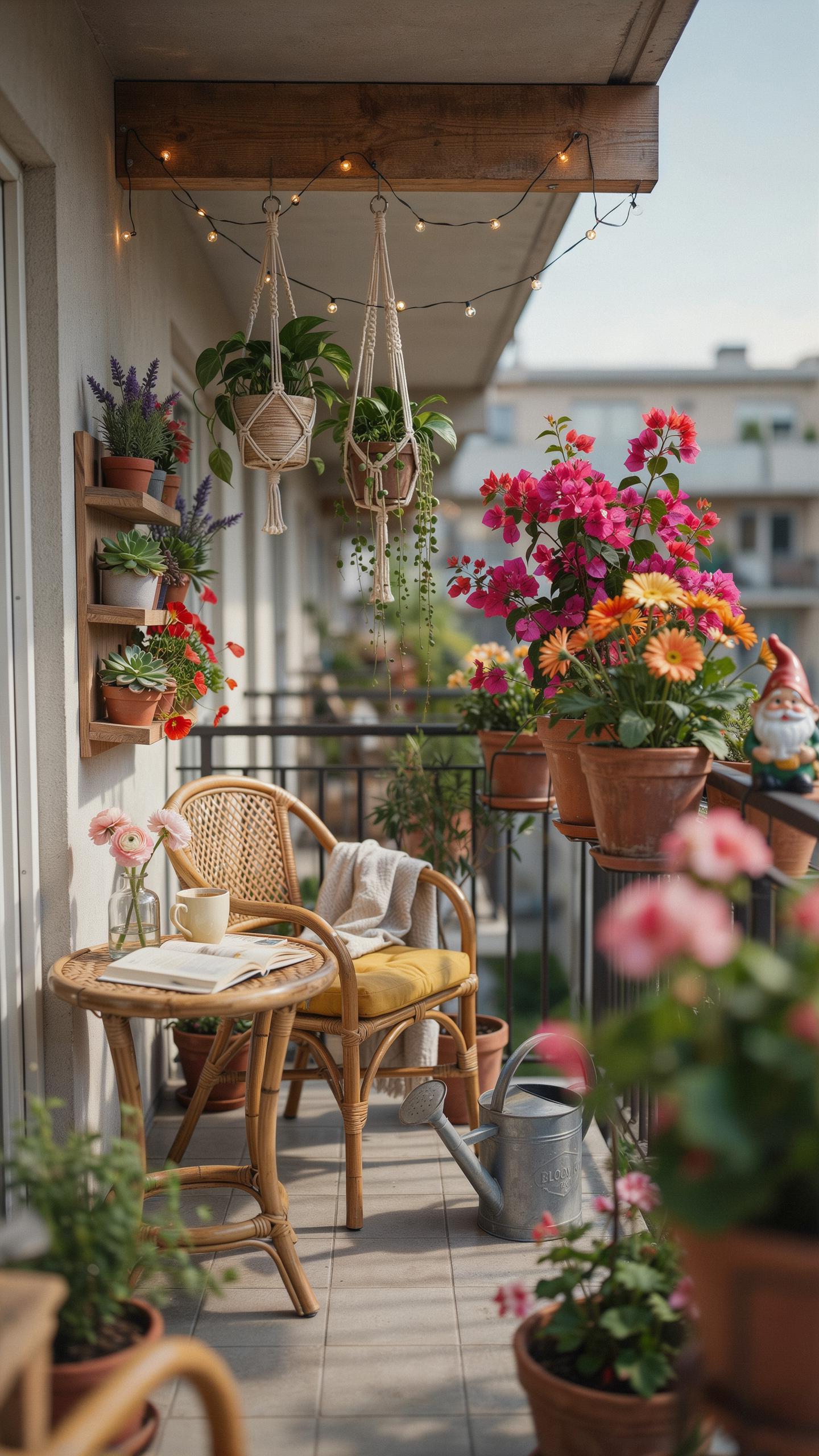
Your plant selection directly impacts how your balcony looks and functions as an outdoor room. Choose plants with contrasting leaf shapes: pair broad leaves like hostas with fine foliage such as asparagus fern. This contrast creates visual interest without clutter. Match your plant colors to existing furniture or railings. Cohesive color palettes make small spaces feel intentional and larger.
Texture variation solves the problem of monotony in confined spaces. Combine smooth-leafed plants like pothos with bumpy or fuzzy varieties like lamb’s ear. Silver-leafed plants like artemisia brighten dark corners and create depth. Flowering plants add temporary color bursts but require maintenance. Stick with plants that deliver year-round visual value through foliage rather than relying solely on blooms.
Multi Level Plant Stands
Tiered shelving maximizes your usable space and prevents plants from competing for light and air. Metal or wood stands with three to four levels transform a balcony from flat to dimensional. Position taller plants on lower shelves and trailing plants on upper shelves for balance. This arrangement lets light reach every plant and makes watering and maintenance easier. Standard tiered stands range from two to four feet tall and fit most balcony dimensions.
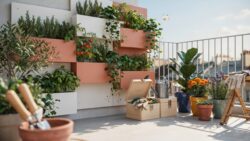
Weight distribution matters on balconies with weight limits. Spread plants across multiple stands rather than stacking everything on one unit. Lightweight plastic or aluminum frames outperform heavy wood stands on older balconies. Stagger plant heights to create a cascading effect that draws the eye upward. This strategy makes your balcony feel more spacious and garden-like rather than cramped.
The Best Selection Of Balcony Pots And Containers
Choosing The Right Materials
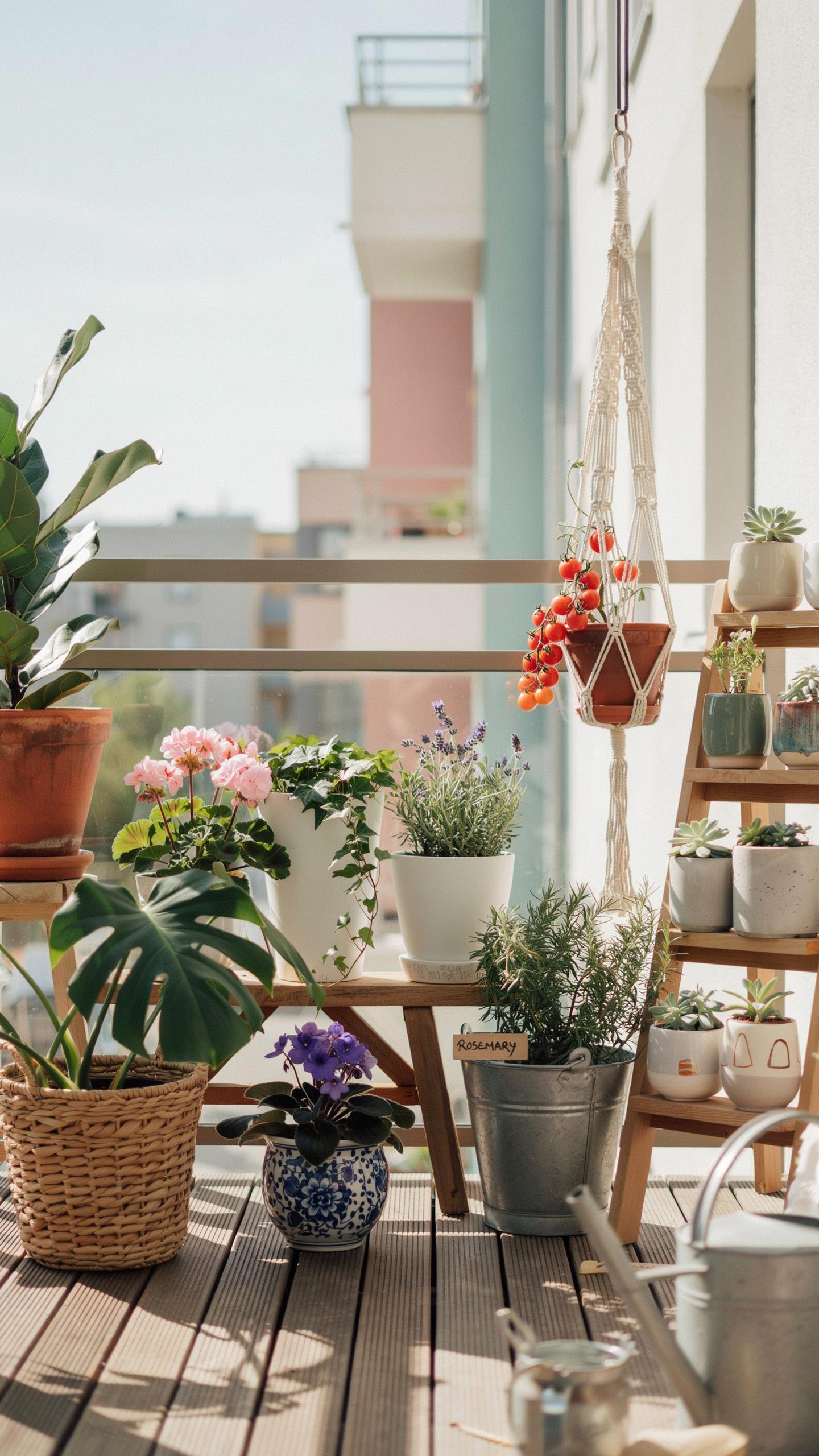
Terracotta pots are heavy and breakable, making them risky on balconies with weight limits. Plastic pots weigh far less and resist cracking from temperature swings. Fabric pots offer excellent drainage and breathability but degrade faster under UV exposure. Check your balcony’s load capacity before committing to large ceramic containers. Most apartment balconies support 40 to 50 pounds per square foot.
Plastic containers work best for apartment balconies because they’re durable and affordable. Terracotta suits ground-level patios where weight distribution matters less. Fabric pots excel for plants needing aggressive drainage, like succulents and cacti. Mix container types based on your plant’s water needs and your balcony’s structural limits. Lightweight materials extend your growing options without compromising plant health.
To plant a garden is to believe in tomorrow. Even on the smallest balcony, a patch of green brings the soul home.
Essential Drainage Solutions
Proper drainage prevents root rot and keeps plants alive through rain and overwatering. Pots without drainage holes trap water and kill roots within weeks. Saucers catch runoff but require monitoring to prevent floor damage and mold growth. Always choose containers with at least one drainage hole on the bottom.
- Select Pots With Built In Drainage Trays: Drainage trays are integrated into some pots and prevent water from pooling on your balcony floor while containing excess runoff effectively.
- Elevate Pots On Small Feet For Better Airflow: Pot feet create space between the container bottom and the surface, allowing air to circulate and preventing water stagnation underneath.
- Use Lightweight Soil Mixes To Prevent Compaction: Quality potting soil with perlite or coconut coir resists compacting and improves drainage compared to dense garden soil varieties.
- Monitor Saucer Overflow After Heavy Rainstorms: Check saucers within hours of rain to empty standing water and prevent damage to balcony surfaces and neighboring units below.
- Add A Layer Of Gravel Under Pots: Gravel under containers improves airflow and provides additional space for water to escape before reaching your floor surface.
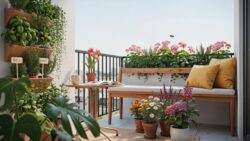
Empty saucers regularly to avoid water damage and pest breeding grounds. Standing water attracts mosquitoes and promotes fungal growth on balcony floors. Rain combined with automatic watering systems can quickly overwhelm small saucers. Stay proactive with maintenance to protect your balcony infrastructure and your neighbors’ ceilings.
Smart Planters In Balcony Arrangements For Railings
Saddle Planters And Hanging Boxes
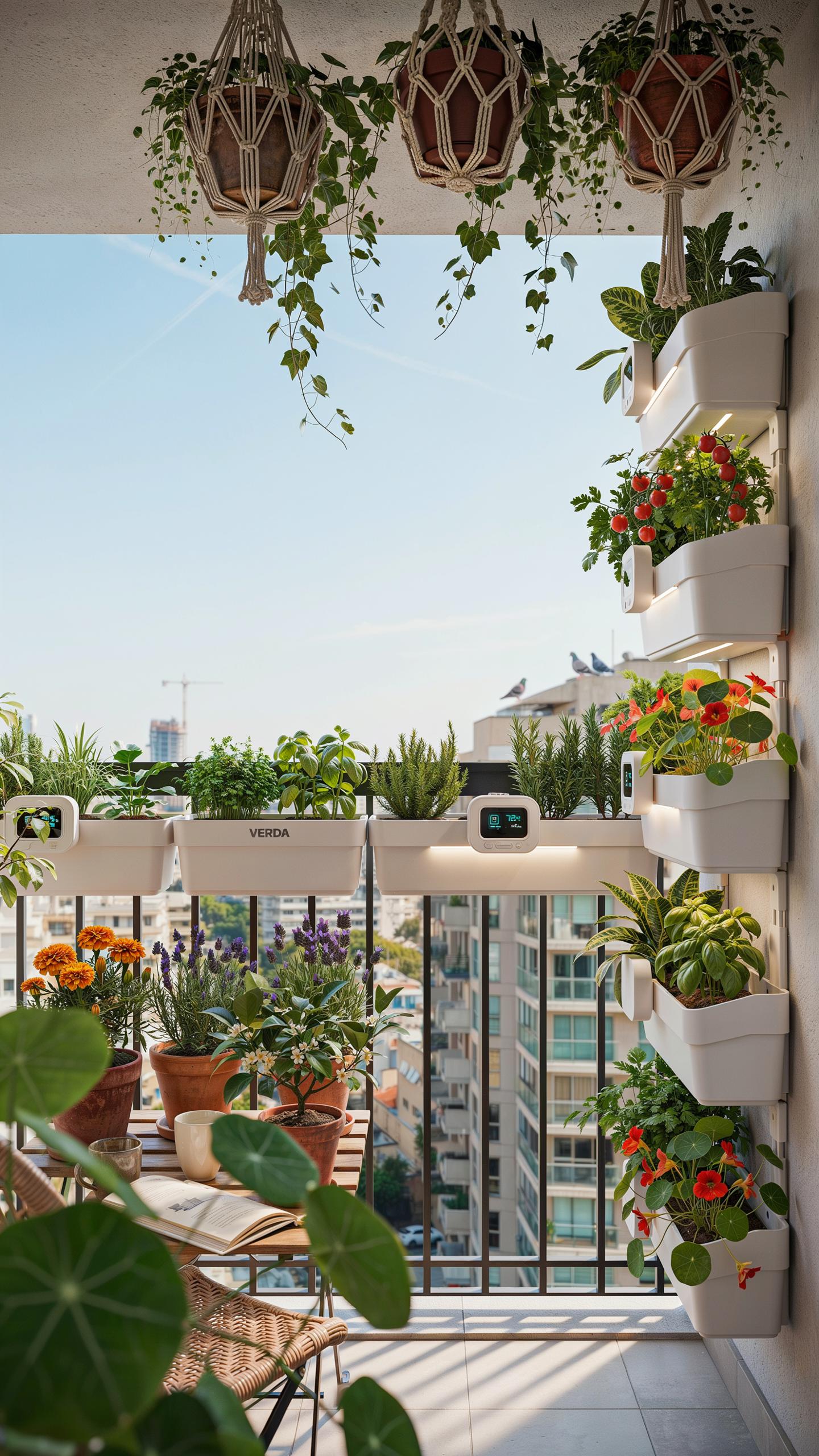
Saddle planters straddle your railing without consuming floor space. They mount directly over the rail edge and hold soil and plants securely. This design keeps your balcony open for chairs, tables, or walking room. Hanging boxes work similarly but suspend below the railing with brackets. Both options multiply your planting capacity vertically. The trade off is limited soil depth, so choose shallow rooted plants like herbs, sedums, and trailing vines.
Installation requires selecting the right railing material and weight capacity. Measure your railing diameter and thickness before purchasing planters. Most saddle planters fit railings between 1.5 to 2.5 inches wide. Verify your balcony’s weight limits with your building management. Start with lighter options using resin or plastic containers rather than heavy ceramic. Test the fit and stability before filling with soil.
Safety And Installation Tips
Secure railing planters with additional fasteners beyond what comes standard. Wind creates lateral pressure on elevated planters, especially on high floors. Use stainless steel U bolts or ratchet straps rated for outdoor use. Tighten connections quarterly since vibrations from wind gradually loosen hardware. Never rely on the planter’s weight alone to hold it in place. Document your installation method for your building records.
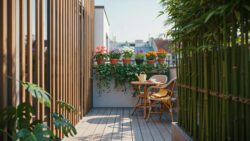
Check local building codes before installation since some municipalities restrict railing modifications. Contact your landlord or HOA to confirm compliance. Position planters to avoid blocking emergency egress or fire exits. Inspect all connection points monthly for rust or deterioration. Replace corroded hardware immediately to prevent planter failure. Remove planters during extreme weather warnings or hurricane season if you live in vulnerable areas.
Inspirational Plants In Balcony Ideas For Low Light
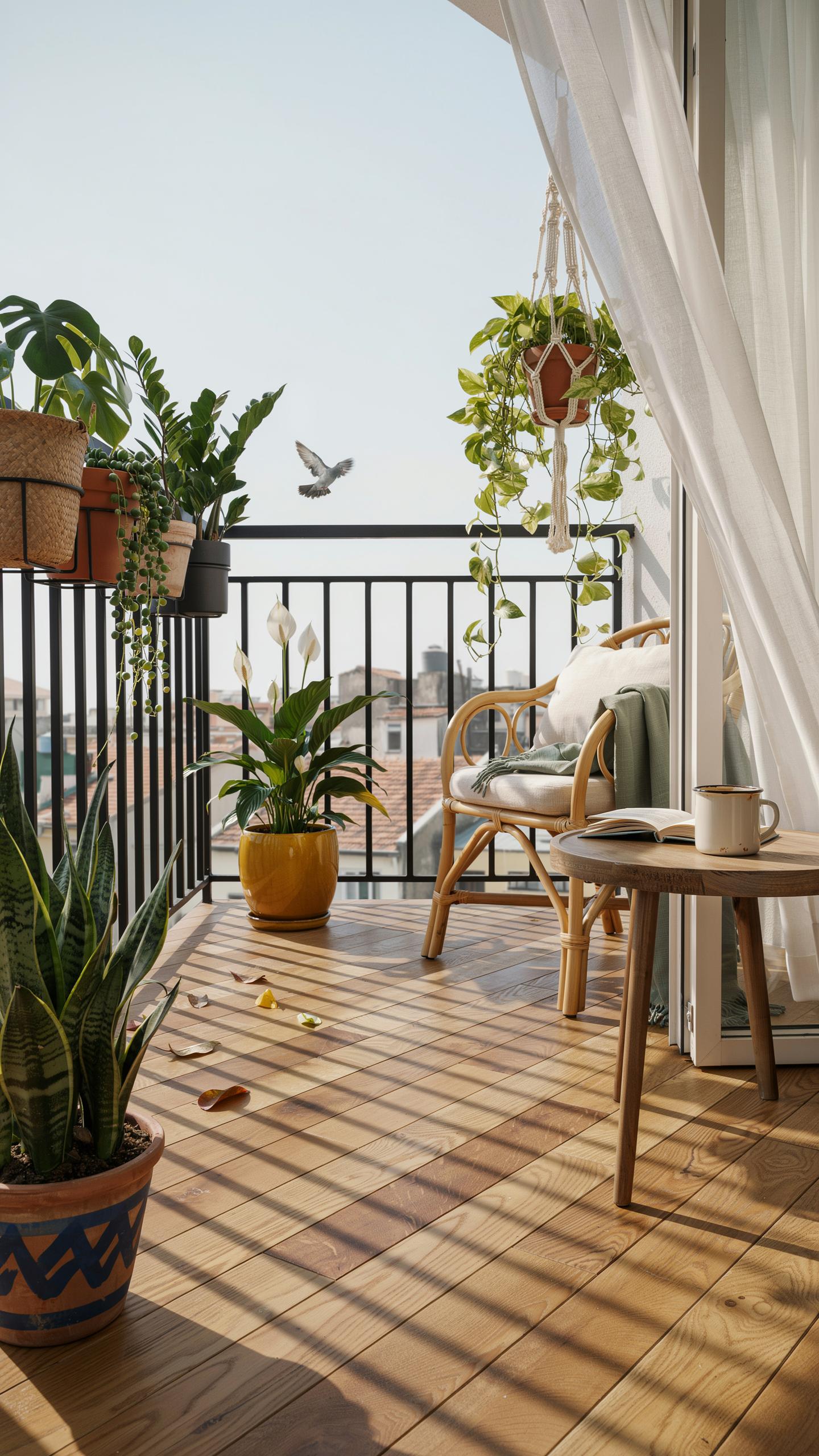
Shade Tolerant Varieties
Hostas, ferns, and English ivy handle low light conditions without dropping leaves or stunting growth. These plants evolved in forest understories where direct sunlight never reaches them. North-facing balconies and covered spaces mimic these natural environments. Plant them in standard potting soil and water when the top inch feels dry. They’ll produce foliage reliably without supplemental lighting or constant fussing.
English ivy climbs trellises and creates vertical coverage on cramped balconies. Ferns prefer consistent moisture but tolerate neglect better than tropical plants. Hostas grow slowly in containers but provide structural interest year-round. All three handle temperature fluctuations that balconies experience. These varieties represent your safest bet for consistent results in shade conditions.
Brightening Dark Corners
Light colored pots reflect available sunlight rather than absorbing it into dark materials. White, cream, and pale gray containers bounce ambient light into shadowed zones. Combine these with reflective surfaces like stainless steel plant stands or polished stone accents. Position reflective elements strategically behind plants to redirect light forward. This simple physics principle works regardless of balcony orientation or building height.
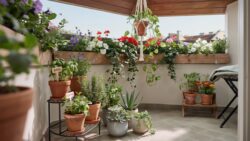
Mirrors mounted on balcony walls multiply available light without adding heat or electricity. Orient them to catch morning or afternoon sun and redirect it toward shade plants. Reflective outdoor paint on nearby walls serves the same function. Test placements before committing to permanent installations. Even modest light amplification extends the plant varieties you can successfully grow in tight spaces.
Fresh Terrace Vegetable Garden Ideas For Home Cooks
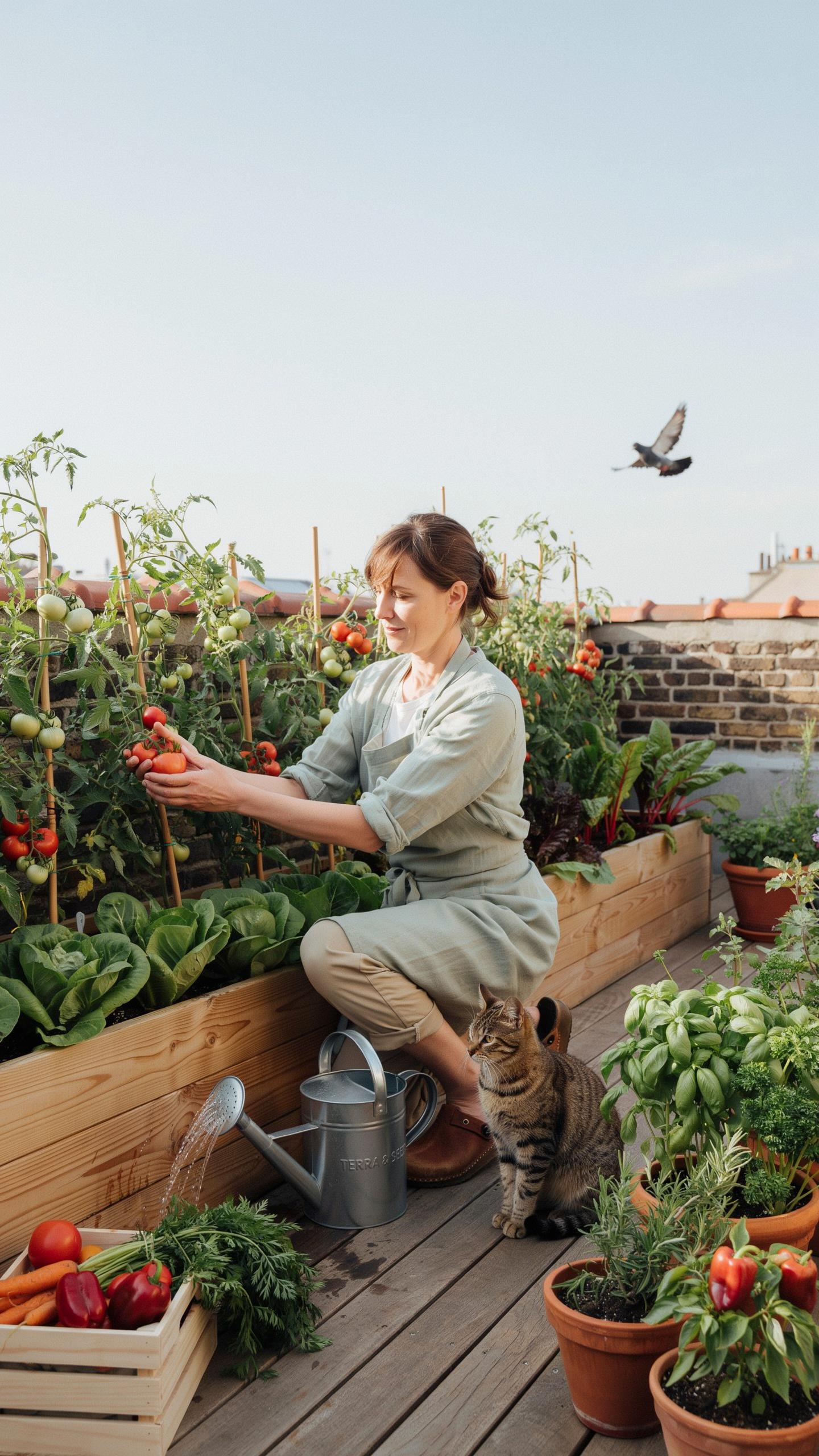
Top Edibles For Containers
Container gardening works because roots access nutrients and water directly without competing across ground space. Balcony gardens need crops that produce usable yields in confined soil volumes and compact footprints. Select varieties bred for containers, not sprawling garden types. This focuses energy into fruit rather than vine growth.
- Cherry tomatoes: Determinate dwarf varieties like Tiny Tim and Micro Tom reach 12-18 inches tall and produce continuously through the season in 5-gallon containers.
- Salad greens: Spinach and loose-leaf lettuce grow in shallow containers, reach harvest in 30-45 days, and tolerate partial shade better than fruiting crops.
- Sweet peppers: Compact cultivars produce full-sized peppers on 18-24 inch plants and thrive in 5-gallon pots with consistent watering and direct sun exposure.
- Chili peppers: Bush varieties require less space than sweet peppers, handle wind stress well, and produce for months on apartment balconies with adequate light.
- Bush beans: Pole varieties waste balcony space, so choose bush types that mature in 50-60 days and produce in 3-gallon containers with morning sunlight.
- Dwarf cucumbers: Compact cultivars like Spacemaster climb trellises vertically, maximizing limited balcony square footage while producing standard-sized fruit.
Container depth matters for root development. Tomatoes and peppers need minimum 12 inches of soil. Shallow crops like lettuce and spinach thrive in 6-8 inches. Use quality potting mix, not garden soil, which compacts and drains poorly. Feed plants every 2-3 weeks with balanced fertilizer since container nutrients leach through drainage holes.
Innovative Small Space Gardening Ideas For Irrigation
Self Watering Planter Systems
Sub-irrigated planters solve the core problem of apartment gardening: inconsistent watering kills plants. These systems use a water reservoir below the soil. Plant roots draw moisture upward through a wick or soil column. You refill the reservoir every one to three weeks instead of daily watering.
The mechanics are straightforward. A container sits inside a larger reservoir with a gap between them. Soil in the inner container touches the water below through capillary action. This delivers steady moisture directly to roots without overwatering. Most apartments benefit from these planters for herbs, vegetables, and ornamentals.
Drip Irrigation For High Rises Tension
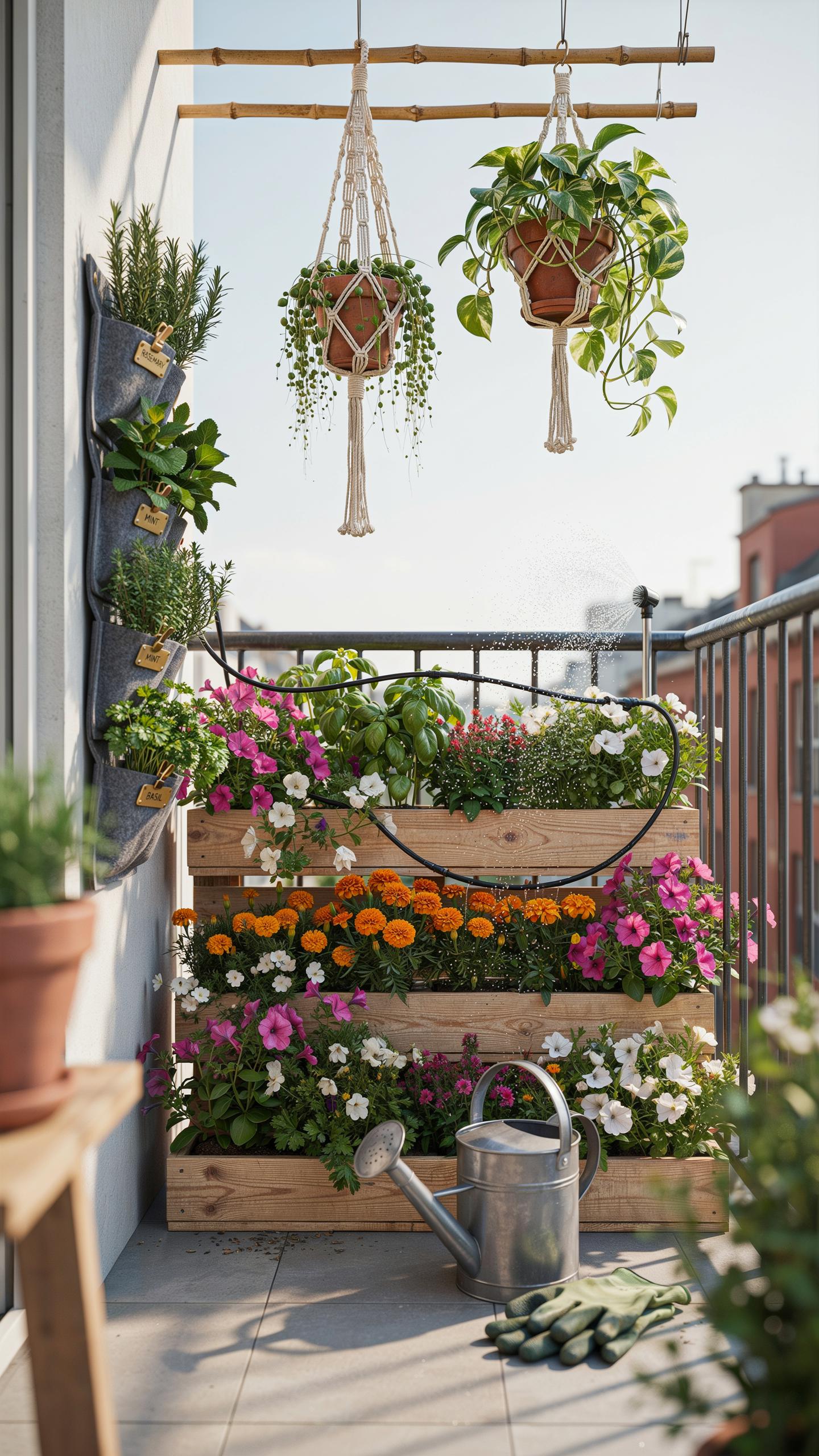
Gravity fed micro drip systems work on balconies without electricity. You fill a elevated water container or hang a bag above your plants. Tubing delivers water drops directly to soil at a controlled rate. A simple timer valve lets you set watering schedules before travel or work shifts.

Installation takes less than an hour. Run thin tubing from your water source to each planter. Drip emitters regulate flow to prevent runoff and root rot. This approach keeps plants hydrated for weeks with minimal intervention. Balcony wind and sun exposure make consistent moisture critical, and drip systems deliver it reliably.
Styling Your Dream Plant Decor Balcony Oasis
Soft Lighting And Textiles
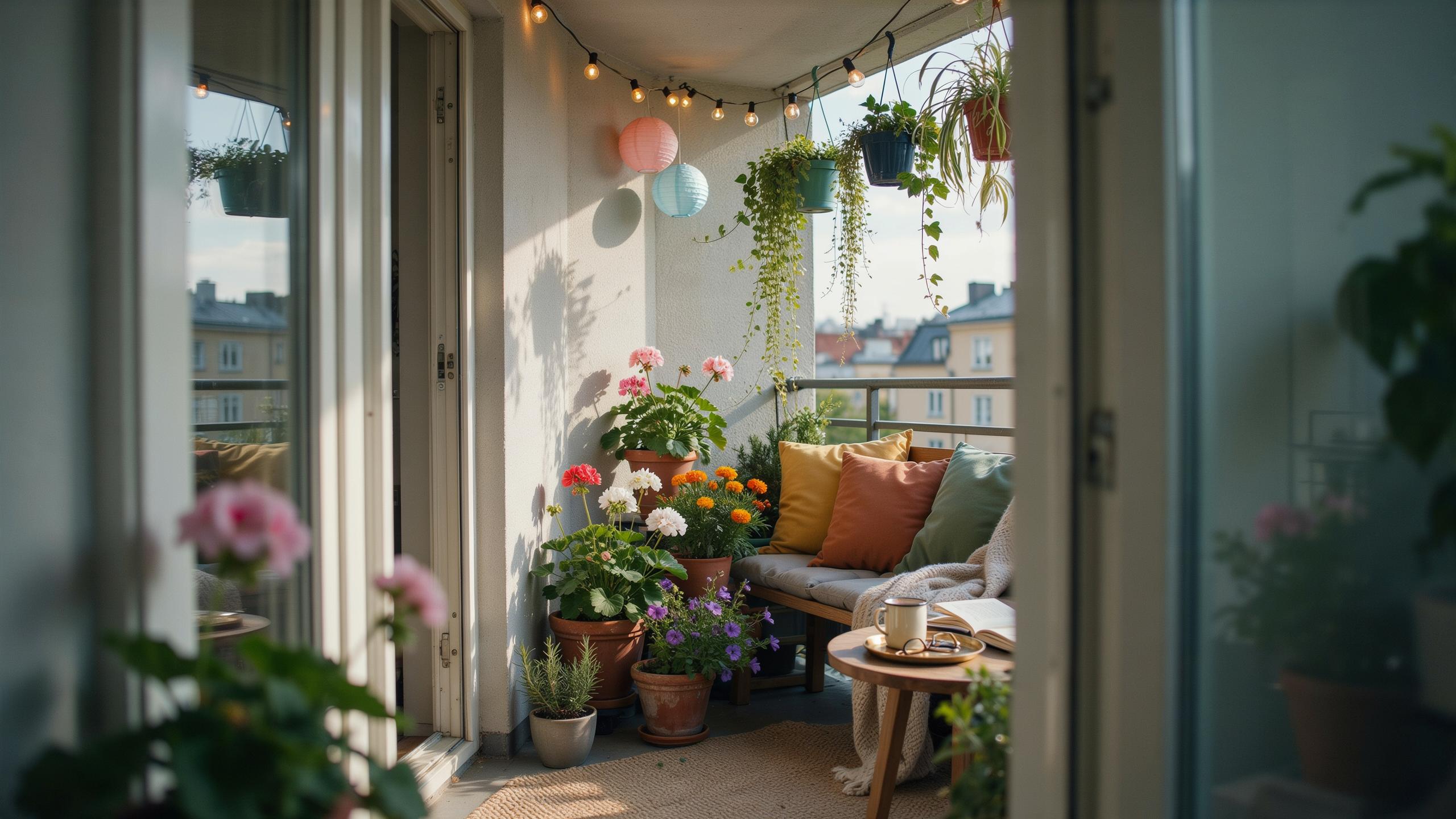
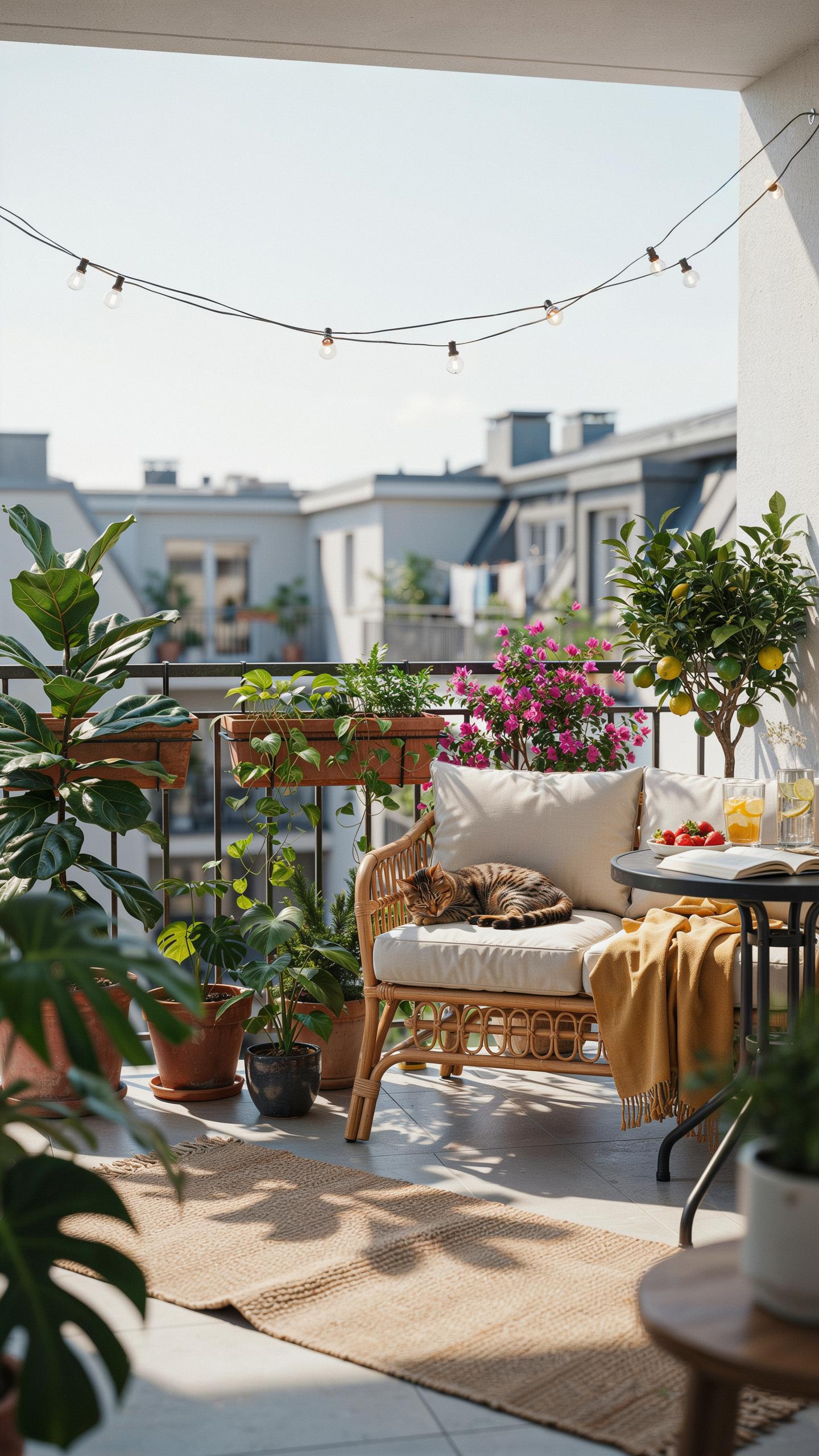
Waterproof outdoor rugs anchor your balcony space and define seating areas. They handle moisture and UV exposure without degrading. Pair them with floor cushions rated for outdoor use to create comfortable seating. Fairy lights strung overhead deliver ambient illumination without heat that damages plants. This combination transforms the space into a functional living area.
Warm lighting works strategically here. It doesn’t compete with plant growth since fairy lights emit minimal heat compared to traditional bulbs. Choose string lights rated for wet environments to ensure safety around watered plants. Textiles serve dual purposes: they make the space livable while protecting hard surfaces from water runoff. Layer these elements to balance aesthetics with practical plant maintenance.
Integrating Decorative Accents
Vintage lanterns provide focal points between plant clusters. They work as standalone pieces or house small candles for evening ambiance. Wind chimes create visual interest and respond to air movement on exposed balconies. Position them away from plant foliage to prevent leaf damage from movement. Small water features like tabletop fountains add humidity that benefits many indoor-outdoor plant varieties.
These accents break up rows of pots and create depth perception. Miniature water features sit on plant stands or tables at varying heights. Lanterns cluster near seating areas rather than dominating plant zones. Wind chimes hang from structural beams or sturdy brackets, not from plants themselves. Space these elements strategically to maintain clear pathways and prevent overcrowding that restricts watering access.
Frequently Asked Questions

What are the best low-maintenance plants for someone just starting a balcony garden?
If you are new to gardening, start with resilient choices like succulents, snake plants, or hardy herbs like rosemary and mint. These varieties are forgiving of inconsistent watering and adapt well to container life. When exploring apartment garden ideas for balconies, focusing on “unkillable” greenery allows you to build confidence while instantly softening your outdoor space with lush textures and vibrant colors without requiring a professional green thumb.
How can I maximize limited square footage to create a lush garden feel?
The secret to small-space gardening is thinking vertically rather than horizontally. Utilize wall-mounted planters, over-the-rail hooks, and tiered shelving units to lift your greenery off the floor. Implementing vertical apartment garden ideas for balconies keeps your walking area clear for a bistro set or rug, ensuring the space feels like a cozy, functional outdoor room rather than a cluttered storage area for pots and soil bags.
Is it possible to create a beautiful balcony garden on a tight budget?
Absolutely! You can achieve a high-end look by upcycling wooden crates, using terracotta pots, or propagating plants from cuttings shared by friends. Focus on a few statement pieces rather than buying many small items. Additionally, shopping for seasonal perennials during end-of-summer sales is one of the most cost-effective apartment garden ideas for balconies, allowing you to establish a permanent, stylish retreat without spending a fortune on decor.