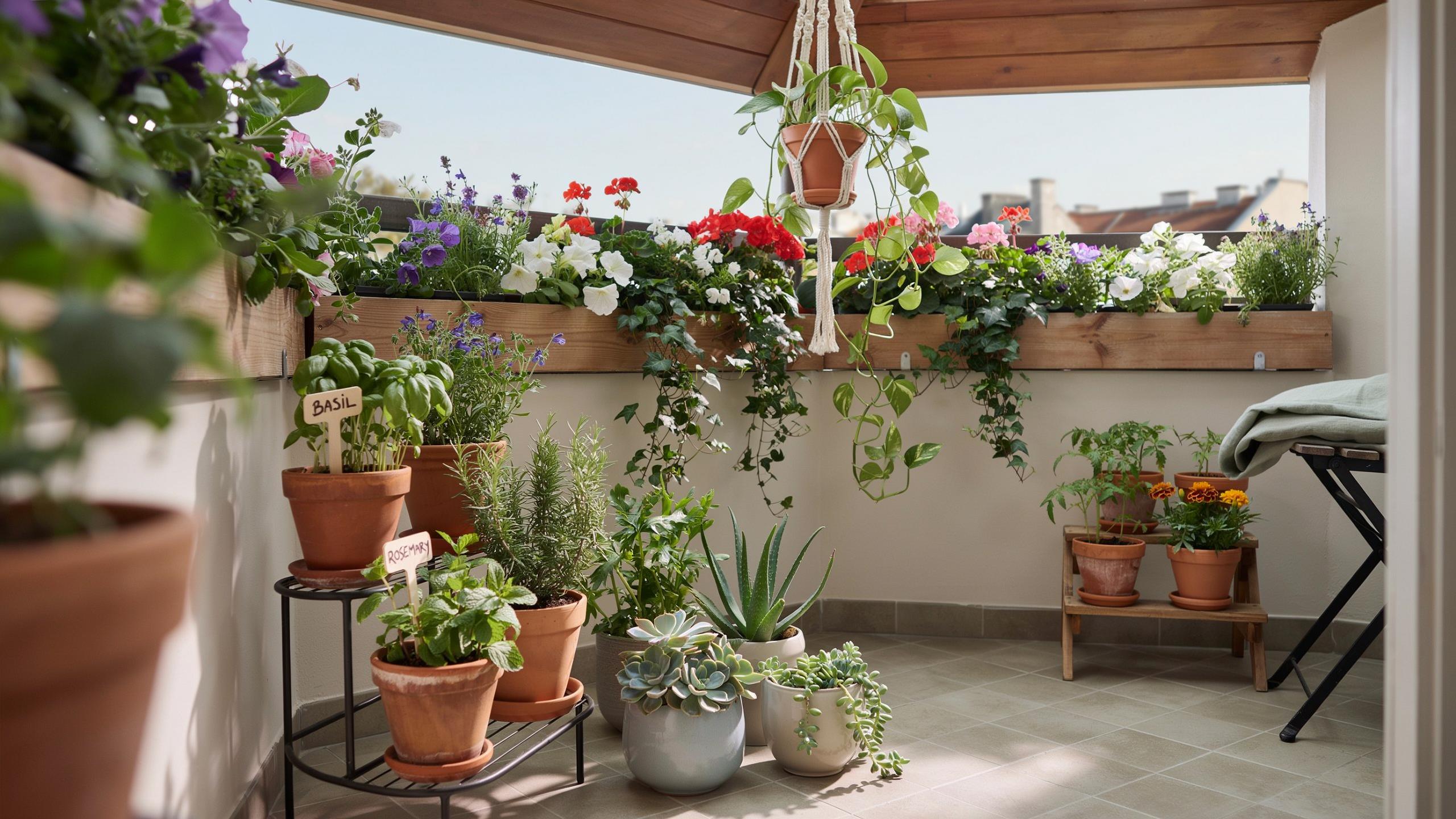
Choosing The Ideal Window Box Planters For Your Space
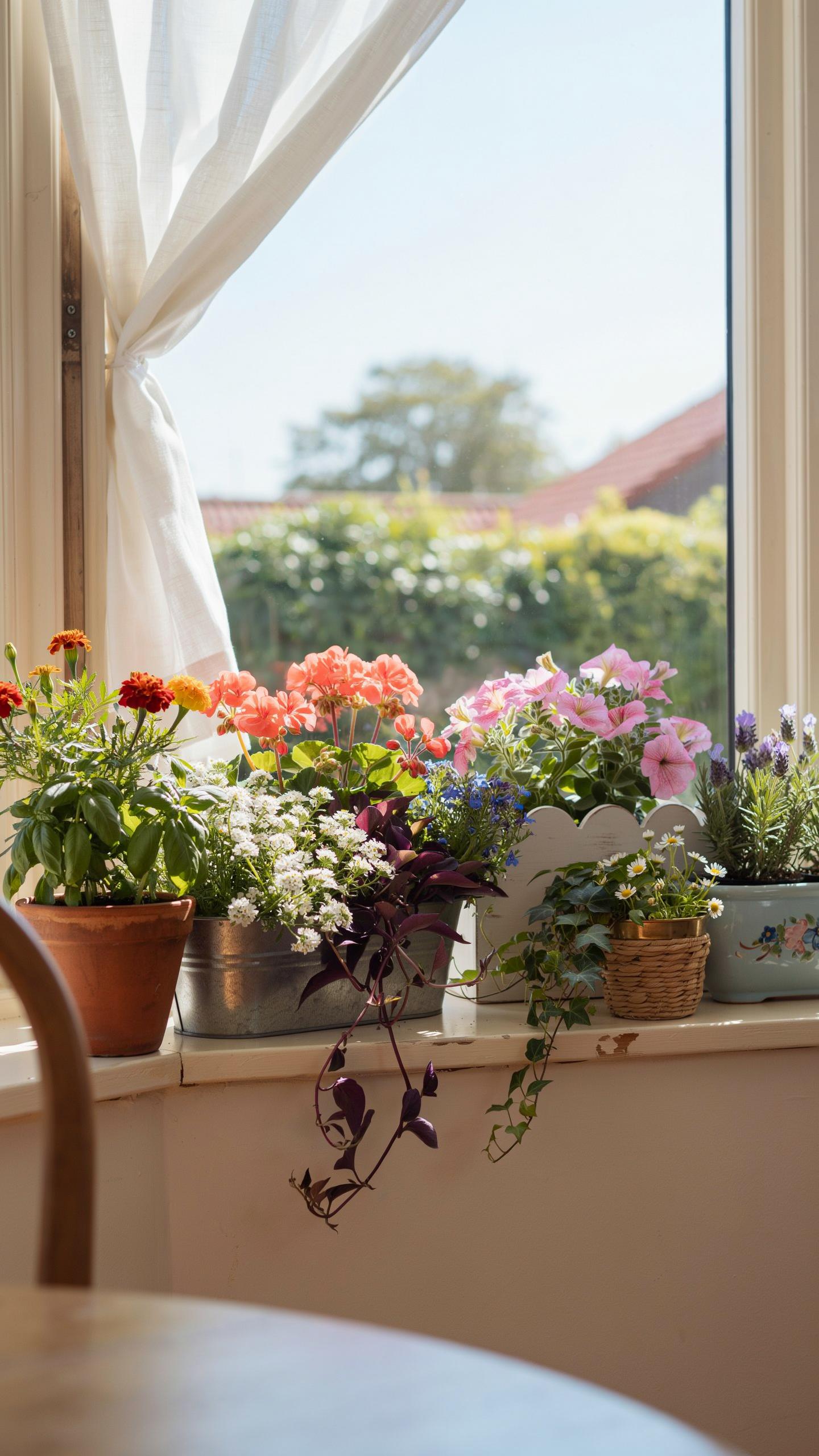
Evaluating Material Options
Cedar, fiberglass, and wrought iron dominate the window box market for specific reasons. Cedar resists rot naturally and breathes, allowing soil moisture to regulate. Fiberglass stays lightweight, critical for rental properties and older window frames. Wrought iron handles weight but rusts without proper coating. Your choice affects how fast soil dries and whether your window structure can support the total load.
Material selection directly impacts maintenance demands and plant health. Cedar requires occasional sealing to extend lifespan. Fiberglass needs minimal upkeep but costs more upfront. Wrought iron demands rust prevention but delivers decades of use. Match material durability to your climate and commitment level. Poor material choices force constant replacement or damage your home’s structure.
Sizing And Depth Requirements
Window boxes must measure at least 8 inches deep and wide to function properly. This depth accommodates root systems without crowding. Shallow boxes dry out faster because soil volume shrinks, reducing water-holding capacity. Six inches or less creates stress for most vegetables and flowers. Measure your window ledge first, then select boxes that fit without overhang that catches rain or snow.
Depth directly correlates with how often you water during hot months. Eight inches holds roughly 1.5 gallons of soil per linear foot. This buffer prevents roots from drying between waterings, especially in direct sun exposure. Wider boxes distribute weight better and reduce strain on mounting hardware. Choose depth over length when forced to compromise.

Creative Window Planter Ideas To Maximize Small Areas
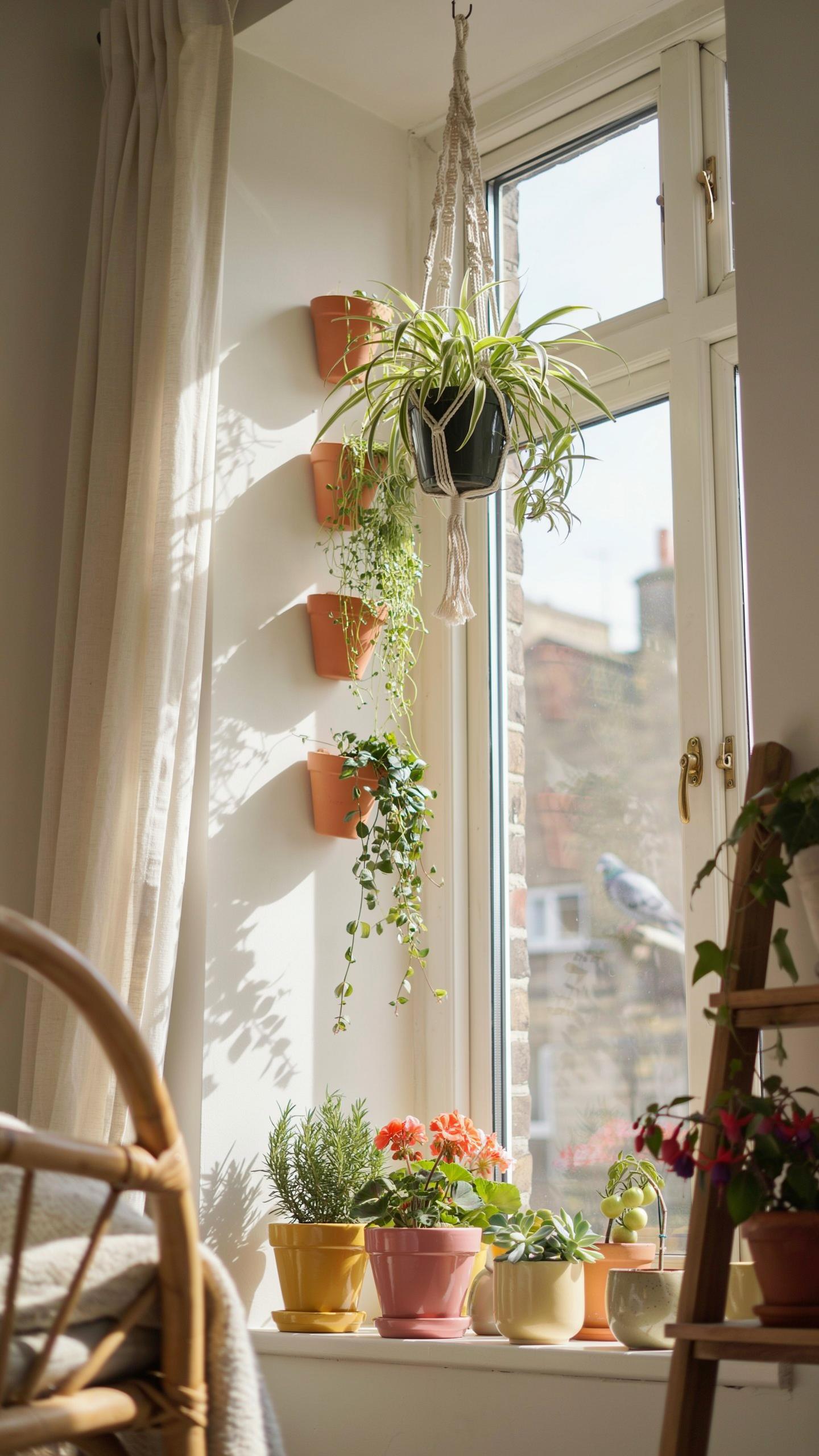
Tiered And Vertical Arrangements
Multi-level mounting brackets solve the horizontal space problem. Install them at staggered heights on your window frame or wall. This setup lets you plant upright species at top levels and trailing vines below. You effectively double your growing footprint without expanding your window ledge. The vertical approach works because sunlight reaches each tier differently, letting you match plant types to light conditions.
Structural support matters more than aesthetics here. Use heavy-duty brackets rated for wet soil weight. Most standard brackets handle 15 to 25 pounds per unit. Ensure your window frame can support the total load. Shallow containers work best on upper tiers since they dry faster and weigh less. Lower tiers can handle deeper planters that retain more moisture for demanding plants.
Mixing Textures And Foliage
Combine broad-leafed plants with fine-textured ornamental grasses in the same container. Broad leaves like hostas or coleus create visual mass and anchor the arrangement. Fine grasses like festuca or carex add movement and break up solid color blocks. This contrast prevents a flat, one-dimensional look even in small spaces. The textural mix makes shallow window boxes feel deeper and more intentional.
Select plants that share similar water and light needs to simplify maintenance. Broad-leafed plants typically prefer consistent moisture and partial shade. Ornamental grasses tolerate drier conditions and handle full sun better. Choose combinations that align with your window’s actual sun exposure. The foliage contrast works because your eye reads multiple layers of depth rather than one flat surface.
Essential Soil And Drainage For Window Garden Boxes
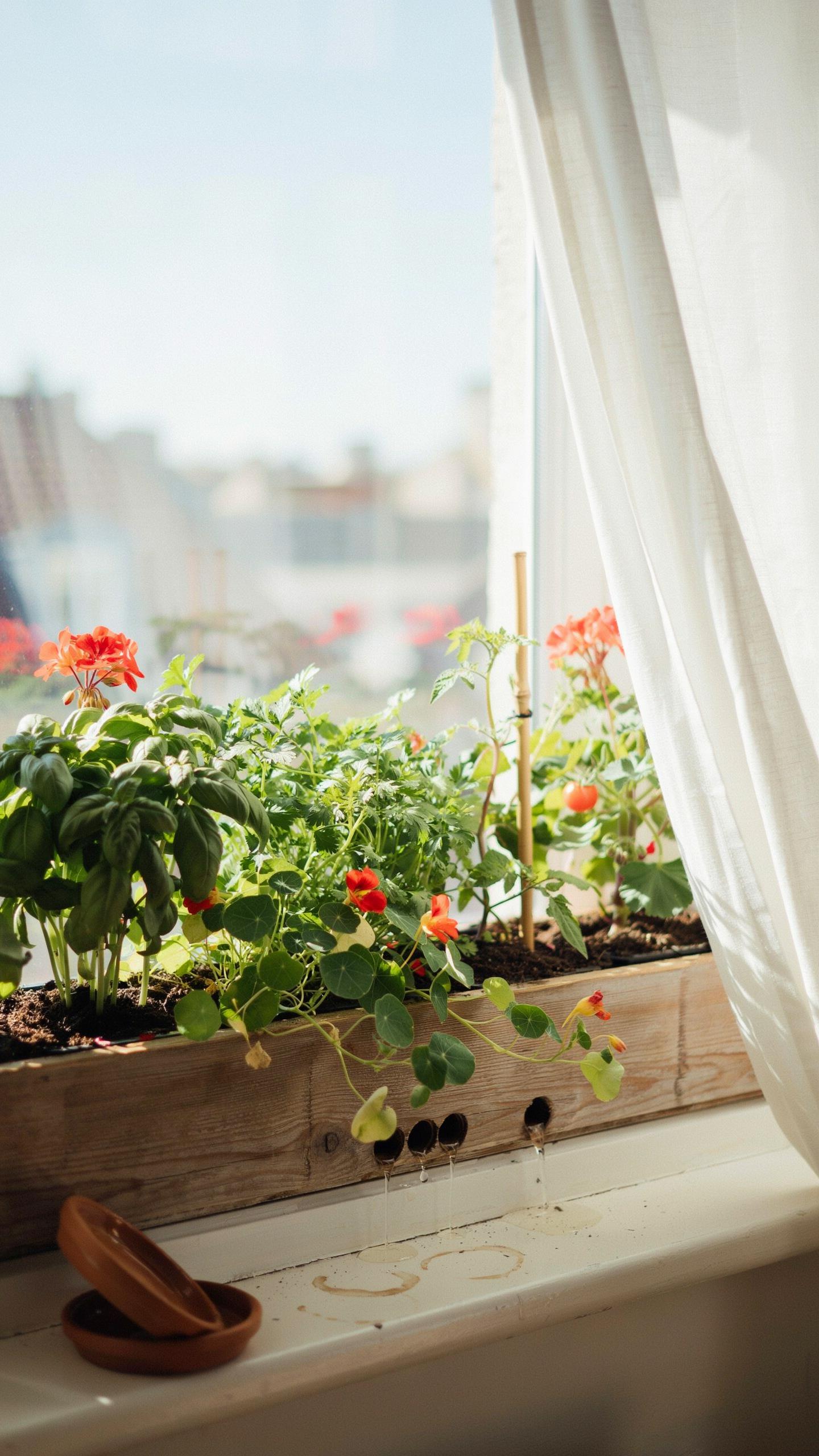
The Role Of Drainage Holes
Drainage holes are non-negotiable in window boxes. Water trapped in soil causes root rot, which kills plants in confined spaces quickly. Pre-drilled holes allow excess water to escape. Without them, your box becomes a waterlogged container that suffocates roots regardless of watering frequency.
Add a thin layer of gravel or fine mesh at the box bottom. This prevents soil from washing out while water drains freely. The gravel stays in place and lets water pass through. Mesh works similarly but takes up less vertical space, which matters in shallow window boxes where every inch counts.
Selecting The Right Potting Medium
Standard garden soil compacts heavily and blocks airflow in window boxes. Use commercial potting mixes formulated specifically for containers. These mixes contain organic material, perlite, and vermiculite blended to maintain structure and prevent compaction even after repeated watering cycles.
Perlite and vermiculite serve different purposes. Perlite improves drainage and keeps soil light. Vermiculite retains moisture longer, which reduces watering frequency in hot conditions. Mix potting soil with either material based on your climate. Hot, dry areas need more vermiculite. Cool or humid regions benefit from extra perlite for drainage.
Selecting The Best Outdoor Window Planter Boxes
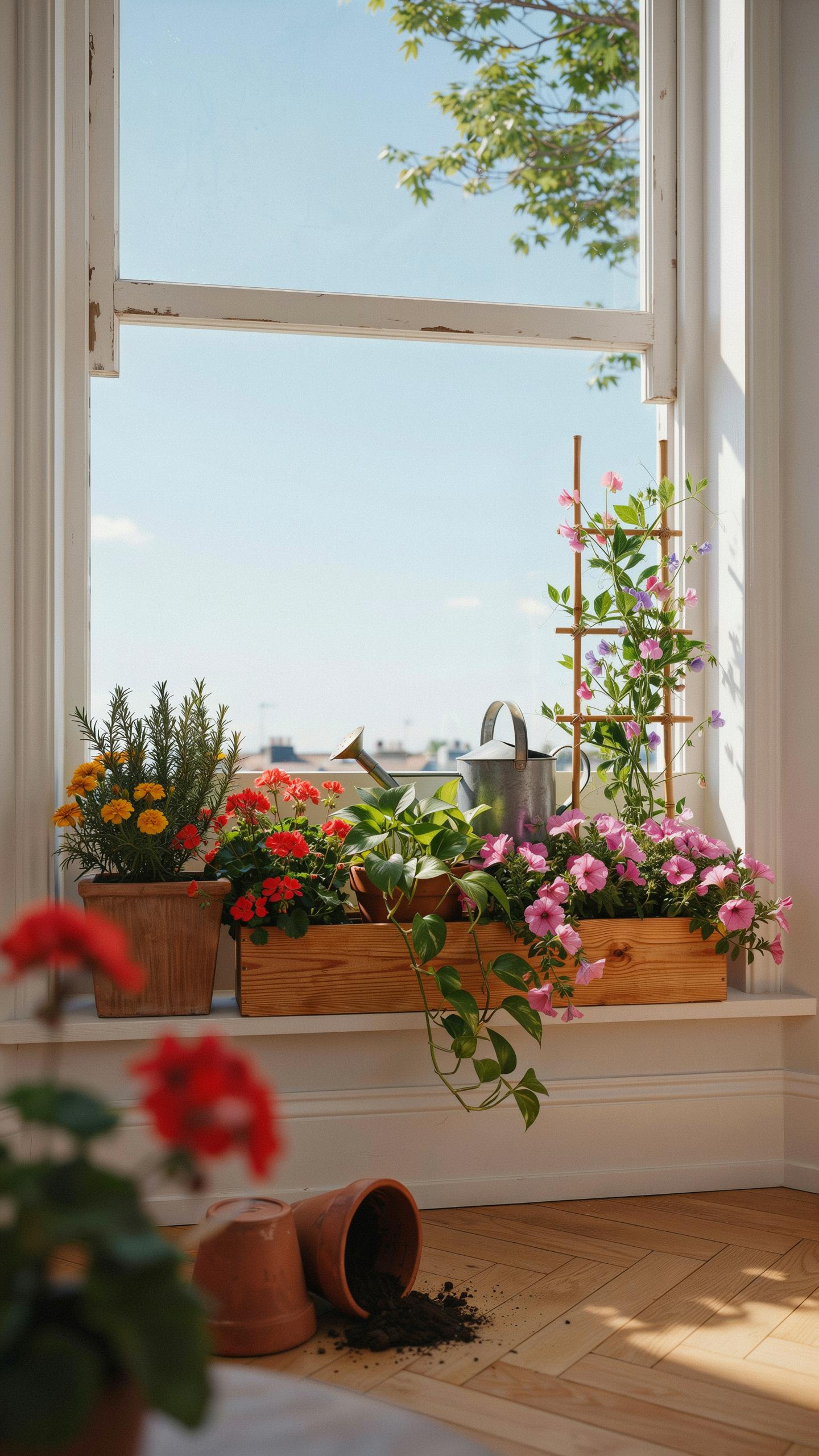
Secure Mounting Systems
Heavy planters filled with wet soil and mature plants create real load demands on your home’s exterior. Mount brackets directly into wall studs or solid masonry, never into drywall alone. Use lag bolts or concrete anchors rated for your planter’s total weight when saturated. Check manufacturer load ratings before installation. Test the bracket stability by applying downward pressure before planting.
Improper mounting causes planters to fall and injure people or damage property below. Verify stud locations with a stud finder or probe the wall physically. Space brackets no more than 16 inches apart for standard window boxes. Tighten all hardware fully and recheck connections seasonally. Wind and weather exposure accelerates fastener corrosion, so inspect mounts twice yearly.
Weatherproofing And Material Care
Wood absorbs water and rots without protection. Apply water-resistant sealant rated for exterior use annually, ideally before the wet season begins. Use non-toxic formulations safe for food crops. Let sealant cure fully before planting. Check for cracks or peeling yearly and reapply as needed to prevent structural failure.
Composite and vinyl boxes resist rot but accumulate algae and mineral deposits over time. Wash boxes quarterly with mild soap and water to maintain appearance and water drainage. Debris buildup in drainage holes causes root rot and kills plants. Remove leaves and sediment monthly. Vinyl can fade in intense sunlight, so consider box placement during the design phase.
Designing A Charming Cottage Style Window Box
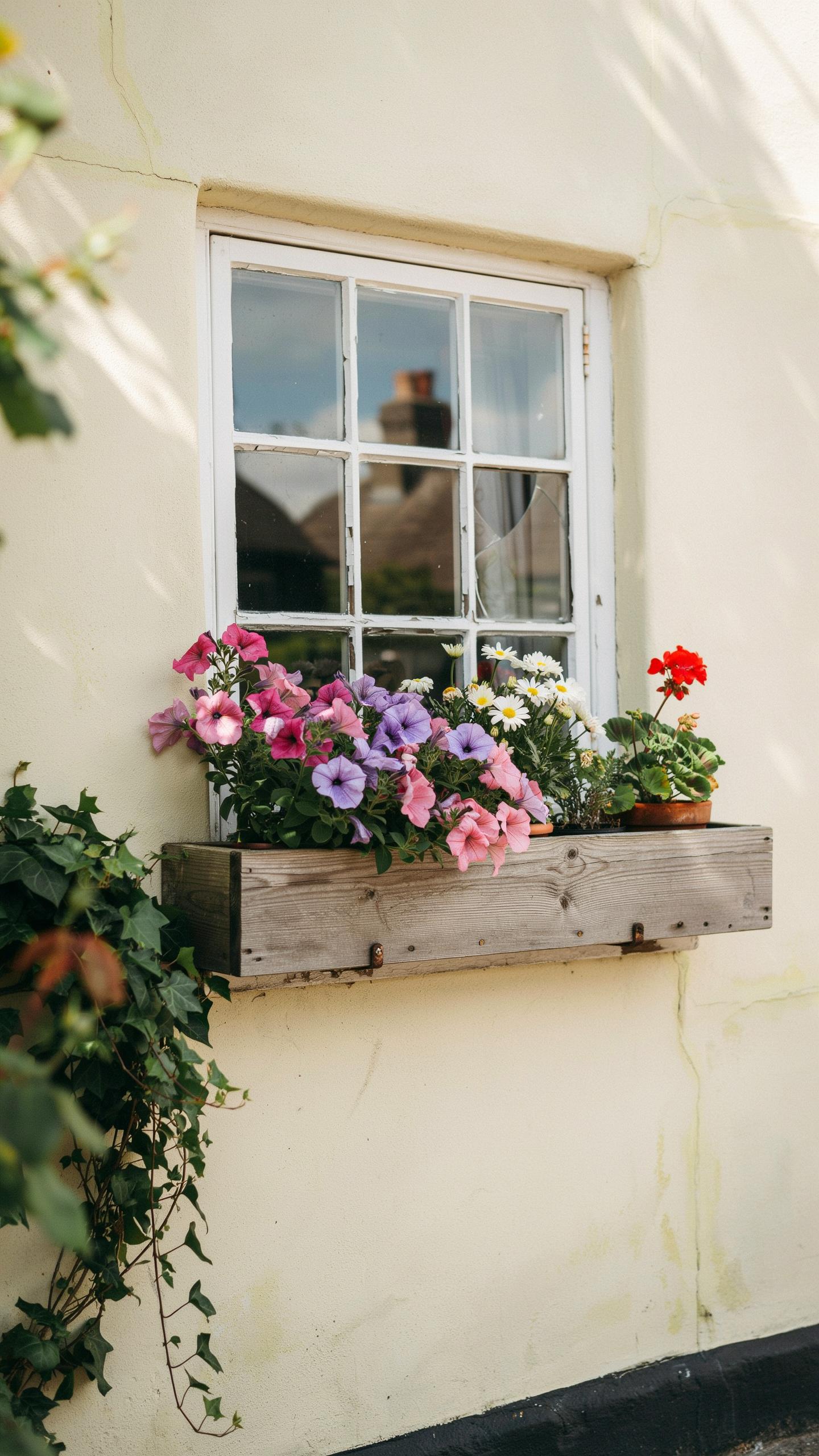
Must Have Cottage Style Plants
Cottage gardens trace back to rural English homes where homeowners grew practical and ornamental plants together. This aesthetic relies on plants that deliver continuous color, texture, and fragrance throughout the growing season. Choose varieties that tolerate container conditions and perform reliably in window boxes without demanding excessive maintenance.
- Pastel Petunias: Produce blooms from late spring through fall frost. Choose soft pink, lavender, or white varieties. Deadhead spent flowers to maintain continuous blooming. They need six hours of direct sunlight daily and moderate watering.
- English Ivy: Provides trailing green foliage that softens box edges. Hardy perennial that tolerates partial shade well. Grows year round in most climates. Use as a structural backbone for your design.
- Sweet Alyssum: Creates delicate white or purple flower clusters. Produces honey-like fragrance that attracts pollinators. Blooms prolifically and reseeds readily. Pairs well as a border plant along box edges.
- Lavender: Stands upright to add architectural interest and height variation. Produces purple flower spikes in mid summer. Requires well draining soil and full sun exposure. Attracts bees and butterflies to your window.
- Lobelia: Delivers vibrant deep blue and purple blooms throughout summer. Trails naturally over box edges or stands upright depending on variety. Tolerates partial shade better than most cottage plants. Blooms until first frost arrives.
Combine these plants strategically to create depth and visual interest. Place taller specimens like lavender in the back. Position trailing varieties like English ivy and lobelia near edges. This layering technique maximizes the visual impact of shallow window boxes.
Creating A Wild And Lush Herb Display
Culinary herbs work exceptionally well in cottage style boxes because they serve dual purposes. Rosemary, thyme, and parsley provide kitchen ingredients while delivering attractive foliage and texture. Position herb boxes on south or west facing kitchen windows for optimal sunlight and easy harvest access during cooking.
Blend herbs with complementary flowers to create functional and beautiful displays. Thyme naturally cascades over edges while rosemary provides upright structure. Ruffled parsley adds feathery texture that contrasts with lavender and petunias. This combination balances practicality with authentic cottage garden aesthetics while keeping harvest materials within arm’s reach.
Caring For Window Plants Outdoor In Variable Weather
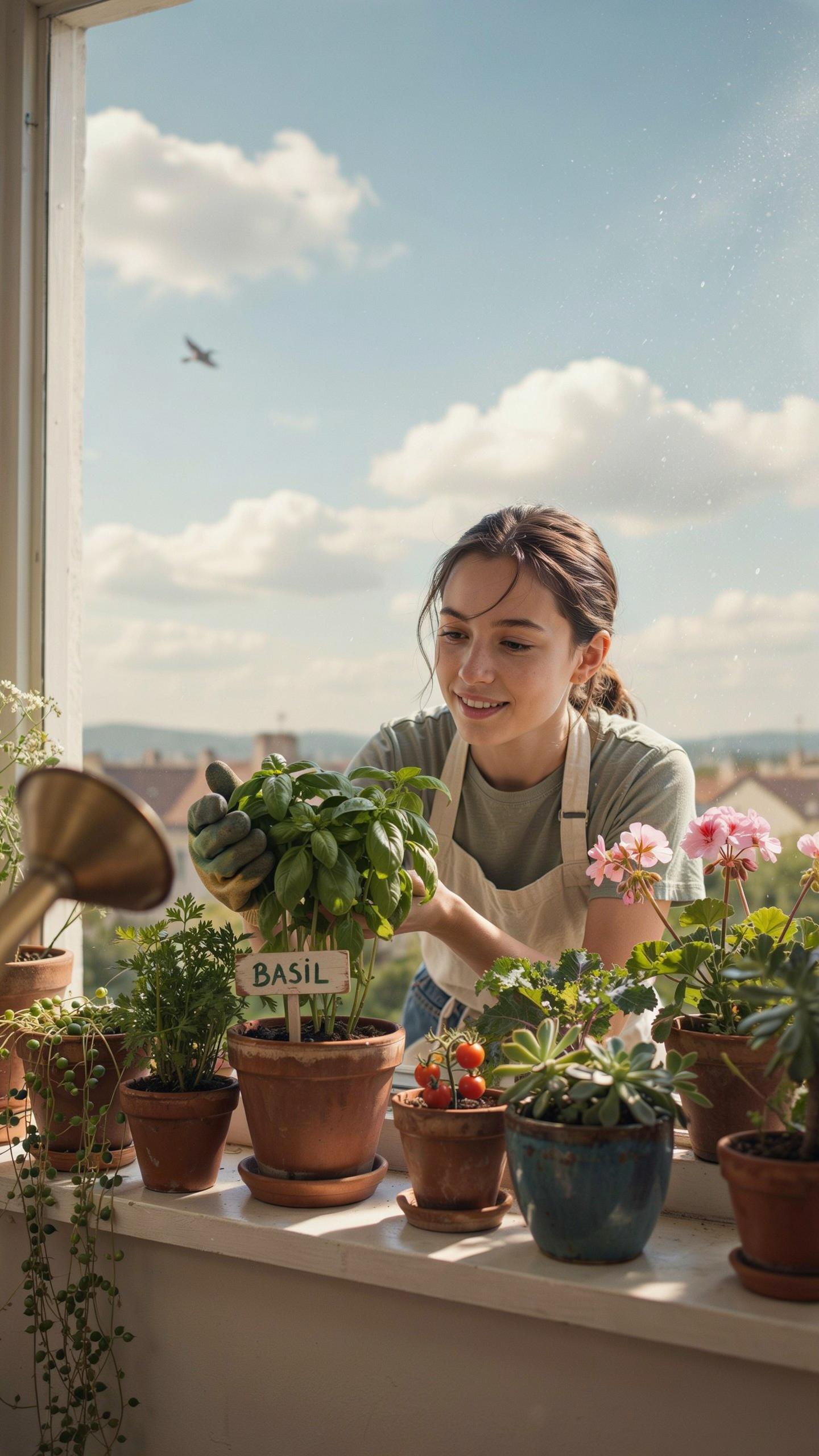
Watering Routines And Moisture Control
Outdoor containers lose water fast. Direct sun and wind accelerate evaporation, especially in containers smaller than twelve inches wide. Check soil moisture daily during summer months. Stick your finger two inches into the soil. If it feels dry, water immediately. This prevents plant stress and root damage from inconsistent hydration.
Self-watering reservoirs solve the consistency problem. These containers hold water in a separate chamber that plants draw from as soil dries. Add mulch to the soil surface to reduce evaporation further. A one-inch layer of bark or compost keeps moisture near roots longer. This approach cuts watering frequency by thirty to fifty percent depending on conditions.
Managing Light And Shade Shifts
Sun exposure determines which plants survive in your window box. Map where direct sun hits your window ledge throughout the day. South and west-facing exposures receive the most intense afternoon heat. East-facing boxes get gentle morning sun. North-facing locations stay shaded most of the day. Understand this pattern before you plant anything.
Group plants by their light requirements. Begonias, impatiens, and fuchsias tolerate shade and perform well on north or east sides. Place heat-loving plants like petunias, marigolds, and sedums on south and west ledges where they receive six or more hours of direct sun daily. Mismatched light conditions kill plants faster than any other factor in window box gardening.
Arranging Window Planter Boxes Flowers Using Thriller Spiller Filler Design
Step By Step Design Formulas
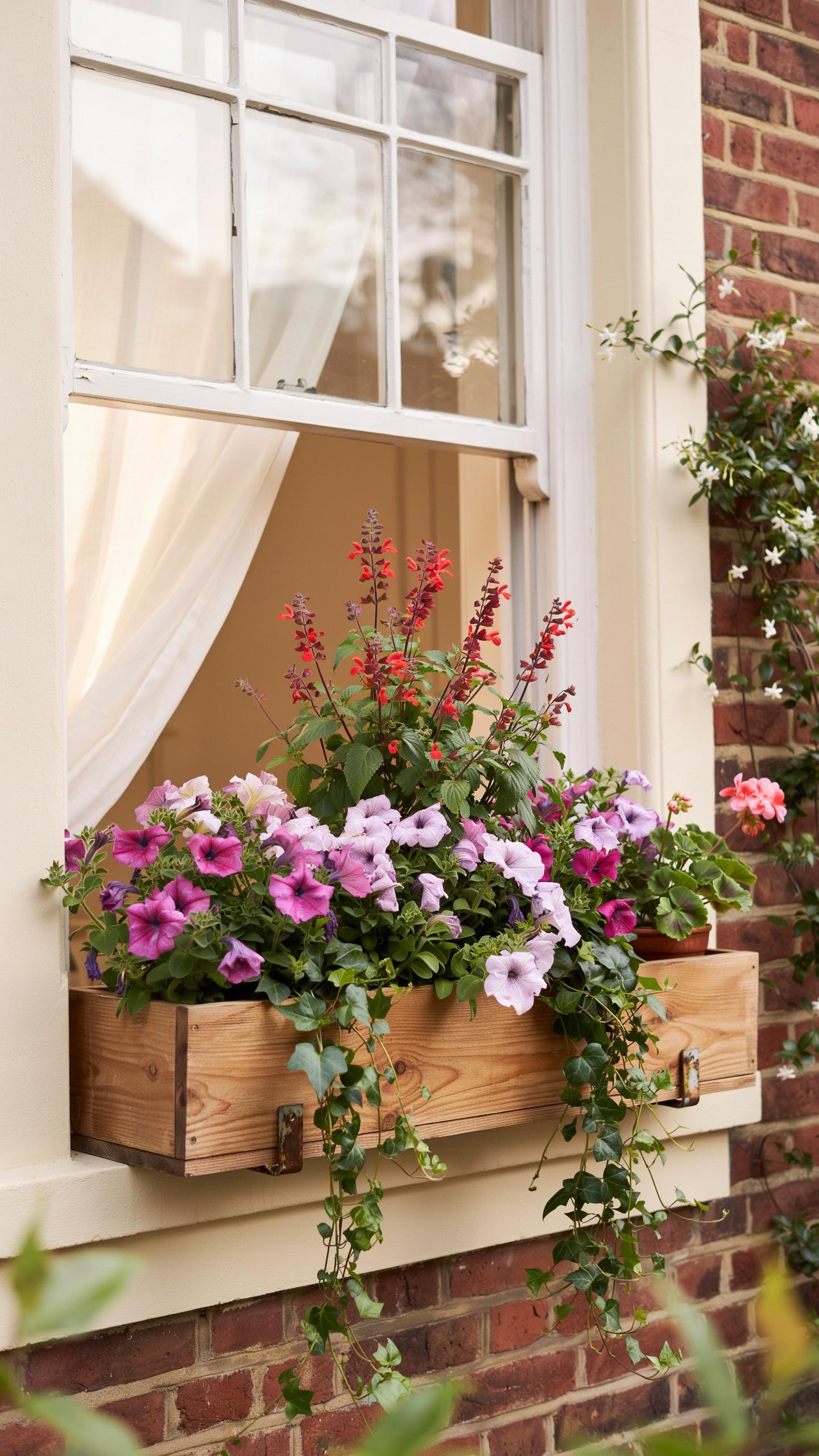
The thriller, spiller, filler method creates balanced window box arrangements by establishing clear visual hierarchy. This system works because it addresses three distinct functional roles: a focal point, supporting volume, and edge interest. Plant placement matters more than plant choice. Start with one thriller specimen to anchor viewer attention.
- Thriller: Position tall specimens like Salvia or Geraniums in the back center. These plants reach 12 to 24 inches and command attention as the primary focal point of your arrangement.
- Filler: Surround the thriller with mounding plants such as Marigolds or Coleus. These plants fill 6 to 12 inches of space and create volume without competing for visual dominance.
- Spiller: Place trailing plants like Creeping Jenny or Sweet Potato Vine along the front edge. These cascade 6 to 18 inches downward and soften box edges while adding depth.
- Thriller Examples: Consider Zinnias, Snapdragons, or Calibrachoa varieties. Each provides reliable height and consistent color throughout the growing season in window boxes.
- Spacing Rule: Position thriller plants 2 to 3 inches from the back edge. This prevents root competition and allows spillers sufficient room to cascade without crowding the focal point.
This formula applies to any window box size or climate zone. Success depends on respecting plant heights and mature widths rather than cramming specimens together. Commercial nurseries use this exact method because it works consistently.
Like a handwritten letter on a windowsill, a flower box is a tiny paradise that welcomes the sun into even the smallest home. With a bit of earth and a clever touch, anyone can grow a world of beauty right outside their glass.
Color Harmonization And Seasonal Rotation
Select two to three complementary colors to prevent visual chaos in small spaces. Monochromatic schemes work best for window boxes because single color palettes read clearly from street level. Restrict secondary accent colors to 20 percent of total planting area. This discipline maintains focus.
Swap summer annuals for seasonal performers as temperatures drop. Spring calls for Pansies and Snapdragons. Summer tolerates Impatiens and Begonias. Fall accepts Chrysanthemums and Ornamental Cabbage. Winter holds Evergreen Cuttings and Berry Branches. Seasonal rotation extends visual interest year-round without requiring complete design overhauls.
Installing Under Window Flower Boxes Safely And Professionally
Structural Inspection And Anchorage
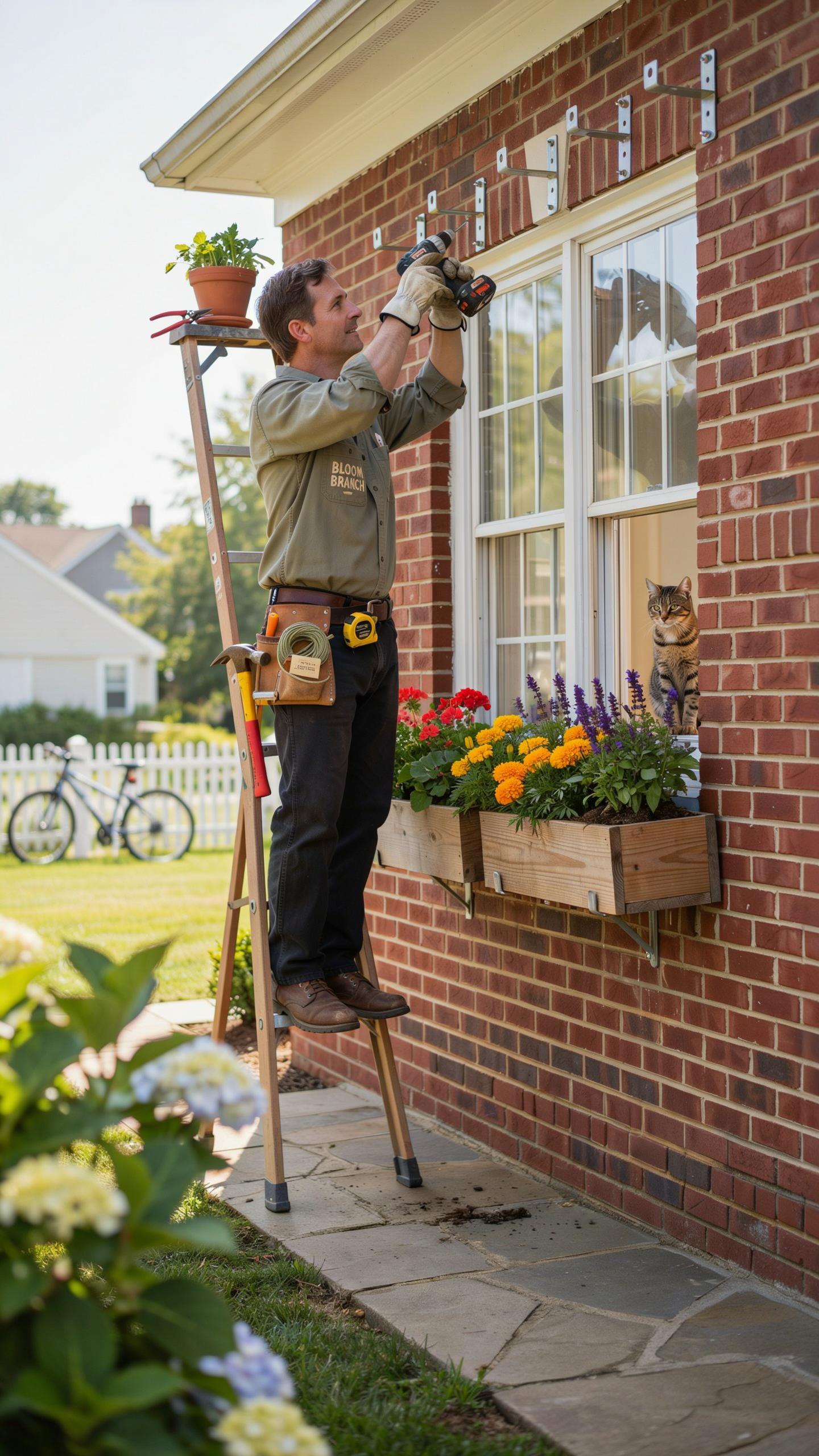
Inspect your home’s exterior wall before installation. Check for rot, cracks, or soft spots in wood siding, brick, or stucco. Test the substrate by pressing a screwdriver into the surface. If it penetrates easily, the wall cannot support a loaded planter box safely. Address structural issues first.
Use stainless steel masonry screws or heavy-duty lag bolts rated for your wall material. Stainless steel resists rust and corrosion from soil moisture and fertilizer runoff. Install brackets at studs or into solid masonry whenever possible. Space fasteners six to eight inches apart minimum. Over-tighten fasteners gradually using a level to ensure the box sits flush and level throughout installation.
Preventing Water Damage To Walls
Install a spacer or standoff bracket behind the planter box to create air circulation. This gap prevents moisture from pooling between the box and siding. Without ventilation, water trapped against your wall causes wood rot, mold growth, and structural deterioration over time. The spacer also allows water to drain and evaporate naturally.
Choose standoff brackets made from stainless steel or galvanized metal to prevent rust. Space the brackets to maintain at least one inch of clearance between the box back and wall surface. Drill weep holes in the planter box bottom to allow water drainage. Check the gap periodically to ensure no debris blocks airflow or creates moisture pockets against your home.
Frequently Asked Questions

What are the best plants to grow in window boxes for beginners?
If you are new to small space gardening window boxes, start with hardy options like petunias, pansies, or leafy greens. These plants are resilient and adapt well to the confined soil volume of a container. Herbs like mint and basil are also excellent choices because they grow quickly and provide a fresh harvest right at your fingertips, making your first gardening experience both successful and rewarding.
How do I properly secure and maintain a window box in a small area?
Safety is paramount, so always use heavy-duty brackets rated for the weight of wet soil. To ensure your small space gardening window boxes thrive, choose a high-quality potting mix rather than garden soil to improve drainage and prevent root rot. Watering is also key; containers dry out faster than ground soil, so check moisture levels daily and use a liquid fertilizer every few weeks to keep your displays blooming.
Can I create a beautiful window garden on a tight budget?
Absolutely! You can save money by upcycling wooden crates or plastic bins into DIY planters, provided you drill adequate drainage holes. Purchasing seeds instead of established nursery starts is another cost-effective way to fill your boxes. Additionally, many gardeners divide perennials or trade cuttings with neighbors to populate their displays, proving that stunning vertical greenery is accessible to everyone regardless of their renovation or decorating budget.