Understanding Garden Soil Preparation For Native Species
Why Native Plants Require Specialized Regional Soil Profiles
Native plants evolved in specific soil conditions shaped by regional geology, climate, and microorganisms. They depend on particular pH levels, mineral compositions, and microbial communities found in their native habitat. Soil prepared for native plants differs fundamentally from generic garden soil or amended topsoil sold commercially. Matching your soil profile to regional native plant requirements ensures establishment success and reduces long-term maintenance needs.
Southeastern natives need acidic soils with organic matter. Western natives thrive in lean, well-drained mineral soils with minimal organic content. Midwest prairie plants require deep loam with specific nutrient balances. Desert natives demand sandy, rocky substrates with little amendment. Attempting to grow regional natives in unsuitable soil forces you to constantly amend and manage conditions they never naturally require.
Evaluating Your Current Ground Conditions Before Planting
Start by running a soil test through your local cooperative extension office. This test measures pH, nutrient levels, organic matter percentage, and texture. You need these exact numbers to determine what modifications, if any, you actually require. Guessing about soil composition leads to expensive mistakes and unnecessary amendments that harm native plant performance.
Walk your property and observe what grows naturally. Native trees, shrubs, and weeds indicate your soil’s actual character and drainage patterns. Dig test holes in multiple locations to assess depth, layering, and drainage speed. Observe how water moves through your soil after rain. These observations reveal whether you have compacted clay, rocky substrate, sandy loam, or something else entirely. This fieldwork gives you the tactical foundation for intelligent soil decisions.
What Constitutes Good Soil For Gardening In Eco Friendly Landscapes
The Delicate Balance Of Organic Matter And Mineral Structures
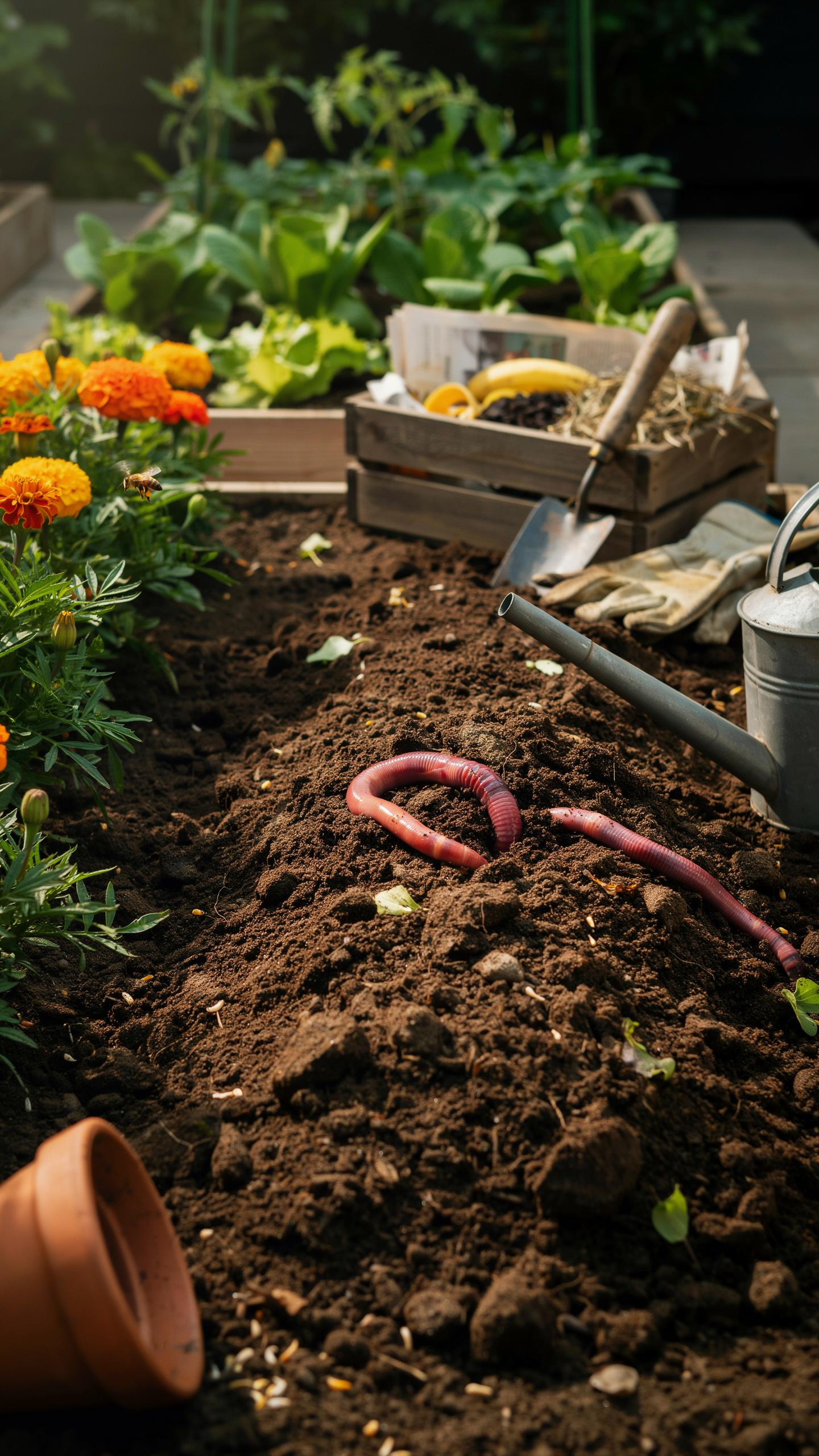
Good soil for native plants requires organic matter and mineral content working together. Organic matter improves water retention, nutrient availability, and microbial activity. Mineral structures provide physical support and drainage pathways. The ideal ratio depends on your native plants and local climate. Most native plant gardens thrive with 3 to 5 percent organic matter by weight mixed into existing mineral soil.
Mineral structures include sand, silt, and clay particles that determine soil texture. These particles affect water movement, aeration, and root penetration. Native plants evolved in soils with specific mineral compositions matching their region. Adding too much organic matter without understanding your mineral base creates compaction and drainage problems. Test your existing soil texture before amending to avoid costly corrections.
How Local Soil Ecosystems Differ From Commercial Potting Mixes
Local soil ecosystems contain established microbial networks, fungi, and biological communities native plants depend on. Commercial potting mixes contain sterile components optimized for container growing, not ground establishment. These mixes often include peat, perlite, and bark designed for fast drainage and uniform structure. Native plants in potting mix fail to develop the deep root systems they need for survival.

Native soil in your region matches the pH, mineral content, and microbial populations that local plants evolved with. Building on this foundation beats replacing it entirely. When you must improve soil, amend in place rather than importing foreign mixes. This preserves existing biology and costs less than complete soil replacement. Work with what you have and enhance it strategically.
Analyzing Soil Types And Testing Your Native Plants Site
Performing Simple Drainage And Squeeze Tests At Home
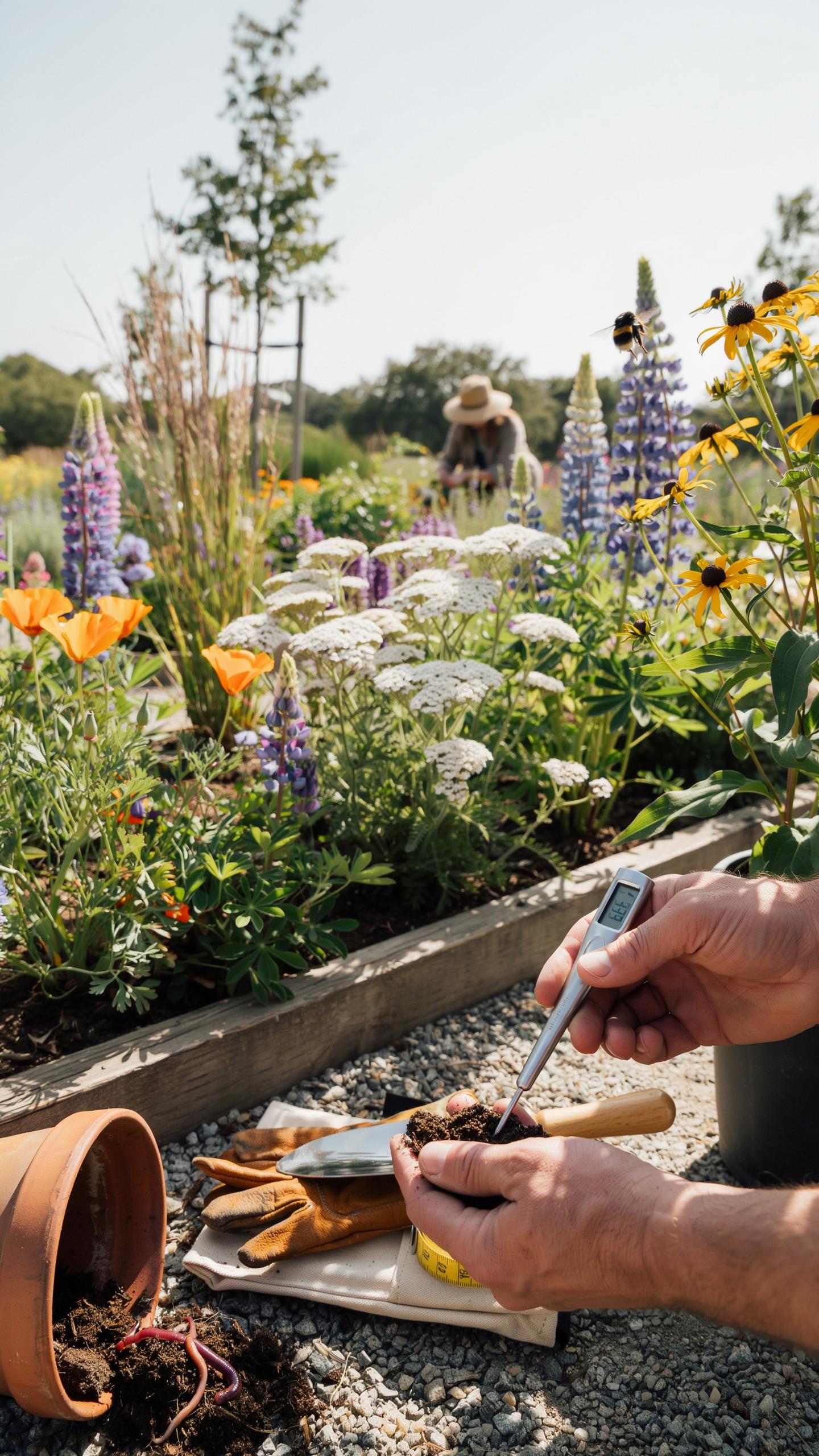
Start with the squeeze test to identify your soil texture. Grab a handful of moist soil and squeeze it hard. Sandy soil crumbles immediately. Clay soil forms a tight ball. Loam soil breaks apart with gentle pressure. This tells you the clay, silt, and sand ratio without lab work. Native plants need different textures based on species, so knowing yours determines what amendments you need before planting.
Run a drainage test on your site within 24 hours of heavy rain. Dig a hole six inches deep and fill it with water. Check the water level after one hour. If water remains, you have poor drainage and likely clay-heavy soil. If water drains completely in minutes, you have sandy soil that won’t hold moisture. Most native plants prefer moderate drainage. This simple test reveals whether you need to amend the soil or select drought or wet tolerant species.
Interpreting Professional PH And Nutrient Laboratory Results
Send soil samples to your state’s cooperative extension office or a private lab for accurate readings. Labs measure pH on a scale from zero to fourteen, with seven being neutral. Most native plants thrive between pH 6.0 and 7.5, though some prefer acidic conditions below 6.0. Labs also test nitrogen, phosphorus, and potassium levels. Results show whether your soil is deficient or excessive in these macronutrients. This data prevents you from over amending and wasting money on unnecessary inputs.

Read lab reports by comparing your results to native plant requirements for your region. A report might show high phosphorus, which can actually harm native plants and promote weeds. Low nitrogen is common in native plant soils and often requires no correction since native plants evolved in low nutrient conditions. Focus on pH first since it controls nutrient availability. Amend only what the report indicates is genuinely missing. This approach aligns your soil chemistry with what local native species actually need to succeed.
Applying Lessons From Veg Garden Designs To Native Flora Plots
Nutrient Needs: Vegetable Gardens vs. Native Plant Soil Prep
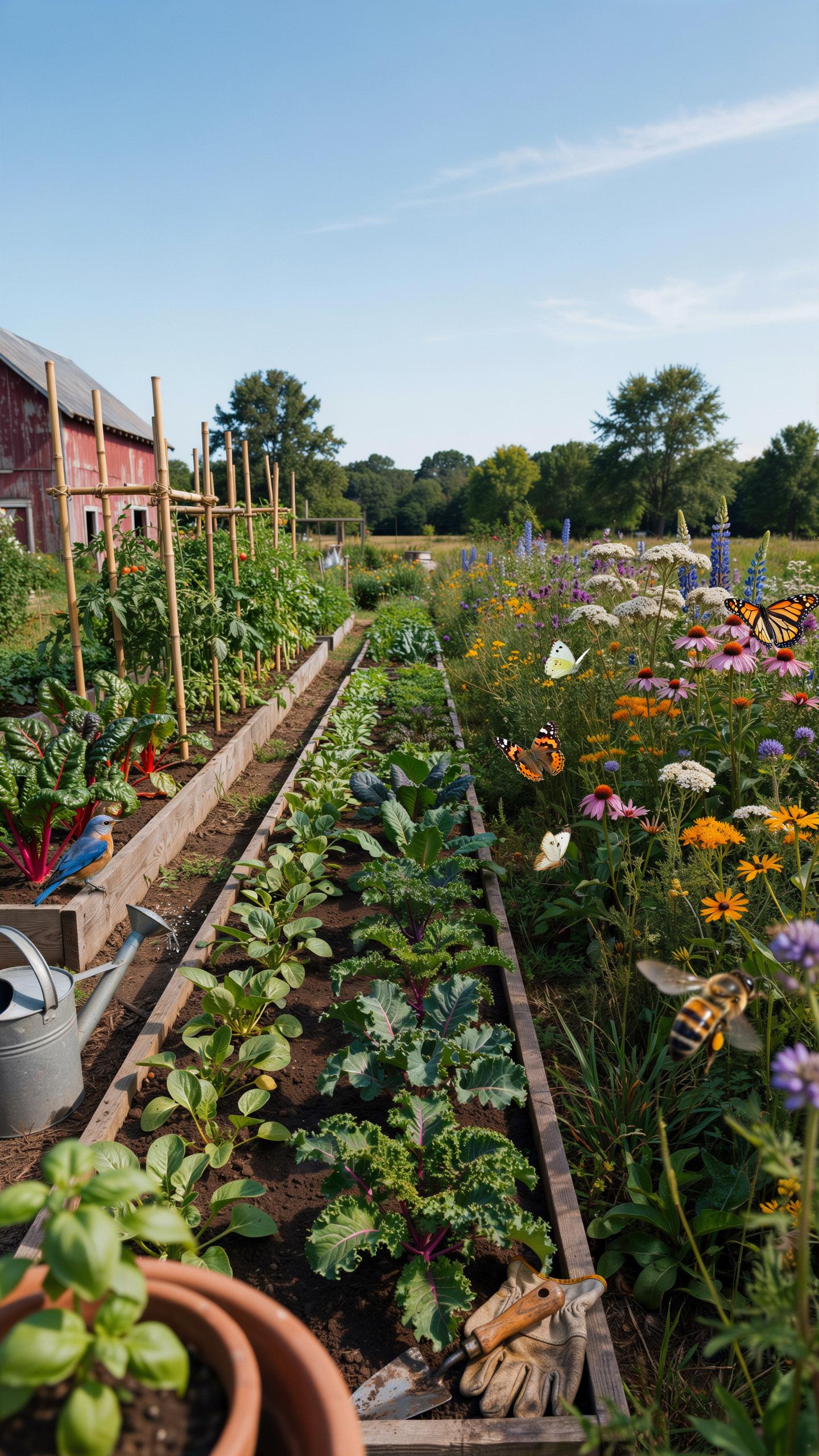
Vegetable gardens demand high nitrogen and phosphorus because crops extract nutrients rapidly through fruit and seed production. Native plants evolved in local soil conditions and require far less supplementation. Heavy feeders like tomatoes need compost or fertilizer additions. Most native wildflowers thrive in lean soil without amendments. Adding excess nutrients to native plots triggers aggressive growth, weakens root systems, and invites non-native invasive species that outcompete natives in rich conditions.
The soil prep difference matters tactically. Instead of building fertility, native soil prep focuses on texture and drainage. Remove compaction. Improve structure with coarse materials. Native plants allocate energy to deep root development rather than foliage when nutrients stay limited. This creates drought resilience and stability that vegetable gardens cannot achieve. Your native plot becomes self-sustaining once established because the plants match the soil, not the reverse.
Crop Rotation Logic Reimagined: Succession Planting in Native Gardens
Crop rotation cycles crops through different beds to manage pest pressure and nutrient depletion over years. Native plantings use rotation differently. Space plants by mature width and succession timeline rather than nutrient demand. Early colonizers like annual natives stabilize bare soil. Mid-stage perennials fill gaps. Late-stage deep-rooted species establish permanent structure. This layered timing prevents bare ground exposure and mimics natural plant community development.
Adapt rotation thinking by rotating planting zones within your space rather than rotating crops through time. Start with soil prep in zone one while zone two establishes, then move to zone three. This staggered approach reduces ongoing maintenance and spreads your labor. Native plots reach stability faster because each zone succeeds to the next naturally. You’re not fighting soil depletion like vegetable gardeners do. The system builds momentum toward self-sufficiency rather than requiring constant input to maintain output.
How To Turn Clay Soil Into Good Soil Without Destroying Its Structure
Essential Soil Amendments To Organically Break Up Dense Clay Particles
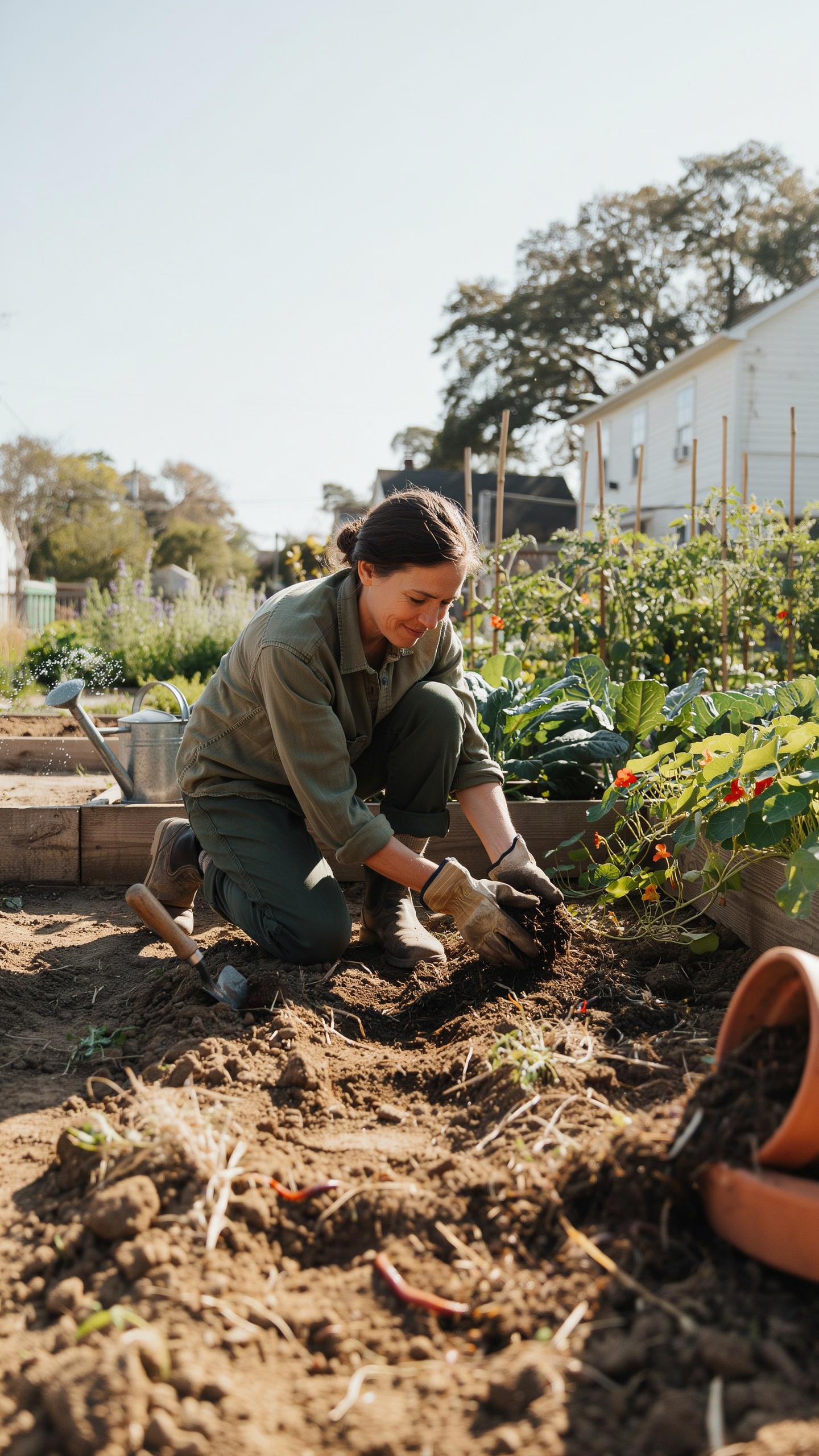
Clay particles bind tightly together, creating compaction that restricts root penetration and water drainage. Organic matter physically wedges between clay particles, separating them without collapsing soil architecture. You need materials that decompose slowly enough to maintain this separation over time. The goal is permanent structure improvement, not temporary loosening that reverts after one season.
- Compost: Aged compost adds organic material that microbial activity breaks down, creating stable pore spaces between clay particles and improving water retention and drainage simultaneously.
- Aged Wood Chips: Larger particles of decomposing wood create air gaps in clay soil. Use chips aged 6-12 months to avoid nitrogen depletion during active decomposition stages.
- Leaf Mold: Partially decomposed leaves contain lignin and cellulose that resist quick breakdown. This slow decomposition maintains clay separation for extended periods compared to fresh additions.
- Peat Moss Alternative (Coconut Coir): Coir holds air pockets within clay matrix while improving water retention. It decomposes slower than peat and offers similar structural benefits without carbon footprint concerns.
- Sand (Coarse, Not Fine): Coarse sand particles create permanent voids in clay structure. Fine sand compacts; only coarse sand maintains consistent spacing and improves drainage meaningfully.
Apply amendments at 2-4 inches depth worked into the top 8-12 inches of clay. Repeat annually for three years to build lasting structural change. Native plants adapted to local clay types require less amendment than non-native species, so choose regionally appropriate plants first.
Why Deep Tilling Clay Does More Harm Than Good Over Time
Tilling clay breaks apart aggregates that naturally develop over years. You destroy fungal networks and microbial colonies that bind soil particles into stable units. The immediate result feels like improvement: the soil loosens and becomes workable. Within weeks, clay particles resettle and compact harder than before because the tilling destroyed the biological glue holding them open.
Each tilling event requires the next season’s tilling to produce the same effect. You create mechanical dependence instead of biological resilience. Native plant gardens need stable soil structure to support deep root systems that access water during drought. Shallow tilling once or twice during establishment causes less damage than annual tilling, but surface amendment without tilling preserves existing aggregates and builds on them over time.
How To Fix Compacted Soil To Improve Drainage For Deep Roots
The Science Of Aeration And Restoring Essential Pore Space
Compacted soil lacks pore space where water, air, and roots move. Aeration creates channels that restore these voids. When soil compresses, particles pack tightly together, blocking water infiltration and suffocating root systems. Native plants need deep pore networks to establish strong taproots and access moisture during dry periods.
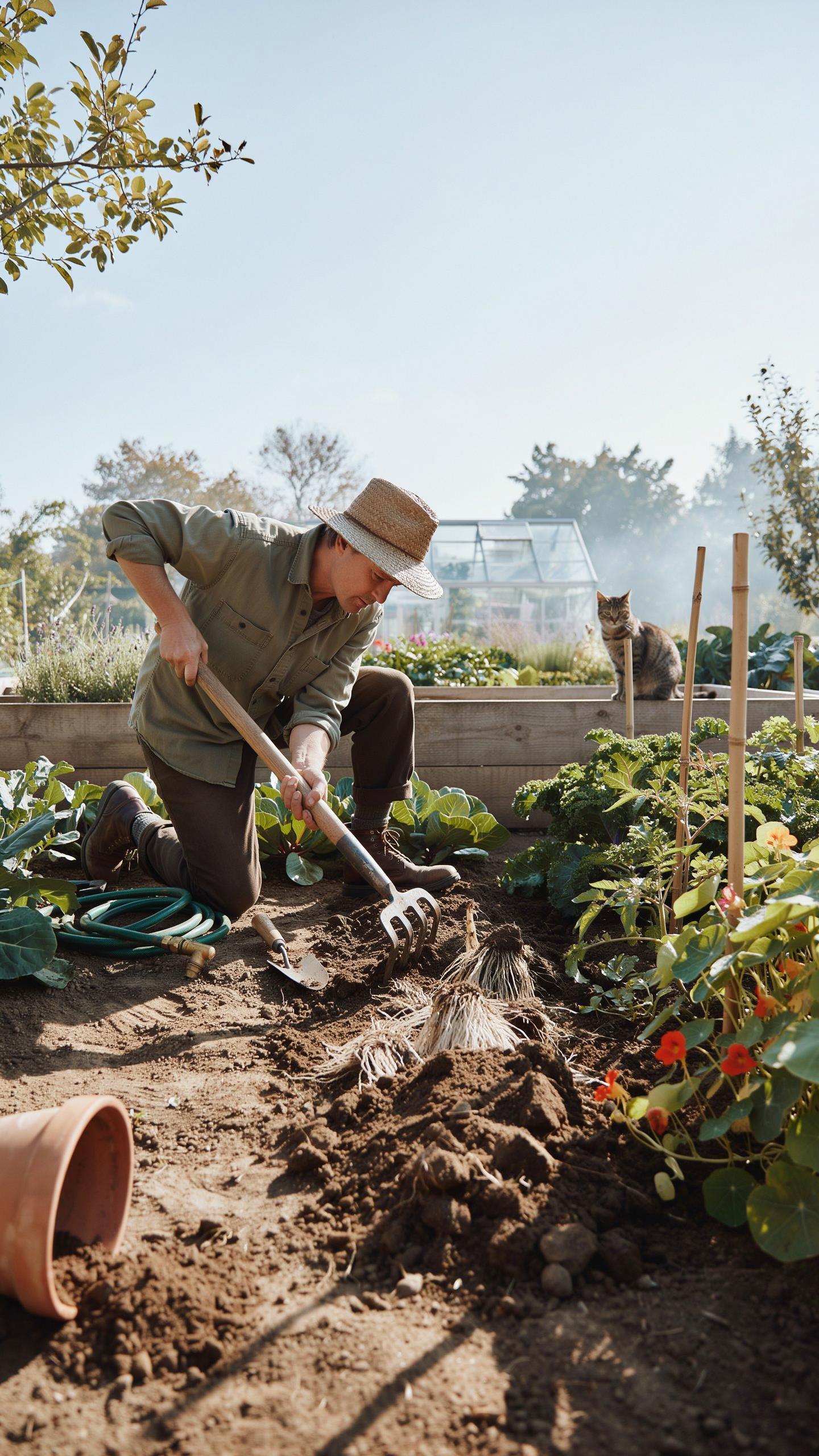
Mechanical aeration works by breaking up dense soil layers. Use a broadfork, spading fork, or core aerator to penetrate 8 to 12 inches deep. Work when soil moisture sits between wet and dry. Avoid aerating waterlogged soil, which causes further damage. Space passes 6 inches apart for severely compacted areas to restore functional pore structure.
To forget how to dig the earth and to gently tend the soil is to forget ourselves. When we prepare the ground for native blooms, we are simply coming home to the land that first held us.
Utilizing Cover Crops And Deep Taproots As Natural Decompactors
Cover crops with deep root systems break compaction from below without machinery. Plants like alfalfa, comfrey, and buckwheat send roots deep into hard layers, creating permanent channels as they decompose. These biological tools work year-round and improve soil biology simultaneously. Plant cover crops in fall or early spring before your native planting season begins.
Rotate cover crops over two growing seasons for maximum decompaction effect. Plant fast-growing species like buckwheat in summer, then switch to winter crops like hairy vetch. Deep-rooted perennials establish pathways that remain open after incorporation. Till cover crops into the top 6 inches when they mature, leaving root channels intact below for native plant establishment.
A Comprehensive Gardening Soil Guide For Regional Microclimates
Tailoring Sand Silt And Loam Ratios To Your Geographic Zone
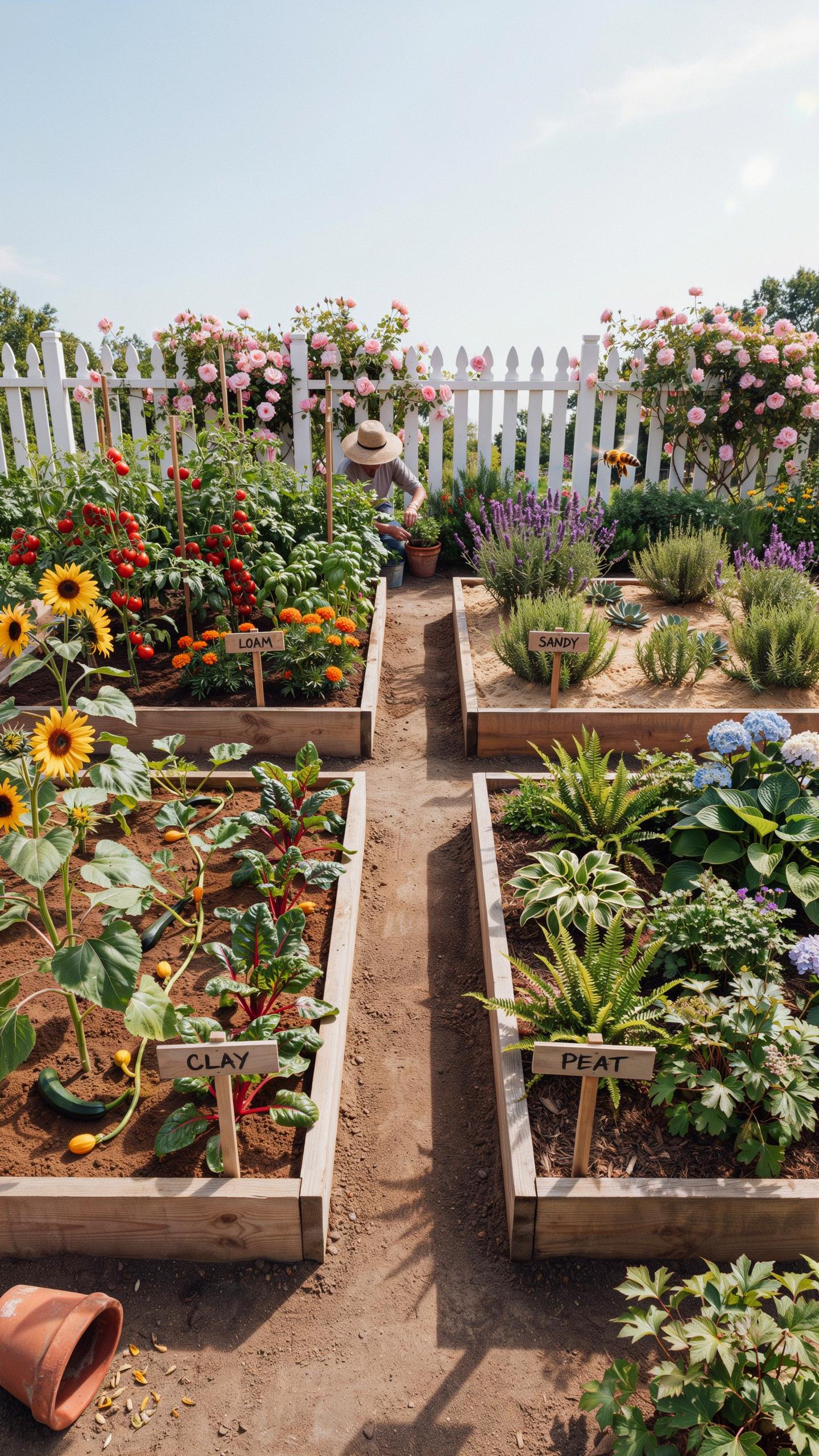
Native plants evolved in specific soil compositions tied to their regional climate and geology. Sand, silt, and clay percentages vary dramatically by location. A plant thriving in sandy coastal soil fails in clay-heavy Midwestern conditions. Matching your soil texture to regional native species requirements determines plant survival and growth rates. Test your soil first, then adjust ratios accordingly rather than guessing.
Regional microclimates demand different approaches. Eastern deciduous forests need higher organic matter and moderate clay content. Western prairie soils run sandy and lean. Southwestern desert natives require minimal organic material with excellent drainage. Coastal plains work with sandy loam structures. Measure your existing soil texture through a jar test or professional analysis, then amend based on what native species you plant, not what you want to grow.
Sourcing Ethical And Native Friendly Local Organic Bulk Materials
Local suppliers often sell compost and mulch harvested from regional sources, reducing transportation impact and ensuring material compatibility with your ecosystem. Contact municipal composting programs, landscape supply yards, and native plant nurseries for bulk material options. Ask suppliers about sourcing practices and material origins before purchasing.
Verify that bulk compost comes from yard waste and food scraps rather than biosolids or sewage sludge products. Mulch should come from local tree trimming operations when available. Buy leaf mold and aged wood chips from certified sources that avoid treated wood and contaminated materials. Regional sourcing aligns amendments with your native plants and supports local waste reduction systems.
Protecting Native Soil Biology And Beneficial Mycorrhizae
The Critical Symbiotic Relationship Between Fungi And Endemic Flora
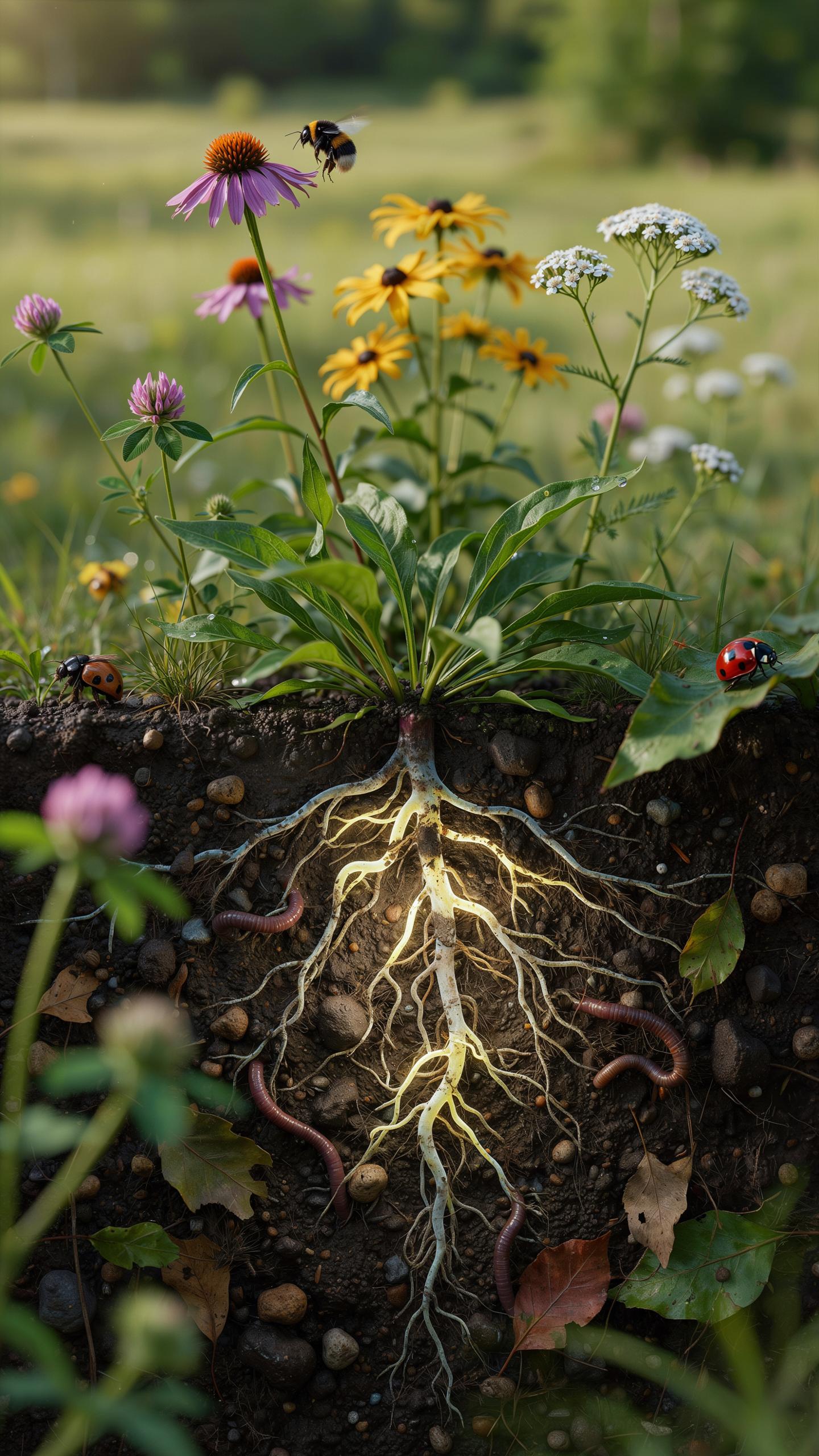
Native plants evolved alongside mycorrhizal fungi in their local soils. These fungi attach to plant roots and extend far into the soil, accessing water and nutrients the roots cannot reach alone. The plant feeds the fungus sugars through photosynthesis. This trade benefits both organisms and defines how native plants function in undisturbed ecosystems.
Mycorrhizal networks connect multiple plants underground, creating what researchers call the wood wide web. Fungi transfer nitrogen, phosphorus, and other minerals from soil to plants in exchange for carbohydrates. Native plants depend on these networks so heavily that many struggle or fail without them. Disrupting these relationships weakens plant vigor and survival rates.
Avoiding Synthetic Chemical Fertilizers That Disrupt Underground Ecosystems
Synthetic fertilizers kill mycorrhizal fungi directly or starve them by providing plants excess nutrients they don’t need from fungal partners. When plants get nitrogen, phosphorus, and potassium instantly from chemicals, they stop investing energy in fungal relationships. The fungi die back from lack of plant sugars. Over time, soil biology collapses.
Organic matter and natural mineral amendments feed soil life instead of bypassing it. Compost, aged manure, and native plant debris support the fungi and bacteria that native plants require. These materials slowly release nutrients as microbes break them down, maintaining the symbiotic cycle. Native plants thrive when soil biology remains intact and active.
Maintaining A Thriving Garden Using Proper Mulch And Irrigation
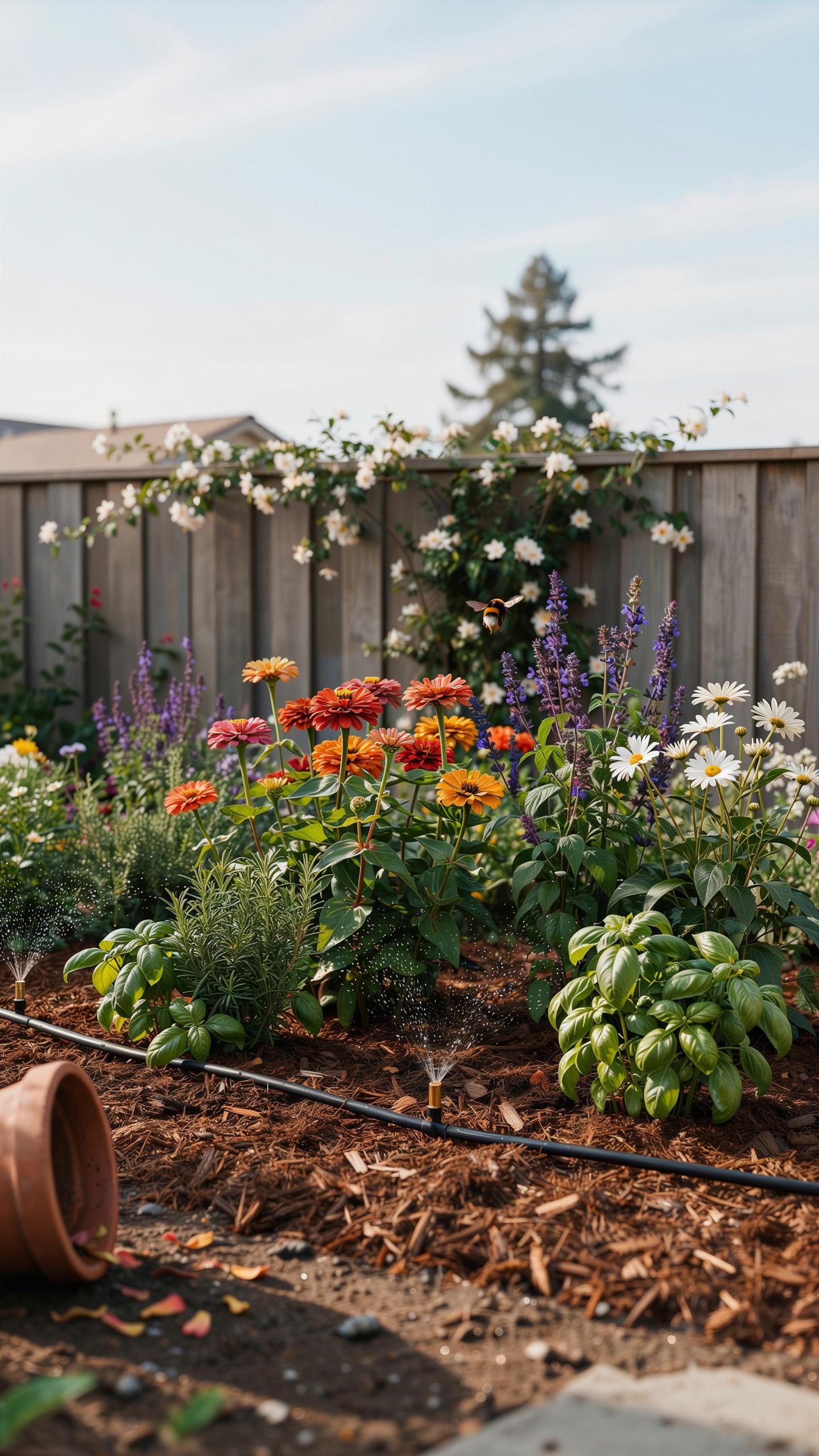
Best Mulching Practices To Conserve Moisture And Suppress Weeds Naturally
Mulch reduces soil water evaporation by 50 to 70 percent, cutting your watering needs significantly. Native plants evolved under specific mulch conditions in their natural environments. Apply two to three inches of mulch around plants, keeping it two inches away from stems to prevent rot and pest problems.
- Wood chips: Break down slowly, improve soil structure over time, and work well for trees and shrubs in native gardens.
- Shredded bark: Decomposes faster than chips, provides moderate weed suppression, and suits perennial beds with native plants.
- Leaves: Free material from fall cleanup, add organic matter quickly, and create ideal conditions for native understory species.
- Pine needles: Lower pH as they decompose, suit acid loving native plants like blueberries and provide good drainage.
- Compost: Enriches soil while suppressing weeds, but use sparingly since many natives prefer lean soil conditions.
Mulch temperature and moisture levels influence native plant root development and microbial activity. Replace mulch every two to three years as it breaks down and loses volume. Avoid dyed or treated mulch products, which contain chemicals that conflict with native plant ecology and soil health goals.
Designing Efficient Watering Schedules That Mimic Natural Rain Cycles
Native plants adapt to local precipitation patterns established over thousands of years. Most natives need regular water only during establishment, roughly the first one to two growing seasons. After that, reduce frequency drastically to match historical rainfall in your region. Check soil moisture three to four inches deep before watering.
Rainfall events in most climates come sporadically rather than on fixed schedules. Group native plants by water needs and create separate zones instead of watering everything uniformly. Drip irrigation delivers water directly to soil, reducing waste compared to sprinklers that wet foliage. Water early morning to minimize evaporation and disease pressure from prolonged leaf wetness.
Frequently Asked Questions

Why is specialized soil preparation necessary for native plants?
Many people assume that native species can simply be tossed into any dirt, but proper native plant garden soil prep ensures long-term success. Unlike generic garden beds, native areas often require soil that mimics the local ecosystem’s natural drainage and nutrient levels. Refining your soil structure now helps these plants develop deep, resilient root systems that allow them to thrive without the need for constant fertilizers or heavy supplemental watering later on.
How do I test and amend my ground before planting?
Start by performing a simple drainage test and checking your soil texture. If you have heavy clay or compacted earth, your native plant garden soil prep should involve broadforking to aerate the ground without flipping the layers. Avoid adding rich commercial compost unless your specific species require it; instead, focus on removing aggressive weeds and incorporating a small amount of leaf mold or organic grit to improve the soil’s natural permeability.
Can I prepare my garden soil effectively on a tight budget?
Absolutely! You don’t need expensive store-bought amendments to build a beautiful habitat. The “sheet mulching” method is a cost-effective way to prep your site using just recycled cardboard and free wood chips from local arborists. This process naturally kills off grass and enriches the earth over time. By utilizing materials you already have, you create a sustainable foundation for your local flora without spending a fortune on chemical additives.