Understanding The Basics Of A Native Plant Landscape
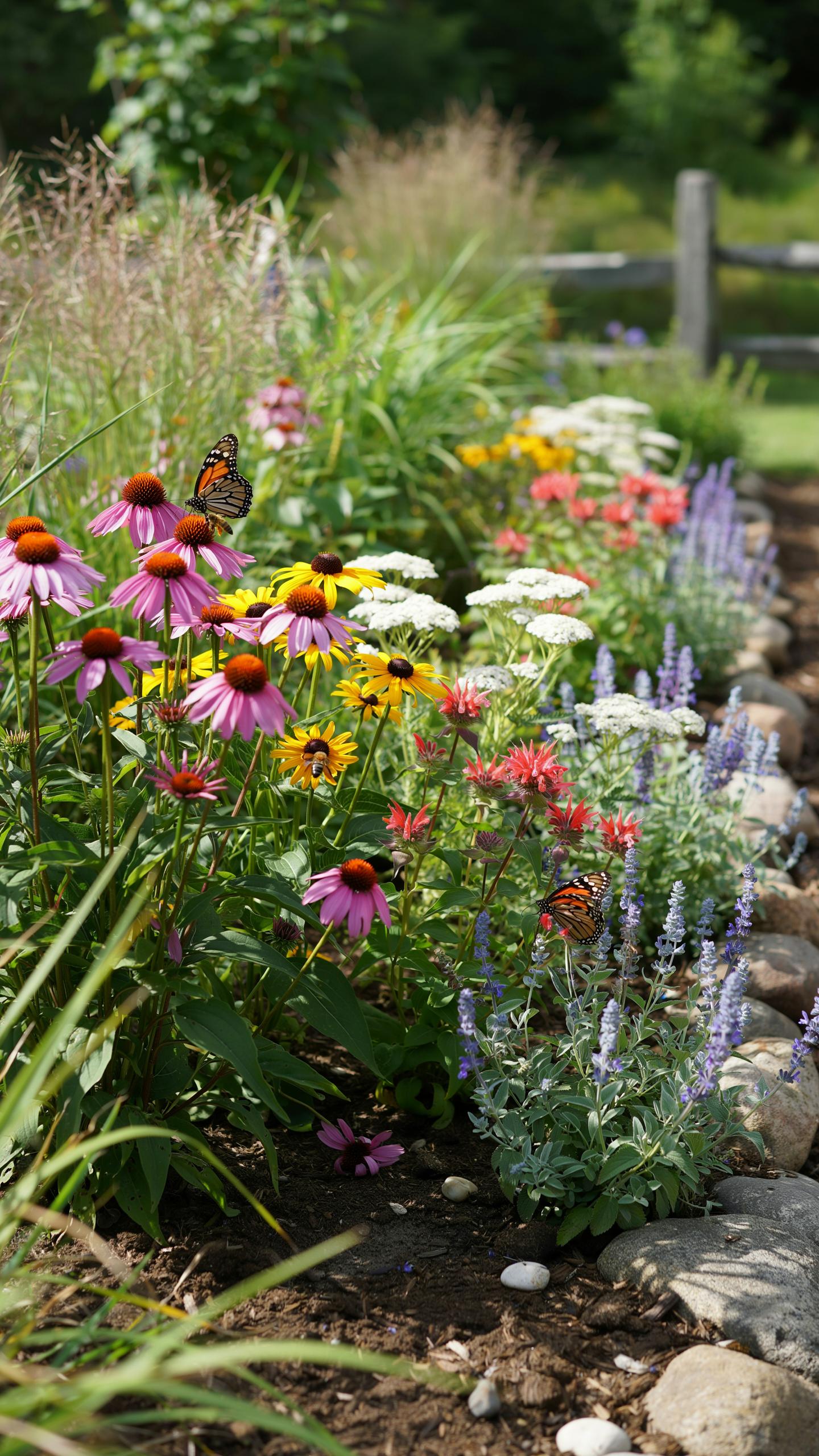
The Ecological Benefits Of Locally Adapted Species
Native plants evolved over thousands of years to survive your region’s specific climate, soil type, and rainfall patterns. They need less water than non-native species because their root systems match local precipitation cycles. This reduces your water bill and cuts your dependence on irrigation systems that drain municipal supplies.
Native plants require minimal fertilizer because they adapted to your soil’s natural nutrient levels. Fewer synthetic inputs mean lower maintenance costs and zero chemical runoff into groundwater. Your yard becomes self-sustaining once established, supporting native insects that birds depend on for food and survival.
How Native Gardens Support Global Biodiversity And Pollinators
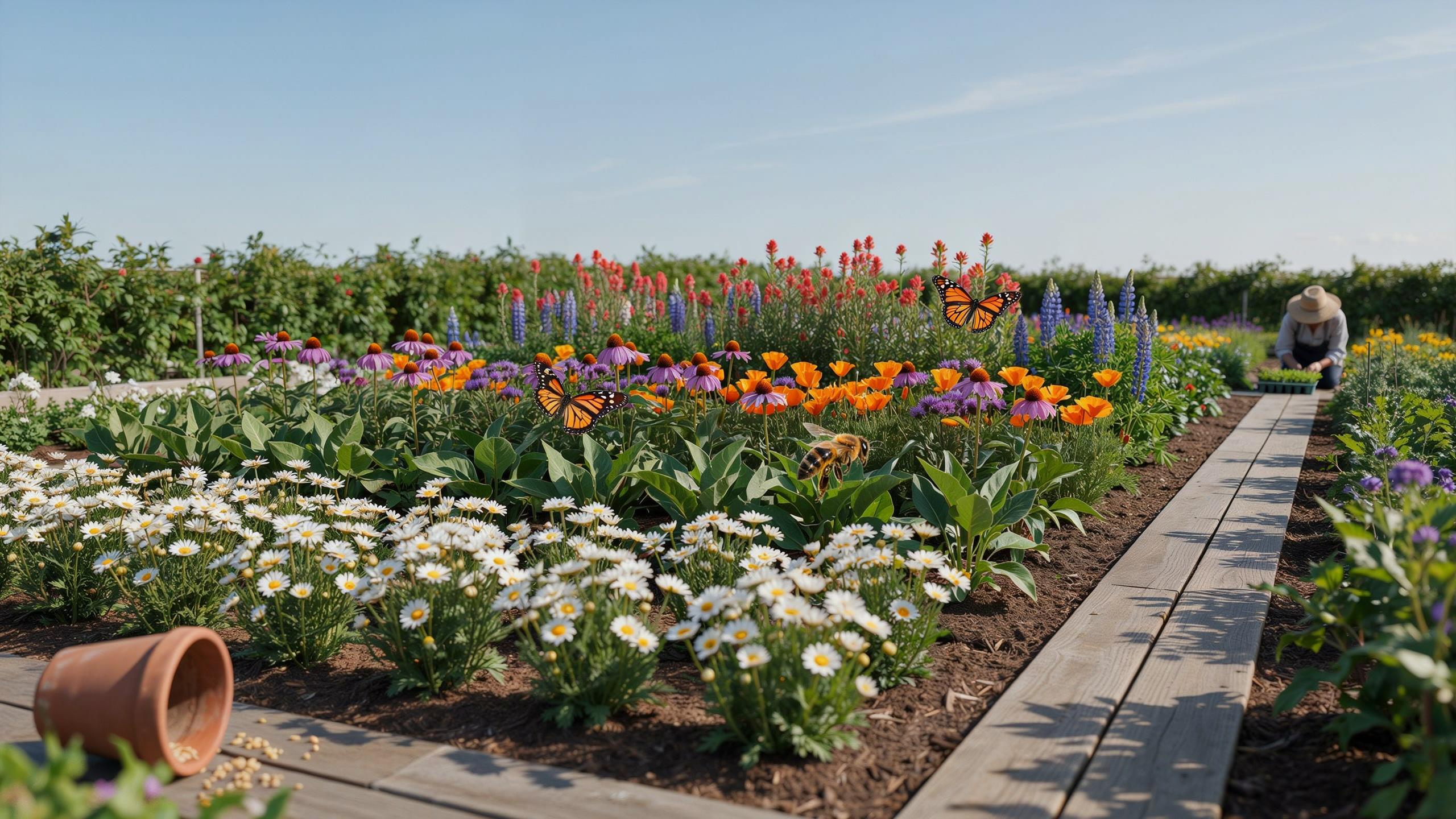
Each region has coevolved relationships between specific plants and insects spanning millions of years. Native plants produce nectar, pollen, and larval host plants that local pollinators recognize and require. Non-native ornamentals lack these nutritional profiles, leaving native bees, butterflies, and moths without adequate food sources.
Pollinator populations have declined measurably across North America due to habitat loss and monoculture landscaping. Planting native species directly reverses this by restoring the food web these insects evolved to exploit. Your yard becomes part of a larger ecological network that sustains both local and migratory species through critical seasons.
Northeast Classic Native Flower Garden And Meadow Designs
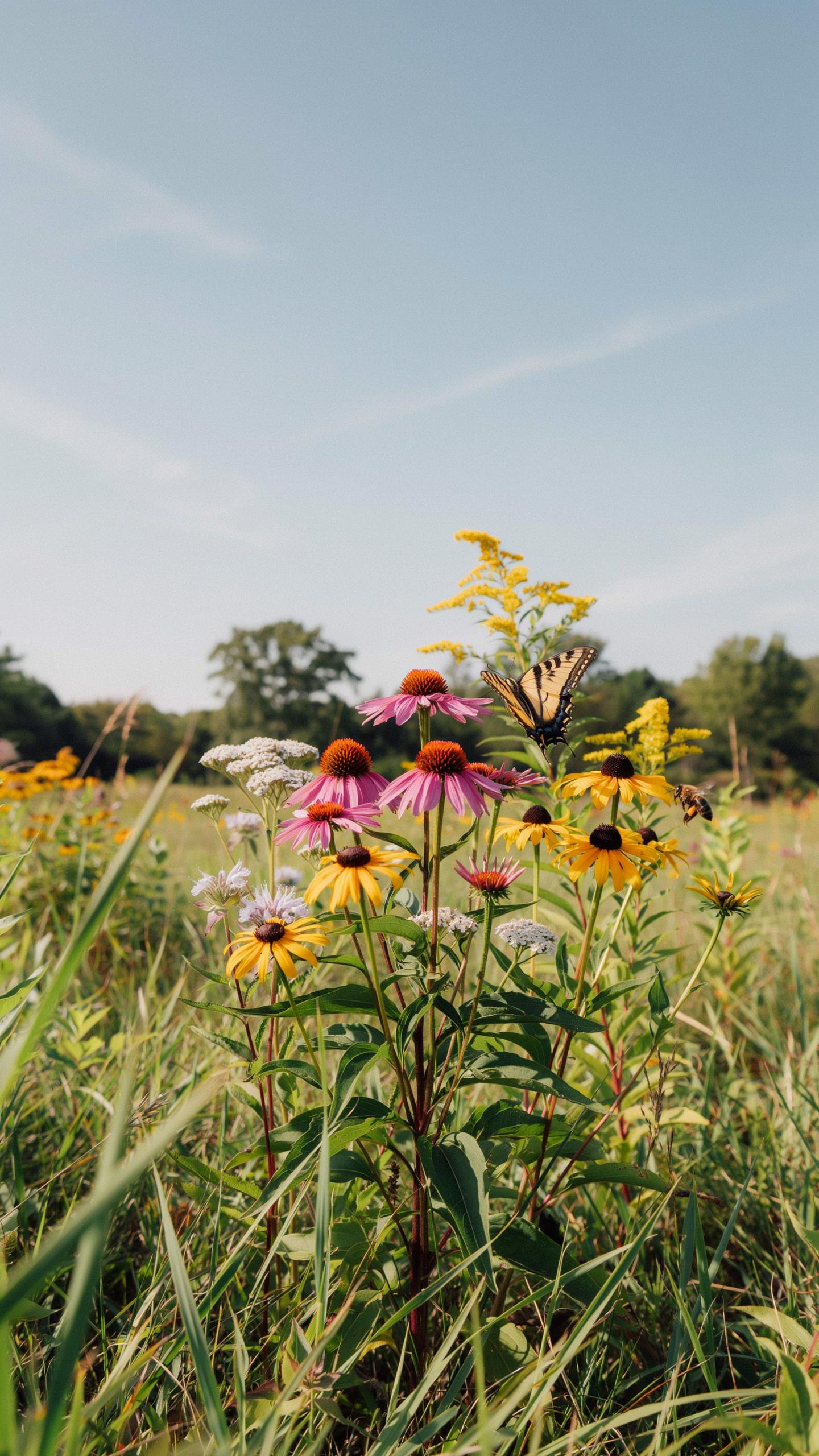
Top Perennials For Northeastern Sun And Shade
Wild Columbine thrives in partial shade and woodland edges across the Northeast. This species produces nodding red and yellow flowers in spring and tolerates the region’s freeze-thaw cycles without supplemental care. New England Aster dominates late-season sun gardens, flowering from September through November with purple blooms that attract pollinators before winter dormancy. Both species endure humid summers and established plants require minimal intervention.
These perennials outperform non-native alternatives because they evolved under Northeast conditions. Wild Columbine establishes stable root systems that survive repeated freeze cycles. New England Aster flowers when most native plants have finished, extending the garden’s productive season. Gardeners eliminate watering schedules and pest management by selecting species that match local climate patterns and soil chemistry.
Designing A Multi Season Woodland Border Garden
Layer your Northeast garden with three distinct zones to replicate natural forest succession. Install flowering dogwoods as the canopy layer, positioned on north or east sides to filter intense afternoon heat. Arrowwood Viburnum serves as the intermediate shrub layer, flowering in spring and providing fruit for wildlife. This structure creates microhabitats that support different plant communities across seasons.
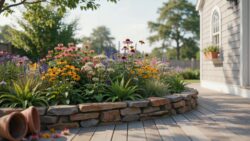
The ground plane anchors the design with spring ephemerals like Dutchman’s breeches that flower before tree canopies fully leaf. Christmas ferns remain evergreen and establish year-round structure beneath deciduous plants. This layering mimics how Northeast forests naturally organize, reducing maintenance while supporting soil health and wildlife movement through your space.
Southeast Colorful Native Perennial Garden Solutions For Heat And Humidity
Heat Tolerant Species For Southern Landscapes
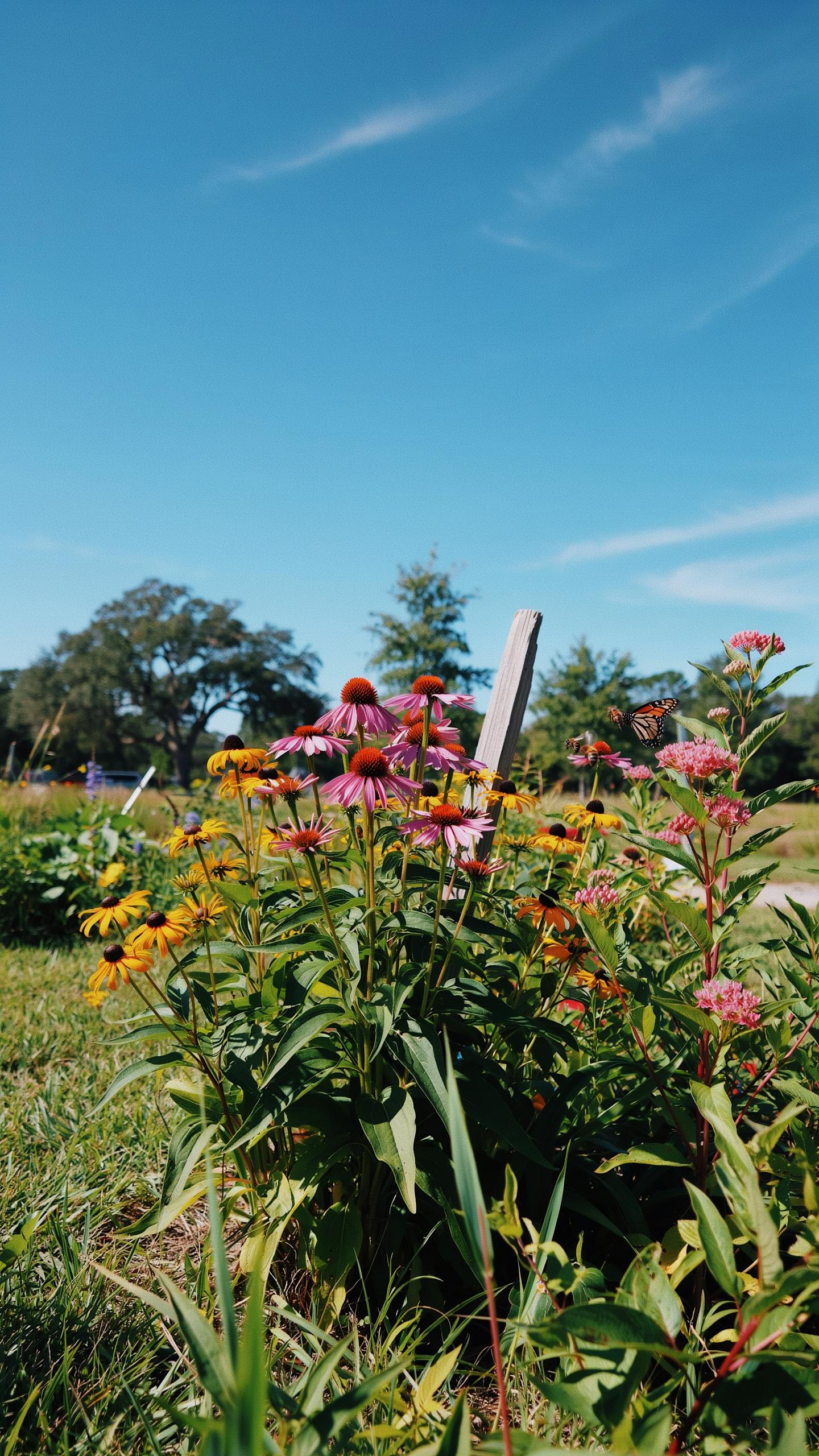
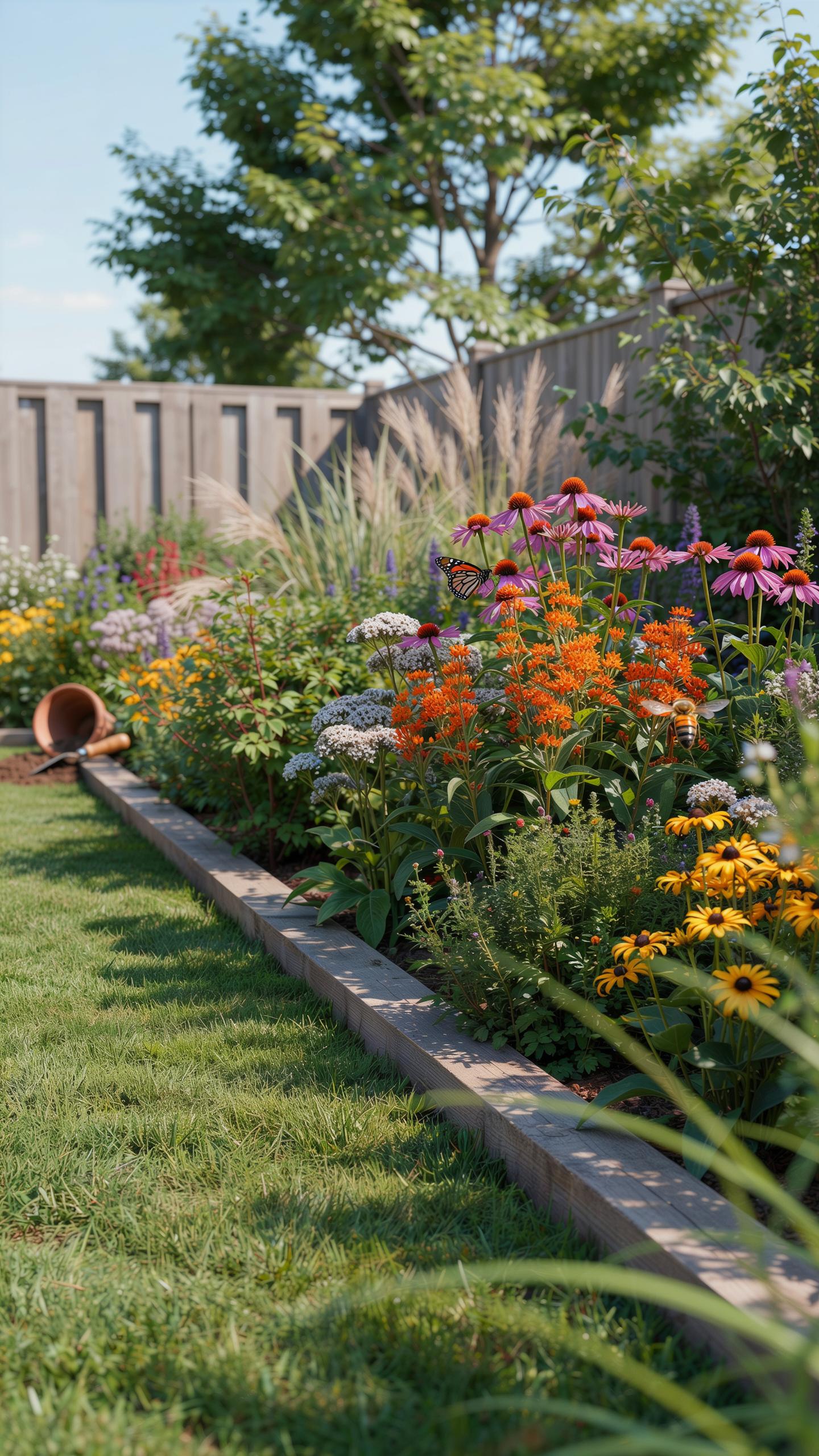
Purple Coneflower and Orange Coneflower thrive in Southeast heat and humidity. Both species develop deep root systems that access water during dry periods. They maintain vibrant color from mid-summer through fall. These perennials handle temperature swings and heavy rainfall without declining. Choose them as backbone plants for any Southern flower bed.
Additional heat-tolerant natives include Black-eyed Susan, Blazing Star, and Ironweed. These plants flower reliably in zones 7 through 9 with minimal intervention. They attract pollinators while resisting fungal pressure common in humid regions. Pair them together to create layered color and extend blooming windows through autumn.
Essential Maintenance Tips For Humid Climates
Southeastern humidity creates ideal conditions for mold and mildew on foliage. Proper spacing prevents fungal infections and keeps plants healthy. Water application method matters significantly in this climate. Apply water directly to soil at dawn to minimize leaf wetness. Avoid evening watering, which leaves foliage wet overnight.
- Space Plants 18-24 Inches Apart: Adequate spacing ensures air moves between stems and leaves, reducing fungal disease risk in high humidity.
- Apply Pine Straw Mulch 2-3 Inches Deep: Pine straw breathes better than wood chips and won’t trap excessive moisture against plant crowns.
- Water at Soil Level Early Morning: Direct watering to soil before 8 AM reduces leaf wetness and allows foliage to dry quickly.
- Divide Perennial Clumps Every 3-4 Years: Early spring division in March prevents overcrowding and improves air circulation through mature plants.
- Remove Dead Foliage Promptly: Clear diseased or yellowing leaves immediately to prevent fungal spores from spreading to healthy tissue.
Dense perennial clumps lose vigor and invite disease when plants compete for moisture and light. Spring division rejuvenates established plants and multiplies your stock. Dig clumps when new growth emerges but before plants leaf out fully. This timing reduces transplant shock and ensures strong establishment before summer heat arrives.
Midwest Designing A Resilient Prairie Native Garden Plan
Deep Rooted Wildflowers Of The Great Plains
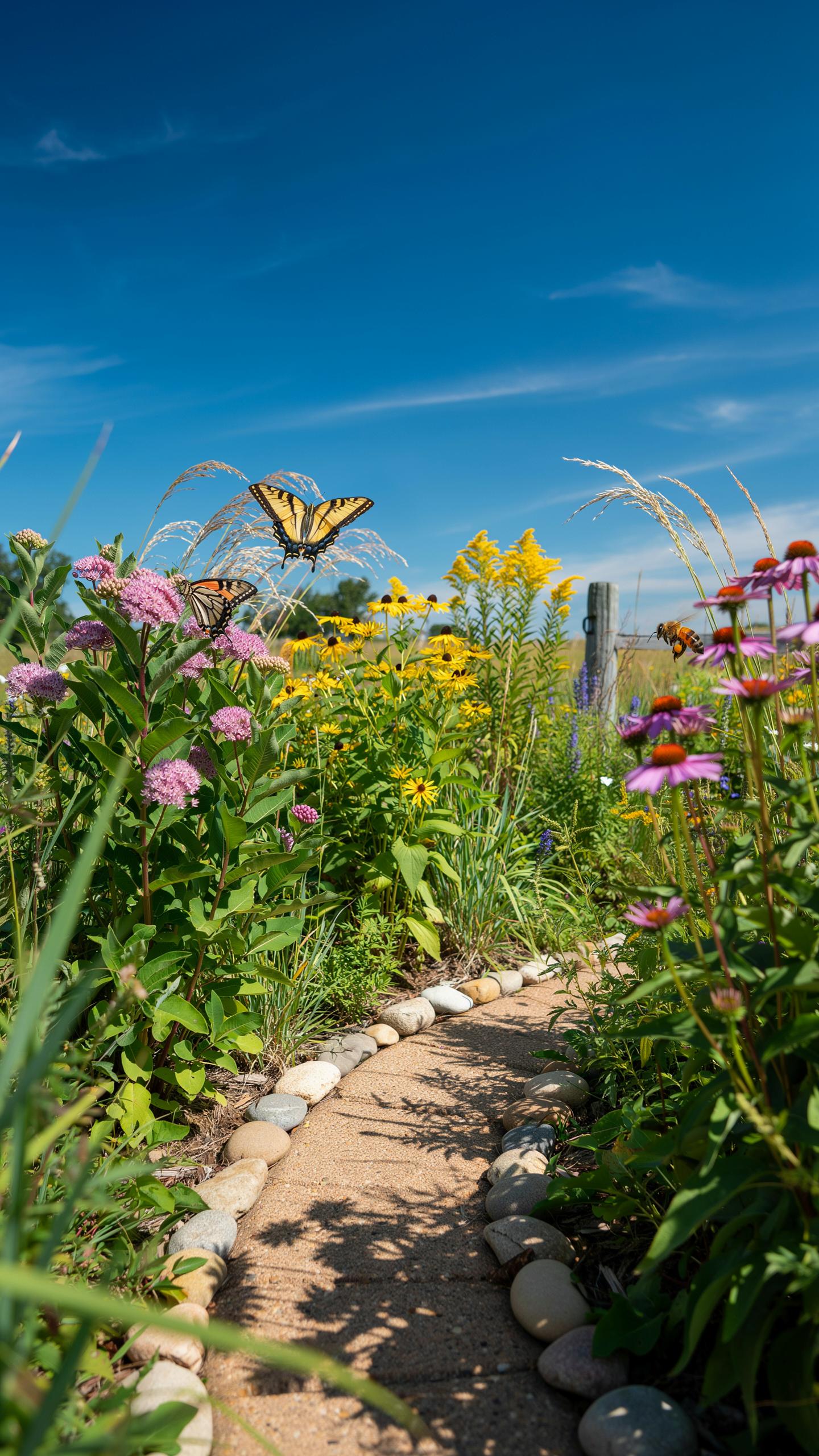
Butterfly Weed and Wild Bergamot dominate Midwestern prairie conditions because their root systems reach deep into soil. Butterfly Weed roots penetrate 10 feet or more, accessing moisture that shallow-rooted plants cannot reach. Wild Bergamot performs similarly, making both species reliable through drought cycles and temperature extremes typical of the region.
These deep roots solve a core problem: summer dry spells and winter freeze thaw cycles that kill shallow rooted plants. The root depth also means less frequent watering after establishment. Your flower bed needs minimal maintenance once these species establish, which typically takes two growing seasons.
Creating Structure With Tallgrass And Wildflower Combinations
Little Bluestem and Prairie Dropseed provide architectural framework that prevents wildflower blooms from toppling during wind and heavy rain. These grasses also create visual contrast through color shifts. Little Bluestem turns burgundy in fall while Prairie Dropseed remains golden, extending seasonal interest into winter months.
Mixing grasses with wildflowers solves lodging issues where heavy flower heads bend or break stems. The grass structure supports upright growth and filters wind force. This combination also reduces disease pressure by improving air circulation around plant bases, critical in humid Midwestern summers.
Southwest Water Wise Native Landscaping Ideas For Arid Front Yards
Drought Tolerant Succulents And Wildflowers
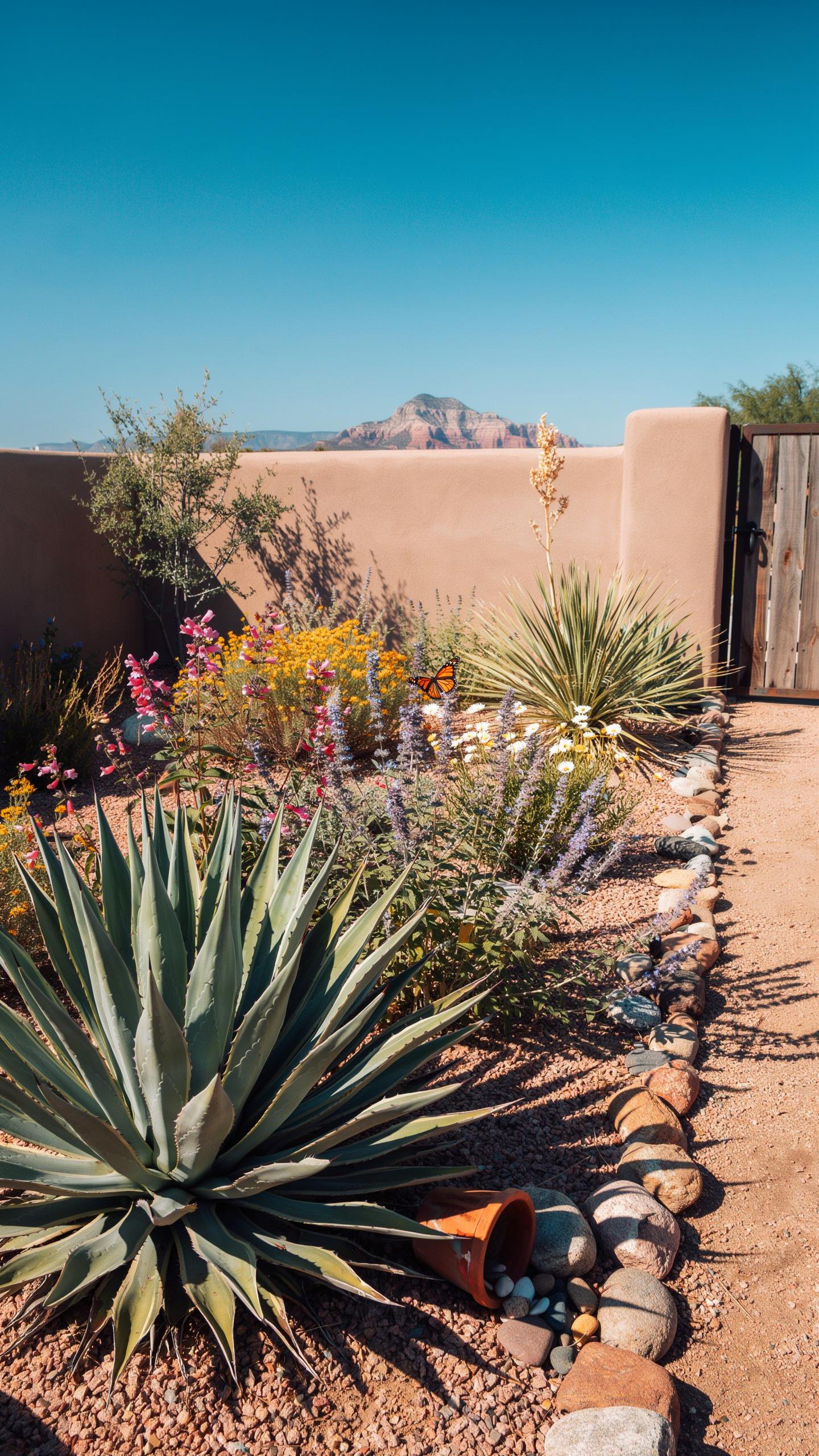
Arid Southwestern landscapes demand plants that survive on minimal water. Desert Marigold produces yellow blooms and handles extreme heat without supplemental irrigation once established. Parry’s Agave grows as a compact rosette and thrives in poor, sandy, or rocky soils common throughout the region. These species evolved in the Southwest and require no soil amendments or ongoing maintenance.
The key advantage is establishment time. Most xeric natives need regular water for six to eight weeks after planting, then survive on rainfall alone. This eliminates ongoing irrigation costs and frees you from seasonal watering schedules. Rocky or sandy soils that defeat traditional landscaping become functional assets with these plants.
Designing For Gravel Beds And Natural Rock Formations
Gravel mulch beds serve multiple functions in Southwestern design. Gravel prevents soil erosion during sudden desert downpours while mimicking the natural desert floor. Interspersing regional boulders throughout the bed creates visual rhythm and anchors the landscape. Gravel absorbs heat during the day and radiates it at night, creating favorable microclimates for native plants.
This approach aligns with regional geology and water management. Rocks stabilize soil on slopes prone to runoff. The exposed gravel surface reflects light rather than retaining moisture like bark mulch, reducing fungal issues in arid climates. Maintenance involves occasional weeding and gravel raking, not replacement cycles required by decomposing organic mulches.
Pacific Northwest Lush And Rain Loving Native Plant Garden Design
Moisture Loving Understory Plants For Shade And Filtered Sun
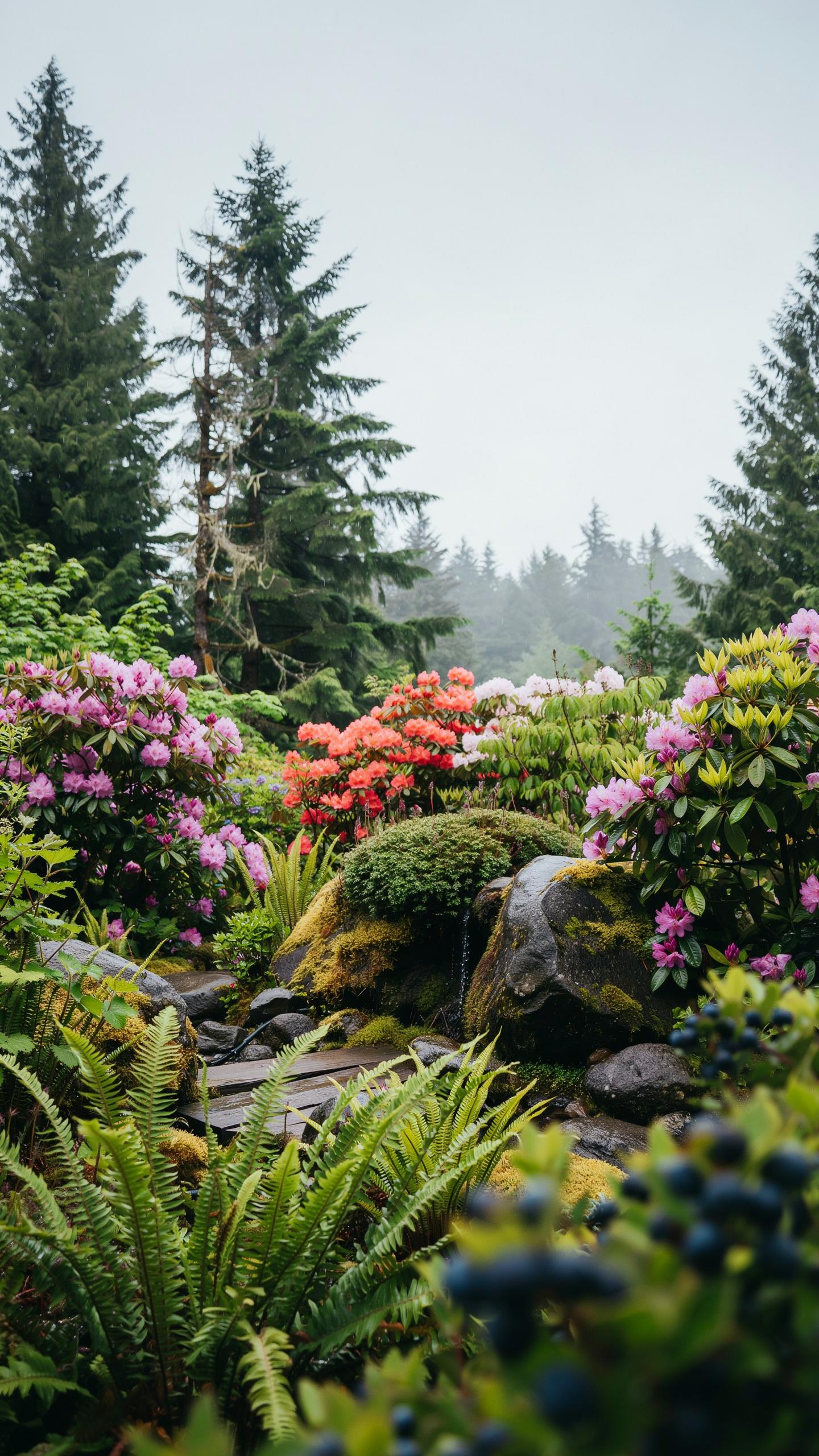
The Pacific Northwest’s dense conifer canopy creates consistent shade and high moisture. Western Sword Fern thrives in these conditions, reaching three feet tall and tolerating heavy shade. Pacific Bleeding Heart produces pink nodding flowers in spring and establishes quickly in moist soil. Evergreen Huckleberry offers year-round foliage and edible berries while handling deep shade effectively.
These plants require minimal maintenance once established. They handle seasonal flooding and acidic forest soils naturally. Space them twelve to eighteen inches apart to account for mature width. Water during the first growing season to establish roots, then reduce watering as they settle into the native ecosystem.
Managing Wet Winter Soils With Sloped Rain Gardens
Sloped rain gardens redirect water away from foundations while infiltrating runoff into soil. Red Osier Dogwood tolerates temporary flooding and stabilizes slopes with its root system. Camas lilies bloom purple in spring and handle wet conditions during their dormant season. This design mimics natural drainage patterns found in Pacific Northwest riparian zones.
Build rain gardens at a two to three percent slope minimum. Plant dogwood at the highest point and camas in the lower wet zone. Add four to six inches of native mulch to manage moisture and suppress weeds. The system naturally reduces standing water that damages home structures and landscaping.
West Coast Mediterranean Style Native Garden Design For California And Beyond
Surviving Dry Summers With Chaparral And Coastal Giants
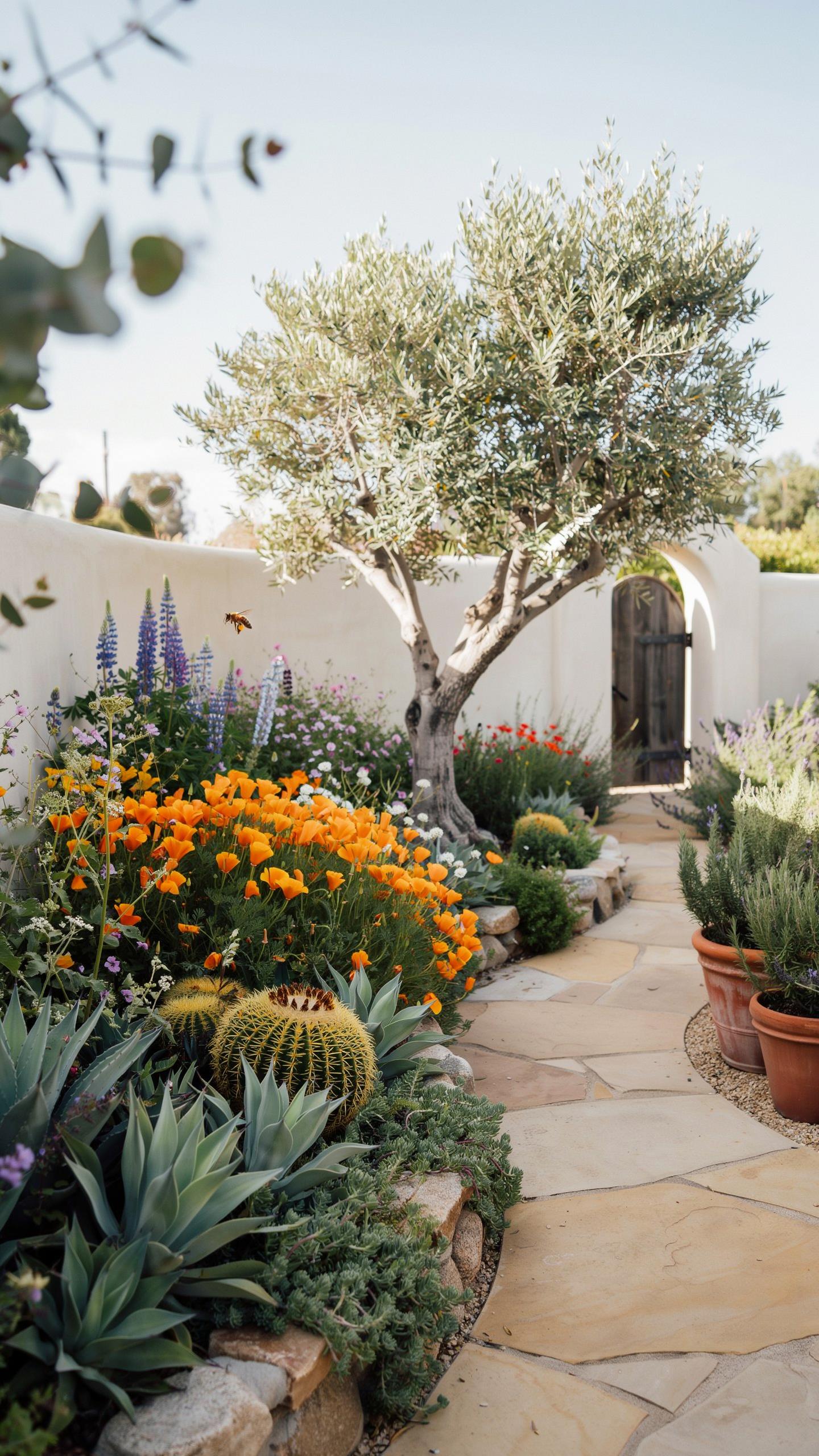
California’s Mediterranean climate delivers rain only in winter months, forcing plants to survive on stored soil moisture through months of drought. California Poppy thrives in this cycle, blooming prolifically in spring then dormant through summer heat. Ceanothus and White Sage evolved root systems that reach deep water sources, requiring no supplemental irrigation once established. These species handle temperature swings and intense sun exposure without additional maintenance.
Plant these species in well-draining soil to prevent root rot during rare wet periods. Space plants wider than typical gardens allow since they expand their canopies seeking moisture. California Poppy self-seeds reliably, creating continuity across seasons. Ceanothus flowers arrive in spring before peak heat. White Sage produces aromatic foliage that intensifies through summer stress. This combination delivers visual interest while respecting regional water constraints.
To plant a garden is to believe in tomorrow, especially when we honor the earth with the blossoms that have always called this home.
Establishing Fire Resistant Defensible Space Zones
Defensible space zones are buffer areas between your home and wildland vegetation where you control plant density and moisture levels. Native groundcovers like Creeping Snowberry maintain low profiles while retaining soil moisture that fire requires to spread. Succulents such as native Dudleya store water in leaves, making them naturally fire resistant. These plants occupy the critical 5 to 30 foot perimeter around structures where fire behavior is most aggressive.
Install groundcovers in clusters with visible gaps between groupings. This spacing prevents continuous fuel pathways that flames exploit. Native succulents thrive in disturbed soils around home foundations without requiring amendments. Check local fire safety codes before planting since requirements vary by county and defensible space regulations change based on wildfire history. Combine these plantings with regular debris removal to establish zones that meet both aesthetic and safety standards.
Step By Step Native Garden Ideas To Transition Your Traditional Lawn
Step By Step Sheet Mulching Guide For Lawn Removal
Sheet mulching eliminates turf grass without chemicals or heavy digging. This cardboard layering method works across all regions and creates immediate planting beds. The technique suppresses existing vegetation while building soil structure for native plants.
- Mow grass short: Cut existing turf to one inch or less. This reduces decomposition time and removes barriers between cardboard and soil contact.
- Lay overlapping cardboard: Cover all grass with corrugated cardboard sheets. Overlap edges by at least six inches to prevent grass from breaking through gaps.
- Wet the cardboard thoroughly: Soak layers completely with water. Moisture activates decomposition and prevents the cardboard from blowing away.
- Add four inches of compost: Spread quality organic compost directly over wet cardboard. This layer feeds native plants and accelerates cardboard breakdown into soil.
- Top with two inches of mulch: Finish with wood mulch to retain moisture and regulate temperature. Plant native plugs directly through all layers into the soil below.
This method works within four to eight weeks, depending on climate and moisture. Native plants establish faster in prepared beds compared to unprepared turf. The cardboard fully decomposes within one to two years, adding organic matter.
Selecting High Quality Regional Seeds And Plugs
Native plant material sourced locally contains genetic adaptations specific to your region’s climate and soil conditions. Regional seed trusts and native plant nurseries maintain ecotypes that thrive in local microclimates. These sources guarantee plants match your exact precipitation patterns, temperature ranges, and growing season length.
Quality varies dramatically between mass market retailers and specialized local growers. Local nurseries propagate plants from regional seed stock, not distant wholesale operations. Ecotype-matched plants require less water, fewer inputs, and establish faster than generic native varieties from outside your region.
Frequently Asked Questions

Why should I choose native plants for my backyard garden?
Selecting plants indigenous to your area is the best way to ensure a low-maintenance and eco-friendly landscape. When you explore native flower bed ideas by region, you discover species that have evolved to thrive in your local soil and climate without heavy fertilizers. These plants provide vital habitats for local pollinators like bees and birds, creating a sustainable ecosystem that stays vibrant and beautiful throughout the changing seasons.
How do I choose the best plants for my specific local climate?
To find the perfect fit, start by identifying your USDA hardiness zone and researching your specific ecoregion’s soil types. Look for native flower bed ideas by region that prioritize sun exposure and drainage requirements specific to your yard. Visiting a local botanical garden or native plant nursery can provide hands-on inspiration, helping you select resilient perennial varieties that will provide consistent color and texture year after year.
Is it possible to design a native flower bed on a tight budget?
Absolutely! Creating a stunning outdoor space doesn’t require a large investment if you start small. You can save money by purchasing seeds rather than mature plants or by attending local plant swaps hosted by gardening clubs. Many conservation districts also offer seasonal bulk sales. By focusing on a few key species and allowing them to naturally self-seed and spread, you can achieve a lush, professional look very affordably.