The Benefits Of Native Grasses Landscaping For Cost Effective Yards
Saving Costs
Native grasses require less water than traditional turf or ornamental plants because they evolved to thrive in your region’s natural rainfall patterns. Once established, most native grasses need minimal supplemental irrigation. This cuts your water bill significantly. You also skip expensive soil amendments and fertilizers since native plants work with existing soil conditions rather than against them.
Maintenance costs drop when you stop fighting your environment. Native grasses don’t demand weekly mowing, constant fertilizing, or frequent pesticide applications. Many species actually improve soil health over time through organic matter accumulation. This means less labor, fewer tools, and reduced chemical expenses year after year.
Ecological Benefits
Native grasses support insects, birds, and soil organisms that depend on regionally adapted plants for food and habitat. When you plant species native to your area, you restore ecological function that non native ornamentals cannot provide. These plants work with local pollinators and beneficial insects that already exist in your region. Your garden becomes productive rather than decorative.
Regionally adapted plants stabilize soil, filter water runoff, and reduce erosion without human intervention. Native grasses build soil carbon and microbial communities over time. This creates a self sustaining system that requires minimal inputs. You’re essentially working with nature’s design rather than constantly fighting against it.
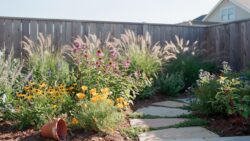
Planning A Low Maintenance Grasses Garden With Native Species
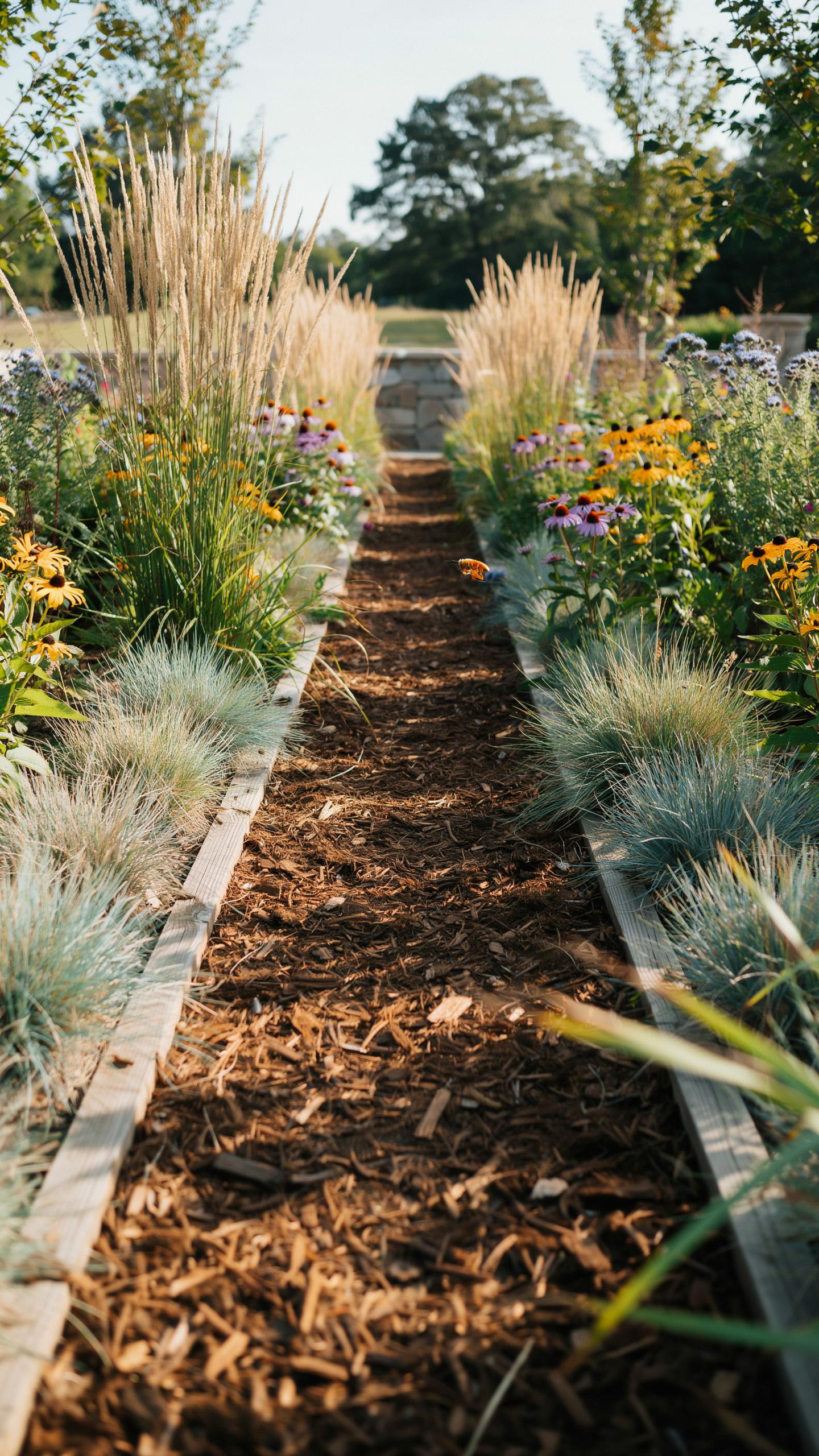
Site Assessment
Mapping out your plot starts with understanding sunlight. Walk your garden at three times: morning, midday, and late afternoon. Mark areas receiving full sun, six to eight hours of direct light. Identify partial shade zones and full shade corners. This determines which native grasses thrive in each spot. Panicum virgatum tolerates full sun best. Carex species handle shade better. Documenting light patterns prevents costly failures later.
Drainage determines survival more than any other factor. Dig a hole six inches deep and fill it with water. If water drains in under two hours, you have fast drainage. If it sits for four hours or more, drainage is poor. Native grasses like Andropogon gerardii handle clay and slow drainage. Bouteloua curtipendula needs well draining soil. Match your grass species to actual soil conditions, not wishful thinking.
Sourcing Seeds
Buy seeds from regional native plant nurseries whenever possible. Local suppliers stock species adapted to your climate zone. They cost less than ordering nationally. Call ahead to confirm availability. Many nurseries offer bulk discounts for border plantings. Compare per pound pricing across suppliers before ordering. Seed exchanges through native plant societies provide free or low cost material. Join your regional organization to access these networks.
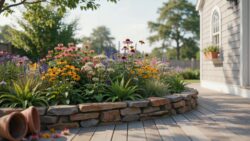
Seed packets work for small border projects under fifty square feet. Bulk seed costs significantly less per square foot for larger installations. Calculate your area in square feet first. Then multiply by recommended seeding rates, typically two to four pounds per thousand square feet. Source seeds in fall for spring planting or spring for fall planting. Purchase one year ahead if possible to lock in lower prices.
How To Arrange An Ornamental Grasses Border On A Budget
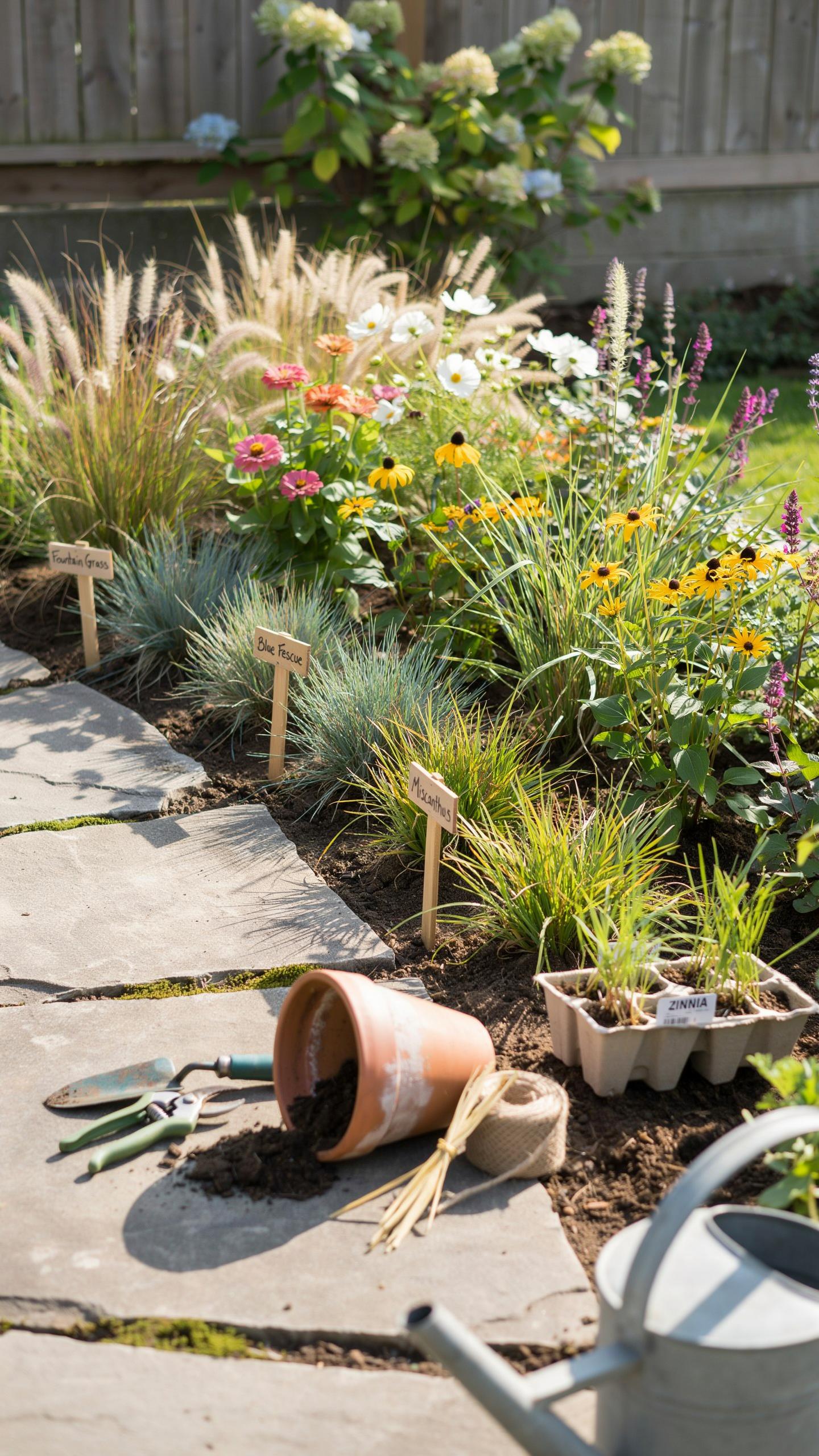
Layering Grass Heights For Maximum Visual Appeal
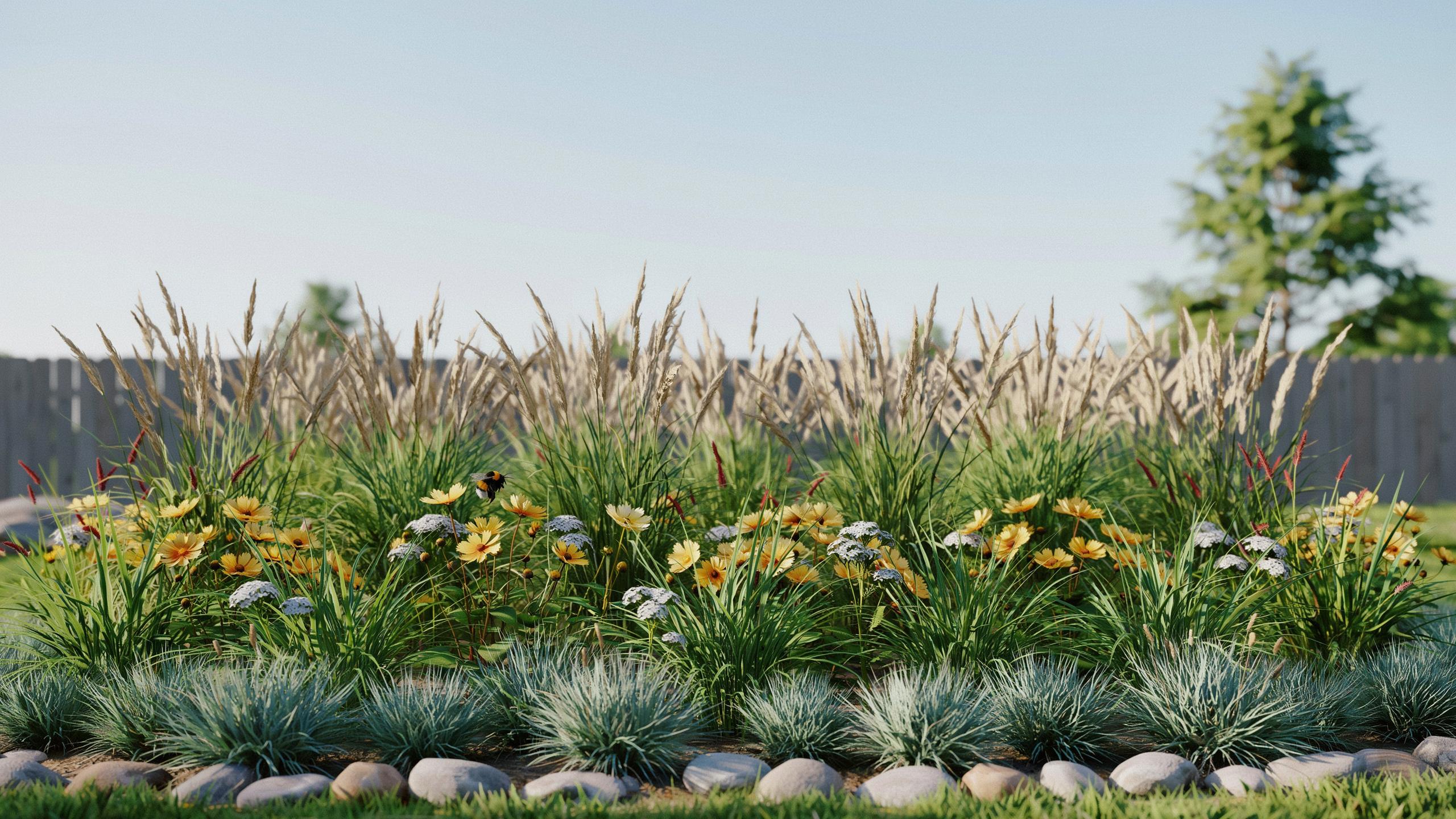
Layering heights creates depth and prevents your border from looking flat. Place tall grasses at the back, mid-height varieties in the middle, and short species in front. This tiered arrangement lets you see all plants without blocking views. Native grasses naturally grow to different mature heights, so work with their genetics instead of fighting it.
Your budget stays lower when you match each grass to its intended position from the start. Tall grasses like Panicum virgatum reach four to six feet. Mid-range options like Bouteloua curtipendula hit two to four feet. Front-row grasses like Bouteloua gracilis stay under two feet. Buy fewer plants by choosing sizes that fit your design rather than forcing unsuitable varieties into wrong spots.
Step By Step Planting Guide For New Borders
Start by marking your border layout with string or chalk to visualize spacing before digging. Space plants according to their mature width, typically two to four feet apart for larger species and one to two feet for smaller varieties. Prepare soil by removing weeds and breaking up compacted earth. Most native grasses tolerate poor soil, but loose ground speeds establishment and reduces watering needs during establishment.
- Clear the site: Remove existing vegetation, rocks, and debris. Native grasses establish faster in clean ground with no competition for water and nutrients.
- Amend soil minimally: Add compost only if your soil lacks organic matter. Most native grasses thrive in lean conditions without heavy amendments.
- Plant in fall or spring: Fall planting works best in most regions. Cooler temperatures and natural moisture reduce supplemental watering requirements during establishment.
- Water establishment phase only: Water deeply twice weekly for the first four weeks after planting. Once established, most native grasses need no supplemental water except during severe drought.
- Mulch conservatively: Use mulch only around new plants to retain moisture. Avoid piling mulch against grass bases, which promotes rot and fungal issues.
- Skip fertilizer: Native grasses evolved without added nutrients. Fertilizer encourages weak growth and reduces drought tolerance in established plants.
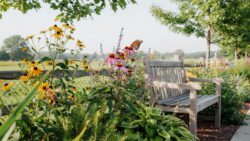
Installation takes one day for a medium border when you prepare materials beforehand. Water newly planted grasses immediately after planting to settle soil around roots. Skip heavy mulching, which traps moisture and causes disease. Your first-year focus is root establishment, not top growth, so expect modest above-ground size until year two.
Inspiring Grasses Borders Ideas For Small And Large Properties
Urban Pathways
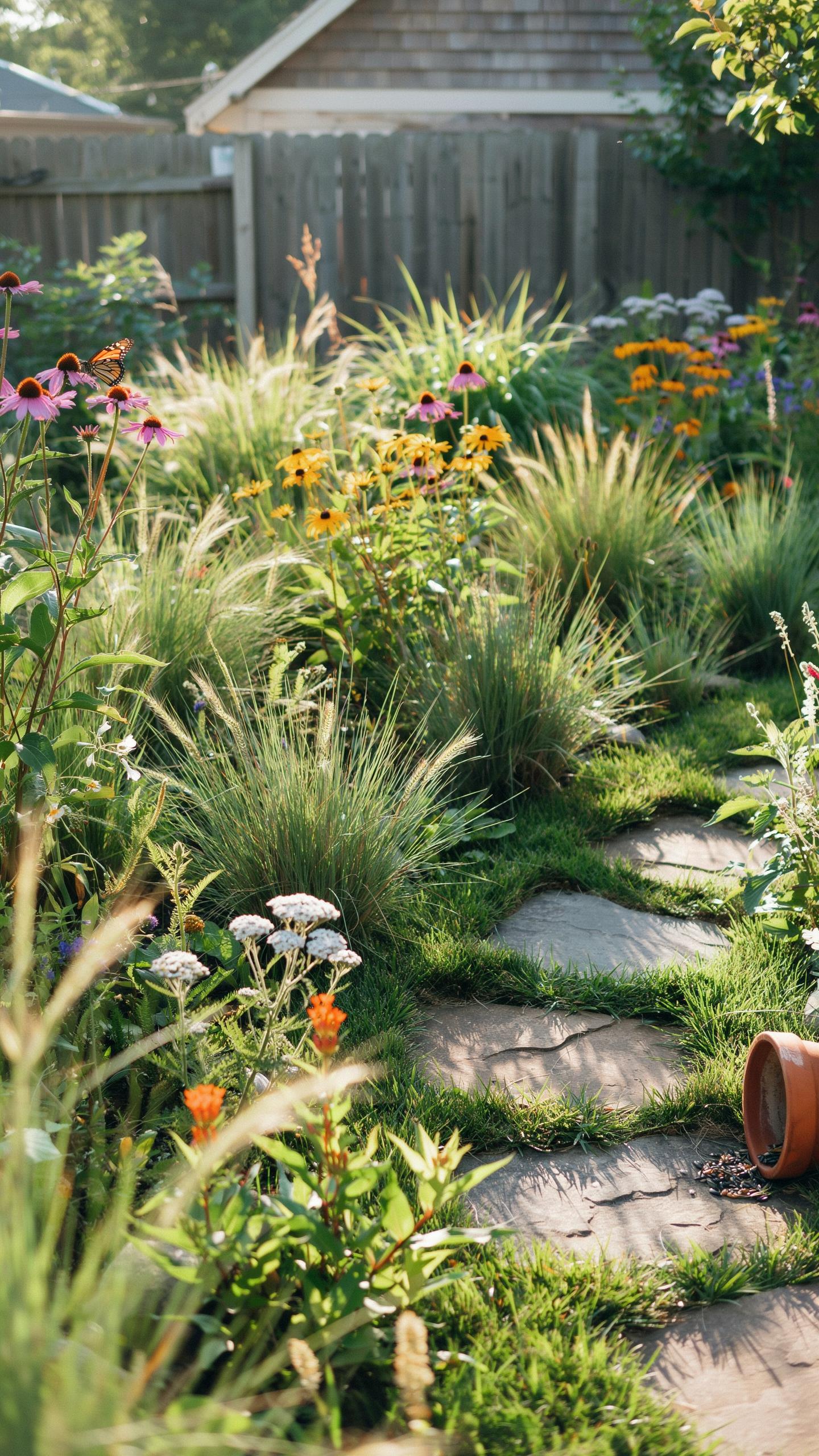
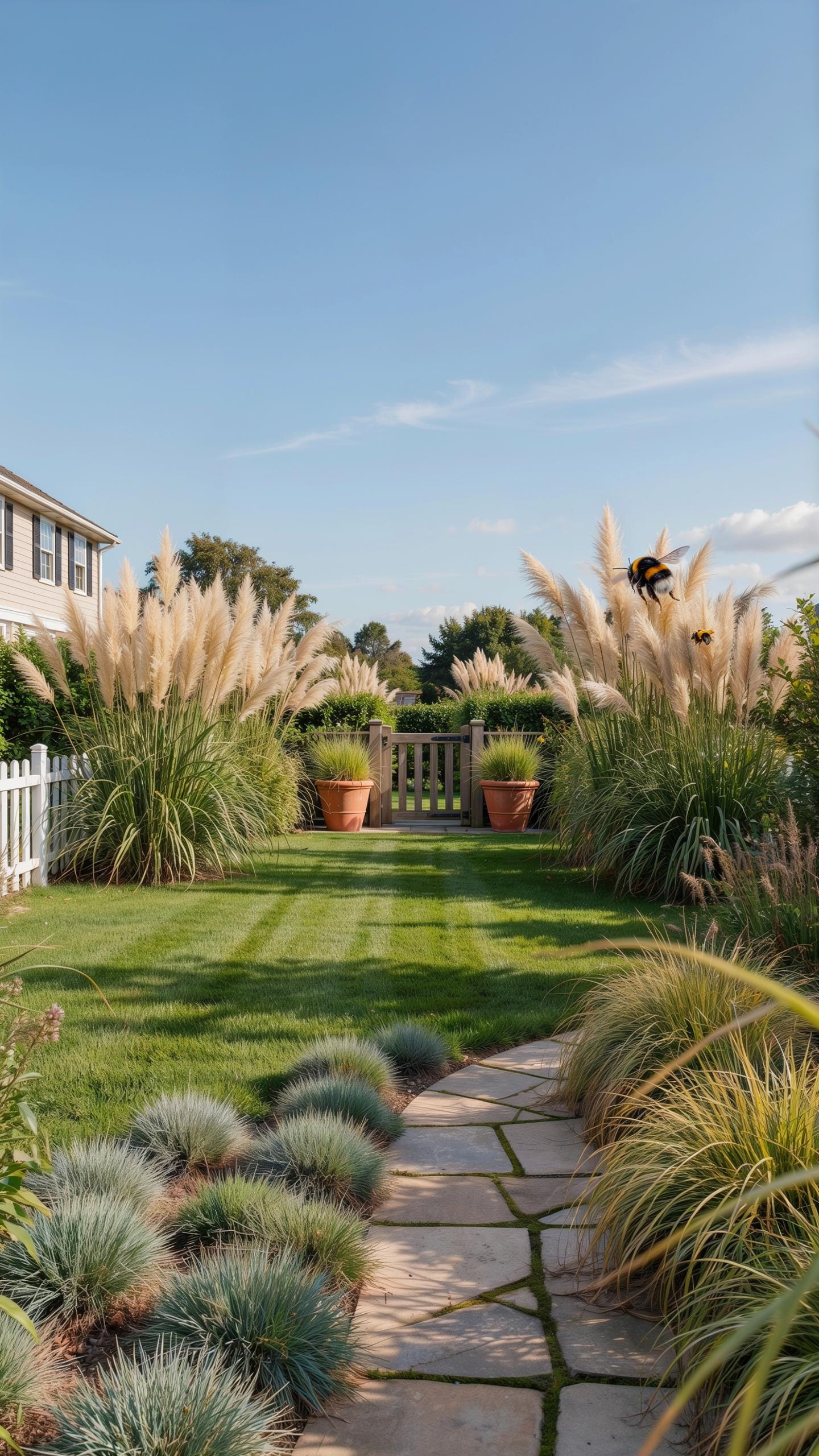
Urban spaces demand efficiency. Native grasses work here because they tolerate compacted soil and reflected heat. Use clumping species like Little Bluestem or Sideoats Grama along walkways. They stay contained, require minimal maintenance, and establish quickly in tight quarters where traditional borders fail.
Space matters in cities. Plant grasses 18 to 24 inches apart along pathways to create visual definition without blocking foot traffic. Their root systems stabilize soil and reduce erosion on slopes. This approach cuts maintenance costs while delivering year-round structure in constrained environments.
Broad Properties
Large properties need strategic coverage to justify the investment. Drift plantings of native grasses create visual rhythm across expansive areas. Use Panicum virgatum or Indiangrass in groups of three to five for impact without excessive labor. These species spread gradually and fill space affordably over time.
Property lines benefit from clumping grasses that establish boundaries without fencing. Big Bluestem and Switchgrass form dense, defined clusters that persist for years. Plant them in staggered rows to maximize coverage. This method costs less than hardscape solutions while supporting local wildlife and managing water runoff across broad acreage.
Selecting Hardy Native Varieties For Resilient Landscape Borders
Top Soft Textured Grasses For Shady Zones
Shade limits grass growth because reduced light slows photosynthesis. Native grasses adapted to woodland edges tolerate 3 to 6 hours of indirect light. These species survive under tree canopies and near north-facing structures. They demand less fertilizer and water than sun varieties. Selection depends on your climate region and existing soil conditions.
- Appalachian Sedge: Grows 12 to 18 inches tall in eastern woodlands. Spreads slowly as ground cover. Handles clay and compacted soils well. Native to Appalachian regions.
- Pennsylvania Sedge: Reaches 8 to 12 inches height. Tolerates dense shade under deciduous trees. Spreads via rhizomes to fill bare spots. Common in northeastern states.
- Palm Sedge: Grows 18 to 24 inches in moist shade. Prefers acidic soils. Works in borders near shade structures. Found naturally in southeastern forests.
- Slender Woodreed: Reaches 24 to 36 inches in deep shade. Tolerates wet conditions. Adds vertical texture without full sun. Native to eastern woodland areas.
- Bottlebrush Sedge: Grows 12 to 15 inches with distinctive seed heads. Handles poor drainage. Spreads slowly in shaded borders. Prefers moist woodland conditions.
Shade grasses cost less to maintain because they need minimal intervention. They outcompete weeds naturally. Their root systems stabilize soil on slopes. This reduces erosion control expenses. Budget gardeners gain reliable borders without constant upkeep.
Rugged Drought Tolerant Varieties For Full Sun Exposure
Full sun grasses develop deeper root systems than shade varieties. They access moisture in deeper soil layers during dry periods. This reduces irrigation needs significantly. Native sun grasses evolved in prairies and grasslands with intense heat exposure. They handle temperature swings and wind pressure. They thrive on poor soils where other plants fail.
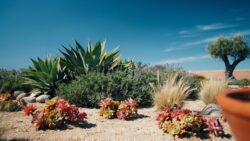
Little bluestem performs in USDA zones 3 through 9 across most regions. It tolerates sandy, clay, and rocky soils equally. The plant reaches 2 to 3 feet tall with minimal fertilizer. It handles drought after establishment within one growing season. Switching three-awn grass adapts to western and central plains. It survives temperatures below negative 20 degrees Fahrenheit. This species needs minimal water once roots establish. It grows 18 to 24 inches tall and tolerates extreme wind pressure. Big bluestem reaches 4 to 6 feet in height with proper spacing. It needs 1 to 2 years for root development before full drought tolerance. The plant produces distinctive seed heads. It handles both wet and dry seasons once mature.
Smart Grasses Landscaping Projects That WonT Break The Bank
Erosion Control
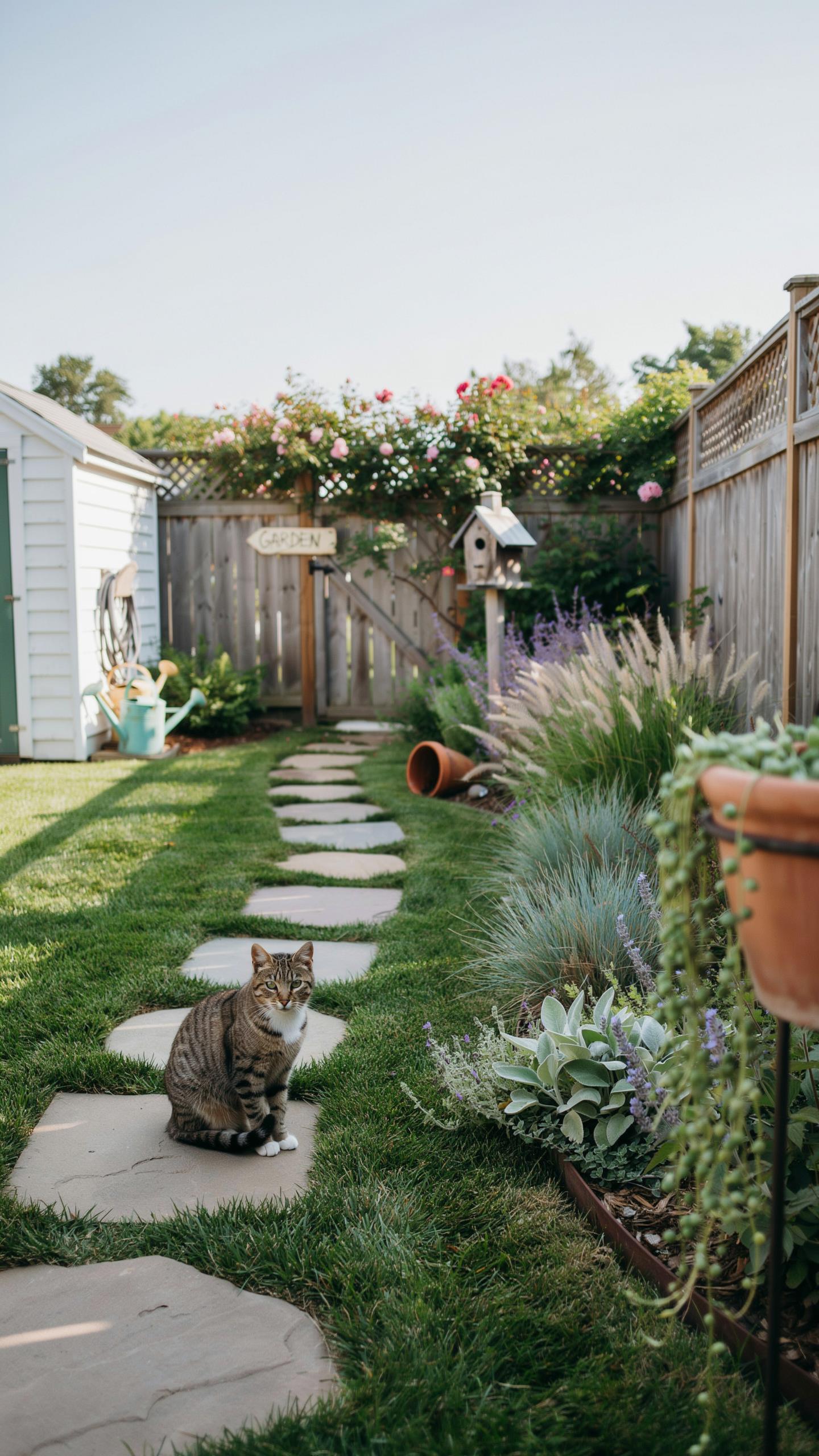
Mass planting native grasses stops soil loss on slopes and banks. Plant grasses in clusters rather than scattered rows. Tighter spacing reduces the number of plants needed while their root systems bind soil faster. This approach costs less upfront and delivers results within one growing season on moderate slopes.
Native grasses handle heavy rain better than ornamental species. Switchgrass, little bluestem, and prairie dropseed establish deep root networks that stabilize banks. Space plants 18 to 24 inches apart on slopes. Their fibrous roots create a web that holds soil in place and prevents channeling during water runoff events.
To make a prairie it takes a clover and one bee, and revery. If bees are few, the revery alone will do.
Meadow Transition
Converting lawn to meadow saves money by eliminating mowing costs and reducing maintenance labor. Start by removing turf in targeted sections, not the entire lawn at once. Sow native grass seed directly into prepared soil. One season establishes groundcover that outcompetes weeds naturally, reducing future herbicide spending and hand weeding.
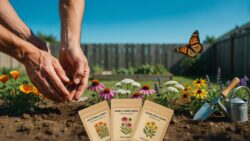
Phased meadow conversion spreads expenses across multiple seasons. Year one focuses on one border or edge section. Year two expands into adjacent areas. This approach lets you test what grows well in your soil conditions before committing larger budgets. Native grasses adapted to your region establish faster and demand fewer inputs than non-native alternatives.
Capturing The Golden Glow Garden Aesthetic Using Native Grasses
Sunshine Utilization
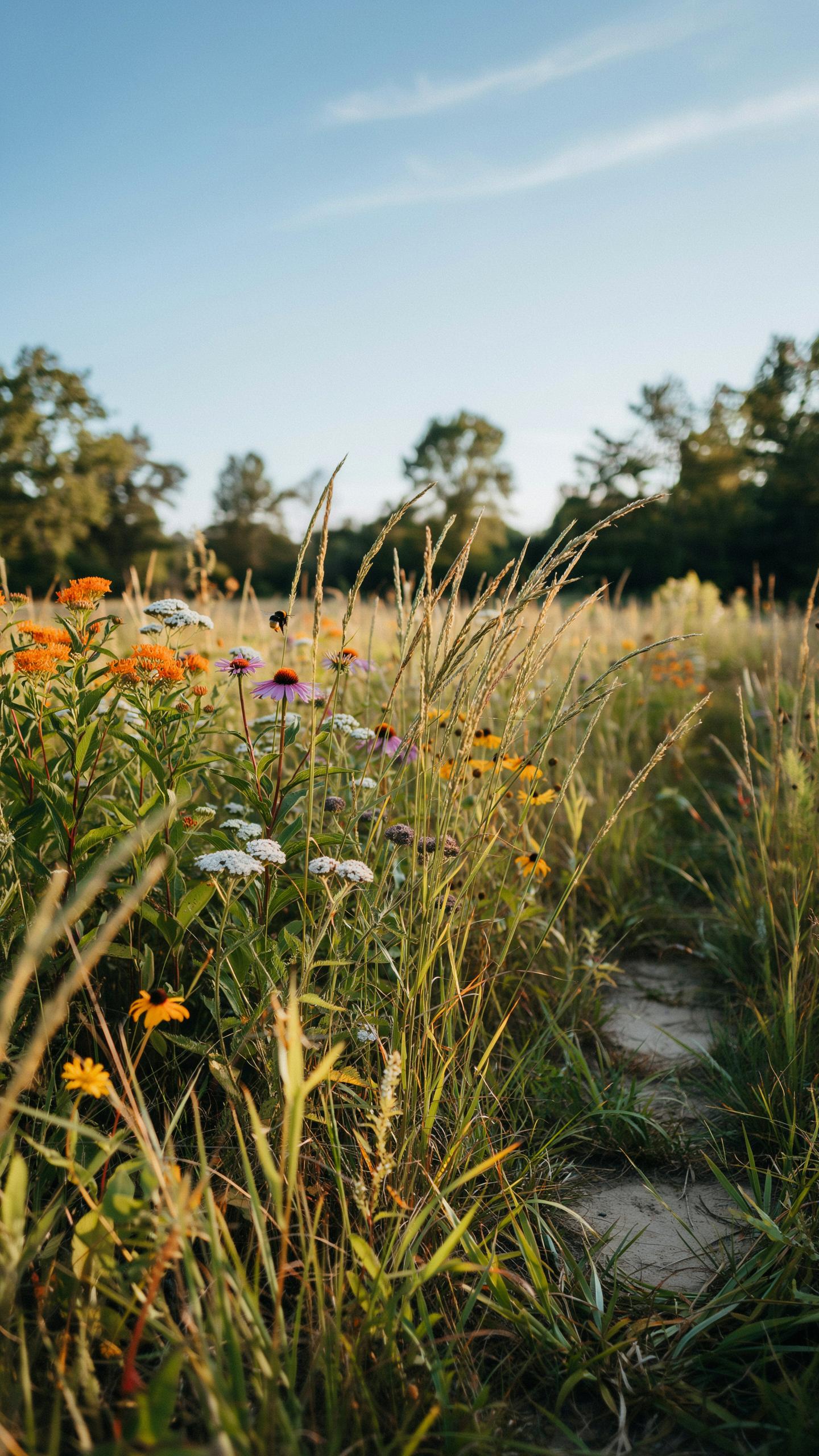
Late afternoon sun passes through grass seed heads and creates backlit effects. This occurs because seed heads contain air pockets and thin structures that transmit light rather than block it. Position grasses on the western or southwestern side of your garden border to maximize this effect. The sun angle during late day hours sits lower on the horizon, which increases light penetration through the foliage. This is a free design tool that requires only correct plant placement.
Native grasses with fine, feathery seed heads perform best for this application. Little bluestem, switchgrass, and indiangrass all produce seed heads that glow when backlit by low sun angles. The seed head structure matters more than the grass species itself. You achieve maximum impact during fall and early winter when seed heads mature fully. This effect costs nothing to create and works in any climate zone where these grasses grow.
Autumn Textures
Silver and bronze cultivars deliver color shifts as temperatures drop in fall. These color changes happen because cool nights trigger anthocyanin production in plant tissues. Native grasses like panicum and sorghastrum species naturally produce these tones without special treatment. The color shift begins in September and extends through November in most regions. This temporal dimension adds visual interest without additional maintenance or investment.
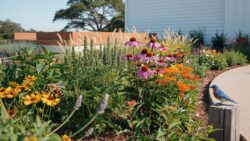
Select cultivars bred for enhanced fall color performance to guarantee results. Panicum virgatum cultivars like “Dallas Blues” and “Heavy Metal” show pronounced color changes. Indiangrass species demonstrate consistent bronze tones as temperatures decline. These cultivars cost the same as standard varieties but deliver superior aesthetic outcomes. Plant them in groups of three to five for maximum visual impact along borders.
Long Term Management Of Your Low Cost Ornamental Grass Landscape
Annual Pruning
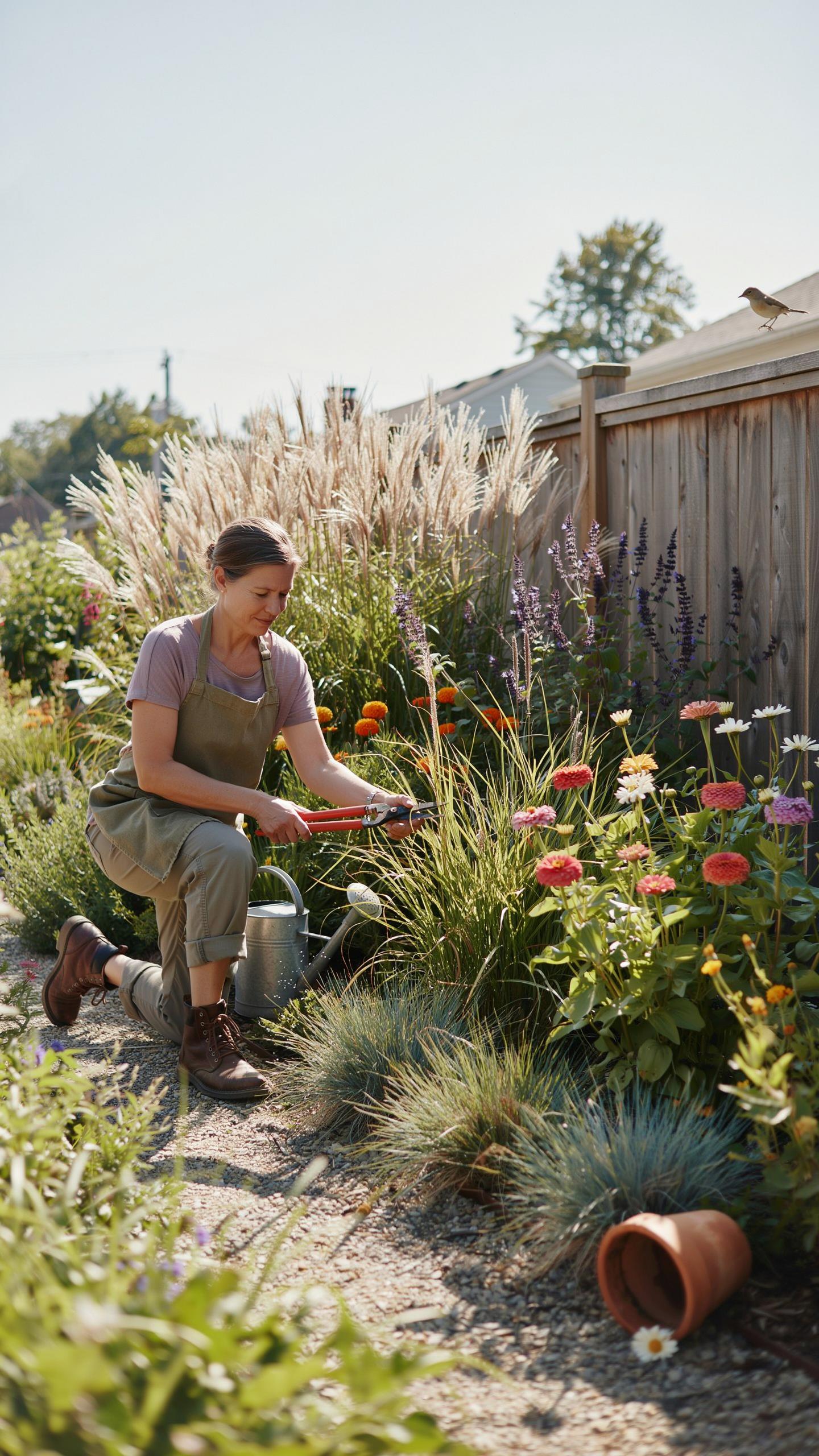
Cut back dormant grasses in late winter or early spring before new shoots emerge. Use hedge shears or a string trimmer to cut most native grasses to 4 to 6 inches above ground. Timing matters because cutting too early exposes new growth to frost damage. Wait until you see green shoots at the base before making your cuts.
Remove dead material to improve air circulation and reduce disease pressure. Most native grasses tolerate heavy cutting without damage since they store energy in their root systems. Annual pruning takes 30 minutes per 100 square feet and costs nothing beyond basic tools you likely own. This single step extends the lifespan of your plants by 5 to 10 years.
Grass Division
Divide established clumps every 3 to 5 years to rejuvenate plants and create free starter material. Dig up the entire clump in early spring, then split it into sections using a spade or garden fork. Each section needs at least 3 to 5 shoots and healthy roots to establish successfully. Replant divisions at the same depth they grew originally.
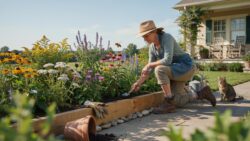
Divisions mature faster than seed grown plants and deliver blooms within one season. You can create 4 to 8 new plants from a single mature clump depending on species and size. This approach eliminates nursery costs and builds your landscape at zero material expense. Share divisions with neighbors to extend your impact further.
Frequently Asked Questions

Why should I choose native grasses for my garden borders instead of traditional ornamental varieties?
Choosing native grasses for garden borders is a brilliant move for beginners because these plants are naturally adapted to your local climate and soil. Unlike finicky exotic species, native varieties require significantly less water, fertilizer, and pesticides once established. They provide essential habitat for local wildlife and offer a rugged, effortless aesthetic that shifts beautifully with the seasons, ensuring your landscape looks stunning year-round with very minimal intervention.
What is the best way to plant and maintain native grasses to create a clean border look?
To achieve a polished look, space your plants according to their mature width to prevent overcrowding. When installing native grasses for garden borders, dig a hole twice as wide as the root ball and ensure the crown sits level with the soil surface. Maintenance is simple: just cut the dried foliage back to a few inches above the ground in late winter to make room for fresh, vibrant spring growth.
How can I incorporate these plants into my landscape without spending a lot of money?
The most cost-effective strategy is starting from seed or purchasing small “plugs” instead of mature gallon-sized plants. You can also save money by dividing established clumps every few years, which effectively doubles your inventory for free. Many local conservation districts hold annual plant sales where you can find affordable native species, making it easy to design a lush, professional-looking border even when working with a very tight decorating budget.