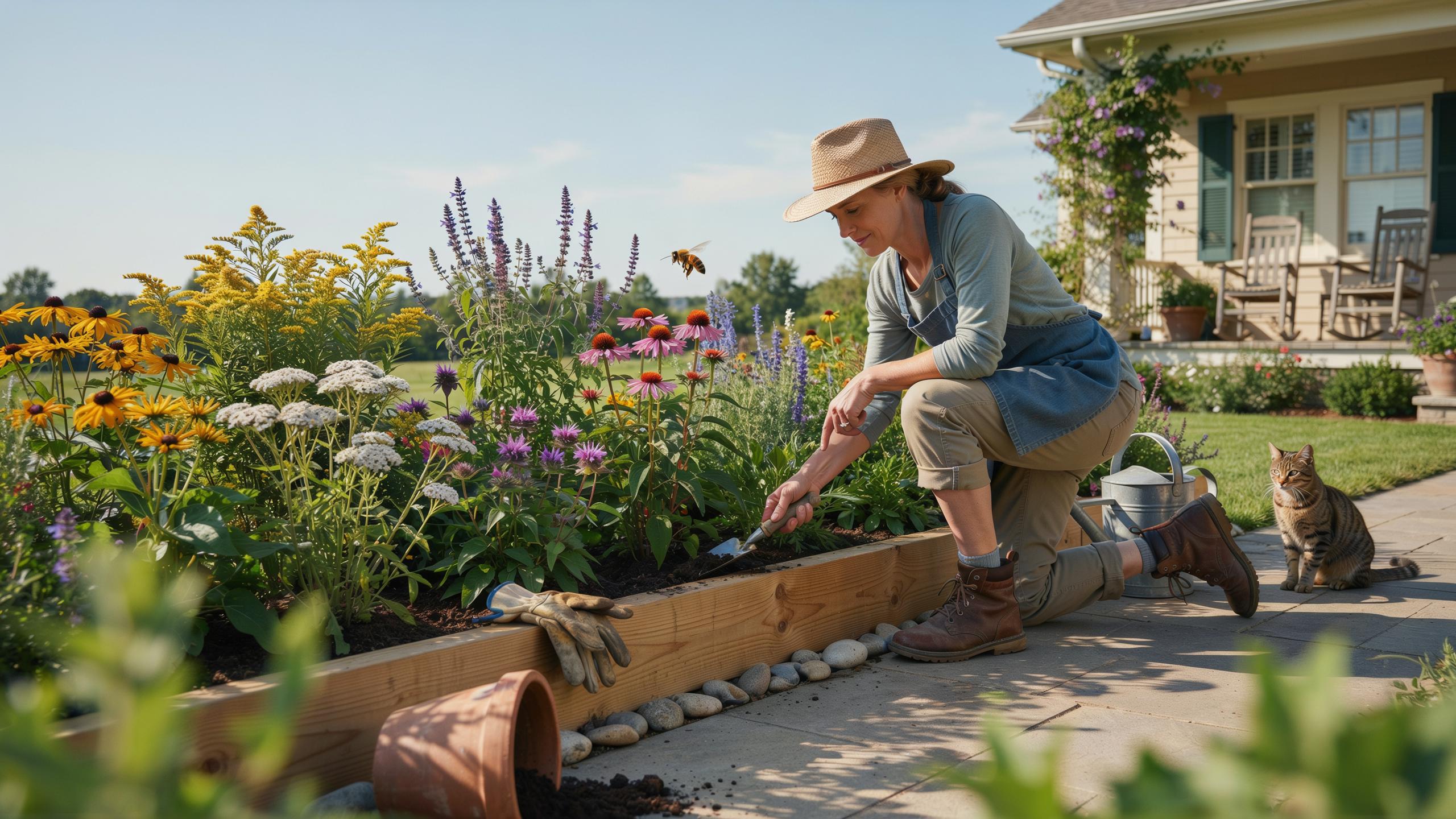
Why A Native Plant Garden Maintenance Schedule Is Key To Your YardS Success
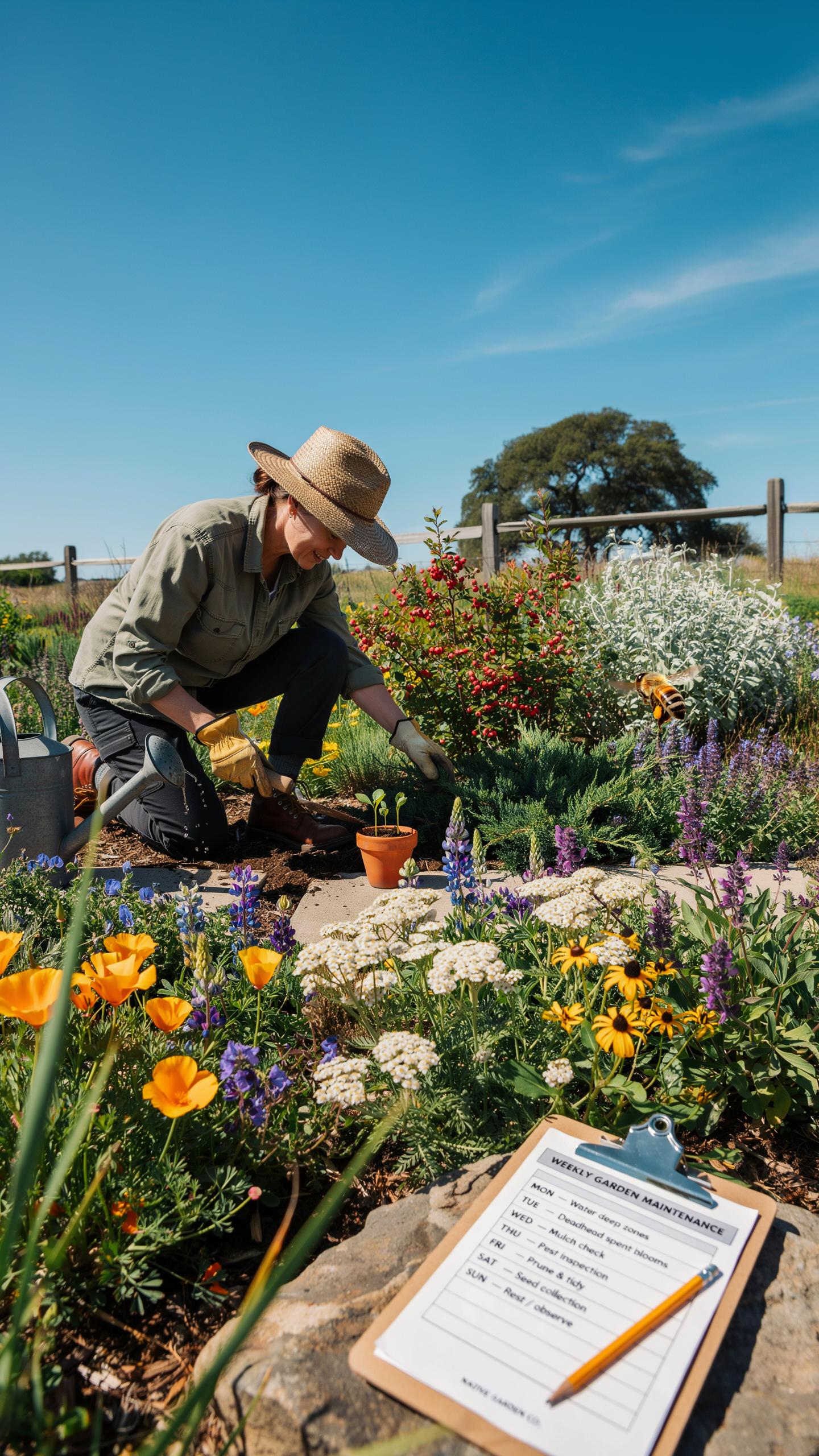
Simplifying Ecological Care
A structured maintenance schedule aligns your garden work with how native plants actually grow in your region. Native species evolved under specific seasonal patterns, moisture cycles, and temperature shifts. When you follow these natural rhythms instead of arbitrary timelines, you eliminate wasted effort and resources while strengthening plant health and resilience.
Native plants demand less intervention when you time your actions correctly. Pruning during dormancy, watering during establishment phases, and clearing debris at the right moments keeps your garden functioning like a natural ecosystem. This approach cuts maintenance time while producing stronger growth and deeper root systems that sustain plants through droughts and seasonal stress.
Preventing Common Native Plant Failures
Overwatering ranks as the leading cause of native plant death in residential gardens. Most homeowners water on fixed schedules regardless of rainfall or soil moisture levels. A proper maintenance schedule teaches you to water during establishment only, then step back and let roots develop naturally, which is how these plants survive in the wild.
Incorrect pruning timing destroys another significant portion of native plant gardens. Many people prune during growing season, triggering weak regrowth and pest vulnerability. A maintenance schedule prevents this by specifying dormant season pruning for woody species and post-bloom cutting for perennials. Following these windows ensures plants recover properly and maintain their structural integrity throughout the year.
Establishing Your Yard Maintenance Schedule Around Seasonal Rhythms
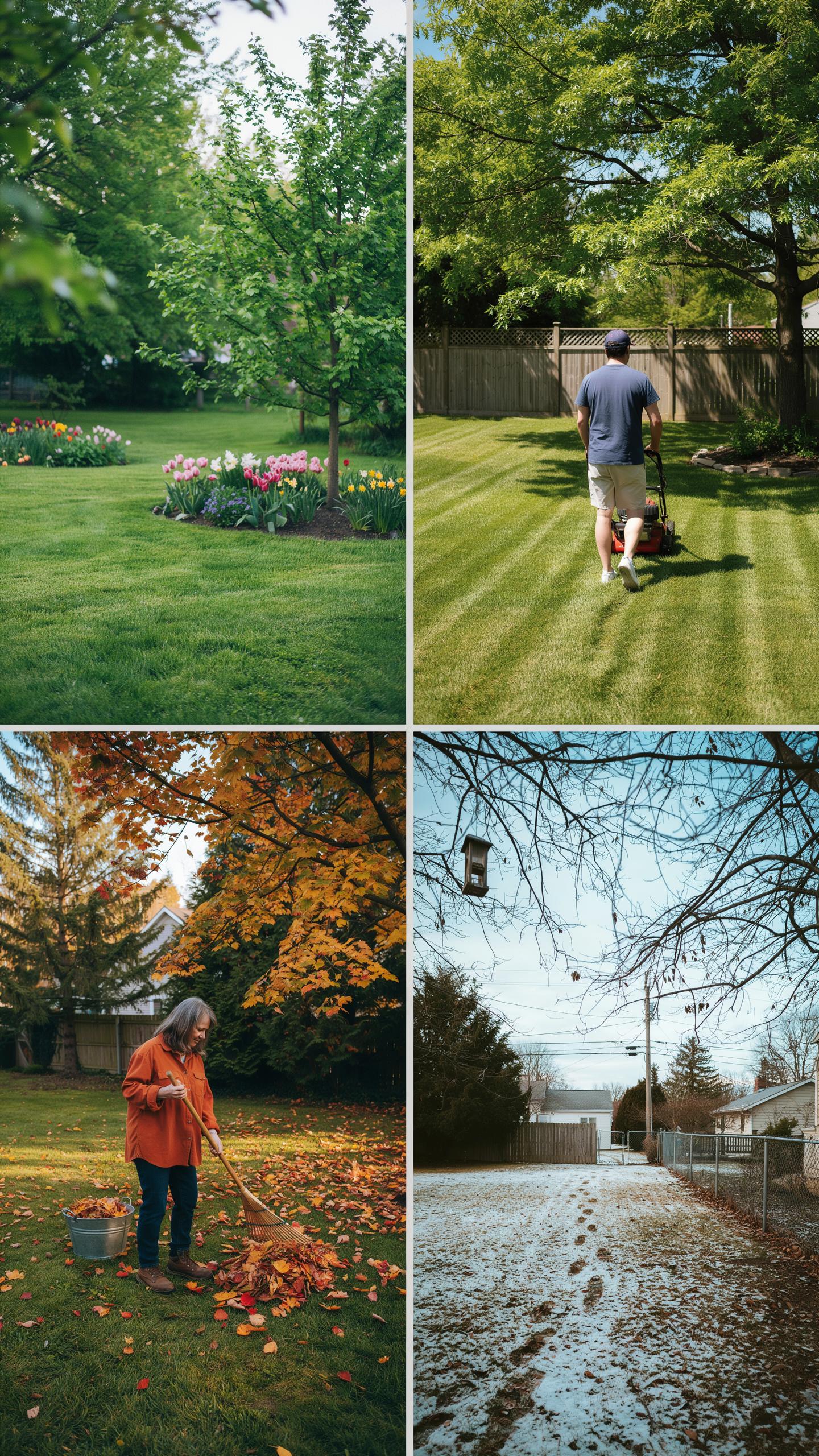
Spring Renewal And Awakening Tasks
When soil temperature reaches 50 degrees Fahrenheit consistently, your native plants break dormancy. Remove dead stems, fallen leaves, and accumulated debris from winter. This cleanup exposes soil to sunlight and air, preventing fungal issues. Pull invasive weeds before they establish competitive root systems. Native plants emerge stronger when you eliminate these competitors early.
Prepare soil by breaking up compacted areas where water pools. Add compost or leaf mold if your soil lacks organic matter. Most native plants need minimal fertilizer, so avoid high-nitrogen products that encourage weak growth. Divide overcrowded perennials and transplant divisions to expand coverage. Spring moisture activates root development, making this the ideal window for establishing new plants.
Fall Prep And Winter Protection
Leave seed heads standing through fall and winter. These structures provide food for birds and insects during resource-scarce months. Many native species depend on cold periods below 40 degrees Fahrenheit to break seed dormancy for spring germination. Apply one to two inches of shredded leaf mulch around plant bases to insulate roots from temperature fluctuations. Avoid thick mulch piles that trap moisture and promote rot.

Plant bare-root or container perennials in fall when soil remains workable. Species like asters, coneflowers, and black-eyed Susans establish root systems during cool weather before winter dormancy arrives. Fall planting reduces transplant shock compared to spring installation. Stop fertilizing in late August to harden plants before frost. This timing ensures your native garden enters winter with stronger, more resilient specimens.
How A Native Plants Educational Chart Informs Your Gardening Tasks
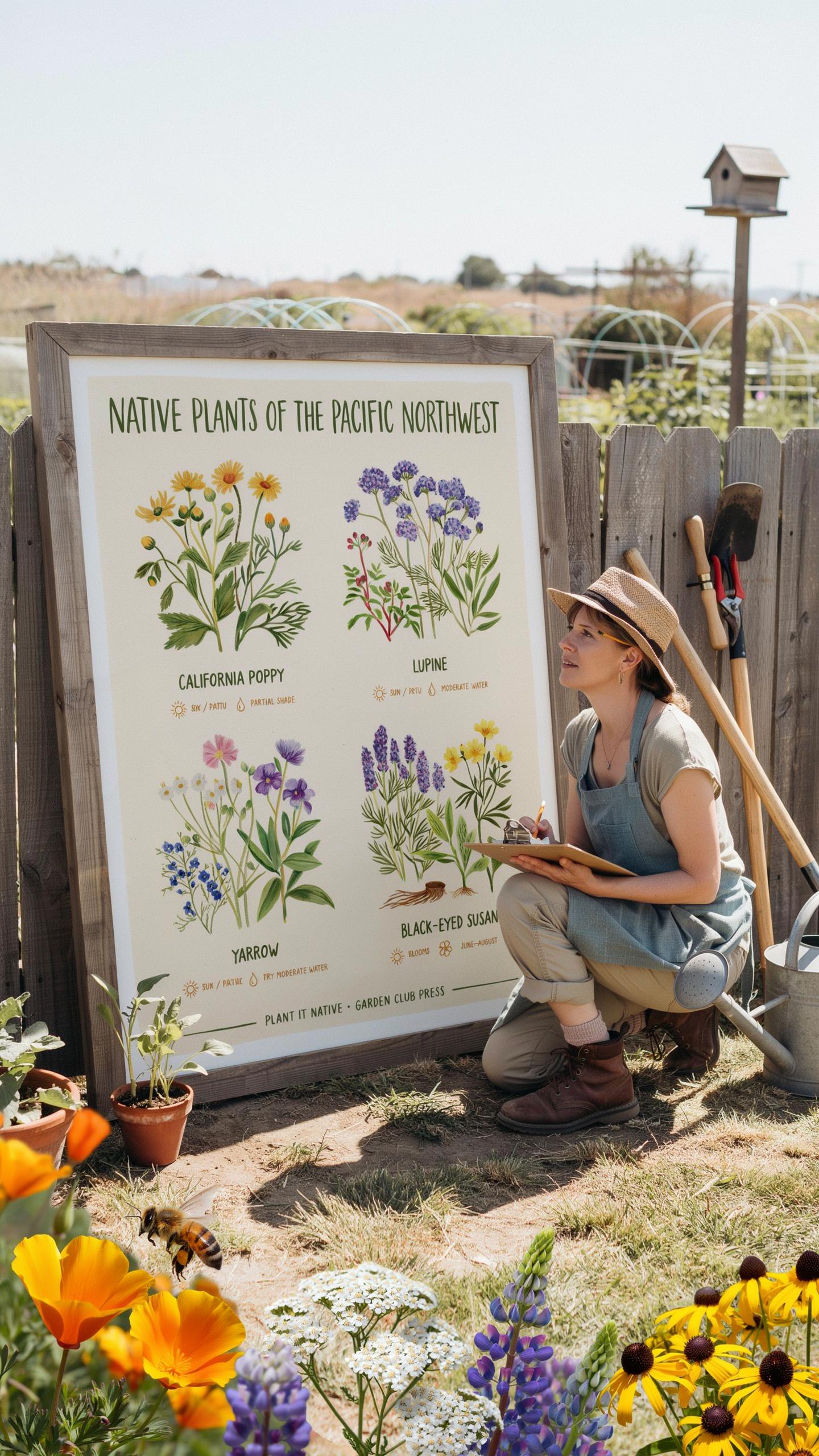
Identifying Native Species Needs
Local educational charts clarify which native plants thrive without intervention and which demand specific maintenance. These resources eliminate guesswork about watering, pruning, and soil amendments. You work efficiently because you target only plants that genuinely need help. Charts break down plant-by-plant requirements based on your region’s climate and soil conditions. This approach cuts maintenance time while preventing unnecessary disturbance to the garden ecosystem.
Charts organized by species show establishment timelines, drought tolerance levels, and seasonal dormancy patterns. You adjust your schedule accordingly instead of applying generic gardening rules. Some natives need zero supplemental water after year two. Others require strategic deadheading to encourage blooming. The data reveals which plants self-seed or spread aggressively, informing your pruning decisions. Armed with this information, you maintain the garden without wasting effort on plants that manage themselves.
Understanding Wildlife Interactions
Educational charts document when local pollinators, birds, and insects depend on specific plants for food and shelter. You avoid pruning berry-producing plants when migratory birds need those calories. Charts show which plants host caterpillar species critical to bird populations. Timing matters. Clearing debris in fall destroys overwintering sites for beneficial insects. Cutting back perennials in spring removes nesting material for ground-nesting bees. This knowledge prevents accidental harm during routine maintenance.

These charts align your maintenance calendar with wildlife life cycles. Spring cleanup happens after ground-nesting bees emerge. Seed head removal waits until winter finches finish feeding. Summer pruning avoids disrupting nesting birds. Fall leaf management preserves overwintering habitat. You maintain the garden while supporting the ecological relationships that keep native plants healthy. This synchronization reduces pest pressure naturally and eliminates reliance on interventions that damage beneficial species.
Mapping Seasons With A Native Plant Zone Chart For Accurate Timing
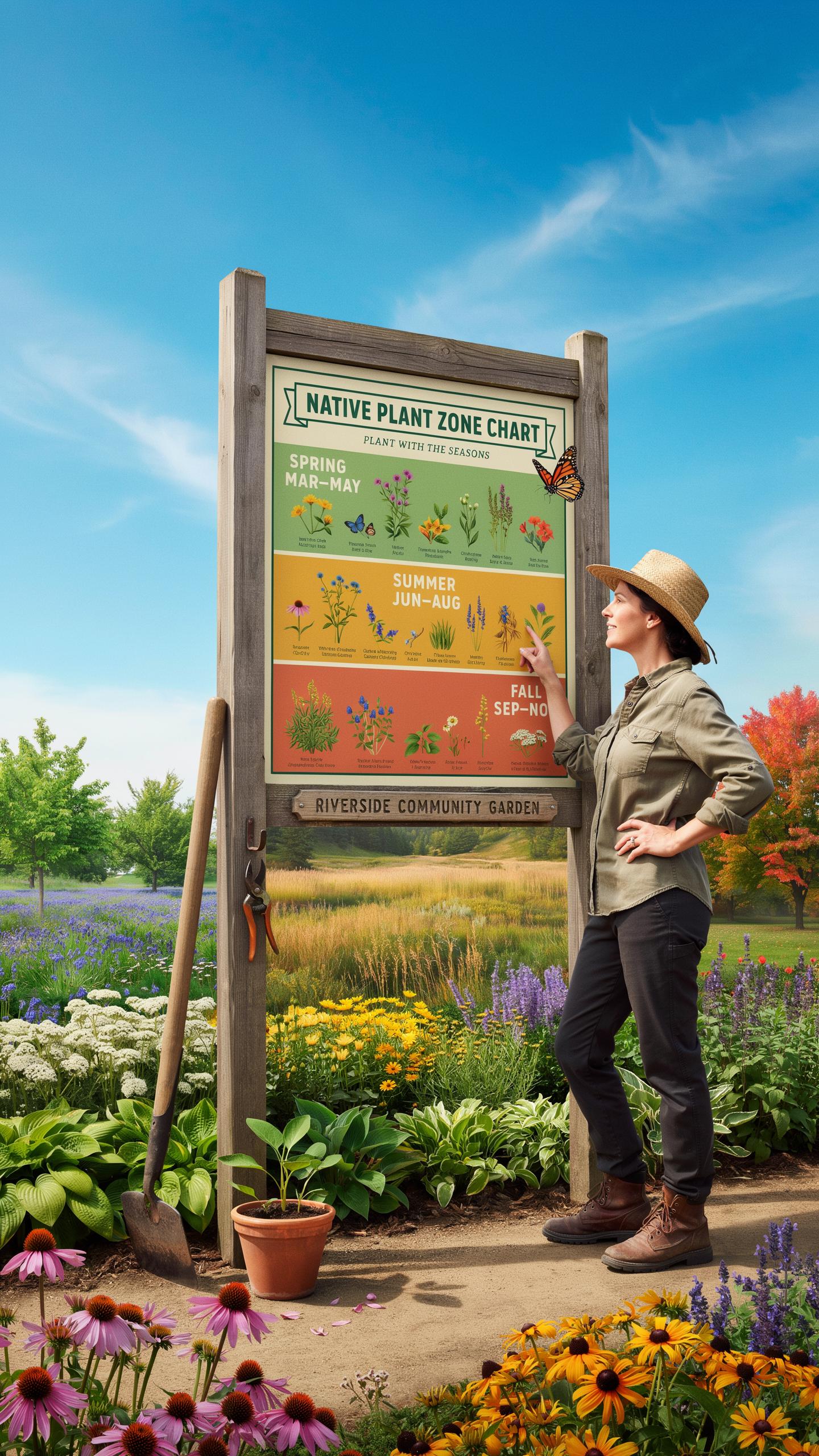
Aligning Maintenance With Your Hardiness Zone
The USDA hardiness zone system divides North America into regions based on average minimum winter temperatures. Your zone determines when frost ends in spring and begins in fall. This timing controls when you can safely prune, divide, or seed native plants without cold damage killing your work.
Pruning too early exposes tender growth to late frosts. Seeding too late means plants won’t establish before winter dormancy. Fertilizing in late summer pushes new growth that frost will kill. Match your maintenance calendar to your zone’s frost dates, not the calendar month.
Adjusting For Microclimates In Your Yard
A single property contains multiple growing conditions. South facing slopes warm faster than north facing areas. Low spots collect cold air and stay wet longer. Dense tree cover creates shade that affects moisture and temperature.
Map these zones across your yard before scheduling maintenance. Plants in sunny spots may need water and pruning earlier than shaded areas. Wet pockets require different care than dry zones. Customize your maintenance schedule for each microclimate, not the entire property as one unit.
Developing A Weekly Garden Maintenance Schedule For Consistent Care
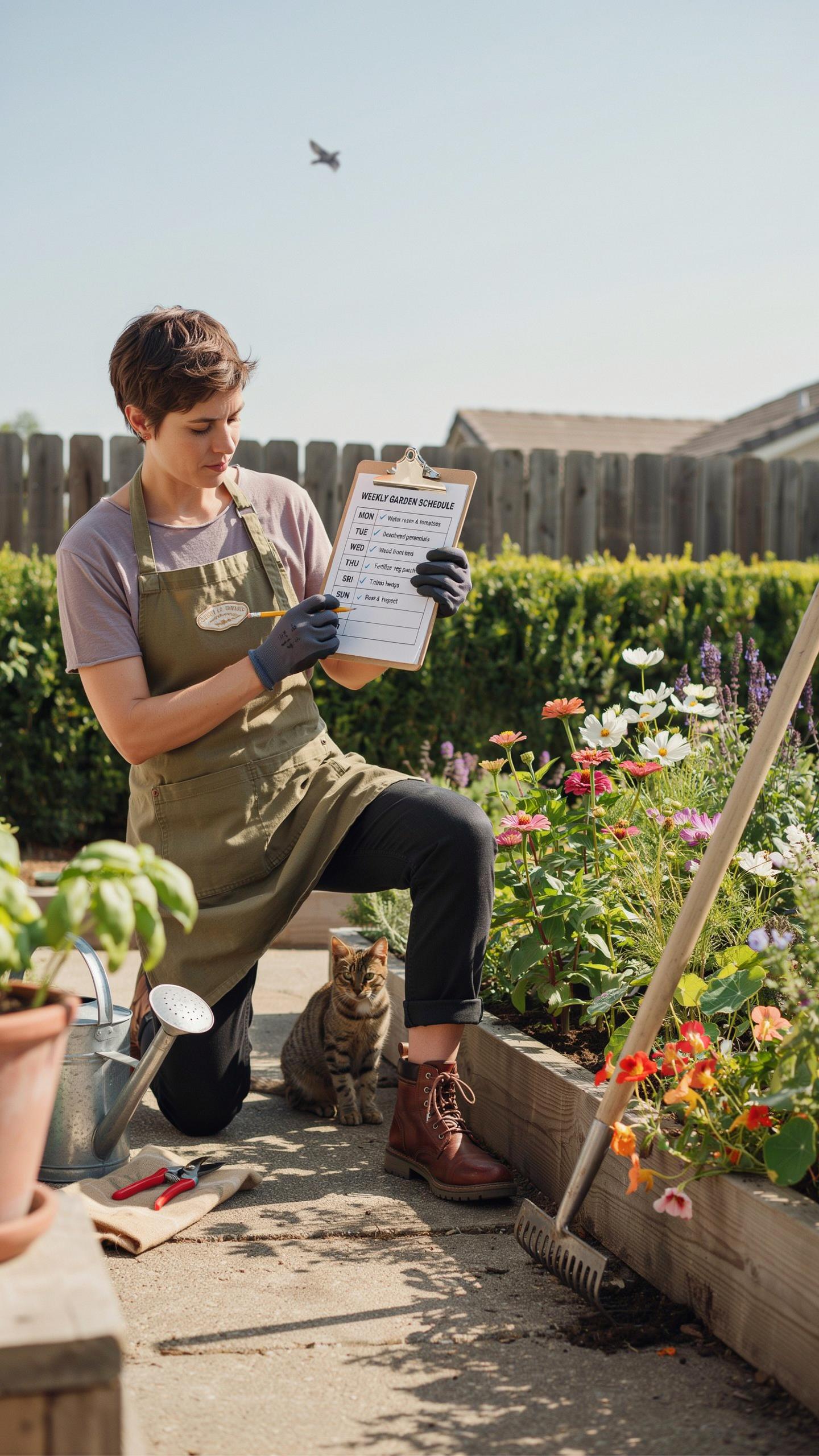
Essential Weekly Tasks To Keep On Your Radar
Weekly monitoring prevents small problems from becoming expensive disasters. Native plants establish root systems over months, not days. Young shrubs need consistent water checks during their first two growing seasons. Walking your garden borders takes 15 minutes and catches issues early before they spread.
- Walk boundaries to spot and hand-pull emerging invasive weed species: Invasives compete directly with natives for water and nutrients. Remove them before they set seed and multiply. Hand-pulling works best when soil is moist but not waterlogged.
- Check moisture levels in newly planted or establishing native shrubs: Native plants need regular water during establishment, typically the first year or two. Stick your finger two inches into soil to test moisture. Water when the top inch feels dry.
- Inspect leaf surfaces for severe pest infestations or signs of fungal disease: Native plants attract fewer pests than ornamentals, but problems still occur. Look under leaves where insects hide. Fungal issues appear as discolored spots or powdery residue.
- Clear heavy debris from walking paths while leaving natural biomass in garden beds: Paths need clearance for safe movement and maintenance access. Leave fallen leaves and small branches in beds to feed soil organisms and retain moisture.
- Document plant growth and health status in a simple notebook: Tracking changes helps you adjust watering or care practices. Record which plants thrived and which struggled for future planning decisions.
Consistency matters more than intensity. Fifteen minutes each week outperforms two hours once monthly. You’ll catch problems when they’re manageable and keep your native garden performing at baseline health.
Monitoring Biodiversity And Pollinators
Weekly observation creates a record of which insects and pollinators visit your garden. Native plants support the food webs these species depend on. Timing and sequence matter. Spring bloomers attract different pollinators than summer or fall species. Your garden becomes a working laboratory proving ecological relationships.

Track arrivals and departures of key species like monarchs, swallowtails, native bees, and beneficial predatory insects. Note which plants they visit and when peak activity occurs. This data shows whether your maintenance approach supports wildlife or harms it. Successful native plant gardens demonstrate measurable biological activity within weeks of establishment.
Simplifying Seasonal Tasks With An Outdoor Maintenance Schedule
Spring And Summer Growth Controls
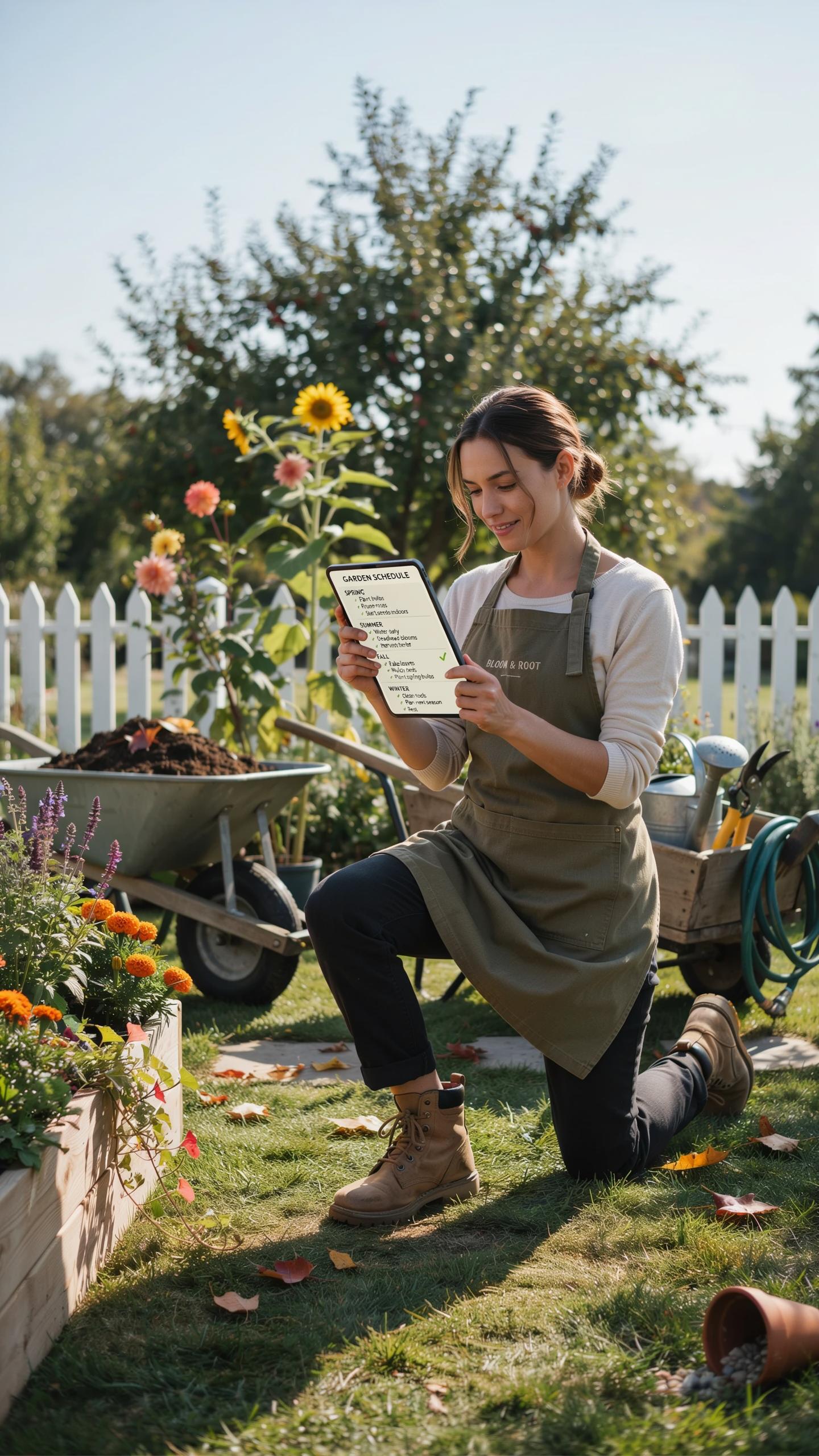
Warm temperatures trigger rapid growth in native plants. Deadhead early bloomers like coneflowers and black-eyed Susans to redirect energy into second flowering cycles. Monitor aggressive spreaders such as bee balm and goldenrod. These plants outcompete slower companions if left unchecked. Cut back encroaching stems to maintain plant spacing and balance within your garden beds.
Selective pruning during peak growth prevents dense thickets that choke out desirable species. Remove dead or diseased stems as they appear. Thin crowded clusters to improve air circulation and reduce disease pressure. This targeted approach keeps native species in proportion without disrupting the ecosystem you’ve built.
The care we give our native soil today is a slow, beautiful conversation with the landscapes of our childhood. By tending to these wild blooms in their own rhythm, we turn our homes back into the sanctuaries nature always intended them to be.
Winter Dormancy And Minimalist Care
Winter maintenance in native gardens requires less intervention than conventional landscapes. Prune woody deciduous plants during dormancy to remove crossing branches and improve structure. Leave herbaceous stems standing through winter. These provide insect habitat and seed food for birds. Fallen leaves protect soil organisms and add organic matter as they decompose.

Repair hardscapes like pathways and borders while plants rest. The dormant period offers clear sight lines for assessment and work. Allow leaf litter to accumulate in planting beds rather than removing it. This natural mulch regulates soil temperature and moisture while feeding the microbial community that supports plant health year after year.
Customizing Your Plant Maintenance Schedule For Regional Flora
Hydration Strategies For Established Species
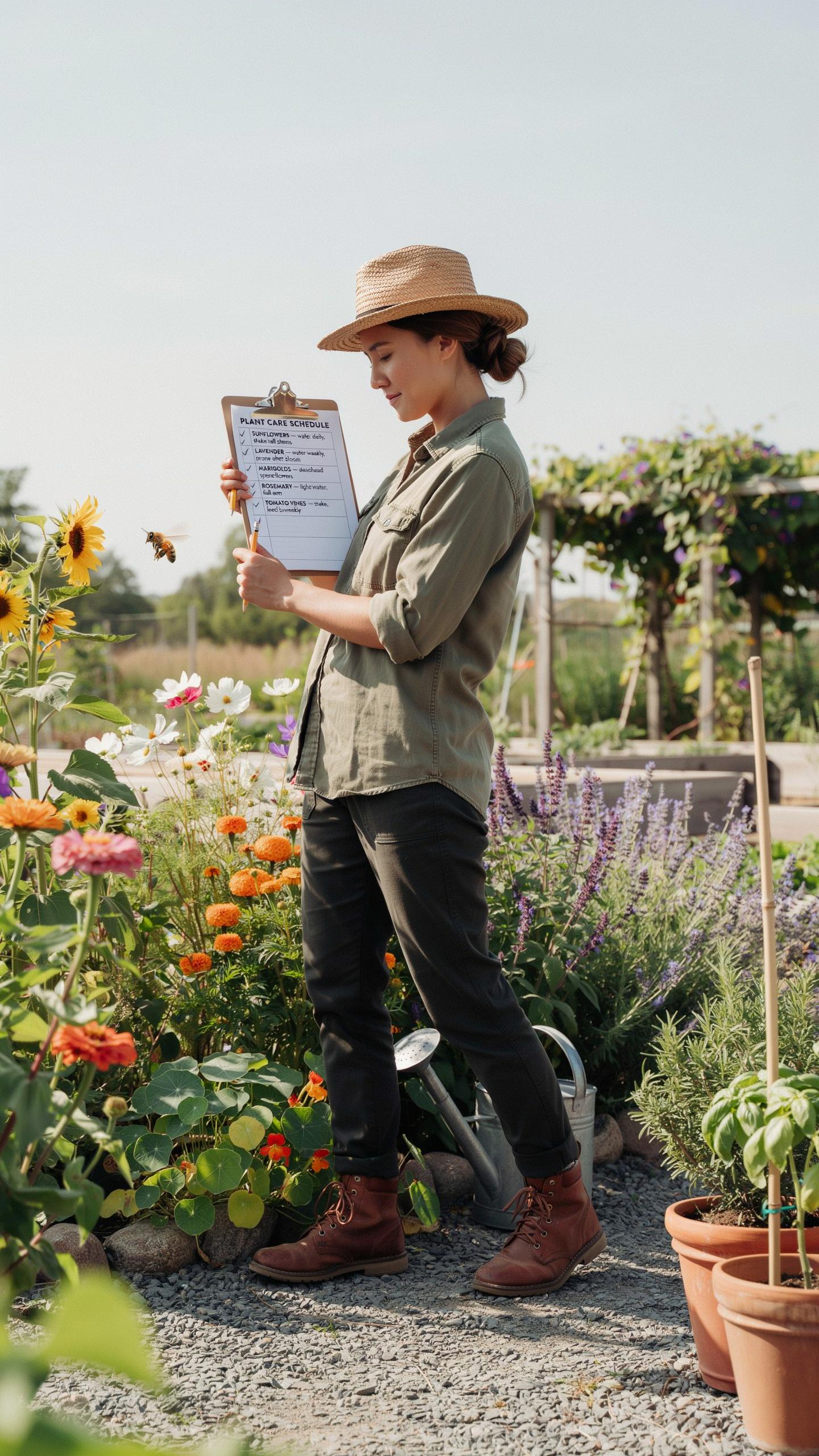
Native plants adapt to local rainfall patterns over time. Once roots develop past the establishment phase, typically after two growing seasons, you reduce watering dramatically. Your schedule shifts from regular irrigation to monitoring soil moisture only during extended dry periods. Natural rainfall becomes your primary water source.
Extreme droughts demand intervention, but they occur infrequently in most regions. When drought stress appears, water deeply to reach established root systems rather than shallow frequent watering. This approach trains plants to develop deeper roots and increases their resilience. Overwatering established natives causes rot, fungal issues, and weakens their natural hardiness.
Targeted Pruning And Trimming Techniques
Prune native plants to remove dead wood and improve air circulation, not reshape them. Use sharp hand pruners and loppers to make clean cuts that heal quickly. Prune in late winter or early spring before active growth begins. Avoid cutting during fall to prevent tender new growth that frost will damage.
Mimic natural disturbances when pruning. Wind and wildlife create irregular canopies with varied growth patterns. Remove only dead branches and crossing stems that inhibit healthy development. Leave the plant’s natural form intact rather than shearing it into artificial shapes. This approach maintains the informal character that makes native plantings effective in landscapes.
Structuring Tasks Using A Lawn Maintenance Schedule Template
Transitioning Turf To Native Grasses
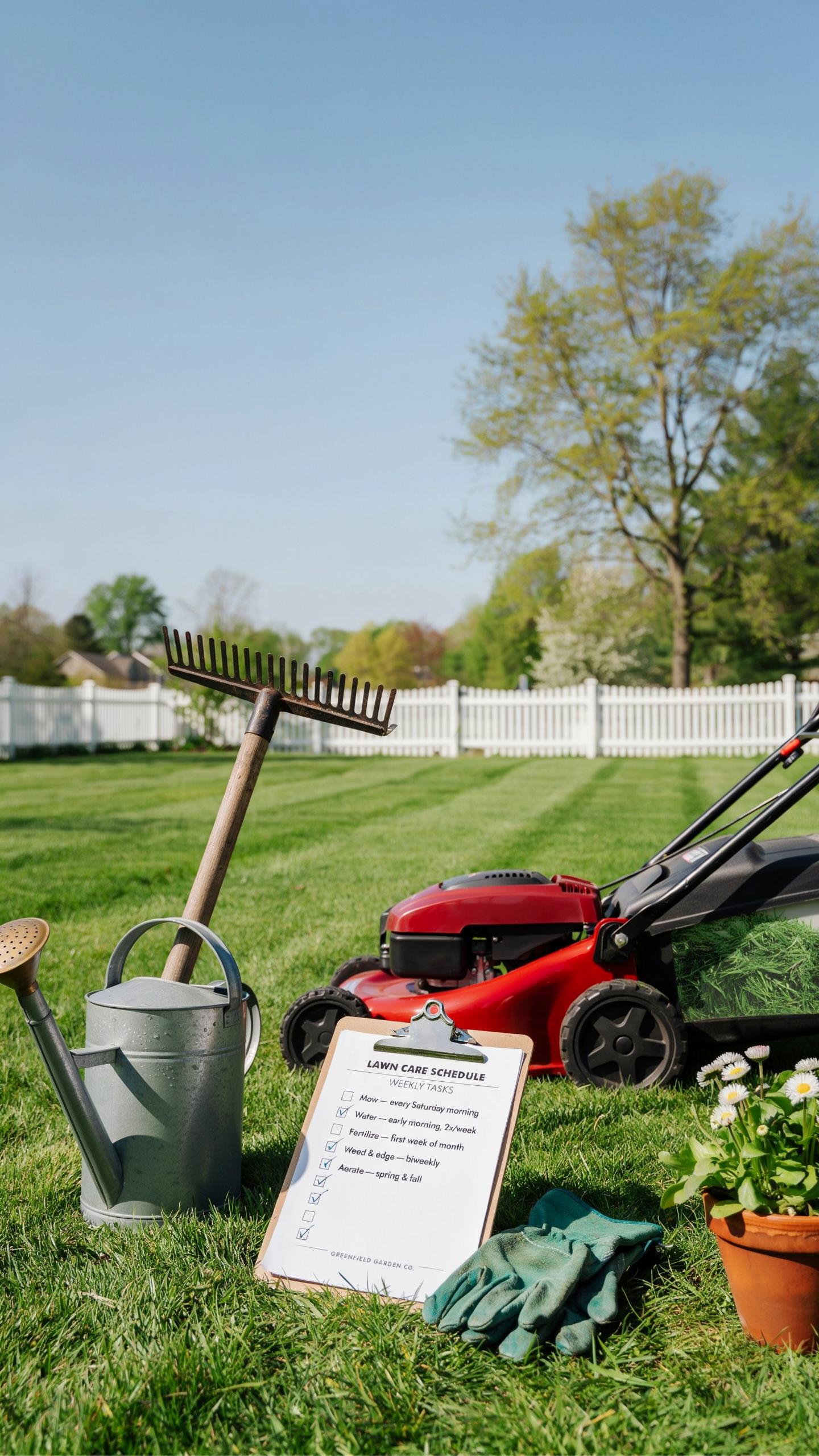
Replace turfgrass with native meadow species by adjusting your mowing schedule to allow seed dispersal. Mow once annually in late fall or winter after native plants have set seed. This single cut removes dead material and prevents woody species from invading while letting native grasses and forbs establish competitive advantage over shallow-rooted weeds that demand frequent disturbance.
Your template must account for the transition period, typically two to three growing seasons. During this time, mow higher and less frequently than conventional lawns. This approach reduces competition pressure on emerging native species, allows them to develop deep root systems, and gives them time to outcompete existing weeds through established dominance.
Mowing Heights And Ecological Practices
Set your mower deck to three inches or higher for any remaining lawn areas. Taller grass shades soil, reduces water evaporation, and blocks light that dormant weed seeds need to germinate. This mechanical approach eliminates the chemical dependency of scalped lawns while building organic matter in your soil profile.

Include mowing frequency in your template based on growth rate, not arbitrary schedules. In spring and early summer, mow every two to three weeks when growth peaks. As temperatures rise or drought stress increases, reduce frequency. Higher mowing heights strengthen root systems and create habitat structure that supports soil organisms and beneficial insects throughout the growing season.
How To Use A Plant Maintenance Schedule Template Excel Effectively

Structuring Your Digital Garden Tracker
A spreadsheet handles garden tracking without guesswork. Build columns around the data that actually matters for native plant care. Your system should capture what each plant needs and when you last acted on it. This prevents redundant work and ensures nothing falls through the cracks during busy seasons.
- Plant Species Name: Record both common and botanical names. This eliminates confusion when plants share regional nicknames or when you reference care guides later.
- Specific Location: Document which garden bed or zone each plant occupies. This matters because sun exposure and soil conditions vary across your property.
- Water Requirements: Group plants by their native soil moisture preferences like dry, mesic, or wet. Native plants thrive when matched to their natural habitat conditions.
- Pruning Frequency: Note the ideal months or seasons for trimming each species. Most native plants benefit from late winter or early spring pruning before new growth emerges.
- Last Intervention Date: Log when you last watered, pruned, or divided each plant. This timestamp prevents over treating plants and reveals which ones need attention soon.
A working spreadsheet reduces decision fatigue. You open it, scan the dates, and know exactly what needs doing today. Native plants respond to consistent timing, not random maintenance spurts. Your template becomes the single source of truth for your garden’s needs.
Automating Reminders For Pruning And Dividing
Set up conditional formatting in your spreadsheet to flag dates that require action. Use color coding to highlight tasks coming within the next two weeks. Excel formulas automatically calculate when to divide perennials based on their last intervention date plus their typical growth cycle. This visual system keeps seasonal chores visible without daily mental effort.
Date based alerts prevent you from missing optimal timing for dividing crowded perennial root systems or collecting seeds before dispersal. Most native perennials divide best in early spring or fall when they’re dormant. Your spreadsheet reminds you when that window opens for each species. Automation removes the burden of remembering which plants need division and when they should get it.
Building Your Long Term Landscape Maintenance Schedule Template
Planning For Five Year Yard Growth Cycles
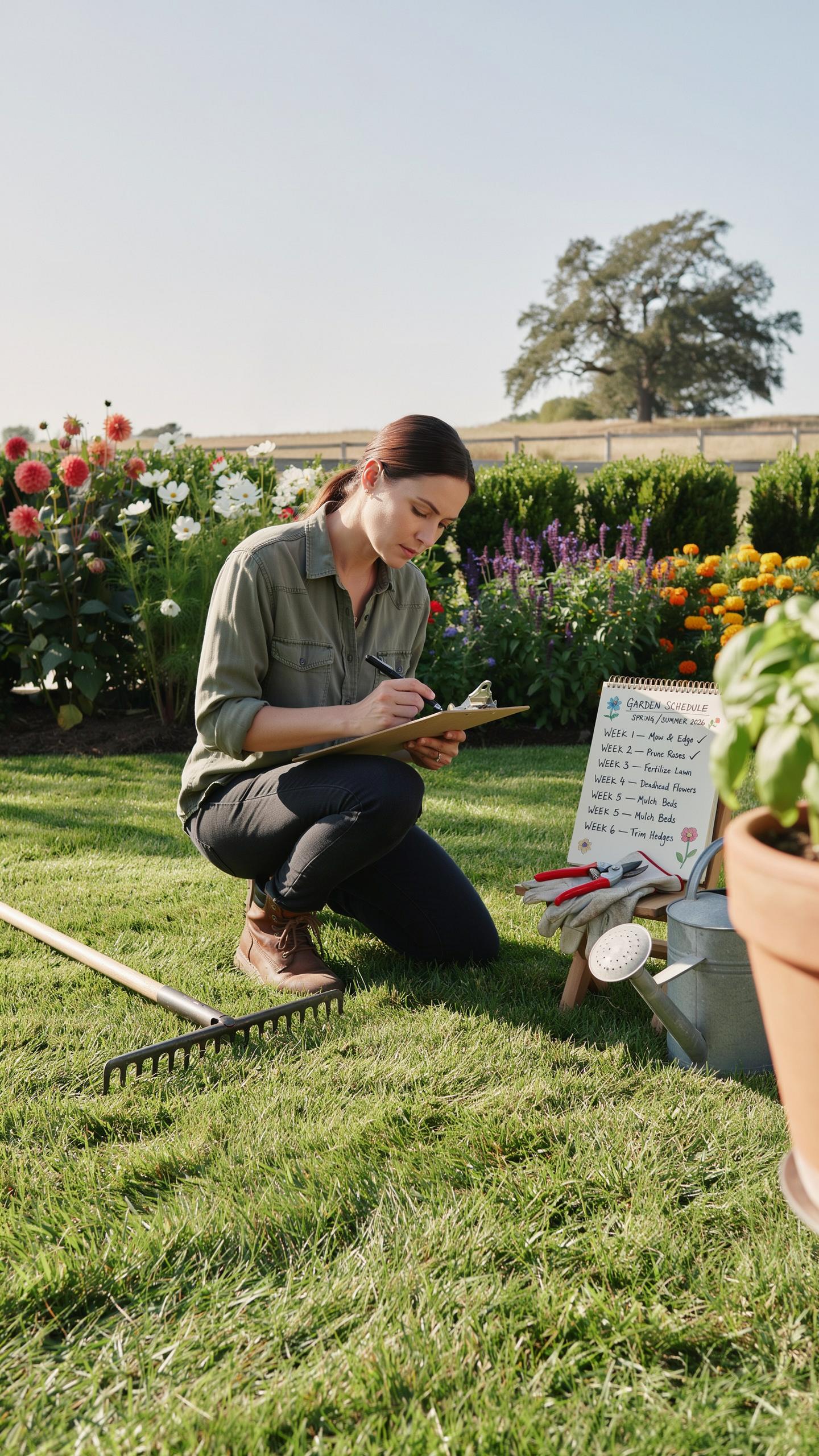
Year one through three demands heavy intervention. You establish plants, build soil structure, and manage competition. By year four and five, native plants establish deep root systems and crowd out weeds naturally. Your template should reflect this shift. Schedule intensive weeding and mulch replacement early, then transition to monitoring canopy development and removing dead wood. Tree canopies close over time, reducing light to aggressive groundcovers. Plan thinning operations as your garden matures.
Document what happens at each growth stage. Some native species take two years to establish before substantial growth. Others spread aggressively by year three. Your five year template becomes a forecast tool. You know when to expect shade issues, when groundcovers need division, and when mulch barriers require renewal. This predictability eliminates guessing and keeps your maintenance costs stable across seasons.
Documenting Seasonal Successes And Adjustments
Track performance in writing. Note which species thrived despite drought or excess rain. Record pest and disease pressure patterns. Document wildlife visits tied to specific plants and bloom times. This data reveals what works in your actual conditions, not in textbooks. After two seasons of notes, patterns emerge. You identify which plants deserve expansion and which need replacement.
Refine your template annually based on field observations. If a native species struggled in shade, move it to full sun in next year’s plan or remove it entirely. If certain plants attracted pollinators consistently, expand their coverage. Weather variations matter enormously. A wet spring changes which maintenance tasks become urgent. Your template stays flexible because your notes show real cause and effect. This approach replaces guesswork with evidence from your own yard.
Frequently Asked Questions

How do I get started with a native plant garden if I have no experience?
Getting started is simpler than you might think because indigenous species are naturally adapted to your local soil and climate. Initially, focus on a basic native plant garden maintenance schedule that prioritizes deep watering during the first growing season. Once established, these plants require significantly less intervention than traditional ornamentals. Start small with a single garden bed to observe how local pollinators interact with your new habitat before expanding further.
How should I structure my seasonal care routine to keep things manageable?
The best way to maintain visual appeal is to break tasks down by the calendar. Your native plant garden maintenance schedule should include dormant season pruning in late winter, light mulching in spring to suppress weeds, and deadheading spent blooms in summer to encourage new growth. By performing small, consistent tasks relative to the seasons, you ensure your landscape looks intentional and vibrant rather than overgrown or neglected throughout the entire year.
Can I maintain a beautiful native garden on a very tight budget?
Absolutely! Native gardening is actually one of the most cost-effective ways to landscape your home. You can save money by utilizing free resources like local seed swaps, municipal compost programs, and woodchip drops. Since these hardy species require zero expensive chemical fertilizers or pesticides, your long-term costs remain incredibly low. Investing your time into a consistent care routine is far more valuable than spending money on high-priced synthetic garden treatments.