Understanding Why Are Native Plants Good For Your Backyard Sanctuary
Ecological Benefits And Wildlife Support
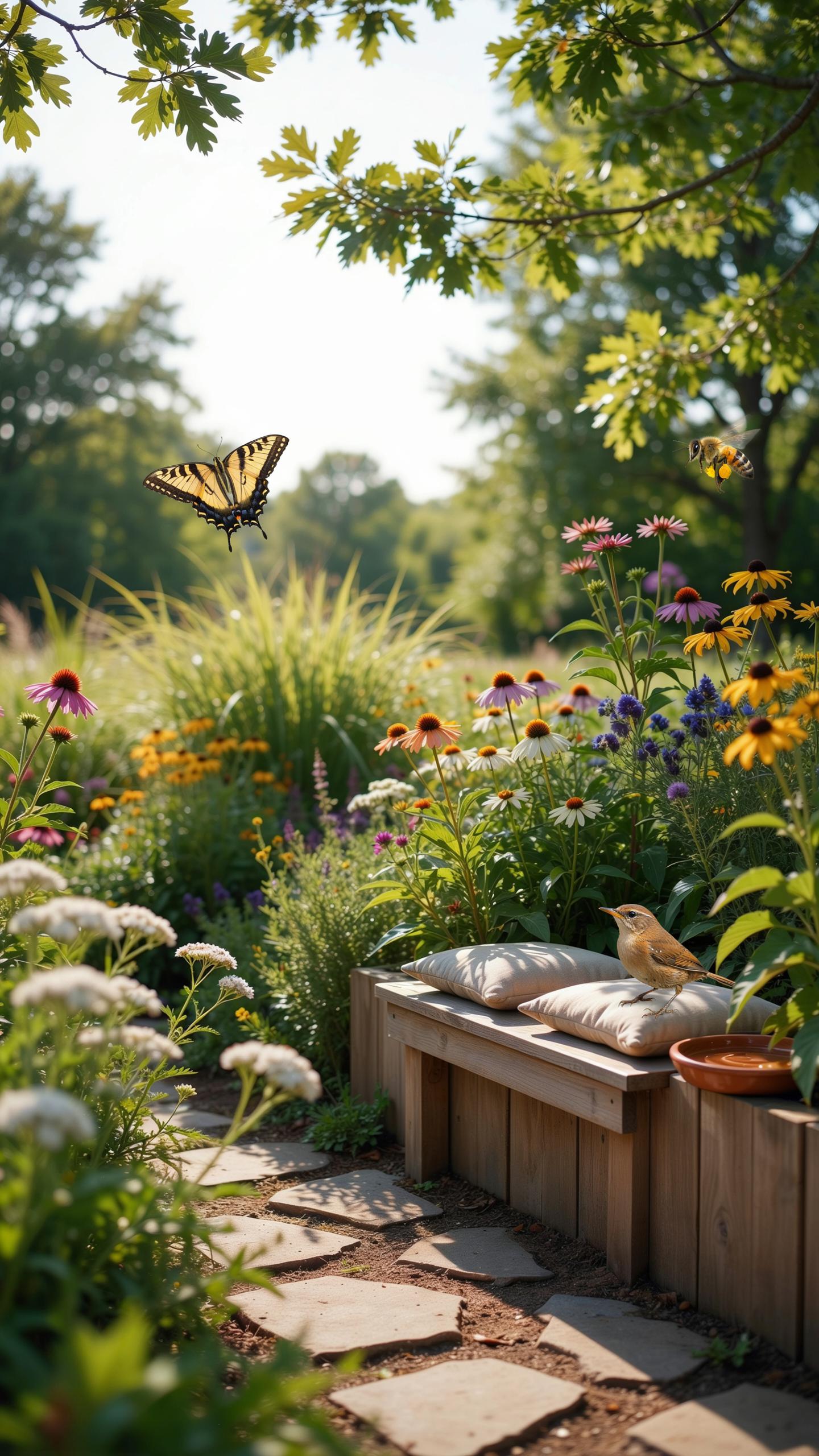
Native plants evolved alongside local insects, birds, and pollinators over thousands of years. This shared history means native species provide the exact food sources and habitat structures that regional wildlife needs to survive. A native oak supports hundreds of insect species that non-native trees cannot feed. Local birds depend on these insects and native plant seeds for nutrition.
Native plants establish relationships with local soil organisms, mycorrhizal fungi, and beneficial microbes. These underground networks already exist in your soil and recognize native plant roots. When you plant natives, you activate existing ecological infrastructure instead of fighting against it. This creates a self-sustaining system that requires far less intervention from you.
Low Maintenance Relaxed Living Benefits
Native plants have deep root systems that reach established soil moisture and nutrients. They evolved to handle your region’s rainfall patterns, temperature swings, and seasonal changes. This means you stop battling nature with constant watering schedules and soil amendments. Your plant establishment phase shortens, and mature plants need minimal supplemental care.
Synthetic fertilizers become unnecessary when you work with plants adapted to your soil conditions. Native species access nutrients already present in local earth. You eliminate the cycle of chemical inputs that damage soil biology and require repeated applications. This approach frees your time and reduces the physical and financial burden of constant garden maintenance.
A BeginnerS Guide To Native Gardening For Cozy Outdoors
Evaluating Your Garden’S Sun And Soil
Before you plant anything, map your garden’s actual conditions. Spend three days observing which areas receive full sun, partial shade, or full shade. Note where water pools after rain and where it drains quickly. Dig small holes in different spots to feel your soil texture. Native plants succeed because they match local conditions, not because you force them into wrong locations.
Soil texture determines which native plant companion species will establish strong root systems. Sandy soil drains fast and suits drought tolerant natives. Clay soil holds moisture and supports species adapted to wet periods. Most gardens contain mixed soil types across different zones. Understanding your specific soil composition eliminates guesswork and prevents plant failure before you start.
Starting Small With Manageable Planting Beds And Borders
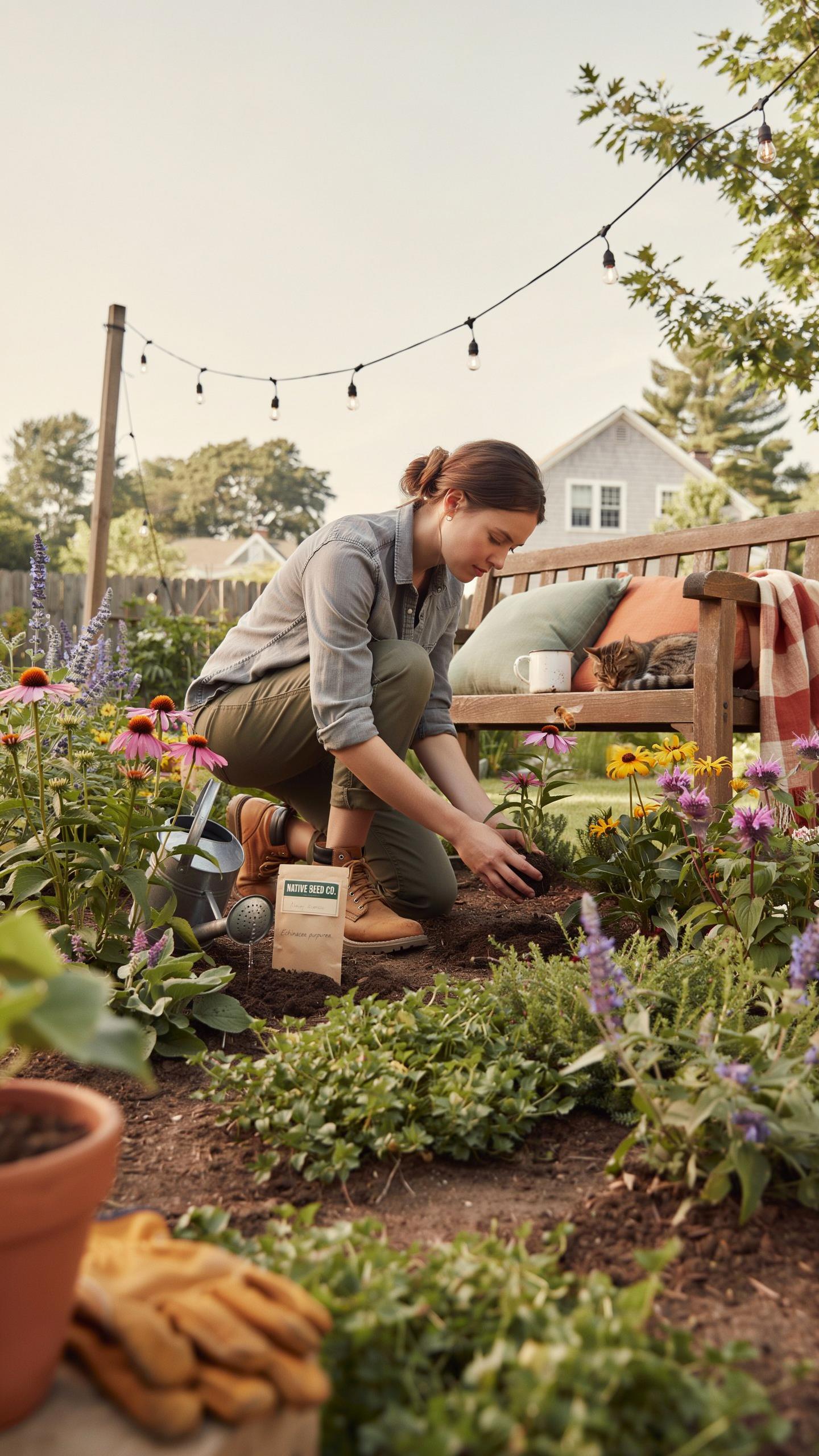
Launch your native garden in one small bed, roughly 4 by 8 feet. This confined space lets you observe plant performance, maintenance needs, and seasonal changes without overextending yourself. You’ll learn what thrives before committing resources to larger areas. Small victories build momentum and practical knowledge for future expansion.
Expand your planting beds only after your initial section stabilizes, typically after one full growing season. This staged approach prevents overwhelm and allows you to refine your technique. Document what works in your specific microclimate. Each successful season gives you data to inform the next phase of your native garden development.
Core Principles Of A Beautiful Native Garden Layout
Layering Heights For A Lush And Natural Aesthetic
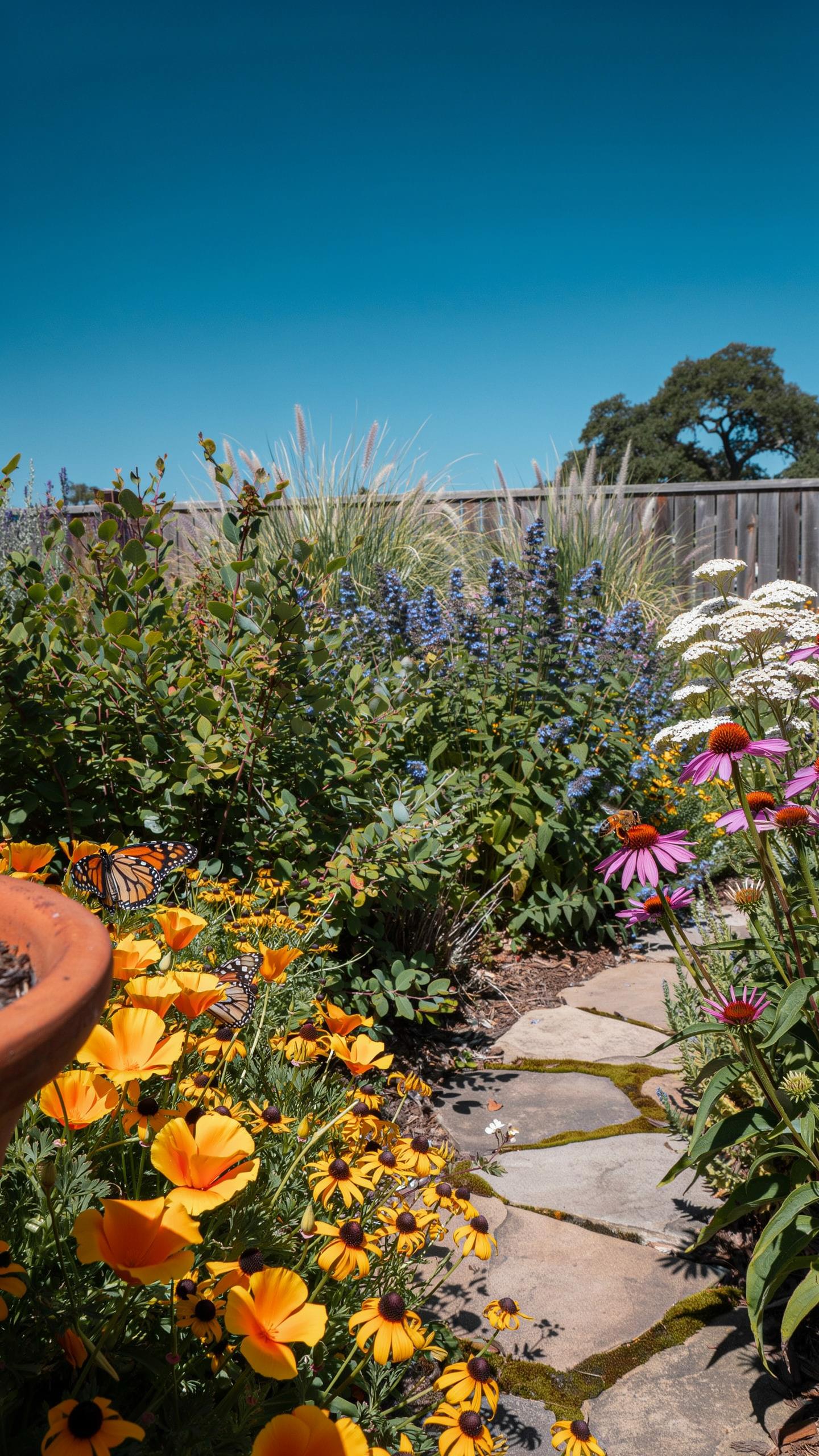
Structural depth comes from organizing plants by mature height. Place tall native shrubs and grasses at the garden’s back edge to create a visual anchor. Mid-height flowering plants occupy the center zone. Low-growing groundcovers and small perennials sit at the front. This tiered approach mimics natural forest structure and prevents taller plants from shading shorter specimens.
Height layering serves function beyond appearance. Backrow plants block wind and establish privacy screens. Middle layers capture attention and direct foot traffic patterns. Front plantings suppress weeds and reduce soil erosion. Each tier receives appropriate light based on its position. Native species evolved to thrive in these specific microclimates within their natural communities.
Balancing Color Palettes And Blooming Seasons
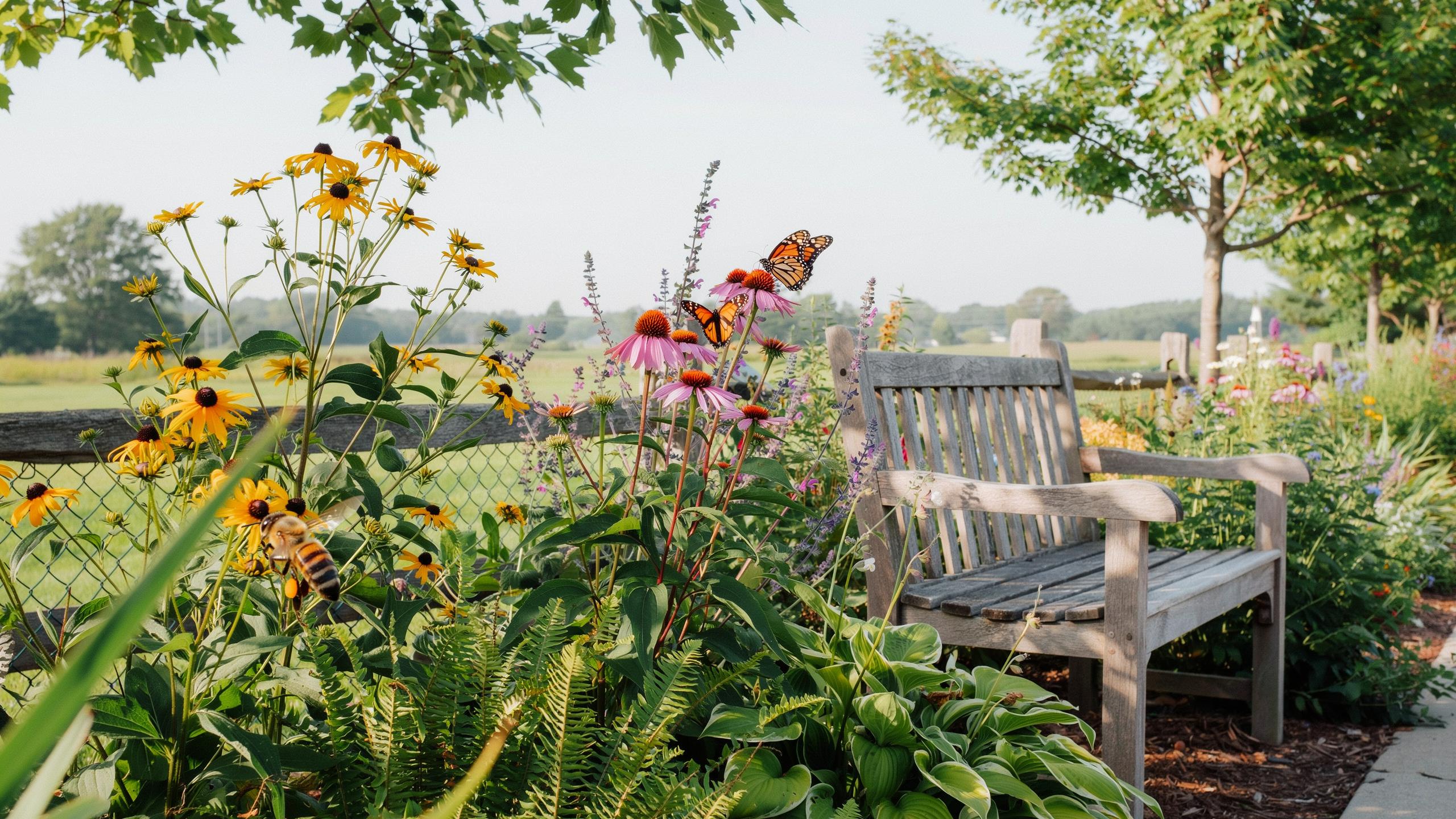
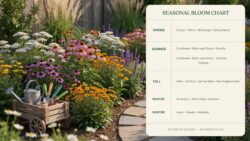
Stagger bloom times across spring, summer, and fall to maintain garden activity year-round. Spring bloomers like native phlox and trillium emerge first. Summer species such as coneflowers and black-eyed Susans provide mid-season color. Fall bloomers including asters and ironweed extend visual interest into late autumn. Select companion species with overlapping bloom windows rather than sequential ones for continuous coverage.
Consistent color presence reduces garden maintenance demands. Year-round blooms attract pollinators during extended seasons rather than concentrated periods. Native plants bloom when their regional insect populations need nectar and pollen. This synchronization developed over thousands of years. Matching bloom cycles to local wildlife activity creates self-sustaining garden ecosystems that require less intervention.
Designing With Native Prairie Plants For A Soft Grassland Feel
Essential Prairie Species For Textured Gardens
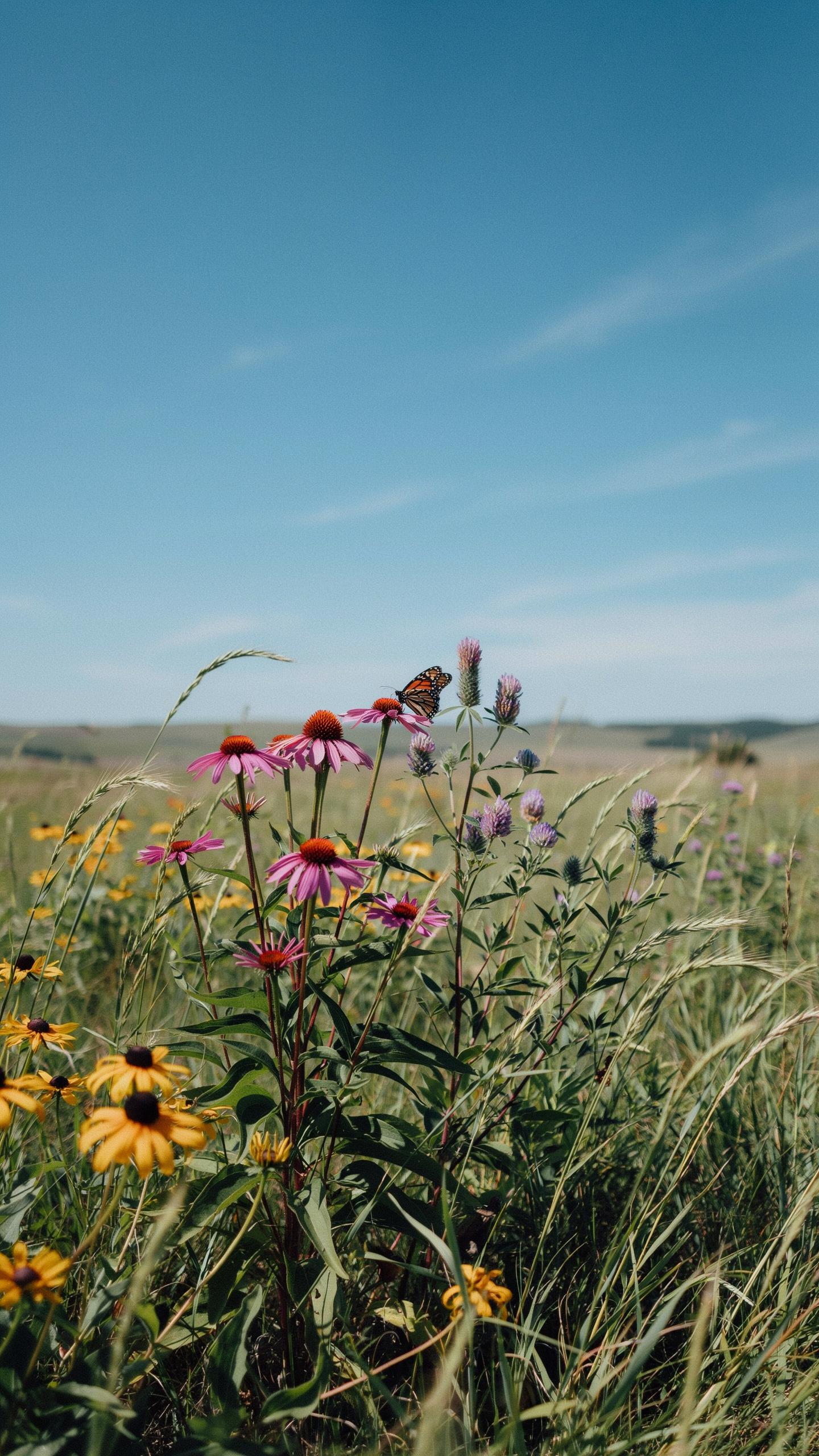
Little Bluestem, Purple Coneflower, and Prairie Dropseed form the backbone of functional prairie gardens. These species work together to create visual depth and ecological structure. They establish quickly, require minimal maintenance once established, and attract pollinators year-round. Choose these three as your foundation layer, then add complementary species based on your specific soil and moisture conditions.
- Little Bluestem: A cool-season grass reaching 2 to 3 feet tall. Turns burgundy in fall. Tolerates dry to moderate moisture. Establishes stable root systems that prevent erosion and improve soil structure over time.
- Purple Coneflower: A perennial forb flowering mid-summer through fall. Reaches 2 to 4 feet tall. Attracts native bees and butterflies. Provides seed heads for finches and structural interest during winter months.
- Prairie Dropseed: A fine-textured bunchgrass reaching 18 to 24 inches tall. Grows in dense clumps. Tolerates poor soil and drought. Creates movement and visual softness while requiring virtually no supplemental water after establishment.
- Black-eyed Susan: A short-lived perennial that self-seeds. Blooms yellow flowers mid-summer through fall. Reaches 1 to 3 feet tall. Spreads gradually to fill gaps without becoming invasive in structured garden settings.
- New England Aster: A late-season bloomer flowering September through November. Reaches 3 to 5 feet tall. Flowers attract migrating monarchs and other pollinators. Provides nectar when few other native sources remain available.
These five species work as companion plantings that reduce pest pressure through diversity. Their varied heights and bloom times ensure visual interest across all seasons. Plant them in drifts of three to five specimens rather than scattered individuals for maximum impact and ecological function.
Managing Prairie Elements In Small Residential Spaces
Prairie plants spread aggressively without structural containment. Install clean borders using stone, metal edging, or hardscape materials to define garden zones and prevent encroachment into lawn areas. Prune back dead stems in late winter before new growth emerges. Remove self-seeded specimens outside designated areas to maintain control while preserving the meadow aesthetic.
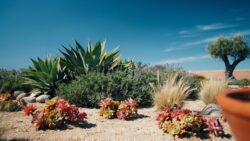
Pathways serve dual purposes in prairie gardens: they direct foot traffic and create visual separation between wild and cultivated zones. Use gravel, stepping stones, or mulch pathways to move through the space while containing plant spread. Deadhead spent flowers selectively to reduce aggressive self-seeding while retaining some seed heads for wildlife food and winter structure. This balances ecological function with residential order.
Mastering Flower Companion Planting For Healthier Ecosystems
The Science Behind Beneficial Plant Partnerships
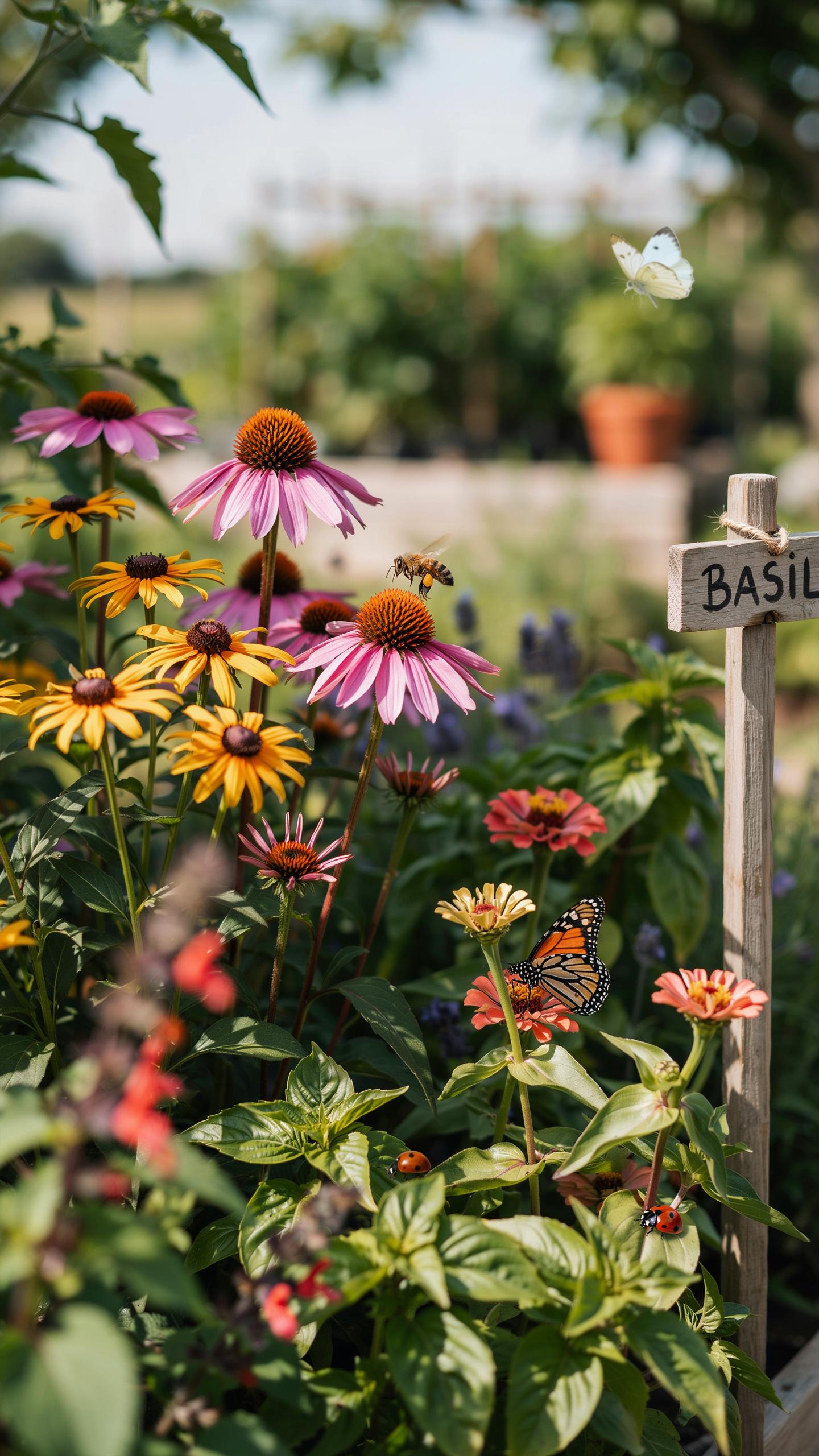
Companion planting works through direct biological mechanisms. Plants release volatile organic compounds that repel specific pests. Root systems secrete chemicals that either inhibit or enhance nutrient availability for neighboring species. Nitrogen-fixing plants like native legumes add bioavailable nitrogen to soil, reducing the need for external inputs. Taller plants shade soil, lowering temperature and moisture loss for shade-tolerant species beneath them.
Pest suppression happens when plants attract beneficial insects that prey on garden pests. Native flowers draw parasitic wasps and ladybugs that feed on aphids and scale insects. Dense plantings reduce pest access to vulnerable species by creating physical barriers. Light distribution improves when you layer plants by height, ensuring canopy plants don’t starve understory species of photosynthesis. Strategic spacing prevents competition while maximizing resource use across the entire garden system.
Ideal Native Flower Pairings For Visual Harmony
Match broad-leafed native species with fine-textured grasses to create visual contrast and functional layering. Broad leaves provide ground-level coverage while grasses add vertical movement and light filtration. This combination reduces maintenance because dense coverage suppresses weeds and retains soil moisture. Color coordination matters for function, not just aesthetics. Pairing cool-toned flowers like blue native salvias with warm-toned grasses like little bluestem creates visual balance that doesn’t overwhelm the eye.
Successful pairings depend on matching growing conditions, not just appearance. Native asters pair effectively with native sedges because both tolerate similar moisture levels and soil types. Group plants by bloom time to ensure continuous coverage and visitor activity throughout growing seasons. Consider mature heights to prevent taller species from shading shorter ones. This approach eliminates constant replanting and reduces the stress of managing mismatched species in the same bed.
Selecting The Best Native Plant Garden Companion Species
Combining Grasses With Flowering Wildflowers
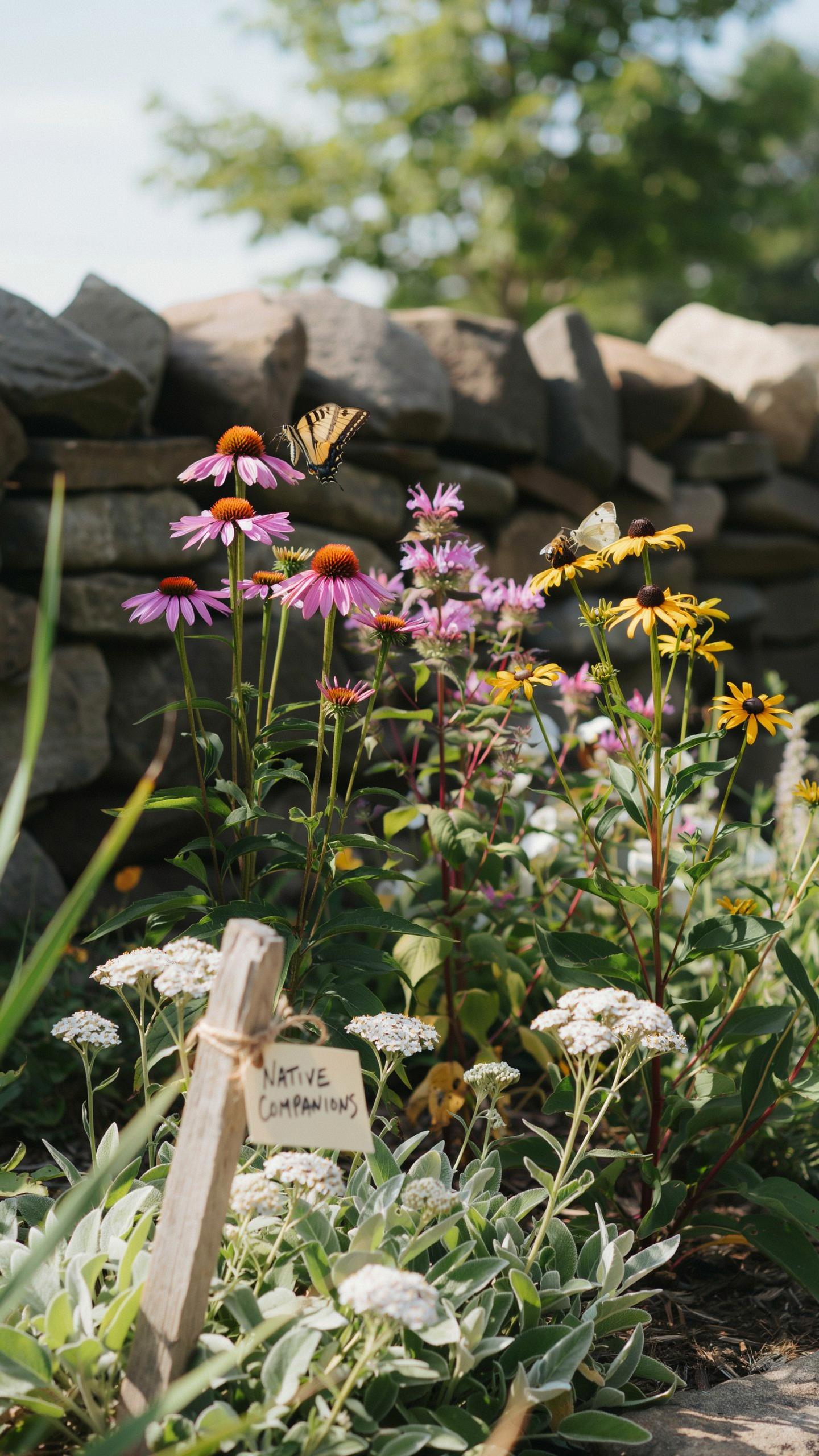
Warm-season grasses provide structural scaffolding for late-summer wildflowers. Species like big bluestem and indiangrass grow tall and sturdy, preventing wildflowers from flopping during wind or heavy rain. The grasses also reduce competition at ground level by drawing nutrients deeper into the soil, allowing wildflowers to establish in upper layers without constant fighting for resources.
Late-summer wildflowers bloom when cool-season plants fade, creating temporal separation that maximizes light capture. Asters and blazing star reach peak flowering as grasses yellow, preventing shade competition. This sequence extends bloom time across your garden from spring through frost, reducing maintenance pressure on individual plants and creating sustained visual interest without constant intervention.
A garden should be a place where the wild finds a home and the heart finds its rest among the old friends of the earth.
Shade Loving Companions For Under Canopy Spaces
Native ferns, wild ginger, and shade-tolerant sedges thrive in low-light zones beneath tree canopies. These plants evolved under forest conditions and require minimal adjustment to your garden’s shadowed areas. They establish quickly and spread gradually, filling gaps without aggressive growth that demands constant cutting back or removal work.
Clustering these three plant types together creates a cohesive root structure that stabilizes soil and reduces erosion under dripping canopy edges. Wild ginger attracts pollinators to shaded zones where flower options remain limited. Sedges prevent bare patches where nothing else grows, and ferns add textural variety. This combination handles poor drainage and compacted soil common under mature trees.
Earthy Aesthetics With Missouri Native Plant Garden Design Lessons
Incorporating Midwestern Flora For Robust All Season Interest
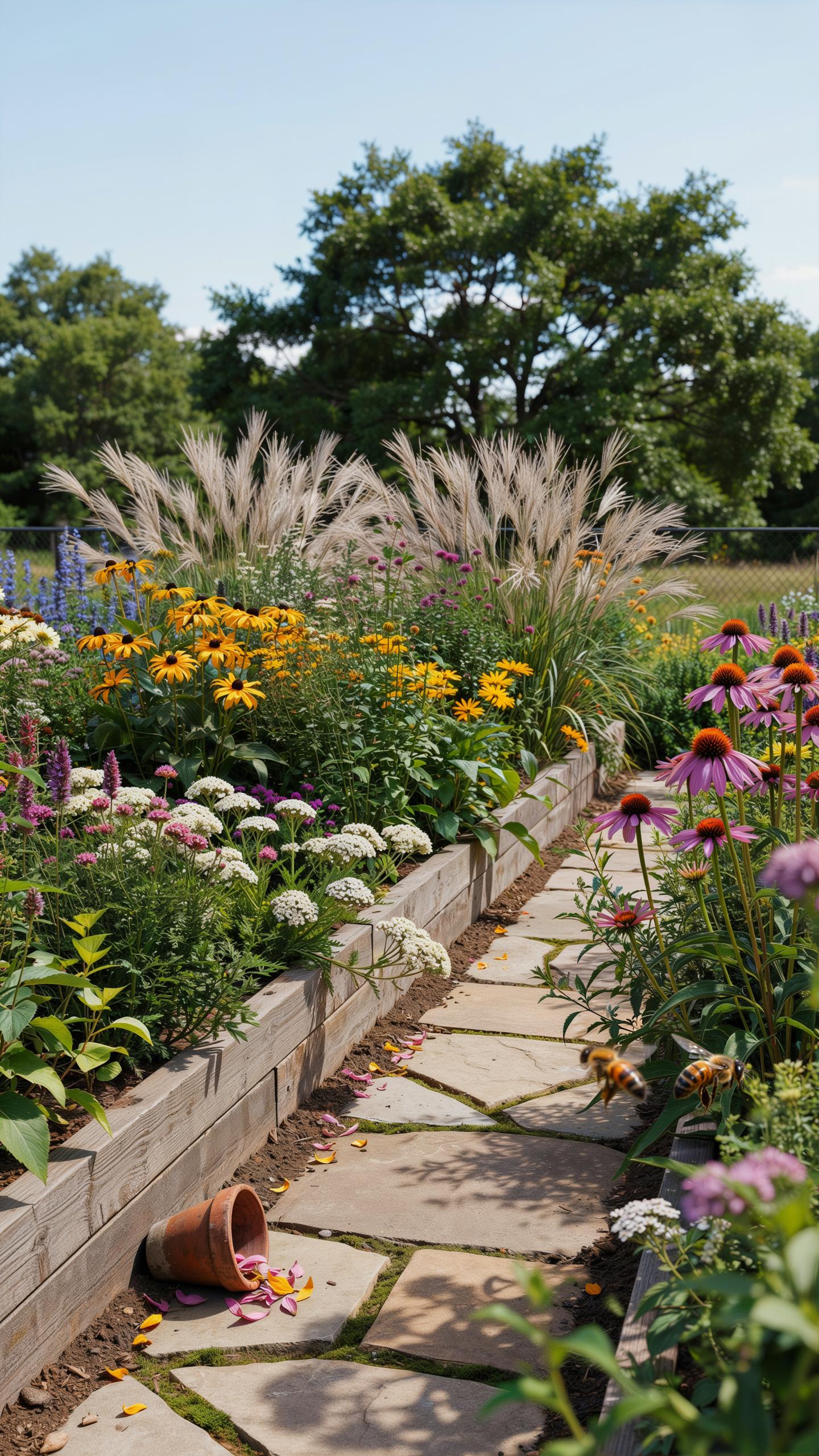
Missouri’s native plants survive real conditions. Orange Coneflower tolerates drought and poor soil while flowering from mid-summer through fall. Aromatic Aster blooms late in the season when few other plants produce flowers. Both species attract pollinators and require minimal maintenance once established. They anchor garden beds through multiple seasons without demanding constant attention.
These plants work together because they occupy different ecological niches. Orange Coneflower reaches two to three feet tall with sturdy stems that don’t require staking. Aromatic Aster stays lower and fills space underneath taller perennials. The combination creates visual depth while reducing competition for water and nutrients. Deploy them in sun-facing areas where they receive six or more hours of direct light daily.
Adapting Show Me State Woodland And Savanna Layouts
Missouri’s natural landscape transitions between open prairie and dense forest. These edge zones feature dappled shade where direct sunlight filters through tree canopies. Recreate this condition by placing shade tolerant plants beneath existing trees or on the east side of structures. Wild Ginger and Foamflower thrive in these intermediate light conditions. They create peaceful areas perfect for seating or contemplation.
Woodland and savanna layouts solve practical design problems. Shade plants reduce lawn maintenance in areas where grass struggles under trees. Dappled shade species cool surrounding areas through transpiration. They suppress weeds naturally when planted at appropriate densities. This approach replaces struggling turf with functional plant communities that require less intervention and create intimate garden spaces.
Transforming Open Spaces With Native Plant Landscaping Techniques
Replacing Traditional Lawns With Vibrant Groundcovers
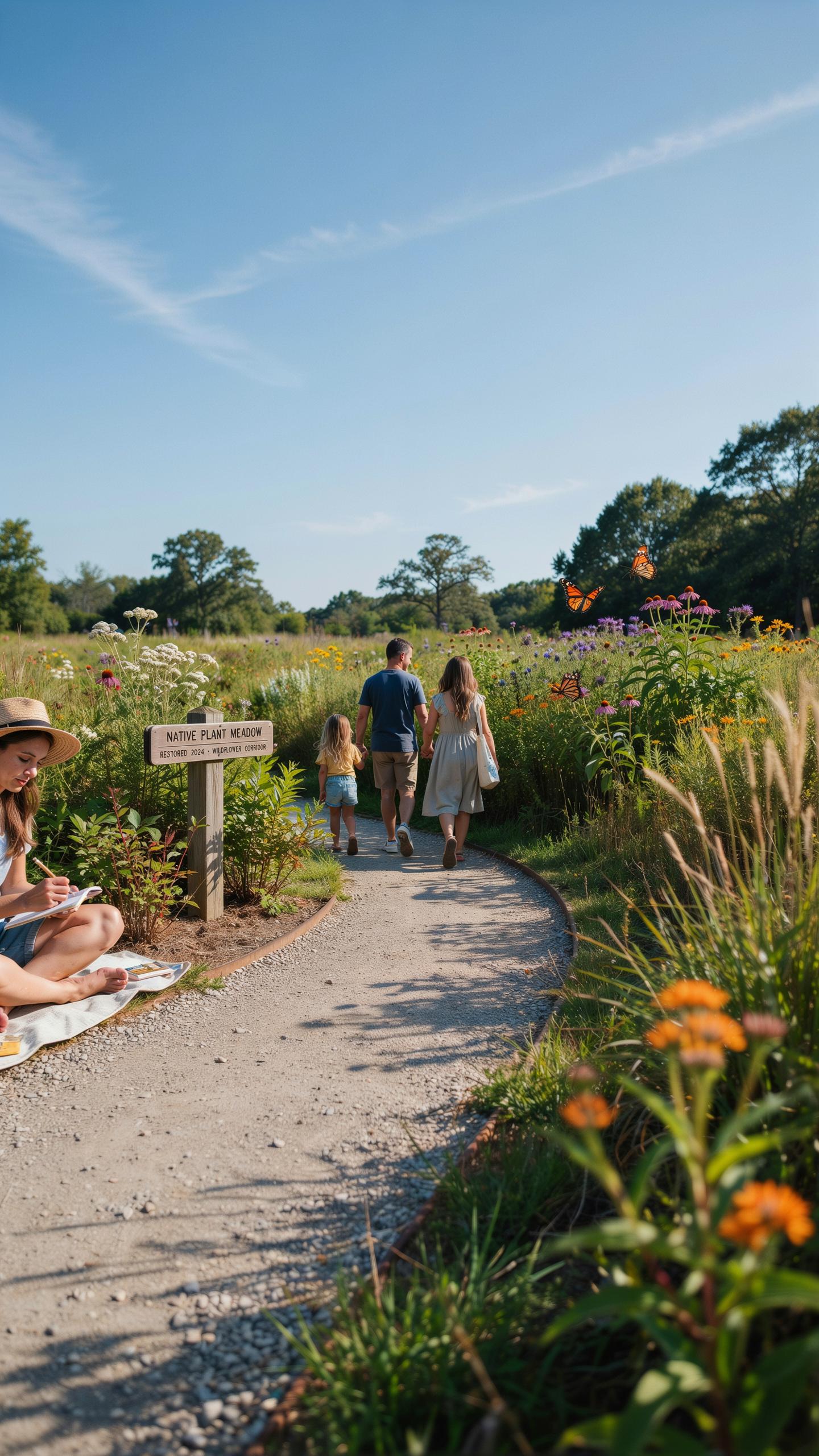
Conventional lawns demand constant inputs: mowing, fertilizers, herbicides, and water. Native groundcovers eliminate this cycle entirely. Creeping phlox spreads horizontally, blooms reliably, and thrives in partial shade to full sun depending on the species. Wild strawberries provide edible fruit while suppressing weeds. Low-growing sedges handle shade and wet conditions that grass struggles with. These alternatives establish themselves faster than you expect once planted in prepared soil.
The maintenance shift is dramatic. You stop mowing. You stop chemical applications. Native groundcovers establish deep root systems that access soil moisture efficiently, reducing irrigation needs by 50 percent or more. They support pollinators and beneficial insects that traditional lawns actively repel. This transition typically takes one to two growing seasons for full establishment. The long-term payoff justifies the initial conversion effort.
Creating Natural Privacy Screens Using Native Shrubs And Trees
Living boundaries outperform fences and walls because they integrate with your property’s ecosystem. Viburnums produce white or pink flowers and tolerate partial shade to full sun. Elderberries grow tall quickly, handle moisture variation, and fruit prolifically. Serviceberries work in tight spaces, offer spring flowers, and provide berries for wildlife. These shrubs create layered density that blocks views while establishing habitat corridors for birds and pollinators.
Strategic spacing determines screen effectiveness. Plant shrubs at maturity width, not closer, to avoid crowding and disease pressure later. A three-row offset pattern blocks sight lines faster than a single row. Mix species to prevent pest outbreaks and ensure seasonal interest. Most native shrubs require minimal pruning once established. Water during dry spells in the first two years. After that, they operate independently.
How To Maintain Your Native Plant Landscape With Minimal Effort
Seasonal Cleanup Best Practices For Critter Habitats And Health
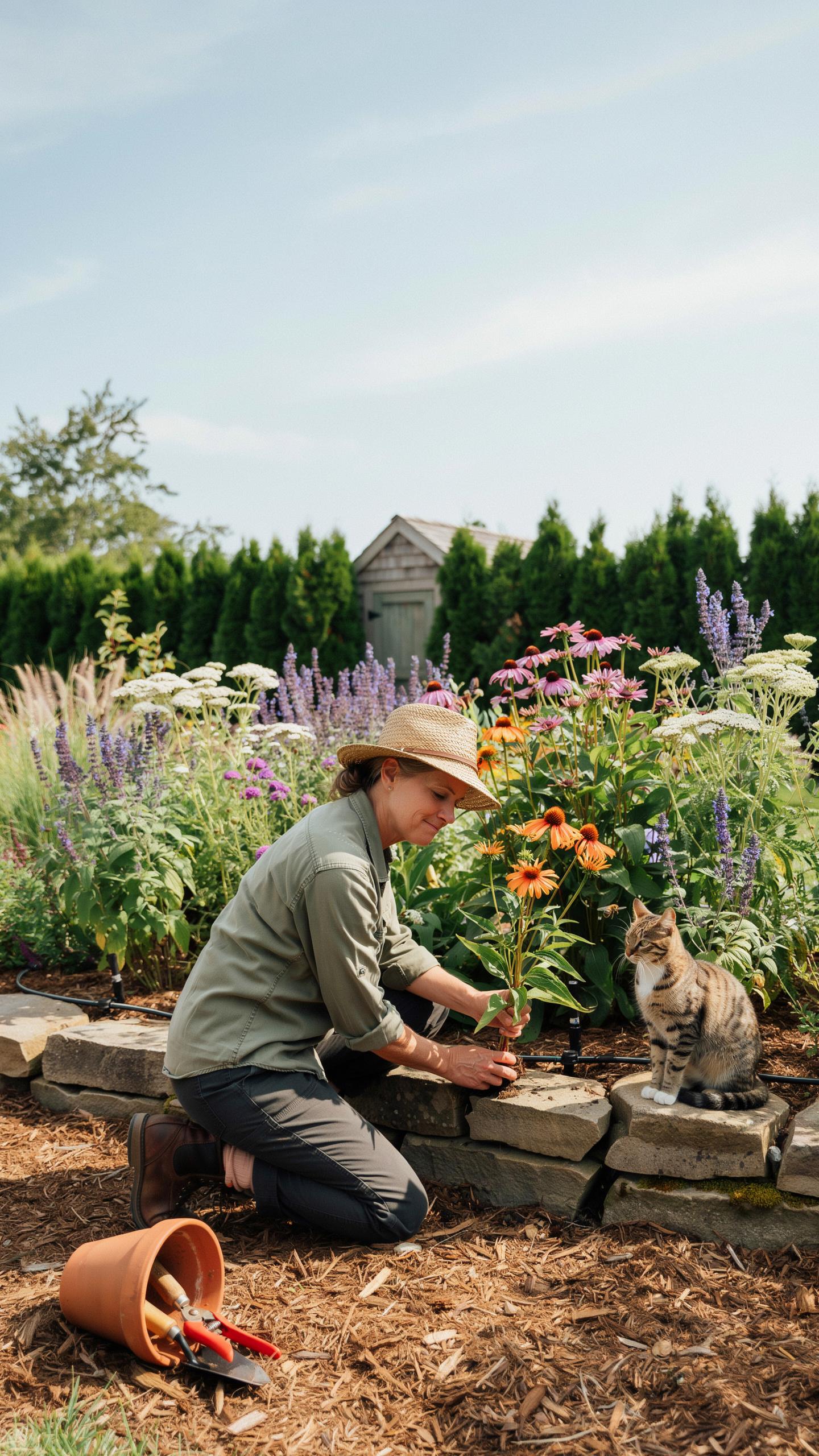
Winter cleanup matters because it directly impacts insect survival and spring garden performance. Most native plant gardeners strip everything bare in fall. This destroys shelter for beneficial insects that overwinter as adults or pupae inside hollow stems and under leaf litter. Native bees, lacewings, and parasitic wasps need these protected spaces to survive cold months.
Leave the following intact through winter:
- Hollow plant stems: Cut perennials at ankle height instead of ground level. Insects use the hollow interiors as insulation chambers during freezing temperatures.
- Fallen leaves under shrubs: Rake leaves around the base of native plants rather than removing them. They insulate soil and provide habitat for ground beetles and spiders.
- Dead flower heads: Leave seed heads standing. They feed overwintering birds and provide shelter cavities for small insects.
- Leaf litter in garden beds: Resist the urge to mulch heavily over leaf accumulation. This creates a messy but functional microhabitat.
- Loose bark and wood debris: Stack branches loosely. Beetles and other beneficial insects shelter under bark during winter dormancy.
Clean up selectively in early spring once temperatures stay above freezing consistently. Cut back dead stems then, remove only accumulated sediment blocking new growth, and rake out excess thatch that smothers emerging shoots. This timing protects overwinter populations while clearing space for spring growth. You’ll see fewer pest outbreaks because predatory insects survived to reproduce.
Smart Weed Management Using Natural Mulching Strategies And Dense Plantings
Weeds thrive in bare soil because sunlight reaches seeds and soil temperature spikes. Dense native plant communities stop this. Space companion species closely enough that mature foliage touches or overlaps. This creates a living mulch that blocks weed germination and keeps soil cooler and moister. Choose species with varying heights and root depths to maximize coverage without competition.
Apply shredded wood mulch only during establishment, roughly the first two growing seasons. Spread two to three inches around plants while keeping it six inches away from stems. This suppresses annual weeds during the critical establishment window when your natives are still small. Once native plants fill their space, they outcompete new weeds themselves. Stop adding mulch after year two. Decomposing mulch creates conditions that some weeds prefer, and it becomes unnecessary once your companion plantings establish fully.
Drawing Inspiration From Gorgeous Native Plants For Parks
Translating Large Scale Public Park Landscapes To Home Gardens Safely
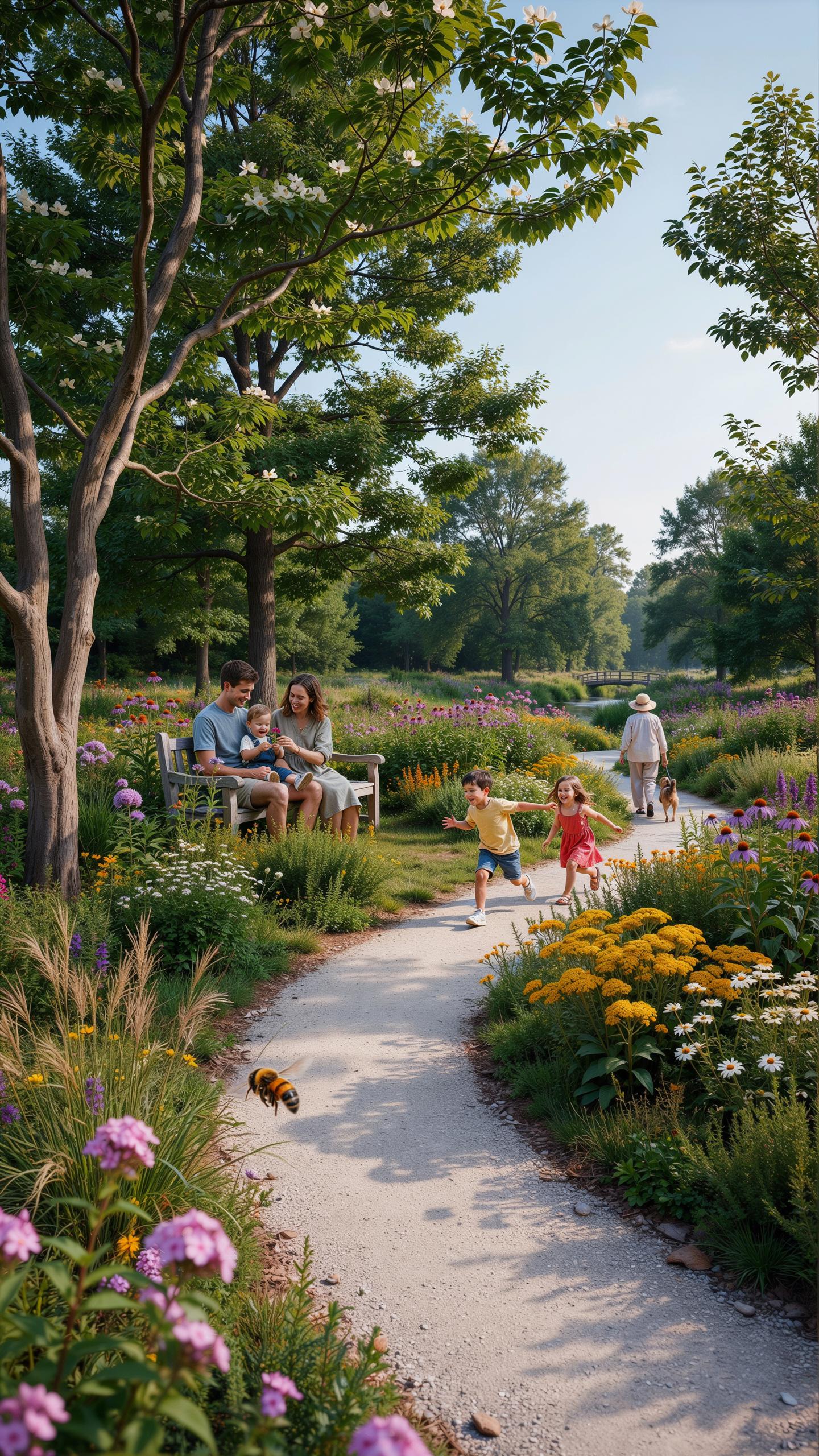
Public parks showcase native plant communities at scale. They demonstrate how species interact, what soil conditions they need, and which plants thrive together. Study the park’s microclimates: shade under tree canopies, dry zones near hardscape, moist areas near water features. Identify which native plants dominate each zone. Your yard has similar conditions you can map and match.
Scale the composition down by reducing plant quantities while maintaining the species mix. If a park display uses five oak trees, two flowering shrubs, and a groundcover layer, your yard version uses one oak, one shrub, and the same groundcover species. Observe bloom timing at the park to sequence color and wildlife activity across seasons. This approach preserves the ecological function and visual rhythm parks achieve without requiring acres of space.
Fostering Community Biodiversity Corridors From Your Backyard
Native plant gardens function as habitat bridges between fragmented natural areas. Parks and reserves become isolated islands without connecting pathways. Your yard, combined with neighbors’ yards, creates corridors that allow butterflies, bees, and birds to move between larger habitats. Native plants provide food sources and shelter these species depend on for survival and migration routes.
Planting native species reduces gaps in the landscape where wildlife cannot travel or feed. Each residential garden that adds native plants increases connectivity in your local area. This matters especially near migration seasons when insects and birds need reliable food sources. Your native plant garden contributes to population health of species that depend on continuous habitat access across neighborhoods and towns.
Frequently Asked Questions

What are the benefits of choosing native plant garden companion species for a beginner?
Selecting native plant garden companion species is a game-changer for new gardeners because these plants have evolved to thrive in your specific climate. By pairing complementary species together, you create a self-sustaining ecosystem that requires less water and chemical intervention. This natural synergy promotes healthier soil and attracts local pollinators, making your outdoor space low-maintenance and incredibly cozy from the very first season you begin your planting journey.
How do I practically arrange different plants to create a relaxed and functional garden layout?
To achieve a relaxed look, layer your native plant garden companion species by height and bloom time. Place taller structural shrubs in the back to act as windbreaks, while tucking delicate wildflowers and groundcovers around their base. This mimics natural growth patterns found in the wild. Focus on grouping plants with similar sunlight and drainage needs to ensure every species flourishes together, creating a seamless, lush sanctuary for everyday outdoor living.
Can I create a diverse habitat with companion plants if I have a very small budget?
Absolutely! Building a beautiful garden doesn’t require a massive investment. You can save money by purchasing smaller “plugs” instead of mature pots or by participating in local seed swaps. Many native varieties are easy to propagate from cuttings or seeds. By starting small and letting your selected species fill in gaps over time, you can develop a rich, biodiverse landscape that feels luxurious and intentional without overspending on supplies.