Understanding Native Plant Garden Wildlife Benefits In Modern Design
Ecosystem Equilibrium
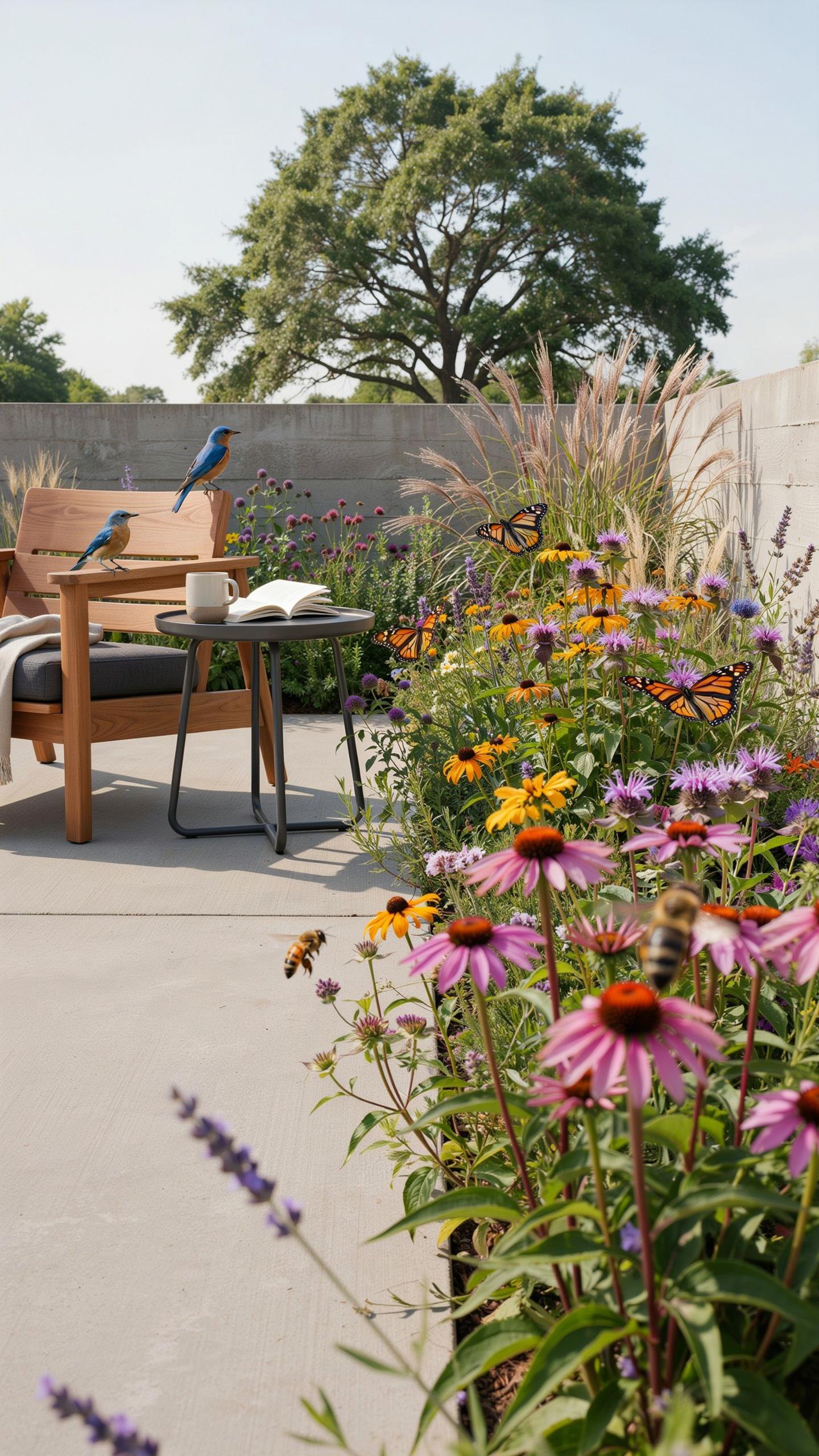
Native plants create functional balance in your yard because local wildlife species evolved alongside them for thousands of years. Birds, pollinators, and beneficial insects recognize native flora as food and shelter. This reduces pest pressure naturally. Your yard becomes a self-regulating system that requires less chemical intervention. The soil microbes and root systems also develop stronger relationships with native species, improving nutrient cycling and water retention without extra maintenance.
Local flora supports the food web your region’s animals depend on. Native plants produce seeds, berries, and nectar timed to when specific wildlife needs them most. Non-native plants often bloom at wrong times or provide poor nutritional value. When you plant natives, you feed the creatures that control mosquitoes, aphids, and other yard problems. This ecological alignment eliminates the need for constant pest management and creates a stable outdoor environment.
Aesthetic Integration
Modern architecture relies on clean lines, open spaces, and material contrast. Native plants soften these rigid elements without compromising design intent. Ornamental grasses, low shrubs, and flowering perennials break up geometric hardscape while maintaining contemporary visual language. Indigenous species offer varied textures and seasonal color changes that create visual interest without appearing chaotic. The result blends functionality with minimalist design principles that contemporary homes demand.
Blending native plants into contemporary yards requires strategic placement, not random planting. Position taller species to frame views or screen unwanted areas. Use ground covers to reduce mulched beds that appear unfinished. Cluster plants by height and bloom time to create intentional rhythm rather than scattered randomness. This approach respects both the plant’s ecological needs and the home’s architectural aesthetic, creating cohesive outdoor spaces that work harder than traditional landscaping.
Native Plants For Wildlife Garden Success Selecting The Right Species
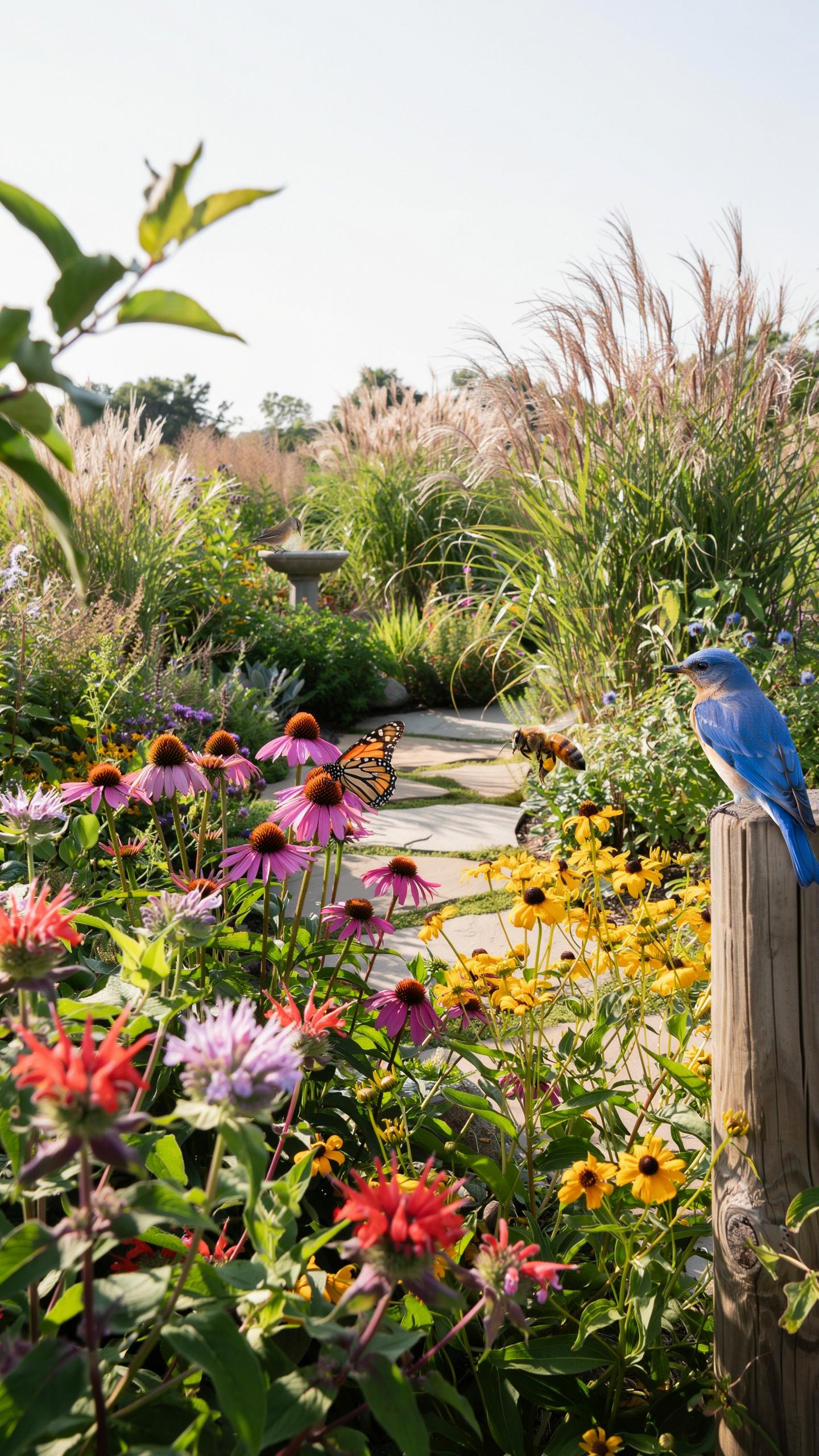
Ecoregion Matching
Your USDA hardiness zone determines which plants survive winter temperatures in your location. The USDA divides North America into 13 zones based on average annual minimum temperatures. Find your zone on the USDA Plant Hardiness Zone Map using your zip code. This baseline data prevents you from planting species that will die in your climate.
Ecoregions go deeper than hardiness zones. They account for rainfall, soil type, humidity, and growing season length. Native plants evolved to thrive in specific ecoregions, not just temperature ranges. Matching plants to your ecoregion ensures they establish quickly, require less water, and support local wildlife adapted to those same conditions.
Top Native Species
Native plants deliver measurable wildlife benefits because they provide food and shelter that non-native ornamentals cannot. These species have co-evolved with regional insects, birds, and pollinators over thousands of years. The relationship is biological, not decorative. Selection depends on your specific ecoregion and available space.
- Black-eyed Susan (Rudbeckia fulgida): Flowers attract pollinators and beneficial insects. Seeds feed goldfinches and other seed-eating birds through fall and winter. Tolerates full sun and poor soil.
- New England Aster (Symphyotrichum novae-angliae): Late-season blooms fuel monarch butterflies during fall migration. Provides nectar when other sources are scarce. Grows 3-5 feet tall in moist conditions.
- Eastern Red Cedar (Juniperus virginiana): Produces berry-like cones that cedar waxwings and robins consume. Offers year-round shelter for overwintering birds. Drought tolerant once established in eastern and central regions.
- Wild Bergamot (Monarda fistulosa): Tubular flowers attract hummingbirds, bees, and butterflies. Spreads moderately in full sun to part shade. Blooms mid-summer through early fall.
- Serviceberry (Amelanchier spp.): Produces edible berries that birds eat before ripening. Early spring flowers provide nectar for emerging pollinators. Multi-stem growth works as understory or screening plant.
- Blazing Star (Liatris spicata): Vertical flower spikes attract butterflies and native bees. Blooms mid to late summer. Tolerates dry conditions and requires minimal maintenance.
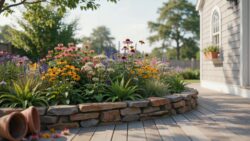
Match these species to your ecoregion’s light, moisture, and soil conditions. A native plant struggling in wrong conditions supports no wildlife. Research which species thrive in your specific zone and ecoregion before purchasing. Plant selection based on local conditions outperforms aesthetic preference every time.
How Wildlife Gardening Restores Fragile Local Food Webs
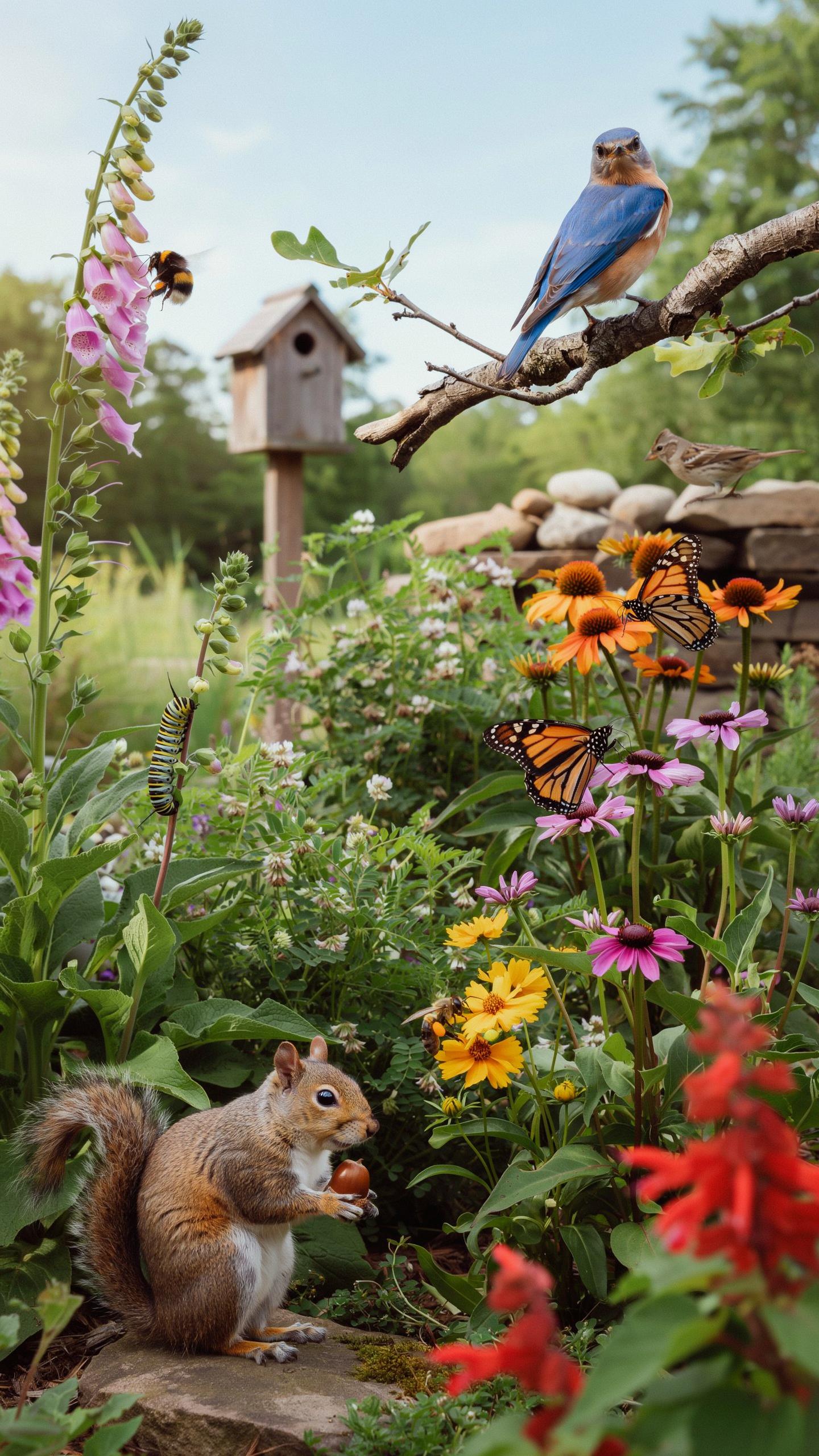
Caterpillar Importance
Native plants serve as host plants for caterpillars, which depend on specific species to complete their life cycles. Caterpillars cannot eat introduced ornamental plants. Native oaks support over 500 caterpillar species in eastern North America. Milkweed hosts monarch caterpillars exclusively. Without these host plants, herbivorous insect populations collapse entirely, breaking the foundation of local food webs.
Caterpillar populations drive the entire ecosystem upward. Birds need caterpillars to feed their young during breeding season. A single nesting pair may consume thousands of caterpillars weekly. Native plant gardens that support robust caterpillar populations sustain bird populations that control pest insects. This establishes a self-regulating system that requires no chemical intervention.
To garden with native plants is to design a living tapestry where modern elegance meets the wild heart of home. By welcoming the birds and butterflies back to our doorsteps, we restore the soulful beauty of the landscape we once knew.
Trophic Cascades
Abundant insects trigger cascading effects through the food chain. Small mammals and reptiles feed on insects and caterpillars, creating the next tier. Amphibians consume insects at high rates during their active seasons. When native plants support thriving insect populations, these predators gain reliable food sources, increasing their survival and reproduction rates locally.
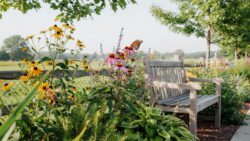
The effects ripple upward to larger predators. Hawks and owls hunt rodent populations that grew strong on insect-fed diets. Snakes and foxes benefit similarly. Native plant gardens accelerate these trophic cascades by supplying the energy foundation that sustains multiple species levels. This restoration occurs without human management once established.
Designing A Modern Bee Garden With Native Perennials
Native Bees Versus Honeybees Needs
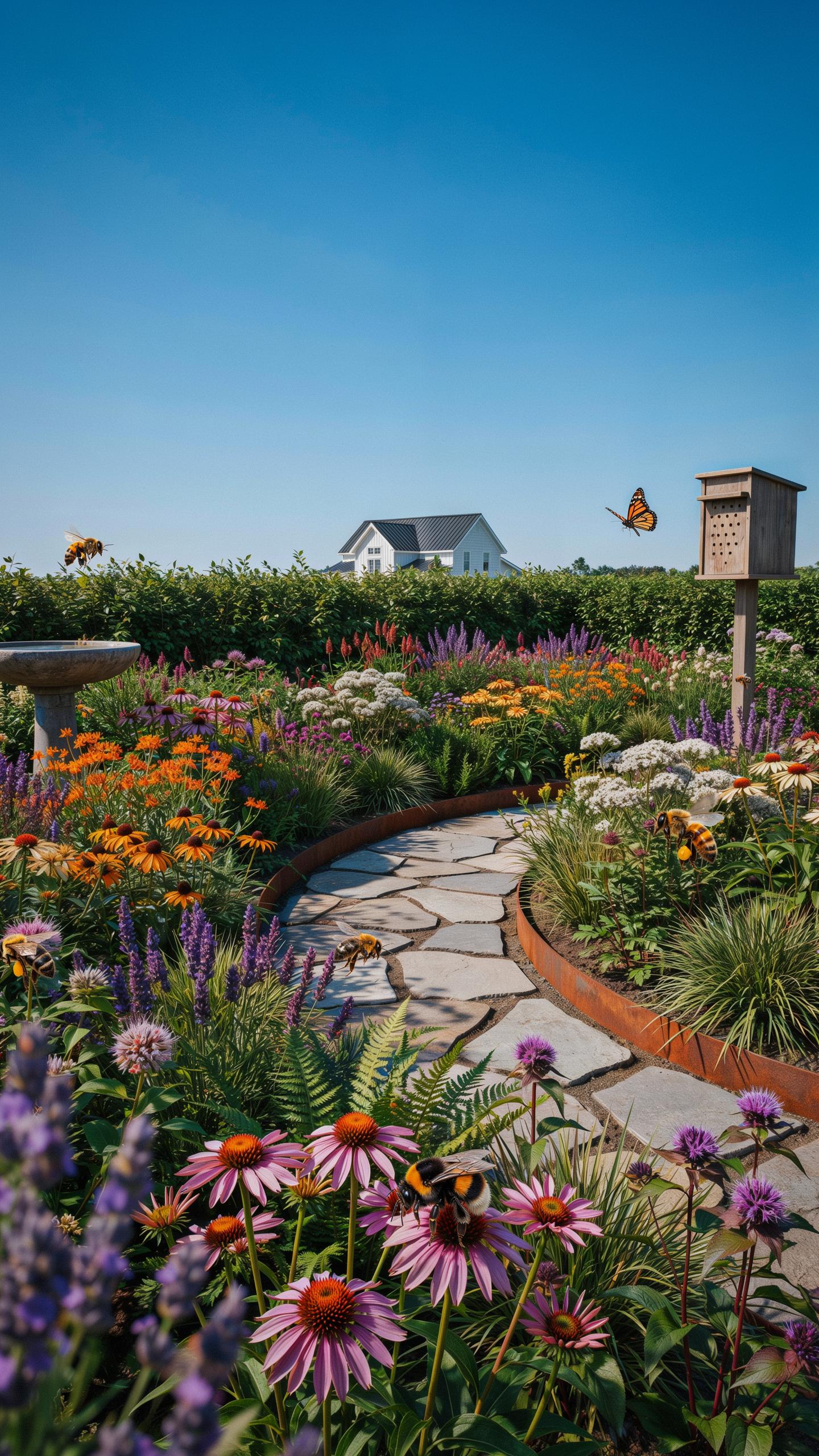
Native solitary bees have stricter plant requirements than honeybees. Many species evolved to forage on specific native plants and cannot efficiently use pollen from non-native or ornamental varieties. A mason bee, for example, requires native plants that bloom during its active season. Without access to the correct pollen sources, solitary bees cannot successfully rear their offspring, regardless of flower abundance.
Honeybees generalize across many plant types, making them flexible foragers. Solitary bees demand precision. Your garden design must prioritize native plants that match your region’s native bee species rather than creating a generic pollinator garden. Research which solitary bees inhabit your area and identify their host plants. This targeted approach yields better results than planting popular ornamental flowers.
Bloom Succession Tactics
Continuous blooms prevent nutritional gaps that starve bees during transitional seasons. Early spring bloomers like bloodroot and trillium fuel bees emerging from hibernation. Mid-season plants sustain populations through peak activity. Late bloomers like asters and goldenrod provide critical resources before winter dormancy begins. Without this calendar, bees face starvation gaps even in planted gardens.
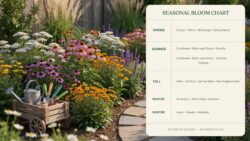
Map your bloom timeline by documenting when each native plant flowers in your specific location. Stagger plantings across your garden so something blooms every two to three weeks from early spring through late autumn. Use native plant databases specific to your region for accurate bloom dates. Field observations matter more than general guides. Your local conditions determine actual flowering patterns, so track what blooms when in your yard.
Transforming Your Space Into A Vibrant Pollinator Garden
Butterfly Corridors Design
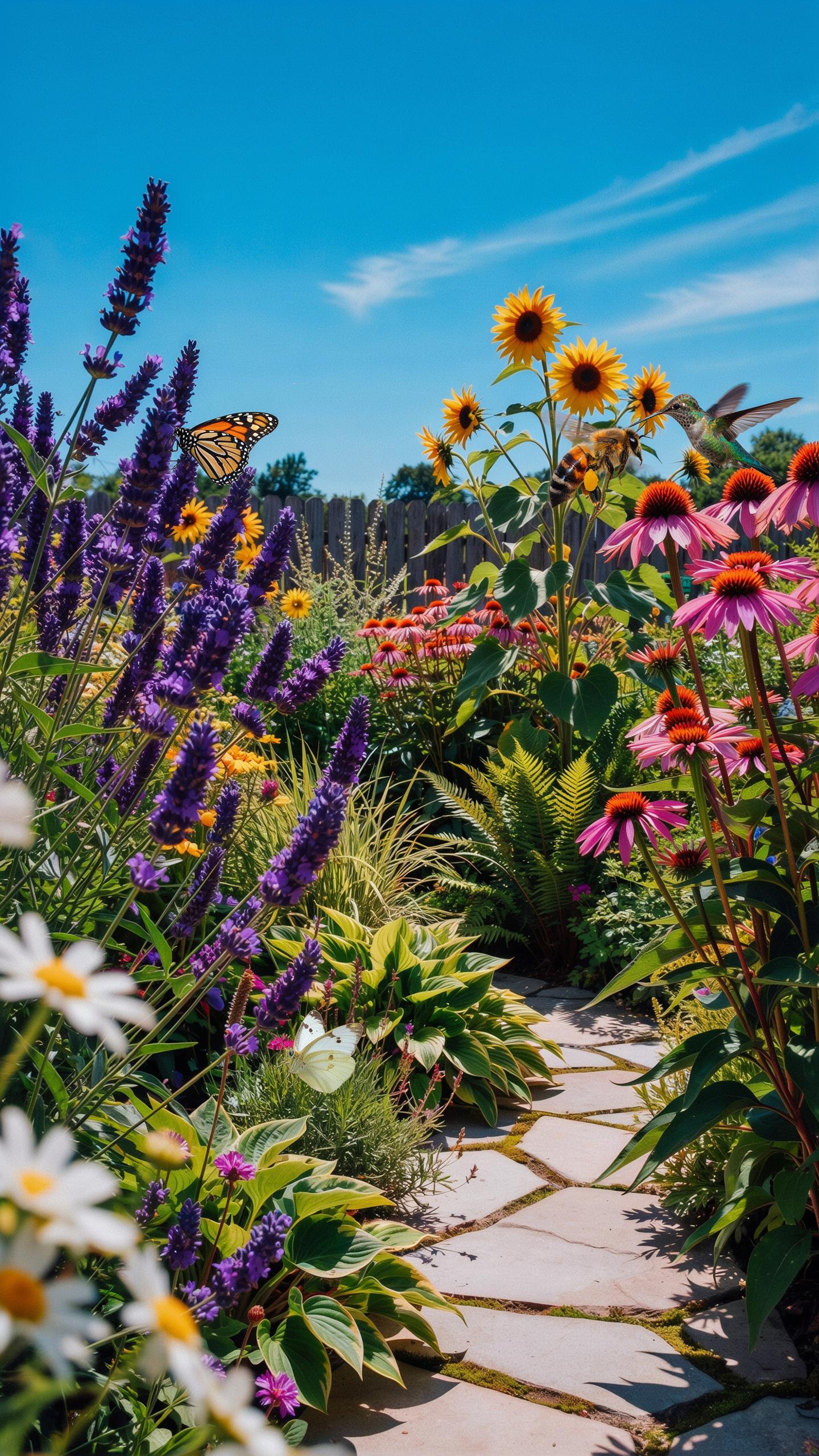
Butterflies and moths migrate seasonally across regions, often traveling hundreds of miles. They need specific conditions to succeed: shelter from wind, direct sunlight for warming their wings, and native plants for nectar and host species. Design your garden as a linear pathway that runs east to west when possible. This orientation maximizes sun exposure during migration periods. Position taller native shrubs on the north and south edges to block wind while keeping the center open and sun-exposed.
The corridor concept works because migrating lepidopterans follow landscape features and vegetation patches. Space your native plantings 10 to 15 feet apart to create visual waypoints. Use native milkweed, asters, and coneflowers as anchor plants. These species provide both food and landing zones. Avoid pesticides entirely, as they eliminate caterpillars and reduce adult butterfly populations. Your corridor becomes a functional rest stop during critical migration windows.
Night Pollinators Plants Selection
Moths pollinate roughly 80 percent of night-blooming plants and perform significant pollination work on day-blooming species too. They feed on nectar from evening-blooming native plants that butterflies cannot access. Select species like evening primrose, night-blooming jasmine, or moonflower for regions where they grow native. These plants reflect moonlight, making them visible to nocturnal pollinators. Cluster them in open areas away from artificial outdoor lighting, which disorients moths and reduces their feeding efficiency.
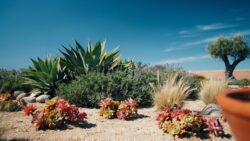
Plant evening bloomers in groups of three or more to create concentrated nectar sources. Native night-blooming species attract specialized moth species tied to specific plants through evolution. This specificity means the moths you attract will have reliable food sources. Include plants that bloom at different times throughout the season to maintain continuous nectar availability. Your night garden supports moths that pollinate 90 percent of native flowering plants in many ecosystems.
Applying Native Plant Gardening Techniques For Year Round Appeal
Winter Structure Value
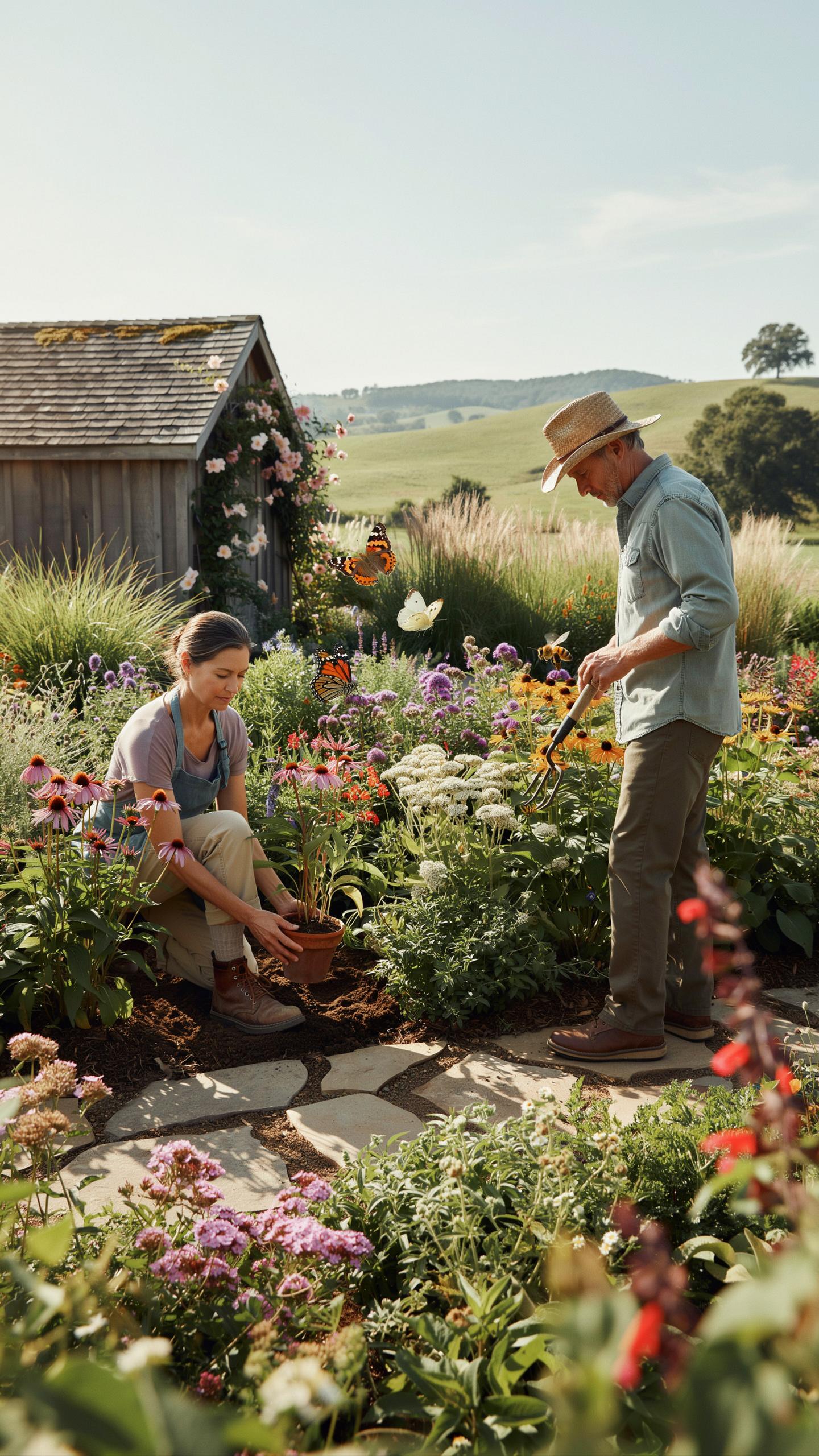
Leaving seed heads on native plants through winter serves dual purposes. Wildlife species consume seeds from standing plants throughout the cold months. Hollow stems provide shelter for overwintering insects, bees, and other beneficial arthropods. This approach costs nothing and requires only delayed fall cleanup. Visual texture emerges naturally as frost coats dried seed structures.
The structural components native plants provide outweigh aesthetic concerns about dormancy. Birds forage on coneflower, black-eyed Susan, and aster seed heads for calories they need. Cavity-nesting insects depend on hollow stems from bee balm, Joe-Pye weed, and native grasses. Cut plants back only after spring growth begins, ensuring maximum wildlife support through winter.
Modern Hardscaping Harmony
Clean stone borders define native plantings without imposing rigid control. Rectangular or geometric pavers create visual order while native plants grow freely within contained zones. This combination respects the growth patterns of native species while maintaining organized garden structure. Gravel pathways or mulched strips separate zones and guide foot traffic through the garden. Hardscape materials become the framework that lets native plants perform their ecological function.
Minimalist lighting amplifies both the plants and the hardscape framework after dark. Uplighting reveals seed head silhouettes and textured bark on shrubs. Ground level lighting along pathways creates safety and reveals winter structure details. Avoid over-lighting, which disrupts nocturnal wildlife behavior and insect navigation. Strategic illumination transforms the garden into a functional and visually compelling space during extended daylight hours year round.
Creating A Sustainable Habitat Garden With Multilayered Vegetation
Canopy To Ground Layering
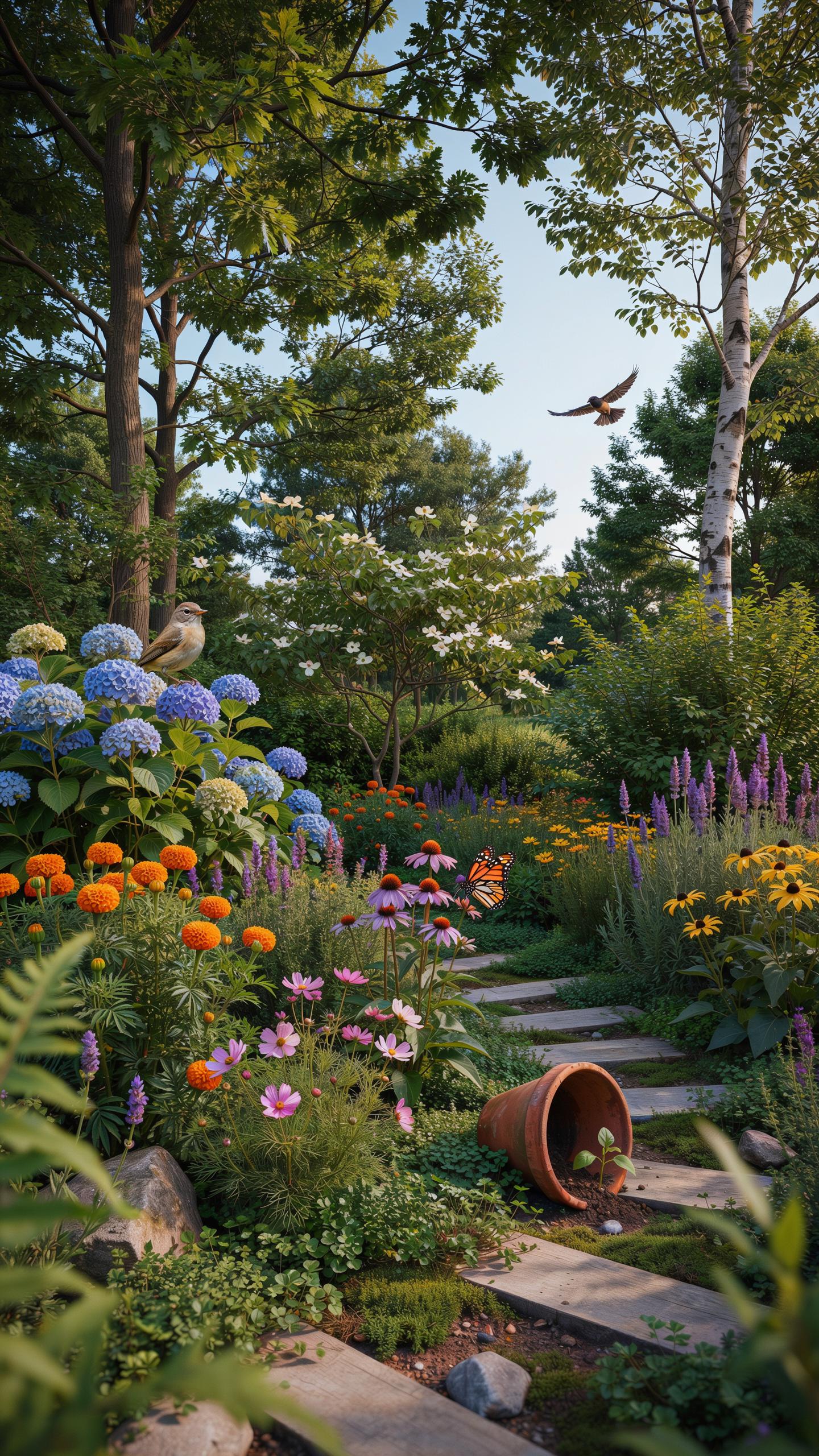
Layered vegetation mimics natural forest structure and maximizes wildlife habitat. Overstory trees provide food, nesting sites, and shelter for birds and insects. Understory shrubs create a transition zone where smaller animals find protection. Herbaceous perennials offer nectar and seeds for pollinators and ground feeders. Ground covers stabilize soil and provide microhabitats for beneficial insects and small creatures.
Each layer plays a specific ecological function that compounds habitat value. Trees cast dappled shade that allows shrubs and perennials to thrive in specific microclimates. Shrubs buffer wind and temperature extremes for ground-level organisms. This vertical structure increases the total surface area available for wildlife activity. Dense layering reduces predation pressure on ground-nesting birds and small mammals.
Fallen Leaves Ecological Value Explained
Fallen leaves function as critical infrastructure for wildlife reproduction cycles. Leaf litter provides insulation for overwintering butterfly chrysalises and moth pupae. Many beneficial ground beetles and centipedes shelter under leaf layers to avoid freezing temperatures. The decomposition process breaks down organic matter into nutrients that enrich soil structure. Removing leaves eliminates critical life stages of native insects that depend on undisturbed forest floor conditions.
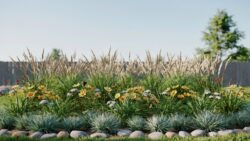
Leaving leaf litter in place creates self-sustaining soil amendment over seasons. Fungi colonize decaying leaves and form mycorrhizal networks that enhance plant nutrient uptake. Earthworms and other decomposers accelerate nutrient cycling while aerating soil. This biological process reduces the need for external inputs and strengthens plant resilience. Native gardens that retain leaf litter demonstrate measurably higher insect populations and soil health metrics.
Designing A Backyard Birds Sanctuary Food Water And Shelter
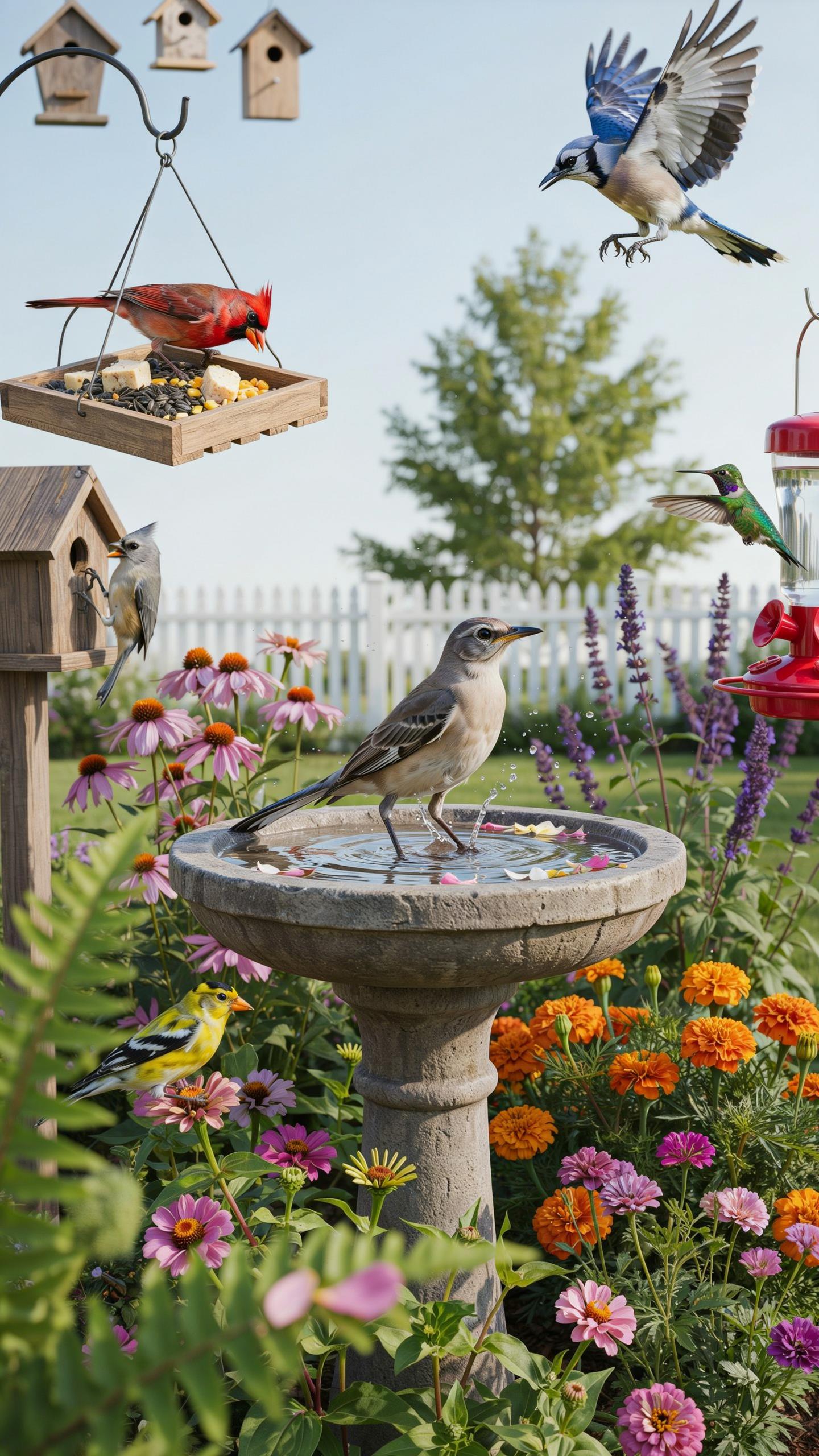
Essential Features Birds Sanctuary
Birds need specific structural elements to survive in your yard. These features address their core survival needs: protection from predators, safe roosting spots, and accessible water. Build these elements intentionally and birds will establish residency patterns that support their population cycles.
- Nesting boxes: Install species-specific boxes with correct entrance hole sizes. Mounting height and orientation matter for survival rates. Clean boxes annually after breeding season ends to prevent disease and parasites from accumulating.
- Dense shrub plantings: Create layered vegetation with heights ranging from ground level to canopy. Birds use these layers for escape routes, roosting, and nesting. Native shrubs provide better structural support than ornamental alternatives.
- Dead wood snags: Leave standing dead trees or install vertical dead wood poles. Woodpeckers and insectivores depend on dead wood for food sources and cavity nesting. These structures attract the insects birds need for protein.
- Water sources: Provide shallow basins or ground-level features birds can access safely. Birds drink and bathe daily, so water placement matters for predator visibility. Keep water depth between one and three inches.
- Open ground space: Maintain some bare soil or short grass for ground-feeding species. Many birds forage directly on soil for insects and seeds. Avoid complete mulching or dense ground cover across your entire yard.
These infrastructure elements work together to reduce bird mortality from predation, disease, and exposure. A sanctuary succeeds when birds can complete their full life cycle within your yard boundaries without relying on artificial interventions.
Natural Food Sources Avoiding Feeders
Native plants eliminate feeder maintenance while providing consistent nutrition birds evolved to expect. Berry-producing shrubs, seed-bearing perennials, and nut trees supply food aligned with natural migration timelines and breeding cycles. This approach cuts your workload dramatically while improving bird health outcomes.
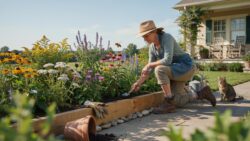
Native serviceberry, elderberry, and dogwood produce berries at specific seasons when migrating species need fuel. Seed heads from coneflowers, black-eyed Susans, and native grasses persist through winter, supporting year-round foragers. Oak and hickory trees provide nuts that sustain residents through cold months. These plants feed birds without requiring you to sanitize feeders or manage spoilage. Insects attracted to native plantings supply essential protein for nestlings, something no feeder provides. Your garden becomes a functioning food system rather than a supplemental station requiring constant attention and replacement costs.
Why Embracing Native Plants Protects Soil Health And Conserves Water
Deep Root Systems Soil Stabilization
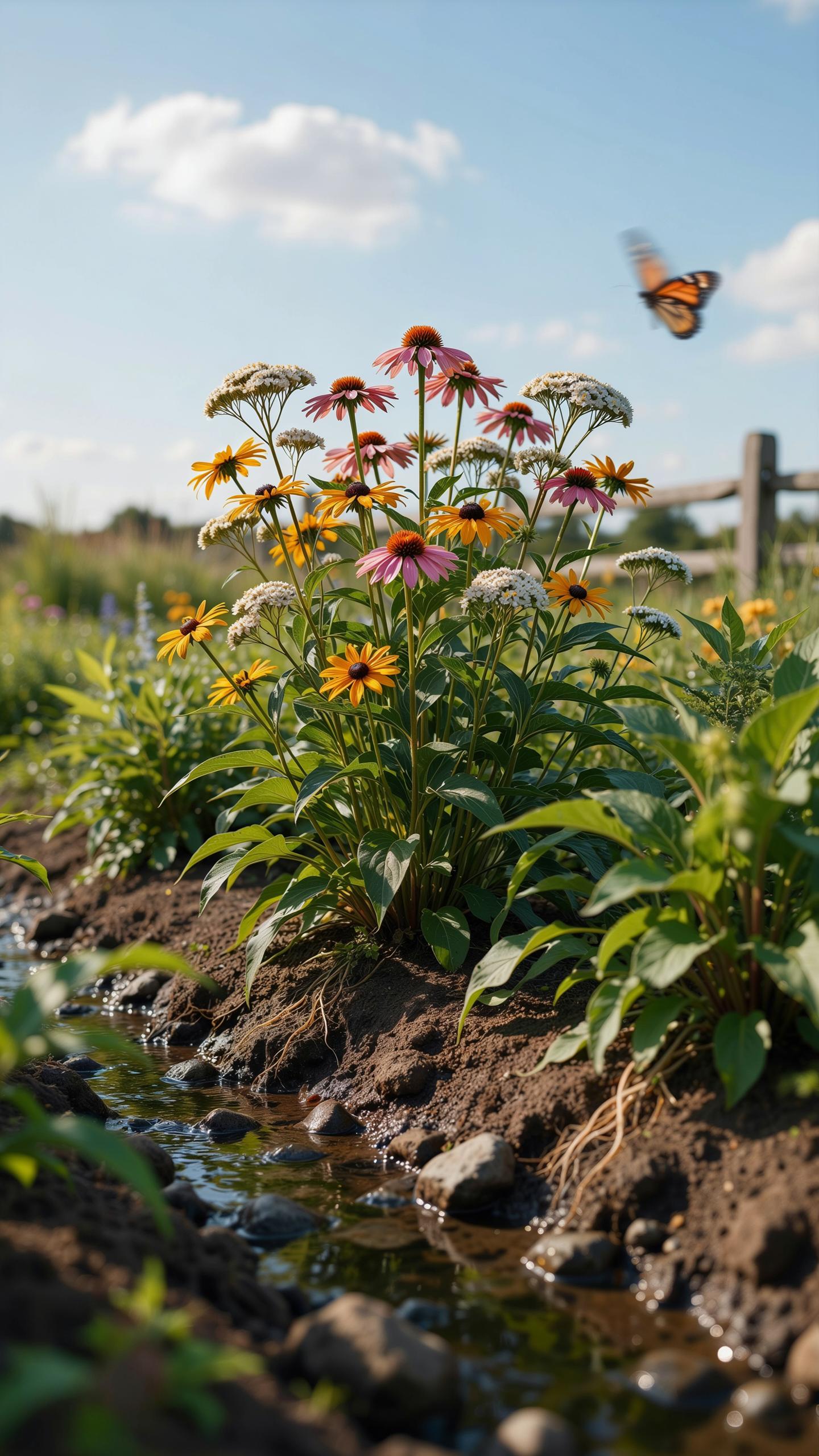
Native prairie grasses and perennials develop root networks that extend three to twelve feet underground. These roots physically hold soil particles in place, preventing erosion during heavy rain and wind events. The deep penetration also breaks apart compacted clay layers that restrict water movement and plant growth in many residential yards.
Over time, these root systems create soil structure that allows air and water to move freely through the profile. Native plants deposit organic matter through root turnover and leaf litter, building soil carbon and improving water retention capacity. This biological activity reduces the need for irrigation while naturally stabilizing slopes and preventing surface runoff damage.
Stormwater Runoff Mitigation Rain Gardens Tactics Explained
Rain gardens are shallow planted depressions that capture stormwater from roofs, driveways, and lawn areas. They filter precipitation through native plant root zones and soil layers before water reaches groundwater or storm drains. This design prevents water from pooling against foundations and reduces the erosion caused by concentrated runoff flowing across compacted ground.
Positioning rain gardens six to ten feet from building foundations allows adequate drainage while protecting structures from moisture damage. Native plants suited to both wet and dry conditions thrive in these zones, creating filtration that removes sediment and pollutants. The depressed area typically drains within 24 to 48 hours, preventing mosquito breeding while recharging local groundwater supplies during normal weather cycles.
Frequently Asked Questions

Why should I choose a native plant garden over traditional landscaping?
Switching to indigenous species transforms your yard into a functional ecosystem. One of the biggest native plant garden wildlife benefits is the immediate arrival of specialized pollinators like monarch butterflies and songbirds that rely on these plants for survival. Unlike non-native ornamentals, these plants evolved alongside local fauna, providing the exact nutrients they need while requiring significantly less water and maintenance to look stunning and contemporary in your outdoor living space.
How can I design a native garden that looks modern and intentional rather than messy?
To achieve a sleek look, focus on “cues for care” such as clean edges, structured paths, and grouping plants in bold drifts rather than scattered patterns. You can maximize native plant garden wildlife benefits by layering heights, using tall grasses for privacy and low flowering perennials for color. This organized approach ensures your landscape remains aesthetically pleasing and architectural while still providing essential nesting sites and food sources for local beneficial insects.
Is it expensive to transition my existing yard into a wildlife-friendly native landscape?
Transitioning to a sustainable garden is actually quite budget-friendly because native species are naturally hardy and don’t require expensive fertilizers or pesticides. You can save money by starting with seeds or small “plugs” instead of mature nursery containers. Over time, the investment pays for itself through lower water bills and reduced maintenance costs, all while creating a high-end, stylish sanctuary that supports a vibrant and diverse backyard ecosystem.