Innovative Native Garden Ideas For A Dry Garden
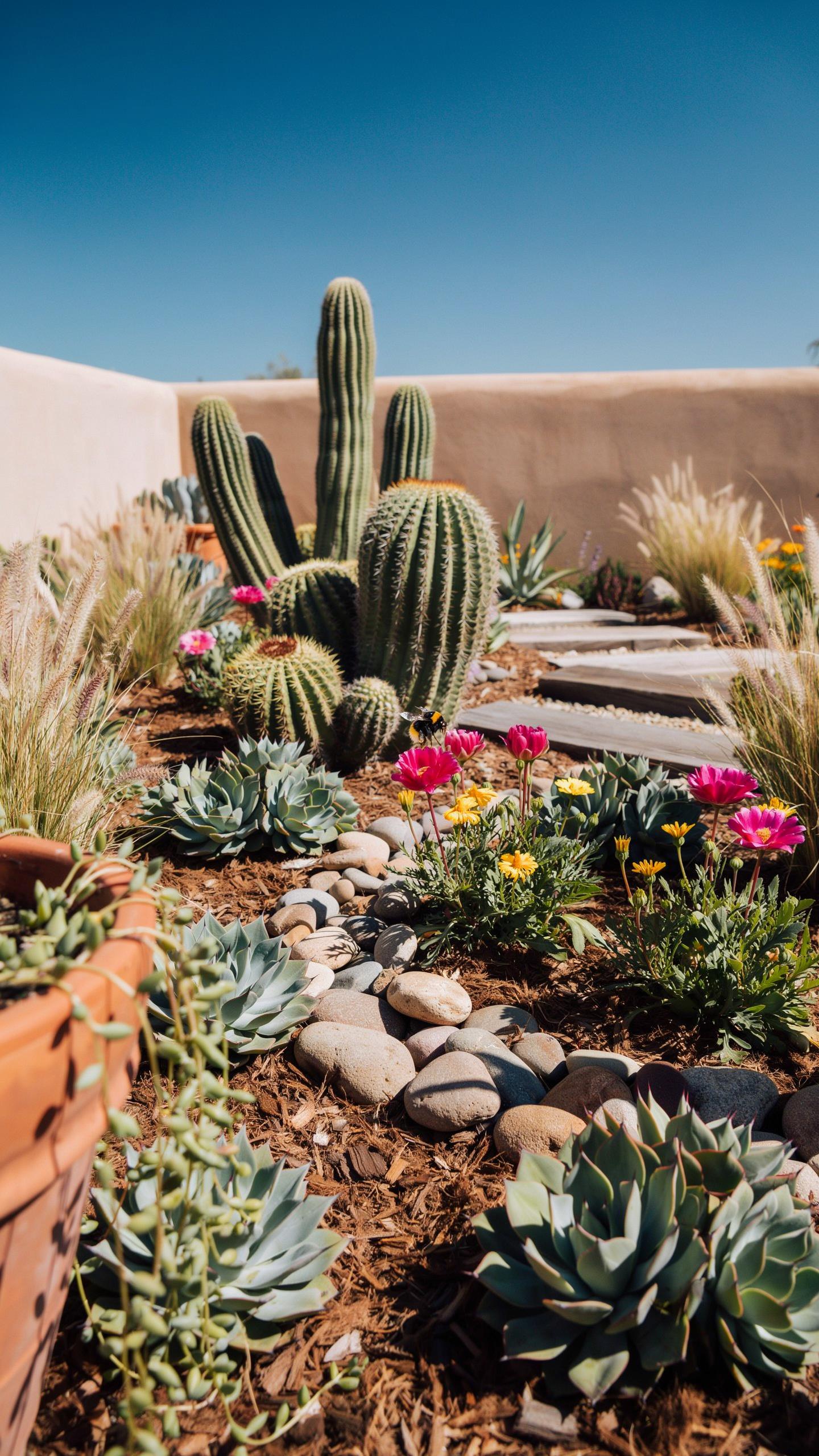
Utilizing Natural Stone And Gravel To Retain Moisture
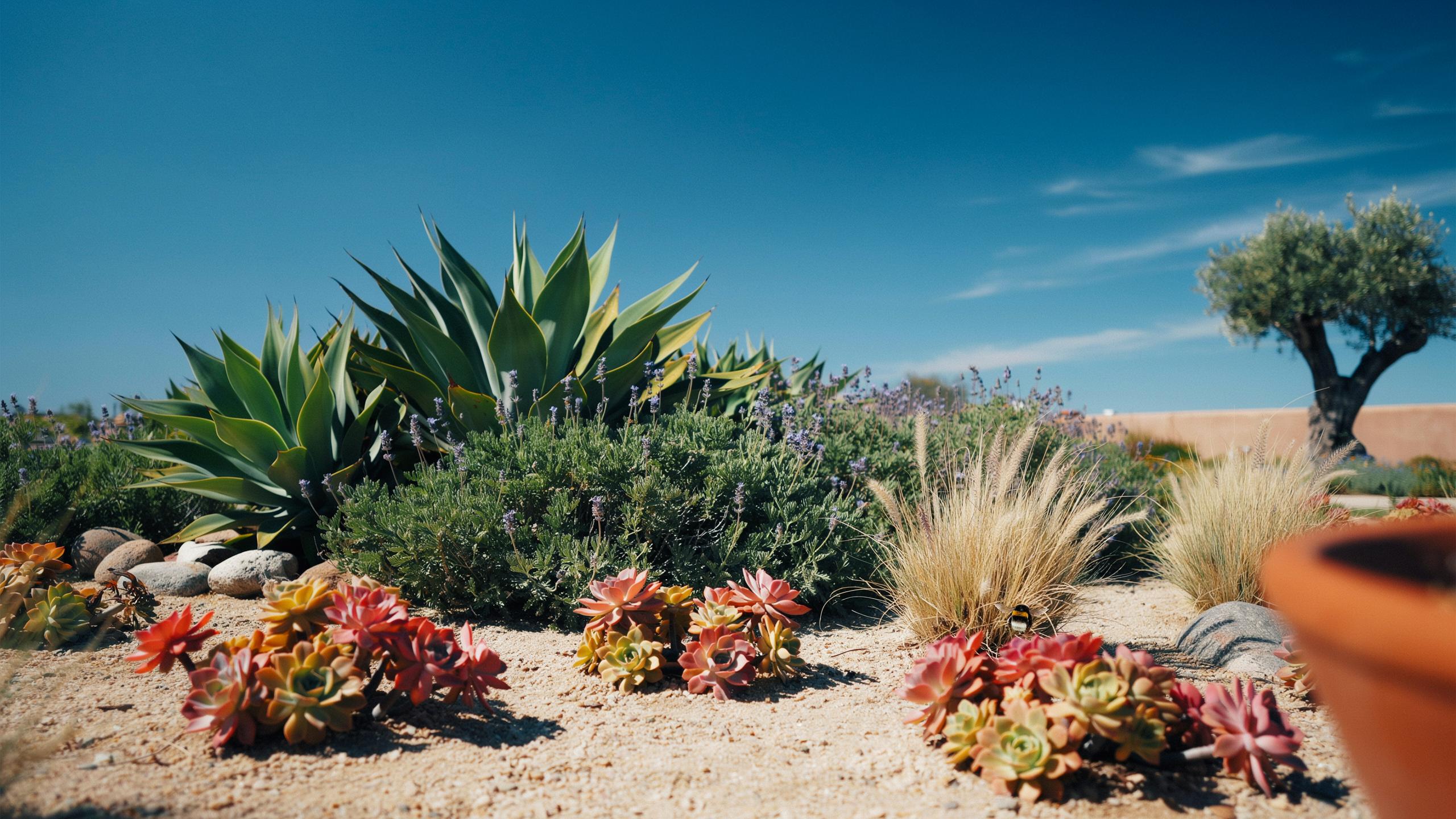
Natural stone and gravel reduce evaporation by shading soil and lowering surface temperatures. These materials block direct sunlight from reaching the ground, which cuts water loss significantly. Stone also stabilizes soil temperature fluctuations throughout the day. Gravel options range from decomposed granite to larger river rocks, each serving specific drainage and aesthetic needs based on your native plant selections.
The thermal mass of stone absorbs heat during the day and releases it slowly at night. This temperature regulation reduces plant stress during hot periods. Gravel layers also improve drainage for native plants adapted to specific soil conditions. Position stones strategically around plant bases to maximize moisture retention while maintaining proper air circulation around stems and foliage.
Groupings Of Low Water Succulents And Shrubbery
Native low-water succulents and shrubs thrive when planted in clusters rather than scattered individually. Grouping reduces competition for available moisture and creates microclimates that moderate temperature and wind exposure. This technique works because root systems share soil resources more efficiently when plants grow close together. Species selection depends on your regional climate zone and existing soil composition.
Native drought-tolerant shrubs like California buckwheat, Texas privet, and desert marigold establish quickly when planted in groups. These species develop deeper root systems when young, accessing moisture others cannot reach. Succulents such as native sedums and yuccas complement shrub groupings by filling ground-level space. Combination planting reduces overall water demand while maintaining visual interest and functional garden structure throughout seasons.
Designing A Resilient Native Australian Garden
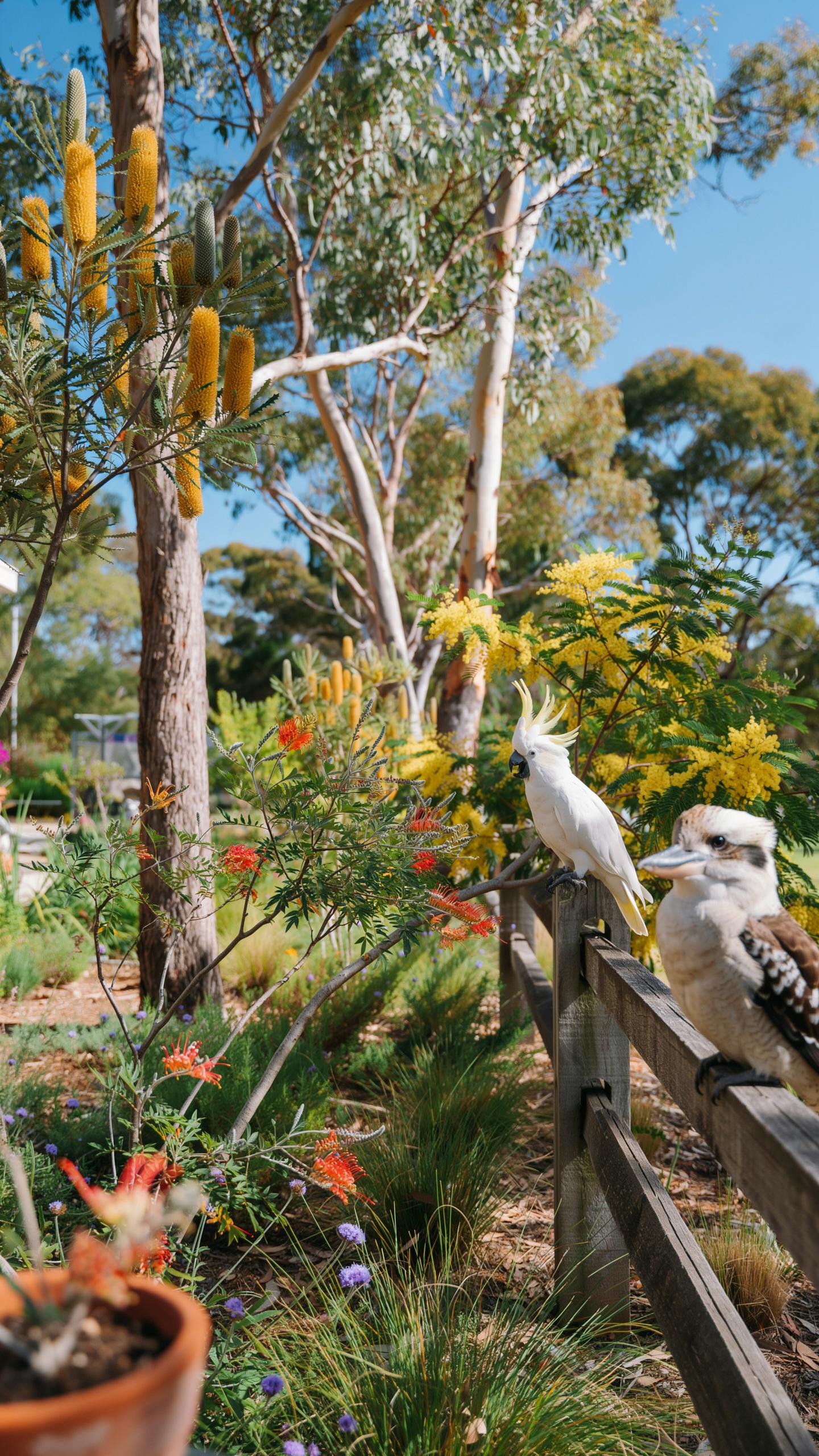
Acacia And Eucalyptus Varieties Adapted To Extreme Aridity
Acacia and Eucalyptus species dominate drought-resistant Australian native gardens because they evolved under water scarcity. These plants survive on minimal rainfall through physiological adaptations developed over millions of years in arid climates. Selecting the right species for your region’s rainfall patterns ensures establishment without supplemental watering after the first growing season.
Different Acacia and Eucalyptus varieties tolerate specific aridity levels. Acacia aneura thrives in extremely dry inland regions with less than 250mm annual rainfall. Eucalyptus camaldulensis handles variable water availability across multiple climate zones. Acacia dealbata suits temperate regions with moderate drought stress. Eucalyptus leucoxylon performs in Mediterranean climates with seasonal dry periods. Match species selection to your local rainfall data rather than guessing based on appearance.
The Role Of Deep Root Systems In Drought Survival
Deep root systems allow native Australian plants to access water reserves unavailable to shallow-rooted species. Many Eucalyptus and Acacia varieties develop taproots that penetrate soil 10 to 15 meters deep over several years. This adaptation enables survival through extended dry periods when surface soil moisture depletes completely. Establishing these plants requires patience during the first two to three years while roots develop depth.
Garden design must accommodate root depth requirements. Avoid planting deep-rooted species in areas with compacted soil, shallow bedrock, or clay layers that block downward penetration. Prepare planting sites by breaking up soil to at least one meter depth where possible. Once established, these plants require minimal intervention because their root systems self-manage water access. This reduces long-term maintenance costs and eliminates irrigation needs in most seasons.
Mediterranean Landscaping Front Yard Drought Tolerant Highlights
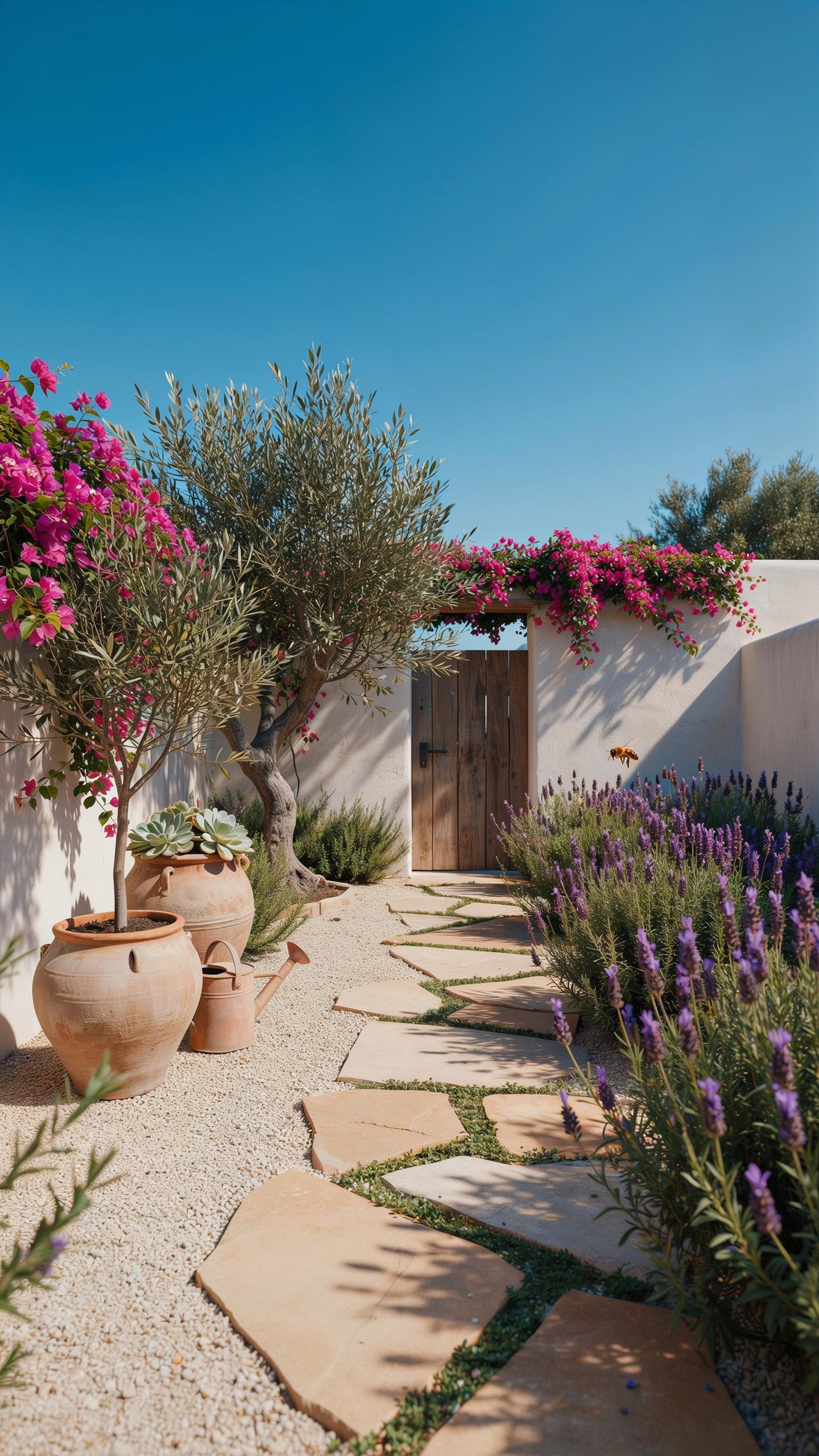
Blending Olive Trees And Lavender With Local Flora
Olive trees and lavender establish a practical framework for drought-resistant Mediterranean gardens in most regions. Olive trees require minimal water once established and tolerate poor soil conditions. Lavender demands excellent drainage and low water input. Both species thrive in full sun exposure. Pairing these with native plants adapted to your specific climate amplifies resilience while reducing maintenance demands and water consumption.
Native flora integration matters because it reduces competition for water resources. Mediterranean species like olives and lavender work alongside native shrubs, grasses, and perennials that already evolved for your local precipitation patterns. This combination reduces disease pressure and pest problems. Your irrigation system becomes simpler. The garden performs consistently across dry seasons without intervention.
Terraced Grading Techniques To Capture Minimal Rainfall
Terraced grading slows water runoff and increases soil absorption on sloped terrain. Creating level platforms across slopes allows rainfall to penetrate deeper into root zones instead of flowing downhill. This technique reduces erosion while maximizing available moisture for plants. Terraces work on mild slopes and steep grades. The key is directing water horizontally rather than allowing vertical drainage.
Terracing requires upfront earthwork but eliminates ongoing irrigation needs on many slopes. Native plants on terraced surfaces access groundwater that accumulates over time. Soil moisture persists longer between rainfall events. This strategy proves especially effective in regions with seasonal precipitation patterns. Once established, terraced Mediterranean gardens maintain themselves through captured rainfall and deep root systems.
Planting Statement Plants Outdoor For Maximum Impact
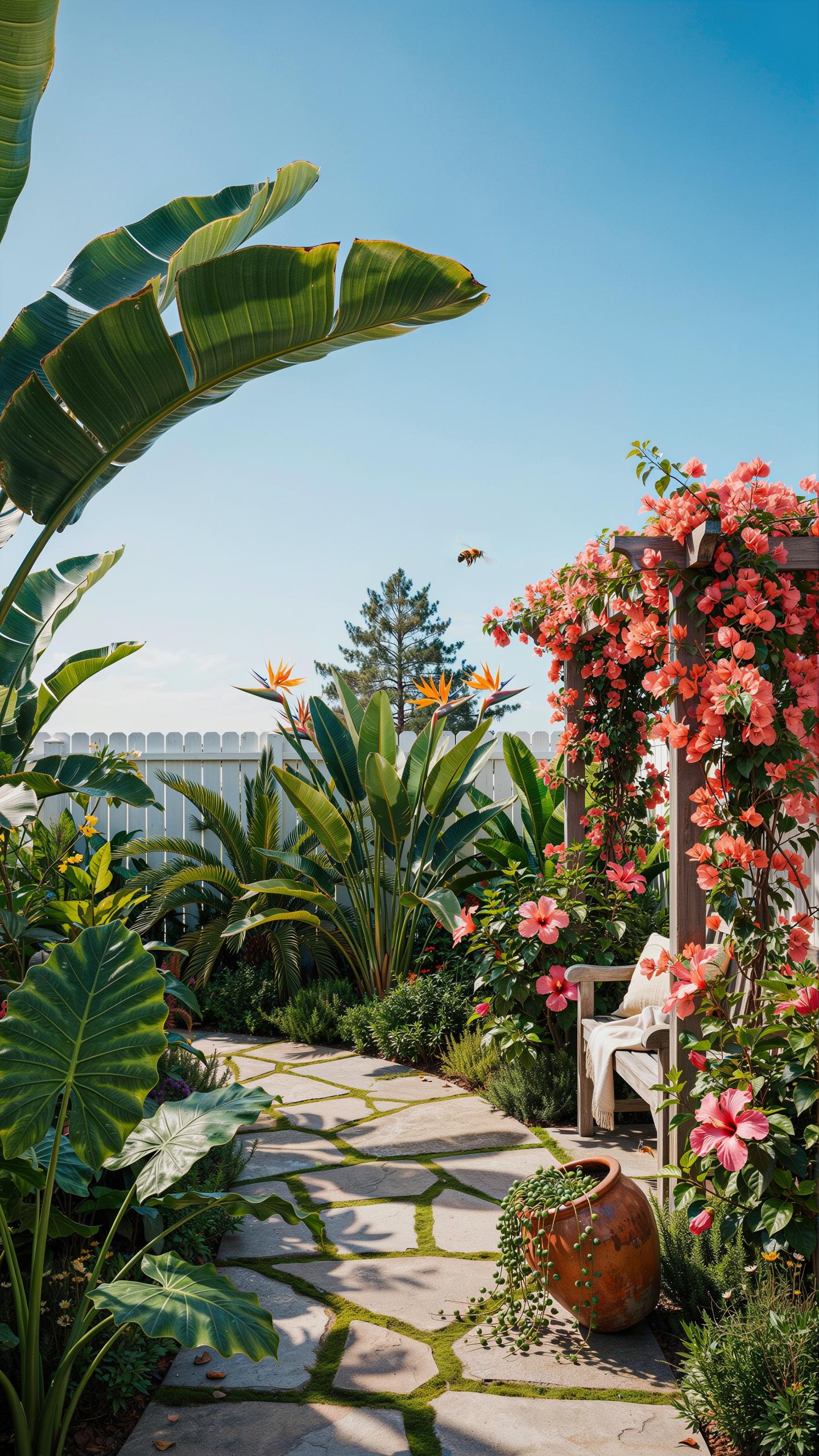
Broad Leafed Agaves And Structural Grasses As Focal Points
Agaves function as anchors in drought-resistant gardens because they require minimal water once established and tolerate poor soil conditions. Their geometric form creates visual weight without demanding fertilizer or frequent maintenance. Position agaves where they receive full sun exposure to prevent leggy growth and maintain compact structure. Their architectural presence organizes surrounding plantings and defines garden zones.
Structural grasses complement agaves by providing movement and texture contrast. Native grasses like Bouteloua gracilis and Festuca idahoensis establish deep root systems that access stored soil moisture. Use grasses to soften hard edges around agave clusters and to create layered depth. Their fine foliage plays against the bold, sculptural quality of succulent focal points.
Selecting Vibrant Flowering Shrubs That Thrive In Heat
Flowering shrubs adapted to heat stress produce blooms without supplemental irrigation once their root systems develop. Salvia greggii and Caesalpinia pulcherrima flower reliably in intense sun and low-water conditions. Select species that bloom during your region’s dry season to maximize pollinator activity and visual interest when water scarcity peaks. Match bloom timing to local precipitation patterns for natural synchronization.
Shrub placement matters as much as species selection. Position flowering shrubs on east or north-facing slopes to reduce afternoon heat stress and water demand. Group them by water requirement to simplify irrigation management during establishment. Prioritize species native to your specific climate zone rather than adapted species from different regions for optimal performance and reduced maintenance overhead.
Creating A Small Native Garden Australia Can Be Proud Of
Space Saving Groundcovers To Replace Traditional Grass
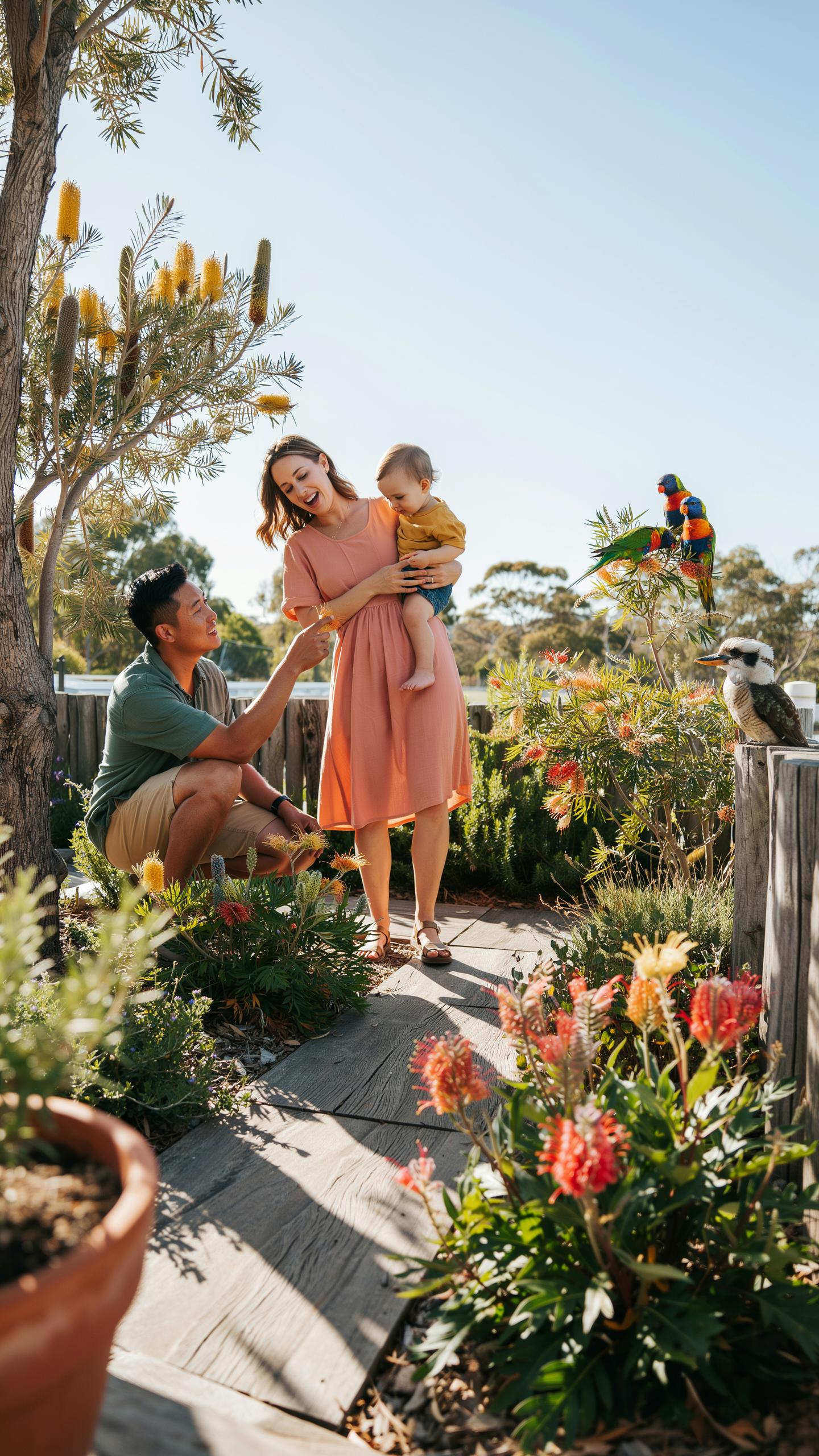
Native groundcovers eliminate the water demands of traditional lawns while functioning as living ground protection. Australian native options like Myoporum parvifolium, Pratia pedunculata, and various Scaevola species establish dense mats that suppress weeds and reduce soil erosion. These plants typically require 30 to 50 percent less water than turf grass once established, cutting irrigation costs significantly.
Select groundcovers based on your local climate zone and soil type. Coastal regions tolerate salt-resistant species like Carpobrotus edulis, while inland areas benefit from deep-rooted options. Spacing plants at recommended distances allows them to spread and cover bare soil within one to two growing seasons, eliminating establishment gaps where weeds compete.
Creative Container Gardening With Drought Hardy Cultivars
Container gardening with native drought-hardy plants works on balconies, patios, and small yards where soil conditions are poor or space is limited. Combine shallow-rooted species like Westringia fruticosa with deeper-rooted companions in large containers to maximize root exploration and water access. Using quality potting mix with added drainage material prevents waterlogging while maintaining moisture retention during dry periods.
Select containers with drainage holes and size them appropriately for mature plant dimensions. A general rule is one liter of soil per 30 centimeters of plant height at maturity. This prevents root crowding and allows plants to access available moisture longer between watering cycles, reducing your maintenance frequency and overall water consumption.
Cultivating A Vibrant Native Flower Garden With Less Water
Top Drought Resistant Wildflowers For Continual Blooms
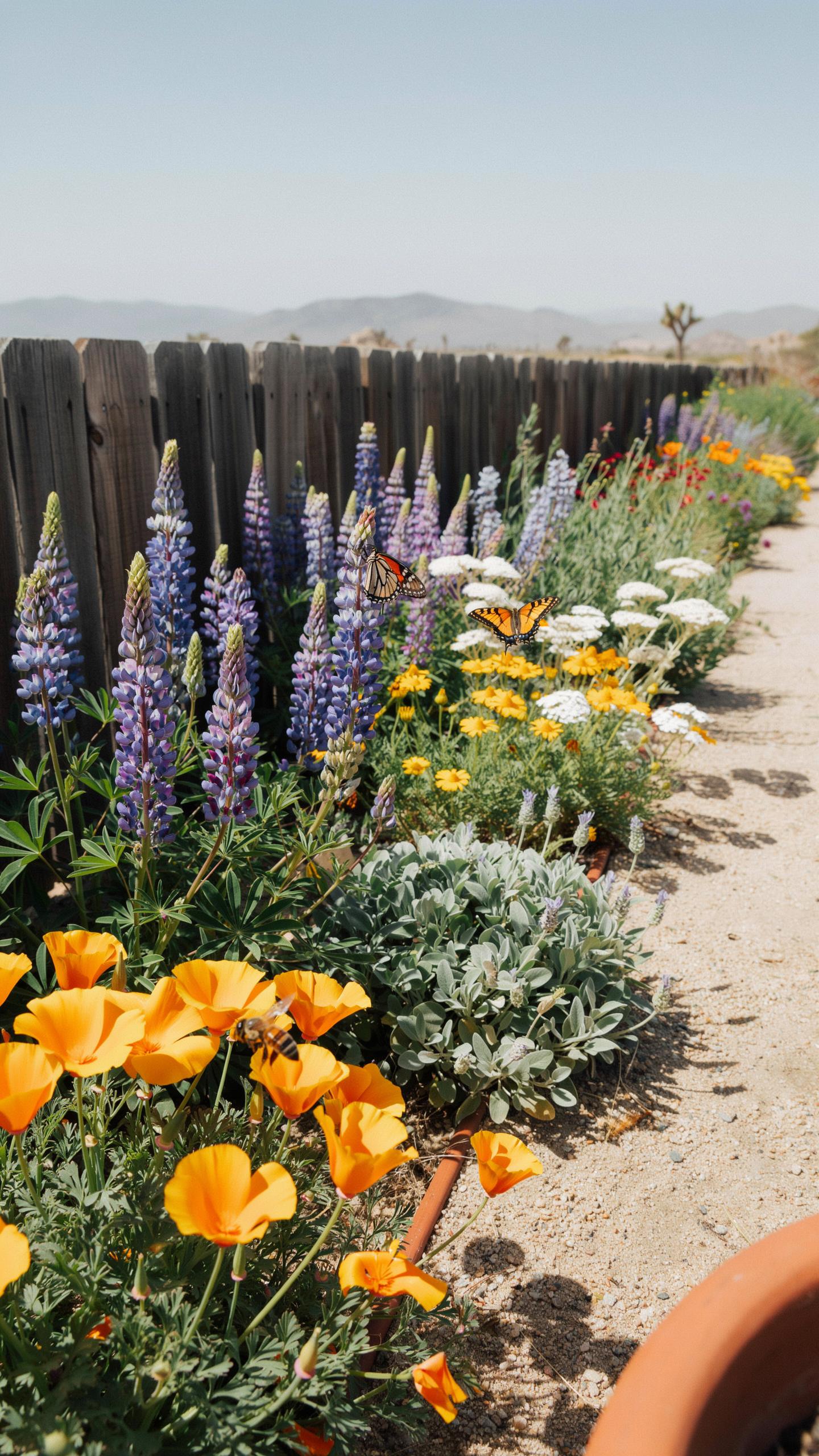
Native wildflowers evolved in specific regions with limited water availability. They require minimal supplemental irrigation once established. Selecting species native to your region ensures they thrive in local soil and climate conditions. This approach cuts maintenance costs and reduces your water footprint while maintaining continuous seasonal color.
- Black-eyed Susan (Rudbeckia): Blooms mid-summer through fall with minimal water. Tolerates poor soil and full sun exposure across most North American regions.
- Coreopsis: Produces yellow or pink flowers throughout summer and early fall. Handles drought stress and spreads naturally without aggressive management.
- Purple Coneflower (Echinacea): Flowers from mid-summer through fall in full sun conditions. Deep root systems access soil moisture others cannot reach.
- Blanket Flower (Gaillardia): Delivers red and yellow blooms for three to four months with virtually no water supplementation. Thrives in sandy and clay soils equally well.
- Desert Marigold: Flowers continuously in arid regions with minimal irrigation. Blooms persist through heat stress that kills tender perennials.
These species establish deep root systems within one to two years. Once rooted, they access groundwater independent of rainfall patterns. Plan spacing based on mature plant width to prevent overcrowding and competition for resources.
Radical gardeners who plant what belongs in the earth find that even in the driest seasons, the land remembers how to bloom.
Attracting Beneficial Pollinators With Nectar Rich Species
Native wildflowers produce nectar and pollen that evolved alongside local pollinators. This co-evolution means native bees, butterflies, and other insects feed more efficiently on native plants than ornamentals. Pollinators spend less energy foraging, increasing population density in your garden and supporting local ecosystems.
Staggered bloom times across seasons maximize pollinator activity from spring through fall. Select native wildflowers that flower at different times to ensure consistent nectar availability. This strategy supports pollinator populations through their complete life cycles and migration periods. Multiple bloom windows create sustained food sources rather than single peak periods.
Contemporary Native Garden Design Trends
Implementing Hydrozoning To Group Plants By Hydration Needs
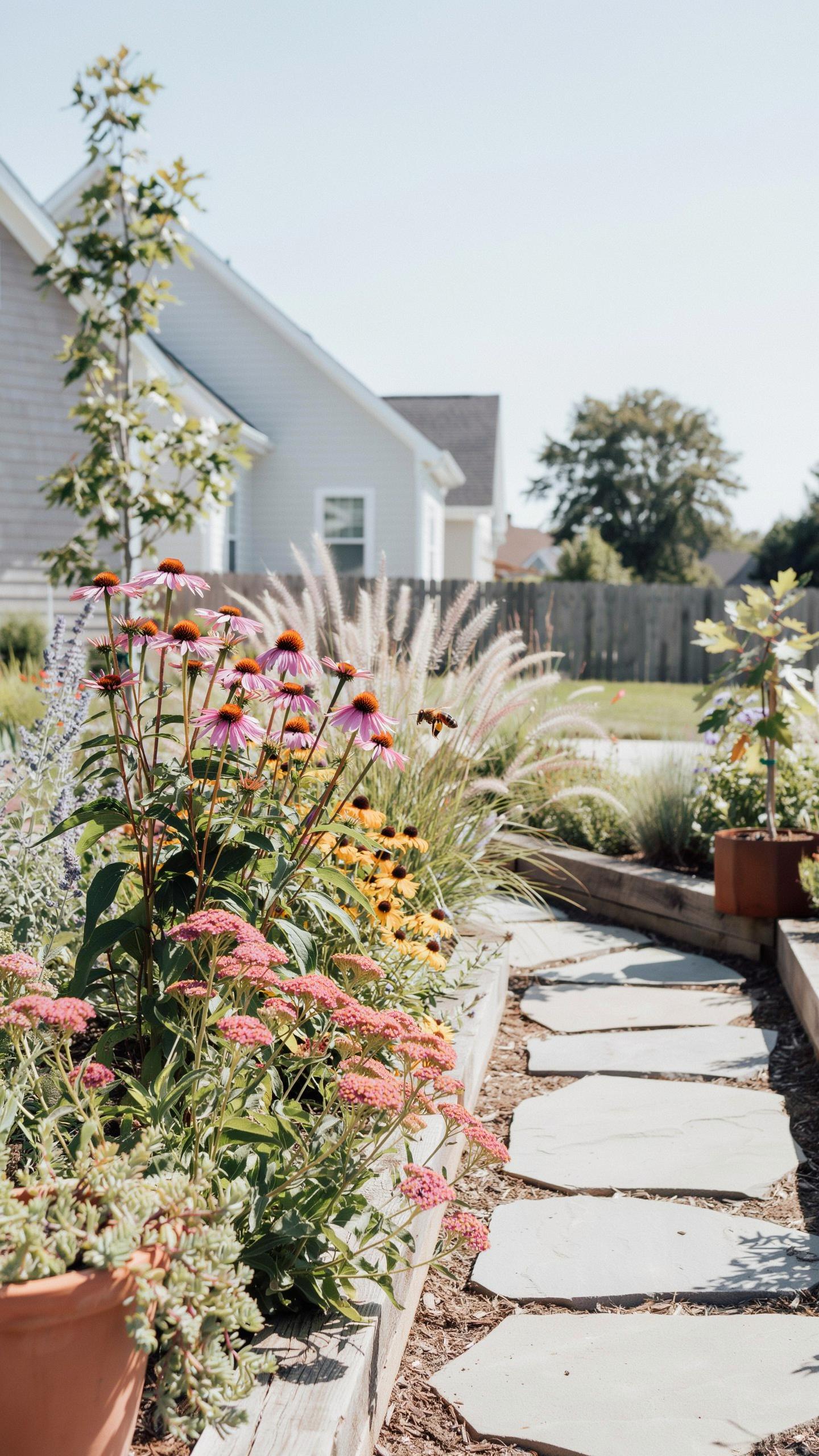
Hydrozoning organizes plants into zones based on water requirements. This approach reduces irrigation waste and improves plant survival rates. Group high-water plants near water sources. Place drought-tolerant natives in outer zones. This system follows the same logic as traditional landscape design zones but prioritizes water efficiency from the ground up.
Hydrozoning requires a soil audit before implementation. Test soil composition and drainage rates across your garden space. Native plants adapted to your region already match local precipitation patterns. Grouping them by water needs eliminates the mismatch between plant requirements and available moisture. This reduces supplemental watering by 30 to 50 percent in most climates.
Steps To Transition A Standard Turf Lawn Into A Native Landscape
Remove turf systematically using either solarization or manual removal methods. Solarization takes 6 to 8 weeks using clear plastic sheeting in warm months. Manual removal works faster but demands more labor. Test the exposed soil afterward. Add compost only if soil tests show nutrient deficiencies. Most native plants thrive in unmodified local soil.
- Suppress the turf layer: Use cardboard or landscape fabric to block sunlight and kill existing grass without chemicals or heavy equipment removal.
- Amend soil sparingly: Native plants evolved in local soil conditions, so avoid adding excessive organic matter that changes drainage patterns and pH.
- Install plants in fall or spring: These seasons provide natural moisture from rainfall, reducing establishment irrigation needs compared to summer planting.
- Mulch with native materials: Use locally sourced wood chips or leaf litter at 2 to 3 inches depth to retain moisture and suppress weeds.
- Eliminate supplemental water by year two: Most native plants establish deep root systems by their second growing season without ongoing irrigation.
Plant density matters more than spacing formulas during transition. Native species grow at different rates depending on soil and climate. Close spacing crowds out weeds faster but requires thinning in year two. Space plants to their mature width based on cultivar data from native plant nurseries and regional extension services.
Maximizing Native Plant Garden Drought Resistance
Organic Mulching Strategies To Prevent Soil Evaporation
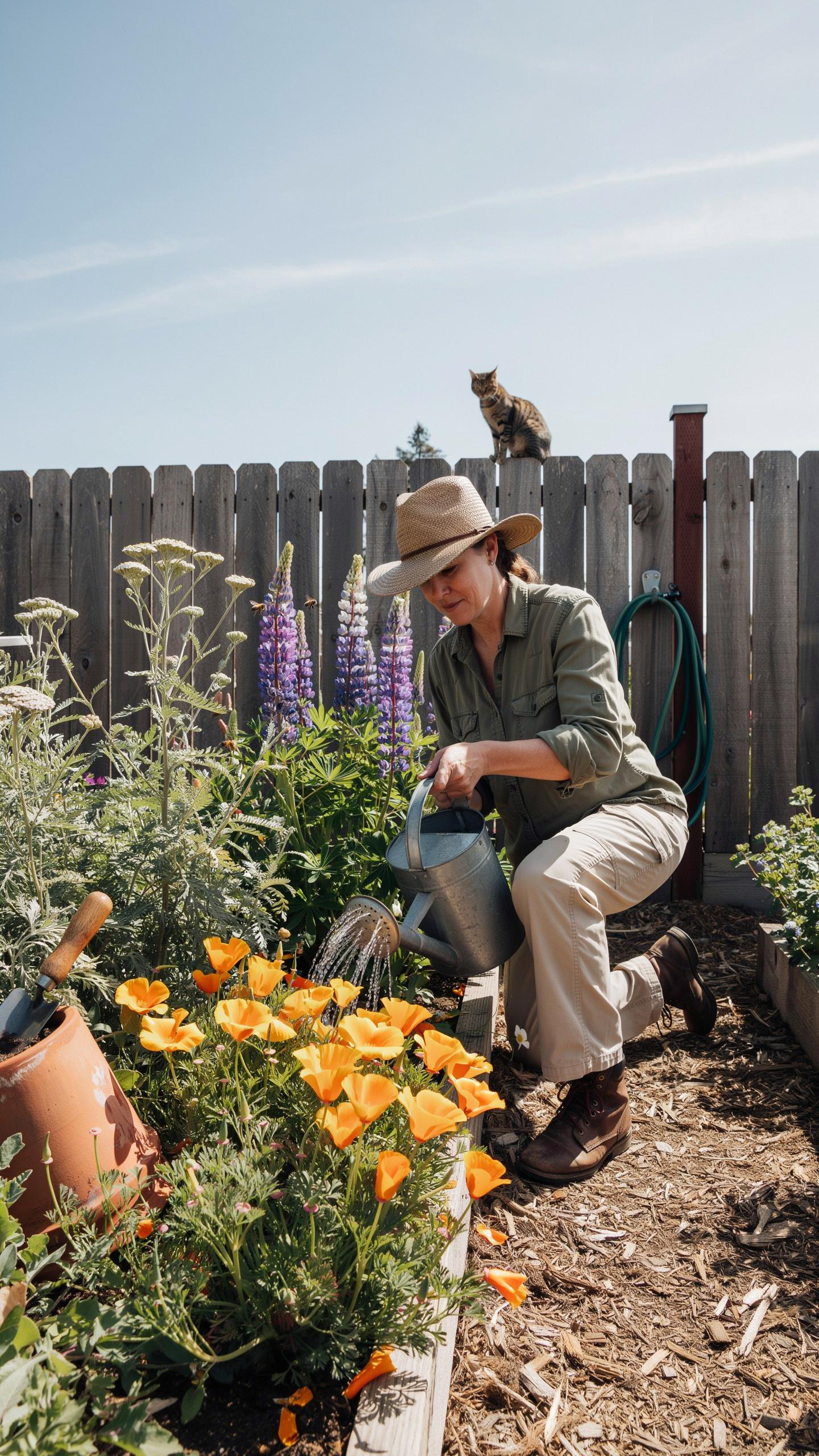
Organic mulch reduces soil water loss by blocking direct sun exposure and wind contact. Wood chips, shredded bark, and compost create a barrier that maintains consistent soil moisture. Apply mulch two to four inches deep around plants. Keep mulch two inches away from plant stems to prevent rot and pest issues.
Mulch also moderates soil temperature fluctuations, which reduces plant stress during dry periods. As organic mulch breaks down, it improves soil structure and water retention capacity over time. Replenish mulch annually since it decomposes and settles. This approach works for all native plant types and costs less than synthetic alternatives.
Proper Soil Conditioning And Mycorrhizae Application
Mycorrhizal fungi form symbiotic relationships with plant roots, extending their reach into soil and improving water uptake efficiency. These fungi colonize root systems and help plants access moisture in deeper soil layers. Apply mycorrhizae products during planting or establish populations through compost amendments. Native plants evolved with these fungi present, making their application essential for optimal performance.
Soil conditioning with compost and aged organic matter creates the foundation for mycorrhizae success. Well-structured soil holds water longer while remaining loose enough for root penetration. Mix three to four inches of compost into planting beds before installation. Quality soil structure reduces irrigation frequency and strengthens plant resilience during extended dry periods.
Frequently Asked Questions

Why should I choose native plants if I want a garden that survives dry spells?
Native plants are naturally adapted to your local climate and soil conditions, meaning they have evolved to thrive without constant intervention. By prioritizing native plant garden drought resistance, you create a landscape that requires significantly less water once established. These plants often feature deep root systems that reach moisture far below the surface, making them the most sustainable and resilient choice for modern, eco-friendly homeowners.
How can I improve my existing landscape to better handle long periods of heat?
To enhance your native plant garden drought resistance, start by grouping plants with similar water needs together, a technique known as hydrozoning. Apply a thick layer of organic mulch to retain soil moisture and suppress weeds that compete for hydration. Additionally, installing a drip irrigation system ensures water reaches the roots directly, reducing evaporation and helping your local flora flourish even during the peak of a summer heatwave.
Is building a drought-resistant garden expensive for a homeowner on a budget?
Not at all! In fact, a resilient garden is often more cost-effective over time. You can save money by purchasing smaller “starter” plants or seeds rather than mature specimens. Many local conservation districts also host annual plant sales offering affordable varieties. Because these species require less supplemental watering and fewer chemical fertilizers, you will see a significant reduction in your monthly utility bills and long-term maintenance expenses.