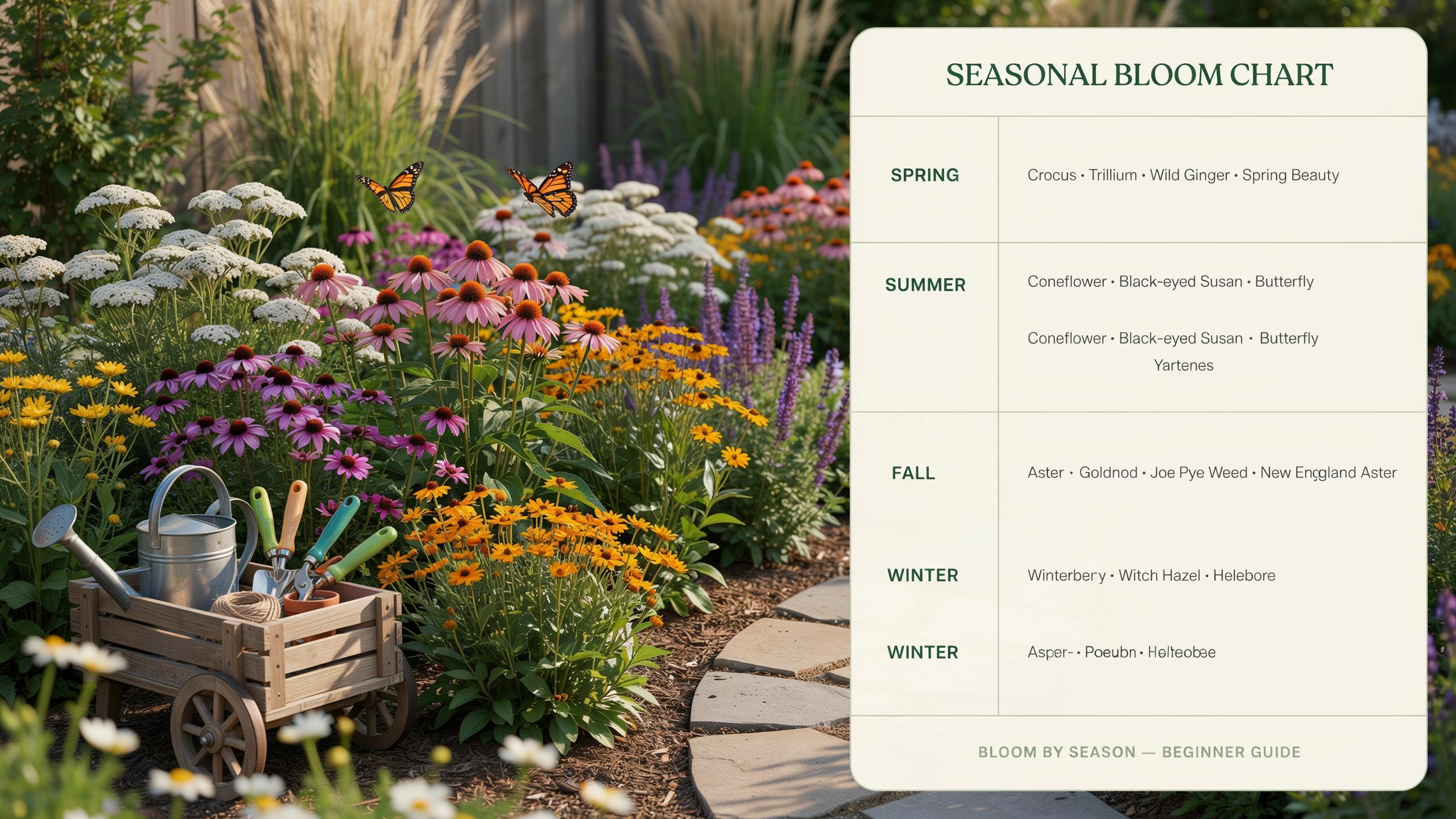
Why You Need A Native Plant Garden Seasonal Bloom Chart
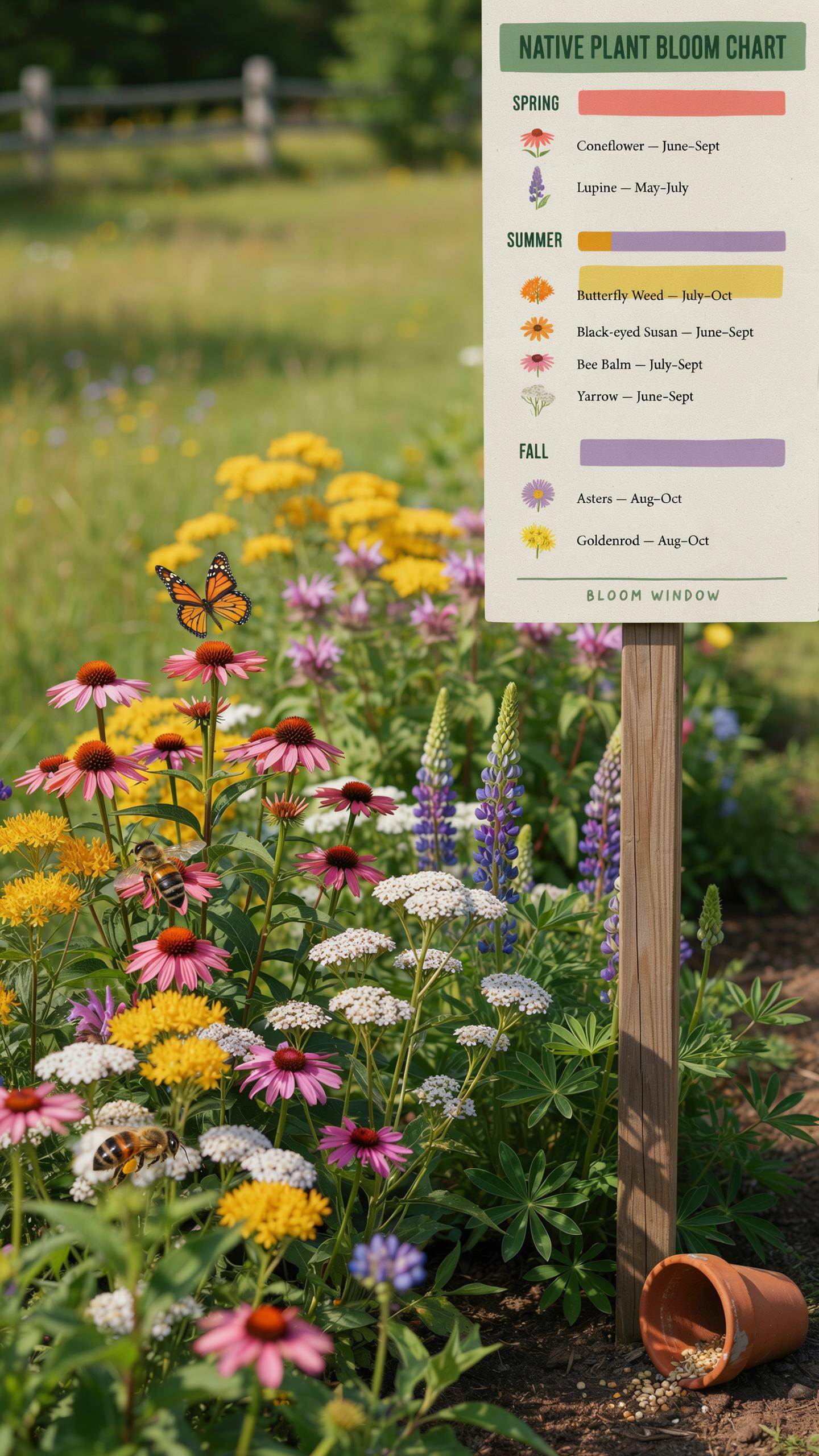
The Importance Of Multi Season Blooming
A seasonal bloom chart prevents dead zones in your garden. Without planning, you risk months where nothing flowers. Native plants bloom at specific times based on their species and local climate. Mapping these windows means flowers appear consistently from spring through fall. This continuous cycle feeds local insects and birds year round. Your garden stays functional and visually active instead of dormant and bare.
Native plants evolved to bloom when pollinators are most active in your region. This timing matches local wildlife needs precisely. When you follow bloom patterns, you support the ecosystem that depends on consistent food sources. Birds need seeds and insects need nectar across multiple seasons. A chart forces you to think beyond individual plants and consider the whole system. Your garden becomes a reliable resource, not a seasonal decoration.
Simplifying Your First Garden Project
Beginners struggle with plant selection because information feels scattered. A bloom chart organizes species by flowering month, eliminating confusion. You see instantly which plants peak in March, June, and September. This visual structure lets you pick plants strategically. You avoid planting five species that all bloom in May while leaving August bare. The chart removes guesswork and lets you design with confidence.
Using a chart also accelerates your learning curve. You understand native plant behavior faster when you see the full seasonal pattern. As one species finishes blooming, you identify what takes over next. This sequential approach teaches you how ecosystems work through direct observation. You make better decisions in year two based on what you learned in year one. Planning becomes easier, and your garden improves measurably with each season.
How To Read And Use A Native Plant Guide
Decoding Plant Profiles And USDA Zones
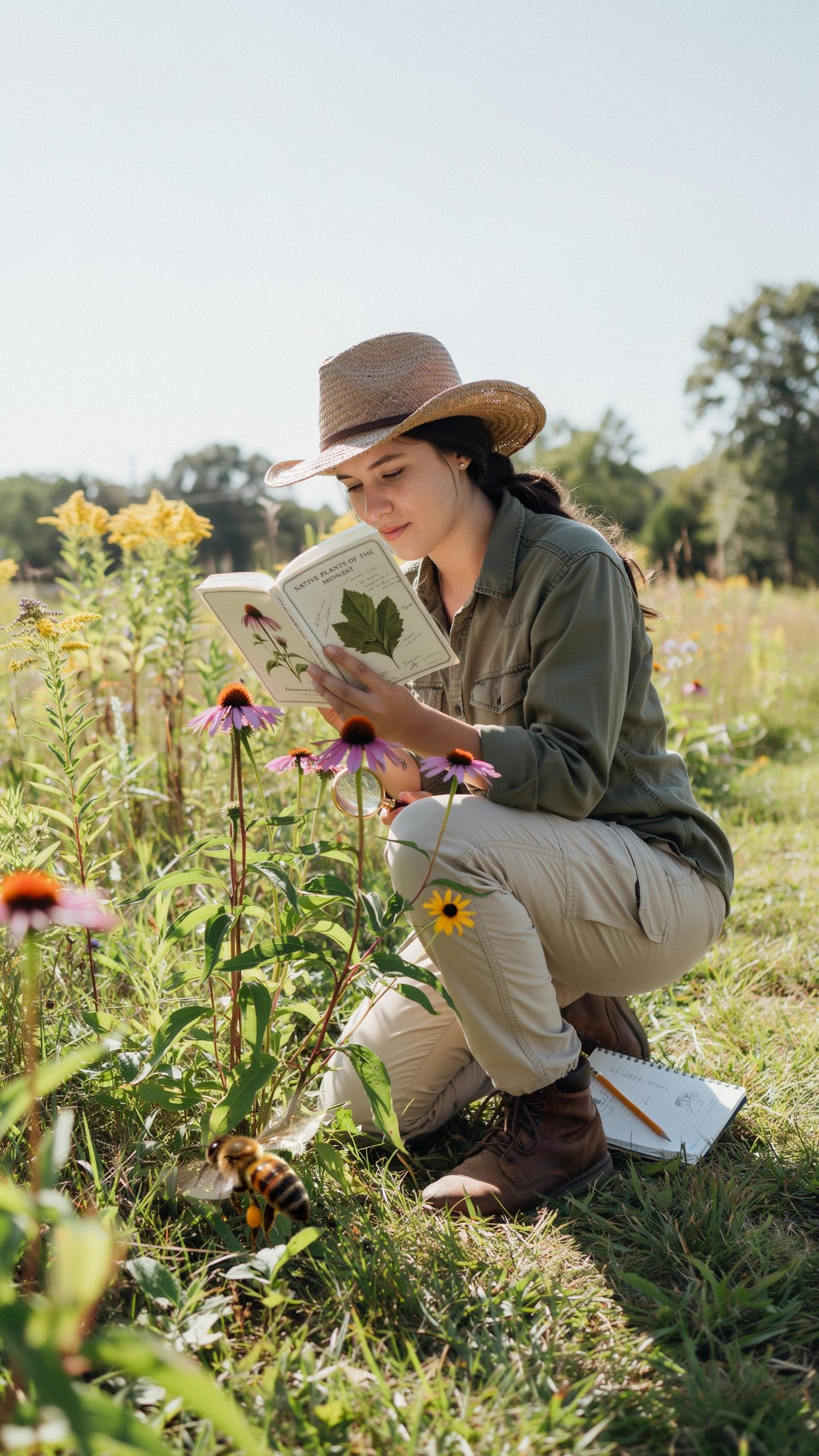
A native plant guide lists essential data you need before planting. USDA Hardiness Zones tell you if a plant survives your winter temperatures. Soil preferences specify whether your ground drains well or stays wet. Sunlight requirements range from full sun to deep shade. Cross-reference these details with your specific location to avoid wasting money on plants that won’t survive your conditions.
Your local climate zone determines everything about plant survival. A plant rated for Zone 5 will likely die in Zone 9 heat. Soil type matters equally. A plant requiring sandy, well-drained soil fails in clay-heavy ground. Check your zone on the USDA map, test your soil composition, and match these facts to the plant profile before purchasing anything.
Mapping Blooms Month By Month
Native plant guides organize flowering times by calendar month. January through December listings show you exactly when each species produces flowers. Use this data to build a bloom schedule across the entire year. Plot each plant’s active flowering window on a simple calendar. This process reveals gaps where your garden lacks color and identifies overlapping blooms you can consolidate or space out strategically.

Systematic bloom mapping prevents the common mistake of planting everything that flowers at once. A concentrated spring bloom followed by summer emptiness creates an unattractive landscape. Stagger your selections across seasons so color appears consistently from spring through fall. Review your monthly chart before digging any holes. This one step saves you from redesigning the garden mid-season when you realize poor planning created visual dead zones.
Designing Your Layout With A Native Plant Zone Chart
Matching Plant Selection With Hardiness Zones
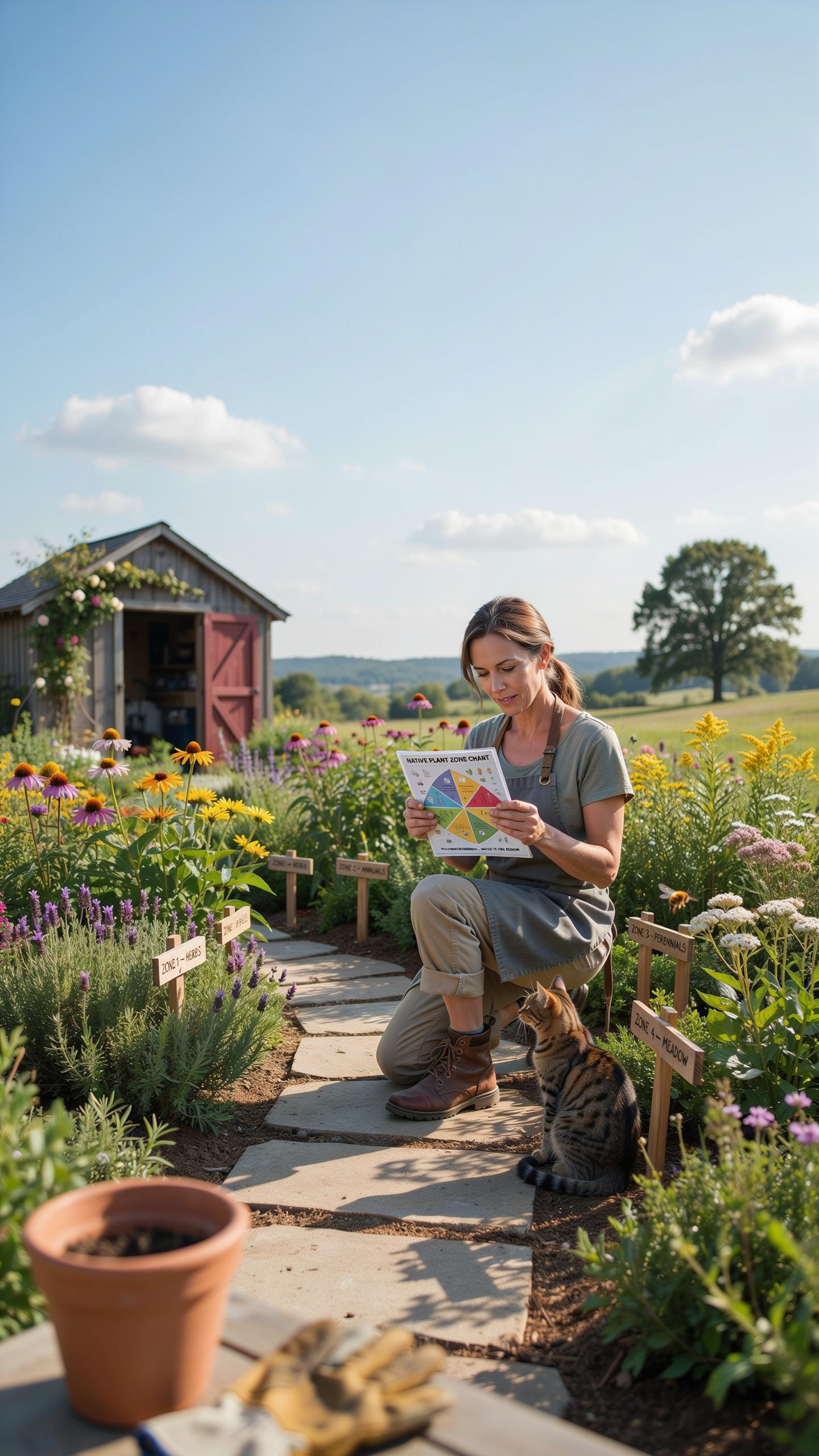
The USDA Hardiness Zone Map divides North America into zones based on average annual minimum winter temperatures. Your zone determines which native plants survive your winters and thrive through your growing season. Plants native to your zone already adapted to your region’s frost dates, rainfall amounts, and temperature swings. Selecting zone-appropriate natives eliminates guesswork and prevents planting species that will die in your climate.
Check your specific hardiness zone using your zip code on the USDA website. Match this zone to native plant tags and seed packets before purchasing. Native plants from your zone require less water, fewer inputs, and less maintenance than out of zone species. This alignment between plant and zone creates a self sustaining garden ecosystem.
Structuring The Garden Layers By Zone Specs
After identifying your zone, organize plants by their mature height and growth pattern. Position tall native shrubs and small trees at the garden’s back or north side to avoid shading shorter plants. Place mid height perennials in the middle layer and ground level wildflowers in the front. This tiered structure maximizes sunlight penetration, improves air flow between plants, and reduces disease pressure.
Layering also simplifies maintenance and blooming patterns. Taller plants establish backbone structure while shorter natives fill gaps and prevent weeds. Arrange plants with similar water needs in clusters for efficient irrigation. This zone based layout keeps your native garden productive and organized year round without constant intervention.
Creating An Eco Friendly Pollinator Garden
Supporting Bees And Butterflies Year Round
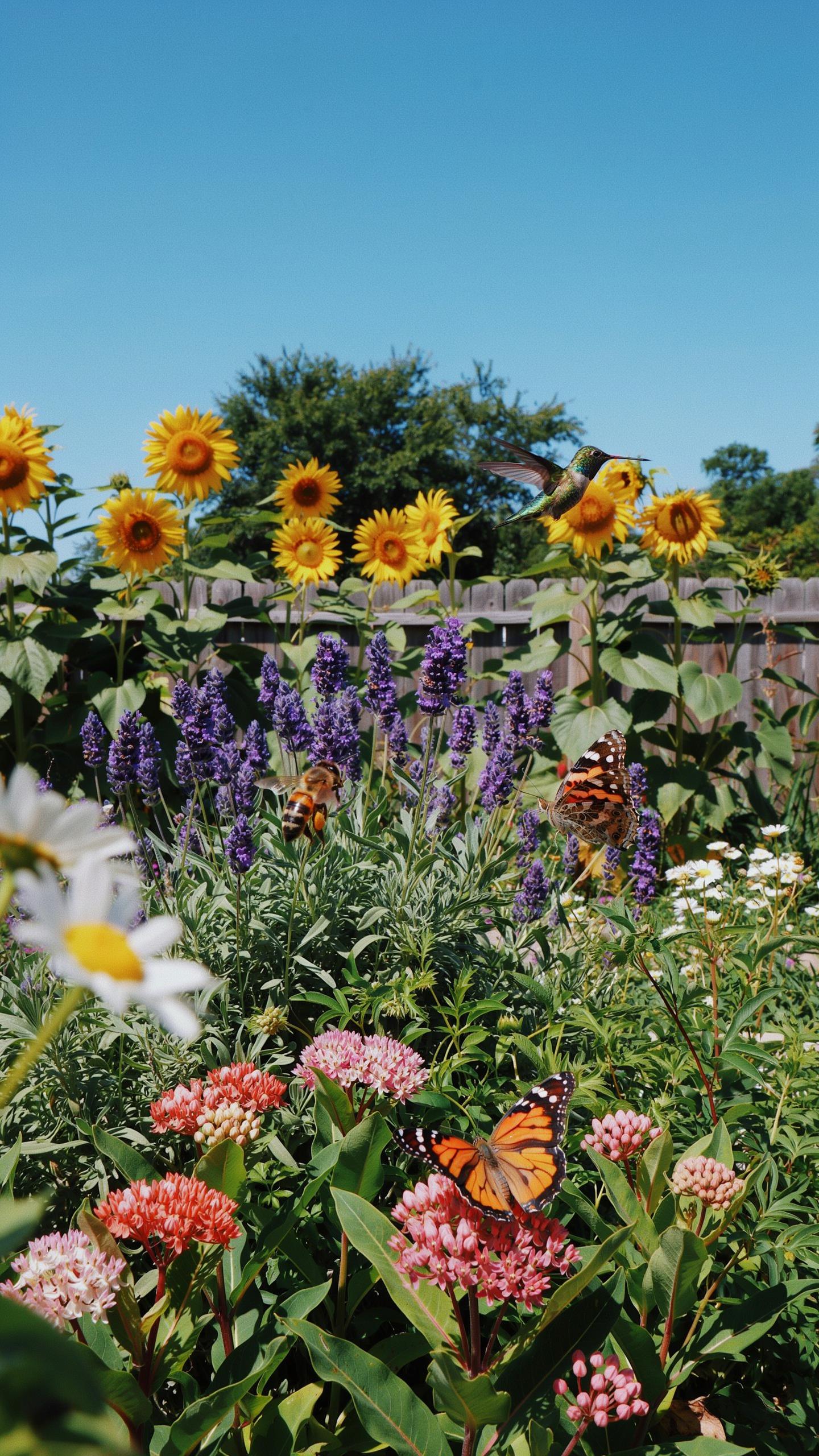
Native bees and butterflies depend on continuous nectar and pollen availability. Your bloom chart directly impacts their survival. Staggering blooms across all seasons means insects find food when they need it most. This prevents population crashes during gaps when nothing flowers. A well planned garden becomes a functioning food source, not decoration.
Different insect species emerge and reproduce on specific timelines. Early spring bees need blooms in March and April. Summer species peak in June through August. Fall migrants require resources in September and October. Winter is less critical for most insects, but some species remain active. Match your plants to these actual activity windows.
Selecting Keystone Plants For Wildlife Support
Milkweed and goldenrod serve as anchor plants in any pollinator garden. Milkweed hosts monarch caterpillars and dozens of other butterfly species. Goldenrod blooms late season when few other plants flower. These species support insect populations that pollinators depend on for food. Build your garden framework around these keystone plants first.
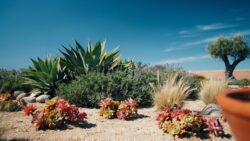
Add these keystone species to your seasonal chart before selecting anything else. They fill critical gaps and support the full food web. Other plants enhance your garden, but these carry the weight. Monarchs specifically cannot complete their lifecycle without milkweed. Goldenrod extends the blooming season when many gardens go bare. Your garden’s ecological value rises dramatically with these two species.
Using A Wildflowers For Pollinators Chart To Boost Biodiversity
Essential Wildflowers For The Insect Habitat
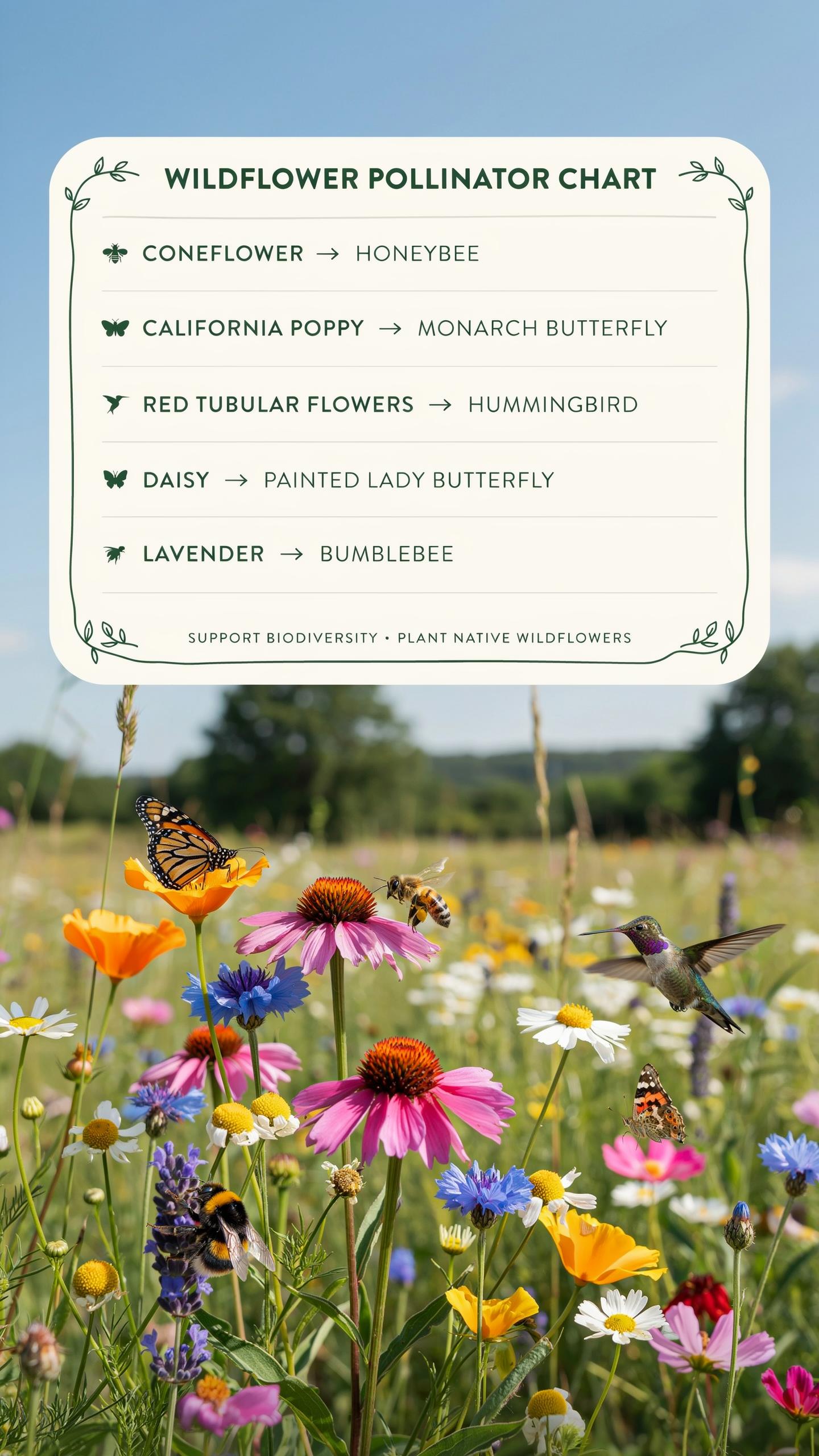
Selecting the right wildflowers ensures that butterflies, moths, and hoverflies have reliable access to high-quality nectar throughout the growing season. Native species outperform ornamental imports because they evolved alongside local pollinator populations. Your bloom chart should prioritize plants that flower during gaps when natural food sources are scarce.
- Eastern Purple Coneflower (Echinacea purpurea): Blooms mid-summer through fall. Flat composite disk attracts a wide range of bee species and butterflies seeking exposed nectar and pollen.
- Wild Bergamot or Bee Balm (Monarda fistulosa): Tubular flowers bloom mid to late summer. Native bees and hummingbirds depend on this plant as a primary nectar source during peak activity months.
- Black Eyed Susan (Rudbeckia hirta): Yellow composite flowers bloom early summer through frost. Provides reliable nectar and pollen availability when spring ephemeral plants finish blooming.
- Butterfly Weed (Asclepias tuberosa): Orange clustered flowers bloom early to mid-summer. Milkweed species serve as the exclusive larval food source for monarch butterflies and nectar for numerous adult insects.
- New England Aster (Symphyotrichum novae-angliae): Purple composite blooms appear late summer into fall. Extends your bloom chart into autumn when pollinators need fuel before dormancy or migration.
Stagger your plantings to ensure continuous nectar availability from early spring through late fall. This timing prevents population crashes when specific plants finish flowering. Reference your regional bloom chart to identify which species flower during lean months in your area.
Color And Shape Variation For Diverse Species
Different insects exploit different flower morphologies and colors based on their feeding anatomy and vision capabilities. Tubular flowers suit long-tongued bees and hummingbirds, while flat composite blooms serve short-tongued insects and beetles. Your planting mix must include multiple shapes and colors to support the full spectrum of native pollinator species present in your region.

Purple, blue, yellow, and white flowers attract distinct pollinator groups through visual and ultraviolet cues. Combining flat, clustered, and spike-shaped flowers expands your garden’s utility across insect taxa. Consult your seasonal bloom chart to verify you’re distributing flower types evenly across all bloom periods. This diversity directly increases the total insect biomass your garden supports throughout the year.
Inspiration From A Kentucky Native Plants List
Midwest And Southern Clime Adaptations
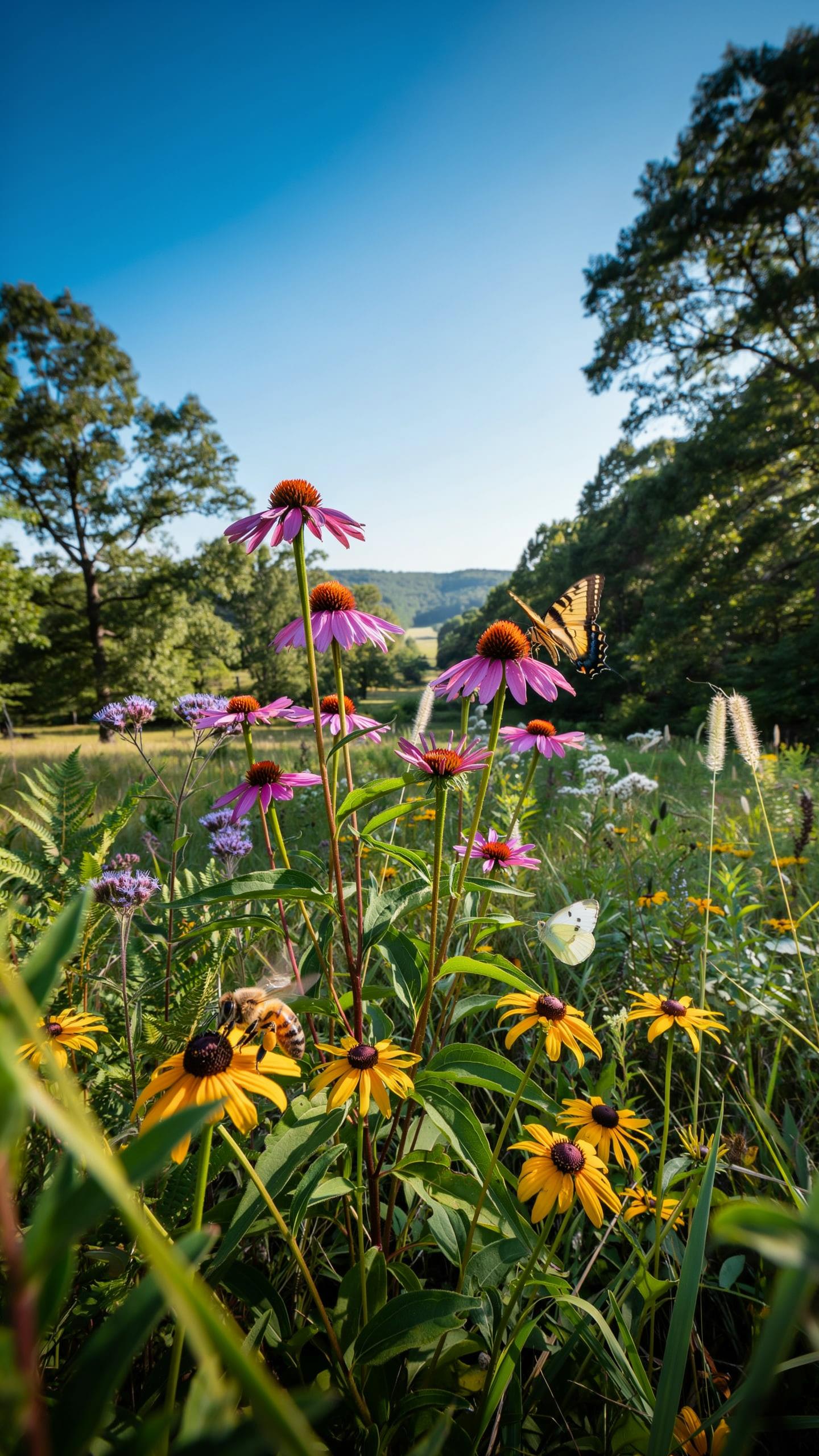
Kentucky’s native plant palette works across the broader Midwest and South because these species evolved to handle the region’s actual conditions. Clay soil dominates much of this geography. Summer heat and humidity are relentless. These plants don’t just survive these stressors, they thrive in them without amendments or constant irrigation.
Native species from Kentucky transfer directly to neighboring states and regions with similar soil and climate profiles. Missouri, Tennessee, Indiana, and parts of Ohio share the same heavy clay, temperature swings, and moisture patterns. Using Kentucky natives eliminates guesswork about whether a plant will perform. You’re working with proven genetics already adapted to your exact growing challenges.
Top Kentucky Natives For Continuous Blooms
Eastern Columbine blooms in spring and establishes the foundation for your bloom timeline. Joe-Pye Weed carries the display through summer with substantial flower heads that reach four to five feet tall. These mid-season performers bridge the gap between spring ephemerals and fall bloomers, ensuring your garden shows color across all three seasons.
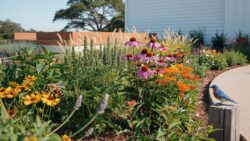
Asters close out the bloom cycle in fall, often flowering until hard frost arrives. This three-tier approach using Kentucky natives eliminates dead zones in your garden calendar. You control bloom timing by selecting species that peak in specific months rather than hoping for continuous color. Kentucky’s native list provides enough options to fill every gap without relying on non-native plants.
Drafting Effective Flower Garden Plans For The Seasons

Step By Step Planning For Year Round Appeal
Start with measurable data about your space. Document bed dimensions in feet, map sun exposure patterns throughout the day, and note soil drainage. This foundation prevents costly mistakes and wasted plants. Accurate measurements eliminate guesswork and save time during installation.
- Map Garden Bed Dimensions: Measure length, width, and depth of each bed. Record exact footage to calculate planting quantities and material needs accurately.
- Document Lighting Conditions: Track direct sun hours daily. Most native perennials need four to six hours minimum for reliable blooming performance.
- Group Plants By Seasonal Bloom Color: Organize your plant list by spring, summer, and fall bloomers. This prevents gaps and ensures continuous visual interest throughout the year.
- Place Spring Bulbs Below Summer Perennials: Position early bloomers where taller plants will shade them after flowering ends. This strategy maximizes space and reduces maintenance needs.
- Add Structural Grass Species: Select native grasses for winter architecture. They provide visual structure when perennials fade and establish early root systems for ecosystem stability.
Apply organic mulch after planting to regulate soil temperature and retain moisture during temperature swings. Mulch depth of two to three inches protects root systems without suffocating the crown. Replace mulch annually as it breaks down and loses protective capacity.
Balancing Deciduous And Evergreen Elements
Winter dormancy creates bare beds if you plant only deciduous perennials. Native evergreen groundcovers and ornamental grasses retain texture and structure when blooms fade. This layering approach maintains garden appeal through all twelve months without added cost.
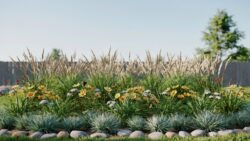
Mix low growing evergreen natives like creeping phlox or native sedums with deciduous bloomers. Add native grasses for height variation and movement. This combination provides winter interest while supporting the spring transition when new growth emerges and bloom cycles restart.
Transforming Your Front Yard Garden With Natives
Enhancing Curb Appeal With Native Planting
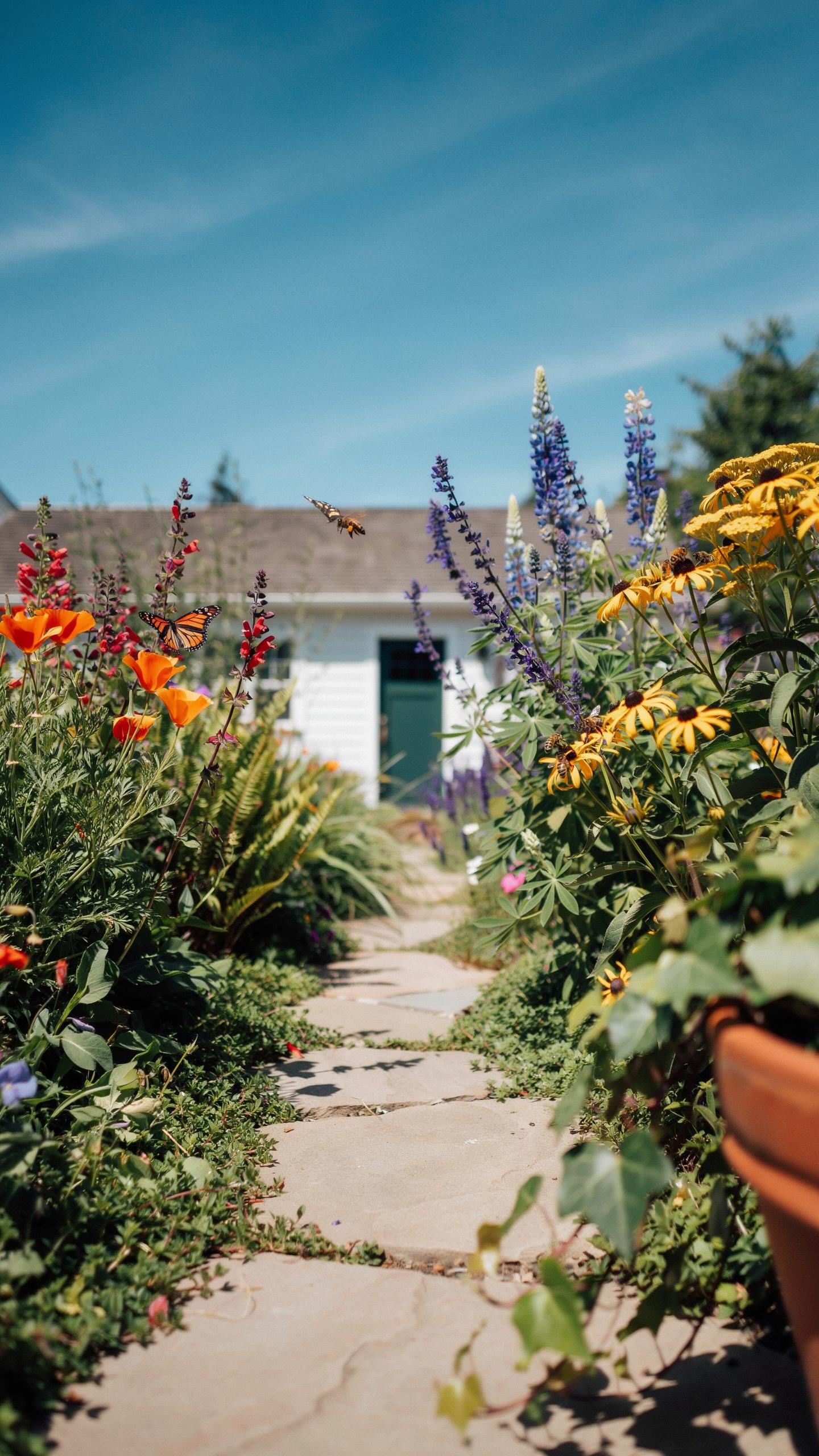
Native plants reduce maintenance costs and water bills while delivering year-round visual interest. Structural plants like evergreen shrubs anchor the landscape and provide winter presence. Deciduous native trees offer seasonal variation through leaf color change. Position plants by mature size to avoid overcrowding. This creates intentional spacing that reads clean and organized from the street.
Native groundcovers and perennials fill gaps between structural plants without requiring fertilizer or frequent watering. Choose species that bloom at different times to maintain color from spring through fall. Plant height in layers, with taller plants toward the back and shorter ones forward. This tiered approach maximizes visibility of blooms and foliage. The result is a landscape that looks deliberately designed rather than randomly planted.
To plant a garden is to believe in tomorrow, and with a simple plan, you can watch the seasons dance across your own backyard.
Structuring A Welcoming Entryway Design
Low-profile native perennials work along walkways because they stay under two feet tall and don’t obstruct movement. Select species that bloom when you want impact near your entry point. Group three to five plants of the same species together for visual cohesion. Avoid scattered single plantings that feel disorganized. Consistent repetition creates rhythm that guides visitors toward your front door.

Medium-sized native shrubs frame your porch and create transition between landscape and structure. Choose deciduous varieties that show bright blooms in summer and shift to warm oranges or reds in fall. This seasonal change keeps your entry interesting throughout the year without replanting. Position shrubs to flank walkways or define porch edges. Strategic placement turns basic landscaping into a deliberate design statement.
Steps To Implement Your Custom Garden Layout
Preparing The Planting Bed Correctly
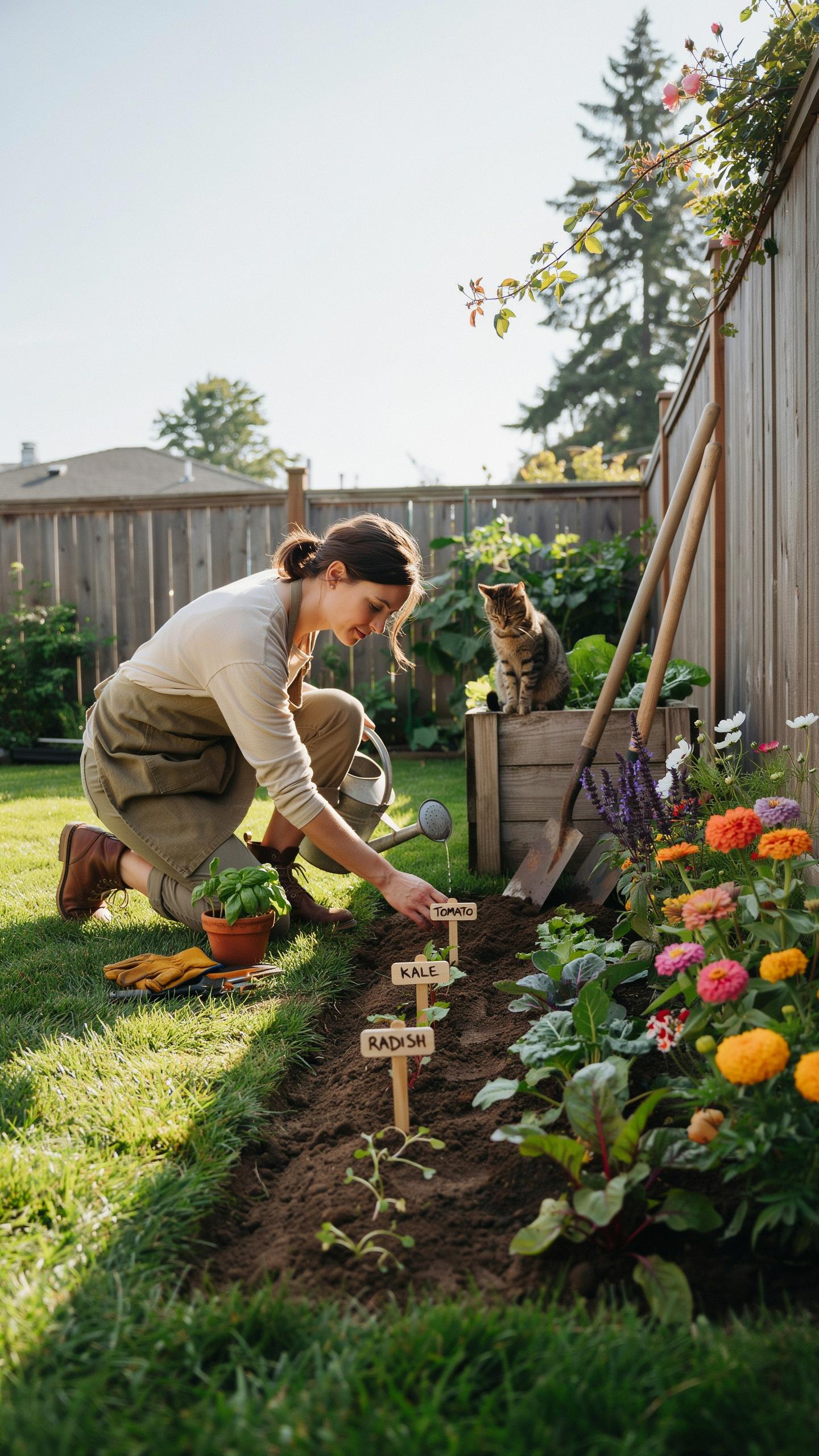
Remove all invasive weeds and existing grass from your planting area before adding native plants. These competitors drain moisture and nutrients that your new perennials need. Use a spade or sod cutter to strip the top layer, then dispose of it properly. This step prevents dormant weed seeds from germinating later.
Amend your exposed soil with organic compost to improve drainage and nutrient availability. Mix compost into the top six to eight inches of soil. This creates the foundation your native perennials need to establish strong root systems quickly. Test your soil pH before planting to match your chosen native species requirements.
Planting And Establishing Your Perennial Bed
Space native plants according to their mature widths, not their current container size. Overcrowding restricts air circulation and invites fungal diseases. Check plant tags for spacing requirements and follow them precisely. Proper spacing from the start prevents costly replanting later.
Water deeply and regularly throughout the first growing season to push roots down into the soil. Shallow watering creates weak, surface-level roots vulnerable to drought. Deep watering encourages the extensive root systems that make established native gardens drought-tolerant. Taper watering frequency in year two as roots penetrate deeper into the soil profile.
Frequently Asked Questions

Why is using a bloom chart important for my first native garden?
Using a native plant garden seasonal bloom chart is essential for beginners because it helps you visualize the lifecycle of your yard. Without a plan, you might end up with a burst of color in May and a brown landscape by July. By referencing a chart, you can ensure that your garden provides consistent nectar for local pollinators and maintains beautiful visual interest throughout the entire growing season.
How do I choose the right plants for my specific seasonal bloom chart?
To create an effective native plant garden seasonal bloom chart, research your specific hardiness zone and soil type first. Start by selecting at least three different species for each season: spring, summer, and fall. Look for “anchor” plants like early-blooming milkweed or late-season goldenrod. This strategic layering ensures your garden remains vibrant and ecologically functional from the first thaw until the very first winter frost.
Can I create a seasonal native garden on a limited budget?
Absolutely! You can build a stunning landscape affordably by starting with seeds or small “plugs” instead of mature nursery containers. Many local conservation districts offer low-cost plant sales in the spring. You can also join local gardening groups to swap divisions of perennials. Focus on buying a few foundational species each year, using your bloom chart to track and fill in the gaps as your budget allows over time.