The Core Principles Of Ethical Native Plant Garden Seed Sourcing
Understanding Ecological Genotypes In Native Plants
Local genotypes matter because plants within the same species vary genetically based on their origin. A native plant seed sourced from your region carries genetic traits shaped by local temperature, precipitation, and soil conditions over generations. This genetic matching dramatically improves establishment rates and reduces transplant shock compared to seeds sourced from distant populations of the same species.
Provenance directly impacts performance in your garden. Seeds collected from plants growing 50 miles away may struggle in your specific microclimate despite being native to your broader region. The genetic adaptation is real and measurable, not theoretical. Always verify the seed source’s location and match it as closely as possible to your garden’s conditions.
Avoiding The Pitfalls Of Wild Over Harvesting
Wild seed collection depletes native plant populations and disrupts ecosystem balance. Harvesting seeds from public lands without permission is illegal in most jurisdictions. Even on private property, removing too many seeds prevents natural regeneration and reduces food sources for wildlife dependent on those plants.
Certified seed suppliers and native plant nurseries solve this problem by propagating seeds in controlled conditions. Growing your own seeds from plants already on your property eliminates overharvesting concerns entirely. This approach gives you complete control over provenance while building a sustainable seed supply for future plantings.
Historical Roots Lessons From Native American Gardening
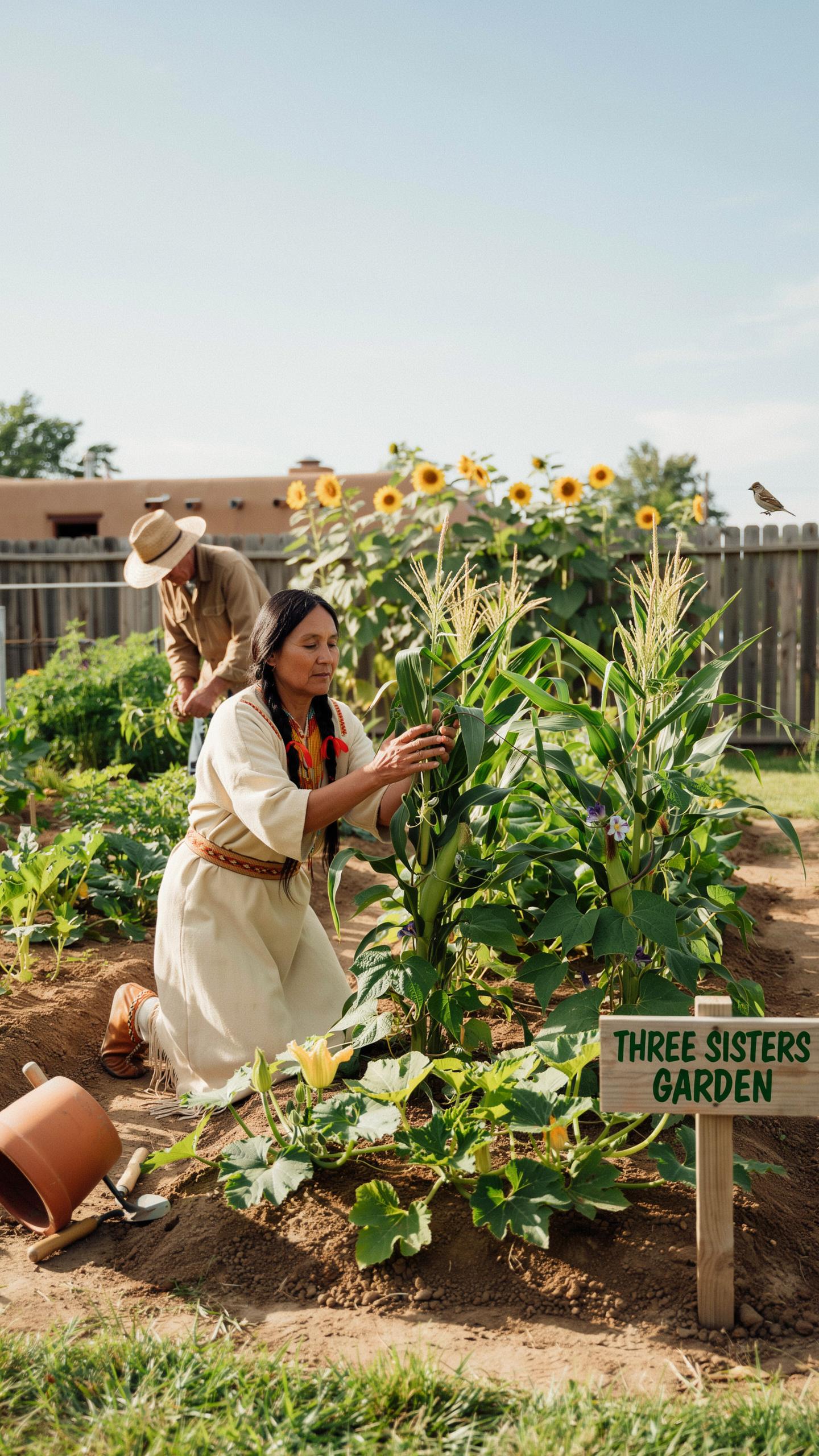
Traditional Ecological Knowledge And Seed Stewardship
Native American agricultural systems developed seed management practices over thousands of years based on direct observation and adaptation to regional conditions. These practices prioritized saving seeds from plants that thrived in specific climates, soil types, and water availability. Gardeners selected seeds from the strongest performers each season, building locally adapted varieties without modern genetics or lab testing. This continuous refinement created resilient seed lines suited to regional growing challenges.
Modern seed sourcing benefits directly from this knowledge. When you source native seeds adapted to your region, you tap into centuries of environmental testing. These seeds germinate reliably, establish faster, and require fewer inputs than non-native alternatives. Regional native seed suppliers often maintain varieties selected and saved through generations of local cultivation. This practical foundation makes your garden more productive from day one.
Companion Planting With Indigenous Seeds
The Three Sisters agricultural system pairs corn, beans, and squash for mutual benefit. Corn provides vertical structure for climbing beans. Beans fix nitrogen in soil that heavy-feeding corn depletes. Squash leaves shade the ground, reducing water loss and suppressing weeds. This proven combination demonstrates how seed selection shapes garden outcomes through plant relationships, not luck.

Apply this principle to native plant gardens by grouping species with known positive interactions. Research which native plants in your region share these complementary relationships. Many native seed suppliers identify companion pairings based on ecological data. Building gardens around these combinations reduces maintenance needs and creates self-reinforcing systems. Your garden works harder when plants work together rather than competing for resources.
Choosing Regional Flora A Deep Dive Into Northeast Native Plants
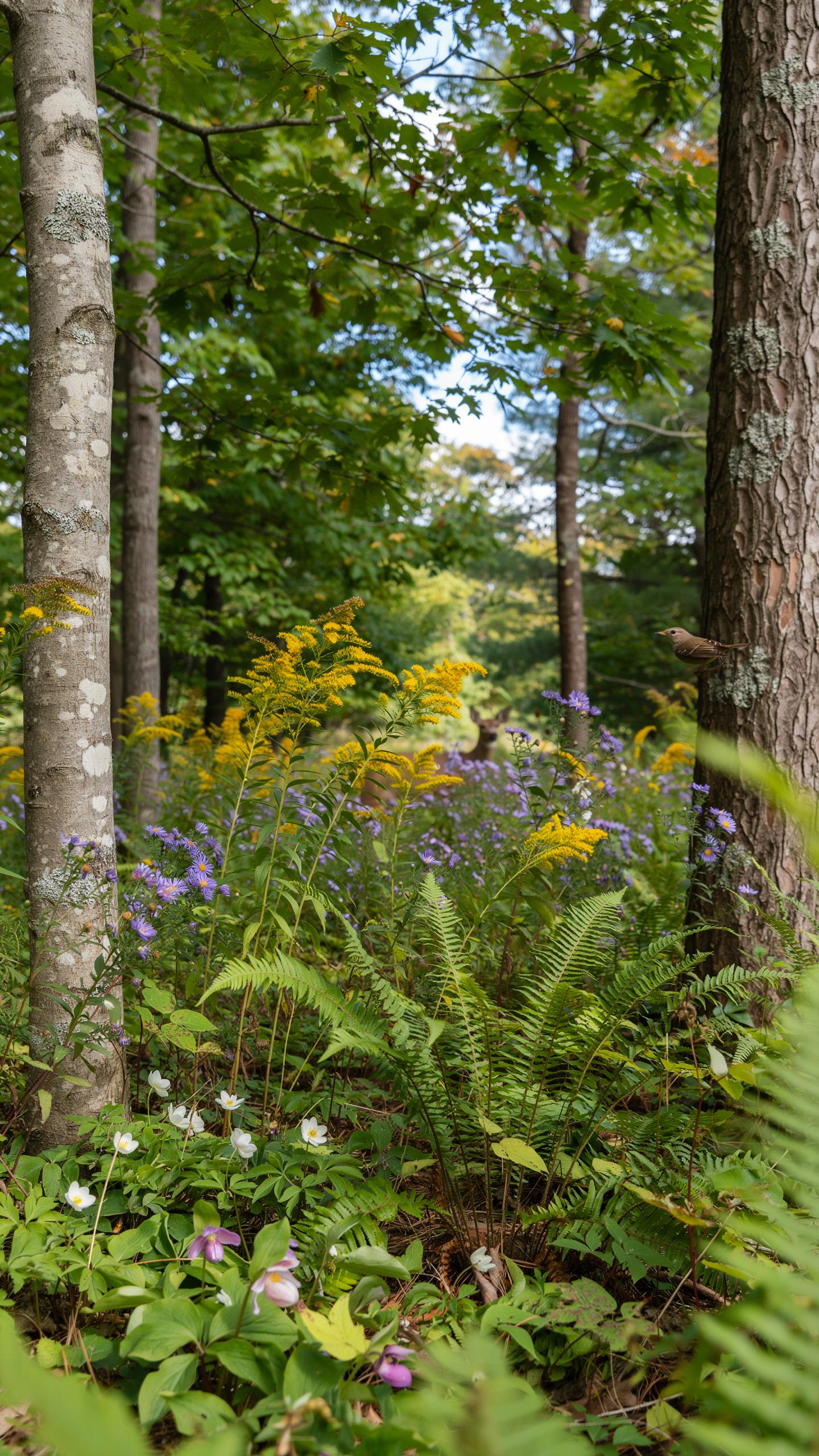
Selecting The Best Northeast Native Plants List For Your Yard
Start with your state’s native plant society or university extension office. These organizations maintain curated lists based on your specific hardiness zone and soil type. Wild columbine, black-eyed Susan, and New England aster perform reliably across most northeastern conditions. Purple coneflower thrives in zones 3 through 9. Verify your exact USDA hardiness zone first, then cross-reference plants against that zone’s parameters rather than assuming all northeastern plants work everywhere.
Local conditions matter more than region alone. Your yard’s sun exposure, drainage, and soil pH determine success. A plant certified for the Northeast still fails in deep shade or compacted clay without proper site matching. Request the plant list from your state native plant society and map it against your specific yard conditions. This approach eliminates wasted seed purchases and failed germination attempts.
Sourcing Authentic Northeast Native Plants Seeds
Buy from regional native plant nurseries that document seed origin rather than national garden retailers. Request seed source information directly from the seller. Seeds collected from wild Northeast populations carry local genetic traits that improve establishment rates. Generic suppliers often stock seeds from distant regions that perform poorly in your climate. Verify the nursery has been operating regionally for at least five years and participates in native plant society networks.
Check if suppliers offer seeds from local wild populations or propagate stock from verified regional sources. Some nurseries purchase seeds wholesale from generic distributors and misrepresent origin. Call ahead and ask specific questions about seed provenance. Specialized regional nurseries typically charge more but deliver seeds matched to your exact Northeast microclimate. This investment prevents failures and reduces replanting costs over multiple seasons.
Mid Atlantic Sourcing Master Virginia Native Plants Identification
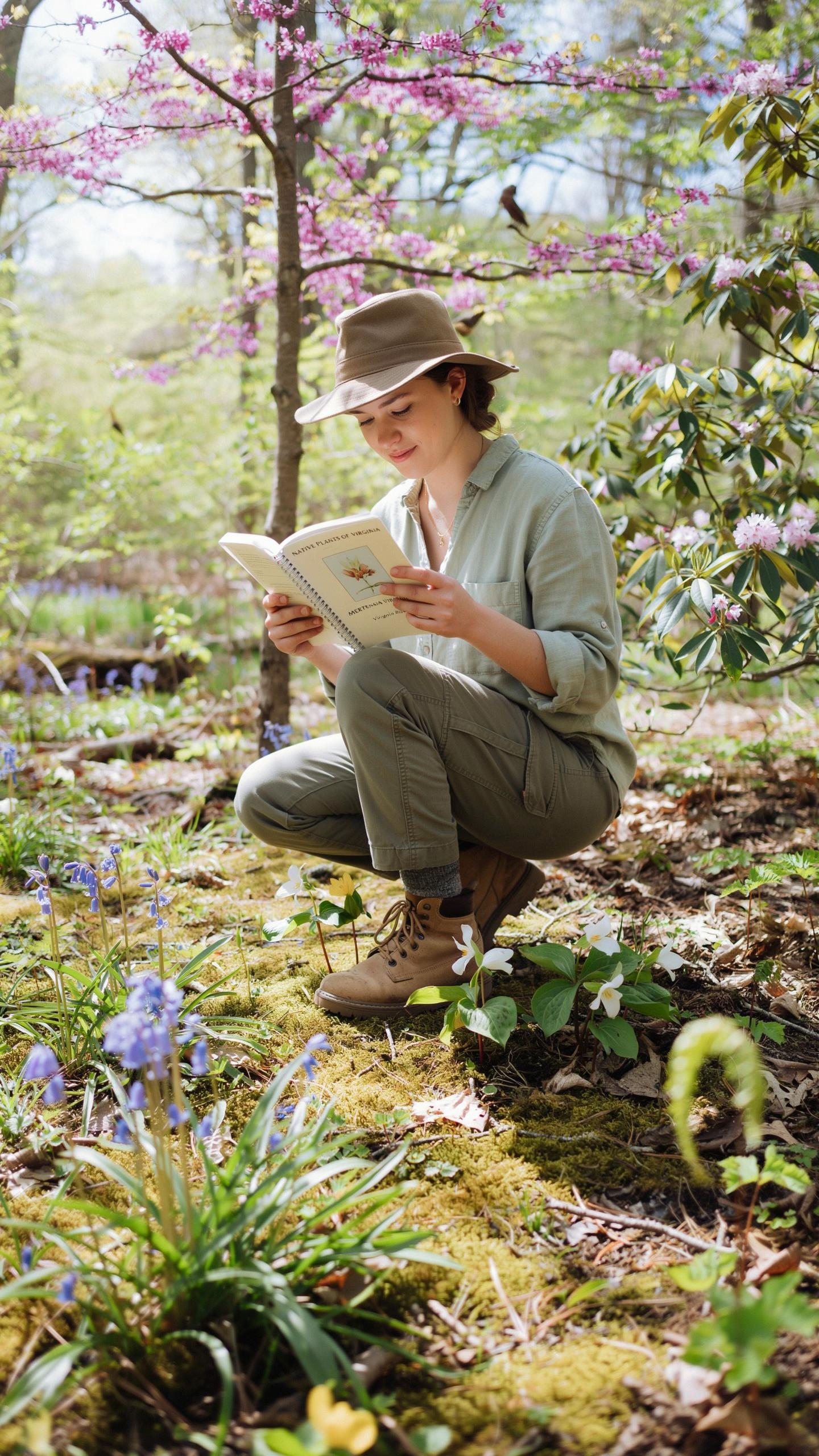
Keys To Virginia Native Plants Identification In The Field
Accurate identification separates productive seed collection from wasted effort. Virginia’s native species share specific characteristics: leaf arrangement patterns, stem structure, and flower morphology. Learn these markers before heading into the field. Asclepias tuberosa displays opposite leaves and orange clustered flowers, while common invasives like garlic mustard show different leaf patterns entirely. Field guides specific to Virginia flora eliminate guesswork and prevent collecting seed from non-natives that contaminate your collection.
Timing matters for identification accuracy. Most Virginia natives flower between May and October, making mid to late summer ideal for field reconnaissance. Bring a hand lens to examine leaf margins, stem hairiness, and flower parts. Photograph specimens at multiple angles and cross reference against regional herbarium resources or university extension materials. This documentation prevents costly mistakes when processing bulk collections.
Top Wild Seed Varieties To Collect In Virginia
Virginia’s native seed bank offers species with proven germination rates and established ecological roles. These four species thrive in local conditions and establish quickly in new gardens. They tolerate Virginia’s moisture and temperature ranges without excessive fussiness. Prioritize collection during peak seed maturity, typically late summer through early fall for most varieties.
- Jointweed (Polygonella articulata): Produces abundant lightweight seed in late August through September. Germinates readily without stratification. Grows in sandy, disturbed areas across Coastal Plain regions.
- Cardinal Flower (Lobelia cardinalis): Generates thousands of tiny seeds per plant. Requires cool stratification but shows strong establishment rates. Thrives in moist conditions near water sources.
- Eastern Blue Star (Amsonia tabernaemontana): Produces viable seed in dry follicles by mid-August. Germinates without pretreatment. Adapts to upland and riparian habitats statewide.
- Wild Bergamot (Monarda fistulosa): Seeds mature in papery bracts by September. High germination rates with simple dry storage. Establishes across Piedmont and Blue Ridge elevations.
Collection success depends on understanding seed maturity signals for each species. Dry seed typically releases easily from parent plants when mature. Test maturity by gently rubbing seed heads over your palm. If seed falls freely, collection timing is correct. Store dried seed in cool, dry conditions until spring planting or sale.
Canadian Prairies Precision Saskatchewan Native Plants Identification
Saskatchewan Native Plants Identification For Cold Climates
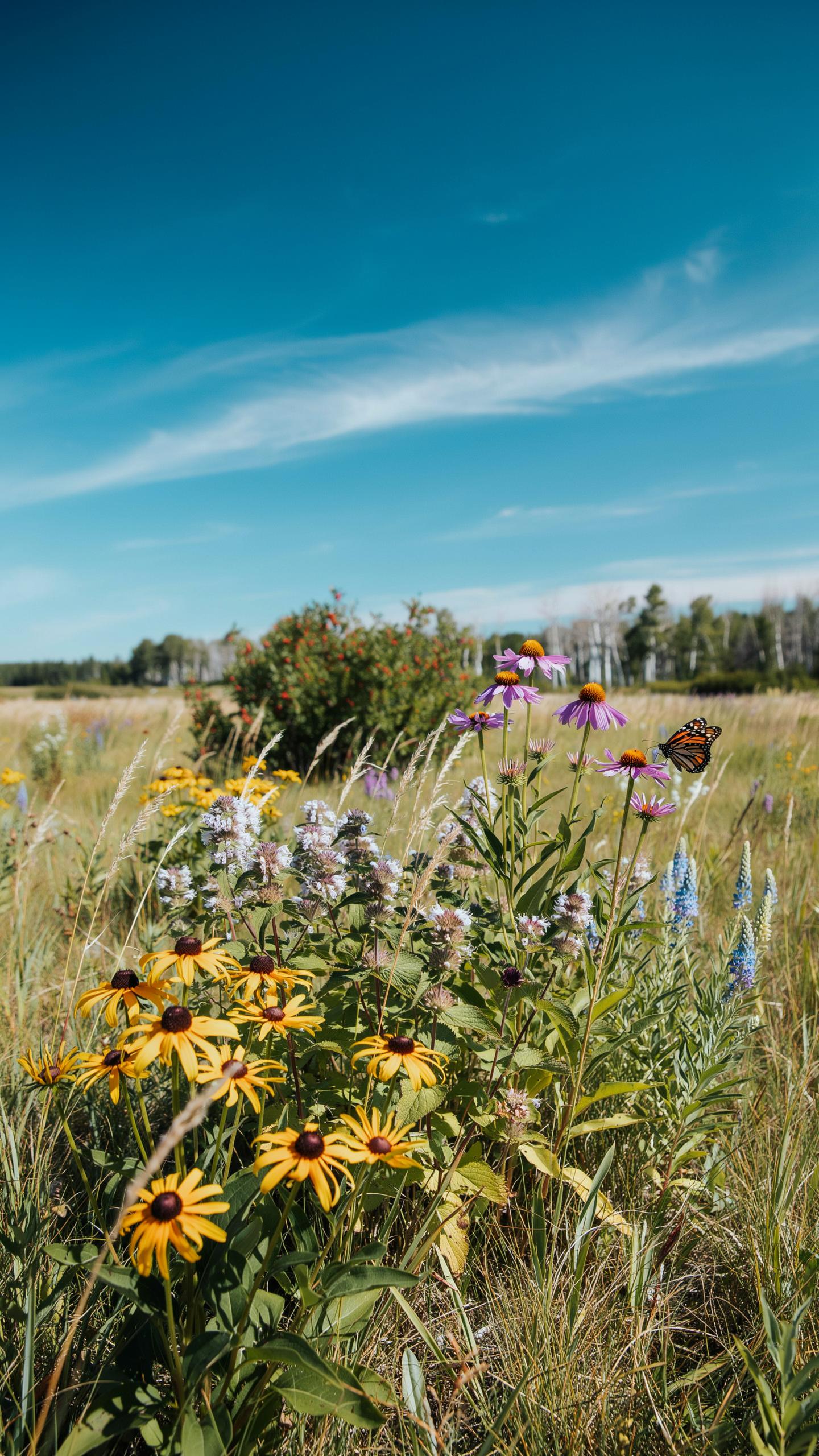
Identifying Saskatchewan native plants demands knowledge of species that survive harsh winters and short growing seasons. Prairie crocus, pasque flower, and blue grama grass endure temperatures dropping to minus 40 degrees Fahrenheit. These plants evolved in the northern plains over millennia, developing cold tolerance mechanisms you cannot replicate with southern species. Accurate identification prevents wasting resources on plants that fail in your specific microclimate.
Sourcing seeds from the right geographic origin matters. A native plant collected 500 miles south performs differently than one from your exact latitude. Saskatchewan’s native species split into three distinct prairie zones: mixed grass, fescue, and aspen parkland. Each zone requires different species selection. Study your property’s soil type, moisture level, and existing vegetation to match seeds to conditions.
Ethical Seed Sources For Canadian Prairie Species
Saskatchewan’s prairie restoration societies maintain seed banks with authenticated, locally adapted material. Organizations like the Evergreen Canada Prairie Program and provincial native plant societies provide seeds collected from verified wild populations in Saskatchewan specifically. These sources document seed origin, ensuring genetic integrity and climate appropriateness. Working with established restoration networks guarantees you receive seeds from plants already thriving in your region.
Seed companies claiming “prairie native” status often source from American stock unsuitable for Saskatchewan winters. Verify each supplier’s seed collection location before purchasing. Contact your provincial agriculture extension office for approved seed sources operating in your zone. Direct relationships with local restoration groups provide traceability and expert guidance on species selection for your exact property conditions.
Sowing Strategies Planting Wildflower Seeds In Fall
The Biological Necessity Of Cold Stratification
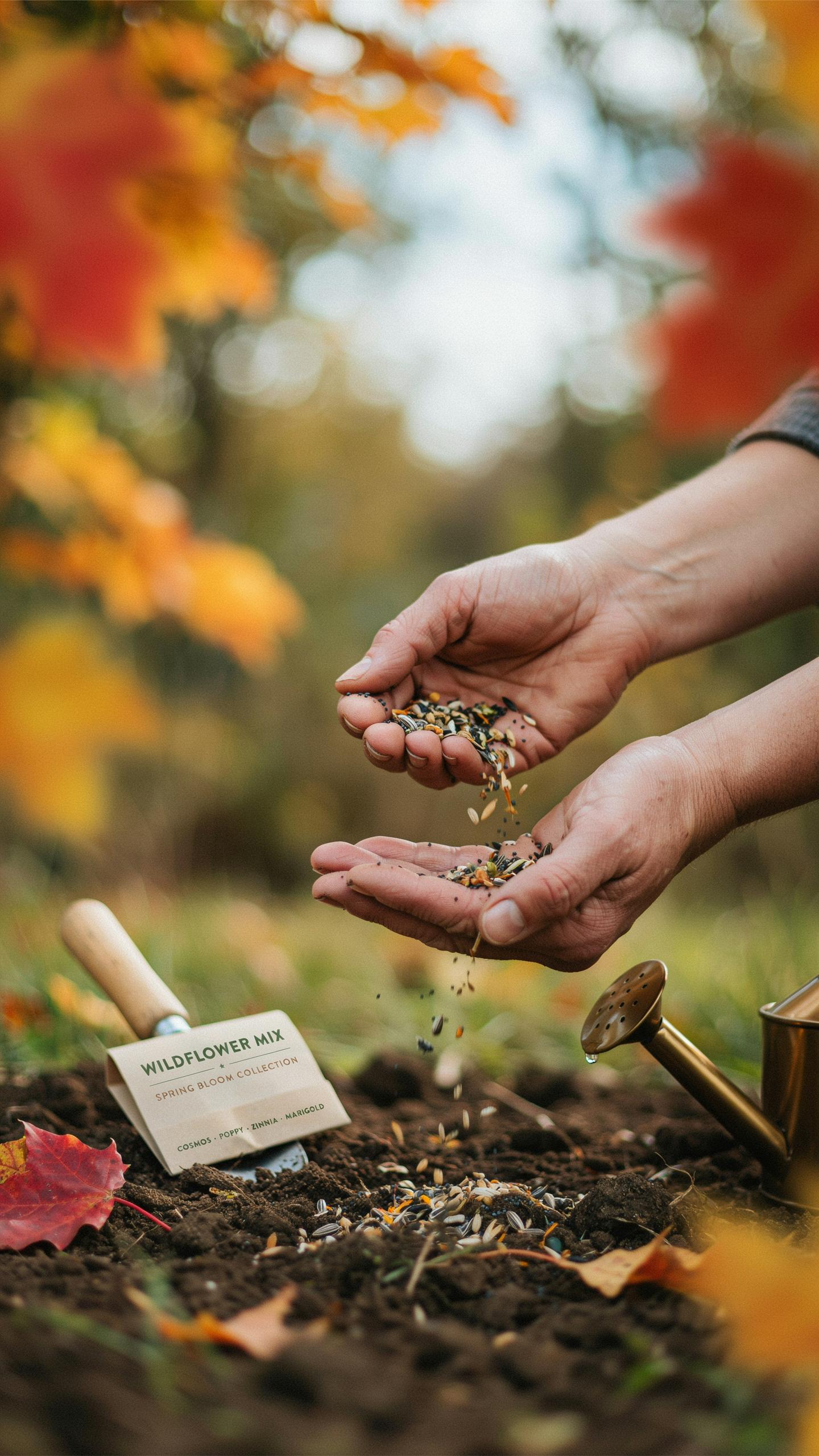
Many native wildflower species evolved to germinate in spring after winter exposure. Cold stratification breaks seed dormancy through repeated freeze-thaw cycles and moisture penetration. Fall planting leverages natural winter conditions to accomplish this requirement without artificial intervention. Seeds planted in autumn experience the exact conditions they need to prepare for spring growth.
Winter’s freeze-thaw cycles crack seed coats and activate germination triggers. Snow and rain provide consistent moisture that seeds need during this dormancy-breaking phase. Spring arrives with stratified seeds ready to sprout immediately. This timing eliminates the guesswork of simulating winter conditions indoors.
Soil Preparation Tips For Autumn Seeding
Clear all existing vegetation from your seeding area before planting. Remove dead plants, weeds, and debris to expose bare soil. Rake the surface to break up compacted earth and create direct contact between seeds and ground. Loose soil allows seeds to settle properly and root easily once germination begins.
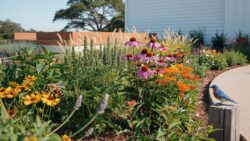
Winter precipitation does the settling work for you after planting. Heavy rains and snow press seeds into soil crevices and anchor them firmly. This natural process ensures seeds stay in place through winter wind and erosion. Spring moisture then triggers germination in seeds already positioned at the correct depth.
Winter Seeding Techniques Master Native Seed Sowing In Winter
The Benefits Of Outdoor Milkjug Winter Sowing
Outdoor milkjug winter sowing uses cut plastic milk jugs as miniature greenhouses to stratify native seeds. The setup protects seeds from bird predation and prevents heavy rain or snowmelt from washing them away. Seeds still experience genuine cold cycles that break dormancy naturally. You leave jugs outdoors uncovered so seeds get freeze-thaw cycles and moisture from rain and snow.
This method eliminates the need for refrigeration indoors and reduces mold problems that plague stratification in wet indoor conditions. Seeds remain dormant until spring warmth triggers germination at the right time. The plastic jugs retain moisture while allowing air circulation. You spend minimal effort once jugs are set up in fall or early winter.
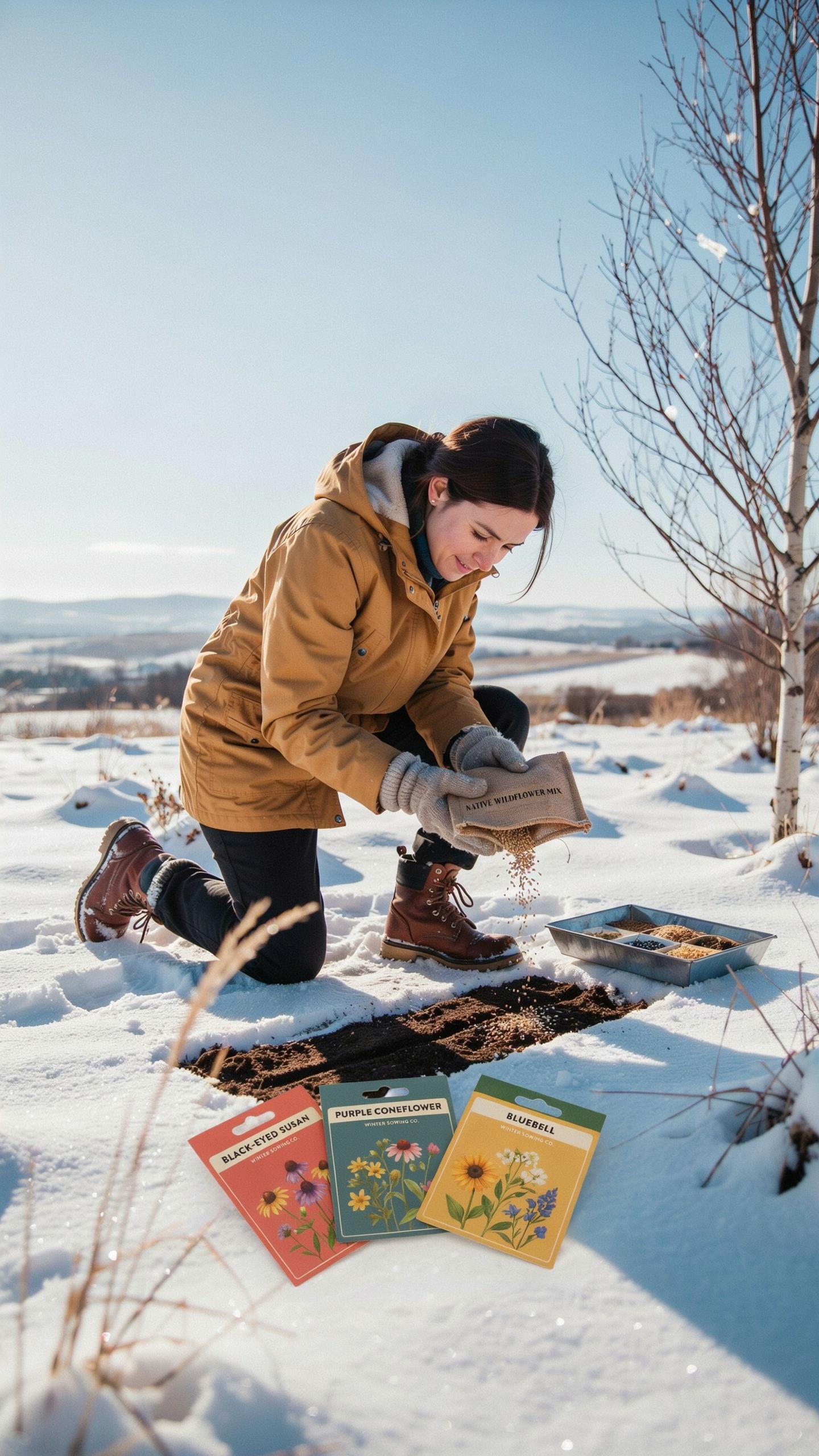
Sowing Native Seeds Directly Onto Snow Cover
Direct sowing onto snow gives you visual feedback on seed distribution before melting occurs. Seeds remain visible on white snow, letting you spot gaps or clusters before the snow disappears. As temperature rises, melting snow gradually carries seeds down into the soil at natural depths. This eliminates guesswork about proper planting depth for different species.
Snow acts as a moisture source and prevents seed from drying out during late winter. The slow melt matches the gradual awakening of soil as spring approaches. Seeds get their stratification period from cold nights and freeze-thaw cycles. Direct snow sowing works particularly well for native wildflowers and grasses that need cold periods to germinate.
Large Scale Landscapes Choosing A Native Prairie Seed Mix
Essential Components Of A Quality Native Prairie Seed Mix
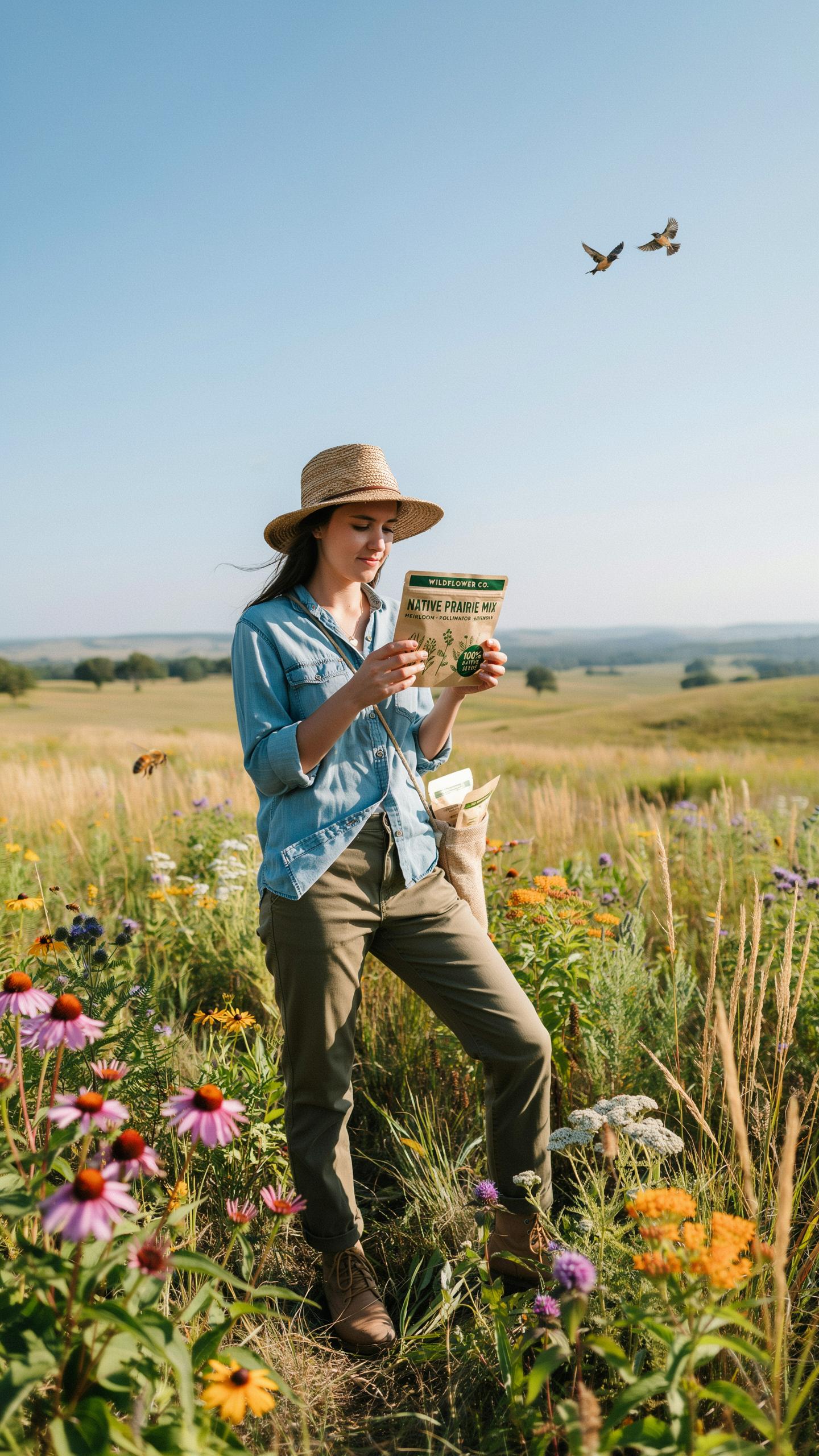
A functional prairie mix performs because it mirrors the actual plant structure found in native prairie ecosystems. You need four distinct seed groups working together to establish soil stability, create vertical layering, and ensure year-round ground coverage. Each group serves specific ecological functions that prevent erosion and crowd out weeds.
- Native Warm Season Grasses: These form the structural backbone of prairie. Big bluestem, indiangrass, and switchgrass dominate and suppress invasive species through competition and allelopathic properties.
- Cool Season Grasses: Early season growth from species like sideoats grama provides spring coverage before warm season dominance. They fill temporal gaps in the growing season.
- Perennial Wildflowers: Deep rooted forbs like purple coneflower and black eyed susan stabilize soil, break compaction, and provide nectar corridors for pollinators across seasons.
- Pioneer Annuals: Early colonizers like annual blanket flower and tickseed establish quickly on bare ground, reduce bare soil exposure, and allow perennials time to root.
- Nitrogen Fixing Legumes: Species like Illinois bundleflower and lead plant convert atmospheric nitrogen, reducing or eliminating fertilizer dependency across the landscape.
Reputable suppliers specify seed percentages and species names on their product labels. Verify that warm season grasses comprise 40 to 60 percent of the mix by weight. Request native origin documentation showing seeds come from appropriate ecoregions for your site.
Avoiding Invasive Fillers In Commercial Seed Mixes
Bulk seed mixes often contain cheap filler species that undermine long term ecosystem function. Annual ryegrass and bromegrass appear in low cost mixes because they germinate quickly and create short term visual density. These species outcompete native seedlings and persist through multiple seasons, delaying prairie establishment by years.
Read every ingredient label before purchase. Confirm the mix excludes perennial ryegrass, tall fescue, and smooth bromegrass. Request that suppliers provide the percentage composition by weight for every species included. Avoid mixes listing generic terms like “wildflower blend” or “prairie mix” without specific species identification. Demand transparency on seed origin and verify species match your native ecoregion requirements. Contact state native plant societies for vetted supplier lists in your region.
Comparing Sourcing Channels Nurseries Vs Wild Collecting
The Pros And Cons Of Commercial Wildflower Seed Producers
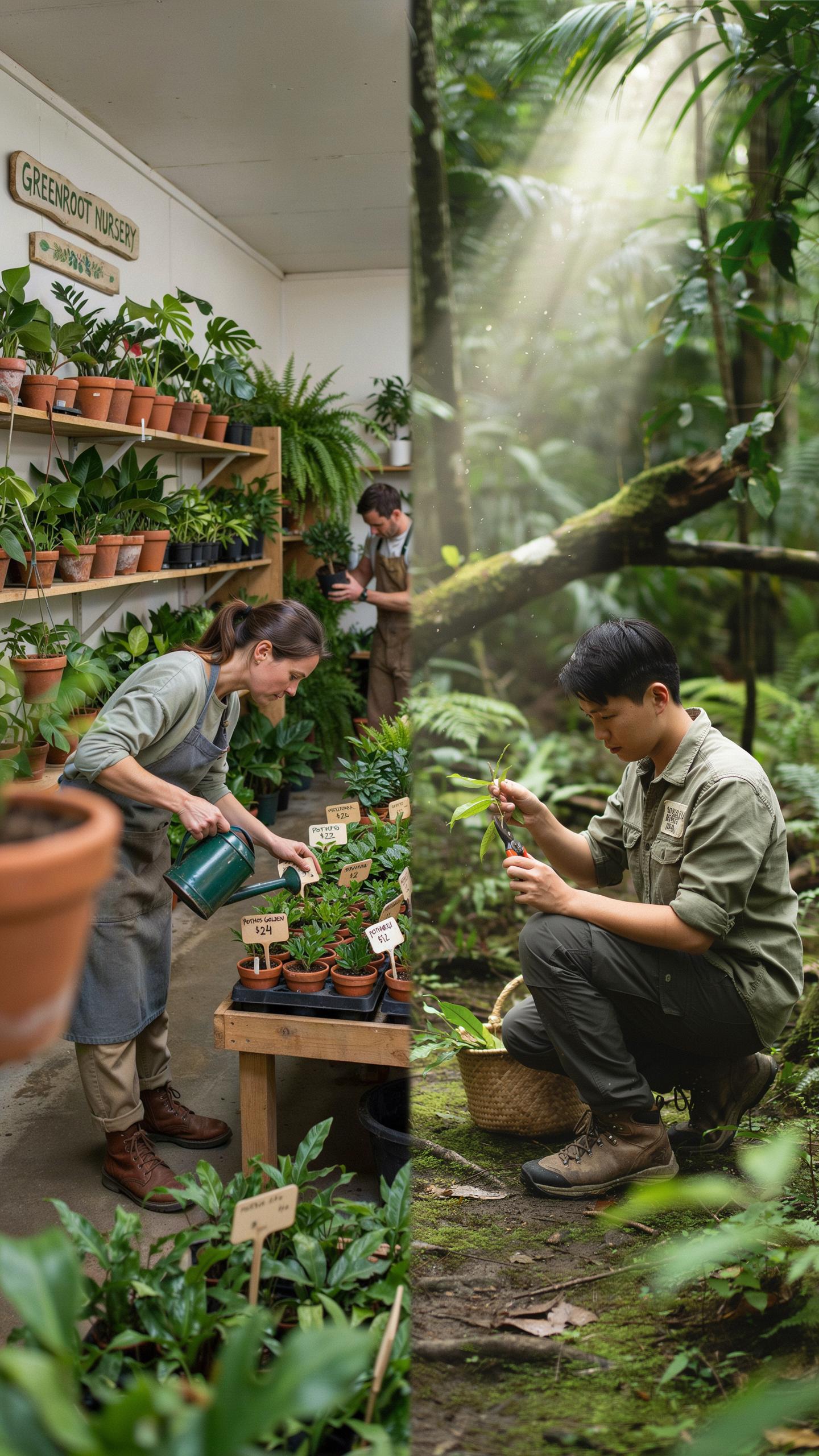
Commercial wildflower seed producers deliver consistent germination rates and documented purity levels. You get reliable data on viability percentages and species identification. Most producers clean and process seeds mechanically, reducing disease and weed contamination. This standardization works well for large-scale plantings where uniformity matters.
Commercial stock often comes from regionally adapted seed lines, not from your specific microclimate or soil type. Genetic diversity within species gets compressed through selective breeding and standardized growing conditions. You sacrifice the hyper-local adaptation found in wild populations that survived local drought, pest pressure, and soil conditions for generations. This trade-off between reliability and local genetic fitness defines the commercial producer approach.
The true magic of a meadow begins with local seeds that remember the seasons of your own soil. True conservation is as practical as gathering what belongs in our own backyards.
How To Legally And Safely Collect Wild Native Seeds
Always secure written permission from the landowner before harvesting. Contact your state’s native plant society or fish and wildlife agency to confirm protected species lists for your region. Never collect from state parks, nature preserves, or designated protected areas. Local regulations vary significantly, so verify rules specific to your county or municipality.
Use the one-in-ten collection rule: harvest seeds from only one in ten plants in a population, leaving nine untouched. This practice maintains the parent colony and prevents genetic bottlenecks. Take only what you need for your project, not surplus inventory. Collect at peak ripeness when seeds separate easily from the plant, typically late summer through fall depending on species.
Maximizing Germination Post Sourcing Practical Care
Proper Cleaning And Storage Of Collected Native Seeds
Remove debris immediately after harvest to prevent mold and fungal growth. Use screens or winnowing to separate chaff from viable seeds. Place cleaned seeds in breathable paper envelopes, never plastic bags that trap moisture. Store in a cool location between 32 and 41 degrees Fahrenheit with humidity below 50 percent. Keep seeds in complete darkness to maintain dormancy until spring planting.
Labeling matters more than most gardeners realize. Write the species name, collection date, and location on each envelope. This information helps you track which plants perform best in your specific conditions. Check stored seeds monthly for signs of moisture or pest damage. Discard any seeds showing mold or insect activity to protect your entire collection.
Transitioning Seedlings From Spines To Garden Bed
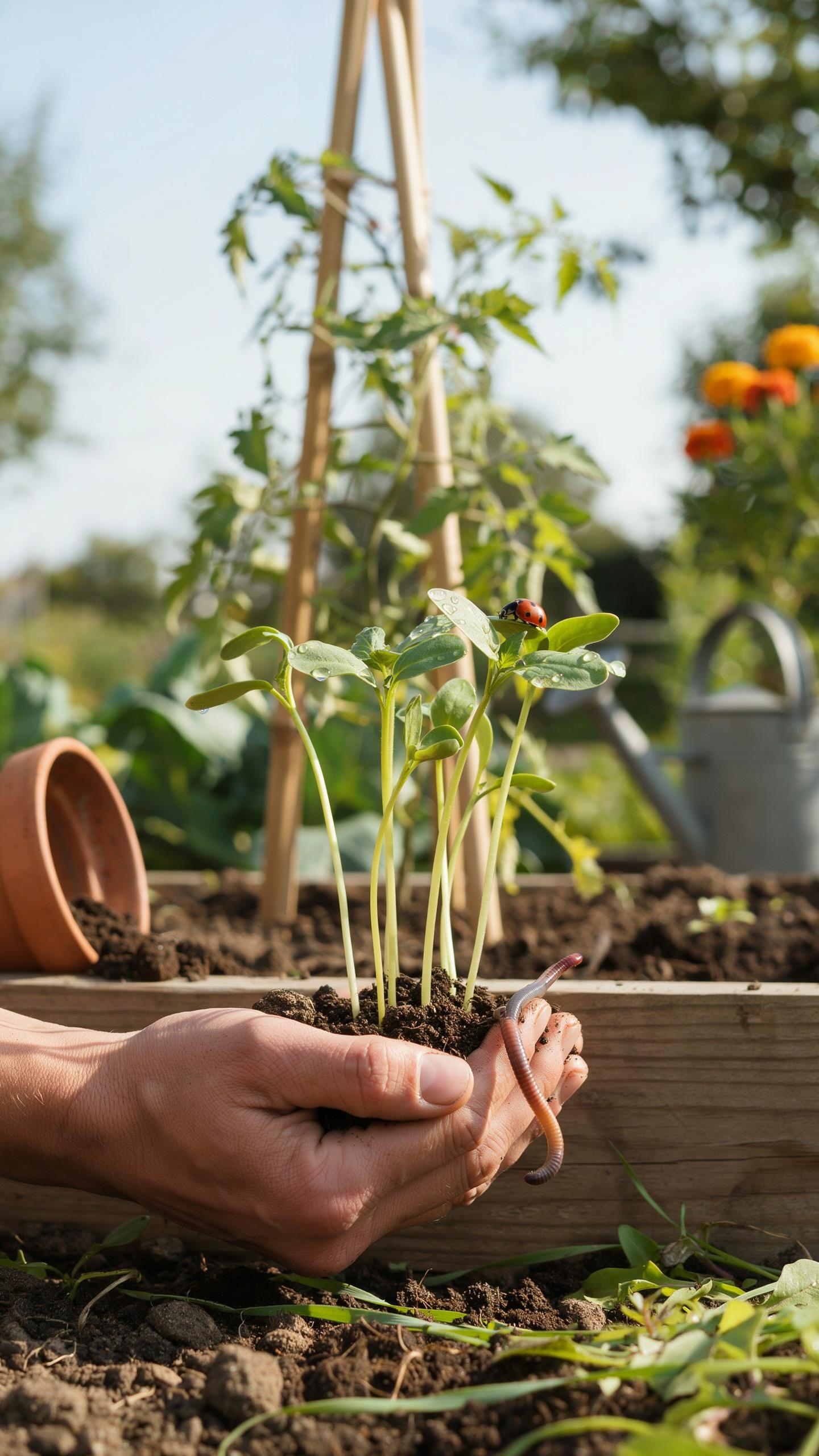
Seedlings need strong root systems before moving outdoors. Start seeds indoors 6 to 8 weeks before your last spring frost date. Provide adequate light and keep soil consistently moist but not waterlogged. Allow seedlings to develop true leaves and establish a solid root base in their containers.
Transplant during cool, damp spring conditions to minimize shock and water stress. Choose an overcast day or transplant in late afternoon when temperatures drop. Dig holes sized to match root balls and backfill with native soil from your garden. Water newly planted seedlings thoroughly and monitor soil moisture for two weeks after transplanting.
Frequently Asked Questions

Why is it important to use local ecotypes when starting a native garden?
Using local ecotypes is a cornerstone of successful native plant garden seed sourcing because these seeds are genetically adapted to your specific climate and soil conditions. Unlike generic varieties, local seeds support regional pollinators more effectively and have higher survival rates over time. By sourcing seeds from your particular geographic region, you ensure your garden remains resilient against local pests and weather extremes while preserving the biological integrity of your neighborhood.
How can I verify that a seed supplier is selling authentic native species?
To master native plant garden seed sourcing, always look for suppliers that provide the full botanical Latin name rather than just common names. Reliable nurseries should also list the “provenance” or original location of the seed source. Avoid “wildflower mixes” that contain invasive fillers; instead, choose specialized vendors who focus on restoration-grade seeds to guarantee you are planting truly beneficial species that belong in your landscape.
Is it possible to find high-quality native seeds without spending a lot of money?
Absolutely! You can keep your costs low by participating in community seed swaps or visiting local libraries that host seed banks. Many native plant societies also offer discounted packets to members. Another budget-friendly strategy is learning to responsibly harvest seeds from your own established plants in the fall. This natural approach to sourcing allows you to expand your garden significantly for the price of just a few initial packets.