Understanding Native Plant Garden Transition Zones
What Are Garden Transition Zones?
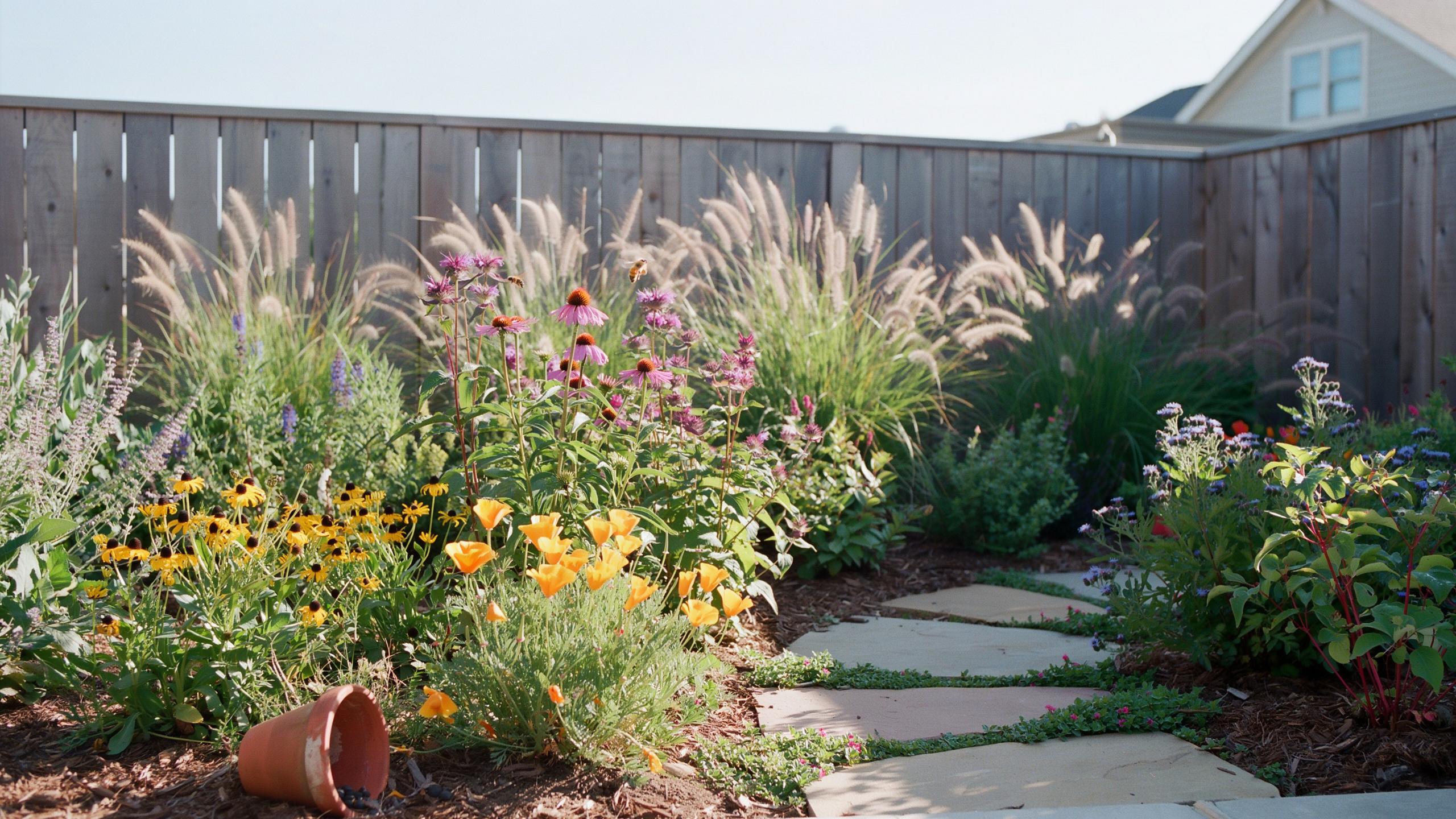
Garden transition zones, also called ecotones, are overlap areas where different landscape elements meet. Think of the boundary between your lawn and a wooded section, or where a garden bed meets hardscape. These zones don’t happen by accident. You design them intentionally to create movement between distinct areas on your property.
Managing transition zones well eliminates jarring visual breaks and habitat gaps. Your yard functions as one connected system instead of isolated sections. Native plants work best here because they establish naturally in these in-between spaces. The zone becomes a practical tool that shapes how your landscape flows and performs.
The Ecological Benefits Of Transition Belts
Transition belts function as wildlife corridors that connect fragmented habitats on and around your property. Animals move through these zones safely while foraging and traveling. Birds, insects, and ground-dwelling creatures use transition areas as rest stops during migration. The corridor effect increases biodiversity by allowing species to interact and thrive across your landscape.
These overlapping zones filter water runoff before it leaves your property, reducing sediment and nutrient loads in local waterways. Native plants in transition areas stabilize soil with their root systems. They capture rainfall and allow infiltration instead of runoff. The ecological work happens quietly, but the impact on local water quality and soil health is measurable and significant.
Essential Native Garden Design Principles For Buffers
Blending Hardscapes With Softscapes
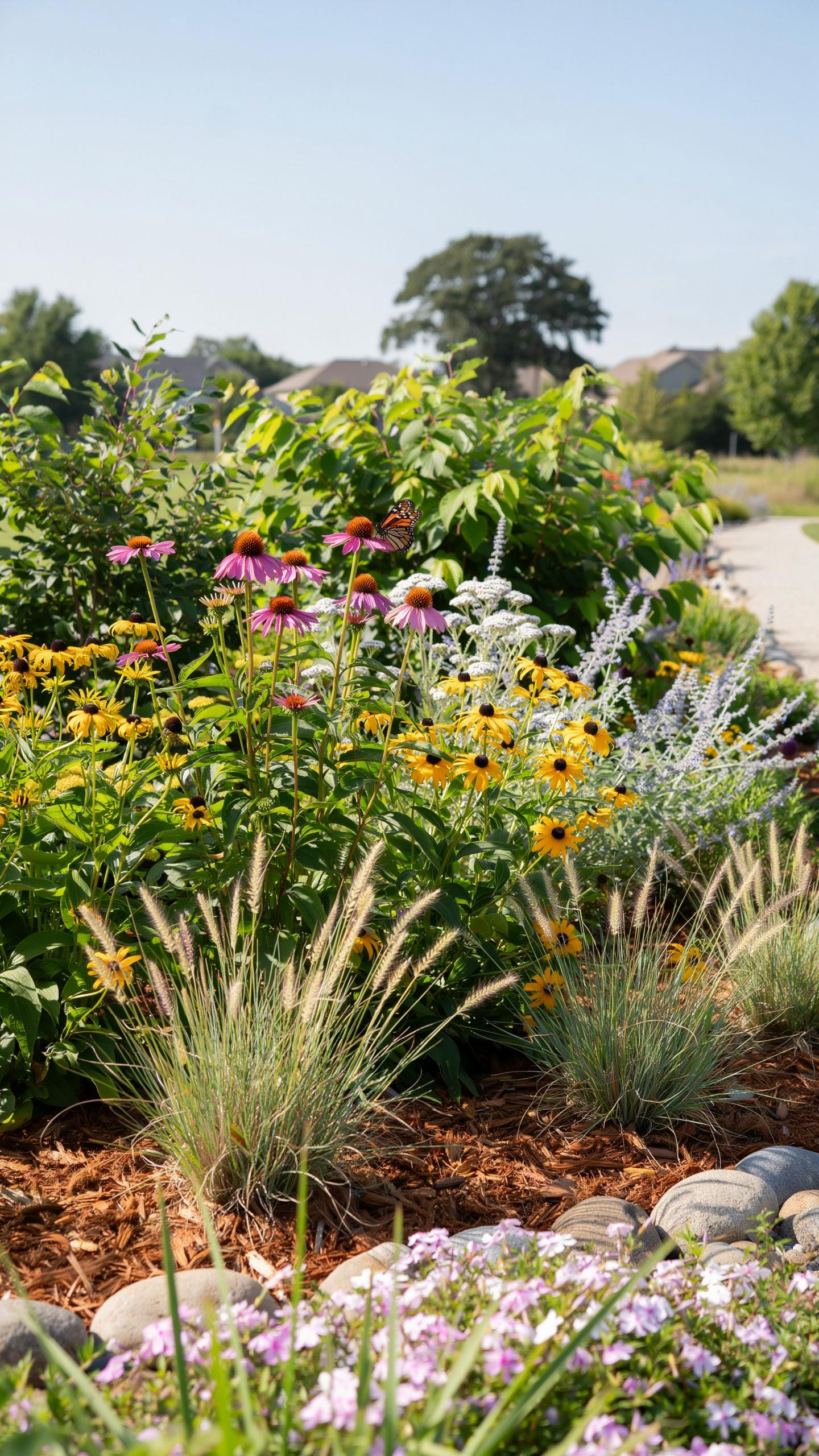
Stone pathways, patios, and retaining walls serve functional purposes in your landscape. Native plants soften these hard materials and reduce visual monotony. Position low-growing natives near pavement edges. Place taller shrubs behind structures. This gradual height transition creates depth and hides built elements from view.
Native groundcovers and creeping shrubs eliminate harsh lines between hardscape and planting beds. They anchor pathways into the overall design while providing erosion control on slopes. Use native sedges, rushes, or shrubs with spreading habits. This approach reduces maintenance since these plants thrive in local soil conditions without constant intervention.
Applying The Principle Of Plant Layering
Forest edges naturally organize into distinct vertical layers: canopy trees, understory shrubs, and groundcovers. Replicating this structure in transition zones creates habitat while producing visual interest. Canopy trees provide shade and framework. Understory shrubs fill the middle layer. Groundcovers anchor the base. This tiered approach works in any climate zone when using regional natives.
Layering improves function beyond aesthetics. Each layer performs specific ecological roles. Upper canopy trees moderate temperature and water retention. Shrubs create wind breaks and wildlife corridors. Groundcovers suppress weeds and stabilize soil. The result is a self-sustaining system that requires fewer inputs than single-layer plantings.
Inspiring Native Garden Ideas For Edge Spaces
Creating Woodland Edge Walkways
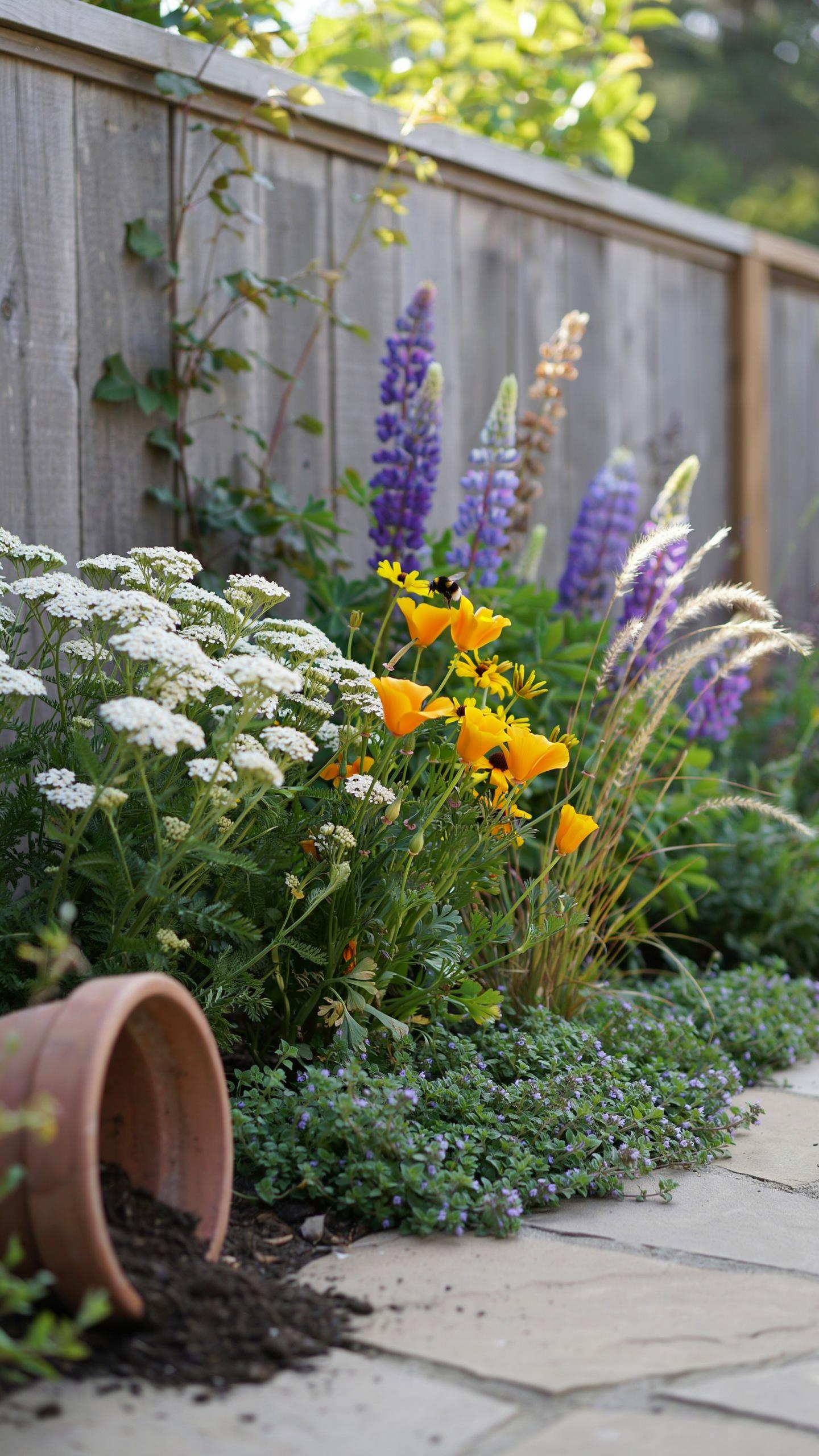
Woodland edge walkways function as hard boundaries that separate lawn from forest. Native ferns thrive in the dappled light these spaces provide. Wild ginger and Solomon’s seal grow low and spread gradually, filling ground space without competing with tree canopies. Position paths to follow natural contours rather than forcing straight lines. This approach reduces soil compaction and maintenance costs while working with existing drainage patterns.
The plants you choose determine path longevity and usability. Ferns establish root systems that stabilize soil on slopes. Wild ginger and Solomon’s seal don’t require replanting after establishment. Space plants 18 to 24 inches apart to allow room for mature growth. Native woodland plants reach their full size in two to three growing seasons, after which they require minimal intervention.
Structuring Meadow To Forest Boundaries
Meadow-to-forest transitions require a strategic plant layer between open sun and dense shade. Native viburnums and dogwoods occupy the middle ground where meadows meet woods. These shrubs tolerate partial shade and establish quickly in disturbed soils. They also provide food sources for wildlife moving between habitat zones. This layered approach creates a functional buffer that reduces mowing edges and maintenance requirements.
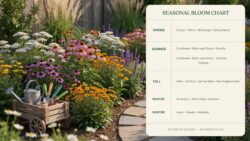
Medium-sized shrubs block sight lines and reduce wind exposure for understory plants. Viburnums and dogwoods reach 8 to 15 feet tall depending on species. Plant them in clusters of three to five rather than single specimens to maximize visual impact. Space clusters 6 to 8 feet apart to allow mature canopy development without overcrowding that promotes disease.
Practical Native Landscaping For Slope Transitions
Controlling Erosion With Deep Rooted Species
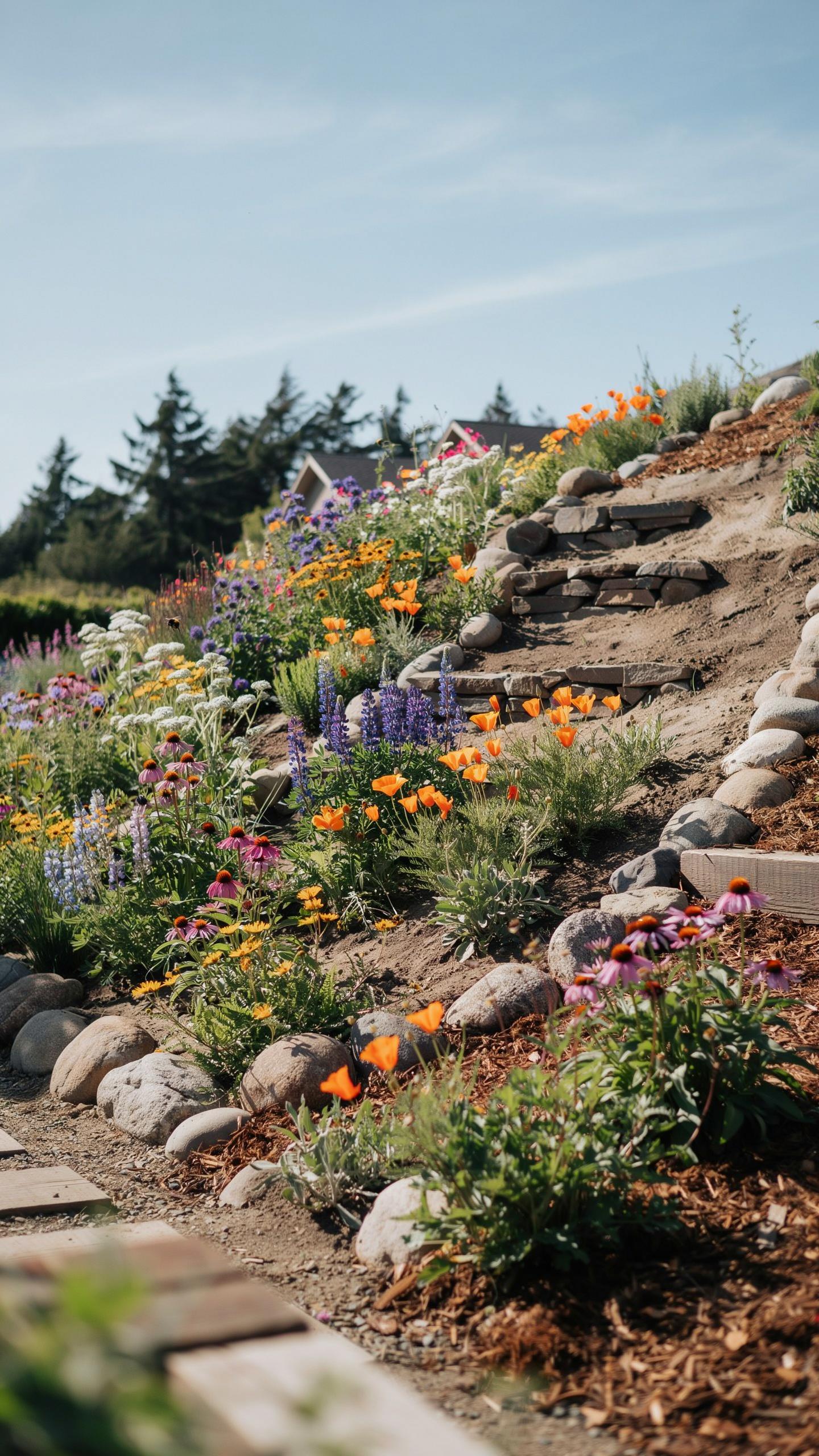
Native grasses anchor soil through extensive root systems that hold earth in place during heavy rainfall. Little Bluestem develops roots reaching three to four feet deep, stabilizing slopes while tolerating drought once established. Switchgrass performs similarly, spreading horizontally to bind soil particles together. Both species require minimal maintenance after establishment and eliminate the need for erosion control fabrics or chemical stabilizers.
These grasses transition seamlessly between lawn areas and wooded zones because they thrive on slopes where conventional turf fails. They reduce water runoff velocity by breaking wind and rain impact before soil contact. Installation involves spreading seed or plugs at the slope base during spring or fall. Within two growing seasons, root development becomes sufficient to handle moderate erosion pressure without supplemental watering.
Top Native Plants For Slopes And Banks
Slope stabilization demands species that establish quickly and perform under stress conditions like limited soil depth and intense sun exposure. Native plants evolved to handle regional weather patterns, meaning they survive local extremes without constant intervention. Select varieties based on your USDA hardiness zone and existing soil type to ensure compatibility and reduce establishment time.
- Creeping Juniper: Spreads horizontally across slopes, creating dense ground cover that locks soil in place. Tolerates poor soil and full sun exposure common on banks.
- Fragrant Sumac: Develops extensive root systems while remaining low growing. Produces red fall color and attracts wildlife without requiring supplemental water after year two.
- Bearberry: Spreads via underground runners to bind loose soil. Performs well on sandy or rocky banks where other plants struggle to establish.
- Wild Bergamot: Stabilizes slopes through fibrous roots while reaching two to three feet tall. Attracts pollinators and requires minimal maintenance once rooted.
- New Jersey Tea: Native shrub with deep taproot that anchors steep banks. Tolerates poor soil and provides wildlife habitat year round.
Native slope plants outperform ornamental alternatives because they handle local rainfall patterns and soil conditions without amendment. Most species reach full establishment within three growing seasons, at which point irrigation becomes unnecessary. Space plantings based on mature width to allow root expansion and prevent overcrowding that reduces effectiveness.
Designing A Seamless Native Garden Plan
Mapping Sunlight And Moisture Gradients
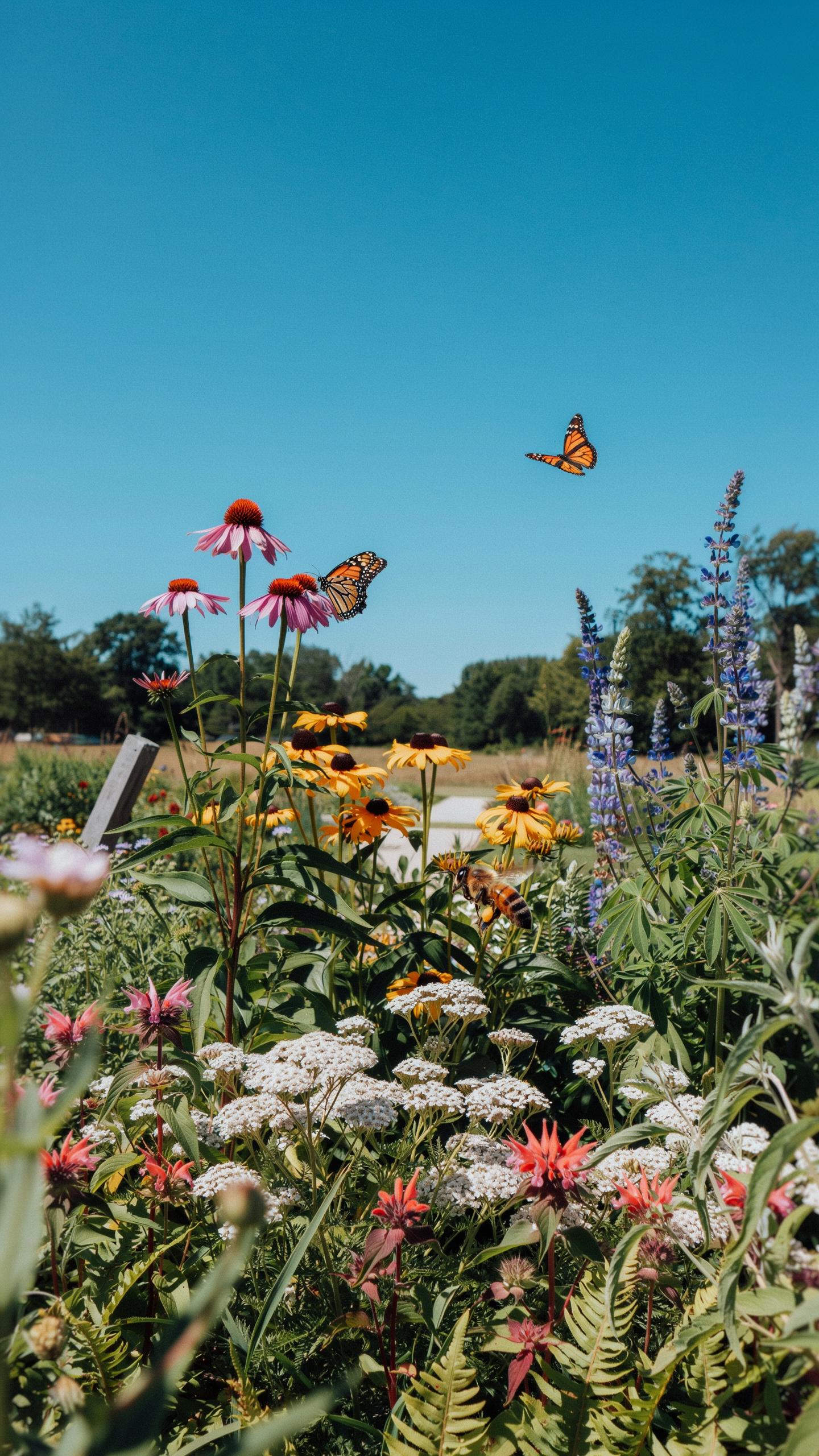
Most properties have distinct microclimates determined by sun exposure and water availability. Map these zones by observing your yard throughout the day and noting where water pools after rain. Place moisture-loving natives like sedges and ferns in shaded low spots near tree lines. Position drought-tolerant species such as coneflowers and black-eyed Susans in open, well-drained areas that receive six or more hours of direct sun.
Moisture and light interact to shape which plants survive in each zone. A shaded area stays cooler and retains moisture longer, supporting different species than a sunny slope that dries quickly. Document where standing water persists versus where soil dries within hours. This data determines which natives thrive without supplemental watering after establishment, reducing maintenance and plant loss over time.
Determining Proper Plant Spacing And Growth Habits
Native plants spread at different rates based on species and conditions. Research the mature width and height of each plant you select before spacing them. Aggressive spreaders like some goldenrods or asters can overtake slower-growing neighbors within two to three years if planted too close. Account for this behavior in your layout to preserve specimen diversity and prevent border plants from disappearing.
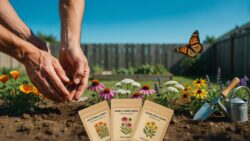
Spacing decisions impact both aesthetics and ecological function in transition zones. Tighter spacing creates faster coverage but risks overcrowding as plants mature. Wider spacing leaves gaps initially but allows each plant its full form and reduces competition. Review spacing recommendations for each species and mark planting positions on your design before digging. This prevents replanting work and preserves the long-term balance you intend for your transition zone.
Mastering Native Plant Landscape Design For Privacy
Living Green Screens And Windbreaks
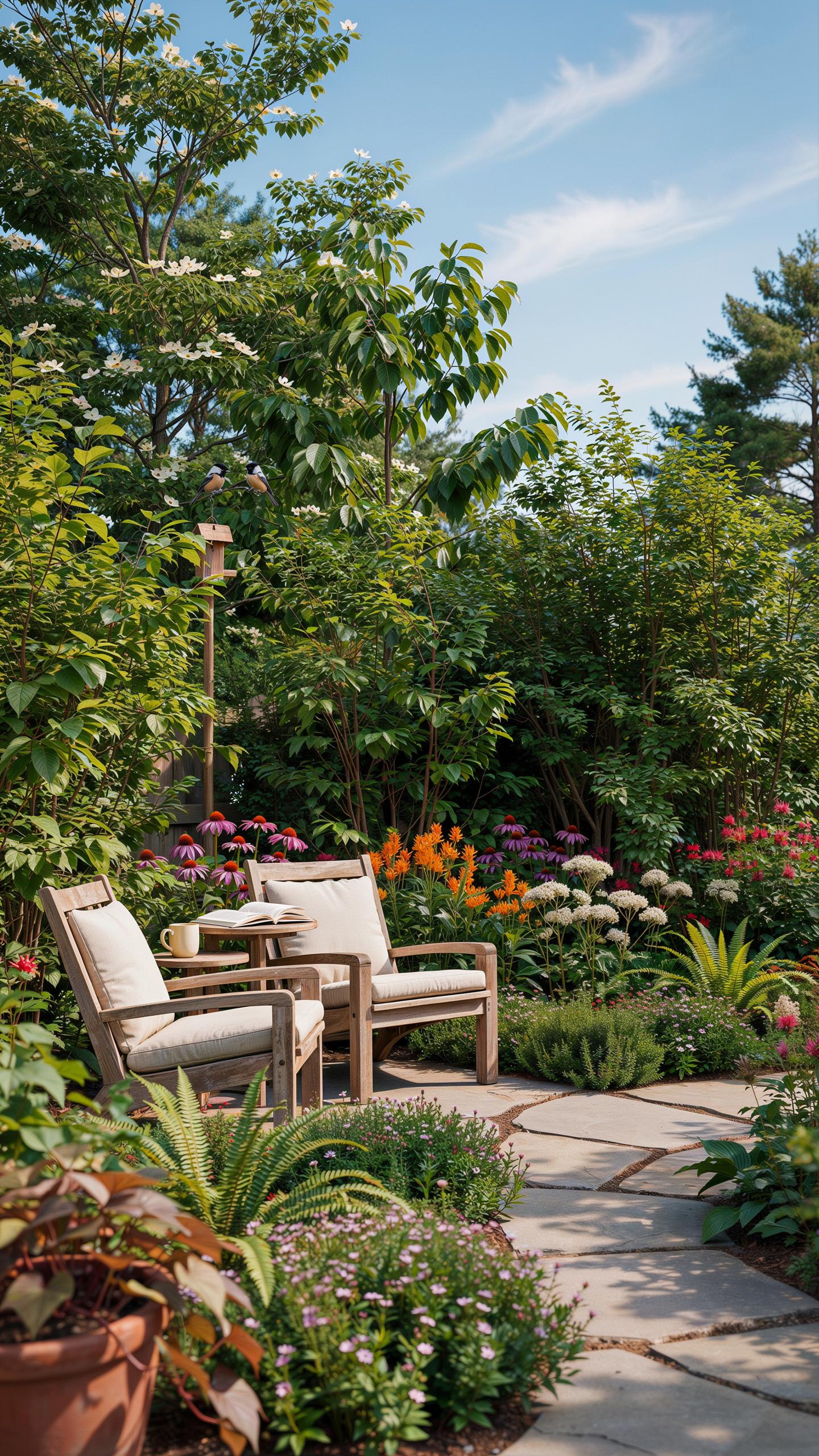
Evergreen native conifers block wind, dust, and views year-round. Use species like eastern red cedar, white pine, or spruce based on your zone. Dense deciduous shrubs add summer coverage and shed leaves in winter, reducing maintenance. Stack these plants in staggered rows to stop wind velocity and create functional barriers that work like fencing without the expense or upkeep requirements.
Windbreaks reduce heating and cooling costs by 10 to 25 percent depending on placement and density. Position screens on the north and west sides where harsh winds originate. Spacing matters. Plant conifers 8 to 12 feet apart and shrubs 6 to 8 feet apart to allow mature growth. This spacing prevents crowding and competition for water and nutrients as plants develop over years.
Layering For Visual Depth And Habitat
Multi-stemmed native birches create immediate visual screens while serviceberries and highbush cranberries fill gaps and provide structure. Layer plants at three heights: tall canopy species at the back, mid-story shrubs in the middle, and low-growing natives up front. This approach blocks sightlines effectively while supporting local songbirds that eat berries and nest in dense branches. The staggered arrangement creates depth and prevents the flat appearance of single-row plantings.
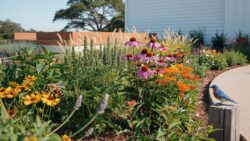
Highbush cranberries produce red fruit that persists through winter, feeding birds when other food sources disappear. Serviceberries fruit in early summer and establish quickly in most zones. Multi-stemmed birches offer visual interest and don’t require the space that single-trunk trees demand. This layered system delivers function, habitat value, and year-round visual appeal without aesthetic compromise.
Developing A Functional Native Garden Layout

Defining Clear Pathways And Focal Points
Pathways serve a functional purpose in native plant gardens. They control foot traffic, prevent soil compaction in sensitive areas, and organize visitor movement through transition zones. Flagstone, wood chips, or mulch create distinct boundaries between ecological areas. These materials decompose at different rates and support different soil conditions, making them practical separators rather than decorative elements.
Focal points anchor the layout and justify the pathway structure. A native plant cluster, rock outcropping, or water feature gives visitors a destination. Position focal points at the end of pathways or at natural transition points between zones. This approach reduces wandering and protects newly established native plantings from random disturbance.
The transition from the formal garden to the wild wood is where the soul of a home truly breathes. These gentle edges of native bloom do more than elevate a landscape; they weave our hearts back into the ancient rhythm of the land.
Balancing Formal And Informal Garden Areas
Structure near the home foundation serves practical purposes. Clean lines, mowed edges, and organized plantings reduce fire hazard, improve drainage around the foundation, and present a maintained appearance. Native plants work in this formal zone when selected for compact growth and defined silhouettes. This creates a visual buffer between the manicured home perimeter and wilder areas beyond.
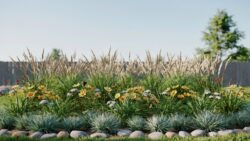
The property edge transitions into a naturalized layout with less intervention. Here, native plants establish dense coverage with minimal maintenance. Irregular spacing, varied heights, and self-seeding become assets. This gradient from controlled to wild mirrors how native ecosystems naturally function and reduces maintenance labor while maximizing ecological benefit across your entire property.
Selecting Species For Your Native Plant Garden Design
Choosing Plants By Region And Soil Type
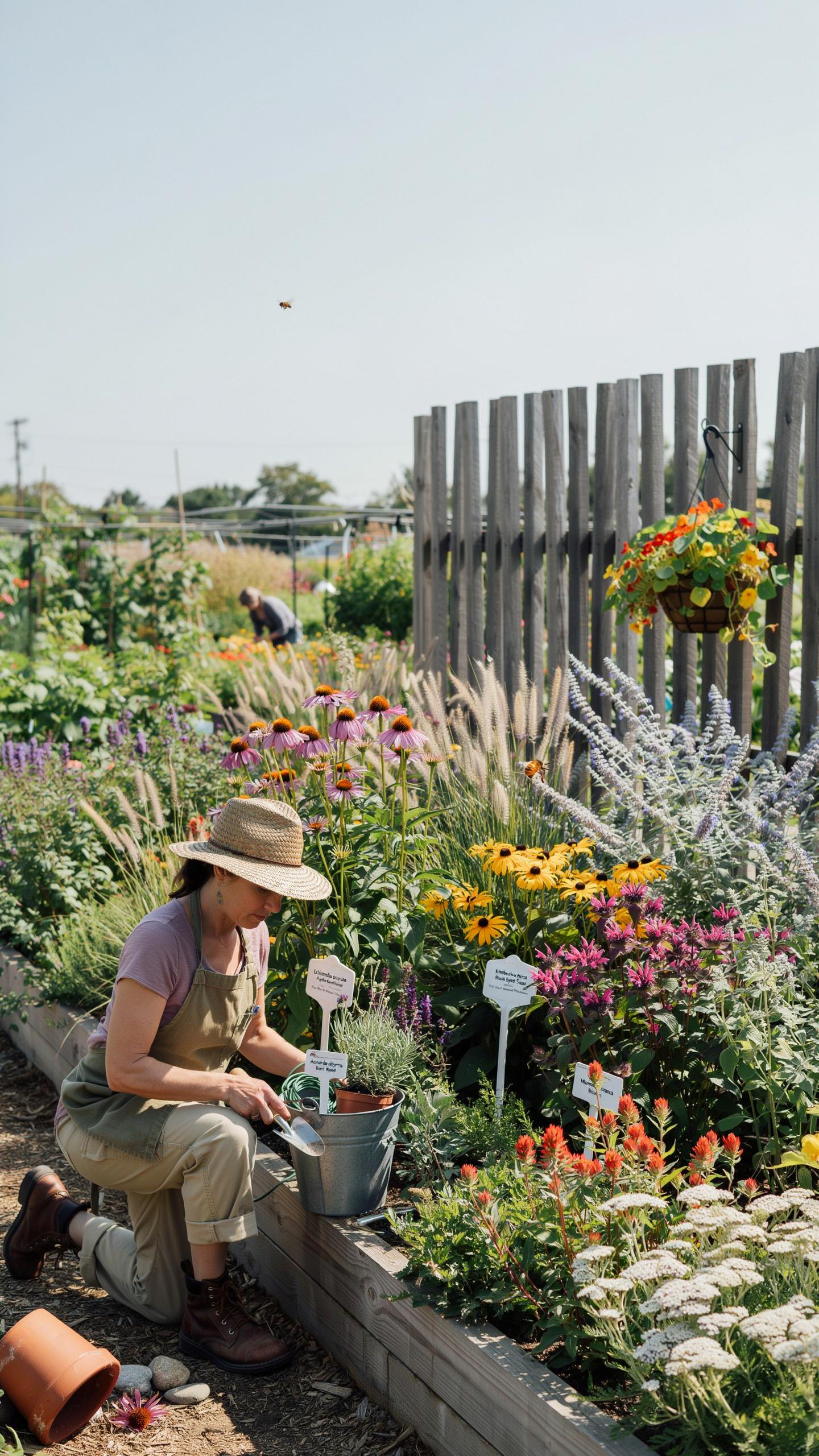
Your soil type determines which native species establish successfully and survive without amendment. Conduct a soil test to identify pH, drainage capacity, and composition. Match these results to local ecotypes within your USDA hardiness zone. Regional native plant societies maintain lists of species adapted to your specific conditions. This approach eliminates failure and reduces maintenance costs over time.
Ecotypes matter because plants from your region evolved under your exact climate and soil conditions. A native species from 100 miles away may perform poorly despite being technically native. Contact your local extension office or native plant society for ecotype recommendations. They provide verified plant lists matched to your soil type and winter hardiness zone. This precision prevents wasted money on unsuitable species.
Best Keystone Plants For Wildlife Support
Keystone species support disproportionately high numbers of insects and animals relative to their abundance. These plants form the foundation of functional transition zones by providing food and shelter for native pollinators and lepidoptera. Select keystone plants adapted to your region and soil type. A single keystone species often supports hundreds of specialist insects that depend on it exclusively. This concentration of biodiversity makes keystone species non negotiable for wildlife habitat function.
- Native Oaks: Support over 500 species of Lepidoptera larvae and countless arthropods. Acorns feed mammals and birds. Essential in eastern and midwestern transition zones.
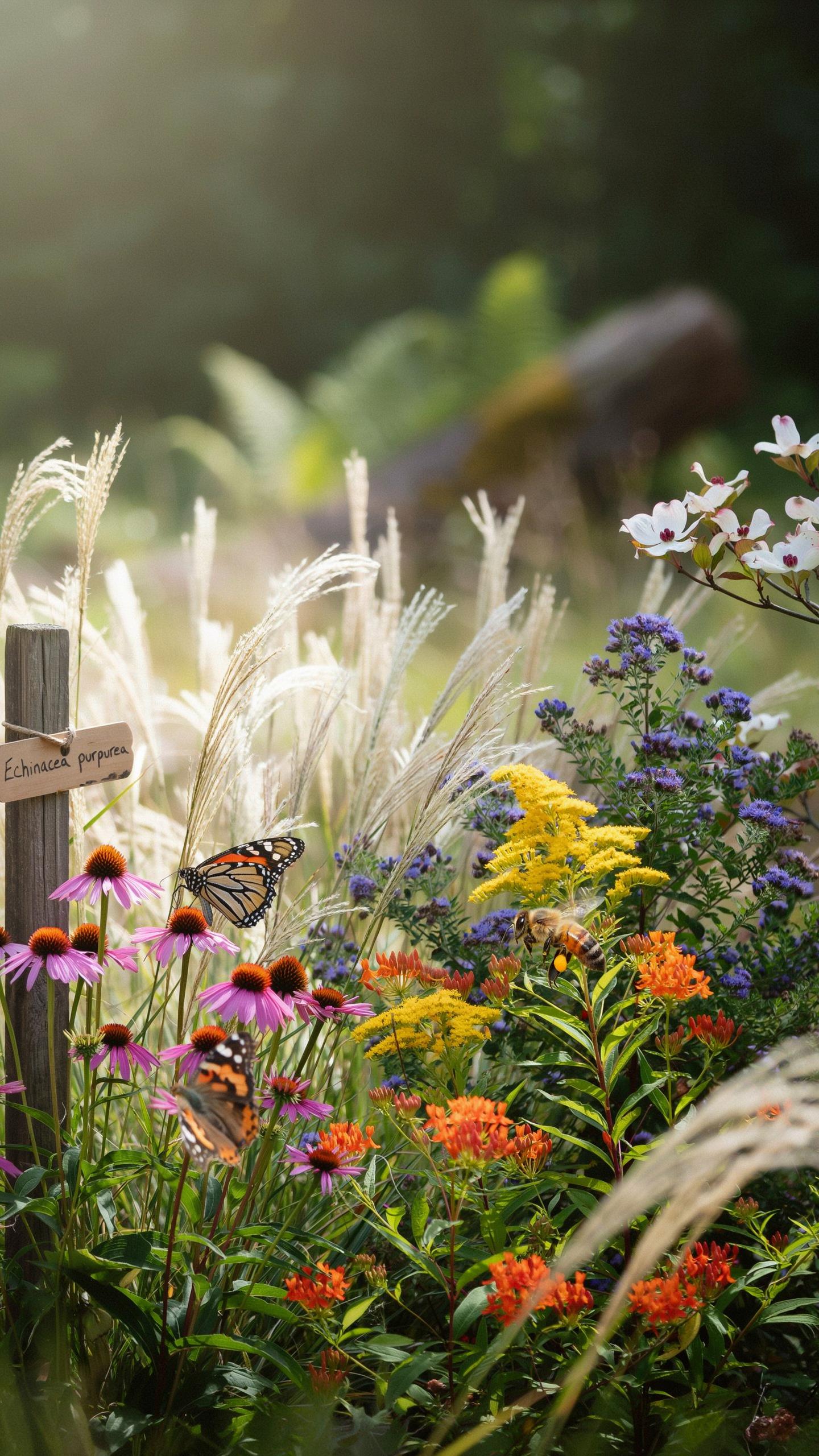
- Goldenrod Species: Provide late season nectar and pollen for migrating monarchs and native bees. Dispel the myth that goldenrod causes allergies. Critical for fall pollinator populations.
- Wild Sunflowers: Offer seeds for birds and high pollen yields for native bees. Species like Helianthus divaricatus establish in poor soils. Regionally specific varieties perform better than ornamental types.
- Native Asters: Bloom late in the season when other food sources decline. Support migrating monarchs during critical fueling periods. Provide seeds for finches and sparrows through winter.
- Serviceberry Species: Produce early fruit for birds and provide nesting structure. Bloom timing supports emerging pollinators in spring. Transition zone staple across North America.
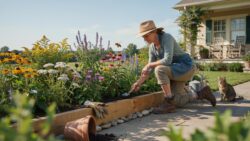
Build your transition zone around these keystone species first, then add complementary plants that extend bloom times and provide seasonal variation. This strategy maximizes wildlife support within your available space. Keystone species do the heavy lifting for habitat function.
Long Term Care In Native Plant Landscaping Zones
Managing Weed Pressure And Invasive Species
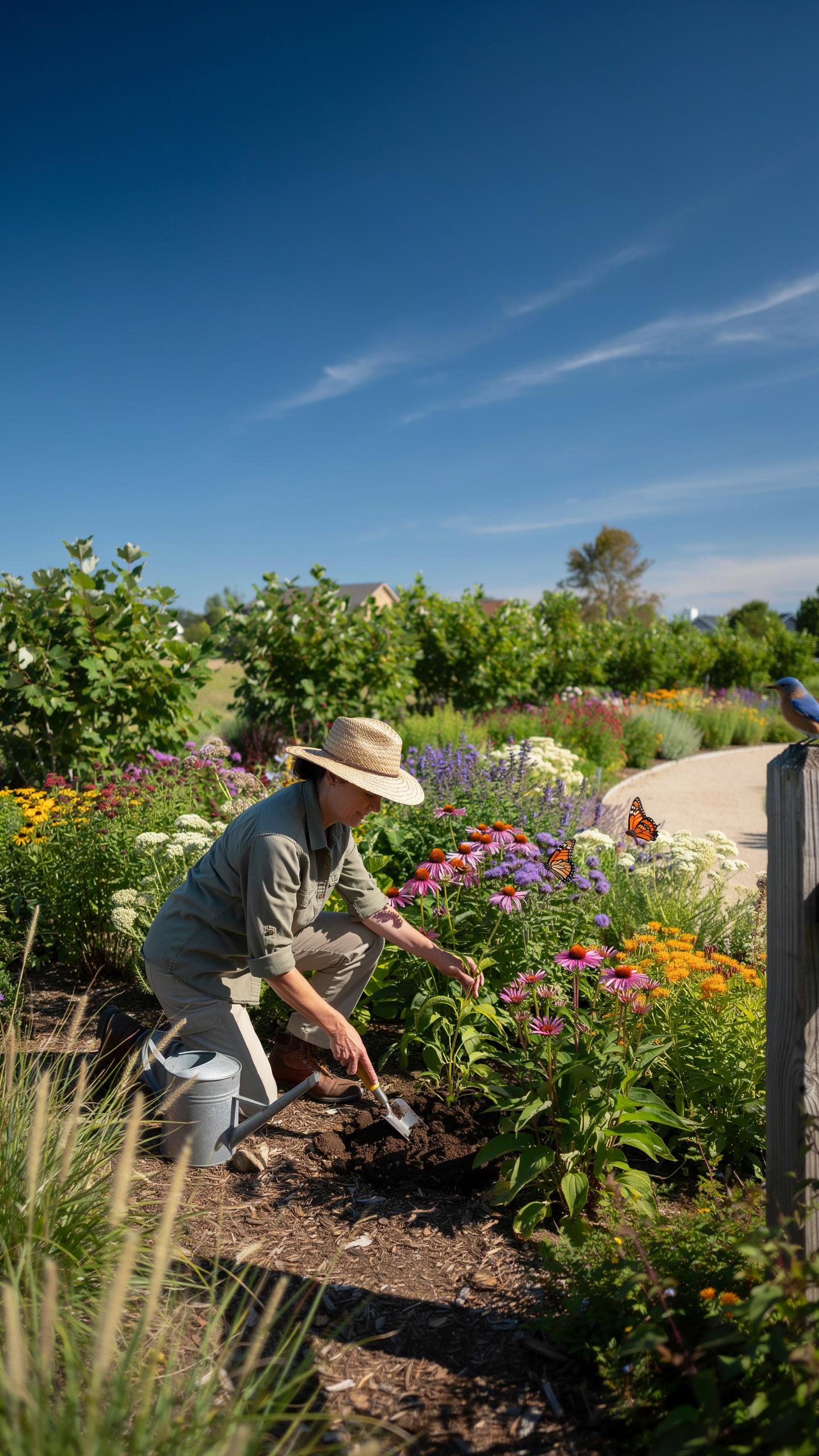
Aggressive mulching stops invasive seeds from establishing in transition zones during their vulnerable first two years. Apply two to three inches of mulch around native plantings in early spring before soil warms. Hand-pull emerging weeds before they flower and set seed. This combination cuts weed pressure by seventy to eighty percent compared to untreated areas.
Native plantings stabilize as root systems deepen and canopy coverage increases. By year three, established natives outcompete most weeds through resource dominance. Continue monitoring transition edges where non-native species commonly encroach. Target problem invaders like garlic mustard and multiflora rose before they spread into your native zones.
Pruning And Seasonal Clean Up Etiquette
Leave standing dead material through winter months. Hollow stems shelter overwintering insects and beetles. Dried seed heads feed goldfinches and other native birds. This practice costs nothing and provides critical habitat when natural resources become scarce. Remove dead material only in late winter after February when insects emerge from dormancy.
Spring cleanup should focus on removing diseased or damaged growth only. Cut back grasses and perennials to ground level in early March before new growth starts. Prune native shrubs immediately after flowering to shape structure without removing next year’s flower buds. Avoid pruning in fall, which stimulates tender new growth vulnerable to winter damage.
Frequently Asked Questions

What exactly are native plant garden transition zones and why do they matter?
Transition zones are the intentional spaces where different landscape elements meet, such as the area between a manicured lawn and a wilder woodland. Creating native plant garden transition zones is essential for visual harmony and ecological health. These curated borders soften harsh lines, provide vital corridors for local pollinators, and give your property a professional, layered look that feels deeply connected to the surrounding natural environment and regional heritage.
How can I successfully design a transition zone between my lawn and a wooded area?
To bridge the gap effectively, use a “stair-step” planting technique. Start with low-growing sedges or wildflowers near the grass, followed by mid-sized shrubs, and finally taller understory trees near the woods. This gradual increase in height creates beautiful native plant garden transition zones that look intentional rather than overgrown. Incorporating a defined edge, like a mulch path or stone border, helps signal that the wilder growth is a purposeful landscape choice.
Is it expensive to create these transitional spaces if I am on a tight budget?
Enhancing your property borders can be very affordable if you start small. You can save money by purchasing “plugs” instead of gallon-sized pots or by participating in local seed swaps. Focus on one small section at a time, using hardy perennial species that naturally spread over seasons. By prioritizing low-maintenance varieties adapted to your specific soil, you reduce the need for expensive fertilizers, irrigation, and replacement plants over the long term.