Understanding Native Plant Landscaping Basics
Defining Native Vs Invasive Species
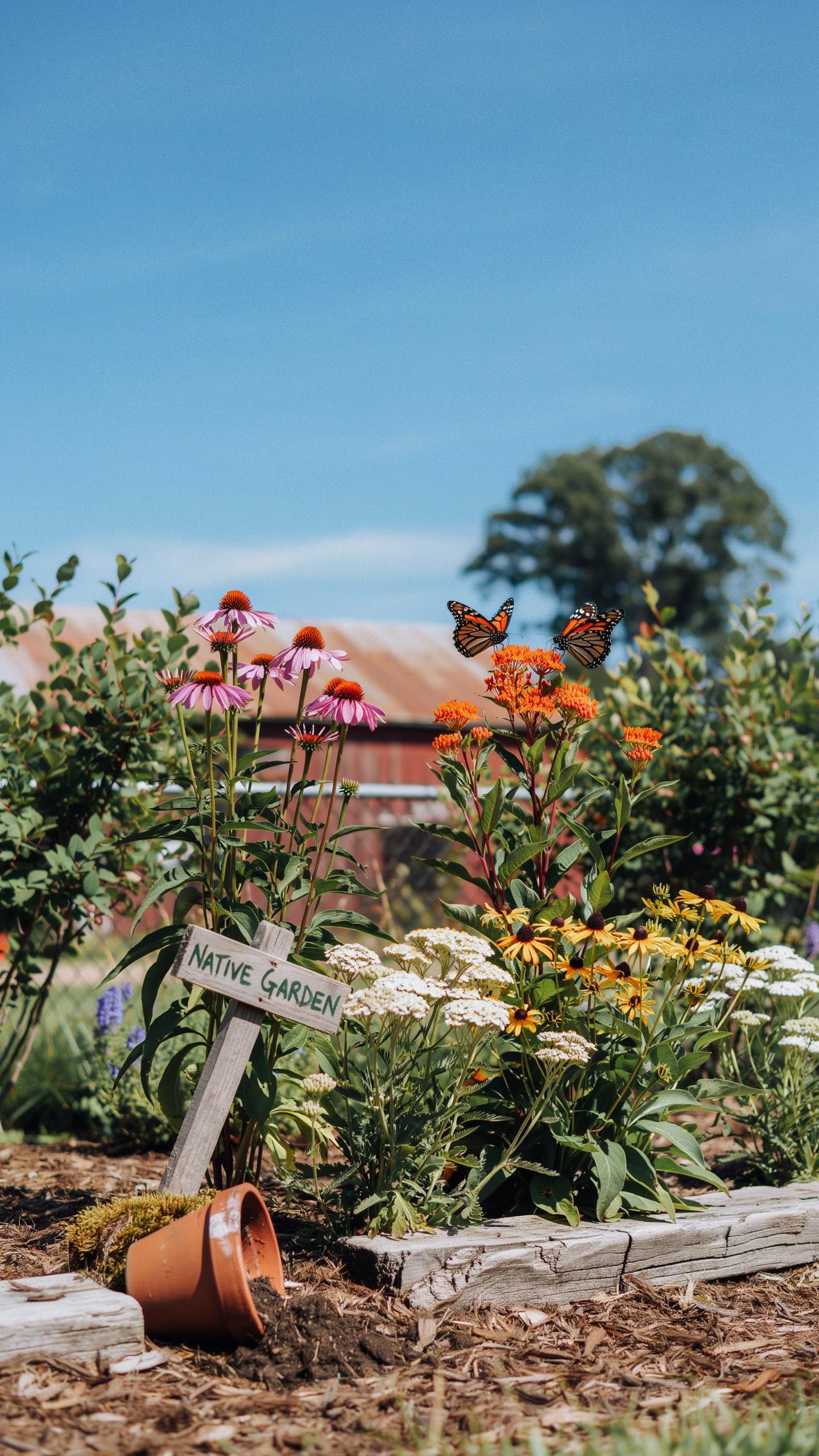
Native shrubs are plants that occur naturally in your region without human introduction. They evolved in your local climate, soil type, and growing conditions over thousands of years. Non-native ornamentals come from other regions and often require extra water, fertilizer, and pest management to survive. Invasive species actively spread and outcompete native plants, degrading habitat and reducing biodiversity in your yard and surrounding areas.
The distinction matters for your landscape design. Native shrubs thrive because they match your environment. They need less intervention to establish and maintain. Invasive plants like burning bush, privet, and multiflora rose spread aggressively and choke out native species. Research your region’s native plant list through your local cooperative extension office or native plant society to make accurate plant selections.
The Ecological Benefits Of Native Shrubs
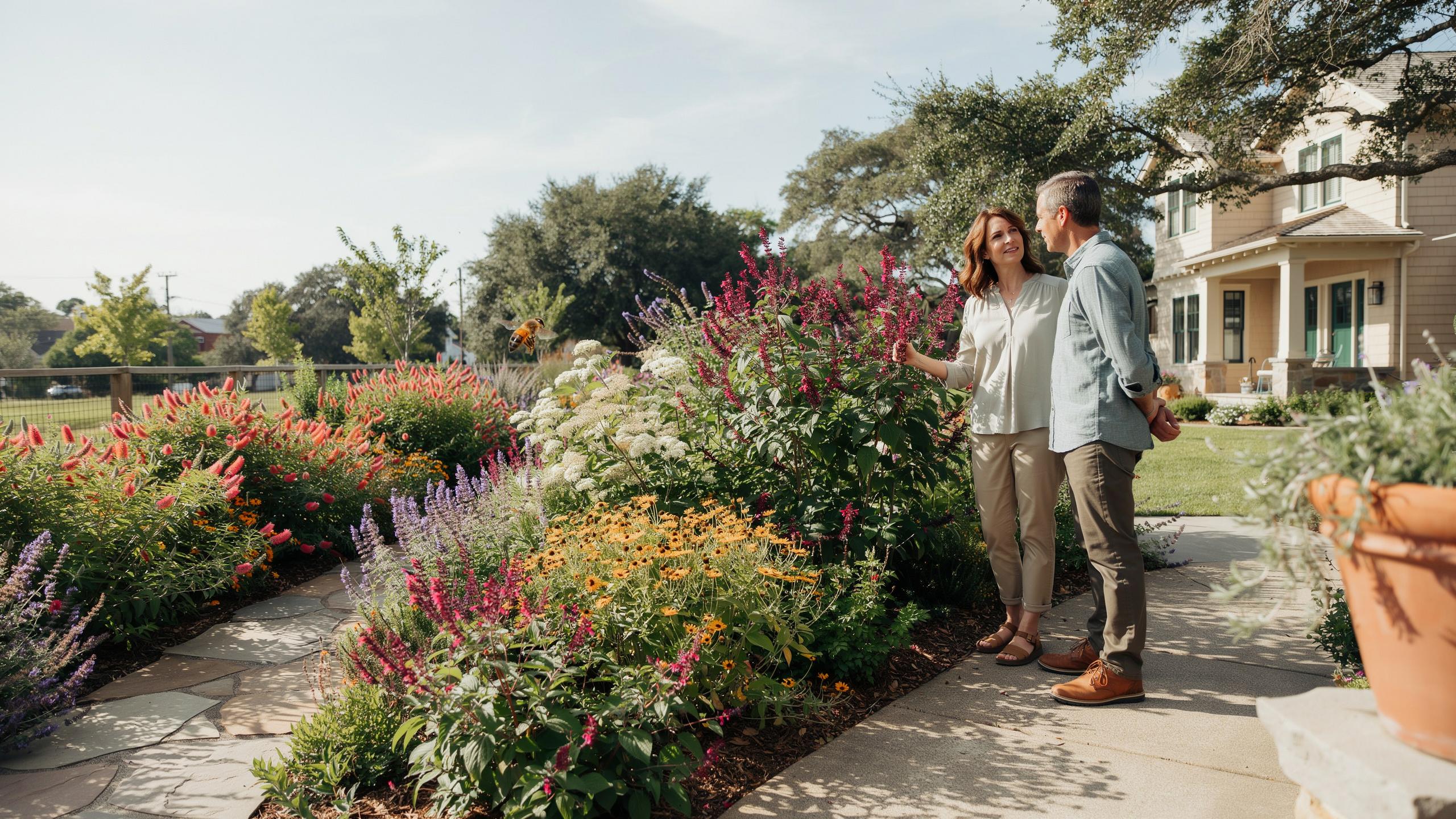
Native shrubs support local pollinators like native bees, butterflies, and moths that depend on specific plant species for food and reproduction. These shrubs produce seeds and fruits that feed birds and wildlife through seasons when introduced plants offer nothing. Native roots stabilize soil and filter water more effectively than shallow-rooted ornamentals. Over time, your property becomes a functional ecosystem rather than a resource sink.
Water consumption drops significantly when you establish native shrubs adapted to your region’s rainfall patterns. Once established, native plants resist regional pests naturally because local insects haven’t evolved to damage them extensively. You reduce fertilizer runoff that harms waterways and groundwater. Your maintenance costs fall because you eliminate unnecessary watering, pruning, and chemical treatments that non-native plants demand to survive in your climate.
Creating A Complete Native Garden Plan
Assessing Soil And Light Conditions
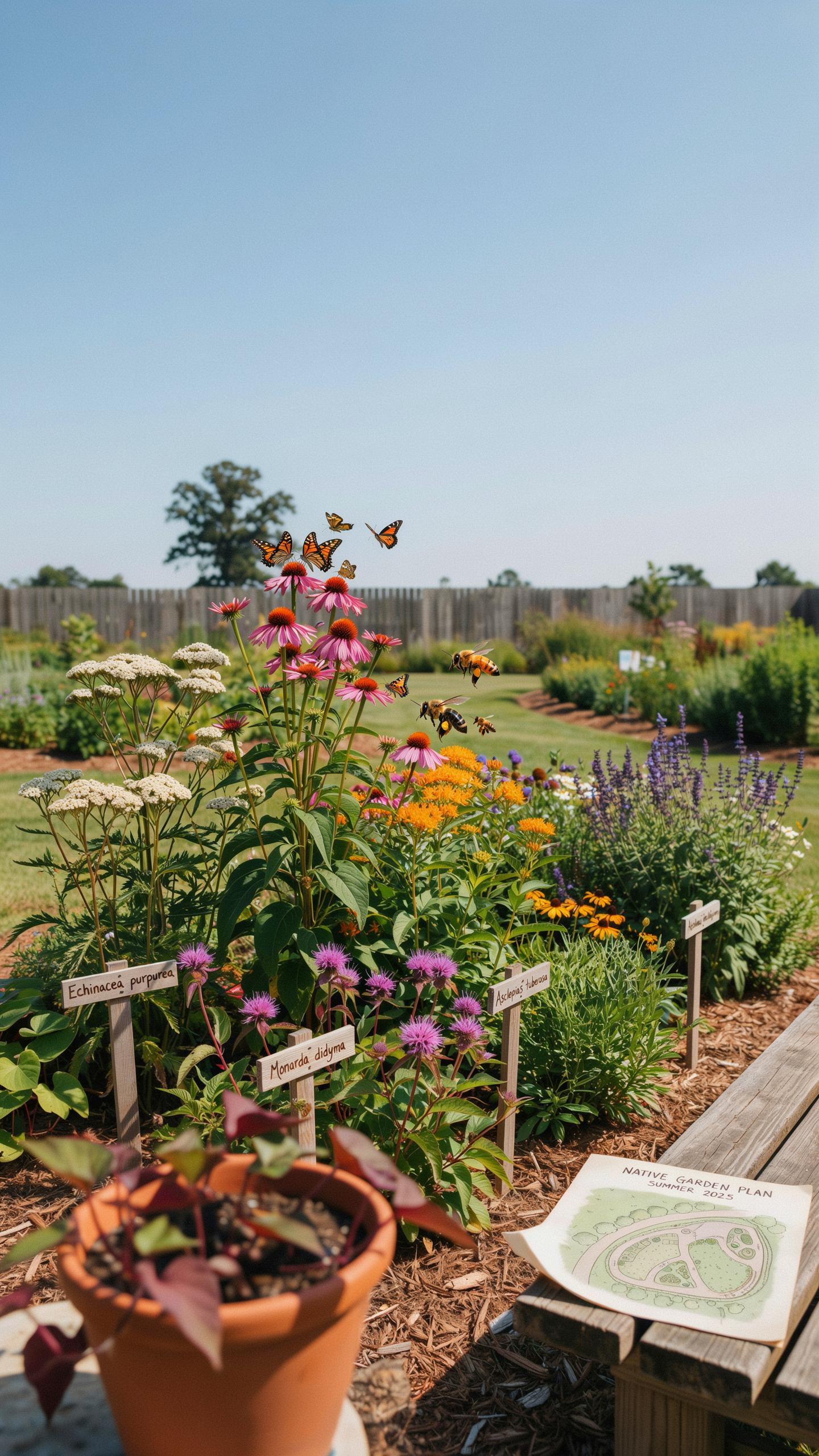
Walk your property at different times of day to track sunlight patterns. Note where shade falls in morning, afternoon, and evening. Soil type matters equally. Dig several test holes across your yard to observe drainage speed, soil color, and texture. Native shrubs demand the right soil match or they fail regardless of other care.
Moisture retention varies by location. Low spots collect runoff and stay wet longer. High areas drain fast and dry out. Test soil pH if possible, as many native species require acidic or alkaline conditions specific to your region. Mismatch between plant needs and site conditions creates maintenance problems and stunts growth.
Drafting Your Structural Layout
Space mature shrubs according to their full size, not current container size. Check tag information or nursery specifications for width at maturity. Overcrowding reduces airflow, traps moisture, and invites disease and pest problems. Leave gaps that seem too large during planting. Shrubs fill space faster than most homeowners expect.
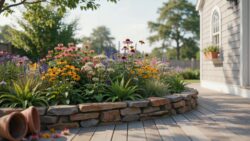
Create a basic scale drawing of your property with shrub positions marked. Include trees that cast shade as reference points. Position taller shrubs where they won’t shade shorter sun-loving natives as they grow. Account for sight lines from windows and walkways. Strategic placement prevents future removal or transplanting headaches.
Principles Of Native Plant Landscape Design
Balancing Textures And Foliage Shapes
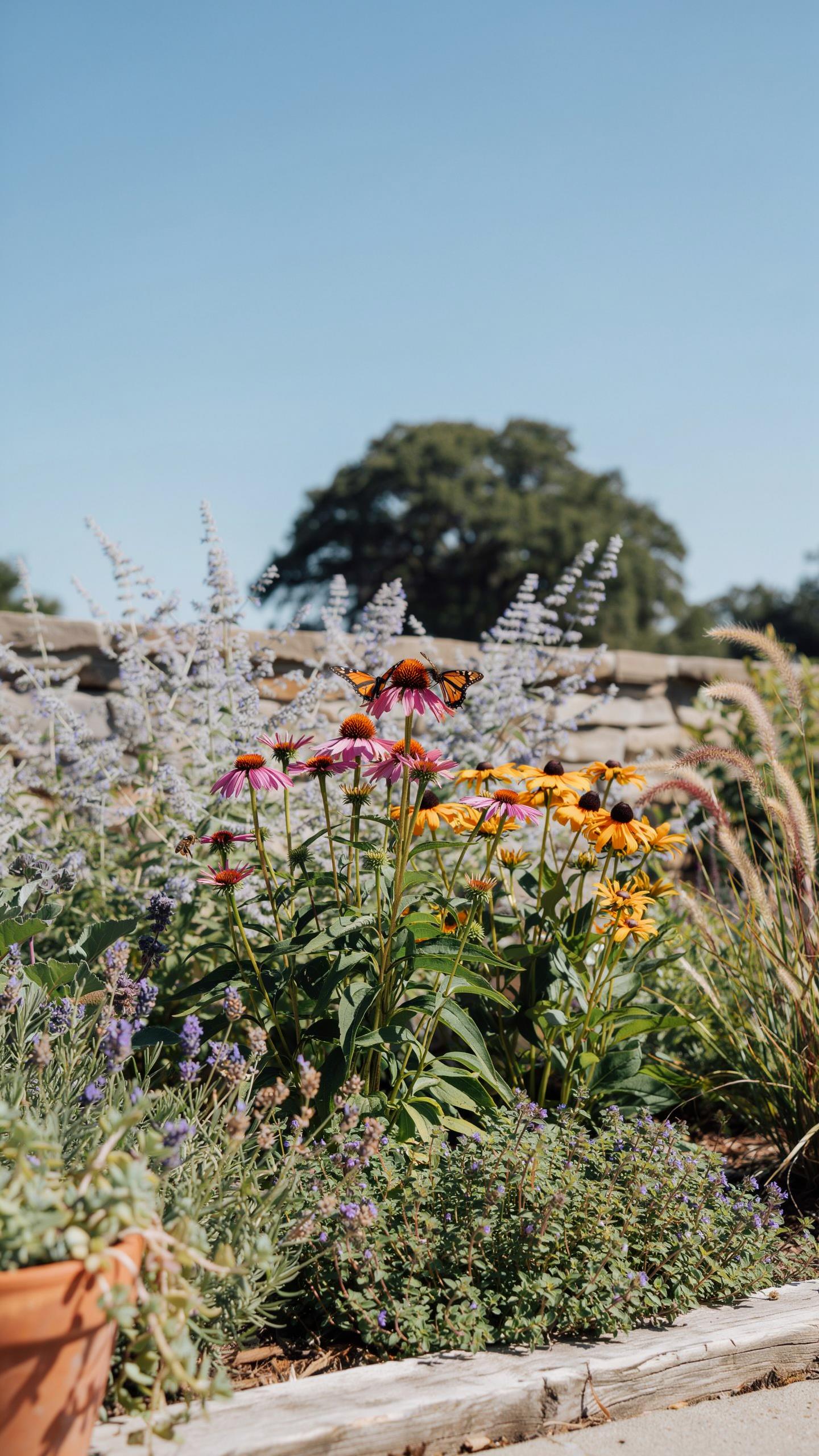
Contrast drives visual hierarchy in native plantings. Pair fine-textured needle-leaf shrubs like eastern red cedar or creeping juniper against broadleaf evergreens such as inkberry holly or mountain laurel. This pairing creates definition and prevents monotonous visual zones. The textural contrast breaks up large planted areas and guides the eye through the landscape intentionally.
Needle-leaf varieties offer airy, feathery forms that soften hardscape edges. Broadleaf shrubs provide dense, substantial masses that anchor plantings. Position these opposites adjacent to each other rather than scattered randomly. This tactical placement maximizes the impact of each texture type and strengthens overall composition without requiring excessive plant material.
Planting a thoughtful tapestry of native shrubs is like weaving a green memory of the earth as it once was. By choosing clever combinations that belong together, we invite the wild heritage of our ancestors back to our own front porches.
Designing With Layered Heights
Establish depth by staggering shrub heights from back to front. Position tall native shrubs like serviceberry or chokeberry at perimeter edges as background anchors. Transition to medium-height species in the middle zone, then place dwarf varieties in foreground positions. This graduated approach creates visual movement and prevents the landscape from appearing flat or one-dimensional.
Height layering serves functional purposes beyond aesthetics. Tall rear plantings screen undesired views and create privacy barriers. Middle layers filter sightlines naturally. Dwarf foreground shrubs remain visible from seating areas without blocking focal points. This structure maximizes usable space while maintaining clear views where they matter most.
Efficient Garden Planning With Native Plants
Grouping Shrubs By Hydrozones
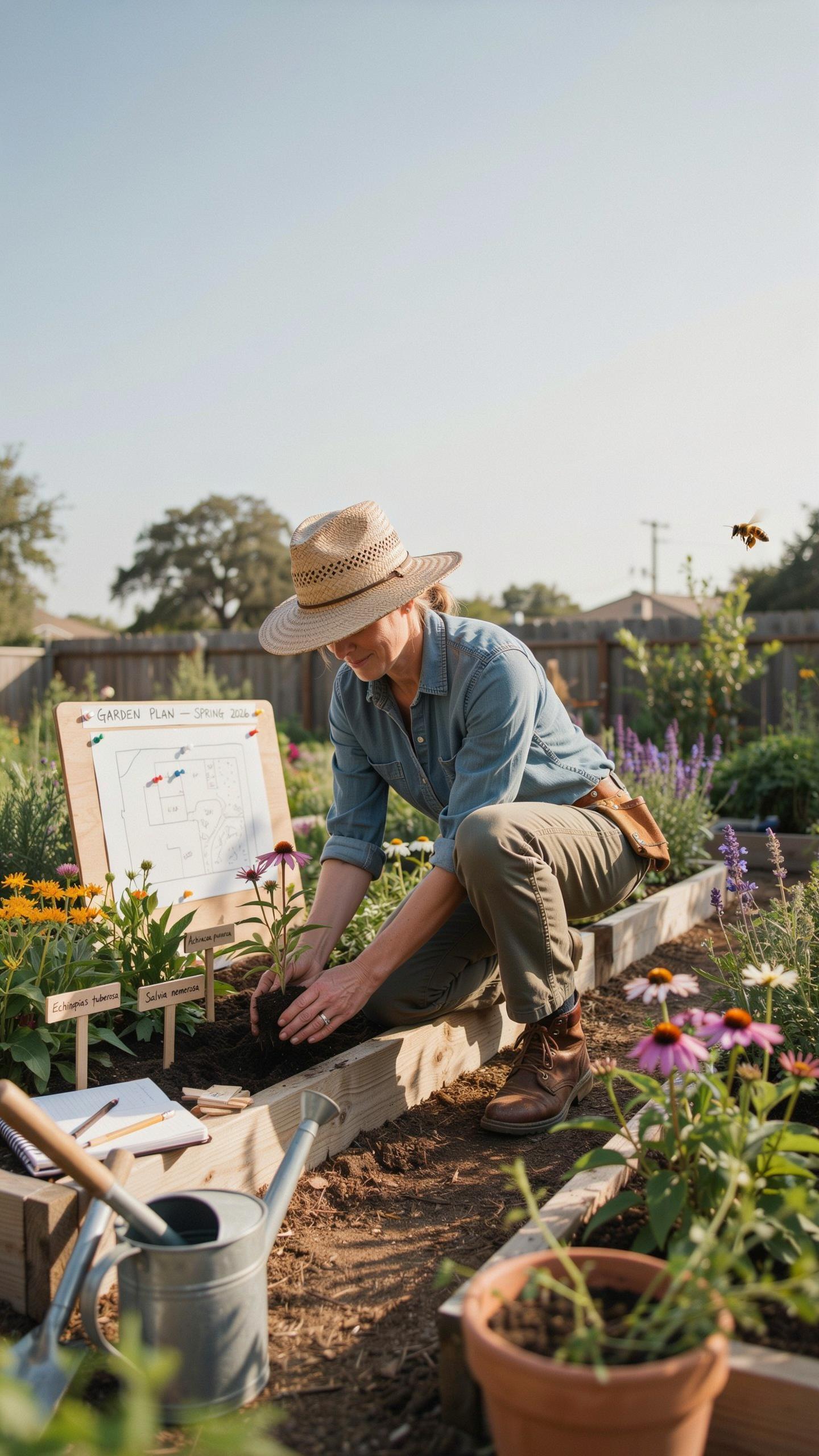
Group shrubs by their water needs to reduce irrigation costs and prevent overwatering. Native shrubs adapted to your region already match local rainfall patterns. Placing drought-tolerant species together keeps them thriving without excess water. This strategy eliminates guesswork and cuts maintenance time significantly.
Hydrozones work because they respect plant biology. A drought-tolerant native shrub cannot survive in a high-moisture zone designed for water-loving species. Separating shrubs by water demand means each zone gets exactly what it needs. Your soil stays balanced, runoff decreases, and your water bill drops.
Planning For Multi Season Visual Interest
Sequence bloom times across your shrub combinations to maintain color from spring through fall. Select species that produce berries after flowering ends, extending visual impact. Winter bark becomes critical when leaves drop, so choose shrubs with striking stem colors or textures. This approach gives you interest during every season without adding plants.
Native shrubs deliver this multi-season effect naturally because they evolved with local seasonal patterns. Serviceberry blooms early while winterberry produces red fruit into winter. Oakleaf hydrangea adds architectural form and persistent dried flower heads. Combine these three strategically spaced throughout your landscape to eliminate the bare, dormant look that plagues most yards.
Mastering Native Plant Garden Design Styles
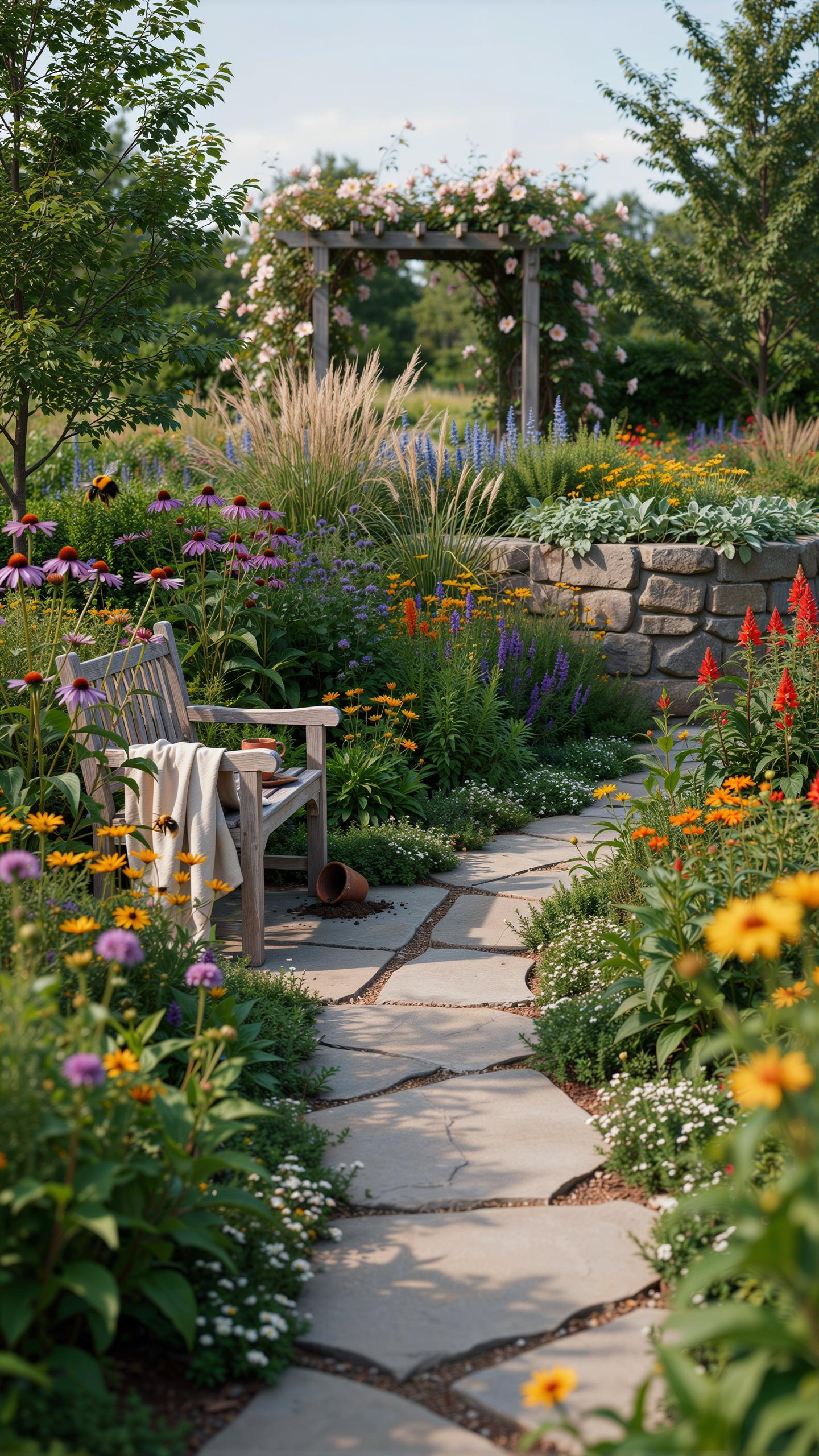
Structuring A Formal Native Hedgerow
Formal hedgerows demand species that tolerate regular pruning and grow with predictable branching patterns. Select native shrubs with dense foliage and moderate growth rates. Boxwood alternatives like Ilex glabra (inkberry holly) and Viburnum prunifolium work in northern regions. In southern areas, Ilex vomitoria and native privet species deliver similar structure. Space plants at half their mature width to encourage dense coverage without competition stress.
Maintenance determines success in formal settings. Prune twice yearly during the growing season to maintain clean lines and prevent woody gaps. Water consistently during establishment to accelerate fill-in time. Formal hedgerows require active management but provide clear visual boundaries that read as intentional landscaping rather than naturalized plantings. The investment in labor pays off through defined property edges and structured visual hierarchy.
Cultivating A Wild Meadow Aesthetic
Wild meadow designs layer native shrubs at varying heights with perennial wildflowers and grasses to mimic natural plant communities. This approach reduces maintenance compared to formal hedging and creates habitat value. Choose shrubs that establish quickly without aggressive spreading. Mix 30 percent shrubs with 70 percent herbaceous plants and grasses to prevent shrub dominance that chokes out wildflowers.
Species placement follows ecological logic rather than design symmetry. Plant taller shrubs toward the back or north side to avoid shading smaller perennials. Group shrubs in clusters of three to five rather than evenly spacing them. This clustering mimics how native plants establish in wild settings. Grasses like Panicum virgatum and Andropogon gerardii weave between shrub groupings to create visual continuity. Water sparingly after establishment. Let natural precipitation patterns determine plant survival and ensure your meadow adapts to local climate conditions.
Creative Garden Design Ideas With Native Plants
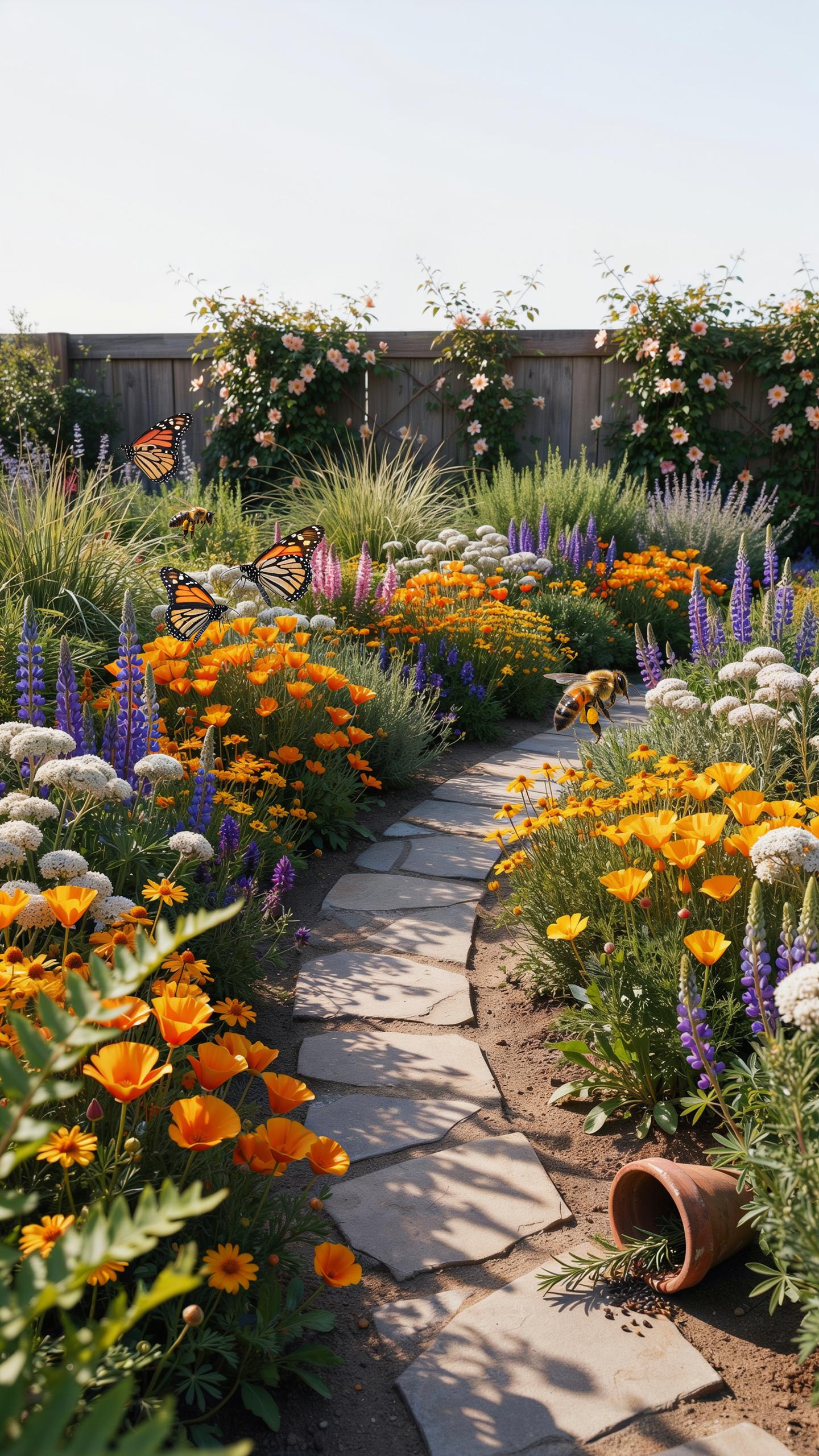
Creating Wildlife And Songbird Sanctuaries
Combine berry-producing shrubs with dense evergreens to build functional wildlife habitat. Berry shrubs like serviceberry, elderberry, and viburnum provide consistent food sources. Dense evergreens such as native hollies and junipers offer protective cover and nesting sites. This two-layer approach addresses the core needs birds require for survival and breeding.
The timing of berry availability matters tactically. Pair early-fruiting shrubs like serviceberry with late-season producers like winterberry holly. This succession ensures food availability through fall and winter when birds need it most. Spacing shrubs 4 to 8 feet apart creates the dense branching structure birds demand for secure nesting.
Integrating Stunning Color Harmonies
Pair complementary foliage hues to create visual impact throughout the year. Deep green shrubs like boxwood and cherry laurel serve as color anchors. Combine these with golden-yellow fall performers like serviceberry and fragrant sumac. This contrast works because the warm and cool tones naturally enhance each other without competing.
Layer shrubs by their seasonal color shifts for sustained visual interest. Spring foliage colors, summer greens, and fall transitions create movement across seasons. Choose shrubs with different peak color times rather than those that peak simultaneously. This staggered approach delivers continuous color variation without requiring constant replanting or maintenance.
Practical Landscaping With Native Plants For Beginners
Step By Step Soil Preparation Guide
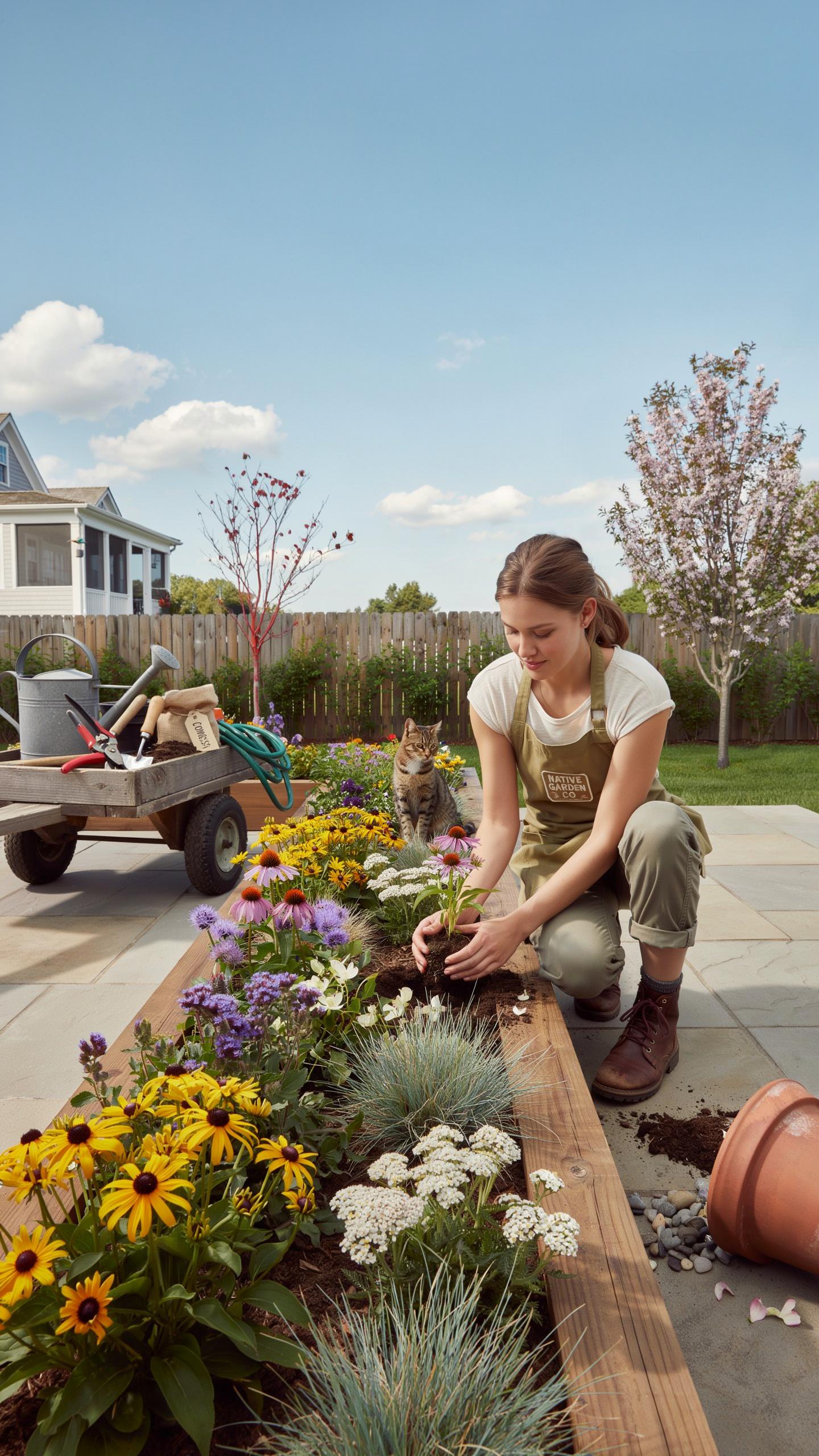
Native shrubs thrive or fail based on soil conditions before planting. Most native plants evolved to handle local soil chemistry, drainage rates, and mineral content. You cannot skip this step. Matching your soil to your plant selections determines survival rates and establishment speed. Testing your soil reveals what you actually have versus what you assume.
- Soil Testing: Send samples to your local cooperative extension office. Results show pH, nutrient levels, organic matter content, and texture composition. This data drives all planting decisions.
- Drainage Assessment: Dig a hole 12 inches deep and fill it with water. Time how long water drains completely. Native shrubs need 4 to 24 hours depending on species requirements.
- Organic Matter Integration: Mix compost or aged bark into the top 6 to 8 inches. Use 2 to 3 inches of material worked into existing soil. This improves water retention and root penetration.
- pH Adjustment: Most native shrubs prefer slightly acidic to neutral soil between 6.0 and 7.5. Add sulfur to lower pH or lime to raise it based on test results. Changes take weeks to fully integrate.
- Compaction Relief: Break up compacted soil with a tiller or digging fork. Native roots cannot penetrate hard packed earth. Loosened soil to 10 to 12 inches deep ensures root establishment.
Timing matters for soil prep. Complete amendments 2 to 4 weeks before planting. This allows materials to settle and integrate. Spring and fall offer ideal windows for soil work in most regions. Avoid working wet soil as this damages structure and creates hard clods.
How To Install Containerized Shrubbery
Remove containerized shrubs from their pots 30 minutes before digging. Score the root ball gently with a knife in 4 to 6 places if roots circle tightly. This breaks the circling pattern and encourages outward root growth into surrounding soil. Never leave roots circling or they strangle the plant over time.
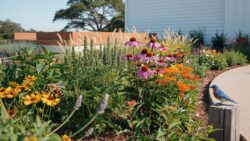
Dig your hole twice as wide as the root ball and equally deep. Place the shrub so the original soil line on the stem sits level with grade. Planting too deep kills shrubs by suffocating the base. Backfill with your amended soil in layers, settling each layer gently without heavy compaction. Water thoroughly after planting to eliminate air pockets and establish contact between roots and soil.
Inspiring Native Landscaping Ideas For Sparking Creativity
Designing Eye Catching Shrub Borders
Shrub borders define property edges and anchor hardscapes. Use native deciduous shrubs like serviceberry and ninebark for seasonal structure. Layer evergreen natives such as boxwood and holly underneath to maintain winter presence. This combination provides year-round definition while reducing maintenance. Space shrubs based on mature width to avoid overcrowding and ensure air circulation around each plant.
Borders work best when you repeat plant types in odd numbers. Three to five shrubs of the same species create visual rhythm and establish stronger impact than scattered single plants. Place taller shrubs toward the back and shorter varieties forward. This tiered approach maximizes visibility while providing natural screening. Border depth should reach three to four feet minimum for visual weight and functional coverage.
Using Wet Soil Shrubs For Rain Gardens
Rain gardens capture runoff from roofs and hardscapes while filtering water into the soil. Native wet-soil shrubs thrive in these conditions and require no supplemental irrigation after establishment. Plants like elderberry, buttonbush, and silky dogwood handle periodic standing water without rot or stress. Position these shrubs in the lowest point of your rain garden where water naturally collects and settles.
Rain gardens reduce lawn area while managing stormwater on site. Native shrubs establish deep root systems that stabilize slopes and prevent erosion during heavy rain events. Sedges and rushes complement shrubs by filling gaps and creating habitat. Size your rain garden to capture one inch of rainfall from surrounding roof and paving surfaces. This calculation determines how many shrubs your garden can support and the spacing between plants.
Top Native Shrub Landscaping Combinations To Try
Perfect Pairing Ideas For Home Gardens
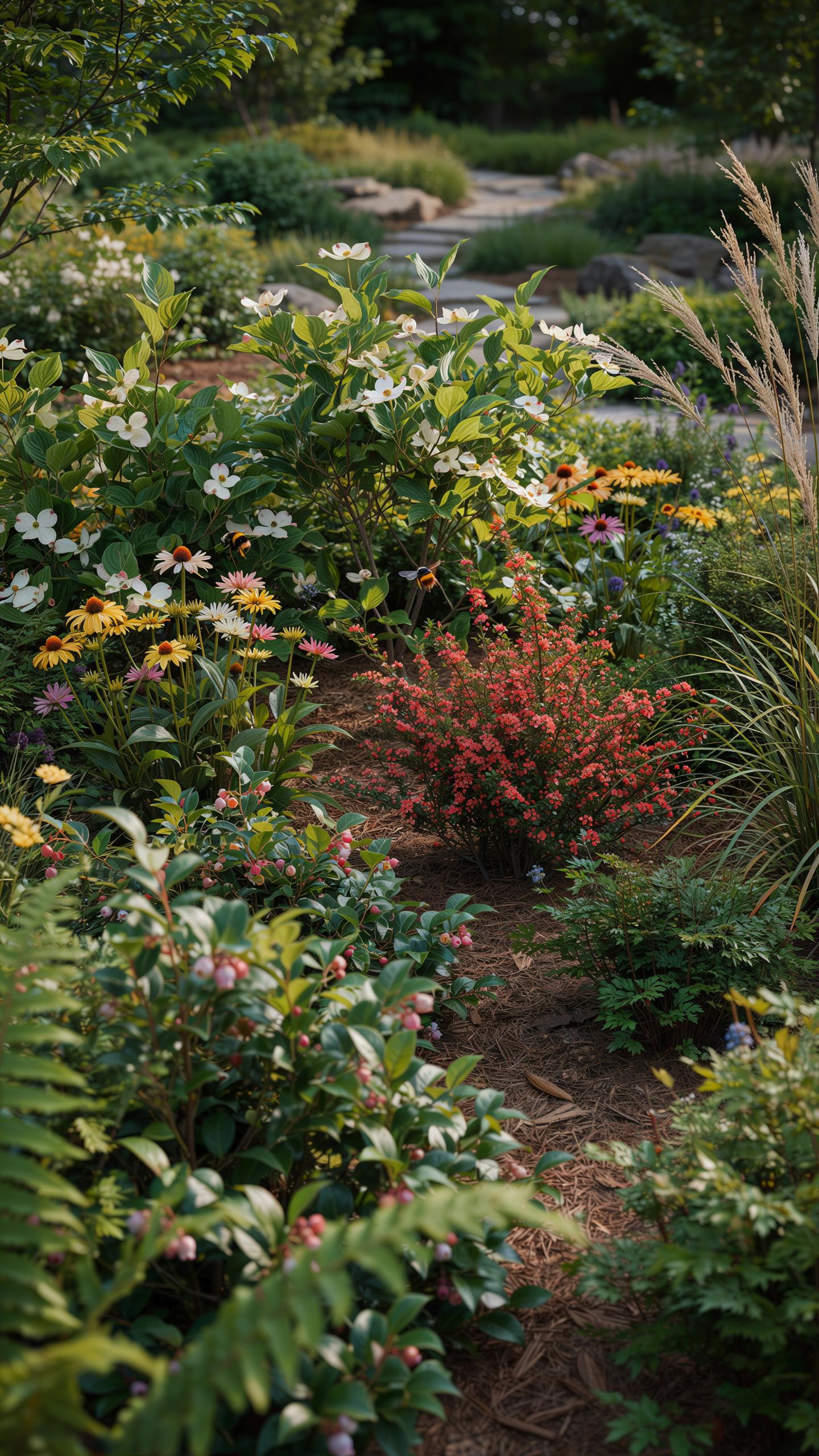
Regional native shrubs grow well together because they evolved under identical soil, moisture, and light conditions. Pairing shrubs from the same ecosystem eliminates guesswork about watering schedules, pest resistance, and overall vigor. The combinations below work across most regions where native plants originate. Select two to three shrubs from your region to create functional layers that establish quickly and require minimal maintenance once mature.
- Eastern Region: Serviceberry with Witch Hazel and Spicebush: Serviceberry flowers first in spring, witch hazel blooms late fall, and spicebush provides structure year-round. This combination offers extended visual interest and feeds wildlife at different seasons.
- Western Region: Manzanita with Buckwheat and Desert Marigold: Manzanita provides sculptural branching, buckwheat attracts pollinators, and desert marigold adds consistent color. These three tolerate drought after establishment and thrive in full sun with minimal supplemental water.
- Midwest Region: Ninebark with Dogwood and Elderberry: Ninebark offers ornamental bark and peeling texture, dogwood provides understory structure, and elderberry produces fruit for wildlife. This trio handles clay soil and variable moisture conditions common to prairie transitions.
- Southeast Region: Oakleaf Hydrangea with Possumhaw and Sweetshrub: Oakleaf hydrangea anchors the grouping with seasonal blooms, possumhaw displays persistent red berries, and sweetshrub adds fragrant flowers. These shrubs tolerate shade to partial sun and establish reliably in acidic soils.
- California Region: Coyote Brush with California Lilac and Toyon: Coyote brush tolerates poor soils and wind exposure, California lilac provides spring color, and toyon offers red berries for winter wildlife. All three require minimal water once established and handle coastal or inland conditions.
Combine shrubs at different mature heights to build layered canopies that block wind, reduce water runoff, and create visual depth. Use the tallest shrub in back, mid-range shrubs in the middle, and lower-growing natives in front. This tiered approach maximizes space efficiency and prevents taller plants from shading lower companions.
Foliage And Flower Contrast Matches
Spring flowering shrubs demand visual support through darker, year-round foliage backgrounds. Evergreen natives with deep green or gray-toned leaves absorb flower color and prevent spring blooms from appearing washed out or isolated. The contrast principle applies to both warm and cool flower tones, so species selection depends on whether you want coordination or dramatic opposition.
Pair early spring bloomers like serviceberry or redbud with dark-leaved evergreens such as inkberry holly or boxleaf myrtle. These evergreen shrubs stay dense and fully leafed when deciduous flowering shrubs stand bare. As spring growth emerges, the flowering shrub’s new foliage complements the evergreen backdrop without competing for attention. This technique works because evergreen structure remains constant while deciduous foliage changes seasonally, creating a layered temporal effect rather than visual chaos.
Successful Long Term Native Garden Maintenance
Pruning Guidelines For Native Shrubs
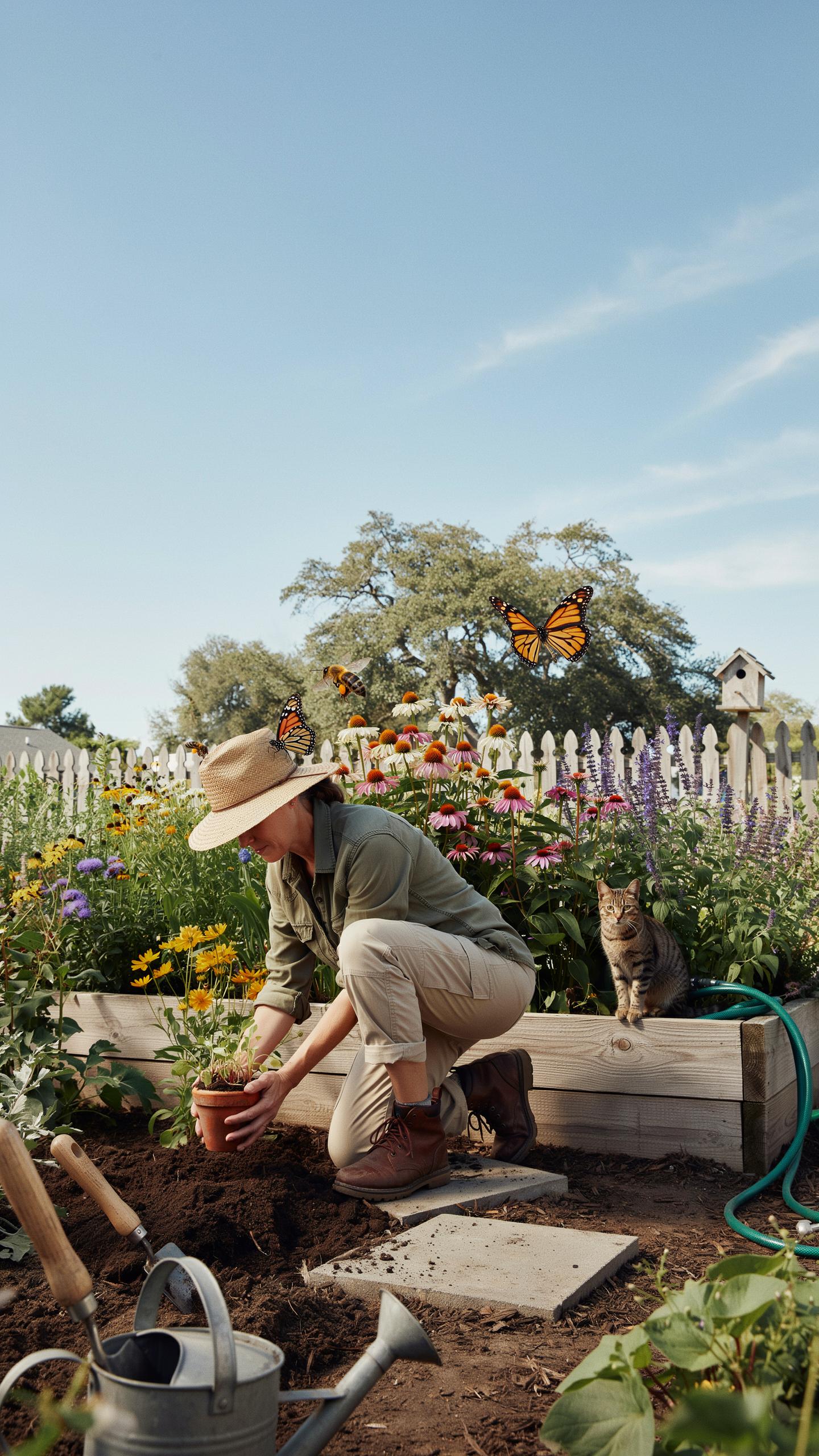
Prune native shrubs during their dormant season or immediately after flowering ends. This timing prevents you from removing next year’s flower buds and maintains the plant’s natural shape. Most native shrubs need minimal pruning. Remove dead wood, crossing branches, and diseased growth first. Then thin out interior growth to improve air circulation and light penetration into the canopy.
Different native species require different approaches. Spring bloomers like serviceberry need pruning right after flowers fade. Summer and fall bloomers tolerate late winter pruning better. Never shear native shrubs into formal shapes. This damages branch structure and reduces flowering. Instead, hand prune to maintain their natural form while controlling size and promoting dense, healthy growth patterns.
Eco Friendly Mulching And Weed Control
Apply two to three inches of organic mulch around native shrubs to suppress weeds and retain soil moisture. Shredded hardwood bark and wood chips break down over time, enriching soil with organic matter. Keep mulch six inches away from shrub stems to prevent rot and pest problems. Refresh mulch annually as it decomposes. This ongoing application builds soil structure and reduces watering needs significantly over time.
Leaf mold, created by composting fallen leaves, works exceptionally well for native plantings. It matches the forest floor environment where many native shrubs naturally grow. Avoid dyed mulches and rubber chips. These add nothing to soil development. Native shrub roots thrive when soil organic matter increases gradually through yearly mulch applications. This approach eliminates most weeds while establishing conditions for long term plant health and reduced maintenance demands.
Frequently Asked Questions

Why should I choose native shrubs over ornamental exotic varieties?
Selecting indigenous plants is a game-changer for your garden’s health. Native shrubs are evolutionary successes, meaning they require significantly less water and fertilizer once established. When you thoughtfully curate native shrub landscaping combinations, you create a self-sustaining ecosystem that provides essential food and shelter for local pollinators, birds, and beneficial insects, all while offering year-round visual interest that thrives specifically in your region’s unique soil and climate conditions.
How do I layer different heights to create a cohesive native shrub design?
To achieve a professional look, utilize the “thriller, filler, and spiller” method on a larger scale. Place taller specimens like Ninebark or Elderberry in the back as a structural backdrop. In front, weave in mid-sized mounding plants for density. Finishing your native shrub landscaping combinations with low-growing groundcover shrubs ensures a lush, tiered appearance that hides leggy stems and maximizes the biological diversity of your outdoor living space.
Can I create a beautiful native landscape without spending a fortune?
Absolutely! The most budget-friendly way to start is by purchasing younger “tube stock” or small pots rather than mature specimens, as native varieties grow remarkably fast once their roots hit familiar soil. You can also save money by reaching out to local conservation districts during their annual spring plant sales. Focusing on just three complementary species will create a high-impact look that remains affordable while still providing a stunning, professional aesthetic.