Understanding The Essentials Of A Compact Vegetable Garden Layout
Maximizing Small Spaces For High Yields
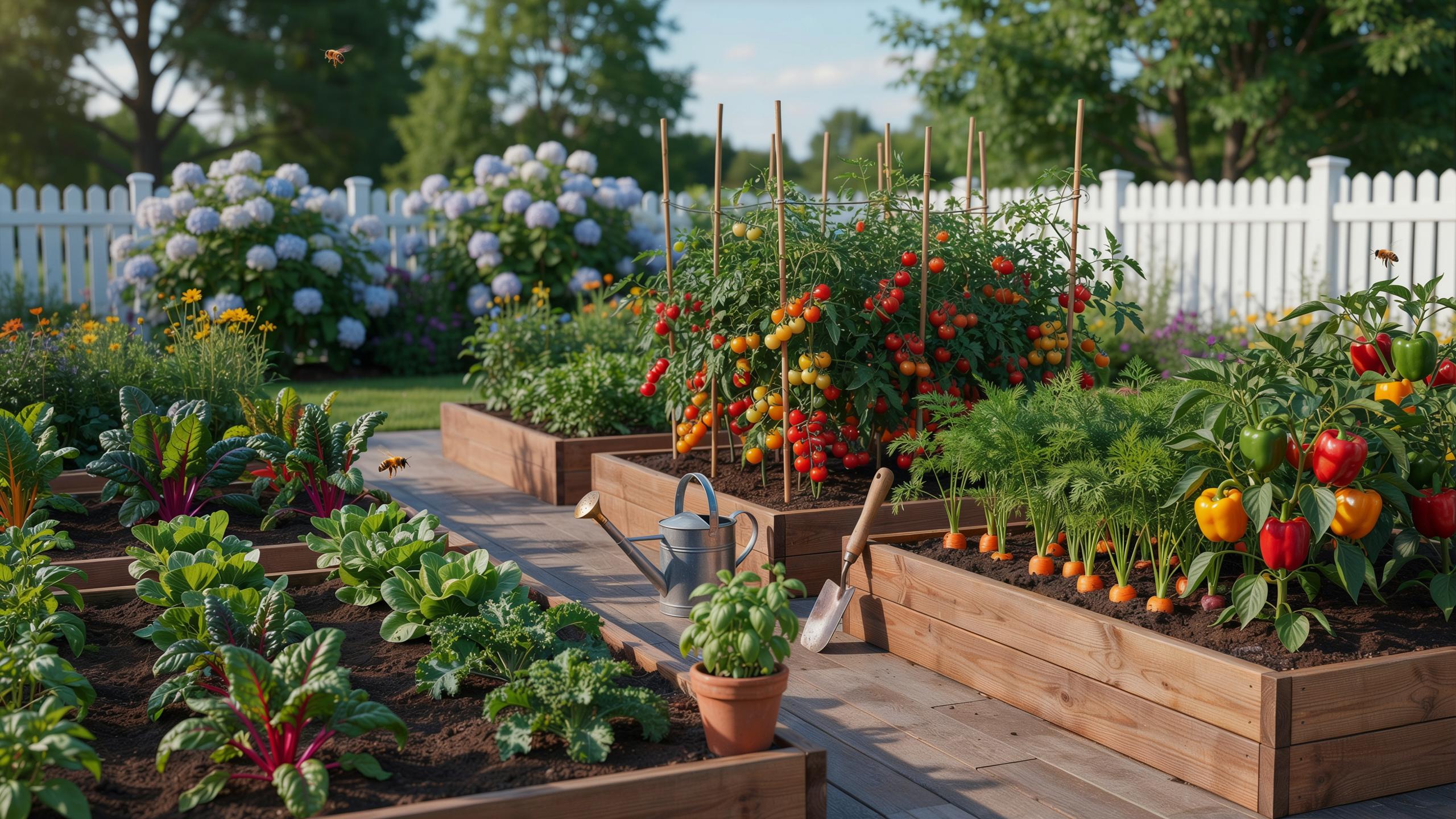
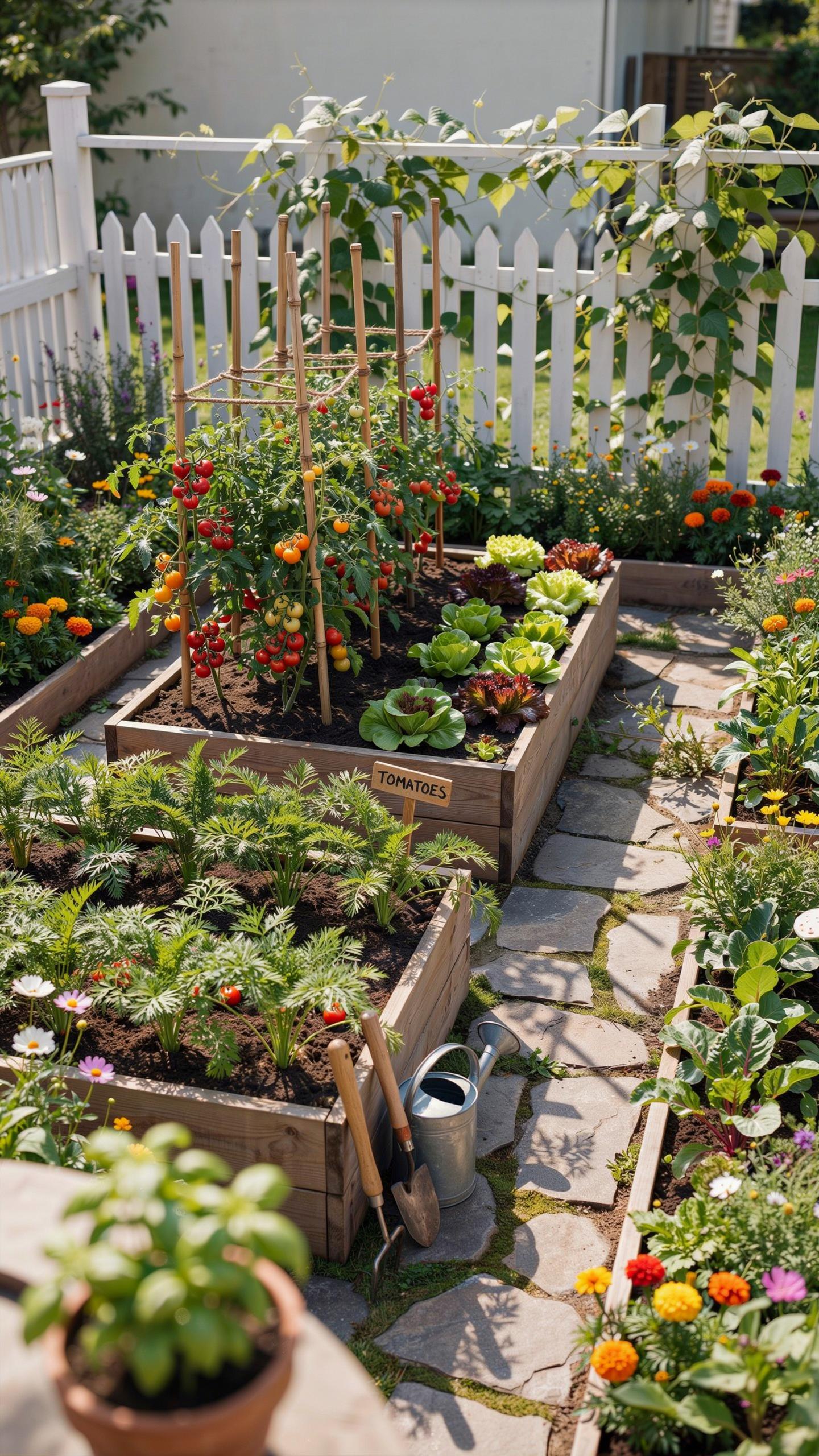
Compact gardens demand strategic plant placement to produce real results. You work with limited square footage, so every inch counts. Vertical growing, succession planting, and dense spacing techniques let you grow more food in less area. Start by measuring your available space in feet, then map out zones based on plant size and root depth. This planning step prevents overcrowding and root competition that kills yields.
Choose vegetables that deliver high caloric or nutritional returns per square foot. Tomatoes, peppers, leafy greens, and root crops like carrots and beets outperform sprawling plants in small spaces. Use trellises and stakes to push growth upward rather than outward. Stack growing seasons by planting cool-season crops in spring and fall, warm-season crops in summer. This rotation maximizes your land use throughout the growing year.
Analyzing Sunlight And Microclimates In Your Yard
Track your yard’s sunlight patterns for at least three days before planting. Most vegetables need six to eight hours of direct sun daily. Note where shadows fall from structures, trees, and fences at different times. Morning sun in the eastern section matters more than afternoon western exposure for heat-sensitive greens. Document temperature variations across your yard, including cold pockets near walls or shaded areas.
Microclimates exist even in small yards. South-facing walls absorb and radiate heat, warming nearby plants. Low-lying areas trap cold air and frost longer into spring. Reflected heat from hardscaping amplifies temperatures. Position tender plants like basil and peppers in warm zones. Move cold-tolerant crops like kale and spinach to cooler pockets. This strategic placement matches plant needs to actual conditions, not assumptions.

Designing Backyard Vegetable Gardens With Aesthetics In Mind
Visual Symmetry And Focal Points In Small Gardens
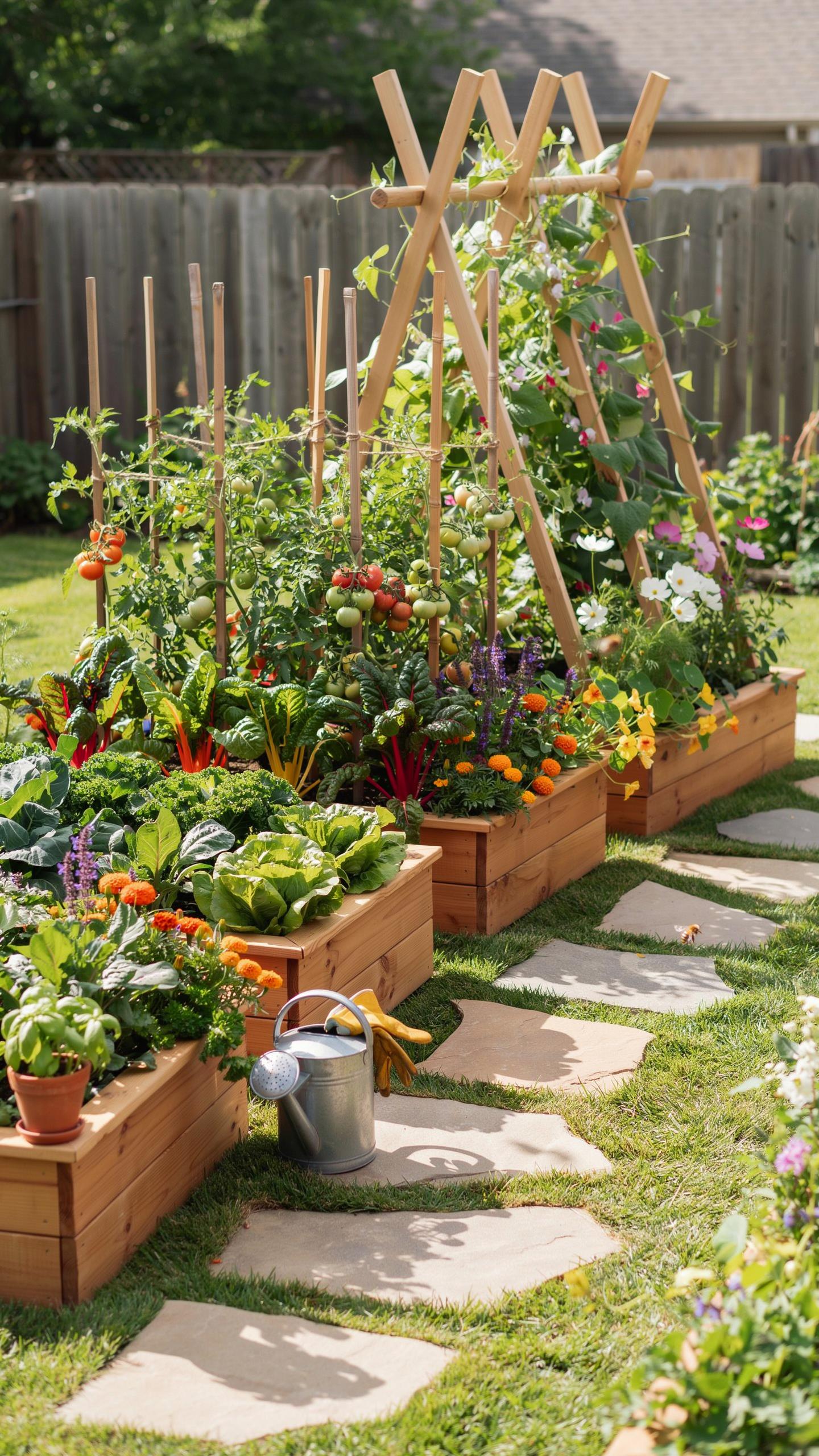
Symmetry in compact gardens creates order and makes spaces feel larger. Place your tallest plants or structures at the center or back. This anchors the eye and prevents the garden from looking chaotic. Symmetrical layouts also simplify maintenance because you navigate predictable paths.
Focal points stop the eye and break up repetitive plantings. Use a trellis, raised bed, or garden marker as your anchor. Position it where sight lines naturally converge. This single element transforms a functional space into a designed garden.
The glory of gardening: hands in the dirt, head in the sun, heart with nature. To nurture a garden is to feed not just the body, but the soul.
Color Coordination And Textures Of Crops
Crop colors range from deep purple cabbage to bright orange carrots to pale green lettuce. Group similar colors together or create contrast with complementary tones. Dark foliage recedes visually while light colors advance. Strategic color placement makes small gardens feel intentional rather than accidental.
Texture variety prevents monotony in tight spaces. Feathery fennel contrasts with broad-leafed chard. Bumpy squash leaves differ from smooth bean foliage. Mix upright growers like tomatoes with trailing plants like basil. These texture shifts create visual depth without requiring more square footage.
The Role Of Raised Beds In A Polished Layout
Benefits Of Elevated Planting Structures
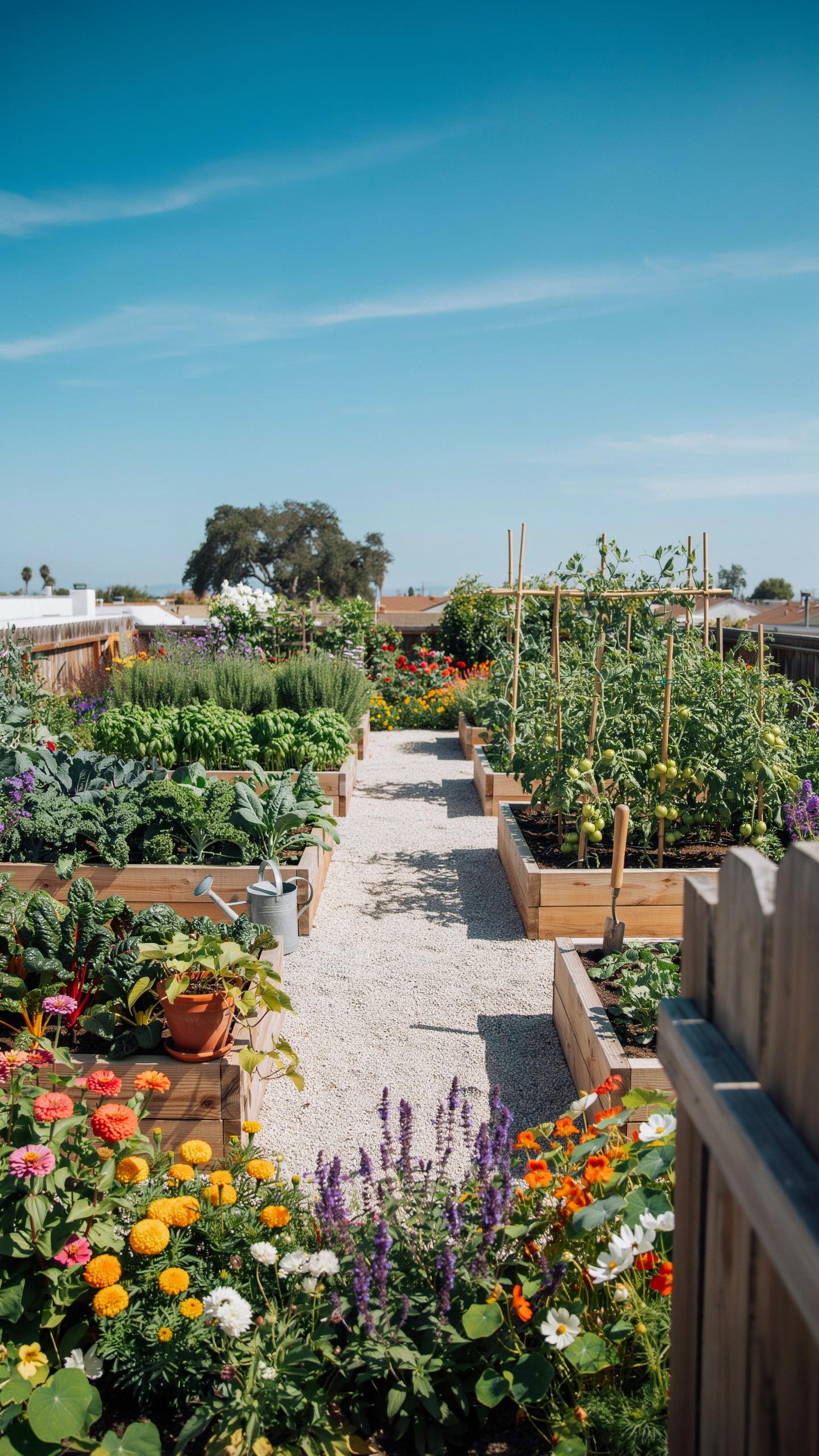
Raised beds solve three core problems in compact vegetable gardens. They improve drainage, eliminate soil compaction from foot traffic, and create defined growing zones that organize your layout visually. The elevated design also reduces bending, making maintenance faster and less physically demanding. You gain better pest management because barriers create natural obstacles for ground-dwelling insects and slugs.
Raised beds warm up faster in spring than ground-level soil. This extends your growing season on both ends, letting you plant earlier and harvest later. The contained soil environment means you control exactly what goes into your growing medium, eliminating contamination from poor surrounding soil. Better root development follows from this controlled environment, translating directly into healthier plants and higher yields.
Choosing Durable And Attractive Materials For Bed Construction
Untreated wood boards rot within five to ten years, depending on climate and wood type. Cedar and redwood resist decay naturally but cost significantly more upfront. Composite materials last longer and require zero maintenance, though they carry higher initial expense. Galvanized metal frames provide durability and a clean aesthetic, lasting twenty years or more without deterioration.
Stone and composite materials work best for polished layouts because they maintain appearance without regular upkeep. Wood requires annual assessment for rot and replacement of damaged sections. Metal frames must resist rust, so quality galvanizing matters. Choose materials based on your climate zone and budget. Your material choice directly affects how often you’ll need to rebuild or repair the bed structure.
Mastering The Small Raised Bed Vegetable Garden Layout
Intensive Planting Techniques In Confined Spaces
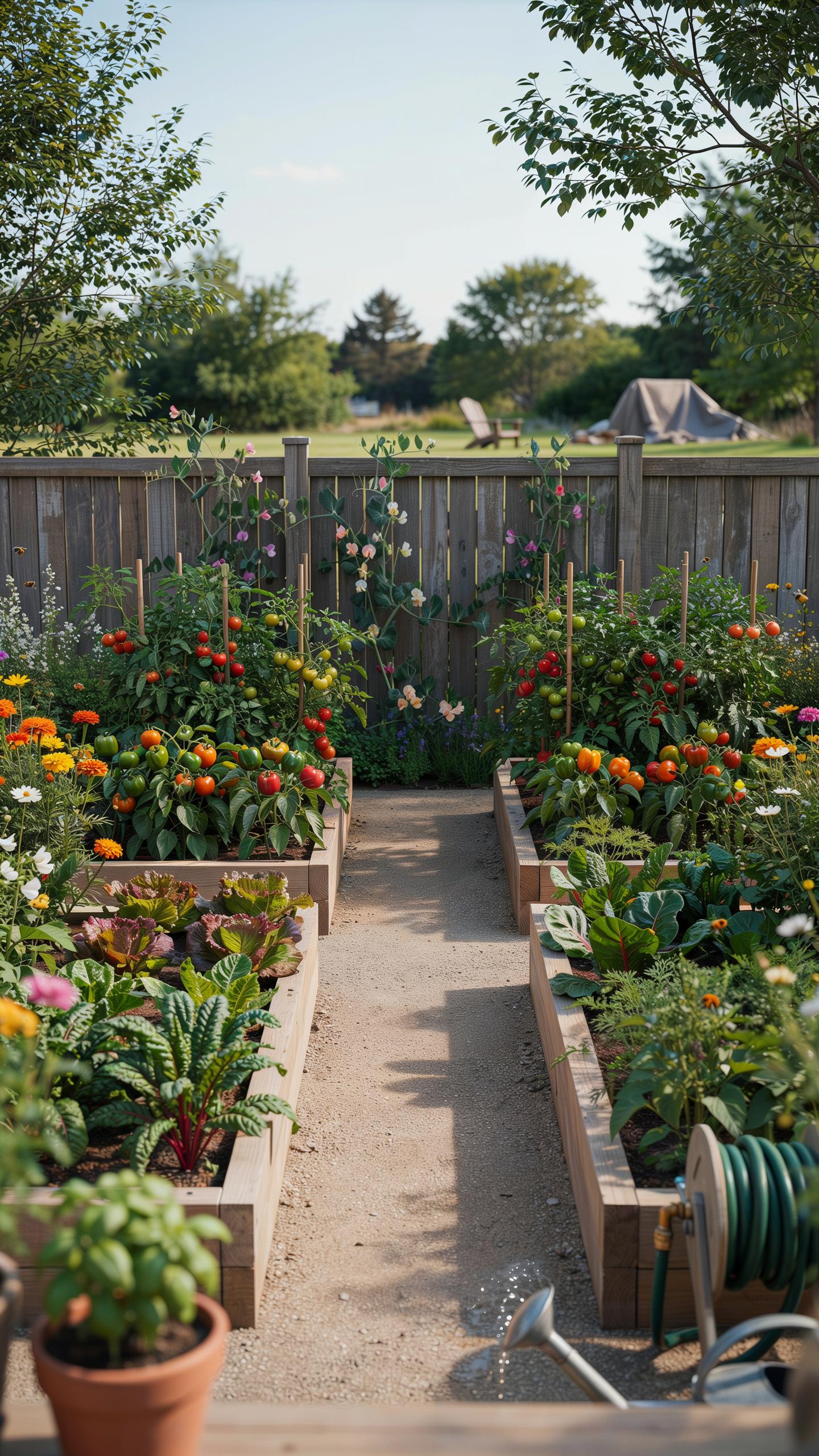
Intensive planting maximizes yield per square foot by reducing spacing between plants. This method works because plants access adequate light, water, and nutrients in small beds. Spacing follows the mature plant width, not traditional row requirements. You plant on centers rather than in rows, eliminating wasted aisle space. This approach produces 4 times more food than conventional spacing in equivalent square footage.
Succession planting complements intensive spacing by filling gaps as crops mature. Plant fast-growing crops like lettuce and radishes between slower maturing plants like tomatoes and peppers. Use vertical trellises for vining crops to free ground space for shallow-rooted plants. Interplanting compatible species creates micro-ecosystems that suppress pests naturally. Layer planting heights so taller plants shade heat-sensitive crops during peak summer temperatures.
Crop Rotation Strategies For Small Beds
Crop rotation prevents soil depletion and breaks pest and disease cycles. Divide your beds into 3-4 sections and rotate plant families through each section yearly. Heavy feeders like tomatoes and corn follow nitrogen-fixing legumes like beans and peas. Root crops rotate after leafy greens to avoid competing for the same soil nutrients. This system requires minimal space and maintains productivity without commercial fertilizers.
Track rotations on paper or use a simple grid system mapped to your bed layout. Assign each bed a letter and record what plant family occupies it each season. Rotate families clockwise or in any consistent pattern you can maintain. Small beds demand this discipline because soil nutrients concentrate faster in limited volumes. Rotation becomes your most cost-effective insurance against declining yields and soil exhaustion.
Inspirational Garden Layout Ideas For Compact Spaces
Geometric And Formal Garden Patterns
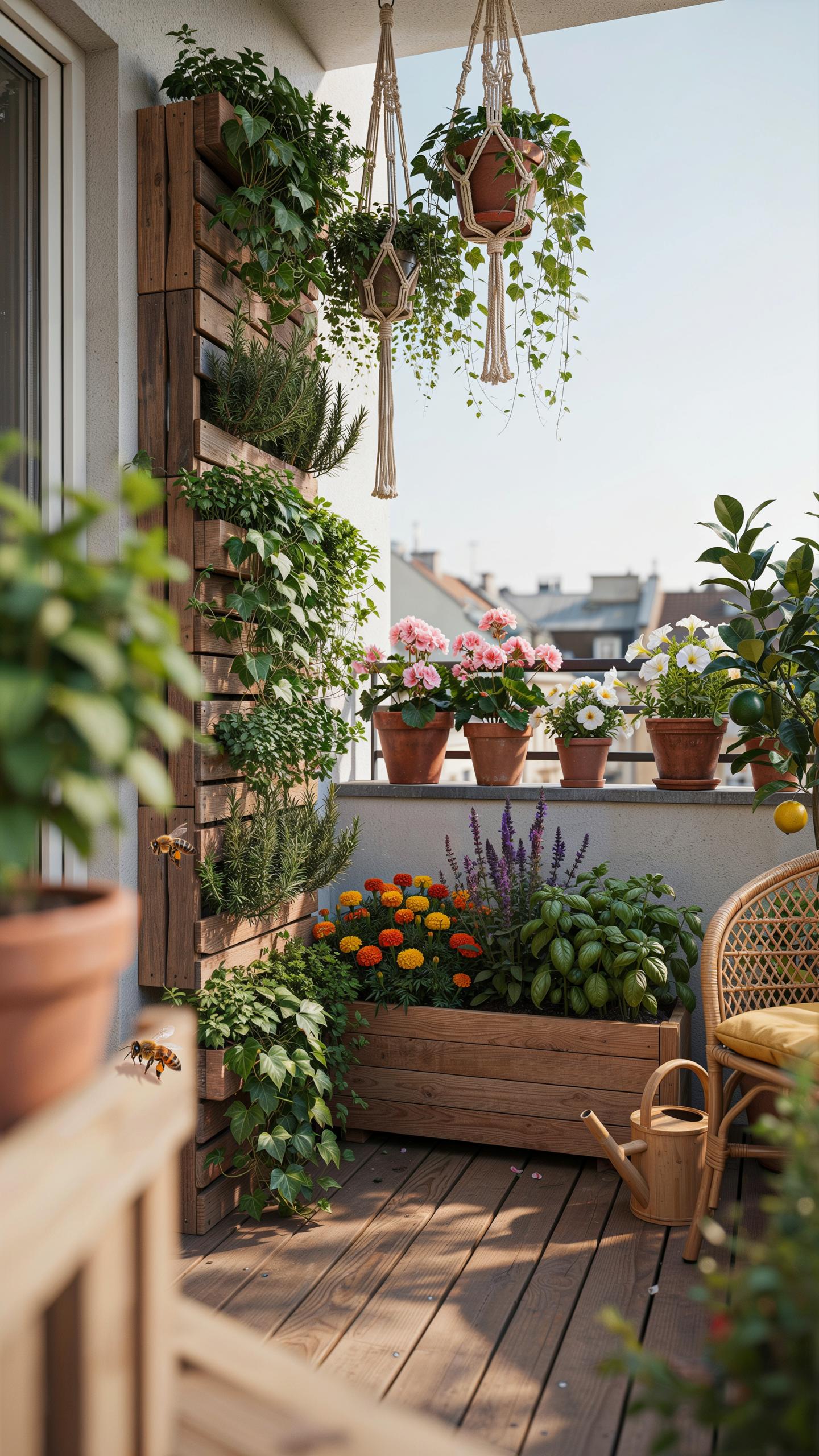
Geometric patterns work in compact spaces because they maximize every square foot. Straight lines and defined zones reduce wasted pathways. Square or rectangular beds align with most property boundaries. This approach comes from Renaissance garden design, where order and symmetry ruled. Formal patterns also make planning crop rotations simpler and harvesting more efficient.
Implement geometric layouts by dividing your space into equal sections. Use raised beds, containers, or ground-level divisions to create hard edges. Align plants in rows or grids for visual clarity and easier maintenance access. Symmetrical designs work best in long, narrow spaces or small urban yards. The rigid structure forces you to plan before planting, which prevents overcrowding and poor yields.
Potager Style Designs Mixing Ornamentals And Edibles
Potager gardens blend vegetables with flowers and herbs in structured layouts. This French design approach originated in the 17th century at Versailles. The style prioritizes both food production and visual appeal within confined areas. Potagers solve the compact space problem by eliminating separate ornamental and vegetable zones. You grow food and beauty in one coordinated system.
Combine tall plants like pole beans with flowering herbs such as borage or nasturtium. Plant lettuces and kale alongside ornamental cabbages for texture contrast. Use marigolds to border beds while controlling pests naturally. Potager designs require planning to ensure adequate sunlight reaches all plants. This mixed approach increases total yield per square foot while maintaining a polished appearance.
Planning Your Garden Bed Veggie Layout For Peak Efficiency
Companion Planting Guidelines For Healthier Yields
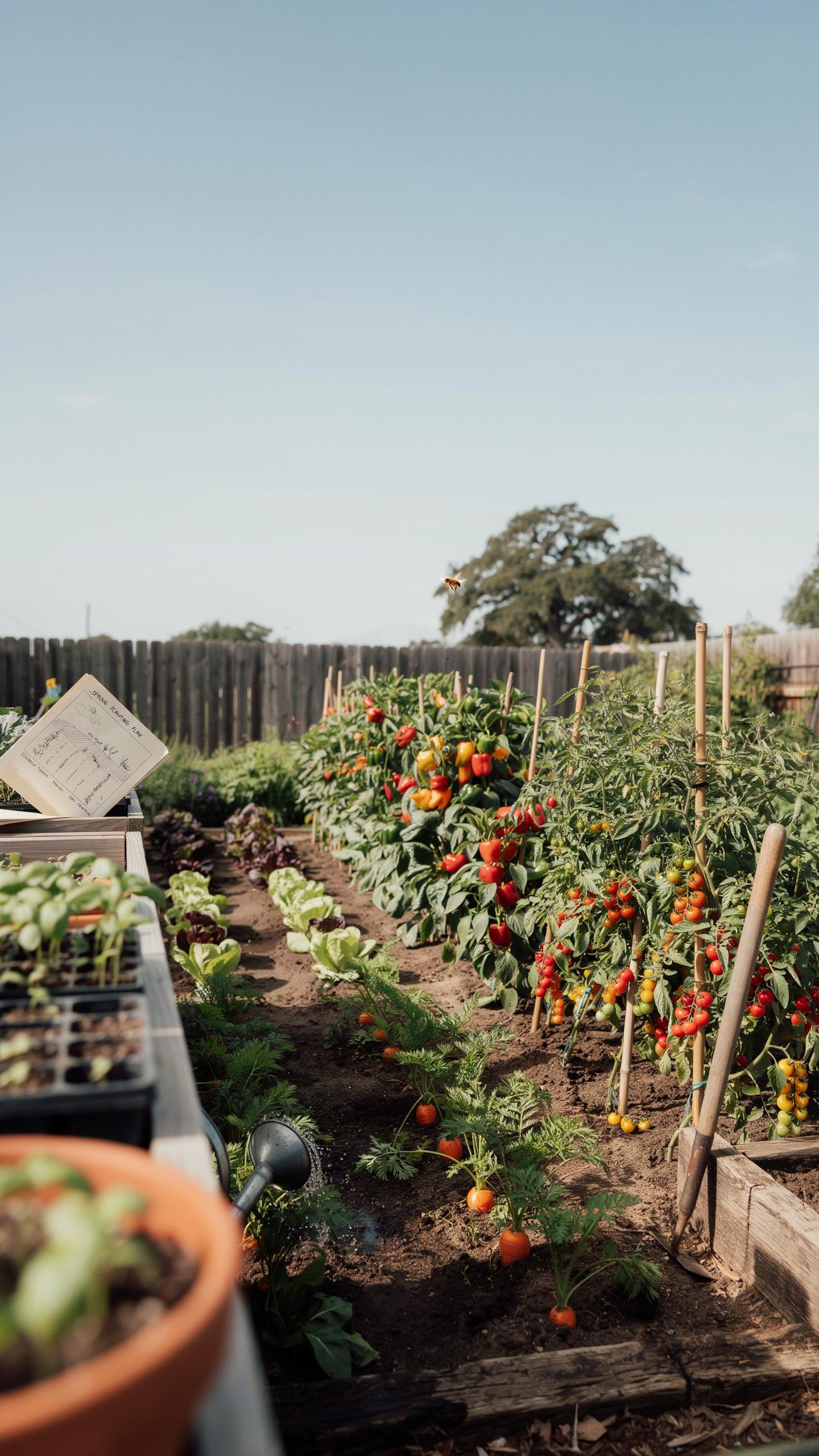
Companion planting works because certain plants suppress pests, improve soil nutrients, or enhance growth in neighboring crops. Tomatoes grow better near basil because basil repels common tomato pests. Nitrogen-fixing legumes like beans add usable nitrogen to soil, benefiting heavy feeders planted nearby. Marigolds deter harmful insects without chemicals. The key is matching plants with complementary needs and pest profiles rather than random proximity.
Spacing matters as much as pairing. Dense layouts create humidity that breeds fungal disease. Air circulation prevents mildew and reduces pest populations. Plants competing for the same nutrients fail regardless of compatibility. In compact gardens, vertical growing and succession planting replace spacing solutions. Rotate companion combinations yearly to prevent soil depletion and pest cycles from repeating in the same location.
Step By Step Mapping Of Your Garden Grid For The Season
Start by measuring your bed dimensions and dividing the space into a grid based on mature plant size. A four by eight foot bed works well with a two foot grid, creating sixteen sections. Mark each section with stakes or string to visualize actual plant spacing. This prevents overcrowding and ensures every plant gets adequate light and nutrients. Sketch your plan on paper first, then transfer measurements to the physical bed.
- Tall plants north side: Place tomatoes, poles beans, and trellised crops on the north edge to prevent shade on shorter neighbors.
- Medium plants center: Position peppers, eggplants, and cabbage in middle rows where they receive consistent light throughout the day.
- Low growers south side: Plant lettuce, spinach, radishes, and herbs on the south side to capture maximum available light.
- Succession blocks: Reserve specific grid sections for replanting every two to three weeks with fast crops like lettuce, beans, and radishes.
- Root depth zones: Separate shallow-rooted crops like lettuce from deep-rooted crops like tomatoes to minimize competition for water and nutrients below soil.

Execute your plan by planting tall varieties first, then medium height plants, then ground covers. This order prevents accidental shading during installation. Water the grid immediately after planting to settle soil around roots. Check spacing weekly for the first month. Adjust plants that drift or overcrowd. Dense compact gardens require active management to maintain the layout efficiency you designed.
Adapting Allotment Layout Principles To Residential Yards
Scaling Down Traditional Allotment Structures To Fit Your Yard
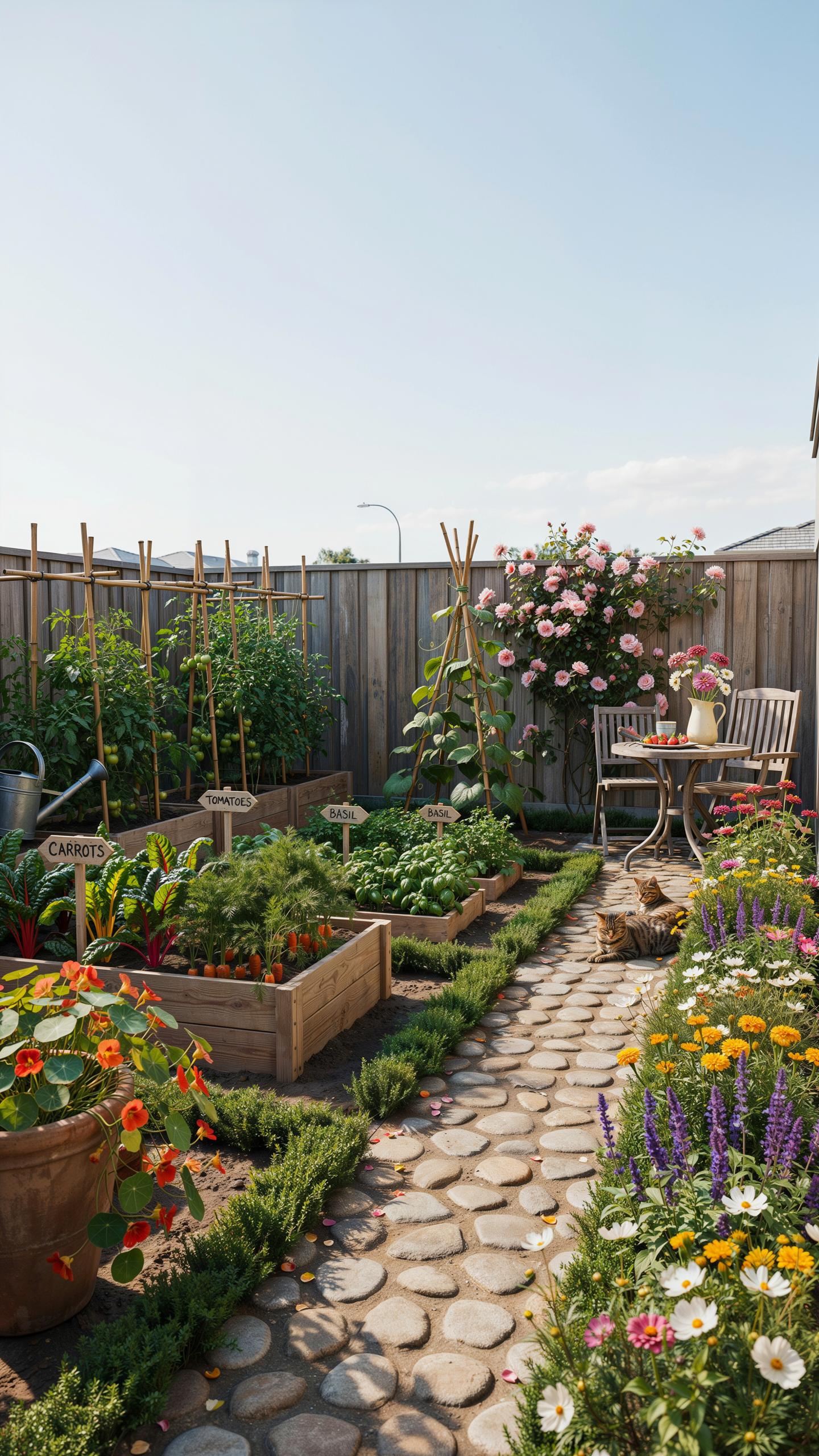
Traditional allotments organize crops into rows with consistent spacing and soil management. This structure works because it maximizes yield per square foot and simplifies maintenance access. You apply the same logic to residential yards by reducing plot size while keeping the core principles intact. Your compact garden uses the same crop rotation and spacing rules as full-scale allotments.
Start by identifying your yard’s usable space in square feet. Most residential allotment conversions work in 100 to 400 square foot zones. Divide this into four equal sections for crop rotation. Assign one section to leafy greens, one to legumes, one to brassicas, and one to root vegetables. Rotate these groups annually to prevent soil depletion and disease buildup. This mirrors professional allotment management at residential scale.
Pathway Design And Defined Borders For Clean Lines
Pathways serve a functional purpose. They prevent soil compaction in growing areas and give you access for weeding and harvesting. Allotments use 18 to 24 inch pathways between plots. For compact yards, maintain at least 18 inches between beds to allow comfortable movement and tool use. Mulch or gravel pathways reduce maintenance compared to bare soil.

Defined borders create visual organization and contain soil within beds. Use untreated wood, metal, or composite materials to frame each section. Borders prevent grass encroachment and make bed edges clear. This layout directly translates the allotment structure into a polished residential appearance. Consistent border height and material choices across all beds reinforce the organized aesthetic while maintaining the productivity framework of traditional allotment design.
Practical Steps For Growing Vegetables In Tight Formations
Soil Enrichment And Drainage Essentials For High Density Planting
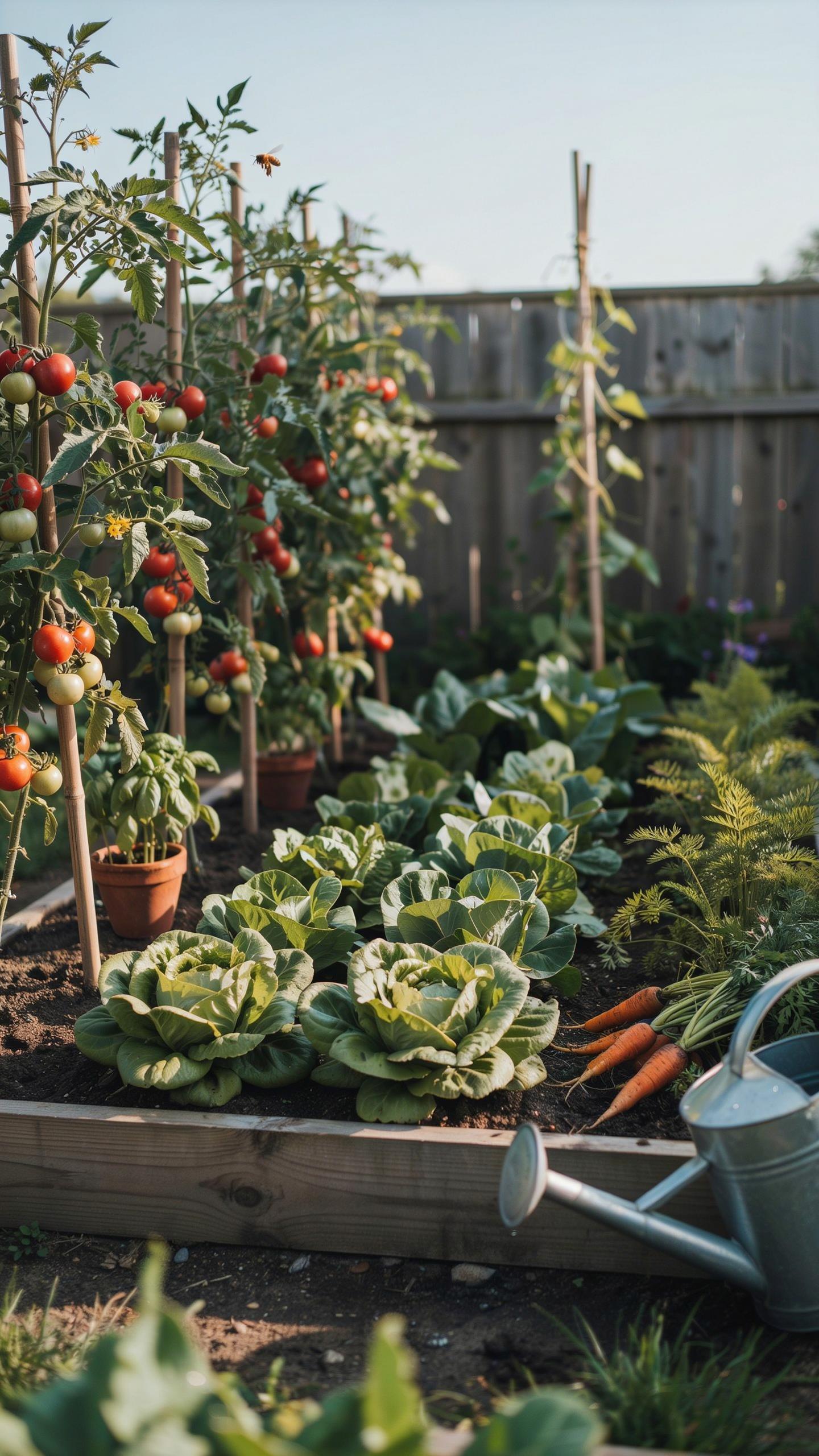
High-density planting demands soil that drains fast and holds nutrients effectively. Compact gardens lack soil volume, so every cubic inch must work harder. Mix finished compost at 30-40% by volume into existing soil. Add perlite or coarse sand to improve drainage. Test your soil pH and adjust to 6.0-7.0 for most vegetables.
Dense plantings create moisture retention issues and root competition. Amend annually with compost to replenish nutrients depleted by frequent harvests. Use raised beds or containers filled with quality potting mix to bypass poor native soil entirely. Monitor drainage by watering a test area and observing how quickly water disappears.
Watering Efficiency With Drip Irrigation Systems
Drip irrigation delivers water directly to plant roots, eliminating waste and reducing disease pressure. Overhead watering in compact gardens wets foliage and invites fungal problems. Install drip lines or soaker hoses on timers to automate watering schedules. Drip systems use 50% less water than sprinklers while providing consistent moisture levels.

Space drip emitters six to twelve inches apart depending on soil type and plant needs. Clay soil requires wider spacing. Sandy soil needs closer spacing. Mulch around plants to retain moisture and reduce evaporation. Check emitters monthly for clogs caused by mineral buildup or debris.
Selecting Plants For An Elegant Garden Layout Vegetable Scheme
Top Dwarf And Compact Cultivars For Tidy Growth Habits
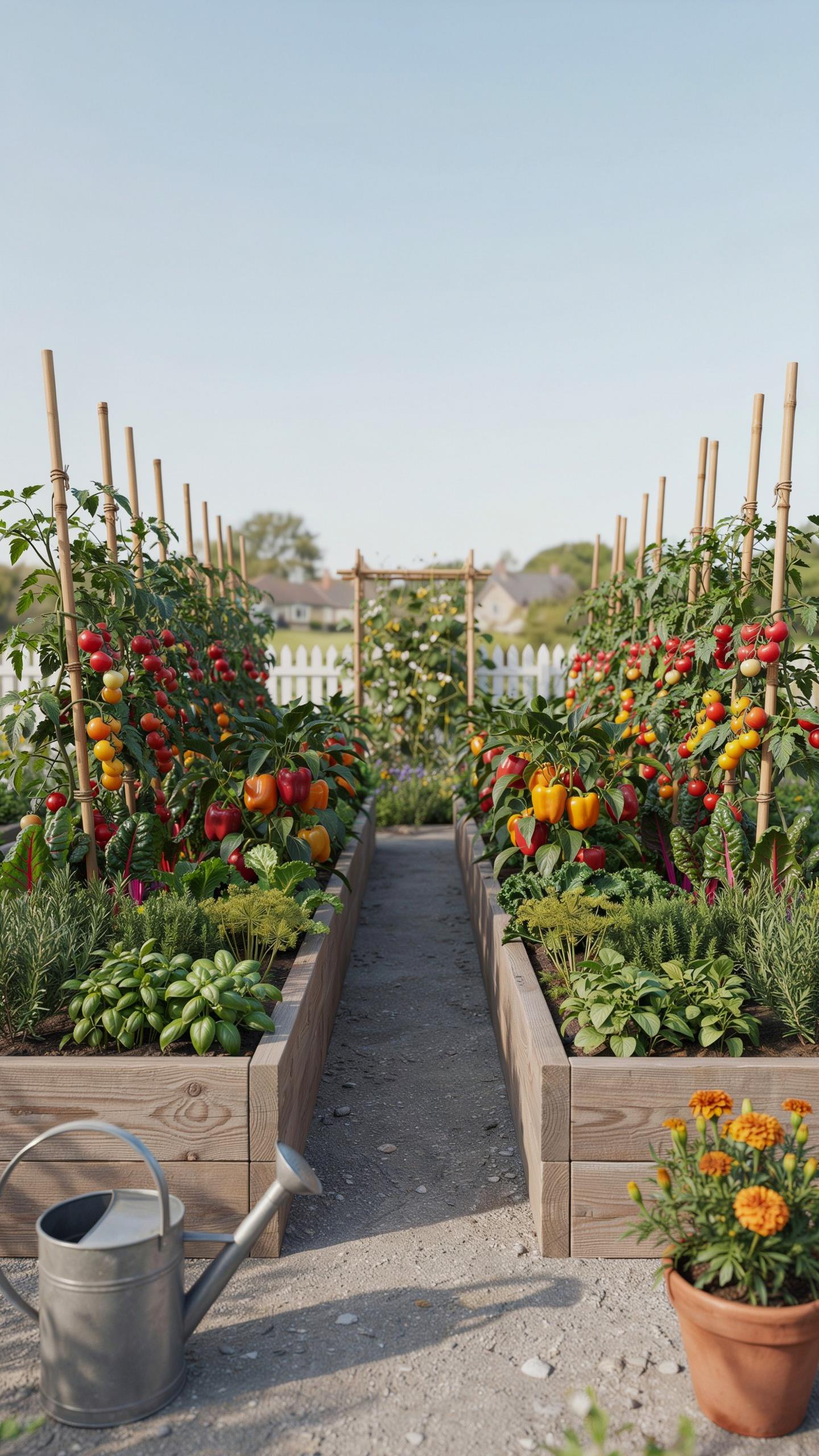
Dwarf cultivars deliver predictable size and form. They reach mature heights between 12 and 24 inches, making them ideal for defined garden beds. Select varieties bred specifically for compact growth rather than standard cultivars pruned down. Compact cultivars produce full yields in confined spaces without constant maintenance or structural support requirements.
- Bush beans: Determinate varieties like ‘Provider’ and ‘Mascotte’ max out at 12 to 15 inches tall with heavy yields in tight rows.
- Dwarf tomatoes: ‘Tiny Tim’ and ‘Micro Tom’ stay under 18 inches and produce full-sized fruit on compact plants.
- Compact lettuce: Varieties like ‘Buttercrunch’ and ‘Nevada’ form tight heads within 8 to 10 inches of space.
- Dwarf peppers: ‘Lunchbox’ and ‘Apache’ types grow 10 to 14 inches tall with standard pepper production rates.
- Miniature root vegetables: ‘Thumbelina’ carrots and ‘Pearl’ radishes mature at smaller sizes without sacrificing nutrition.
Compact cultivars require the same soil nutrients and water as standard varieties. Plant them at normal spacing recommendations for the variety, not closer. Overcrowding reduces airflow and invites disease regardless of plant size. These cultivars handle container and raised bed systems well, making layout adjustments straightforward when needed.
Vertical Growing Solutions For Vining Varieties To Save Space
Vertical trellising systems redirect vine growth upward instead of across garden beds. Pole beans, peas, and indeterminate tomatoes gain 4 to 8 feet of height on sturdy support structures. This vertical approach cuts ground footprint by up to 60 percent while maintaining full crop production. Install trellises at garden perimeters to avoid shading shorter plants.
Trellising materials matter for durability and plant health. Use sturdy materials like wooden stakes, bamboo poles, or metal frames rated for your region’s wind loads. Secure vining plants with soft ties or plant clips rather than wire, which cuts stems under weight. Train vines horizontally along the support structure early in the season to distribute weight evenly and improve harvest access.
Maintaining Your Finished Garden Layout For Long Term Beauty

Seasonal Pruning And Tidying Techniques
Prune vegetables and herbs at specific growth stages to maintain compact dimensions and appearance. Remove dead leaves, yellowed foliage, and spent flowers immediately. Pinch growing tips on basil, mint, and other herbs every two weeks to encourage bushier growth. Cut tomato suckers to direct energy toward fruit production. Clean up fallen debris weekly to prevent pest habitat and disease spread. Trim lower leaves on tomato plants to improve air circulation and reduce fungal issues.
Schedule major tidying in early spring, mid summer, and fall. Remove entire plants once production stops rather than letting them decline visibly. Cut back perennial herbs like rosemary and oregano by one third after harvest. Weed beds every week to maintain clean lines and reduce competition for nutrients and water. Replace tired soil in raised beds yearly. Keep all cutting tools sharp and sanitized between plants to prevent disease transmission.
Mulching Options That Prevent Weeds And Look Neat
Apply two to three inches of mulch around plants to suppress weeds and retain soil moisture. Wood chips break down slowly and look uniform across the garden bed. Straw or hay works well for pathways but use weed free hay only to avoid introducing seeds. Compost adds nutrients while suppressing weeds, though it requires annual replenishment. Cardboard under mulch creates an additional weed barrier and eventually breaks down into soil.
Refresh mulch annually or when it settles and compacts. Maintain consistent mulch depth across the entire garden for visual uniformity. Avoid piling mulch directly against plant stems as it traps moisture and causes rot. Use dark colored mulch in cooler climates to absorb heat and light colored mulch in hot regions to reflect it. Rake mulch occasionally to break up surface crusting and improve water penetration into soil.
Frequently Asked Questions

How do I choose the best plants for a small space while keeping it stylish?
To achieve a polished look, focus on “edimentals”—plants that are both edible and ornamental. Opt for compact varieties like patio tomatoes, rainbow chard, or purple basil. When designing your compact vegetable garden layout, grouping plants with similar water needs and contrasting textures creates visual interest. This approach ensures your garden remains productive without looking cluttered, making it a beautiful, functional focal point for any small backyard or balcony.
What is the most effective way to organize a small garden for maximum efficiency?
Implementation of vertical structures is the secret to an effortless and organized space. Use sleek trellises or wall-mounted planters to draw the eye upward and save ground space. A structured compact vegetable garden layout often utilizes square-foot gardening techniques to prevent overgrowth. By defining clear boundaries with modern edging or raised beds, you maintain a clean aesthetic while ensuring every inch of your soil is utilized for a high-yielding harvest.
Can I create a high-end garden look on a limited budget?
Absolutely. A sophisticated garden doesn’t require luxury materials; it thrives on consistency and neatness. Use affordable cedar planks to build uniform raised beds or repurpose matching containers for a cohesive feel. Focus on keeping paths clear and using organic mulch like wood chips to suppress weeds. This attention to detail provides a refined finish, proving that a thoughtful layout can look incredibly expensive and professional without requiring a massive financial investment.