Embracing Small Space Gardening Vertical Solutions For Cozy Living
Maximizing Limited Areas
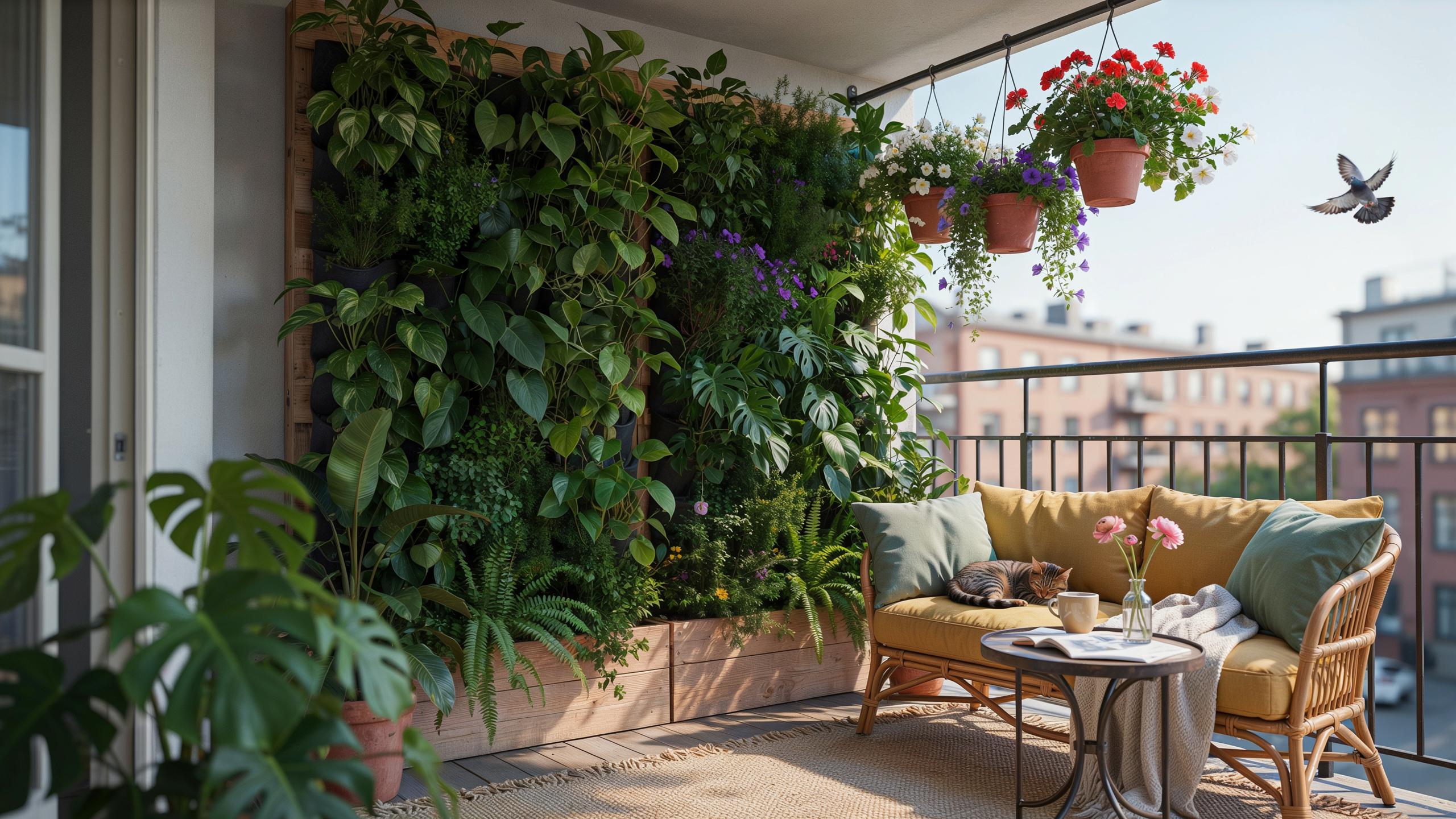
Vertical gardening redirects your growing space upward, solving the constraint of horizontal square footage. Wall-mounted planters, trellises, and stacked containers let you cultivate more plants in tight patios, balconies, and courtyards. This approach uses existing structures like walls and fences as growing real estate. You gain usable garden space without consuming floor area needed for movement and function.
Vertical systems work through gravity and structural support. Lightweight containers mounted on walls distribute weight safely across surfaces. Climbing plants and trailing varieties naturally follow vertical structures, requiring minimal intervention. Proper drainage prevents water damage to walls and surrounding areas. Strategic placement catches sunlight while maintaining privacy and visual balance in compact zones.
The Wellness Benefits Of Cozy Greenery
Live plants reduce indoor carbon dioxide levels and increase oxygen production through photosynthesis. Research shows proximity to greenery lowers cortisol, a stress hormone linked to anxiety and fatigue. Physical symptoms including lower blood pressure and reduced heart rate follow regular plant interaction. Hospital patients with window views of plants recover faster than those without natural elements nearby.
Indoor plants filter airborne toxins like formaldehyde and benzene commonly found in homes and offices. The act of tending plants provides routine, purpose, and measurable progress toward concrete goals. Close access to greenery encourages daily movement and mental focus shifts away from screens. Compact vertical gardens deliver these benefits within confined living areas without sacrificing square footage or functionality.
How To Design A Productive Vertical Vegetable Garden
Best Crops For Upward Growth
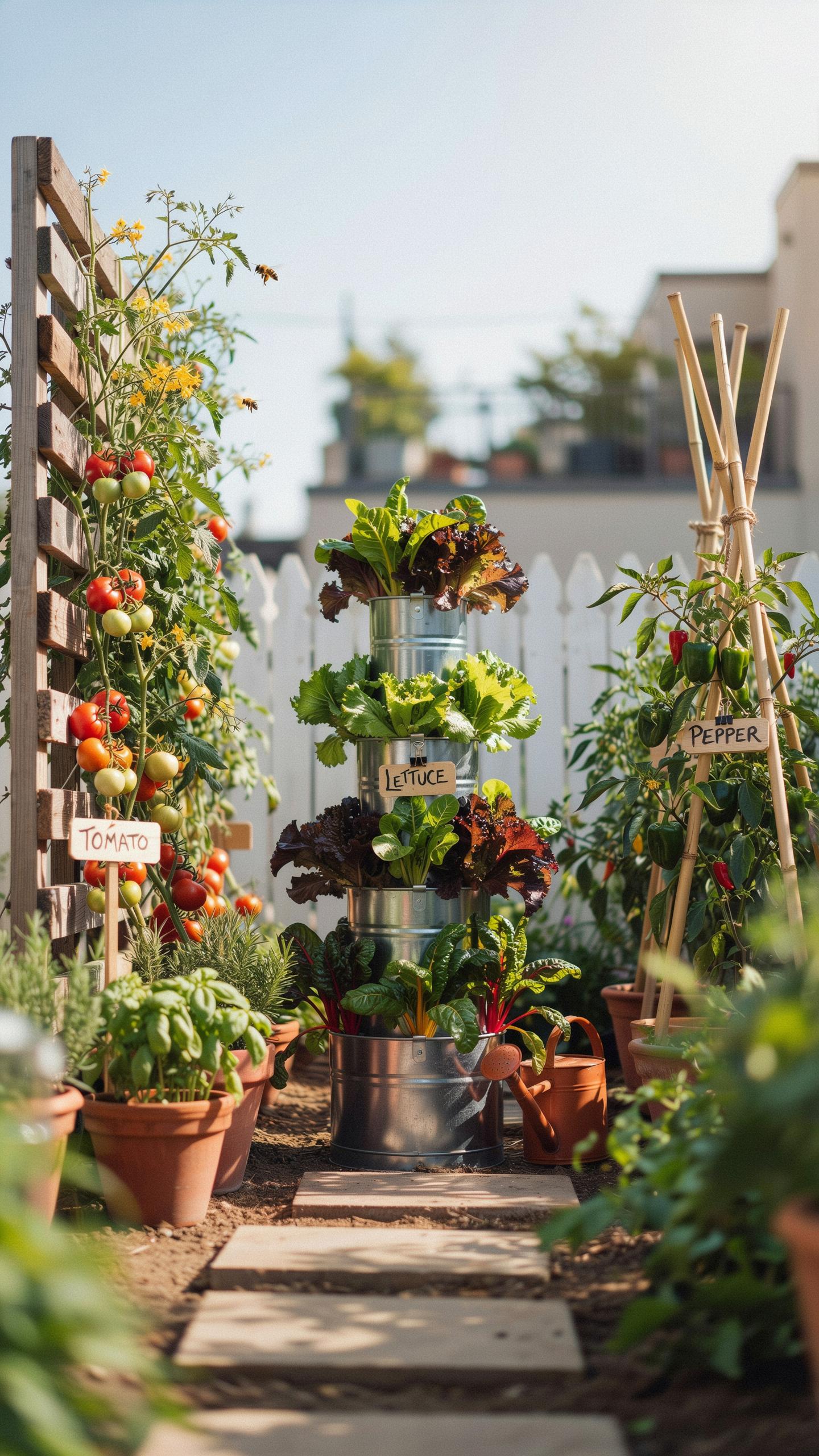
Vertical gardening works best with vegetables that naturally climb or produce fruit on extended vines rather than spreading outward. You need plants that generate yield along their stems, not just at the base. This maximizes your square footage return and keeps harvests accessible without bending or climbing.
- Cherry tomatoes: Indeterminate vining varieties grow continuously upward and produce fruit throughout the season. They need sturdy cages or stakes to handle fruit weight and wind exposure.
- Pole beans: These varieties climb naturally and produce pods along the entire vine length. They outperform bush types in vertical systems and yield more per square foot.
- Sugar snap peas: Climbing varieties grow 6 to 8 feet tall on trellises and produce edible pods from bottom to top. They require moderate support and cooler temperatures to thrive.
- Compact bush cucumbers: Shorter varieties trained onto vertical frames save space while producing full sized fruit. Compact cultivars avoid overwhelming your structure with excessive foliage.
- Strawberries in pockets: Vertical pocket planters hold multiple plants in stacked configurations. Runners cascade downward and fruit hangs exposed for easy picking and air circulation.
These crops deliver consistent harvests when given proper support systems. Your vertical garden produces more food per square foot than traditional ground growing methods. Plant selection determines whether your structure works efficiently or becomes cluttered and unproductive.
Structural Supports And Trellising
Heavy produce demands structural support that doesn’t flex or collapse under weight. Wooden trellises, metal cages, and netting systems each handle different load capacities and garden configurations. Your choice depends on crop type, total yield expectations, and available space.
Wooden trellises work well for lighter crops like peas and beans, though wood requires treatment to resist rot and weather exposure. Metal cages provide rigid support for tomatoes and handle wind without swaying. Modern netting systems offer flexibility in positioning while distributing weight across anchor points. All three approaches prevent stem breakage by immobilizing vines and fruit as they develop. Install supports before planting to avoid root damage. Secure everything to fixed structures like walls or posts rather than relying on soil stability alone, which guarantees failure under heavy fruit loads.
Selecting The Perfect Vertical Planter For Your Style
Comparing Freestanding Tower Pots
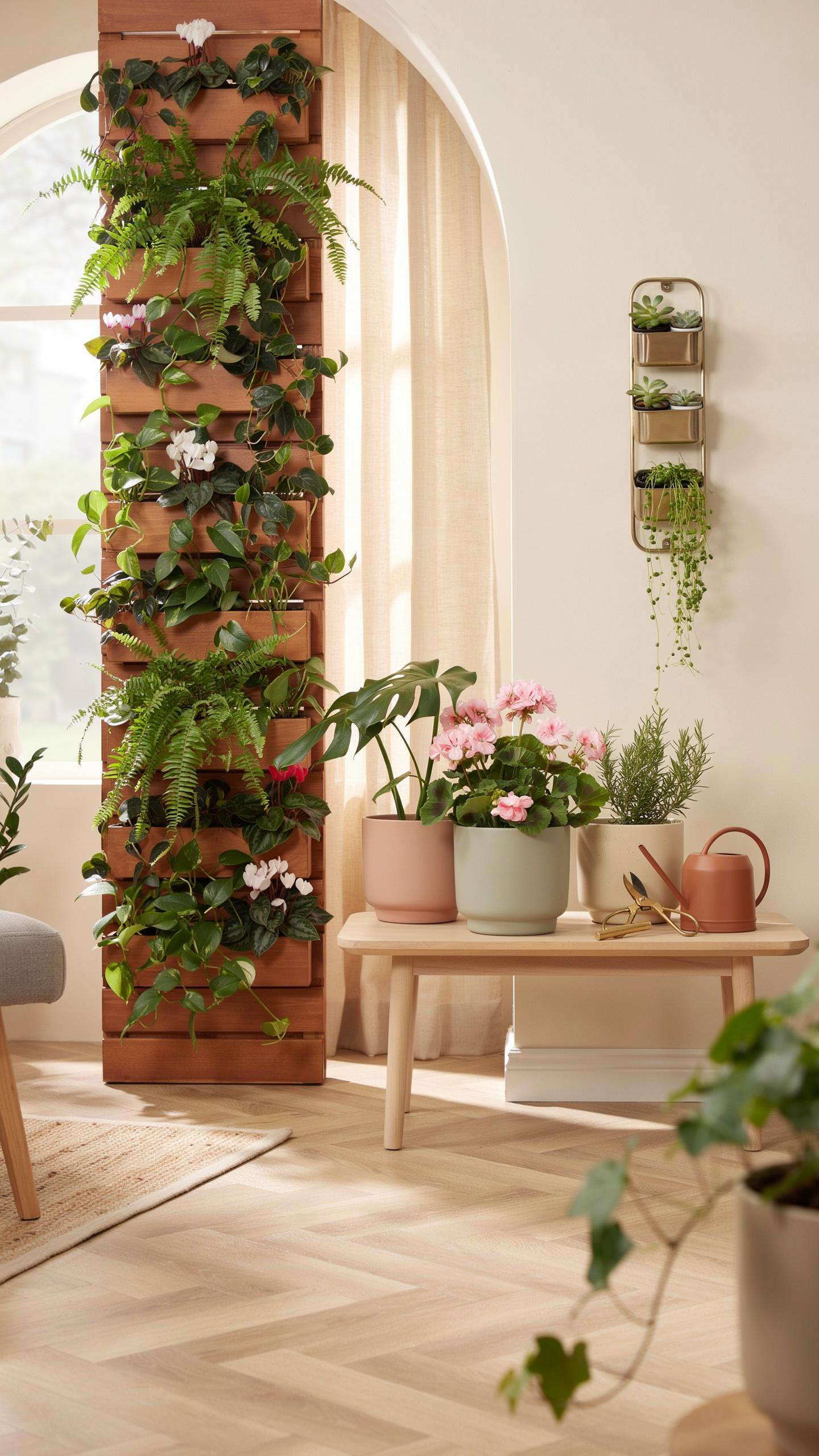
Stackable modular plastic planters drain water through drainage holes to lower tiers, creating a cascading system. This design concentrates moisture at the base, requiring you to water the top section only. Terracotta towers absorb water through their walls, distributing moisture more evenly across all levels. Plastic towers occupy less floor space than terracotta equivalents of the same height due to thinner walls. Choose plastic for small footprints and frequent watering schedules. Choose terracotta for better moisture regulation in dry climates.
Modular plastic towers cost 40 to 70 percent less than terracotta options. They weigh substantially less, making repositioning simple without structural concerns. Terracotta towers develop mineral deposits over time that signal soil pH changes. Plastic towers require replacement every 5 to 7 years from UV degradation if kept outdoors. Terracotta lasts decades but cracks under freeze-thaw cycles. Your climate and budget determine the practical choice here.
A garden is a grand teacher, even if it grows only upon a single wall. Let your spirit climb alongside the vines in the quiet comfort of home.
Pocket Over The Door Fabric Organizers
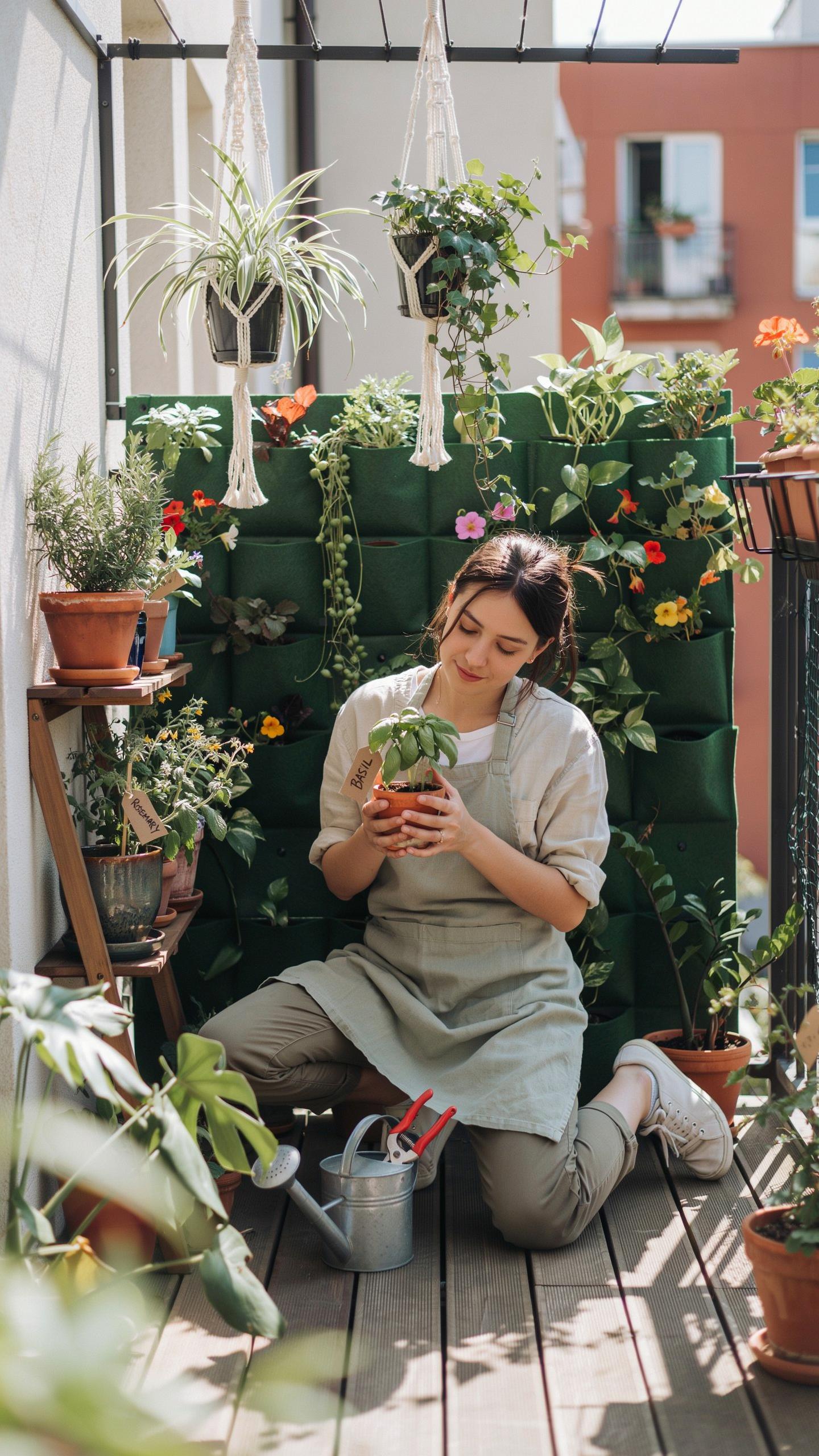
Breathable felt pocket hangers eliminate soil compaction by allowing air circulation around root zones. Water moves through felt material rather than pooling, preventing root rot in enclosed spaces. The porous structure mimics natural soil aeration patterns. Felt pockets dry faster than plastic after watering, keeping roots oxygenated between irrigation cycles. This matters most for herbs and shallow-rooted vegetables like lettuce that need consistent air flow.
These organizers cost between 15 and 35 dollars and install without tools or permanent damage. Door mounting uses 8 to 12 square feet of vertical space that would otherwise sit unused. Felt degrades after 2 to 3 years of seasonal outdoor exposure from UV breakdown. Replace the organizer or rotate it to a sheltered location to extend its lifespan. The low cost makes this practical for testing which plants thrive in your specific light conditions before investing in permanent structures.
Integrating A Smart Garden For Effortless Maintenance
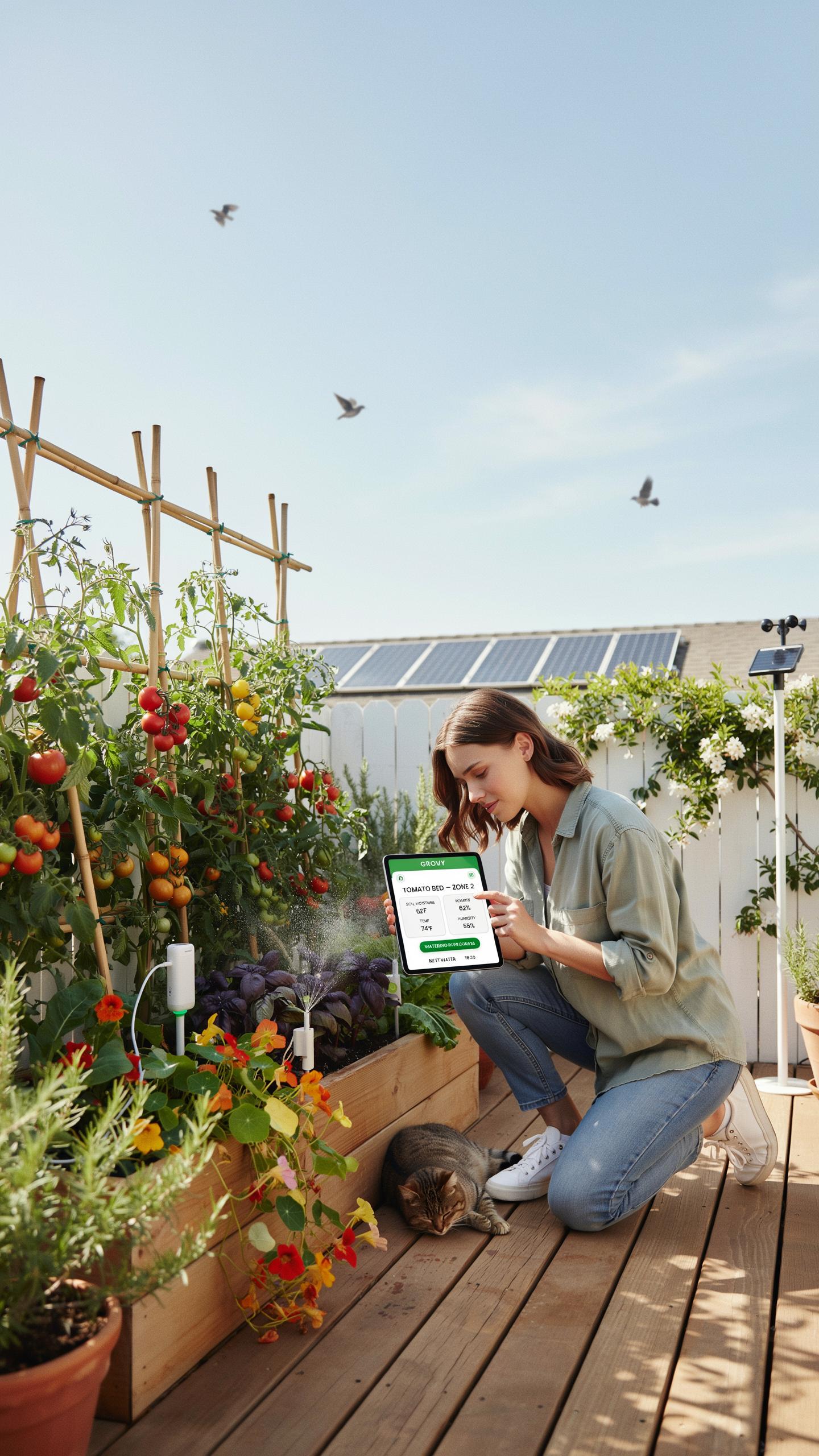
Automated Watering And Lighting Systems
Self-watering reservoirs eliminate the need for daily manual watering. These systems store water in a base chamber and draw it upward through wicking or capillary action as soil dries. Timed LED grow lights deliver specific light wavelengths plants need for photosynthesis without consuming excessive electricity. Together, these components reduce plant death from neglect and provide consistent growing conditions in confined spaces.
Modern smart garden units combine both technologies into single devices. You set watering frequency and light schedules once, then the system operates independently. This approach works for apartments, offices, and homes where occupants travel or maintain irregular schedules. The technology removes the learning curve from vertical gardening and produces faster growth compared to passive setups.
App Controlled Hydroponic Towers
Hydroponic systems grow plants in nutrient-rich water instead of soil, allowing roots direct access to dissolved minerals. App-controlled towers notify you when reservoir nutrient levels drop or water volume decreases. This smartphone integration eliminates guesswork about maintenance timing. You monitor multiple towers simultaneously from anywhere, making the system practical for people managing several vertical gardens across different rooms.
These systems achieve faster plant growth than soil-based methods because roots encounter no physical resistance and nutrients remain immediately available. Refill notifications arrive before plants experience deficiency, preventing crop failures. The app interface typically shows pH levels, nutrient concentration, and water temperature. This data helps optimize growing conditions for specific plants like leafy greens or herbs that have different nutrient requirements.
Transforming Your Fire Escape With A Balcony Garden
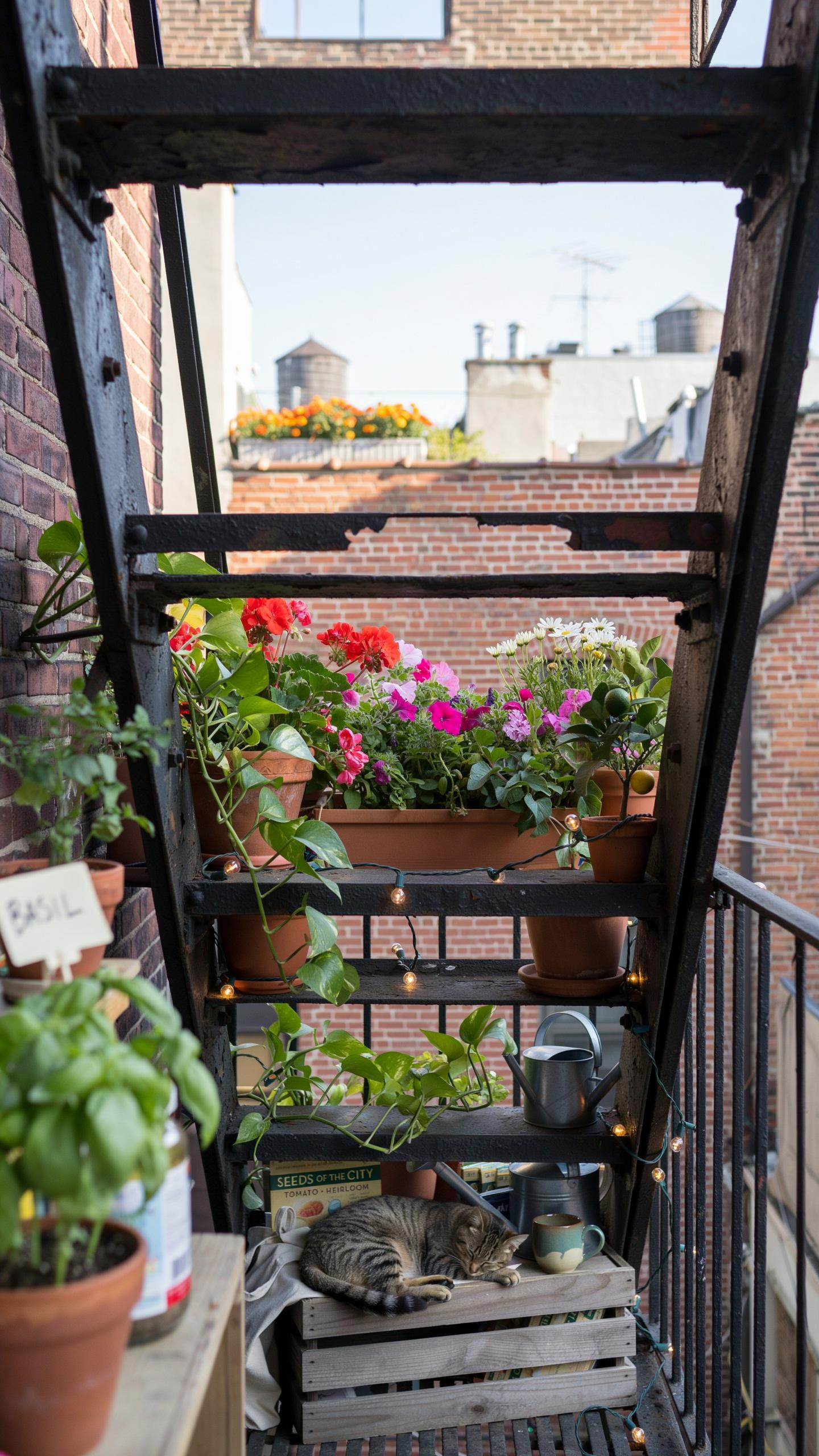
Securing Railing And Corner Planters
Balcony gardens face wind exposure that ground-level gardens don’t encounter. You must secure containers to prevent them from falling and injuring people below. Use heavy-duty zip ties rated for outdoor conditions to bind planters to railings. Mount hanging brackets into solid structural points, not just surface materials. Check local building codes before installation since many jurisdictions restrict modifications to rental properties.
Weight distribution matters on fire escapes. Place heavier containers lower and toward the center of the platform. Test your setup by applying pressure to each planter before planting. Inspect zip ties and brackets monthly for wear, especially before storm season. Replace any damaged hardware immediately. Never rely on a single attachment point for large containers.
Choosing Wind Tolerant And Sun Loving Plants
High-floor balconies receive intense, direct sunlight with minimal shade. Wind accelerates water evaporation from soil, requiring more frequent watering. Select plants that tolerate both conditions without decline. Ornamental grasses like fountain grass and feather reed grass handle wind without breaking. Their flexible stems bend rather than snap under pressure, making them ideal for exposed locations.
Geraniums thrive in full sun and resist wind damage through sturdy stems and waxy leaves. Sedums and other succulents store water efficiently, reducing irrigation needs during dry spells. Calibrachoa and verbena produce blooms consistently despite harsh conditions. Avoid tender annuals like impatiens or begonias on balconies since they wilt quickly in dry, windy air. Test new plants in spring before committing to full summer plantings.
Creative Wall Garden Ideas Indoor To Brighten Your Rooms
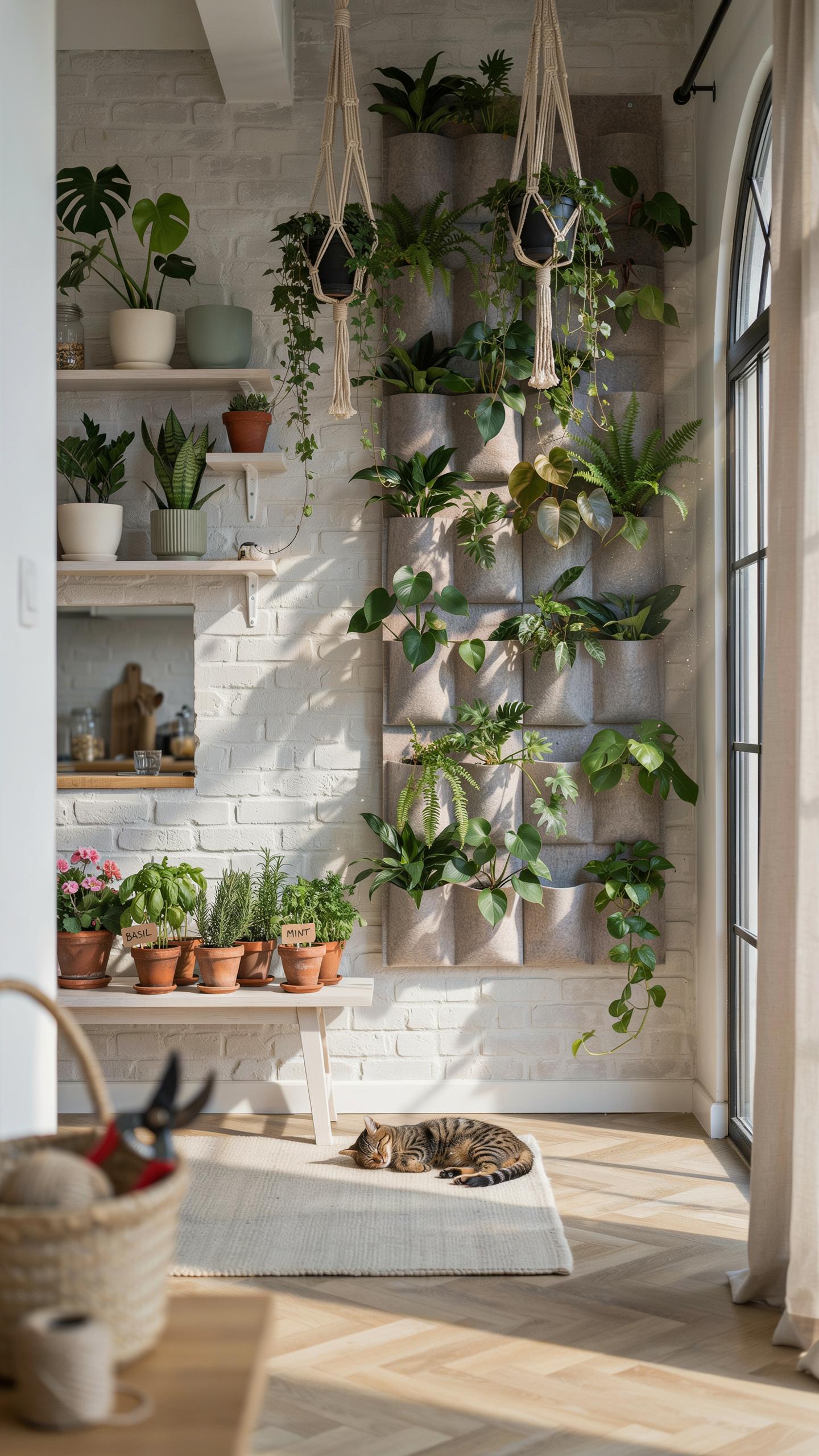
Living Picture Frames With Succulents
Shallow wooden shadow boxes work as functional wall art. Fill them with soil and drought-tolerant succulents like echeveria or sempervivum. These plants need minimal water and tolerate low light. Mount the frames horizontally or vertically on any interior wall. The result is a living display that requires almost no maintenance.
Shadow boxes range from 2 to 4 inches deep, providing enough root space for rosette succulents. Wood frames preserve moisture better than metal alternatives. Arrange frames in grids or scattered patterns based on your wall layout. Rotate or replace plants seasonally to refresh the display without structural changes.
Pegboards And Floating Shelves For Pots
Pegboards mount flat against walls and accept interchangeable hooks for different pot sizes. Iron pipe shelves anchor into studs and hold heavier trailing plants securely. Both systems let you rearrange plants without drilling new holes. This modularity matters when you rotate plants seasonally or adjust light exposure.

Paint pegboards to match wall color or leave natural wood exposed. Space shelves 12 to 18 inches apart for adequate plant growth. Ensure vertical spacing prevents lower plants from shadowing upper ones. Use trailing varieties like pothos or string of pearls to cascade over shelf edges and maximize visual impact.
Designing A Visual Vertical Garden On Tiny Balconies
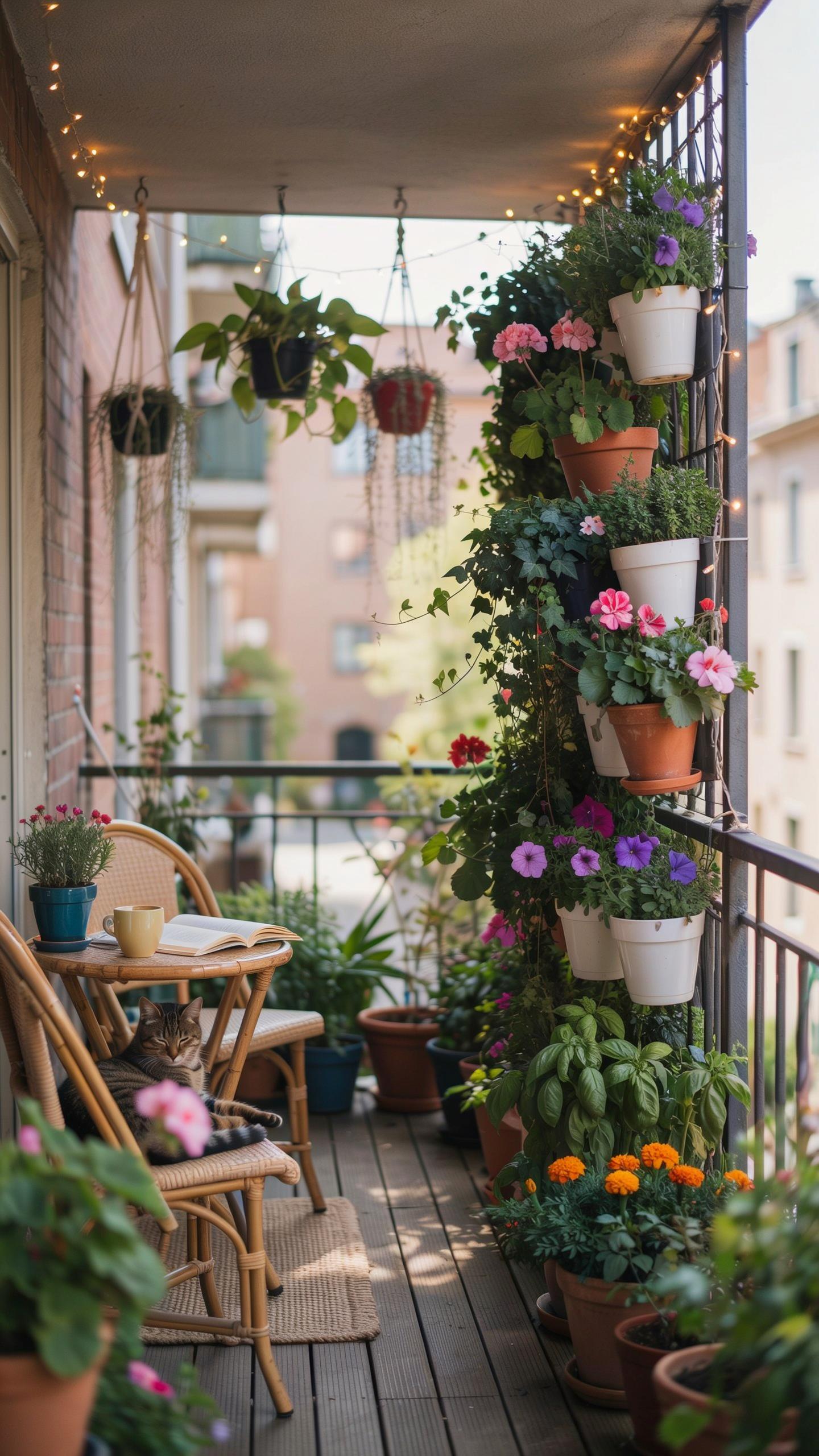
Using Vertical Privacy Screens
Bamboo and wooden trellis partitions block sightlines while supporting climbing plants. Clematis and ivy climb the structure, creating dense coverage within weeks. This approach serves dual purposes: you gain privacy and add green mass to confined spaces. The plants root in containers at the base, requiring minimal soil depth and floor space.
Weight matters on balconies. A bamboo trellis weighs less than solid fencing yet provides equivalent screening. Attach ivy or clematis to the trellis using soft ties or clips. These plants tolerate partial shade common on balconies and establish quickly. The structure becomes invisible once foliage fills in, making the balcony feel intentionally planted rather than temporary.
The Magic Of Hanging Basket Cascades
Hanging baskets at staggered heights create visual depth on shallow balconies. A five-foot-deep space becomes layered when you position baskets at ground level, waist height, and overhead. This vertical stacking multiplies your growing area without expanding your footprint. Each basket functions independently, so you control watering and plant selection per container.

Basket placement strategy determines success. Position trailing varieties like pothos or string of pearls at eye level and above so foliage drapes naturally. Place upright growers at lower heights to avoid blocking views. Use sturdy hooks rated for your region’s wind conditions. Staggered heights prevent light from being blocked, ensuring lower baskets receive adequate sun for photosynthesis and growth.
Cultivating An Aromatic Vertical Herb Garden Near The Kitchen
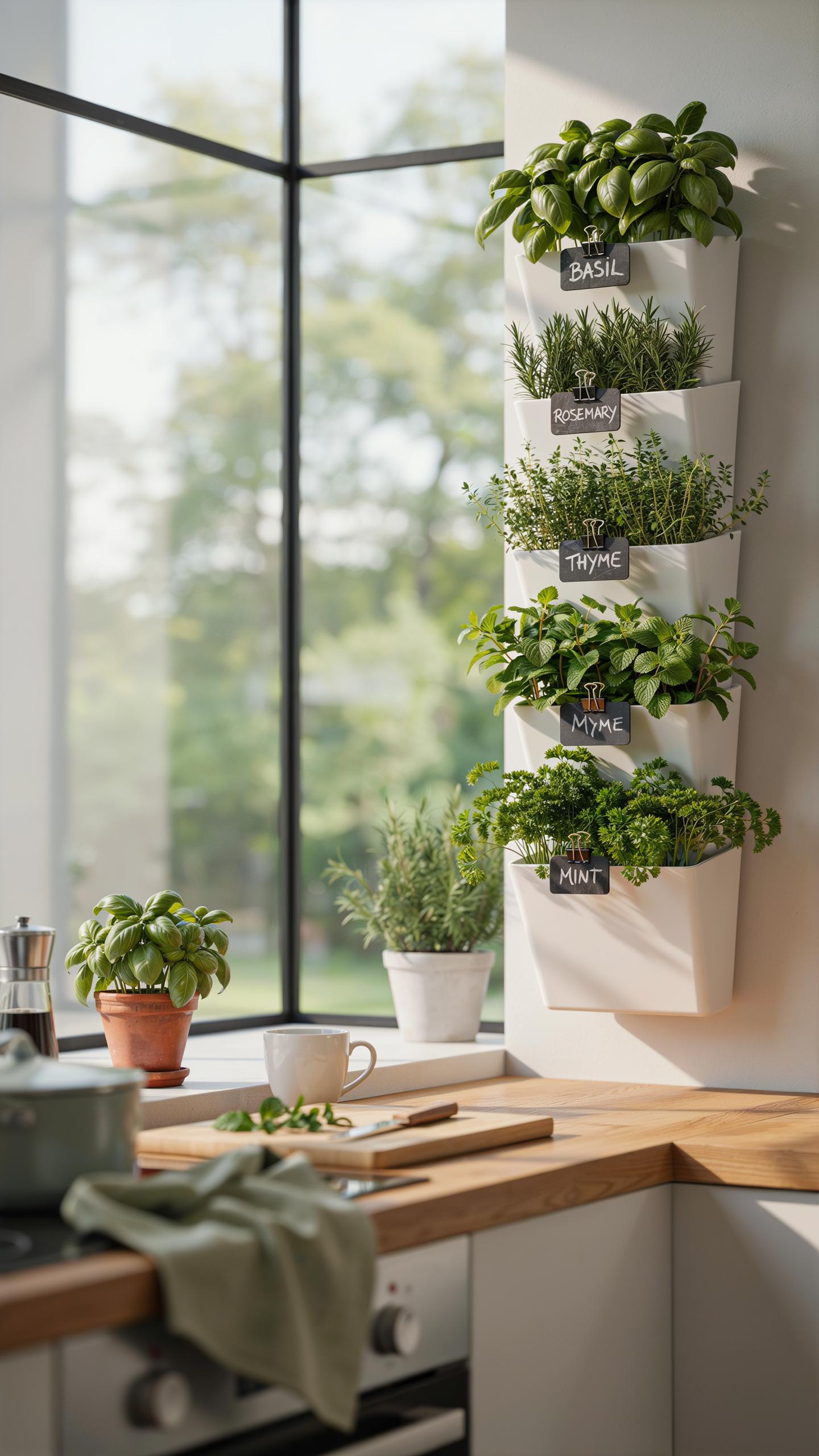
Essential Herbs For Wall Planting
Place herbs where you cook. Vertical kitchen racks keep fresh herbs within reach of your stove. This setup cuts prep time and reduces waste from store-bought packages. Select herbs based on what you actually use. Position the rack on a wall bracket at counter height for easy access during meal prep.
- Rosemary: Woody perennial that tolerates neglect. Requires excellent drainage to prevent root rot. Grows slowly but produces year-round harvests. Plant in pots with drainage holes and coarse soil mix.
- Thyme and Oregano: Drought-tolerant Mediterranean herbs. Need minimal water once established. Both thrive in lean soil and produce abundant foliage. Perfect for wall-mounted systems with infrequent watering schedules.
- Curly and Flat-leaf Parsley: Biennial herbs that grow quickly in moderate conditions. Curly parsley offers decorative appeal while flat-leaf has stronger flavor. Both tolerate partial shade better than Mediterranean herbs.
- Sweet Basil: Annual herb requiring consistent warmth and light. Produces soft leaves ideal for fresh cooking. Dies back in cold temperatures below 50 degrees. Replace annually or bring indoors before first frost.
Match your vertical setup to kitchen usage patterns. Rosemary and thyme need less attention than basil. Basil demands regular harvesting to prevent flowering. Parsley offers middle-ground maintenance. Group herbs by water needs to simplify care routines.
Proper Ventilation And Light Indoors
South-facing windows deliver 6 to 8 hours of direct sunlight daily. This exposure sustains essential oils in culinary herbs. If your kitchen lacks southern exposure, clip-on grow lights provide reliable alternative. Position lights 6 to 12 inches above foliage and run them 12 to 14 hours per day for optimal results.
Air circulation prevents fungal issues and strengthens stems. Open windows when weather permits. Small oscillating fans on low speed work indoors. Stagnant air creates moisture buildup around leaves. Active airflow keeps herbs compact and flavorful. Position your vertical rack away from heating vents and cold drafts for stable growing conditions.
Frequently Asked Questions

What are the best plants to start with for vertical gardening in a small apartment?
If you are new to small space gardening vertical solutions, start with leafy greens and climbing herbs. Leaf lettuce, spinach, and a variety of herbs like mint or basil thrive in vertical pockets because they have shallow root systems. For a touch of texture, try vining plants like pothos or philodendrons. These species are incredibly resilient, making them perfect for beginners looking to create a lush, cozy atmosphere without needing a backyard.
How do I securely install a vertical garden on a rental balcony or indoor wall?
For renters, the best small space gardening vertical solutions involve non-permanent fixtures like freestanding tiered shelving or over-the-door pocket planters. If you want to use a wall, heavy-duty adhesive hooks can support lightweight felt planters. If you are mounting a wooden trellis or pallet, ensure you use a waterproof membrane between the structure and the wall to prevent moisture damage, keeping your living area both stylish and structurally sound.
Can I create a vertical garden on a tight budget using recycled materials?
Absolutely! Vertical gardening is very accessible if you get creative with household items. You can repurpose plastic bottles into hanging planters or transform an old wooden ladder into a multi-level plant stand. Even an inexpensive shoe organizer can be hung on a sunny wall to hold small pots of herbs. These DIY methods are affordable ways to maximize your greenery and enjoy a relaxed, nature-inspired lifestyle without a large financial investment.