Understanding The Basics Of A Regional Native Plants Selection Guide
Defining Native Flora And Ecological Adaptation
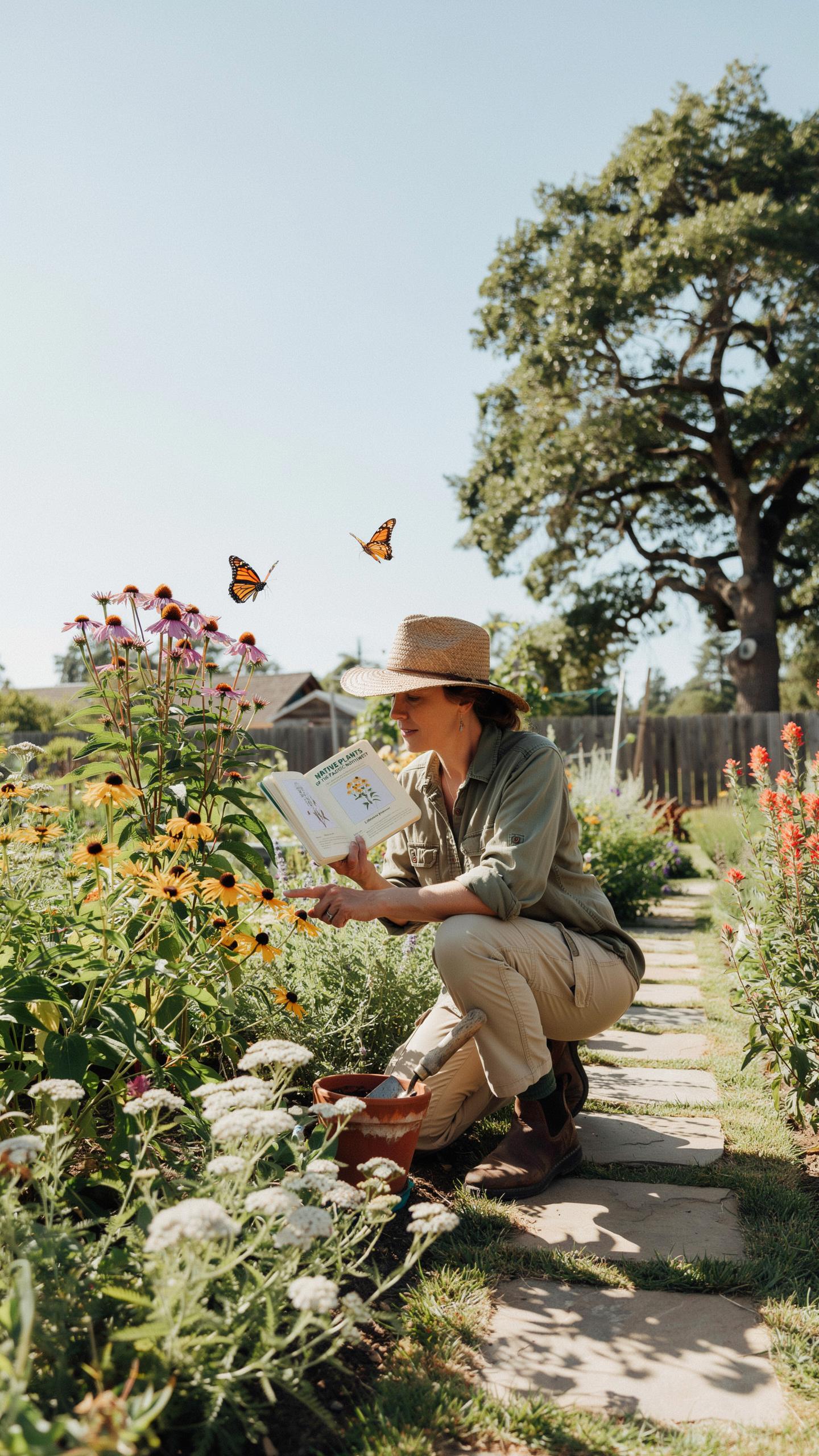
Native plants are species that naturally evolved in specific geographical regions over thousands of years. These plants adapted to local soil types, water availability, and climate conditions without human intervention. A regional native plants selection guide helps you identify which species thrive in your exact environmental conditions. This tool matches your property’s unique characteristics to plants that perform best there.
Native plants have root systems and growth patterns shaped by regional rainfall patterns, temperature ranges, and soil composition. When you select species from your region, you eliminate the guesswork. These plants already know how to survive where you live. Your regional native plants selection guide functions as a biological map connecting your landscape to the plants that naturally belong there.
The Environmental And Economic Benefits Of Landscaping With Native Plants
Native plants require significantly less water than non-native species because they evolved to handle your region’s natural precipitation. This directly reduces irrigation costs and demands on groundwater supplies. You eliminate the need for synthetic fertilizers since native plants work with local soil conditions. Erosion decreases because deep root systems stabilize soil and prevent runoff damage.
A landscape built with native plants becomes self-sustaining once established. You spend less time and money on maintenance because these plants resist local pests and diseases naturally. Your property develops resilience against drought, flooding, and temperature fluctuations typical to your region. This creates a landscape that functions like a natural ecosystem rather than requiring constant artificial inputs to survive.
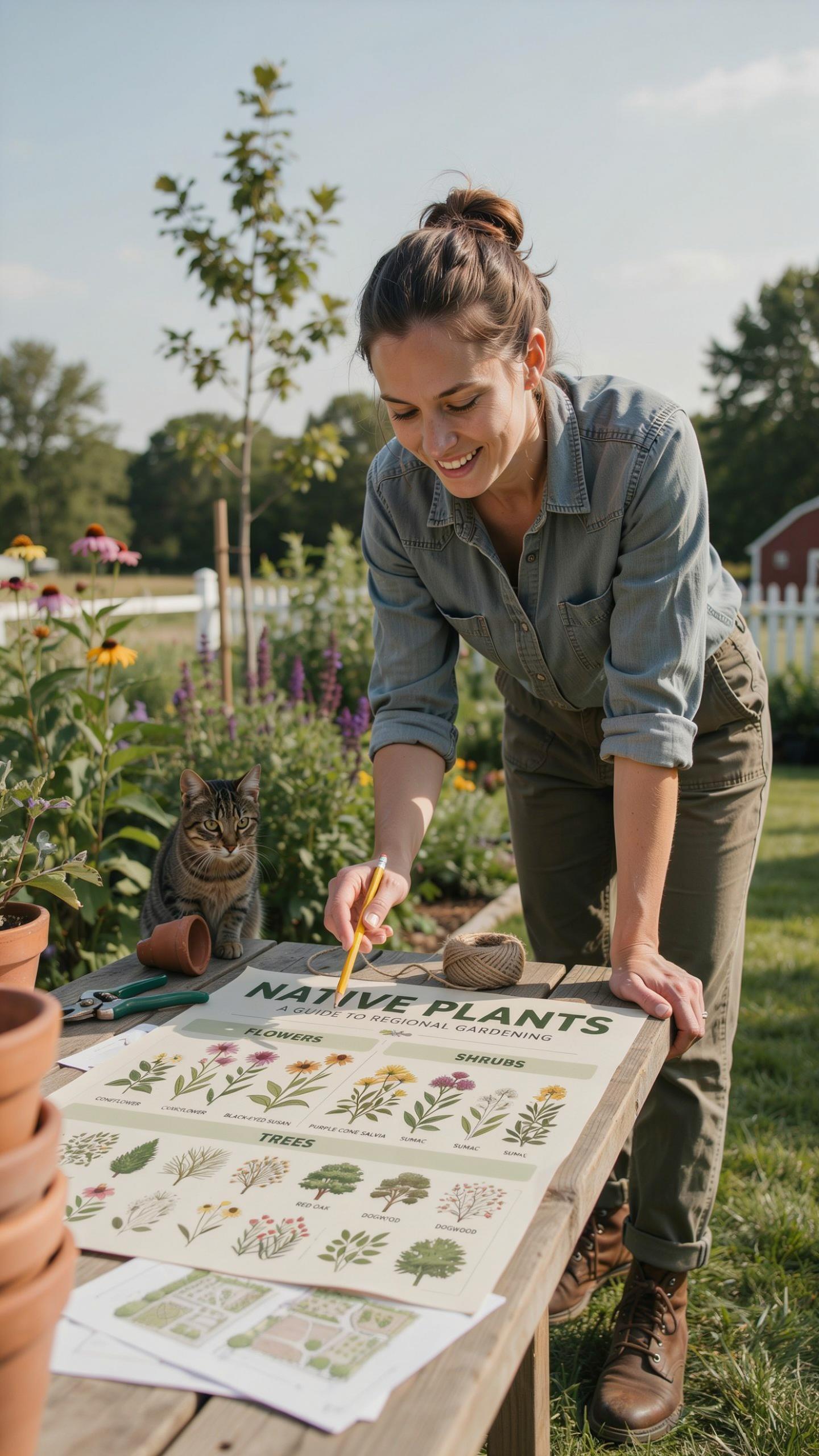
Using A Native Plants Infographic To Plan Your Landscape Design
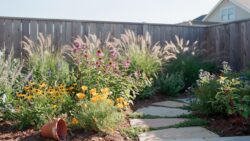
Visualizing Foliage Heights, Textures, And Seasonal Colors
An infographic shows you exactly how native plants stack vertically in your garden. You see which species reach full height at maturity, which stay low as ground cover, and which fill the middle layer. This prevents overcrowding and ensures every plant gets adequate light and space to develop properly.
Seasonal color changes become predictable when you map them visually. Native wildflowers bloom at different times, so an infographic reveals which species flower in spring versus summer versus fall. Layering plants by blooming schedule keeps your landscape visually active from early season through late autumn, rather than peaking once then fading.
Mapping Out Plant Groupings Based On Sun And Soil Needs
Visual charts cluster native species by their specific environmental requirements. Sun exposure, moisture levels, and soil composition determine survival rates, so grouping compatible plants together reduces maintenance and failure rates. Charts show you which drought-tolerant natives thrive in full sun and which shade-loving ferns need consistent moisture in north-facing areas.
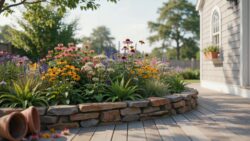
This systematic approach eliminates guesswork when selecting plant locations. You assign sun-loving species to open areas and moisture-dependent plants to naturally damp zones. Matching plant ecology to actual site conditions on your property ensures faster establishment and stronger root systems without fighting against environmental stress.
Navigating Your Region With A Native Plant Guide And Zone Chart
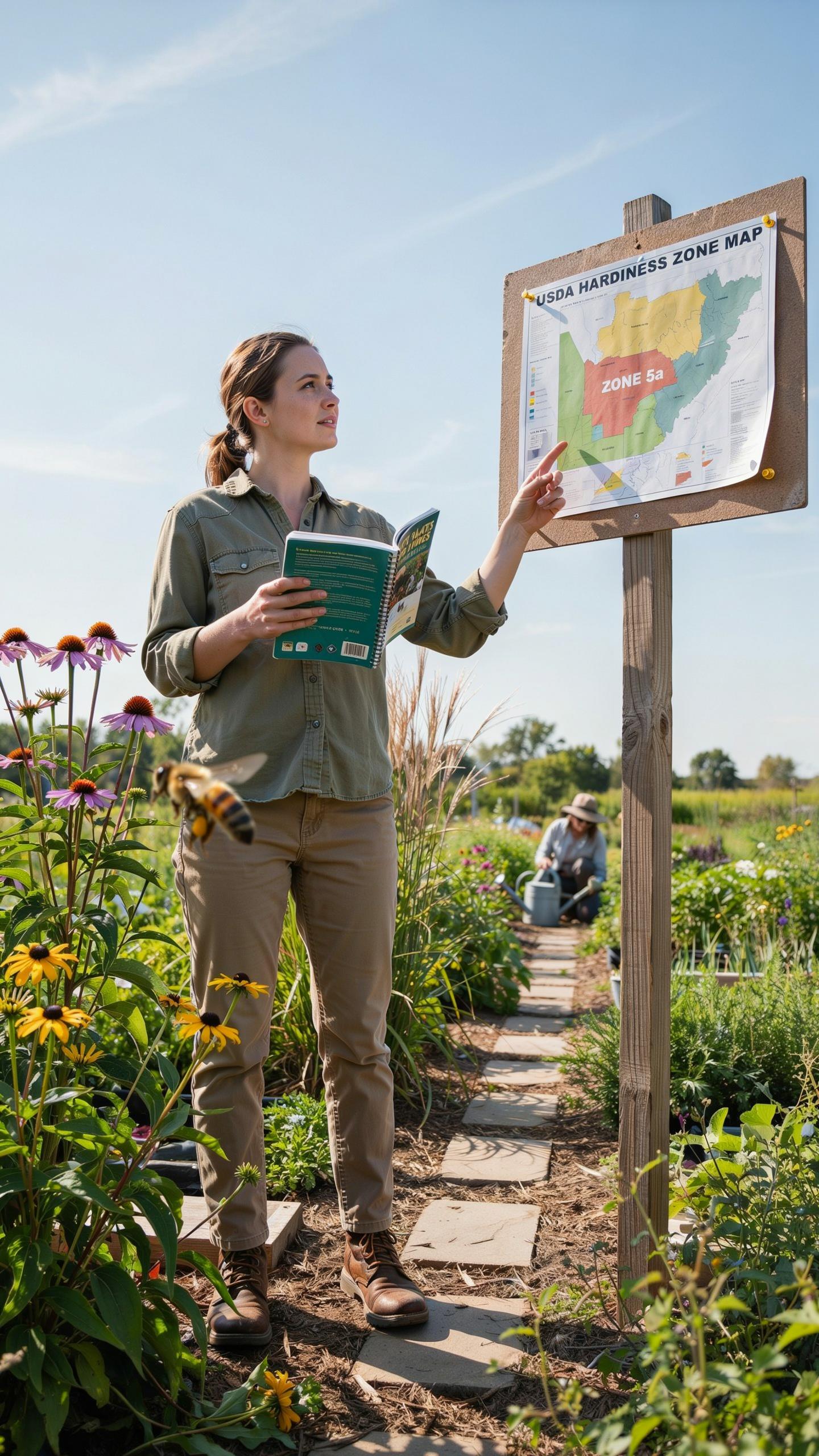
How To Read A Native Plant Zone Chart For Hardiness Accuracy
The USDA Hardiness Zone Map divides North America into zones based on average annual minimum winter temperatures. Each zone spans 10 degrees Fahrenheit. Your zone determines which perennials, shrubs, and trees survive your winter lows without artificial protection. Find your zone by entering your zip code into the USDA website. Match this number to native plant labels before purchasing.
Zone ratings appear on plant tags as ranges like “Zones 5-9.” The first number indicates the coldest zone where the plant survives. The second number indicates the warmest zone where it thrives. A plant rated for Zones 5-9 dies in Zone 4 winters but struggles in Zone 10 heat. Cross-referencing prevents buying plants that won’t survive your seasonal extremes.
Using A Native Plant Zone Diagram To Identify Microclimates
Microclimates exist within your property due to terrain, structures, and vegetation. Low-lying areas collect cold air and frost settles there first. South-facing slopes warm faster and stay warmer longer. East-facing walls experience morning sun and afternoon shade. North-facing areas stay cooler year-round.
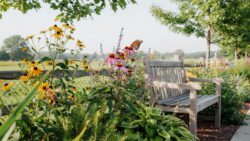
Walk your yard at different times of day and seasons. Observe where snow melts last. Note where water pools. Identify wind-exposed areas versus sheltered spots. Map dry zones under roof overhangs and eaves. These observations let you place cold-hardy natives in frost pockets and heat-tolerant species on exposed slopes. Strategic placement based on microclimates reduces plant stress and improves survival rates.
Designing A Sustainable Garden With Eco Friendly Landscaping Choices
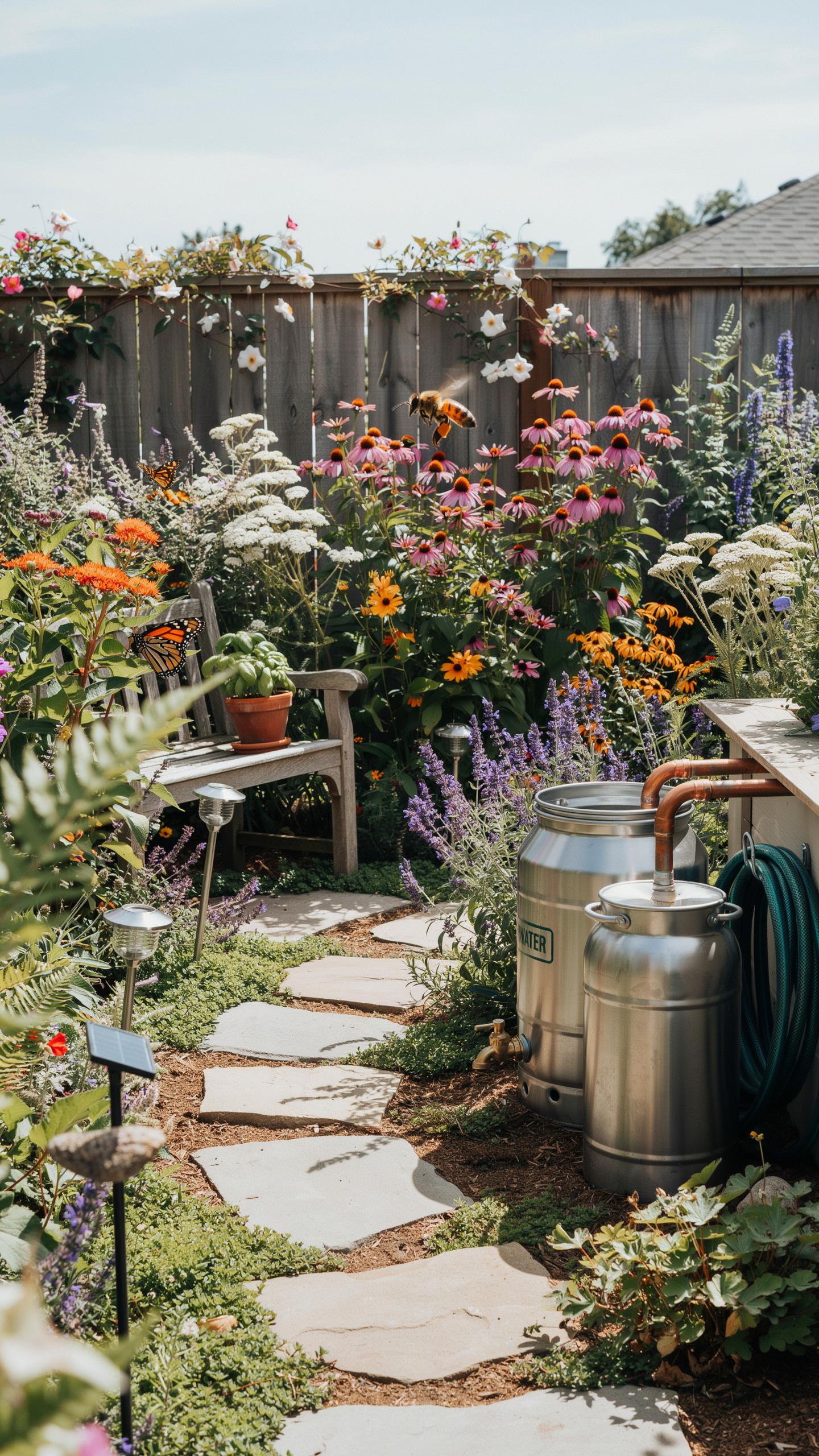
Minimizing Resource Consumption Through Xeriscaping Principles
Native plants establish deeper root systems than non-native ornamentals. These roots access groundwater reserves that typical landscaping cannot reach. You reduce irrigation frequency dramatically once plants mature, cutting water bills and municipal strain within two to three growing seasons.
Xeriscaping matches plant selection to your region’s actual precipitation. A plant needing 40 inches annually fails in a 20-inch rainfall zone, regardless of effort. Native species evolved to thrive in your climate’s wet and dry cycles. This alignment eliminates the constant intervention that burns resources and money.
Essential Practices For Building Long Term Soil Health Naturally
Healthy soil functions as a living system, not inert substrate. Mycorrhizal fungi networks in soil connect plant roots to nutrient sources and water reserves. Chemical inputs destroy these networks, forcing you into endless fertilizer cycles. Building soil biology removes this dependency permanently.
- Apply organic locally sourced leaf mulch: Retain soil moisture and regulate temperature without synthetic materials. Decomposing leaves feed soil organisms while creating habitat for beneficial predatory insects.
- Avoid tilling the garden bed: Tilling destroys mycorrhizal networks that plants depend on for nutrient uptake. Minimal soil disturbance preserves underground fungal partnerships that mature over years.
- Incorporate decomposed organic compost annually: Feed earthworms and beneficial microbes that break down organic matter into plant available nutrients. Compost adds carbon and improves water retention capacity.
- Eliminate chemical pesticides entirely: Synthetic pesticides kill predatory insects that control pest populations naturally. Loss of these insects creates pest outbreaks requiring more chemical interventions.
- Establish mulch barriers around plantings: Mulch suppresses weeds without herbicides and moderates soil temperature fluctuations. Organic mulch gradually becomes humus, building soil structure over time.
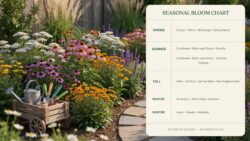
These practices work together to create soil capable of supporting native plants with minimal ongoing management. Once established over two to three years, this system requires only annual compost additions and seasonal mulch replenishment.
Selecting The Right Species For Dedicated Native Plant Gardening
Determining Soil Composition, Drainage, And PH Requirements
Start by testing your soil before selecting any plants. Dig holes at different locations in your garden and observe what you find. Heavy clay holds water and compacts easily. Coarse sand drains too fast and holds few nutrients. Rich loam balances water retention and drainage. Know your baseline first.
Native plants evolved in your region’s specific soil conditions. They adapted to your existing pH levels, drainage patterns, and mineral content. Matching plants to your soil eliminates constant amendment cycles and reduces maintenance costs. This approach saves money and labor over time while increasing plant survival rates significantly.
Top Low Maintenance Native Plant Varieties For Home Gardens
Native species deliver reliable performance with minimal intervention once established in proper conditions. These four plants handle drought, poor soil, and neglect without failing. They provide color, structure, and ecological function throughout growing seasons and into winter months.
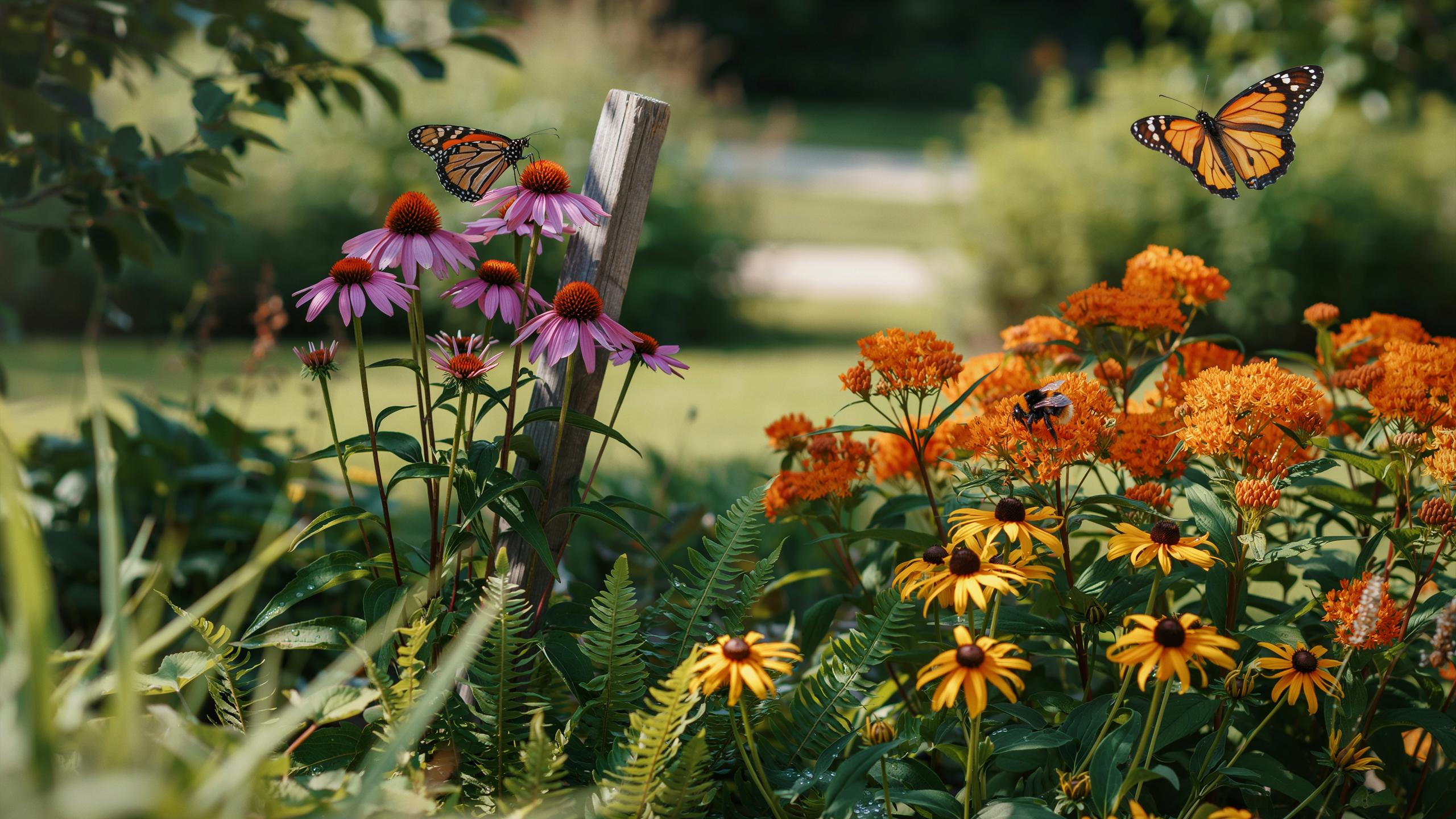
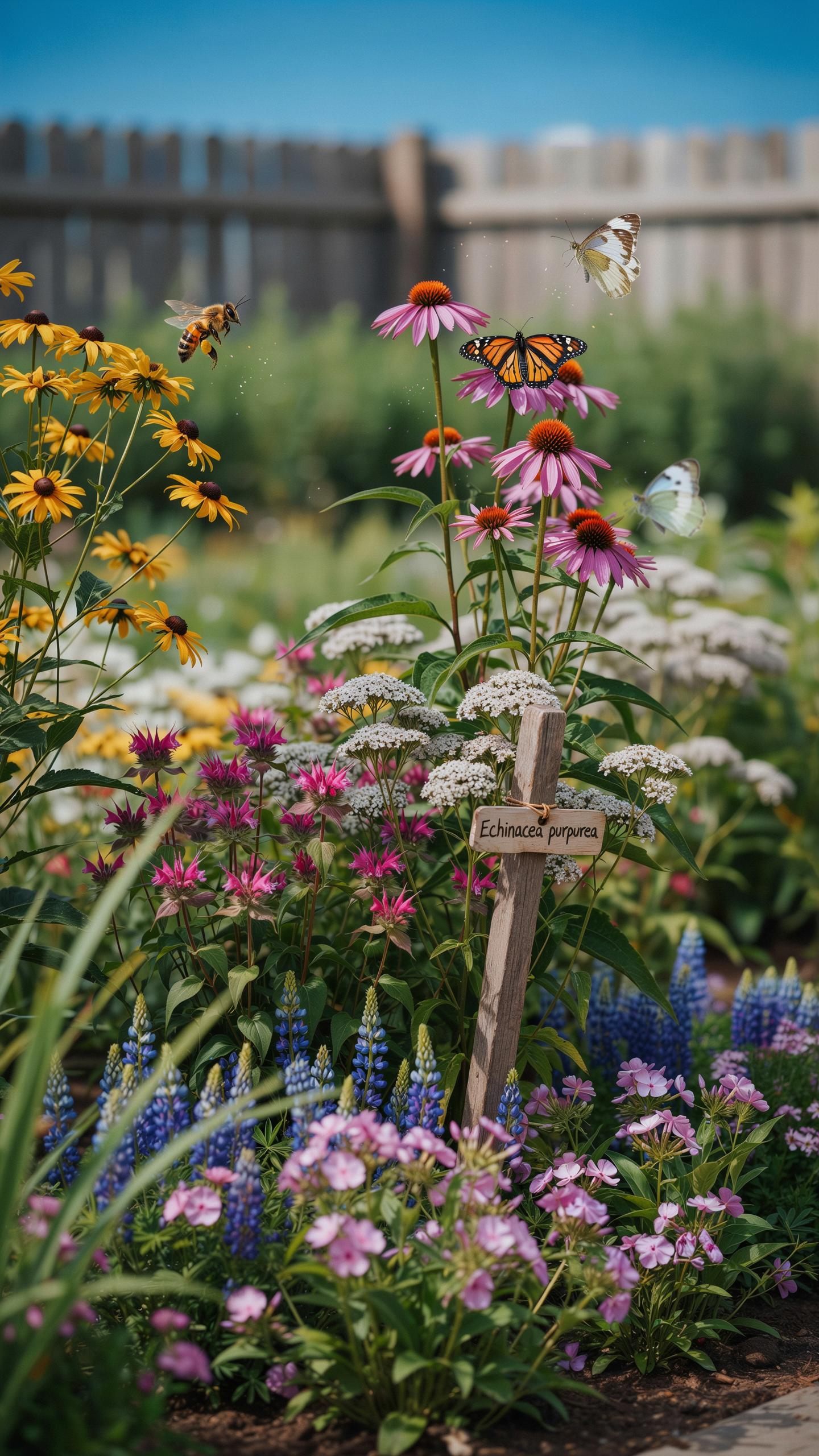
- Purple Coneflower (Echinacea purpurea): A drought tolerant perennial thriving in full sun and clay soils. Produces pink to purple flowers from mid summer through fall. Attracts pollinators and finches seeking seeds. Requires no fertilizer or regular watering after establishment.
- Black Eyed Susan (Rudbeckia hirta): A hardy fast growing annual to perennial with bright yellow blooms. Establishes quickly and self seeds readily for continuous coverage. Tolerates poor soil and heat stress without decline. Performs well in mass plantings or mixed borders.
- Switchgrass (Panicum virgatum): A native grass providing vertical structure and soil stabilization. Develops fine texture in summer and turns bronze to red in fall. Remains standing through winter offering visual interest. Requires minimal water once established and no fertilizer inputs.
- Highbush Blueberry (Vaccinium corymbosum): A multi season shrub producing white spring flowers and edible summer berries. Displays fiery red to orange foliage in autumn. Tolerates acidic soils and partial shade conditions. Provides food and shelter for native wildlife year round.
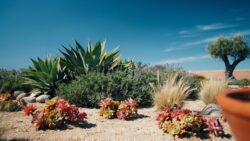
These varieties perform consistently across varied conditions without specialized care demands. Choose them based on your specific site conditions and functional needs rather than appearance alone. Combining these species creates layered, self sustaining landscapes that require less intervention over time.
Utilizing A Native Plants Educational Chart For Plant Identification
Understanding Diverse Growth Habits, Plant Families, And Genus Classifications
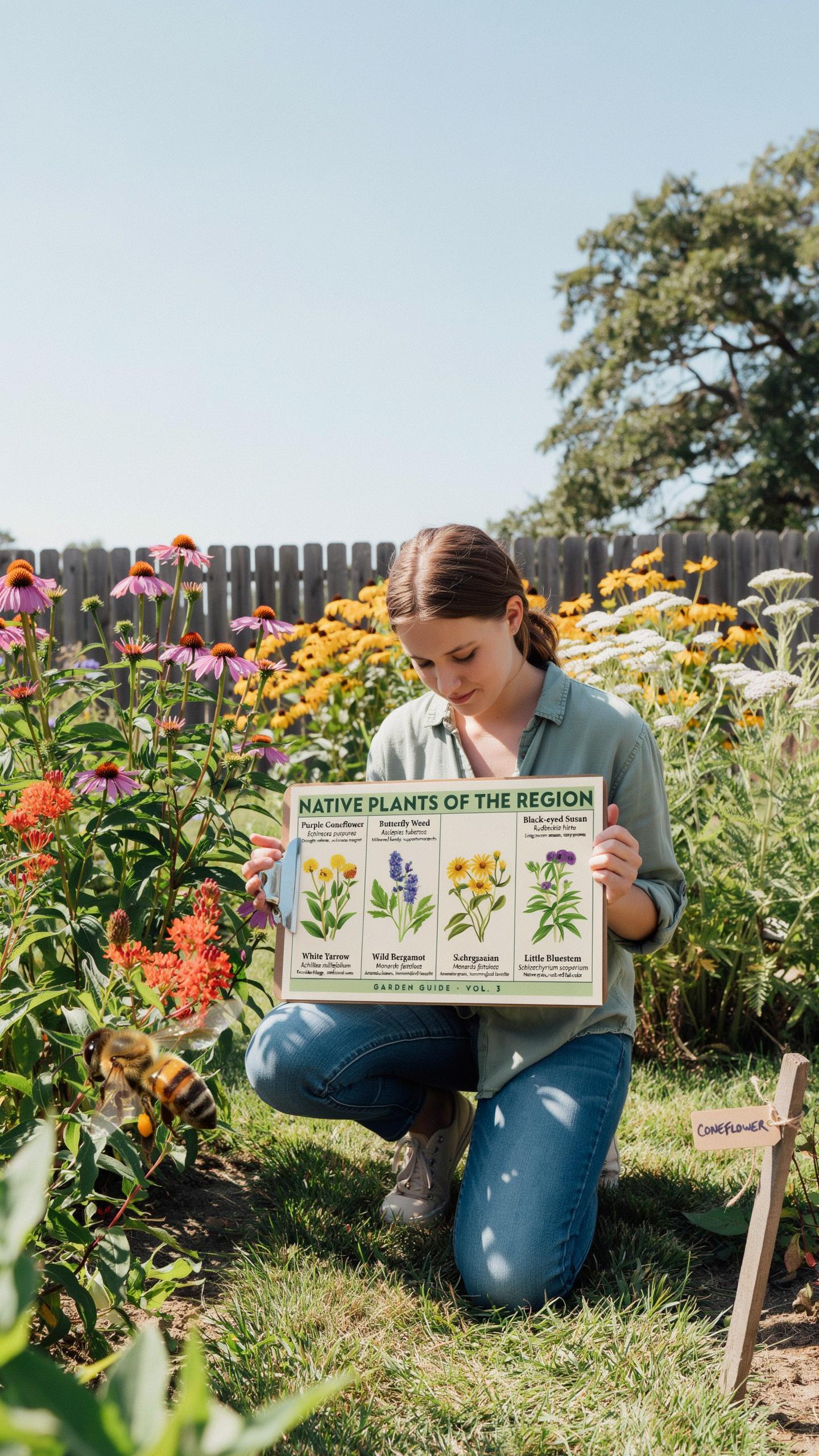
Educational charts organize native plants by botanical family, growth type, and structural characteristics. This classification system reveals how plants behave over time. Woody deciduous shrubs drop leaves seasonally and establish permanent frameworks. Herbaceous perennials die back annually but return from root systems. Self-seeding annuals complete their lifecycle in one year and reproduce through seeds. Understanding these distinctions lets you predict which plants persist, which require replanting, and which spread naturally across your landscape.
Charts also display genus and species relationships that clarify plant performance in your region. Plants within the same genus often share water needs, soil preferences, and pest vulnerabilities. Grouping plants by family reveals common traits in leaf structure, flower mechanics, and root depth. This knowledge accelerates your ability to select compatible species for specific soil conditions and light exposures. You avoid costly mistakes by choosing plants proven to thrive in your climate zone based on their botanical classification.
The flowers of your own childhood are the most precious to bring back home. When we plant what belongs to the land, we invite the soul of the landscape to refresh our very doorsteps.
Identifying Toxic Look Alikes And Invasive Non Native Competitors
Educational guides distinguish native species from dangerous imposters and invasive competitors that degrade local ecosystems. Many regions host aggressive non-native plants that outcompete natives for water, nutrients, and sunlight. Correctly identifying these threats prevents you from accidentally cultivating species that damage surrounding habitats. A reliable chart shows side-by-side comparisons of toxic look-alikes with edible or ornamental natives, clarifying leaf shape, stem texture, and growth patterns that separate them.
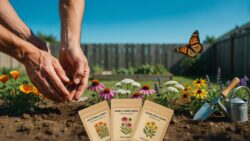
Invasive species frequently spread through seed dispersal and vegetative reproduction. Knowing which plants to exclude protects native biodiversity and reduces maintenance burden long-term. Educational resources document which non-native competitors dominate your specific region and what native replacements deliver the same visual or functional benefits. Reference guides eliminate guesswork and position you to make landscape choices that strengthen rather than weaken local plant communities.
Attracting Wildlife Using A Native Pollinator Plants Chart
Providing Consistent Nectar And Pollen Sources Throughout The Seasons
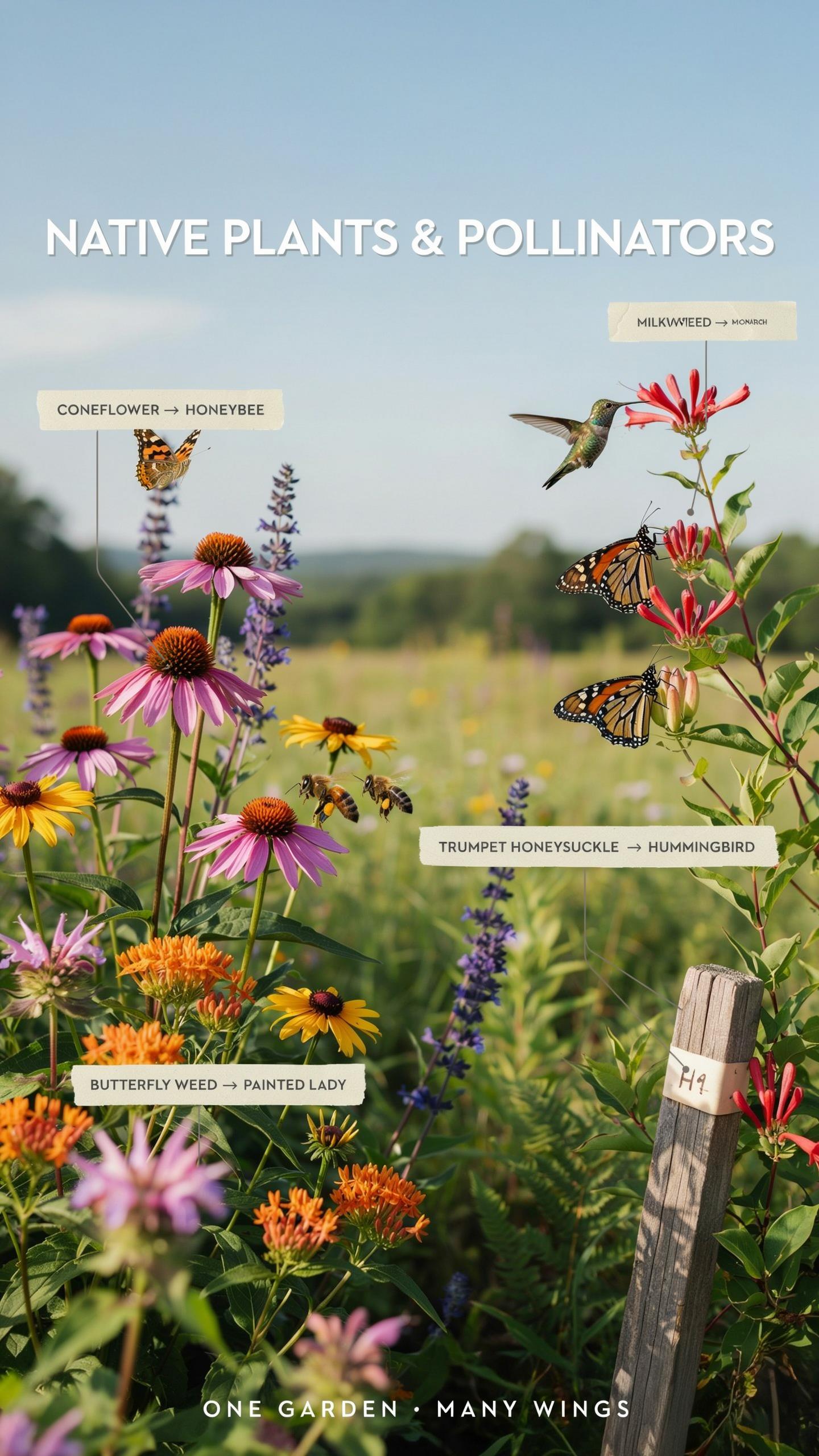
A pollinator chart maps bloom times across your region’s native plants. This prevents gaps when flowers fade and pollinators need food. Early spring bloomers like native trilliums and bloodroot feed emerging bees. Summer plants such as coneflowers and black-eyed Susans sustain butterfly populations. Fall bloomers like asters extend the food supply into late season.
Building this succession requires knowing your region’s USDA hardiness zone and native plant availability. Research your area’s phenology to time plantings correctly. Stagger species so something flowers every two to three weeks from March through November. This continuous resource keeps pollinator populations stable and productive throughout their active months.
Establishing Host Plants For Caterpillar Breeding And Nesting Habitats
Caterpillars need specific plants to survive their larval stage. Milkweed species are essential for Monarch butterflies, which lay eggs exclusively on these plants. Your native milkweed variety depends on your region: Asclepias syriaca in the Northeast, Asclepias incarnata in wetlands, or Asclepias tuberosa in dry areas. Without these host plants, caterpillars cannot complete their life cycle and populations decline.
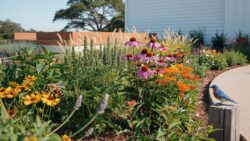
Plant host species densely to support breeding populations. A patch of 20 to 50 milkweed plants creates viable nursery habitat. Include other regional host plants: native oaks for butterfly caterpillars, native asters for pearl crescents, and native violets for fritillary species. This targeted approach transforms your yard into functional breeding territory for species facing habitat loss elsewhere.
Long Term Maintenance Tips For Your Brand New Native Plants Space
Pruning, Mulching, And Smart Watering Strategies During Early Establishment
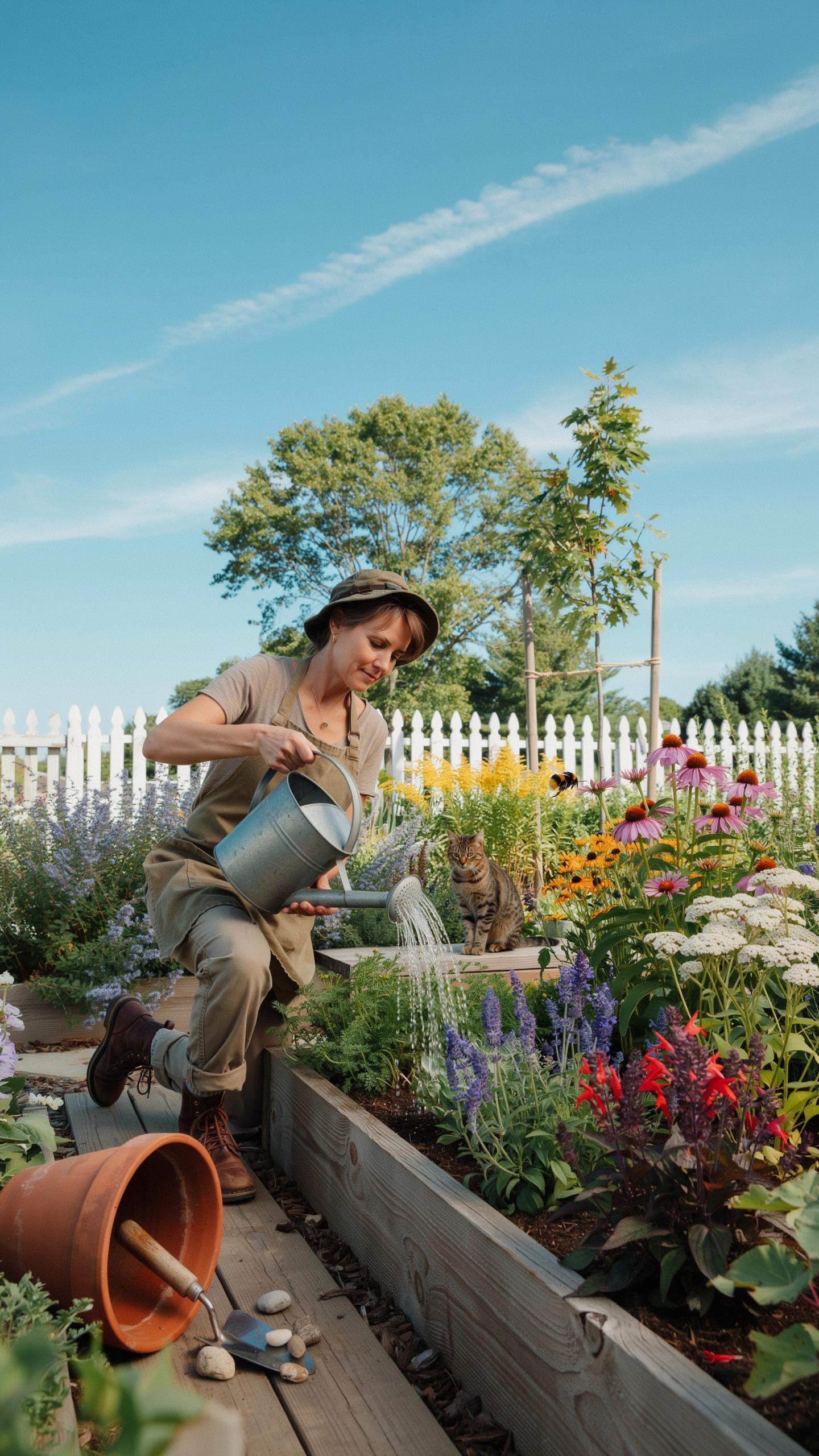
Native plants need consistent deep watering for their first one to two growing seasons. This establishes deep root systems that access water during droughts. Water at the soil level, not the leaves. Soak the root zone thoroughly, then let soil dry slightly between waterings.
Apply two to three inches of organic bark mulch around plants. Keep mulch a few inches away from plant stems to prevent rot. Mulch blocks weed growth that competes for nutrients and water. It also moderates soil temperature and reduces evaporation during the critical establishment phase.
Managing Natural Seasonal Cycles And Wildlife Nesting Sites In Winter
Leave dead flower stalks and ornamental grasses standing through winter rather than cutting them in late autumn. Native songbirds forage on seeds inside these dried structures. Beneficial insects overwinter inside hollow stems, emerging in spring to pollinate your plantings and control garden pests naturally.
Wait until late winter or early spring to prune back dead material. This timing protects overwintering wildlife and ensures new growth has room to emerge. You can then remove dead stems and grasses safely without harming insects and birds that depend on them for survival through cold months.
Frequently Asked Questions

Why should I choose native plants over popular exotic nursery flowers?
Choosing native species is essential for creating a low-maintenance, eco-friendly garden that thrives in your local climate. Our regional native plants selection guide highlights how these plants have evolved to survive specific soil types and weather patterns without heavy chemical fertilizers. By opting for local flora, you support vital pollinators like bees and butterflies, ensuring your outdoor space remains a vibrant, self-sustaining ecosystem that looks beautiful throughout every season.
How do I determine which specific plants are native to my exact zip code?
To start, consult a regional native plants selection guide or use online databases provided by local conservation societies. You can also visit specialized nurseries that focus on indigenous species. Assessing your yard’s unique conditions, such as sun exposure and soil drainage, is the next practical step. This targeted approach ensures that the “right plant, right place” philosophy is followed, leading to a much higher success rate for your new landscape.
Is it more expensive to landscape with native plants compared to traditional garden varieties?
Landscaping with native plants is actually a highly cost-effective choice in the long run. While initial costs are similar to traditional nursery stock, you will save significant money on water bills, pesticides, and expensive fertilizers. Many local municipalities and environmental organizations even offer grants or free seedlings to homeowners. Native varieties are hardy investments that require fewer replacements, making them the most budget-friendly option for a stunning, sustainable home refresh.