Embracing The Beauty Of Native Plant Landscaping Design
Why Wild Flora Delivers An Elegant And Low Maintenance Appeal
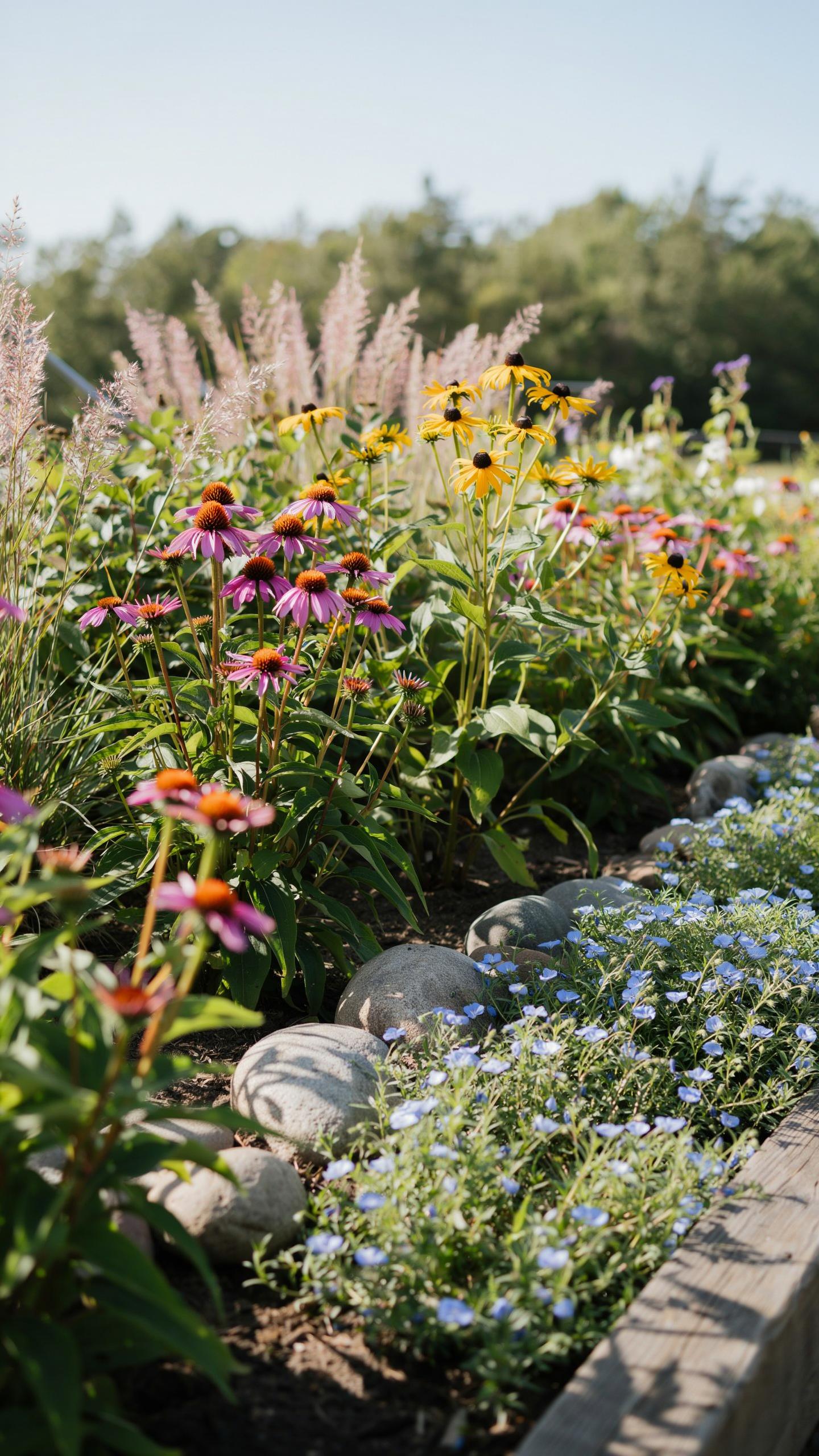
Native plants require less water, fertilizer, and pest management than non-native species because they evolved to thrive in your specific climate and soil. This means you spend less time maintaining beds and more time enjoying the landscape. Native plants establish deeper root systems that access groundwater, reducing irrigation needs even during dry periods.
The visual consistency native plants provide comes from their adaptation to local conditions. Plants that naturally occur in your region create cohesive compositions without appearing forced or artificial. Their forms, colors, and textures reflect the actual environment, delivering a polished appearance that feels authentic rather than ornamental.
The Environmental Benefits Of Locally Adapted Species
Native plants support local wildlife because they provide food and habitat that insects, birds, and other animals recognize and depend on. Non-native species often lack the nutritional value or structural features these animals need to survive. By planting natives, you create a functional ecosystem within your landscape rather than just visual decoration.
Using native species reduces chemical inputs into soil and groundwater systems. Native plants don’t require synthetic fertilizers or pesticides to thrive in their adapted environment. This approach lowers your carbon footprint from manufacturing and transporting chemicals while protecting water quality in your region.
Foundational Principles Of Native Plant Garden Design
Balancing Structured Hardscapes With Organic Instincts
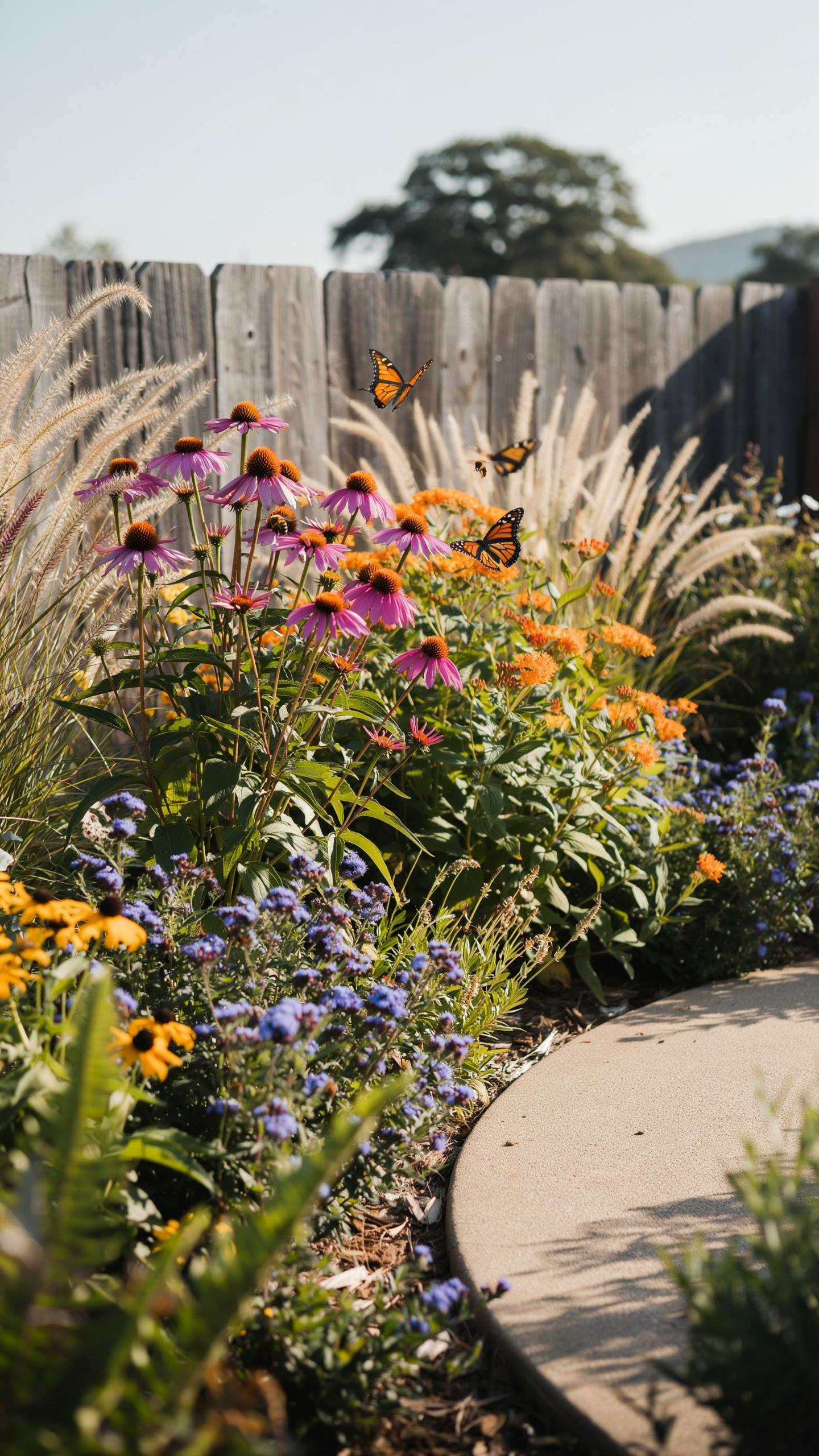
Hardscapes anchor native plant designs. Patios, pathways, and retaining walls create framework that native plantings fill around. This structure prevents gardens from appearing chaotic. Hardscapes also solve practical problems like drainage and foot traffic. The balance works when hardscaping accounts for no more than thirty to forty percent of total yard space, leaving ample room for plant material.
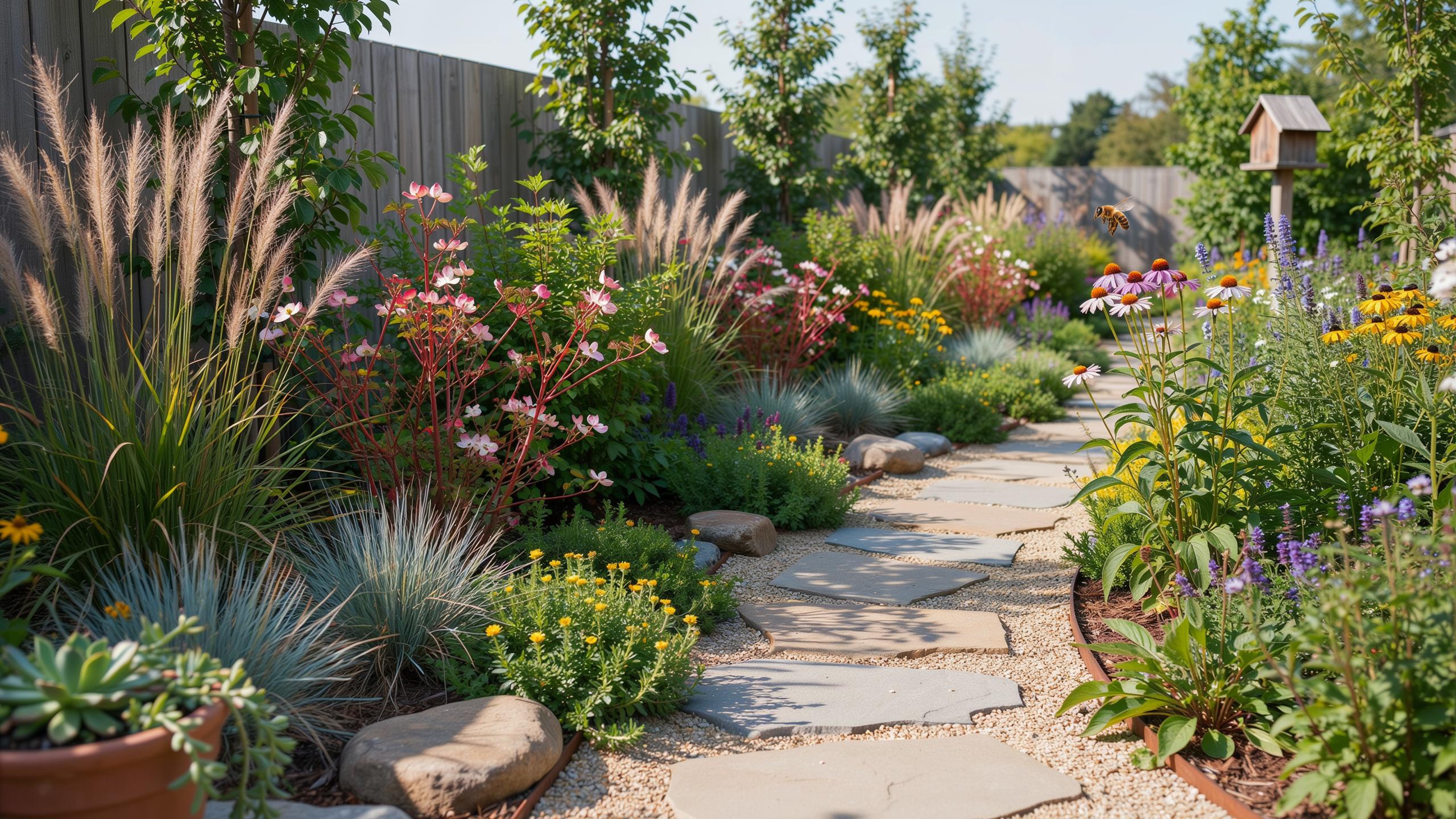
Native plants grow with less intervention when hardscapes direct water flow and define planting zones. Permeable paving materials like gravel or decomposed granite integrate better with native systems than impermeable concrete. Curved edges soften the boundary between hardscape and planting beds. This combination creates intentional design rather than random vegetation scattered across property.
Let your garden be a mirror of the wild grace that once covered these hills, simplified into a harmony that feels both elegant and homebound. To plant a native meadow is to invite the soul of the landscape back to your doorstep with quiet sophistication.
How To Create Visual Depth Through Layering And Foliage Texture
Layering organizes plants by height and structure to build visual complexity. Ground layer plants sit lowest, typically ranging from ground cover to two feet tall. Mid-story plants occupy two to six feet. Canopy species exceed six feet. This tiered approach creates perceived depth and mimics natural forest structure where native species evolved.
Foliage texture variation sustains visual interest year-round without relying on flower color alone. Combine fine-textured plants like ornamental grasses and finely-cut leaves with bold, coarse-textured shrubs and broad-leafed perennials. Repeating textures creates rhythm across the design. Varying them prevents monotony. Native plants naturally exhibit wide texture ranges within regional species palettes, enabling designers to build sophisticated compositions using local material.
Developing A Functional Native Garden Plan
Understanding Sun Exposure And Drainage Requirements On Your Site
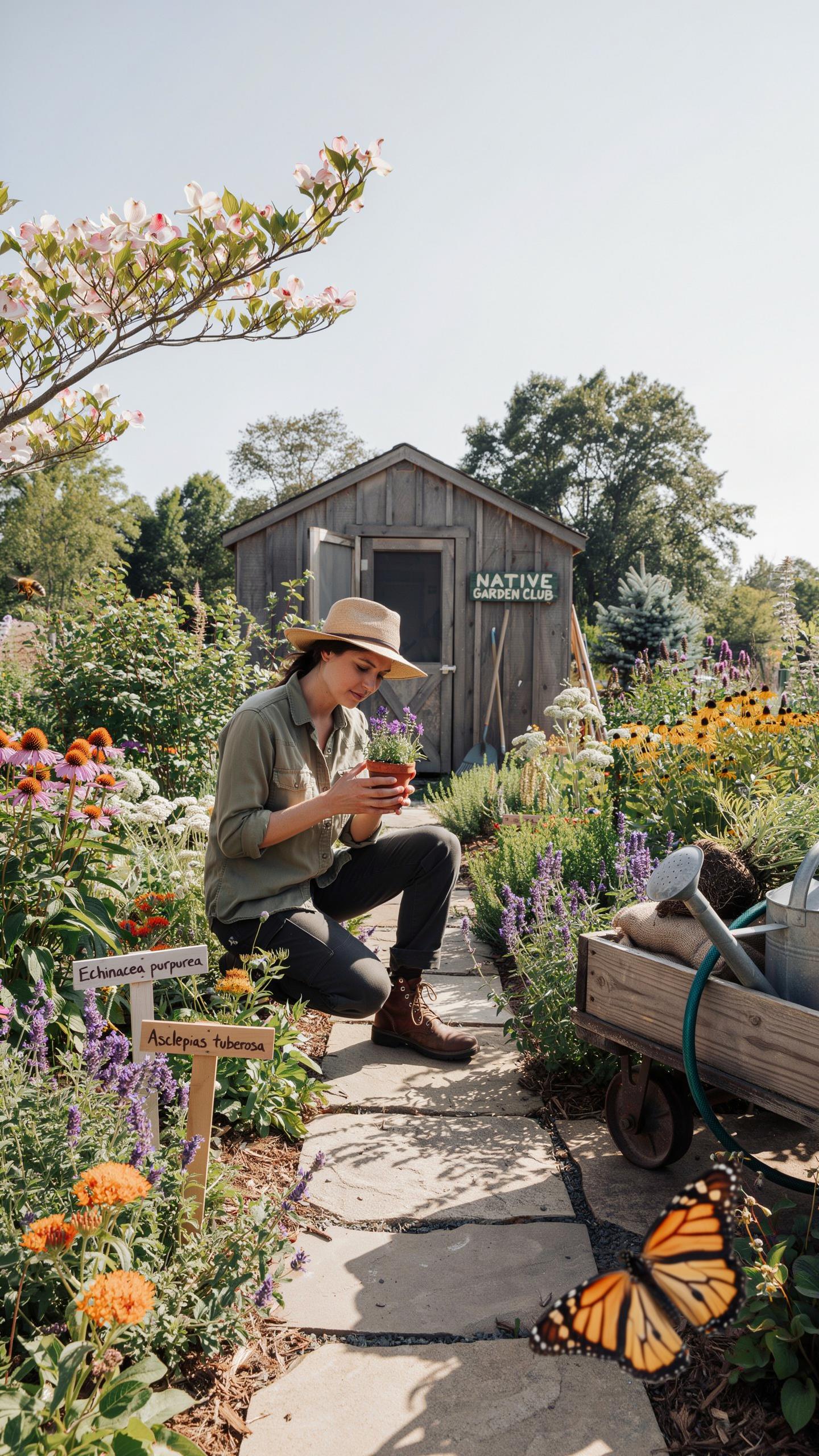
Map your site’s sun patterns before selecting plants. Observe how light moves across your property throughout the day. Document which areas receive full sun (six or more hours), partial shade (three to six hours), or full shade (under three hours). This determines plant survival and performance. Native plants evolved in specific light conditions and struggle outside their requirements.
Drainage dictates plant health more than most gardeners realize. Dig a hole, fill it with water, and measure how quickly it drains. Fast drainage (within hours) suits drought-tolerant natives. Slow drainage (days) requires plants adapted to wet conditions. Most natives need well-draining soil. Poor drainage kills roots faster than drought. Test your soil before committing to a planting scheme.
Mapping Out Accessible Pathways And Focal Zones
Design pathways that function as circulation routes, not afterthoughts. Pathways should connect your home’s entry to key garden areas. Width matters: standard pathways need thirty-six to forty-eight inches for comfortable movement. Focal zones anchor the design and draw the eye. These are destinations like seating areas, water features, or specimen plants. Position them at natural endpoints where pathways terminate.
Create hierarchy by placing focal zones at varying distances from your home. A nearby seating area encourages daily use. A distant focal point encourages exploration and creates visual depth. Native plants frame these zones without competing for attention. Use plant height and texture to guide movement through the space. Keep pathways clear of overhead branches to prevent navigation issues.
Establishing A Structured Native Garden Layout
Using Geometric Borders To Frame Natural Growth Patterns
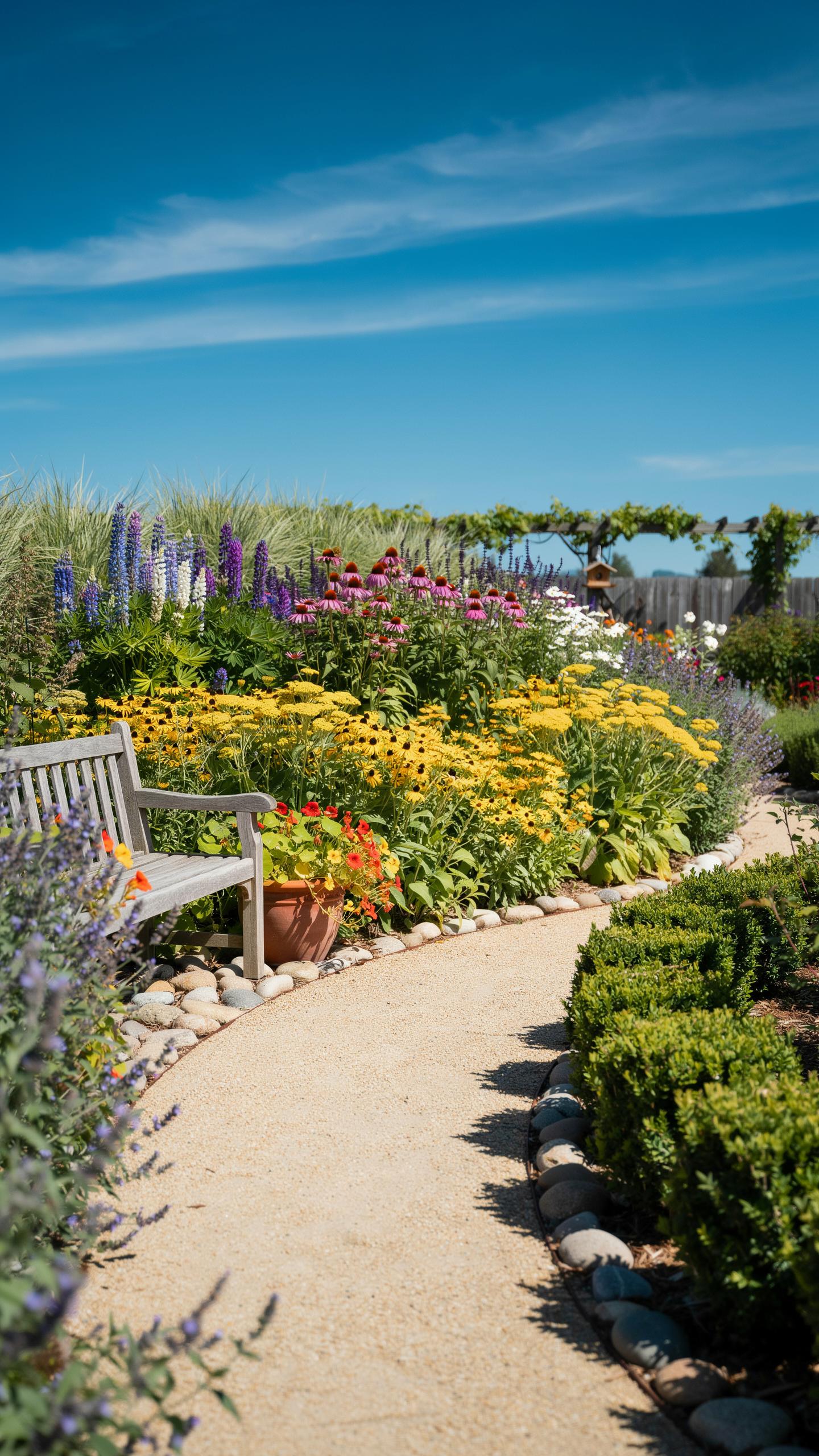
Geometric borders create visual order in native plant beds. Straight lines, curved edges, and defined boundaries establish clear transitions between planted areas and hardscape. This structure works because the human eye processes defined shapes faster than ambiguous transitions. Borders also reduce maintenance by preventing plants from sprawling into unwanted zones. You control where plants grow, not the other way around.
Native plants themselves grow in irregular patterns. Geometric frames contain this natural chaos without fighting it. The border becomes the frame. The plants fill the frame on their own terms. This approach balances design intention with ecological authenticity. Your garden looks intentional, not accidental.
The Rule Of Three: Grouping Flora For Cohesive Visual Impact
Plant three specimens of the same species together to create visual weight. This principle comes from composition design and applies directly to native landscaping. One plant disappears into the landscape. Two plants feel accidental. Three plants form a deliberate grouping that the eye recognizes as a design choice. Repeat this grouping across the garden for consistency.
Odd numbers create visual harmony in landscape design. Three, five, or seven plants clustered together read as intentional plantings rather than random placements. This works because asymmetry feels natural while even-numbered groupings feel staged. Group native species by bloom time and height to maximize visual impact across seasons. Your garden maintains structure and interest year-round.
Inspirational Native Garden Ideas For Every Yard Size
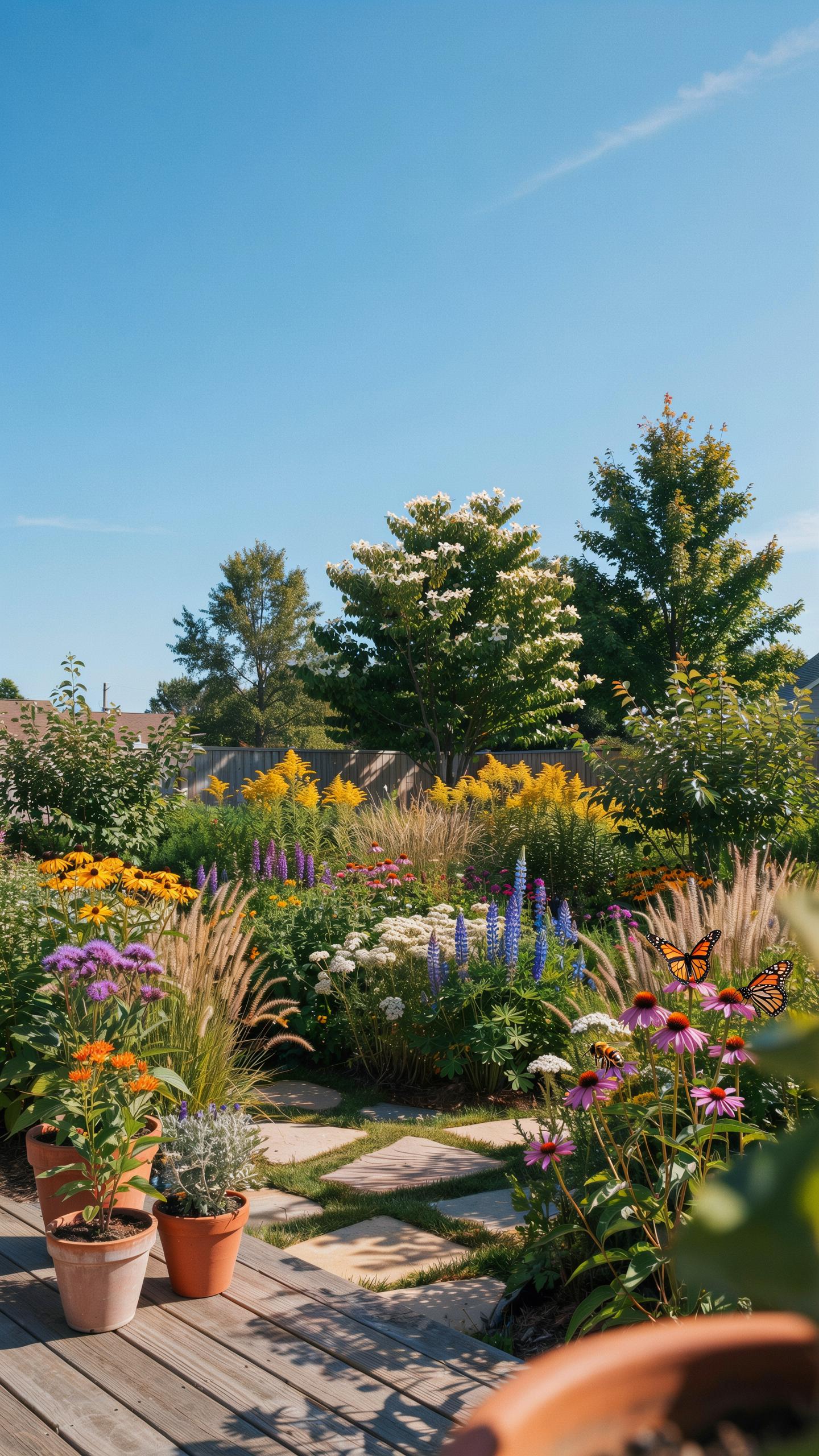
Top Design Themes From Compact Courtyards To Sprawling Lawns
Scale determines what works. A small courtyard needs dense planting with vertical elements to create layering. Larger yards allow for distinct zones with open areas between plantings. Native plant landscaping design adapts to whatever space you control. The principle stays consistent across all sizes: match plant height and spread to available room.
- Courtyard Gardens: Use shade tolerant natives and compact shrubs. Leverage walls for vertical interest with climbing vines suited to your region.
- Suburban Lots: Create islands of mixed heights with groundcovers, shrubs, and small trees. Space plantings to allow sight lines and reduce visual clutter.
- Meadow Designs: Sprawling properties support tall grasses and wildflowers that attract pollinators. Thin plantings to 2 to 3 stems per square foot for natural density.
- Urban Containers: Native species in pots work for patios and balconies. Select shallow rooted species that tolerate container limitations in your climate zone.
- Edge Transitions: Use native plants to frame property lines and transitions. Border plantings reduce maintenance while marking boundaries naturally.
Design themes work when you match them to existing conditions. Soil type, sun exposure, and moisture patterns control what thrives. Survey your site first, then choose a theme. Successful native plant landscaping design starts with honest assessment of what you have.
Integrating Water Features And Rockeries Into Your Greenery
Water features solve drainage problems while adding visual structure. Rain gardens capture runoff and support hydric natives. Bioswales channel water through planted corridors. Ponds create habitat for aquatic plants and wildlife. Position water elements where they work with your site’s natural slope and drainage patterns.
Rockeries serve as edging, drainage solutions, and design anchors. Native stone matches regional character better than imported materials. Boulders and outcroppings reduce mowing area and stabilize slopes. Integrate rock strategically between plant groupings to break visual monotony. Rock also moderates soil temperature and moisture retention for plants positioned nearby.
Practical Steps For Successful Native Garden Landscaping
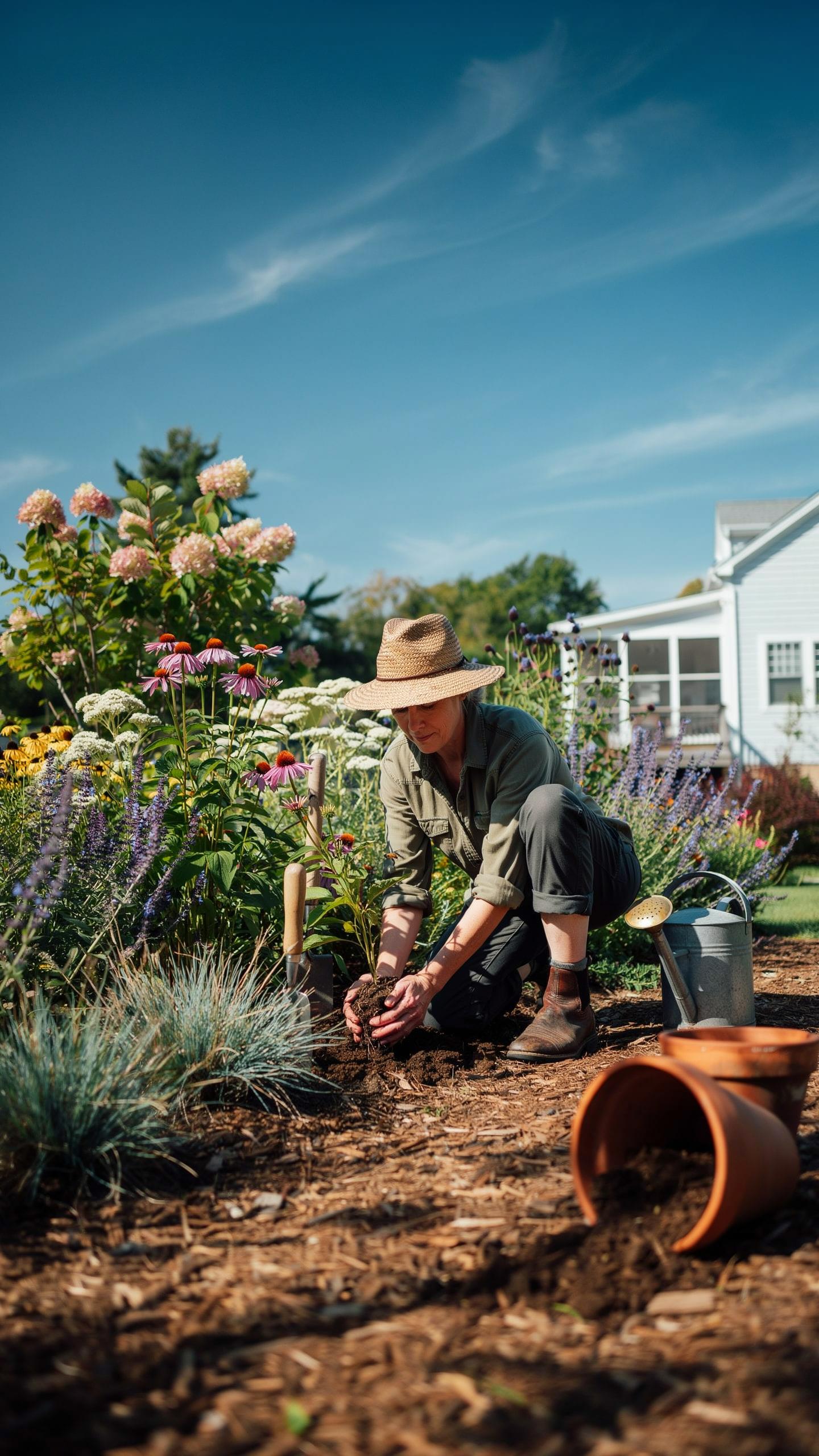
Essential Soil Preparation Techniques For Local Soil Types
Your native plants live or die based on soil conditions. Start by testing your soil’s pH, texture, and nutrient content. Most native plants adapt to local soil rather than demand amendments. Avoid over-correcting soil chemistry. Work with what exists on your site instead of fighting it.
- Soil Testing: Send samples to your local extension office. Results reveal pH, organic matter, and nutrient levels specific to your region’s soil profile.
- Texture Assessment: Determine if soil is clay, sand, or loam by feel and water retention. Native plants evolved for your local texture and perform best without major modification.
- Drainage Evaluation: Observe water movement during rain. Amend only if drainage is poor. Most natives tolerate local drainage patterns naturally.
- Organic Matter Addition: Mix 1 to 3 inches of compost into planting beds. This improves both clay and sandy soils without changing inherent character.
- pH Adjustment: Only adjust pH if soil tests show extreme values outside native plant ranges. Most natives thrive in slightly acidic to neutral soil between 6.0 and 7.5.
Preparation saves time later. Native plants establish faster in properly prepared soil. You reduce establishment failures and cut long-term maintenance needs significantly.
Smart Mulching And Irrigation Setup For Drought Tolerance
Mulch protects soil and reduces water loss without creating dependency. Apply 2 to 3 inches of wood chips or shredded bark around plants. Leave 3 to 4 inches clear around stems to prevent rot. Refresh mulch annually as it breaks down and settles.
Irrigation strategy shifts once natives establish. Water deeply during the first growing season to develop strong root systems. After establishment, most natives need minimal supplemental water in their native regions. Design drip lines or soaker hoses for targeted delivery during establishment only. Remove irrigation systems once plants prove drought tolerance. Over-watering kills more natives than drought does.
Curating The Palette With Native Garden Design Principles
Selecting Harmonious Color Palettes From Local Wildflowers
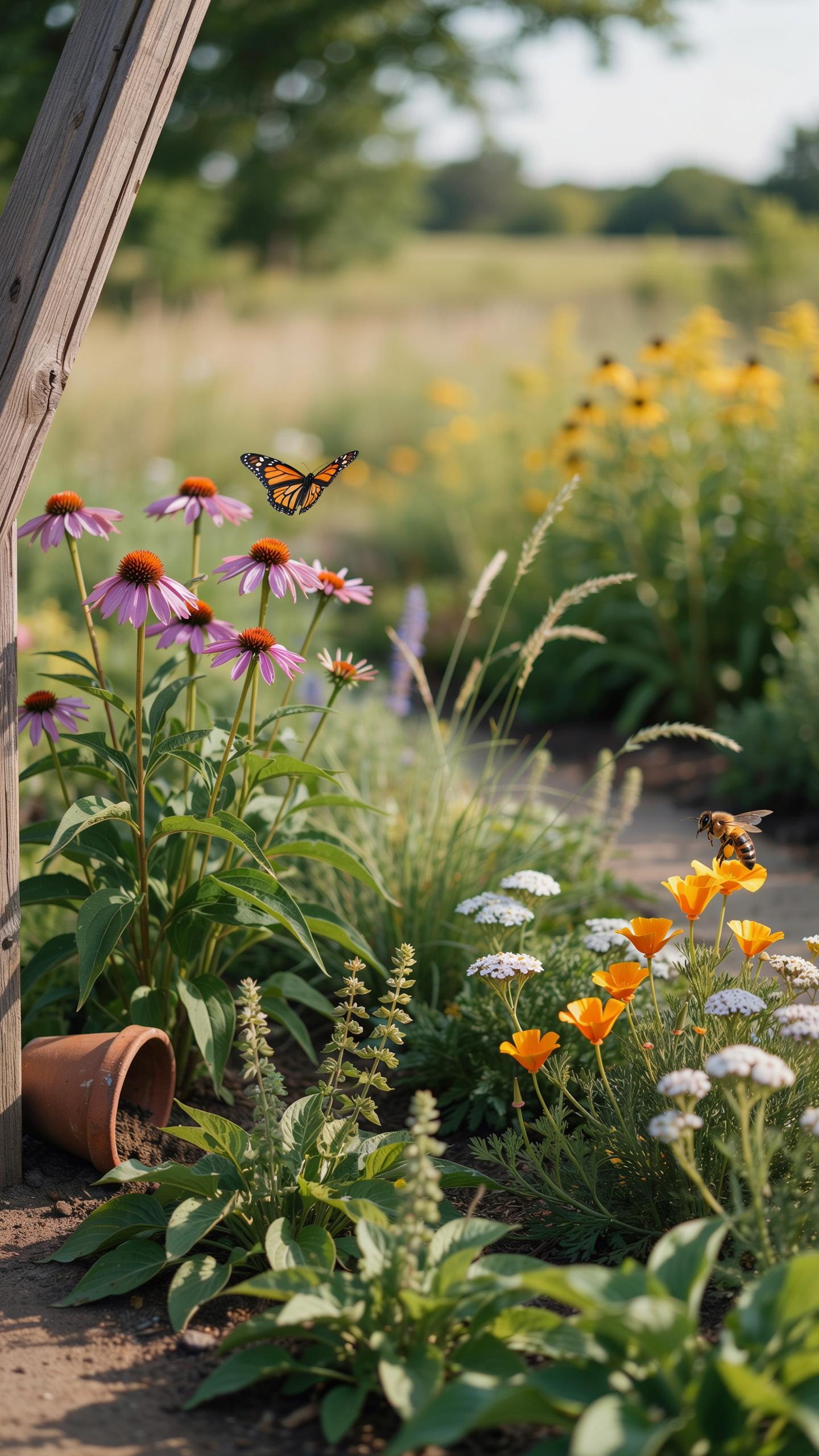
Local wildflowers establish your color foundation because they thrive in your specific climate and soil. Native species evolved together in the same ecosystem, so their colors naturally complement each other. Study what grows wild in your region, then build your design around those existing color relationships. This approach eliminates guesswork and guarantees results.
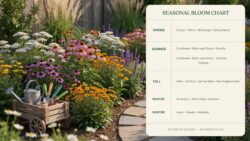
Observe bloom times to create continuous color from spring through fall. Plants that flower simultaneously in nature work well together visually. Map out which species peak in each season, then layer them to avoid color gaps. This strategic sequencing keeps your landscape engaging year-round without constant maintenance or replanting cycles.
Incorporating Evergreen Shrubs For Year Round Structural Interest
Evergreen shrubs provide structure when deciduous plants lose leaves. They anchor your design and prevent the bare, skeletal look that kills winter landscapes. Choose native evergreens suited to your hardiness zone. They won’t need special care because they evolved in your local conditions.
Combine evergreens with varying heights and textures to create visual depth. Dense, compact shrubs contrast with feathery or columnar forms. Position taller evergreens as backdrops and shorter varieties in front. This layering technique adds dimension while maintaining clean sight lines through your landscape year after year.
Unique Elements Of An Australia Native Garden Portfolio
Highlighting Signature Flora Like Banksias Grevilleas And Eucalypts
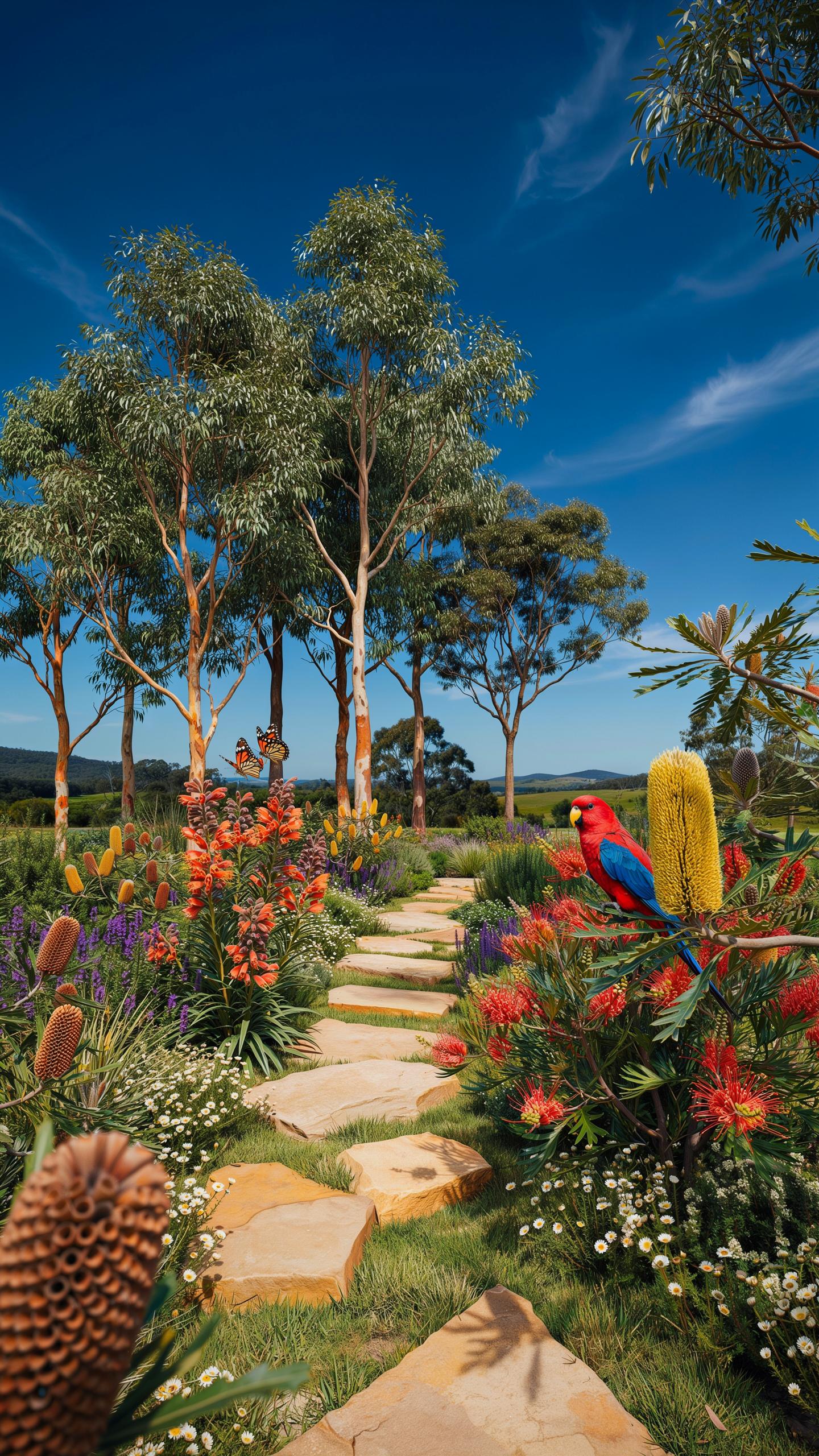
Banksias, Grevilleas, and Eucalypts form the structural backbone of Australian native gardens. These plants thrive in poor soils where introduced species fail. Banksias deliver dense flower spikes that attract nectar feeders year-round. Grevilleas offer varied growth habits from ground covers to tall shrubs. Eucalypts provide canopy structure and textural contrast. Choose species matched to your local climate zone and soil type for reliable performance.
These three genera dominate Australian native portfolios because they require minimal amendment and thrive on neglect once established. Banksias tolerate sandy, acidic conditions. Grevilleas adapt to multiple soil types. Eucalypts improve soil through leaf litter decomposition. Design around their mature sizes to avoid crowding. Space plants according to their spread to prevent competition and disease.
Creating Habitats For Local Pollinators And Birdlife
Native plants create functional habitats because they co evolved with local fauna for thousands of years. Australian pollinators and birds recognize native flora as food sources. Continuous flowering cycles from spring through autumn sustain insect populations that control pests. Seed producing plants feed birds without supplemental feeders. Dense shrub layers provide nesting sites and shelter from predators.
Design plant layers to maximize habitat value: ground covers, mid story shrubs, and canopy trees. Stagger flowering times by selecting species that bloom in different seasons. Include plants that produce seeds, berries, and nectar. Avoid pesticides entirely. Local insects and birds handle pest pressure naturally when populations are stable. This approach cuts maintenance while supporting ecosystem function.
Maintaining Your Polished Native Landscaping Over Time
Seasonal Pruning Tips To Keep Native Flora Looking Lush And Neat
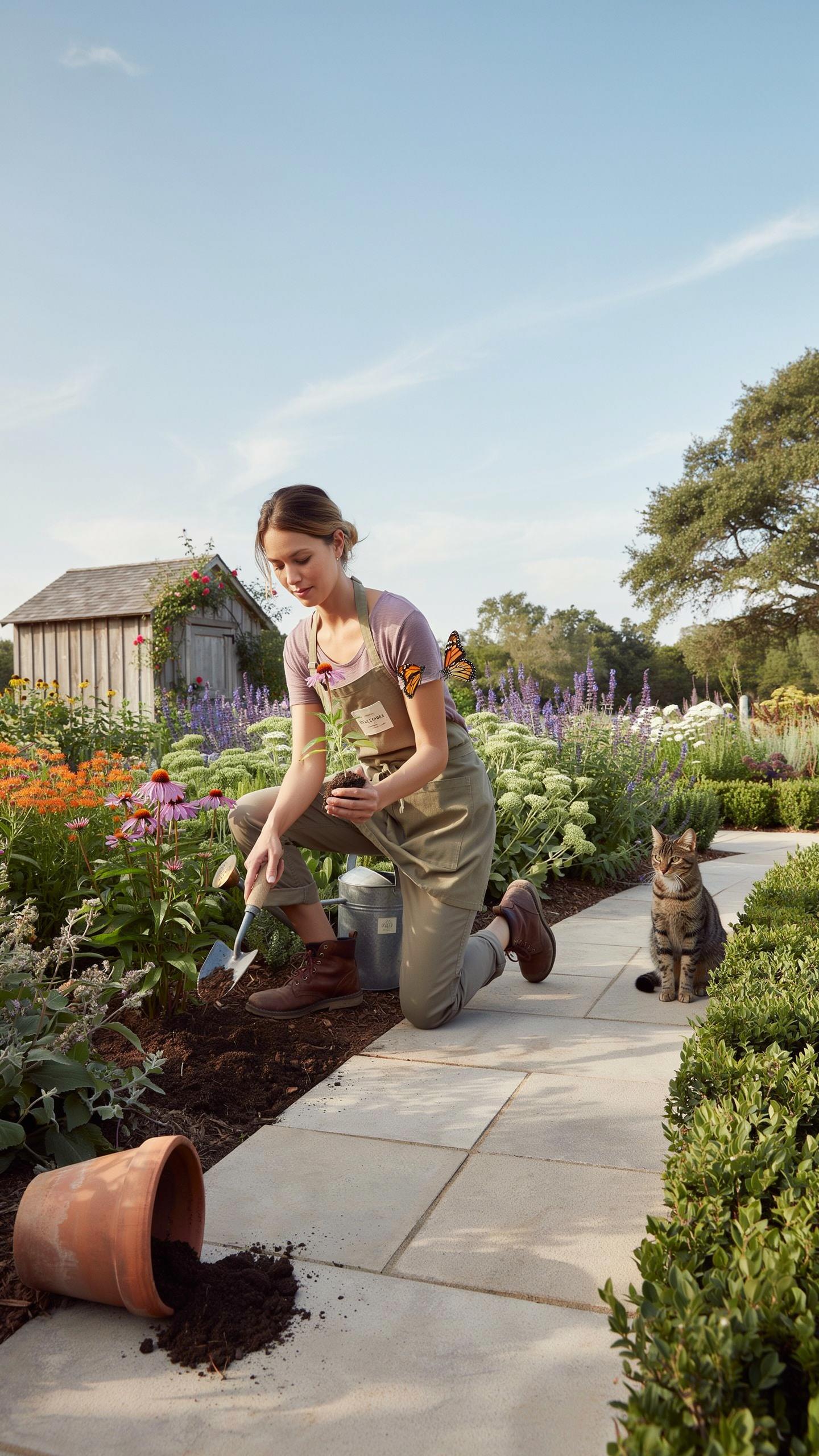
Native plants require pruning at specific times to maintain structure and health. Spring pruning works best for most native shrubs and trees after frost danger passes. Remove dead wood first, then cut back crossing branches and growth that disrupts your design. Prune flowering natives after blooms fade to encourage next season’s flowers. Avoid heavy pruning in fall, which stimulates tender new growth vulnerable to winter damage.
Pruning frequency depends on plant species and your design goals. Some native grasses need annual cutback in late winter before spring growth emerges. Shrubs benefit from selective pruning every two to three years rather than shearing. Cut at forty-five degree angles just above leaf nodes or buds. This approach keeps plants compact and dense without the manicured appearance that contradicts native design principles.
Weed Control And Pest Management Without Harsh Synthetic Chemicals
Mulch blocks weed seeds from germinating and reduces competition for water and nutrients. Apply two to three inches of wood chips or shredded leaves around plants, keeping material away from stems. Establish mulch early and maintain depth annually as material breaks down. Hand pulling weeds when soil is moist removes roots completely and prevents regrowth.
Native plants attract beneficial insects that control pest populations naturally. Ladybugs, parasitic wasps, and ground beetles eliminate aphids, mites, and other damaging insects without intervention. Neem oil and insecticidal soap address severe infestations on native plants while breaking down quickly in soil. Monitor plants regularly to catch pest problems early when populations remain manageable and damage stays minimal.
Evolving Your Space Into A Mature Native Garden Oasis
Managing Plant Succession And Natural Propagation In Mixed Borders
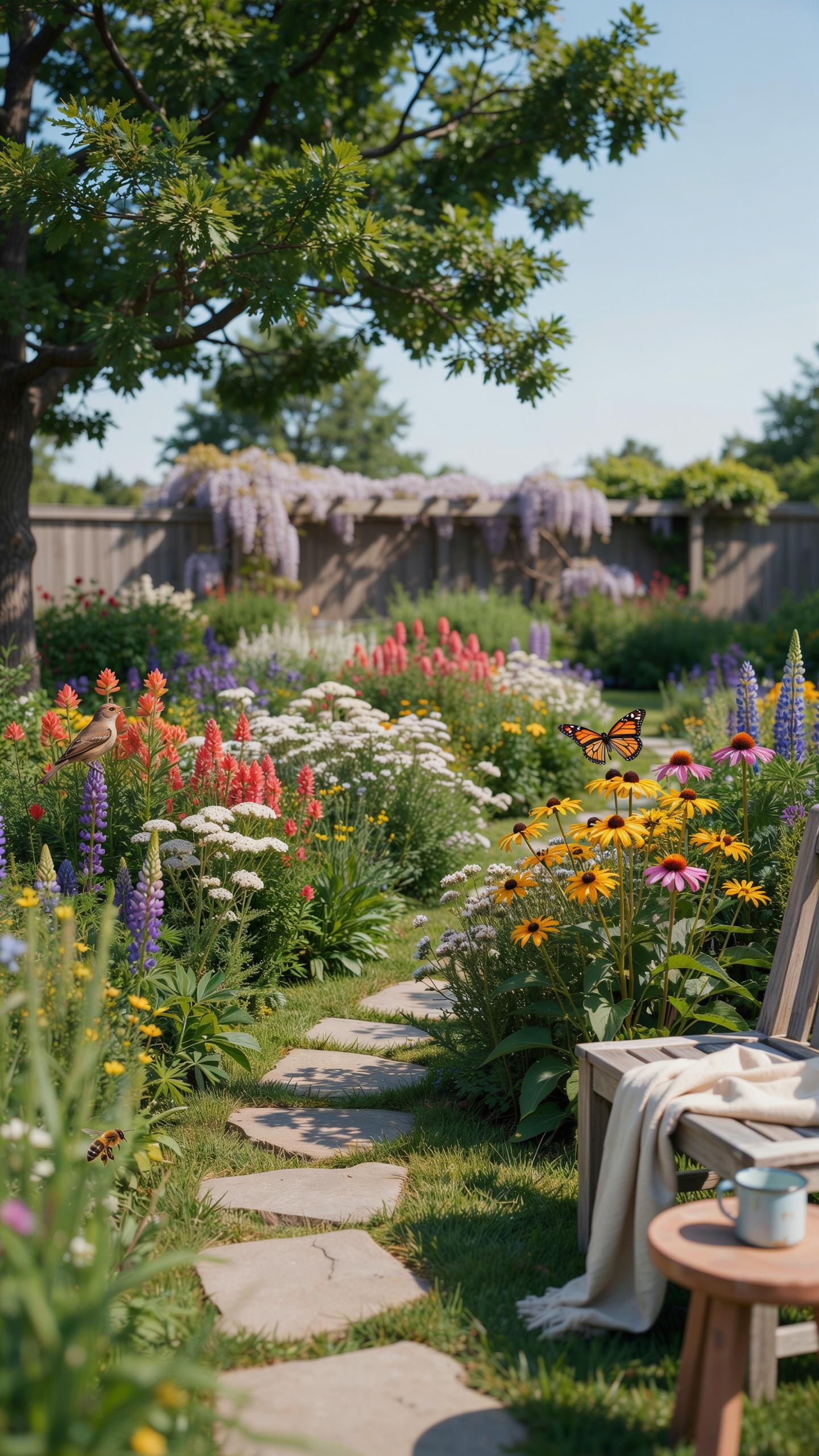
Native plants follow predictable succession patterns. Early colonizers like annual wildflowers establish first, then perennials take hold, and woody species eventually dominate. You control this progression by selectively removing or relocating plants. This prevents aggressive spreaders from choking out slower growers. Timing matters. Remove unwanted seedlings before they establish deep roots. Leave desirable volunteers that fill gaps naturally and reduce maintenance work.
Propagation happens through seed, rhizomes, and root fragmentation. Native plants evolved to self-sow in your region’s climate. Collect seed from mature plants in fall and scatter in prepared soil. Some species like coneflowers and black-eyed Susans spread via underground runners. You can divide these sections and transplant them to expand coverage. This approach costs nothing and produces genetically identical plants adapted to your specific site conditions.
Adding Artistic Highlights And Sculptures To Elevate The Aesthetic
Sculptures function as focal points that organize space and draw movement through the garden. Place them at sight lines or path intersections where they command attention. Scale matters. A large stone or metal piece anchors a space. Smaller sculptures get lost in dense plantings. Choose materials that weather naturally in your climate. Stone, weathered copper, and cast iron age predictably and complement native plantings without competing for visual dominance.
Integration requires intention. Position sculptures to frame views or create gathering spots. Avoid clustering multiple pieces randomly. Native plantings should frame, not surround, art installations. Consider sightlines from windows and seating areas. Hard materials like stone actually enhance plant texture by providing visual contrast. The sculpture stops the eye, native plants continue the experience. This pairing creates rhythm and prevents the space from feeling chaotic or overly soft.
Frequently Asked Questions

What are the primary benefits of choosing native plant landscaping design for my home?
Selecting a native plant landscaping design offers an environmentally friendly way to achieve a high-end look with minimal effort. These plants are naturally adapted to your local climate and soil, meaning they require significantly less water and fertilizer than exotic species. Beyond sustainability, they create a functional ecosystem that supports local pollinators while providing a lush, harmonious aesthetic that feels perfectly integrated into your property’s natural surroundings.
How can I arrange native plants to ensure the garden looks intentional and polished?
To achieve a sophisticated result, use classic design principles like layering and mass planting. Grouping the same species together in odd numbers creates bold “drifts” of color that look purposeful rather than wild. Define your garden beds with crisp edges or modern hardscaping to provide structure. This disciplined approach to native plant landscaping design ensures your yard feels like a curated outdoor gallery rather than an overgrown meadow.
Is it possible to design a sophisticated native landscape on a limited budget?
Absolutely! Native gardening is often more cost-effective because you can start with smaller “plugs” or seeds that establish quickly in their home soil. To save money while maintaining a polished look, invest your budget into a few mature focal point trees and fill the remaining space with affordable native grasses and perennials. Over time, these plants will fill in beautifully, reducing the need for expensive annual replacements and constant maintenance.