What Is A Pollinator Garden And Why Does It Matter
Understanding The Role Of Native Bees
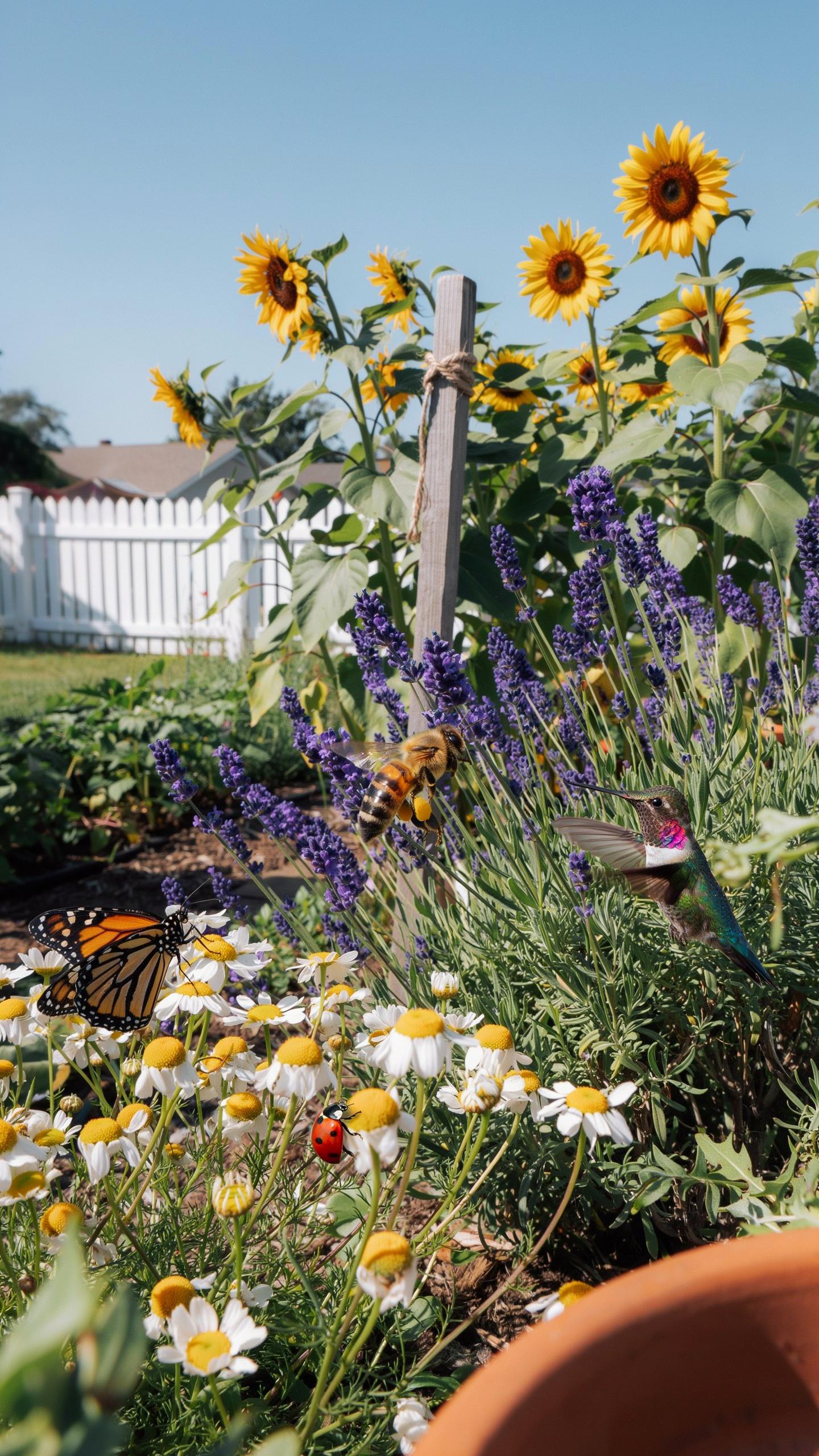
Native bees serve as primary pollinators for both wild plants and food crops. Bumblebees and mason bees work year-round, visiting flowers to collect nectar and pollen. These insects transfer pollen between plants, enabling seed and fruit production. Without native bee populations, ecosystem productivity and agricultural yields decline significantly.
Native bees require specific plants and nesting habitats to thrive. Unlike honeybees, many native species are solitary and nest in soil or wood. They pollinate crops and wildflowers more efficiently than imported honeybees. Supporting native bee populations directly strengthens food security and ecosystem function.
How Habitat Loss Affects Bee Populations
Urbanization destroys bee habitats by replacing flowering plants with hardscape and monoculture lawns. Fragmentation isolates bee populations, preventing gene flow and reducing genetic resilience. Modern agricultural practices eliminate native plants, forcing bees to travel further for food sources. These pressures combine to reduce wild bee populations across most regions.
Monoculture farming creates deserts for native bees because single crops bloom briefly, then offer no resources. Pesticide use kills foraging bees and contaminates nectar and pollen sources. Loss of nesting sites in dead wood and undisturbed soil removes critical breeding grounds. Restoring native plant habitat directly counters these threats and rebuilds bee populations.
Planning Your Bee Garden Layout
Choosing A Sunny And Sheltered Location
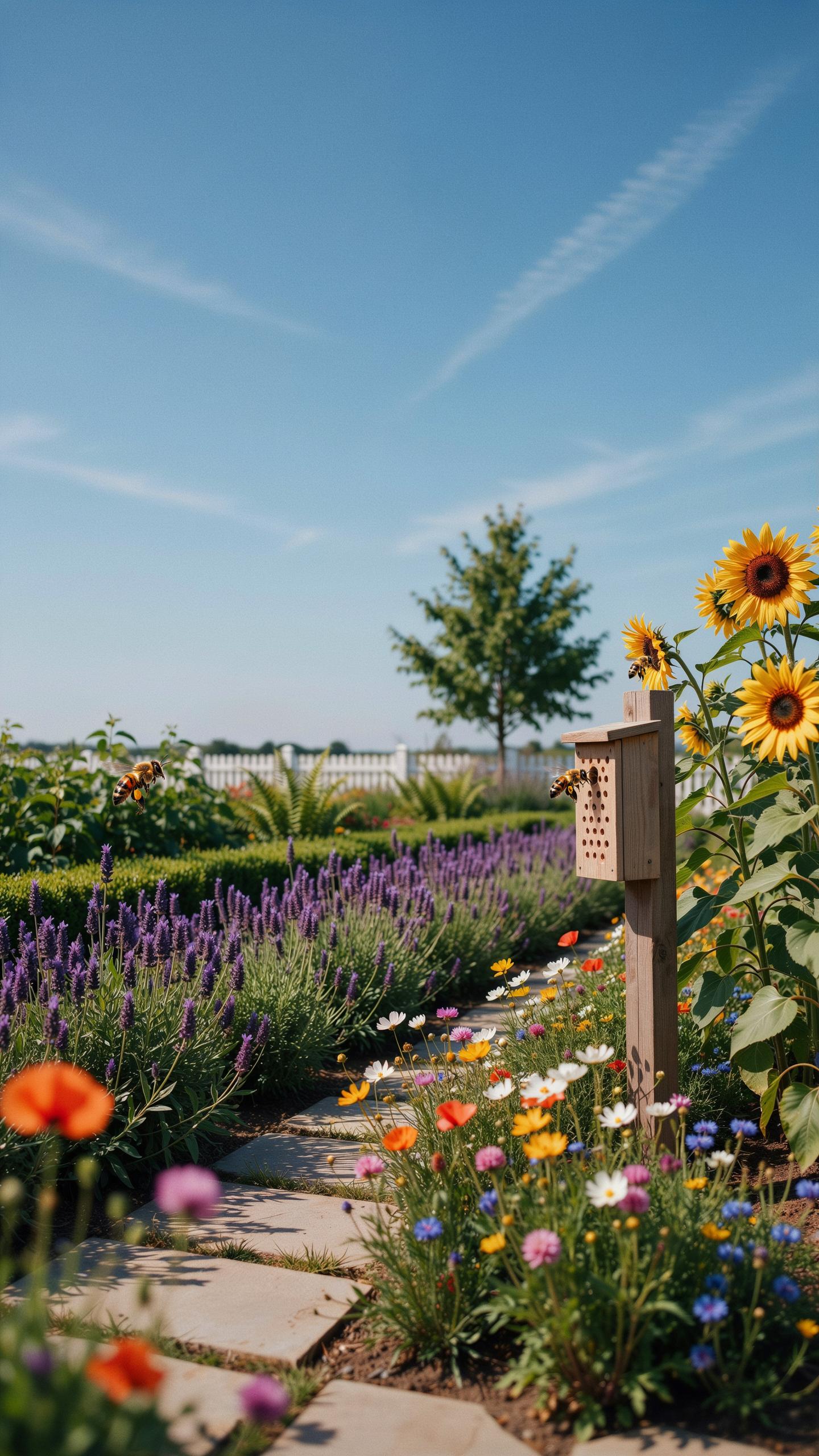
Bees require full sun to forage efficiently. They operate on limited energy reserves and waste fuel traveling through shade or fighting wind resistance. Position your garden where it receives six to eight hours of direct sunlight daily. This warmth accelerates their metabolism and flight response, making them more active pollinators throughout the day.
Wind drains bee energy faster than anything else. High winds force bees to work harder to maintain flight control and stability. Plant your garden in a location protected from prevailing winds, using natural barriers like hedges, fences, or structures. Sheltered gardens extend foraging periods and increase pollinator visits substantially.
Grouping Plants In Clumps For Easy Foraging
Bees locate flowers through visual scanning. When you scatter individual plants, bees waste energy searching between distant specimens. Planting three or more of the same species together creates a target bees detect immediately. This clustering strategy cuts foraging time and reduces overall flight distance for nectar and pollen collection.
Grouped plantings also support feeding efficiency. When bees find one flowering plant in a cluster, they work through the entire group methodically. This behavior maximizes pollen transfer per flight and lets bees load faster before returning to the hive. Dense groupings reduce the energy cost of pollination work.
Essential Spring Flowers For Bees
Early Blooming Bulbs And Perennials
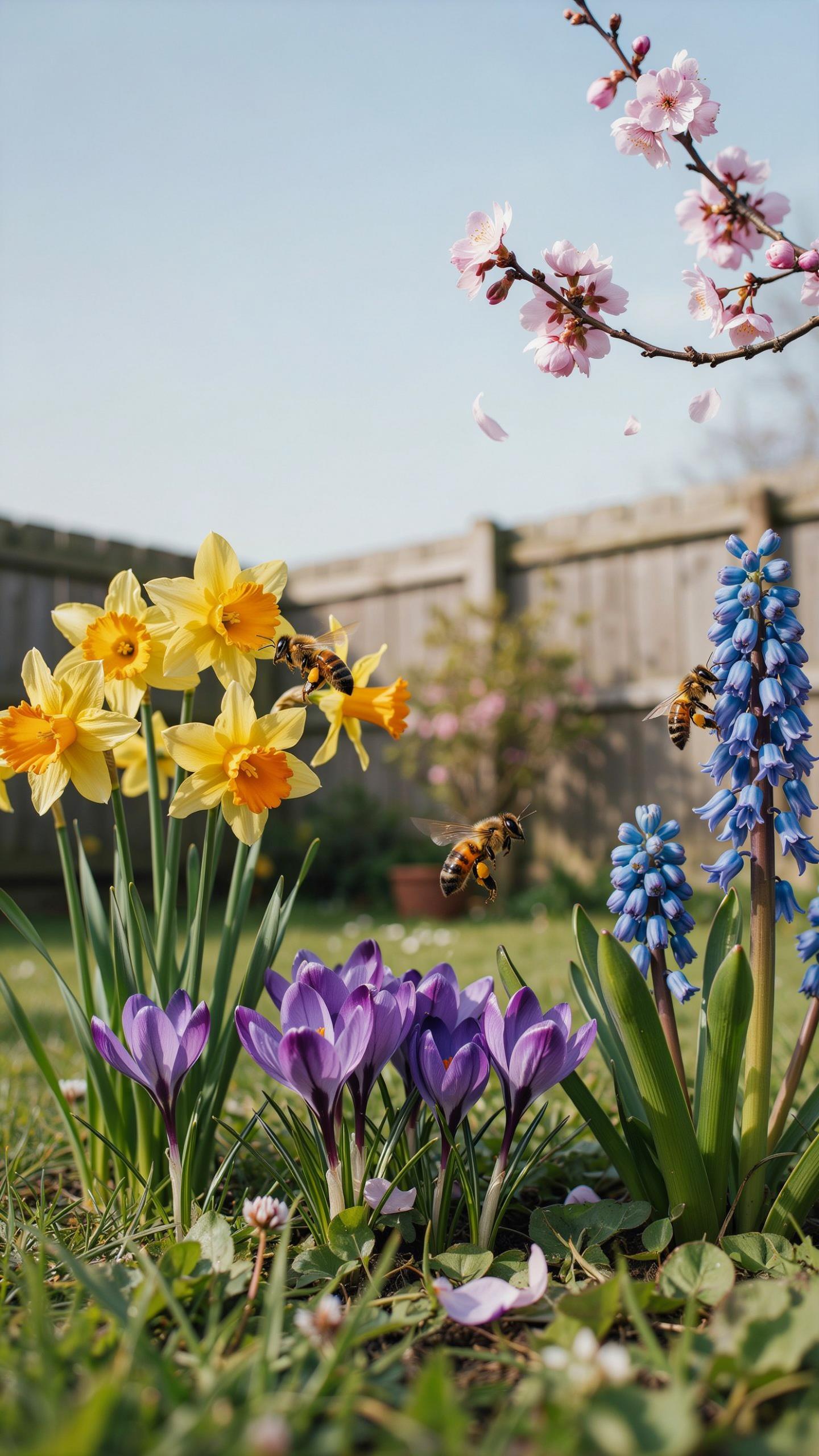
Crocuses emerge first in spring, often breaking through snow to offer bees their initial nectar source after winter. These low-growing flowers bloom in late February through March depending on your region. Lungwort follows shortly after, producing clusters of small tubular flowers that attract bees seeking early pollen. Hellebores add another option, blooming as early as January in mild climates. These plants bridge the gap when other food sources remain scarce.
Plant bulbs in fall for spring emergence. Space crocuses four inches apart in clusters for visual impact and bee accessibility. Lungwort and hellebores prefer partial shade and well-draining soil. All three tolerate cold temperatures and establish quickly without intensive maintenance. Position them near garden edges or foundation areas where bees naturally forage.
Supporting Queens After Winter Hibernation
Queen bees emerge from hibernation with depleted energy reserves and critical nutritional needs. They must find nectar immediately to build strength for laying eggs and starting new colonies. A single queen can consume significant nectar in her first weeks of activity. Early spring plants directly determine colony survival rates and population growth throughout the season. Gardens lacking early bloomers force queens to travel farther, expending precious energy reserves.
Providing abundant early nectar reduces foraging stress on emerging queens. This direct food source accelerates egg production and colony establishment. Dense plantings of crocuses, lungwort, and hellebores create reliable feeding stations near hive locations or natural nesting areas. Even small gardens can support multiple queens through strategic spring plant placement. Early blooms translate to healthier colonies and increased pollination for your entire garden.
Planting Best Plants For Bee Friendly Yards In Summer
High Nectar Summer Blooms
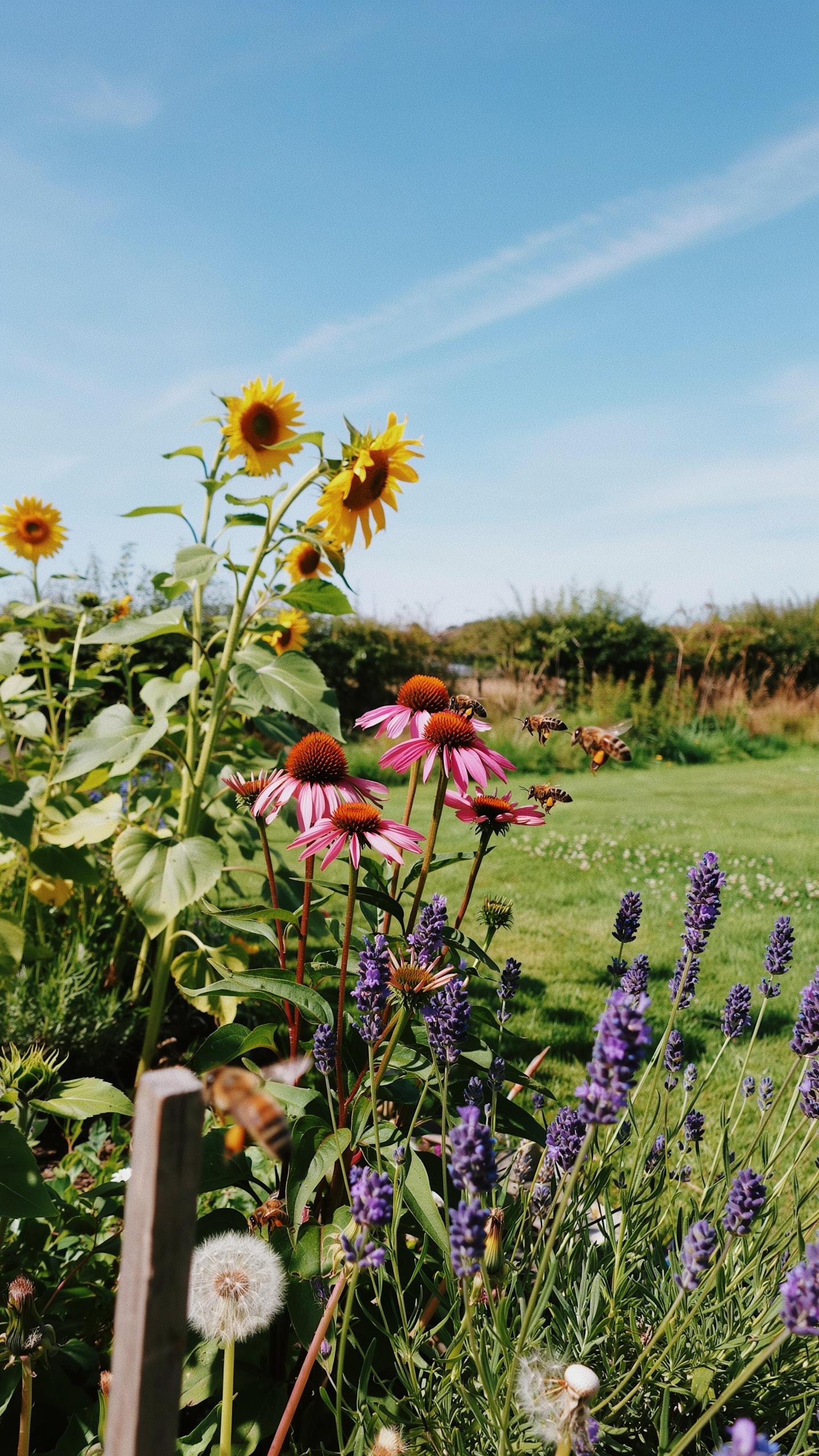
Coneflowers, bee balm, and black-eyed Susans deliver consistent nectar and pollen throughout summer months. Coneflowers bloom from mid-summer through fall, attracting diverse bee species with their accessible disk florets. Bee balm flowers in clusters that bees navigate easily. Black-eyed Susans produce abundant nectar starting in June and continuing through August. These plants require minimal fussing once established and reward consistent bee visits.
Summer blooms solve a critical timing problem for bee colonies. Worker bees need reliable food sources during peak foraging season from June through August. These three plants flower simultaneously, creating predictable feeding stations. Bees remember flowering locations and return repeatedly. Plant them in groupings of the same species to reduce bee navigation effort and increase feeding efficiency.
Drought Tolerant Varieties For Hot Climates
Yarrow and sedum thrive in dry conditions while producing nectar and pollen bees seek. Yarrow flowers in clusters throughout summer and tolerates poor soil and intense heat. Sedum requires minimal water once roots establish and blooms in late summer. Both plants outperform thirsty alternatives in regions with limited rainfall or during drought periods. They reduce garden maintenance demands while supporting bee populations through hot months.
These drought tolerant options extend bloom times in challenging climates. Yarrow attracts smaller bee species and beneficial wasps. Sedum provides critical late-season forage when other plants stop flowering. Plant drought tolerant varieties in full sun where they develop stronger root systems. Minimal watering allows you to maintain bee habitat year-round without wasting resources on struggling plants.
Autumn Plants For Bees Fueling Late Season Foragers
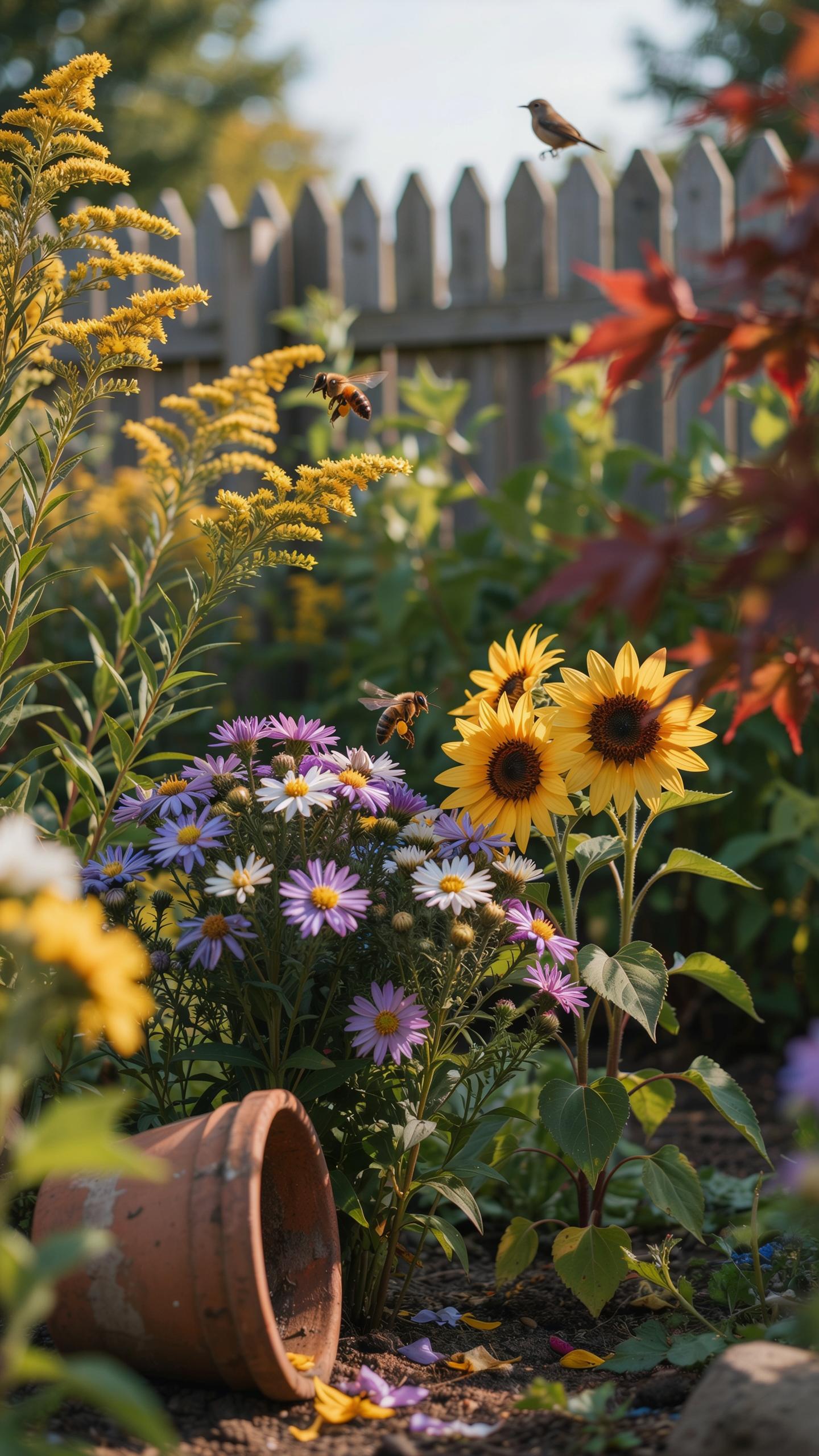
Asters And Goldenrods For Fall Nutrition
Asters and goldenrods bloom when most flowers fade in autumn. Bees depend on these plants to build fat reserves before winter dormancy. Both species produce nectar and pollen rich in carbohydrates and proteins. Bees consume these nutrients to generate body heat and survive cold months without foraging.
Goldenrod flowers from August through November in most regions. Asters follow similar timing, extending the food supply into late fall. Neither plant requires special care once established. Both tolerate poor soil and spread reliably across yards. Planting either species guarantees reliable bee nutrition during the critical pre-winter period.
To create a sanctuary for the bees is to tend the quiet heartbeat of the earth. Plant a few simple blooms and you will find your garden humming with the golden melodies of home.
Preparing The Yard For Wintering Bees
Leave standing plant stems through winter to protect native bees. Many solitary bee species nest inside hollow stems and dead wood. Removing debris eliminates critical shelter for these pollinators. Cut stems back in early spring after temperatures rise above freezing to avoid damaging active colonies.
Maintain bare soil patches in sunny areas for ground nesting bees. Approximately 70 percent of native bee species nest underground. Compact soil prevents bees from digging tunnels for eggs and pupae. Till shallow areas to a depth of four to six inches and leave them undisturbed through winter and spring to support these essential pollinators.
Curating Your Ultimate Bee Friendly Plants List
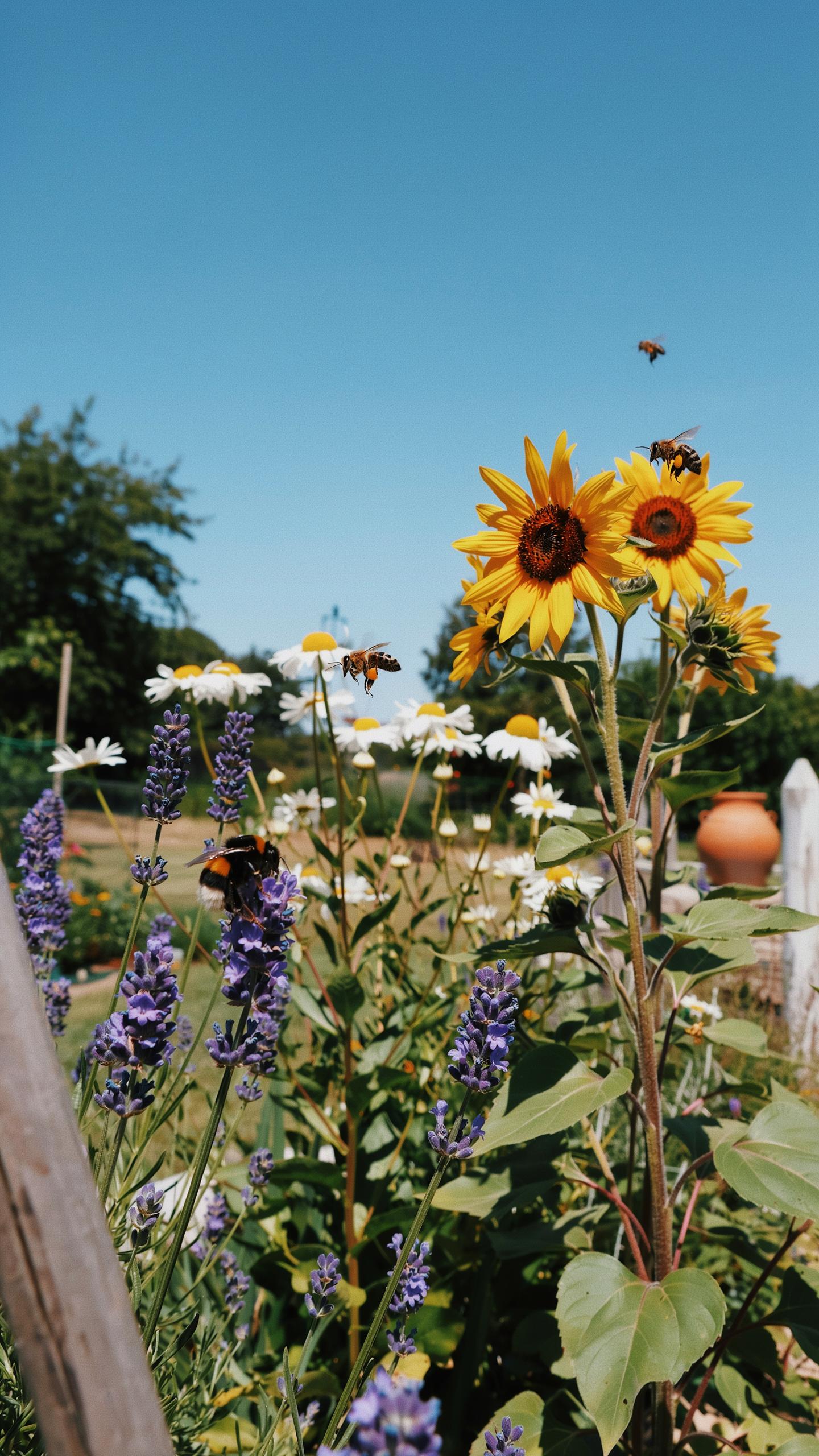
Selecting Native Varieties For Regional Success
Native plants are the foundation of a bee friendly garden because they evolved alongside local bee species for thousands of years. Bees developed synchronized timing with native blooms, meaning they arrive when flowers open and nectar flows. Native plants also require less water, fertilizer, and pesticide intervention, reducing toxins bees encounter. Your regional climate already supports these species, so they thrive without extra effort or resources from you.
- Black-eyed Susan: Blooms mid-summer through fall with abundant pollen. Native to eastern and central North America. Tolerates drought and poor soil conditions well.
- Wild Bergamot: Attracts bees throughout summer months. Native to prairies and woodlands across North America. Purple-pink flowers cluster densely on sturdy stems.
- Coneflowers: Purple coneflower species native to central and eastern regions. Blooms June through September with accessible pollen centers. Long flowering window supports multiple bee generations.
- Blazing Star: Native wildflower with spiky purple flowers. Blooms late summer when other food sources decline. Critical survival resource for fall bee populations.
- Joe Pye Weed: Tall native plant reaching four to six feet. Pink flowers attract bees in late summer through early fall. Thrives in moist conditions where many plants fail.
Research your USDA hardiness zone and local native plant society to identify species already thriving in your area. These plants eliminate guesswork because nature already proved they work. Contact your regional extension office or native plant nursery for specific recommendations tailored to your exact location and soil type.
Avoiding Double Flowered Cultivars
Double-flowered plants have extra petals where reproductive organs should be. Breeders created these hybrids for visual appeal, but the modification destroys nectar and pollen access. Bees cannot harvest food from flowers engineered this way, making them useless for your garden despite their appearance.
Many ornamental varieties sold at big box stores are double-flowered hybrids bred for human aesthetics rather than ecological function. Check plant tags before buying. Search for words like “single,” “species form,” or “wild type” to confirm the flower has accessible pollen and nectar structures. Your bees depend on functional flowers, not decorative ones.
The Beauty Of Planting Bee Friendly Flowers In Pots
Container Gardening Tips For Balconies And Patios
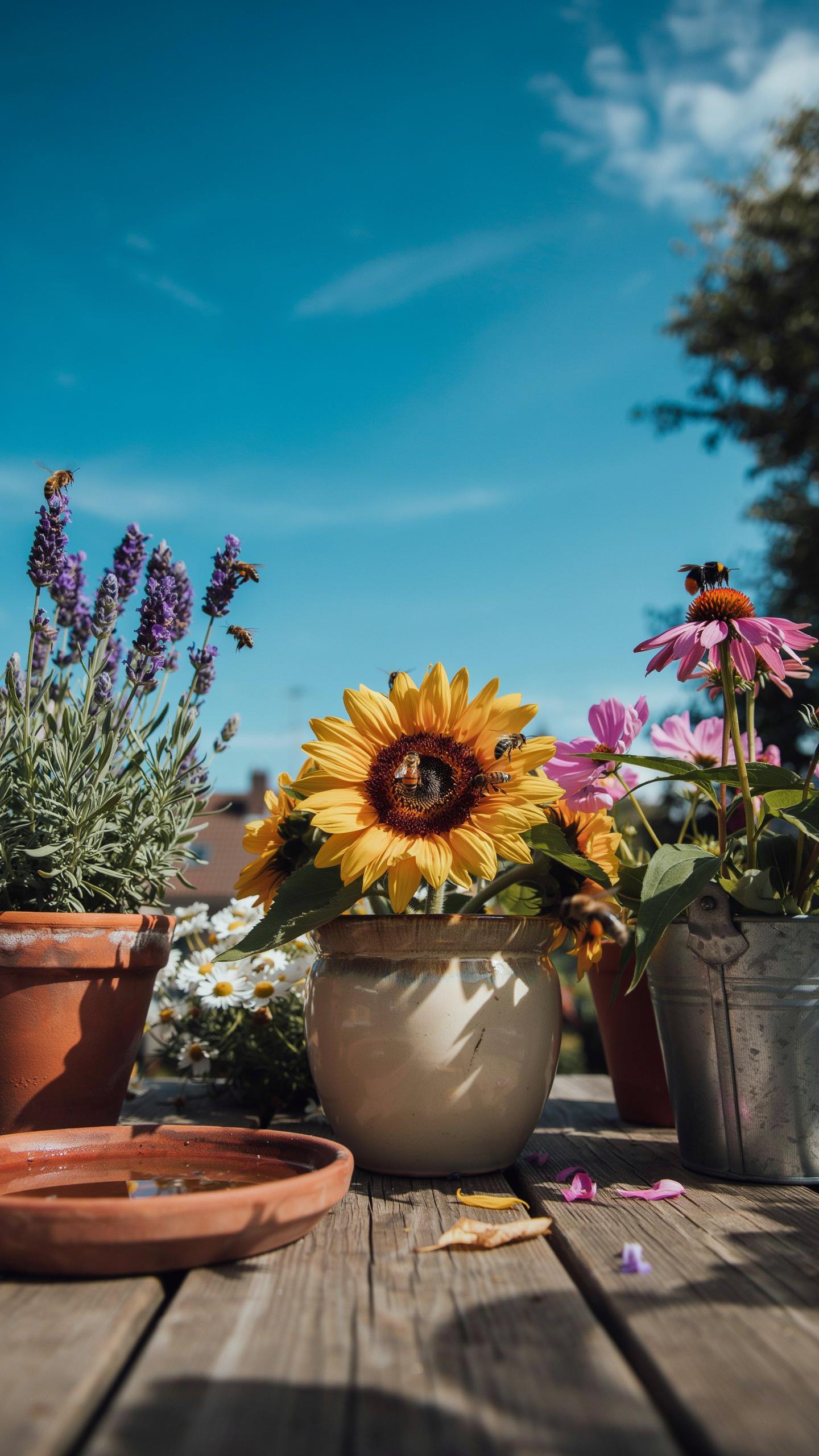
Container gardening maximizes limited urban space while supporting bee populations. Use pots at least 12 inches deep for most flowering plants. Position containers on balconies and patios where sunlight reaches six to eight hours daily. Bees locate flowers through UV patterns and scent, so clustering pots increases visibility. Vertical arrangements on trellises and shelving expand growing area without consuming floor space.
Choose containers with drainage holes to prevent root rot. Fill pots with quality potting soil, not garden soil, which compacts and restricts water movement. Water consistently but allow soil to dry slightly between waterings. Bees visit flowering plants throughout the day, so position containers where you can observe pollinator activity. Rotate containers seasonally to maximize sun exposure and extend blooming periods.
Best Potted Flowering Herbs For Compact Spaces
Flowering herbs serve dual purposes: they attract bees while providing culinary and medicinal value. Herb flowers bloom consistently when plants receive adequate sunlight and regular harvesting. Most herbs tolerate container growing and require minimal maintenance. Select herbs that flower prolifically to maximize bee visits. Plant single herbs per container or combine compatible varieties with similar water needs.
- Borage: Produces blue star shaped flowers that bees actively seek. Grows rapidly and flowers continuously through summer. Prefers full sun and well draining soil in containers.
- Oregano: Purple pink flowers bloom in clusters from mid summer through fall. Tolerates dry conditions and partial shade. Established plants produce abundant flowers with minimal watering.
- Thyme: Small pink, purple, or white flowers attract bees consistently. Thrives in shallow containers and full sun exposure. Drought tolerant once established in pots.
- Sage: Purple or pink flowering spikes emerge in mid summer. Requires full sun and occasional watering in containers. Bees frequent sage flowers heavily during bloom season.
- Marjoram: Produces clustered pink flowers similar to oregano. Compact growth suits small pots and balcony spaces. Blooms from summer through early fall with regular deadheading.
Harvest herb flowers once fully open to encourage additional blooms and bee visits. Keep containers consistently watered during hot months when evaporation increases rapidly. Herbs in pots require more frequent watering than ground grown specimens due to limited soil volume. Replace potting soil annually or add compost to maintain nutrient levels for sustained flowering.
Selecting High Nectar Bee Attracting Plants
The Science Of Flower Color And Fragrance
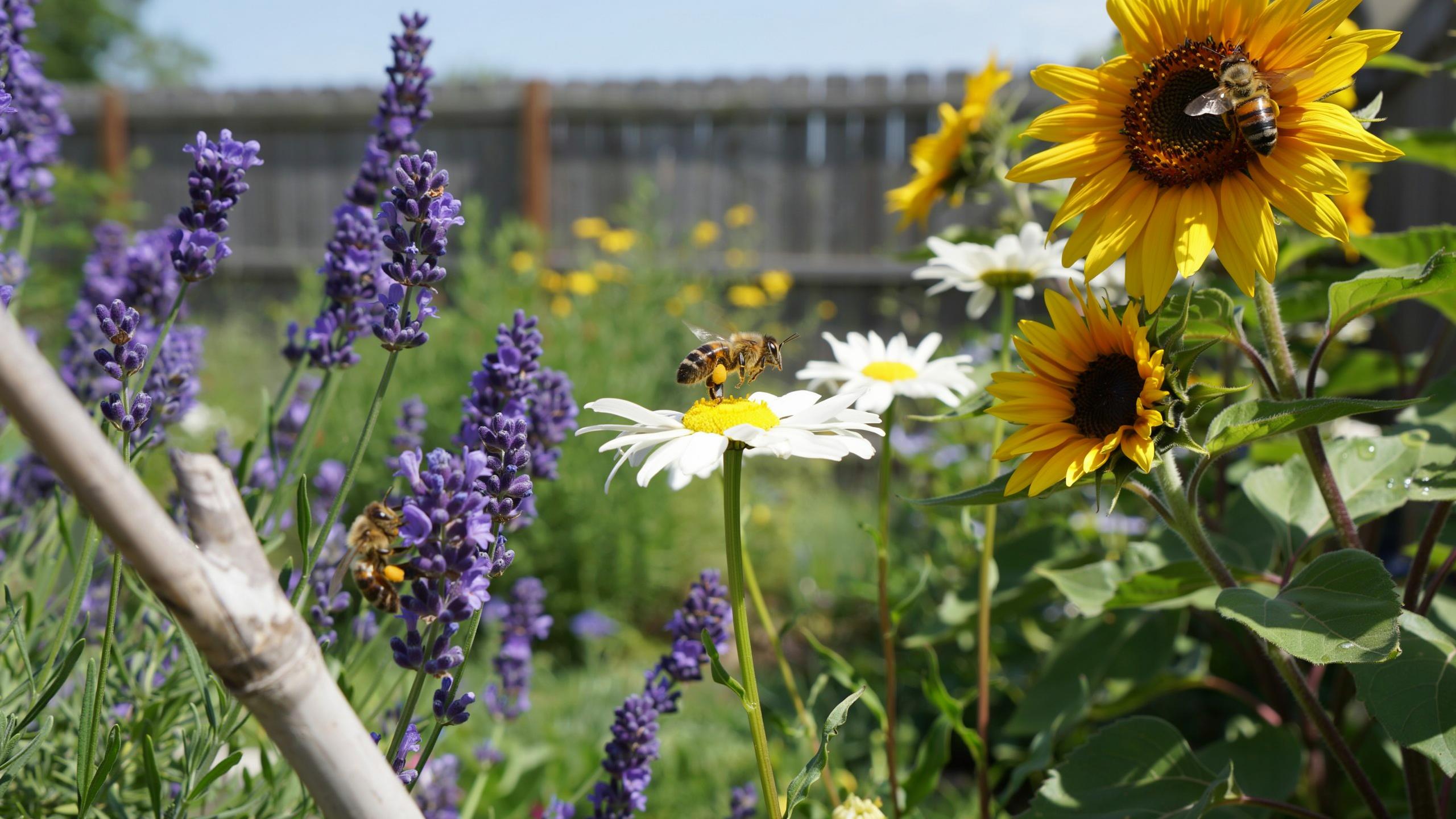
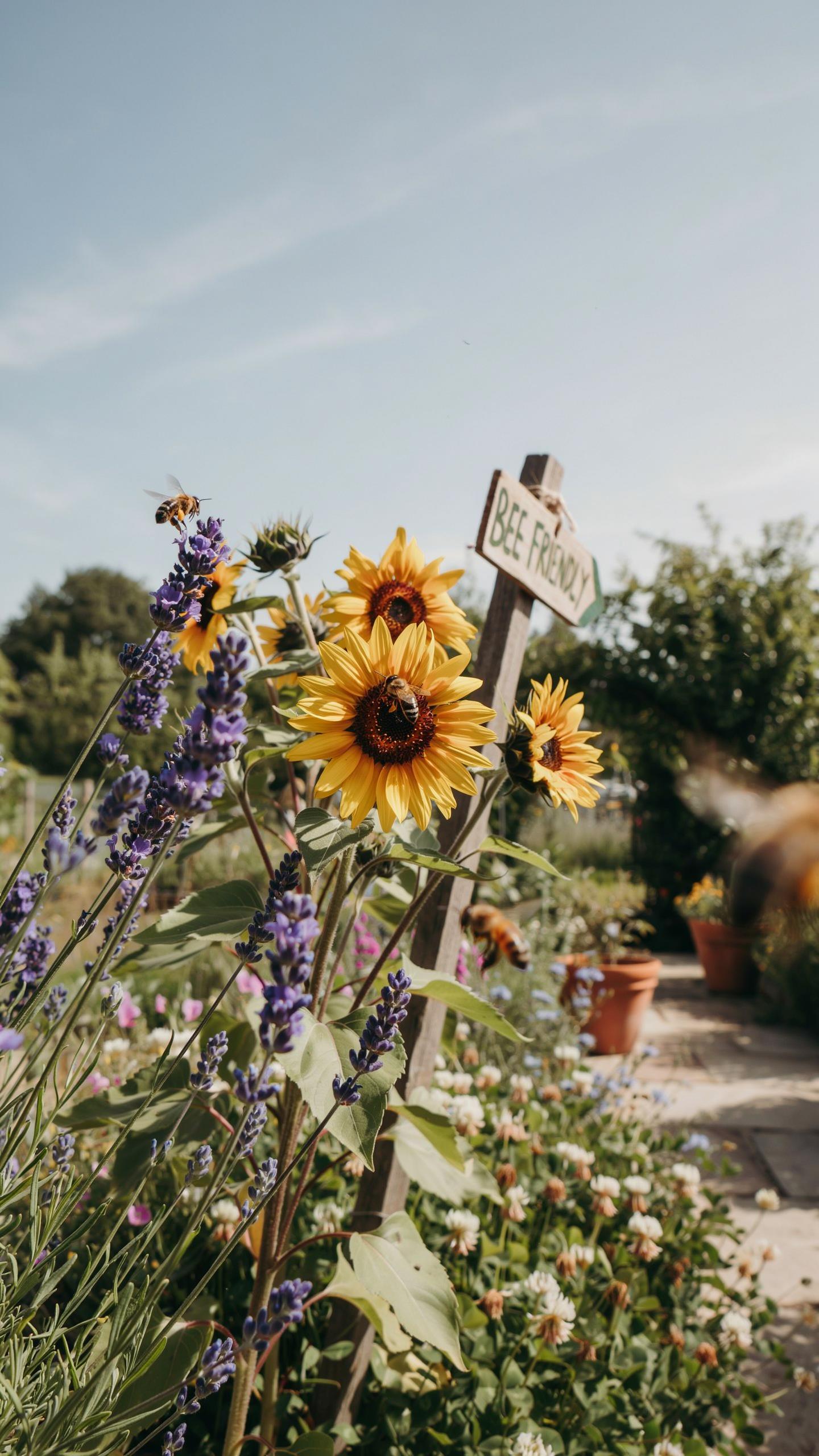
Bees see the world differently than humans. They perceive ultraviolet light and detect patterns invisible to our eyes. These UV markings act as landing guides on flower petals, directing bees to nectar sources. Bees favor blue, purple, and yellow flowers because these colors reflect UV wavelengths that their compound eyes detect easily. Red flowers attract fewer bees since bees cannot see red wavelengths effectively.
Scent matters as much as color. Bees use olfactory receptors to track flowers from distances up to half a mile away. Strong fragrance signals abundant nectar and pollen. Flowers that bloom at different times release distinct scent compounds, allowing bees to locate specific plants throughout seasons. Planting varieties with both visual and olfactory signals maximizes your garden’s attractiveness to multiple bee species and populations.
Tubular Vs Flat Faceted Blossoms
Bee tongue length determines which flowers they can access. Honeybees have medium length tongues and work well with both flat and tubular blooms. Bumblebees have longer tongues and navigate deeper tubular flowers easily. Smaller bee species have shorter tongues and prefer flat, open flower faces. Different blossom shapes ensure you support the full spectrum of bee species visiting your garden.
A mixed planting strategy delivers results. Include daisy-like flat flowers such as coneflowers and zinnias alongside tubular options like salvias and penstemons. This combination removes access barriers and feeds more bee types simultaneously. Diverse floral architecture means more bees stay longer in your garden, increasing pollination activity and plant productivity throughout growing seasons.
Your Step By Step Bee Friendly Garden Guide
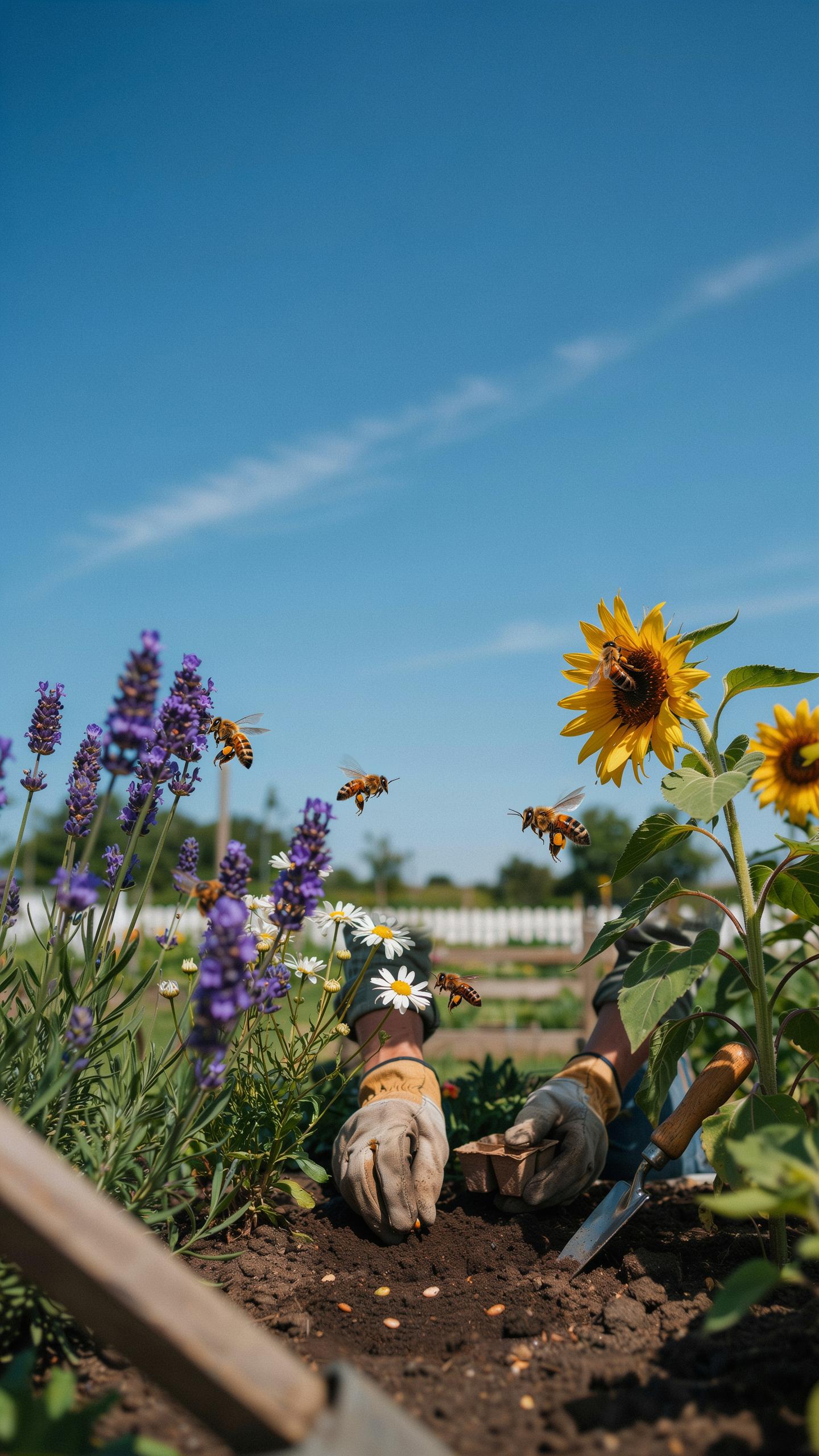
Preparing Your Soil Without Chemical Fertilizers
Organic compost breaks down plant matter into nutrient-dense material. This process feeds soil microorganisms that bees depend on for pollen and nectar sources. Mix 2 to 4 inches of finished compost into your garden beds annually. This builds soil structure, improves water retention, and eliminates synthetic chemical residue that harms beneficial insects and soil fauna.
Compost also reduces your need for purchased fertilizers while cutting costs. Bees forage on plants grown in chemically-treated soil. Residual pesticides and fungicides accumulate in nectar and pollen, poisoning bees at the source. Switching to organic compost creates a cleaner food chain for pollinators while strengthening plant immune systems naturally.
Implementing Safe Weed Control Practices
Manual weeding removes unwanted plants without collateral damage to beneficial insects. Pull weeds by hand or with basic tools when soil is moist. This takes more time initially but eliminates herbicide drift that kills flowering plants bees need. Timing matters: remove weeds before they set seed to reduce future infestations.
Mulch and ground covers prevent weeds from establishing in the first place. Apply 2 to 3 inches of wood chips or straw around plants to block sunlight from reaching weed seeds. Low growing ground covers like clover occupy space and provide early season forage for hungry bees. This dual approach cuts weeding labor while supporting pollinator populations year round.
Providing Water And Shelter In Your Sanctuary
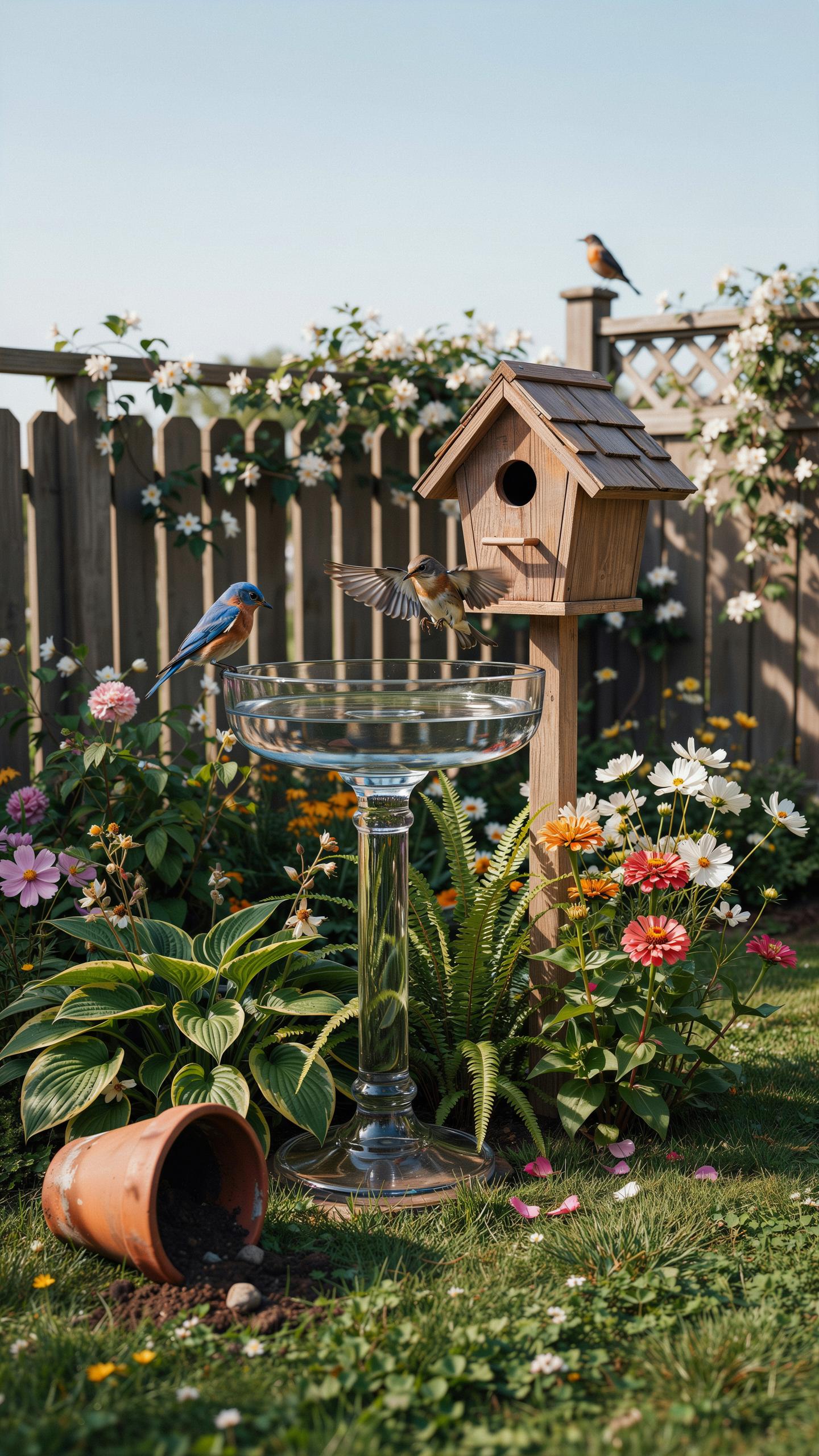
Constructing A Simple Mud And Water Station
Bees need water to drink and regulate hive temperature. A shallow dish filled with water creates a drowning hazard because bees lack the grip to climb out of smooth surfaces. Add pebbles, moss, or cork pieces to the water so bees land on solid material and drink safely from the water line.
Place your water station near flowering plants and in a location that receives morning sun. Bees drink more during hot weather and active foraging periods. Refill the dish every two to three days to prevent mosquito breeding and keep the water fresh.
Leaving Nesting Sites For Ground Nesting Bees
Most bee species are solitary ground-nesters that require bare soil to tunnel and lay eggs. Remove mulch from patches of your garden and leave these areas exposed. Compact soil discourages nesting, so loosen the top few inches to create suitable conditions.
Dead wood logs and hollow stems provide habitat for cavity-nesting bees. Leave logs on the ground or stack them in a designated area. These bees do not become aggressive and pose no threat to humans while nesting in your garden space.
Frequently Asked Questions

Why is it important to choose specific plants to attract bees to my garden?
Bees are essential pollinators that help your garden thrive, but many modern hybrids don’t produce enough nectar or pollen. By selecting items from a dedicated bee friendly garden plant list, you ensure these vital insects have a reliable food source. Native blooms and single-petal flowers are easiest for bees to access, turning your backyard into a functional sanctuary that supports local biodiversity while enhancing the natural beauty of your outdoor living space.
How do I arrange a bee-friendly garden to be both functional and beautiful?
To maximize impact, plant your selections in clusters rather than scattering individual stems. Grouping at least three to five of the same species from your bee friendly garden plant list creates a “target” that identifies your yard as a rich feeding ground. Aim for a variety of heights and colors, and ensure you have overlapping bloom times from early spring through late autumn so the resident pollinators never go hungry during the growing season.
Can I create a pollinator-friendly space if I have a limited budget or small balcony?
Absolutely! You don’t need a massive estate to make a difference. Many effective plants are incredibly affordable and grow beautifully in pots or window boxes. Opt for Mediterranean herbs like lavender, rosemary, or thyme, which are inexpensive to purchase and provide double duty as culinary ingredients. Starting flowers from seed, such as zinnias or sunflowers, is another cost-effective way to cultivate a vibrant, nectar-rich environment without spending a fortune at the nursery.