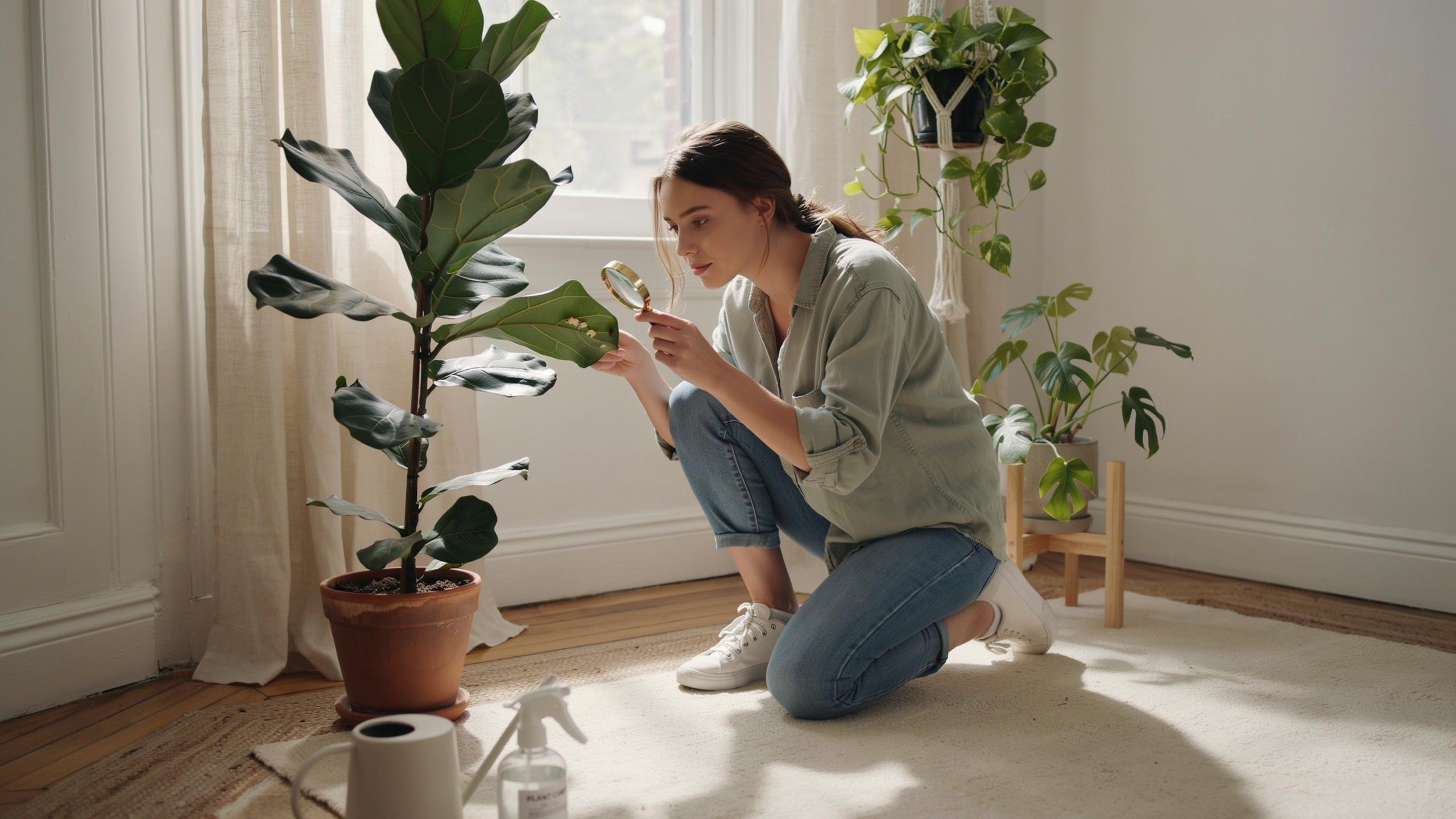
Understanding Your Opponents Common Houseplant Pests And Their Habits
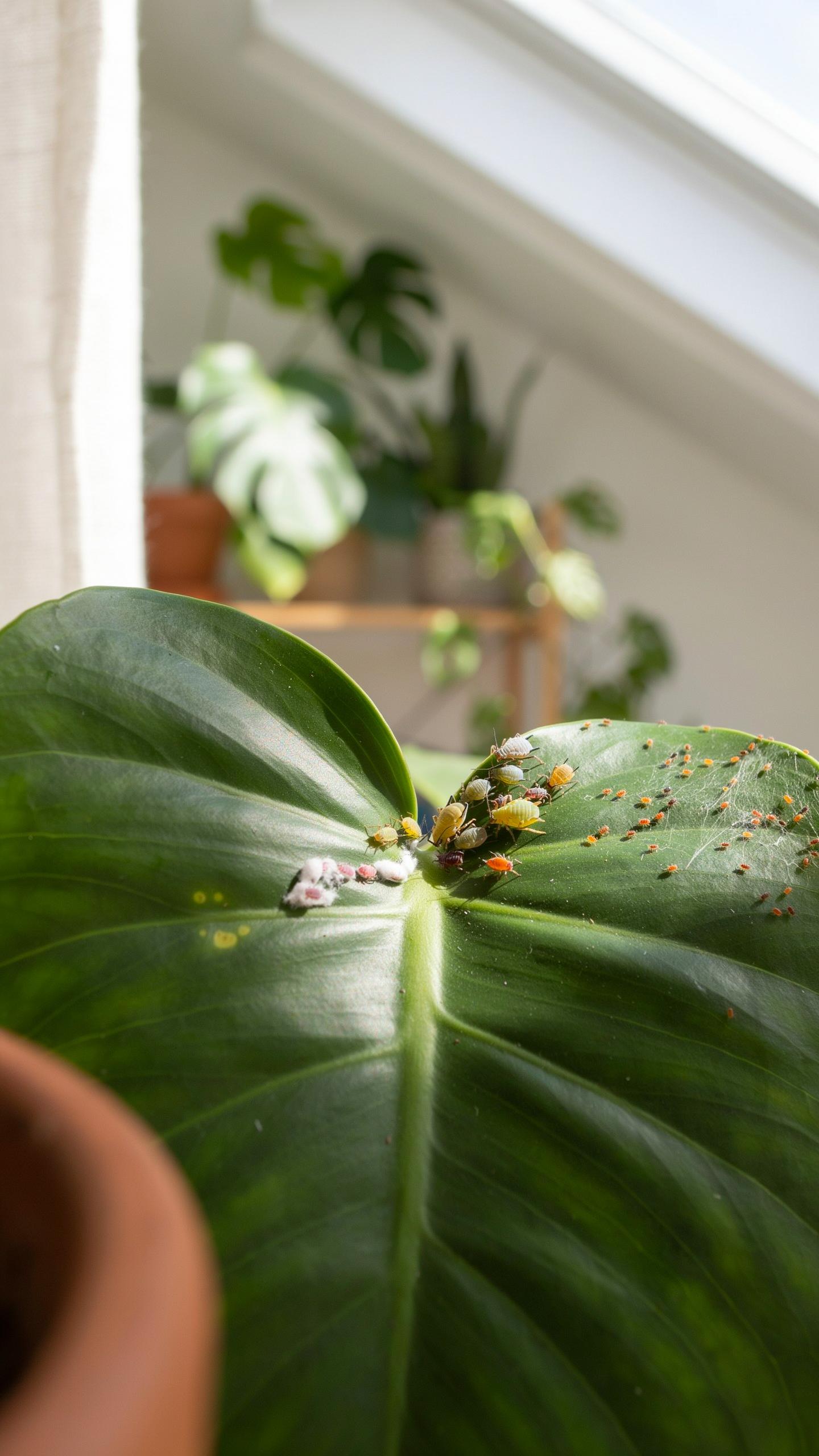
The Stealthy Lifecycle Of Sap Sucking Insects In Indoor Microclimates
Sap-sucking insects thrive in indoor environments because homes maintain stable temperatures and humidity levels year-round. Mealybugs, spider mites, scale insects, and aphids exploit these conditions by reproducing rapidly without seasonal interruption. Most complete multiple generations annually indoors, compared to one or two outdoors. They feed directly on plant vascular tissue, weakening growth and transmitting diseases simultaneously.
Understanding pest lifecycles reveals why early detection matters. Spider mites lay eggs on leaf undersides and hatch within three to five days at room temperature. Mealybugs produce 400 to 600 offspring per female across several reproductive cycles. Scale insects remain stationary after settling, making them harder to spot until populations explode. Indoor heating accelerates development rates, compressing the timeline between infestation and plant damage.
How Environmental Stressors Render Indoor Greenery Vulnerable To Infestation
Low humidity indoors stresses plants and attracts spider mites, which prefer dry air below 50 percent relative humidity. Weak plants from poor lighting or inconsistent watering cannot mount effective chemical defenses against pest feeding. Crowded plant arrangements trap moisture and reduce air circulation, creating ideal conditions for mealybugs and fungal issues. Temperature fluctuations near heating vents or cold windows compound stress.
Pest pressure increases when plants operate below their physiological optimum. A Monstera under artificial light alone lacks vigor compared to one near a bright window. Overwatered soil depletes oxygen and prevents root function, limiting nutrient uptake needed for pest resistance. Underwatered plants wilt and show reduced leaf turgor, making cellular membranes easier for insects to pierce and feed from.

A Visual Handbook House Plant Pests Identification For Beginners
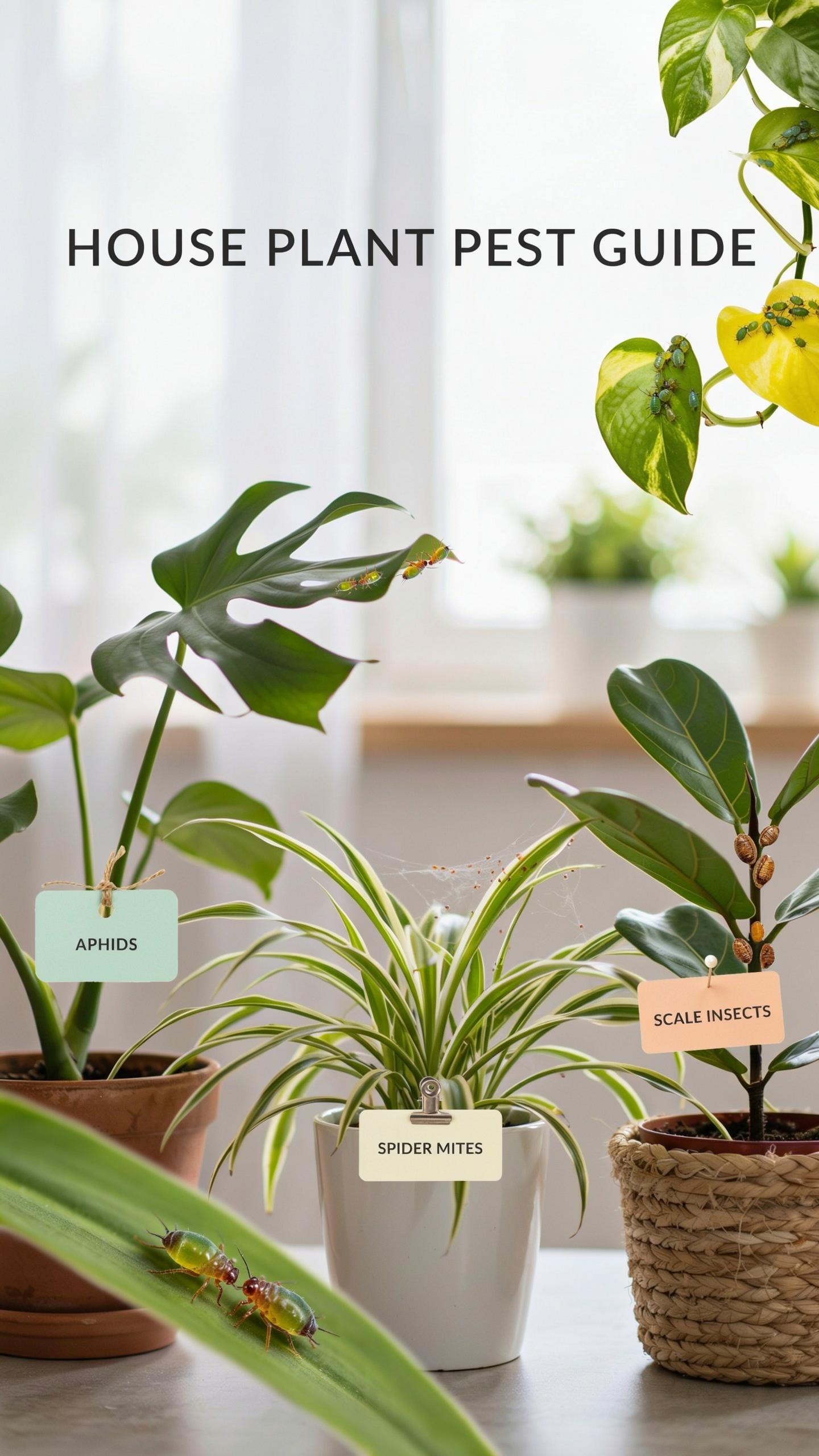
Spotting The Fine Webbing Of Spider Mites Under Foliage Leaves
Spider mites create visible silk webbing on plant leaves and stems as they feed on cell contents. You’ll find this webbing most often on the undersides of leaves where mites congregate. The webbing appears thin and translucent, sometimes resembling dust or fine threads. Early detection matters because spider mite populations explode rapidly in dry indoor conditions, overwhelming plants within weeks.
Inspect plants weekly by flipping leaves upside down and looking directly at the undersurface. Use a magnifying glass if needed to spot the webbing clearly. The webbing traps dust particles, making it more visible. Act immediately when you spot webbing because spider mites reproduce every five to seven days and cause severe leaf damage through cell destruction.
Love is like a delicate plant that thrives when we watch over its smallest needs with a mindful eye. By noticing the tiny changes in our green friends, we protect the sanctuary of our homes just as we nurture our own souls.
Recognizing The Cottony Residue Of Invasive Mealybug Colonies
Mealybugs leave behind a distinctive white cottony or waxy substance that resembles small clumps of cotton or soap residue. This material accumulates where mealybugs cluster, typically in leaf joints, along stems, and at the base of petioles. The cottony covering protects mealybug eggs and nymphs from pesticides and environmental stress. You cannot wipe this residue away easily because it’s a waxy secretion produced by the insects themselves.

Check plant stems and leaf undersides carefully since mealybugs hide in tight spaces. The cottony masses indicate active colonies with multiple life stages present. Once you spot this residue, the infestation has already established itself. Prompt removal through isolation and treatment prevents mealybugs from spreading to nearby plants through contact or crawling.
The Diagnostics Manual Indoor Plant Pests Identification By Damage
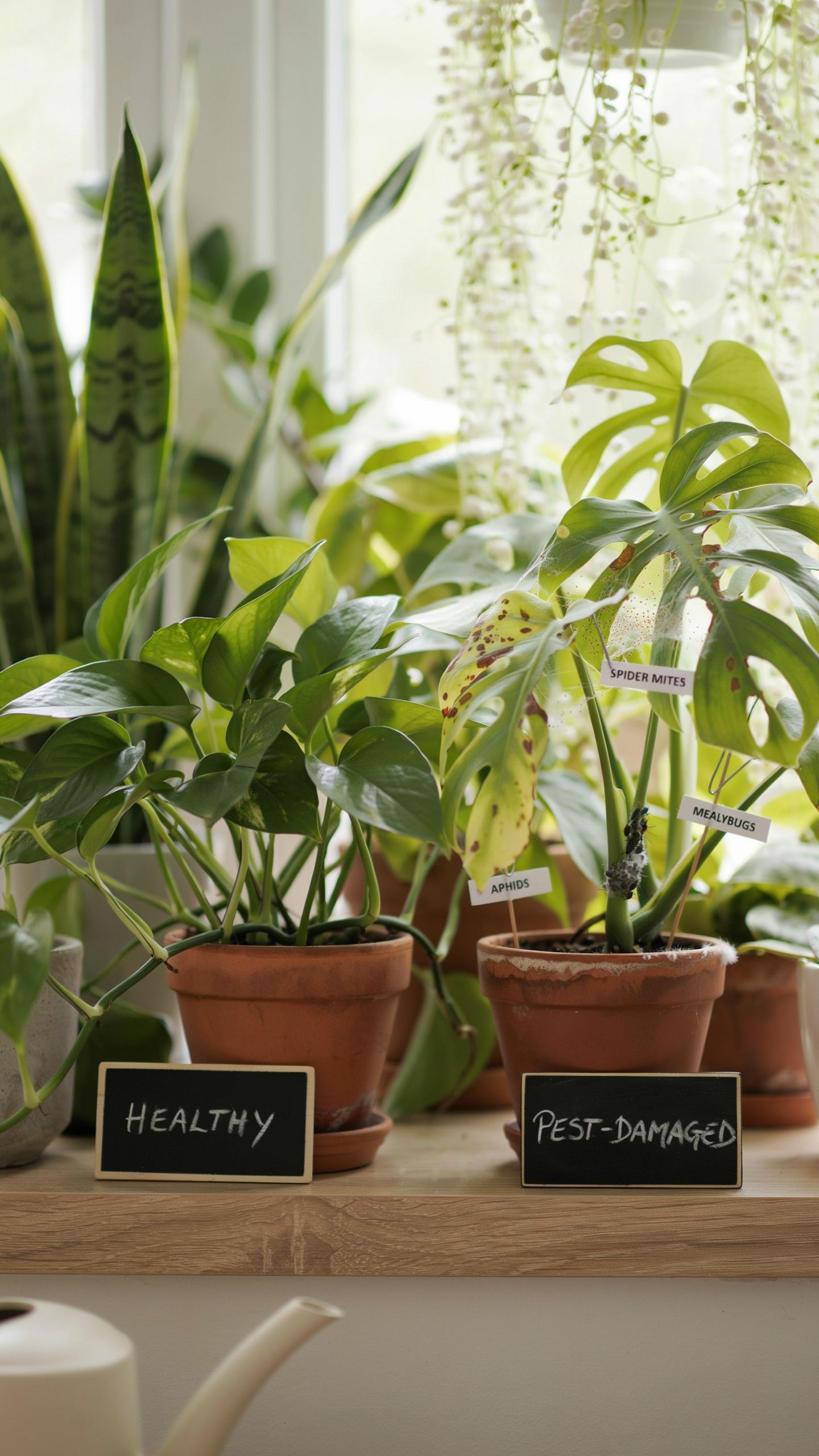
Decoding Foliage Yellowing Patterns Caused By Persistent Scale Insects
Scale insects feed by piercing plant tissue and extracting sap. This feeding activity disrupts nutrient transport and water movement through the plant. Yellowing begins where scale clusters concentrate, typically on leaf undersides and along stems. The discoloration spreads outward as pest populations expand and feed across larger areas. Early yellowing appears localized. Advanced infestations cause whole leaves to yellow and drop.
Scale insects excrete honeydew, a sticky byproduct that encourages sooty mold growth on leaves. This mold blocks light from reaching leaf surfaces, accelerating yellowing in affected zones. Yellow patches often have a distinct pattern matching the scale insect distribution rather than appearing random. Inspect leaf undersides with a magnifying glass to confirm scale presence before treating. Yellow foliage alone does not confirm scale infestation. Rule out nutrient deficiency, overwatering, and light issues first.
Analyzing Irregular Leaf Punctures Left By Intrusive Thrips
Thrips create feeding damage by rasping leaf surfaces with their mouthparts. This action produces tiny, irregular punctures and streaks across foliage. The damage appears as light-colored, stippled areas on leaves. Thrips feed on upper and lower leaf surfaces, so damage appears on both sides. The puncture pattern lacks uniformity and spreads across the leaf in random paths rather than following veins.

Thrips damage worsens rapidly because these pests reproduce quickly in warm indoor conditions. New punctures appear within days of initial infestation. Damaged areas may develop a silvery or bronze cast as dead leaf cells accumulate. Unlike spider mite webbing or mealybug residue, thrips leave no visible sticky coating on leaves. Check new growth and buds closely, as thrips prefer tender plant tissue and concentrate feeding there.
Deciphering The Symptoms Creating A Practical Plant Problems Chart

Building A Diagnostic Checklist For Pest Identification
Start diagnostics by examining your plant’s current state against known pest damage patterns. This checklist isolates the problem quickly without guesswork. Document what you see. Location matters. Damage pattern matters. Timing matters. Speed of decline matters. Cross-reference your observations against pest signatures to narrow down the culprit before treatment begins.
- Sticky residue on leaves and stems: Indicates honeydew secretion from sap-feeding insects like mealybugs, scale, or aphids. Check leaf undersides first where pests cluster.
- Tiny moving dots or webbing: Spider mites create fine webbing on foliage. Thrips appear as small black specks. Inspect closely with magnification to confirm movement.
- Yellowing leaves with stippled pattern: Leaf damage with pale spots signals spider mite or thrip feeding. Damage radiates outward from feeding sites in visible patterns.
- Wilting despite moist soil: Root-feeding pests like fungus gnats or root rot from pest damage cause decline. Dig into soil surface to check for larvae or mushy roots.
- White cottony clusters on joints and leaf axils: Mealybugs gather in protected plant crevices. These clusters are visible to the naked eye and easy to target for treatment.
Use this checklist systematically from top foliage down to soil level. Record pest locations on each plant section. Photograph damage for reference. This method prevents repeated misidentification and wasted treatment cycles.
Reading Leaf Discoloration Patterns To Identify Pests
Foliar discoloration tells you which pest is feeding and how it feeds. Stippled yellowing means piercing-sucking insects like spider mites or thrips extract cell contents. Yellowing starts at leaf edges where insects concentrate. Brown or necrotic patches indicate fungal damage following insect feeding wounds. Aphids cause yellowing in random patches because they feed on various leaf areas without pattern preference.

Black sooty mold on leaves follows honeydew secretion from mealybugs or scale insects. The mold itself is harmless but indicates active feeding above. Purple or bronze discoloration on new growth signals thrip damage during leaf emergence when tissues are tender. Pale webbed areas with fine silk indicate spider mite damage. Each discoloration type maps directly to specific feeding behavior.
Differentiating Flora Threats Plant Pests And Diseases In Homes
Distinguishing Between Viral Infections And Microbial Pathogen Damage
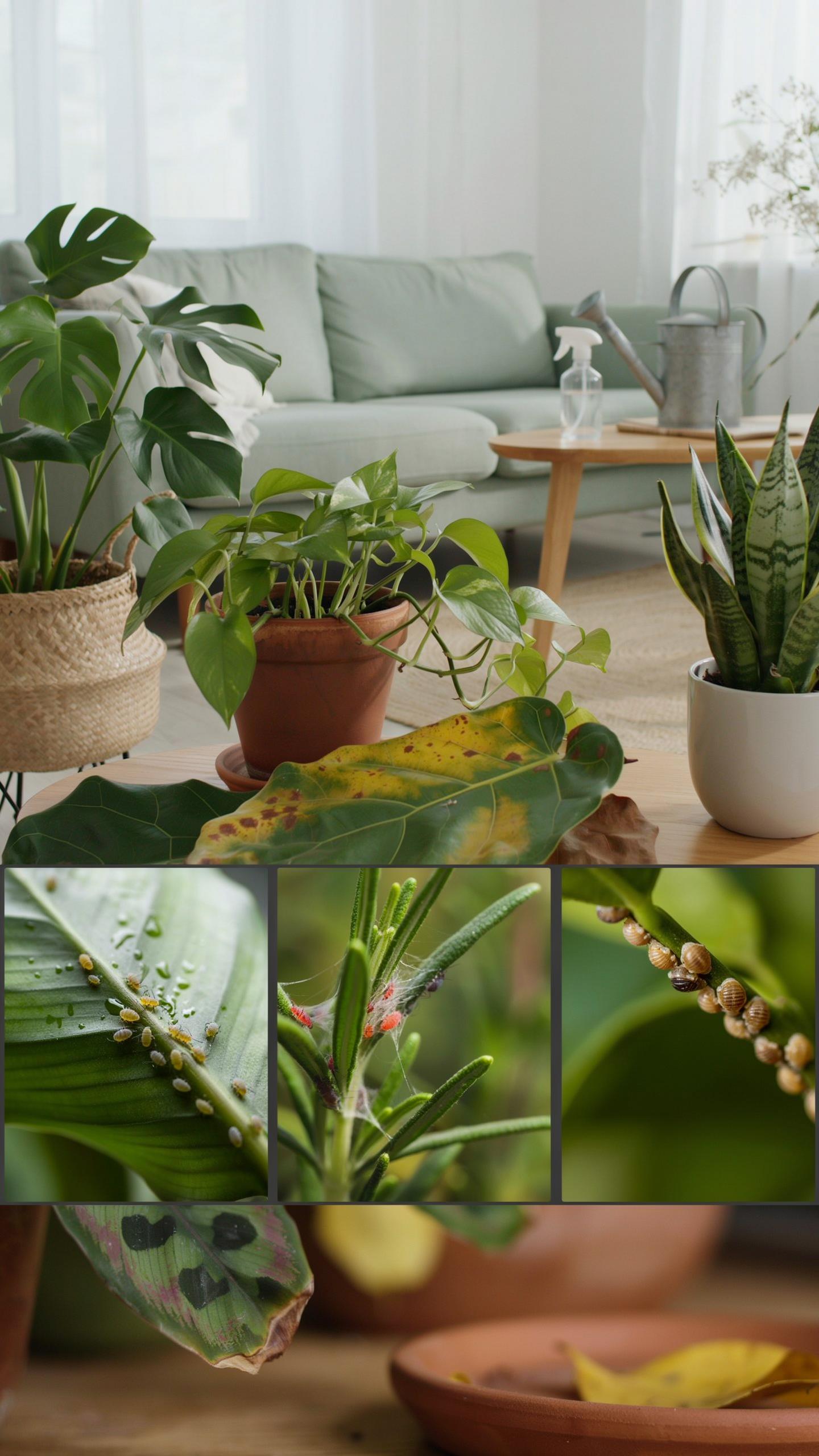
Viral infections and microbial pathogens produce different damage patterns on houseplants. Viruses cause mosaic patterns, yellowing, stunting, and distorted leaf shapes. These symptoms appear suddenly and spread through sap contact or insect vectors. Microbial pathogens like bacteria and fungi create localized damage with visible progression over time.
Identifying the source matters because treatment differs completely. Viruses have no cure. You remove infected plants to prevent spread. Bacterial and fungal infections respond to pruning affected tissue, improving air circulation, and adjusting watering habits. Examine leaf undersides and stems closely to determine which threat you face before taking action.
How Fungal Spores Capitalize On Pre Existing Pest Wounds To Spread
Pest damage creates entry points that fungal spores exploit immediately. Spider mites, mealybugs, and scale insects puncture plant tissue while feeding. These wounds bypass natural plant defenses and allow spores to colonize damaged areas rapidly. Fungal infections follow pest infestations within days or weeks when conditions favor growth.

Control pests first to prevent fungal secondary infections. Eliminate spider mites with water sprays and neem oil applications. Remove mealybugs manually or with insecticidal soap. Once pest populations drop, fungal risk decreases significantly. Monitor treated plants closely for weeks afterward since some fungal development may already be underway before you notice initial pest activity.
Root Level Investigations Identifying Soil Dwelling Plant Pests
Recognizing Fungus Gnat Larvae In Moisture Rich Potting Media
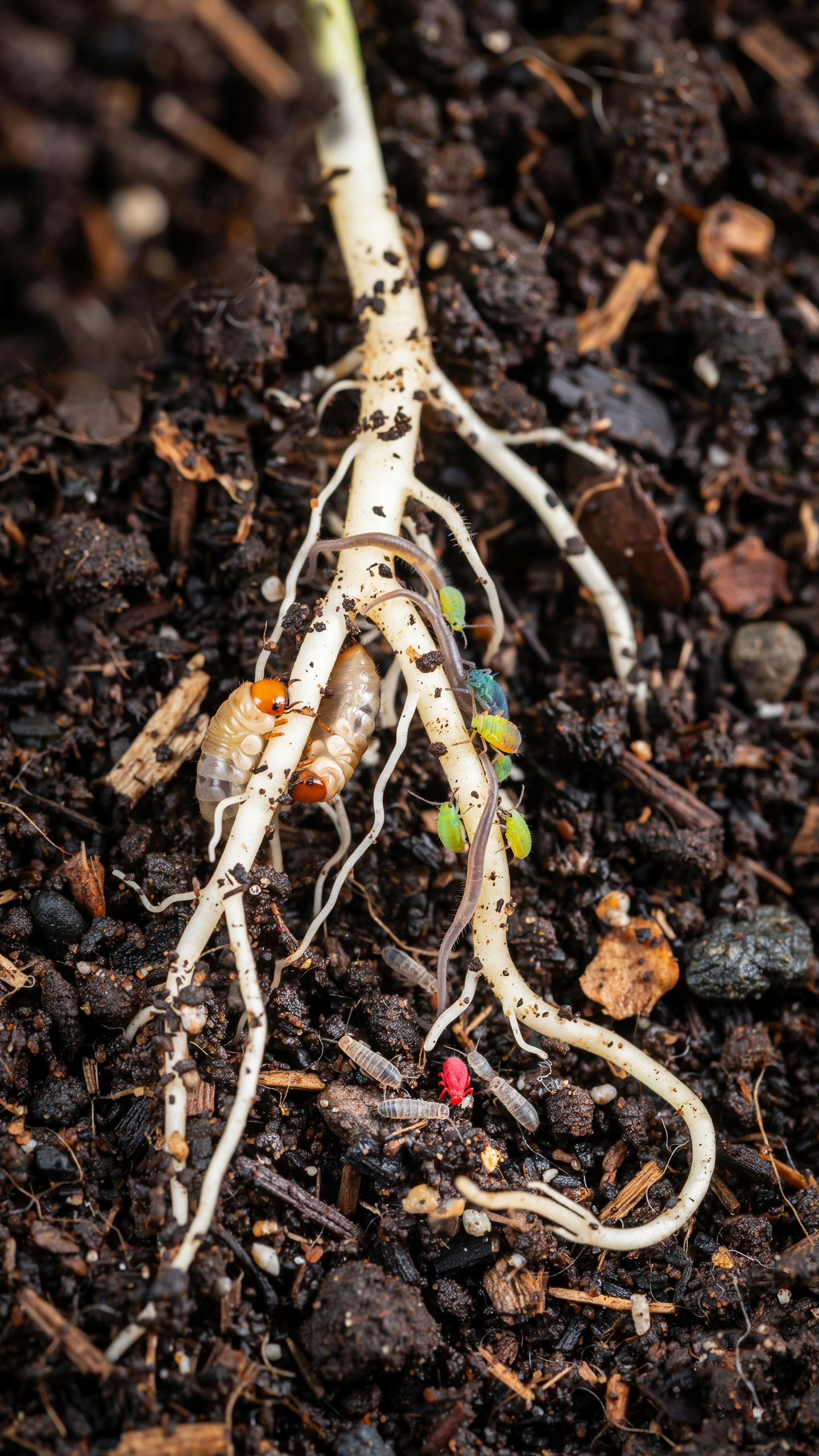
Fungus gnat larvae live in wet soil and feed on decaying organic matter and root hairs. You’ll find them in the top two inches of potting media. Adult gnats are small dark flies that hover around plants or land on soil surfaces. If you see tiny black flies near your plants, check the soil immediately for larvae activity.
Larvae appear as translucent white worms with black heads, roughly one eighth inch long. They tunnel through moist soil and create visible damage on lower stems and roots. The presence of larvae indicates your soil stays too wet. Reduce watering frequency and allow the top inch of soil to dry between waterings to break their reproduction cycle.
Unmasking Microscopic Root Knot Nematodes Before Serious Decay Occurs
Root knot nematodes are parasitic worms that attack plant roots and cause distinctive swollen nodules or galls. These microscopic pests measure only a fraction of a millimeter and live inside root tissue. Affected plants show stunted growth, yellowing leaves, and wilting despite adequate water. Symptoms often mimic nutrient deficiency or watering problems, making nematodes easy to overlook initially.

Inspect roots by removing the plant from its pot and examining the root system closely. Root knot nematode damage creates knotted or beaded appearance on roots, not smooth root surfaces. Discard severely infested soil entirely and sterilize pots before repotting. Repot with fresh sterile potting media and avoid reusing old soil that may harbor nematodes or their eggs.
A Comprehensive Catalog Of Common Types Of House Plant Pests
Identifying And Treating Aphid Infestations
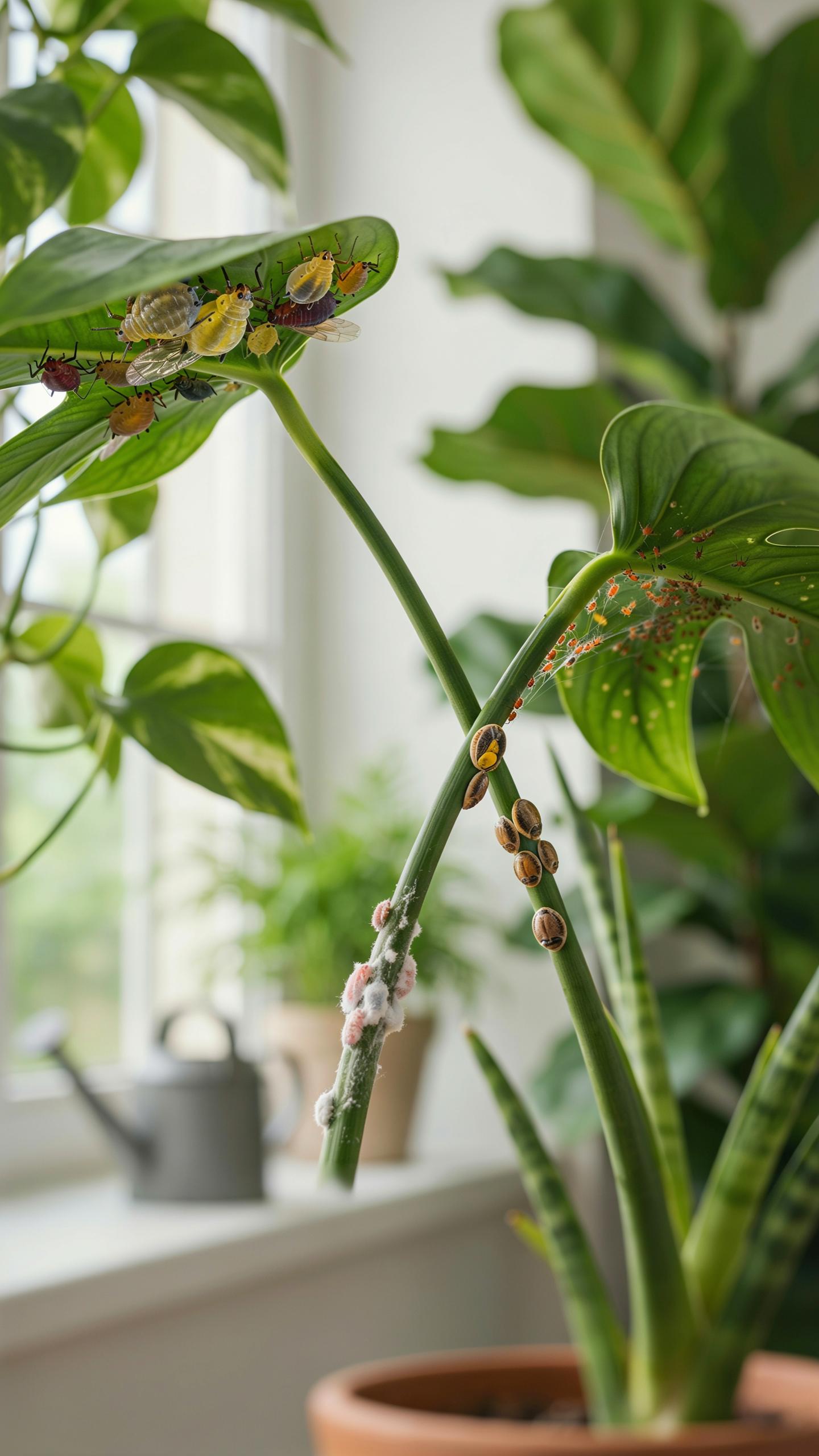
Aphids are soft-bodied insects that pierce plant tissue and extract sap. They reproduce rapidly and cluster on new growth, stems, and leaf undersides. Green aphids and black aphids are the most common species indoors. They excrete honeydew, a sticky substance that attracts mold and sooty fungus. Heavy infestations stunt plant growth and cause yellowing and leaf distortion.
You identify aphids by direct visual inspection. Look for tiny insects congregating on tender shoots and examining leaf undersides with a magnifying glass. A strong water spray dislodges them temporarily. Neem oil and insecticidal soap kill aphids on contact. Repeat applications every seven to ten days eliminate successive generations.
Recognizing Armored Versus Soft Scale Insects
Scale insects come in two functional types: armored scales and soft scales. Armored scales develop a hard protective shell that covers their bodies. This shell does not contain waxy secretions but functions as a distinct covering. Soft scales lack this armor and instead produce a waxy or cottony coating. Both types feed on plant sap, but their treatment approaches differ significantly.

Armored scales require repeated applications of horticultural oil or insecticidal soap to penetrate their shells. Soft scales respond to these same products but also succumb to systemic insecticides. Early detection matters because established scale populations become harder to eliminate. Inspect woody stems closely during routine plant inspections. Remove individual scales manually when infestations are light using a soft brush or cloth.
Is It A Microbe Recognizing Common Secondary Plant Diseases
The Emergence Of Black Sooty Mold On Pest Produced Honeydew Secretions
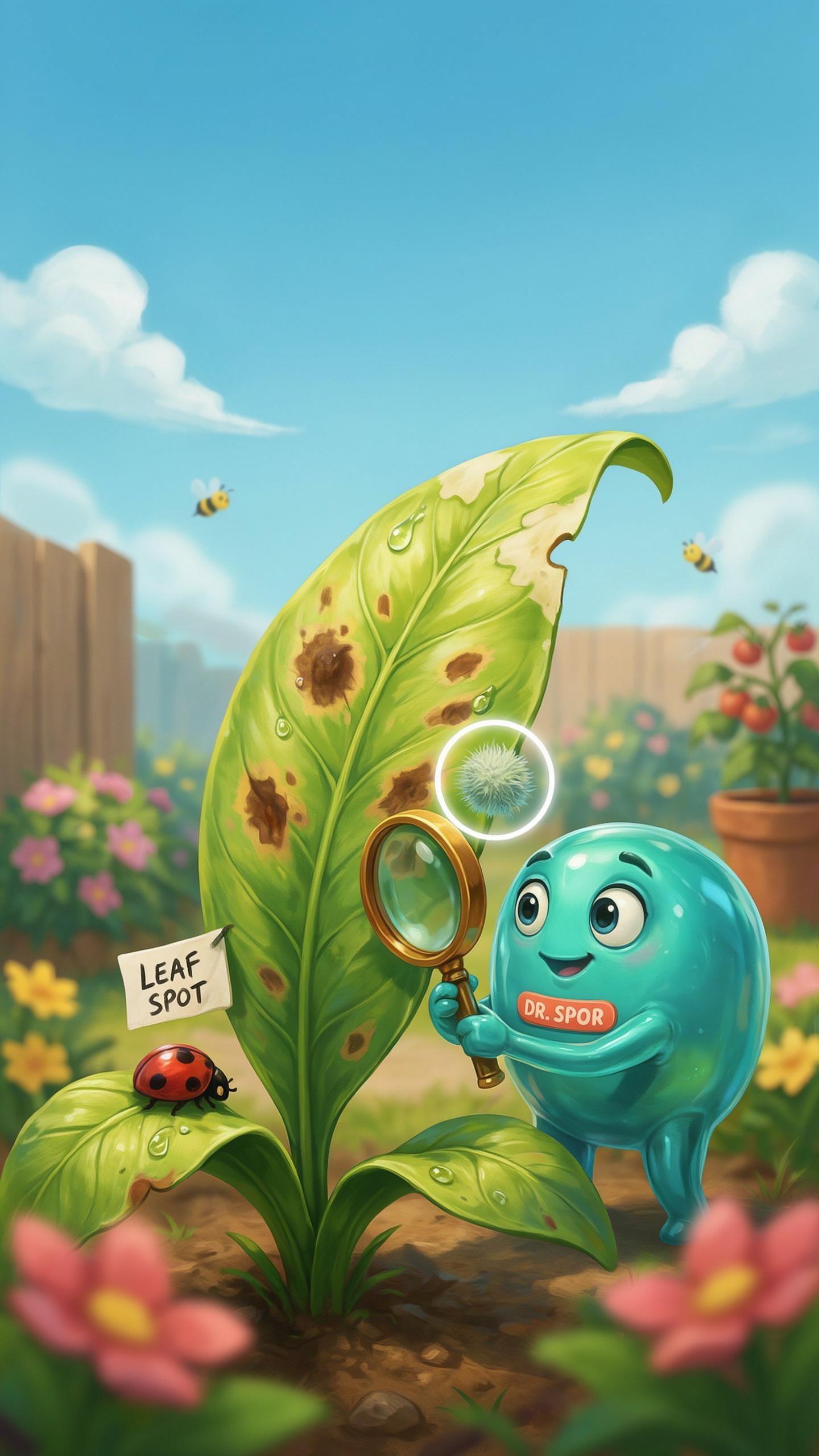
Black sooty mold appears as a dark, powdery coating on leaves and stems. This fungus doesn’t infect plants directly. Instead, it grows on honeydew, the sticky waste that sap-feeding insects like aphids, mealybugs, and scale insects excrete. The mold blocks sunlight from reaching leaf surfaces, reducing photosynthesis capacity and plant vigor over time.
Treat the underlying pest problem first to stop sooty mold development. Once you eliminate aphids, mealybugs, or other honeydew producers, the mold stops spreading. You can wipe existing mold off leaves with a damp cloth and mild soap solution. The mold won’t return if you maintain pest control through regular inspection and early intervention on infested plants.
Identifying Powdery Mildew Outbreaks Exacerbated By Stagnant Indoor Air
Powdery mildew appears as white or gray powder coating leaves, stems, and buds. Unlike sooty mold, this fungus directly invades plant tissue. Indoor plants develop powdery mildew when air circulation is poor and humidity remains high. Stagnant conditions create the exact environment this fungus needs to establish and spread rapidly through your collection.

Increase air movement around affected plants using a small fan set to low speed. Space plants further apart to allow air flow between them. Reduce watering frequency and mist less often to lower humidity levels. These changes disrupt the fungus’s preferred conditions. Remove heavily infected leaves and treat remaining foliage with neem oil or sulfur-based fungicides according to product directions.
Clever Prevention Tactics Essential Houseplant Care Pest Identification Habits
Step By Step Quarantine Procedures For Newly Purchased Nursery Plants
Isolate new plants immediately upon arrival. Place them in a separate room away from your existing collection for at least two weeks. This waiting period lets you monitor for pest activity before introducing potential infestations to your healthy plants. Inspect daily during this quarantine window.
- Inspect all leaf surfaces: Check both upper and lower sides of every leaf using a magnifying glass. Look for insects, sticky residue, webbing, or discoloration that signals pest presence before quarantine ends.
- Examine the soil surface: Pests hide in soil and at the soil line. Inspect the top inch of potting mix for movement, tiny insects, or unusual debris that shouldn’t be there.
- Check stems and petioles: Run your fingers along all stems and leaf stalks. Mealybugs and scale insects cluster on these areas and are easy to spot with close inspection.
- Test the potting medium: Repot into fresh, sterilized soil before moving the plant to your collection. This removes soil-dwelling pests like fungus gnats or larvae before they establish.
- Wash the container: Clean the nursery pot with hot water and mild soap. Pests survive in crevices and drainage holes, so thorough cleaning eliminates hiding spots.
After completing the full inspection and repotting cycle, you can safely integrate the plant into your main collection. Move it only after the two week period ends and you confirm no pest activity. This single step prevents expensive infestations from spreading across your entire plant inventory.
Implementing Routine Foliage Inspections During Weekly Watering Sessions
Combine pest monitoring with your watering routine to catch infestations early. Inspect foliage while you water each plant every week. This habit takes minimal extra time but catches problems before they escalate into major issues that damage multiple plants.
Touch and examine each leaf during your watering sessions. Look for webbing, sticky residue, tiny moving insects, or unusual spots. Check the undersides of leaves where spider mites and whiteflies hide most frequently. Note which plants show early warning signs so you can treat them immediately before pests spread to nearby plants.
Safe And Natural Treatment Options For House Plant Pests Identification Success
Applying Horticultural Soaps And Neem Oil Emulsifiers Effectively
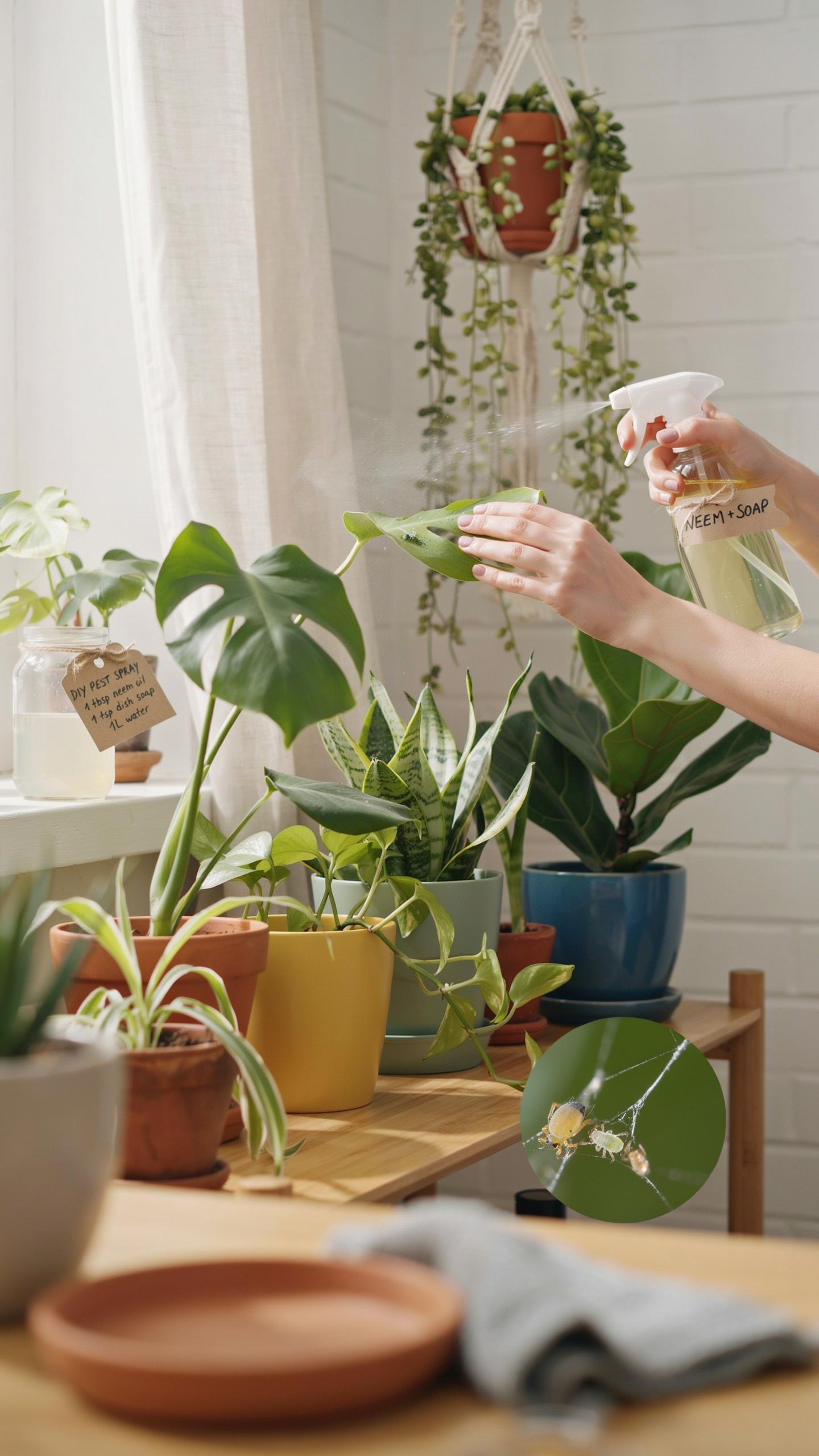
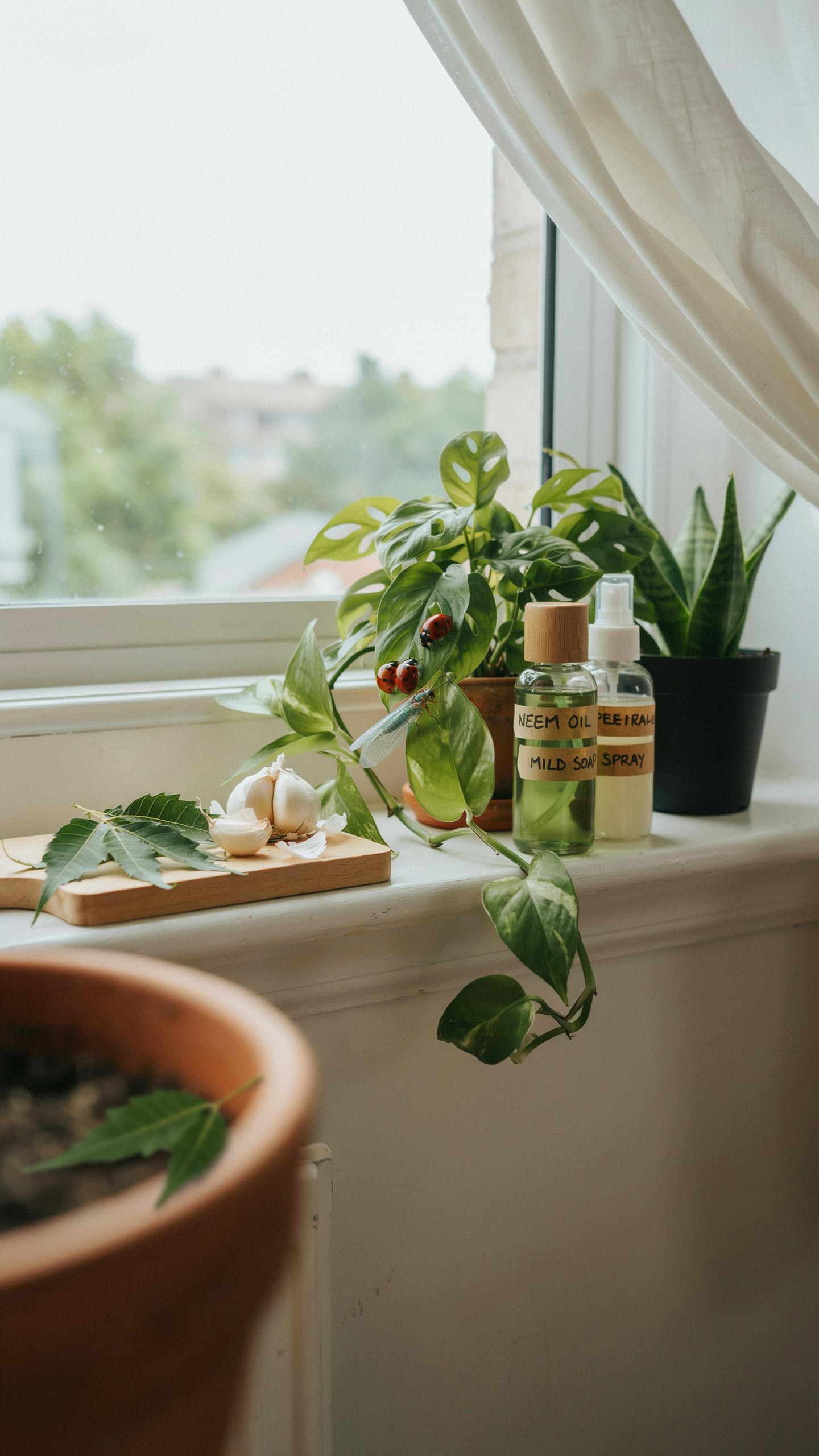
Horticultural soaps work by breaking down the outer coating of soft-bodied insects like spider mites, aphids, and mealybugs. You spray the solution directly onto affected areas until the plant drips. The soap must contact the pest to kill it, so thorough coverage matters. Reapply every seven to ten days for two to three weeks to catch newly hatched insects.
Neem oil comes from the neem tree seed and disrupts insect feeding and reproduction. Mix neem oil with water and a surfactant according to label directions before spraying. Apply in early morning or late evening to avoid leaf burn. Never spray neem oil on plants stressed by drought or extreme heat, as it increases damage risk.
Introducing Beneficial Predatory Insects To Combat Indoor Outbreaks
Ladybugs consume fifty to sixty aphids daily and thrive in indoor plant collections. Release them directly onto infested plants where they hunt actively. Lacewing larvae also attack spider mites and small soft-bodied pests. Both insects require adequate humidity and consistent temperatures between sixty and seventy-five degrees Fahrenheit to survive indoors.
Parasitic wasps target whiteflies, mealybugs, and scale insects by laying eggs inside pest bodies. These tiny wasps are harmless to humans and plants. Source beneficial insects from reputable suppliers who ship healthy populations. Monitor plant health for two to three weeks after introduction to confirm pest population decline and establish whether additional releases are necessary.
Frequently Asked Questions

How can I tell if my plant has a pest problem or is just unhappy?
Distinguishing between environmental stress and an infestation is the first step in houseplant care pest identification. Look for specific clues: sticky residue (honeydew), fine webbing, or tiny yellow speckles on the leaves. While drooping often indicates watering issues, localized damage or moving specks are clear indicators of pests. Checking the undersides of leaves and new growth regularly will help you catch these unwanted visitors before they spread.
What is the best way to inspect new plants for pests before bringing them inside?
To master houseplant care pest identification, always inspect new arrivals in bright, natural light. Carefully examine the leaf joints and the soil surface, as these are common hiding spots for mealybugs and fungus gnats. Use a magnifying glass to check for microscopic mites. As a safety measure, quarantine new plants in a separate room for two weeks to ensure no dormant eggs hatch and compromise your existing indoor greenery collection.
Are there effective ways to identify and treat plant pests using common household items?
Absolutely! You don’t need expensive kits for basic identification and treatment. A simple flashlight can reveal nocturnal pests, while a damp white paper towel wiped across leaves can pick up red spider mites. For a budget-friendly remedy, a mixture of mild liquid dish soap and water serves as an excellent contact spray. This accessible approach ensures your plant care routine remains affordable while keeping your leafy friends healthy and vibrant.