Understanding Modern Houseplant Care And Plant Nutrition

The Role Of Nitrogen, Phosphorus, And Potassium
Nitrogen drives leaf growth and green coloration. Plants use it to build proteins and chlorophyll. Without adequate nitrogen, foliage yellows and growth stalls. Phosphorus powers root development and flower production. It strengthens cell walls and energy transfer within the plant. Potassium regulates water uptake and overall plant resilience. These three macronutrients form the NPK ratio on fertilizer labels for good reason.
Most commercial houseplant fertilizers contain all three macronutrients in varying concentrations. The specific ratio depends on your plant type. Flowering plants need higher phosphorus. Foliage plants need higher nitrogen. All plants require potassium for survival and stress tolerance. Balancing these three elements prevents deficiencies and keeps growth steady.
Microelements For Vibrant Indoor Foliage
Iron prevents chlorosis, the yellowing of leaves while veins stay green. Magnesium forms the core of chlorophyll molecules. Calcium builds cell walls and prevents tip burn on leaves. Boron, zinc, manganese, and copper support enzyme function and nutrient transport. These trace minerals work in small amounts but deliver critical results.
Deficiencies in microelements show up quickly as discolored or deformed growth. Iron deficiency appears on new growth first. Magnesium deficiency shows on older leaves. Calcium deficiency creates brown spots or weak stems. Quality houseplant fertilizers include microelements in chelated forms for maximum plant uptake. Regular feeding prevents these visible problems.

Establishing Your Houseplant Care Fertilizing Schedule
Active Growth Phase Strategies
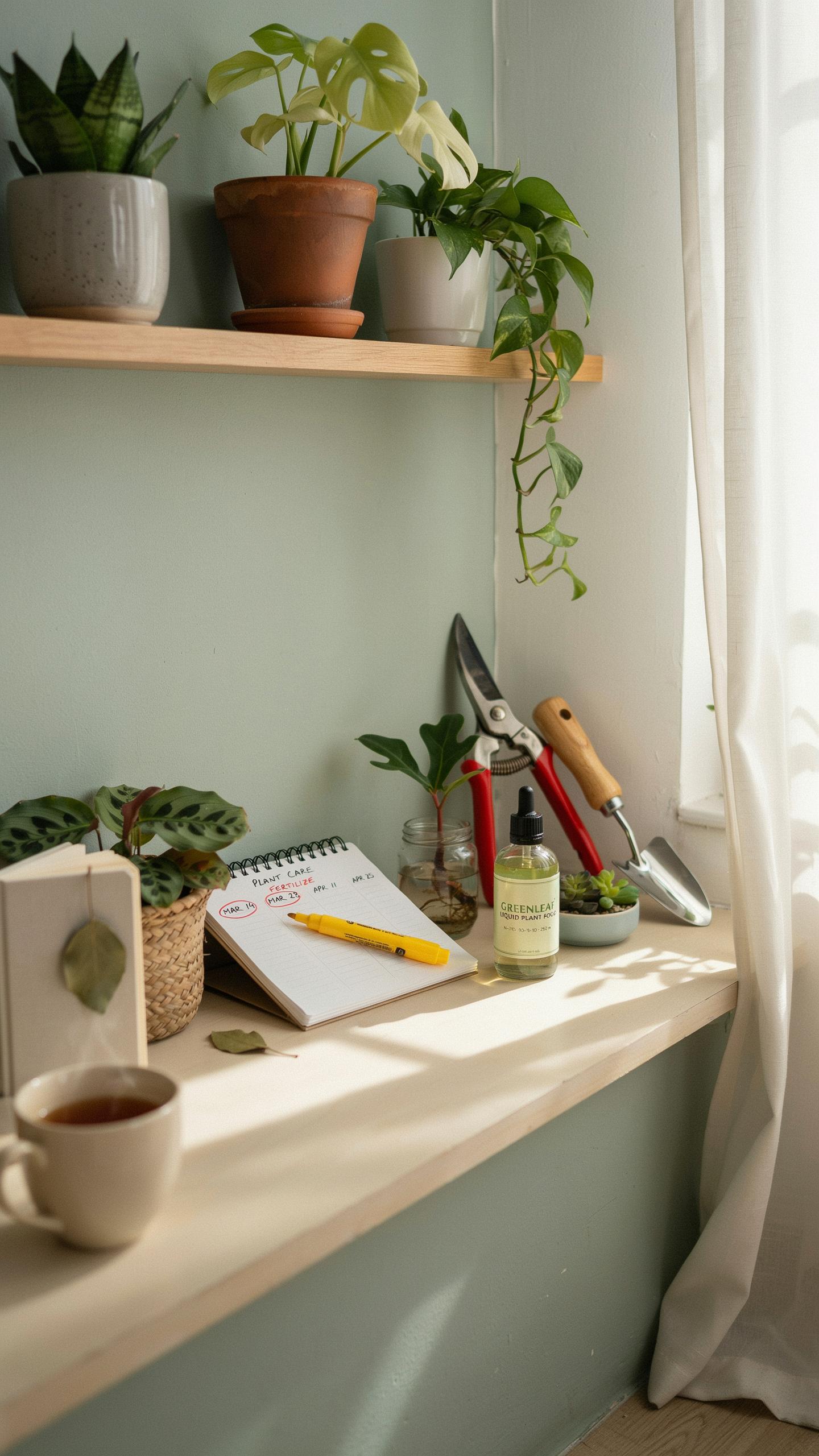
During spring and summer, most houseplants enter their peak growth period. Increased daylight triggers photosynthesis and cell division. Plants demand more nitrogen, phosphorus, and potassium to support new leaf and stem development. Your fertilizing schedule must match this biological demand or growth stalls.
Feed plants every two to four weeks during active growth. Use a balanced fertilizer like 10-10-10 or one formulated for your specific plant type. Water thoroughly before applying fertilizer to prevent root burn. Monitor new growth to gauge feeding success. Adjust frequency based on how quickly your plants produce new leaves and stems.
Adjusting Frequency For Dormancy Periods
Autumn and winter bring shorter days and lower light levels. Photosynthesis slows dramatically. Plant metabolism decreases, and growth nearly stops. Continuing a spring fertilizing schedule during this period causes nutrient salts to accumulate in soil, eventually damaging roots.

Reduce fertilizing to once per month or stop completely during winter dormancy. Most houseplants need minimal nutrients when they are not actively growing. Resume your regular schedule once spring daylight returns and new growth appears. Check soil moisture before each application since dormant plants use water more slowly than active ones.
Choosing The Right Nourishment For Household Plants
Synthetic Vs Organic Plant Food Options
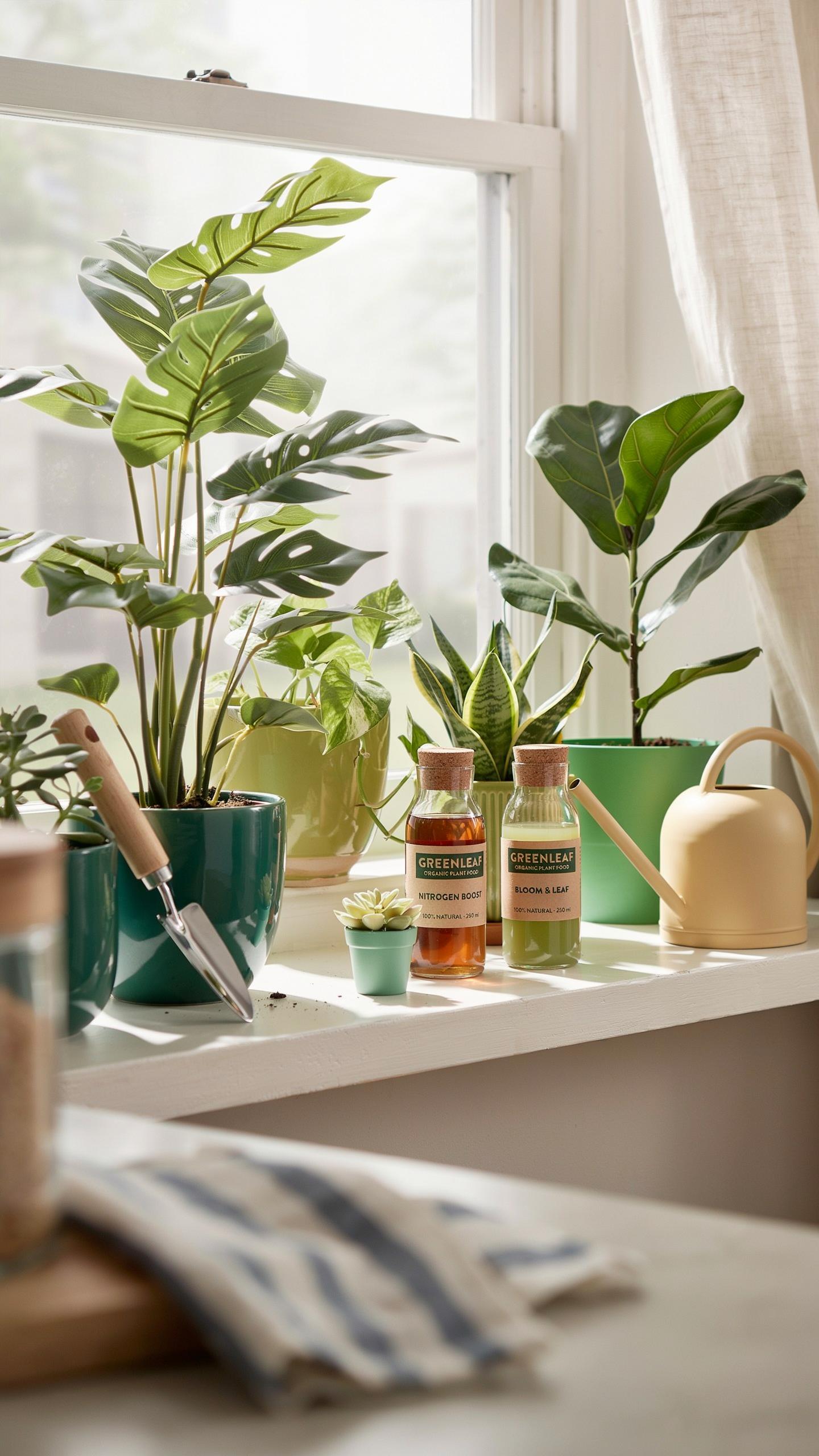
Synthetic fertilizers release nutrients fast. Plants absorb them within days. This speed works when plants show deficiency symptoms or need rapid growth during active seasons. Chemical formulations use precise NPK ratios, so you control exactly what enters the soil. The trade-off is simple: quick results now, potential salt buildup later that damages roots over time.
Organic fertilizers break down slowly through microbial action in soil. They feed soil biology first, then plants get nutrients as microbes release them. This process builds soil structure and increases water retention. Organic options cost more upfront and work slower, but they don’t create salt accumulation. Choose synthetics for emergency intervention. Choose organics for sustainable long-term plant health.
Specialized Blends For Diverse Plant Families
Tropicals like philodendrons and anthuriums demand high nitrogen during growth phases. These plants feed aggressively and tolerate frequent fertilization. Use a balanced formula with emphasis on nitrogen, applying every two weeks during spring and summer. Heavy feeders exhaust soil nutrients quickly, so regular supplementation prevents stunted growth and pale leaves.

Succulents and cacti need minimal fertilization because they store resources and grow slowly. Over-feeding causes soft, weak growth prone to rot. Apply diluted fertilizer once per month during their growth season, then stop completely in winter. Slow-growing plants actually suffer from excess nutrients. Match feeding intensity to each plant’s metabolic rate, not your schedule.
Using Natural Indoor Plant Fertilizer For Stylish Displays
The Aesthetics Of Soil Friendly Organic Matter
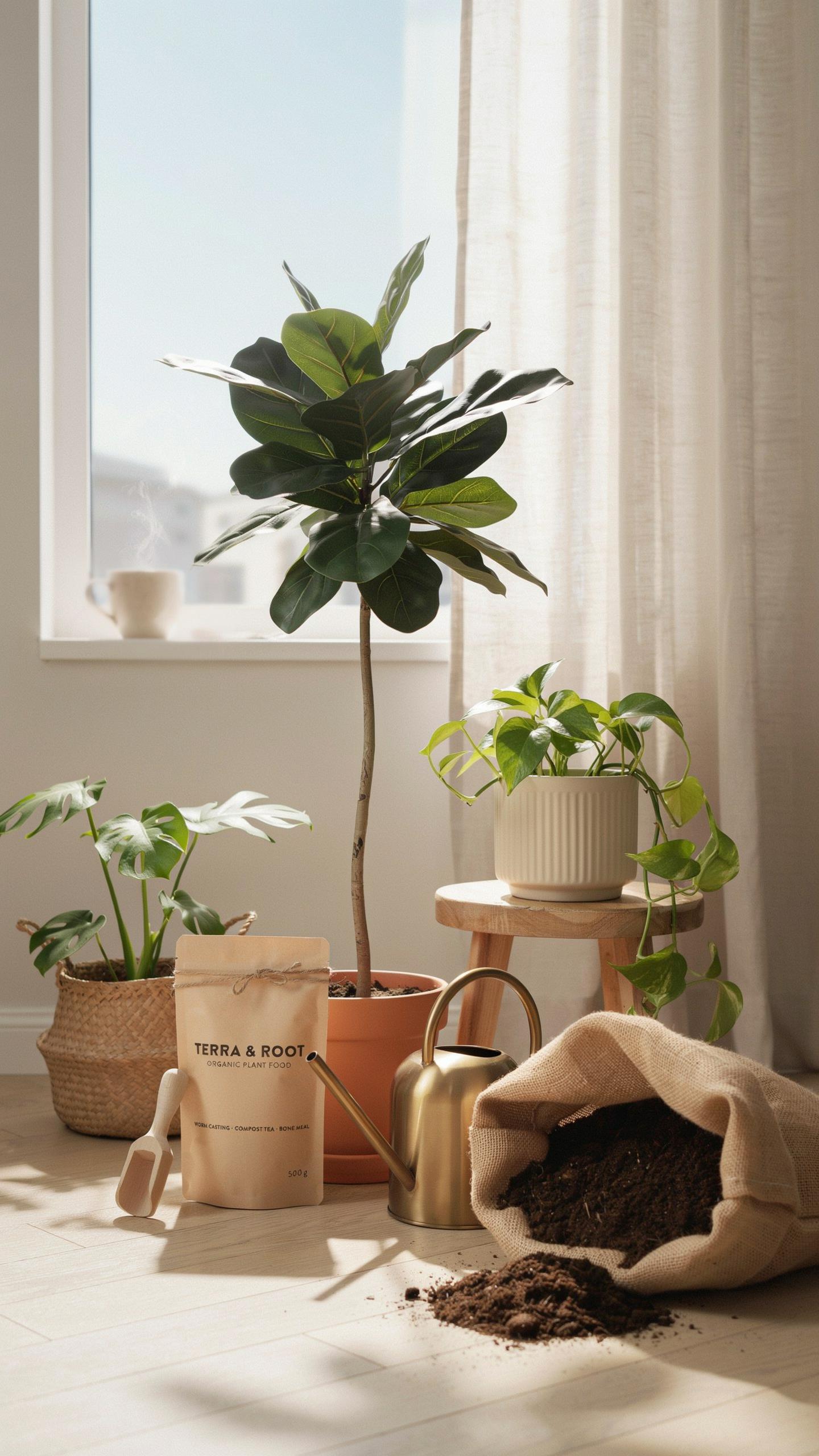
Organic fertilizers break down slowly in soil, releasing nutrients over weeks or months. This gradual process prevents salt buildup on pot surfaces and soil crusting that degrades container appearance. Compost, worm castings, and fish emulsion work without leaving visible residue on modern ceramics or minimalist planters. Your pots stay clean and your display maintains its intended visual impact without compromise.
Natural fertilizers produce fewer volatile compounds than synthetic alternatives, meaning your indoor space avoids chemical odors that conflict with contemporary design standards. Organic matter also improves soil structure and water retention, reducing the frequency of watering cycles. This translates to lower maintenance demands and fewer visible signs of plant stress that disrupt stylish arrangements.
Sourcing Quality Natural Ingredients
Commercial organic fertilizers now come in concentrated liquids and granules specifically formulated for indoor use with minimal odor profiles. Brands targeting the indoor plant market have removed the earthy smell associated with traditional compost while maintaining nutrient density. Look for products labeled OMRI certified or meeting organic standards, which guarantees you’re avoiding synthetic chemicals that leave white salt deposits on containers.

Sustainability sourcing matters because industrial agriculture fertilizers carry environmental costs that contradict modern design consciousness. Seaweed extracts, kelp meal, and plant based nitrogen sources provide complete nutrient profiles without petroleum derivatives. Retailers specializing in houseplant care now stock these products in minimal packaging designs that fit seamlessly into contemporary storage solutions and supplement your display strategy without visual clutter.
Mastering The Art Of Fertilizing House Plants Safely
Avoiding Fertilizer Burn And Root Damage
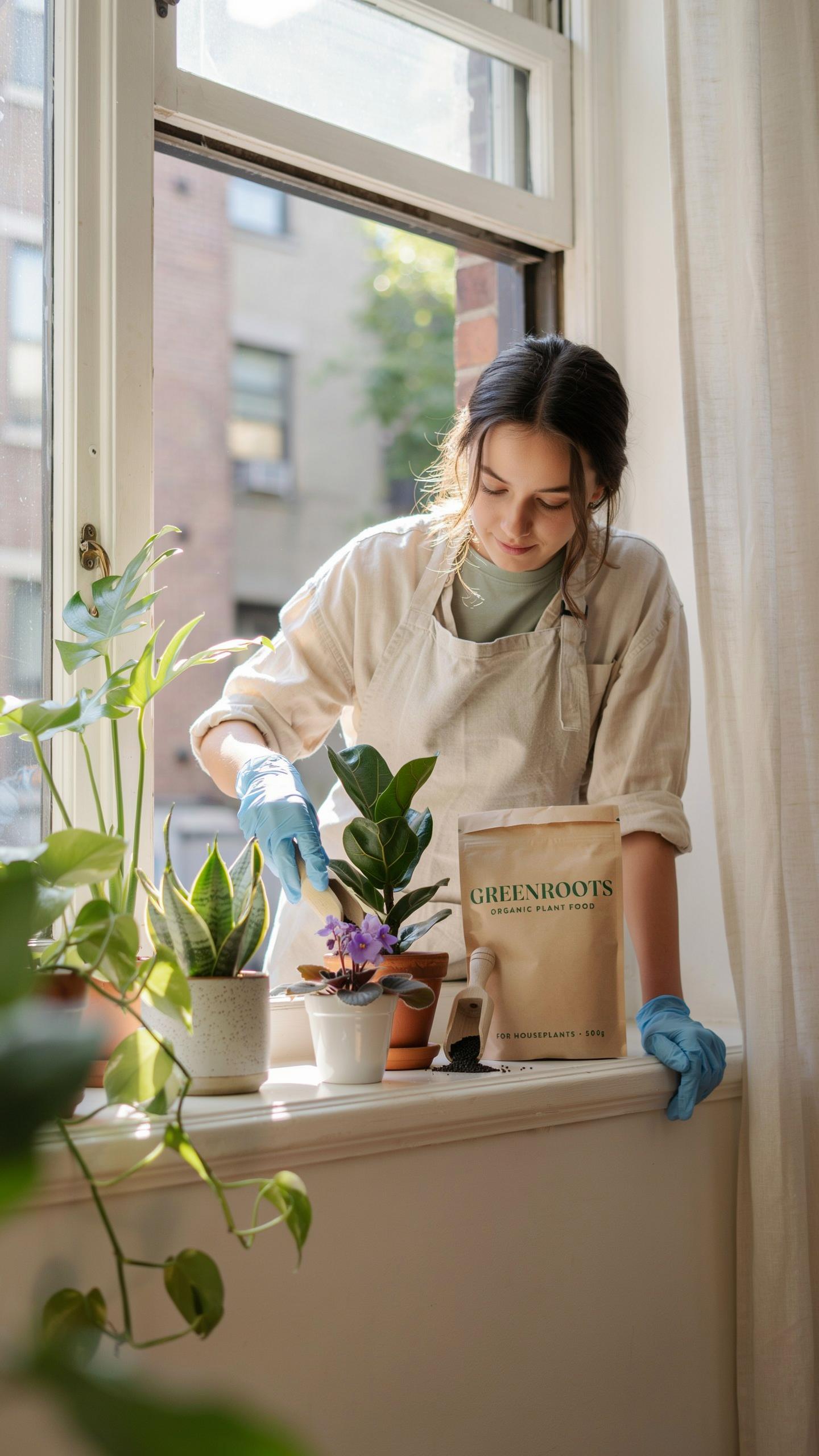
Fertilizer burn occurs when mineral salts accumulate around roots and damage cell tissue. Water your soil thoroughly before applying fertilizer. This dilutes the solution and prevents salts from concentrating in one area. Always follow the dilution rate on the package label. Never exceed the recommended strength, even if you want faster growth. Weak solutions applied regularly outperform strong applications.
Check soil moisture before fertilizing. Dry soil absorbs fertilizer too quickly, creating high salt concentration near roots. Wet soil distributes nutrients evenly throughout the root zone. If you fertilize dry soil by accident, water heavily afterward to flush excess salts downward and away from roots. This recovery step prevents damage from spreading.
To dwell is to garden, and even the smallest modern leaf thrives when we feed it with the same rhythmic devotion our grandparents gave the soil. By nurturing our indoor greenery with a steady hand, we invite the wild, elegant spirit of the patio to live forever within our walls.
Signs Of Nutrient Malnourishment Vs Over Fertilization
Pale or yellowing leaves indicate nitrogen deficiency. The older leaves yellow first while new growth remains green. Growth slows noticeably. The plant looks weak overall. These symptoms mean your houseplant care fertilizing schedule needs adjustment upward. Increase feeding frequency or concentration gradually to correct the problem.

Brown or black leaf tips and edges signal over-fertilization. Salt buildup at leaf margins causes this scorching effect. Leaves may feel papery or brittle. Some foliage may drop entirely. Flush the soil with water immediately. Repot in fresh soil if damage is severe. Reduce your houseplant care fertilizing schedule to prevent recurrence.
Essential Methods How To Fertilize Houseplants For Best Results

The Liquid Inoculation Method
Liquid fertilizers deliver nutrients directly to plant roots in soluble form. Mix concentrate with filtered water according to package instructions, then apply to soil until water drains from the pot bottom. This method works fast because roots absorb dissolved nutrients immediately. You control dosage precisely and can adjust strength based on plant response.
Liquid feeding works best during active growth periods when plants need nutrients most. Apply every one to two weeks during spring and summer. Reduce frequency in fall and winter when growth slows. Always wet the soil before applying liquid fertilizer to prevent root burn from concentrated solutions hitting dry soil.
Slow Release Granules For Effortless Maintenance
Slow-release granules break down gradually over months, releasing nutrients steadily into the soil. Mix them into fresh potting soil when repotting or sprinkle on top of existing soil and water in lightly. Each granule has a coating that dissolves at different rates based on moisture and temperature. This approach eliminates weekly feeding tasks and reduces the risk of over-fertilizing.

Slow-release products typically last three to six months per application. Choose formulations matching your plant types since different species need different nutrient ratios. Temperature affects release speed, so granules work faster in warm conditions and slower in cool environments. Monitor plant appearance and adjust application timing if growth seems sluggish midway through the season.
The Benefits Of Natural Fertilizer For Indoor Plants
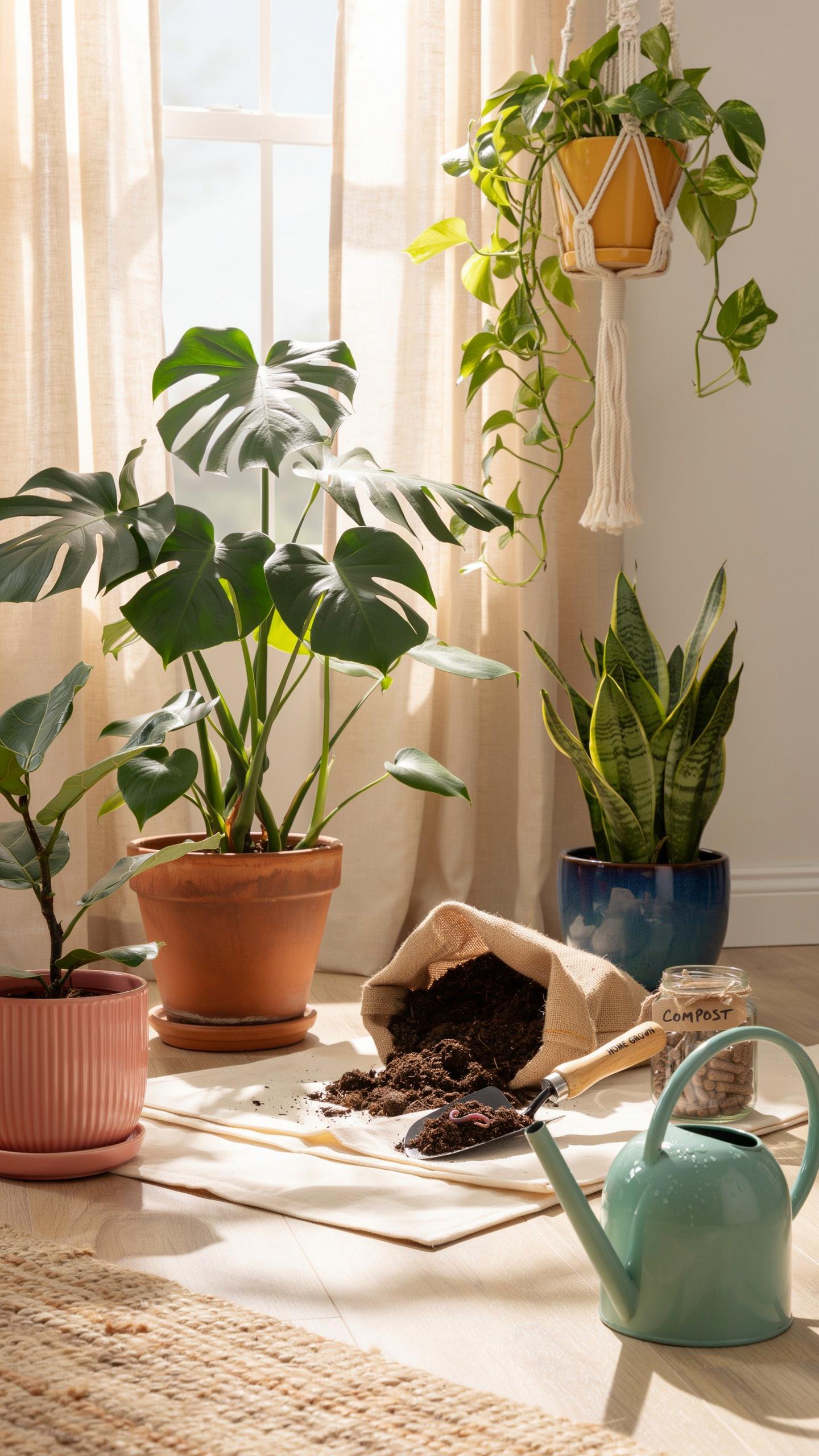
Enhancing The Soil Microbiome
Natural fertilizers introduce living organisms into your potting soil. Beneficial bacteria and fungi colonize the medium and break down organic compounds into forms plants can absorb. This biological activity creates a self-sustaining nutrient cycling system that synthetic fertilizers cannot replicate. The microbes work continuously to unlock nutrients trapped in organic matter.
Chemical fertilizers bypass this microbial network entirely. They deliver soluble nutrients directly but leave soil biologically inactive. Over time, this approach depletes the soil’s capacity to support plant health independently. Natural fertilizers rebuild what synthetic approaches destroy, establishing populations of microorganisms that sustain plant nutrition long term.
Long Term Soil Structure Improvement
Organic matter from natural fertilizers physically alters your potting medium over successive growing seasons. The material increases pore space, improving air circulation around roots. Water retention improves simultaneously, reducing the frequency of dry cycles between waterings. These structural changes compound annually as decomposition continues.

Standard potting mediums compact over time, especially with regular watering and root growth. Natural fertilizers counteract this compaction by adding material that resists breakdown. Your soil remains crumbly and workable rather than becoming dense and waterlogged. This sustained structure supports healthier root systems and more reliable plant performance throughout the houseplant care fertilizing schedule.
DIY Recipes How To Fertilize Houseplants Naturally At Home

Our Favorite Homemade Organic Feeds
Kitchen scraps contain nutrients your plants need. Banana peels, coffee grounds, and eggshells deliver potassium, nitrogen, and calcium directly to soil. These materials cost nothing and eliminate packaging waste. Making your own fertilizer puts you in control of what enters your growing environment.
- Banana Peel Water: Soak peels in water for 48 hours, then strain. Apply weekly to flowering plants needing potassium for blooms and stem strength.
- Coffee Ground Mix: Combine used grounds with soil at a 1:4 ratio. Coffee adds nitrogen and improves drainage while acidifying soil for acid loving plants.
- Eggshell Powder: Crush dried shells into fine powder and sprinkle directly on soil. Calcium content strengthens cell walls and prevents blossom end rot in fruiting varieties.
- Vegetable Scrrap Broth: Boil carrot tops, celery leaves, and onion skins for 20 minutes. Cool completely before applying to general houseplants monthly.
- Wood Ash Solution: Mix ash from untreated wood with water at 1 tablespoon per gallon. Use sparingly as it raises soil pH and adds potassium and phosphorus.
Rotate these feeds monthly to prevent nutrient imbalances. Each source offers different nutrient profiles, so varying your approach maintains soil health. Monitor plant response and adjust frequency based on growth rate and leaf color changes.
Brewing Rich Botanical Teas
Steeping plant material in water creates concentrated nutrient solutions. Compost tea, grass clipping infusions, and herb leaf soaks extract soluble nutrients plants absorb rapidly. Steep materials for 24 to 48 hours at room temperature. Strain thoroughly before application to prevent clogging soil pores.

This brewing method works best for sensitive specimens that need gentle feeding. Ferns, African violets, and begonias respond well to diluted botanical teas applied every two weeks. The slow nutrient release prevents fertilizer burn common with concentrated formulas. Use cooled tea immediately after straining for maximum microbial benefit.
Best Practices For Fertilizing Indoor Plants By Season

Seasonal Maintenance Checklist
Indoor plants need different fertilizer amounts based on their growth cycles. Spring and summer demand more frequent feeding because plants actively grow. Fall and winter require reduced fertilization since growth slows. Your checklist ensures you feed plants when they need nutrients most, not on a fixed calendar.
- Spring (March to May): Resume feeding every two weeks with balanced fertilizer as new growth emerges. Plants transition from dormancy and need steady nutrient supply to support leaf and stem development.
- Summer (June to August): Continue biweekly feeding or increase to weekly for heavy feeders. Peak sunlight drives rapid growth, requiring consistent nutrient availability to sustain this activity.
- Fall (September to November): Reduce feeding to once monthly as growth slows. Plants prepare for winter dormancy and require less nutrient input during this transition period.
- Winter (December to February): Cut feeding to once monthly or stop entirely depending on plant type. Most indoor plants enter dormancy and consume minimal nutrients during short daylight hours.
- Monthly Soil Check: Test soil moisture before each feeding. Dry soil prevents nutrient absorption, so water thoroughly before applying fertilizer to active plants.
Follow this schedule strictly because it matches plant physiology. Overfeeding in winter causes salt buildup in soil. Underfeeding in spring stunts new growth. Adjust timing based on your specific plant species, light conditions, and container size for accurate nutrient delivery.
Transitioning Plants Outdoors For Summer
Moving indoor plants outside requires a fertilization boost because outdoor conditions differ significantly from indoor environments. Natural sunlight intensity increases photosynthesis rates, which means plants consume nutrients faster. Start increased feeding two weeks before moving plants outside to prepare their systems for higher light exposure and accelerated growth demands.
Maintain weekly feeding once plants settle outdoors for the summer months. Outdoor plants face wind, temperature fluctuations, and rainfall that leach nutrients from soil faster than indoor conditions. Use diluted liquid fertilizer to prevent burning leaves exposed to intense direct sunlight. Return to your regular indoor schedule four weeks before bringing plants back inside to acclimate their growth patterns to lower light levels again.
Designing Outdoor Transitions With Perfectly Fed Plants
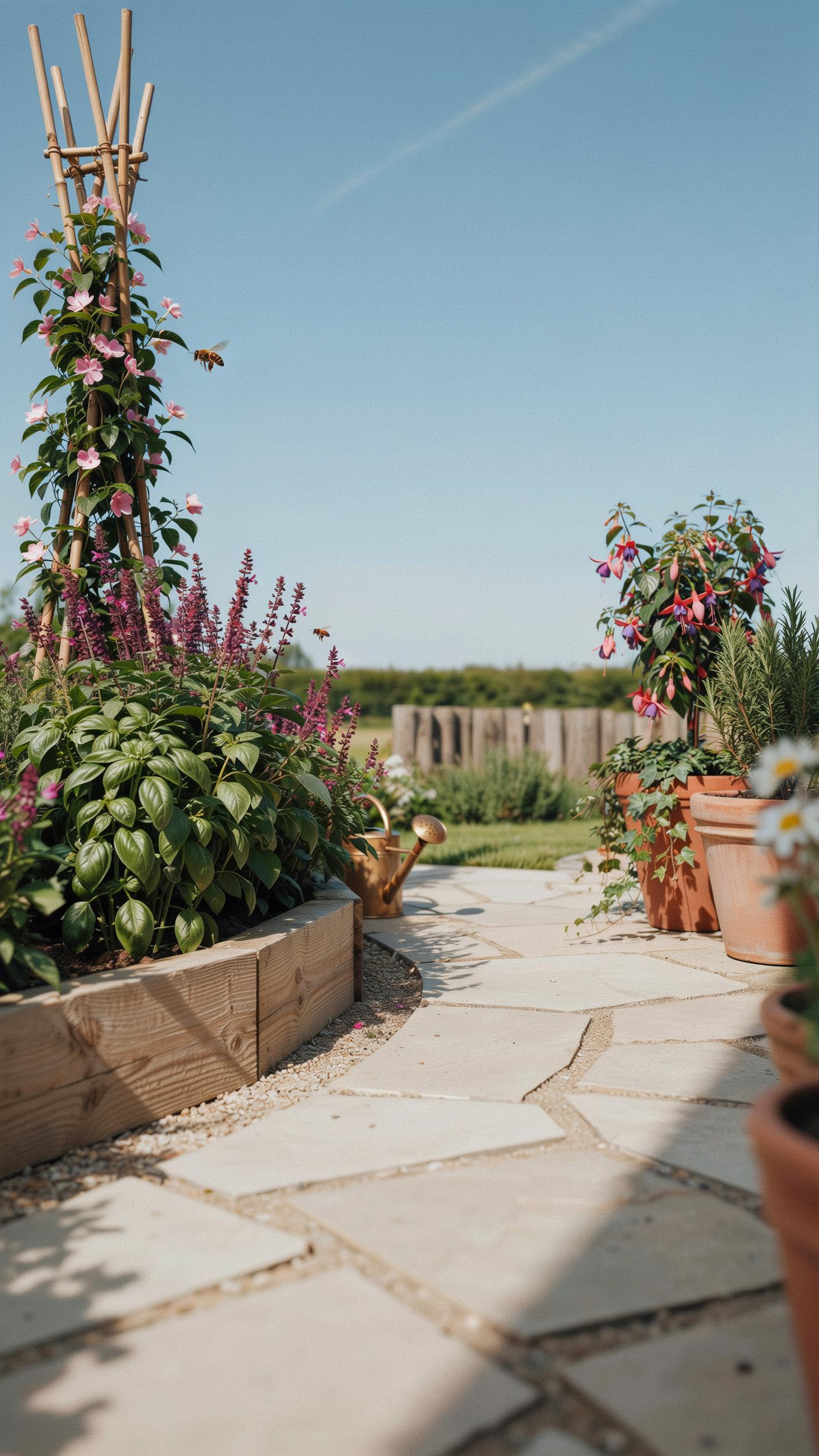
Styling Lush Patios With Giant Tropicals
Large tropical plants like Philodendrons, Monsteras, and Palms create dense outdoor spaces quickly. These species demand consistent nitrogen during growing seasons to fuel leaf production. Feed every two weeks from spring through early fall with balanced fertilizer. Reduce feeding frequency to once monthly during winter dormancy.
Patio placement matters for feeding schedules. Plants in bright, indirect light near south-facing walls grow faster and need more nutrients. Container size affects feeding frequency. Larger pots hold more soil nutrients, reducing feeding needs compared to smaller containers. Adjust your schedule based on actual growth rate, not calendar dates.
Creating Curated Plant Groupings
Group plants with matching light and water requirements together to simplify feeding routines. Variegated Syngoniums, green Pothos, and Calatheas tolerate similar low-light conditions and need lighter feeding than sun-loving varieties. Clustering plants reduces the mental load of tracking individual schedules. You feed once and benefit multiple specimens at the same time.
Layer foliage textures by combining fine-leafed Asparagus Ferns with broad-leafed Anthuriums and feathery Palms. Each type has distinct nutrient demands based on leaf structure and growth speed. Fine-leafed plants typically need lighter feeding than heavy feeders with larger leaves. Test soil moisture before feeding any grouped arrangement to avoid overfeeding slower growers.
Frequently Asked Questions

How often should a beginner fertilize their indoor and outdoor plants?
For those just getting started, the best approach is to align your routine with the natural growing season. Most enthusiasts follow a houseplant care fertilizing schedule that peaks during spring and summer when daylight is abundant. Generally, applying a balanced liquid fertilizer once a month during these active months provides enough nutrients to keep your greenery vibrant without the risk of overfeeding or damaging sensitive roots.
How do I adjust my fertilizing routine when moving plants to a stylish patio?
When transitioning plants outdoors to enhance your curb appeal, they often grow faster due to increased light. You should tighten your houseplant care fertilizing schedule to every two weeks during the height of summer. Ensure you water the soil thoroughly before applying any nutrients to prevent root burn. This encourages lush, architectural growth that transforms your outdoor living space into a high-end, botanical retreat for the season.
Can I maintain a healthy fertilizing routine using affordable household items?
Absolutely! You don’t need expensive designer bottles to achieve professional results. Kitchen scraps like cooled green tea, crushed eggshells, or diluted coffee grounds can provide a gentle nutrient boost for pennies. While commercial blends offer precision, these budget-friendly DIY options are excellent for maintaining a consistent feeding rhythm. Just remember to use them sparingly to ensure your soil remains balanced and your stylish containers stay healthy year-round.