Understanding The Houseplant Care Light Requirements Chart
How To Read The Lighting Chart
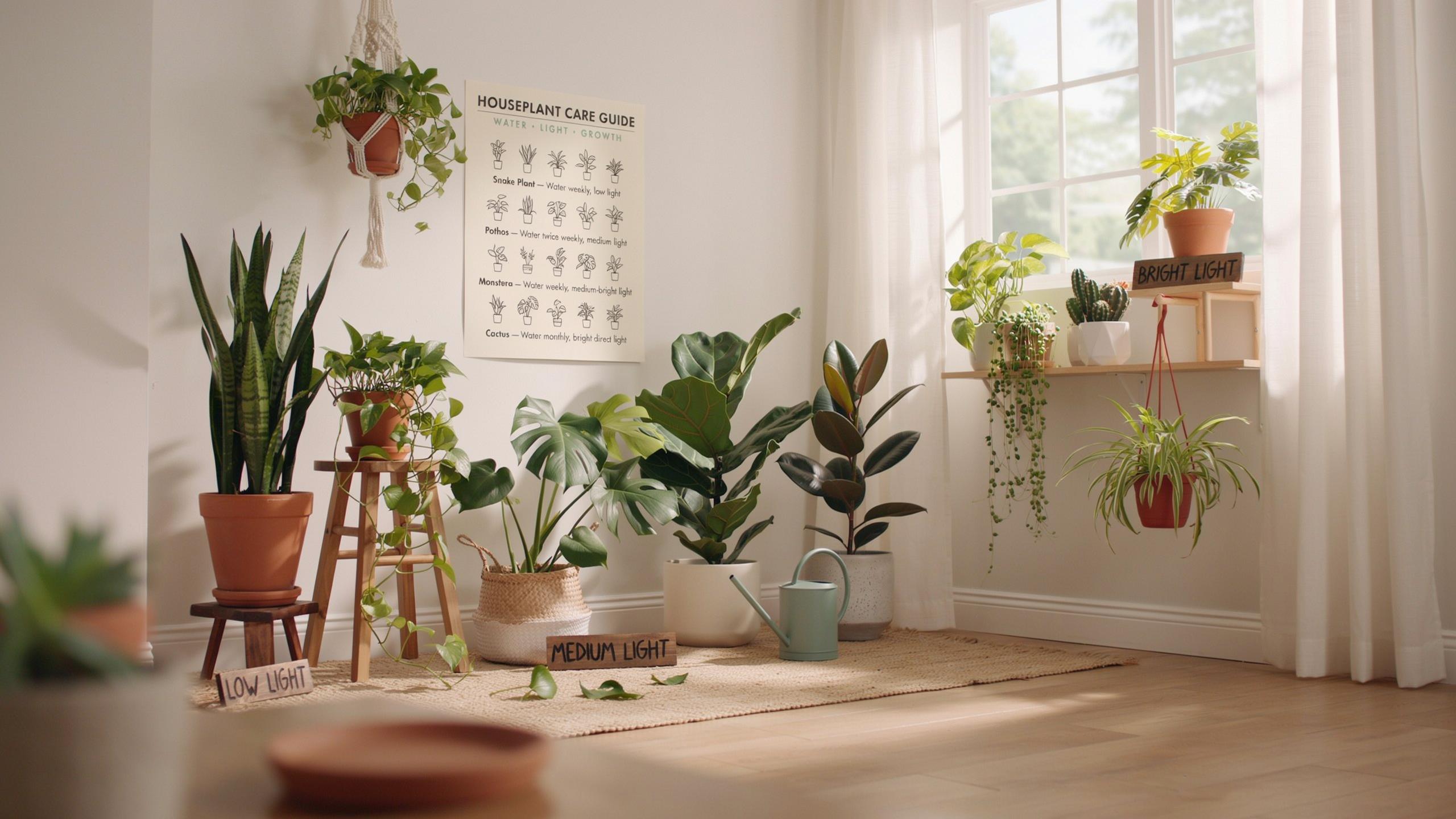
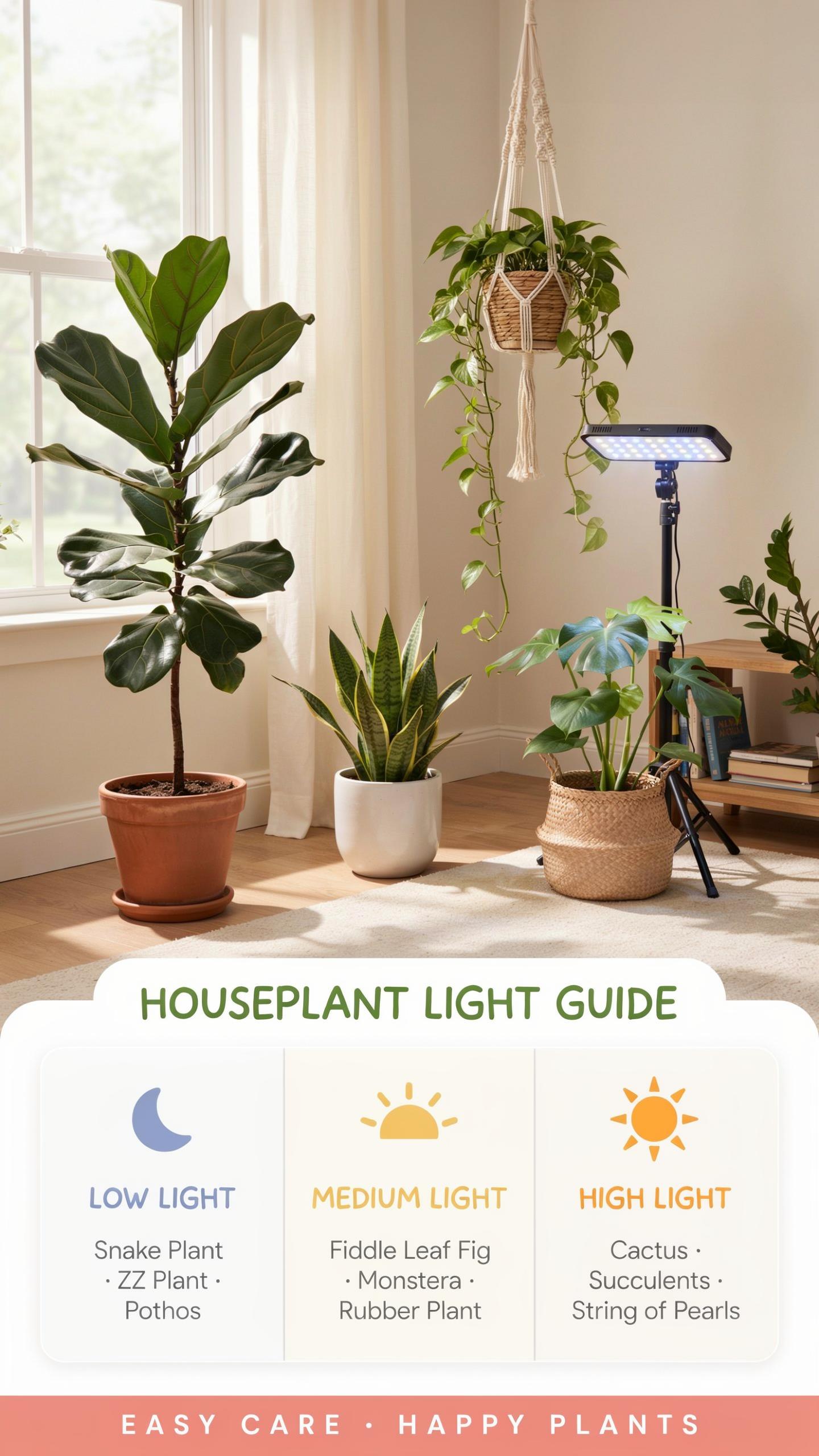
A houseplant care light requirements chart categorizes plants into specific light zones based on their photosynthetic needs. Most charts use four main categories: low light, medium light, bright indirect light, and direct sunlight. These categories correspond to actual indoor locations like bathrooms, living rooms away from windows, near windows, and south-facing windowsills. The chart removes guesswork by matching plant species to measurable light conditions your home actually provides.
Reading the chart means identifying your available light locations first, then cross-referencing which plants thrive there. This approach prevents the common beginner mistake of placing shade-tolerant plants in direct sun or sun-demanding plants in dark corners. Each plant listed shows its minimum light requirements for survival and its optimal conditions for active growth. The chart becomes your reference tool for every placement decision you make indoors.
Matching Plants To Their Light Profiles
Your home’s window orientation and distance from glass determine which light category applies to each space. A south-facing window in the Northern Hemisphere receives the most intense direct light, while north-facing windows provide consistent low light. East and west windows offer intermediate conditions that shift throughout the day and seasons. Measure these conditions against the chart to identify which plants belong in which rooms without trial and error.
Popular species like monsteras tolerate medium to bright indirect light and adapt well to most indoor locations except dark corners. Snake plants survive in low light but grow faster with brighter conditions. Pothos performs similarly, handling low light while thriving near windows. Matching your specific home layout to the chart’s plant profiles ensures each species receives the energy it needs to photosynthesize and grow consistently.

Beginner Guide To Plant Lighting Measuring Your Space
Determining Window Directions And Sun Exposure
Window direction determines the quality and intensity of light your plants receive. South-facing windows deliver the strongest, most direct sunlight throughout the day. North-facing windows provide consistent but weak illumination, making them suitable only for low-light tolerant species. East and west-facing windows offer moderate conditions with morning or afternoon intensity.
Knowing your window orientation lets you match plants to actual light conditions in your home. This prevents common failures like placing sun-demanding plants in dim corners or shade plants in harsh direct rays. Map your windows before selecting plants. Most beginners succeed by understanding this single factor first.
Using The Hand Test To Estimate Intensity
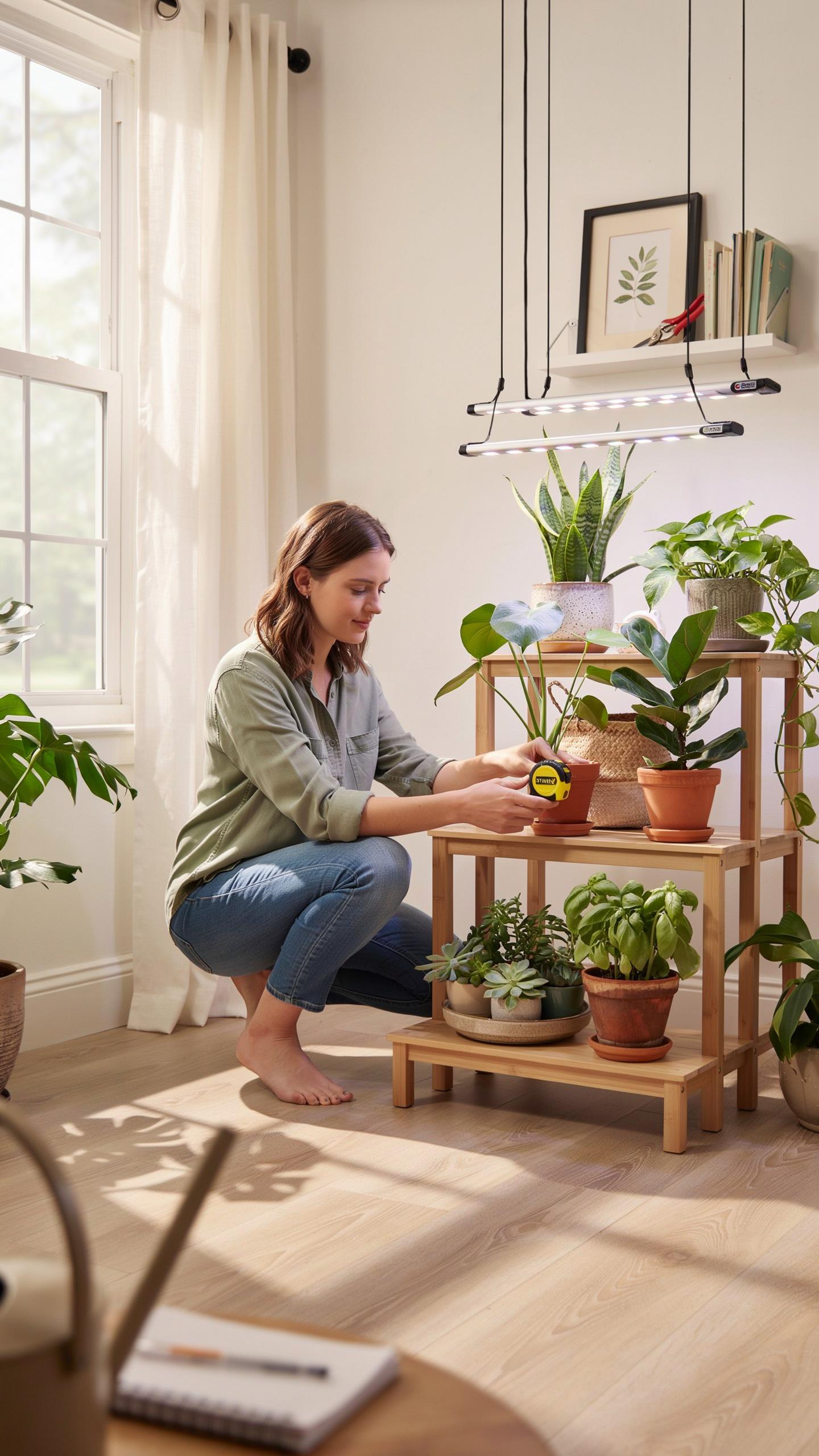
The hand test provides a quick, reliable way to measure light intensity at specific plant locations. Position your hand six inches above a piece of white paper in the spot where you plan to place your plant. Observe the shadow your hand casts on the paper to gauge light conditions.
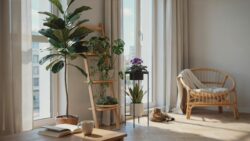
A sharp, well-defined shadow indicates bright direct sun exposure. A soft, blurry shadow means medium light or filtered indirect conditions. A barely visible or absent shadow signals low light. This simple test takes seconds and eliminates guessing. Repeat it at different times of day since sun angles shift throughout the year.
Types Of Light For Plants Explained
Direct Vs. Indirect Sunlight
Direct sunlight hits plant foliage without barriers. This occurs when plants sit in unobstructed windows facing south or west in the Northern Hemisphere. Indirect light passes through sheer curtains or bounces off walls before reaching leaves. East-facing windows provide gentle morning direct sun. North-facing windows deliver consistent indirect light all day without intensity spikes.
The distinction matters because direct sun intensity varies by location and season. Some plants need full direct exposure to thrive, while others burn under intense rays. Indirect light works for shade tolerant plants like pothos and snake plants. Understanding your window direction determines which plants survive in each room of your home.
Active Radiation And Photoperiods
Plants absorb Photosynthetically Active Radiation (PAR) between 400 to 700 nanometers of the light spectrum. This wavelength range powers photosynthesis and drives growth. PAR intensity and duration directly affect how fast plants produce energy and biomass. Measuring light in foot candles or lux helps quantify what your space actually provides.

Photoperiod refers to daily light exposure duration, which triggers flowering and dormancy cycles. Many plants require specific photoperiod lengths to bloom. Short-day plants flower when exposed to fewer than twelve hours of light daily. Long-day plants need more than twelve hours to initiate blooms. Understanding your plant’s photoperiod requirements prevents failed flowering attempts year after year.
Finding The Best Low Light Plants For Dim Corners
Top Low Light Plants For Your Home
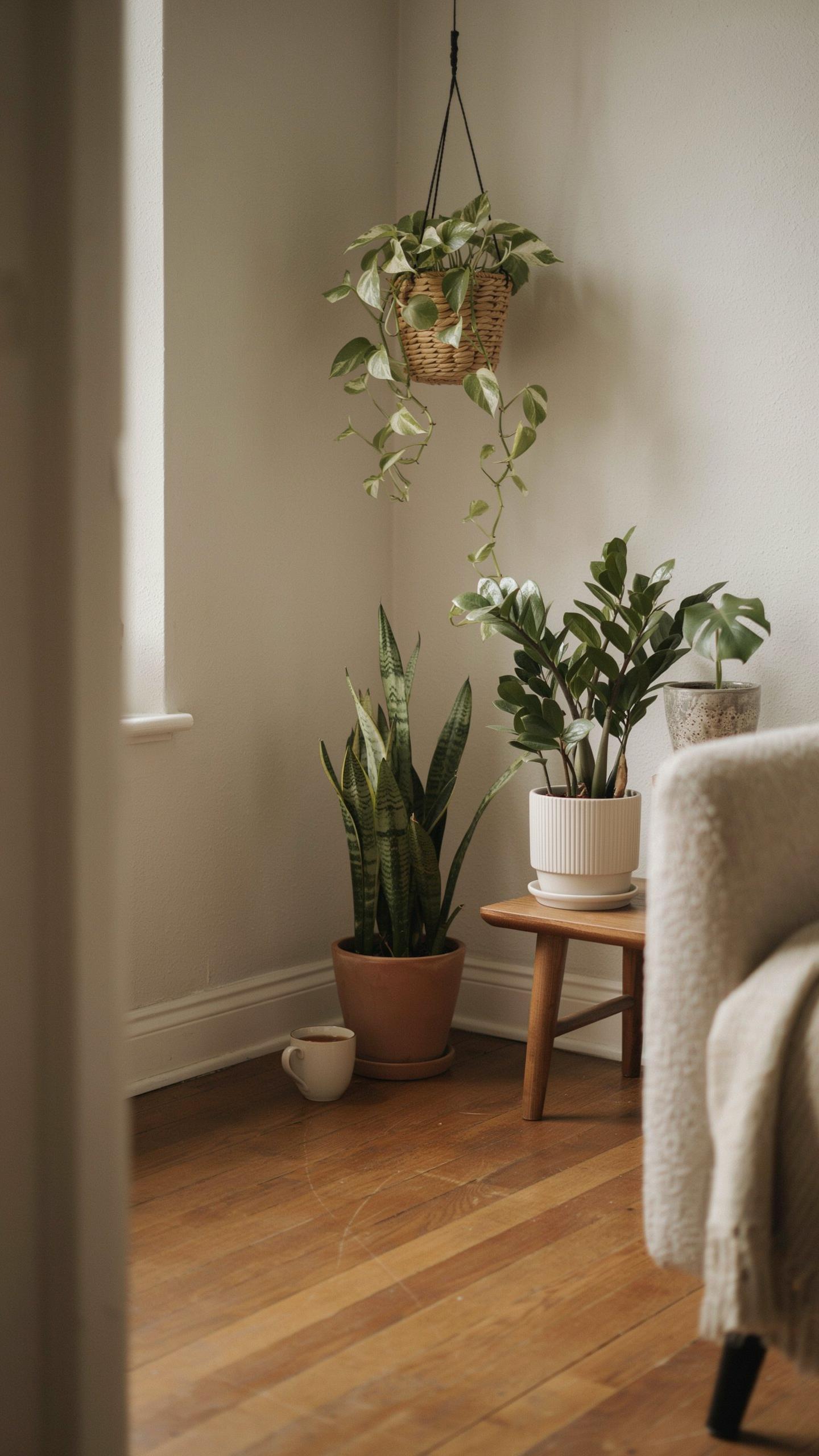
Several resilient species tolerate dimmer environments where solar energy is minimal. These plants survive in spaces that receive indirect light or are positioned away from windows. They maintain growth and health without the constant bright conditions other houseplants demand. Low light tolerance stems from their natural forest floor origins where canopy shade limits direct sunlight.
- Cast Iron Plant (Aspidistra elatior): Withstands neglect and low light conditions with dark green foliage. Requires minimal care and adapts to indoor spaces with limited natural illumination.
- ZZ Plant (Zamioculcas zamiifolia): Tolerates neglect and dim corners effectively. Stores water in underground rhizomes, reducing watering frequency and light requirements.
- Snake Plant (Sansevieria trifasciata): Highly adaptable to low light environments. Uses CAM photosynthesis to function in dim conditions with extended periods between waterings.
- Parlor Palm (Chamaedorea elegans): Thrives in shade and produces elegant fronds in low light. Native to rainforest understory where direct sun rarely reaches.
These four species represent the most reliable low light performers for home interiors. Each handles inconsistent watering and reduced illumination without declining rapidly. Start with one of these if you have limited natural light in your space.
Recognizing The Signs Of Light Deprivation
Plants starved of adequate light develop specific physical responses. Stems stretch toward the nearest light source, creating a leggy appearance with excessive space between leaf nodes. Lower leaves drop as the plant abandons supporting foliage that produces minimal energy. This process happens progressively over weeks.
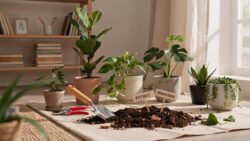
New growth emerges pale, small, and weak when light levels stay too low. The plant allocates remaining energy to reach brighter conditions rather than expanding existing foliage. Growth rates slow dramatically. If these signs appear, relocate your plant closer to a window or install a grow light to reverse the decline.
Medium Light Houseplant Guide For Balanced Rooms
Identifying Medium Indirect Light Zones
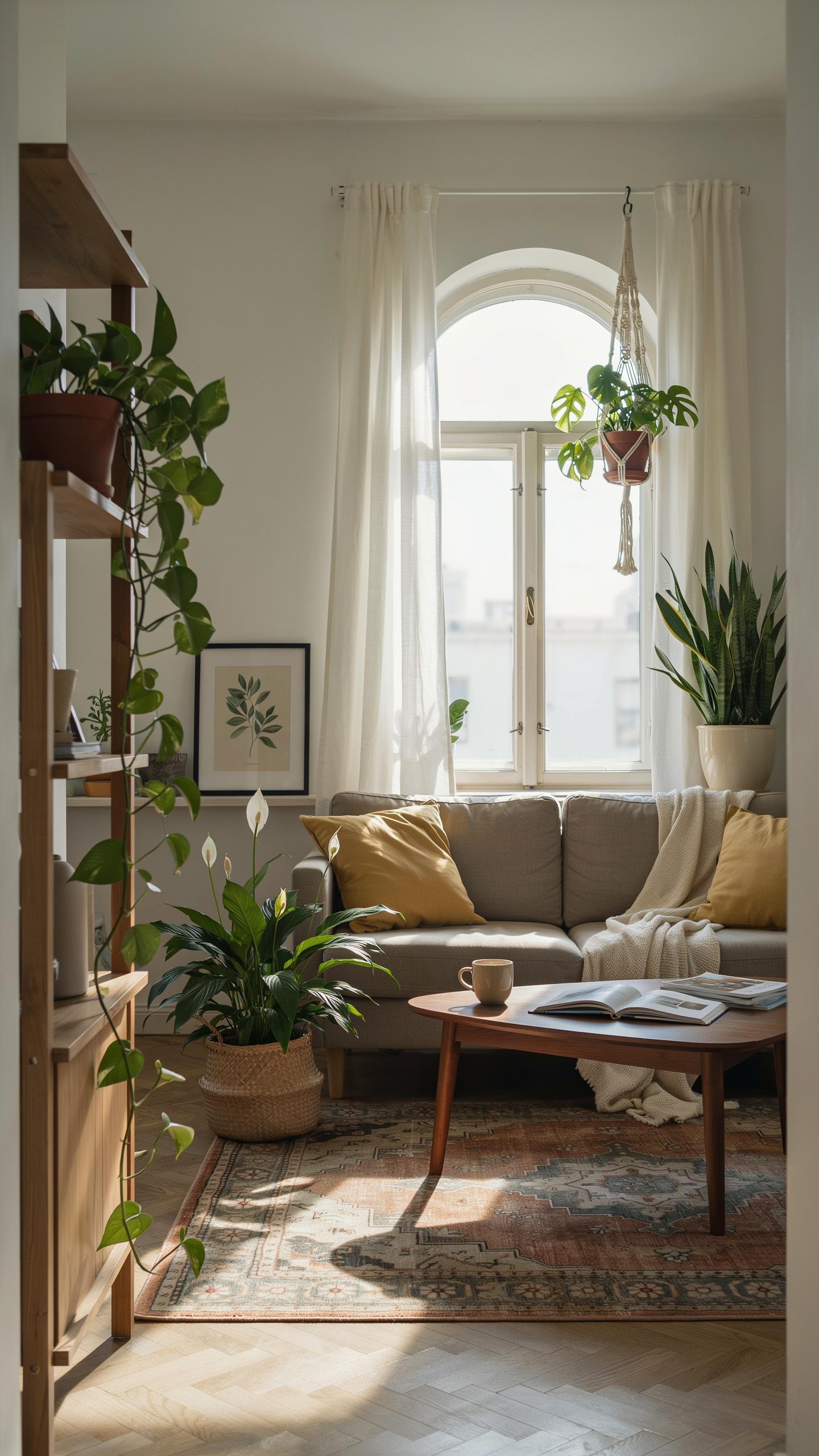
Medium indirect light means the plant receives bright illumination without direct sun exposure on its leaves. Position plants several feet away from east or west-facing windows. North-facing windows also work if positioned close to the glass. The light should be strong enough to cast a soft shadow, not a sharp one.
This setup prevents two problems: leaf burn from intense direct rays and growth stunting from insufficient light. Most homes have rooms that naturally fall into this category. Hallways near windows, interior rooms with bright reflections, and spaces set back from any window qualify. Test your space by checking if you can read a book comfortably without artificial light during midday.
Popular Foliage That Thrives In Moderate Sun
Pothos adapts aggressively to medium light and maintains full, green foliage without needing direct sun. Spider plants produce dense growth and their characteristic arching leaves stay vibrant in these conditions. Standard philodendrons tolerate medium light consistently and rarely develop pale, weak growth patterns seen in low light situations.
These plants perform reliably because they evolved in forest understory conditions where filtered light prevails. They gain enough energy to grow steadily without the stress that intense direct sun creates. Leaves stay a normal color, stems develop at standard spacing, and the plant maintains its natural form. Start with these species if you cannot guarantee bright light conditions.
Indoor Plants Light Guide Bright Direct Light Lovers
Providing Intense Rays For Sun Worshipers
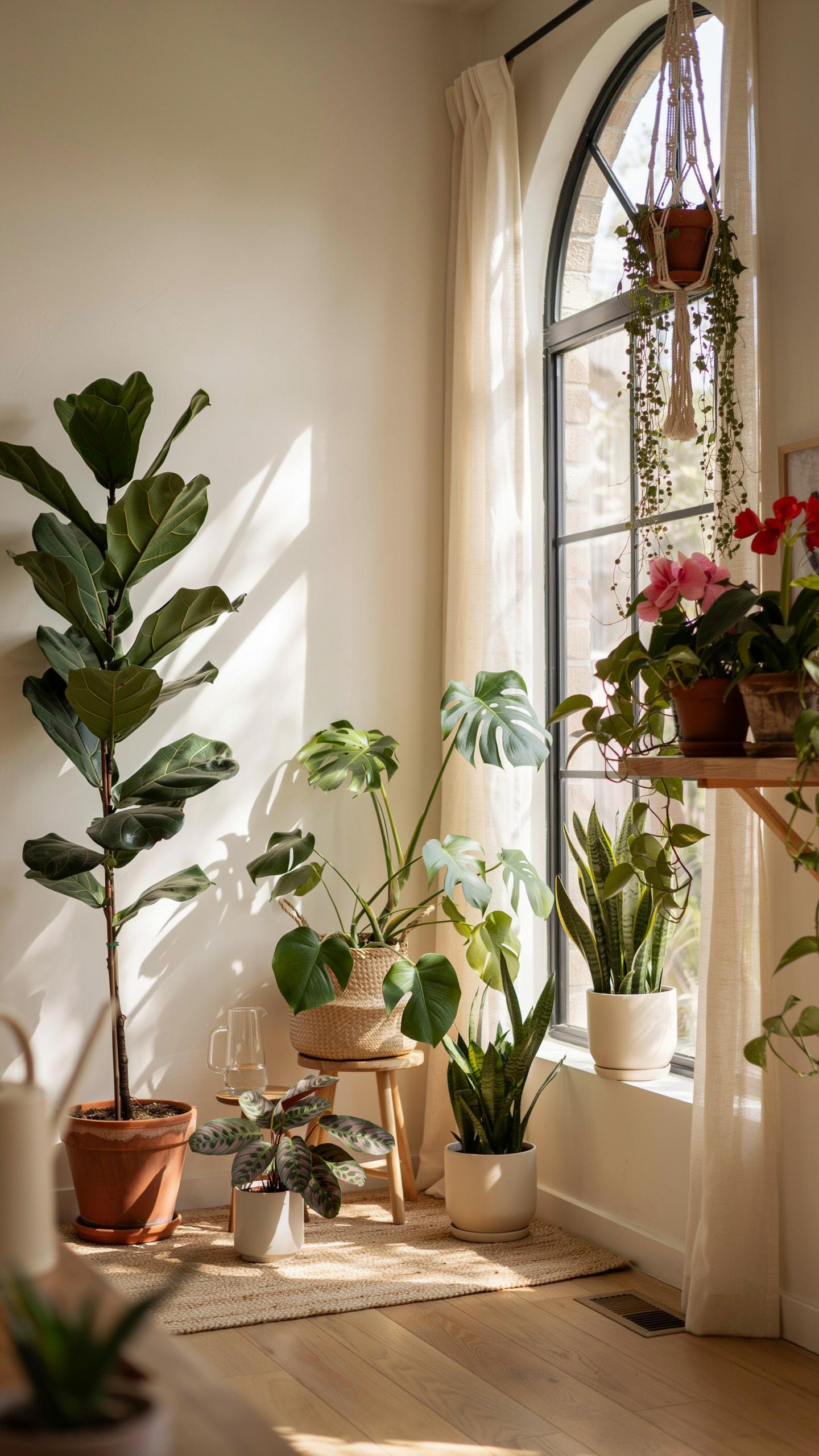
Succulents, cacti, and citrus trees demand uninterrupted bright, direct light to thrive. South-facing windowsills deliver the strongest and most consistent rays indoors. These plants evolved in high-light environments and perform poorly without adequate intensity. Position them within three feet of the window to maximize light exposure throughout the day.
East and west-facing windows work as secondary options when south-facing placement isn’t available. East-facing windows provide morning sun, which is gentler than afternoon rays. West-facing windows deliver intense afternoon light but risk overheating during summer months. Monitor your plant’s response and adjust placement if leaves fade or growth stalls.
Like the sun-drenched windows of a childhood home, finding the right light is the simplest way to help your plants flourish. Following a light chart is just like a gentle hand guiding you to rediscover the quiet joy of watching life grow.
Preventing Leaf Scorch And Dehydration
Plants accustomed to shade suffer damage when moved directly into intense sunlight. Leaf scorch appears as brown, papery patches on foliage and indicates light shock. Introduce sun-loving plants to bright spots gradually over two to three weeks. Start them in filtered light, then increase exposure incrementally to prevent tissue damage.
Soil moisture drops rapidly under direct sun exposure due to increased evaporation. Check soil daily when plants sit in bright windows, especially during warm months. Water deeply but allow the top layer to dry between waterings based on your specific plant’s needs. Dehydration combined with intense light stress creates conditions for plant decline and pest vulnerability.
Houseplant Grow Light Ideas For Darker Homes
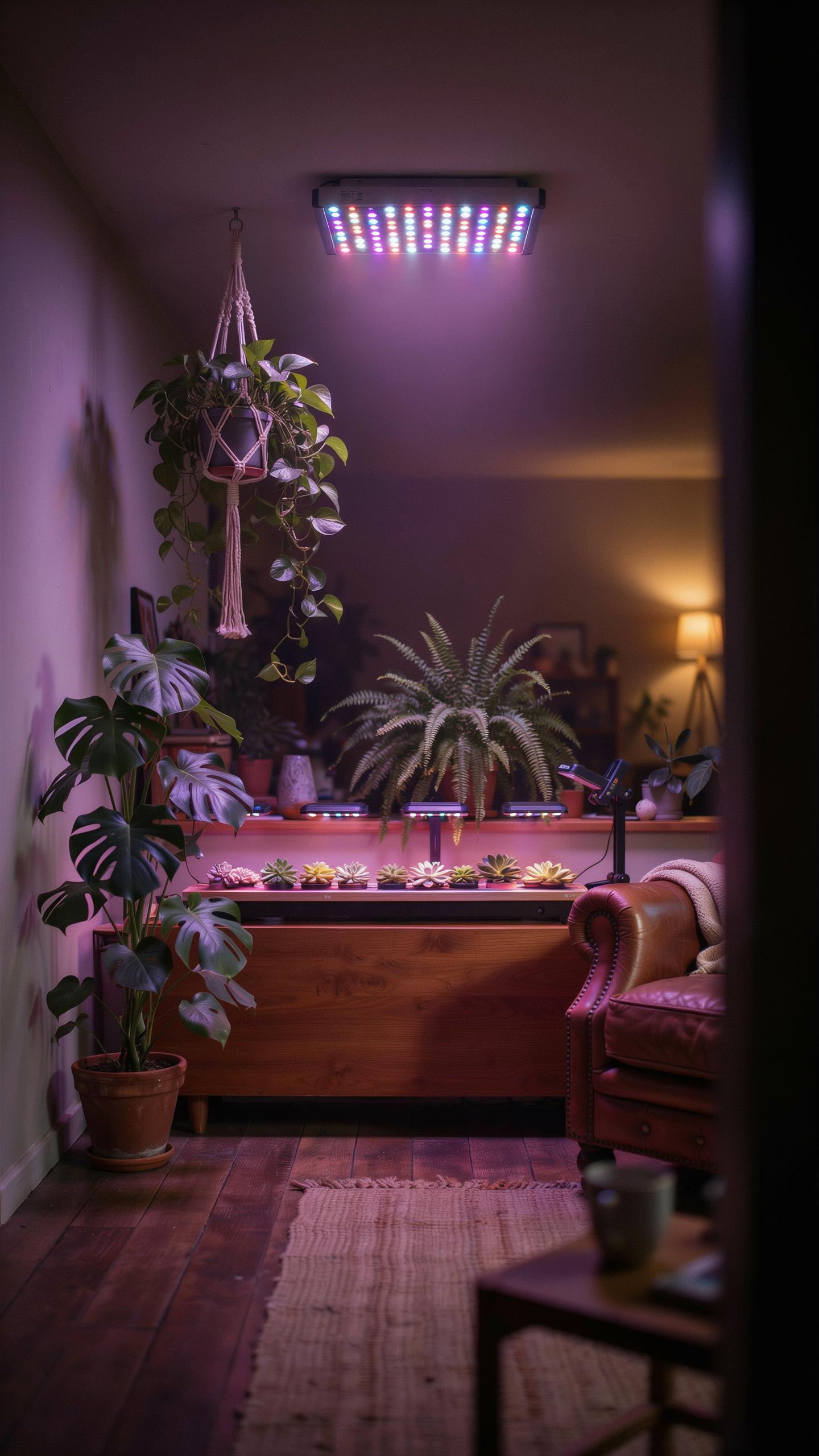
Essential Equipment For Indoor Setups
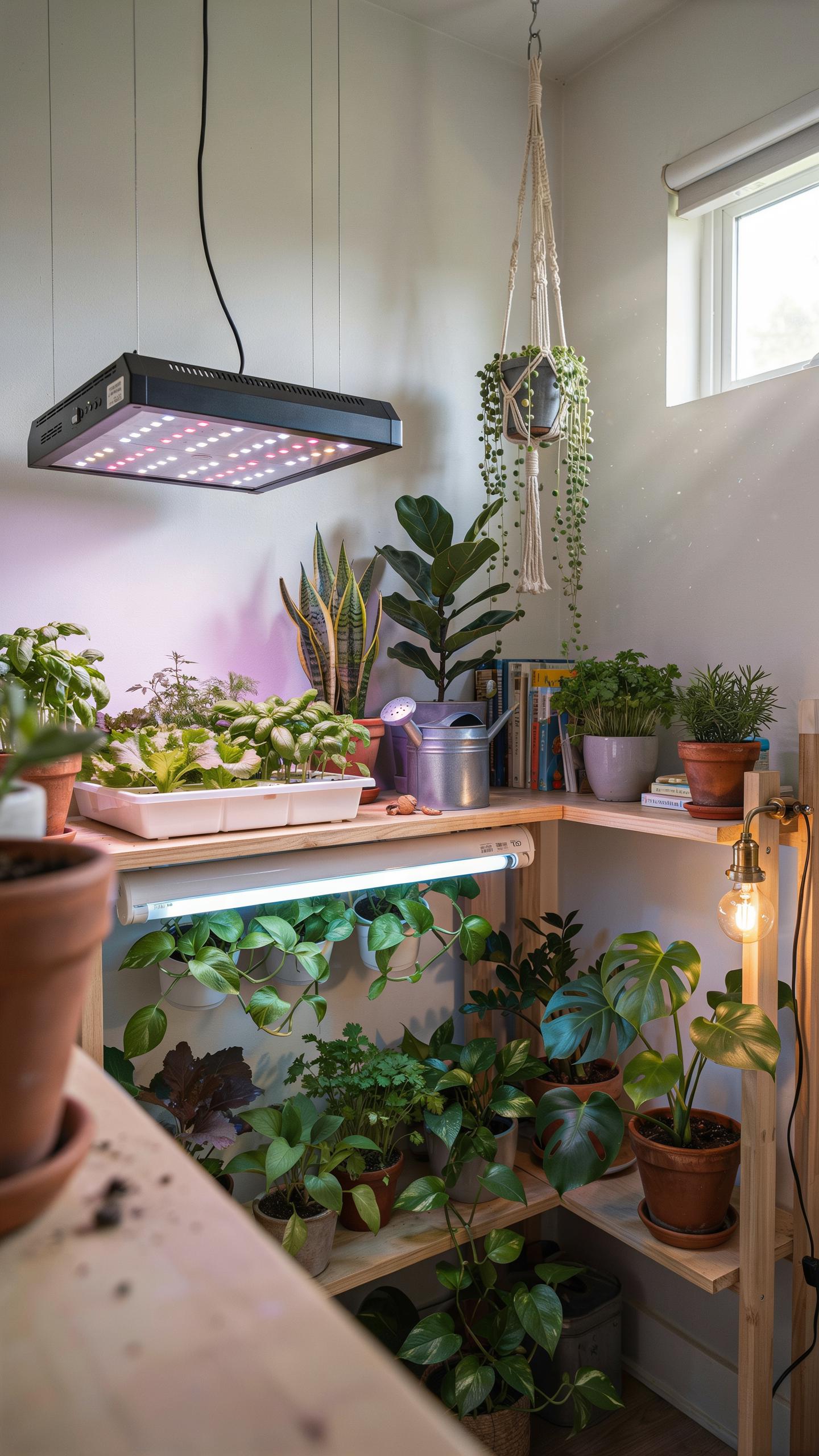
Natural windows fail in many homes. North-facing rooms, basements, and interior spaces lack sufficient light for most houseplants. Artificial grow lights solve this problem by delivering the light spectrum plants need to photosynthesize and grow. Quality equipment makes the difference between thriving plants and struggling ones.
- Full spectrum LED grow bulbs: Replace standard bulbs in existing lamps. These emit wavelengths plants use for photosynthesis. They fit E26 and E27 sockets and reduce energy costs compared to older technologies.
- Adjustable desktop clip on grow lights: Clamp directly onto shelves or furniture. Position them precisely over individual plants. Battery powered or plug in models offer flexibility for renters and small spaces.
- T5 fluorescent tubes: Mount on multi tiered shelving systems. These tubes produce consistent light across wide areas. Ideal for propagating multiple seedlings or housing small plant collections simultaneously.
- Smart timer plugs: Automate light cycles without manual switching. Program precise on and off times to match plant needs. Remove guesswork from maintaining consistent daily light duration.
- Reflective materials: Line shelves with white paint or aluminum foil. These surfaces bounce light back toward plants. Prevent light waste by redirecting it toward foliage instead of walls.
Quality gear requires research before purchasing. Match wattage to plant type and space size. Calculate coverage area based on light output ratings measured in lumens or PAR values. Budget accordingly since equipment ranges from fifteen dollars to several hundred dollars depending on complexity.
Setting The Distance And Duration Of Grow Lamps
Lamp distance determines light intensity at the plant surface. Position grow lights twelve to twenty four inches above foliage. Closer distances deliver more intensity but risk heat damage to leaves. Most houseplants tolerate this range without leaf burn or stress responses.
Run grow lights for twelve to sixteen hours daily. This mimics natural summer conditions when plants experience peak growth. Consistency matters more than intensity for establishing healthy growth patterns. Use timers to maintain schedules automatically, preventing irregular cycles that confuse plant development.
Essential Tips For Long Term Indoor Plant Care
Rotating Pots For Symmetrical Growth
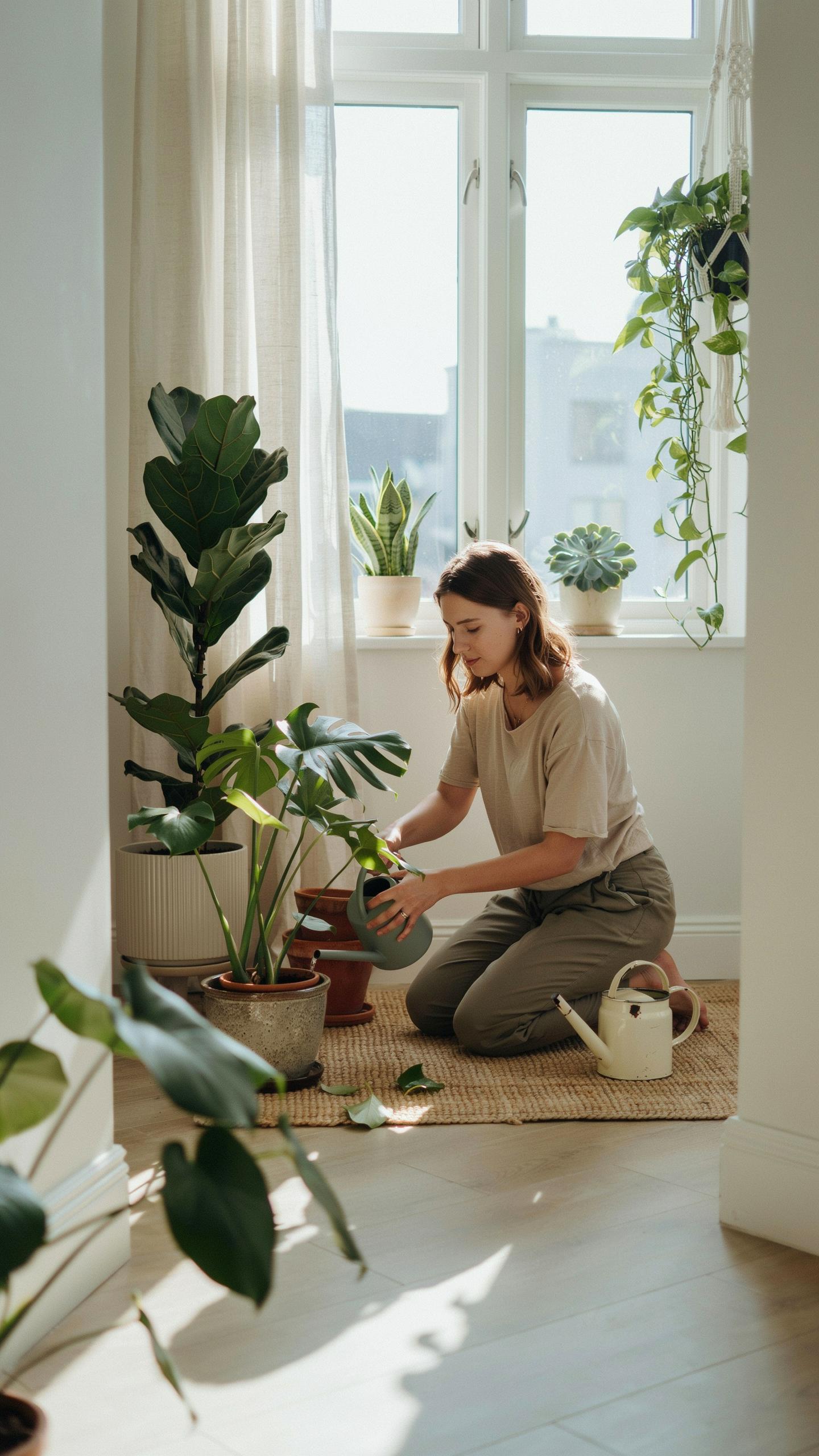
Plants grow toward light sources. Without rotation, they develop uneven shapes and lean toward windows or lamps. A quarter-turn weekly ensures balanced development. This simple habit prevents your plants from becoming one-sided and maintains their structural integrity over months and years of growth.
Rotation works because it exposes all sides of the plant to available light equally. The stems and leaves receive consistent light exposure from different angles. Your plants develop a compact, upright form rather than stretching toward a single direction. This practice applies to all houseplants regardless of their light requirements.
Keeping Leaves Dust Free For Optimal Photosynthesis
Dust accumulates on leaf surfaces and blocks light penetration. This reduces photosynthetic efficiency and slows growth. Wipe leaves weekly with a damp microfiber cloth to remove buildup. Clean foliage absorbs more of the available room lighting your plant receives.

Weekly cleaning maintains your plant’s ability to process light energy effectively. Dust particles settle into leaf pores and create a barrier between the plant and its light source. A damp cloth removes dust without damaging the waxy leaf coating. Consistent cleaning directly improves your plant’s response to indoor lighting conditions.
Frequently Asked Questions

Why is understanding light levels so important for new plant parents?
Light is the primary energy source for your plants, but not every species thrives in the same environment. Some crave direct sun while others prefer the shade. Using a houseplant care light requirements chart helps beginners avoid common mistakes like scorched leaves or stunted growth. Mastering these basics ensures your greenery stays vibrant and healthy, providing a solid foundation as you build your indoor jungle with confidence and ease.
How can I accurately determine the light levels in different rooms of my home?
To find the perfect spot, observe how the sun moves through your space throughout the day. You can use a light meter app or the “shadow test” to check intensity. Once you identify your south, north, east, and west-facing windows, match those conditions to a houseplant care light requirements chart. This simple step ensures you place high-light succulents and low-light ferns exactly where they will thrive best in your home.
Can I grow healthy houseplants if my apartment has very little natural light?
Absolutely! Lack of windows doesn’t mean you can’t be a plant parent. You can choose low-light tolerant species like ZZ plants or snake plants that survive in dim corners. If your space is truly dark, budget-friendly LED grow bulbs can mimic the sun’s rays. By supplementing with artificial light, you can still follow your favorite indoor plant guides and maintain a lush environment regardless of your home’s architectural limitations.