Understanding Seasonal Houseplant Care Rhythms
How Seasons Affect Indoor Growing Environments
Outdoor temperature shifts penetrate indoor spaces and alter the thermal conditions around your plants. Winter cold reduces room temperatures, while summer heat raises them. These shifts trigger metabolic changes in plants. Lower light angles in winter decrease indoor illumination intensity. Higher angles in summer increase it. Humidity levels fluctuate seasonally too. Winter heating systems dry indoor air. Summer moisture rises. Your plants respond to these environmental changes by entering dormancy or accelerating growth cycles.
Indoor plants sense seasonal shifts through light duration and intensity changes. Shorter days in fall signal many species to slow growth and conserve energy. Longer days in spring activate growth hormones. Temperature changes directly affect soil moisture retention and nutrient uptake rates. Cold air holds less moisture. Warm air holds more. These physical changes force plants to adjust their water and nutrient demands. Your growing environment becomes unstable without intentional adjustment.
Transitioning Your Indoor Plants Care Tips To Nature’S Clock
Aligning watering schedules with seasonal demands prevents root rot and drought stress. Plants need less water during winter dormancy when growth slows. They need more during spring and summer growth phases. Reducing water frequency in fall and winter matches the plant’s reduced metabolic activity. Increasing frequency in spring and summer supports active growth. This synchronization keeps soil moisture appropriate for each season’s demands.
Fertilizing should track the plant’s growth cycle, not a fixed calendar. During dormancy months, plants require minimal or no nutrients. Growth periods demand regular feeding every two to four weeks. Adjust light exposure by moving plants closer to windows in winter and slightly back in summer. Monitor humidity by misting more frequently in winter when heating dries air. These tactical shifts keep your plants receiving exactly what they need when they need it.

Bringing House Plants In For The Winter A Smooth Transition Guide

Essential Steps To Acclimatize Outdoor Potted Plants
Moving outdoor plants indoors requires methodical pest control and gradual environmental adjustment. Outdoor plants harbor spider mites, aphids, and scale insects that thrive indoors without natural predators. Start by inspecting every leaf surface and the soil line where pests cluster. A strong water spray removes many insects before they enter your home.
- Inspect roots and leaves for outdoor pests: Check the undersides of leaves, stem joints, and soil surface where common outdoor pests hide before bringing plants inside.
- Hose down the foliage thoroughly to remove hidden bugs: Use a strong water stream to dislodge insects and their eggs. This reduces pest populations significantly before indoor placement.
- Gradually introduce the plants to indoor lighting levels over a week: Move plants to progressively dimmer locations daily. This prevents leaf drop and stress from the shift from outdoor sunlight to indoor light.
- Prune dead or decaying foliage to conserve plant energy: Remove yellowed leaves and dead stems. This allows the plant to focus resources on healthy growth during the winter transition.
- Quarantine new arrivals for 7 to 10 days: Keep recently moved plants separate from your main collection. This isolates any remaining pests before they spread to established indoor plants.
Pruning dead growth matters because plants redirect energy away from dying tissue. Remove anything brown, mushy, or visibly diseased. Healthy foliage only gets brought inside, protecting your indoor collection from disease and pest infestations.
Managing Temperature Shock In Sensitive Indoor Varieties
Cold drafts and heating vents create temperature swings that stress tropical plants. Most houseplants struggle when exposed to temperatures below 50 degrees Fahrenheit or sudden shifts of more than 10 degrees. Position incoming plants away from exterior doors, window seals, and heating vents during their first weeks indoors.

Indoor heating systems dry air while creating warm microclimates near vents. Plants adapted to stable outdoor temperatures cannot tolerate these fluctuations. Place plants in central locations with consistent temperatures, away from thermal extremes, to ensure smooth winter acclimation and continued healthy growth.
Actionable Fall Plant Care Tips For Cooler Months
Gradually Reducing Watering Schedules As Growth Slows
Fall brings shorter days and lower temperatures. Your plants enter dormancy or slow their growth cycle. They consume less water during this period. Check soil moisture before watering. Let the top inch of potting mix dry out completely. Water less frequently than you did in summer. Most houseplants need watering only once every two weeks in fall, compared to weekly in warmer months.
Overwatering in fall causes root rot. Roots sitting in wet soil have nowhere to go and suffocate. This is the leading cause of plant death during cooler seasons. Adjust your watering based on what you observe in the soil, not on a fixed schedule. Stick your finger two inches into the potting mix. Only water when it feels dry at that depth.
Clearing Dust And Maximizing Scarce Autumn Sunlight
Dust accumulates on leaves and blocks light absorption. Fall sunlight is already 30 to 40 percent weaker than summer sun due to the Earth’s angle. Dust compounds this problem significantly. Wipe each leaf with a soft, damp cloth monthly. Use room temperature water only. This simple step restores photosynthetic efficiency when plants need every ray available.
Move plants closer to windows as fall progresses. South-facing windows provide the strongest light in fall and winter months. East or west-facing windows work if south exposure is unavailable. Clean your windows too. Dust on glass reduces light transmission by up to 25 percent. Repositioning plants now prevents the decline they typically experience when winter arrives.
Crucial Winter Houseplant Care Tips For Cozy Indoor Greenery
Adapting Moisture Levels For Low Humidity Winter Rooms
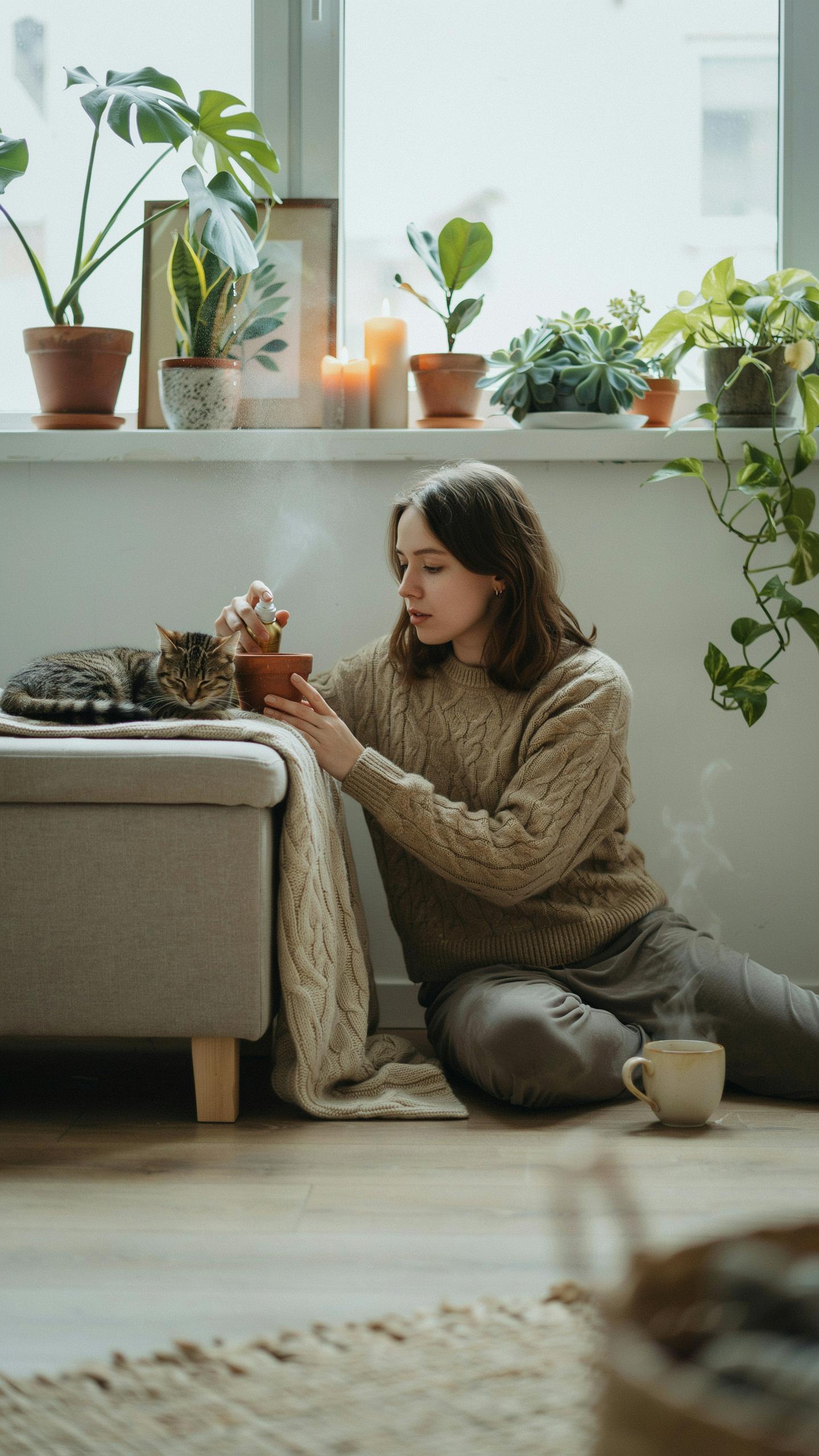
Central heating systems reduce indoor humidity to 20-30% during winter months. This directly stresses tropical and subtropical houseplants that evolved in humid environments. Combat this by placing plants on gravel trays filled with water. The water evaporates beneath the pot, raising humidity around the foliage without waterlogging roots.
Grouping plants together amplifies this effect. Three or more plants positioned close to each other create a localized humid microclimate through transpiration. This approach costs nothing and requires no equipment. Monitor soil moisture more frequently during winter since low humidity accelerates evaporation even when temperatures drop and growth slows.
Adjusting Nutrient Schedules To Avoid Burn In Dormancy
Most houseplants enter dormancy between November and February. Growth slows dramatically or stops entirely during this period. Fertilizing dormant plants concentrates nutrients in the soil without corresponding root uptake, causing salt accumulation and root burn. Stop all fertilization completely until new growth appears in spring.

Resume fertilizing only when you observe fresh leaves emerging or growth accelerates noticeably. This typically occurs in March or April depending on your location and plant species. The pause protects roots from chemical damage and aligns feeding with actual metabolic demand. Winter feeding wastes nutrients and risks permanent damage to your plants’ root systems.
Mastering The Winter Houseplant Care Guide For Cozy Habitats
Finding The Best Light Coordinates Inside Your Home
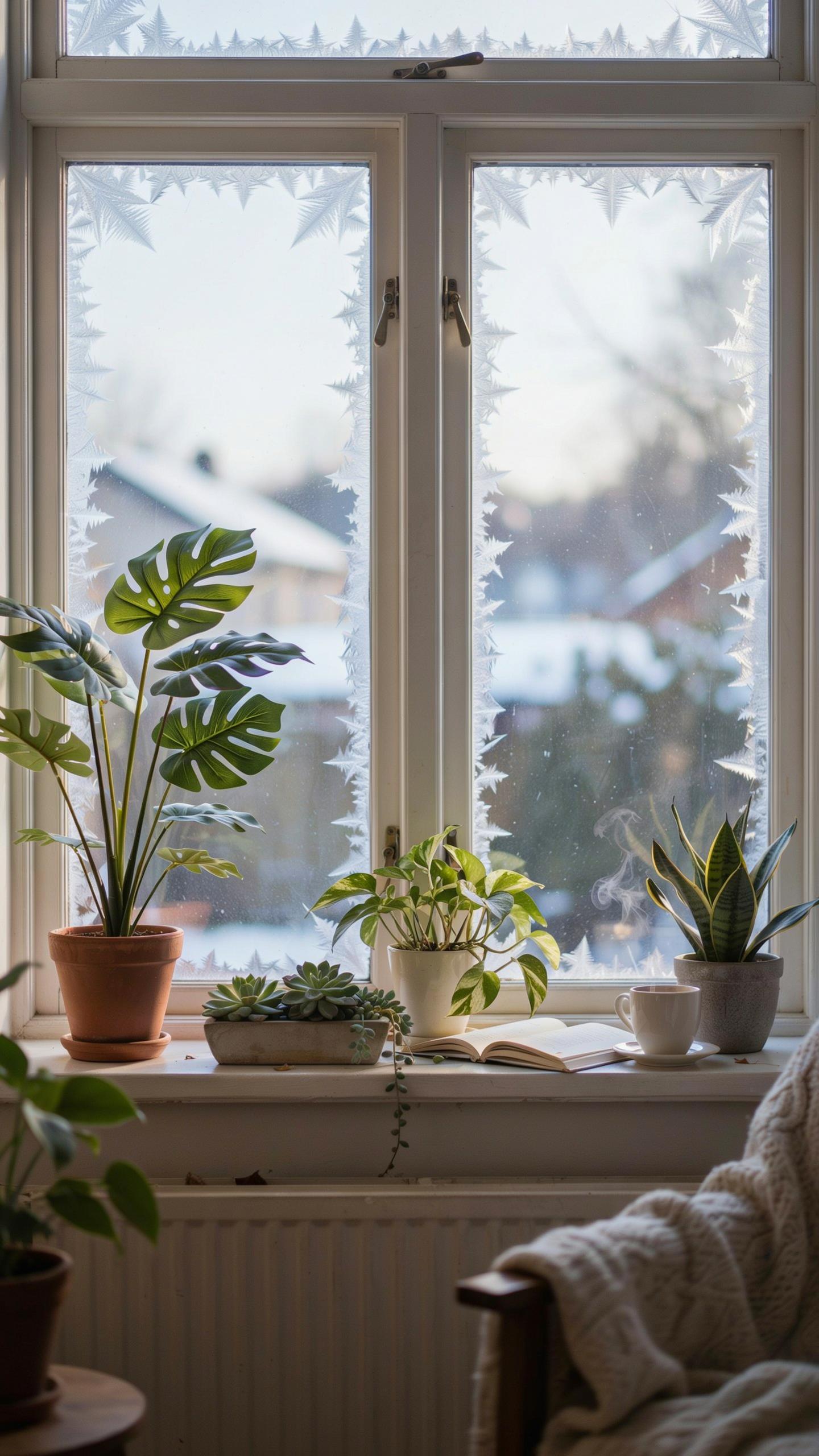
Winter daylight drops significantly in most regions, meaning your plants receive fewer hours of usable light. Sun-loving varieties like succulents, cacti, and citrus plants need repositioning to capture every available ray. South-facing and west-facing windows deliver the strongest winter light. Move these plants closer to these windows immediately when temperatures drop in fall.
North-facing windows become nearly useless during winter months. East-facing windows work but deliver weaker afternoon light. Rotate your plants weekly to ensure even growth on all sides. This prevents stretching toward the light source and maintains balanced plant structure. Check your home’s light patterns on cloudy days to identify which windows actually perform best.
Safeguarding Roots Against Cold Drafts And Chilly Windowsills
Window glass conducts cold directly into your home, creating temperature zones that drop 10-15 degrees below room temperature. Delicate leaves touching frozen glass suffer damage within hours. Move pots back 6-12 inches from windows during harsh cold snaps. Use cardboard or fabric barriers between plants and windows if repositioning is impossible.

Cold tile and concrete floors drain heat from pot root systems rapidly. Roots stop absorbing water and nutrients when soil temperature drops below 50 degrees Fahrenheit. Place all pots on wooden blocks, cork mats, or plant stands to create insulation between containers and floors. This simple barrier maintains soil temperature and prevents root damage that leads to plant death.
Implementing A Winter Houseplant Maintenance Guide Routine
Recognizing And Treating Winter Pests Like Spider Mites
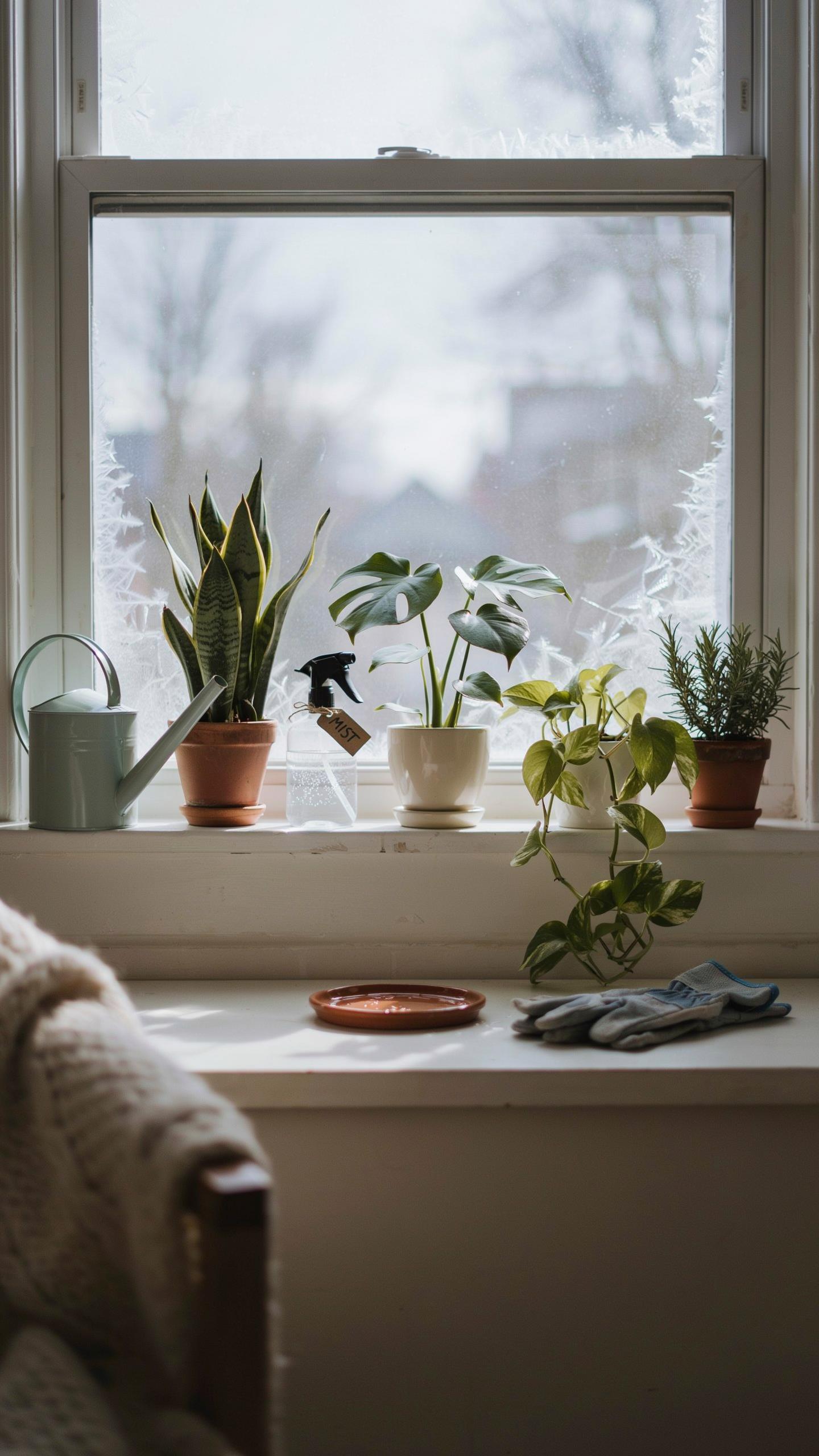
Winter heating systems reduce indoor humidity to 20-40 percent, creating ideal conditions for spider mites and scale insects to multiply rapidly. These pests thrive in dry air and feed on plant cell contents, causing stippled leaves and webbing. Check undersides of leaves weekly during winter months. Mist botanical oils or insecticidal soap directly under leaves where pests hide. Repeat treatments every seven to ten days until you see no new damage.
Neem oil and horticultural soap work by disrupting pest exoskeletons and suffocating eggs. Apply treatments in early morning or evening to avoid leaf burn. Target the undersides of leaves thoroughly since pests congregate there to feed and lay eggs. Do not spray when temperatures exceed 85 degrees Fahrenheit. Winter’s cooler conditions make treatment timing flexible but consistent application matters more than frequency.
Aerating Depleted Soil And Managing Root Moisture Levels
Winter watering creates root rot risk because plants need less water and soil dries slower in cold months. Compacted soil prevents oxygen from reaching roots and traps excess moisture. Use a wooden chopstick or thin stake to gently poke soil two to three inches deep around the pot perimeter. This breaks up compaction and improves airflow without damaging delicate root systems that cluster near pot edges.
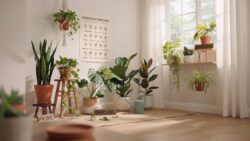
Check soil moisture before watering by inserting your finger one inch deep into the potting mix. Water only when this zone feels dry to touch. Most houseplants enter dormancy during winter and require 50 percent less water than growing season amounts. Aeration combined with reduced watering prevents the saturated conditions that cause fungal root rot and root decay during cold months.
Reinvigorating Growth With Expert Spring House Plant Care
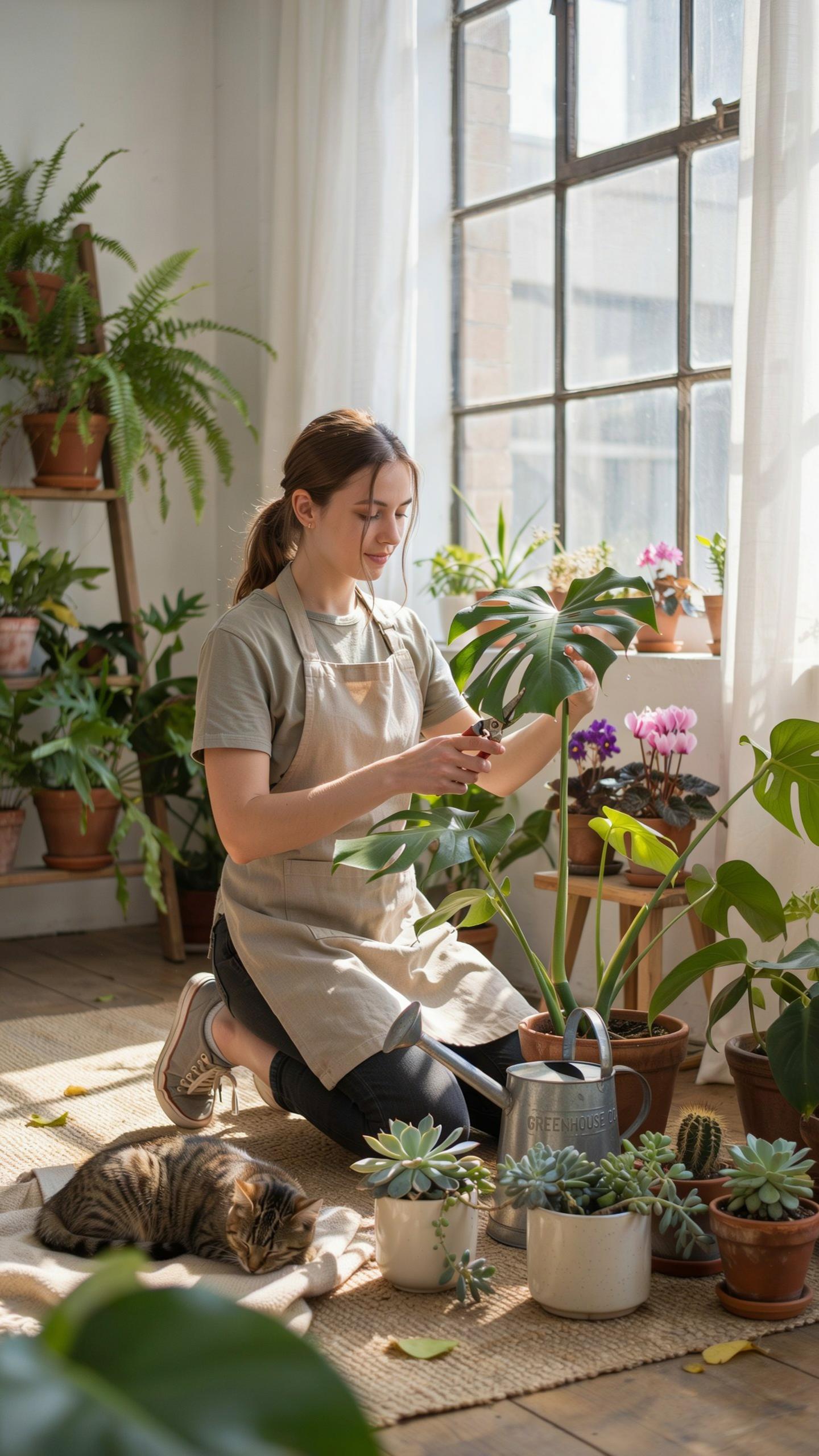
Vital Spring Tasks To Awaken Your Living Room Garden
Winter dormancy slows plant metabolism and growth. Spring brings longer days and warmer temperatures that trigger active growth cycles. Your plants need specific interventions now to transition from survival mode to production mode. Execute these tasks in sequence for maximum results.
- Repot root bound specimens into larger vessels: Check for roots circling the soil surface or emerging from drainage holes. Move plants to containers one to two inches larger in diameter to provide fresh soil and room for root expansion.
- Feed with half strength balanced liquid fertilizer: Apply a balanced fertilizer with equal nitrogen, phosphorus, and potassium ratios. Half strength prevents fertilizer burn on fresh spring growth while supplying essential nutrients for new leaf development.
- Prune leggy winter growth to encourage bushier foliage: Cut back elongated stems above leaf nodes to redirect energy into lateral bud development. Leggy growth occurs because plants stretch toward limited winter light sources.
- Clean window panes to let in fresh filtering spring light: Dust and grime on windows reduce light transmission by up to thirty percent. Clear glass allows maximum spring sunlight penetration without damaging tender new growth.
- Check soil moisture levels before watering: Spring temperatures rise gradually, so soil dries faster than winter. Test soil two inches deep with your finger before adding water to avoid overwatering.
Spring pruning removes weak winter growth and stimulates branching at healthy nodes. This creates denser plant structure with more foliage. Cleaning windows is often overlooked but delivers immediate results by increasing available light without changing plant location or adding grow lights.
Resuming Regular Feeding And Warm Weather Watering Routines
Active growth demands more water and nutrients than dormancy. As new shoots emerge, soil dries faster due to increased transpiration and higher ambient temperatures. Increase watering frequency to maintain consistently moist but not waterlogged soil. Check soil moisture every two to three days during peak spring growth.
Feed plants every two weeks during spring and summer growth seasons. Switch from half strength to full strength balanced fertilizer once new growth appears consistently. Monitor for nutrient deficiency signs like yellowing leaves or stunted growth. Reduce feeding frequency in late summer as growth naturally slows before fall dormancy begins.
Summer Plant Care Houseplant Management And Heat Defense
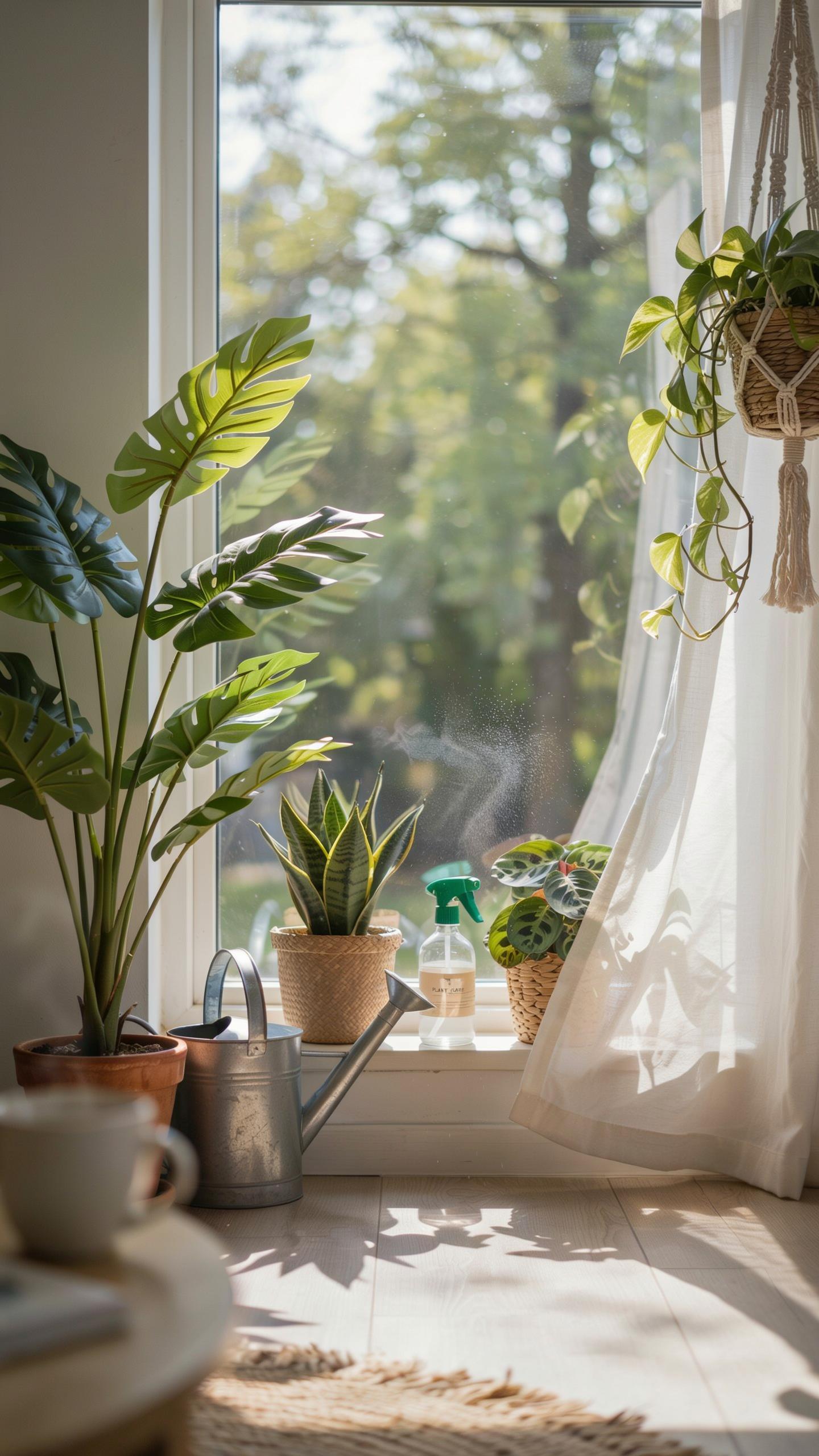
Preventing Leaf Scorch From Intensely Hot Midday Rays
Direct midday sun burns tender plant leaves through concentrated heat and radiation exposure. Leaf scorch appears as brown, papery patches on foliage facing south or west windows. Sheer curtains diffuse this intense solar radiation without blocking all light. Position curtains between windows and plants to reduce heat stress while maintaining adequate brightness for photosynthesis.
Most houseplants evolved in forest understory environments with dappled, filtered light. They lack adaptations for sustained direct summer sun. Move sensitive plants like African violets, begonias, and calatheas away from unfiltered midday exposure. East-facing windows provide morning sun with afternoon protection, offering a safer summer location for heat-sensitive species.
As the light changes, we must shift our care to listen to what our green companions need to keep our spirits bright and homes warm. To garden is to be part of the seasons, rooted in the cozy rhythm of nature’s own heart.
Sustaining High Moisture Needs In Peak Active Growing Months
Summer heat accelerates soil evaporation and plant water uptake simultaneously. Check soil moisture daily by inserting your finger one inch into the growing medium. Water thoroughly whenever soil feels dry at that depth, saturating until water drains from the pot bottom. Inconsistent watering during peak growth months stunts development and triggers stress responses.

Container size and soil composition affect watering frequency. Smaller pots dry faster than larger ones in identical conditions. Soil mixes with peat or coco coir retain moisture longer than those with high perlite ratios. Monitor individual plants rather than following fixed schedules, since each pot’s drying rate depends on location, pot material, and species water demand.
Elevating Cozy Aesthetics Through Creative Houseplant Styling
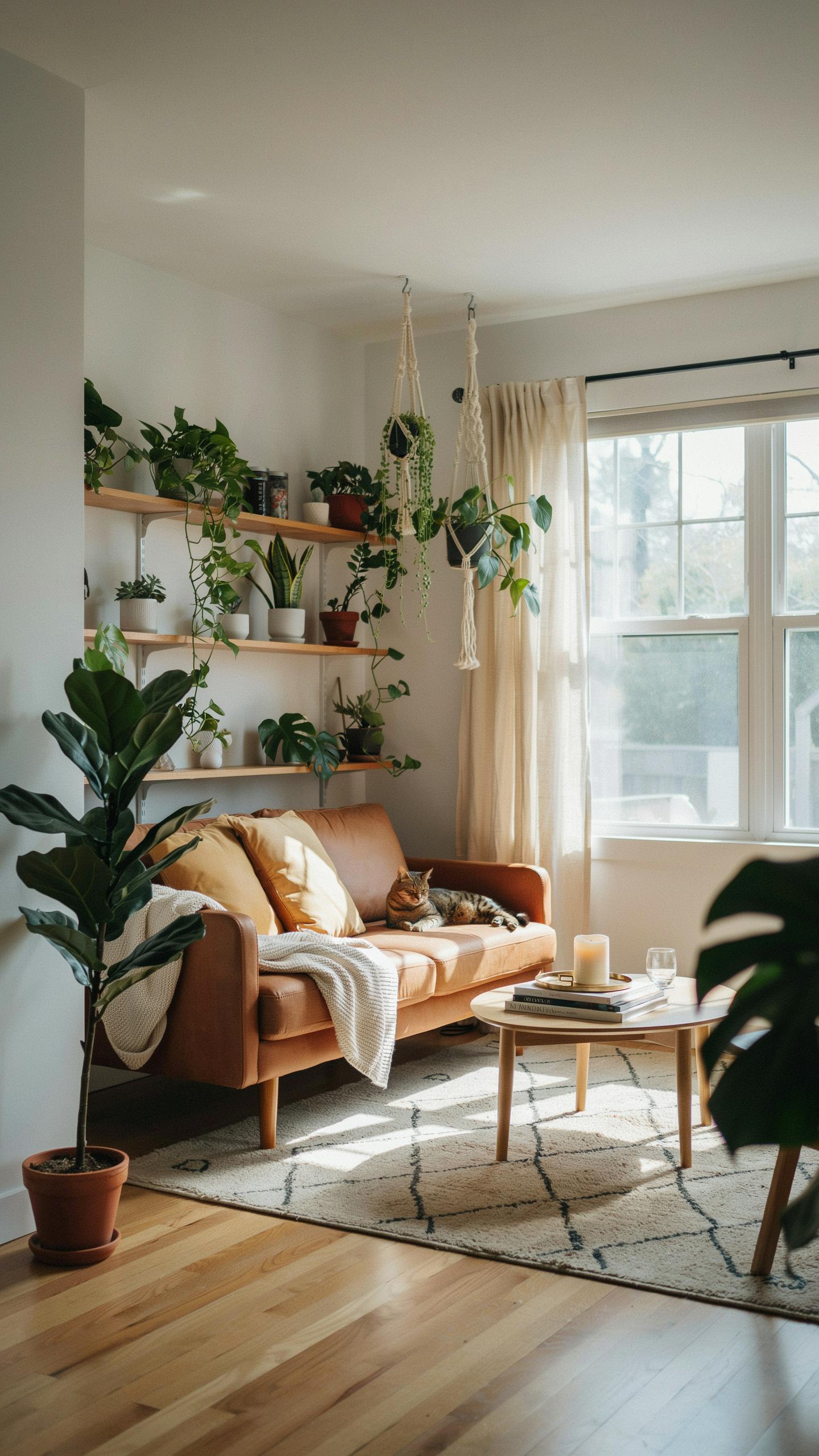
Grouping Foliage Textures For Warm And Cozy Spaces
Combining plants with different leaf textures creates visual interest and functional benefits. Velvety calatheas, smooth-leafed pothos, and textured ferns serve a purpose: they absorb sound, reduce echoes, and make rooms feel enclosed rather than sparse. Position these plants at varying heights to maximize light capture and air circulation around each species during darker months.
Texture clustering also improves humidity retention around plant groupings. When plants sit together, they create a microclimate where moisture from transpiration benefits neighboring specimens. This setup reduces individual watering needs and keeps soil moisture consistent through seasonal temperature fluctuations. Group plants that require similar light and water conditions to simplify maintenance schedules.
Using Warm Planters And Natural Materials For Styling Cozy Homes
Upgrading from plastic nursery pots to natural materials directly impacts how rooms feel. Terracotta absorbs and releases moisture gradually, regulating soil temperature through winter and summer shifts. Seagrass baskets and ceramic vessels add tactile warmth that plastic cannot replicate. These materials also insulate roots better than thin plastic, reducing temperature stress when plants sit near cold windows or heating vents.
Material selection affects plant health during seasonal transitions. Terracotta’s porous nature works well for plants sensitive to overwatering during low-light winter months. Hand-woven baskets provide airflow that prevents root rot in humid indoor environments. Ceramic vessels offer weight stability for tall plants and come in neutral tones that complement any decor approach throughout the year.
Frequently Asked Questions

Why do I need to change my plant routine when the seasons change?
Plants are highly sensitive to their environment, and as light levels and temperatures shift, their metabolic needs change too. Implementing houseplant care seasonal adjustments ensures your greenery doesn’t suffer from root rot in the dormant winter months or dehydration during a scorching summer. By mimicking their natural habitat’s cycle, you help your plants remain vibrant and healthy, contributing to a cozy, lived-in atmosphere throughout the entire year.
How do I adjust my watering and lighting setup for the winter months?
As days get shorter, move your plants closer to south-facing windows to maximize sunlight exposure. Since growth slows down, you should significantly reduce your watering frequency; always check that the top two inches of soil are dry before adding moisture. These houseplant care seasonal adjustments prevent overwatering while ensuring your botanical friends receive enough energy to survive the darker, cooler months without losing their lush, decorative appeal.
Can I maintain a lush indoor garden on a budget during the changing seasons?
Absolutely! Seasonal care doesn’t have to be expensive. Instead of buying pricey humidifiers for winter, try grouping your plants together to create a natural microclimate or placing them on DIY pebble trays filled with water. You can also repurpose old sheer curtains to filter intense summer sun. Focusing on these simple, no-cost environmental tweaks ensures your home stays inviting and green without requiring a heavy investment in specialized garden equipment.