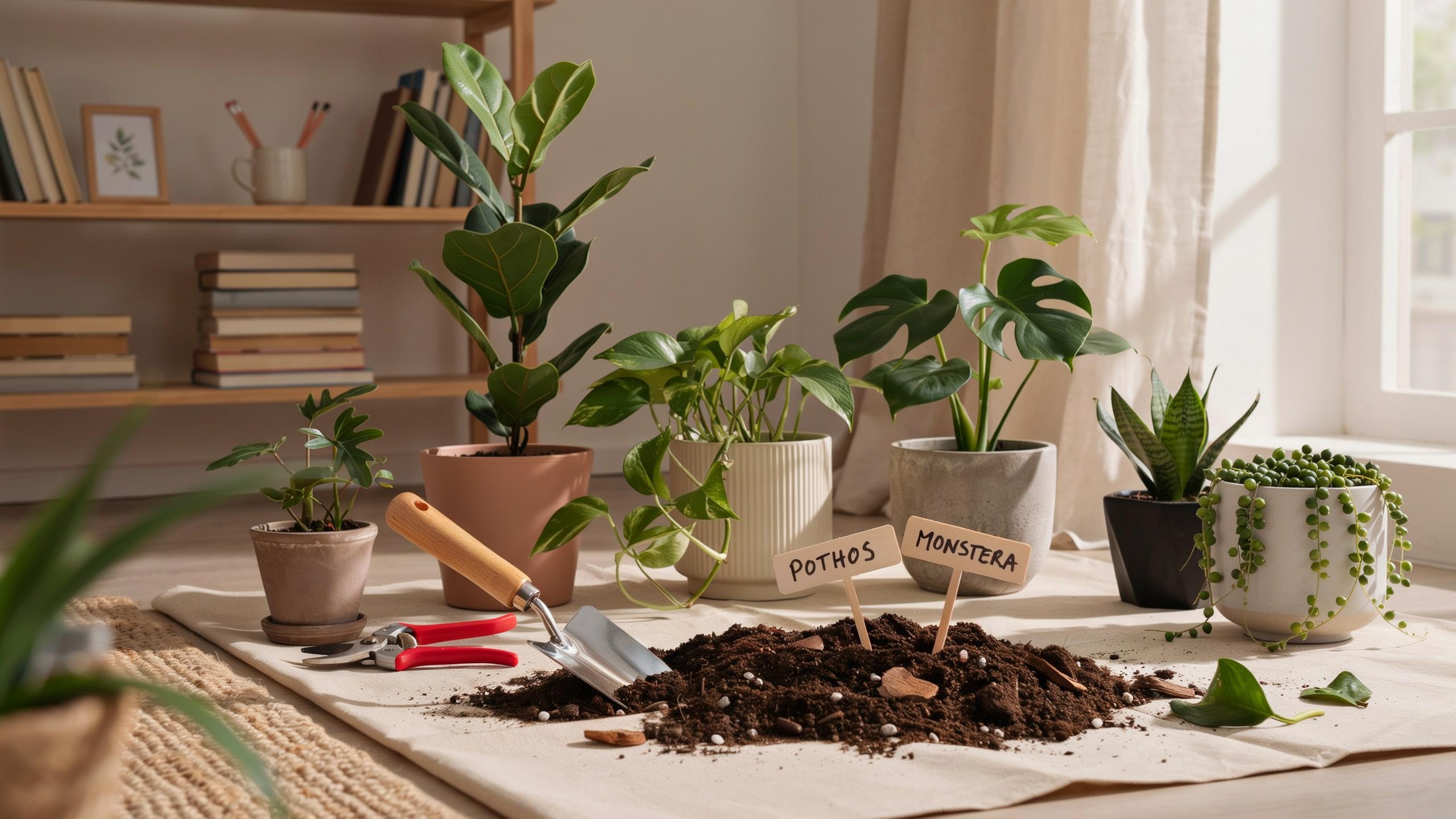
Understanding Your House Plants And Their Unique Growth Habitats
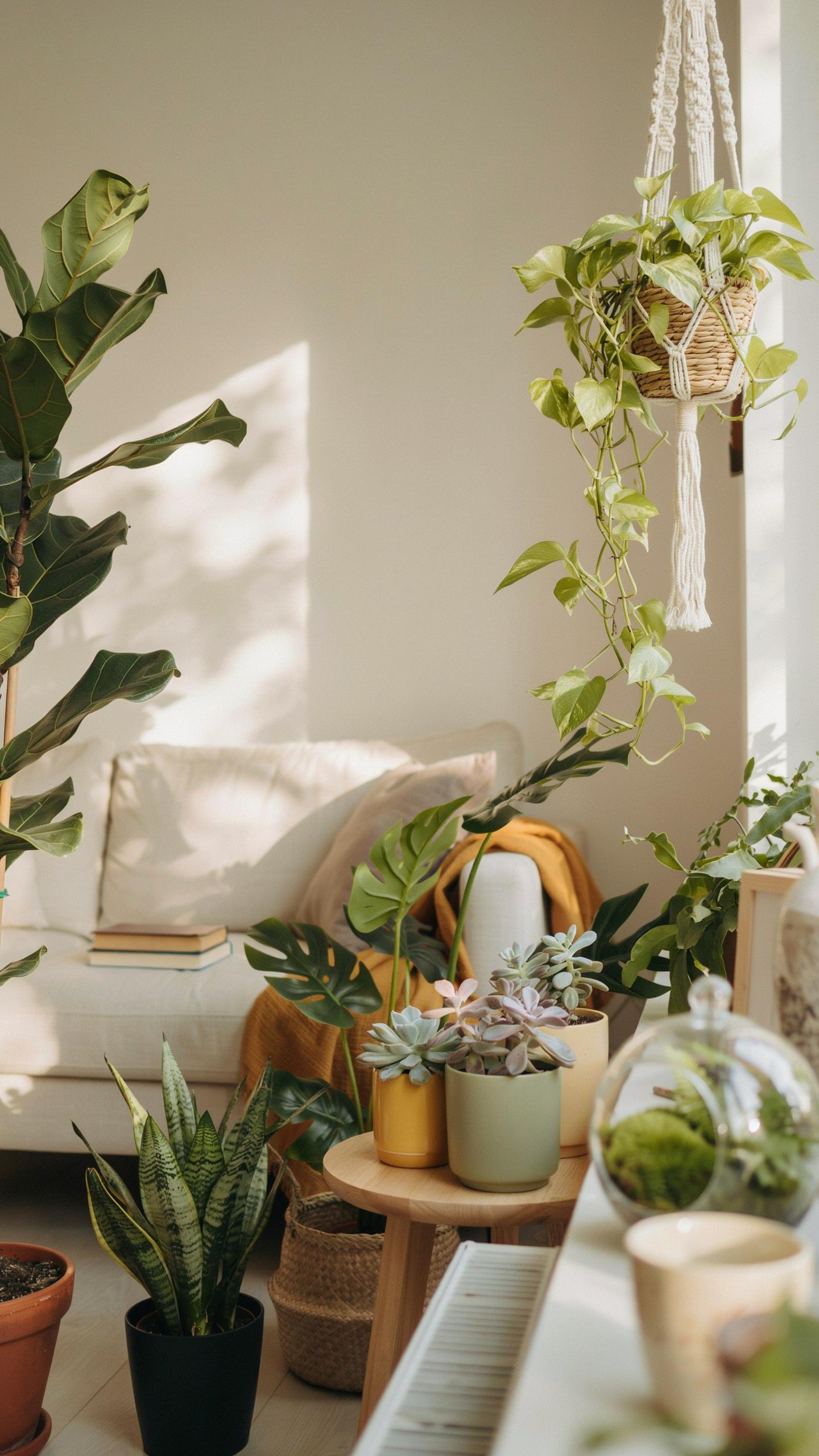
Tropical Vs Arid Foliage Needs
Tropical plants evolved in warm, humid environments with consistent moisture and organic-rich forest floors. They require soil that retains water and nutrients. Arid plants adapted to dry climates with infrequent rainfall and lean soil conditions. They need fast-draining mixes that prevent root rot. Your soil choice must match where the plant originated, not where you want it to grow.
Tropical species like Monstera and Philodendron thrive in mixes containing peat moss, coco coir, and compost. Arid plants like Succulents and Cacti need perlite, pumice, and coarse sand dominating their medium. Mixing these incorrectly creates root problems fast. Research your specific plant’s native habitat before buying soil. One wrong mix wastes money and kills the plant.
Signs Of Poor Potting Mediums
Stunted growth signals that roots cannot access nutrients or oxygen in your soil. Yellowing leaves indicate either waterlogging from dense soil or nutrient lockup from wrong pH levels. Brown leaf tips suggest salt buildup or inconsistent watering patterns caused by poor drainage. Fungus gnats and mold appear when soil stays too wet for too long. Check soil texture immediately when any of these symptoms appear.
Root rot develops when soil compacts and traps excess water around the root zone. Weak stems and pale foliage mean roots struggle to absorb water and nutrients through degraded medium. Soil that smells sour or musty indicates anaerobic conditions killing beneficial microbes and roots. Repot immediately into fresh, appropriate soil when you detect these problems. Waiting only spreads damage to healthy root tissue.

Demystifying Soil Components For Indoor Landscapes
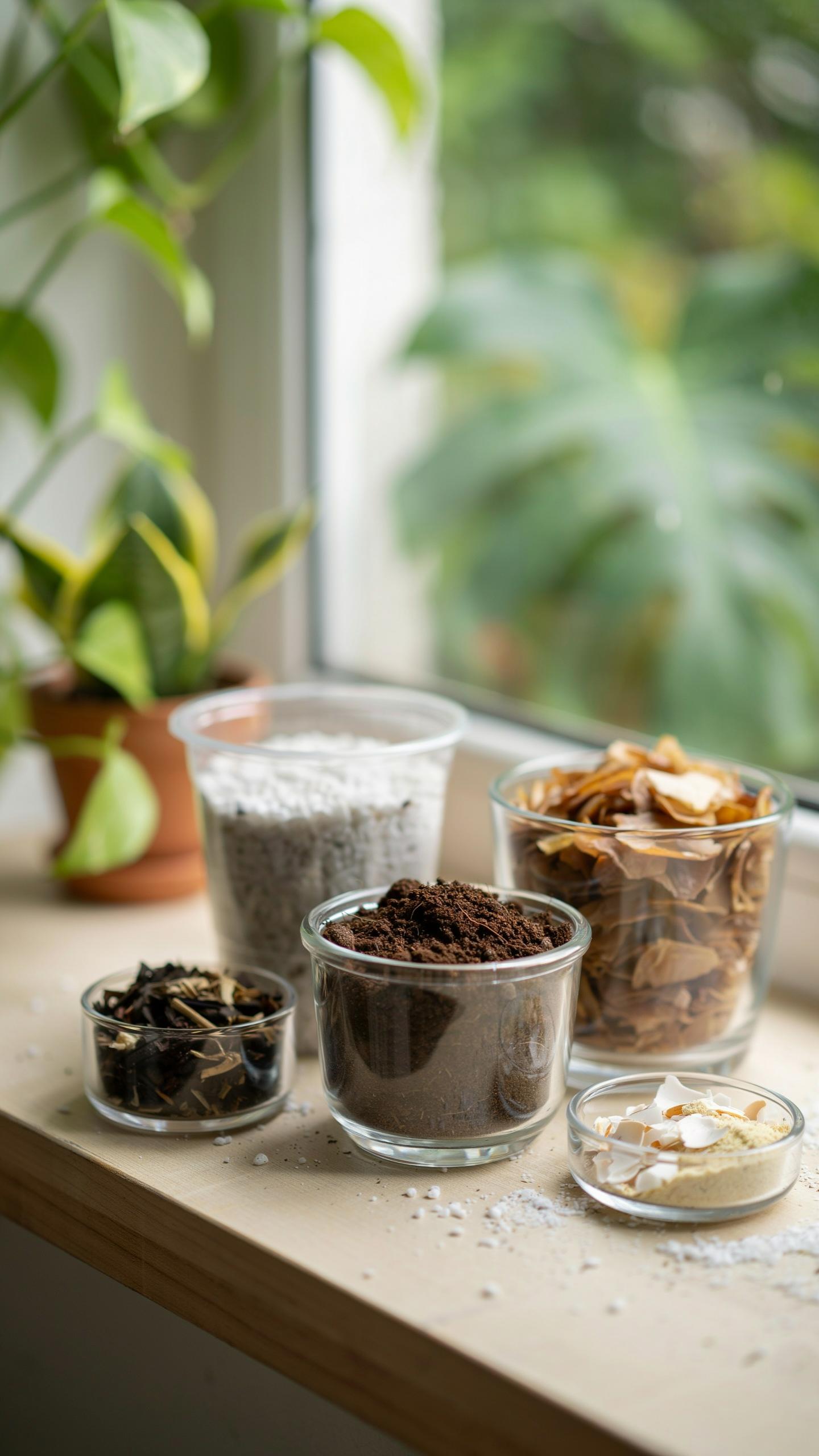
The Science Of Drainage And Aeration
Porous materials create pathways for water to move through soil while preventing waterlogging. When soil compacts, oxygen cannot reach roots effectively, causing them to suffocate and rot. Materials like perlite, pumice, and coarse sand increase pore space. This structure keeps roots healthy by balancing moisture retention with air penetration that roots require for metabolic function.
Root systems need oxygen to absorb nutrients and water efficiently. Dense, compacted soil restricts this oxygen flow and traps excess moisture around the root zone. Aeration amendments create gaps throughout the soil matrix. These gaps allow air circulation while excess water drains away, preventing the anaerobic conditions that kill roots and promote fungal diseases in indoor environments.
Organic Matter And Moisture Retention
Peat moss, coconut coir, and compost retain water while maintaining structure within the soil mix. Peat moss absorbs and holds moisture effectively but breaks down slowly over time. Coconut coir offers similar water retention with faster decomposition rates. Compost adds water retention alongside beneficial microorganisms and nutrients that support plant growth and soil health over multiple growing seasons.

Moisture retention components prevent soil from drying too quickly between waterings, which is critical indoors where humidity remains low. However, balance is essential because excessive organic matter can trap too much water and cause root rot. A typical houseplant mix contains 30 to 50 percent organic matter combined with drainage materials. This ratio maintains adequate moisture availability while preventing waterlogging in container environments where drainage depends entirely on soil composition.
The Perfect Indoor Plant Soil Recipe For General Foliage
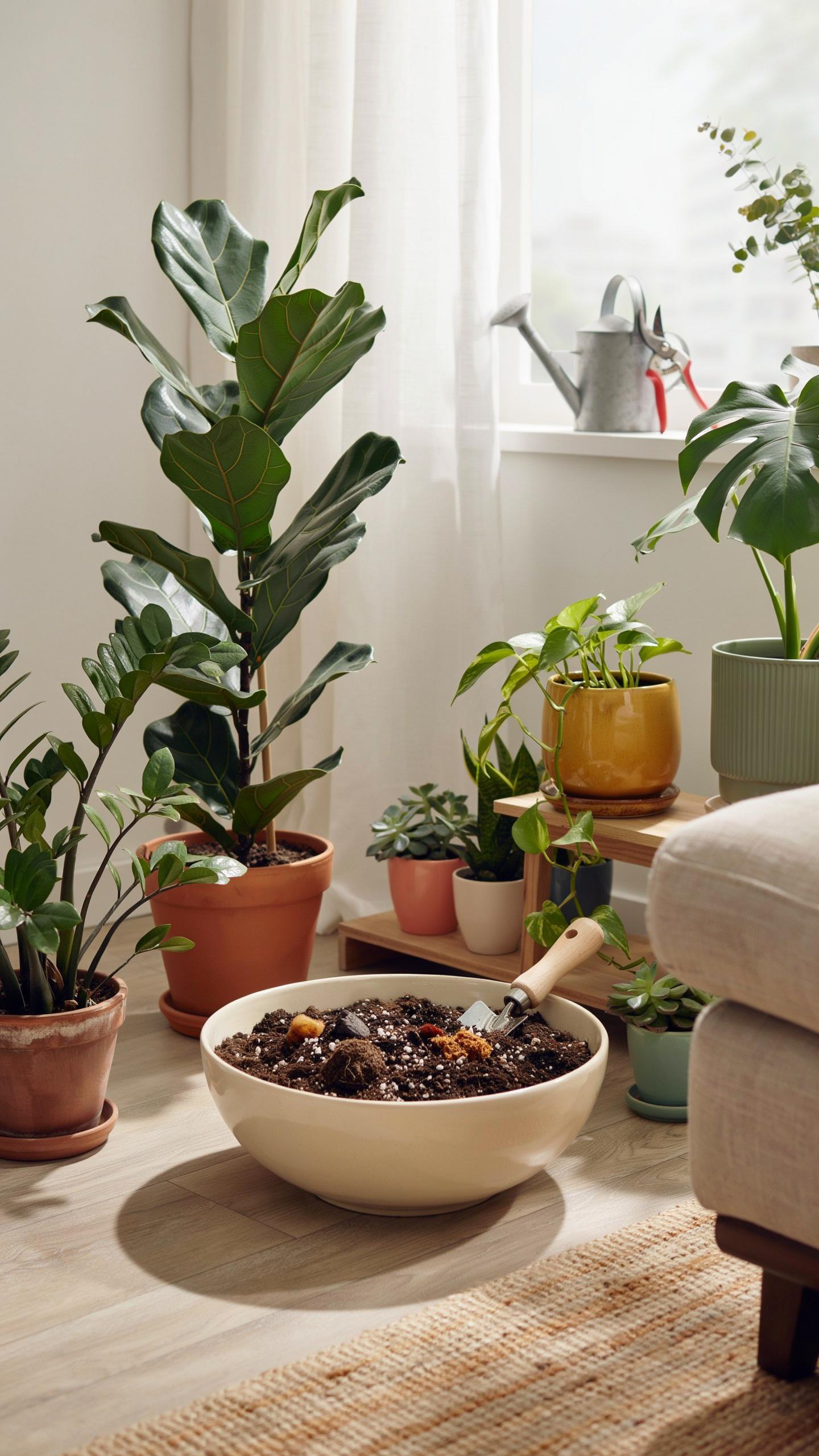
Standard Multi Purpose Mix Ingredients
Most indoor tropical plants thrive in soil that drains quickly while holding moisture at the root zone. The standard recipe balances water retention with aeration, preventing root rot while delivering nutrients. This mix works for philodendrons, pothos, monstera, and similar foliage plants that dominate indoor collections.
- Peat moss or coco coir: Forms the base at 40 percent of total volume. Retains moisture and provides organic matter that breaks down over time to feed roots.
- Perlite: Comprises 30 percent of the mix. Creates air pockets that prevent compaction and allow oxygen to reach root systems consistently.
- Orchid bark: Makes up 20 percent. Adds structure, improves drainage, and mimics the natural growing environment of many houseplants.
- Worm castings or compost: Accounts for 10 percent. Supplies slow-release nutrients and beneficial microorganisms that support plant metabolism.
- Activated charcoal: Optional at 5 percent addition. Absorbs excess salts and impurities, extending soil life and reducing odor in enclosed containers.
This recipe produces a substrate that maintains 20 to 30 percent water content between waterings. Plants access moisture without waterlogging roots. The mix remains stable for 18 to 24 months before degradation requires replacement or refreshing with new materials.
Step By Step Mixing Methods
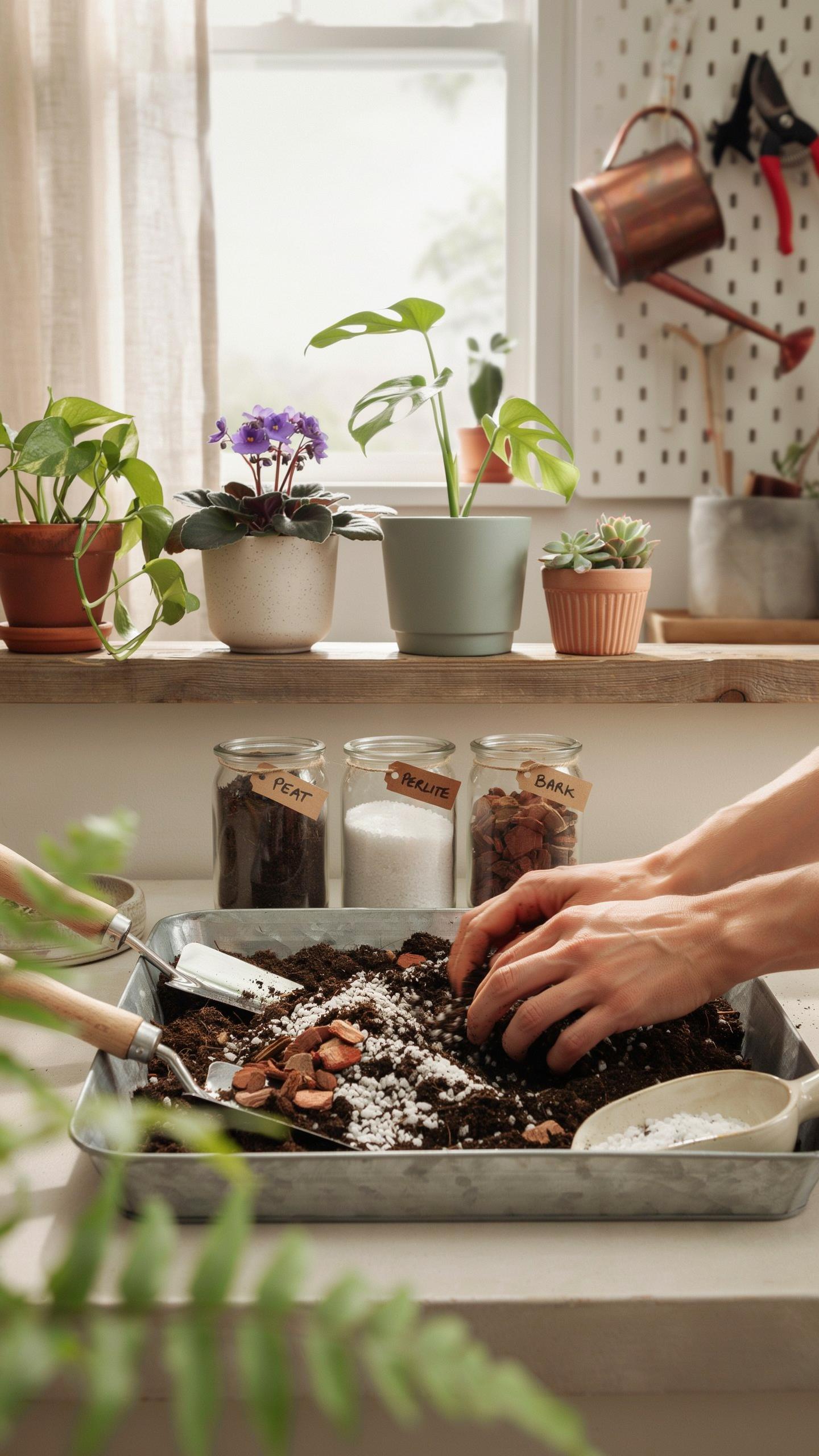
Measure all ingredients by volume using a bucket or container as your unit. Pour peat moss or coco coir into a large mixing container first. Add perlite, orchid bark, worm castings, and charcoal in sequence. Mix with your hands or a spade for three to five minutes until colors blend uniformly and no clumps remain visible.

Spray the mixed soil lightly with water until it feels damp throughout. This hydration step activates the organic components and helps materials bond. Squeeze a handful: it should hold shape briefly then crumble apart. Let the soil rest in a covered container for 24 hours before use, allowing moisture to distribute evenly through all particles.
Customizing Mixes For Different Plants In Your Collection
Tailoring Media For Heavy Feeders
Monsteras and fiddle leaf figs demand consistent nutrient availability and moderate moisture retention. These plants grow aggressively and deplete nutrients faster than slower-growing species. Your base mix should include compost or well-aged bark that breaks down gradually, releasing nutrients over months. Increase perlite or orchid bark to 20-30 percent to prevent waterlogging while maintaining nutrient density in the remaining soil structure.
Heavy feeders benefit from supplemental feeding during growing seasons, but your soil foundation matters first. A mix of 40 percent high-quality potting soil, 30 percent compost, 20 percent perlite, and 10 percent worm castings creates the nutrient density these plants need. This formula supports vigorous root systems and accommodates regular watering without compacting. Adjust ratios based on your local water quality and pot drainage capacity.
Arum And Epipremnum Preferences
Aroids like Philodendrons and Pothos require drainage-first soil architecture. These climbing and trailing plants evolved in rainforest canopies where they attach to trees and access loose, chunky media. Standard potting soil suffocates their roots quickly. Build your mix with 50-60 percent orchid bark as the foundation, then add 20-30 percent perlite, 10-15 percent coconut coir, and 5-10 percent activated charcoal to manage moisture while maintaining airflow.

The bark-based structure mimics their natural environment and prevents root rot, their primary failure point in cultivation. Aroids root systems are relatively fine and search horizontally through loose media rather than penetrating dense soil. Change your mix every 12-18 months since bark breaks down and compacts over time. This timeline keeps the aeration properties consistent and prevents gradual decline in plant performance.
Crafting Dry Succulent Soil For Cacti And Desert Botanicals
Essential Ingredients For Grit Mixes
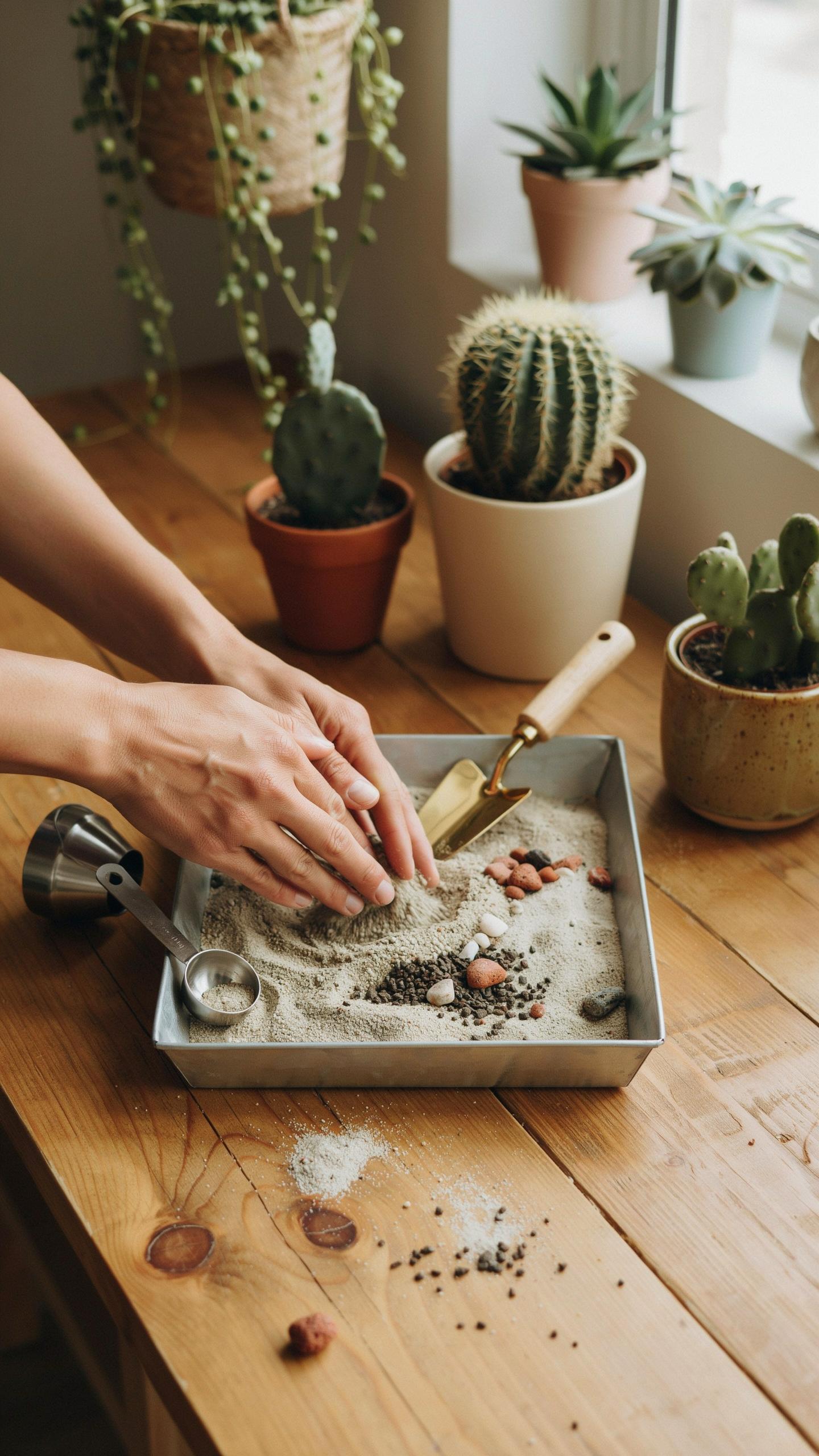
Desert plants evolved in environments with minimal organic matter and rapid drainage. Your soil mix must replicate these conditions to keep roots healthy and prevent fungal issues. Standard potting soil retains too much moisture and causes root rot in succulents and cacti within weeks.
- Coarse Sand: Provides particle size that prevents compaction. Use horticultural or builder’s sand, not play sand, which contains clay and silts that trap water.
- Perlite: Volcanic glass that creates air pockets and improves drainage instantly. Lightweight and inert, it does not break down or compact over time.
- Pumice: Porous volcanic rock that holds minimal water while providing structure. Lasts longer than perlite and offers superior long-term drainage stability.
- Orchid Bark: Small-grade fir or pine bark pieces increase airflow and drainage. Breaks down slowly, making it suitable for long-term container plantings.
- Coconut Coir: Optional base material that adds minimal water retention compared to peat moss. Use sparingly at 10 to 20 percent of the total mix.
Mix these components in a 2:2:1:1 ratio of coarse sand to perlite to pumice to orchid bark. This formula moves water through the container quickly and prevents the soggy conditions that kill succulents. Adjust ratios based on your local humidity and watering habits.
The soil is the great connector of lives, the source and destination of all. To nurture a plant in the right earth is to weave a legacy of beauty throughout your home.
Water Dynamics In High Drainage Substrates
Fast drainage prevents water from pooling around roots where it breeds rot and fungal disease. Succulent and cacti roots absorb moisture rapidly but need dry periods between waterings. A high drainage mix ensures water passes through in seconds rather than sitting in the soil profile.

Large mineral particles create continuous air channels that extend from the soil surface to the pot bottom. These channels allow excess water to drain immediately after watering and permit oxygen to reach the root zone. Without these pathways, roots suffocate even if you water infrequently. The evaporation rate in a grit mix is 3 to 4 times faster than standard potting soil, supporting the metabolic needs of desert adapted plants and reducing watering frequency significantly.
How Soil Health Directly Impact Your Home Property Value
Creating A Lush Aesthetic With Vibrant Plants
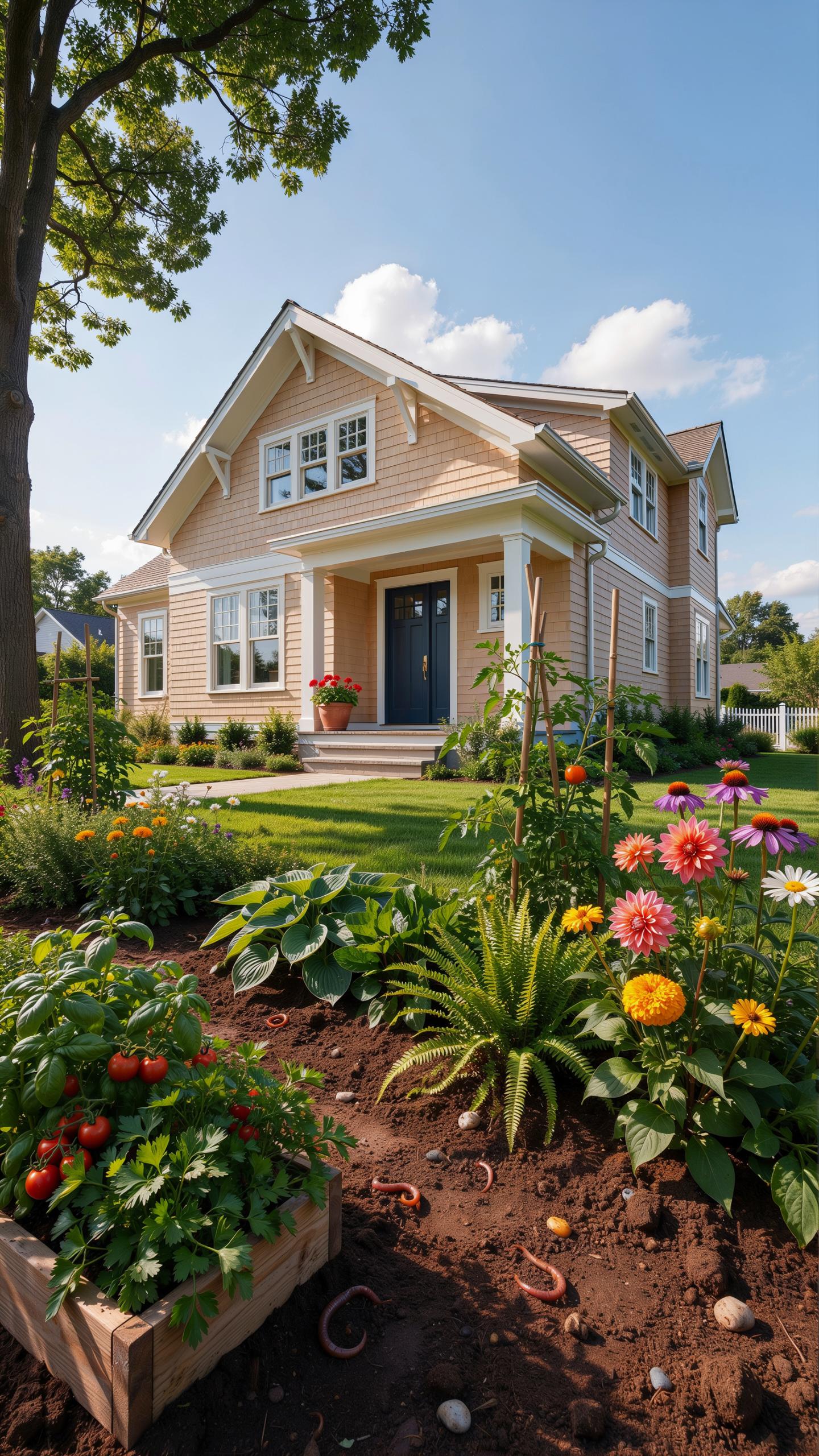
Healthy soil produces visually strong plants that buyers and visitors notice immediately. A plant with nutrient-rich soil grows dense foliage, vibrant leaf color, and strong stems. Poor soil creates weak, yellowing, or diseased specimens that damage room appearance. Real estate agents know that thriving plants signal a well-maintained home. Indoor staging with healthy plants increases perceived property value and buyer confidence.
Disease-free plants kept in quality soil mixes prevent pest infestations and fungal issues from spreading through your home. Plants in poor soil attract spider mites, fungus gnats, and root rot that contaminate living spaces. A well-draining soil mix prevents moisture problems that lead to mold growth on surrounding surfaces. Healthy plants eliminate the need for chemical treatments that create unpleasant odors. Professional property presentations rely on specimen plants that show zero signs of neglect or damage.
Optimizing Indoor Air And Biophilic Environments
Thriving plants actively remove carbon dioxide and produce oxygen throughout your home. Plants in quality soil maintain consistent growth and perform air-purification functions at peak capacity. A neglected plant in poor soil stops growing and loses its ability to filter air contaminants. Research shows that homes with abundant healthy greenery command higher market prices in competitive neighborhoods. Buyers recognize that established, thriving plants indicate long-term home care and maintenance standards.
Quality soil mixes support dense, leafy growth that creates the biophilic effect buyers seek. This effect reduces perceived stress and increases emotional appeal during property viewings. Homes featuring thriving plant collections positioned strategically throughout rooms feel more premium and intentional. Healthy plants become part of the property’s perceived lifestyle value, not just decoration. Staging properties with vigorous plants grown in proper soil directly influences purchase decisions and final sale prices.
An Essential House Plants Care Guide For Year Round Vitality
Seasonal Adjustments In Watering And Light
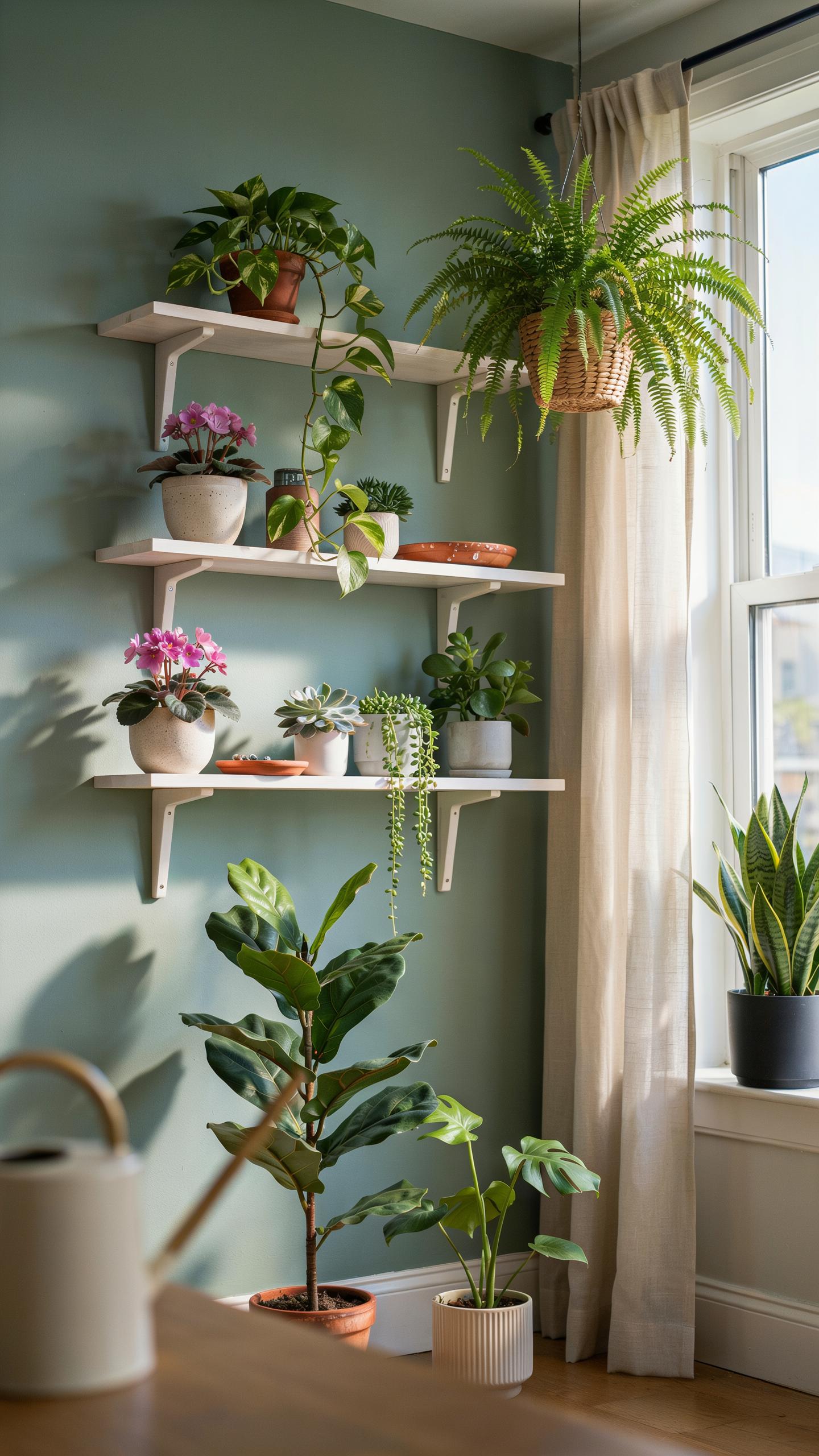
Winter reduces natural light intensity and slows plant growth cycles. Most houseplants enter dormancy or semi-dormancy during shorter days, requiring less water and fewer nutrients. Check soil moisture before watering. Your soil mix drains faster in winter because evaporation slows. Reduce watering frequency by 30 to 50 percent depending on your specific plant species and indoor temperature.
Summer brings longer daylight hours and faster soil drying. Heat accelerates water evaporation from both soil and leaves. Your plants actively grow and demand more moisture during this period. Water more frequently but monitor soil conditions closely. Increase watering to match the accelerated drainage rate of your houseplant care soil mix.
Recognizing And Treating Nutritional Deficiencies
Nitrogen deficiency causes older leaves to yellow while new growth stays green. Phosphorus deficiency stunts root development and produces dark purple or reddish discoloration on leaves and stems. Potassium deficiency creates brown leaf edges and weak stems. Examine leaf color patterns carefully before adding fertilizer. Using a balanced fertilizer like 10-10-10 prevents most deficiency problems in quality soil mixes containing organic matter.
Apply fertilizer at half strength to avoid root burn and salt accumulation in your soil. Feed during the growing season only, typically spring through early fall. Most houseplants need feeding every four to six weeks during active growth. Dilute liquid fertilizer more than package instructions recommend. Over-fertilizing causes more damage than under-fertilizing, so err on the side of caution when treating nutritional deficiencies.
Practical House Plant Care Techniques And Long Term Maintenance
When And How To Repot Successfully
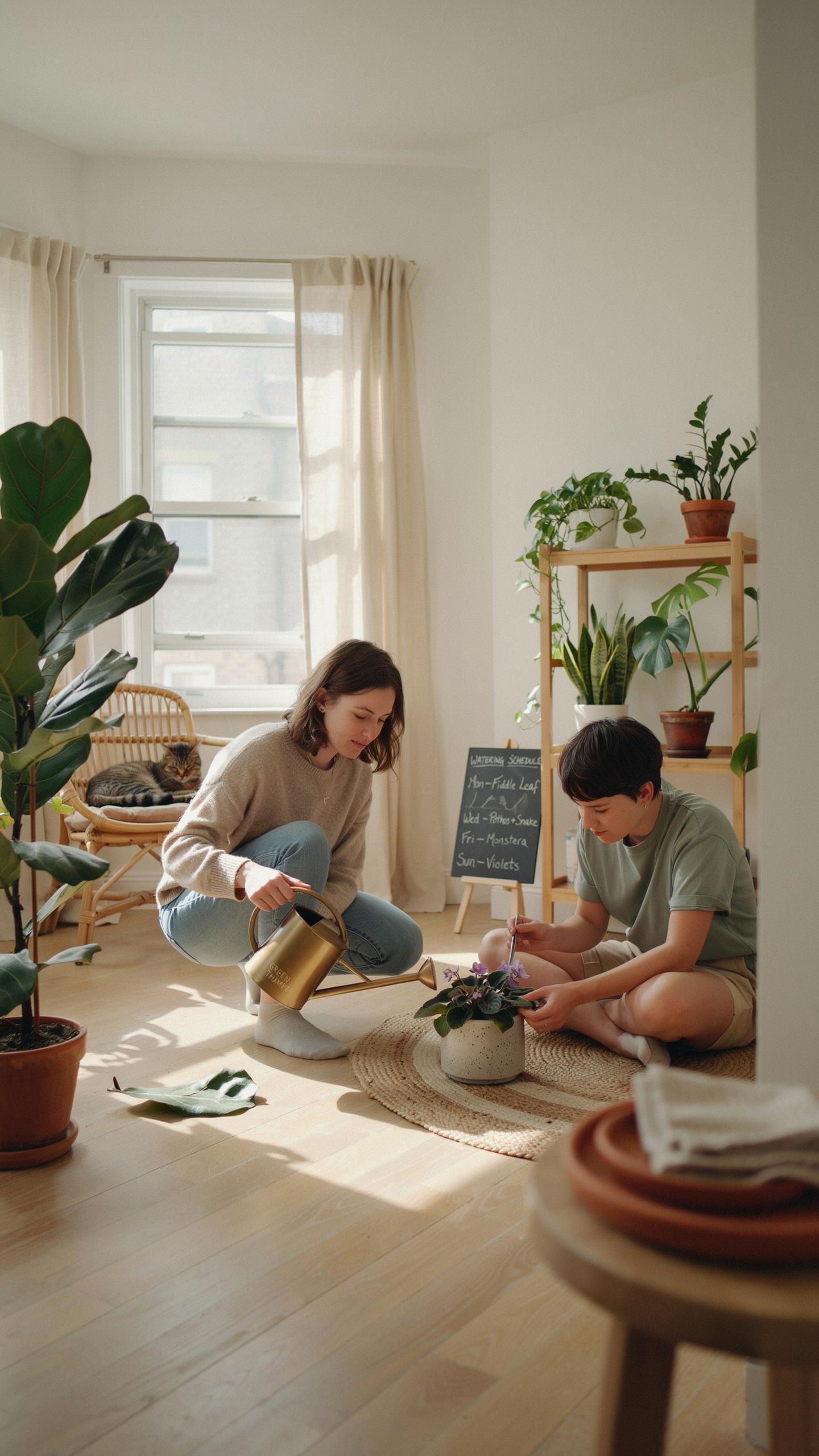
Repot when roots circle the soil surface or exit drainage holes. Water your plant one day before repotting to reduce transplant shock. Choose a container one to two inches larger in diameter than the current pot. Use fresh soil mix matching your plant’s requirements. Gently loosen the root ball and position the plant at the same depth it occupied previously.
Spring and early summer are optimal repotting windows when plants actively grow. Handle roots carefully to avoid damage during the transition. Fill gaps around the root ball with your prepared soil mix, pressing gently to eliminate air pockets. Water thoroughly after repotting to settle the soil. Wait two to three weeks before fertilizing to let roots establish in the new medium.
Preventing Soil Borne Pests And Pathogens
Sterilize new soil by baking it at 180 degrees Fahrenheit for thirty minutes or purchasing pre-sterilized mixes. Inspect plants regularly for pest presence before bringing them indoors. Remove affected foliage immediately and isolate infected plants from healthy specimens. Proper drainage prevents fungal development since pathogens thrive in consistently wet conditions.
Water at soil level rather than on foliage to reduce disease spread. Allow soil surface to dry between waterings according to your plant species needs. Replace the top one to two inches of soil annually to remove accumulated salts and organic debris. Ensure adequate air circulation around plants using small fans on low settings. These practices interrupt pest lifecycles and eliminate pathogen breeding environments effectively.
Frequently Asked Questions

Why can’t I just use regular garden soil for my indoor plants?
Garden soil is too heavy and compact for indoor containers, often leading to suffocating roots or unwanted pests. Utilizing a proper houseplant care soil mix guide ensures your greenery has the right balance of aeration and moisture retention. Specialized indoor mixes are sterilized and lightweight, providing the porous environment necessary for roots to breathe and thrive within the limited space of a decorative ceramic or terracotta pot.
How do I create my own custom potting blend at home?
To craft a DIY blend, start with a high-quality peat moss or coconut coir base for moisture. Add perlite or pumice to increase drainage, and a handful of horticultural charcoal to keep the medium fresh. Following a houseplant care soil mix guide allows you to adjust ratios based on your plant’s specific needs, such as adding extra sand for succulents or extra pine bark for moisture-loving tropical aroids.
Is it possible to improve cheap store-bought soil on a tight budget?
Absolutely! You can easily elevate affordable bag soil by mixing in aeration agents like perlite or even coarse sand, which are relatively inexpensive. Bagged soils often lack enough drainage for long-term health, so amending them manually is a cost-effective way to prevent root rot. This simple upgrade ensures your property stays vibrant and lush without the high price tag of luxury “designer” potting soils found at boutique nurseries.