
Understanding Cottage Garden Care And Plant Behaviors

Understanding Dense Planting Conditions in Cottage Gardens
Cottage gardens pack plants densely together, which creates specific growing conditions you must understand. Plants compete for light, water, and nutrients in these tight arrangements. Air circulation drops significantly in crowded beds, affecting how plants dry after rain or watering. Root systems intertwine underground, making selective removal of individual plants difficult without disturbing neighbors. This density demands pruning strategies that differ sharply from open garden spacing.
The cottage style originated from practical necessity rather than design theory. Working families maximized food and medicinal plant yields on small plots. Modern cottage gardens follow this same principle of intensive planting, though now for aesthetic appeal rather than survival. Understanding this history explains why cottage gardens need proactive maintenance. Neglecting pruning in dense plantings leads to rapid deterioration and pest problems that spread quickly through overlapping foliage.
Preventing Disease and Pest Spread Through Strategic Pruning in Cottage Gardens
Disease spreads aggressively through crowded cottage garden beds because leaves touch constantly and moisture lingers. Powdery mildew, rust, and fungal infections jump between plants when air cannot circulate. Regular pruning removes diseased material before it reaches healthy neighbors. Strategic cuts open the canopy, allowing wind and sunlight to penetrate deeper into plant clusters. This preventive approach stops disease transmission at its source rather than fighting infections after they take hold.
Pest infestations also accelerate in dense plantings where insects hide easily and move between plants without obstacles. Pruning exposes hiding spots and eliminates overcrowded growth that pests favor. Improved air movement from selective cutting makes conditions less hospitable for spider mites, aphids, and whiteflies. Removing dead wood and dense lower growth eliminates harborage sites where insects overwinter. Maintenance pruning becomes your primary defense tool against both disease and pest pressure in cottage garden conditions.

Mastering The Essential Types Of Pruning For Forbaceous Plants

Deadheading And Shearing Techniques That Stimulate Secondary Summer Blooms
Deadheading removes spent flower heads before seeds form. This redirects plant energy from seed production into new flower development. Cut just below the spent bloom, above the next leaf node or branch. Perform deadheading every three to five days during peak bloom season. This consistent removal triggers continuous flowering rather than a single flush.
Shearing cuts back multiple stems at once using hedge shears or pruners. Apply shearing to cottage garden staples like catmint, salvia, and lavender after their first bloom cycle completes. Shear back to half the plant’s current height, cutting above emerging leaf buds. This technique produces denser growth and a second flush of blooms within three to four weeks.
Hard Pruning Dormant Perennials To Encourage Vigorous New Spring Growth
Hard pruning means cutting perennials down to two to four inches above ground level. Perform this pruning in late winter or very early spring before new growth emerges. Target dormant perennials like Russian sage, coreopsis, and shasta daisies. Hard pruning removes dead or weakened wood and forces the plant to generate fresh shoots from the base.

This aggressive approach rejuvenates aging perennials that become woody or sparse at their centers. Cut straight across or slightly angled to prevent water pooling on cut surfaces. The resulting growth comes in thicker and more vigorous than unpruned plants. Wait until soil temperatures rise and danger of hard frost passes before cutting back tender perennials.
The Definitive Garden Plant Pruning Guide For Perennials

Spring Shaping Guidelines For Herbaceous Flowers And Soft Evergreen Herbs
Prune herbaceous perennials in early spring when new growth reaches two to three inches tall. Cut back dead stems from the previous year to the base or to emerging growth points. This timing removes winter damage and encourages compact, vigorous growth. Work before the plant’s energy shifts from roots to stems.
Soft evergreen herbs like lavender and santolina need different handling than herbaceous perennials. Trim them back by one third in spring before active growth begins. Never cut into bare wood on these plants, as they rarely regenerate from old growth. Target the outer edges where green growth remains visible.
Autumn Cleanup Practices To Protect Delicate Roots From Cold Winter Frost
Leave most herbaceous perennial foliage standing through fall and winter to insulate root systems. The dried stems create an air pocket layer that buffers temperature swings and protects crowns from frost heave. Remove only diseased or pest infested material immediately to prevent spread. Cut back everything in late winter or very early spring, not autumn.

Soft evergreen herbs tolerate partial autumn cleanup better than tender perennials. Remove only the lowest third of growth in late fall if plants show signs of disease or pest damage. Avoid heavy pruning in autumn, which stimulates tender new growth that frost will kill. Wait until spring when soil warms to perform major cutting.
A Seasonal Cottage Garden Pruning Schedule For Year Round Order

Structuring Your Annual Maintenance Rhythm Around Critical Plant Growth Cycles
Cottage gardens demand consistent pruning aligned with plant biology, not calendar dates. Most perennials and shrubs enter dormancy in fall, making late autumn and early winter ideal for heavy cutting. Spring pruning targets new growth and prevents overcrowding. Summer maintenance focuses on deadheading and shaping while plants actively grow. Fall preparation removes diseased material and reduces winter pest habitat.
Timing matters because plants respond differently based on their dormancy phase. Cutting during active growth stimulates branching. Cutting dormant plants risks frost damage to fresh wounds. Roses, hydrangeas, and spring bulbs each require specific timing windows. Track your local first and last frost dates to guide decisions. This prevents pruning too early in spring or too late in fall.
Maximizing Floral Yields By Aligning Cutting Times With Weather Patterns
Dry weather windows allow pruning wounds to seal faster and reduce disease entry points. Wet conditions trap moisture in cut stems, inviting fungal infections. Prune after rain clears but before new moisture arrives. Extreme heat stresses plants recovering from cuts, so avoid pruning during peak summer temperatures. Cool spring and fall conditions promote healing and new growth without shock.

Deadheading during dry mornings removes spent blooms before disease spreads. This timing extends flowering periods across summer months. Remove seed heads from perennials after frost kills foliage but before winter weather deteriorates stems. Late-season pruning in November and December removes problem branches before spring growth demands energy. Weather patterns vary by region, so observe your specific conditions rather than following fixed schedules.
How To Read And Apply A Plant Pruning Schedule Chart
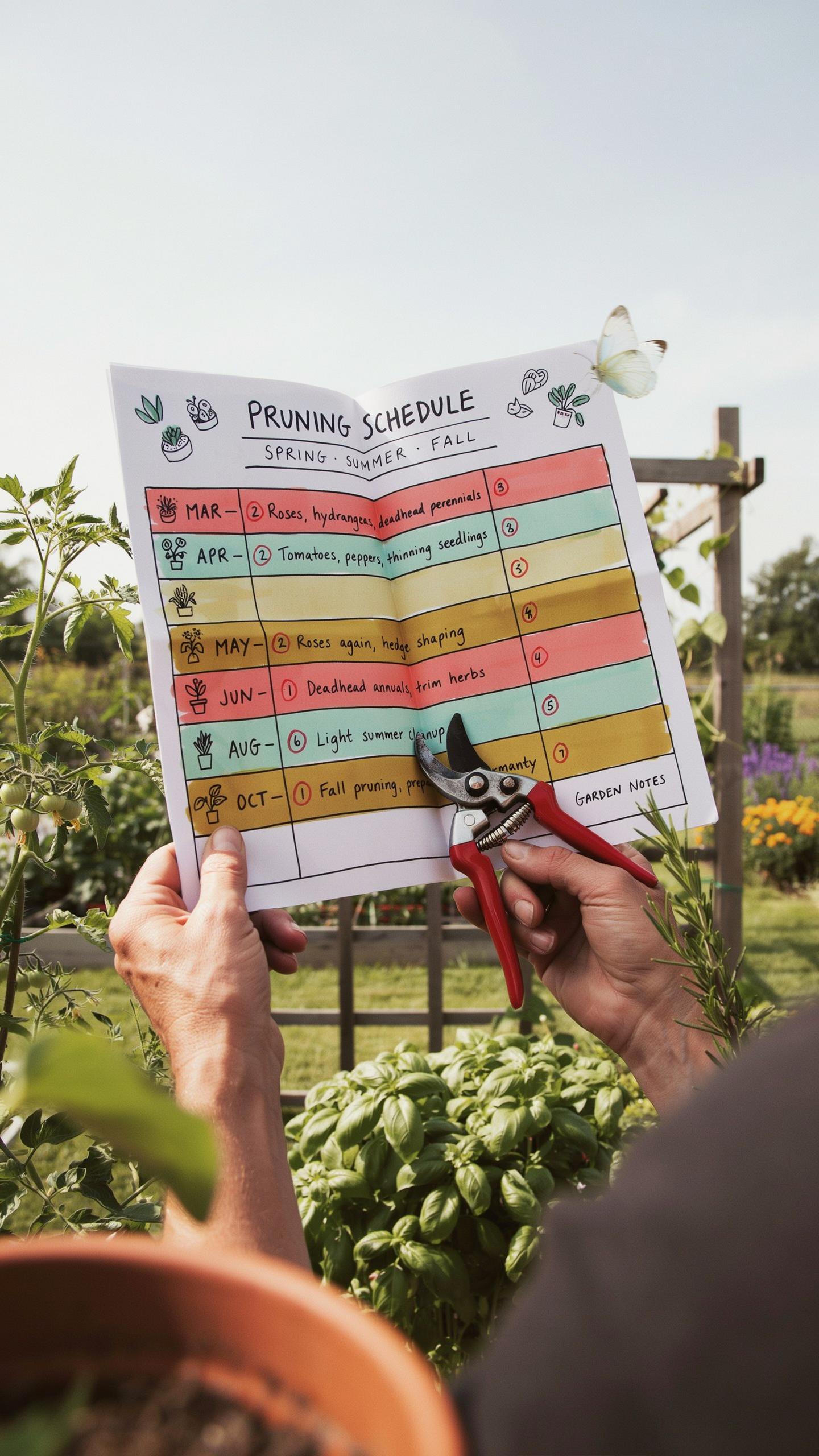
Using Visual Pruning Timetables to Schedule Cottage Garden Maintenance
Visual timetables organize pruning tasks by month or season. They show which plants need attention and when. Most charts use color coding or symbols to indicate pruning intensity. This method works because cottage gardens mix different plant types with varying needs. A single glance tells you what requires action this week or month. The chart becomes your operational map instead of guessing from memory.
Read your chart left to right, matching plant names to time periods. Understory varieties like hellebores, pulmonarias, and epimediums appear in different rows. Each row shows that plant’s pruning windows across twelve months. Cross reference the chart with your garden’s actual conditions. Microclimates and weather variation mean your timing shifts slightly from the standard chart. Adjust dates forward or backward based on local frost dates and growing season length.
Reading Plant Growth Stages Rather Than Calendar Dates for Pruning Timing
Plant development stages trump calendar dates. A plant in active growth needs different treatment than one entering dormancy. Observe leaf emergence, bud formation, and flowering cycles in your specific garden. This observation reveals the true pruning window for each plant. Calendar dates are estimates. Your plants follow their own timeline based on temperature, moisture, and daylight hours.

Track three key stages: dormancy, active growth, and flowering. Prune most spring bloomers immediately after flowers drop, not on a fixed March date. Summer bloomers shift to late winter pruning when you see new basal growth emerging from the soil. Fall bloomers respond to late summer pruning after they’ve finished their display. Record when these stages occur in your garden each year. This data becomes your personal pruning schedule, more accurate than any generic chart.
Pruning Flowering Shrubs To Maximize Seasonal Blooms

Timing The Cuts For Early Spring Bloomers That Set Buds On Old Wood
Early spring bloomers like forsythia, lilac, and deutzia form flower buds during the previous growing season. You must prune these shrubs immediately after they finish flowering, typically in late spring or early summer. Cutting them back in fall or winter destroys next year’s blooms. The window closes fast. Delay pruning past early summer and you lose flowers for the following year.
Remove dead wood and weak growth first. Then thin out crossing branches to improve air circulation. Make cuts just above outward-facing buds at a 45-degree angle. Avoid cutting randomly into the shrub. Strategic removal of selected stems maintains shape while preserving the developing flower buds already forming inside the plant for next season’s display.
Managing Late Summer Flowering Species That Produce Blossoms On New Growth
Late bloomers like buddleia, caryopteris, and abelia flower on new wood they produce in spring and summer. You can prune these shrubs hard in late winter or early spring before growth starts. Remove up to one-third of the plant material. This aggressive pruning forces vigorous new shoots that generate abundant flowers later in the season.

Cut back to living wood only. Leave at least two to three buds on each stem where you make your cut. These shrubs tolerate heavy pruning better than spring bloomers. The harder you cut in early spring, the bushier they grow and the more flowering stems they produce. This approach works year after year without reducing bloom quality.
Adapting Techniques For The Veg Garden And Traditional Food Garden

Essential Pruning Steps For Maximizing Tomato, Pepper, And Vine Yields
Tomatoes and peppers respond directly to pruning. Remove suckers on indeterminate tomato varieties to redirect energy into fruit production rather than excessive foliage. Determinate varieties need minimal intervention. Peppers benefit from removing the first flower to strengthen the plant’s structure before it bears fruit heavily. Vine crops like cucumbers and beans require consistent removal of dead or diseased growth to improve air circulation and reduce disease pressure.
- Sucker removal on indeterminate tomatoes: Cut off shoots that grow between the main stem and branches starting when plants reach 12 inches tall. This forces resources into fruit development.
- First flower removal on peppers: Pinch off the initial flower cluster when plants are 6 to 8 inches tall to encourage a stronger root system and bushier growth.
- Vine thinning for disease prevention: Remove overlapping or crowded leaves and stems on cucumber and bean plants to increase airflow and reduce fungal infections.
- Deadheading spent flowers: Cut off finished flower clusters on beans and peas to trigger continuous blooming and extend your harvest window through the season.
- Lower leaf removal: Strip leaves from the bottom 6 to 12 inches of tomato plants once fruits set to prevent soil-borne diseases from splashing onto foliage.
Execute these cuts cleanly with sharp tools. Water plants after pruning to reduce transplant shock. Work early in the morning when plants are firm. Remove pruned material immediately to eliminate disease vectors sitting near the plant base.
Maintaining Fruit Bushes And Woody Herbs To Ensure High Culinary Production
Fruit bushes like currants, gooseberries, and raspberries demand annual pruning to maintain productivity. Remove canes older than three years on raspberries and blackberries. Cut out damaged or diseased wood first. Open the center of each bush to allow light penetration and air movement, which directly increases fruit quality and yield.

Woody herbs such as rosemary, thyme, and sage need pruning in early spring before new growth emerges. Cut back one third of the plant’s height to prevent legginess and encourage dense foliage. Avoid cutting into old wood without leaves, as many woody herbs struggle to regenerate from bare branches. Harvest regularly during the growing season as a form of pruning that maintains shape while supplying culinary material.
Creating Your Custom Pruning Calendar For Diverse Species
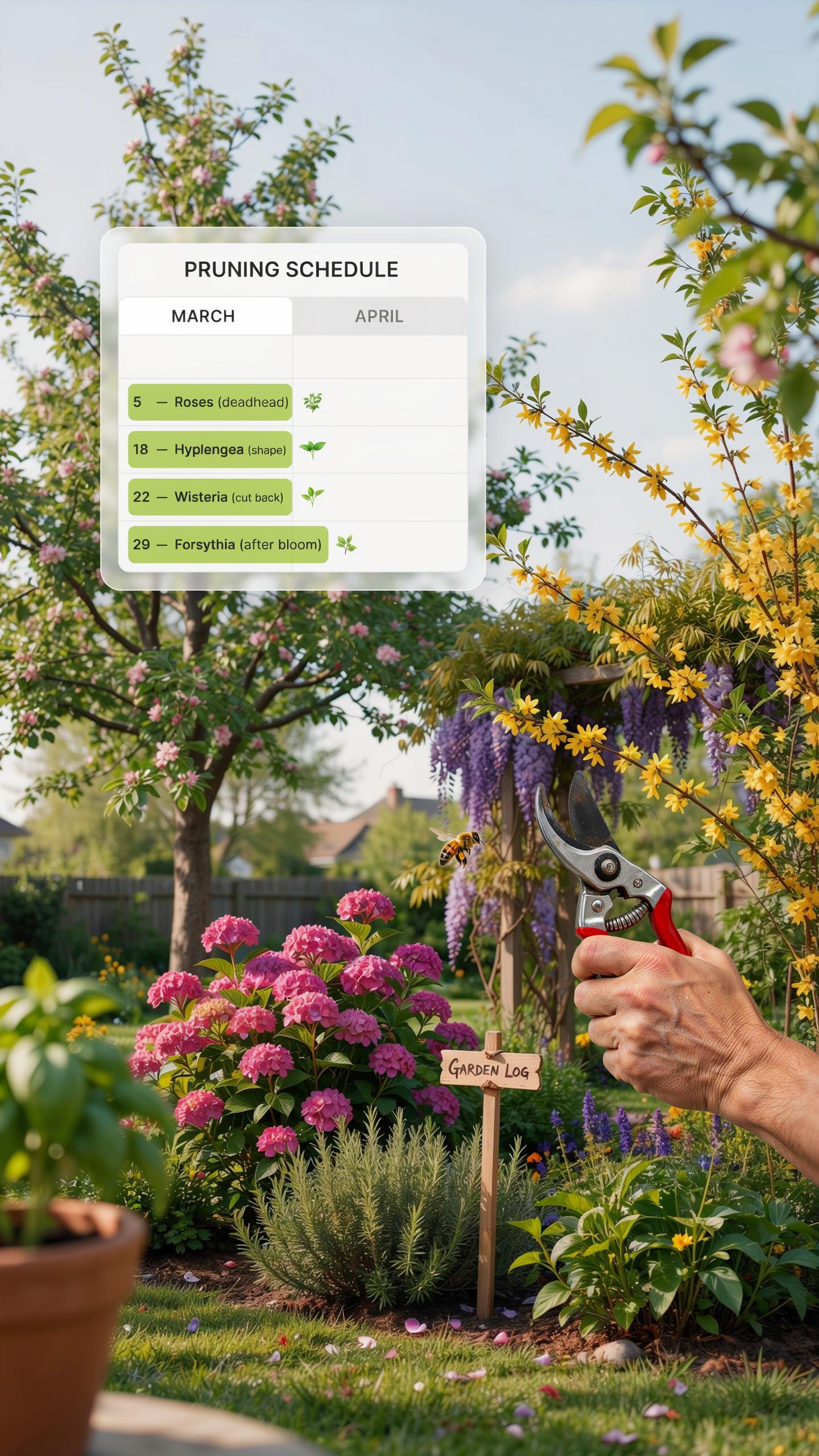
Monthly Checklist Of Plants Requiring Immediate Mechanical Trimming
Winter dormancy and early spring activate pruning work across most cottage gardens. January through March demands attention to roses, fruit trees, and winter-damaged shrubs before new growth emerges. This timing exploits bare branches for visibility and reduces disease spread. Summer bloomers need deadheading and shaping through June and July. Fall cleanup in September and October prevents pest overwintering and disease persistence into spring.
- January to March: Prune roses, apple and pear trees, and forsythia while dormant. Remove dead wood and crossing branches to open the canopy for airflow and light penetration.
- April to May: Shape spring bloomers like lilacs and rhododendrons immediately after flowering ends. Trim back wisteria runners and cut back early perennials to encourage bushier growth patterns.
- June to July: Deadhead roses, delphiniums, and lavender regularly. Shear back catmint and geraniums halfway to trigger second blooms and maintain compact forms.
- August to September: Cut back spent summer perennials and ornamental grasses. Prune hydrangeas and late bloomers before fall dormancy begins in your region.
- October to November: Remove diseased foliage and fallen debris around plant bases. Cut back tender perennials and prepare shrubs for winter by removing weak or crossing wood.
A rigid calendar fails without observation of your specific plants. Track bloom cycles and growth patterns in your garden rather than following generic timelines. Adjust cuts based on actual weather conditions and plant response, not predetermined dates. Your notes become the most reliable pruning guide over multiple seasons.
The garden belongs to the person who is willing to get their hands dirty and follow the gentle rhythm of the seasons. A timely cut ensures that the flowers of tomorrow bloom with even greater beauty than those of yesterday.
Adjusting Your Schedule Based On Climate Zone Shifts And Local Microclimates
USDA hardiness zones provide baseline guidance but miss critical local variations. A south facing wall creates warmer conditions than the open garden fifty feet away. Low spots collect cold air and extend frost dates by two to three weeks compared to elevated areas. Check soil temperature, not calendar dates, to time pruning correctly for your exact location.

Microclimate mapping takes thirty minutes and saves months of wasted effort. Walk your property at dawn and dusk to identify warm and cold zones. Note wind patterns, shadow lines from structures, and soil drainage differences. Spring frost dates shift dramatically within small gardens, so adjust your pruning timing accordingly for each zone. Wet clay areas stay cold longer than sandy spots, delaying spring pruning by weeks in the same yard.
Essential Garden Pruning Guide Tools And Safety Practices

Choosing the Right Bypass Pruners, Loppers, and Saws for Cottage Garden Care
Bypass pruners handle stems up to half an inch thick and deliver clean cuts because two blades slide past each other like scissors. This design matters because clean cuts heal faster and resist disease better than crushed or torn stems. Loppers extend your reach to eight feet and cut stems up to an inch in diameter using the same bypass mechanism. Pruning saws handle woody growth beyond what loppers manage. Each tool serves a specific job based on stem thickness and location.
Select tools with sharp blades and comfortable handles that fit your hand size. Dull blades require excessive force and crush plant tissue rather than cutting cleanly. Test the weight before purchasing because you’ll hold these tools repeatedly during your pruning schedule. Invest in quality tools once instead of replacing cheap ones every season. Proper tool selection directly impacts the health of your cottage garden plants.
Sanitation and Safety Practices for Tool Use in Cottage Garden Pruning
Sterilize your tools before moving between plants to stop the spread of fungal and bacterial pathogens. Wipe blades with a cloth soaked in rubbing alcohol or a one to ten bleach solution between cuts. This practice prevents transmitting diseases like rose rosette virus or bacterial canker from infected plants to healthy ones. Allow blades to air dry completely before using them again. Five seconds of sterilization beats spending months treating infected plants later.
Wear gloves and long sleeves during pruning to protect your skin from thorns, sap irritants, and cuts. Wash your hands immediately after pruning, especially before eating or touching your face. Some plants cause dermatitis through contact with sap or sap residue on tools. Store your tools in a dry location to prevent rust and maintain blade sharpness. Proper safety habits keep you working in your garden season after season without injury.
Frequently Asked Questions

Why is a specific pruning schedule so important for a cottage garden?
A cottage garden thrives on a sense of “organized chaos,” but without a proper cottage garden pruning schedule, vigorous perennials can quickly smother smaller delicate flowers. Timing your cuts ensures that you maximize bloom production and maintain plant health. By following a consistent routine, you prevent the space from becoming an overgrown thicket while ensuring that every rose, foxglove, and lavender plant has the light and airflow it needs to flourish.
How do I know which plants to cut back during the different seasons?
Successful maintenance depends on understanding the growth cycles of your specific plants. In early spring, focus on cutting back ornamental grasses and woody perennials. During summer, prioritize deadheading spent blooms to encourage a second flush of flowers. Finally, late autumn is the perfect time to use your cottage garden pruning schedule to clear away diseased foliage and prepare dormant plants for winter, ensuring your garden returns even stronger next spring.
Do I need expensive professional tools to keep my garden in shape?
Not at all! You can maintain a beautiful landscape on a budget using just a few basic, high-quality tools. A sharp pair of bypass pruners and some basic garden shears are all most homeowners need to handle the majority of tasks. Instead of buying specialized equipment, focus on keeping your blades clean and sharp. This accessible approach makes it easy for anyone to manage their garden chores effectively without a large financial investment.