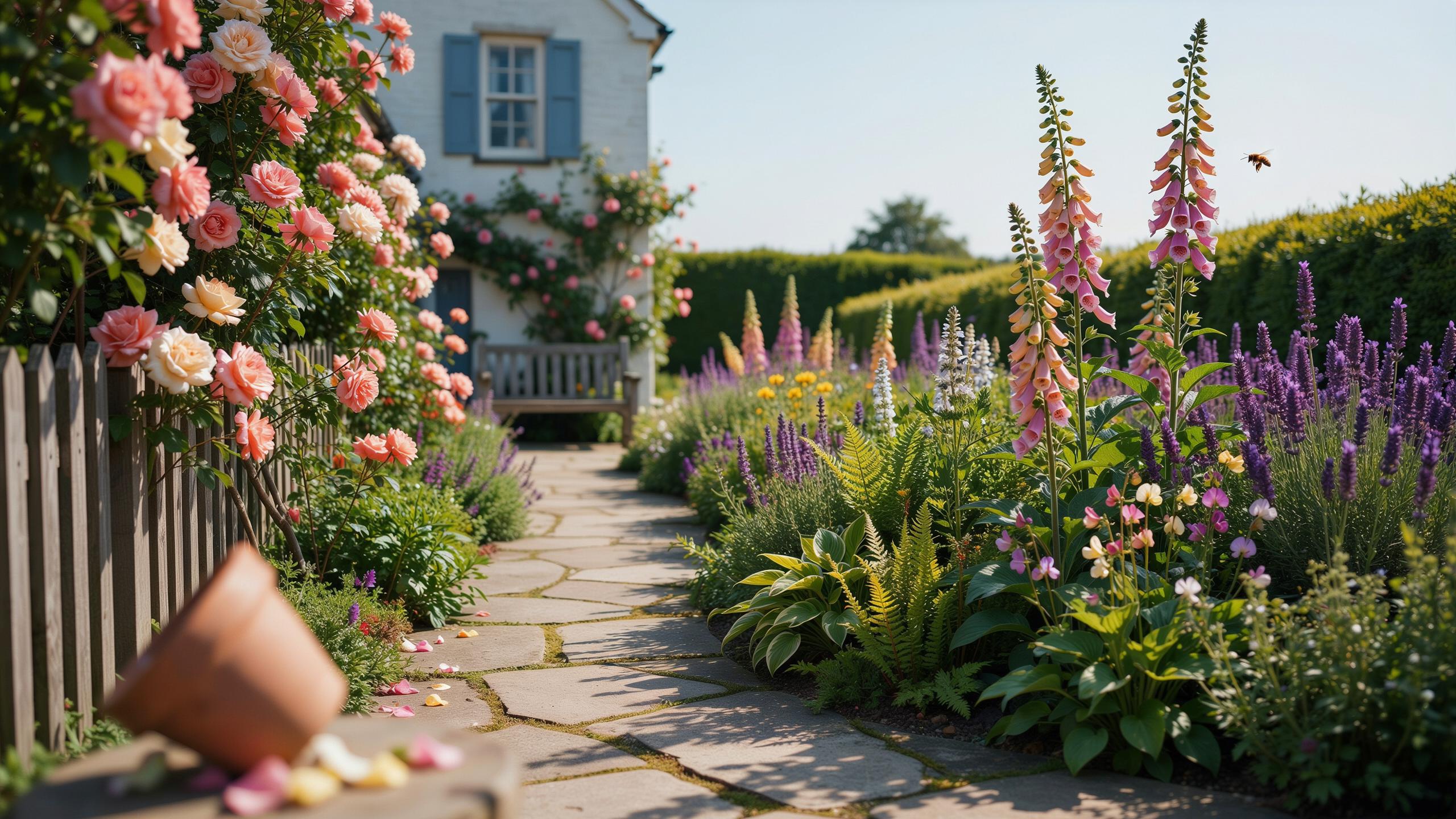
Embracing The Classic English Cottage Garden Aesthetic This Season
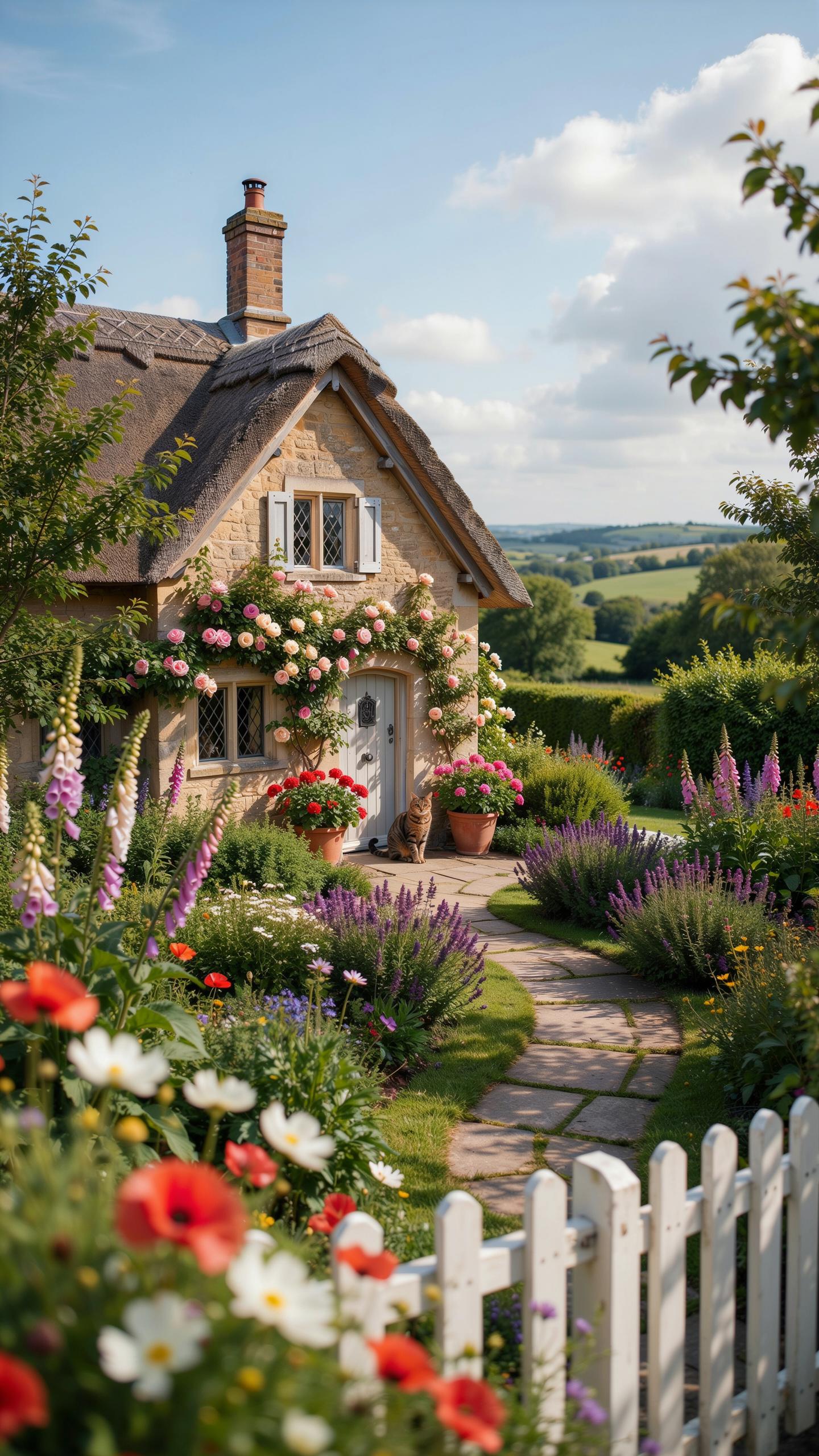
The Romantic Philosophy Of Informal Planting
Cottage garden design prioritizes abundance over order. Plants grow densely together without strict borders or symmetrical arrangements. This approach emerged from practical necessity in medieval times when space was limited and every plant served a purpose. Modern cottage gardens maintain this ethic by rejecting formal hedge lines and geometric beds. Plants self-seed and naturalize across the space, creating layered compositions that develop organically over time.
The informal style works because it mimics natural plant communities. Tall plants stand behind shorter specimens without deliberate spacing rules. Pathways wind through planting rather than bisect it symmetrically. This denseness suppresses weeds, reduces maintenance, and creates visual interest through overlapping foliage and flowers. The method works on small urban plots and large country properties alike.
Key Elements Of Traditional Cottage Scent And Color
Heirloom roses anchor cottage gardens as both historical and sensory elements. Varieties like Rosa damascena and Rosa gallica produce intense fragrance and attract pollinators reliably. Lavender species provide continuous bloom from early summer through autumn while releasing volatile oils that draw bees. Sweet peas climb vertical supports and deliver fragrance alongside color. These plants establish the garden’s character through scent distribution across seasons and spaces.
Pollinator-friendly plants serve dual functions in cottage gardens. They provide nectar and pollen for insects while offering cut flowers and dried materials for household use. Color combinations develop through layering complementary hues rather than planned schemes. Magenta roses next to purple lavender create natural harmony. Orange nasturtiums near blue delphiniums generate dynamic contrast. This layered approach produces color that reads naturally rather than artificially arranged.
Modern Cottage Garden Design Balancing Structure With Wildness
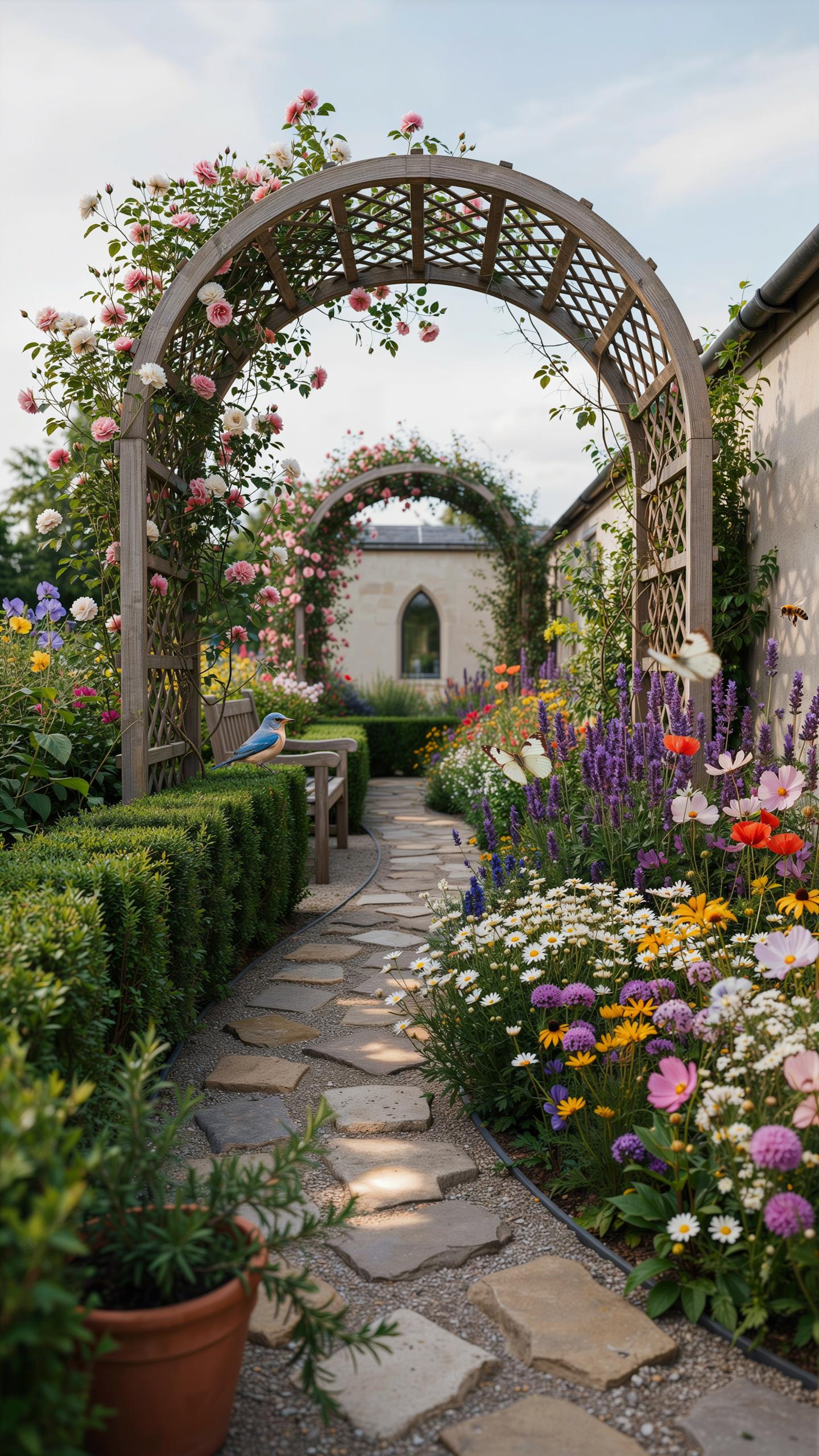
Integrating Functional Focal Points And Pathways
Physical anchors organize cottage gardens and prevent them from devolving into chaos. Gravel paths serve dual purposes: they define movement patterns and reduce maintenance compared to lawn edges. Rustic wooden arbors provide vertical structure while supporting climbing plants like clematis or hops. Sundials, birdbaths, and benches function as gathering points that interrupt dense plantings and create visual rest stops.
Materials matter for durability and authenticity. Gravel compacts easily and sheds water well in most soil types. Wood arbors age gracefully but require treatment to resist rot in damp climates. Stone paths last longer than wood but demand more initial labor to install. These focal points break up sprawling borders and guide visitors through the garden rather than around it.
Zoning Your Space For Beauty And Utility
Divide your garden into distinct zones based on purpose and plant type. Front or visible areas host ornamental borders with flowering perennials and shrubs. Rear or screened sections accommodate vegetable beds, herb patches, and composting areas. This separation allows you to manage maintenance schedules independently and prevents kitchen plots from disrupting visual flow.

Boundaries between zones don’t require walls or fences. Hedging plants like box or yew create soft divisions while maintaining the cottage aesthetic. Sunken beds or raised planters naturally separate productive areas from ornamental displays. Zoning also helps match microclimates to plant needs. Vegetables and herbs thrive in full sun areas while shade-tolerant perennials occupy spots beneath trees.
Choosing The Perfect English Cottage Garden Layout For Your Space
Adapting Flow And Form To Your Hardscape
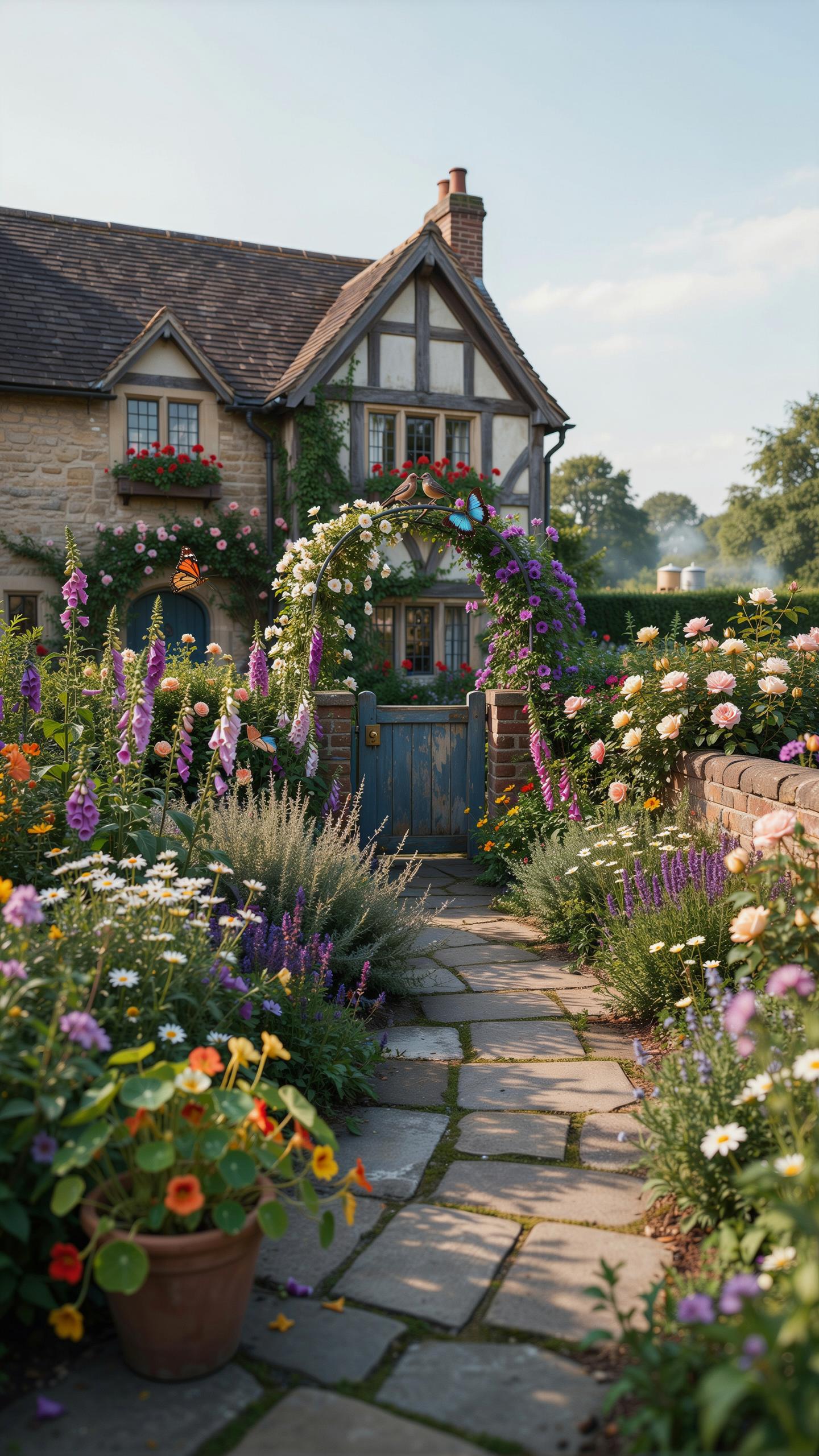
Your hardscape elements dictate planting zones and movement patterns. Stone walls, fences, and seating areas create natural anchors for garden structure. Work flowering plants around these fixed elements rather than against them. This approach preserves the historical integration of built and planted features characteristic of authentic cottage gardens. Study how mature plantings interact with your existing boundaries before positioning new beds.
Coordinate plant heights and spread with hardscape proportions. Taller perennials mask fence lines effectively. Low groundcovers soften stone edges. Seating areas need clear sightlines and weather protection from strategic plant placement. Historical cottage designs placed benches within or adjacent to dense borders for shelter and visual interest. Let your existing structures guide density and species selection.
A garden should feel like a beautiful accident, blending timeless nostalgia with the untamed spirit of the new season’s bloom.
Essential Layout Styles For Different Yard Shapes
Three core layout templates address most residential spaces. Each responds to specific yard geometry and movement flow. Your property shape determines which template works best. Understanding these templates prevents common design failures like overcrowding or awkward negative space. Match your yard’s dimensions to the appropriate structure before purchasing plants.
- Classic Central Path Corridor: A straight or slightly curved path runs through the garden center with symmetrical or near-symmetrical beds flanking both sides. This layout works in rectangular yards. Beds mirror each other, creating balanced visual weight and organized access to garden depths.
- Winding Perimeter Deep Border: Beds hug the property edges while pathways meander through open center space. This template suits irregular or narrow lots. Deep borders reach 6 to 12 feet and contain multiple plant layers from background to foreground.
- Asymmetrical Island Bed Cluster: Freestanding beds positioned at varying distances from boundaries create dynamic focal points. This layout accommodates square or large irregular yards. Island positioning eliminates rigid symmetry while maintaining visual coherence through repetition of plant groupings.

Each template adapts to existing site conditions. Measure your yard length, width, and boundary variations before committing to a single approach. Many successful gardens combine elements from multiple templates. The winding perimeter works well in narrow side yards. Central paths suit formal front gardens. Islands function best in expansive rear spaces where visitors move freely.
Sourcing And Implementing Authentic English Garden Plans
Drafting Your Spatial Plant Mapping
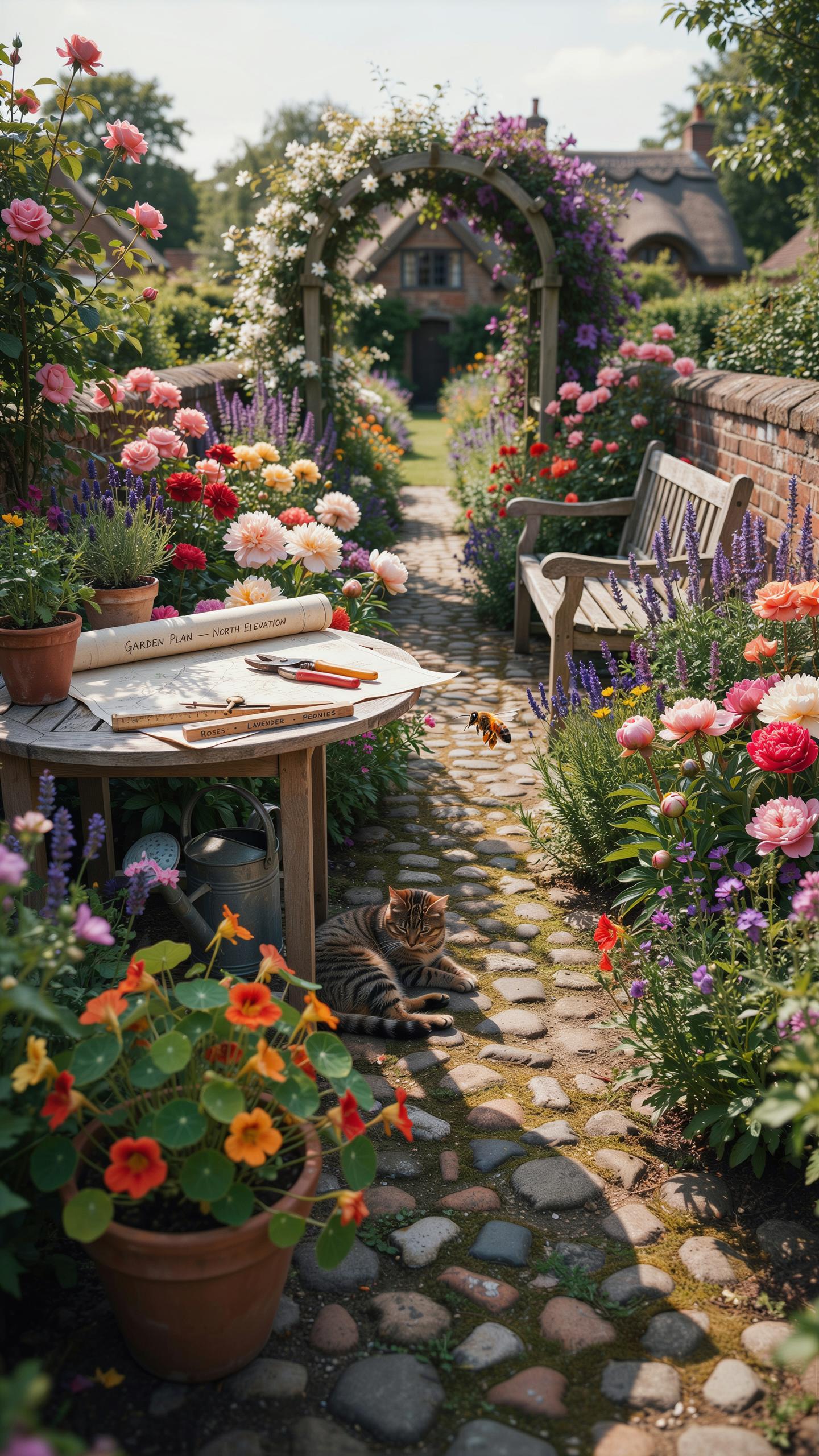
Map your garden by height zones, not random placement. Place tall specimens like delphiniums and foxgloves at the back to avoid shading shorter plants. Position mid-height perennials in the center. Reserve the front border for low-growing geraniums and catmint. This tiered approach ensures every plant receives adequate light and remains visible from viewing angles.
Create a scaled site plan before planting anything. Measure your garden beds and draw them on graph paper or use digital tools. Mark existing trees and structures that cast shadows. Note sun exposure patterns throughout the day. Sketch plant positions with their mature widths, not nursery pot sizes. This prevents overcrowding and eliminates costly transplanting later.
Seasonal Succession Planning For Year Round Appeal
Select spring bulbs like tulips and alliums to bloom before perennials emerge. They occupy the same soil space without competition once they finish flowering. Choose summer perennials such as roses, lavender, and salvias for sustained color. These plants establish quickly and flower for weeks or months. Plan their bloom times to overlap, creating continuous visual interest from late spring through early autumn.

Incorporate winter-fruiting shrubs and evergreen foliage to sustain interest when herbaceous plants die back. Plants like viburnum, pyracantha, and holly provide structure and color from November through February. Select varieties with different fruit colors and leaf textures. This layering strategy means your garden functions visually across all four seasons without relying on annuals or constant maintenance.
Defining Boundaries With Natural English Garden Edging
Selecting Traditional Materials For Pristine Borders
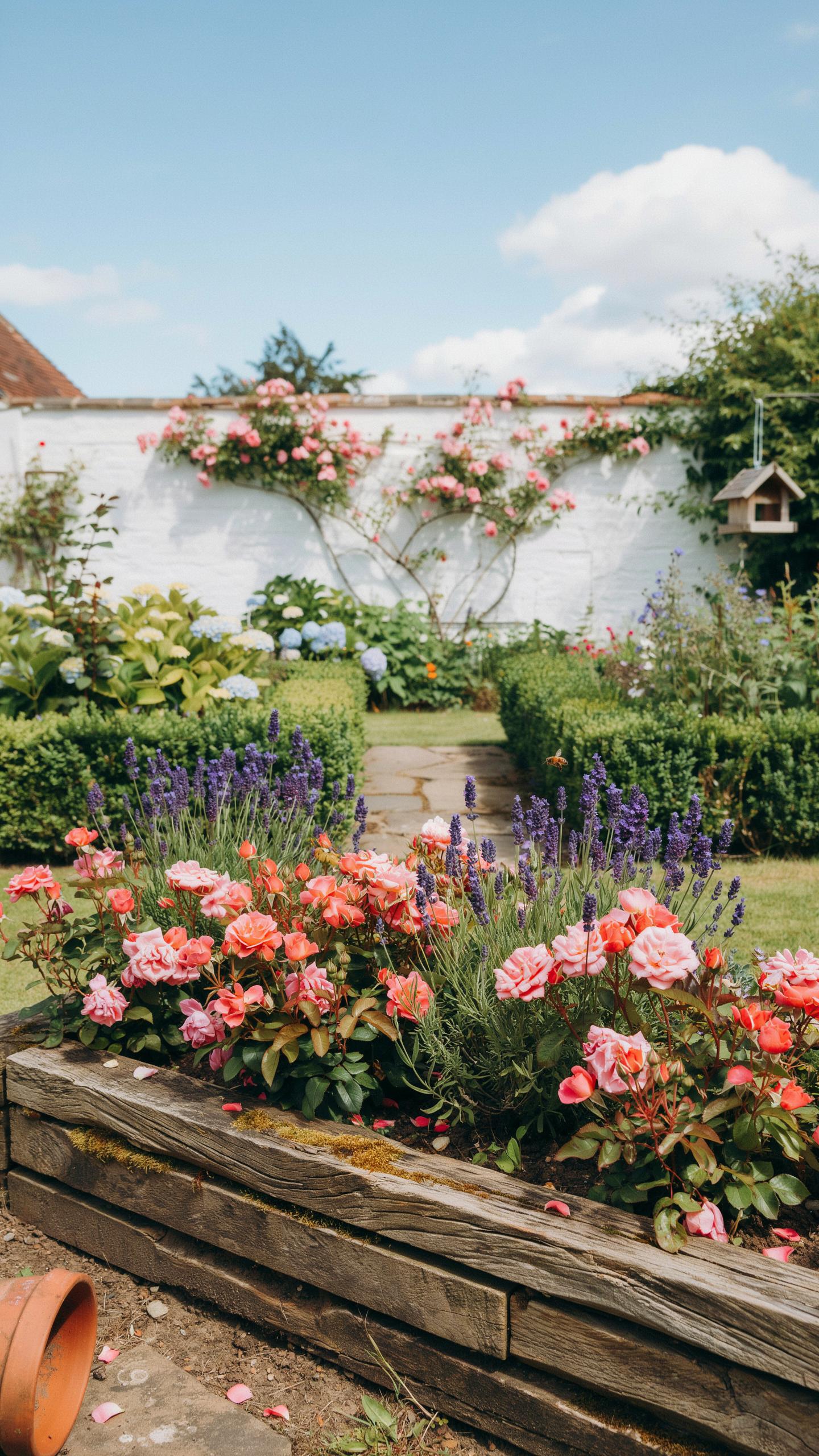
Weathered red brick creates hard edges that define garden rooms while aging gracefully over time. The material withstands frost cycles and requires minimal maintenance. Brick works well for formal pathways and raised bed perimeters. Natural woven willow wattle offers a rustic alternative that blends into woodland settings. This material deteriorates over five to ten years, requiring replacement but adding temporary structure without permanent visual weight.
Local fieldstone provides the most durable option for permanent borders. Sourced from regional quarries, it ties gardens to their landscape context. Stone demands skilled installation but survives indefinitely with no upkeep. These three materials work best when matched to the garden’s existing hardscape and the property’s vernacular architecture. Material choice signals whether the garden favors formal geometry or organic informality.
Low Growing Living Edges For Soft Transitions
Dwarf boxwood creates crisp lines without the visual hardness of constructed materials. This evergreen maintains structure year-round and tolerates frequent clipping. Boxwood grows slowly, establishing clean edges within two to three seasons. Lady’s mantle softens borders while still defining space. Its chartreuse flowers spill slightly beyond the line, creating intentional blur. This deciduous perennial works best in partial shade and moist soil conditions.

Prostrate rosemary varieties grow horizontally along borders while offering aromatic foliage and visual texture. These cultivars tolerate poor soil and drought better than upright varieties. Rosemary requires full sun and well-drained ground to prevent rot. All three options mature into self-edging systems that reduce ongoing maintenance compared to hard materials. Living edges integrate seamlessly into the layered planting style central to English cottage gardens.
Inspiring English Cottage Garden Ideas For Small Urban Plots
Maximizing Vertical Gardening Opportunities
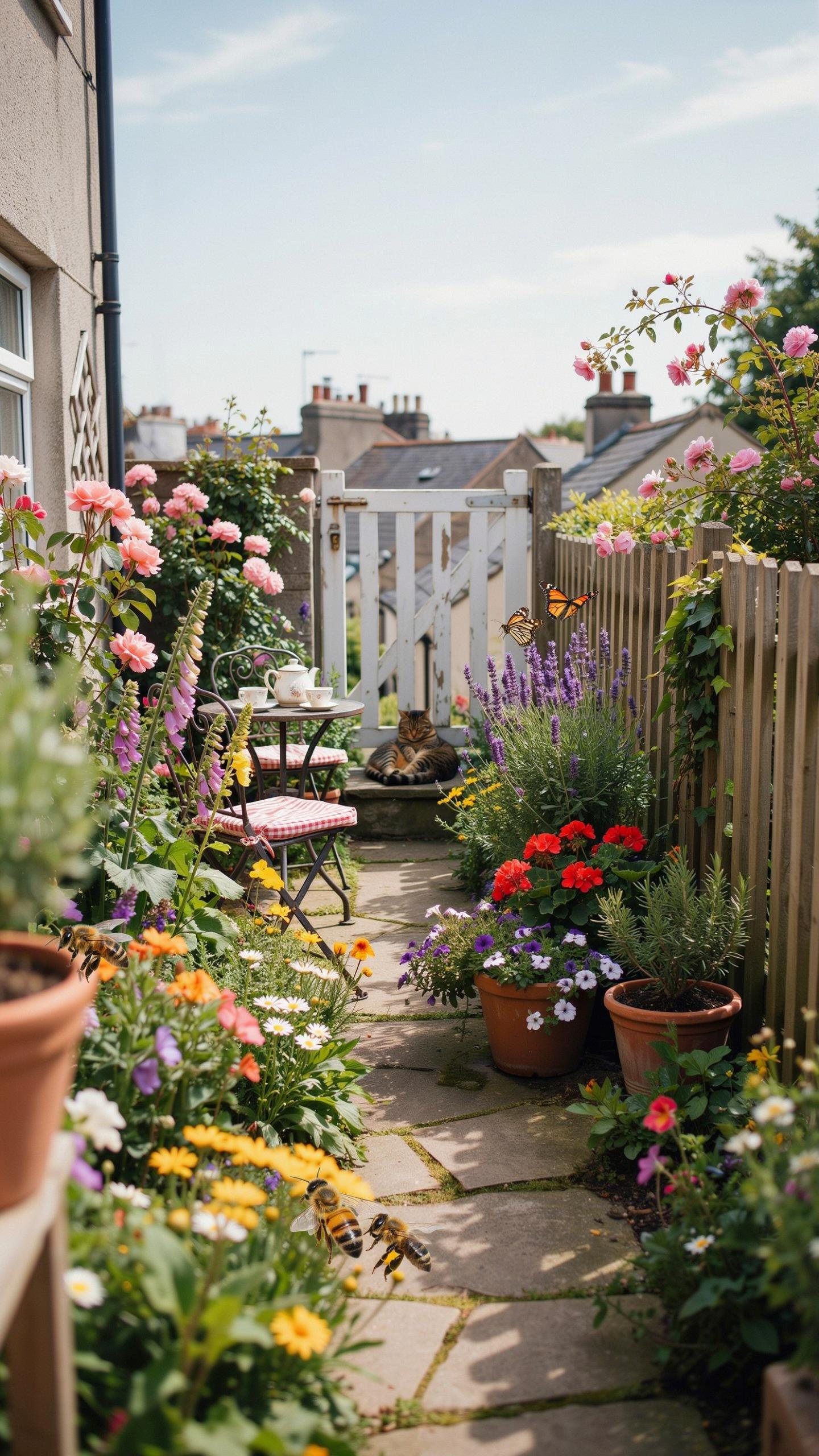
Vertical gardening solves the space problem directly. Trellises and obelisks redirect plant growth upward instead of outward. Wall-mounted planters attach to fences or building facades. Clematis and climbing jasmine thrive on these structures. They produce flowers at eye level without consuming ground square footage. This approach lets urban gardeners grow the same plant density as larger properties.
Install trellises and obelisks at plot edges or fence lines. Position wall-mounted planters where they receive the required sunlight for your chosen climbers. Clematis needs six hours of direct sun. Climbing jasmine tolerates partial shade. Secure structures firmly to handle plant weight and wind loads. Dense foliage adds significant mass once established.
Container Gardening With A Cottage Flair
Grouped containers create visual impact on compact patios and balconies. Terracotta, stone, and wooden planters work together without matching perfectly. Fill each container with mixed florals for cottage density. Place taller plants at the rear of groupings and shorter specimens forward. This staggered arrangement prevents back plants from blocking light to front containers.

Arrange containers in odd numbers for visual stability. Mix container heights and materials to add depth. Dense plantings inside each pot eliminate gaps. Water grouped containers daily during growing season since confined soil dries faster. Rotate containers seasonally to manage sun exposure wear and refresh visual interest.
Transforming Curbside Appeal With An English Garden Front Yard
Welcoming Entryways With Arbors And Gates
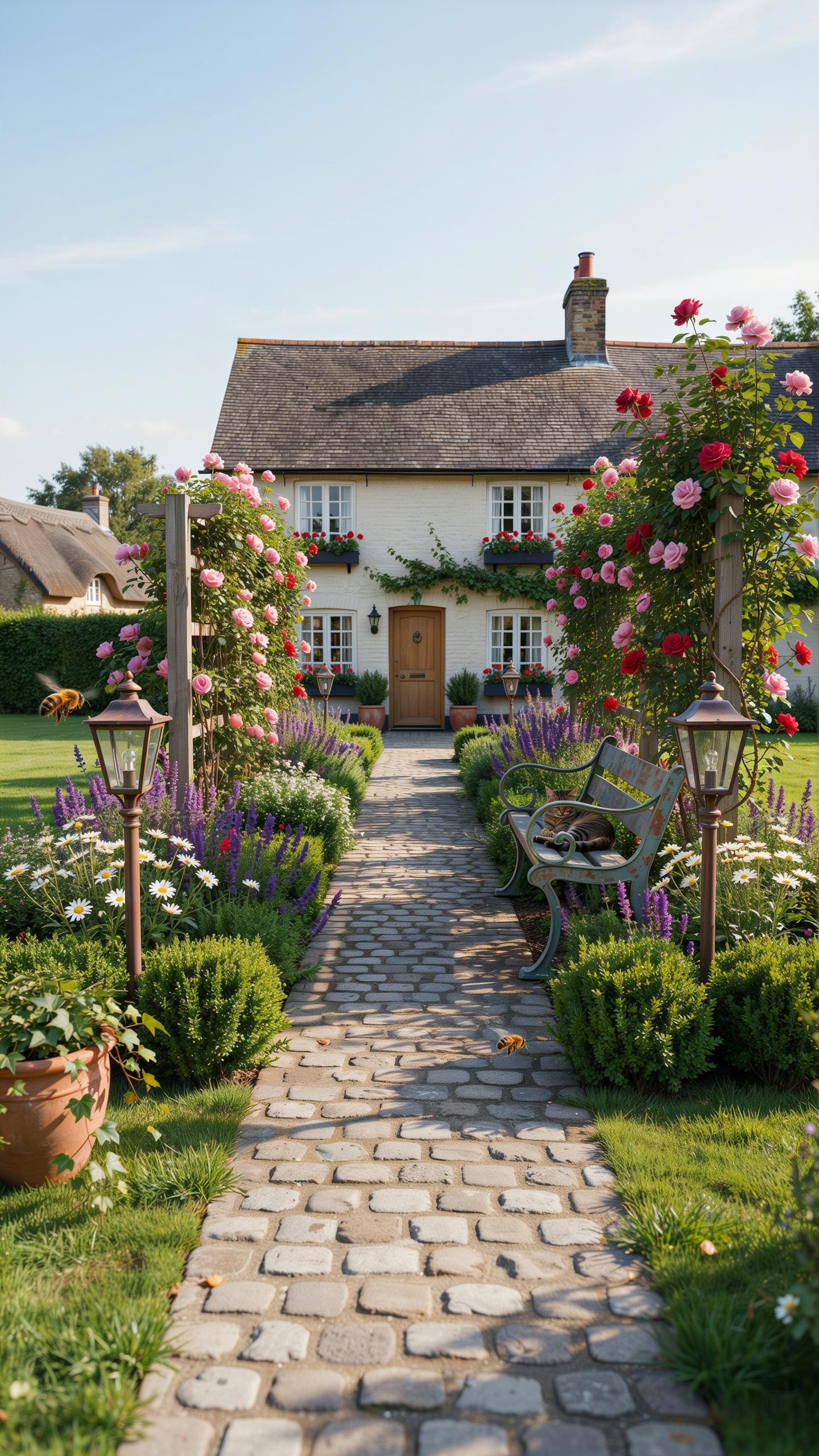
Arbors and gates anchor the entrance to an English cottage garden. They create a defined threshold between public space and private garden. Climbing roses work on these structures because they thrive on vertical supports and produce flowers at eye level. Rosa ‘Constance’ and Rosa ‘Albertine’ are common choices. The gate itself signals intentionality. It tells visitors the space ahead is cultivated and purposeful, not accidental.
Install arbors 6 to 8 feet from the property line. This depth gives climbing plants room to establish without blocking sight lines. Position gates to align with a central path or focal point in the garden. Train roses horizontally along the arbor frame to encourage lateral branching and more flowering stems. Maintenance includes deadheading spent blooms and pruning tangled canes each winter to maintain structure and airflow.
Softening Hard Driveways And Boundary Walls
Spillover plants counteract harsh lines created by concrete and masonry. Catmint and creeping thyme spread across edges without requiring formal trimming. Both tolerate compacted soil and foot traffic better than delicate perennials. Their gray-green foliage bridges the visual gap between hard surfaces and traditional garden beds. This layering creates gradual transitions instead of abrupt boundaries.
Plant catmint and thyme in crevices along driveway edges or directly adjacent to walls. Both prefer well-drained soil and full sun. Space plants 12 to 18 inches apart for faster coverage. Catmint reaches 18 to 24 inches tall and produces purple-blue flowers from June through September. Creeping thyme stays under 6 inches and flowers from May through July, offering earlier color and ground-level softening.
A Beginner Guide On How To Design An English Garden From Scratch
Assessing Soil Quality And Sun Exposure First
Test your soil pH before planting anything. English cottage gardens thrive in slightly acidic to neutral soil, typically between 6.0 and 7.0 pH. Use an inexpensive soil test kit or send samples to your local extension office. This single step prevents wasted plants and failed layouts. Poor drainage kills more gardens than neglect does.
Improve drainage by mixing organic compost into existing soil. Work compost into the top 8 to 12 inches of earth. Map sunlight patterns across your garden space over several days. Note which areas receive full sun, partial shade, and full shade. Most cottage garden plants need 4 to 6 hours of direct sunlight daily.
A Simple 4 Step Checklist For Your First Planting Day
Arrange potted plants in their final positions before digging a single hole. This step prevents replanting and ensures correct spacing between mature plants. Check labels for mature plant size and follow spacing guidelines exactly. Visual arrangement takes 30 minutes and saves hours of physical labor later.
- Lay out potted plants in designated positions: Arrange plants while still in pots to verify spacing and sight lines before committing to planting holes.
- Dig wide planting holes and enrich with organic soil conditioner: Create holes twice as wide as root balls and mix in compost or aged bark mulch.
- Loosen root balls gently before placing: Tease apart compacted roots with your fingers to encourage outward growth into surrounding soil.
- Backfill with enriched soil mixture: Return soil to planting hole while gently firming around the base without compacting hard.
- Water deeply and apply mulch layer: Soak the soil after planting and cover with 2 to 3 inches of organic mulch, keeping it 2 inches away from plant stems.

Water deeply after planting to eliminate air pockets around roots. Apply organic mulch such as shredded bark or compost to retain soil moisture and suppress weeds. Mulch protects plant roots from temperature extremes. Proper mulching reduces watering frequency by up to 50 percent during dry periods.
Frequently Asked Questions

What are the essential elements needed to start a basic cottage garden?
To begin, focus on density and variety rather than strict symmetry. A quintessential english cottage garden layout relies on a mix of Perennials like delphiniums and roses packed closely together to minimize weeds. Start with a focal point, such as a weathered bench or a birdbath, and surround it with self-seeding flowers. The goal is to create a soft, romantic atmosphere that feels organic and effortless rather than overly manicured or formal.
How do I choose the best plants for a functional cottage garden design?
When planning your english cottage garden layout, prioritize a vertical layering technique. Place taller plants like foxgloves and hollyhocks at the back of borders, using medium-sized shrubs like lavender in the middle, and finishing with sprawling groundcovers at the edges. Incorporating edible herbs and climbing vines onto trellises adds both visual depth and practical utility. Always select native species that thrive in your specific hardiness zone to ensure a lush, healthy display.
Is it possible to achieve a cottage garden look on a limited budget?
Absolutely, as this style actually thrives on repurposed materials and patience. You can save significantly by starting your flowers from seed and propagating cuttings from friends. Instead of expensive hardscaping, use affordable gravel or wood chips for winding pathways. Incorporate vintage finds like old galvanized buckets or wooden crates as planters. Over time, your garden will naturally fill in, providing that lush, abundant aesthetic without requiring a massive upfront financial investment.