Introduction To Cottage Garden Self Seeding Flowers For Beginners
Saving Money Self Sowers
Self-sowing flowers eliminate your biggest garden expense: buying seeds and plants every season. Once established, these varieties reproduce without intervention, cutting your annual spending to nearly zero. You skip the nursery markup entirely. The math is simple: buy seeds once, harvest seeds free forever. This model works because these plants evolved to spread naturally. You harness that biology instead of fighting it.
Self-seeding varieties thrive on neglect, which matches beginner skill levels perfectly. You don’t need to deadhead everything, stake plants, or fertilize heavily. These flowers handle poor soil and irregular watering better than hybrids bred for perfection. They drop seeds when ready, germinate when conditions suit them, and fill gaps automatically. This removes the guesswork from gardening while saving time and money simultaneously.
Finding The Perfect Style For Your Growing Space
Cottage garden style originated from practical kitchen gardens where people grew food and useful plants together without formal layouts. This aesthetic suits any space because it embraces crowding and natural seedling placement. Your garden size doesn’t matter. A small urban plot works just as well as a country yard. Self-seeding flowers adapt to whatever space you provide.
Assess your site’s light conditions first since this determines which self-seeders will actually thrive there. Full sun locations support sunflowers, cosmos, and bachelor’s buttons reliably. Partial shade areas work better with hellebores, foxgloves, and sweet alyssum. Check your soil drainage too because poorly drained spots favor different species than sandy fast-draining areas. Matching plants to actual conditions beats fighting your site characteristics every growing season.
The Beauty And Ease Of Self Seeding Plants In Small Spaces
Maximizing Your Garden Footprint Naturally
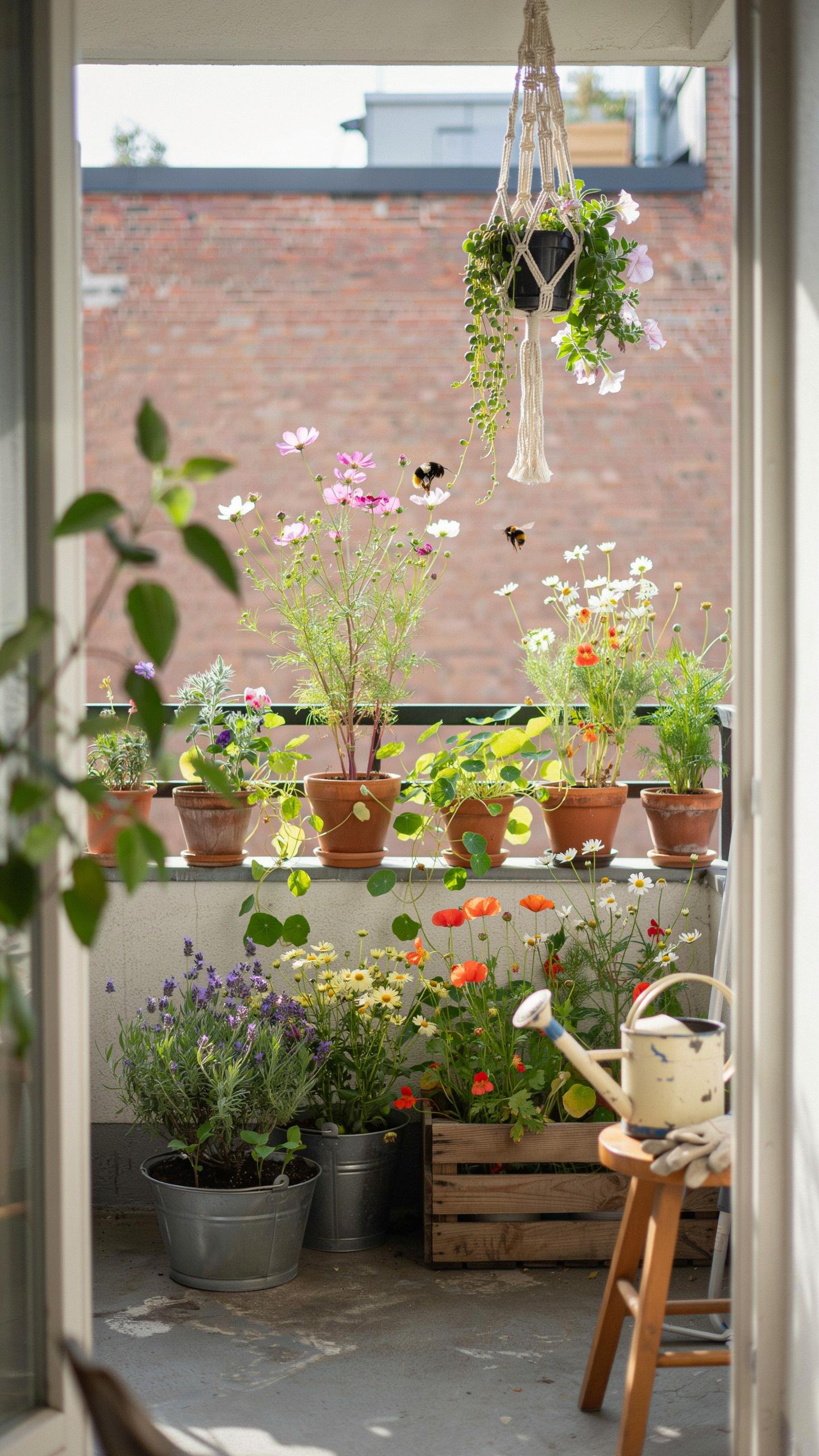
Self seeding flowers solve a core problem for small space gardeners. You plant once and the flowers regenerate annually without replanting costs or labor. Species like calendula, cornflower, and larkspur drop seeds that germinate the following season. This cycle stretches your budget further and fills gaps in beds without buying new plants each year. The math is simple: one initial investment generates multiple growing seasons of blooms.
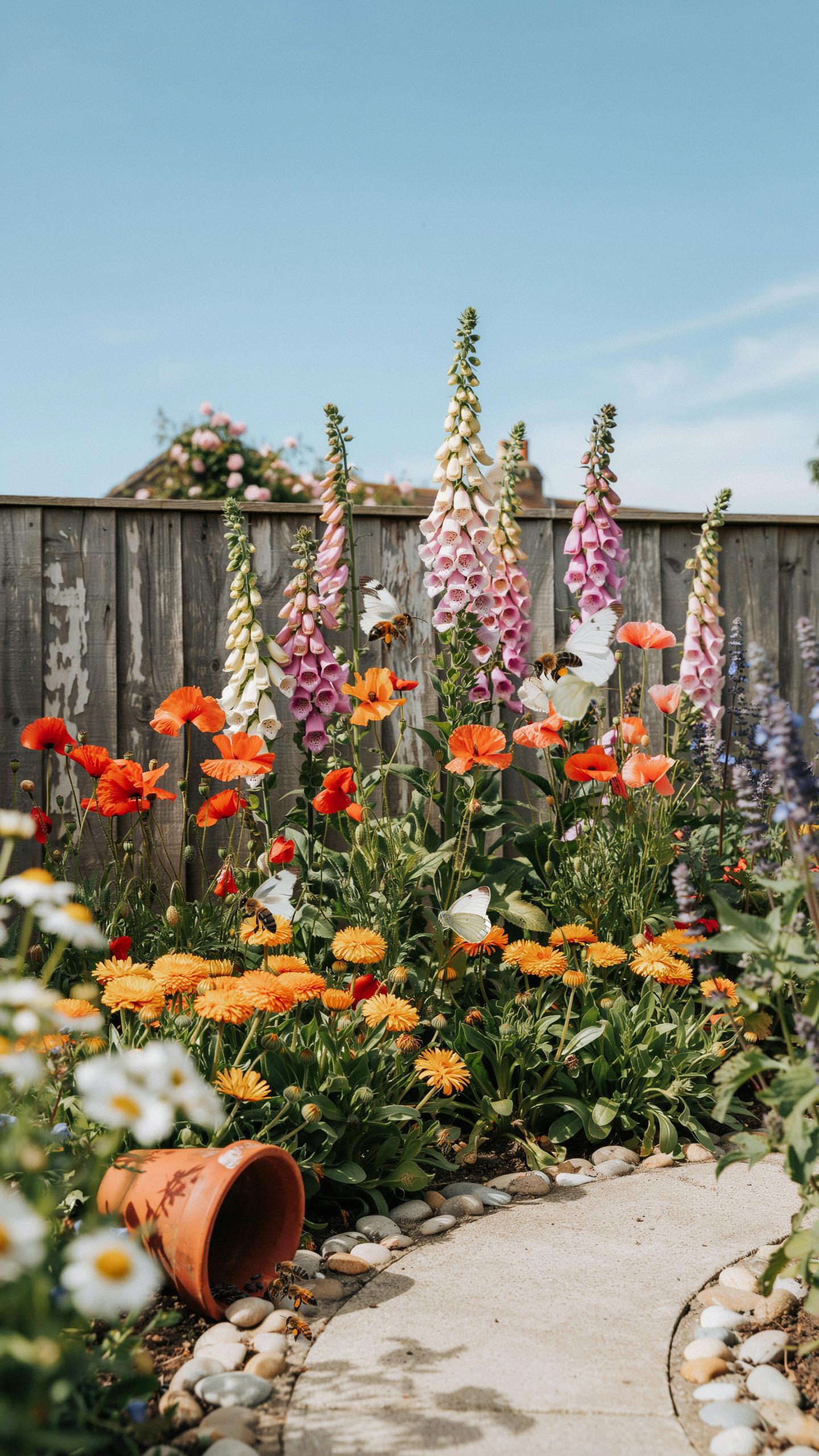
Density matters when space runs short. Self seeders fill vertical gaps between perennials and shrubs while they establish. Foxgloves reach four to six feet tall and occupy minimal ground footprint. Nigella and sweet alyssum work as ground layer fillers around taller plants. You compress more flower production into limited square footage by stacking heights. This layering approach creates a full garden appearance on compact lots.
Restraints And Ground Rules For Self Sowers
Self seeding flowers require one critical boundary: controlled deadheading. Allow flowers to remain on plants after blooming ends so seed pods mature and drop. Remove spent blooms only on plants where you want to prevent spreading. Calendula and cosmos self seed aggressively if left unchecked. Without intervention, volunteers emerge everywhere next season. Strategic deadheading keeps self seeders in designated zones while maintaining order in the rest of your garden.
Soil preparation determines seedling success rates. Self seeds germinate best in disturbed, loose soil with good contact. Compact soil blocks seed germination and emergence. Lightly rake beds in fall after mature plants drop seeds. Spring preparation involves similar gentle raking to expose soil where volunteers should emerge. This prep work costs nothing but effort and prevents wasted seed on hard ground.
Selecting Key Cottage Garden Plants For Colorful Borders
Traditional Cottage Favorites
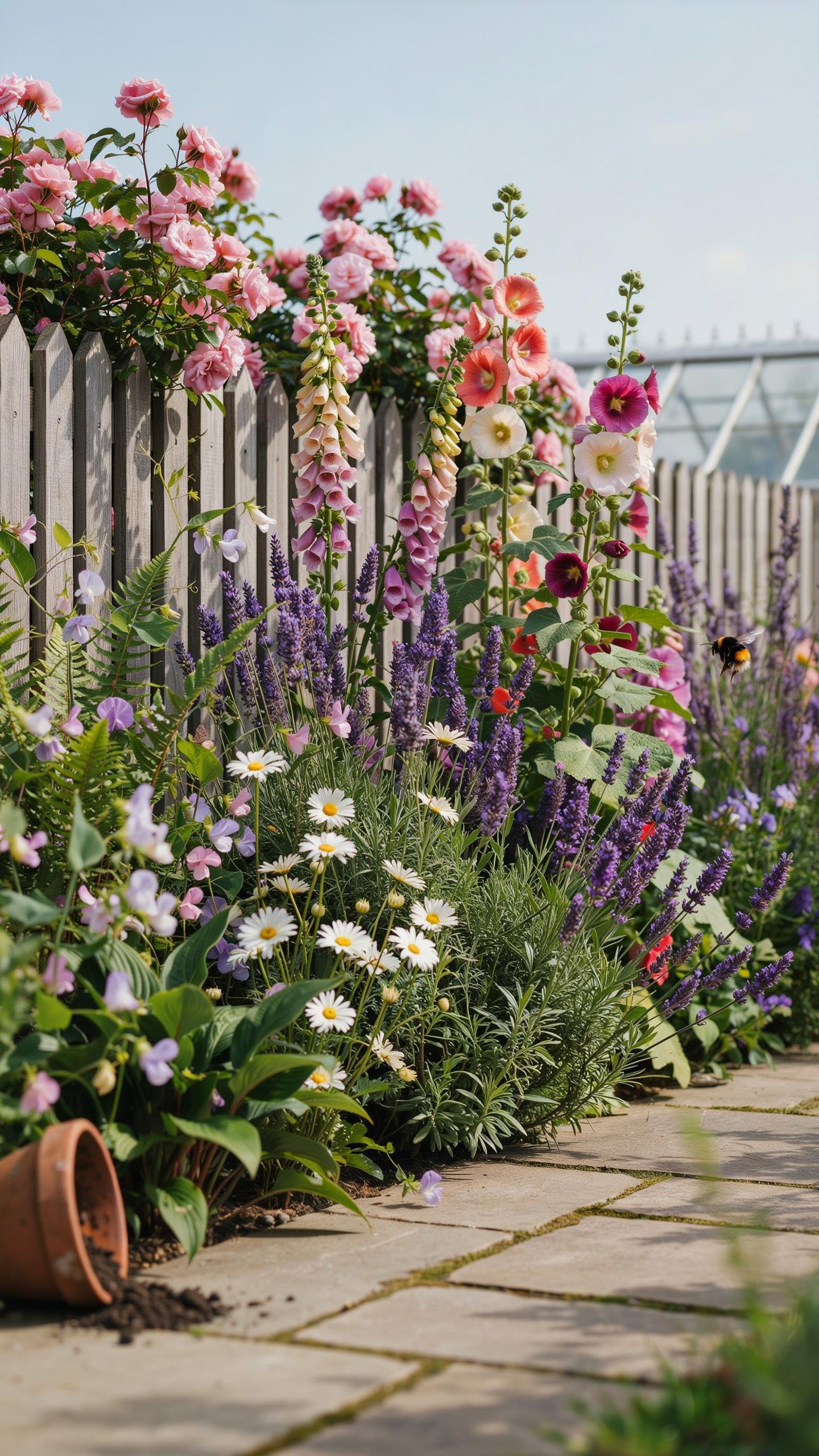
Cottage gardens emerged in medieval England as practical growing spaces for working families. These gardens mixed vegetables, herbs, and flowers for food and medicine. The style prioritized function over design rules. Self-seeding flowers fit this model perfectly because they require minimal intervention and produce free plants year after year.
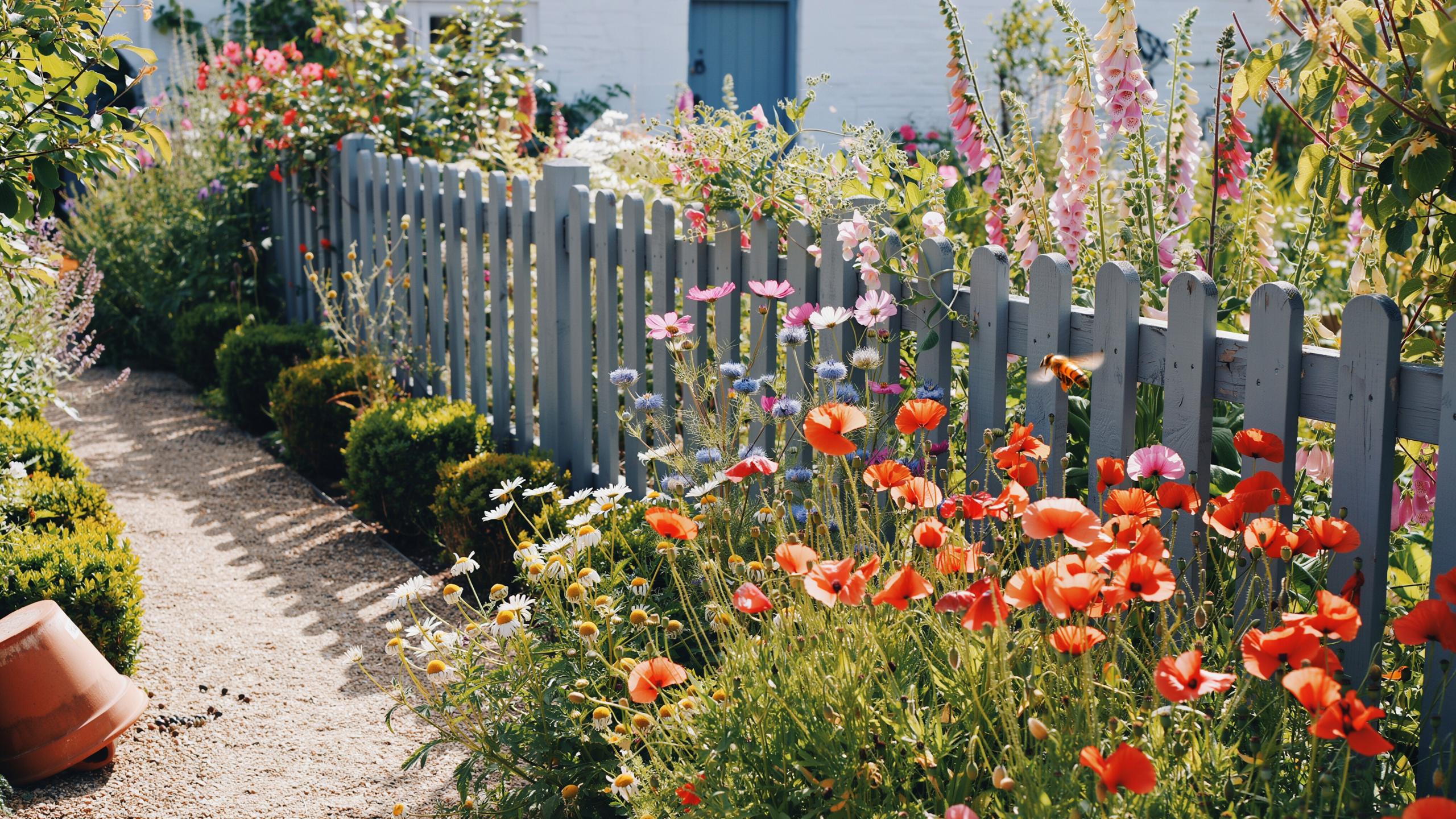
Larkspur, foxgloves, and nigella remain core choices for cottage borders because they establish quickly and reseed reliably. Cornflowers and sweet alyssum fill gaps between perennials without extra work. Poppies, both annual and perennial varieties, bring color density with minimal maintenance. These plants tolerate poor soil and irregular watering, making them ideal for budget-conscious gardeners who lack time for fussy maintenance routines.
All Season Textures
Cottage gardens succeed when you layer plants by bloom time and foliage structure. Spring bloomers like hellebores establish early color, then give way to summer performers. Late-season bloomers such as cosmos and dahlias carry visual interest into fall. This succession approach eliminates bare patches and maintains budget efficiency by maximizing existing seed output.
Texture combinations matter as much as color timing. Combine feathery foliage plants like asparagus fern with broad-leafed forms such as bergenia. Mix tall spiky bloomers including delphiniums with rounded mounding plants like geraniums. Self-seeding varieties like orlaya and ammi majus provide airy vertical interest throughout the growing season. Strategic placement of these textural contrasts creates depth without purchasing expensive specimen plants repeatedly.
Must Have Hardy Annual Self Seeding Flowers For Quick Results
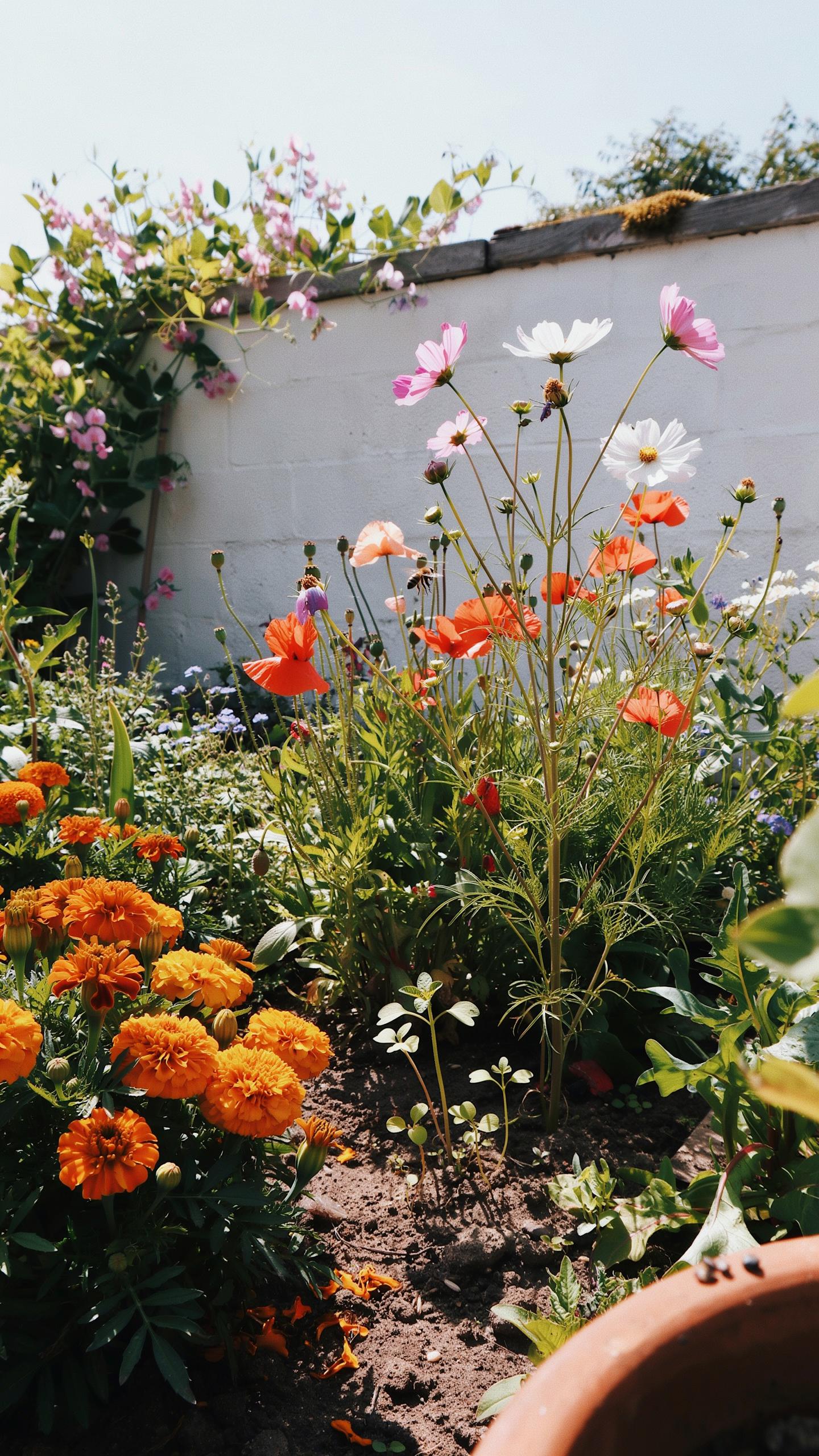
Poppies And Love In A Mist
Poppies germinate in cool soil and produce flowers within eight to ten weeks of sowing. They need direct sunlight and poor to moderate soil. Rich soil encourages leaf growth over blooms. Plant seeds directly into garden beds in fall or early spring. They reseed reliably once established, returning year after year with minimal intervention.
Love-in-a-Mist produces delicate blue, pink, or white flowers followed by ornamental seed pods. The plant thrives in full sun and tolerates poor soil conditions. Seeds need light exposure to germinate, so scatter them on soil surface rather than burying them. This species reseeds prolifically and often appears in unexpected garden locations once established.
Essential Easy To Grow Annual Varieties For Continuous Color
Easy-to-grow annuals deliver consistent blooms without special care or expertise. These plants tolerate variable soil conditions and establish quickly from seed. They reseed dependably, reducing the need for replanting each season. Focus on varieties that match your climate zone and available sunlight.
- Cornflowers: Blue flowers on sturdy stems reaching two to three feet tall. Tolerates poor soil and drought conditions. Reseeds aggressively throughout the garden bed.
- Sweet Alyssum: Low growing groundcover with fragrant flower clusters. Blooms continuously from seed to frost. Handles partial shade better than other self seeders.
- Calendula: Orange and yellow flowers on compact plants. Performs in cool weather and poor soil. Seeds mature rapidly, allowing multiple generations per season.
- Larkspur: Tall spire flowers in blue, pink, and white. Prefers cool soil and direct sunlight. Scatters seed liberally for naturalized cottage garden effects.
- Nigella: Feathery foliage with star shaped flowers followed by striped seed pods. Resists pests and diseases effectively. Produces enormous quantities of viable seed.
These varieties establish themselves in average garden soil without amendments or fertilizer. Once flowering completes, allow plants to dry on location so seeds fall directly into beds for next year’s crop.
The Best Self Seeding Perennials For Long Term Structure
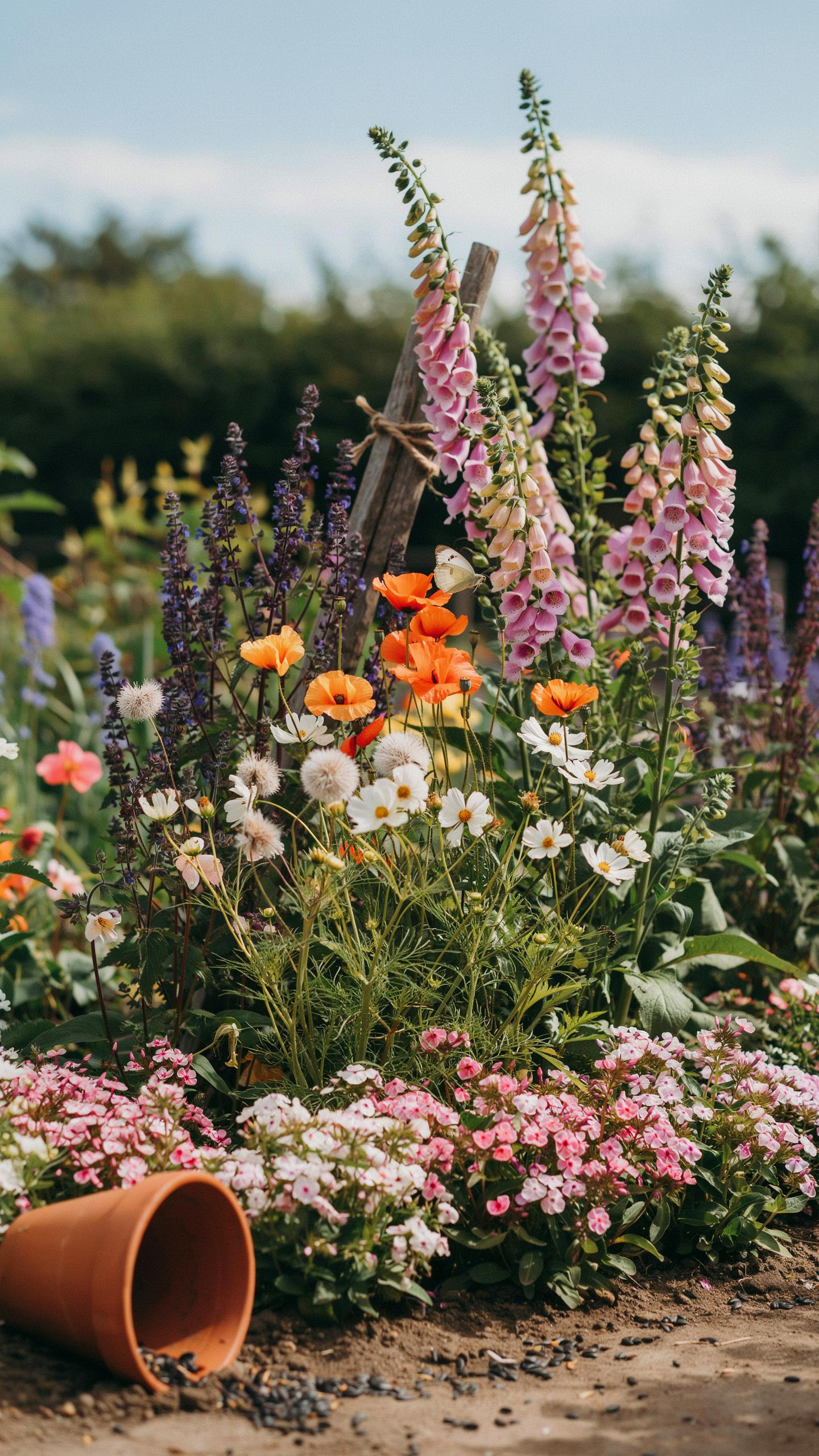
Columbine And Foxglove
Columbine and foxglove deliver vertical interest without replanting. Columbine grows 24 to 36 inches tall with nodding flowers that attract pollinators. Foxglove reaches 3 to 5 feet and produces dense flower spikes. Both establish quickly from seed and reseed reliably in cottage gardens. They fill gaps between shrubs and create layered planting depth.
Columbine prefers partial shade and well-draining soil. Foxglove tolerates similar conditions and actually performs better in dappled light than full sun. Both plants drop seed heavily once flowers fade. Leave spent stems standing through fall and winter to capture seeds. You’ll see volunteer seedlings emerge the following spring with zero effort from you.
Perennials Backbone
Perennials form the backbone of cottage landscapes because they return annually without replanting costs. They establish root systems that compete with weeds and improve soil structure over time. Unlike annuals that demand fresh seed every year, perennials deliver consistent structure and reduce garden maintenance. They provide reliable height and texture while self seeding fills spaces naturally.
Self seeding perennials create layers that define cottage garden character. They spread through volunteer seedlings that fill bare ground and prevent erosion. This natural spread lets you build density and visual complexity without buying multiple plants. Perennials also mature into stronger plants each year, producing more seeds and expanding coverage across seasons.
Mastering The Art Of Planting Flowers From Seeds Outdoors
Direct Sowing Vs Seed Scatter Methods
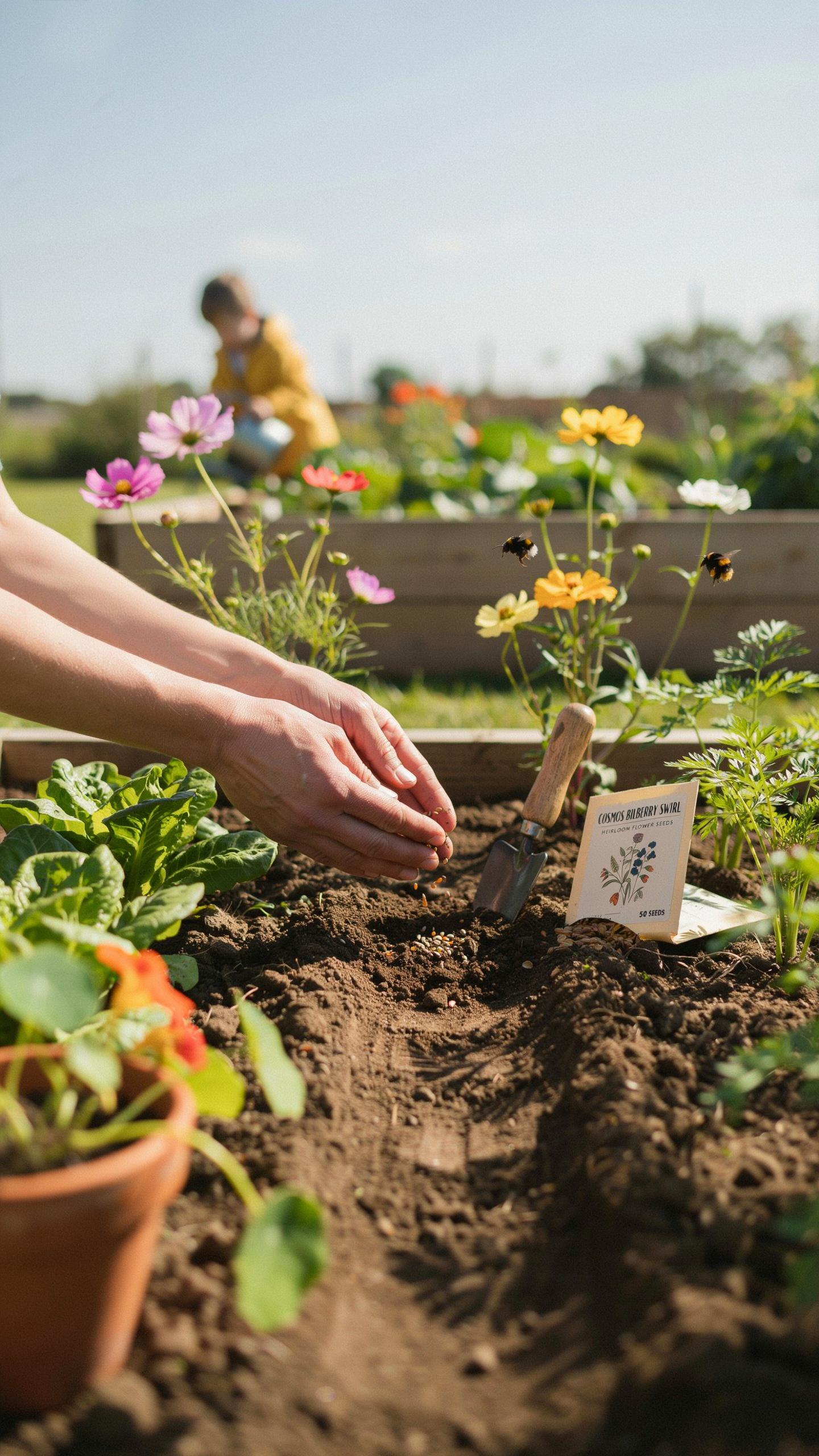
Direct sowing means placing seeds exactly where you want plants to grow. You create furrows or holes at the depth and spacing the seed packet specifies. This method gives you control over plant placement and spacing. Direct sowing works best for larger seeds like sunflowers, cosmos, and nasturtiums that germinate reliably without fussing.
Seed scattering spreads seeds loosely across prepared soil without precise placement. You rake the area lightly to ensure seed contact with soil. Scatter method suits small seeds and creates the naturalistic cottage garden look. This approach works well for self seeders like alyssum, larkspur, and foxgloves that thrive with minimal intervention.
Soil Bed Preparation Tips For Nutrient Rich Soil Beds
Prepare soil beds at least two weeks before sowing to let amendments settle. Remove existing weeds, rocks, and debris that compete with seedlings. Break up compacted soil to at least six inches deep using a spade or cultivator. Poor drainage kills seeds before germination, so amend clay soil with compost or aged bark to improve texture and water movement.

Work two to three inches of compost into the top six inches of existing soil. This feeds seedlings without requiring supplemental fertilizer during establishment. Test soil pH if available, aiming for neutral levels between 6.5 and 7.0 for most cottage garden flowers. Rake the final surface smooth and firm it lightly with your foot or board to create consistent seed contact with soil underneath.
Designing An Authentic English Cottage Garden On A Dime
Structured Chaos Design
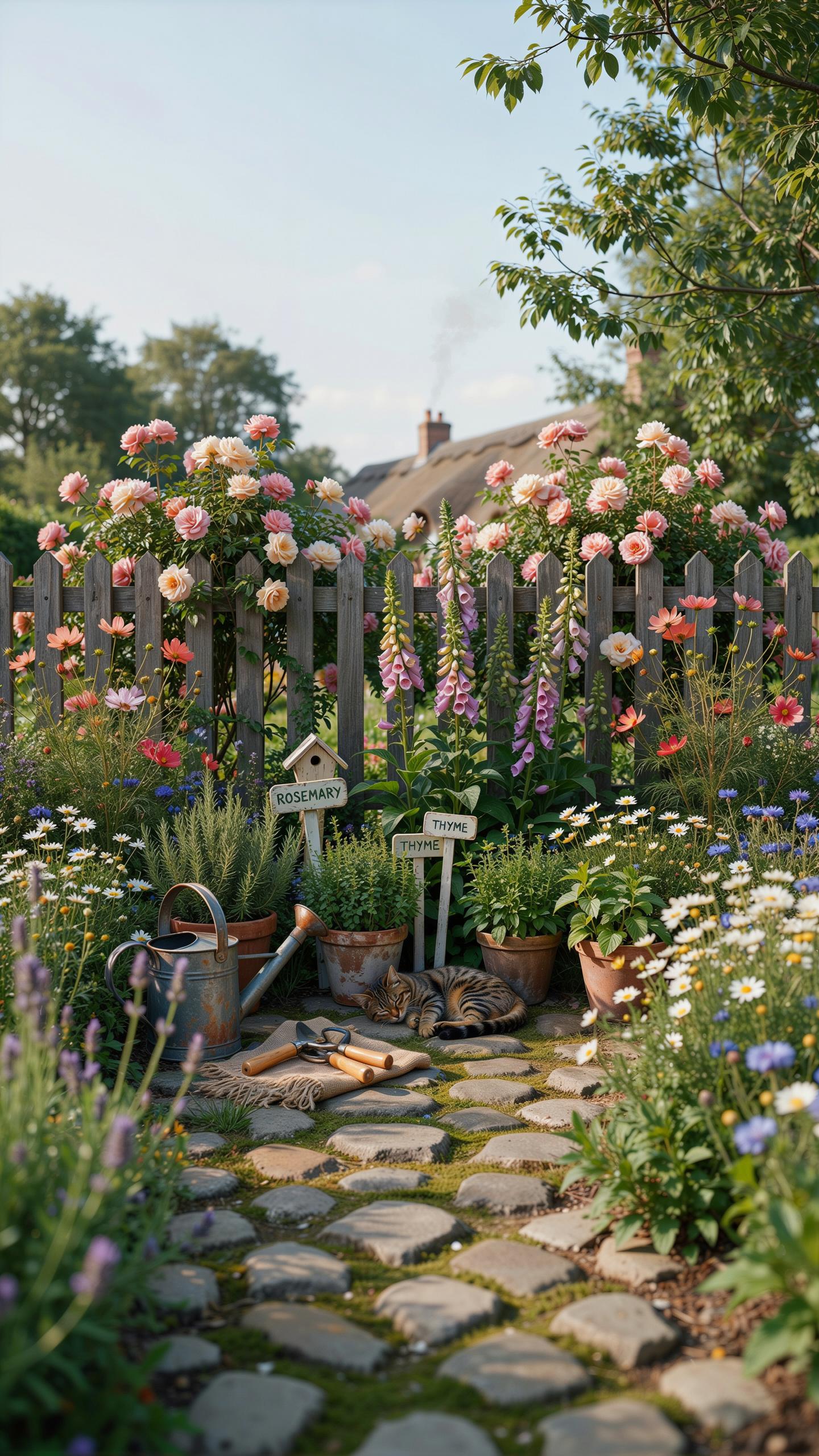
The cottage garden aesthetic emerged from practical necessity rather than design theory. Medieval and Victorian cottage dwellers planted vegetables, herbs, and flowers together for food security and medicinal purposes. This mixed planting style created dense, overlapping beds that appeared chaotic but served functional purposes. Self seeding flowers thrive in this environment because they naturally fill gaps and establish themselves without replanting costs.
Recreate this look by abandoning rigid rows and symmetrical arrangements. Plant self seeders like cornflowers, poppies, and foxgloves in clusters rather than straight lines. Allow volunteers to establish where they fall naturally. This approach eliminates design labor and reduces maintenance since you work with plant behavior instead of fighting it. Dense planting suppresses weeds and maximizes your garden’s productivity without additional expense.
Reclaimed Garden Borders
Low cost borders define garden spaces without draining your budget. Salvage materials like old bricks, reclaimed stone, and weathered wood create authentic cottage garden boundaries. Check demolition sites, online marketplaces, and local construction projects for free or discounted materials. These elements add character while establishing clear planting areas where self seeding flowers can establish themselves consistently.
Layered borders using reclaimed materials also improve soil drainage and create microclimates. Stack bricks or stones to form raised edges that cost nothing but labor. These physical barriers help contain self seeding plants and make garden maintenance more efficient. Simple edging eliminates the need for expensive landscaping tools or ongoing border maintenance, keeping your cottage garden genuinely budget friendly.
Choosing Resilient Self Seeding Flowers Perennials For Dry Soil
Drought Tolerant Species Like Verbena Bonariensis
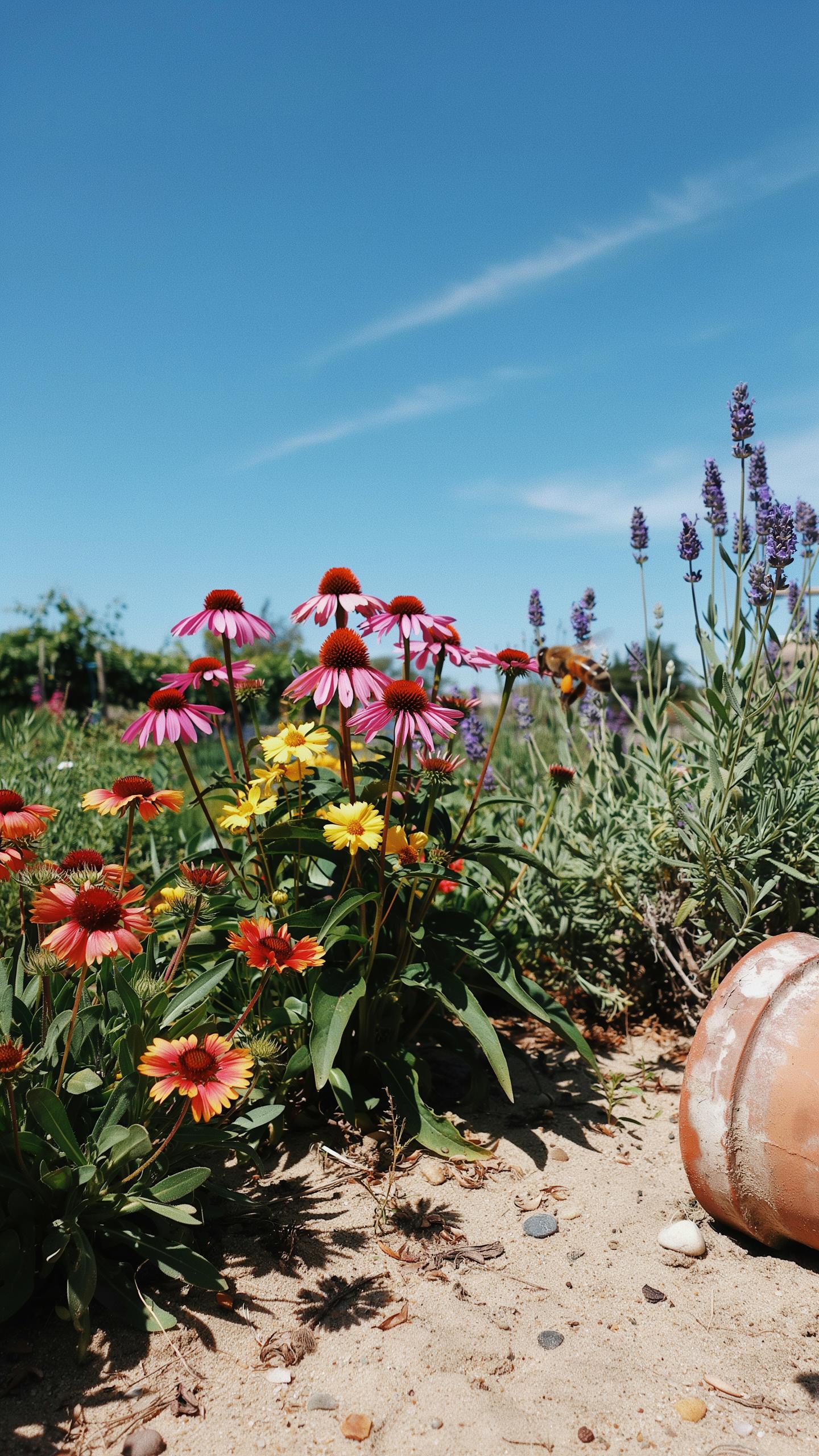
Verbena bonariensis thrives in dry soil because it stores water in its stems and roots. This South American native tolerates poor soil and neglect better than most garden flowers. Plant it once and it establishes itself through self seeding for years. The plant grows three to four feet tall with purple flowers that attract pollinators. It requires no staking, fertilizer, or extra water after establishment. You get continuous blooms from summer through fall with minimal intervention.
Verbena bonariensis spreads through seed dispersal. Mature plants drop seeds that germinate the following spring in surrounding soil. Dense flower clusters appear on thin wiry stems that sway but rarely break. The flowers attract butterflies and bees consistently throughout the growing season. This combination of toughness and pollinator value makes it cost effective for large garden areas. One packet of seeds produces multiple years of flowers across your garden space.
Minimalist Maintenance Beauty With Minimal Water Or Fertilizer
Dry soil self seeders survive because they evolved in harsh climates where water is scarce. These plants developed deep root systems and reduced leaf surfaces to conserve moisture. Once established, they need no supplemental watering during normal rainfall years. Fertilizer actually weakens these plants by forcing excessive growth and reducing seed production. Your job is planting seeds and removing seedlings you don’t want. That’s it.
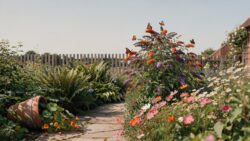
Maintenance becomes removal, not addition. Late summer you’ll spot volunteers emerging where you didn’t plant them. Pull seedlings in unwanted locations before they flower. Leave desirable ones to mature and drop seeds for next year. Deadheading is optional and removes potential seeds, so skip it if you want natural spread. Water only during prolonged drought lasting more than three weeks. This approach cuts your garden work time significantly while increasing flower production year over year.
Cottage Garden Flowers That Attract Native Pollinators
Nectar Rich Blooms
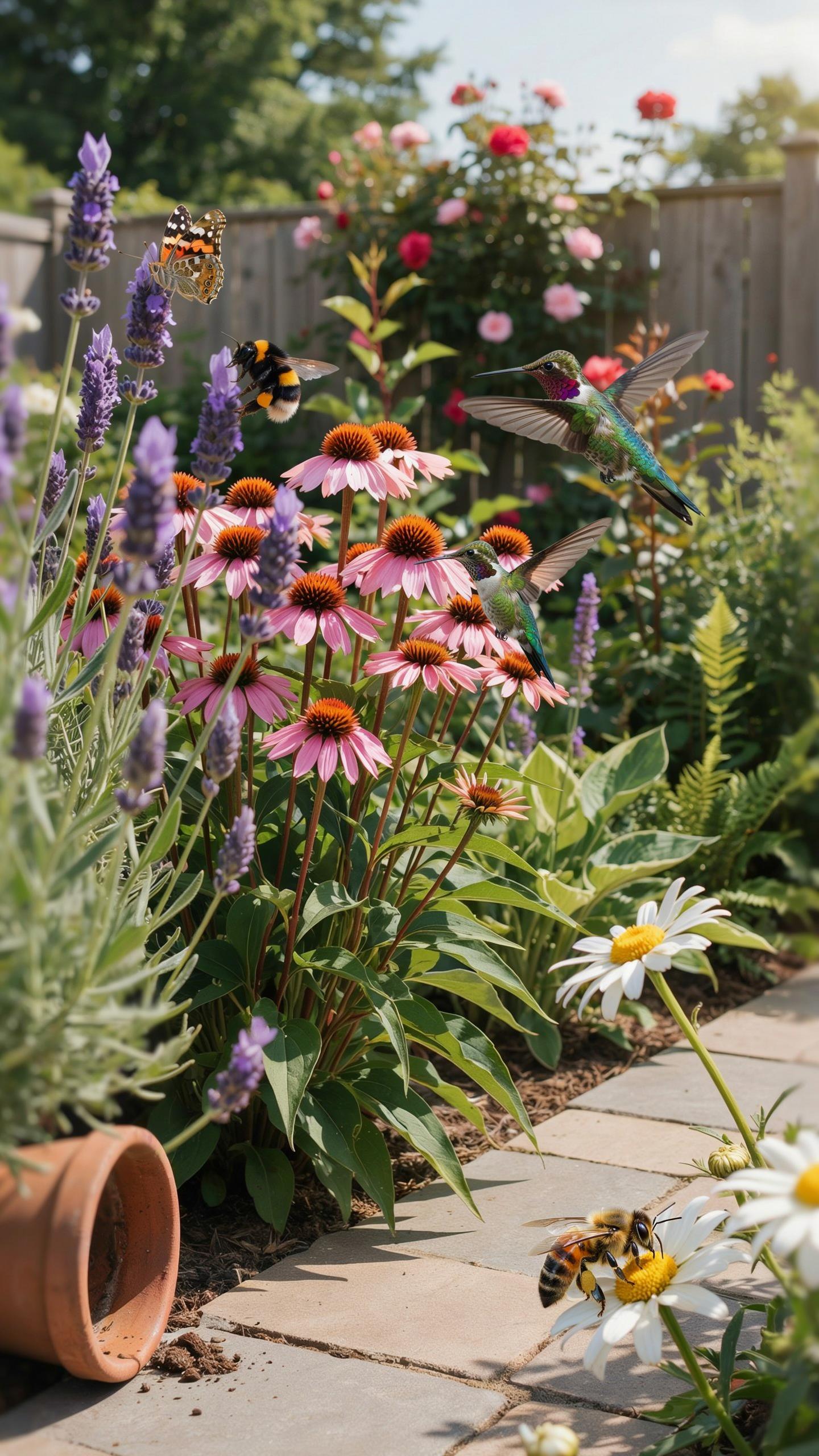
Native pollinators need consistent nectar sources from spring through fall. Self-seeding flowers deliver this without replanting effort each year. Bees and butterflies visit high-nectar plants repeatedly, increasing pollination rates across your garden. This creates a functional ecosystem that sustains itself through natural reproduction and seasonal cycles.
- Borage: Produces abundant blue flowers with high nectar content. Bees visit consistently throughout summer. Self-seeds aggressively, filling gaps without intervention. Tolerates poor soil conditions and drought stress.
- Cornflowers: Tall stems hold nectar-rich blooms for extended periods. Butterflies and bees favor the open flower structure. Seeds proliferate readily in disturbed soil. Blooms continue from midsummer through frost.
- Cosmos: Thin foliage allows easy pollinator access to central nectar. Flowers appear prolifically on minimal water and nutrients. Self-seeds so aggressively you’ll need to thin seedlings. Blooms sustain from early summer until hard freeze.
- Teasel: Spiky purple flowers attract specialized bee species and butterflies. Tall structure provides staging platform for insects. Seeds establish in disturbed areas naturally. Second-year plants flower prolifically before dying back.
- Foxglove: Tubular flowers create landing platforms for bees and hummingbirds. Tall spires maximize nectar visibility from distance. Biennial growth cycle means consistent flowering across seasons. Self-seeds reliably in partial shade conditions.
Rotating nectar sources prevent pollinator stress and colony collapse. Each species flowers at different times, creating unbroken food supply. Your garden becomes a refueling station rather than a decorative patch. Pollinators return repeatedly, multiplying reproductive success across all plants.
The glory of gardening: hands in the dirt, head in the sun, and the heart with nature. To nurture a garden is to feed not just the body, but the soul through flowers that return faithfully each spring.
Organic Ecosystem
Chemical inputs disrupt pollinator behavior and damage beneficial insect populations. Self-seeding flowers reduce dependency on fertilizers because established plants require minimal feeding. Native soil microbes break down organic matter, providing slow-release nutrients throughout seasons. This biological process requires patience but delivers long-term stability without annual inputs.
Eliminate herbicides and insecticides to preserve the insects you’re trying to attract. Beneficial predatory insects control pest populations naturally when given space to establish. Cottage gardens thrive on controlled chaos where weak plants fail and strong ones dominate. This selection process strengthens your plant population while reducing intervention needs year after year.
Essential Maintenance Tips For Courting Beautiful Gardening Flowers
Thinning Out Seedlings
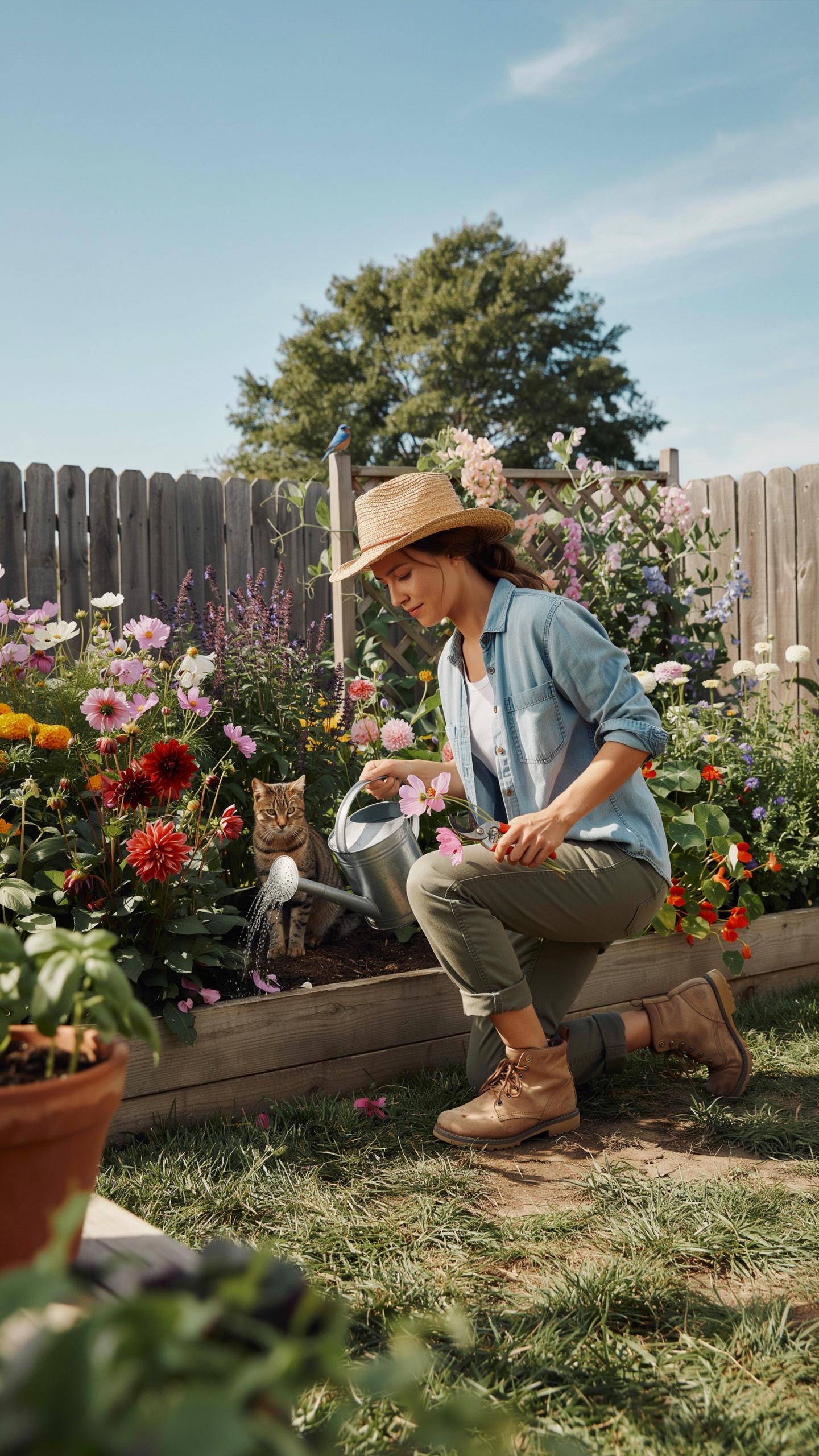
Seedlings emerge densely from self-seeded flowers because seeds land in clusters. Overcrowding creates competition for water, nutrients, and light. Thin seedlings when they develop their first true leaves, not the initial cotyledons. Remove the weakest plants by pinching them off at soil level or pulling them out. Space remaining seedlings according to mature plant size.
Thinning happens in stages as seedlings grow. Start early to prevent root tangling that makes removal difficult later. Leave the strongest, most vigorous seedling in each cluster. Thinning improves air circulation and reduces disease pressure. This single step determines whether you get sparse blooms or robust flowering plants.
Deadheading Strategies
Deadheading removes spent flower heads before they set seed. This controls how aggressively self-seeding flowers spread next year. Cut flowers just below the bloom where the stem begins to harden. Deadhead consistently throughout the flowering season to maximize blooms. Stop deadheading four weeks before your first expected frost to allow late flowers to set seed for next season.
Strategic deadheading lets you balance self-seeding with garden control. Remove flowers from plants that spread too aggressively in previous years. Allow flowering on plants that didn’t germinate well last season. This method gives you power over which species dominate your garden. Deadheading also extends bloom time by redirecting plant energy into new flowers instead of seed production.
Frequently Asked Questions

What are self-seeding flowers and why are they good for cottage gardens?
Self-seeding flowers are plants that naturally drop their seeds at the end of the growing season, allowing new seedlings to sprout the following year without human intervention. These cottage garden self seeding flowers are ideal for beginners because they create a lush, informal look with very little effort. They fill in gaps automatically, providing a perennial feel on a seasonal budget while maintaining that charming, romantic aesthetic traditional gardens are known for.
How do I encourage my flowers to self-seed effectively every year?
To ensure your cottage garden self seeding flowers return annually, you must resist the urge to deadhead every faded bloom. Leave the spent flower heads on the stalks until they dry out and release their seeds onto the soil. Avoid heavy mulching in these areas, as seeds need soil contact to germinate. In the spring, learn to identify small seedlings so you don’t accidentally pull them up thinking they are garden weeds.
Is it possible to start a beautiful cottage garden if I am on a tight budget?
Absolutely! Starting with seeds rather than mature nursery plants is the most cost-effective way to landscape. You only need to purchase one initial packet of seeds for varieties like Nigella, Poppies, or Calendula. Once these flowers established themselves during the first season, they will provide a lifetime of free plants. Trading seeds with neighbors or joining local seed swaps can further diversify your garden collection without spending an extra dime.