Classic Garden Picket Fence Ideas For A Charming Front Yard
Picket Styles
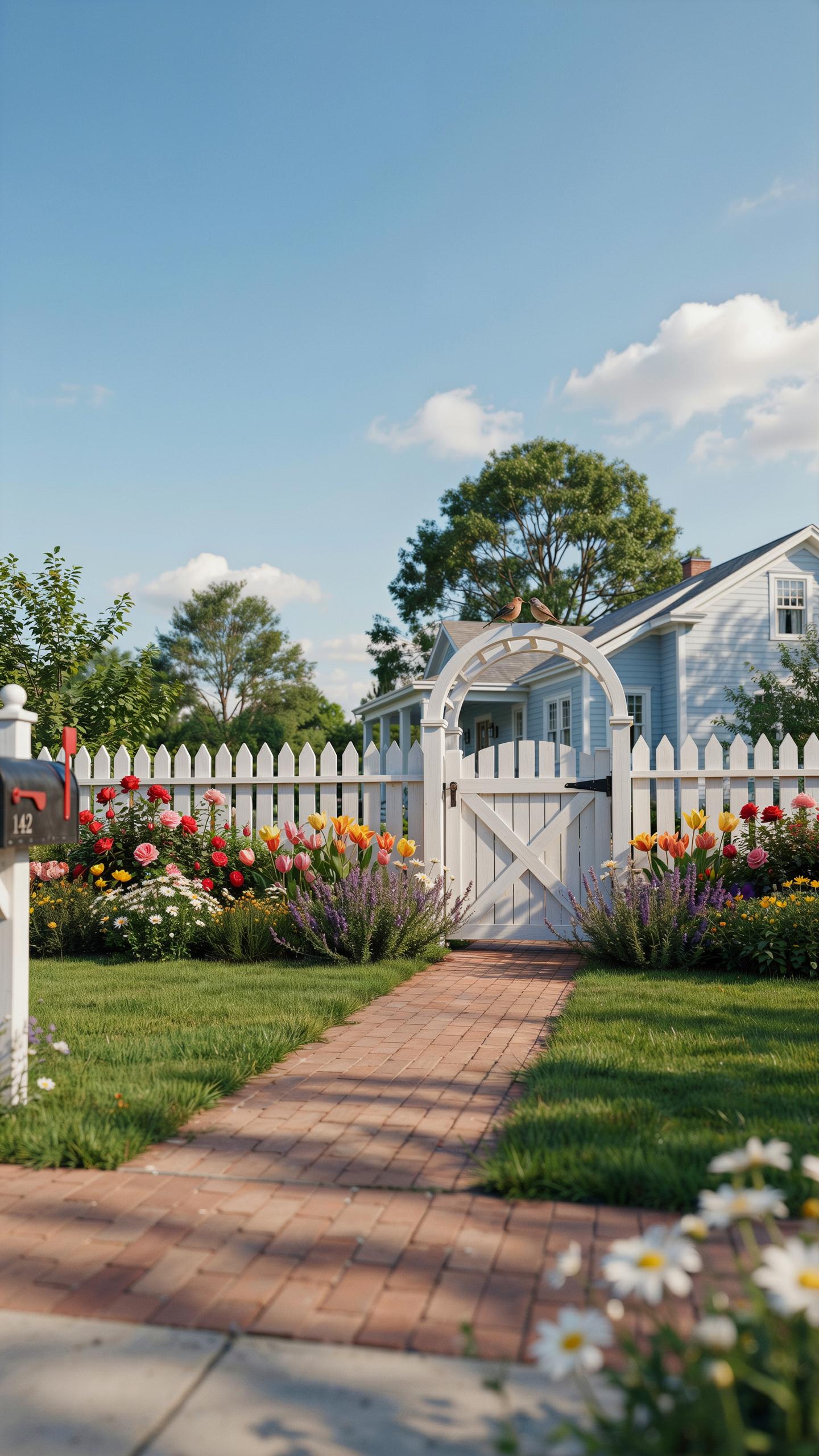
Wood picket fences remain the standard for cottage gardens because they work. Traditional designs use 4 to 6 inch wide boards spaced 2 to 4 inches apart. The spacing lets light through while maintaining a defined boundary. Wood weathers naturally and accepts paint or stain, adapting to your design choices over time. Cedar and pressure-treated pine resist rot and last 15 to 20 years with basic maintenance.
Vinyl pickets offer a no-maintenance alternative that replicates wood appearance without the upkeep. They don’t rot, splinter, or require repainting. Vinyl costs more upfront but eliminates sanding, staining, and regular repairs. Both materials support standard picket heights between 3 and 4 feet for cottage settings. Your choice depends on maintenance tolerance and budget allocation.
Climbing Plants Picket
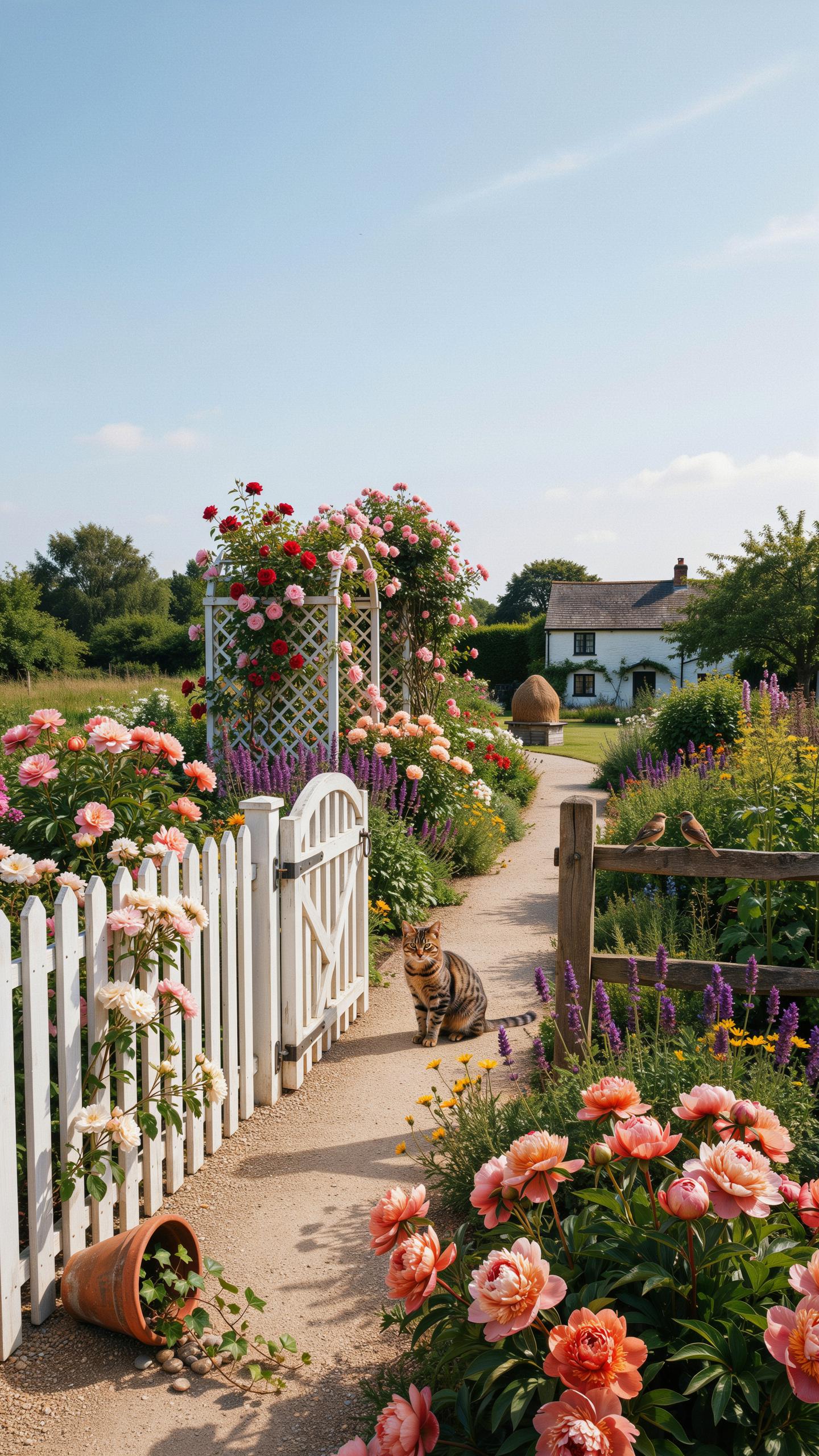
Climbing plants transform picket fences into living structures that enhance curb appeal. The open picket design allows vines to weave through boards while receiving full sunlight. Plants soften hard lines and create depth. Select species based on your climate zone and the amount of direct sun your fence receives. Fast-growing varieties establish coverage within one to two seasons.
- Clematis: Produces abundant flowers in purple, pink, or white. Grows 6 to 12 feet depending on variety. Prefers roots in shade and vines in sun.
- Climbing Roses: Delivers fragrant blooms across fence surfaces. Reaches 8 to 15 feet. Requires annual pruning to maintain shape and encourage flowering.
- Honeysuckle: Fast-growing vine producing fragrant tubular flowers. Reaches 15 to 20 feet. Attracts pollinators and handles partial shade effectively.
- Ivy: Provides year-round green coverage with minimal care. Grows vigorously and adapts to sun or shade. Offers evergreen interest during winter months.
- Jasmine: Offers fragrant star-shaped flowers in white or yellow. Grows 10 to 15 feet. Thrives in warm climates with good drainage.
Plant climbing species 12 to 18 inches from the fence base. Install support structures like trellises or guide wires to direct growth along boards. Water regularly during establishment. Most climbing plants become self-supporting once root systems mature and vines anchor to fence surfaces.

Traditional English Garden Fence Styles To Elevate Your Layout
Woven Hazel And Willow Wattle Hurdles For Rustic Charm
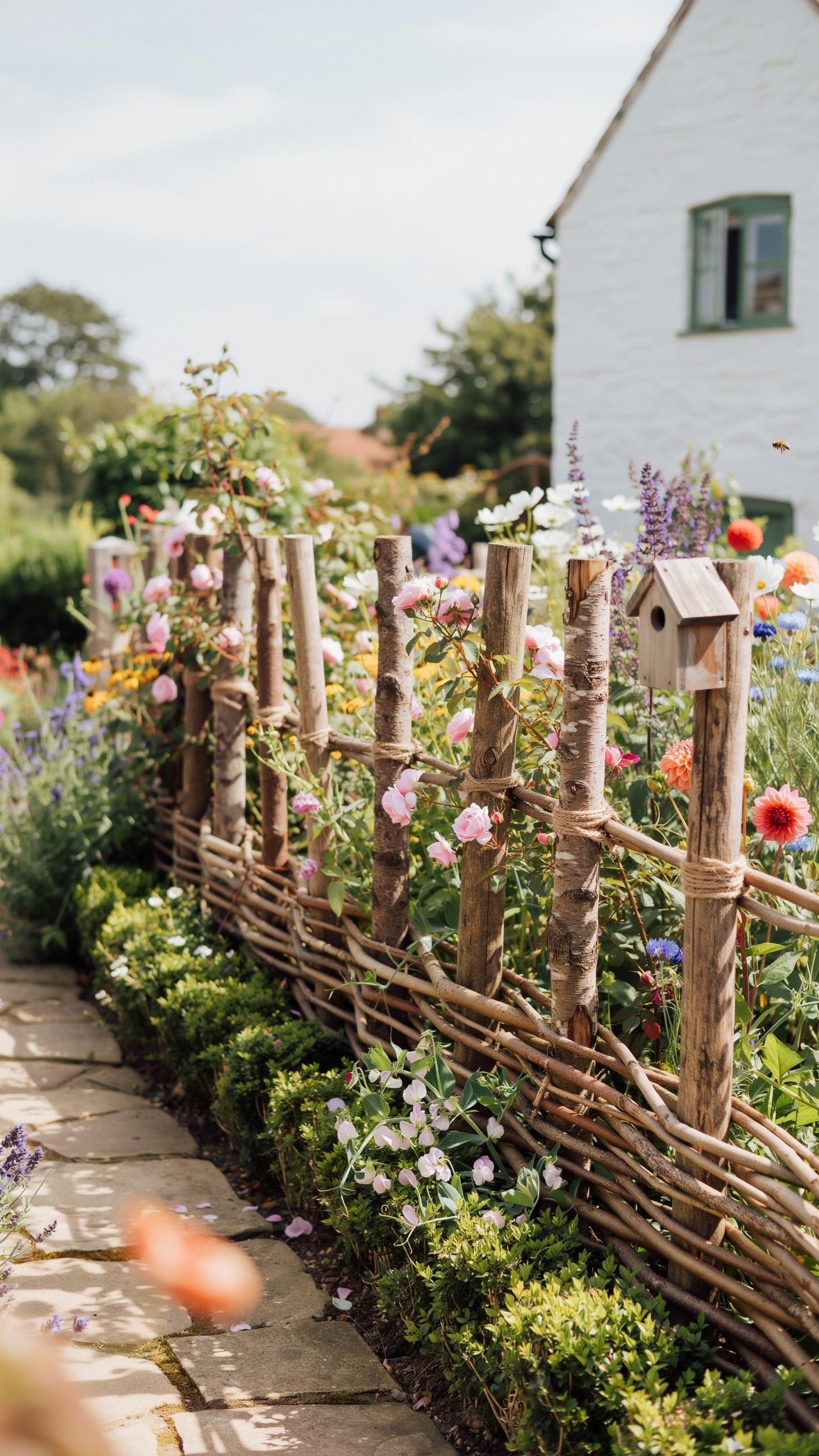
Woven hazel and willow wattle hurdles represent the oldest fencing method in English gardens. Craftspeople weave flexible branches between upright stakes, creating panels that bend without breaking. This technique dates back centuries and remains functional today. The material costs less than solid timber fencing while offering genuine aesthetic appeal rooted in agricultural tradition rather than modern trend.
Hazel and willow hurdles last 5 to 10 years depending on climate exposure and maintenance. Install them with sturdy timber posts sunk 2 to 3 feet into the ground for stability. These panels work best in protected areas shielded from harsh wind. Replace deteriorated sections individually rather than the entire fence, making repairs economical and straightforward.
Integrating Living Green Hedgerows With Timber Posts
Living hedgerows combine timber posts with mature shrubs like hawthorn, beech, or privet to create dual-function boundaries. The timber structure provides immediate definition while hedging fills in and hardens over time. This approach solves the problem of bare fencing during establishment phases. Plants establish faster when supported by framework rather than planted alone.

Space timber posts 6 to 8 feet apart and plant hedging material between them in rows. Hedgerows require 3 to 5 years to reach functional privacy levels. Prune twice yearly in summer and winter to maintain shape and density. This method eliminates fence replacement costs since living material regenerates through proper maintenance.
Stunning Cottage Style Fence Ideas Using Natural Materials
Split Rail Borders
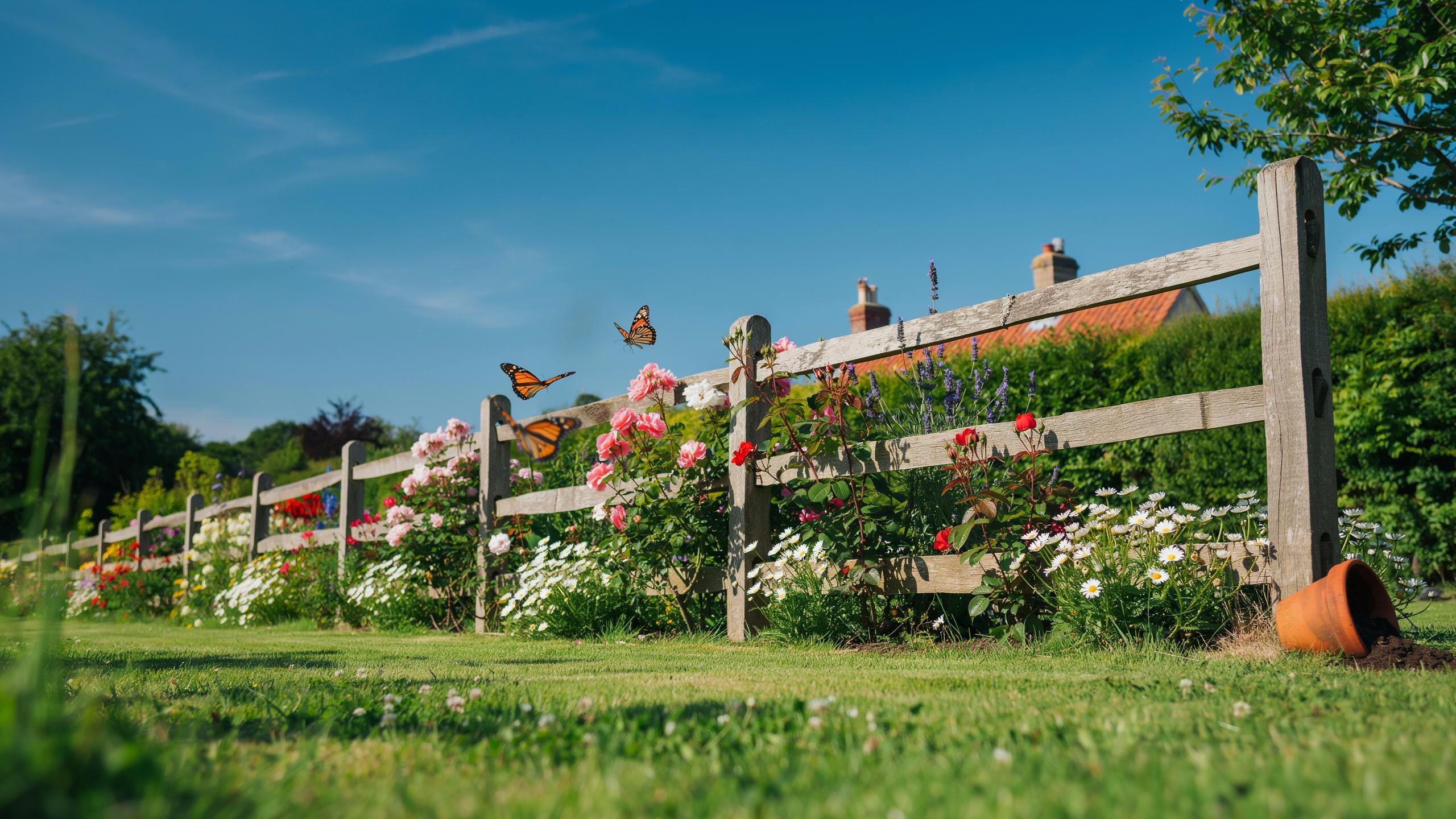
Split-rail fences work well for cottage gardens because they define space without blocking views. The open design lets light reach plants and allows air circulation through the garden. You build them by setting vertical posts into the ground, then laying horizontal rails into notches cut into those posts. This construction method dates back centuries and remains effective for containing plants while maintaining the garden’s visual flow. The fence sits low enough that tall flowers and shrubs appear to grow beyond the boundary.
Split-rail designs pair effectively with wildflower meadows because they don’t compete visually with natural plantings. The rustic appearance complements self-seeding flowers and grasses. Weathered wood blends into the landscape rather than dominating it. You can space the rails wider apart for meadow gardens, allowing smaller plants to weave through the structure. This approach reduces maintenance since you’re working with the plants’ natural growth patterns rather than fighting them.
A low fence tells the neighbor that you love them, but it also says that your garden is a sanctuary of your own making. There is a sweet nostalgia in a simple boundary that frames the flowers without hiding their faces from the world.
Driftwood Branches
Reclaimed driftwood creates texture that mimics natural woodland edges found in traditional cottage gardens. You collect branches from fallen trees, storms, or river sources, then arrange them horizontally or vertically between posts. This material costs nothing if you source it yourself and requires minimal processing. The weathered gray color works across different garden styles without looking out of place. Driftwood eventually deteriorates, making it temporary but authentic to cottage garden principles.
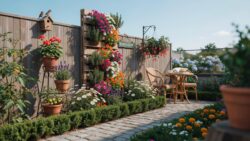
Install driftwood sections by binding them to posts with wire or nails, creating an informal barrier. You leave gaps between branches intentionally, allowing views through the fence and maintaining the garden’s open feel. This construction style accommodates settling and movement without structural failure. Fallen branches work identically to driftwood, offering the same aesthetic benefits. Replace sections as they decay, which actually improves the fence’s rustic character over time rather than detracting from it.
Ornate Victorian Garden Fence Designs With Historical Appeal
Wrought Iron Gothic
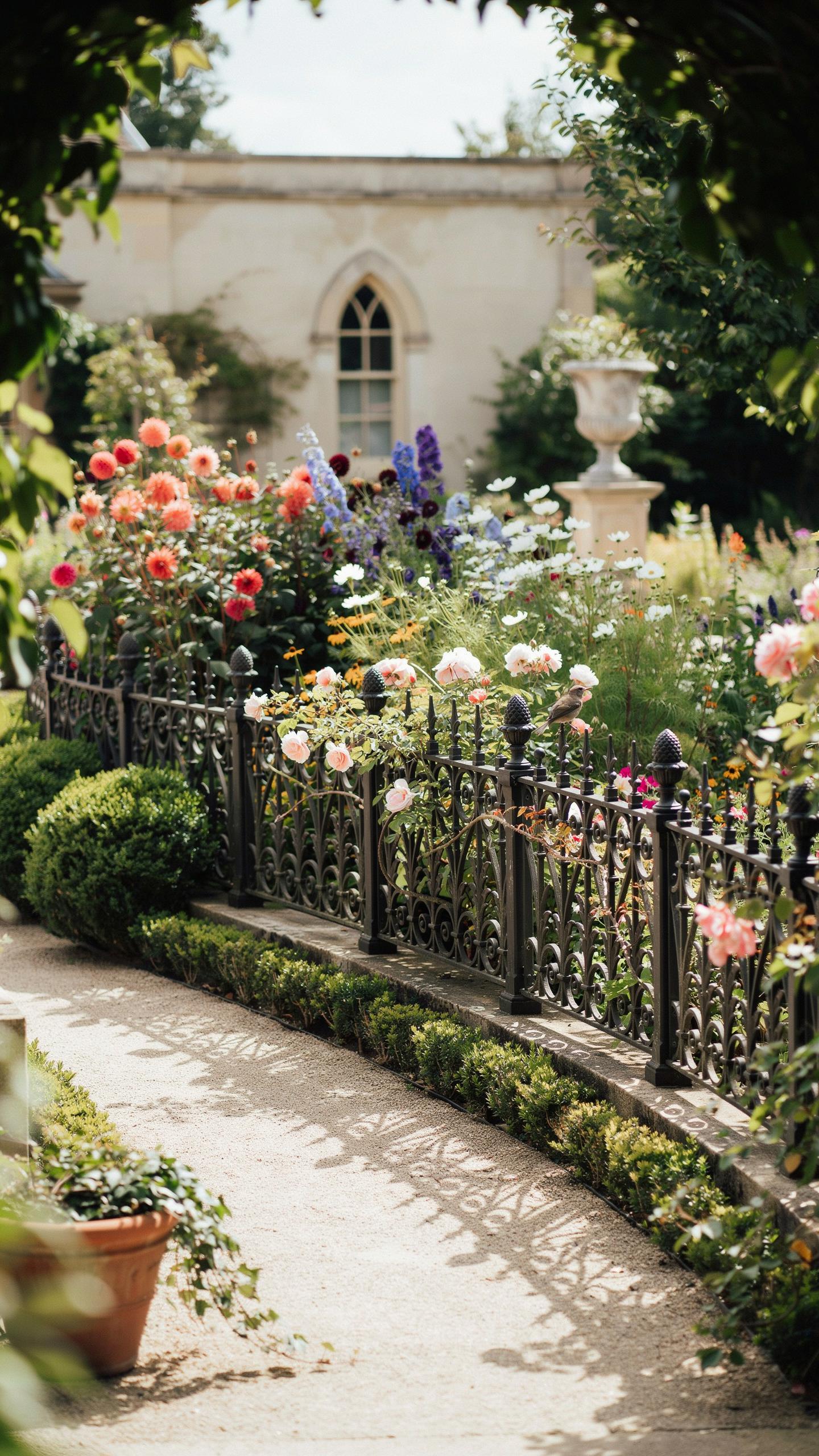
Wrought iron Gothic fencing emerged during the Victorian era as a direct response to the Gothic Revival movement of the 1800s. This style features pointed arch tops, decorative scrollwork, and vertical pickets that mimic cathedral architecture. The material itself withstands weather exposure better than wood alternatives. Gothic designs functioned as both boundary markers and status symbols for property owners during this period.
Gothic arch elements require skilled metalworking to produce. Blacksmiths hand-forged these pieces using traditional techniques that remain largely unchanged today. Cast iron components often supplement wrought iron on these fences, particularly at joints and decorative terminals. The combination creates fence sections that last decades with proper maintenance and rust prevention.
Decorative Post Caps
Finials and decorative post caps serve both functional and aesthetic purposes on Victorian cottage fences. These ornamental tops shed water away from fence posts, extending their structural lifespan significantly. Wood carvers produced intricate designs ranging from simple ball shapes to elaborate acorn and urn forms. Post caps became status indicators that reflected owner wealth and refined taste during the Victorian period.
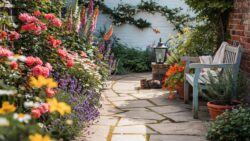
Installing post caps requires matching them to your fence style and post dimensions for clean proportions. Wood post caps typically measure between 4 to 6 inches across the top surface. Proper installation involves secure fastening that prevents movement from wind or weather. Maintenance demands periodic staining or painting to protect the wood from moisture and UV damage.
Functional Cottage Privacy Fence Ideas For Secluded Outdoor Spaces
Solid Wood Board Types
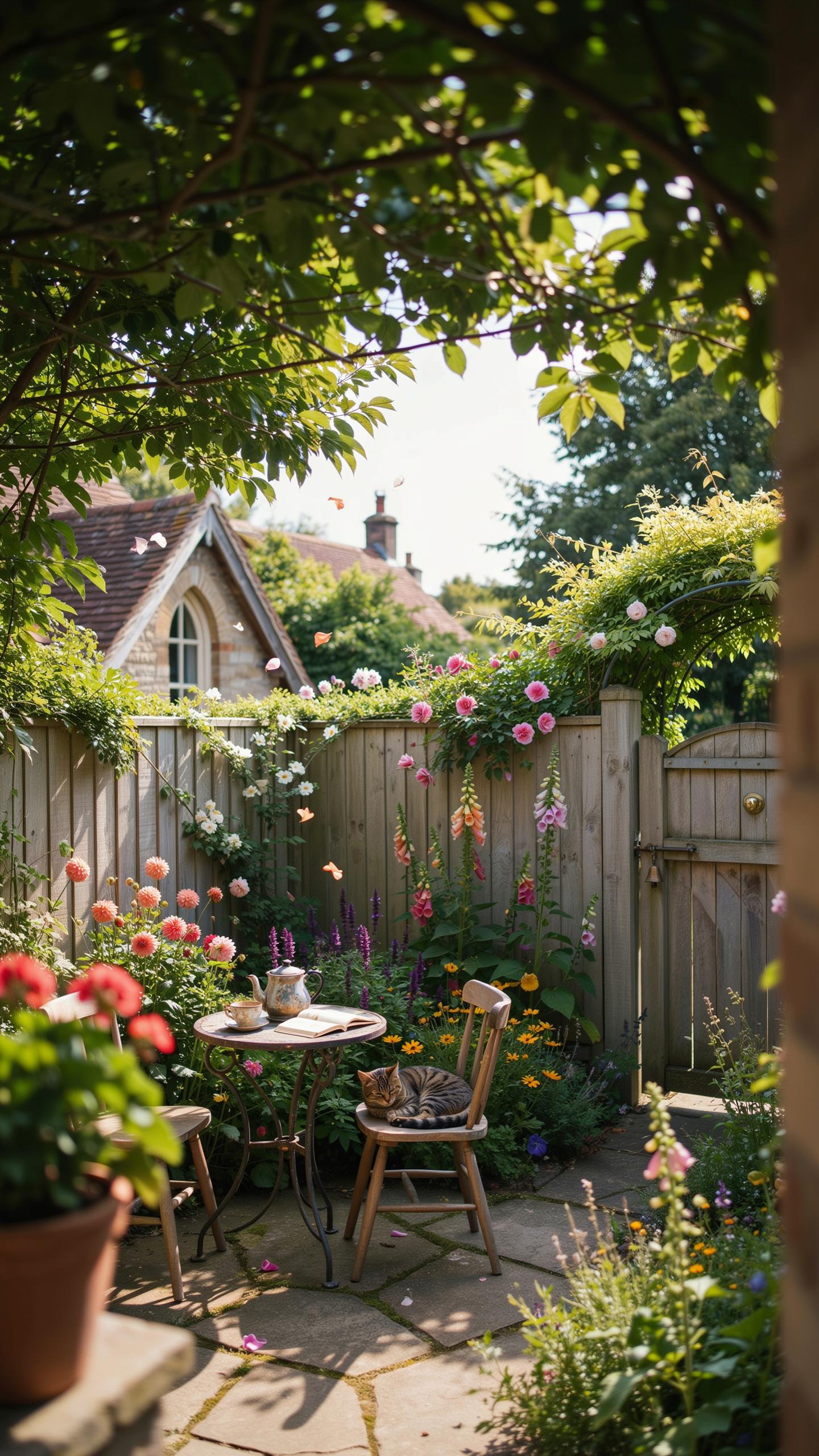
Privacy fencing requires selecting wood species that withstand weather and time. Cedar and redwood resist rot naturally due to their oil content. Pressure-treated pine offers affordability and durability through chemical preservation. Oak provides strength but demands regular maintenance. Each species performs differently based on your climate and budget constraints.
- Cedar: Contains natural oils that resist decay and insects. Weathers to silver-gray over time. Higher cost but requires less treatment than alternatives.
- Redwood: Similar decay resistance to cedar with rich coloring. Naturally durable in wet climates. Premium pricing reflects its longevity and appearance.
- Pressure-Treated Pine: Most economical option. Chemicals force preservation into the wood. Requires sealing every 2 to 3 years for optimal performance.
- Oak: Dense hardwood offering maximum strength. Prone to warping without proper maintenance. Best reserved for decorative elements rather than main panels.
- Composite Wood: Blends wood fibers with plastic polymers. Resists rot and fading without seasonal staining. Higher upfront cost but eliminates ongoing maintenance.
Close-board fencing, also called feather-edged or lap fencing, overlaps vertical boards for complete coverage. This design blocks sight lines while containing wind within your space. Installation takes longer than panel fencing but delivers superior privacy and durability.
Dense Planting Privacy
Layering shrubs in front of close-board panels creates a natural privacy extension. This approach adds depth and visual interest beyond solid wood surfaces. Evergreens maintain foliage year-round, ensuring consistent screening through all seasons.
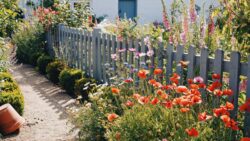
Position tall evergreens at least three feet from the fence line. This spacing allows root systems to establish without competing directly with fence posts. Stagger planting heights to create tiered visual screens that block multiple sight lines simultaneously. Dense species like yew, privet, and boxwood reach 8 to 15 feet when mature, providing coverage above standard 6-foot fencing.
Practical Front Yard Fence Solutions That Boost Curb Appeal
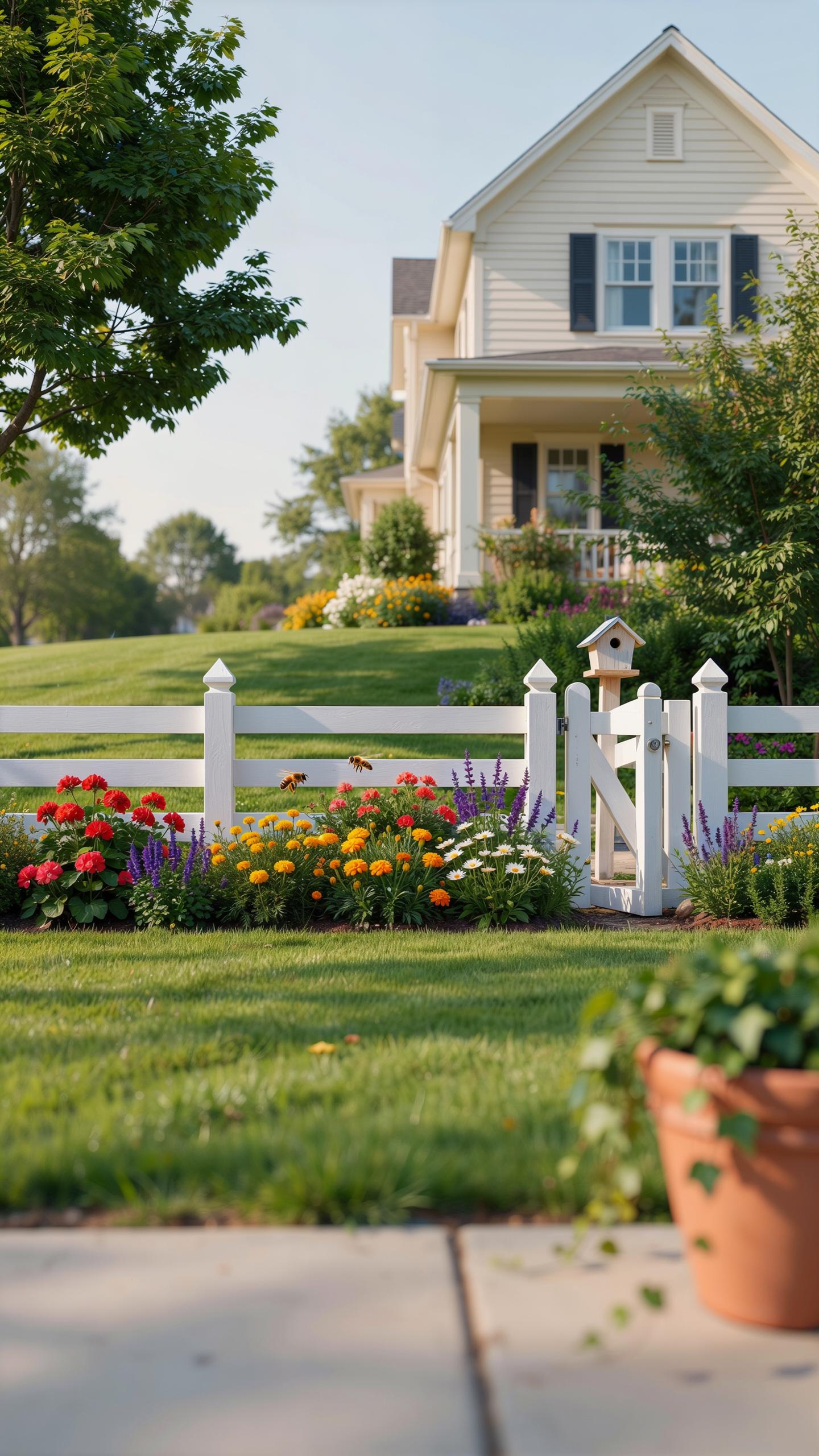
Low Scalloped Timber Borders For Inviting Walkway Frames
Low scalloped fences range from two to three feet tall and use curved cutouts along the top edge. This design originated in Victorian cottage gardens where it served both function and aesthetics. Timber remains the standard material because it accepts stain and paint readily while maintaining structural integrity over years of weather exposure.
Install scalloped fences six to twelve inches from walkway edges to frame pathways without blocking sightlines. The curves face outward toward visitors, drawing attention to the garden entrance. Use pressure treated pine or cedar for durability. Set posts in concrete footings spaced four to six feet apart to prevent leaning or shifting during freeze thaw cycles.
Building Welcoming Entryway Arbors And Cottage Gates
Entryway arbors frame transitions from street to garden using a peaked or rounded roof structure, typically six to eight feet tall. Gates hang within arbor openings to control access while maintaining the cottage aesthetic. Wood construction dominates this category because it weathers naturally and accepts climbing vines like clematis or honeysuckle without material degradation.

Position arbor gates to align with existing walkways and property lines. Use cross bracing on gate panels to add visual interest and prevent warping from moisture exposure. Install hinges rated for outdoor use and add magnetic catches or simple latches for reliable closure. Space arbors one to two feet inward from property boundaries to avoid conflicts with neighbor fences.
Low Maintenance Cottage Fencing Ideas To Save Time And Effort
Composite Picket Benefits
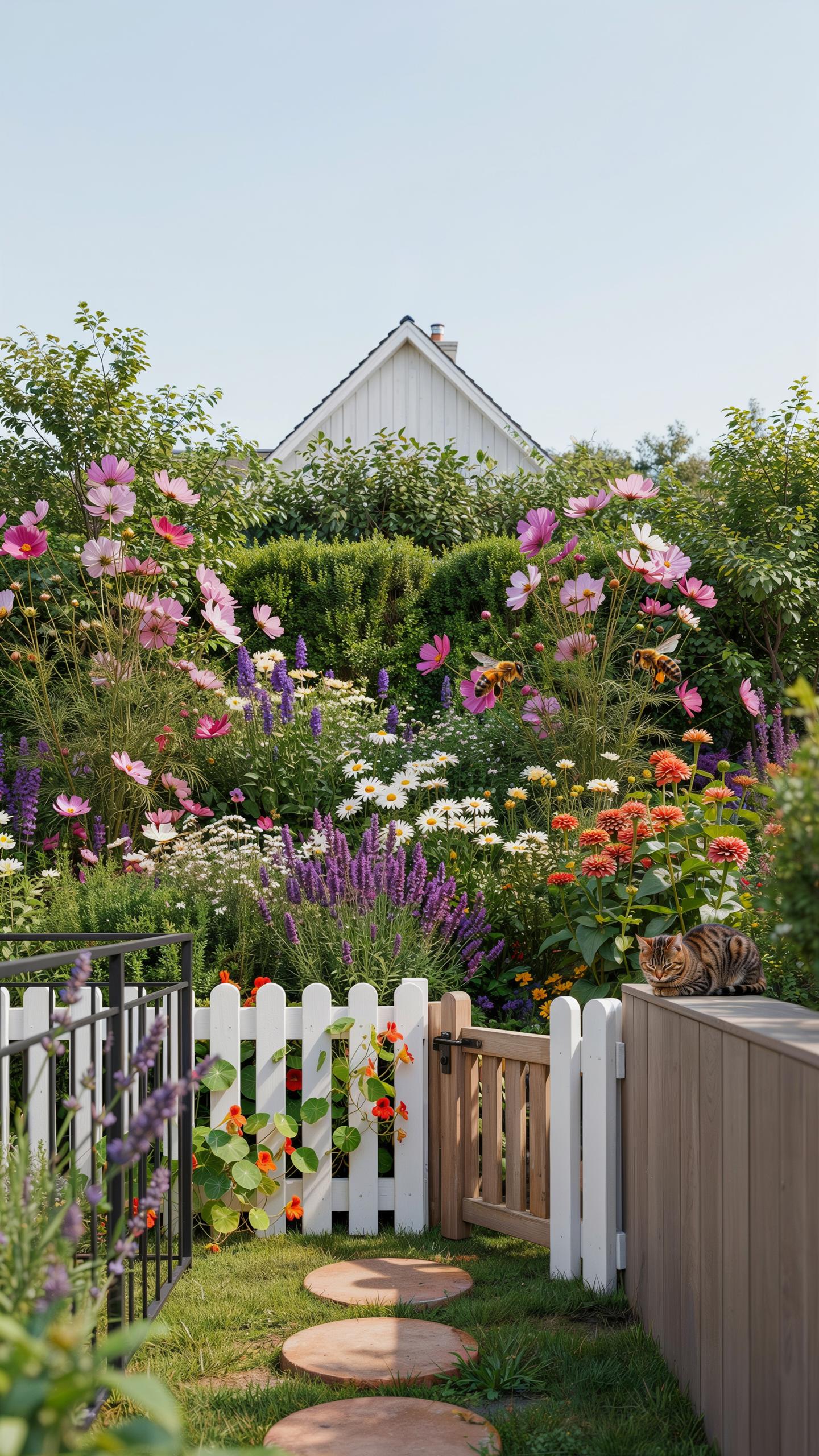
Composite picket fencing combines wood fibers and plastic polymers to create a material that resists rot, warping, and insect damage. Unlike wood, composite requires no painting or staining. You simply wash it with soap and water annually. This material lasts 25 to 30 years with minimal intervention.
Matte vinyl alternatives function similarly but use PVC instead of wood fiber blends. Vinyl resists fading better than composite in direct sunlight. Both materials eliminate the recurring maintenance cycle that traditional wood demands. Your time investment drops dramatically compared to wood fence upkeep.
Weatherproof Sealants Stains
Reclaimed timber adds authentic character to cottage gardens but demands protection from moisture and UV exposure. Apply sealants every two to three years to prevent water penetration and wood decay. Choose exterior-grade products formulated for your climate zone. Stains penetrate wood fibers while sealants create protective barriers on the surface.
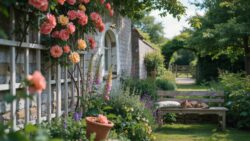
Quality sealants extend reclaimed wood fence life by five to ten years beyond unsealed alternatives. Clear sealants preserve the timber’s natural appearance while tinted options enhance grain visibility. Apply products during dry weather when temperatures stay between 50 and 85 degrees Fahrenheit. Proper application technique matters more than product brand for consistent results.
DIY Small Scale Cottage Fence Projects For Budget Friendly Yards

Reclaimed Pallet Fences
Pallets work as fence material because they come pre-assembled with structural support already built in. You disassemble pallets, inspect boards for damage, and reassemble them into fence sections. This approach cuts material costs significantly since pallets are often free from warehouses and shipping facilities. The wood varies in quality and appearance, which actually suits cottage garden aesthetics where uniformity matters less than character.
Installation requires basic tools: a circular saw, drill, level, and concrete mix for posts. Stand pallets upright or deconstruct them to create custom board spacing and patterns. Seal the wood with exterior stain or paint appropriate for your climate. The lifespan depends on wood quality and weather exposure, but treated pallets typically last five to ten years before requiring replacement or reinforcement.
Bamboo Cane Privacy Screens
Bamboo canes provide vertical screening that grows naturally in many regions, making them accessible and affordable. Bind canes together using twine, wire, or metal brackets to create panels that attach to existing fence posts or standalone frames. The material transmits some light while blocking direct views, which maintains sightlines across your garden. Bamboo degrades over time when exposed to moisture and UV, so expect replacement every three to five years in most climates.

Installation involves securing canes horizontally or vertically depending on your privacy needs and design preference. Reed screens offer a similar function with slightly more durability since reed comes from water plants with natural weather resistance. Both materials suit cottage gardens because they reference traditional European fence construction methods used for centuries in agricultural settings. Cost stays low because raw materials remain inexpensive compared to manufactured fencing products.
Frequently Asked Questions

What are the most popular cottage garden fence ideas for beginners?
If you are just starting out, white picket fences and natural wattle styles are the most iconic cottage garden fence ideas to consider. These structures provide a classic backdrop for sprawling perennials and climbing roses. Focus on low-height designs that define your boundaries without obstructing the view. Choosing pre-assembled panels can simplify the installation process, allowing you to focus your energy on planting the lush, colorful blooms that define this romantic aesthetic.
How do I incorporate climbing plants into my cottage garden fence?
To turn your fence into a living wall, install sturdy eye hooks and wire trellises across the panels. This allows heavy climbers like clematis, honeysuckle, or rambling roses to grip the structure securely. When exploring cottage garden fence ideas, prioritize materials like cedar or vinyl that resist rot from moisture trapped by dense foliage. Regularly pruning and tying back stems ensures your greenery enhances the fence design rather than overwhelming the structural integrity.
Can I create an authentic cottage garden look on a tight budget?
Absolutely! You can achieve a charming look by using reclaimed materials like old wooden pallets or salvaged rustic gates. Simply painting an mismatched existing structure in soft pastel tones or a creamy white can instantly transform your space. Using woven willow branches or affordable chicken wire framed with scrap timber are excellent cottage garden fence ideas that offer a high-end, artisanal feel without the premium price tag of custom-built ornamental ironwork.