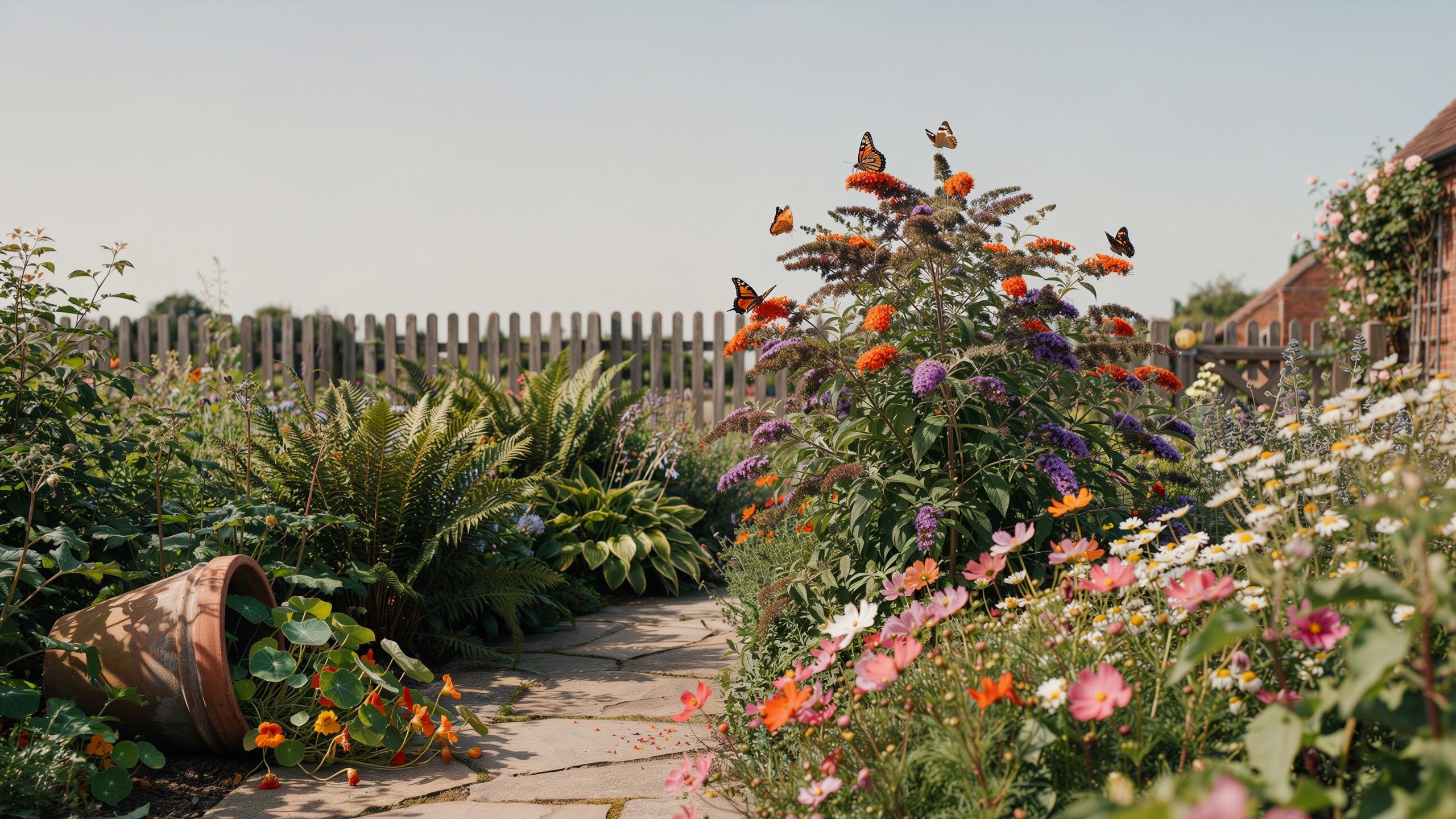
The Allure Of The Cottage Garden Butterfly Bush
Historical Charm
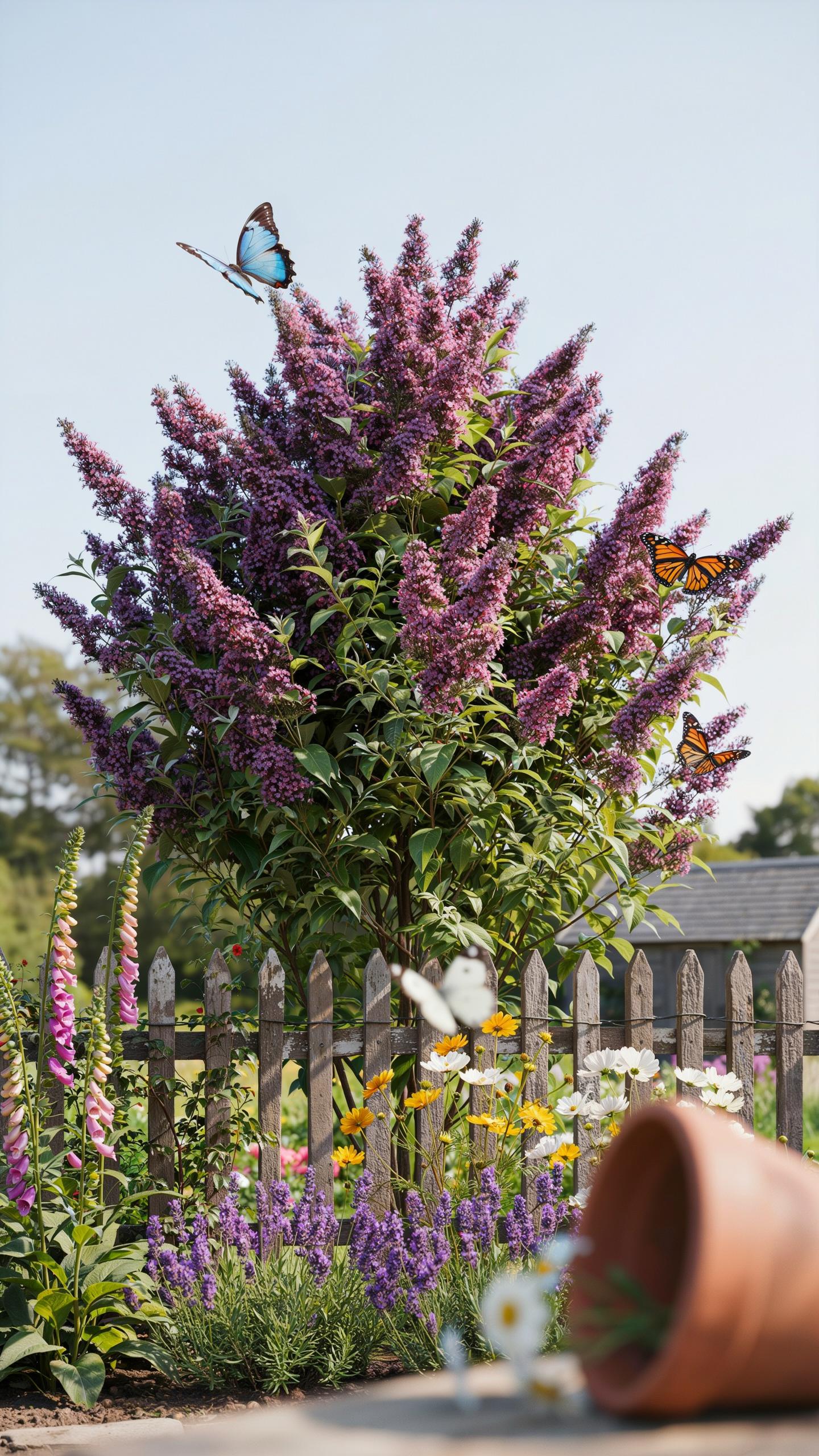
Buddleja davidii arrived in Europe from China during the 1890s. Gardeners adopted it quickly because it thrived in informal settings and required minimal maintenance. The plant’s tall flower spikes and unpretentious growth pattern aligned perfectly with cottage garden design principles. Unlike formal Victorian gardens, cottage gardens welcomed plants that self-seeded and spread naturally. Butterfly bush delivered exactly this quality. Its fragrant purple, pink, or white blooms clustered densely on vertical stems, creating visual interest without demanding rigid pruning or staking. The species became a staple because it delivered romance through casualness rather than careful cultivation.
The cottage garden movement valued authenticity over artifice. Butterfly bush fit this philosophy because it performed well in poor soil and neglected spaces. Gardeners appreciated its resilience and the way it attracted wildlife. The plant’s ability to flower continuously from summer through fall made it practical for cut arrangements and pollinator support. This combination of low input and high output cemented its place in traditional garden design. Today, butterfly bush remains synonymous with the cottage aesthetic because it embodies the movement’s core values: abundance, self-sufficiency, and natural beauty.
Ecological Value
Butterfly bush produces abundant nectar that attracts butterflies, bees, moths, and hoverflies. The dense flower spikes provide accessible feeding stations for insects throughout the blooming season. A single established plant can support dozens of pollinator visits daily during peak flowering. This nectar production makes the species valuable for gardens in areas where natural food sources are limited. The plant compensates through sheer floral abundance, offering consistent sustenance when competing plants finish flowering. This timing matters because many pollinators need fuel during late summer and early fall.
The relationship between butterfly bush and local wildlife extends beyond nectar provision. Hoverflies lay eggs near flowering plants because they know larvae will find aphids on or near the vegetation. Bees use butterfly bush as a staging area between foraging trips. Moths visit at dusk and dawn when few other plants offer nectar. The plant essentially functions as a refueling station within the broader ecosystem. While native plants should form the backbone of pollinator gardens, butterfly bush contributes meaningfully by providing high-energy food sources during critical seasons when pollinators prepare for migration or dormancy.

Essential Butterfly Bush Landscaping Techniques
Framing Boundaries
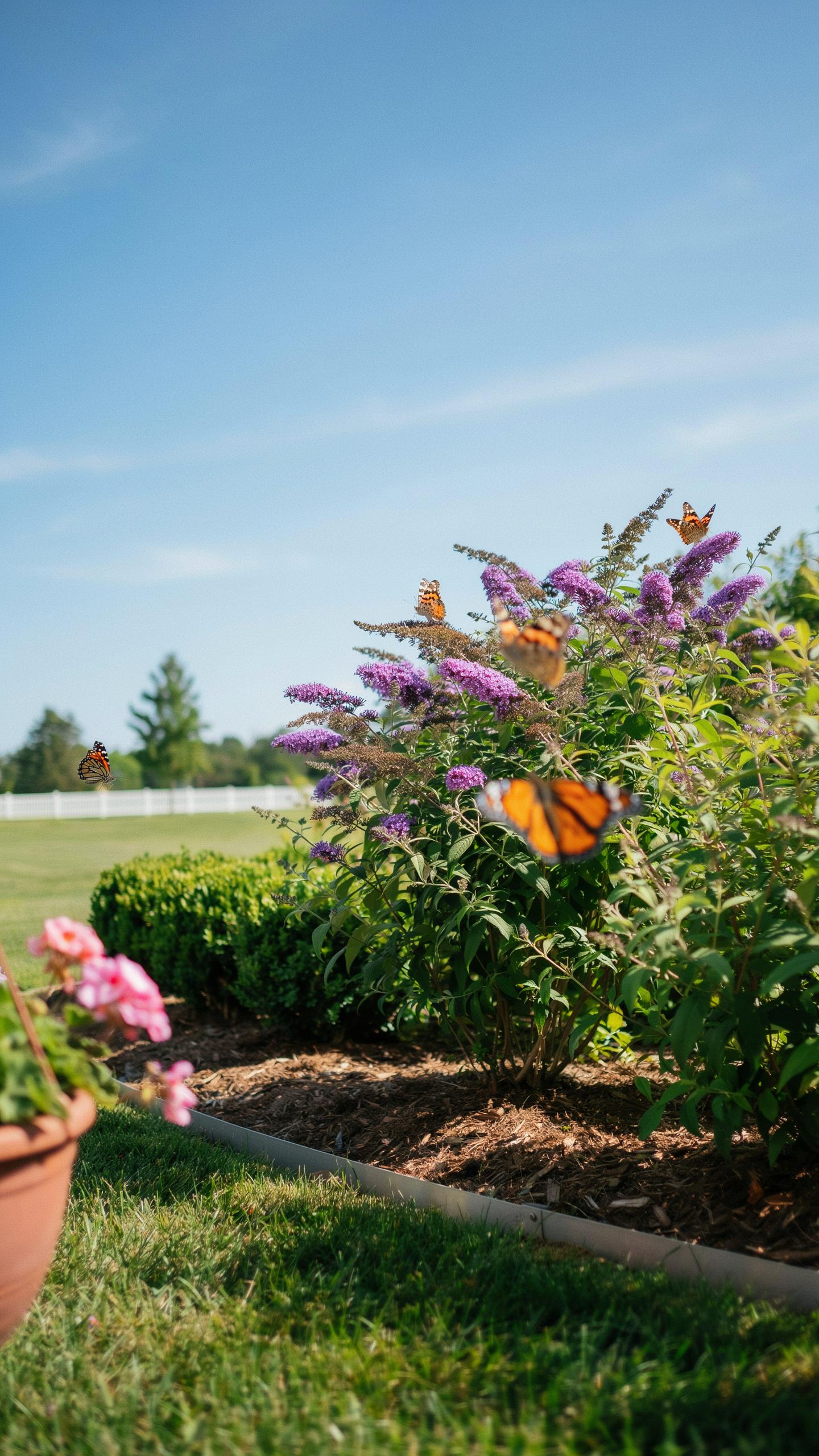
Buddleja davidii and Buddleja alternifolia varieties reach heights between 6 to 12 feet depending on cultivar and climate. Position taller specimens along property lines or garden perimeters to create physical screens and visual barriers. These plants establish dense branching patterns that block sightlines effectively while requiring minimal maintenance once established. Prune annually to maintain shape and density, cutting back in early spring before new growth emerges.
Butterfly bush handles aggressive pruning without failure. Cut back stems by one-third to one-half their length each year to encourage bushier growth from the base. This creates denser foliage coverage that functions as a living fence. Space plants three to five feet apart depending on your desired timeline for fill-in. Closer spacing produces a barrier faster but demands more pruning to prevent overcrowding and competition for nutrients.
Specimen Planting
A single, well-maintained butterfly bush commands attention as a garden focal point. Select a site with clear sightlines from your main viewing area, typically near seating areas or along primary pathways. Choose cultivars with distinctive growth habits or flower colors that contrast with surrounding plantings. Buddleja davidii ‘Royal Purple’ or ‘Black Knight’ provide darker tones that stand apart from typical perennials in cottage gardens.

Specimen plants require consistent pruning to maintain architectural interest throughout seasons. Remove spent flower spikes immediately after blooming to redirect energy into new growth and maintain shape. Position the plant where it receives six to eight hours of direct sunlight daily for optimal flowering and structure. Stake young plants if necessary to establish a strong central leader, then remove supports once the stem thickens.
Curating A Small Butterfly Garden Layout
Compact Cultivar Selection
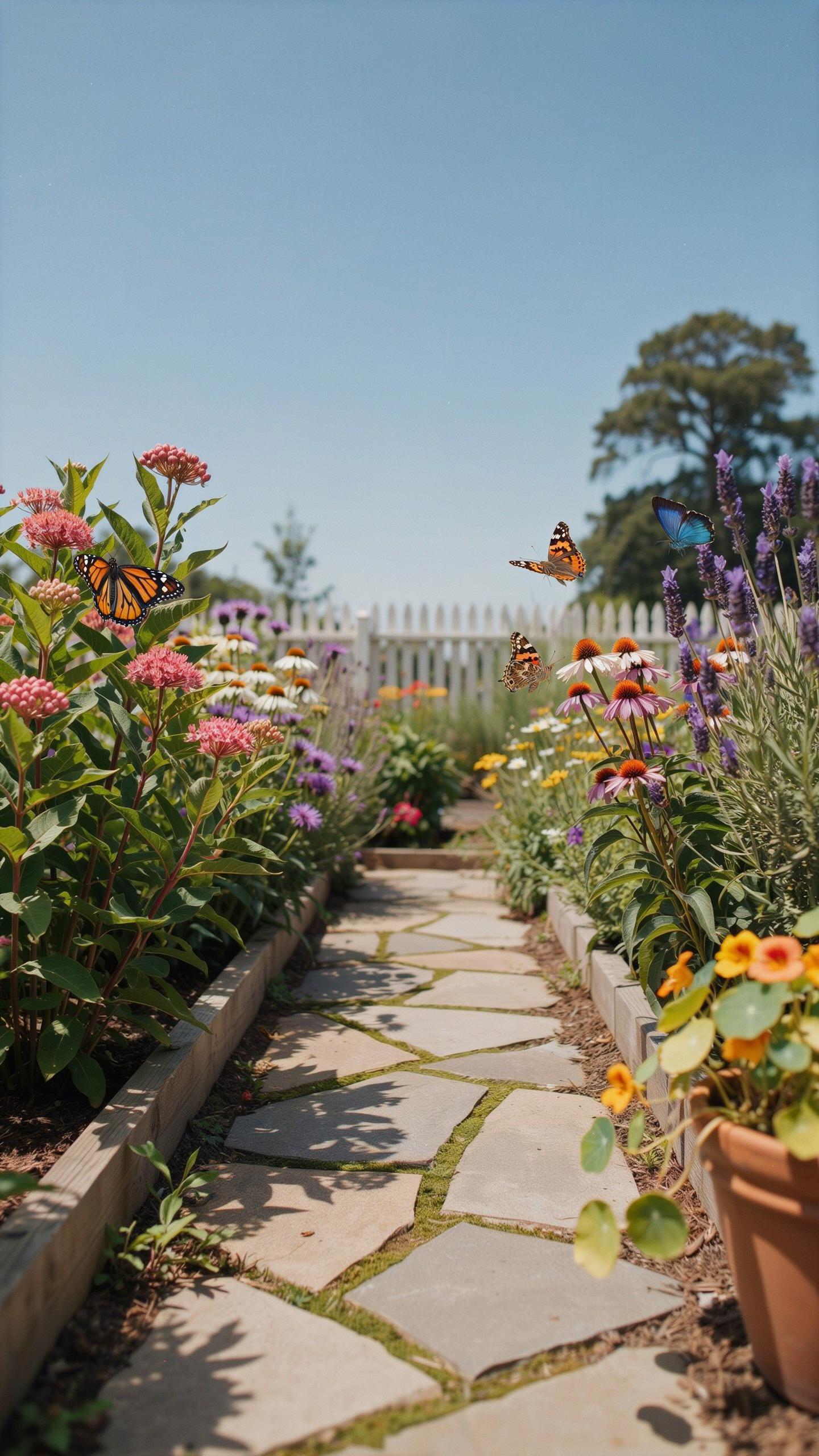
The Lo and Behold series delivers results in confined spaces where standard butterfly bush cultivars fail. These dwarf Buddleja varieties mature at 3 to 4 feet tall, compared to the 6 to 12 feet of traditional types. They produce full flower panicles despite their reduced size, attracting butterflies without dominating your garden footprint.
Select Lo and Behold cultivars based on color preference and bloom time. Blue, purple, pink, and white varieties flower from mid-summer through fall in most climates. Space plants 2 to 3 feet apart to allow air circulation while maintaining density. Regular deadheading extends blooming periods and prevents excessive self-seeding in cottage garden settings.
Layering Techniques
Build vertical interest by positioning dwarf butterfly bush as your middle layer, sitting between ground covers and taller background plants. This approach maximizes usable space in small gardens while creating natural sight lines. Ground covers like creeping phlox or sedums occupy the lowest tier, while the butterfly bush rises above them.

Pair dwarf butterfly bush with low-growing perennials such as catmint, salvia, or coreopsis to create a cohesive planting scheme. These companions attract pollinators, reduce soil moisture competition, and fill gaps between shrubs. The layering technique works in borders, raised beds, or containers, adapting to whatever space you have available.
Designing A Small Butterfly Garden Design Layout
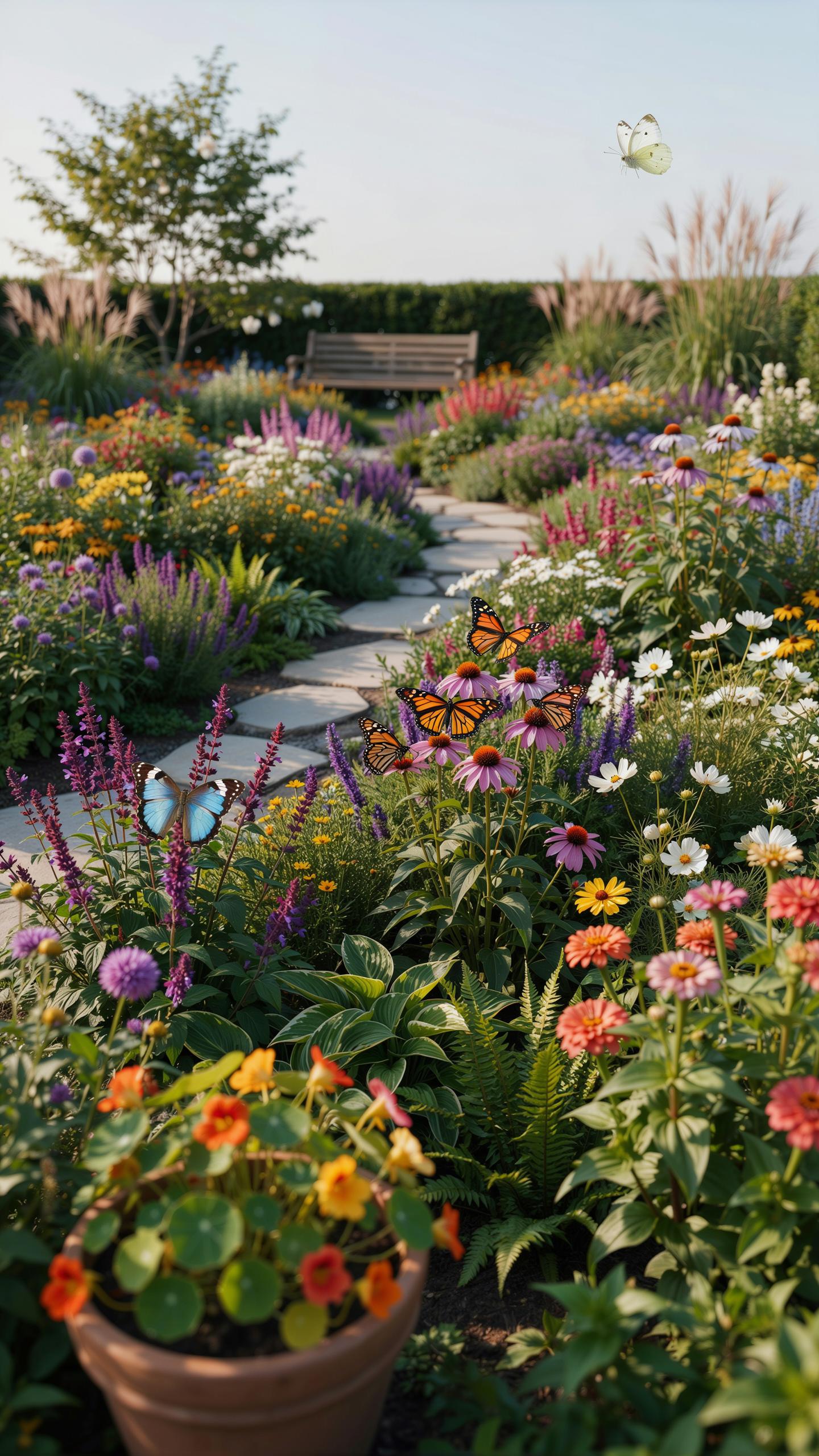
Geometric Versus Fluid Shapes
Geometric borders use straight lines, rectangles, and defined edges. They suit formal cottage gardens and small spaces where you need clear boundaries. Fluid shapes feature curves and organic flow. They mimic natural plant growth and work well in informal settings. Your choice depends on your garden’s existing architecture and your maintenance capacity. Geometric designs demand precision and regular trimming. Fluid layouts forgive irregular growth patterns.
Both approaches work with butterfly bush. Geometric designs position the bush as a focal point within structured beds. Fluid designs let the bush integrate naturally into surrounding plantings. Small spaces benefit from one dominant shape rather than mixing both styles. Pick one approach and commit to it for visual cohesion. Switching styles mid-garden creates visual chaos in tight quarters.
Maximizing Sunny Microclimates
Butterfly bush demands minimum six hours of direct sunlight daily. More sun increases flower production and improves plant vigor. In small gardens, identify your sunniest spots first, then plan around them. South and west-facing areas typically receive the most consistent light. East-facing spots work if they get unobstructed morning sun. Avoid planting under tree canopies or near structures that cast shadows after midday.

Microclimates vary significantly in compact spaces. A wall or paving stones reflect heat and extend growing warmth. Low-lying areas collect cold air and reduce effective sunlight hours. Position butterfly bush on slight slopes facing south when possible. Test your microclimate by observing light patterns across the garden over two weeks. Mark the sunniest zones before planting.
Creative Butterfly Garden Layout Ideas For Every Yard
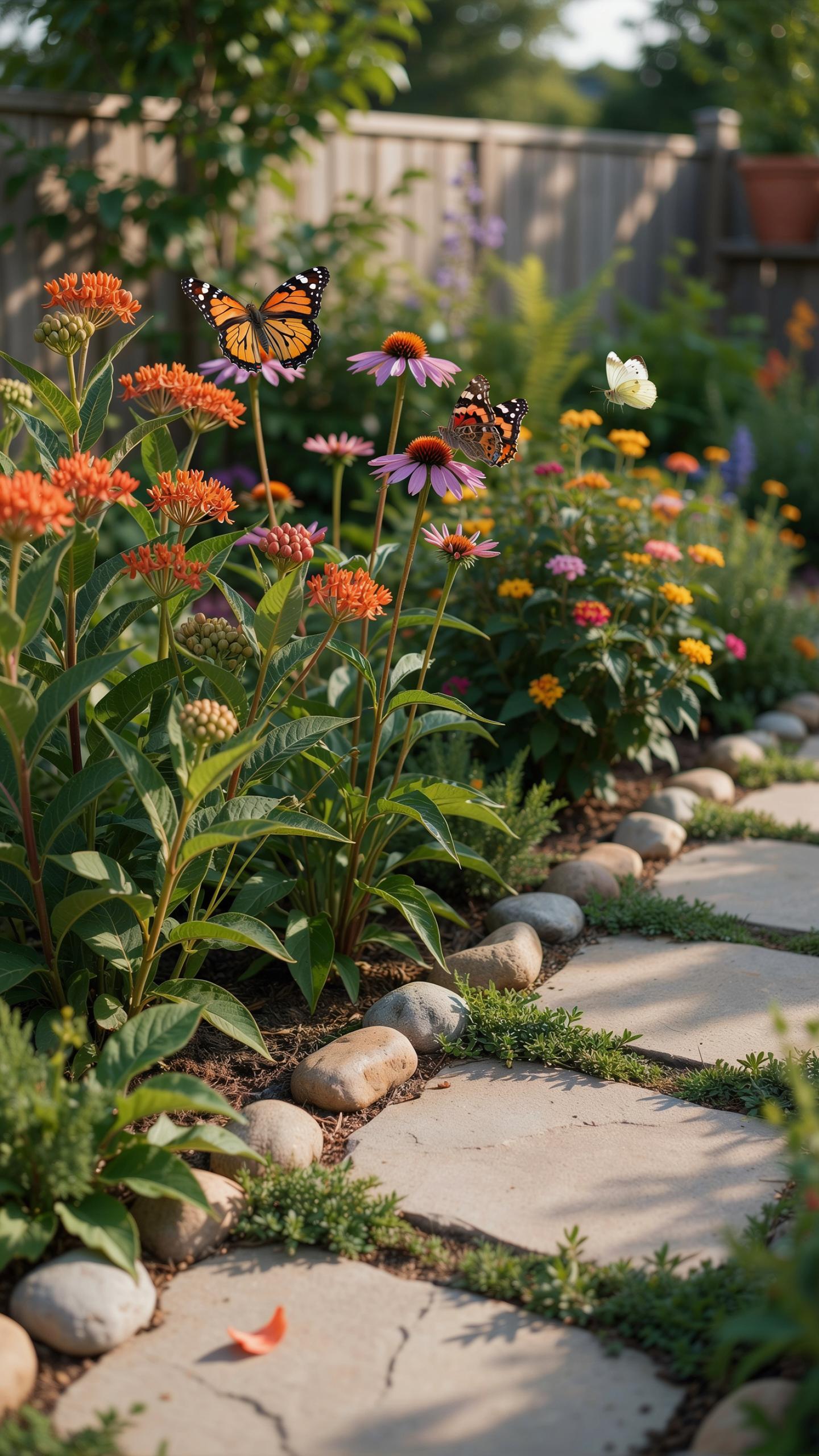
Island Beds
Island beds break up flat landscapes and give you working room from all angles. A circular or kidney-shaped bed lets you position butterfly bush in the center with supporting plants radiating outward. This design eliminates the one-sided viewing problem of border plantings. You access plants easily for deadheading and pruning without stepping into other garden zones.
The island approach works in small and large yards because you control the footprint. Position beds at least three feet from lawn edges to allow mower clearance. Place butterfly bush on the north or west side of the island to avoid shading lower-growing companions. This setup maximizes sightlines for observing butterflies and bees working the flowers throughout the day.
Cottage Style Drift Planting
Drift planting means repeating the same plant in groups of three to five across the garden rather than scattering singles. This technique comes from naturalistic garden design and amplifies visual impact while supporting pollinator movement between nectar sources. Plant butterfly bush in drifts of two to three shrubs spaced four to six feet apart depending on the mature width of your cultivar.

Pair butterfly bush drifts with period-appropriate companion plants like foxgloves, hollyhocks, and delphiniums for authentic cottage garden texture. These tall perennials provide vertical interest and fill gaps as they grow between shrub plantings. Stagger planting times so some companions bloom while butterfly bush is establishing. This layered approach creates continuous flowering seasons and maintains garden structure through different growth phases.
Structuring Butterfly Garden Design Layout Flower Beds
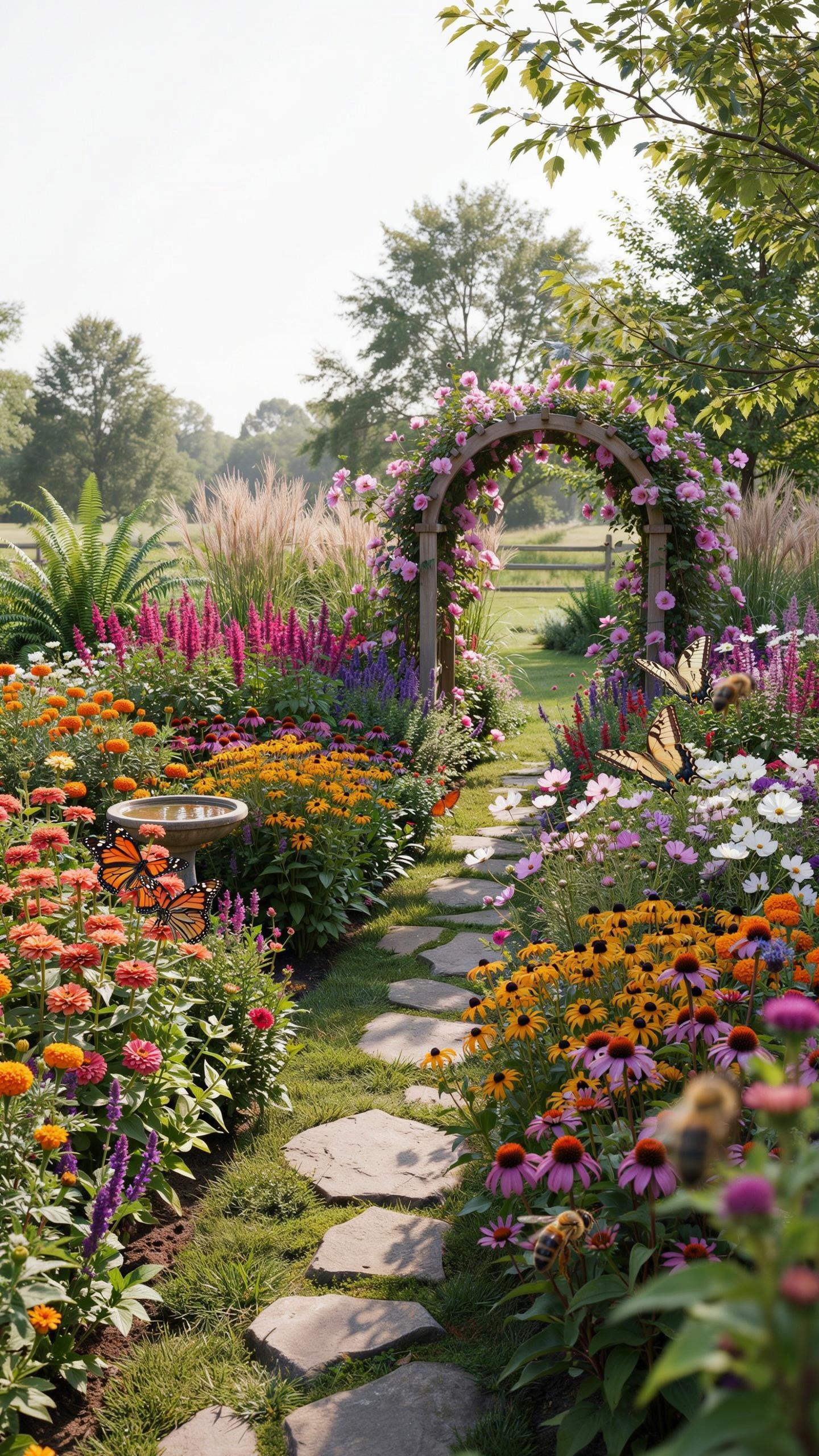
Step Down Depth Principles
Plant height creates functional garden structure. Position tall Buddleja varieties at the rear where they reach 6 to 12 feet depending on species. This prevents them from shading shorter plantings. Medium-height plants like echinacea belong in the middle tier at 2 to 4 feet. Front borders need low-growing edging plants such as sweet alyssum at 6 to 12 inches tall.
This layering system solves two problems. First, it maximizes sunlight exposure for all plants. Second, it creates visual depth that makes gardens feel larger. Each tier receives appropriate light while the graduated heights direct sight lines from front to back. This approach works in spaces of any size.
The butterfly is a flying flower, and the flower a tethered butterfly. Plant a bower of beauty and let the garden breathe with wings.
Complementary Foliage Textures
Butterfly bush displays narrow, lance-shaped leaves that create linear visual weight. Pairing this texture with contrasting foliage strengthens garden composition. Hostas provide broad leaves that offset the butterfly bush’s fine structure. Ornamental grasses like miscanthus or feather reed grass add wispy texture that complements both plants.

Texture variation prevents visual monotony in cottage gardens. The human eye reads layered textures as intentional design rather than accidental planting. Position broad-leaved hostas directly adjacent to butterfly bush to create clear contrast. Integrate ornamental grasses in clusters of three or five specimens for cohesive texture blocks that integrate the entire planting scheme.
Inspirational Butterfly Garden Ideas Landscaping Projects
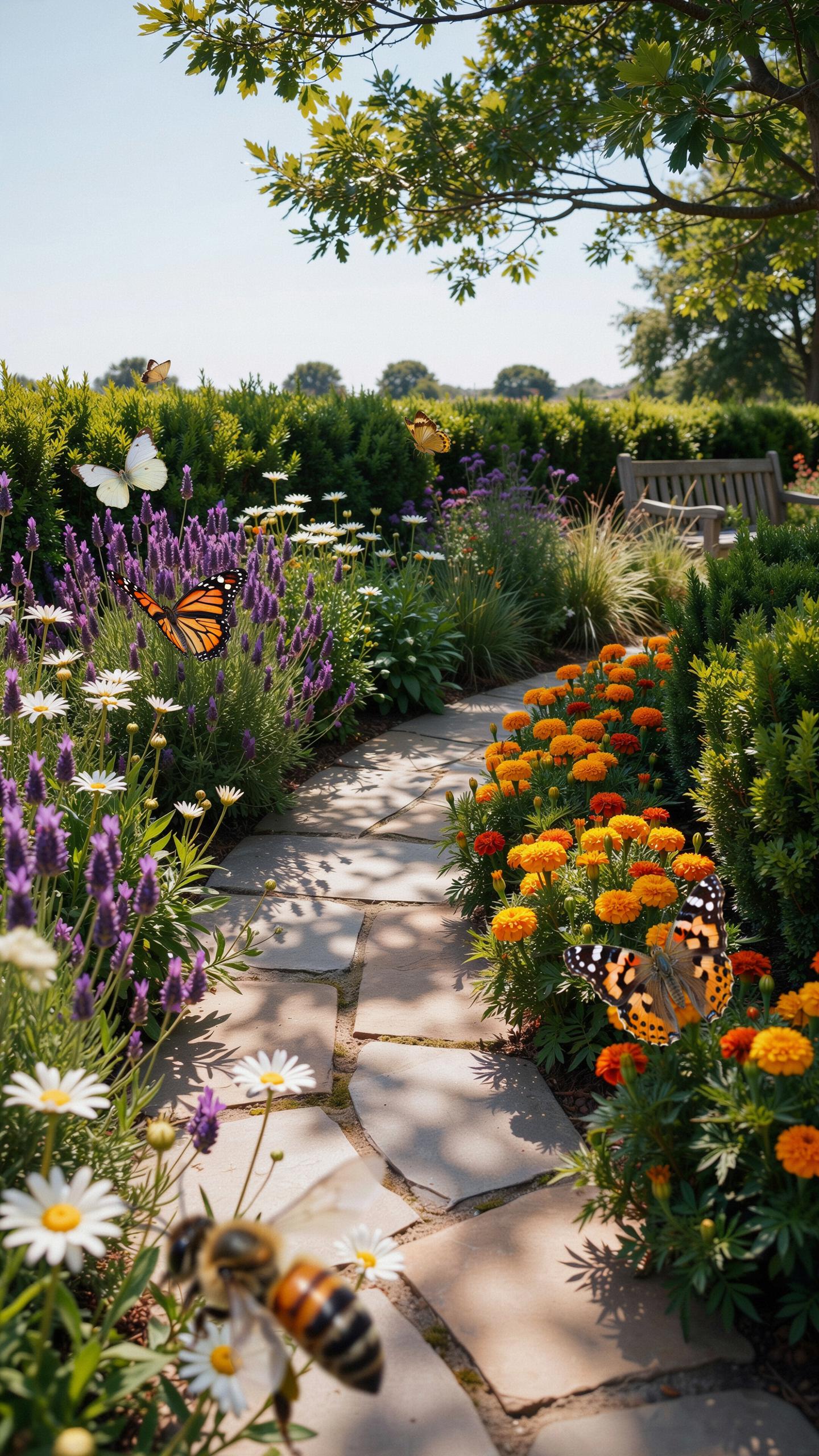
Essential Companion Plants
Butterfly bush attracts pollinators effectively, but you need other nectar sources to sustain them throughout the growing season. Pairing butterfly bush with complementary bloomers extends the food supply from spring through fall frost. These plants fill gaps when butterfly bush enters dormancy or transitions between flowering cycles.
- Purple Coneflower (Echinacea purpurea): Blooms mid-summer through fall with tuberous orange centers. Butterflies feed directly on the seed head. Tolerates drought and poor soil conditions common in cottage gardens.
- Black-Eyed Susan (Rudbeckia fulgida): Produces yellow petals surrounding dark centers from July onward. Long blooming window matches butterfly bush timing. Self-seeds reliably without aggressive spread.
- Garden Phlox (Phlox paniculata): Flowers from midsummer through early fall in pink, purple, and white varieties. Dense flower clusters attract high butterfly traffic. Requires moderate moisture but tolerates established garden conditions.
- Salvia (Salvia nemorosa): Spiky purple or blue flowers attract butterflies and hummingbirds simultaneously. Blooms early summer, providing nectar before butterfly bush peaks. Cuts back easily after flowering for potential rebloom.
Spacing matters strategically. Plant these companions 18 to 36 inches from butterfly bush stems depending on mature size. This prevents root competition while creating visual density. Stagger bloom times by selecting varieties that flower at different peak periods throughout the season.
Incorporating Hardscape Features
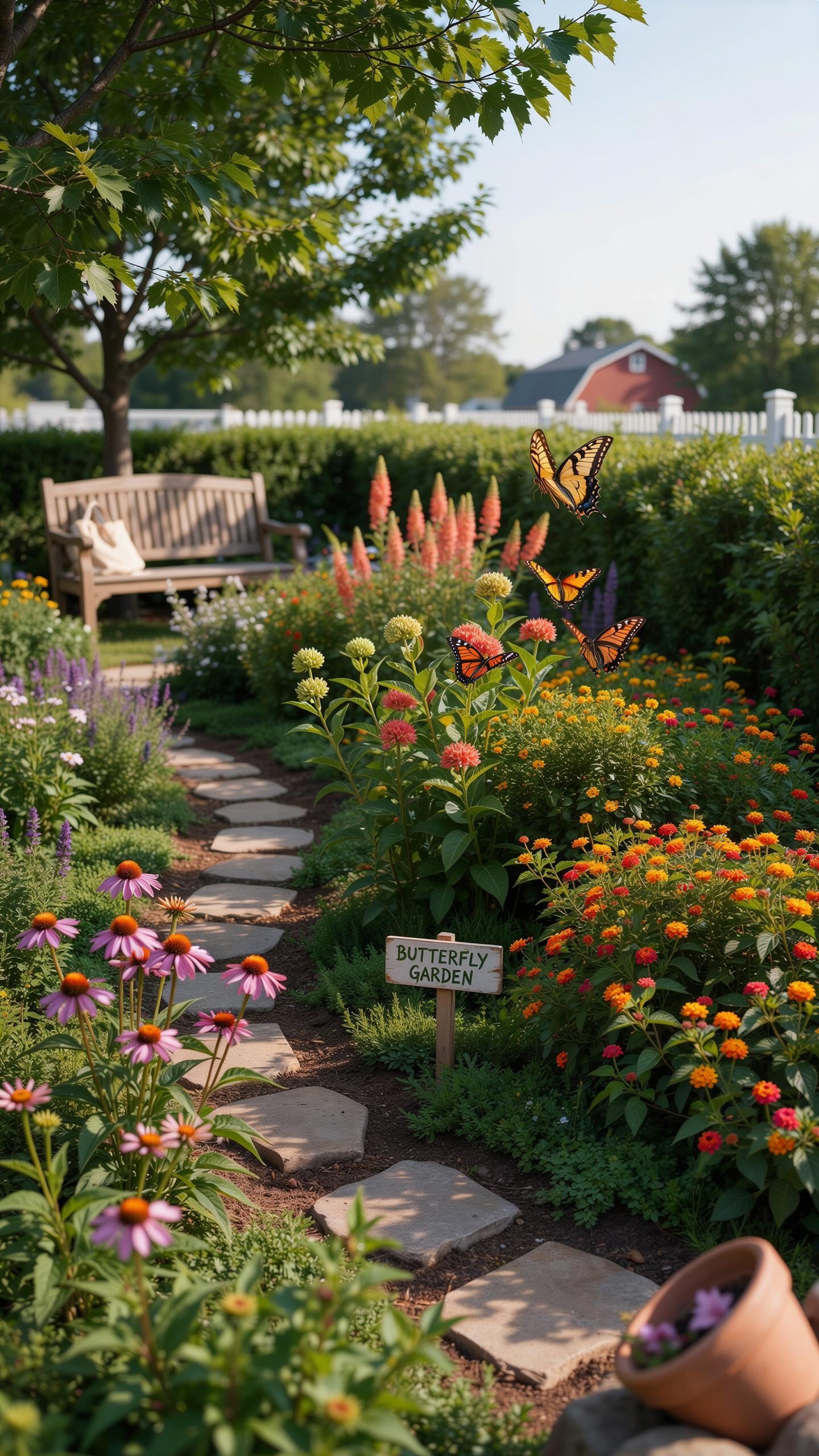
Stone pathways serve dual functions in butterfly gardens. They provide access without compacting soil around root systems. Permeable materials like gravel or stepping stones allow water infiltration while defining movement through planted areas. Position pathways to encourage visitors through key viewing zones where butterfly activity peaks.

Wooden benches positioned near butterfly bush clusters create observation points. Place them 8 to 12 feet away to avoid casting shade on plantings. Rustic arbors integrated between plantings create vertical structure and wind protection. These features weather naturally over time and complement cottage garden aesthetics without requiring frequent maintenance.
Planning Your Backyard Butterfly Garden Design
Windbreaks And Sheltered Spots
Butterflies struggle in wind. Strong gusts disrupt their feeding patterns and exhaust their energy. Position butterfly bush plants behind existing structures or install fencing to create shelter. Use taller shrubs or trees on the north and west sides where prevailing winds typically originate. This tactical placement keeps butterflies in your garden longer.
Sheltered microclimates boost butterfly activity in your cottage garden. Wind speeds above 10 miles per hour force butterflies to seek protection. Position puddling stations and nectar plants in these low-wind zones. South-facing areas naturally accumulate more warmth and calmer air. Butterflies spend more time feeding and breeding when they encounter minimal wind resistance.
Establishing Puddling Stations
Butterflies need minerals that flowers do not provide. They extract sodium and other salts from damp soil and mud. Create puddling stations using shallow containers filled with sand, soil, and water. Position these stations in full sun within 10 feet of your butterfly bush plants. Refresh water every two to three days to prevent mosquito breeding and maintain mineral availability.

Design stations one to two inches deep to prevent drowning while allowing butterflies to drink safely. Use clay saucers, terracotta trays, or shallow ceramic dishes. Add sand or fine soil to the containers and keep the mixture consistently moist but not waterlogged. Place rocks or pebbles inside for butterflies to perch on while accessing minerals. Multiple stations across your garden increase butterfly congregation and observation opportunities.
Structuring A Bee And Butterfly Garden Layout
Diverse Flower Shapes
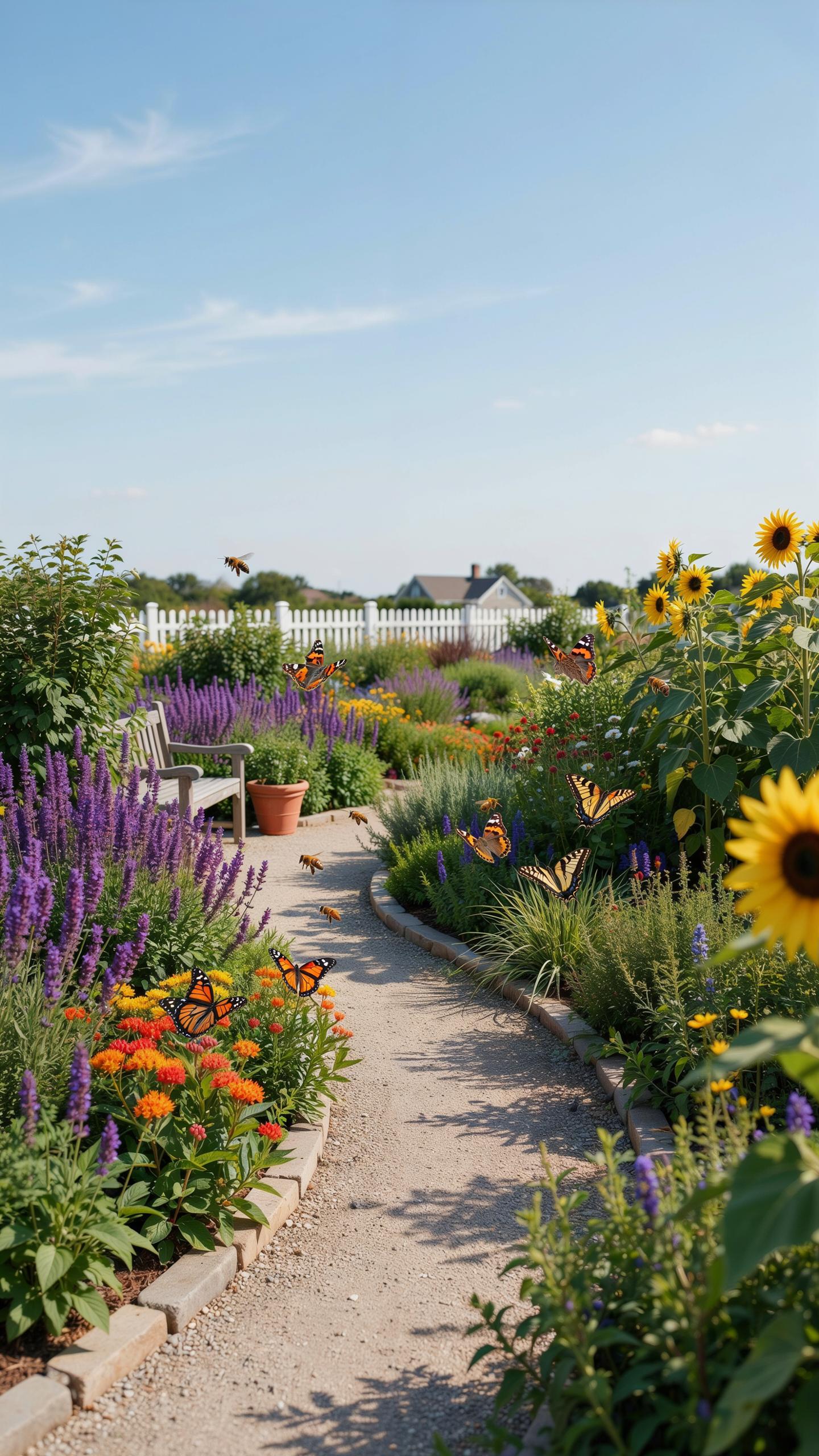
Pollinators require different flower structures to feed effectively. Butterflies have long proboscises that access nectar in tubular flowers, while bees need accessible landing pads and pollen exposure. Mixing flower types ensures your garden feeds multiple pollinator species simultaneously rather than supporting only one group.
- Tubular flowers: Buddleja and Monarda species provide deep nectar wells that accommodate butterfly proboscises. These plants attract Lepidoptera reliably through the growing season.
- Flat composite flowers: Asteraceae family members like coreopsis and rudbeckia offer exposed pollen and nectar. Bees land directly on flat surfaces to harvest pollen efficiently.
- Bowl-shaped blooms: Poppies and cosmos create shallow cups that pollen-gathering insects can access without climbing deep into the flower structure.
- Daisy-like flowers: Echinacea and similar species combine accessibility with high pollen production. They support both generalist and specialist bee species.
- Clustered flowers: Sedums and statice produce many small blooms grouped together. This arrangement allows multiple insects to feed simultaneously on a single plant.
Cottage gardens historically mixed flower forms without planning consciously for pollinators, but this randomness actually created ideal conditions. Your layout succeeds when you deliberately replicate this variety rather than planting monocultures of single species.
Sequential Bloom Schedules For Pollinators
Spring bulbs provide critical early nectar when pollinators emerge hungry from dormancy. Plan transitions so bulbs fade as late spring perennials peak, then position summer butterfly bushes to flower as spring bloomers decline. This sequence maintains consistent food availability from April through frost.
Autumn bloomers like asters and sedums extend the pollinator season into fall. Coordinate planting so your cottage garden delivers overlapping blooms across all three seasons. This staggered approach eliminates gaps when no flowers provide nectar, maximizing pollinator populations throughout the year rather than creating feast or famine cycles.
Seasonal Care For Your Cottage Garden Butterfly Bush
Pruning Techniques For Vigorous Blooms Buddleja
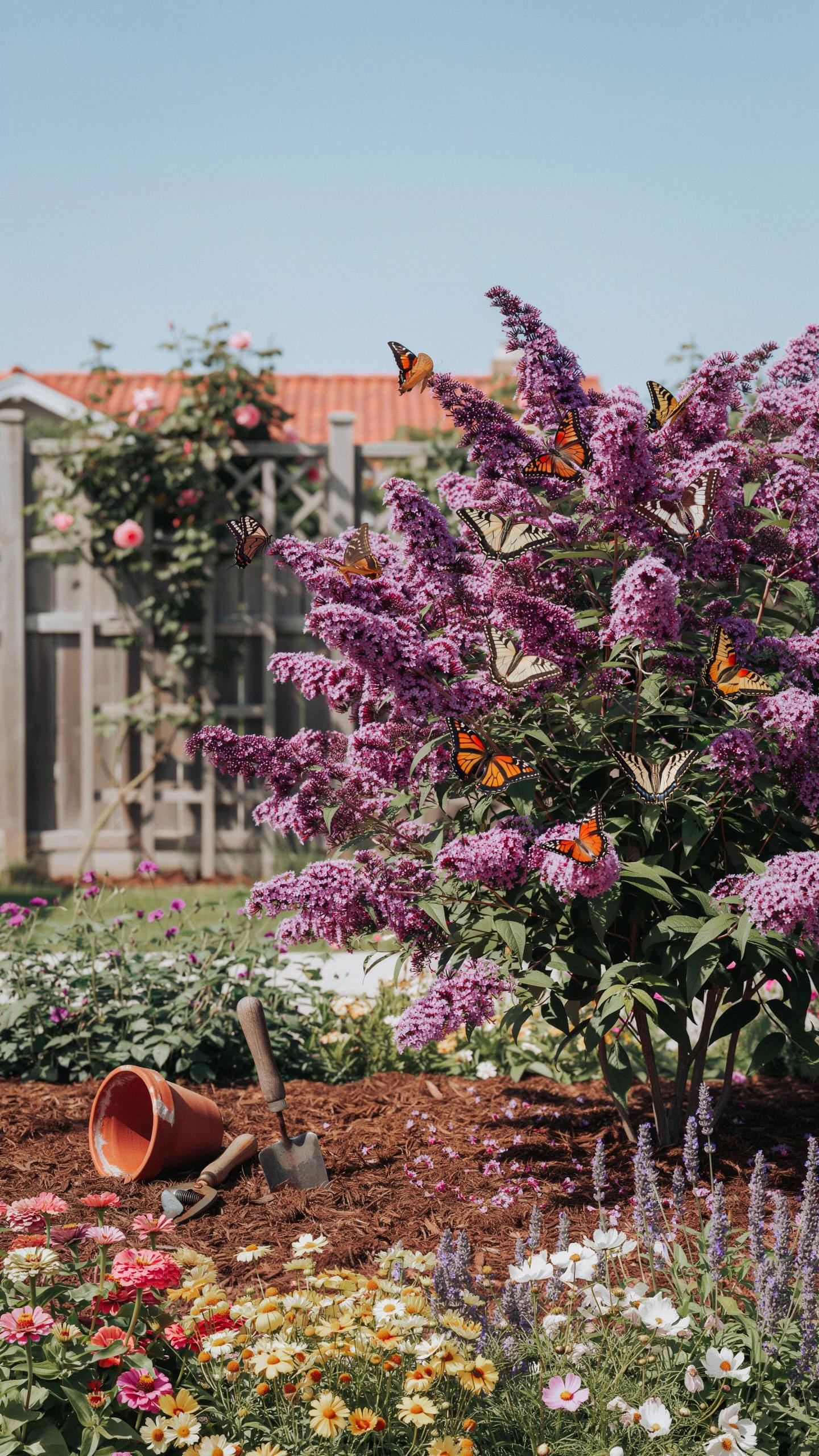
Hard prune Buddleja in early spring before new growth emerges. Cut stems back to 12 to 24 inches from the ground. This aggressive pruning removes dead wood and forces the plant to generate strong new shoots. Timing matters. Prune too late and frost damage kills young growth. Prune too early and winter cold destroys fresh stems.
Hard pruning produces more flowering branches than light trimming. Each new stem develops multiple flower spikes throughout summer. The result is denser blooms and a more compact plant shape. Buddleja grows fast. Even severely cut plants recover and flower abundantly by midsummer. This method prevents the plant from becoming leggy or bare at the base.
Deadheading For Continuous Flowering Buddleja
Remove spent flower spikes as soon as blooms fade. Cut below the dead spike where new leaf growth appears. Deadheading redirects the plant’s energy from seed production to new flower formation. Most Buddleja varieties produce a secondary flush of blooms within two to three weeks of deadheading.
Consistent deadheading extends your flowering season from early summer into fall. Check plants weekly during peak bloom periods. Spend ten minutes removing faded spikes. This simple task prevents seed set and triggers repeated flowering cycles. Buddleja self-seeds aggressively when flowers mature into seed pods, so deadheading controls unwanted seedlings while maximizing blooms.
Frequently Asked Questions

What exactly is a butterfly bush and why is it perfect for a cottage style?
A butterfly bush, or Buddleja davidii, is a fast-growing deciduous shrub known for its long, honey-scented flower panicles. It is an essential component of the cottage garden butterfly bush aesthetic because it offers a relaxed, slightly wild structure that blends beautifully with perennials like foxgloves and roses. Its prolific blooms provide height and movement while drawing in pollinators, creating that quintessential charming and lively atmosphere every gardener desires.
How do I prune my butterfly bush to ensure it blooms all summer?
To keep your cottage garden butterfly bush looking its best, prune it back hard in early spring just as new growth appears. Cut the stems down to about 12 inches above the ground to encourage vigorous new shoots. Throughout the summer, be sure to deadhead spent flower spikes regularly. Removing faded blooms prevents the plant from setting seed and redirects its energy into producing fresh, vibrant flower clusters until the first frost.
Can I grow a stunning butterfly bush if I have a small budget or limited space?
Absolutely! You don’t need a massive estate to enjoy these blooms. Many nurseries offer affordable dwarf varieties, such as the “Lo & Behold” series, which provide the same visual impact in a compact size. These smaller plants are perfect for containers or tight borders. Starting with a smaller quart-sized plant is a budget-friendly way to watch your garden mature quickly, as these shrubs are famous for their rapid growth rate.