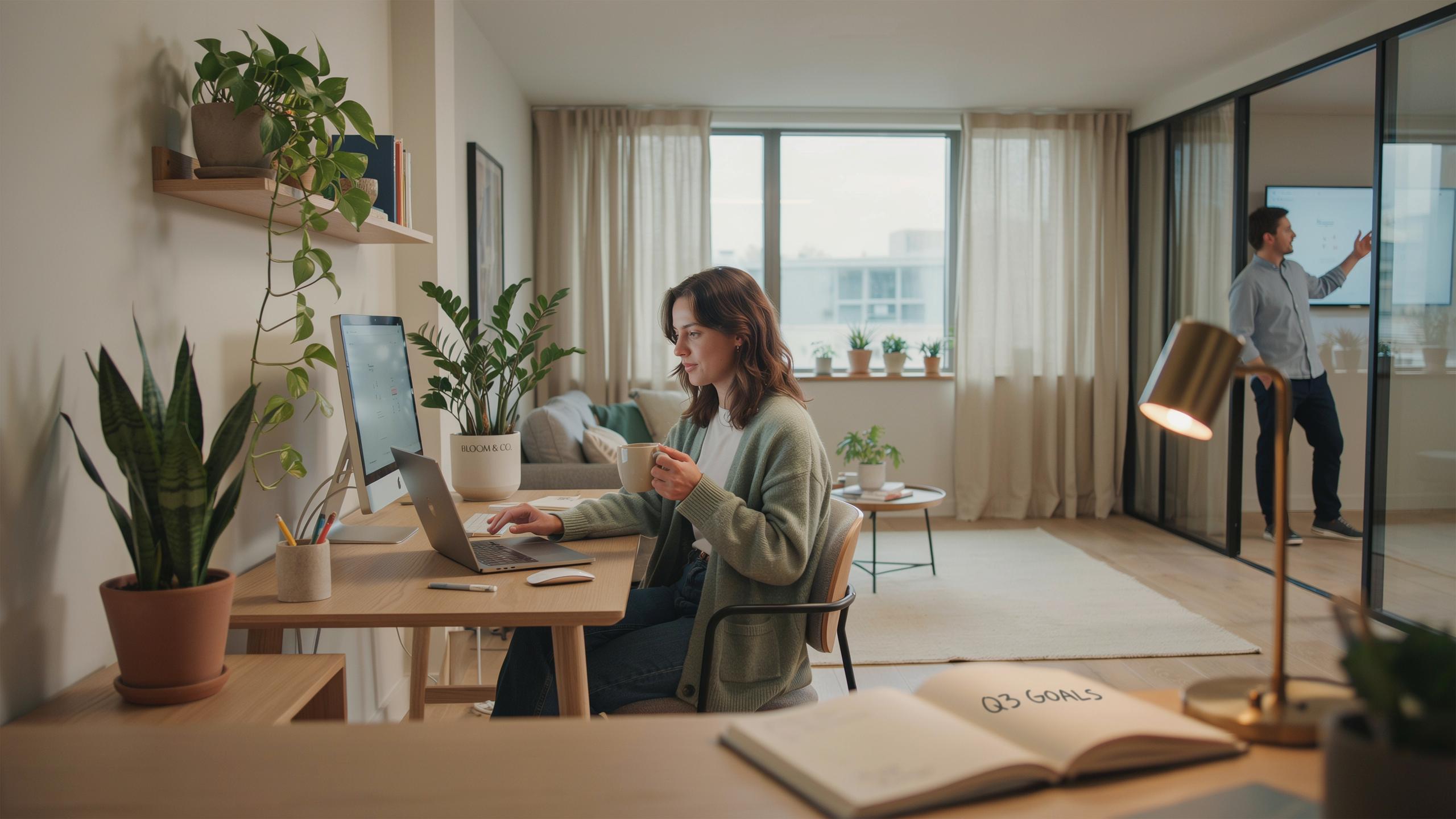
Understanding The Office Environment And Low Light Houseplants
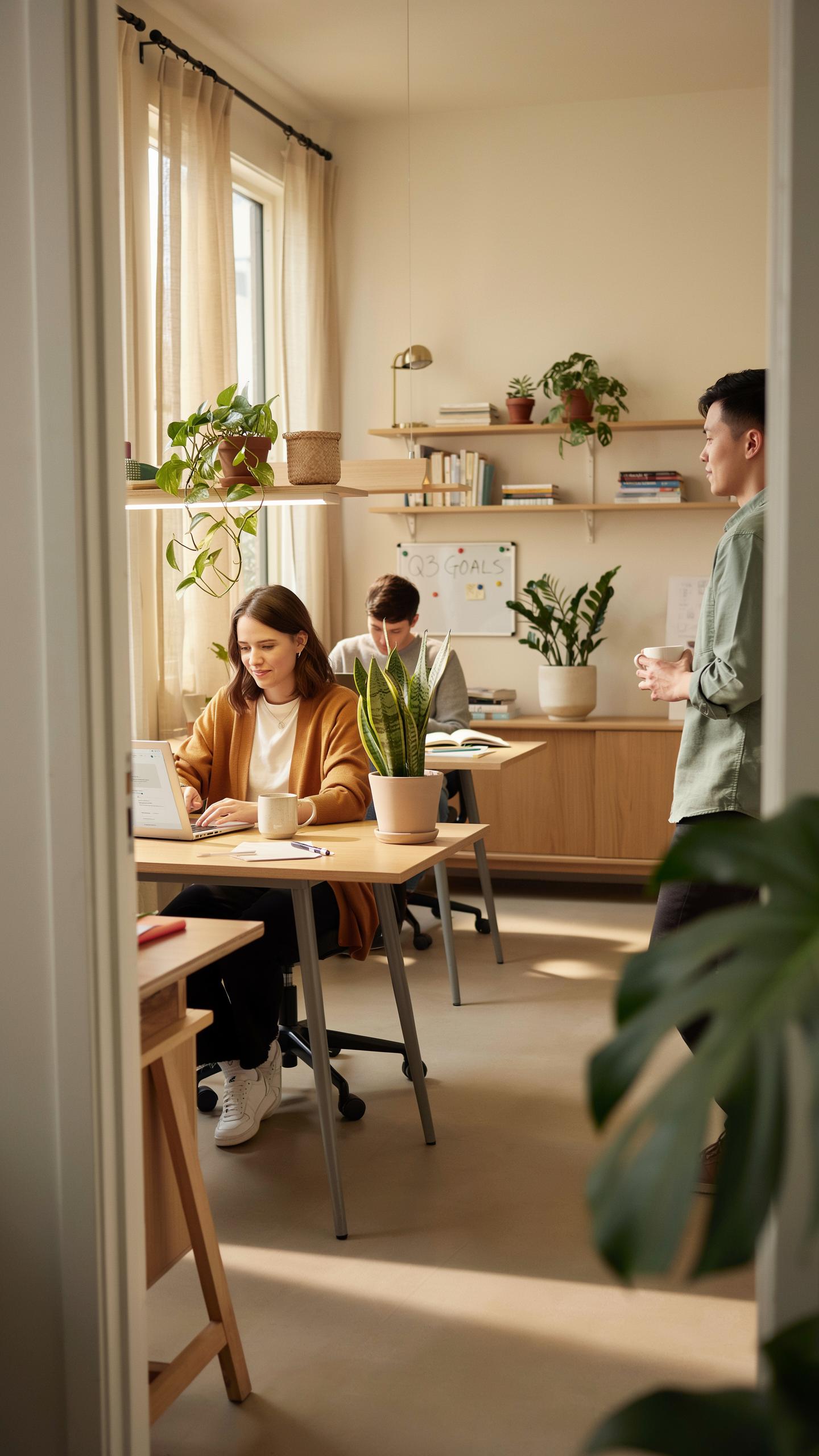
Assessing Your Office Light Levels
Most offices receive between 50 to 500 lux of light during business hours. Lux measures illumination intensity. You can estimate your office light by observing shadows. Sharp, defined shadows indicate moderate light. Soft or no shadows signal low light conditions. Windows facing north receive the least direct sun. Interior spaces away from windows get the least light overall. Measure light near your plant location, not across the entire room.
Artificial lighting affects plant growth differently than natural light. Fluorescent and LED lights provide some usable wavelengths, but typically less than natural sources. Most office fluorescent systems deliver 300 to 500 lux at desk height. Plants placed directly under these fixtures perform better than those in corners. Distance matters significantly. Light intensity drops dramatically as you move plants away from the source, following the inverse square law.
Why Low Light Does Not Mean Zero Light
Low light plants need a minimum threshold to survive and grow. This threshold typically ranges from 50 to 150 lux. Zero light means complete darkness, which kills all plants within days. Low light means reduced photosynthesis rates, slower growth, and longer survival periods between waterings. Plants adapted to low light have larger leaves and lower metabolic demands than sun-loving varieties.
Office environments almost always provide some light source, whether windows or artificial fixtures. Even a north-facing office with no direct sun typically delivers enough ambient light for low light species. The key distinction: low light plants tolerate reduced light but still require consistent exposure. Placing a low light plant in a dark closet will fail. Placing it near a window or under office lighting will succeed.

Why Choosing The Best Office Plants Boosts Productivity
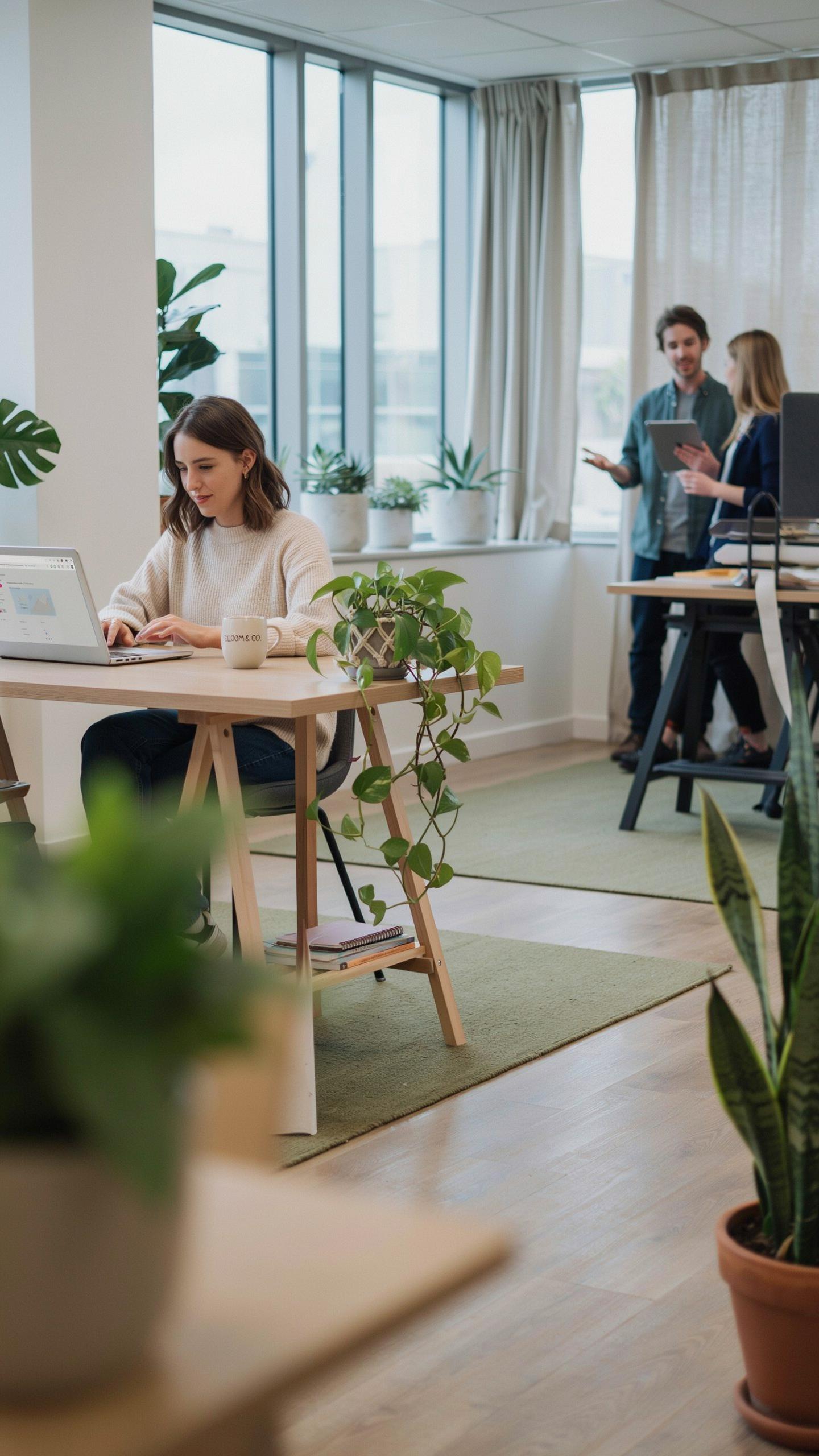
Air Quality And Wellness In The Workspace
Plants remove carbon dioxide and produce oxygen through photosynthesis. Low light office plants continue this process even in dim conditions, though at slower rates than sun-loving varieties. This gas exchange improves air composition in enclosed office spaces where ventilation systems recirculate the same air repeatedly. Better oxygen levels directly support cognitive function and reduce fatigue during work hours.
Some low light plants absorb volatile organic compounds from office materials like carpet, furniture, and electronics. These toxins off-gas continuously in sealed environments. Plants with larger leaf surfaces capture these compounds more effectively. Regular exposure to cleaner air reduces headaches and respiratory irritation that drain employee energy and focus.
Psychological Benefits Of Office Greenery
Employees working near plants report lower stress levels and improved concentration. The presence of living organisms creates psychological distance from screen-based work. This mental separation happens without requiring employees to leave their desks. Low light plants deliver these benefits in windowless cubicles and interior offices where natural light is absent.

Visible growth in plants provides a sense of progress and control in environments that often feel static. Employees notice new leaves or shoots emerging, creating micro-moments of engagement throughout the workday. This tangible evidence of life supports mental resilience during repetitive tasks. The responsibility of plant care also creates a minor sense of ownership that increases workplace satisfaction.
The Science Behind Indoor Plants Low Light Adaptation
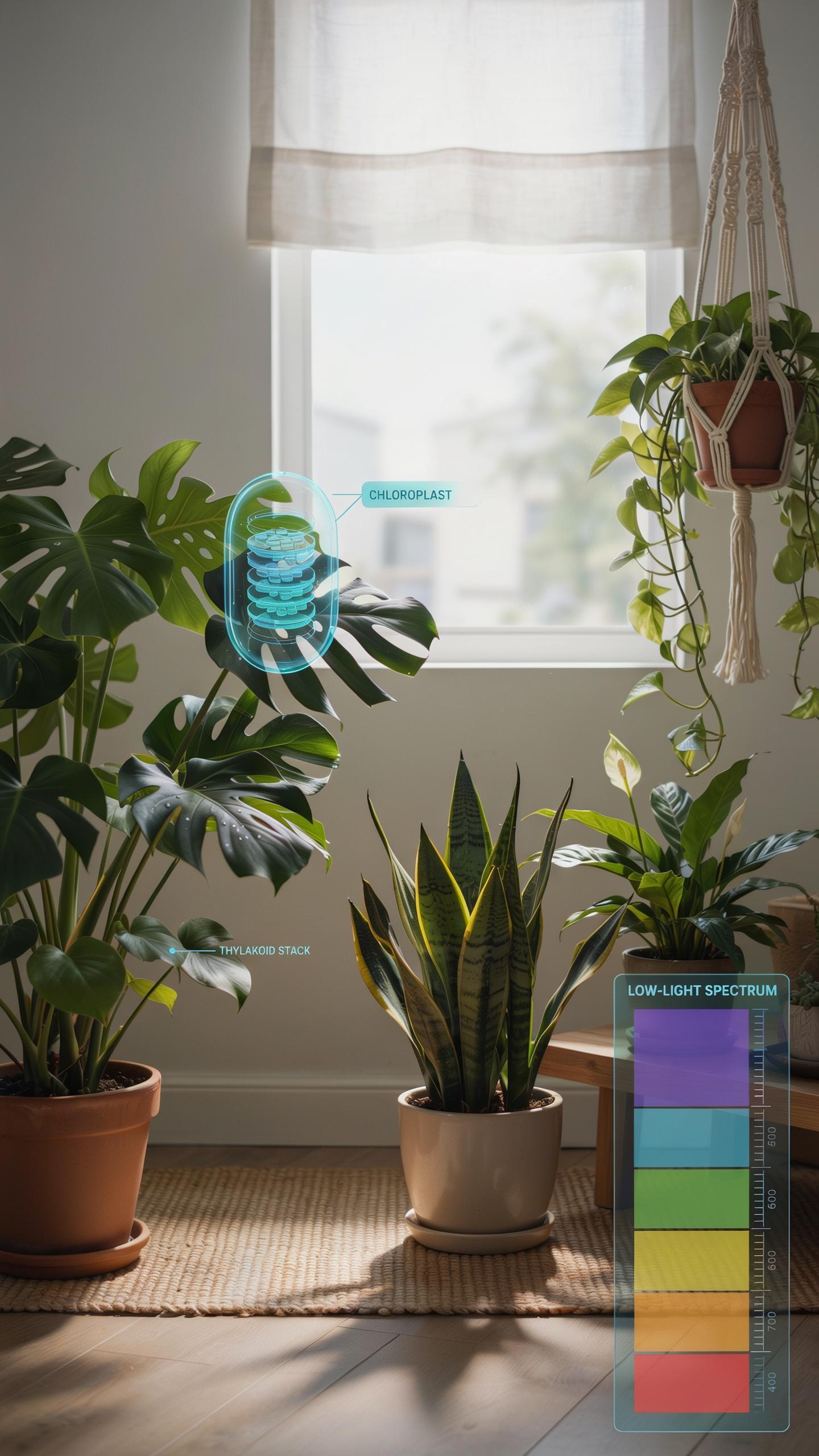
Chlorophyll Adaptation
Plants in low light environments produce higher chlorophyll concentrations to capture available photons more efficiently. This increase allows them to photosynthesize with minimal light input. Low light adapted plants develop what researchers call shade leaves, which contain more chlorophyll per unit area than sun leaves. This adaptation occurs at the cellular level and directly determines survival in office environments.
The trade-off plants make is real and measurable. Higher chlorophyll means slower growth rates and reduced energy production overall. Office plants adapted to low light cannot suddenly thrive under bright conditions without adjustment periods. Understanding this constraint helps you match plants to your actual office lighting rather than hoping they’ll adapt to poor conditions.
Leaf Surface Area And Phototropism
Low light plants develop larger individual leaves to increase light capture surface area. Bigger leaves intercept more photons even when ambient light is limited. This morphological change happens over weeks as plants adjust to stable low light conditions. The leaf expansion is a survival mechanism, not a sign of ideal growing circumstances.

Phototropism, the directional growth toward light sources, remains active in low light plants. You’ll notice office plants lean toward windows or grow unevenly if light comes from one direction. This response is automatic and occurs because plants allocate resources toward light acquisition. Rotating plants weekly counteracts this tendency and promotes more uniform, compact growth shapes.
Top Low To No Light Indoor Plants For Windowless Cubicles
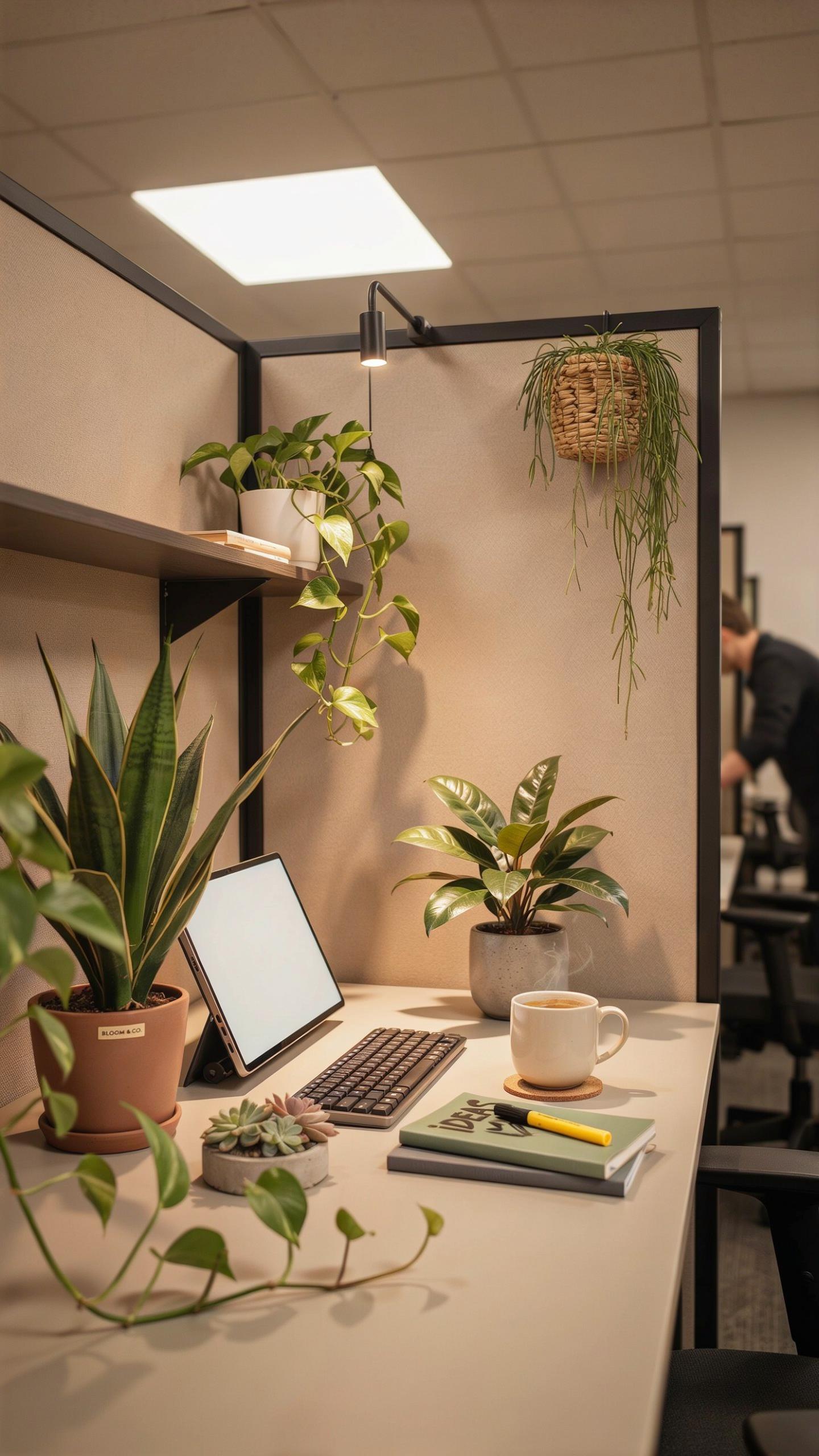
Cast Iron Plant
The Cast Iron Plant, scientifically Aspidistra elatior, tolerates neglect better than most office plants. It survives in near-total darkness, artificial lighting only, and irregular watering. This plant originates from Japan and Taiwan where it grows on forest floors under dense canopy. Office workers choose it specifically because it demands nothing and delivers consistent green foliage regardless of conditions.
The plant produces small purple flowers at soil level, though flowering rarely occurs indoors. Its broad, dark green leaves emerge slowly but reliably from underground rhizomes. Watering once monthly suffices in low light conditions. Temperature stability between 60 and 75 degrees Fahrenheit keeps it healthy. Cast Iron Plants survive in spaces where other species fail completely.
Shade Tolerant Cultivars
Shade-tolerant cultivars share specific traits that enable survival without direct sunlight. They possess larger leaf surface areas to capture minimal available light efficiently. Their growth rates slow considerably in darkness, which reduces their nutritional demands. These plants evolved in tropical understory environments, so they adapted to thrive beneath taller vegetation rather than in open sun.

Cultivars like Pothos, Philodendron, and Snake Plant represent proven performers in windowless offices. They maintain acceptable growth rates under fluorescent ceiling lights alone. Root systems remain compact in low light, preventing overwatering damage. Most shade-tolerant cultivars tolerate temperature fluctuations and inconsistent watering schedules that would kill sun-dependent species. This combination of factors makes them reliable choices for corporate environments.
Hardy Low Light Plants That Resist Office Neglect
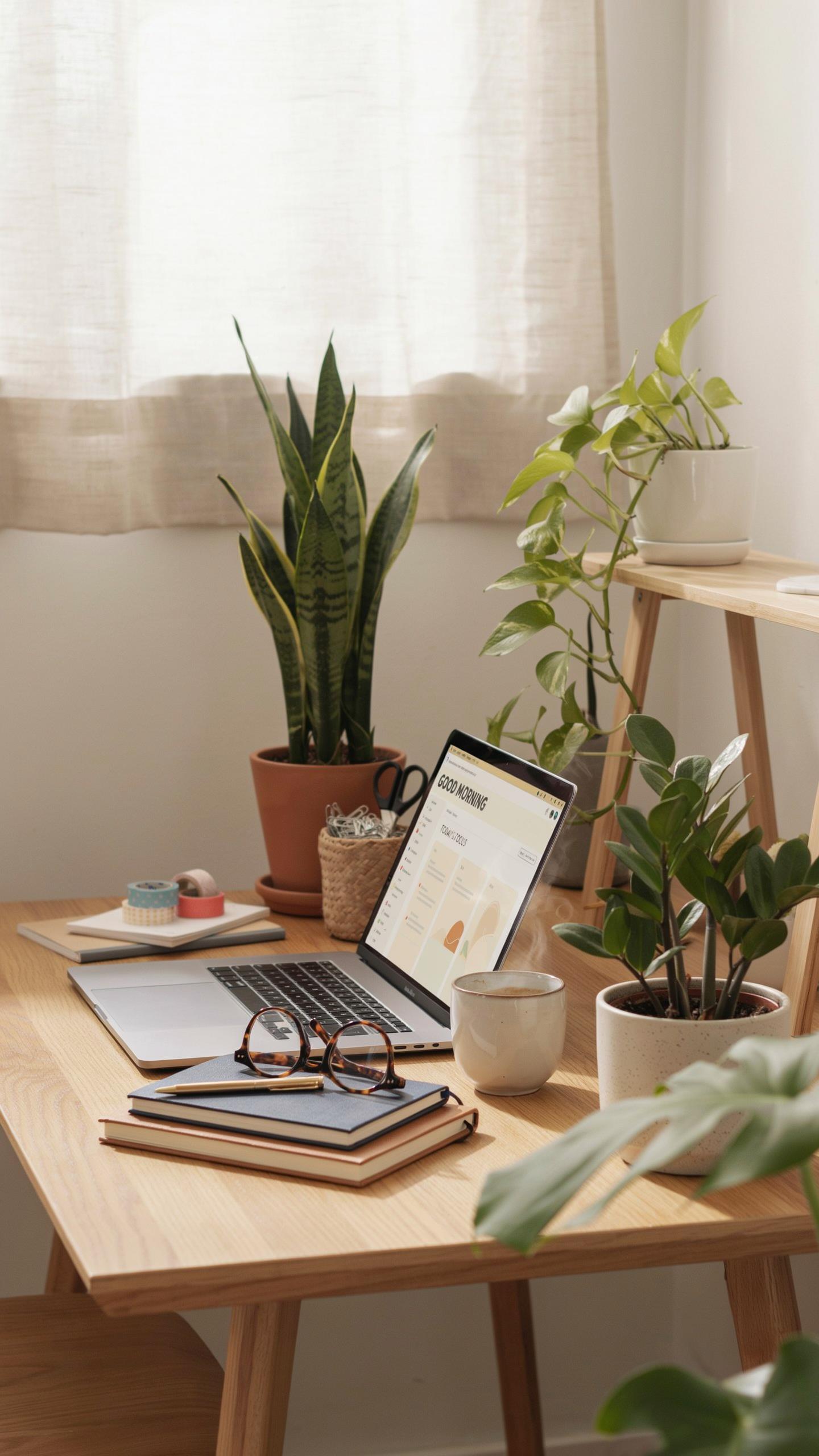
Snake Plants And Their Minimal Water Requirements
Snake plants tolerate weeks without water due to their thick, succulent leaves that store moisture. They thrive in low light offices because they evolved in African environments with irregular water access. Overwatering kills them faster than neglect. Water every three to four weeks during growing season. In winter, extend watering to six weeks or longer.
The plant’s root system sits shallow in soil, making it vulnerable to rot from excessive moisture. Office environments with inconsistent care schedules suit snake plants perfectly. They survive fluorescent lighting in interior spaces without windows. Check soil dryness by inserting your finger two inches deep before watering. Soggy soil causes root decay and plant death within weeks.
ZZ Plants As The Ultimate Low Maintenance Choice
ZZ plants handle low light and infrequent watering through underground rhizomes that store water and nutrients. These rhizomes function like underground reserves, allowing the plant to survive extended dry periods. Offices with minimal natural light and irregular watering patterns match ZZ plant requirements exactly. Water every two to three weeks. The plant signals drought stress only after significant water depletion.

ZZ plants produce new leaflets continuously even in dim fluorescent lighting found in cubicles and interior offices. They grow slowly but steadily without demanding bright windows. Yellowing leaves indicate overwatering, the only serious threat to plant survival. Underwatering merely slows growth. This resilience makes ZZ plants the practical choice for office environments where plant care ranks low on priority lists.
Caring For Low Light House Plants In Medium To Low Illumination
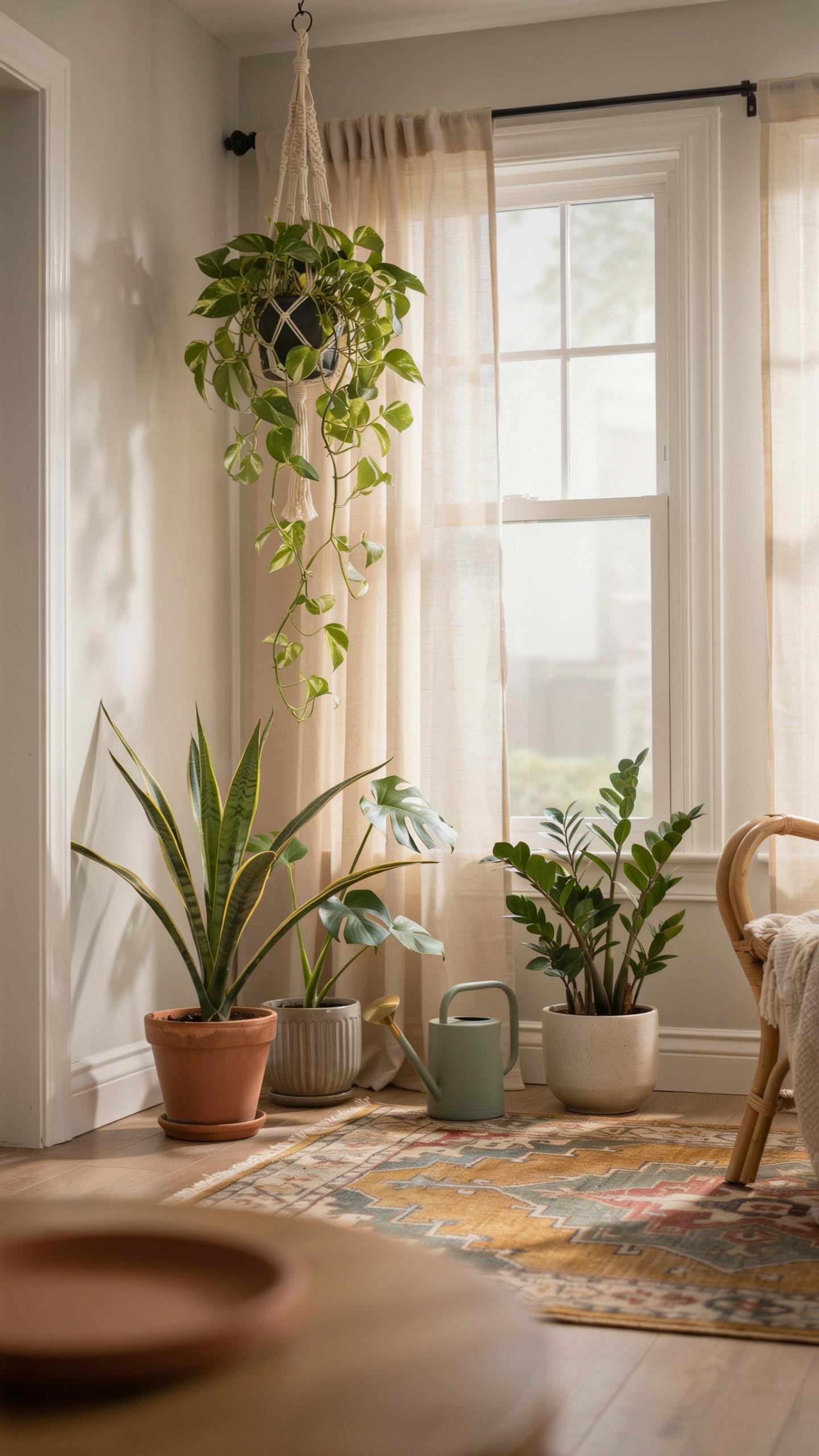
Watering Schedules For Dim Environments
Low light slows photosynthesis, which means plants use less water. Reduced light equals reduced evaporation from soil. Check soil moisture before watering by inserting your finger one inch deep. Water only when the soil feels dry at that depth. Overwatering kills low light plants faster than underwatering.
Most low light office plants need water every 10 to 14 days during growing season. Reduce frequency in winter when growth stops. Empty saucers after watering to prevent root rot. Use room temperature water. Cold water shocks tropical low light species like pothos and philodendrons.
Essential Steps For Dusting And Cleaning Foliage
Dust accumulates on leaves and blocks the limited light your plants receive. Dust also clogs pores plants use to breathe. Clean leaves monthly in offices with standard air circulation. Use distilled water and a soft cloth or sponge. Avoid commercial leaf shine products because they clog leaf pores.
- Soft cloth method: Dampen a microfiber cloth with distilled water and gently wipe each leaf surface. Support the leaf from underneath with your other hand to prevent stem damage.
- Sponge technique: Use a soft sponge barely dampened with distilled water for delicate foliage like calathea. Squeeze out excess water first to avoid dripping onto soil.
- Lukewarm water preference: Room temperature distilled water works best. Cold water can damage tropical leaves and reduce nutrient uptake rates.
- Leaf underside cleaning: Dust accumulates on leaf undersides where pores exist. Wipe undersides gently during your cleaning routine to maintain gas exchange.
- Quarterly deep clean: Every three months, move plants to a sink or shower and rinse leaves under low pressure water. This removes dust buildup that cloths miss.

Clean foliage increases light absorption by up to 20 percent. This gain matters significantly in dim office environments where every bit of light counts. Establish a monthly cleaning routine and stick to it.
Debunking The Myth Of No Light Plants Indoor And Photosynthesis
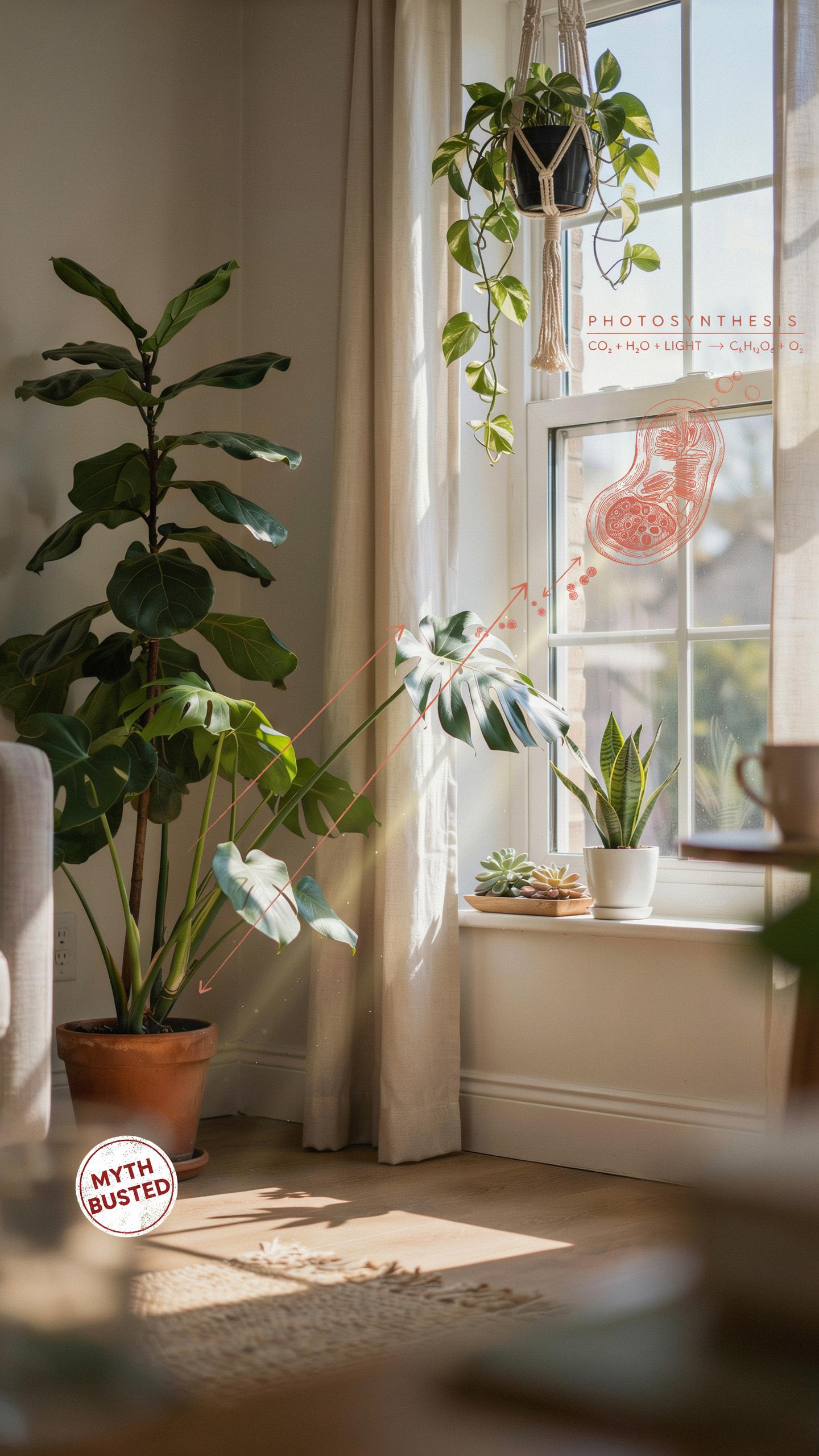
Regular Darkness Stalls Plant Growth
Plants require light to survive. Photosynthesis converts light energy into chemical energy that fuels growth. Without adequate light, plants cannot produce the glucose they need to build new leaves, stems, and roots. Complete darkness stops this process entirely.
Office environments with zero natural light will kill most plants within weeks. Even low light plants need some light exposure to function. The term “low light plant” means the species tolerates reduced light compared to outdoor conditions, not that it thrives in darkness.
Like a trusted old friend who asks for little, a resilient pothos brings the quiet beauty of a shaded garden into the heart of your workspace. These sturdy green companions remind us that even in the dimmest corners, life finds a way to flourish with grace.
Understanding The Limits Of Aglaonema And Philodendron
Aglaonema and Philodendron are workhorses in dim offices because they tolerate light levels around 50 to 100 foot candles. However, tolerating low light does not mean they perform well in it. Both species grow slower and produce fewer new leaves under minimal light conditions.
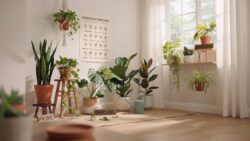
These plants will not die in darker corners, but they will stagnate. Growth plateaus when light falls below their minimum threshold. Office placement matters. Position them within 8 to 10 feet of a window or under artificial grow lights to see actual progress, not just survival.
How To Select The Best Indoor Plants For Low Light Desks
Compact Varieties Ideal For Tabletop Spaces
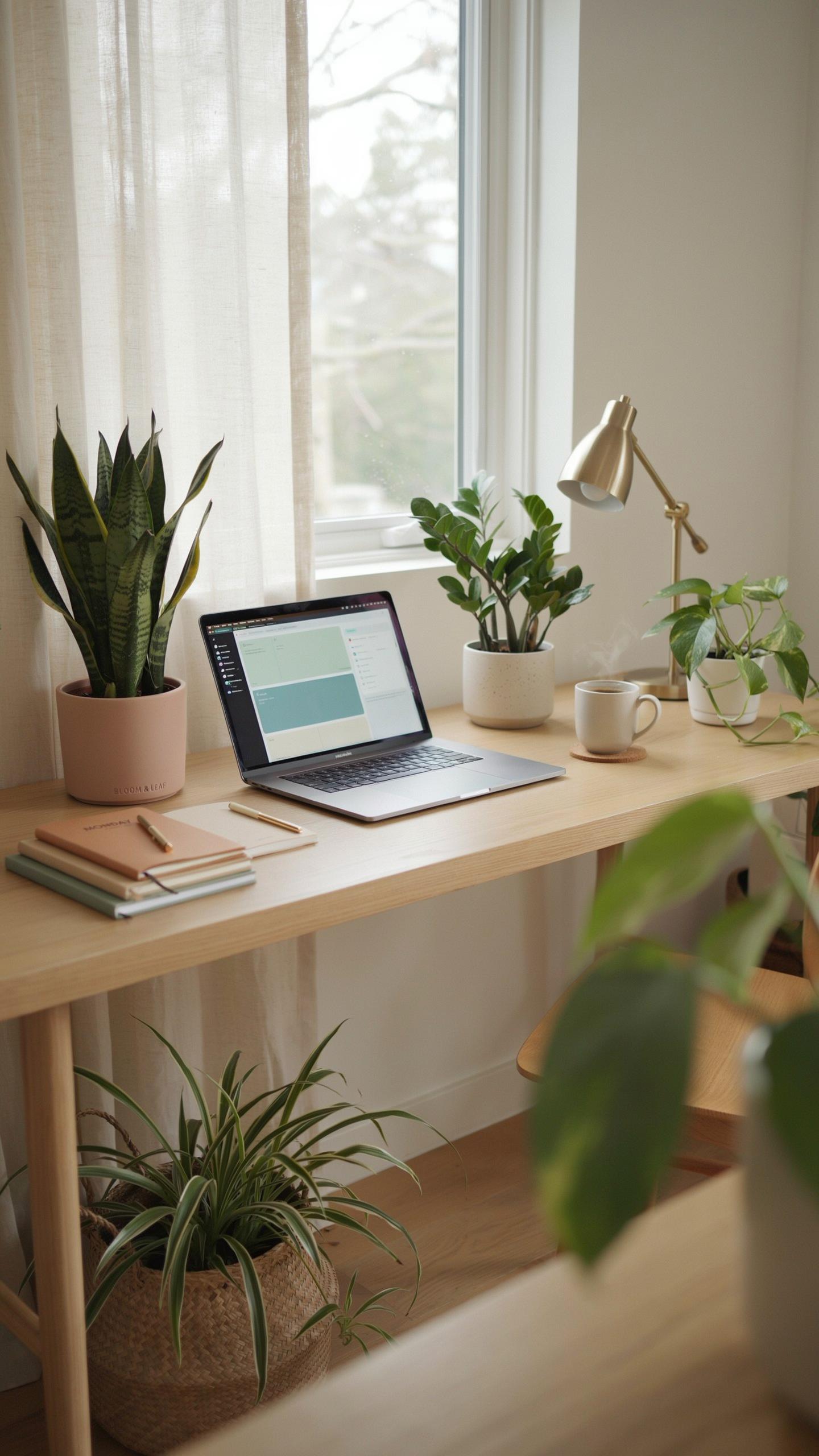
Desk plants need to fit your workspace without blocking sightlines or consuming square footage. Choose species that max out between 12 and 18 inches tall at maturity. Pothos, snake plants, and ZZ plants stay compact when you select dwarf cultivars or manage growth through occasional pruning. These plants tolerate low light and won’t sprawl across your desk surface.
Root-bound plants in small containers perform well on desks because they grow slower and require less frequent watering. A 4 to 6 inch pot gives most desk plants enough room without creating maintenance headaches. Check mature size before purchasing. Oversized plants demand constant adjustment and create clutter rather than improving your workspace.
Choosing The Right Potting Medium And Drainage
Drainage holes are non negotiable for desk plants. Water pooling in containers kills roots faster than underwatering does. Use a pot with at least one drainage hole and place a drainage tray underneath to protect your desk surface. This setup prevents water damage while maintaining soil moisture levels your plant actually needs.

Standard potting soil works for most low light desk plants, but add perlite or orchid bark to improve drainage in your mix. A ratio of three parts potting soil to one part perlite gives you the balance between water retention and air circulation that low light plants require. Repot every 18 to 24 months to refresh the medium and prevent salt buildup that restricts growth.
Maintenance Guide For Low Light Houseplants In Commercial Spaces
Weekly Keeper Tasks
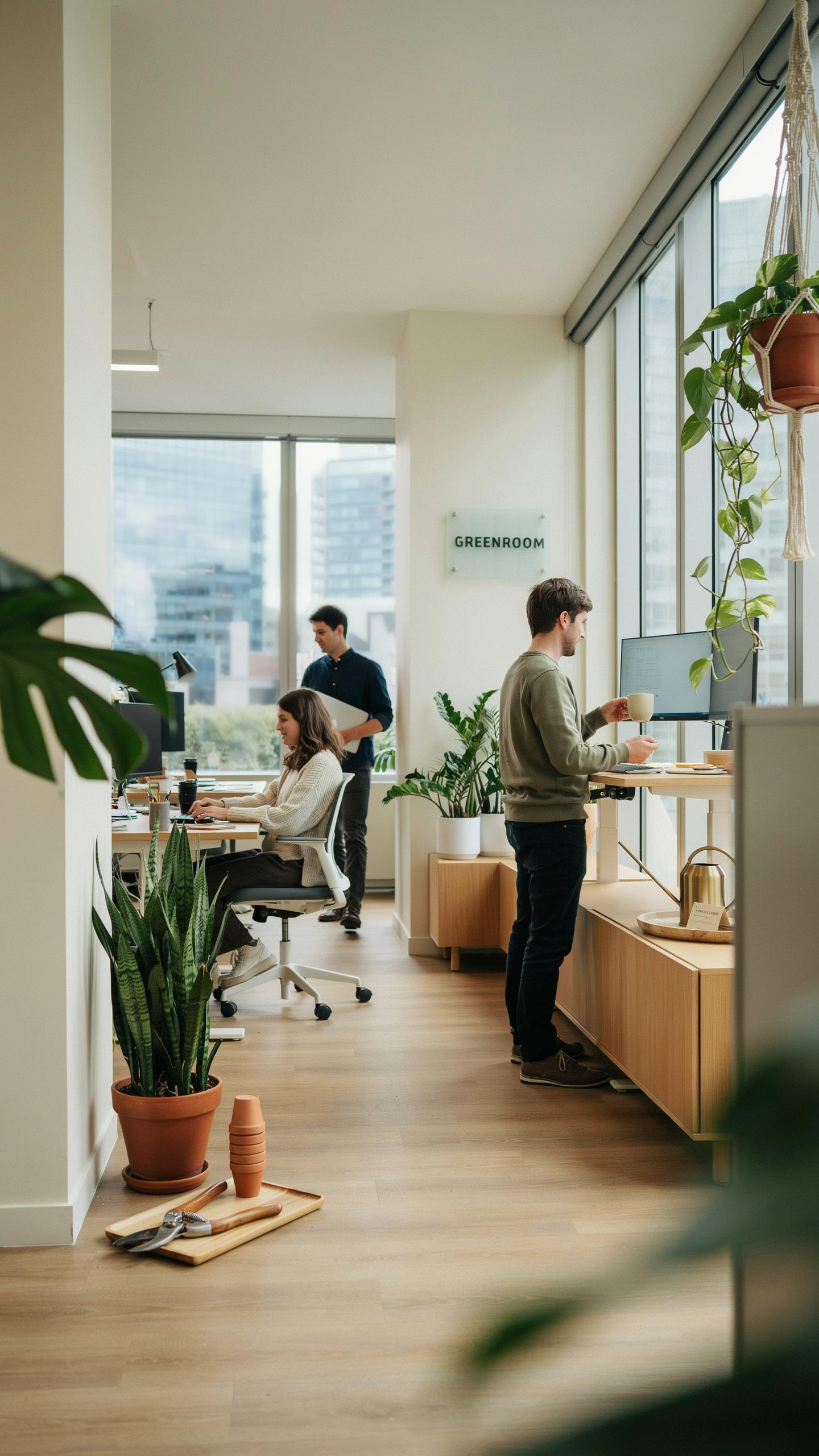
Check soil moisture twice per week by inserting your finger one inch into the soil. Low light plants need less water than sun-exposed plants because they photosynthesize slowly and use water at reduced rates. Most office plants fail from overwatering, not underwatering. Adjust your schedule based on office temperature and humidity levels.
- Dust leaves with a soft cloth: Accumulated dust blocks remaining light from reaching leaf surfaces, reducing photosynthesis efficiency. Wipe leaves every seven to ten days in office environments with higher dust levels.
- Check for pest activity: Spider mites and mealybugs thrive in low light offices because reduced light weakens plant immune responses. Inspect leaf undersides and stems for webbing or white cotton clusters weekly.
- Rotate plant position: Turn pots ninety degrees weekly to ensure even light exposure on all sides. This prevents plants from growing lopsided toward the nearest light source.
- Monitor soil drainage: Ensure pots have drainage holes and sitting water never accumulates on saucers. Stagnant water causes root rot faster in low light conditions when soil dries slowly.
- Empty saucers of excess water: Remove standing water within thirty minutes of watering. This prevents fungal growth and root suffocation in office environments with minimal air circulation.
Establish a written checklist and assign responsibility to specific staff members. Consistency matters more than perfection when maintaining office plants in low light conditions.
Light Deprivation And Rot
Low light plants show distress through specific physical signs you can observe without equipment. Yellowing leaves indicate either overwatering or insufficient light reaching photosynthetic tissue. Leaf drop happens when plants cannot generate enough energy to maintain foliage. Stunted growth occurs as the plant enters survival mode rather than active growth.
Root rot presents differently than light deprivation but often occurs simultaneously in low light offices. Musty or sour soil odors signal bacterial breakdown in waterlogged roots. Soft, blackened roots indicate fungal decay. Pull the plant from its pot monthly to inspect roots directly. Healthy roots appear white or tan and snap when bent. Rotted roots feel mushy and collapse under pressure. If rot affects more than one third of the root system, the plant cannot recover and requires replacement.
The Reality Of No Light Plants And Alternative Greenery Strategies
Vertical Pothos Vines
Pothos vines solve the space problem in cramped offices. They climb trellises, wire frames, or string anchored to walls and ceilings. This vertical growth pattern lets you add greenery without consuming desk or floor space. Pothos tolerates low light conditions better than most plants. The vine adapts to fluorescent office lighting and grows steadily upward.
Vertical pothos systems work because they maximize surface area while staying out of the way. Install a simple trellis or attach wire to your office wall. Direct the vines as they grow. Pothos roots establish in soil and the vine handles neglect well. This setup requires minimal maintenance once established and produces oxygen in confined spaces.
Led Supplemental Lights
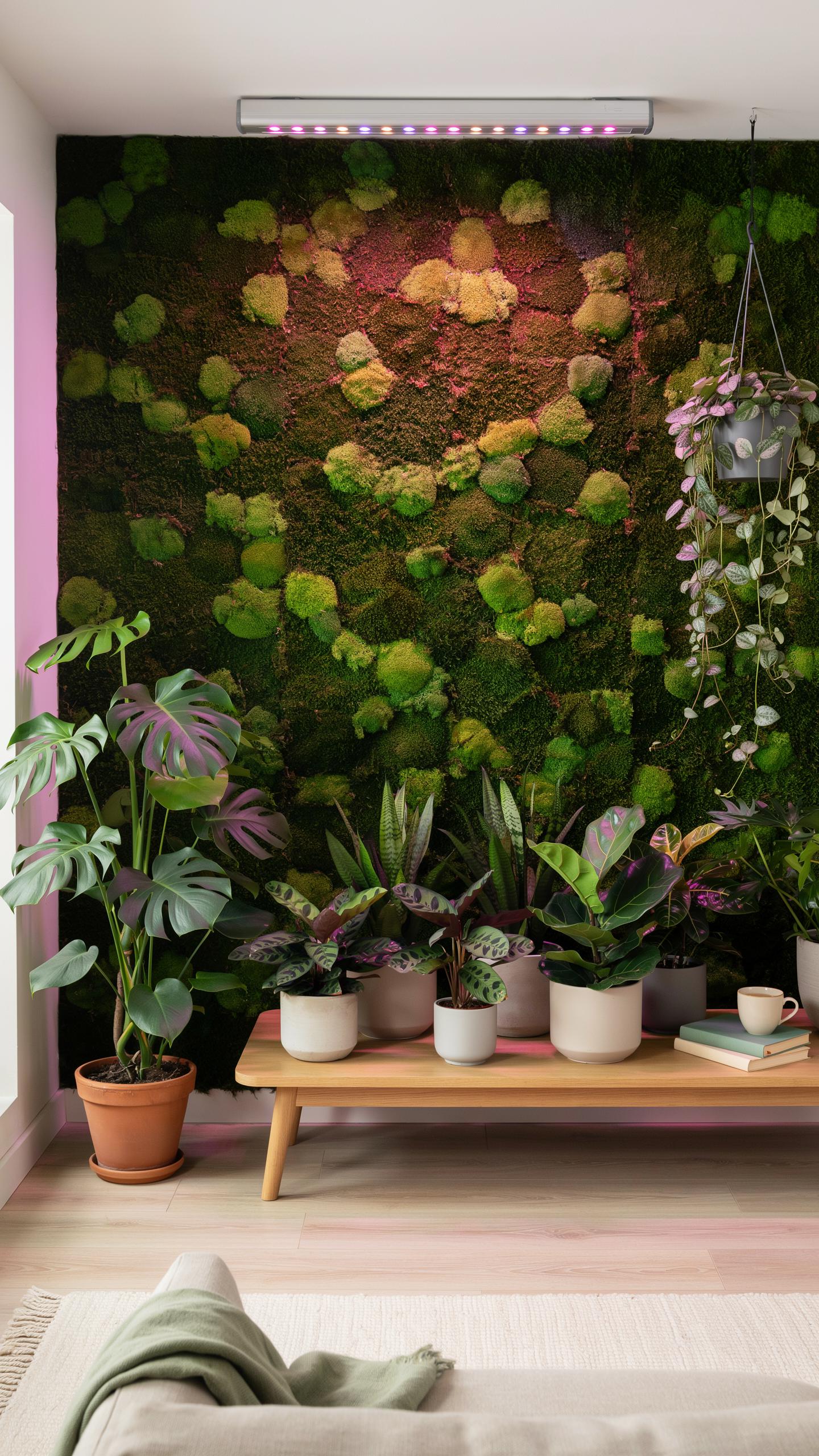
LED grow lights bridge the gap between no-light spaces and plant survival. Modern LED units emit wavelengths that plants use for photosynthesis without generating excessive heat. Place LEDs above plants on shelves or desks. Run them on timers for 12 to 14 hours daily. This approach works in interior offices with zero natural windows.
LED lights cost less to operate than older fluorescent systems and last longer. They produce the red and blue spectrum wavelengths plants need for growth. Install simple clip lamps or panel lights depending on your setup. Pair LEDs with low-light tolerant plants like pothos, snake plant, or ZZ plant for reliable results. This combination creates stable growth in otherwise impossible lighting conditions.
Frequently Asked Questions

Which low light houseplants for offices are easiest for beginners to keep alive?
If you are new to plant parenthood, the Snake Plant and ZZ Plant are your best bets. These low light houseplants for offices are incredibly resilient because they tolerate neglect and thrive in windowless spaces with only fluorescent overhead lighting. They require very infrequent watering, making them perfect for busy professionals who might occasionally forget their leafy desk companions during a hectic work week.
How do I properly water my office plants when there is very little natural sunlight?
In darker environments, water evaporates much slower than in sunny spots. To care for your low light houseplants for offices, always check that the top two inches of soil are completely dry before adding more water. It is better to underwater than overwater, as root rot is common in dim cubicles. Aim for a consistent schedule, but always let the soil’s moisture level be your ultimate guide for success.
Can I find effective low-light office plants without spending a lot of money?
Absolutely! You do not need a large budget to green up your workspace. Common varieties like Heartleaf Philodendron and Pothos are very affordable and widely available at local garden centers or grocery stores. Since these plants grow quickly, you can even ask a colleague for a cutting to propagate in a glass of water on your desk, creating a beautiful and completely free natural accent for your professional environment.