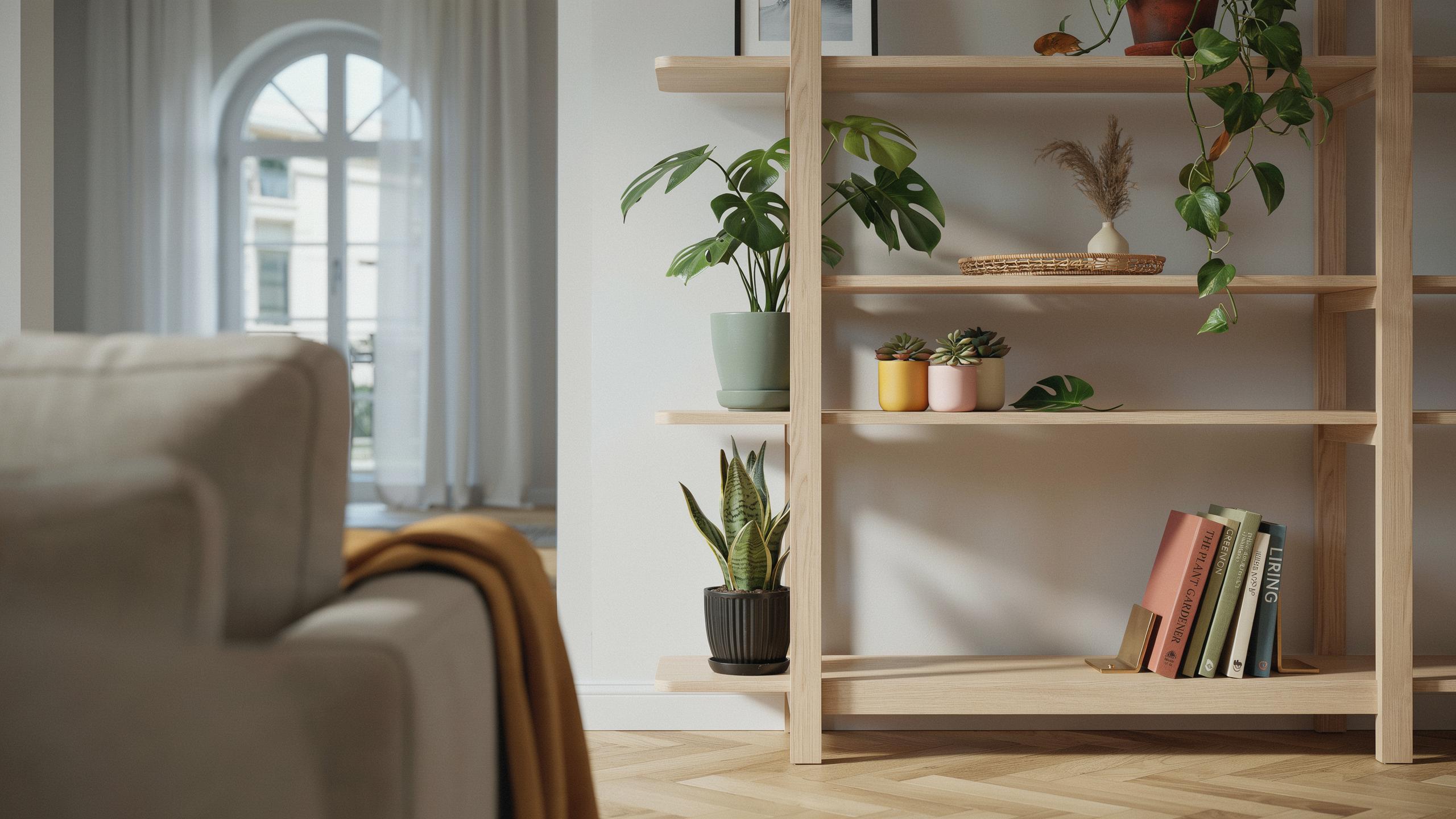
Why You Need An Indoor Plant Styling Shelf Display In Your Living Space
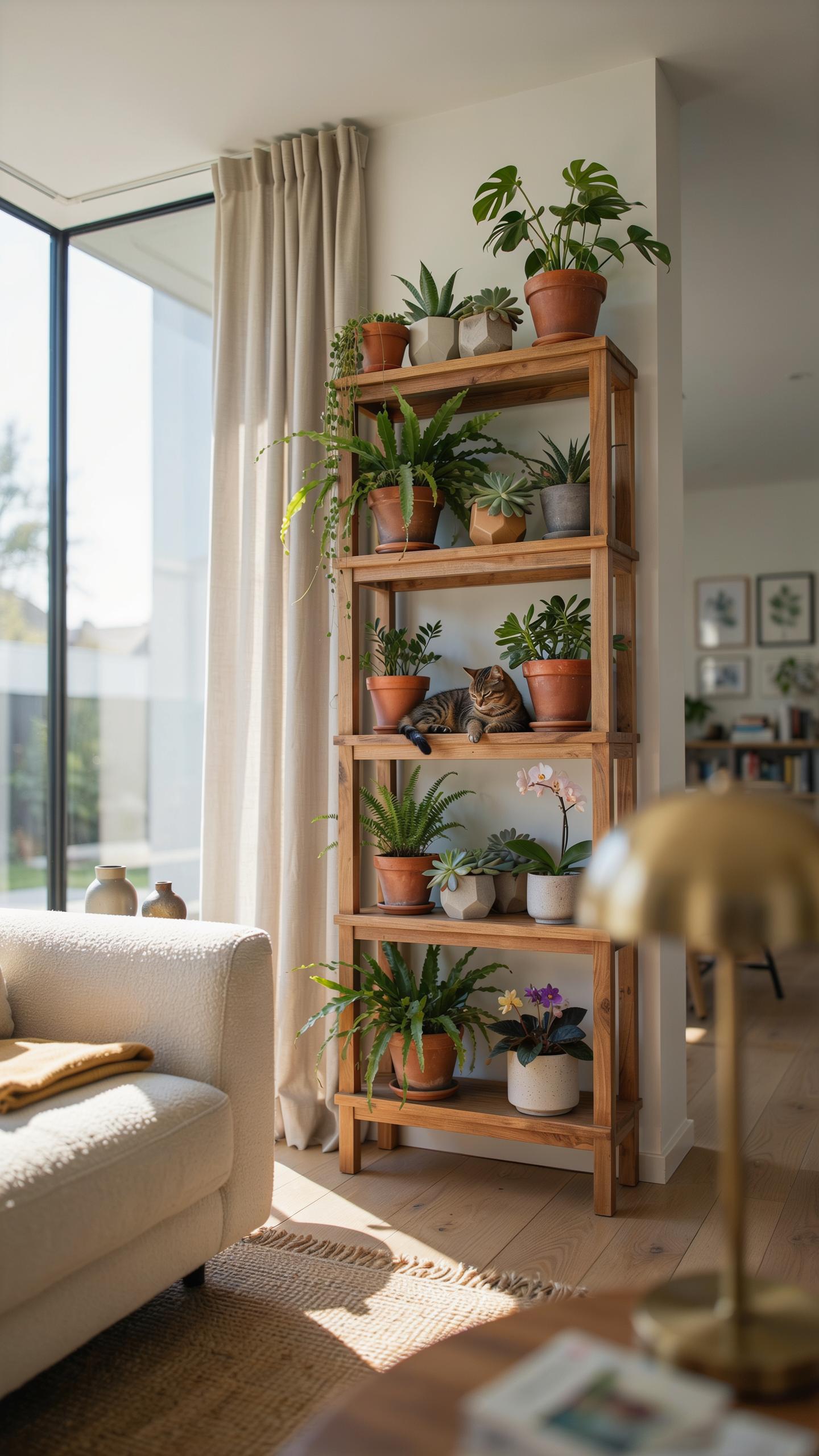
Aesthetic Benefits
A styled plant shelf adds layered visual interest to any room through varied heights, textures, and foliage types. Plants introduce organic shapes that contrast with furniture’s hard lines. Shelving systems hold multiple specimens, creating focal points that draw the eye. This arrangement fills empty wall space without cluttering floor areas. The combination of pottery, trailing vines, and upright plants produces depth.
Greenery works across design styles because plants adapt to their containers and surroundings. Minimalist spaces benefit from single specimens in neutral pots on clean shelves. Eclectic rooms accommodate mixed plant sizes and colorful planters. The natural color palette of foliage complements most existing decor. Strategic placement transforms bland walls into intentional design features that improve overall room perception.
Mental Wellbeing
Living plants measurably improve indoor air quality by absorbing carbon dioxide and releasing oxygen during photosynthesis. Species like pothos and snake plants remove specific airborne toxins. Increased oxygen levels in your breathing space support cognitive function and reduce mental fatigue. A styled shelf puts plants at eye level, maximizing their air-filtering impact throughout your space. Regular interaction with your display reinforces these benefits.
Viewing plants reduces stress and promotes focus through biophilic design principles, which recognize humans’ innate connection to nature. Having greenery visible during work or relaxation activates parasympathetic nervous system responses. A shelf display provides accessible nature contact without outdoor space requirements. Daily plant care routines establish calming rituals. This combination of air quality improvement and visual engagement creates measurable psychological benefit.

Choosing The Perfect Plant Shelves For Your Growing Collection
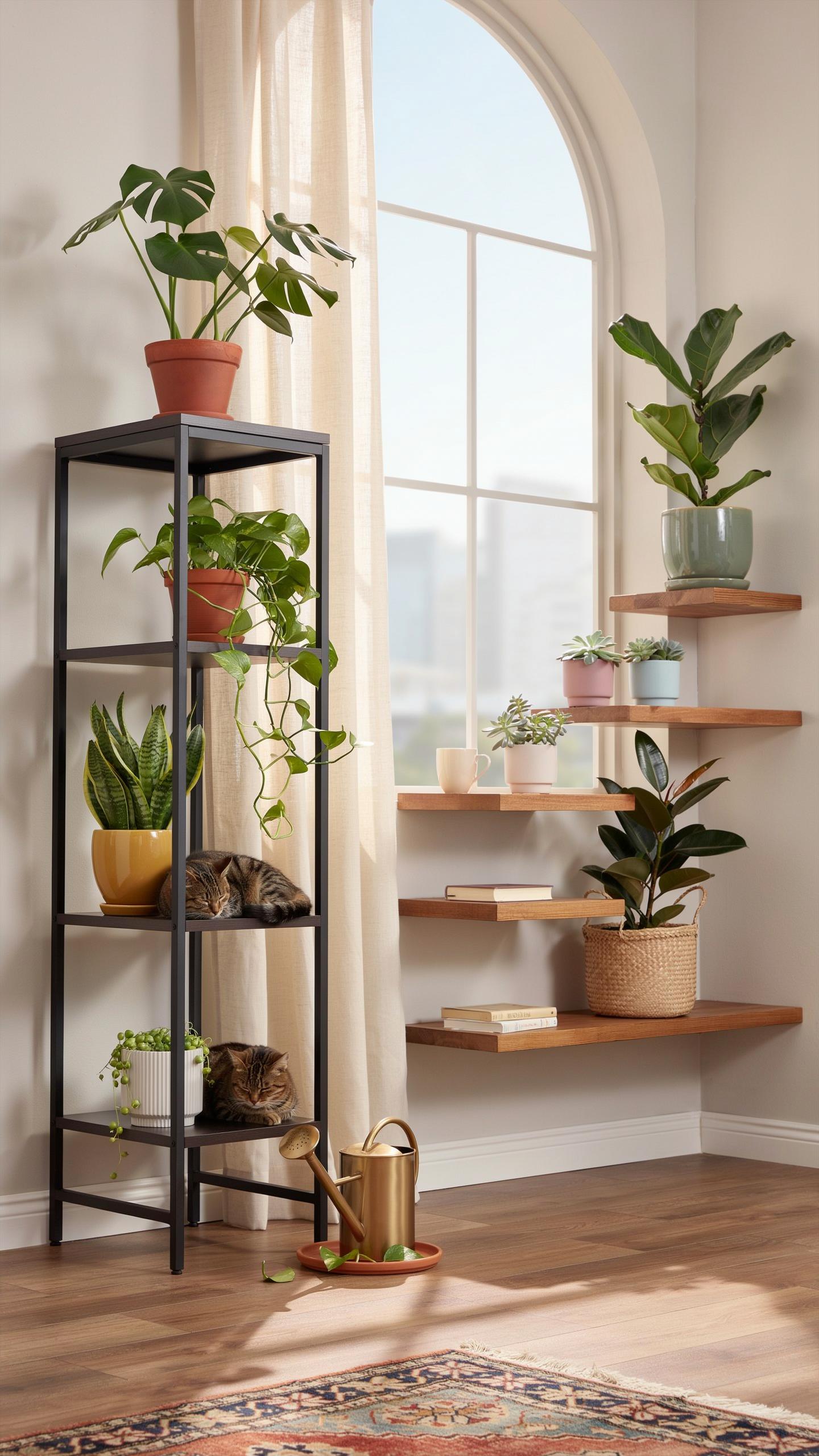
Material Selection
Wood shelves offer durability and warmth to plant displays. Solid wood handles weight well and ages visibly over time. Engineered wood costs less but sags under sustained heavy loads. Choose based on your budget and the total weight you plan to store on each shelf level.
Industrial metal shelves use steel or aluminum frames with steel grating or solid tops. These withstand moisture and heavy pots without degradation. Metal works well in contemporary and minimalist spaces. Metal shelves suit high-humidity environments like bathrooms where wood warps and rots.
Weight Capacity
Wet soil and ceramic pots add substantial weight quickly. A single large ceramic pot with moist soil weighs between 15 to 40 pounds depending on size. Standard residential shelving rates between 25 to 50 pounds per shelf. Calculate your total plant load before purchasing shelves to avoid overloading.
Check manufacturer weight ratings before installation. Confirm the shelf bracket quality and wall anchor type. Underestimate your plant collection’s future growth and add a 20 percent safety margin to capacity limits. Overloaded shelves fail without warning and damage walls, floors, and your plant collection.
How To Stylize Floating Shelves With Cascading Greenery
Floating Aesthetics
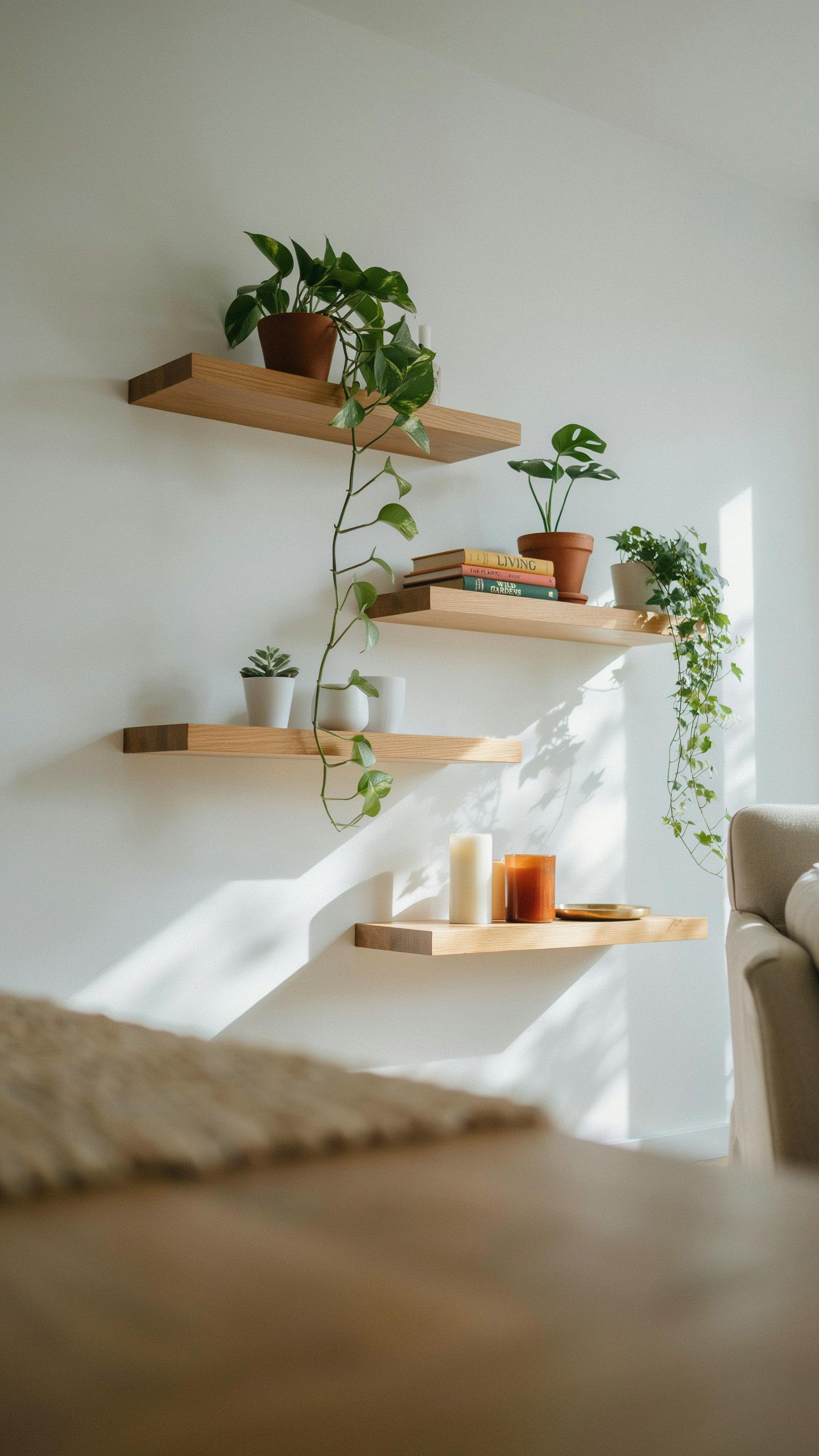
Floating shelves create visual lightness because they eliminate the visual weight of supporting legs or brackets. This design approach works because your eye perceives the shelf as suspended, drawing focus to the plants themselves rather than the structure. The key tactic is balancing plant mass against empty shelf space. Place trailing plants at shelf edges so vines hang freely without obstruction. This creates depth and prevents the display from looking cluttered or static.
Cascading greenery works best when plants trail 12 to 24 inches downward, depending on your ceiling height and room dimensions. Position heavier planters toward the wall and lighter specimens toward the edge. Vary the trailing lengths across multiple shelves to create visual rhythm. This staggered approach prevents the display from appearing monotonous and guides the viewer’s eye downward through the arrangement naturally.
Plant Options
Golden pothos delivers reliable cascading performance because it grows rapidly and tolerates low to medium light conditions. The heart-shaped leaves create a uniform visual texture that reads cleanly from a distance. English ivy offers smaller leaf structures and denser trailing coverage, making it ideal for creating fuller, more substantial-looking displays. Both species withstand inconsistent watering and adapt to typical indoor temperatures, reducing maintenance demands while maintaining appearance.
Heartleaf philodendron provides a middle ground between pothos and ivy regarding leaf size and growth rate. Its vines reach considerable lengths quickly, making it efficient for filling vertical space. All three species tolerate the air circulation near floating shelves, which prevents moisture issues. Select based on your light availability: pothos and philodendron handle lower light, while ivy prefers brighter indirect light. Rotate your plant choices across shelves to create textural variation without overcomplicating the display.
Artful Arrangements For Plants On Bookshelves And Bookcases
Styling Tips
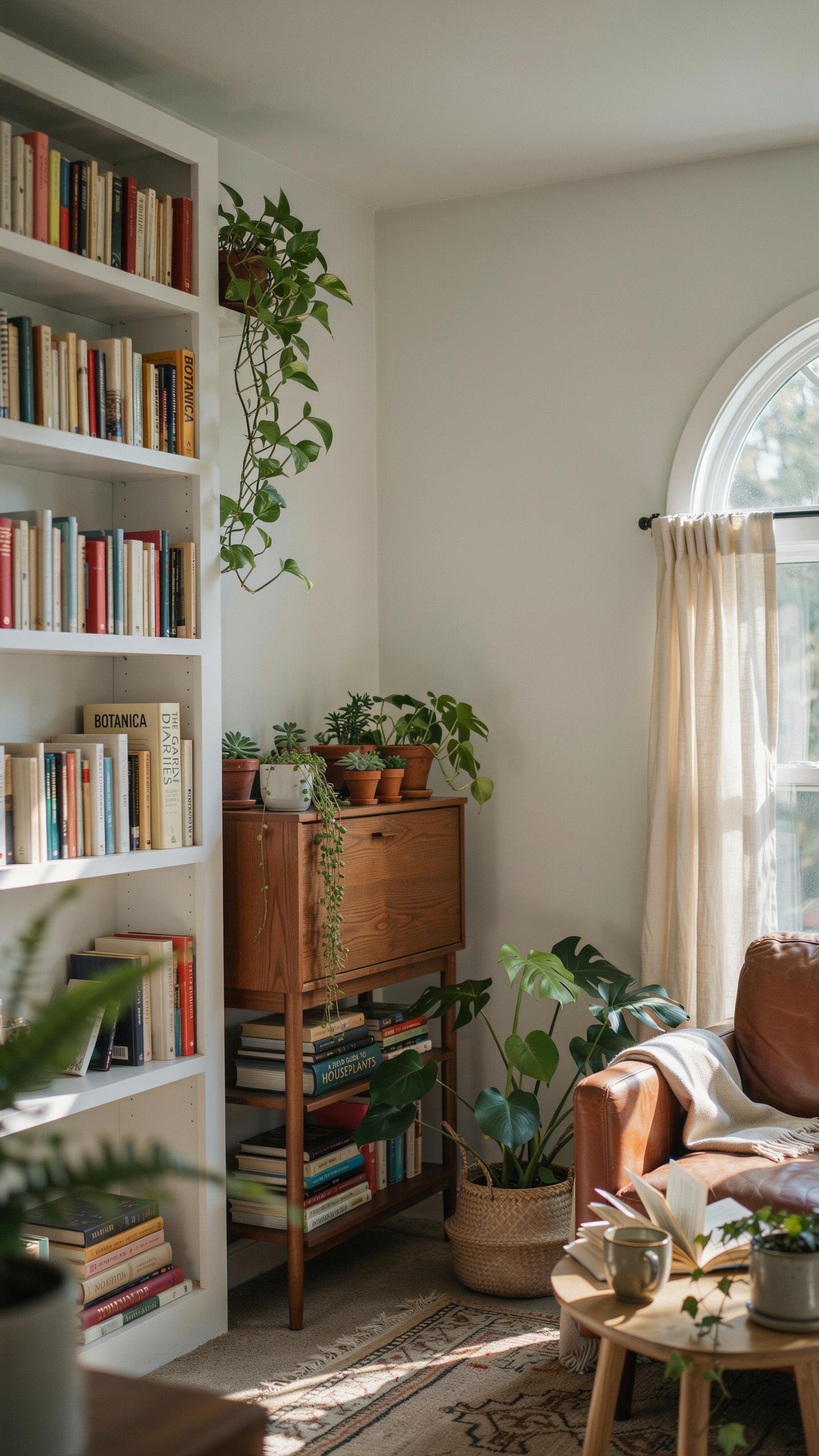
Mixing plants with books requires deliberate spacing and visual balance. You need negative space to prevent overcrowding. Alternate between vertical book stacks and horizontal arrangements to create rhythm. Place taller plants at the back or ends of shelves. Use trailing plants to soften edges and break up rectangular lines. This breaks visual monotony and guides the eye across the shelf.
- Vertical stacking: Stand books upright to anchor sections. Creates defined zones where you position plants between clusters for visual breathing room and organized appearance.
- Horizontal layering: Lay books flat to build height variations. Plants positioned on top of stacks gain elevation without consuming additional shelf depth or space.
- Odd-numbered grouping: Arrange plants in groups of three or five. Odd numbers feel intentional and balanced rather than symmetrical or accidental-looking arrangements.
- Container consistency: Use matching pots within each shelf section. Unified colors or materials create cohesion and prevent visual chaos across multiple shelving levels.
- Trailing plant placement: Position vining plants at shelf edges. These naturally drape downward, softening hard lines and creating visual flow between shelf levels without cluttering space.
Repeating these patterns across shelves reinforces intentional design. Consistency makes displayed items feel curated rather than random. Scale matters. Small plants pair well with thick books. Large plants need adequate open shelf space to avoid a cramped appearance.
To plant a garden is to dream of tomorrow, especially when those leaves reach out from the shelves to turn a simple room into a sanctuary of life.
Light Exposure
Shade-tolerant plants perform better in deep shelf interiors away from direct sunlight. Pothos, ZZ plants, and cast iron plants tolerate low-light conditions found in bookcase centers. Position these species three to four shelves from windows. They adapt to artificial indoor light or ambient room light without leaf yellowing or decline.
Back shelves receive less light than front edges. Use this zone strategically for species with genuine shade tolerance. Rotate plants quarterly to equalize any light they do receive. Monitor leaf color monthly. Yellowing indicates insufficient light even for tolerant species, signaling the need to move plants forward or closer to light sources for recovery.
Curating Modern Indoor Plant Decor With Texture And Contrast
Container Styles
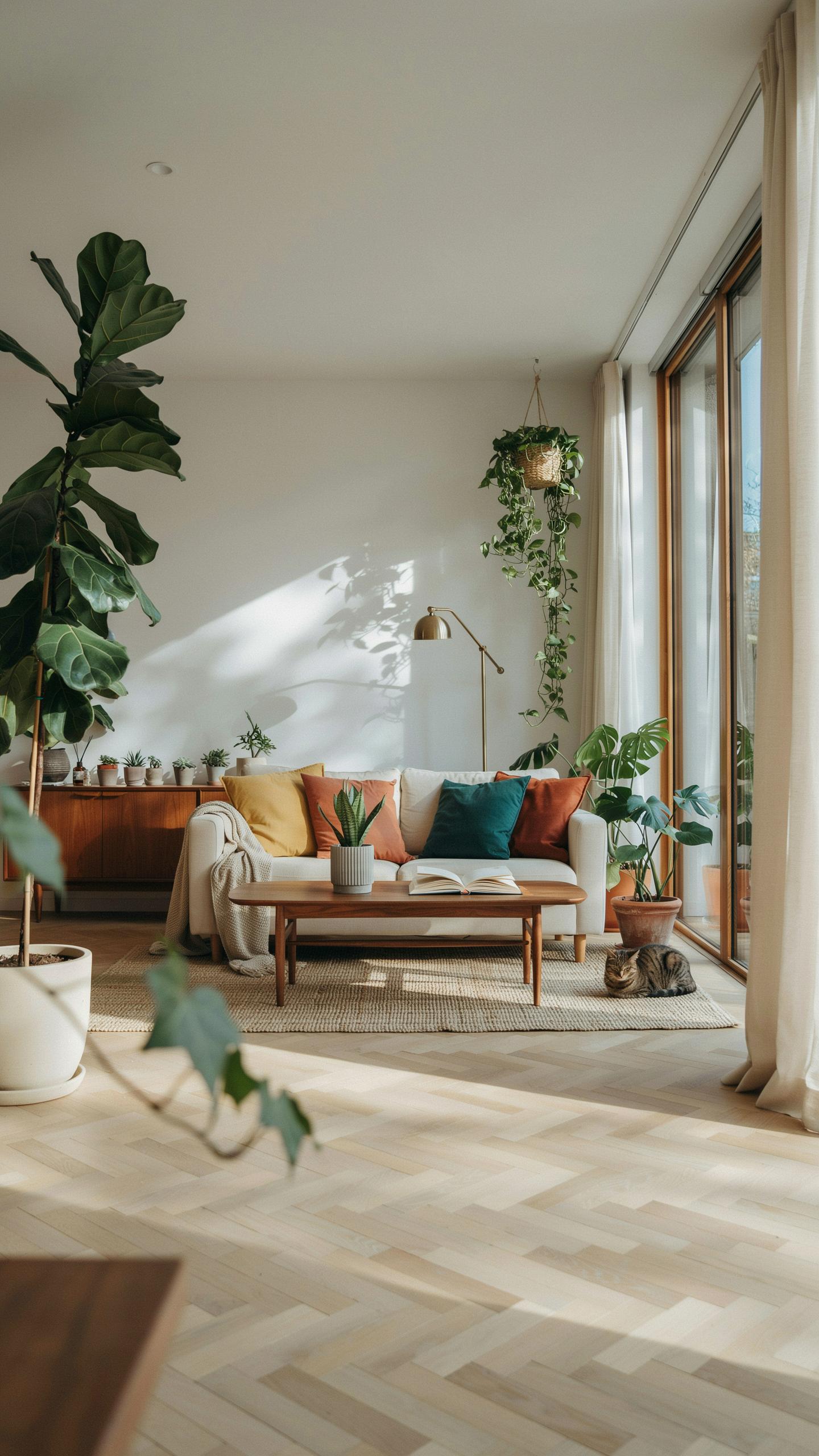
Mixing container materials creates visual interest on plant shelves. Geometric terracotta pots offer breathability for moisture-sensitive plants like succulents. Glazed ceramic planters provide water retention and come in varied finishes. Woven seagrass baskets add organic texture while serving as cachepots. Each material serves functional purposes beyond aesthetics. Your choice depends on plant watering needs and shelf weight capacity.
Container material combinations establish hierarchy on shelves. Terracotta’s warm, neutral tone pairs well with cool-toned ceramics. Seagrass baskets soften geometric pot edges and break up visual repetition. Alternating materials every two to three plants prevents monotony. This approach balances design cohesion with visual complexity that engages viewers.
Foliage Contrast
Broad-leaved monsteras and delicate maidenhair ferns create textural opposition. Monstera leaves display large, flat surfaces that command shelf space visually. Maidenhair ferns feature fine, feathery fronds that soften hard lines. Pairing these types prevents sameness in your indoor plant styling shelf display. The contrast draws the eye and maintains viewer interest across tiers.
Foliage texture differences influence overall shelf composition. Broad leaves reflect light differently than fine fronds. This creates depth perception even on flat shelves. Position contrasting plants within arm’s reach of each other for maximum impact. Varying leaf shapes prevents the eye from settling and encourages exploration of your arrangement.
Lighting Requirements For Your Shelved Indoor Plants
Natural Light
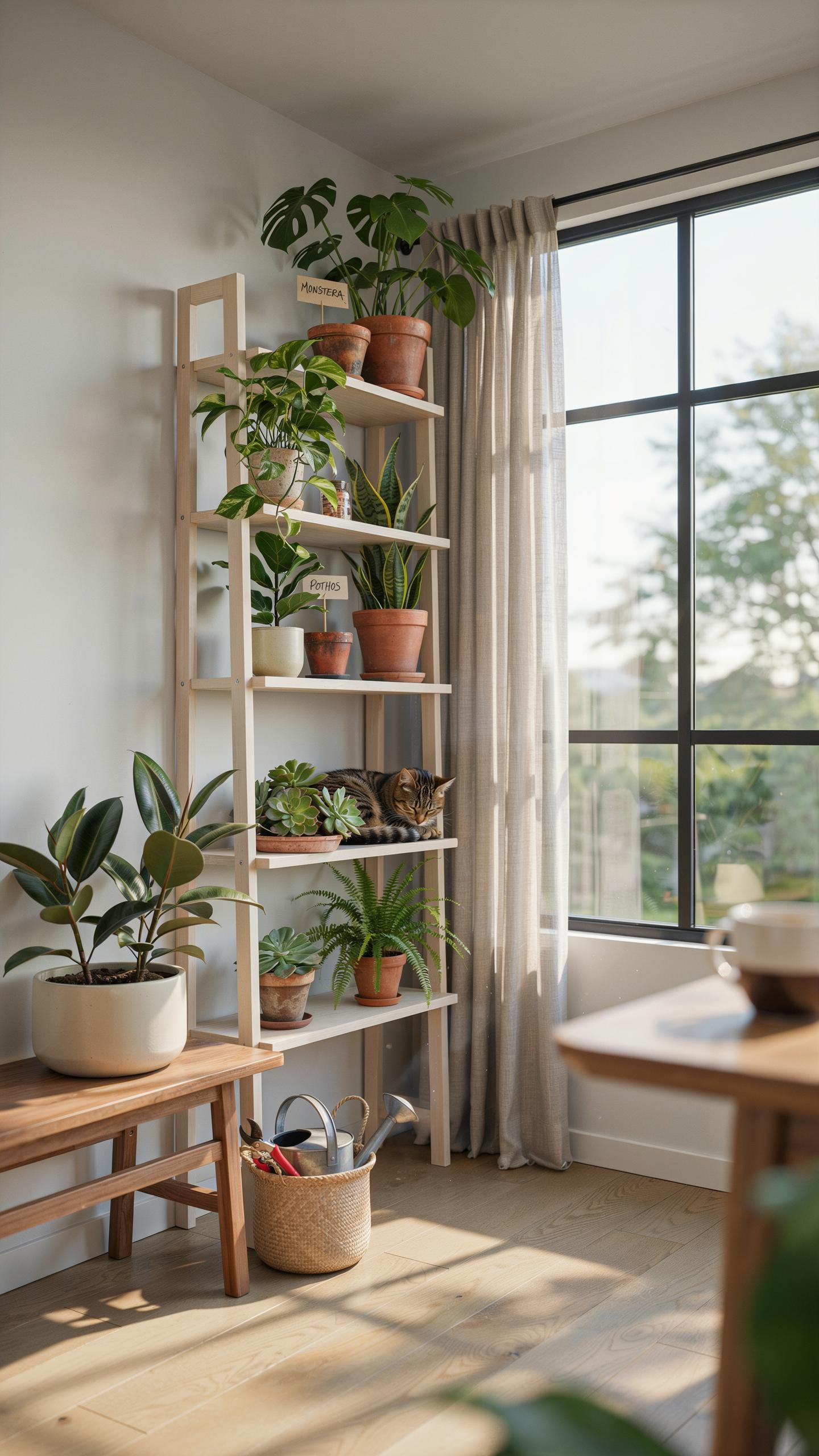
Window direction determines the light intensity and duration your plants receive. North-facing windows provide consistent, indirect light year-round but lack direct sun. South-facing windows deliver the strongest, most direct light, suitable for sun-loving plants like succulents and cacti. East-facing windows offer gentle morning sun without harsh afternoon heat. West-facing windows provide intense afternoon light that can scorch sensitive foliage.
Assess your shelf location against these directional patterns. Most tropical houseplants thrive in east or west-facing conditions. Measure light levels at different times to understand seasonal variations. Your shelf position relative to the window determines whether plants receive adequate illumination for photosynthesis and growth. Rotate plants quarterly to promote even development.
Supplemental Lighting
Install LED grow lights beneath shelf boards to fill light gaps without visible fixtures. Modern LEDs emit wavelengths plants absorb while consuming minimal power and generating low heat. Position lights 6 to 12 inches above plant foliage, adjusting height as plants grow. Use timers to maintain consistent 12 to 16 hour photoperiods that match natural day length.
- Full spectrum LEDs: Emit balanced red and blue light wavelengths for comprehensive plant development across all growth stages.
- T5 fluorescent tubes: Compact and affordable option producing sufficient light for low to moderate light plants on shelving units.
- Clip on spotlights: Flexible positioning allows targeted light delivery to individual plants without permanent shelf modifications.
- Strip lights with adhesive backing: Mount directly under shelf edges for seamless integration that remains hidden from view.
- Smart LED panels: Programmable systems let you adjust spectrum and intensity remotely based on plant type and season.
Quality supplemental lighting extends your plant options beyond naturally lit shelf spaces. Calculate wattage requirements based on plant count and light-hungry species. Combine natural and artificial sources for optimal results on deep interior shelves away from windows.
Creative Plant Display Ideas For Small Spaces And Apartments
Vertical Real Estate
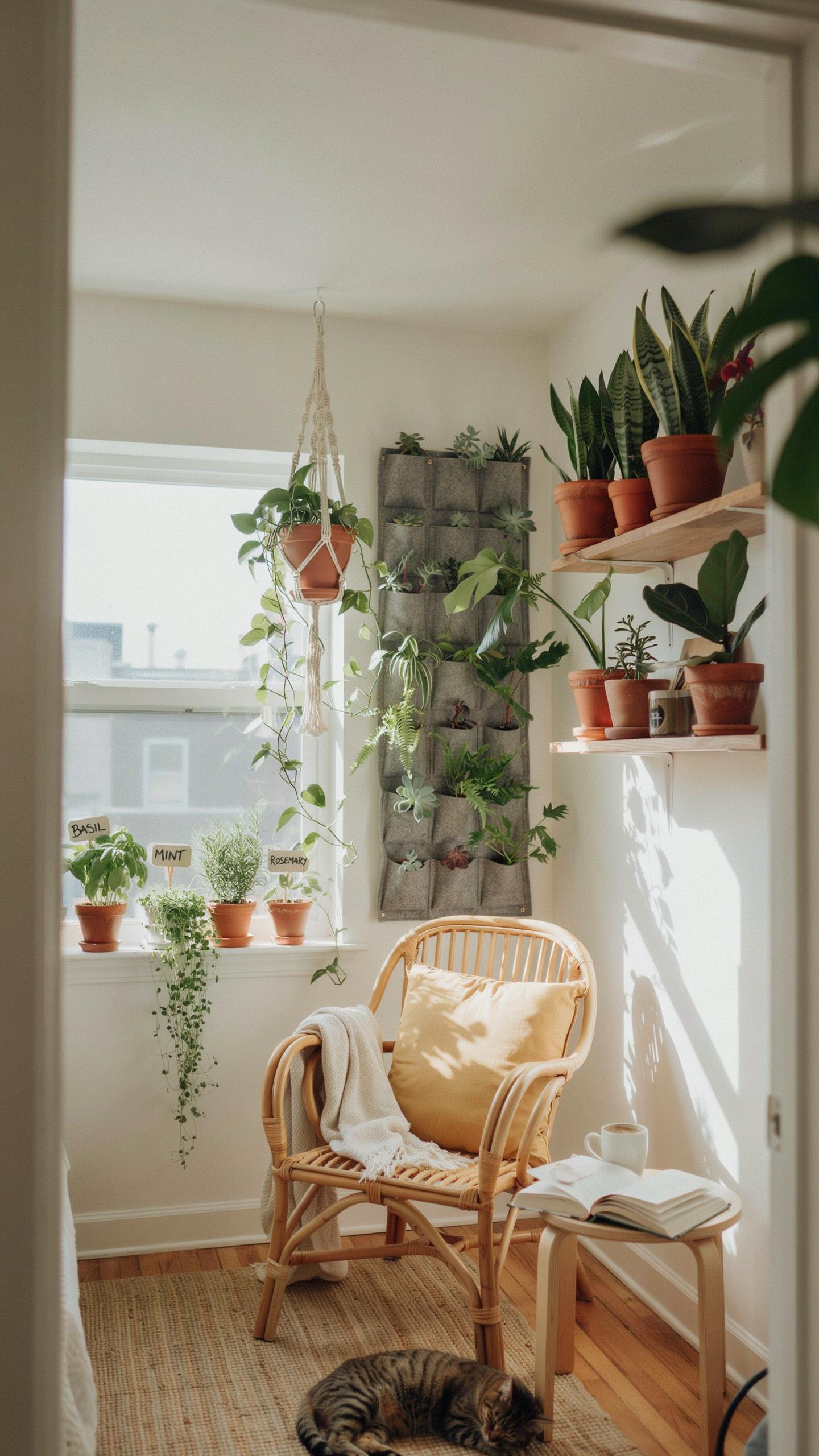
Narrow corner shelves and ladder-style stands solve the square footage problem directly. These structures use wall space instead of floor space, freeing up room for movement and furniture. Corner shelves fit into dead zones that serve no other function. Ladder stands lean against walls at angles, occupying minimal footprint while holding multiple plants across different heights. This approach works in studios, one-bedroom apartments, and cramped home offices where every inch matters.
Vertical arrangements also improve light distribution and airflow around plants. Staggered heights prevent shading issues where lower plants block sun from reaching upper shelves. Air circulates more freely around each plant when they sit on separate tiers rather than clustered on a single surface. This setup reduces pest problems and fungal issues that develop in stagnant, crowded conditions.
Petite Varieties
Slow-growing succulents, air plants, and miniature cacti occupy minimal space while delivering visual impact. These plants have shallow root systems and compact growth patterns, making them ideal for small shelves and tight corners. Succulents store water internally, reducing watering frequency and maintenance demands. Air plants require no soil, only occasional misting, and they fit into hanging displays or small decorative holders that take up almost no shelf real estate.
Micro-plant collections create depth and visual interest without crowding a small space. A single shelf can hold 8 to 12 small plants in varied containers, creating a curated look without overwhelming the room. These plants mature slowly, so your display remains stable for extended periods. Scaling down plant size lets you build a substantial collection on limited square footage while maintaining breathing room in your apartment or compact home.
Maintaining Your Gorgeous Home Plant Display And Keeping It Alive
Watering Routines
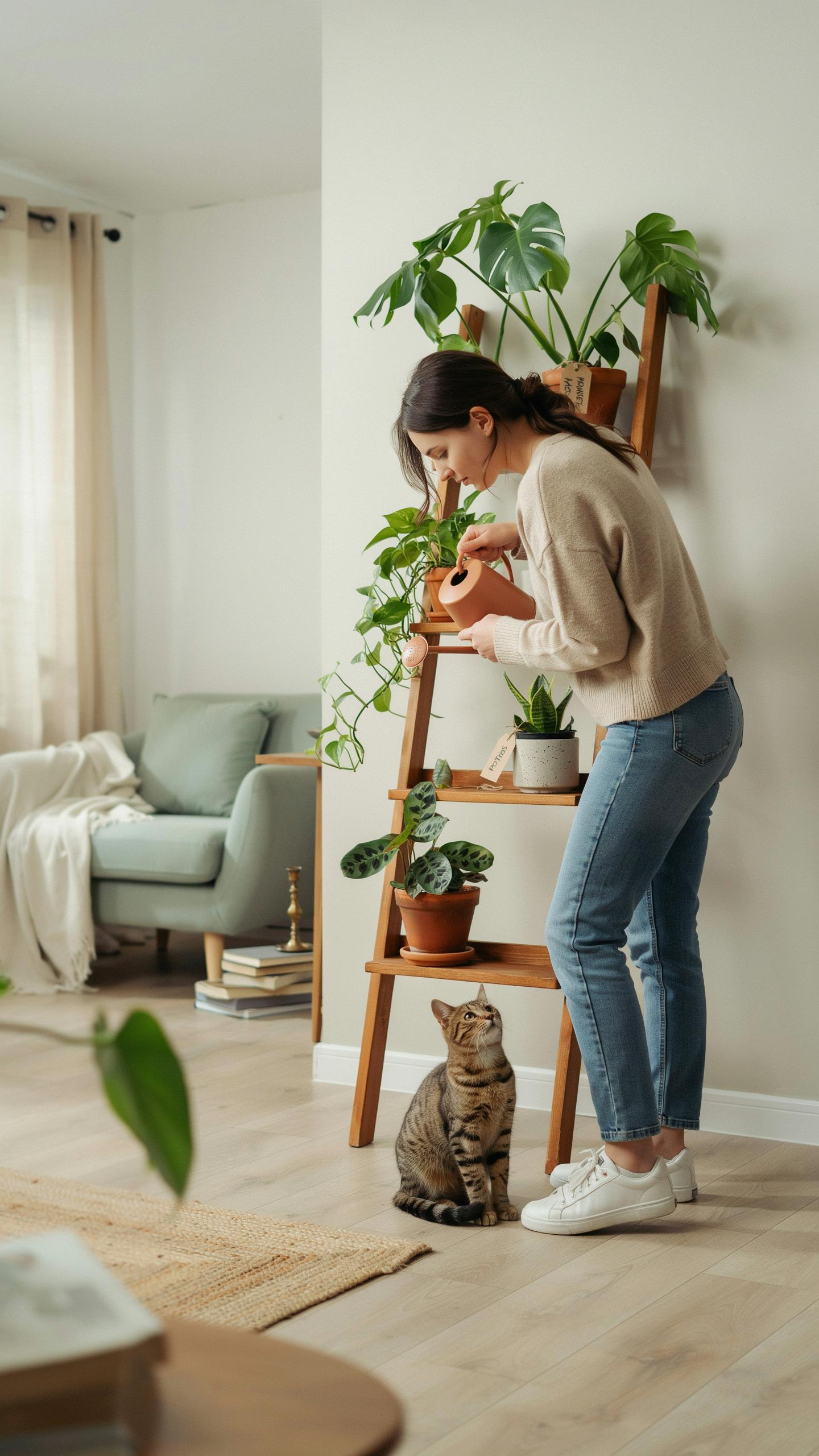
Water damage destroys wooden shelves fast. Moisture rings appear within weeks on untreated wood surfaces. The solution is simple: water plants away from the shelf or use catch trays. Place saucers under pots to trap excess water before it reaches wood. Check soil moisture with your finger before watering. Most tropical plants need water when the top inch of soil feels dry.
Establish a watering schedule based on each plant’s needs, not a fixed day. Overwatering kills more plants than underwatering does. Use room temperature water and pour slowly until water drains from the pot bottom. Empty catch trays within an hour after watering to prevent root rot. Wipe any spilled water immediately with a dry cloth to protect your furniture investment.
Dusting Pruning
Dust accumulates on leaves and blocks photosynthesis. This reduces plant vigor and creates a dull appearance on your display. Dust leaves monthly using a soft, damp cloth or soft brush. Support the leaf with your other hand while cleaning to avoid breaking stems. Rainwater or distilled water works best. Avoid commercial leaf shine products as they clog pores and damage foliage.
Yellowed leaves signal nutrient deficiency or age. Remove them promptly to direct energy to healthy growth. Cut yellowed foliage at the base where it connects to the main stem. Dispose of dead leaves immediately to prevent pest infestations. Pruning also shapes plants and prevents them from becoming leggy or overgrown on your shelf.
Frequently Asked Questions
How do I choose the right plants for a shelf display if I am a beginner?
If you are new to indoor plant styling shelf display techniques, start with low-maintenance varieties like Pothos, Snake Plants, or Heartleaf Philodendrons. These species are incredibly resilient and thrive in typical indoor lighting conditions. Focus on plants with trailing vines to create visual movement and pair them with upright succulents to add texture. This approach ensures your display looks professional while remaining very easy to maintain over time.
What are some practical tips for arranging plants on a bookshelf?
To master an indoor plant styling shelf display, use the “rule of three” by grouping items in odd numbers. Vary the heights by placing small plants on top of stackable books and mix leaf shapes to create depth. Don’t forget to leave some negative space so the shelf doesn’t feel cluttered. Always check that the shelf is sturdy enough for the weight of pots and has protection against water damage.
Can I create a beautiful plant shelf display on a limited budget?
Absolutely! You can achieve a stunning look by propagating your own cuttings in glass jars or repurposing vintage containers from thrift stores. Using different sizes of terracotta pots is an affordable way to create a cohesive aesthetic. By focusing on fast-growing species and DIY decorative elements, you can design a lush, inviting greenery wall that transforms your living space without needing to spend a fortune on high-end designer planters.