Maximizing Your Small Space Gardening Potential With The Best Mix
Understanding Mix
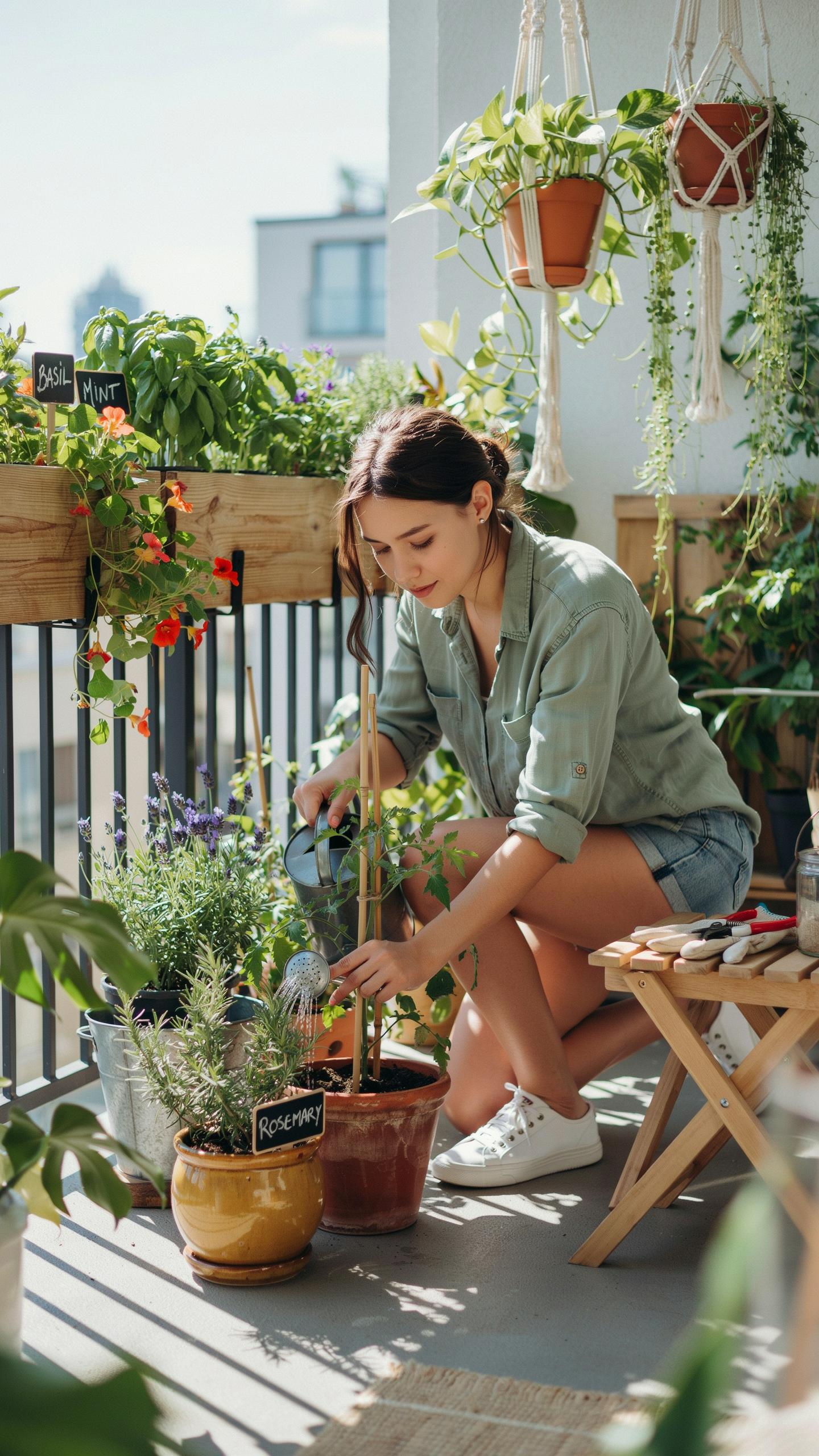
Container gardening requires a potting mix that works against the limitations of confined spaces. Standard garden soil compacts in containers, suffocating roots and preventing water drainage. A proper potting mix creates air pockets that allow roots to access oxygen. This structural difference directly impacts plant survival and productivity in small spaces where every plant must perform.
The right mix balances water retention with drainage. Roots need consistent moisture but cannot tolerate waterlogged conditions. Potting mixes achieve this through ingredients like peat moss, coconut coir, perlite, and compost. These materials work together to hold water around root systems while air channels prevent root rot and fungal disease.
Ideal Soil Structure
Garden soil fails in containers because it compacts under water pressure and lacks the porosity plants need in confined growing areas. Heavy clay particles lock together, creating anaerobic conditions where roots cannot function. Potting mixes use lighter materials that maintain their structure even after repeated watering and root growth.
Potting mixes typically contain 40 to 60 percent organic matter by volume, with the remainder made up of drainage amendments. This composition prevents the density problems of garden soil while maintaining adequate nutrient retention. Plants in small containers rely on this balanced structure because they cannot extend roots into deeper soil layers to find water or nutrients during dry periods.
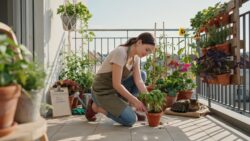
Setting Up A Vibrant Urban Garden In Limited Spaces
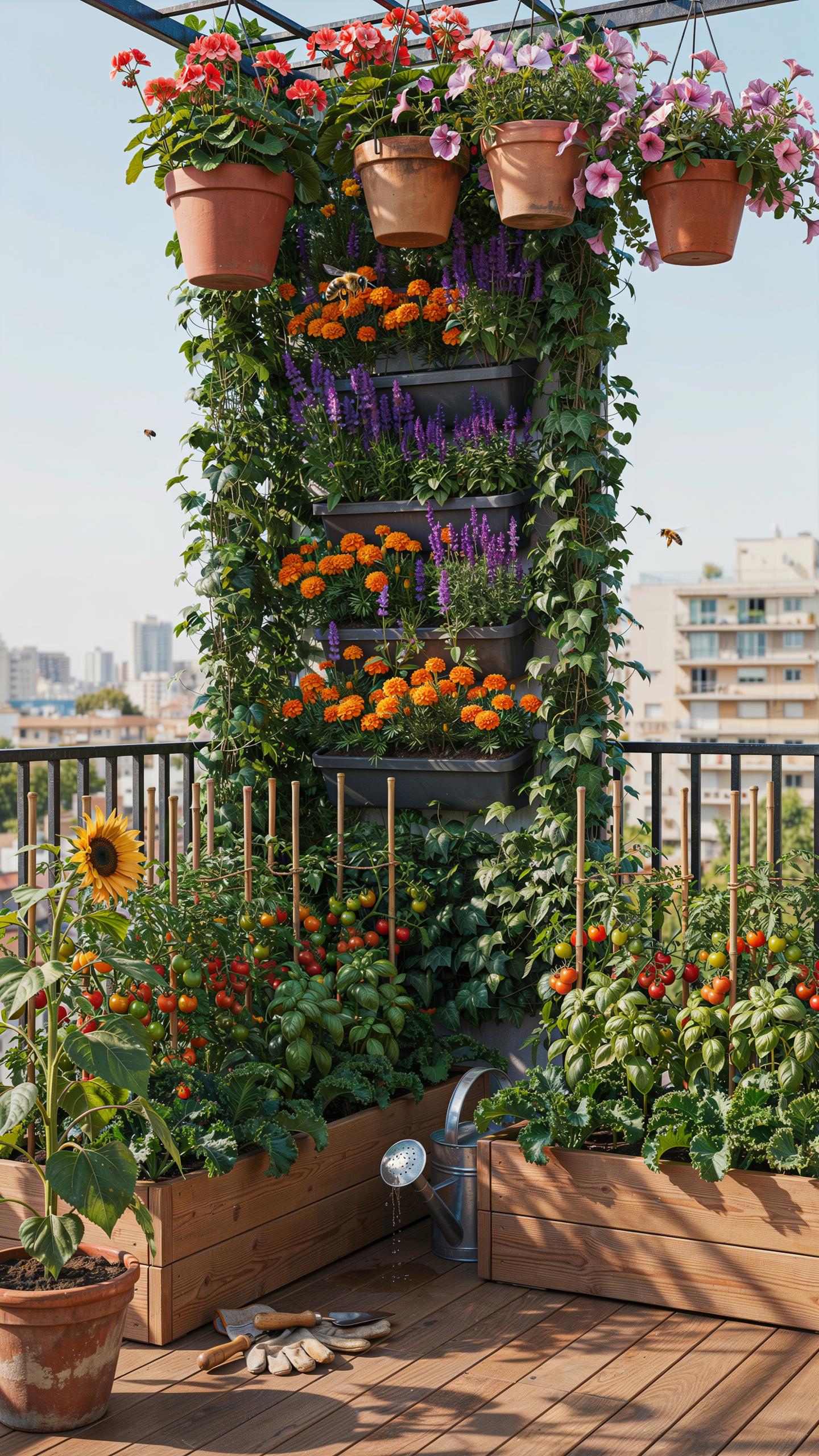
Vertical Gardening Options
Trellises and pocket planters solve the floor space problem by moving your growing operation upward. This approach maximizes your small space gardening container mix by using walls and vertical structures instead of spreading across limited square footage. Climbing plants, vining vegetables, and trailing herbs all thrive on vertical systems. Install trellises directly on walls, balcony railings, or freestanding frames to create multiple growing zones in one compact footprint.
Pocket planters attach to walls or hang from overhead structures with minimal installation. These fabric or plastic systems hold individual plants and drip water efficiently through the container mix layers. Each pocket acts as a separate growing unit, allowing you to mix plant types based on their water and sunlight needs. Vertical gardens also improve air circulation around plants, reducing disease pressure compared to dense ground-level arrangements.
Urban Microclimates
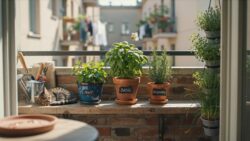
Wind patterns on balconies and rooftops accelerate water loss from your small space gardening container mix. Strong wind exposure dries soil faster and stresses plants through physical damage and rapid evaporation. Map your space’s wind direction and intensity by observing how air moves throughout the day. Position sensitive plants behind barriers or in corners where structures block harsh wind gusts while still allowing air movement.
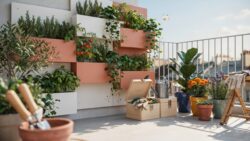
Sunlight intensity varies significantly between urban locations based on building shadows and reflective surfaces. South and west-facing exposures receive intense afternoon heat that scorches tender plants in shallow containers. North-facing areas stay cooler and dimmer, limiting options to shade-tolerant species like leafy greens and ferns. Test your actual sunlight hours over several days before filling containers. Place sun-demanding plants like tomatoes and peppers in your brightest zones while relegating shade plants to protected corners.
Selecting The Right Garden Containers For Your Plants
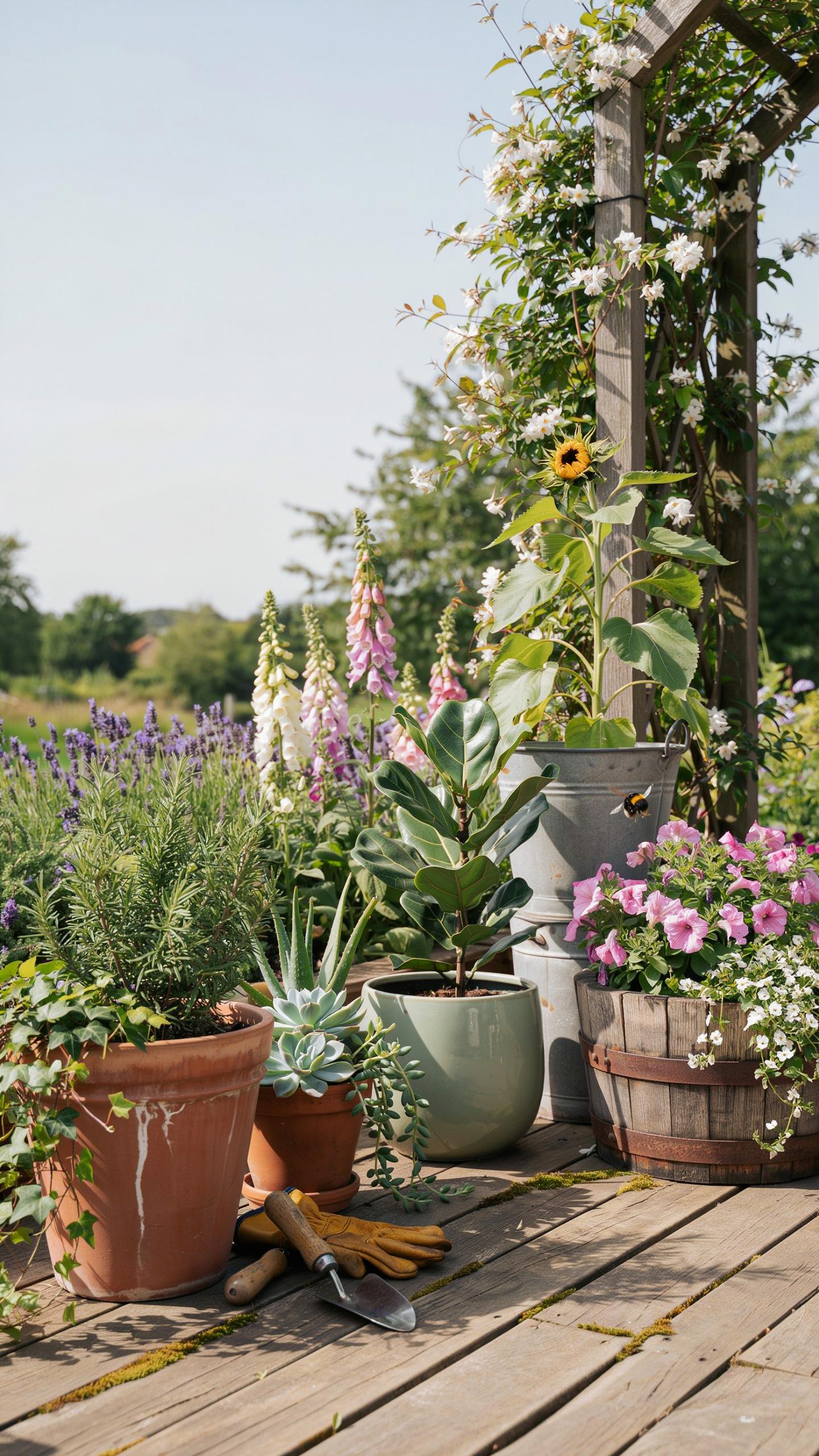
Material Durability
Terracotta pots breathe. Water evaporates through the clay walls, which prevents waterlogging. However, terracotta cracks in freeze-thaw cycles and breaks easily when dropped. This material works best in stable climates where you won’t move containers frequently or expose them to temperature swings below freezing.
Heavy-duty plastic containers outlast terracotta. They resist cracking, handle temperature changes, and weigh less for repositioning. Plastic doesn’t breathe like terracotta, so soil retains moisture longer. Choose food-grade or UV-stabilized plastic to prevent degradation from sun exposure over multiple seasons.
Breathable fabric pots offer a middle ground. Air flows through the material, which encourages healthy root development and reduces root circling. Fabric containers dry faster than plastic, requiring more frequent watering. They suit gardeners who prefer active moisture management and don’t mind replacing pots every few years as fabric degrades from UV exposure and repeated wetting.
Drainage Importance
Drainage holes are non-negotiable. Without them, water pools at the soil base, suffocating roots and triggering fungal diseases. Every container needs at least one hole, preferably multiple holes distributed across the bottom. A pot with poor drainage kills plants faster than underwatering does.
Test drainage before planting. Pour water into an empty container and watch how fast it exits. Water should drain within seconds, not minutes. If drainage is slow, either drill additional holes yourself or select a different container. For small space gardening, this step determines whether your plants survive or decline.
Designing A Beautiful Small Backyard Container Garden
Visual Layering
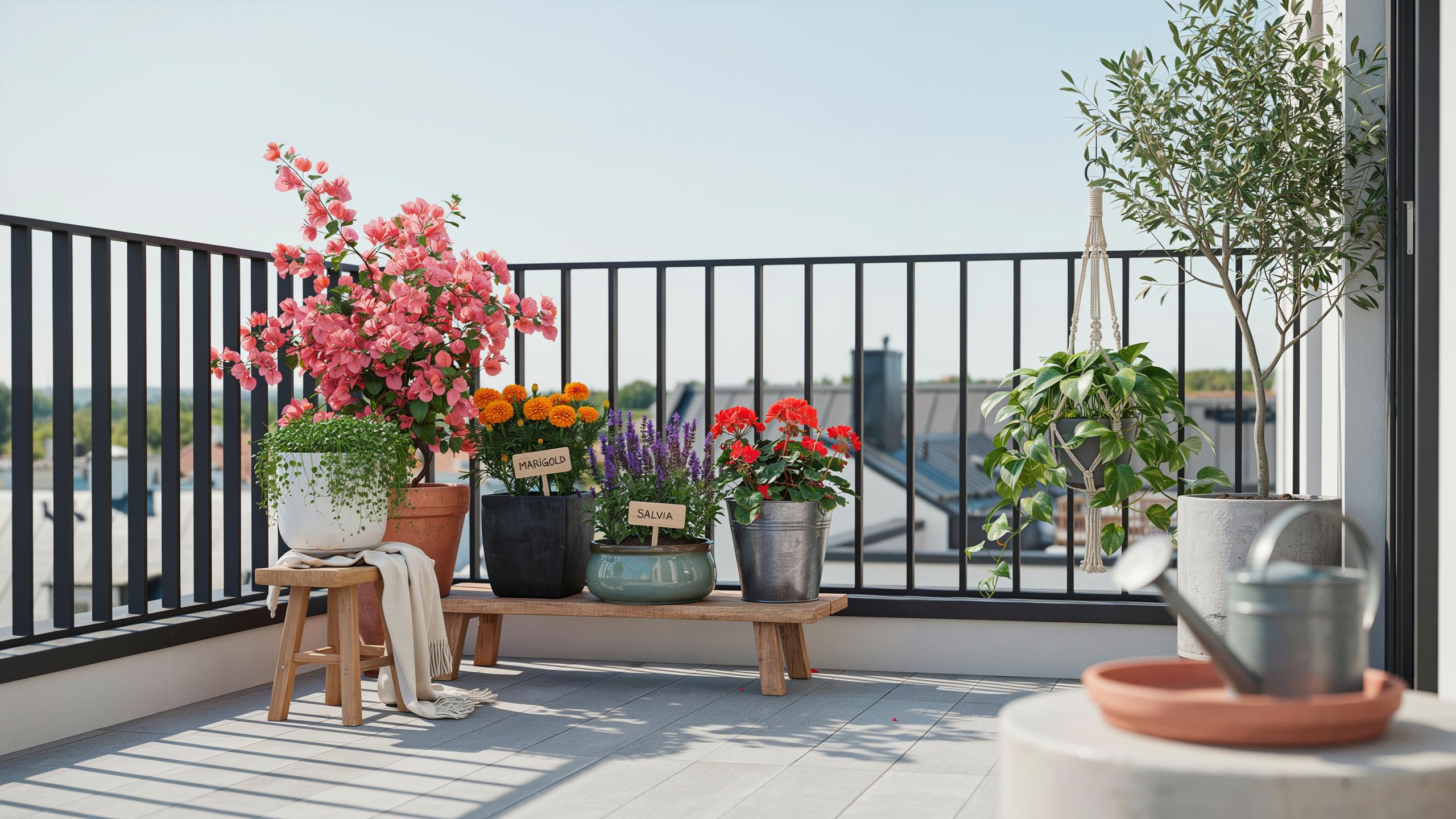
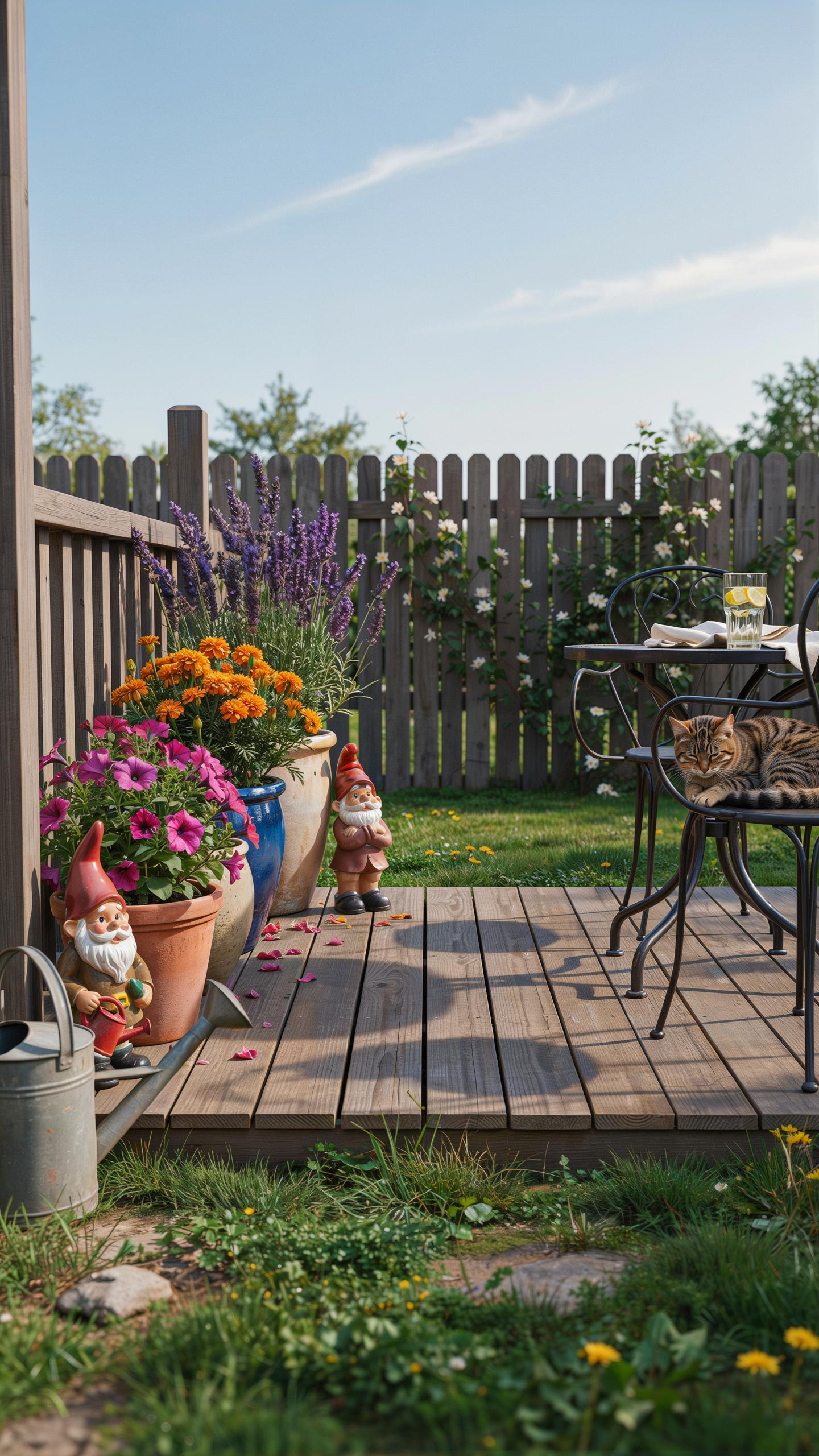
Height variation creates visual depth in confined spaces. Use tall plants or elevated containers at the back, medium-height specimens in the middle, and low-growing plants toward the front. This tiered approach prevents a flat, monotonous appearance. Stagger container placement rather than lining them in rows. Strategic placement guides the eye through the garden and maximizes perceived space.
Different pot heights serve practical purposes beyond aesthetics. Elevated containers improve drainage and air circulation around plant roots. Varying heights also accommodate different plant root depths and water requirements. Arrange containers so taller plants don’t shade smaller ones unnecessarily. This systematic approach ensures each plant receives appropriate light while maintaining visual interest throughout the garden layout.
Color And Texture Symmetry
Combine contrasting foliage textures to define space without cluttering it. Pair fine-textured plants like ornamental grasses with bold-leaved specimens such as hostas or elephant ears. Select pot materials and colors that complement plant characteristics. Matte ceramic containers work well with delicate foliage. Glossy finishes suit architectural plants with strong forms. Consistent color schemes across containers create visual cohesion in small areas.
Texture combinations generate depth and interest in limited square footage. Rough, bumpy leaves juxtaposed against smooth or feathery foliage create natural contrast. Match container colors to either the pot’s surroundings or the plants themselves. Neutral pot colors like gray, charcoal, or terracotta fade into the background, highlighting plant growth. This restraint prevents visual chaos while maximizing the impact of your small space gardening container mix.
The Foundations Of Productive Container Gardening
Nutrient Depletion Solutions
Container plants deplete nutrients faster than ground soil because water drains through the mix regularly. Each watering cycle removes soluble nutrients. You cannot rely on natural nutrient cycling that occurs in native soil. Slow-release fertilizers address this directly by breaking down over weeks or months, matching plant uptake rates.
Slow-release fertilizers come in granular or pellet form and dissolve gradually as soil moisture and temperature increase. This approach prevents nutrient burn that occurs with liquid fertilizers applied too frequently. For vegetables in containers, incorporate a balanced slow-release formula at planting time. Reapply according to product instructions, typically every 4 to 8 weeks during the growing season.
Mix Ingredients Checklist
A quality container mix combines multiple components to balance water retention, drainage, and nutrient availability. Commercial mixes often cost more but save time. Building your own mix gives you control over ratios and eliminates unnecessary fillers. Start with these core ingredients to construct a functional blend for vegetables and herbs.
- Peat Moss: Holds moisture and nutrients while maintaining structure. Use as your primary base component, typically 40 to 50 percent of total volume.
- Vermiculite: Retains water and nutrients effectively. Adds 20 to 30 percent to your mix to improve water-holding capacity in faster-draining environments.
- Quality Compost: Provides biological activity and slow nutrient release. Include 20 to 30 percent finished compost to establish a living soil ecosystem from day one.
- Perlite: Improves drainage and prevents compaction. Add 10 to 15 percent to keep the mix from becoming waterlogged in humid climates.
- Coconut Coir: A sustainable peat alternative that holds moisture similarly. Substitute for peat moss on a 1 to 1 ratio if you prefer environmentally sourced materials.
Mix these components in a large container before filling your pots. Wet the blend slightly while stirring to distribute moisture evenly. This ensures consistent water availability from the moment you plant. Test your mix with annual herbs first before committing to long-term vegetable crops.
Choosing The Best Container Gardening Vegetables
Shallow Root Crops
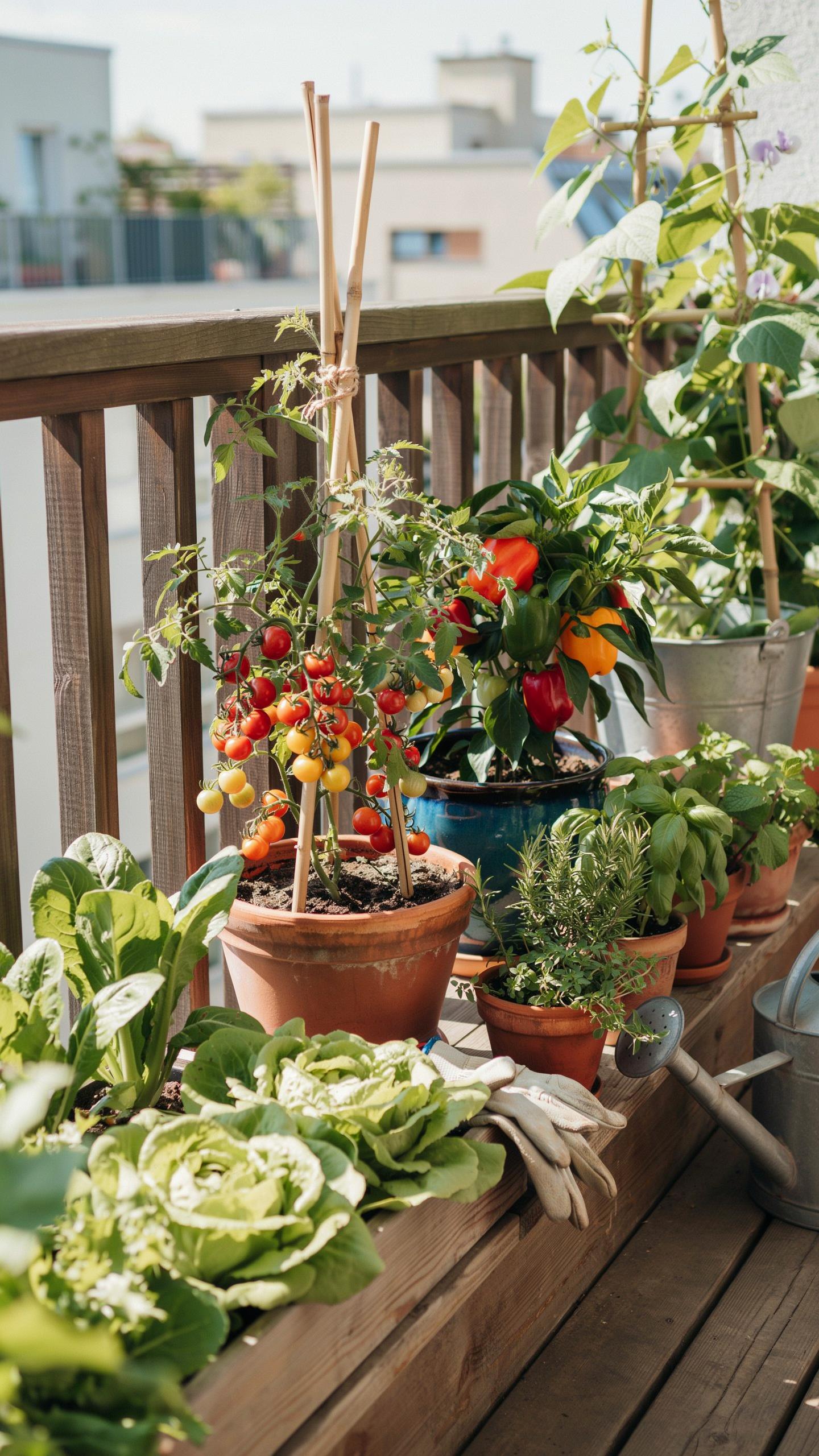
Leafy greens demand less soil depth than fruiting plants. Spinach needs 6 to 8 inches of container depth. Swiss chard performs well in 8 to 10 inches. Both crops mature in 40 to 60 days under proper light. You harvest leaves continuously by picking outer growth first.
These vegetables tolerate partial shade better than peppers or eggplants. They grow in containers on patios, balconies, or near windows. Shallow containers reduce soil weight and water requirements significantly. Use quality potting mix to prevent compaction and ensure drainage. Dense foliage shades soil and reduces evaporation rates.
The glory of gardening: hands in the dirt, head in the sun, heart with nature. To nurture a garden is to feed not just the body, but the soul.
Compact Nightshades
Eggplants and peppers produce high yields in containers when given full sun exposure. Dwarf pepper varieties like Lunchbox and ornamental types fit 5-gallon containers. Eggplants like Ichiban and Ping Tung Long grow upright in confined spaces. Both crops need 6 to 8 hours of direct sunlight daily to set fruit.
Container pepper and eggplant plants deliver consistent harvests through the season. Select determinate varieties bred for patio growth over sprawling heirloom types. Feed every two weeks with balanced fertilizer once flowering begins. Stake or cage plants to support heavy fruit loads. Water consistently to prevent blossom end rot and stress cracking.
Proven Techniques For Successfully Growing Vegetables
Consistent Moisture Management
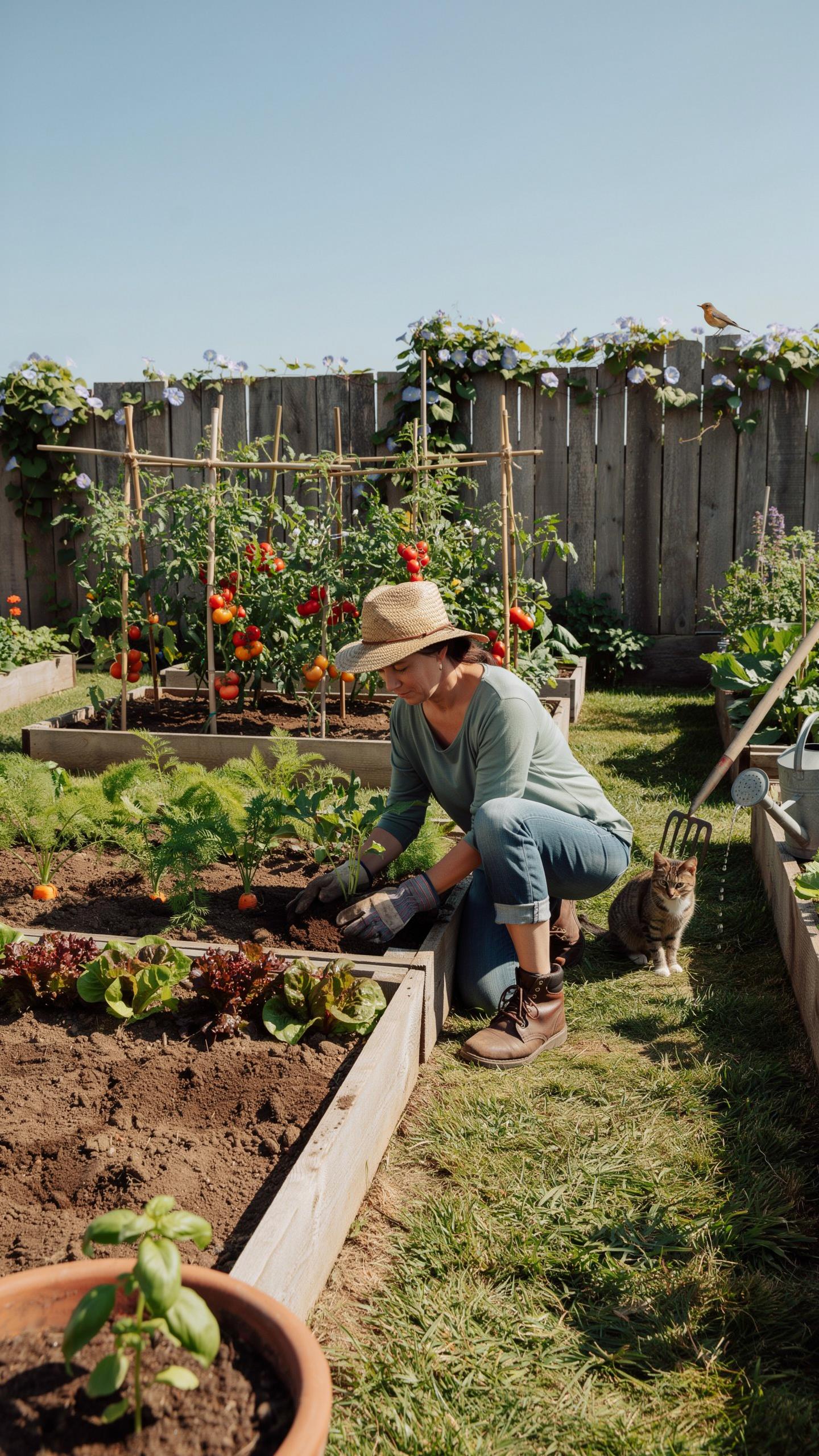
Container vegetables need steady water supply because soil in pots dries faster than ground soil. Soil that alternates between wet and dry causes root stress, cracking, and poor yields. Check soil moisture daily by inserting your finger one inch deep. Water when the soil feels dry at that depth, not before.
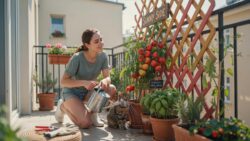
Drip irrigation or soaker hoses deliver water directly to roots and reduce waste. These systems maintain even moisture without daily guesswork. Set them on timers for consistent delivery. Morning watering prevents disease and lets foliage dry before nightfall, reducing fungal issues that thrive in wet conditions.
Maximizing Sunlight Hours
Vegetables need minimum six hours of direct sunlight daily to produce food efficiently. Less light results in slow growth, fewer flowers, and reduced harvests. Position containers on south-facing or west-facing locations in most climates. Track shade patterns throughout the day to identify optimal placement before planting.
Reflective surfaces amplify available light. Paint nearby walls white or position containers near light-colored structures. Move containers seasonally as the sun’s angle shifts. In extreme heat regions, afternoon shade prevents soil overheating and reduces water loss, balancing light requirements with heat management for continuous production.
Crafting A Gorgeous Succulent Display In Pots
Gritty Soil Requirements
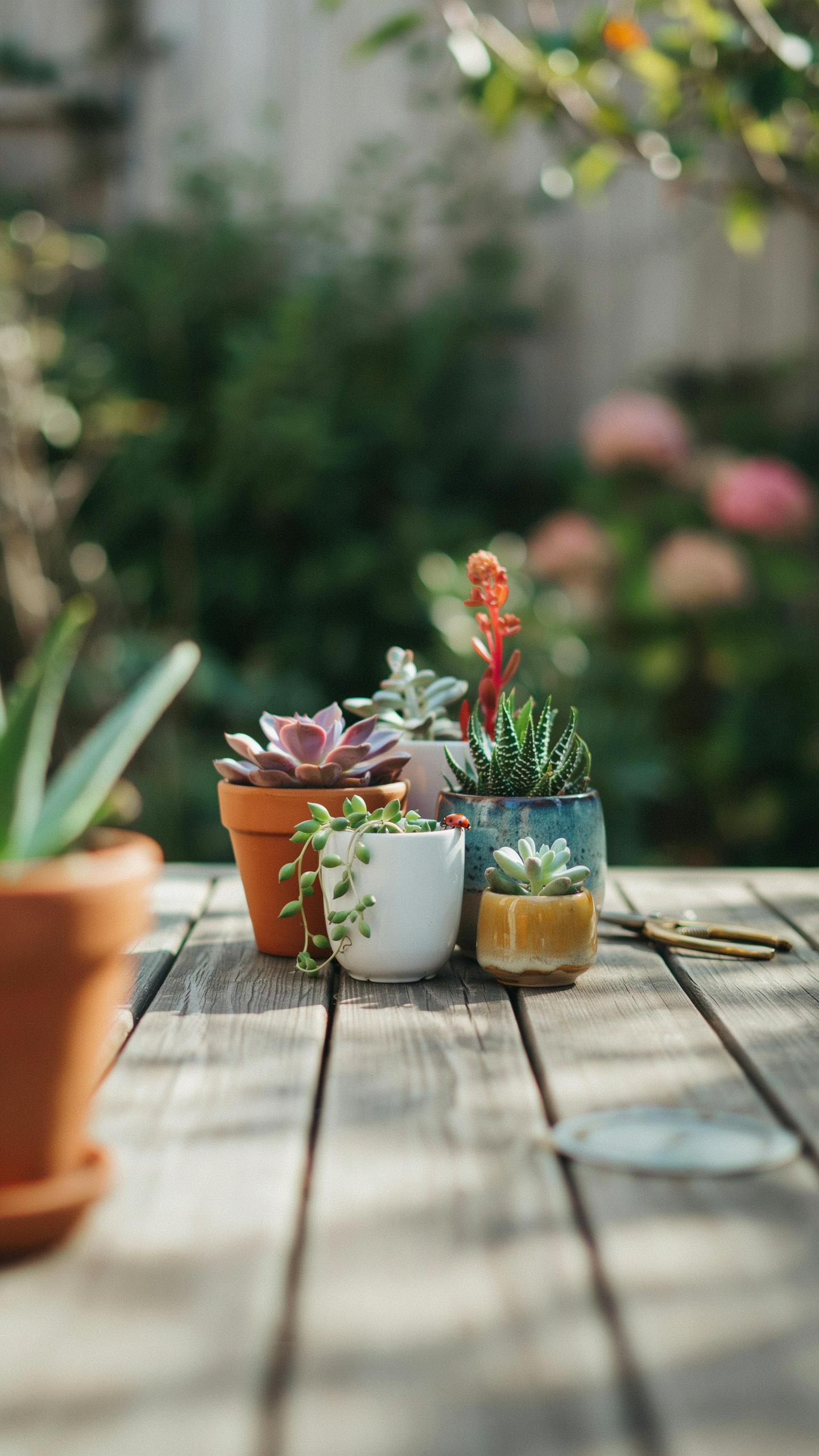
Succulents demand soil that drains fast. Standard potting mix retains too much moisture and kills roots through rot. Blend coarse sand, pumice, and perlite into your base potting soil at a ratio of one part amendment to two parts soil. This creates the lean, fast-draining medium succulents need to survive in containers.
The goal is zero water pooling at the soil surface after watering. Cacti tolerate even grittier blends, so lean toward 50 percent amendment for those species. Test drainage by pouring water into a filled pot and observing how quickly it exits the bottom. Water should move through in seconds, not minutes.
Succulent Propagation Steps
Leaf propagation expands collections without buying new plants. Snap healthy leaves from the mother plant, let them dry for two to three days, then place them on moist gritty soil. Keep soil barely damp and provide bright indirect light. Roots form within two to four weeks, followed by new growth.
- Day One to Three: Allow detached leaves to dry completely before placing on soil. This prevents rot at the cut site and allows callus tissue to form.
- Soil Preparation: Use the same gritty blend described above. Pack it firmly into shallow containers to stabilize leaves during rooting.
- Moisture Management: Mist the soil lightly every three to five days. Do not soak it. Overwatering ruins propagation attempts instantly.
- Light Requirements: Position containers in bright, indirect light near a window. Six to eight hours of light daily accelerates root development.
- Timing to Pot Up: Once rosettes reach one inch tall, transplant into individual small pots. This typically happens six to eight weeks after propagation starts.
Once new plants establish roots and show steady growth, transition them to standard care schedules. Move containers to brighter locations and reduce misting frequency. Treat propagated succulents like mature plants after four weeks in individual containers.
High Yield Container Vegetables For Abundant Harvests
Dwarf Tomato Varieties
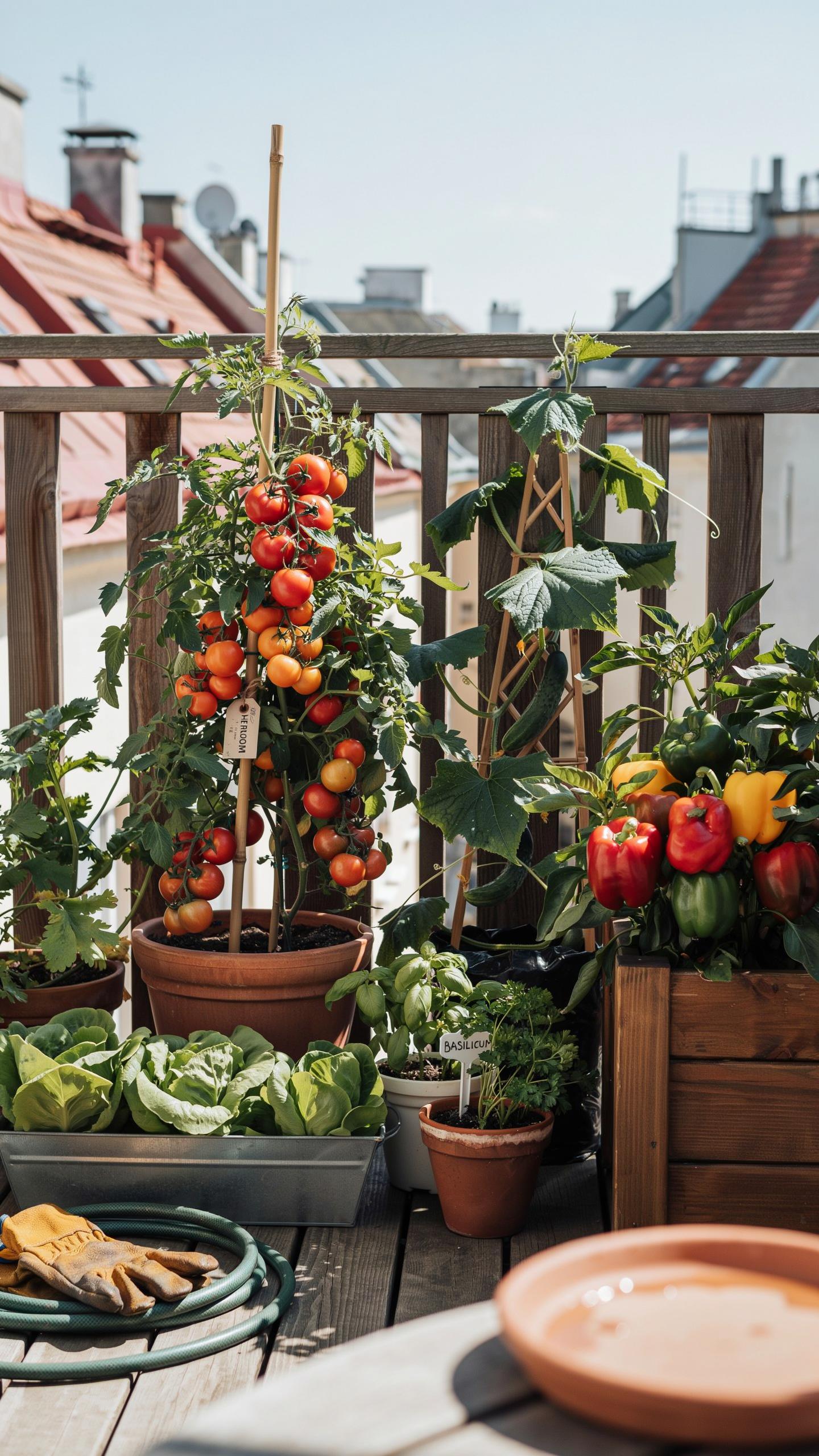
Determinate cherry tomato varieties produce fruit on a fixed timeline and stop growing at a set height. This growth pattern makes them ideal for containers because they require minimal pruning and support structures. Varieties like ‘Tiny Tim’, ‘Micro Tom’, and ‘Window Box Roma’ mature between 12 to 24 inches tall and fit standard 5-gallon containers without sprawling.
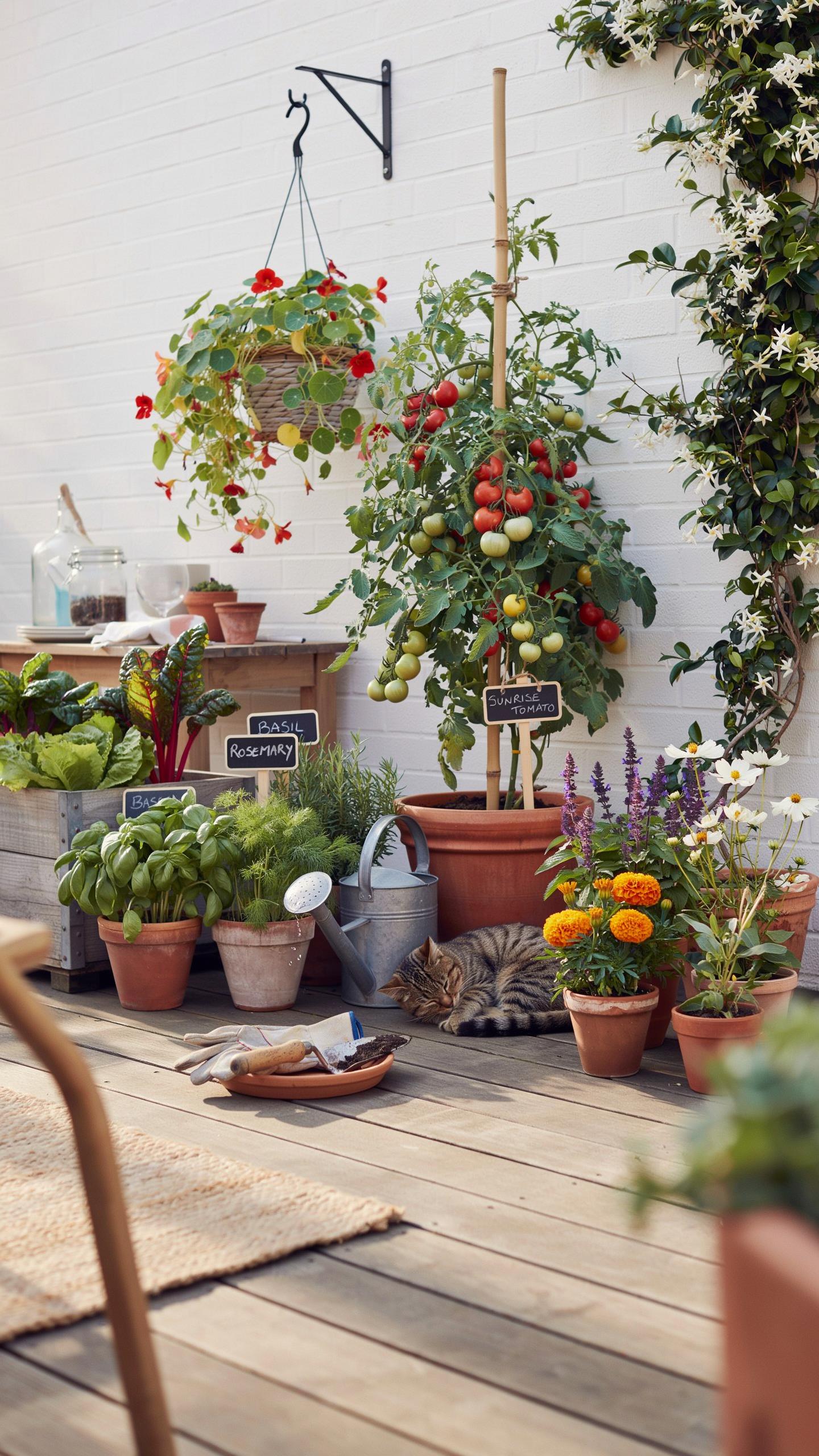
These compact tomatoes yield consistently throughout their season. A single plant generates 50 to 100 cherry tomatoes depending on light exposure and nutrition. Plant them in quality small space gardening container mix enriched with compost, provide six to eight hours of direct sunlight daily, and water when the top inch of soil feels dry to maintain steady production.
Manual Pollination Tips
Container plants on balconies and patios lack natural pollinators like bees and wind circulation. Hand pollination ensures fruit set and maximizes your yield. Gently shake flower clusters in the morning when pollen releases most readily, or use a soft brush to transfer pollen between blooms inside flowers.
Perform pollination every two to three days during the flowering stage. Use a small paintbrush or cotton swab and move it inside each open flower. This simple action takes five minutes per plant and directly increases the number of fruits that develop, turning unpollinated flowers into harvestable tomatoes.
Frequently Asked Questions

What is the best type of soil to use for a small balcony or patio garden?
When starting out, it is crucial to avoid heavy garden soil which can compact and suffocate roots in pots. Instead, look for a high-quality small space gardening container mix specifically formulated for drainage and aeration. These professional blends usually contain peat moss, perlite, and organic matter, providing a lightweight environment that helps your plants thrive even when they are confined to smaller decorative troughs or hanging baskets.
How do I properly layer my pots to ensure my plants stay healthy all season?
To get the most out of your small space gardening container mix, begin by ensuring your pot has adequate drainage holes. Fill the container with the mix until it reaches about two inches below the rim, avoiding the urge to pack it down too tightly. This loose structure allows water to reach the roots and prevents overflow during watering. For larger pots, you can use lightweight recycled fillers at the very bottom.
Can I create an effective container garden if I am on a tight budget?
Absolutely! You can save money by purchasing base ingredients like coco coir and compost in bulk to create your own potting medium. If buying pre-mixed bags feels expensive, focus on vertical gardening with repurposed items like tin cans or wooden crates. Investing in a quality growing medium is the one area where you should not skimp, as it ensures your limited plant collection remains vibrant and productive throughout the entire year.