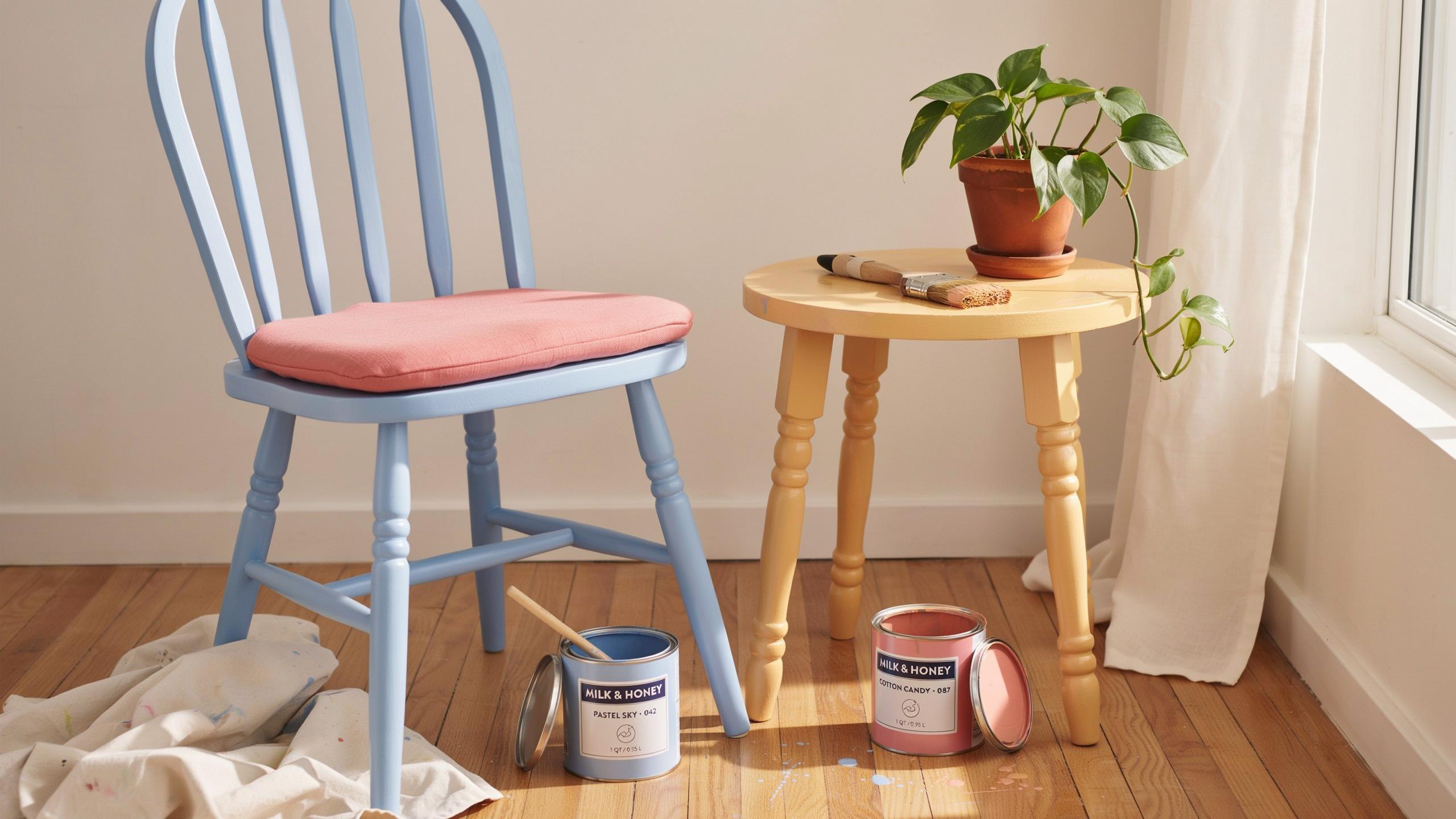
Why Thrifted Furniture Flip Color Trends Matter For Modern Upcycling
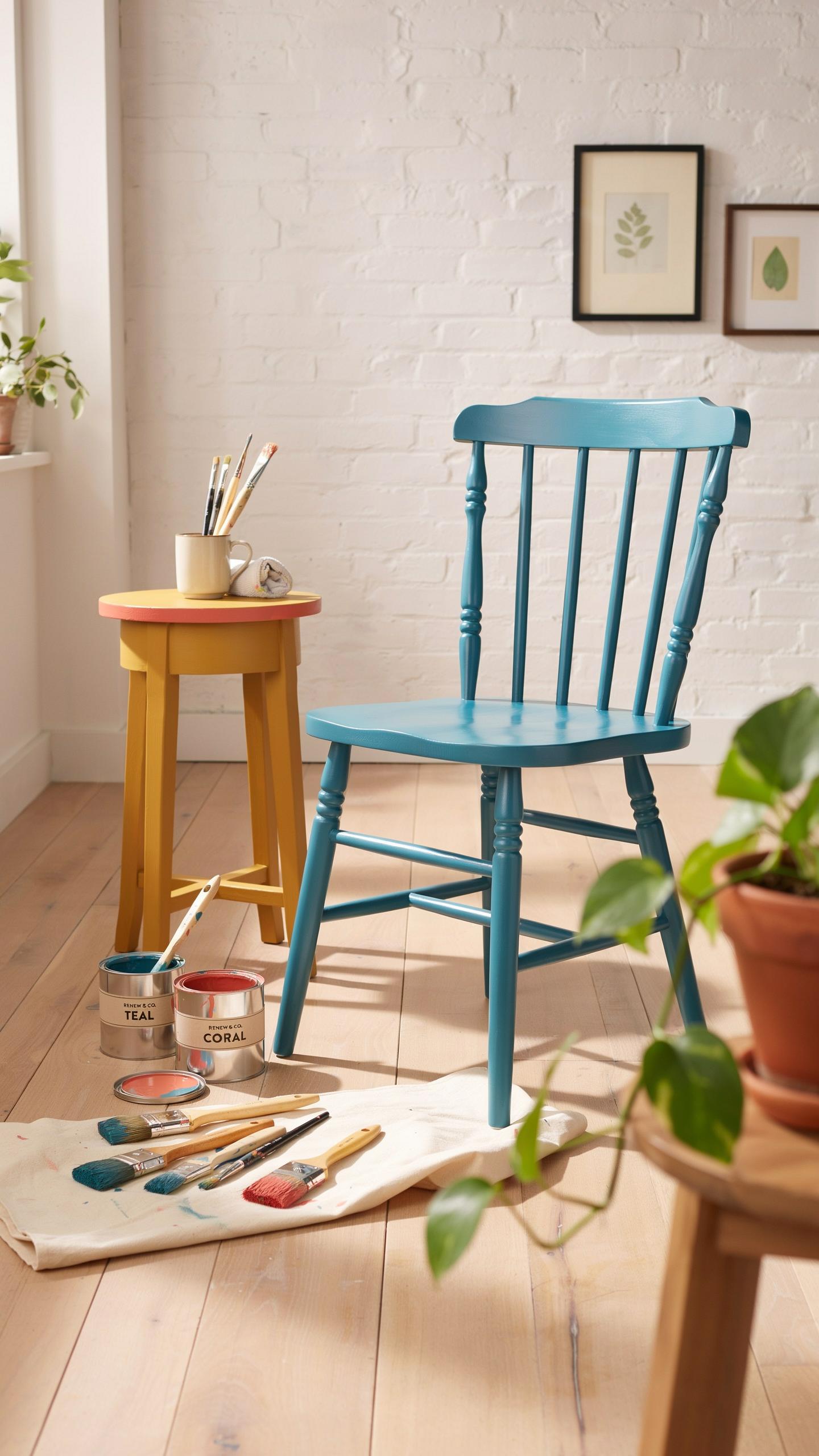
Enhancing Value With Color
Color selection directly impacts resale value and market appeal. A well-chosen paint or stain transforms a dated piece into something buyers perceive as intentional and high-quality. Neutral tones and trending colors command higher prices than original finishes on thrifted items. Strategic color choices align pieces with current interior design preferences, reducing time on market and increasing profit margins.
Color psychology influences buyer decisions at a subconscious level. Warm neutrals like greige and warm whites create feelings of safety and comfort, driving faster sales. Cool tones appeal to minimalist and modern aesthetic buyers. Understanding what colors dominate current design trends allows flippers to match inventory to demand rather than guessing at popular shades.
The Eco Friendly DIY Movement
Thrifted furniture flipping diverts solid wood and quality materials from landfills. Every piece refinished represents one fewer item in waste streams. This practice reduces demand for new furniture manufacturing, which consumes significant natural resources and energy. DIY refinishing extends furniture lifecycles by decades rather than years.
Personalizing thrifted pieces through color creates unique home environments impossible to achieve with mass-produced items. Buyers increasingly seek one of a kind furniture over standardized retail options. This shift reflects broader consumer awareness of waste and resource depletion. Flipping furniture satisfies both financial incentives and the growing desire for sustainable, customized home goods.
Trending Furniture Colors 2024 The Hottest Shades Of The Season
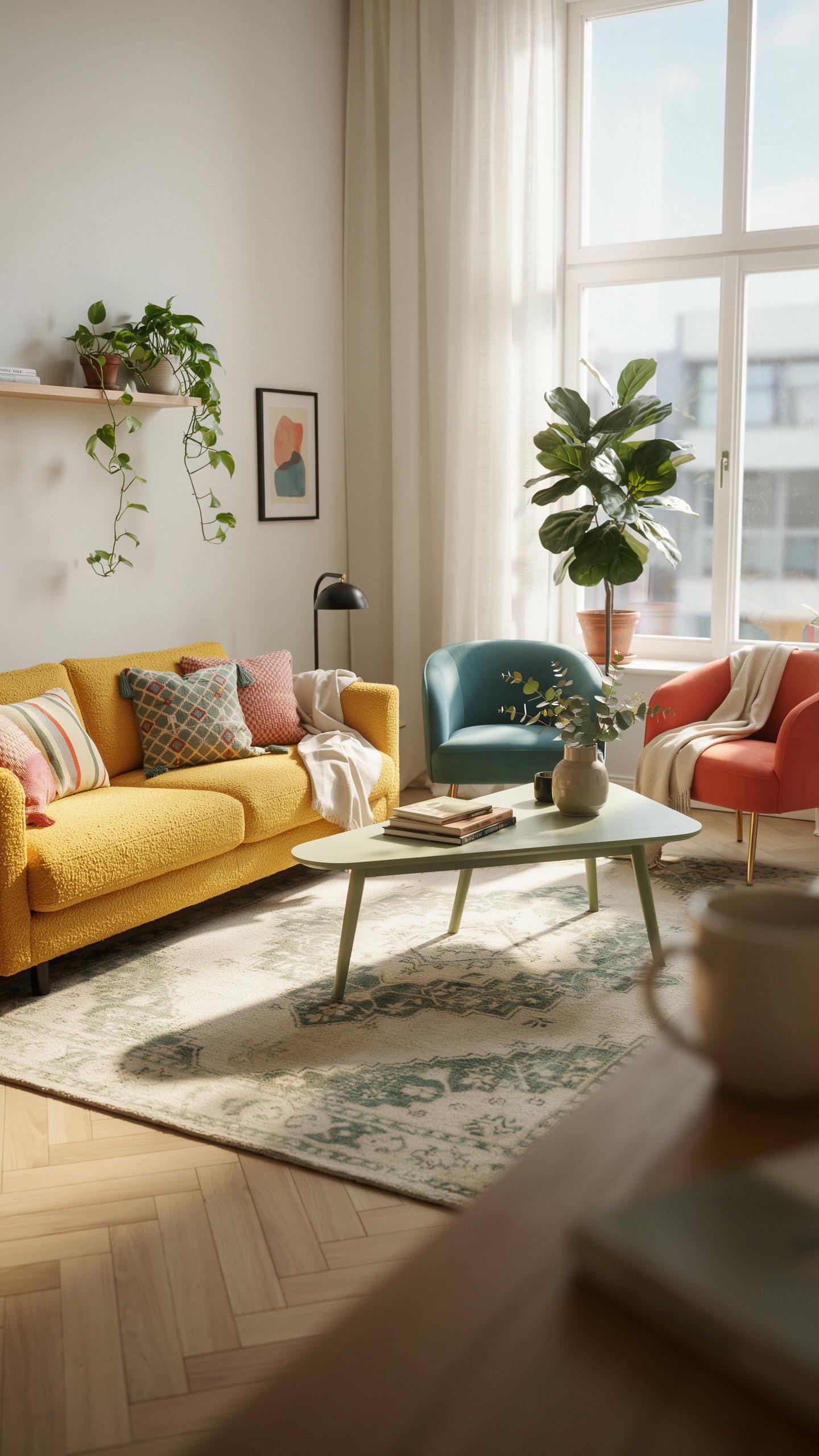
Warm Earthy Terracottas And Sages
Organic tones dominate 2024 because they bridge indoor and outdoor aesthetics. Terracotta, sage, and muted plaster pink connect to natural materials. These colors work on thrifted pieces because they mask imperfections and age marks. They appeal to buyers seeking calm, grounded interiors. The demand stems from fatigue with stark minimalism and artificial finishes.
These shades sell faster than trendy neons because they complement existing décor. Terracotta pairs with wood tones and neutral textiles. Sage works with both warm and cool color schemes. Muted plaster pink softens harsh furniture lines. Apply these colors with quality paint and proper prep to maximize resale value. Buyers recognize the craftsmanship and willingness to invest in longevity.
The best way to respect the history of an old piece is to give it a fresh, soulful coat of paint that feels both timeless and new.
Moody Jewel Tones And Deep Navy
Deep navy, emerald, and sapphire transform basic thrifted furniture into focal points. Jewel tones signal confidence and sophistication. They appeal to buyers who want statement pieces instead of background furniture. Dark colors hide wear patterns and dust better than light finishes. These shades command higher prices because they require intentional design choices and execution.
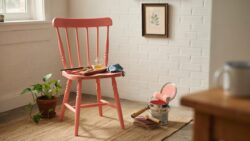
Carbon black accents amplify jewel tone impact on dressers and side tables. Pair rich emerald with gold hardware for luxury appeal. Combine sapphire with brass for warmth. Deep navy works solo or with metallic touches. These colors work on quality vintage pieces with solid construction. Avoid using jewel tones on damaged or poorly constructed thrifted items where the color cannot compensate for structural flaws.
DIY Furniture Renovation Essential Tools And Prep For Smooth Color Application
Must Have Supplies For Beginners
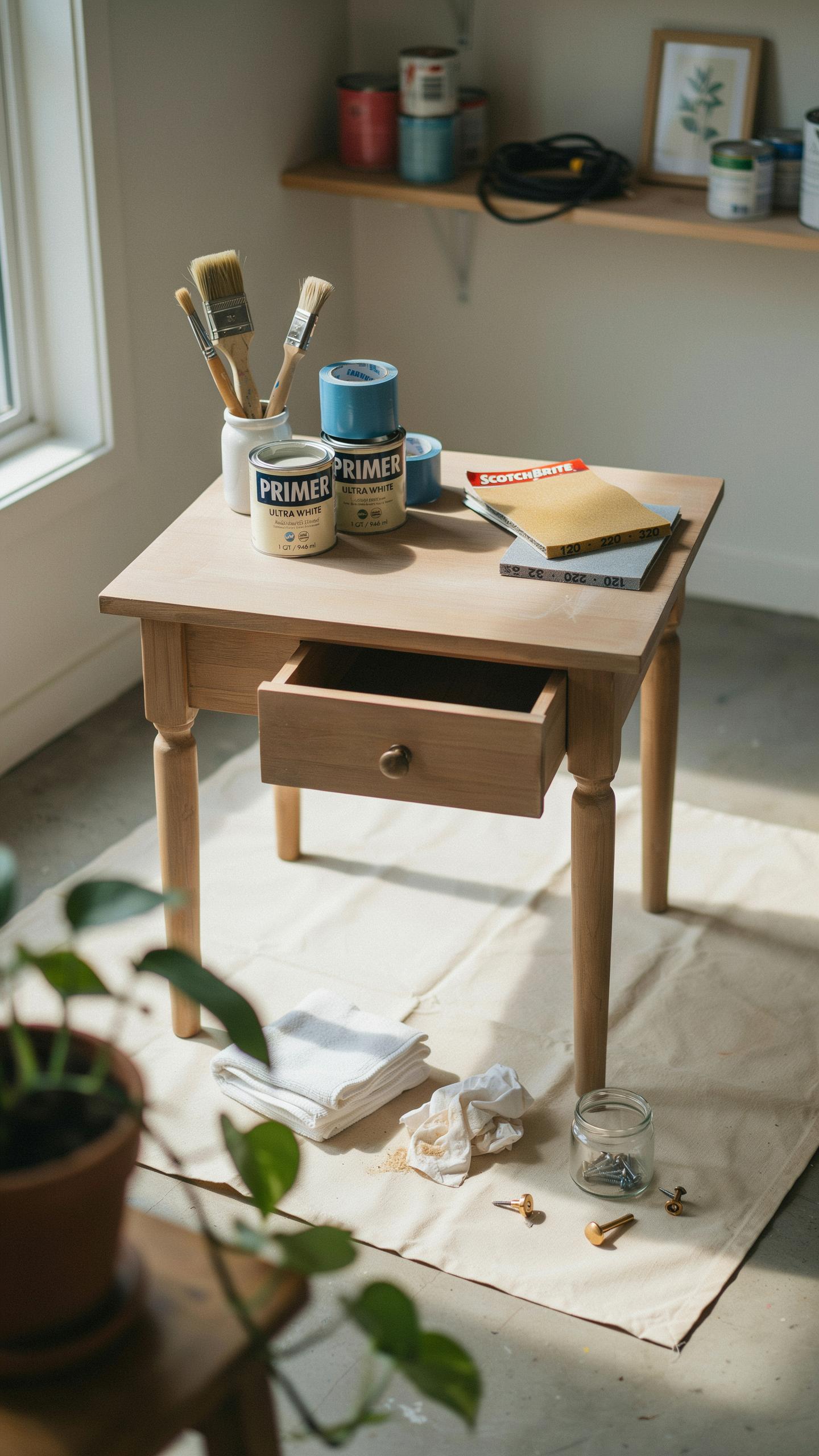
You need four core items to paint thrifted furniture without visible brush marks or drips. Primer seals stains and blocks tannins from bleeding through your topcoat. Quality brushes hold more paint and release it evenly compared to cheap bristles. Sealants protect your finish from scratches and wear. Skip these essentials and you waste time redoing work.
- Primer: Use oil-based or shellac primer on dark wood or stained pieces. Water-based primer works on pre-painted furniture. Primer prevents stains from showing through and improves paint adhesion significantly.
- Synthetic Bristle Brushes: Buy 2-inch angled and 1-inch straight brushes. Synthetic bristles work best with water-based paints and latex finishes. Avoid natural bristles with latex paint as they absorb water and swell.
- Paint Rollers: Use 3/8-inch nap rollers for flat surfaces like tabletops and dresser fronts. Rollers apply paint faster than brushes and create smoother coverage on large areas.
- Polyurethane or Polycrylic Sealant: Apply two coats after paint dries completely. These protect your color from daily wear, moisture, and UV fading. Polycrylic is water-based and dries faster than polyurethane.
- Tack Cloth: Wipe furniture between primer and paint, and between paint coats. Tack cloths remove dust particles that cause bumps in your finish.
Buying decent tools costs more upfront but delivers results fast. You reuse brushes and rollers across multiple projects, spreading that investment across years of flipping work.
The Non Negotiable Prep Steps
Clean every surface with a degreasing cleaner or trisodium phosphate solution to remove dirt, dust, and old wax buildup. Thrift store furniture collects years of grime that blocks paint adhesion. Rinse with clean water and let dry completely before moving to the next step. Skipping this creates adhesion problems that ruin your entire project.

Sanding removes the old finish and creates tooth for new paint to grip. Use 120-grit sandpaper on most pieces, moving to 180-grit for the final pass. Sand until the surface feels smooth and the sheen disappears. Inspect for repairs before priming. Fill nail holes and gouges with wood filler, sand flush, then prime over the repairs to ensure even color coverage.
Refinishing Furniture Color Ideas For A Classic Timeless Aesthetic
The Allure Of Refined Warm White And Cream
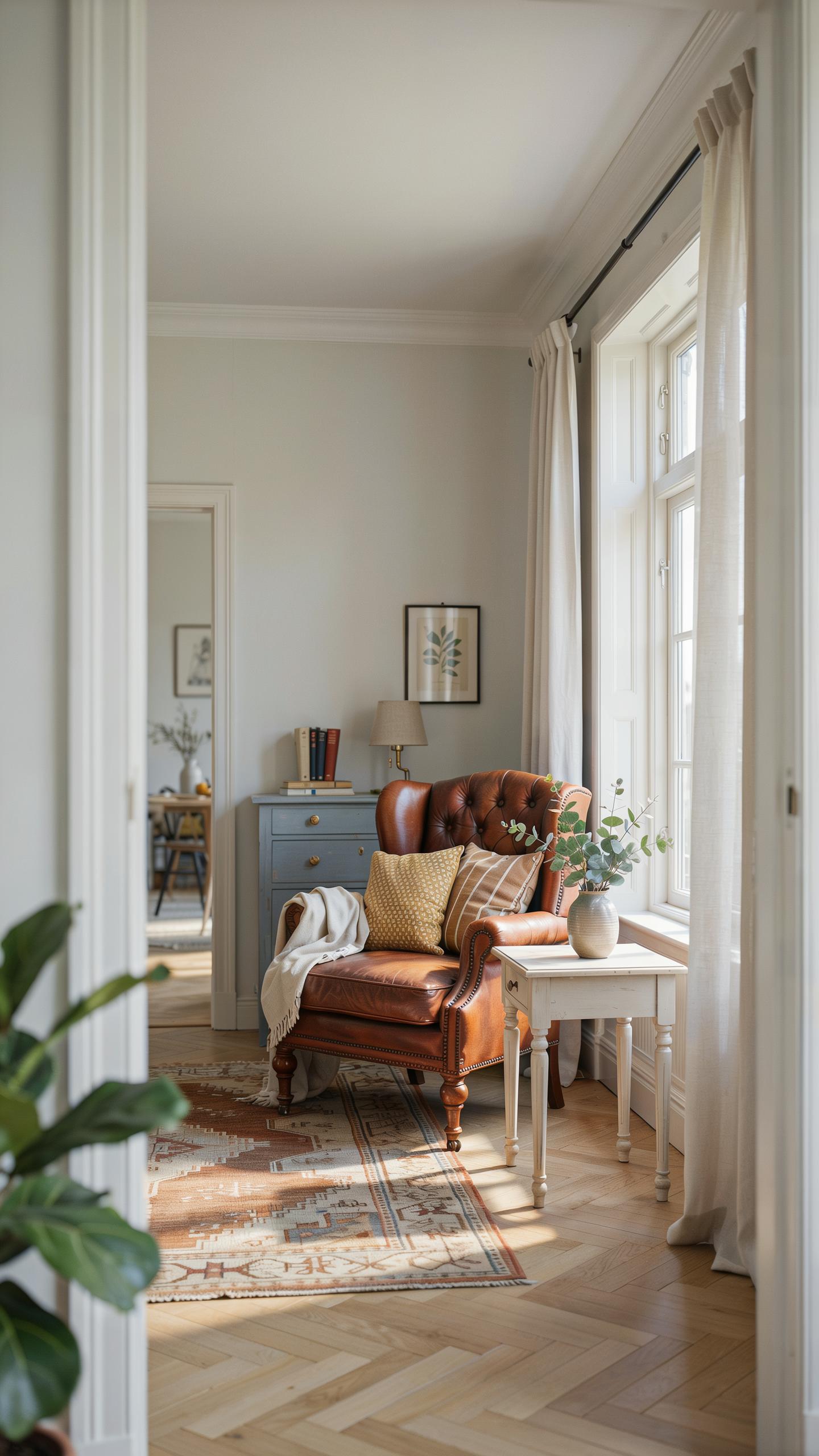
Warm whites and creams work across design styles because they reflect light without the starkness of pure white. These colors mask imperfections in older wood grain and create visual continuity in mixed-era spaces. They pair with existing hardware without competing for attention. Buyers recognize these finishes as investment pieces rather than trend-driven flips.
Cream and warm white finishes align with transitional and modern farmhouse aesthetics, which remain stable market segments. These tones age gracefully and don’t require refinishing when design preferences shift. Apply quality primer and two coats of furniture-grade paint in these shades for durable, professional results. The neutral base maximizes resale appeal across buyer demographics.
Using Soft Greiges And Sophisticated Taupes Smoky Tones
Greige functions as a practical bridge between gray undertones and warm beige, creating a neutral backdrop that doesn’t clash with existing décor. This color category gained traction in residential design because it works with both cool and warm color palettes. Greige allows vintage brass pulls, ceramic knobs, and metal hardware to stand out without visual conflict. The muted tone suits mid-century and contemporary farmhouse pieces equally well.

Taupe and smoky greige tones hide dust and minor wear better than lighter neutrals. These colors perform well in high-traffic spaces where furniture experiences regular use and touch. Choose paint formulas rated for furniture to ensure durability through handling and cleaning cycles. Test samples on your piece before committing to full application.
Before After Furniture Makeover Achieving The Perfect Matte Vs Gloss Finish
Chalk And Mineral Paints For A Cozy Matte Look
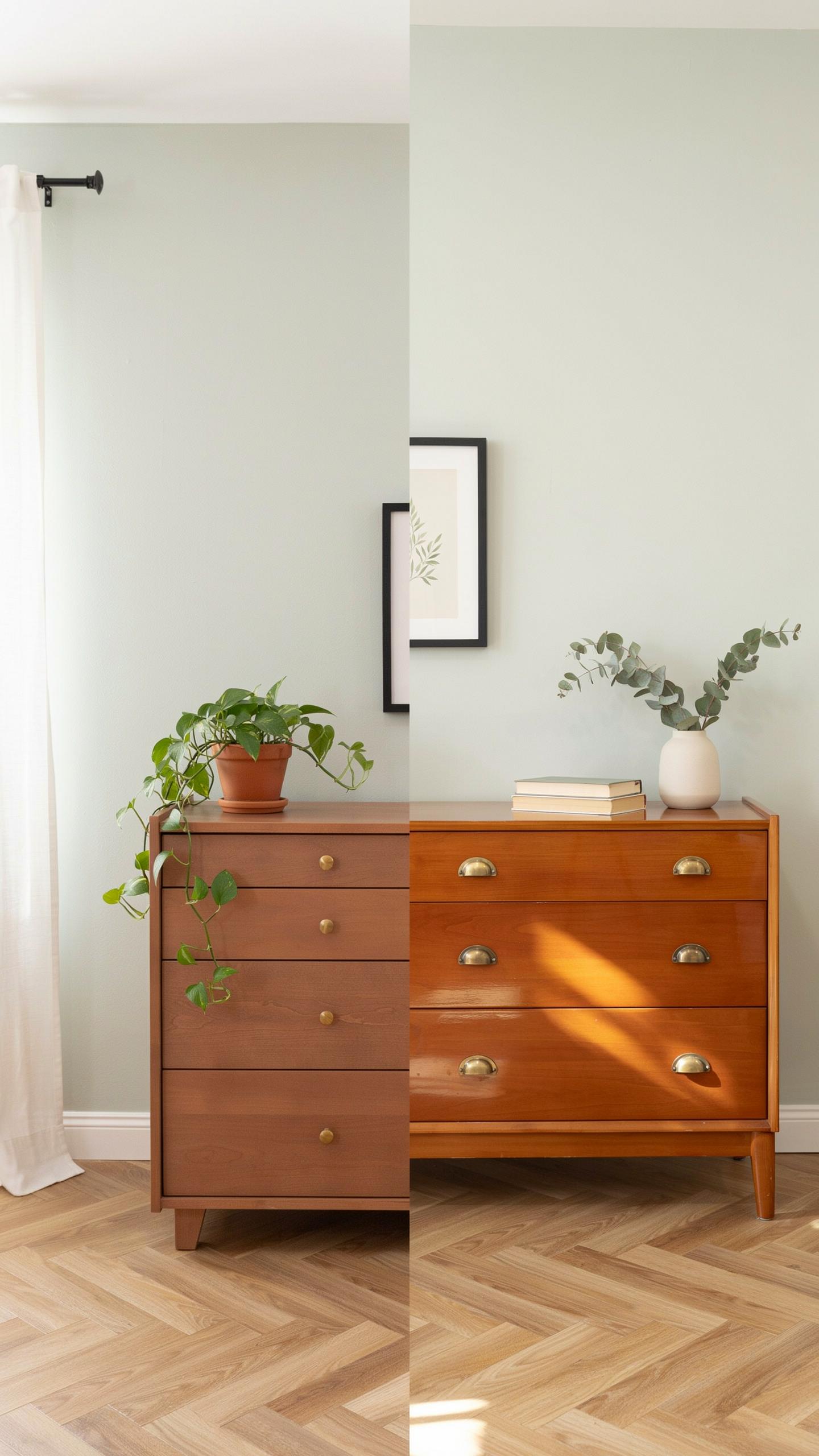
Chalk paint and mineral paint finishes create a matte surface that conceals surface imperfections on thrifted pieces. These formulas bond directly to existing finishes without extensive sanding, reducing prep work. The porous nature absorbs light rather than reflecting it, producing a soft, understated appearance. Distressing reveals layers underneath, enhancing the aged aesthetic without looking artificial or poorly maintained.
Rustic and French country design movements rely on matte finishes to communicate authenticity and history. Mineral paints contain natural compounds that age gracefully, developing subtle patina over time. This finish forgiving nature makes it ideal for beginners attempting their first furniture flips. The soft tactile quality appeals to consumers seeking comfortable, lived-in spaces rather than sterile modern environments.
High Gloss Lacquer For A Sleek Modern Edge
High-gloss and semi-gloss lacquer finishes reflect light and create dimensional depth on furniture surfaces. Mid-century modern design prioritizes this reflective quality to emphasize clean lines and geometric form. Lacquer requires proper application technique: thin coats, adequate drying time, and dust-free environments prevent bubbling and imperfections. The result projects intentionality and precision, signaling quality craftsmanship and contemporary sensibility to buyers.

Lacquer finishes withstand daily use better than matte alternatives, offering durability that justifies higher resale prices. The sheen emphasizes wood grain or paint color intensity, making every detail visible. Apply lacquer over properly primed surfaces to achieve uniform coverage and professional appearance. Contemporary buyers specifically seek this finish on accent pieces, credenzas, and statement tables.
Budget Friendly Home Decor Ideas Coordinating Painted Pieces With Your Space
Creating Complementary Color Palettes
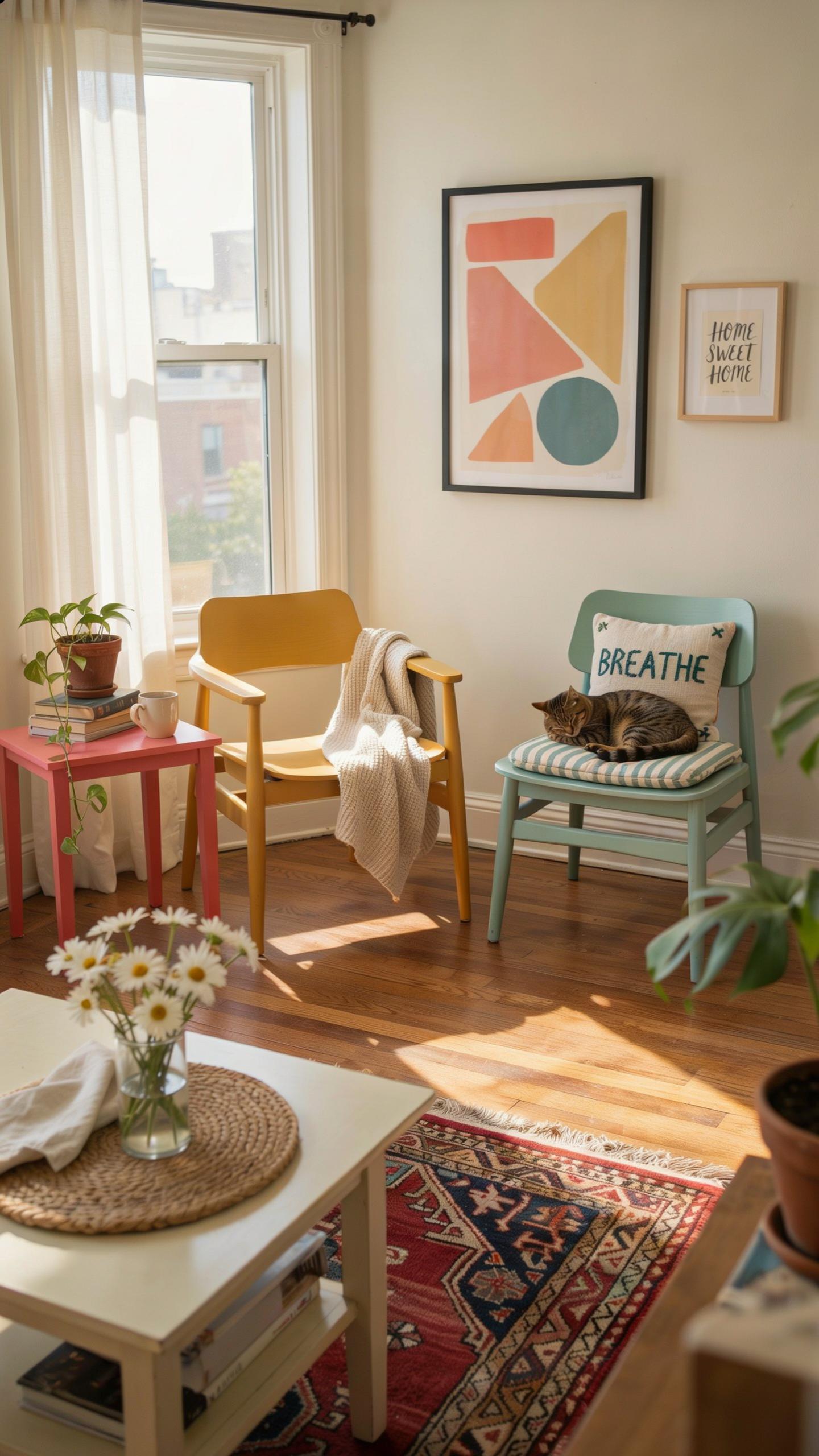
Match painted furniture to your existing palette by identifying your room’s dominant colors first. Pull colors from walls, rugs, and curtains, then select furniture paint shades that either echo these tones or provide intentional contrast. Neutral walls accept bold furniture colors. Patterned fabrics work best with solid painted pieces that pull a single color from the pattern itself.
The safest approach uses the 60-30-10 rule: 60 percent dominant color, 30 percent secondary color, 30 percent accent color. Your painted thrifted pieces should occupy the accent slot. This prevents color chaos and keeps rooms visually balanced. Test paint samples on the actual piece under your room’s lighting before committing to full coverage.
The Power Of Statement Accent Tables
Painted pedestal tables, side stools, and occasional tables deliver maximum impact with minimal cost and space requirements. A single painted piece breaks up monochromatic rooms and draws the eye to specific areas. These smaller pieces let you experiment with bolder colors without overwhelming the space or requiring the commitment of painting larger furniture.

Position statement tables where they solve functional problems: beside seating for drinks, at room corners to fill dead space, or near lamps to create intimate zones. Thrifted wooden tables painted in jewel tones, saturated neutrals, or high-contrast colors become focal points instantly. The lower cost of thrifted pieces means you can refresh your palette seasonally without budget strain.
Thrifted Furniture Makeover Ideas Mixing Wood Stains With Paint
The Two Tone Mid Century Modern Revamp
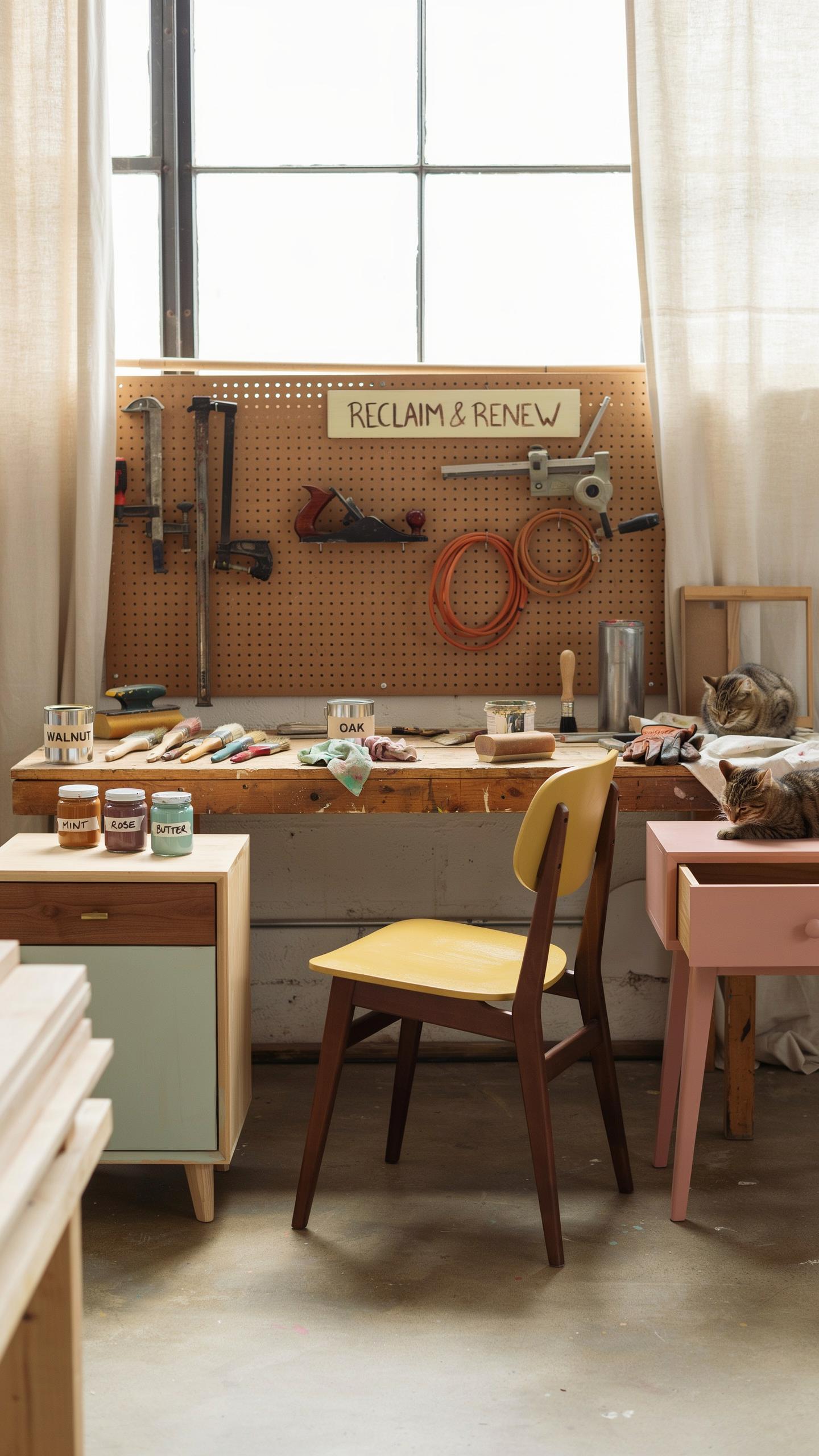
Mid-century modern design intentionally showcases wood grain as a design feature. The strategy here is selective preservation. Paint the structural frame, cabinet sides, or base in solid colors while leaving drawer fronts and legs exposed. This contrast creates visual interest without overwhelming the piece. White and charcoal remain the dominant choices because they don’t compete with wood tones.
The execution requires masking tape and planning. Identify which wood surfaces age well and which hide damage. Prime bare wood before painting to ensure even coverage. Apply paint to non-wood elements first, then stain or seal exposed wood afterward. This sequencing prevents paint splatter on finished surfaces and protects stain from paint residue.
Bleaching And Staining Techniques
Polyurethane buildup from decades of use creates an orange or amber cast on wood. Stripping this layer reveals the true wood color underneath. Bleach solutions or chemical strippers remove the finish without damaging the wood fiber. This process exposes the raw grain pattern that Scandinavian design aesthetics prioritize. Once stripped, you control the final color completely through stain selection.
Black accents pair efficiently with light-stained wood because the contrast reads quickly. Apply stain after stripping and sanding to bare wood. Test stain on hidden surfaces first to confirm color accuracy. Black paint on hardware, frames, or interior spaces anchors the overall palette. Multiple thin stain coats deliver better color control than single heavy applications.
Before And After Furniture Makeover Elevating Your Work With Premium Hardware
Selecting The Right Knobs And Pulls
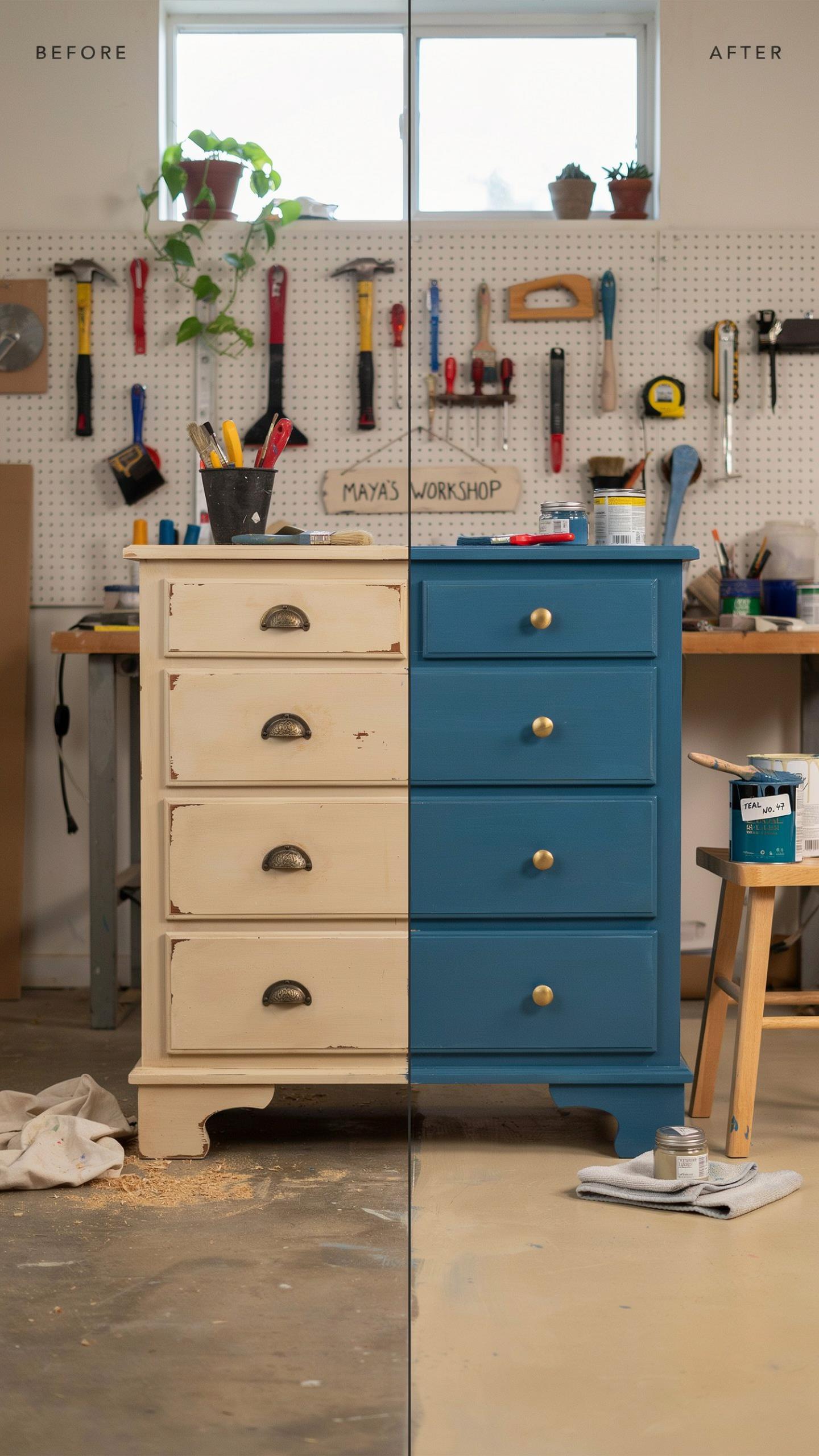
Hardware choice determines whether your flipped piece reads as cohesive or confused. Matte black bar pulls suit mid-century and contemporary styles, delivering clean lines that complement minimalist paint colors. Antique brass cup pulls work with vintage and transitional designs, pairing well with cream, sage, or muted jewel tones. Ceramic knobs add personality to cottage or eclectic pieces without overwhelming the overall aesthetic.
Match hardware finish to your paint sheen and color temperature. Cool-toned colors pair with brushed nickel or matte black. Warm neutrals and jewel tones work with brass or bronze. Scale matters too. Small knobs on large drawer fronts look cheap. Oversized pulls on tiny pieces appear clunky. Hardware should feel proportional to the furniture piece’s dimensions.
Cleaning And Restoring Original Vintage Hardware
Preserving existing hardware cuts costs and maintains historical accuracy. For tarnished brass, soak pieces in white vinegar for 15 minutes, then scrub with a soft brush. Baking soda mixed with water creates a paste for stubborn oxidation. Dry thoroughly after cleaning to prevent spotting.
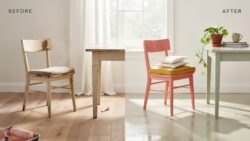
Iron handles respond well to equal parts white vinegar and water applied with a cloth, then dried immediately. For heavy rust, fine steel wool removes surface corrosion without damaging the base metal. Skip aggressive cleaners that strip patina from genuinely antique pieces. Restored original hardware often costs nothing and adds authenticity buyers recognize and value.
Refinished Furniture Maintenance How To Protect Your Fresh Paint Job
Best Sealing Products For Lifelong Durability
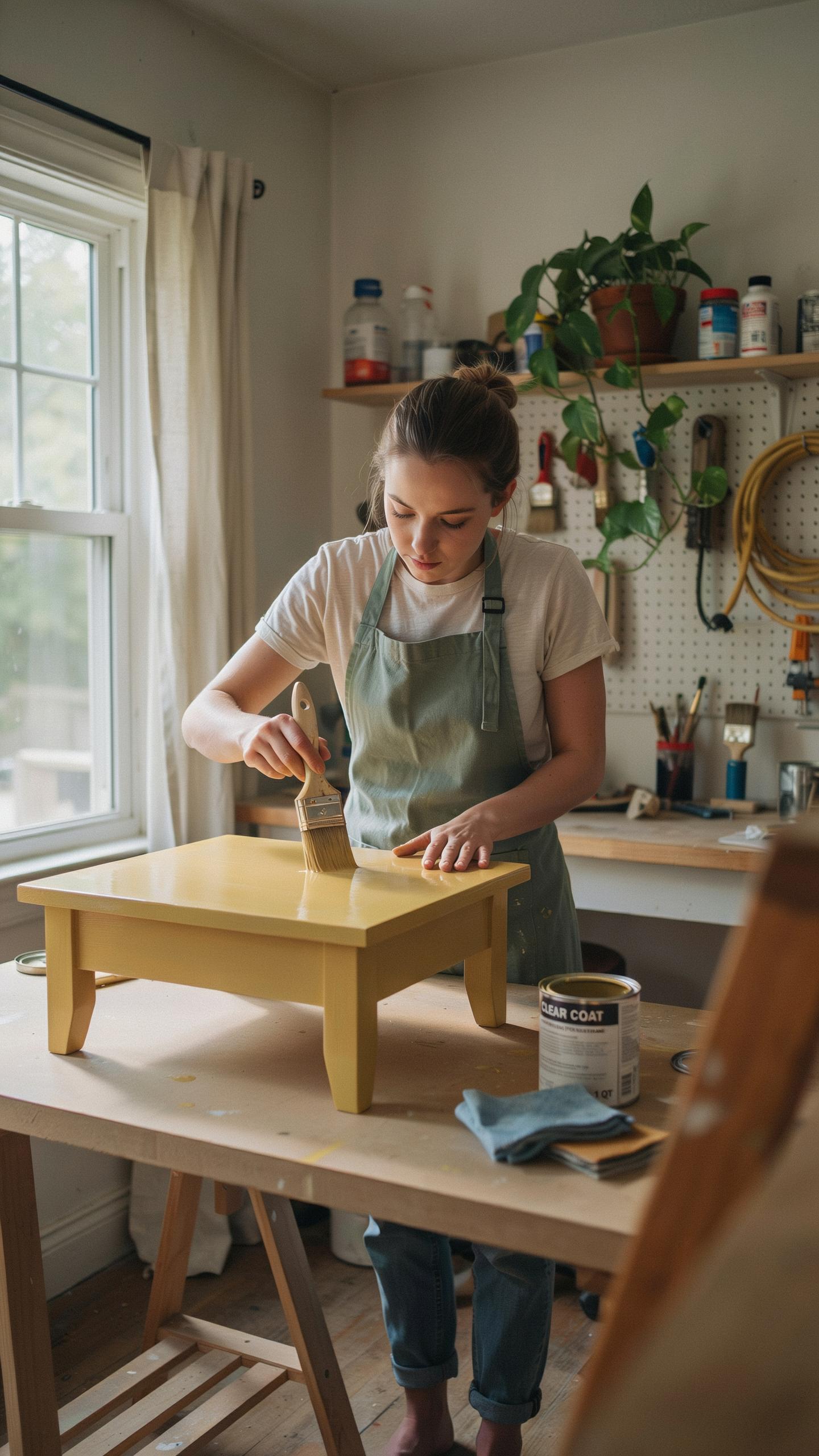
Your paint job fails without the right topcoat. The finish you choose determines whether your flipped piece withstands daily use or deteriorates within months. Three products dominate the market, each with distinct performance levels for different furniture types and traffic conditions.
- Water Based Polycrylic: Fast drying option that clears within two to four hours. Offers moderate protection suitable for low traffic pieces like bedroom dressers or decorative tables. Non-yellowing formula preserves paint colors accurately over time. Best for indoor furniture away from heavy contact zones.
- Clear Finishing Wax: Traditional protection method applied after paint fully cures. Creates a protective layer that requires periodic reapplication every six to twelve months. Works well on vintage mid century modern pieces to enhance authentic period aesthetics. Offers hand rubbed finish appeal without plastic appearance of polyurethane coatings.
- Heavy Duty Polyurethane: Oil or water based formula designed for high traffic surfaces like dining tables and kitchen chairs. Provides superior scratch and impact resistance compared to polycrylic alternatives. Thicker film builds after multiple coats create durable barrier against daily wear. Requires longer dry times between coats but delivers long term protection.
- Hybrid Polyurethane Blends: Combines benefits of water and oil based polyurethanes for balanced performance. Faster dry times than traditional oil polyurethane with superior durability to water based options. Suitable for pieces that receive moderate to heavy use. Minimizes yellowing while maintaining robust surface protection.
- Conversion Varnish: Commercial grade option for refinishers building high end flipped pieces. Creates glass like finish with exceptional clarity and hardness. Requires spray application equipment and proper ventilation due to volatile organic compounds. Best reserved for showcase pieces or client commissioned work.
Product selection depends on your furniture’s destination and daily use level. A bedroom nightstand needs different protection than a kitchen table. Match your topcoat to actual environmental exposure rather than choosing based on marketing language alone.
Curing Times And Long Term Care Tips
Dry time and cure time are fundamentally different stages. Dry time means the surface feels solid to touch, typically two to four hours for polycrylic. Cure time is the complete hardening process where the finish reaches full hardness and chemical resistance, taking seven to thirty days depending on product type. Your piece remains vulnerable during this window.
Avoid placing items on refinished furniture for at least one week after applying your final topcoat. Heavy objects dent partially cured finishes. Temperature and humidity directly impact cure rates, with cool damp conditions extending timelines significantly. Use your furniture normally only after full cure completes. Clean surfaces with damp cloth only, no harsh chemicals during the first month. Wax finishes benefit from light buffing after thirty days to maximize sheen and protection longevity.
Frequently Asked Questions

What are the best starting colors for someone new to furniture flipping?
For beginners, sticking to timeless neutrals like soft sage, warm terracotta, or muted charcoal is ideal. These shades are forgiving during application and offer a sophisticated finish that fits almost any interior style. Exploring these thrifted furniture flip color trends allows you to practice your technique on secondhand finds while ensuring the final piece looks expensive and professionally curated without needing advanced decorative painting skills.
How do I choose a finish that makes a trendy color look high-end?
To elevate your project, pair your chosen hue with a matte or eggshell finish rather than high-gloss, which can highlight imperfections. Modern thrifted furniture flip color trends often favor “lived-in” textures, so applying a dark wax over earthy tones can add depth. Always finish with a high-quality topcoat to protect the pigment, ensuring your effortless flip maintains its polished, designer-inspired appearance for years to come.
Can I achieve a polished look using affordable paint options from local hardware stores?
Absolutely! You do not need designer boutique paints to get a luxury result. Many affordable acrylic and latex brands offer “historical” or “designer” palettes that mirror current high-end styles perfectly. The key to a polished look on a budget is proper surface preparation—sanding and priming—which allows inexpensive paint to adhere smoothly. This approach makes staying on top of the latest aesthetics both accessible and incredibly cost-effective.