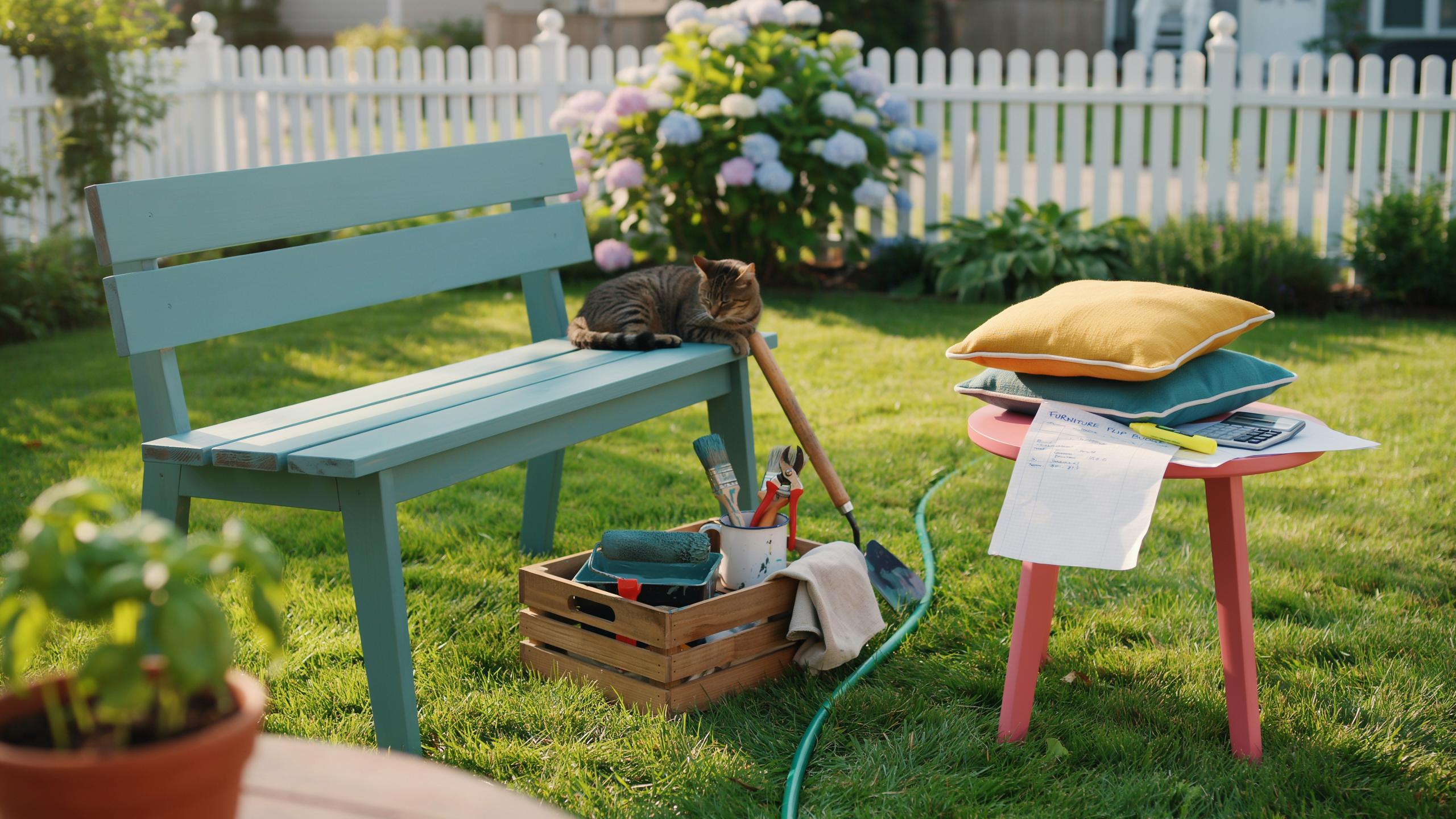
Flipping Furniture For Beginners Budgeting For Outdoor Projects
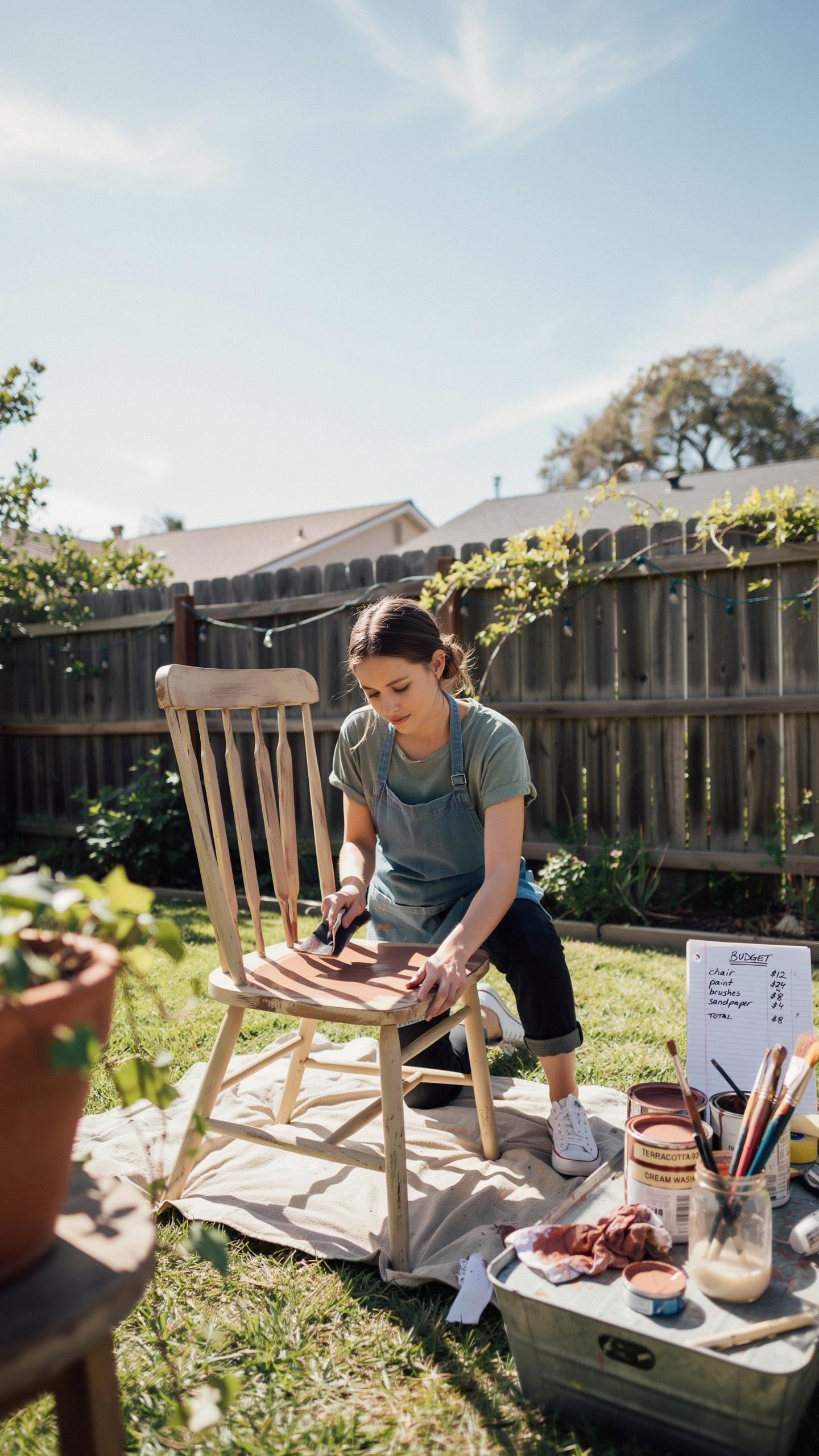
Setting Realistic Budgets With Furniture Flip Project Budget Tools
Start by calculating what you actually spend versus what you expect to earn. Track every dollar that leaves your account. Include purchase price, transportation, materials, and labor hours converted to dollars. Most flippers underestimate costs by 20 to 40 percent. Use a spreadsheet or dedicated budgeting software to document each expense category separately. This creates accountability and reveals where money actually goes.
Your profit margin depends on honest numbers. A piece that costs 50 dollars to acquire and 30 dollars to refurbish needs to sell for at least 120 to 150 dollars to cover overhead and generate real profit. Build in a buffer for pieces that don’t sell or require unexpected repairs. Outdoor furniture typically demands higher material costs due to weather resistance requirements and finishing standards that indoor pieces don’t need.
Essential Cost Factors To Plan For Patio Refurbishing
Material costs represent your largest controllable expense when refurbishing outdoor furniture. Weather resistant paint, stain, and sealers cost more than indoor alternatives but determine longevity. Cushions, fabric, and hardware add up quickly on patio pieces. Wood treatments, rust converters, and protective coatings vary significantly by brand and quality level. Compare prices across suppliers but factor in shipping costs for bulk orders that might lower per unit pricing.
Labor and time investment separate profitable flips from money losers. Estimate hours for sanding, repairs, finishing, and drying time between coats. Outdoor pieces often require longer cure times due to humidity and temperature factors. Factor in photography, listing creation, and customer communication hours. Don’t undervalue your work by ignoring labor costs. A two day project at your hourly rate matters on your profit and loss statement.
Guide To Buying Furniture To Flip For Your Patio Or Deck
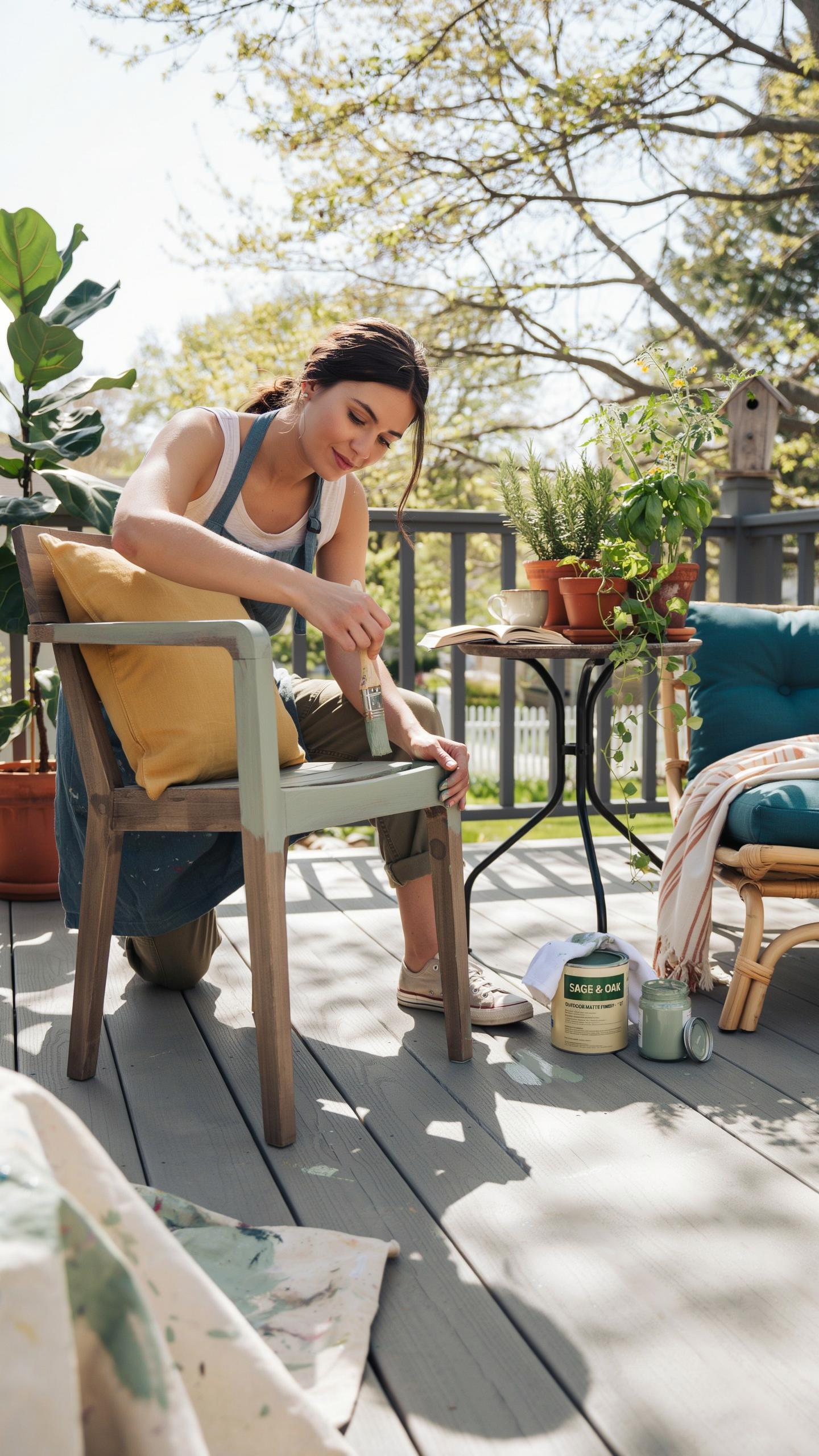
Where To Find The Best Used Outdoor Furniture For Restoration
Used outdoor furniture markets exist across multiple channels. Your sourcing strategy determines project profitability. Online platforms, local liquidators, and estate sales offer different price points and inventory volumes. Facebook Marketplace and Craigslist provide direct seller access without middlemen markups. Auction sites move inventory quickly but require inspection before bidding. Local options keep transportation costs low and let you inspect condition immediately.
- Facebook Marketplace and Craigslist: Direct access to sellers in your region. No auction fees. Negotiate prices before purchase. Local pickup eliminates shipping costs.
- Estate Sales and Auctions: High-quality vintage furniture from homes being liquidated. Competitive bidding can drive prices up. Inspect pieces thoroughly before committing.
- Liquidation Warehouses: Bulk inventory from retail closeouts and overstocks. Lower per-unit costs. Inconsistent quality requires careful selection.
- Thrift Stores and Consignment Shops: Consistent inventory flow. Lower price points. Staff may lack detailed condition information.
- Salvage Yards and Junk Removal Services: Reclaimed materials at bottom-tier pricing. Highest restoration work required. Best for serious flippers with restoration skills.
Timing affects pricing and selection. End-of-season sales (fall and winter) push prices down. Weekday browsing yields better choices than weekends. Build relationships with local dealers and estate sale companies for early access to inventory. Track seasonal patterns to optimize purchasing cycles.
Key Structural Assessments To Make Before Purchasing
Structural integrity determines restoration feasibility and final value. Metal furniture requires checking for rust penetration, frame welds, and joint stability. Wood furniture needs assessment of rot, woodworm damage, and frame mortise connections. Fabric components must evaluate for mold, mildew, and sun damage. Test all moving parts and joints before committing to purchase.
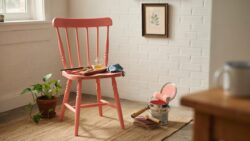
Corrosion severity dictates project scope and material costs. Surface rust responds to wire brushing and chemical treatment. Deep pitting or structural rust requires welding or replacement of sections. Wood rot in support areas means reinforcement or replacement. Calculate restoration labor against replacement cost. Reject pieces where structural damage exceeds 40 percent of the frame volume unless pricing reflects full restoration requirements.
Supplies Every Furniture Flipper Needs On Hand For Weatherproofing
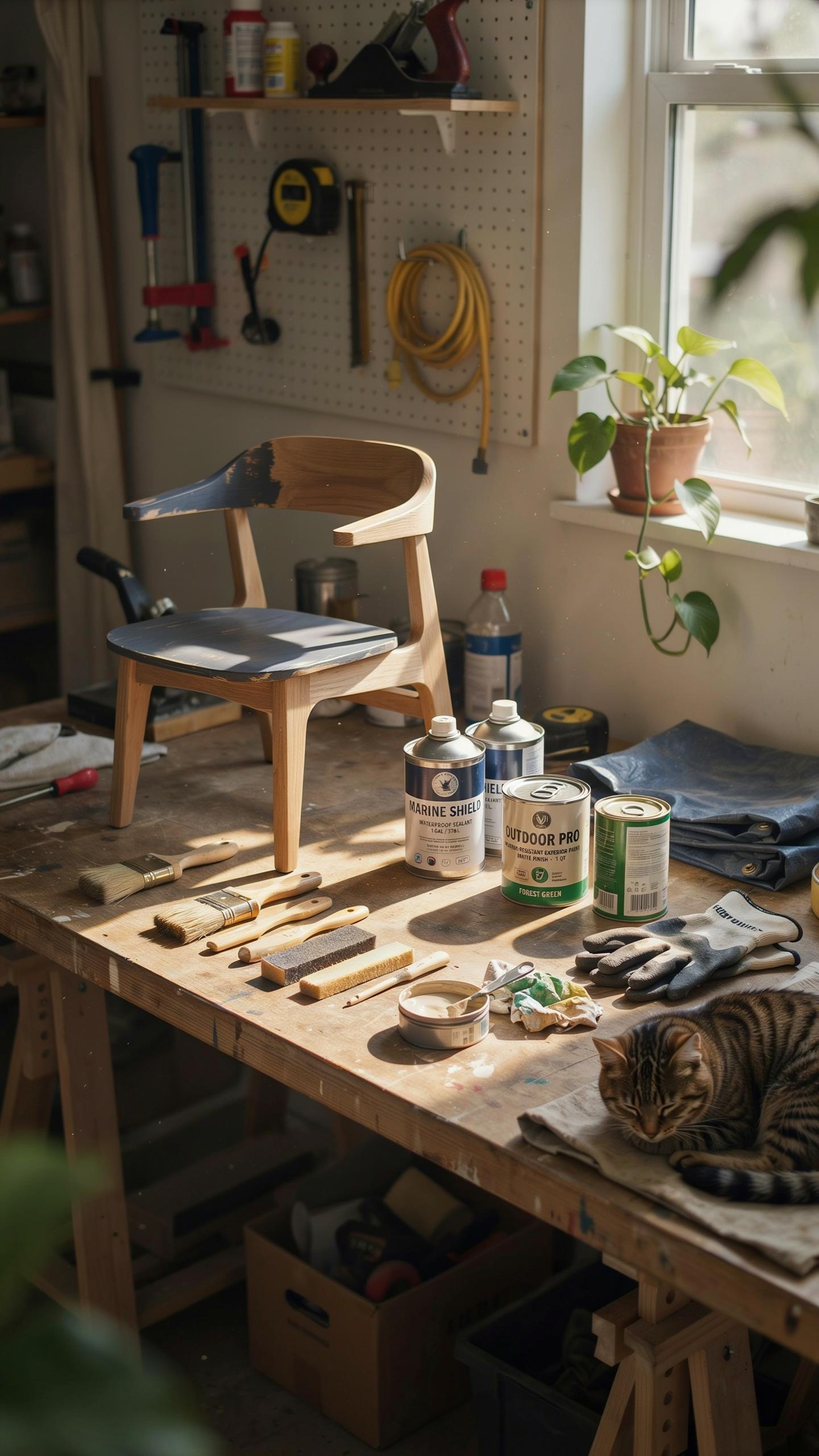
Selecting Outdoor Grade Paints
Outdoor-grade paints differ from interior paints in binder composition and additives. They contain higher resin content to flex with temperature swings and resist UV breakdown. Acrylic latex paints dominate the outdoor market because they dry fast, clean up with water, and emit fewer fumes than oil-based options. Oil-based paints provide superior adhesion on glossy surfaces but require solvent cleanup and longer cure times. Pick paint rated for your specific material: wood, metal, or composite.
Primers and sealers form the foundation of lasting weatherproofing. A quality primer blocks stains, fills surface imperfections, and improves topcoat adhesion. Sealers sit between primer and paint to lock moisture out and UV rays away. For metal furniture, use rust-inhibiting primers that chemically convert oxidation. For wood, choose primers with mildew resistance. Read labels carefully because product performance varies by manufacturer and formulation.
Cleaning And Prep Products To Guard Against Rust And Rot
Surface preparation determines whether paint sticks or peels within months. Rust must come off metal before any coating goes on. Wire brushes, sandpaper, and chemical rust removers all work. For heavy rust, phosphoric acid-based converters transform rust chemically into a stable surface. Pressure washers strip algae and mold from wood but risk fiber damage if pressure exceeds 1500 PSI. Mold and mildew killers prevent rot growth but don’t remove existing decay.

Moisture is your enemy in outdoor flips. After cleaning, let surfaces dry completely before coating. Wood needs 48 to 72 hours minimum depending on humidity and temperature. Use moisture meters to verify wood reaches acceptable levels before priming. Caulks and wood fillers seal gaps where water penetrates. Avoid leaving any crevice or joint exposed to standing water or repeated wet cycles.
Essential Tools For Furniture Flipping On A Budget
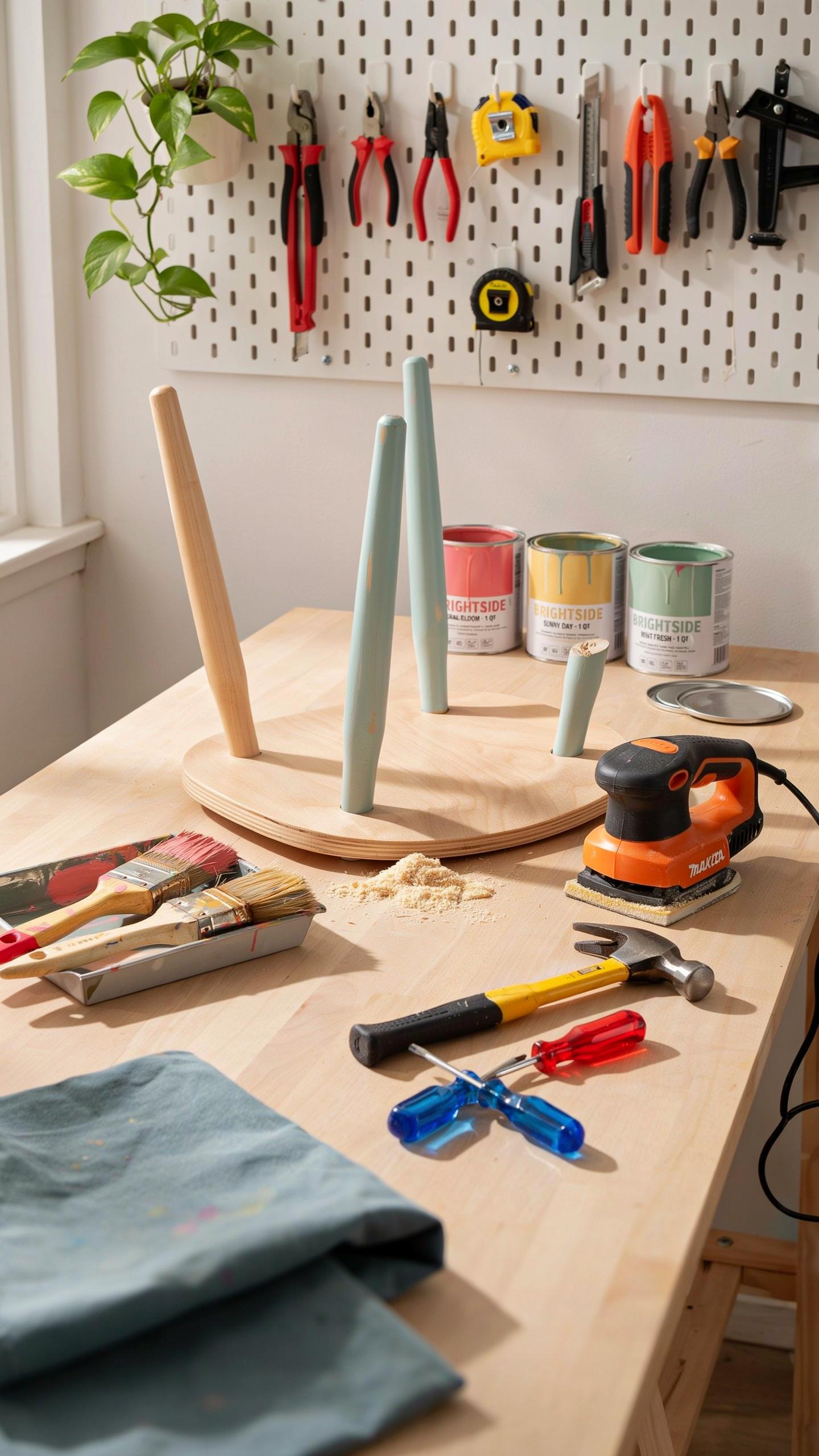
Must Have Hand Tools And Power Tools For Restoring Wood And Metal
You need specific tools to strip, sand, repair, and refinish furniture without overspending. Hand tools handle detail work and precision tasks. Power tools speed up labor-intensive jobs like sanding large surfaces. Budget flippers buy tools gradually, starting with essentials and adding specialized equipment as projects demand it.
- Orbital Sander: Removes old finishes and smooths wood surfaces faster than hand sanding. Essential for prepping large flat areas before staining or painting.
- Drill Driver: Powers through drilling holes, driving screws, and mixing paint. Works on both wood and metal projects with the right bits.
- Angle Grinder: Cuts, grinds, and polishes metal furniture. Removes rust and prepares metal surfaces for welding or painting.
- Circular Saw: Cuts wood planks and handles structural repairs. Necessary when replacing damaged wood components on larger pieces.
- Claw Hammer and Pry Bar: Remove nails, disassemble joints, and access furniture internals. Hand tools that never wear out and cost under 20 dollars combined.
- Paintbrushes and Rollers: Apply stain, paint, and topcoats evenly. Quality brushes prevent bristle shedding that ruins finishes.
Buy tools based on the projects you actually take on. Used versions from pawn shops and estate sales cost 40 to 60 percent less than new. Borrow expensive specialty tools before purchasing them outright.
Top Digital Expense Tracking Tools And Apps For Flippers
Digital tracking prevents budget overruns by showing exactly where money goes. Apps log material costs, tool purchases, labor hours, and unexpected expenses in real time. This data reveals which projects profit and which ones drain capital.
Spreadsheet software like Google Sheets or Microsoft Excel handles basic tracking without subscription fees. Create columns for item descriptions, purchase dates, costs, and supplier names. Sort by project name to compare actual spending against your initial budget projections. Many flippers customize templates to match their specific workflow and reporting needs.
Dedicated accounting apps like Wave or Square provide automatic calculations and generate profit reports. These platforms track inventory, capture receipts through photos, and categorize expenses automatically. Use them when your flipping volume justifies the time investment in setup and data entry.
How To Flip Furniture For Profit Using Simple Budget Tools
Calculating Flipping Costs And Projected Profit Margins
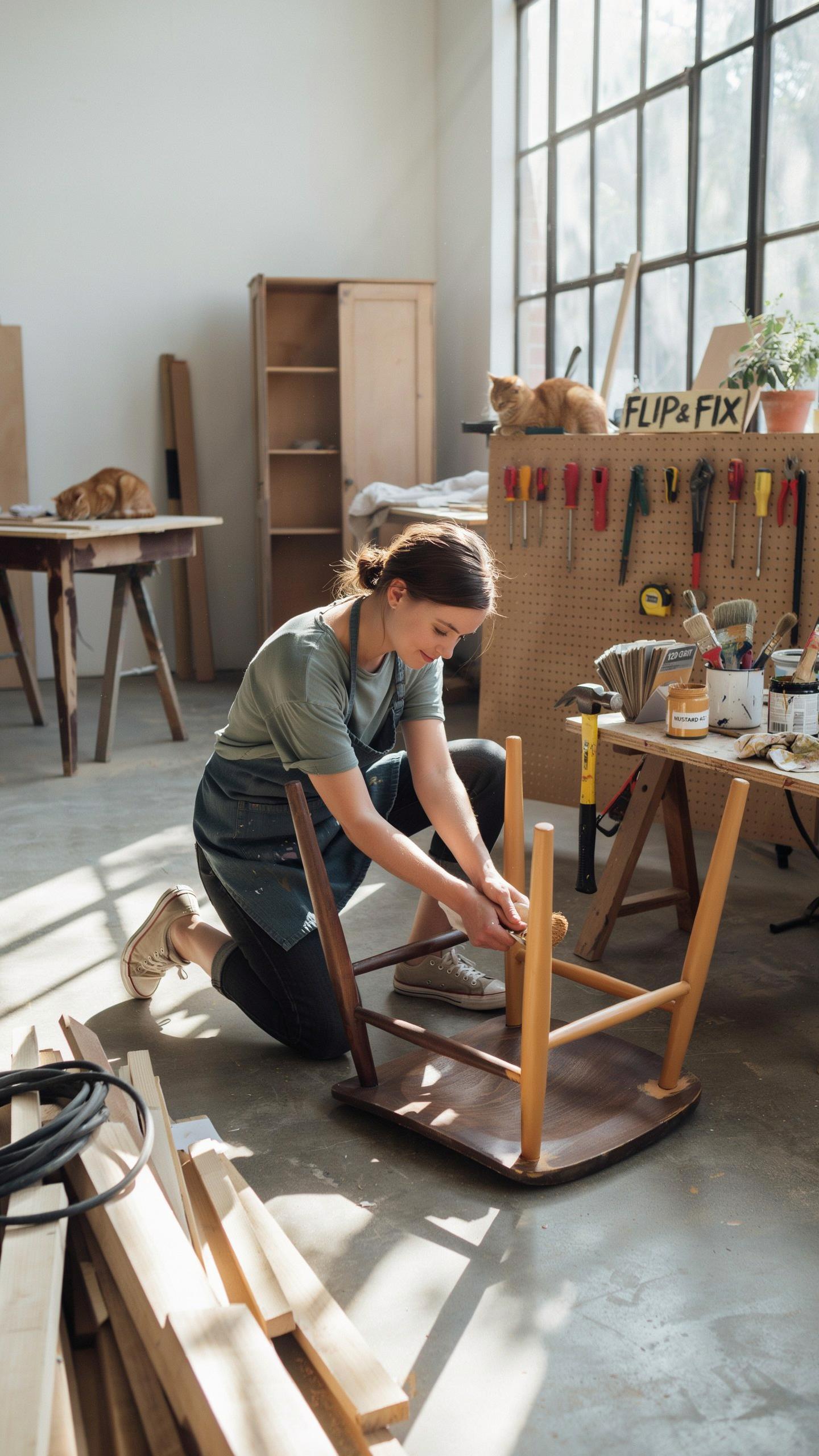
Start with acquisition cost. This is what you paid for the piece. Add direct expenses: sandpaper, paint, stain, hardware, fabric, cushions, or wood treatments. Track labor hours and assign them a dollar value based on your market rate. Document every receipt and receipt image. Spreadsheet software tracks these numbers without complexity.

Profit margin calculation requires honest math. Take your total invested amount and subtract it from your selling price. That difference is gross profit. Divide gross profit by your selling price, then multiply by 100 for your margin percentage. Most furniture flippers target 40 to 60 percent margins to account for overhead, storage, and unsold inventory risk. Budget tools automate this math instantly.
Determining A Flipped Outdoor Furniture Pricing Strategy
Research comparable pieces in your local market. Check online marketplaces, local resale shops, and classified sites for similar items in similar condition. Price your piece at or slightly below market rate if your timeline matters. Outdoor furniture pricing depends on material durability, finish quality, and whether pieces are weather-treated or sealed.
Document your pricing strategy before listing. Factor in seasonal demand: spring and summer command higher prices for outdoor furniture than fall and winter. Calculate what price covers your costs and delivers your target margin. Simple pricing templates prevent emotional pricing decisions that kill profit. Test different price points and track which ones convert fastest.
How To Sell Flipped Furniture And Boost Outdoor Visual Appeal

Staging Your Refurbished Outdoor Pieces In Backyard Settings
Position furniture in functional groupings that show how buyers will use the pieces. Place seating arrangements in conversation zones, tables near seating, and accent pieces where they naturally draw the eye. This approach helps prospects envision the furniture in their own yards and understand the practical value of your work.

Clean and maintain pieces during the staging phase. Remove dust, debris, and any residue from refinishing work. Ensure cushions are fluffed, hardware functions properly, and structural integrity is visible. A well-maintained staging area demonstrates quality craftsmanship and justifies your pricing to serious buyers.
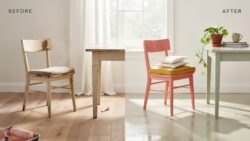
With a little imagination and the right tools, a weathered relic is transformed into a sanctuary where old memories find a new place to rest. Even the simplest pieces can turn your backyard into a beautiful home when given a second chance through a budget-friendly labor of love.
Writing Compelling App Based Listings To Attract Local Buyers
Start with clear descriptions of materials, dimensions, and condition. State exactly what you refinished or repaired. Include finish type, wood species if applicable, and any hardware upgrades. Buyers need specific information to make purchase decisions and avoid tire kickers who want unrealistic deals.
Take photos from multiple angles in natural daylight. Show the piece from the front, sides, and detail shots of any decorative elements or repairs. Include a photo showing scale by placing a recognizable object nearby. Quality photos increase inquiry rates and filter for serious buyers willing to pay fair market value.
Can You Make Money Flipping Furniture For Patios And Balconies
Assessing Regional Demand For Outdoor Furniture Refurbishing
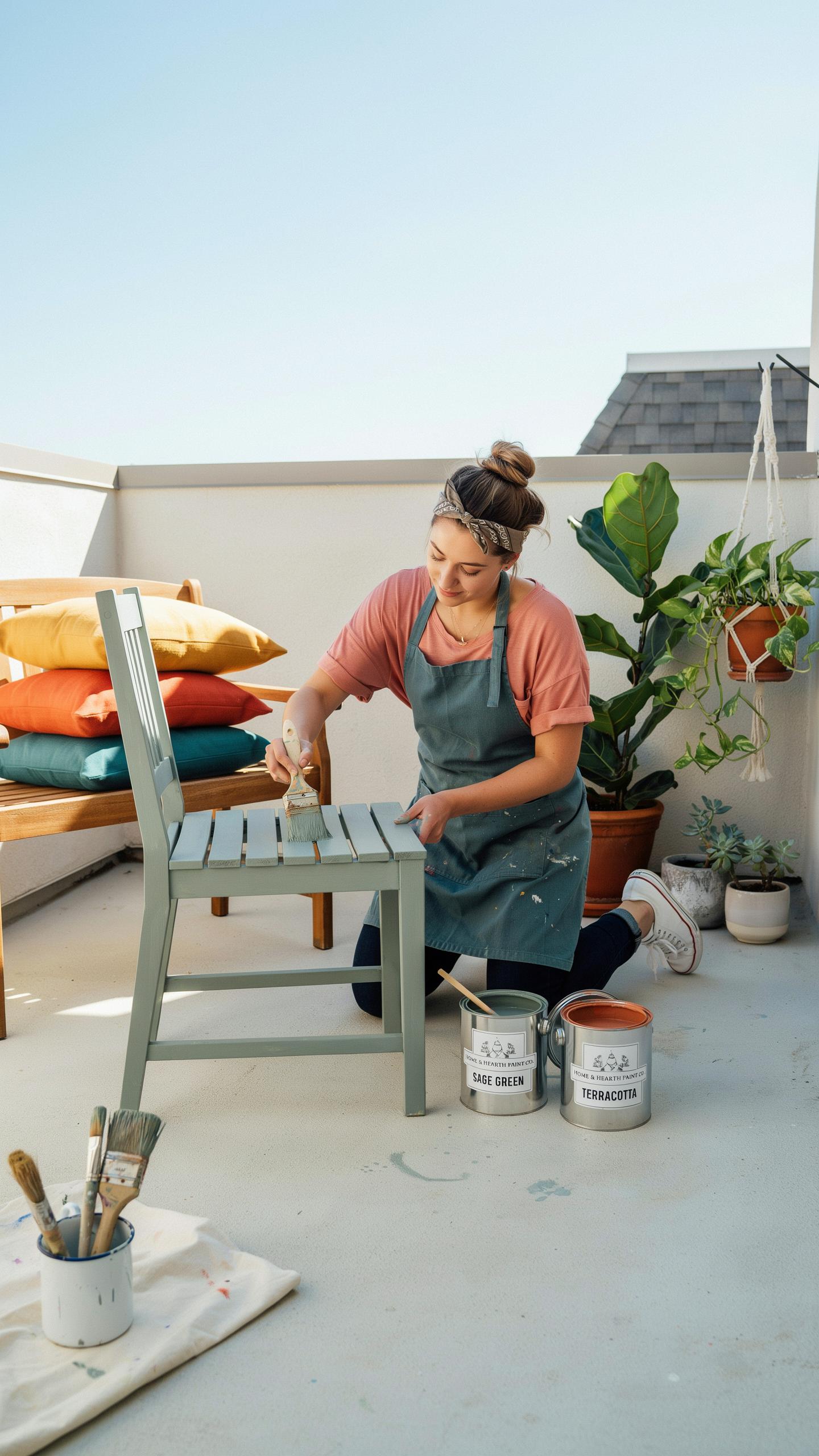
Regional demand for outdoor furniture flips depends on climate, housing density, and local income levels. Warm climates with extended outdoor seasons generate higher demand year-round. Urban areas with balconies and patios attract buyers seeking affordable alternatives to retail pricing. Research local Facebook Marketplace, Craigslist, and estate sales to identify what sells quickly in your area.
Income levels matter significantly. Higher-income neighborhoods support premium price points for refinished pieces. Suburban areas with family homes often prioritize durability and value. Document what inventory moves fastest in your region. Track purchase prices, refurbishment costs, and final sale prices to establish realistic profit margins before committing resources.
Analyzing Peak Seasons And High Margin Outdoor Items
Spring and early summer drive peak outdoor furniture demand as people prepare outdoor spaces. This window typically runs from March through June in most regions. Aluminum and metal frames command higher margins than wood because restoration costs less and appeal to buyers seeking low-maintenance options. Teak and cedar pieces attract premium buyers but require more specialized knowledge to refinish properly.
High-margin items include bistro sets, Adirondack chairs, and metal lounge frames. These pieces restore quickly and sell reliably. Avoid heavy stone or concrete furniture unless you have transport capability and nearby buyers. Track your regional market closely. What sells in coastal areas differs from inland markets. Document seasonal trends specific to your location to time purchases and refurbishment work strategically.
How To Start A Furniture Flipping Business In Your Own Yard
Setting Up Outdoor Safe Work Space And Venting Station
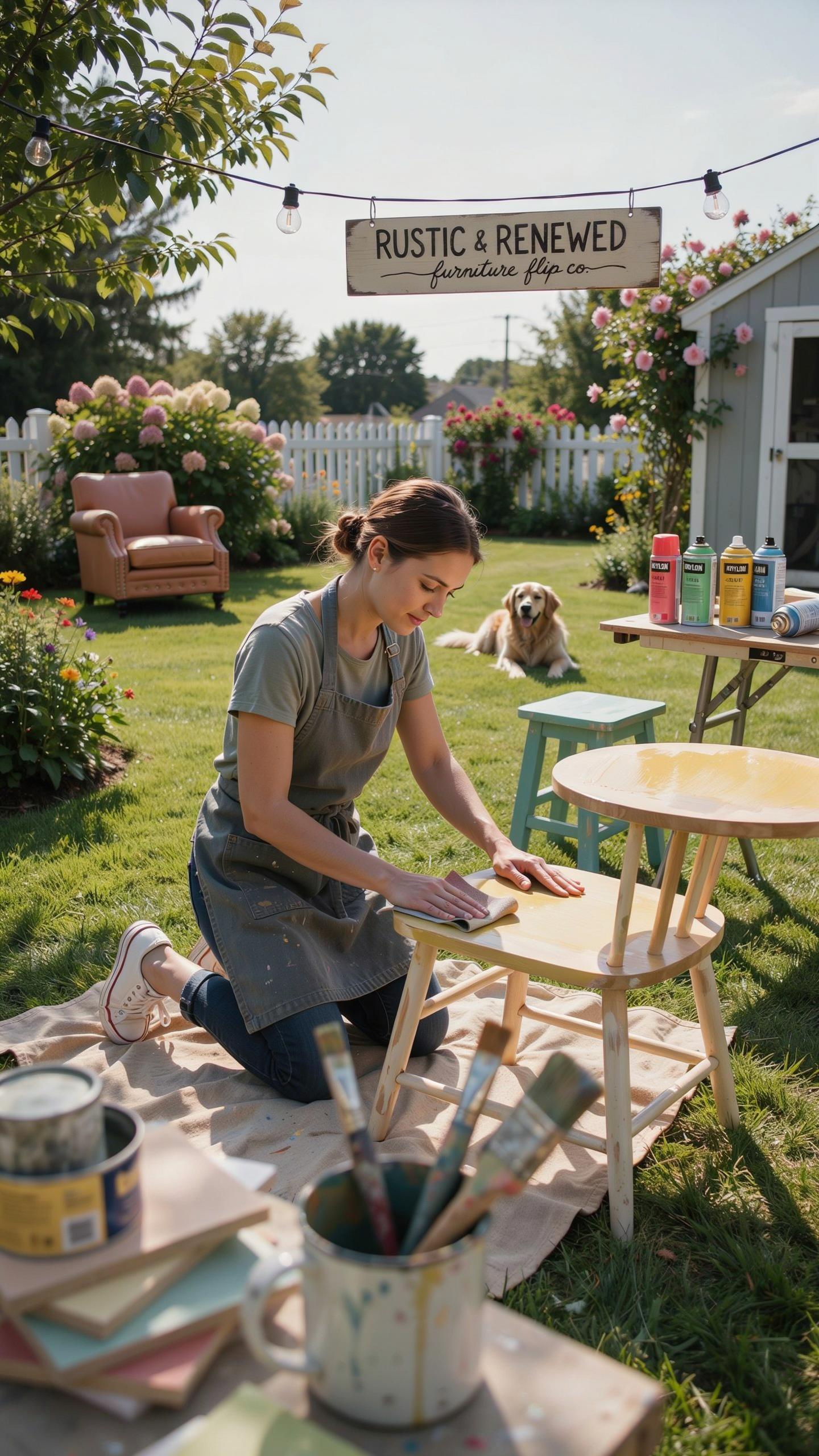
Your workspace determines your output speed and safety record. Choose a flat, level area with access to power outlets and water. Position your station away from foot traffic and neighbor property lines. Secure adequate lighting since staining and finishing require visibility. Install a venting system to direct fumes away from living areas and neighbors. Concrete or gravel surfaces beat grass for debris cleanup and equipment stability.
Ventilation matters more than most beginners realize. Chemical fumes from strippers, stains, and sealers accumulate in enclosed spaces and create health risks. Box fans, shop vents, or pop-up canopies with side panels work for outdoor yards. Keep your workspace at least ten feet from windows where fumes could enter your home. Invest in a basic dust mask and respirator rated for organic vapors. Your lungs and your neighborhood warrant the upfront investment.
Scaling Your Furniture Flipping Side Hustle From Home
Start by flipping three to five pieces monthly before expanding. Track every expense in a spreadsheet: materials, tools, transportation, and time. Use furniture flip project budget tools to forecast profit margins on each piece before you buy. Identify which furniture styles sell fastest in your market. Double down on those categories rather than chasing variety.
Growth comes from systems, not effort alone. Build relationships with local suppliers, estate sale companies, and thrift stores for consistent sourcing. Photograph pieces in consistent lighting to speed up your listing process. Use the same budget template for every flip to spot patterns in what works. When monthly profit covers your time and materials with room left over, consider renting a small workshop space to scale further.
Frequently Asked Questions

What are the best furniture flip project budget tools for someone just starting out?
If you are new to DIY, the best furniture flip project budget tools are often simple digital spreadsheets or dedicated mobile apps. These allow you to track the cost of sandpaper, outdoor-grade paint, and sealant in real-time. By documenting every minor purchase, you can ensure your backyard makeover stays affordable while learning which materials offer the most durability for your specific outdoor environment and climate.
How can I accurately estimate wood and paint costs for an outdoor furniture piece?
To estimate costs accurately, start by measuring the surface area of your furniture item. Many online furniture flip project budget tools include calculators that translate square footage into the exact number of paint quarts or wood stain cans required. Always factor in a ten percent buffer for unexpected touch-ups. This prevents mid-project hardware store runs and keeps your total spending transparent and manageable from the very beginning.
Is it possible to complete a high-quality outdoor furniture flip on a very tight budget?
Absolutely! Achieving a high-end look on a budget is all about smart sourcing and planning. Focus on finding “good bones” at thrift stores or garage sales, then prioritize spending on high-quality UV-resistant finishes. By using free tracking templates to monitor your expenses, you can allocate more funds toward quality brushes or hardware while saving on the actual furniture piece, resulting in a beautiful, professional-grade outdoor oasis.