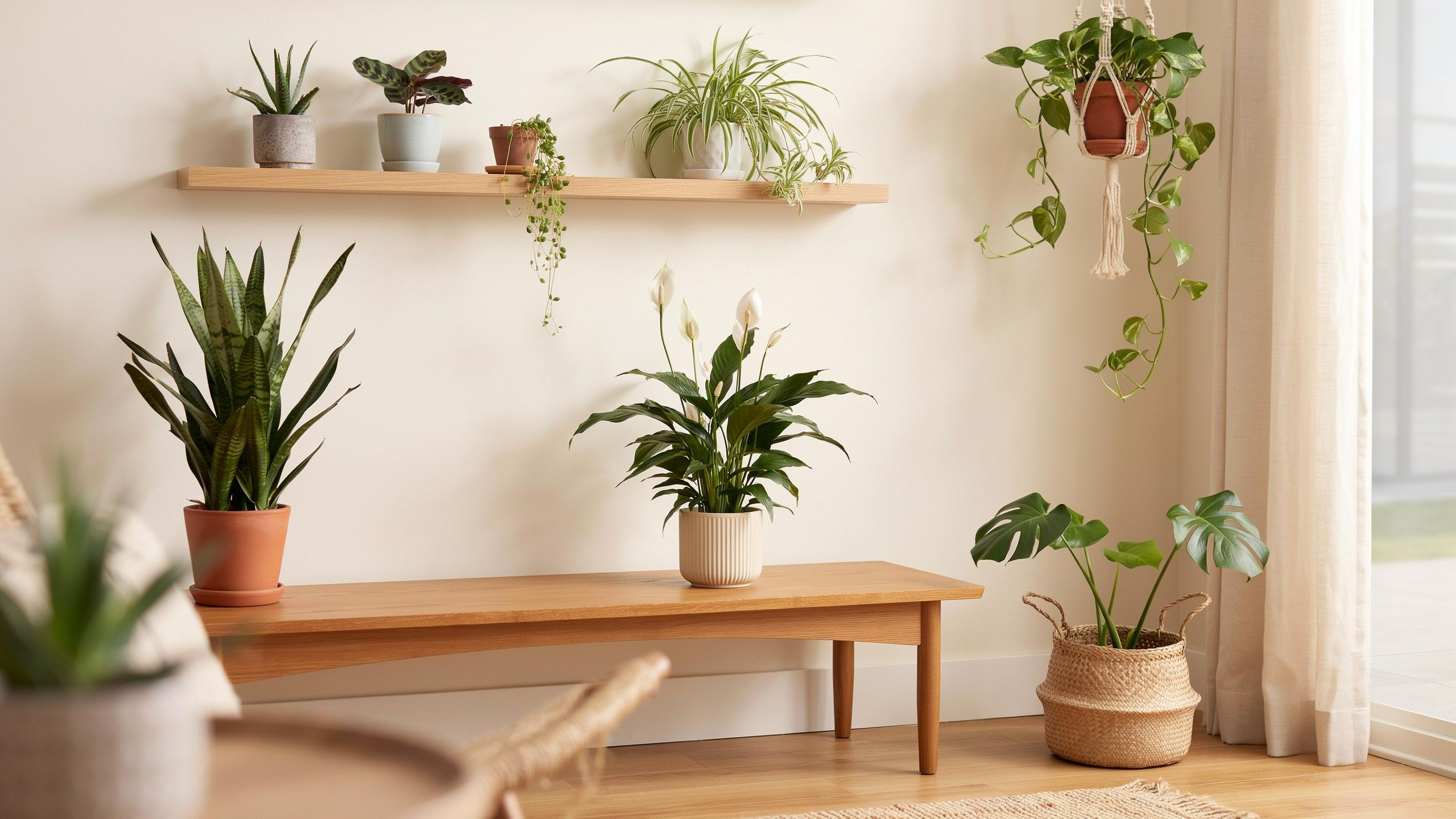
Understanding Air Purifying Houseplants For Modern Homes
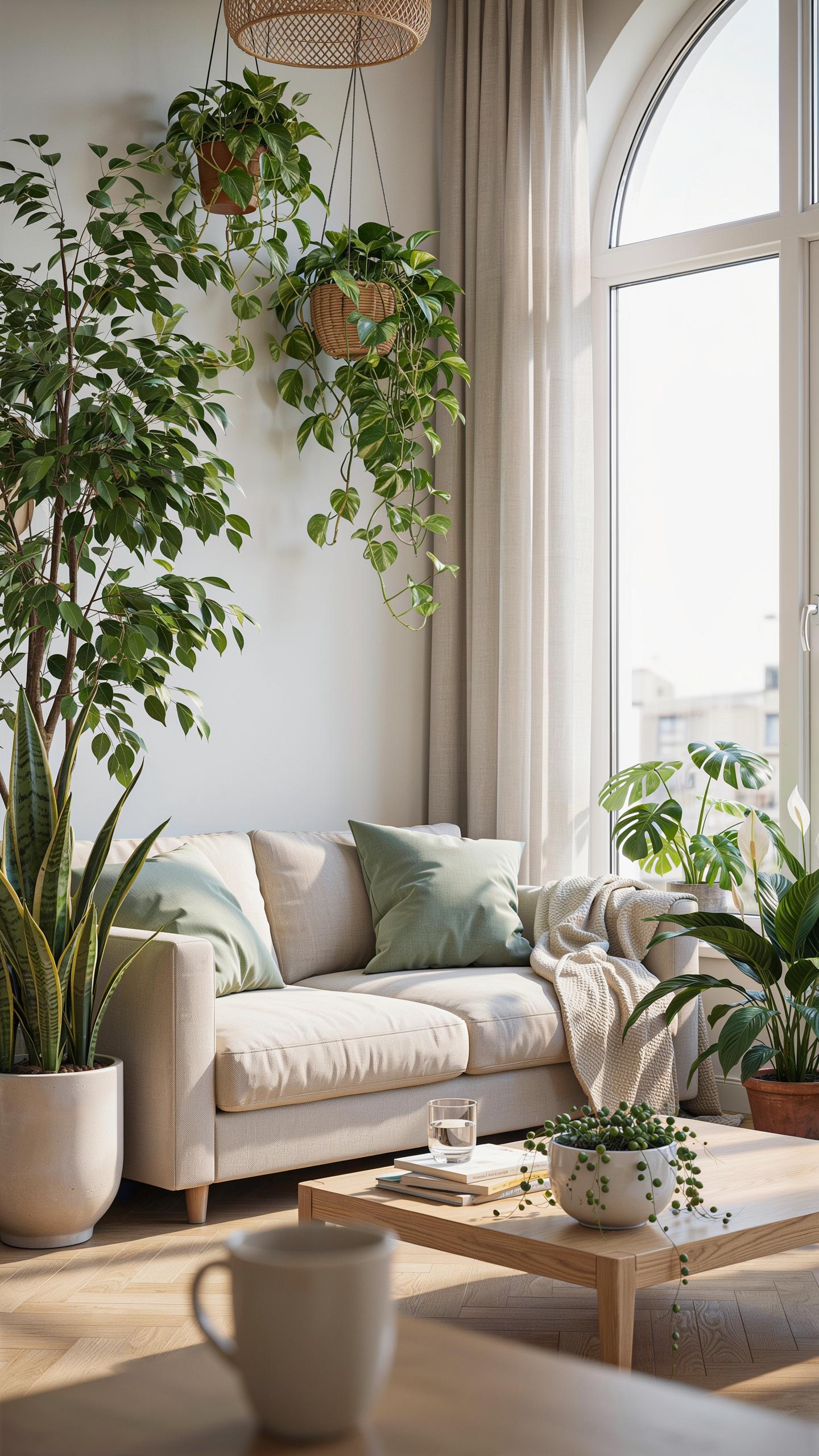
The Science Behind Plants For Cleaning Air
NASA’s Clean Air Study demonstrated that specific plants absorb common household toxins through their leaves and roots. Benzene, formaldehyde, and trichloroethylene enter plant tissues where soil microorganisms break them down. This process occurs naturally without requiring electricity or filters. The research identified measurable reductions in these compounds within enclosed spaces over time.
Plants remove toxins through a process called phytoremediation. The plant absorbs pollutants through leaf pores called stomata. Root systems and surrounding soil bacteria then metabolize these substances. This biological filtration happens continuously during the plant’s normal growth cycle. Results vary based on plant species, room size, and pollutant concentration levels.
Why Greenery Is Essential For Indoor Air Quality
Modern homes trap pollutants from synthetic furniture, cleaning products, and building materials. Off gassing from paints, carpets, and adhesives concentrates indoors where ventilation is limited. Live plants provide an active, chemical free method to reduce these airborne irritants. Adding greenery creates a biological air filtration system that works alongside mechanical ventilation.
Indoor plants combat specific pollution sources found in typical homes. Furniture releases formaldehyde. Carpets and upholstery emit volatile organic compounds. Cleaning products leave residual chemicals in the air. Strategic plant placement targets areas where these pollutants accumulate most. The result is measurably fresher air without replacing your existing setup.

Top Low Maintenance Air Purifying House Plants To Start With
The Resilience Of The Snake Plant (Sansevieria)
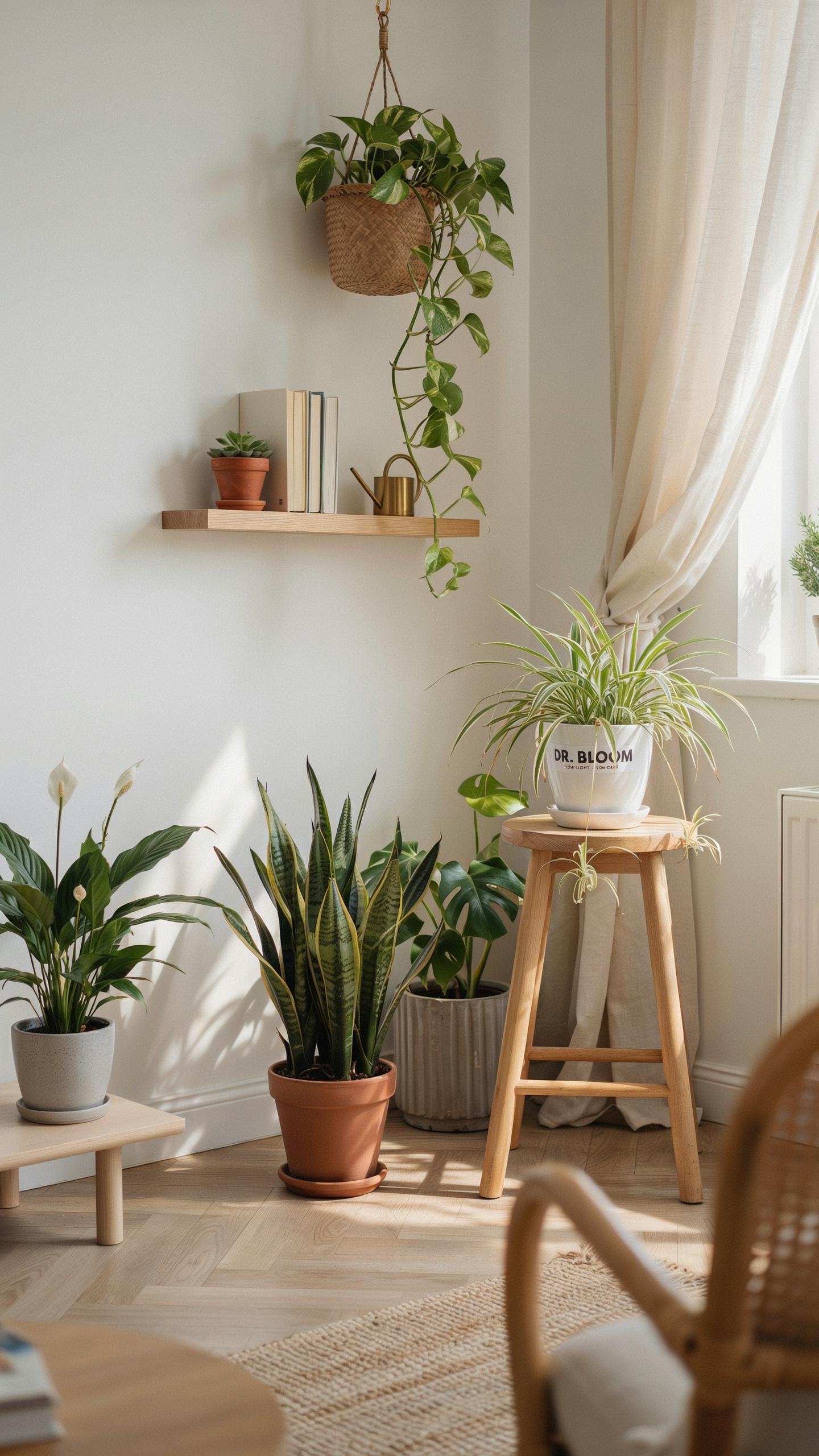
The Snake Plant operates on a different schedule than most houseplants. It performs photosynthesis during the day and releases oxygen at night, making it ideal for bedrooms. This plant tolerates neglect better than nearly any other option. It survives weeks without water and thrives in low light environments where other plants fail.
Place your Snake Plant in corners, closets, or rooms with minimal natural light. Water only when soil dries completely, typically every three to four weeks. The plant removes toxins like formaldehyde and benzene from indoor air while requiring virtually no attention. It outperforms most air purifiers in durability and cost effectiveness.
The Versatility Of The Spider Plant (Chlorophytum Comosum)
The Spider Plant excels at removing formaldehyde and carbon monoxide from high traffic areas like kitchens and living rooms. It produces trailing offshoots that multiply rapidly, giving you free propagation material for other spaces. Pet owners favor this plant because it poses no toxicity risk to cats or dogs, unlike many alternatives.

Position Spider Plants in bright, indirect light for optimal growth and pollutant removal. The plant tolerates inconsistent watering and adapts to various humidity levels without complaint. Its ability to purify air while remaining safe around pets makes it a reliable choice for busy households seeking functional indoor greenery.
Polished Household Plants That Elevate Interior Design
Sleek Elegance Of The Peace Lily Spathiphyllum
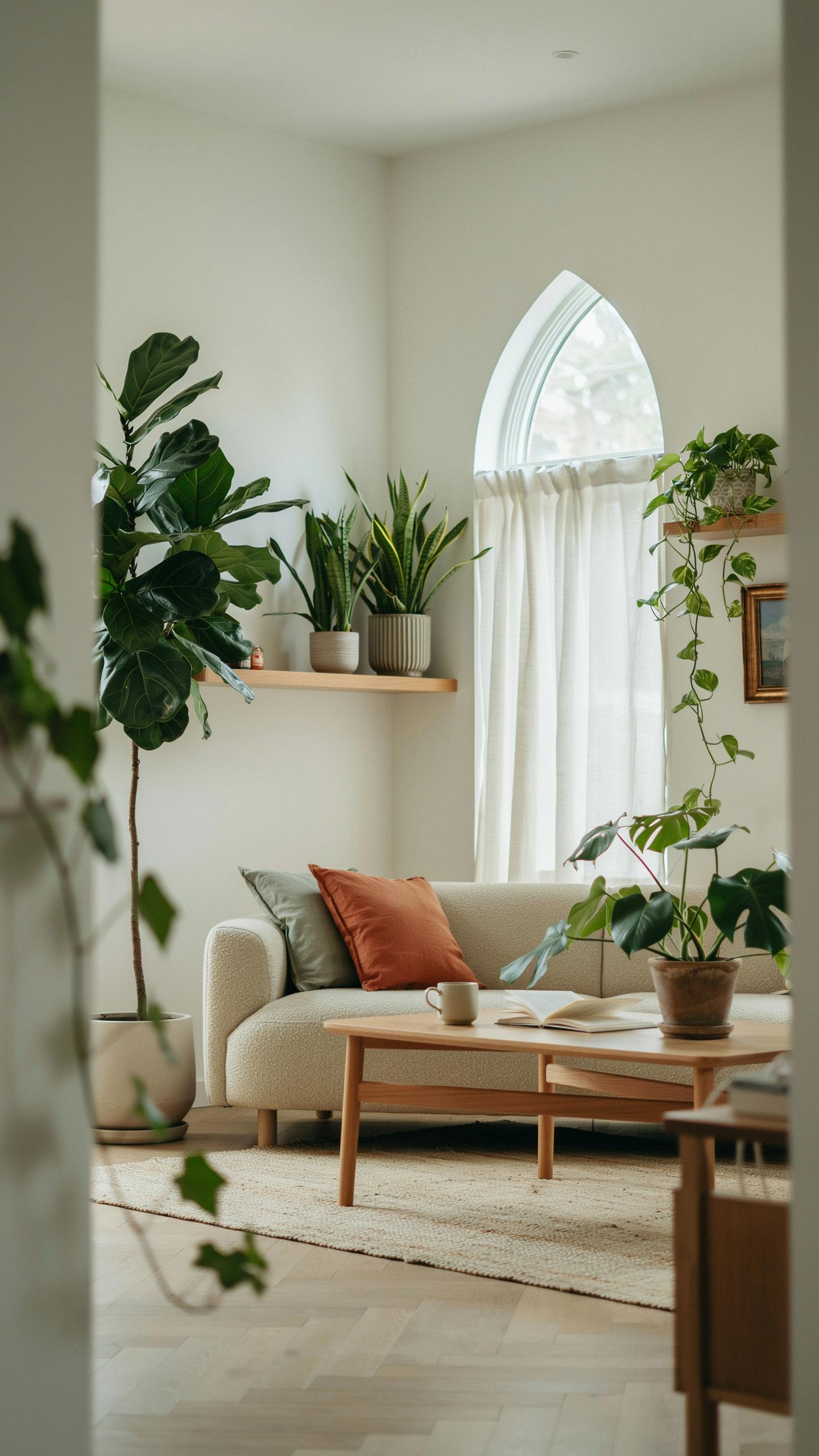
The Peace Lily delivers visual impact through contrasting foliage and blooms. Dark green leaves pair with white spathes that emerge periodically throughout the year. This combination works in medium to low light environments, making it flexible for various room conditions. The plant removes airborne mold spores and other toxins, functioning as both decor and air filtration.
Design-wise, the Peace Lily works as a vertical accent on desks or side tables. Its glossy leaves reflect ambient light, creating visual depth in dim corners. The white spathes provide punctuation marks that draw the eye without demanding constant maintenance. This plant thrives on neglect, making it practical for busy professionals who want design value without daily effort.
The Sculptural Aesthetic Of The ZZ Plant Zamioculcas Zamiifolia Foliage
The ZZ Plant commands attention through architectural structure rather than color variation. Waxy, upright leaflets arrange in perfect symmetry along each stem, creating geometric lines that complement modern interiors. The plant reflects indoor lighting off its glossy surface, adding brightness to minimalist spaces. Its compact growth pattern fits cleanly on desks, shelves, and plant stands without sprawling.

The ZZ Plant purifies indoor air while maintaining a clean silhouette that works with contemporary design. Its slow growth rate means minimal pruning and reshaping required. The plant tolerates low light and irregular watering, reducing maintenance demands. These characteristics make it ideal for office environments where consistency in appearance matters and attention is limited.
Selecting High Impact Plants For Purifying Air In Bedrooms
Improving Sleep Quality With English Ivy Hedera Helix
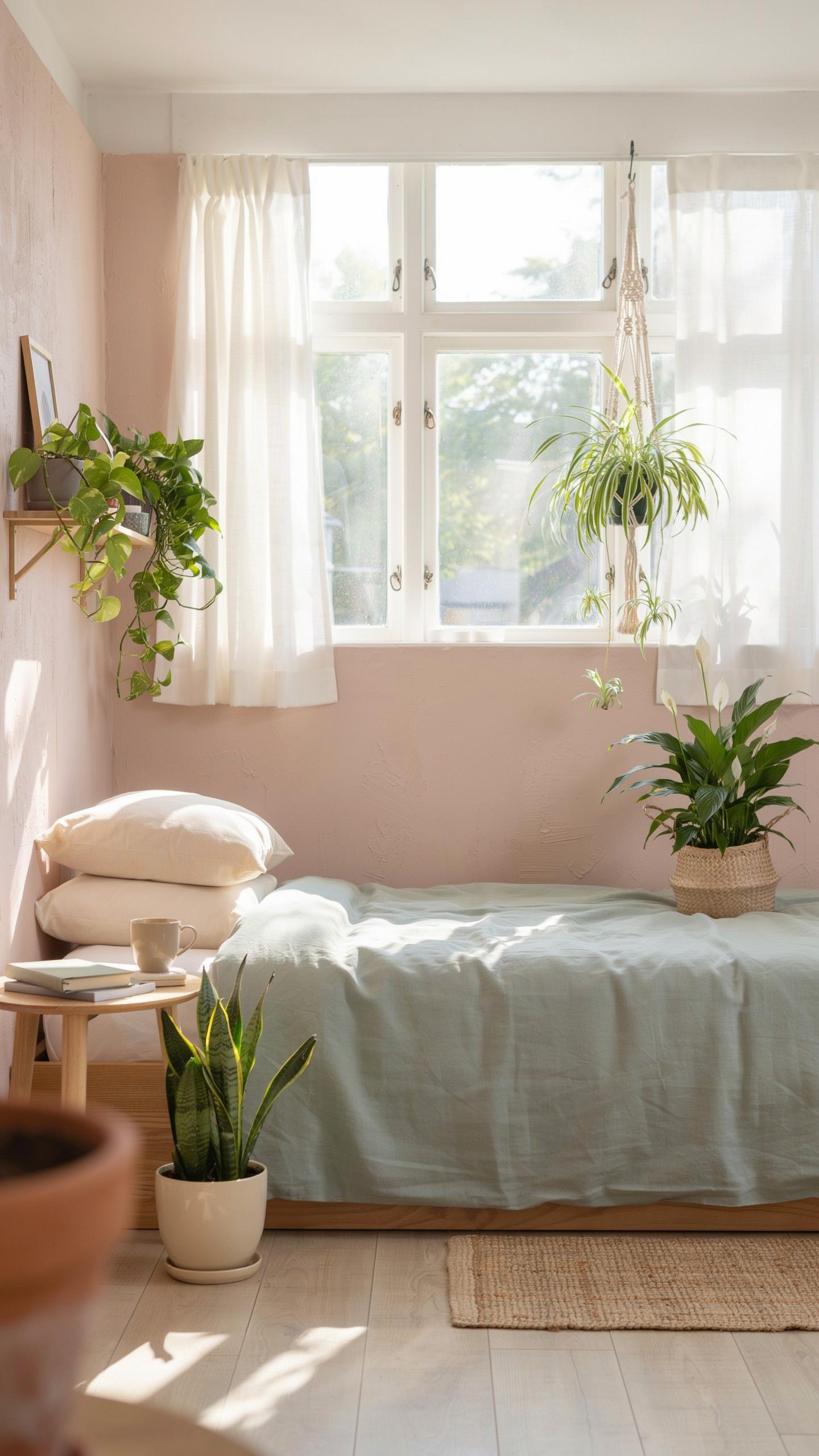
English Ivy removes airborne mold spores, a documented benefit for bedroom environments. Mold particles trigger respiratory irritation and sleep disruption. This vine thrives in low light and cool temperatures, making it ideal for bedrooms. Position it in a hanging basket near a window or corner. English Ivy adapts well to neglect, requiring water only when soil dries completely.
Research shows English Ivy reduces airborne particles within days of placement. The plant’s dense foliage captures mold spores through natural air circulation. This mechanism works continuously, requiring no maintenance beyond basic watering. Results appear fastest in smaller rooms with limited air exchange. The plant delivers measurable air quality improvements without special equipment or monitoring.
Calming Aromas And Air Cleansing With Aloe Vera
Aloe Vera performs photosynthesis at night, absorbing carbon dioxide when most plants rest. This trait makes it functional during sleeping hours when bedroom air quality matters most. The plant requires minimal care, needing water only every three weeks. Place it on a nightstand or windowsill where it receives indirect light. Aloe tolerates temperature fluctuations typical in bedrooms.

Aloe Vera stores water in its leaves, releasing oxygen during nighttime photosynthesis. The plant produces gel with antimicrobial properties, contributing to healthier bedroom air. Brown spots on leaves indicate the plant is stressed, not saturated air levels. Focus on watering schedules and light conditions rather than interpreting leaf discoloration. This straightforward approach keeps the plant healthy and functional year round.
How To Care For Your Plants For Clean Air And Maximum Performance
Essential Care Checklist For Indoor Flora
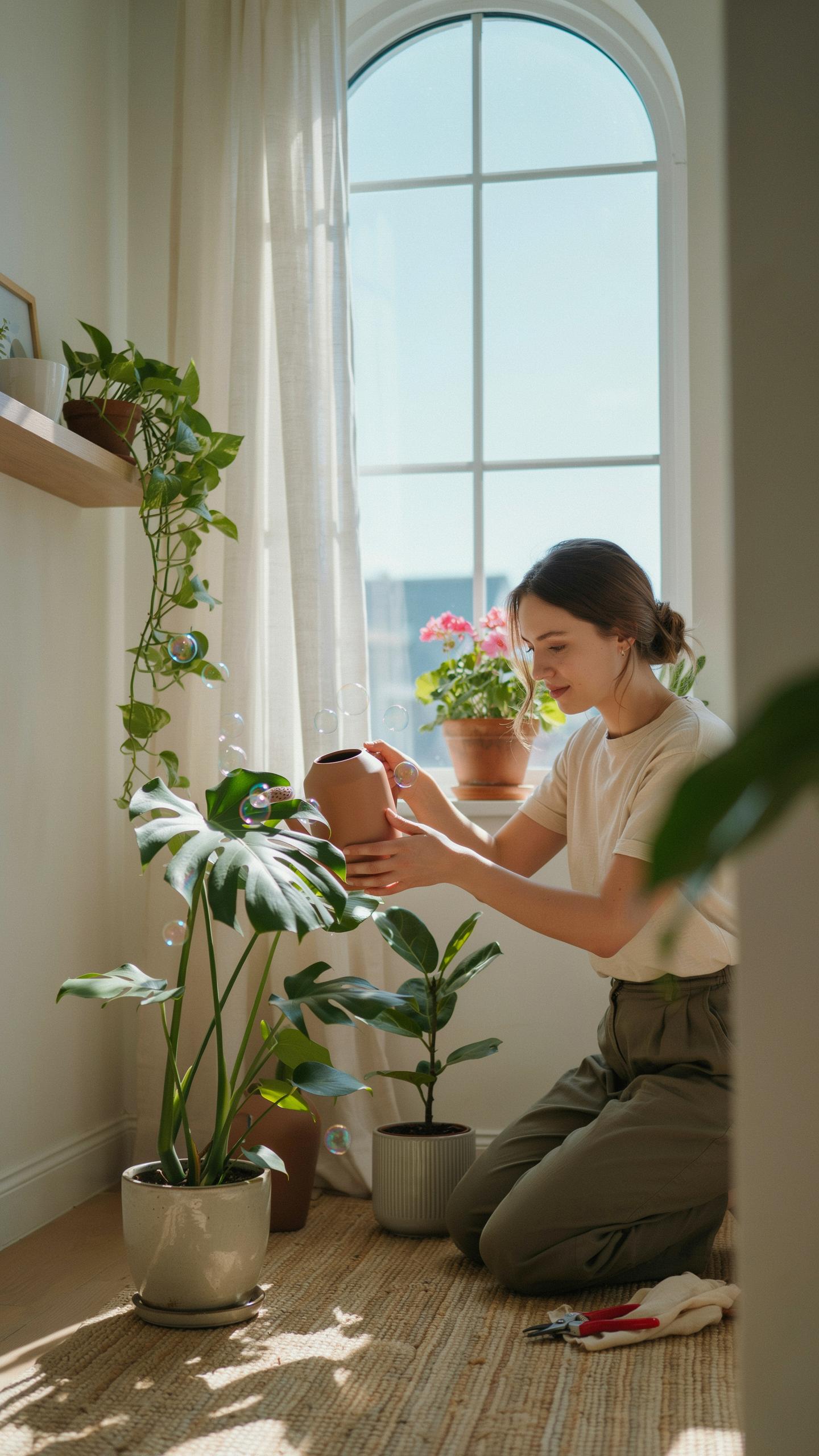
Dust blocks leaves from absorbing CO2 and releasing oxygen. Waterlogged roots kill plants within weeks. These two failures tank air purification performance. Wipe leaves weekly with a damp microfiber cloth to remove dust that accumulates on leaf surfaces and blocks gas exchange.
- Wipe leaves weekly with a damp microfiber cloth: Remove dust buildup that blocks photosynthesis and reduces the plant’s ability to filter air effectively and absorb airborne toxins.
- Ensure all pots have drainage holes: Water drains freely through the base, preventing soil saturation that causes root rot and kills the plant within days to weeks.
- Water only when top two inches of soil are dry: Check soil moisture by inserting your finger two inches deep before watering to avoid overwatering and root damage.
- Place plants in indirect sunlight locations: Position each plant according to its species requirements, whether low light or bright indirect light, to maintain healthy growth and air filtration capacity.
- Rotate plants quarterly: Turn pots 90 degrees every three months to ensure even light exposure on all sides and prevent one-sided growth patterns.
Drainage holes are non-negotiable. No exceptions. Without them, soil stays wet and roots suffocate. Check soil before watering every time. Stick your finger into the soil two inches deep. If it feels moist, wait another day or two. This simple check prevents most plant deaths in indoor spaces.
Positioning Your Greenery For Optimal Air Filtration
Grouping plants in clusters of three to five creates microclimates with higher humidity levels. This environment accelerates transpiration rates and increases the volume of air passing through leaf surfaces for biological filtration. Cluster placement also reduces watering frequency because plants release moisture that other nearby plants absorb.

Strategic positioning means placing clusters in high-traffic zones where air naturally circulates. Bedrooms benefit from clusters near windows where air moves. Living rooms need clusters away from heating vents that dry out soil and leaves. Kitchens require clusters that tolerate humidity fluctuations and occasional temperature shifts near cooking areas. Position clusters at varying heights using plant stands or shelves to maximize air movement between plants and throughout the room.
Discovering The Best Indoor Plants For Dimly Lit Rooms
Cast Iron Plant (Aspidistra Elatior) For Dark Corners
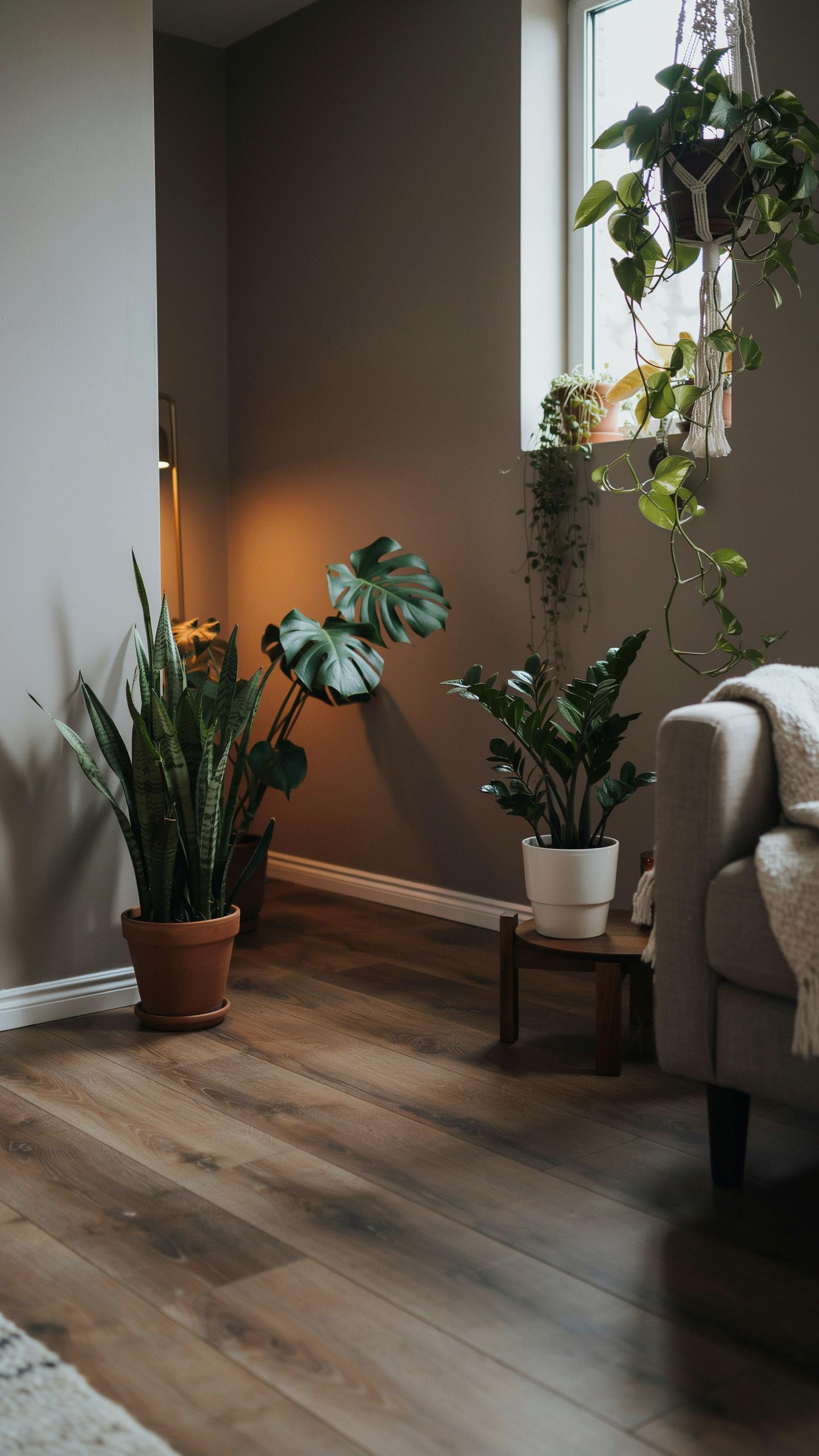
The Cast Iron Plant tolerates extreme neglect, low light, and temperature swings. It survives in hallways and offices where most plants fail. NASA research identifies it as an effective air purifier that removes formaldehyde and xylene from indoor spaces. This plant demands minimal intervention while delivering consistent air cleaning performance.
Place Cast Iron Plants in north-facing rooms or interior hallways. They grow slowly in dim conditions but maintain steady air purification. Water sparingly, allowing soil to dry between waterings. This plant suits offices and basements where natural light remains scarce year-round.
To cultivate a garden, even just a few leaves in a corner, is to walk with God in the quiet of a polished home.
Pothos (Epipremnum Aureum) For Low To Medium Light
Golden Pothos adapts to fluorescent lighting in home workspaces and dimly lit bathrooms. The cascading vines remove ozone and synthetic toxins efficiently. Studies show Pothos reduces volatile organic compounds in confined spaces. It handles temperature fluctuations and inconsistent watering better than most houseplants.
Train Pothos vines along shelves or allow them to trail from hanging planters. The plant tolerates low light but grows faster with medium indirect light. Water when soil feels dry to the touch. This species works well in offices, bedrooms, and bathrooms where natural light stays limited.
Clean Air Plants Houseplant Styling Secrets For Every Room
Interior Styling Rules For Botanical Displays
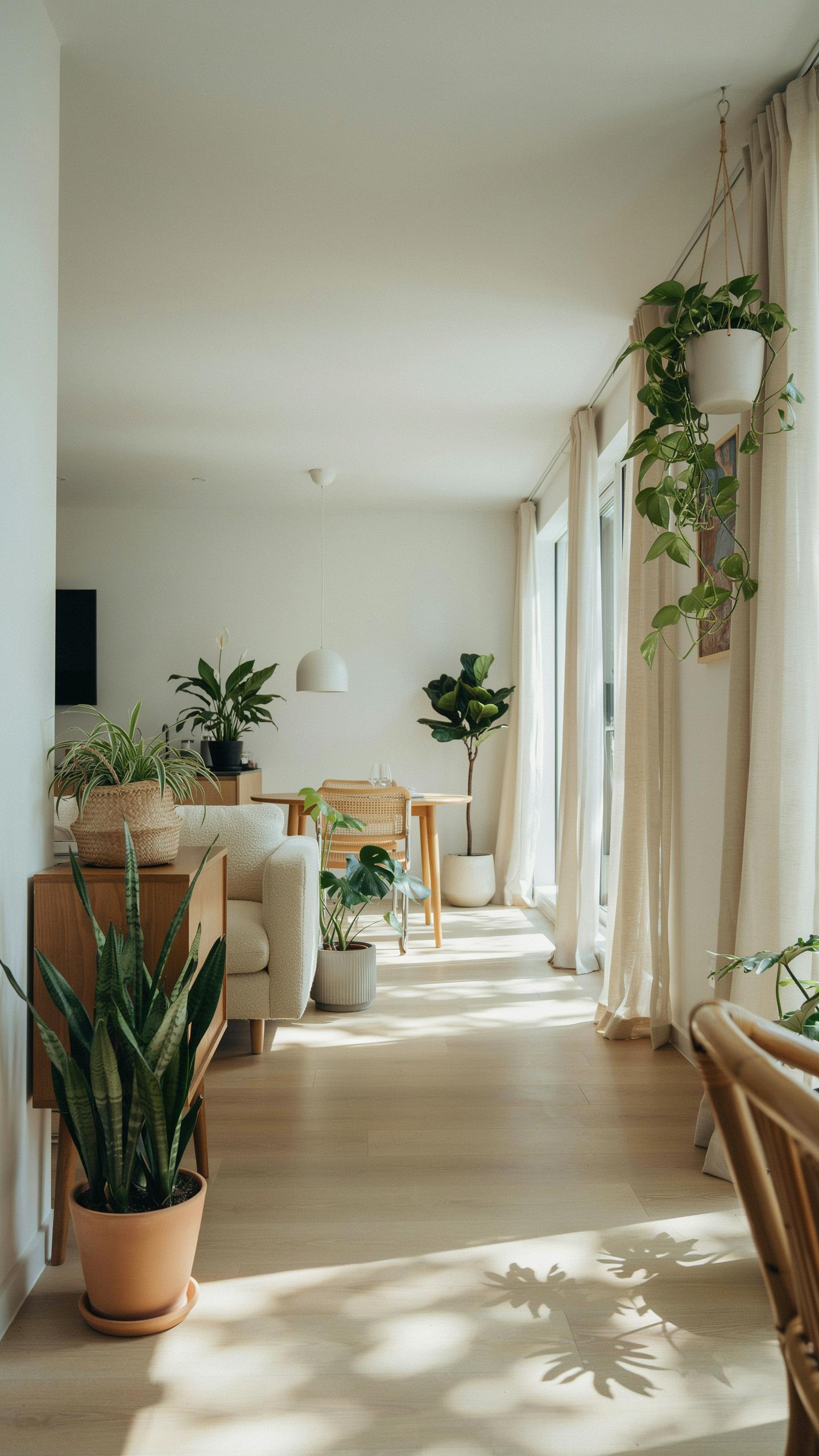
Treat air purifying plants as functional decor that requires strategic placement. The goal is making biological air filters look intentional, not accidental. Professional designers layer plants across multiple heights and textures to create visual interest. This approach transforms green spaces from clutter into curated displays that anchor a room’s aesthetic.
- Use ceramic or terracotta pottery: Match your existing color palette. These materials complement both modern and traditional interiors without competing for attention.
- Elevate trailing species on shelves: Place pothos, string of pearls, and philodendrons on bookshelves or floating mantles to capitalize on vertical space efficiently.
- Mix leaf textures strategically: Pair broad rubber tree leaves with feathery parlor palms or fine-leafed ferns. Contrasting textures create depth and visual rhythm.
- Use tiered plant stands: Varying heights prevent a flat, monotonous appearance. Stagger plants at different levels to establish a dynamic green landscape.
- Group odd numbers of plants: Clusters of three or five feel more balanced than pairs or even amounts. This principle applies across all interior design disciplines.
Clustering plants of different sizes creates focal points that guide the eye naturally. Group similar species together or alternate between complementary types. This method works in living rooms, bedrooms, and offices where you need both function and visual appeal.
Choosing Pots And Planters For A Cohesive Look
Select high quality planters in matte white, charcoal, or natural terracotta. These neutral tones keep designs clean and allow foliage to command attention. Avoid busy patterns or bright glazes that compete with plant colors. Minimalistic containers work across modern, transitional, and classic interiors without clashing.
The planter material matters as much as color. Ceramic retains moisture longer than terracotta, which suits species like snake plants and ZZ plants. Terracotta breathes better, making it ideal for moisture sensitive plants like succulents. Match material choice to your plant’s watering needs and your room’s humidity level.
Integrating Plants Good For Air Quality Into Workplace Design
Boosting Productivity With Office Foliage
Research demonstrates that office spaces with live plants reduce mental fatigue and lower stress levels among workers. Plants actively remove volatile organic compounds from equipment like laser printers and copiers. The presence of greenery also improves focus and increases task completion rates. These benefits occur without requiring significant workspace modifications or infrastructure changes.
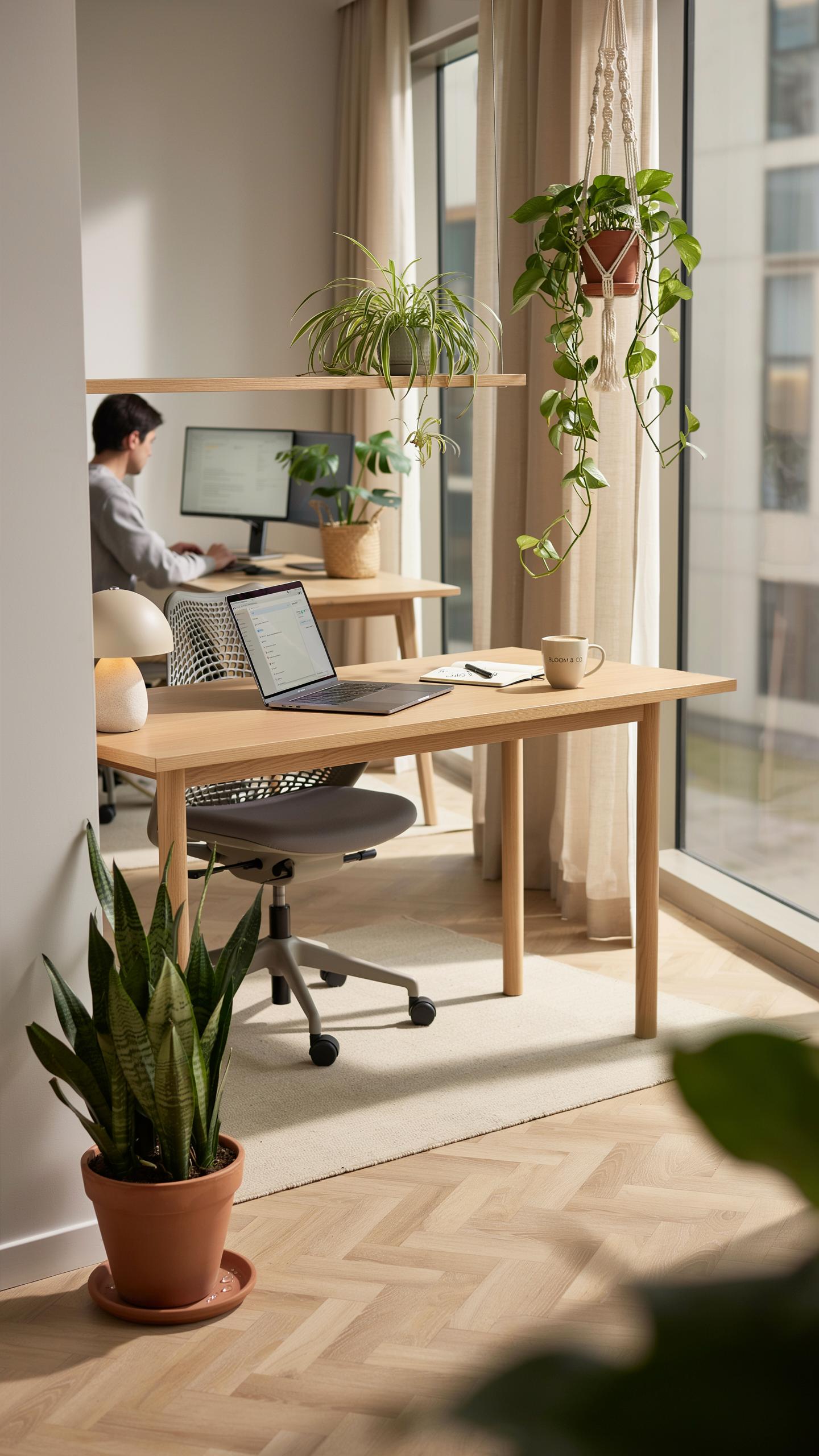
Placing air purifying plants strategically around workstations creates measurable improvements in air quality. Employees report feeling less fatigued during long work days when surrounded by vegetation. The visual stimulus of live plants reduces eye strain from screen time. Organizations see improved retention when they invest in these simple environmental upgrades.
Low Maintenance Desk Companion Selections
Chinese Evergreen and similar compact varieties thrive in office conditions with minimal attention. These plants tolerate irregular watering schedules and survive under artificial lighting. They grow slowly, requiring infrequent pruning or repotting. Their small size fits standard desk configurations without occupying valuable work surface area.

Pothos and ZZ plants deliver identical air purification benefits with even lower maintenance demands. Both species handle temperature fluctuations from air conditioning and heating systems. They recover quickly from occasional neglect periods that occur during busy seasons. Office managers can deploy these plants across multiple workstations without creating ongoing care obligations.
Frequently Asked Questions

Which low-maintenance plants are best for improving indoor air quality?
If you are new to indoor gardening, the best air purifying houseplants list includes resilient options like the Snake Plant and ZZ Plant. these varieties are incredibly forgiving, thriving in low light with minimal watering. They effectively filter common household toxins while adding a sophisticated, structural element to your decor, making them the perfect effortless choice for beginners seeking a polished and healthy home environment.
How do I arrange these plants to maximize both beauty and air filtration?
To achieve a polished look, group your greenery in odd numbers using varying heights. Place larger floor plants like the Monstera or Peace Lily in corners to anchor the room, while smaller succulents sit on shelving. Following a strategic air purifying houseplants list ensures you place oxygen-producing varieties in bedrooms and high-traffic living areas, creating a functional layout that balances aesthetic appeal with maximum toxin-filtering benefits.
Can I create a high-end look with air-cleaning plants on a budget?
Absolutely! You don’t need a large budget to achieve a designer aesthetic. Many affordable staples, such as Spider Plants and Golden Pothos, are fast-growing and easy to propagate from cuttings. By selecting chic, uniform ceramic pots or minimalist baskets, you can elevate these accessible varieties. This approach allows you to build an impressive indoor forest that looks expensive without spending a fortune on rare species.