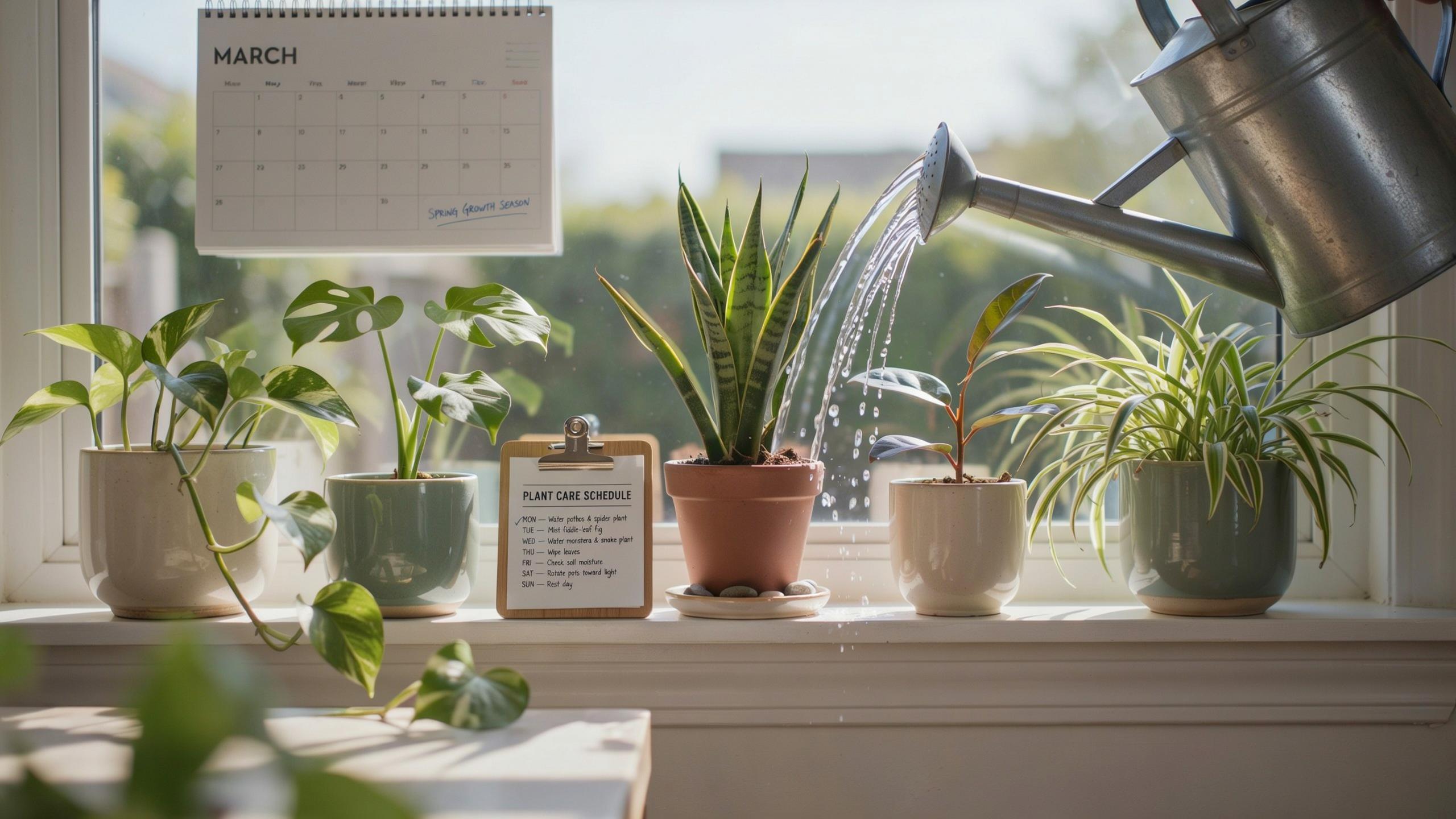
The Evolution Of House Plant Care And Seasonal Watering Needs
Understanding Plant Physiology
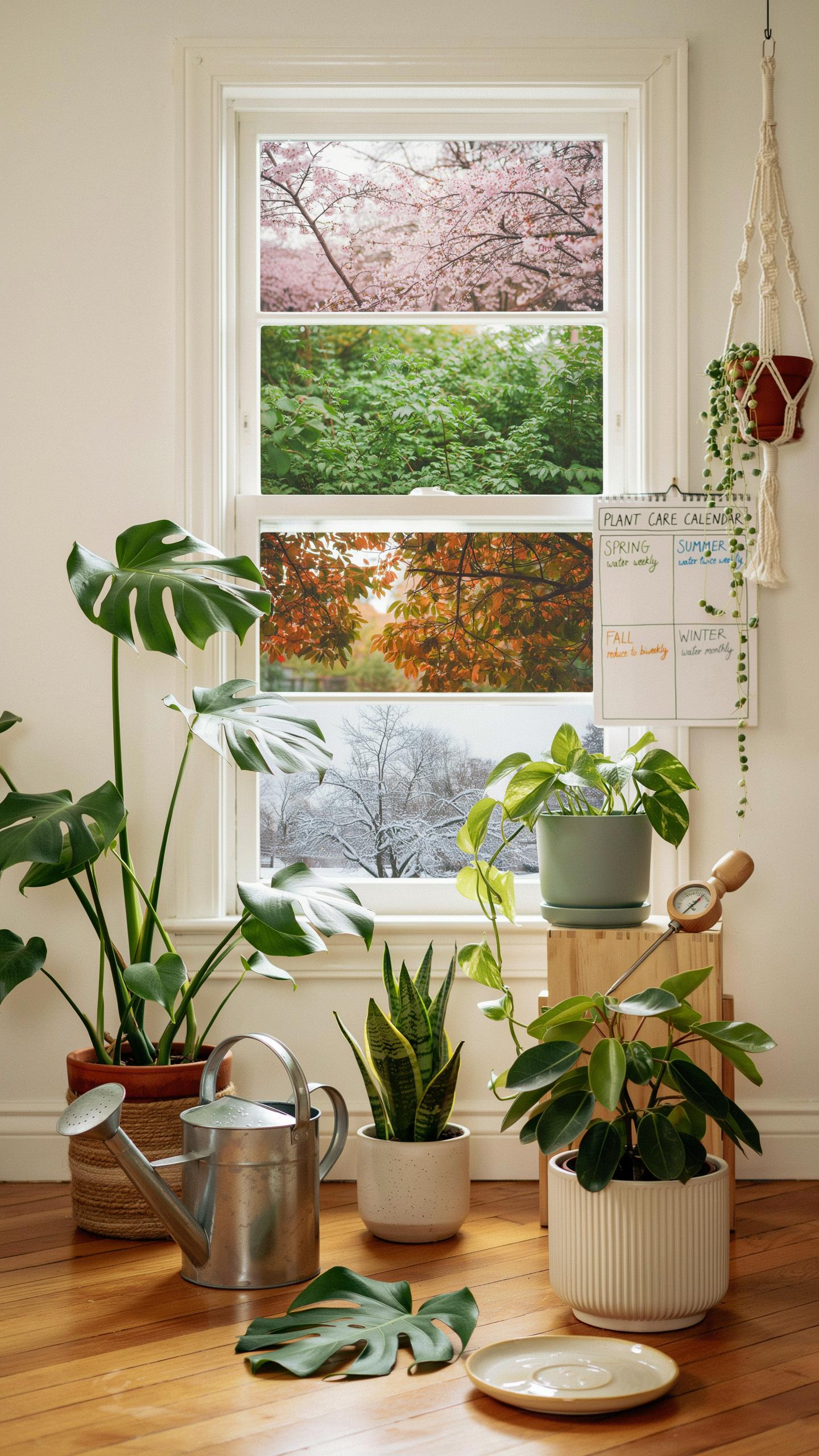
Seasonal light levels directly control how much water your plants need. During winter, shorter days reduce photosynthesis rates. Plants transpire less water through their leaves when light exposure drops. Lower transpiration means roots absorb water more slowly. You must water less frequently to prevent root rot and fungal issues. Spring and summer reverse this pattern, increasing water demand as daylight extends and temperatures rise.
Temperature swings between seasons also affect water uptake. Cold winter air slows metabolic processes in plant roots. Warm summer conditions accelerate water movement through soil and plant tissues. Humidity levels fluctuate seasonally too. Winter heating systems dry indoor air, but plants still need less water because they’re dormant. Understanding these physiological shifts prevents overwatering, the leading cause of houseplant death.
Signs Of Seasonal Shift
Watch soil moisture patterns to catch seasonal transitions. In fall, topsoil that dried in three days during summer now stays moist for five to seven days. This slowdown signals reduced water demand. Check soil with your finger before watering, not on a fixed schedule. Spring arrival brings faster soil drying and increased leaf growth. New stems and buds emerge within two to three weeks of longer daylight exposure.
Leaf behavior reveals seasonal changes accurately. Plants drop older leaves or slow growth as days shorten in fall and winter. Stems stop extending and leaves stabilize in size during dormant periods. When spring arrives, leaf color often brightens and new growth appears within weeks. These physical cues matter more than calendar dates because indoor temperature and light conditions vary by location and home setup.

Designing A Flexible Houseplant Watering Schedule For The New Season
Moving Away From Calendar Watering
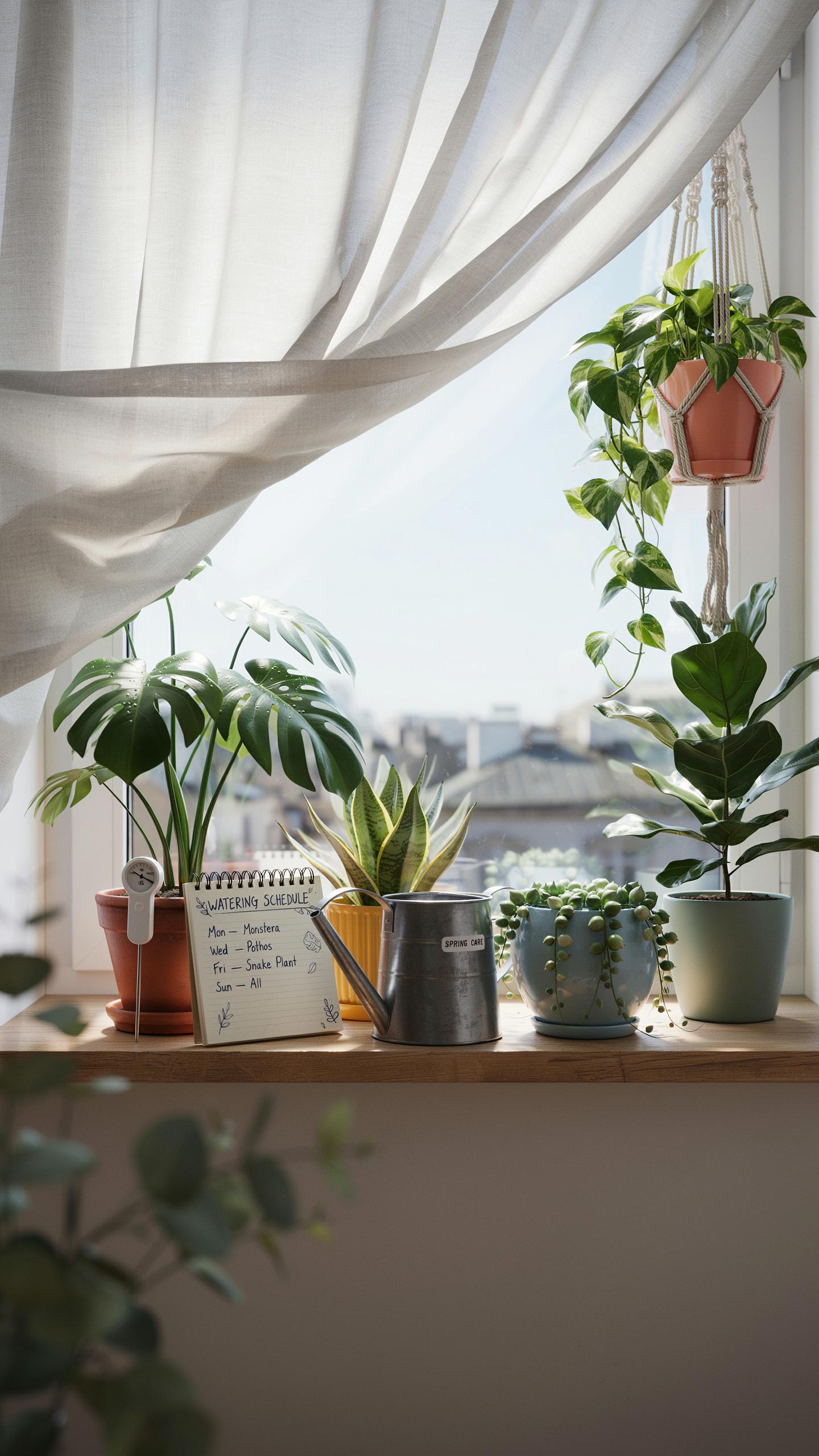
Calendar-based watering fails because it ignores the actual conditions in your home. Environmental factors like humidity, temperature, light intensity, and pot size determine when soil dries out, not the day of the week. A plant needs water when the soil reaches a specific moisture level, which changes with seasons and indoor conditions. Switching to environment-based watering means checking soil moisture before every watering session.
Soil moisture testing takes 30 seconds and eliminates guesswork. Insert your finger one inch into the soil. Water only when that top inch feels dry to the touch. This approach works for most tropical houseplants and succulents. You adapt to what your specific space provides rather than forcing a rigid schedule that rarely matches reality.
As the seasons shift, watering your plants becomes a quiet ritual of nourishment that reconnects the soul to the earth’s gentle rhythms. Let the morning light guide your hands as you tend to each leaf with the same patience our grandmothers once used in their sun-drenched kitchens.
The Soak And Dry Method
The soak and dry method involves watering until water drains from the bottom, then waiting until the soil dries significantly before watering again. This approach saturates the root zone completely, ensuring oxygen reaches all root areas. The dry period between waterings prevents root rot and encourages deeper root development. Most houseplants thrive with this cycle during their active growing season.

Container drainage holes are non-negotiable for this method to work. Water sits in the pot for only a few minutes before draining completely. The waiting period varies based on pot size, soil composition, and plant species. A four-inch pot dries faster than an eight-inch pot with the same plant. Monitor your specific setup and adjust timing accordingly rather than assuming a standard timeline.
How To Create A Visual Plant Watering Chart For Your Collection
Categorizing Plants By Need
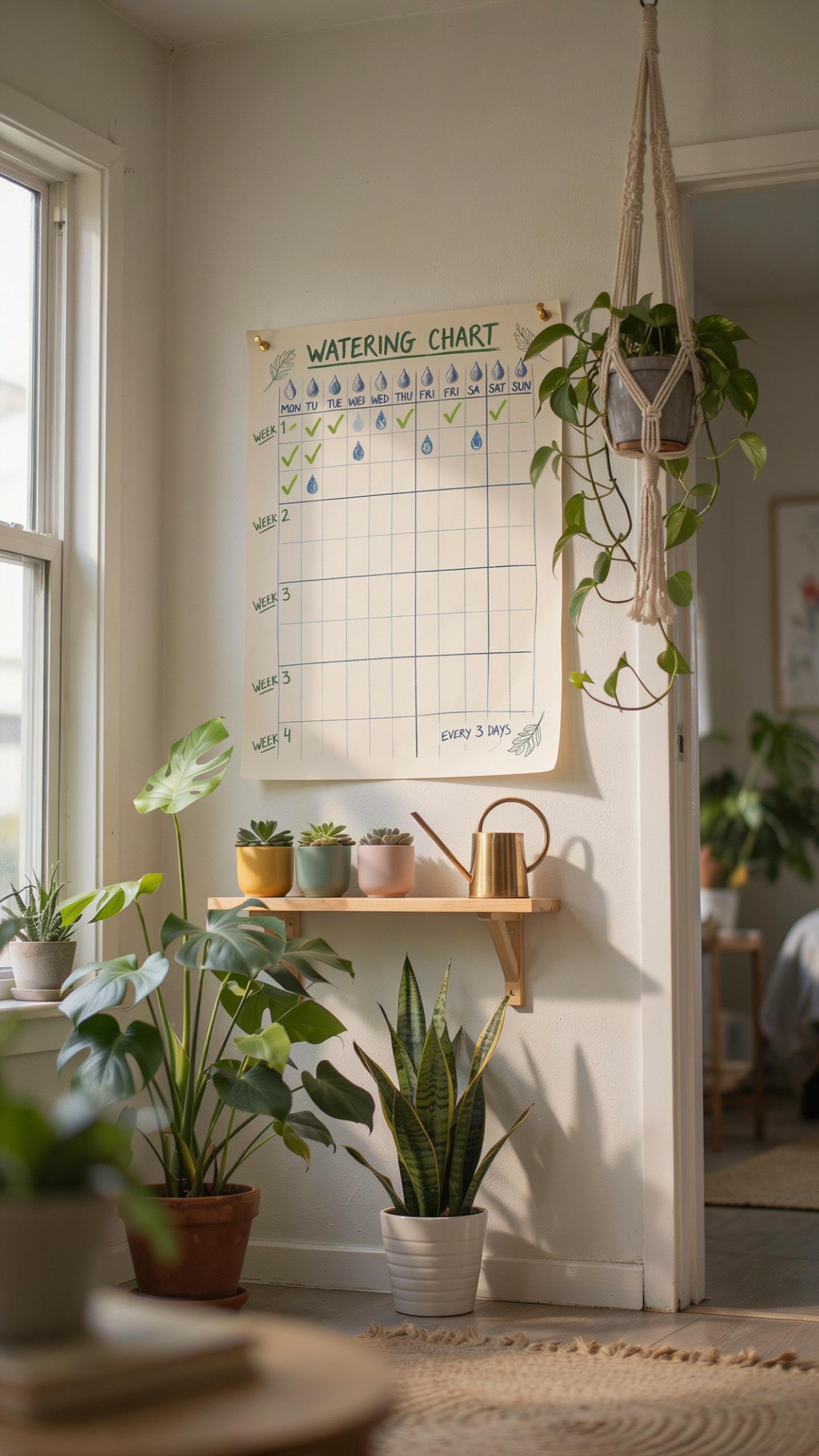
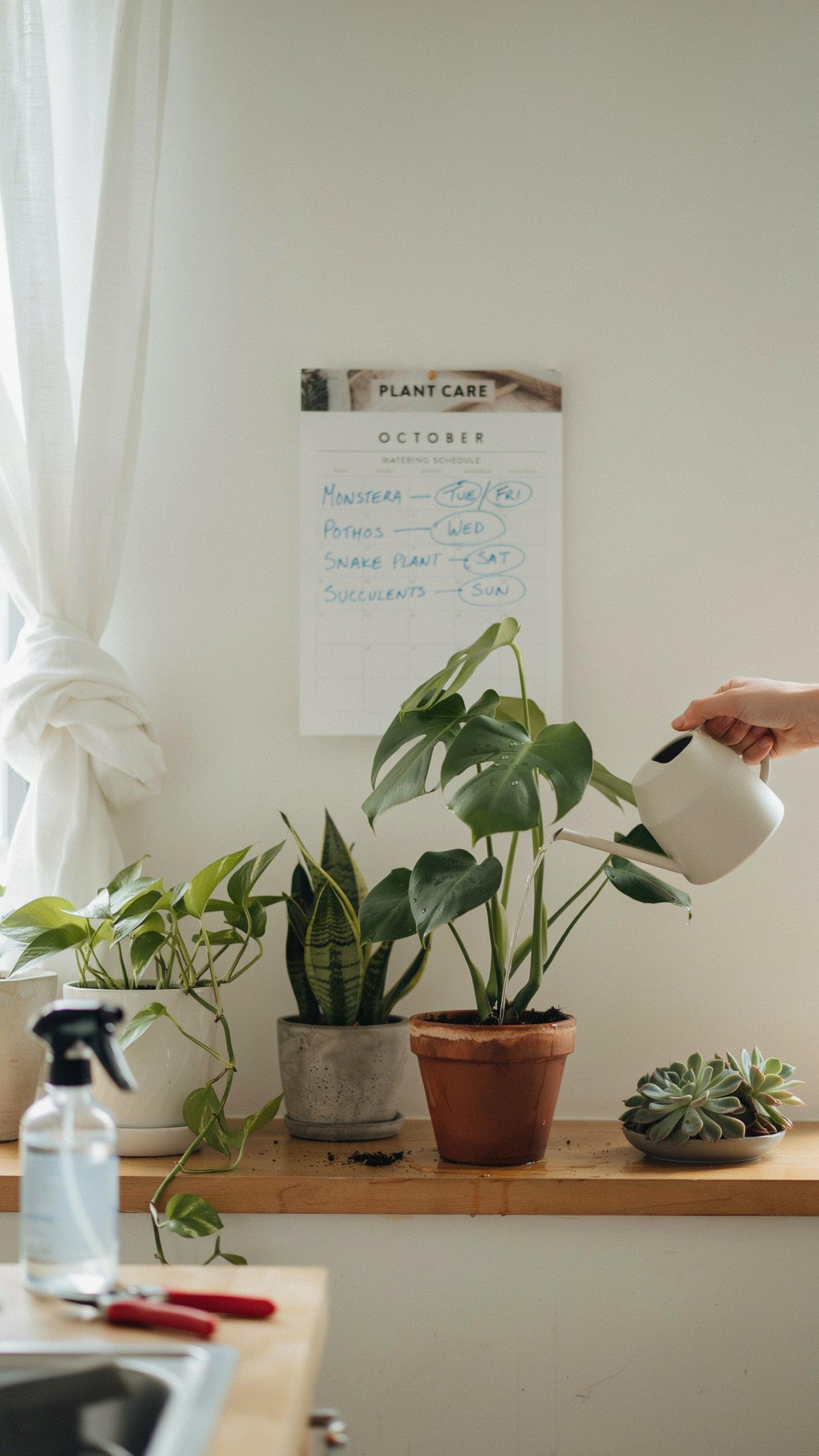
Group your plants into three moisture categories based on their natural habitat origins. High-moisture plants like ferns and calatheas come from tropical rainforests where soil stays consistently wet. Medium-moisture plants like pothos and philodendrons tolerate periodic drying. Low-moisture plants like succulents and cacti require extended dry periods between waterings.
Separating plants by need eliminates guesswork from your routine. You water all high-moisture plants on Monday, medium-moisture on Wednesday, and low-moisture every two weeks. This system prevents overwatering, the leading cause of houseplant death. Group plants physically in your home by watering schedule for faster execution.
Essential Chart Elements
A functional watering chart tracks specific data points that reveal your plants’ actual needs over time. Start with plant name, location in your home, pot size, and soil type since these factors directly affect water retention and drying speed.
- Plant Name and Species: Record exact names so you can research specific care requirements and adjust schedules as plants mature or seasons change.
- Current Location: Track room and light conditions since bright, warm spots dry soil faster than dim, cool areas near windows or corners.
- Pot Size and Material: Larger pots hold more moisture and dry slowly. Terracotta drains faster than plastic. Clay and ceramic fall between these extremes.
- Soil Type and Drainage: Note if you use standard potting mix, moisture-retaining blend, or cactus mix since composition directly controls water retention rates.
- Last Watered Date: Record the exact date you water so you can calculate actual drying cycles and identify patterns throughout seasons.
- Soil Moisture Level: Note whether soil felt dry, slightly moist, or wet at your last check to calibrate your watering intervals based on real conditions.

Update your chart weekly by checking soil moisture and recording dates. After four to six weeks, patterns emerge showing which plants need more or less frequent watering than initial guesses suggested. Adjust intervals based on data, not assumptions.
Implementing A Monthly Plant Watering Schedule For Low Maintenance Varieties
Cacti And Succulents Regimes
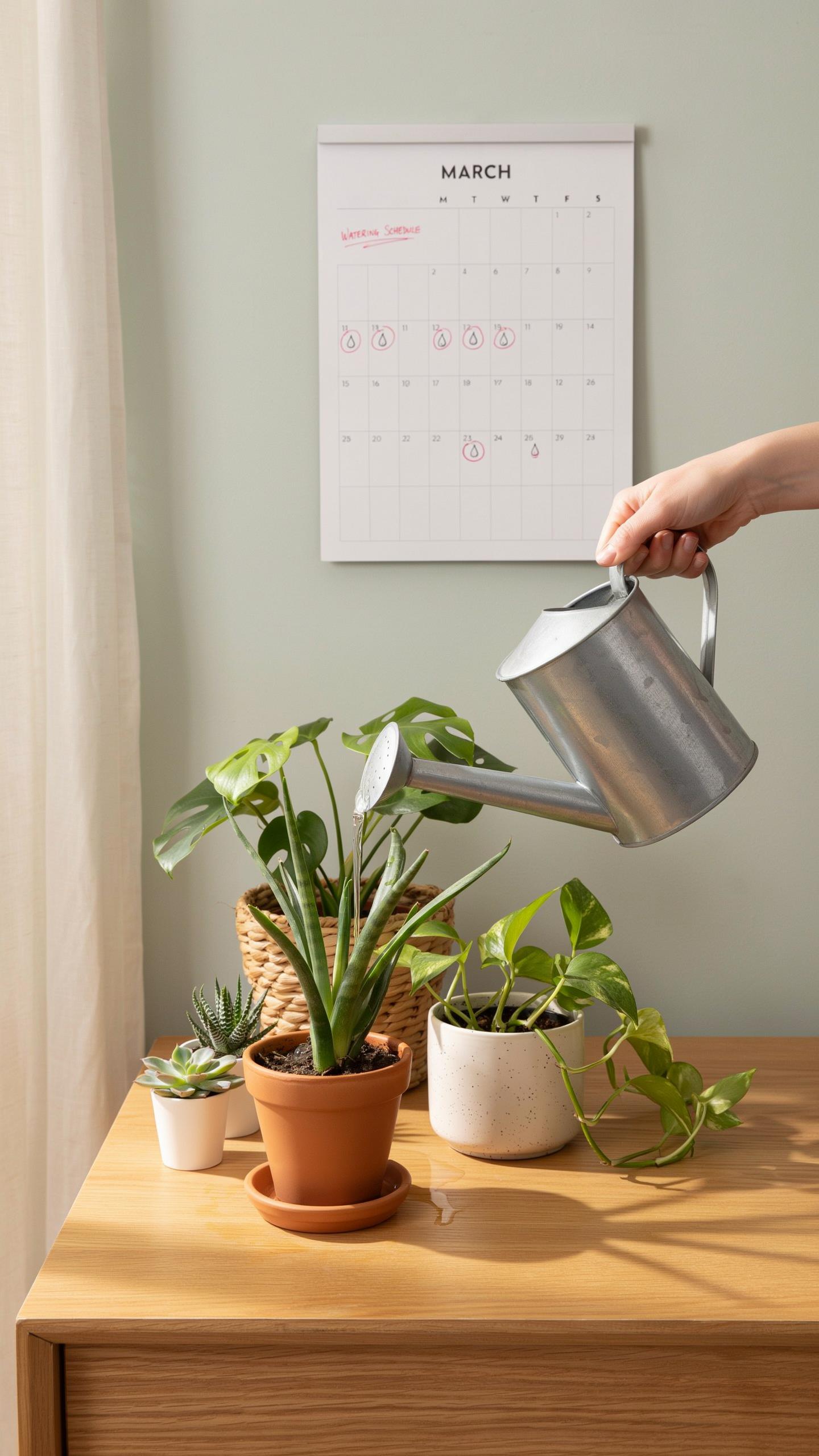
Cacti and succulents store water in their tissues, making frequent watering harmful rather than helpful. These plants evolved in arid climates where rainfall occurs sporadically. Overwatering causes root rot, the primary killer of these species. Water cacti and succulents every three to four weeks during growing season. In winter, extend this to six to eight weeks or stop watering entirely.
Check soil moisture before watering by inserting your finger two inches deep. If soil feels dry at that depth, water thoroughly until it drains from the pot bottom. If soil remains moist, wait another week. Use pots with drainage holes and well draining soil mix designed for succulents. This setup prevents water from sitting around roots.
Monitoring Semi Arid Species
Snake plants and ZZ plants tolerate neglect far better than typical houseplants. These species have rhizomes or tubers that hold water reserves. They adapt to irregular watering patterns without declining. Water snake plants every two to three weeks when soil dries completely. ZZ plants need water every three to four weeks depending on light and temperature conditions.
Lower temperatures and reduced light in winter mean less frequent watering for both species. Check the soil before each watering session. Let soil dry out between waterings rather than keeping it consistently moist. Both species show visible wilting before suffering permanent damage, giving you a safety window. This trait makes them reliable choices for busy plant owners or inconsistent waterers.
Establishing A Reliable Watering Schedule For Indoor Plants In High Drying Environments
Managing Humidity And Airflow
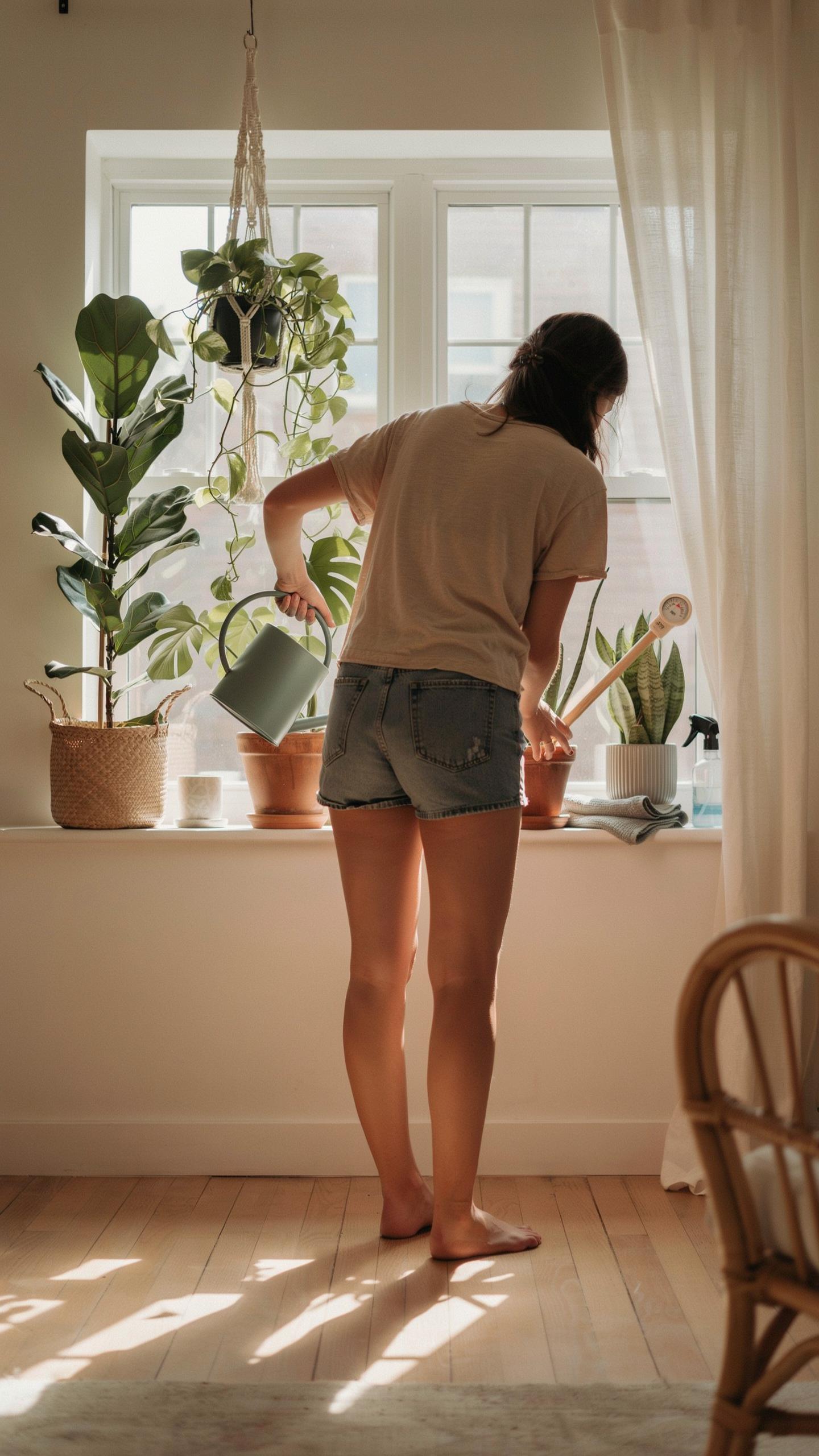
Heating systems and fans increase evaporation rates from soil and leaves. Tropical plants like Monstera and Philodendron require more frequent watering in these conditions. Check soil moisture every two to three days instead of weekly. Plants positioned near heat vents or in direct airflow dry out faster than those in stable microclimates.
Air circulation affects how quickly water leaves the growing medium. Fans that run continuously accelerate soil drying and reduce the time between waterings. Relocating plants away from direct airflow prevents rapid moisture loss. In winter months, when heating runs constantly, adjust your watering frequency upward. Monitor leaf wilting as a real-time indicator of water stress from environmental conditions.
Soil Substrates And Moisture Retention
Potting mix composition directly determines how long soil holds water between applications. Standard commercial mixes contain peat moss or coco coir as the base, which retains moisture well. Adding perlite increases drainage but reduces water-holding capacity. Your local humidity level should guide your substrate choice.

In dry climates, use mixes with higher peat moss ratios to extend moisture availability. In humid regions, add more perlite to prevent root rot from excess water retention. Amending soil with orchid bark or charcoal improves aeration while reducing compaction. Test your substrate by watering a sample pot and observing how quickly the surface dries. Adjust amendments based on actual drying times in your specific environment.
Modern Plant Care Schedule Trends To Optimize Your Weekly Routine
Smart Watering Tech
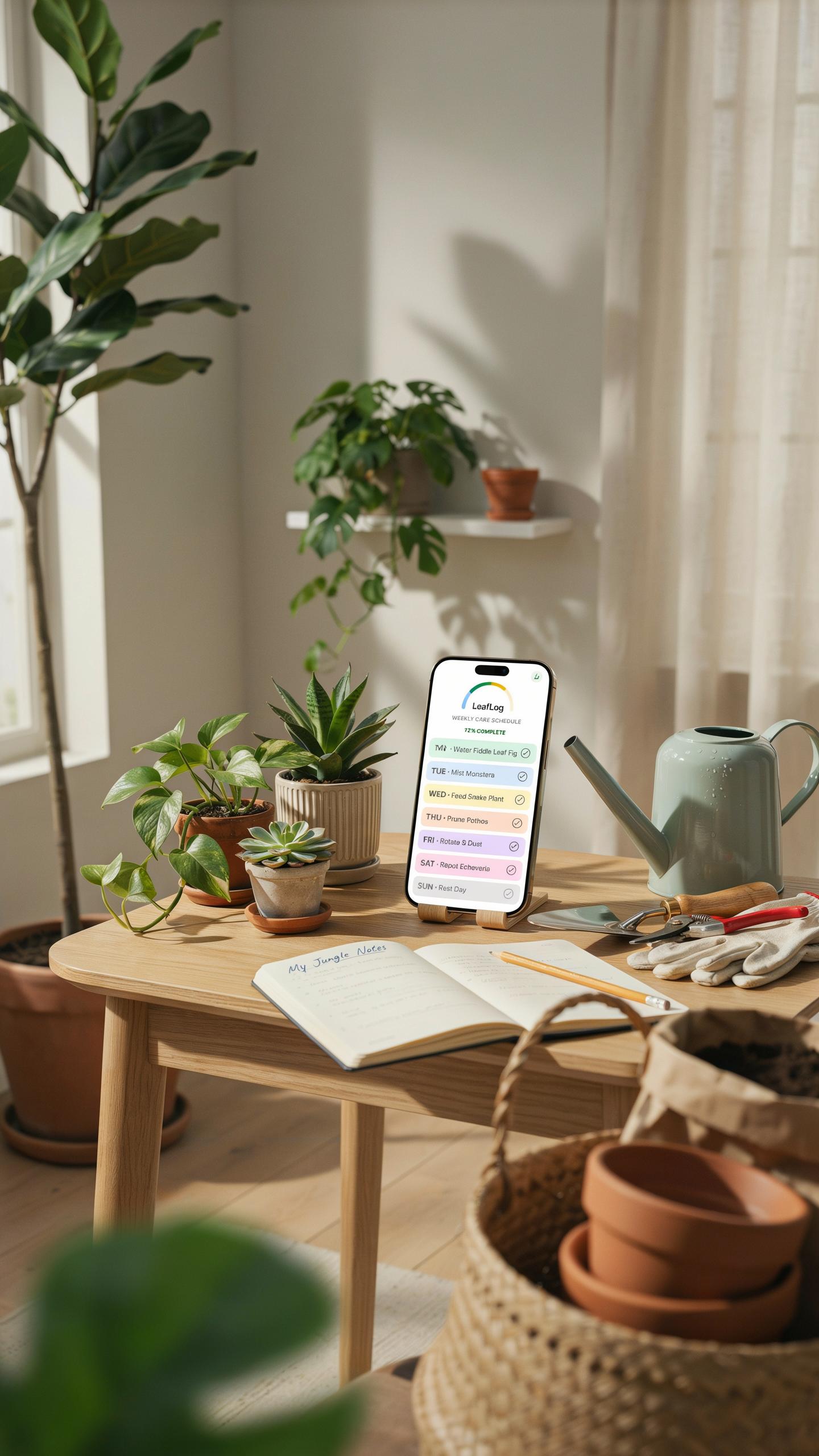
Soil moisture meters remove guesswork from watering decisions. These devices measure water content in soil directly, eliminating the finger-test method that causes overwatering. Digital meters provide readings you can track over time to identify your specific plant’s patterns. This data drives precision watering based on actual plant needs, not calendar dates.
Automated self-watering pots hold water in a reservoir that wicks to soil as it dries. These systems work through capillary action, delivering consistent moisture without daily monitoring. They function best for plants that prefer steady moisture levels, like pothos and peace lilies. Combining smart meters with self-watering containers reduces plant loss from inconsistent watering practices.
Seasonal Fertilization Integration
Spring growth demands more nutrients as plants increase photosynthesis and leaf production. Diluted liquid fertilizer mixed into watering water feeds plants during active growth without shocking roots. Apply fertilizer at half the recommended strength every two weeks during spring and summer months. This approach prevents nutrient burn while supporting the accelerated growth cycle that occurs when daylight extends.

Timing fertilizer application with watering prevents salt buildup in soil that stresses plant roots. Water-soluble fertilizers distribute evenly through the soil profile when applied during regular watering. Reduce fertilizer frequency in fall and eliminate it entirely during winter dormancy when growth slows. This seasonal adjustment aligns your feeding schedule with the plant’s natural growth cycles for better results.
Tailoring Your Plant Care Plan For Spring And Summer Growth Spurts
Handling Increased Sunlight
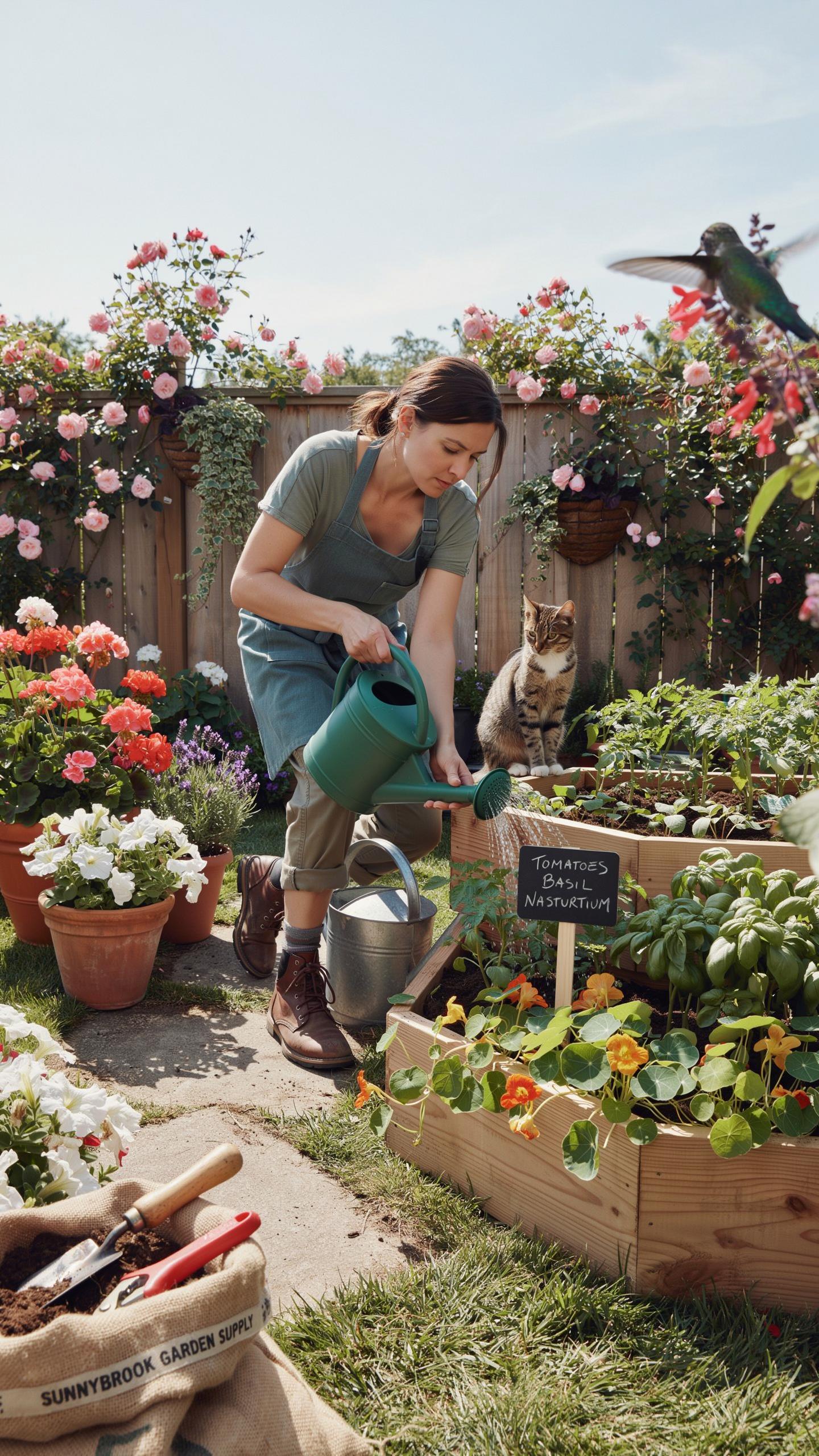
Spring and summer extend daylight hours and raise ambient temperatures. Your plants respond by accelerating growth and transpiration. Water evaporates faster from soil and through leaf surfaces. You need to water more frequently during these months, but not automatically more volume per watering. Check soil moisture every two to three days instead of weekly.
Increased light triggers metabolic activity in your plants. They consume water faster to support new leaf development and stem elongation. Your watering schedule must shift to match this demand. However, more frequent watering does not mean flooding the pot. Water when the top one to two inches of soil dry out completely.
Preventing Root Rot During Peak Season Transitions
Overwatering kills more houseplants than underwatering during seasonal shifts. Gardeners often increase water volume and frequency simultaneously, creating waterlogged conditions. Root rot begins in soggy soil where oxygen cannot reach root systems. Your plants suffocate even as you attempt to support their growth.

The transition into peak growing season requires restraint. Start by increasing watering frequency slightly before increasing volume. Monitor your specific plants daily for the first two weeks of the season. Adjust based on actual soil conditions, not assumptions. Most houseplants still need soil to dry partially between waterings, even during their most active growth phase.
Customizing A Holistic Plant Care Houseplant Routine For Diverse Microclimates
Room By Room Environmental Differences
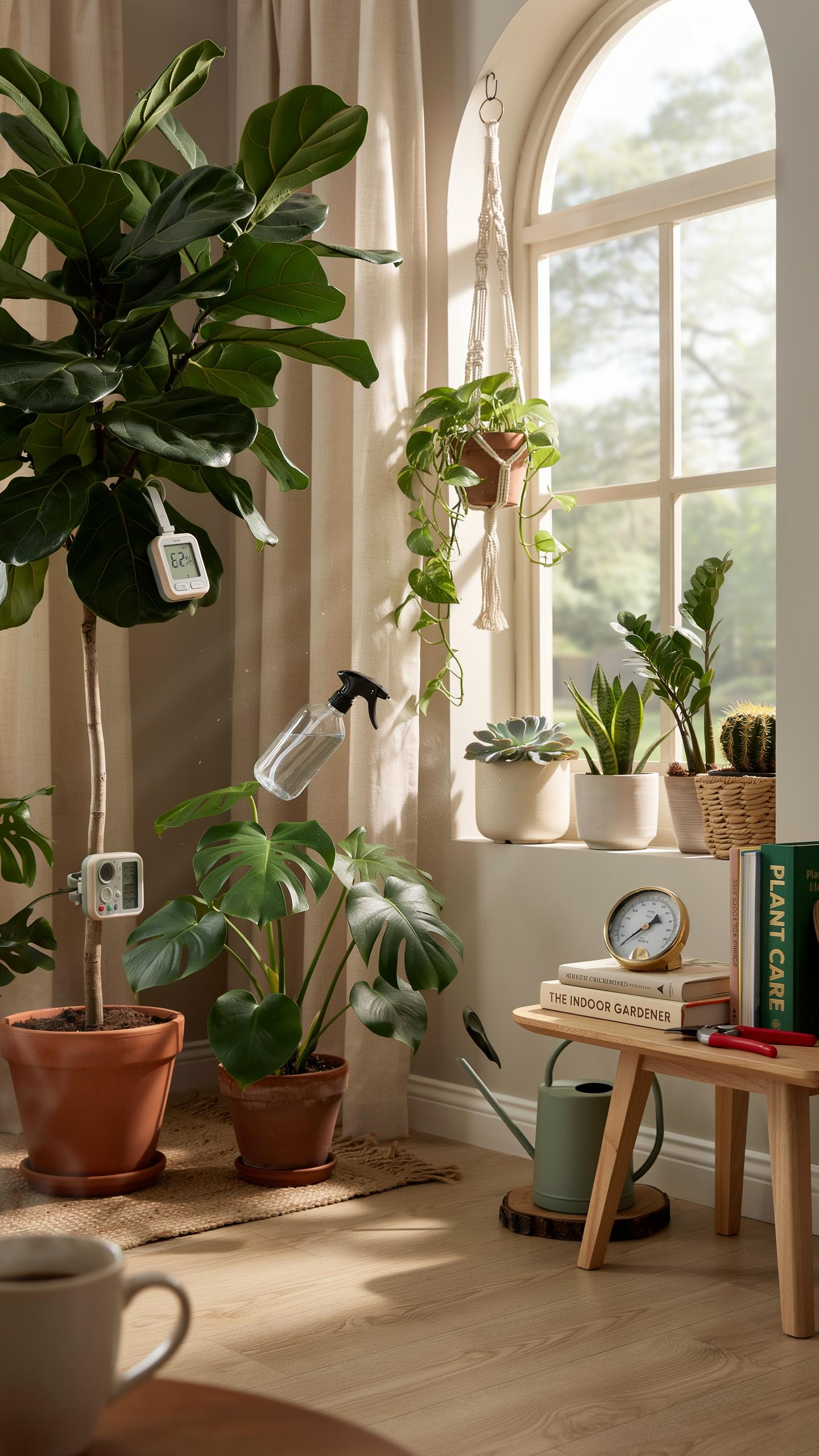
Bathrooms trap moisture. The steam from showers raises humidity to levels that reduce evaporation rates significantly. Plants in bathrooms need water less frequently than identical plants in living rooms. Living rooms typically have air circulation from doors, windows, and HVAC systems. This constant air movement dries soil faster. A pothos in a bathroom may need water every ten to fourteen days, while the same plant in a living room requires water every seven to ten days.
Direct sunlight exposure changes the equation further. A south-facing living room window creates heat that accelerates soil drying. A north-facing bathroom with no direct sun keeps soil moist longer. Kitchen environments fall between these extremes due to inconsistent humidity from cooking. The water cycle you establish must account for the specific room’s temperature, air movement, and light exposure. Ignoring these factors leads to overwatering or underwatering, regardless of how carefully you follow a generic schedule.
Steps To Assess Microclimates
Start with soil moisture testing. Stick your finger one to two inches into the soil. Wet soil means delayed watering. Dry soil means immediate watering is necessary. This physical check works in any room and reveals the actual moisture level faster than guessing. Repeat this test in the same pot at the same time each day for one week to establish your room’s drying pattern.
- Measure humidity levels: Use an inexpensive humidity meter to track moisture in the air. Bathrooms typically read 60 to 80 percent humidity while living rooms average 30 to 50 percent. Higher humidity slows soil drying.
- Document light hours: Count direct sunlight hours in each room during different times of day. Rooms with six or more hours of direct sun dry soil faster than rooms with two hours or less.
- Check air circulation: Feel for drafts near windows, doors, and vents. Strong air movement accelerates evaporation. Position your hand near plants to sense airflow patterns that affect watering frequency.
- Record temperature variations: Note if rooms feel warm or cool throughout the day. Warmer rooms increase evaporation rates. Basements and interior rooms stay cooler and retain soil moisture longer than sunny spaces.
- Track seasonal changes: Watering needs shift with seasons. Winter reduces evaporation in most homes. Summer increases it. Reassess your microclimates every three months as conditions change.
Once you gather this data, adjust your watering schedule by room rather than applying one formula to your entire collection. A plant in a humid bathroom with low light needs fundamentally different watering than the same species near a sunny window in a dry bedroom. Tailor frequency to what each microclimate demands, not what general care guides suggest.
Troubleshooting Common Mistakes In Your Houseplant Care Watering Schedule
Diagnosing Overwatered And Underwatered Foliage
Overwatered plants show yellow leaves that feel soft and mushy. The yellowing starts from lower leaves and spreads upward. Soil stays wet for days after watering. Roots rot when trapped in standing water, blocking nutrient uptake. Fungus gnats appear as a secondary sign of excess moisture.
Underwatered plants display crispy leaf tips and edges that turn brown. Leaves curl inward and drop prematurely. Soil pulls away from pot edges and becomes hard and compacted. The plant wilts even though soil appears dry. Underwatering stresses the plant faster than most people realize, causing permanent leaf damage within days.
Rehab Strategies For Stressed Plants
Stop watering immediately if you suspect overwatering. Remove the plant from its pot and inspect roots for black, mushy tissue. Trim dead roots with clean scissors. Repot into fresh, dry soil. Let the plant dry out completely between waterings going forward. This process halts root rot progression.
For underwatered plants, water slowly and thoroughly until water drains from the bottom. Do not flood the pot suddenly as dry soil repels water initially. Water again when the top inch of soil feels dry. Increase humidity around the plant by misting leaves or grouping plants together. Recovery takes two to three weeks as new growth emerges.
Frequently Asked Questions

How do I know if my new houseplants need water as the seasons change?
Understanding your houseplant care watering schedule starts with the “finger test.” As we transition into a new season, light levels and humidity shift, affecting how quickly soil dries out. Simply insert your finger two inches into the soil; if it feels dry, it is time to hydrate. Monitoring these subtle environmental changes ensures you don’t accidentally overwater your greenery when the plant’s growth rate naturally begins to slow down.
What is the best way to establish a consistent watering routine for a large collection?
To master a professional houseplant care watering schedule, group your plants by their specific moisture needs. Place cacti and succulents together to remind you of their infrequent requirements, while keeping tropical ferns in another zone. Using a digital calendar or a moisture meter can help you stay organized. This systematic approach prevents moisture stress and ensures every plant receives the exact amount of hydration it needs to thrive during the peak growing season.
Can I maintain a healthy watering routine without buying expensive self-watering gadgets?
Absolutely! You don’t need high-end tech to keep your plants healthy. Affordable alternatives like upcycled wine bottles or DIY terra cotta spikes work wonders for slow-release hydration. Even basic household items, like an old kitchen measuring cup, allow for precision. By paying close attention to your plants’ leaves and using recycled materials, you can implement a highly effective care plan that is both budget-friendly and perfectly tailored to your home environment.