
Establishing An Effortless Tiny Home Living Daily Routines Framework
Simplifying Your Morning Tasks
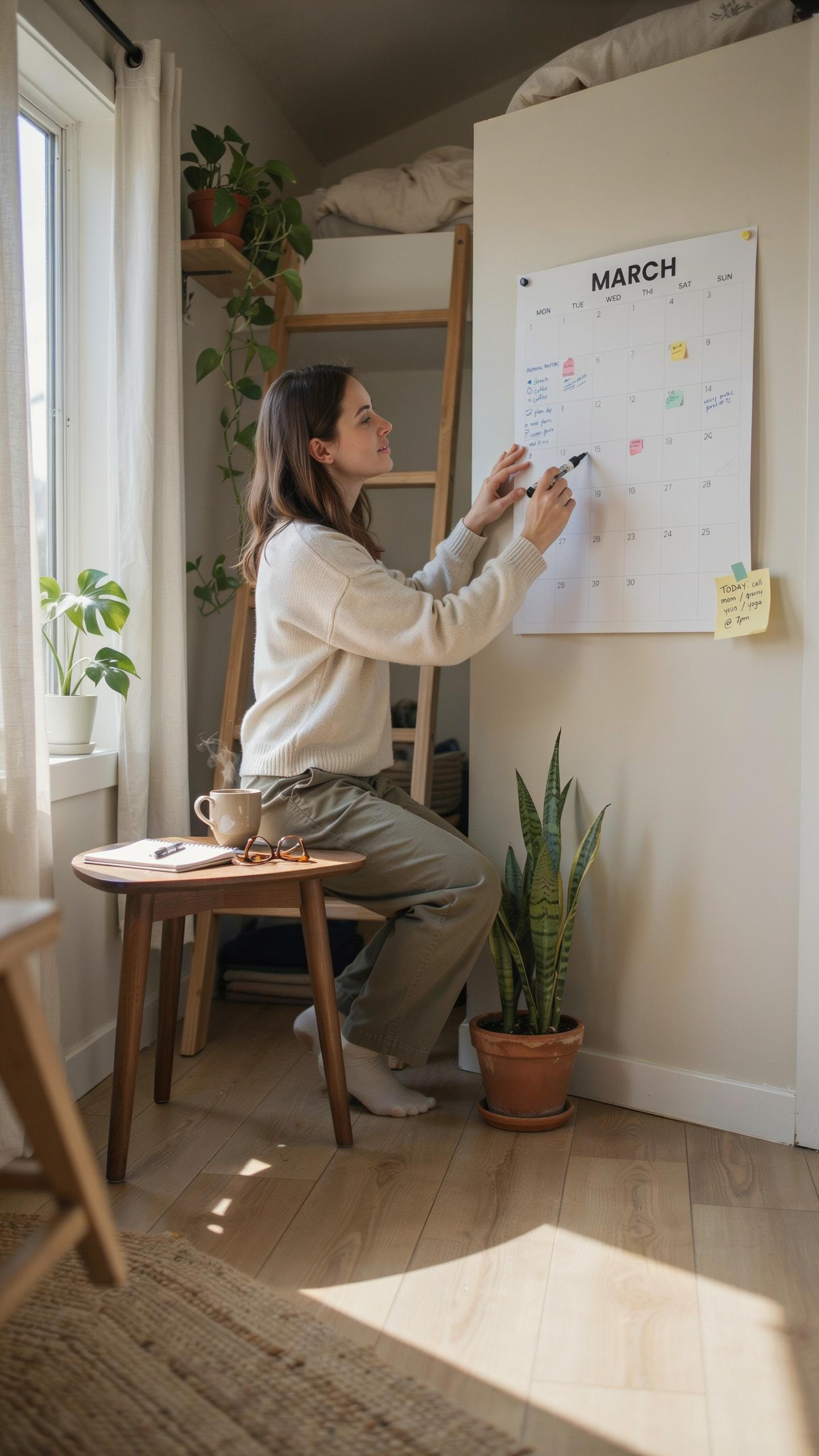
Start your day by identifying which furniture requires folding or repositioning. Murphy beds, wall-mounted desks, and expandable tables demand two to five minutes of adjustment each morning. Complete this task first to open your floor space and eliminate visual clutter that triggers mental fatigue.
Sweep high-traffic pathways immediately after furniture repositioning. This removes dust, debris, and obstacles that accumulate overnight. A clear floor pathway takes five to ten minutes and directly improves how spacious your home feels. This action resets your mental state before tackling other daily activities.
Maximizing Limited Space Daily
Assign each active item a specific storage location based on use frequency. Items used daily belong within arm’s reach. Weekly items go in secondary storage. Rarely used items move to overhead or under-bed compartments. This system prevents items from landing on counters or floors where they consume visual space.
Return objects to their designated zones immediately after use. This thirty-second habit prevents accumulation that forces daily reorganization. Tiny homes demand discipline because clutter compounds visually in confined areas. Establishing this returning routine takes two weeks to become automatic and eliminates decision fatigue about where things belong.

Essential Daily Habits For Small Space Maintenance

The One In One Out Rule
The one-in, one-out rule creates a hard boundary on possession accumulation. When you bring a new item into your tiny home, you immediately remove something of similar size. This prevents the slow creep of clutter that degrades both function and aesthetics in compact living spaces. The rule forces intentional purchasing decisions because you confront the real cost of acquisition upfront.
Implementation requires discipline but delivers measurable results. You maintain consistent square footage allocation for possessions without constant reorganization or storage struggles. This approach stops the cycle where tiny homes become cramped storage units instead of livable environments. The rule works because it addresses the root problem: volume control, not just better organization tactics.
Quick Five Minute Reset Drills
Reset drills are focused cleaning sessions at specific transition points in your day. Execute them after breakfast, before work, at lunch, after work, and before bed. Each drill targets horizontal surfaces where clutter accumulates fastest. You clear countertops, tables, and shelves in under five minutes. This prevents visual chaos from building momentum in limited square footage.

These drills maintain the baseline state of your space without requiring large time blocks. You stop problems before they compound across multiple surfaces. The consistency matters more than the intensity. Five minutes repeated multiple times daily outperforms one aggressive cleaning session weekly in tiny homes. This rhythm keeps your space functional and presentable throughout each day.
Developing A Consistent Homemaking Schedule Daily Routines Plan

Morning Freshness Rituals
Making your bed takes three minutes and immediately removes visual chaos from your largest furniture piece. Opening windows for ten minutes creates air circulation that removes overnight staleness. These actions set a functional baseline before you leave the space. Wiping down bathroom and kitchen fixtures takes five minutes and prevents water spots and mold growth in high-moisture areas. Small spaces amplify the impact of visible dirt, so these targeted cleanings maintain the appearance of control.
Consistency matters more than perfection in tiny homes. You build momentum when you repeat the same sequence daily. Your brain stops treating these tasks as decisions and starts treating them as automatic patterns. This frees mental energy for actual work and personal priorities instead of decision fatigue about cleaning.
Evening Wind Down Habits
Clear kitchen counters completely before bed. Dirty dishes left overnight attract pests and create morning friction when you need space to prepare breakfast. Washing dishes immediately after eating eliminates this problem and reduces the time spent managing your kitchen. Counter space in tiny homes is scarce, so claiming it back before sleep creates a psychological reset.

Tucking away loose items takes ten minutes and transforms your space visually. Stacks of papers, clothing, or personal items create visual noise that triggers mental fatigue. Your brain processes clutter as unfinished work. Putting these items in designated storage boxes or closets removes this cognitive load and prepares your mind for quality sleep. You wake to a clear environment ready for execution.
Structuring A Daily Homemaker Schedule For Efficiency
Time Blocking Tiny House Tasks
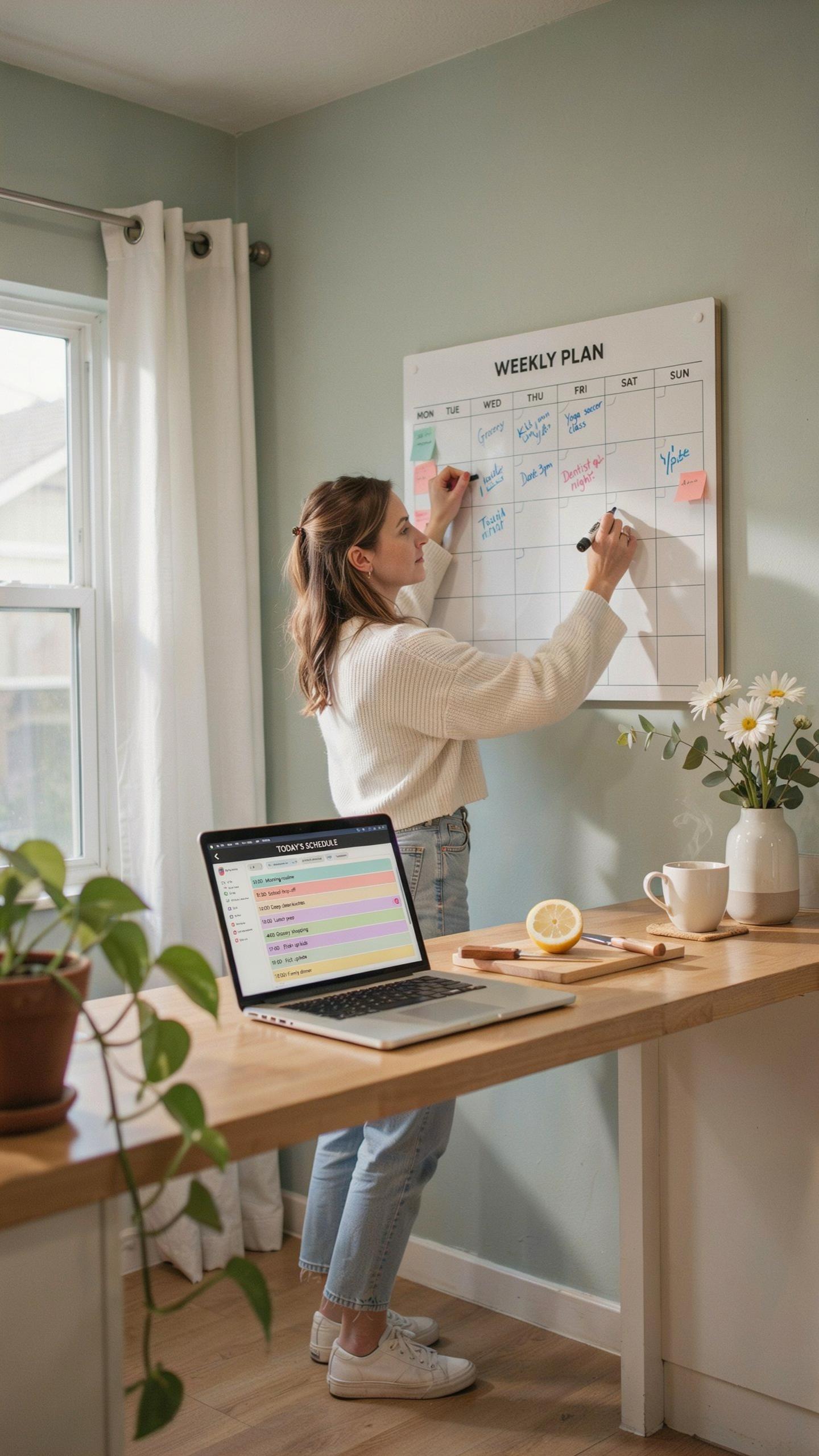
Time-blocking divides your day into dedicated windows for specific chores. In a tiny home, this method prevents task overlap and reduces decision fatigue. Group similar activities together: dust surfaces and water plants in one session, then handle laundry in another. Short, focused blocks work better than scattered tasks throughout the day because they build momentum and maintain mental clarity in confined spaces.
Energy levels dictate when you tackle demanding work. Schedule physical tasks like organizing storage or deep cleaning during your peak energy hours. Reserve low-energy windows for lighter work like filing papers or tidying common areas. This approach maximizes productivity without burning you out, which matters in tiny homes where your living and working spaces overlap constantly.
Balancing Cooking And Cleaning Flows
Tiny kitchens force you to clean as you cook, not after. Wash utensils and put away ingredients between cooking steps rather than letting them pile up. This prevents counter clutter from stopping your workflow and keeps the kitchen functional while you prepare meals. Counter space is your most precious resource, so treat every square inch as temporary workspace only.

Establish a rhythm: prep ingredient, use it, clean the tool, return the ingredient. Run hot water while something simmers so dirty pans soak. Wipe down surfaces before moving to the next recipe step. This continuous flow prevents the kitchen from becoming unusable and eliminates the overwhelming cleanup task that follows meals in cramped spaces.
Creating A Weekly And Daily Homemaking Schedule Template
Prioritizing Daily High Impact Zones
Your tiny home’s perceived cleanliness hinges on three zones: the entryway, kitchen sink, and bathroom vanity. These areas get the most traffic and visual attention. Neglecting them tanks your entire aesthetic in minutes. Dedicate fifteen minutes daily to each zone. Wipe surfaces, clear clutter, and address spills immediately. This prevents messes from compounding and consuming your entire schedule.
Daily maintenance in high-impact zones eliminates the need for weekend rescue operations. A clean entryway sets expectations for the rest of your space. A clear kitchen sink creates psychological order throughout your home. A tidy bathroom vanity signals control and intentionality. These three zones require consistency, not intensity. The return on your time investment far exceeds deeper cleaning efforts.
Integrating Deeper Weekly Chores
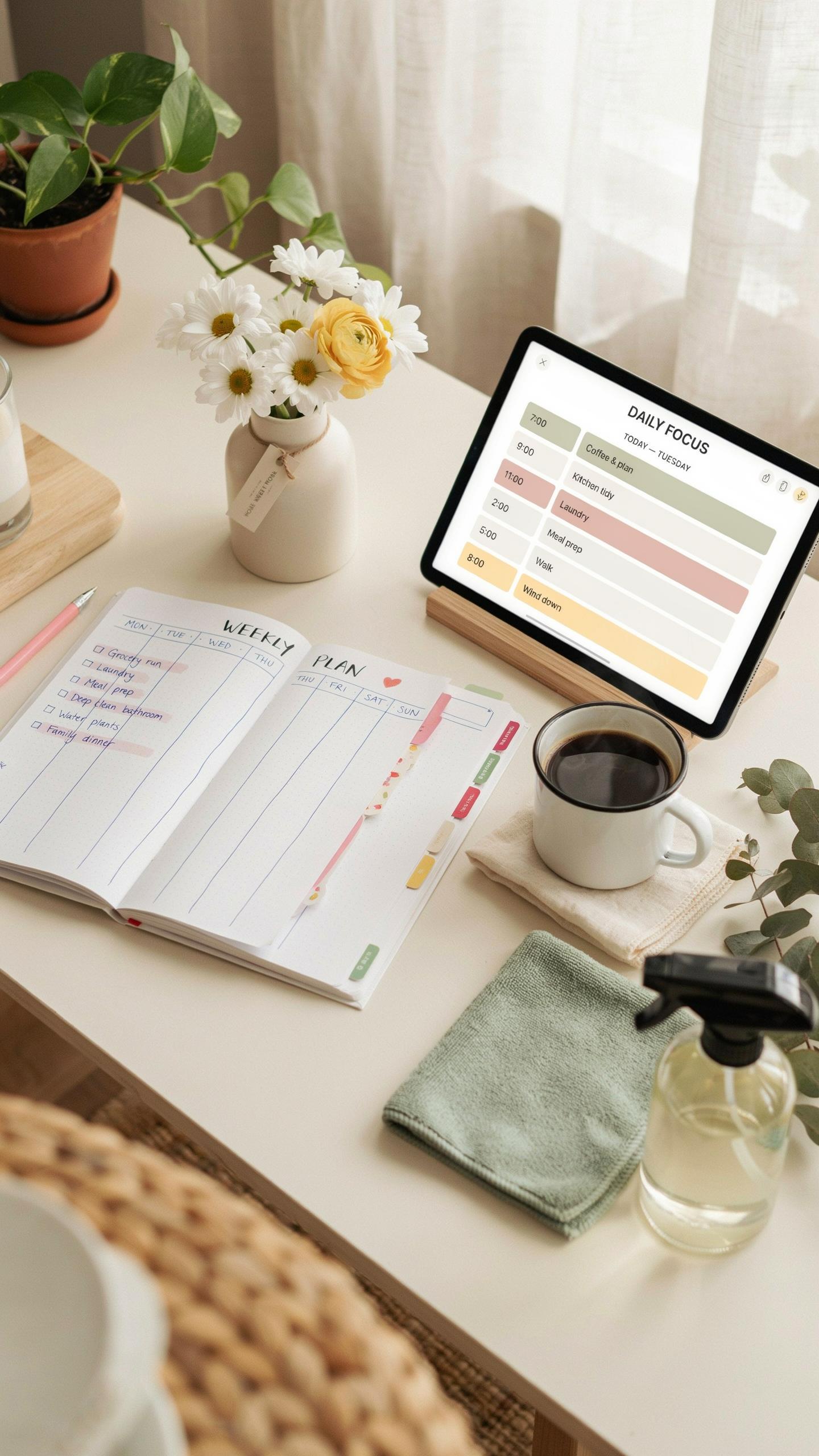
Distribute heavy cleaning tasks across the week instead of cramming everything into one brutal day. Assign floor deep cleaning to Monday, appliance shifting to Wednesday, and carpet or rug work to Friday. This rhythm prevents fatigue and maintains momentum. Your home stays consistently clean without overwhelming yourself with a marathon cleaning session.

Weekly task distribution protects your mental bandwidth and physical energy. Spreading work across days lets you recover between efforts. You maintain the polished appearance your tiny home requires without sacrificing personal time or rest. This approach turns cleaning into a manageable routine rather than a dreaded obligation that disrupts your entire weekend.
Practical Daily Homemaking Routine Steps For Tiny Kitchens

Maintaining Sparkly Counters And Sinks
Tiny kitchens demand immediate action on spills and debris. Counters with clutter create visual chaos in confined spaces. A daily counter routine takes fifteen minutes and prevents buildup. You wipe surfaces twice daily to catch water marks before they dry. This habit keeps your kitchen functional and extends counter material lifespan.
- Wipe the stovetop after cooking: Remove grease and food particles immediately. Heat makes cleaning harder later, and residue attracts insects in compact kitchens.
- Spray non-toxic solution on water spots: Hard water deposits accumulate fast on metal sinks. Address spots daily to prevent mineral buildup that requires aggressive scrubbing.
- Empty the drain trap: Food particles lodge in sink strainers and create odors. Daily removal prevents drain clogs and keeps airflow fresh in tight quarters.
- Hand-dry washed cookware: Air drying in tiny kitchens limits counter and drying rack space. Immediate drying lets you store items and keeps surfaces clear for prep work.
- Put away clean dishes immediately: Stacked dishes occupy valuable counter real estate you cannot spare. Storage takes seconds and maintains your polished appearance throughout the day.
Each task reinforces the next. You complete your full routine in one session rather than scattered attempts. Consistency prevents the grimy buildup that makes small spaces feel cramped and neglected.
The secret of happiness is not in seeking more, but in developing the capacity to enjoy less. A small home well-tended brings a peace that clutter can never provide.
Micro Trash Management Practices
Small spaces amplify odor problems because air circulation is limited. Decomposing food in trash and compost bins creates smells that permeate everything quickly. Evening bin emptying removes the source before overnight fermentation accelerates odor production. This single habit transforms how your tiny home feels to occupants and guests.

Heat intensifies decomposition rates in compact kitchens with limited ventilation. Your trash and compost generate methane and bacterial growth overnight if left untended. Emptying bins every evening prevents this biological process from taking hold. You maintain a clean-smelling environment that reflects the care you invest in your space.
Designing An Adaptive Home Making Routine For Shared Spaces
Shared Chore Responsibilities
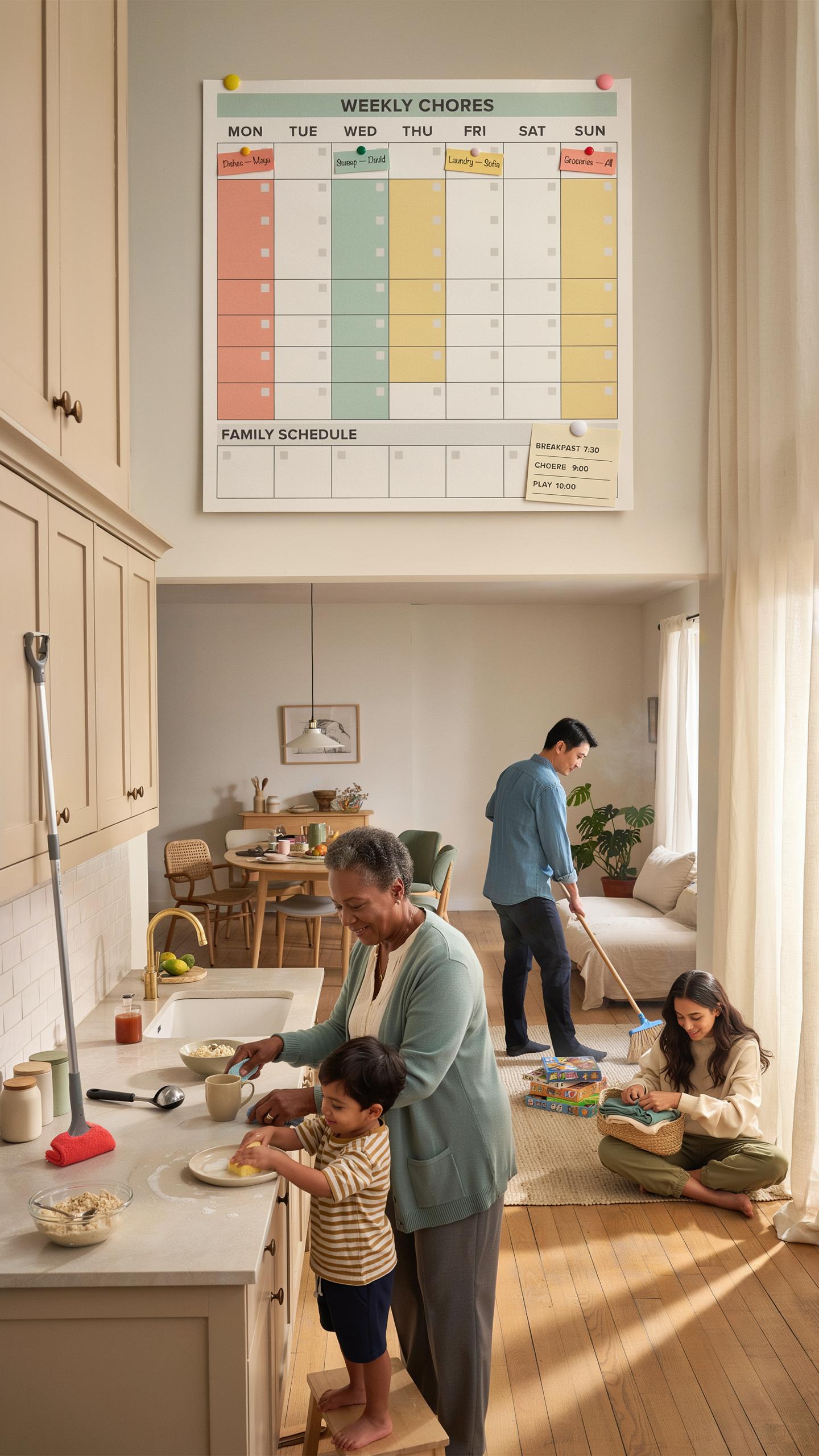
Living in a tiny home with others demands explicit agreements on chores. Assign specific tasks to specific people rather than assuming shared responsibility. Write down who handles what and rotate duties monthly to prevent resentment. Clear boundaries eliminate conflicts that fester in confined spaces where you cannot escape tension.
Document your chore schedule visibly. Post it on the refrigerator or a shared digital platform. Specificity matters: instead of “keep kitchen clean,” assign “wipe counters after dinner” to one person. This removes ambiguity and holds people accountable. Revisit the system quarterly to adjust based on what works and what does not.
Minimizing Visual Noise Together
Visual clutter compounds stress in tight quarters. You and your housemates must agree on storage standards before items accumulate. Select cabinet doors and closed storage for tools, supplies, and personal items. Keep countertops and shelves bare except for essentials. This creates mental space despite physical limitations.

Establish organizational rules as a household unit. Decide which items stay visible and which get hidden. Implement a “one in, one out” policy to prevent buildup. Everyone follows the same system so the home feels controlled and intentional, not chaotic.
Homemaker Routine Strategies For Wardrobes And Laundry

Daily Wardrobe Streamlining
Hang garments immediately after wearing them. This prevents wrinkles, reduces floor clutter, and keeps your closet inventory visible. You know what you own when everything hangs in front of you. Conduct seasonal edits quarterly to remove items you haven’t worn. This maintains accurate inventory and frees physical space for rotation.
Slim hangers reduce closet width requirements by half compared to standard plastic hangers. Vertical hanging techniques maximize shelf height by using cascading hooks or tiered hangers. These methods transform unusable dead space into functional storage. Stack folded items on shelves with the front edge facing outward so you see everything without digging.
Efficient Micro Laundry Methods
Daily small loads prevent laundry pile-up and reduce the mental burden of managing one massive wash day. Processing a single basket daily takes thirty minutes versus four hours on laundry day. This frequency keeps your clean clothes in rotation and prevents overflow situations in compact spaces.
- Process small baskets daily: Wash one basket per day instead of waiting for a full load. This prevents overflow and keeps laundry manageable in tight quarters.
- Wash delicate items by hand: Hand washing takes fifteen minutes and preserves garment integrity. This eliminates the need for delicate cycles that consume water and energy.
- Use collapsible drying racks: These racks fold flat when not in use, storing against walls or in closets. They air dry clothes without machine heat and occupy minimal floor space.
- Fold clothes instantly: Fold garments while warm from the dryer to eliminate wrinkles and clutter. Hot fabric folds easier and requires no ironing afterward.
- Designate a small laundry basket: Keep one three-gallon basket for dirty clothes only. This container size forces you to wash daily rather than accumulate items.

Folding immediately after drying prevents wrinkles and reduces the temptation to leave clean laundry sitting on surfaces. Store folded items directly in drawers or hang them to eliminate extra steps. This workflow keeps your living space clear and your daily routine efficient.
Integrating Smart Homemaking Routine Ideas Into Your Lifestyle

Embracing Digital Minimalism
Paper clutter destroys tiny home functionality. Switch to paperless billing immediately to eliminate monthly statements piling on surfaces. Organize digital receipts in cloud folders by category and date. Scan physical documents the moment they arrive, then discard originals. This system prevents papers from consuming limited workspace and keeps your tax records accessible.
Digital tools work only when you maintain them consistently. Check your email inbox weekly and delete unnecessary messages. Archive important documents into labeled folders. Set calendar reminders for bill payments and document expirations. Without maintenance, digital systems fail as quickly as paper ones, leaving you with disorganization across multiple platforms instead of one physical pile.
Sustaining Your Polished Space
Your routines must evolve as your life changes. Reassess your homemaking systems every three to six months. Notice which tasks feel effortless and which create friction. Adjust storage locations, cleaning schedules, and organizational methods based on what you actually do, not what you planned to do. Tiny homes require responsive systems that match reality.
Stress signals that your routine needs revision. If you feel frustrated organizing a specific area, your current system fails you. Experiment with different approaches without guilt about previous methods. Track changes for two weeks to confirm improvements stick. Your polished space survives long term only when your routines remain practical and stress free.
Frequently Asked Questions

How can someone new to downsizing maintain a clean aesthetic in such a small space?
Transitioning to a smaller footprint requires a mindset shift toward intentionality. The secret to success lies in establishing tiny home living daily routines that prioritize immediate action. By adopting a “one-in, one-out” rule and clearing surfaces every morning, beginners can prevent visual clutter from becoming overwhelming. Consistency is more important than deep cleaning, as small, frequent efforts ensure your compact sanctuary always feels open, airy, and curated rather than cramped.
What morning routine works best for keeping a tiny home organized all day?
A short, consistent sequence works better than an elaborate routine in a small space. Making the bed immediately, clearing dishes from the night before, and wiping down counters takes only a few minutes but prevents clutter from compounding throughout the day. Building these tiny home living daily routines around fixed times, rather than doing them whenever you get around to it, makes them stick as habits rather than chores.
How do I handle laundry and chores efficiently in a tiny home?
Doing smaller, more frequent loads rather than waiting for a full hamper keeps laundry from piling up and taking over limited floor space. A fold-down or stackable washer-dryer combo is worth the investment if your layout allows it. For general chores, a little-and-often approach, tackling one zone each day rather than a full deep clean once a week, keeps the space consistently tidy without ever feeling like a major undertaking.