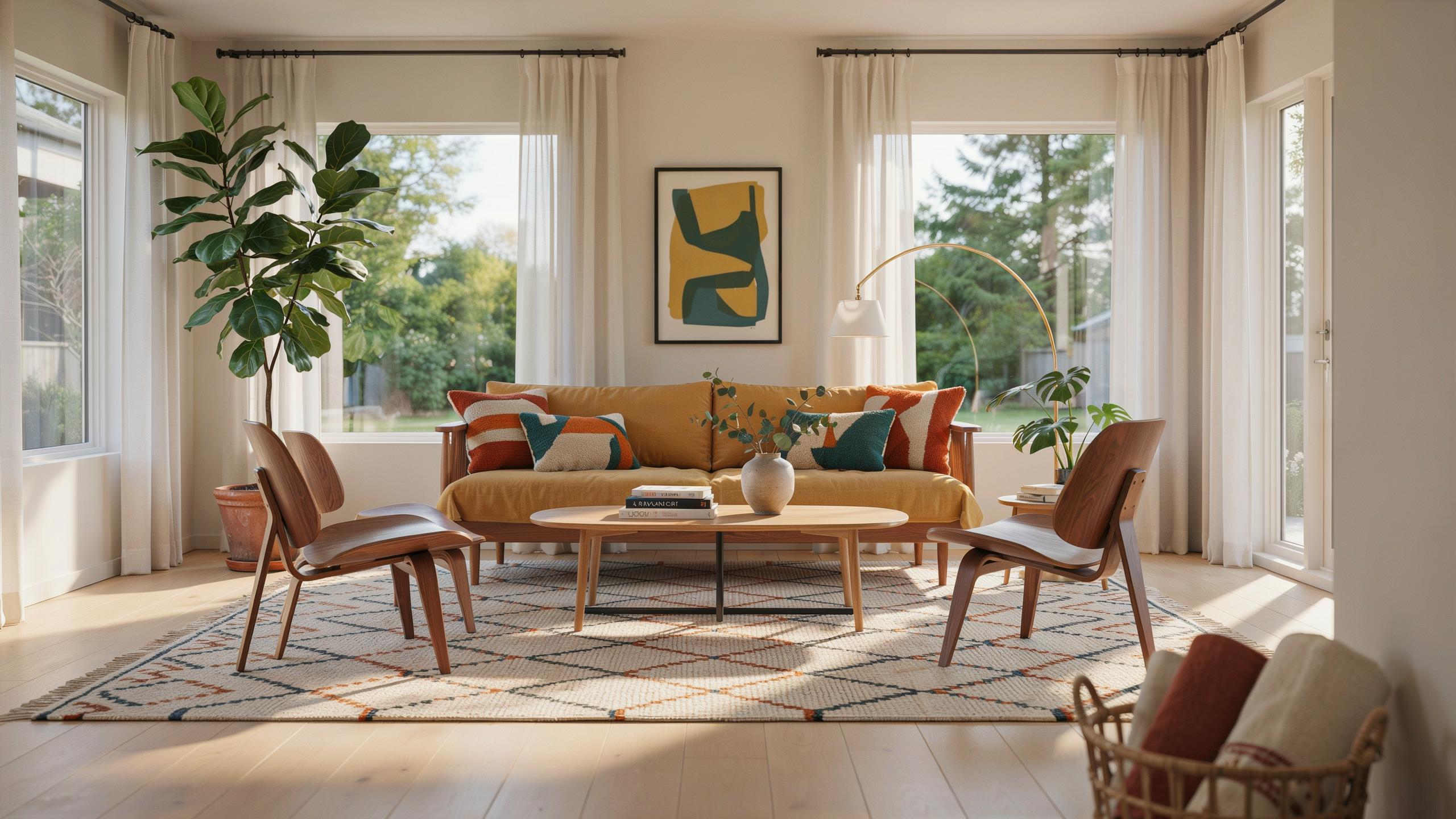
Defining The Iconic Mid Century Modern Furniture Legacy
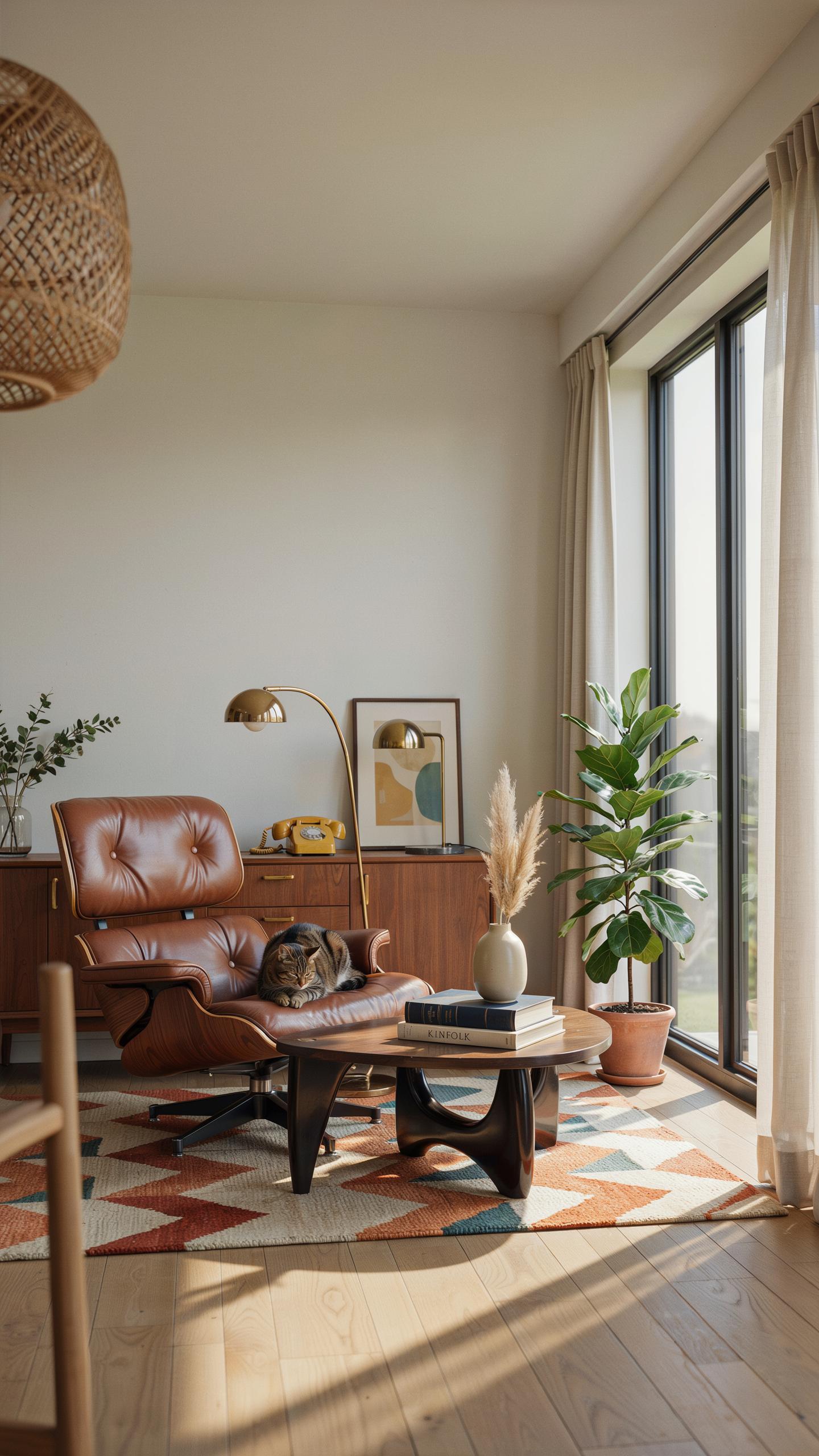
Design Philosophy And Materials
Mid-century design emerged from a core principle: form follows function. Designers rejected ornament in favor of clean lines and purposeful shapes. This philosophy came directly from the post-World War II era when manufacturers needed efficient production methods and consumers wanted affordable, practical furniture for modern living.
Materials drove innovation during this period. Molded plywood, fiberglass, and teak wood became the tools of the trade. These materials offered structural integrity, ease of manufacturing, and visual warmth. Designers exploited each material’s properties to create pieces that looked contemporary while performing reliably in everyday homes.
Eminence Of Mid Century Designers
Charles and Ray Eames pioneered molded plywood techniques and created iconic lounge chairs that became industry standards. Their work bridged architecture and furniture design, proving that mass production could deliver aesthetic and functional excellence simultaneously. Their influence shaped how manufacturers approached both design and manufacturing for decades.
Florence Knoll and Eero Saarinen contributed architectural rigor to residential furniture. Knoll developed modular systems that adapted to different spaces. Saarinen designed the Tulip chair and table series, which eliminated traditional legs in favor of unified pedestals. These designers demonstrated that furniture could solve spatial problems while maintaining visual coherence and ease of use.

The Revival Of Vintage Mid Century Modern Furniture Collection Curations
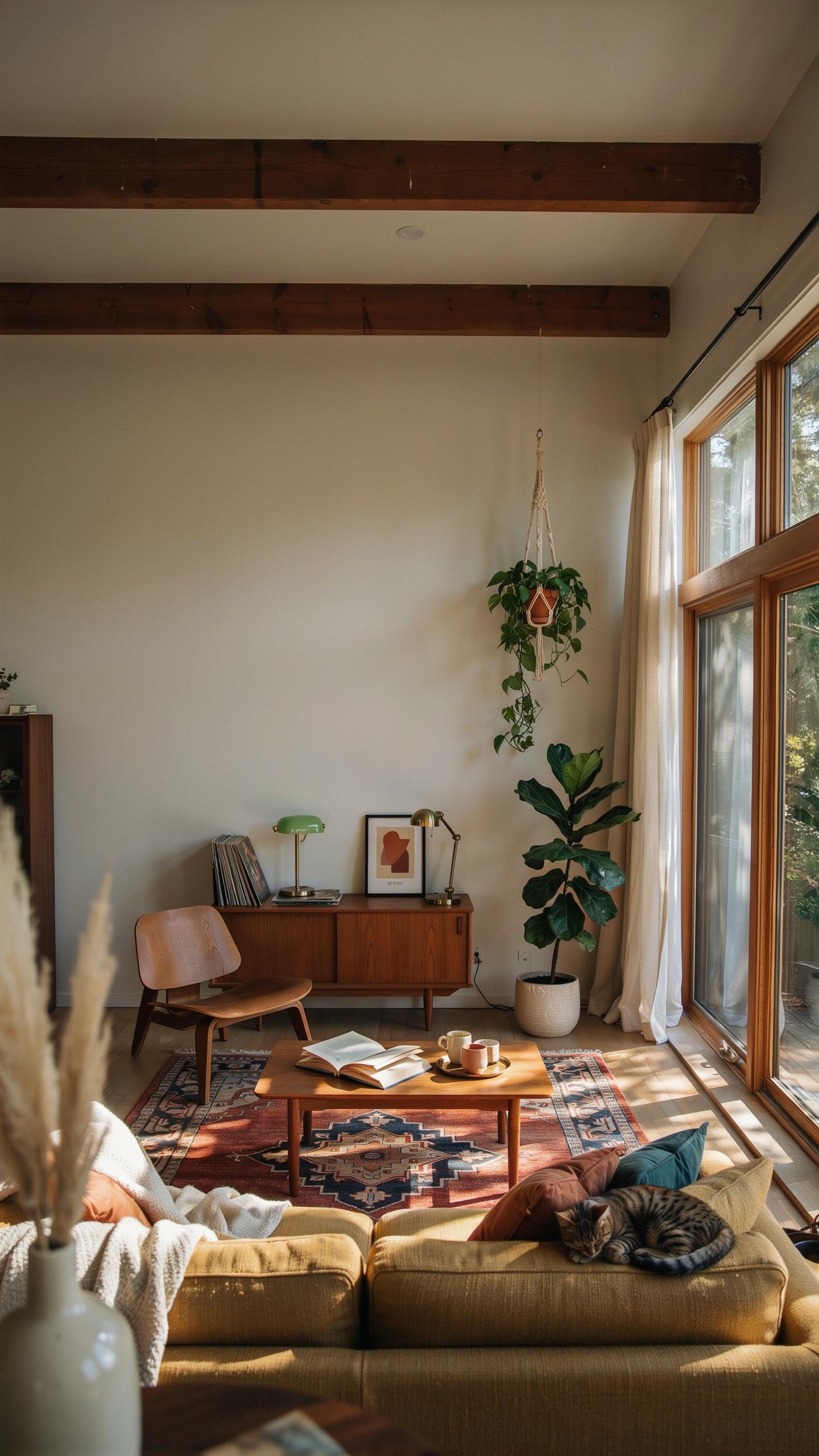
Sourcing Authentic Vintage Pieces
Authenticate vintage mid-century modern furniture by checking for maker’s marks, labels, and manufacturer stamps on the underside or back of pieces. Original finishes show wear patterns consistent with age. Construction methods matter. Hand-jointed wood, dowel construction, and period-appropriate hardware indicate genuine pieces. Replicas use modern fasteners, veneers, and assembly techniques that differ from original manufacturing.
Compare suspected pieces against documented examples from manufacturers like Herman Miller, Knoll, and Drexel. Study construction quality. Authentic mid-century pieces feature solid wood frames, properly fitted joints, and original upholstery details. Modern reproductions cut corners with particle board, staples instead of tacks, and rushed joinery. Buy from dealers with provenance documentation and return policies.
Essential Collectible Furniture Categories
Mid-century modern collectors prioritize specific furniture types based on design significance, rarity, and market demand. These categories represent the movement’s core principles and command consistent value at auctions and estate sales. Focus your search on these established collectible types to build a cohesive collection.
- Credenzas And Sideboards With Integrated Wooden Pulls: Low-profile storage pieces with sliding doors and tapered legs. Wooden handles replace metal hardware. Designers like Florence Knoll and Charles and Ray Eames pioneered this form for office and residential use.
- Molded Plywood Lounge Chairs And Ottomans: Charles and Ray Eames developed molded plywood technology during World War II. These curved, one-piece seats combine function with sculptural form. Early versions used walnut or ash veneer over plywood shells.
- Danish Teak Dining Tables With Leaf Extensions: Scandinavian designers favored teak for its durability and grain patterns. Extending tables feature mechanical leaf systems and tapered legs. Makers like Niels Moller and Arne Vodder established this category’s standard.
- Sculptural Walnut Coffee Tables Featuring Glass Inserts: Free-form wooden bases with rectangular or kidney-shaped glass tops. Walnut grain becomes the visual focal point. These tables demonstrate the period’s balance between organic forms and functional modernism.
Collectors pursue these categories because they represent peak mid-century design innovation. Prices remain stable for authenticated pieces. Supply is finite as production ended decades ago. Start with one category to develop expertise before expanding your collection.
Selecting The Perfect Midcentury Modern Chair For Your Living Space
The Structural Appeal Of Iconic Seating
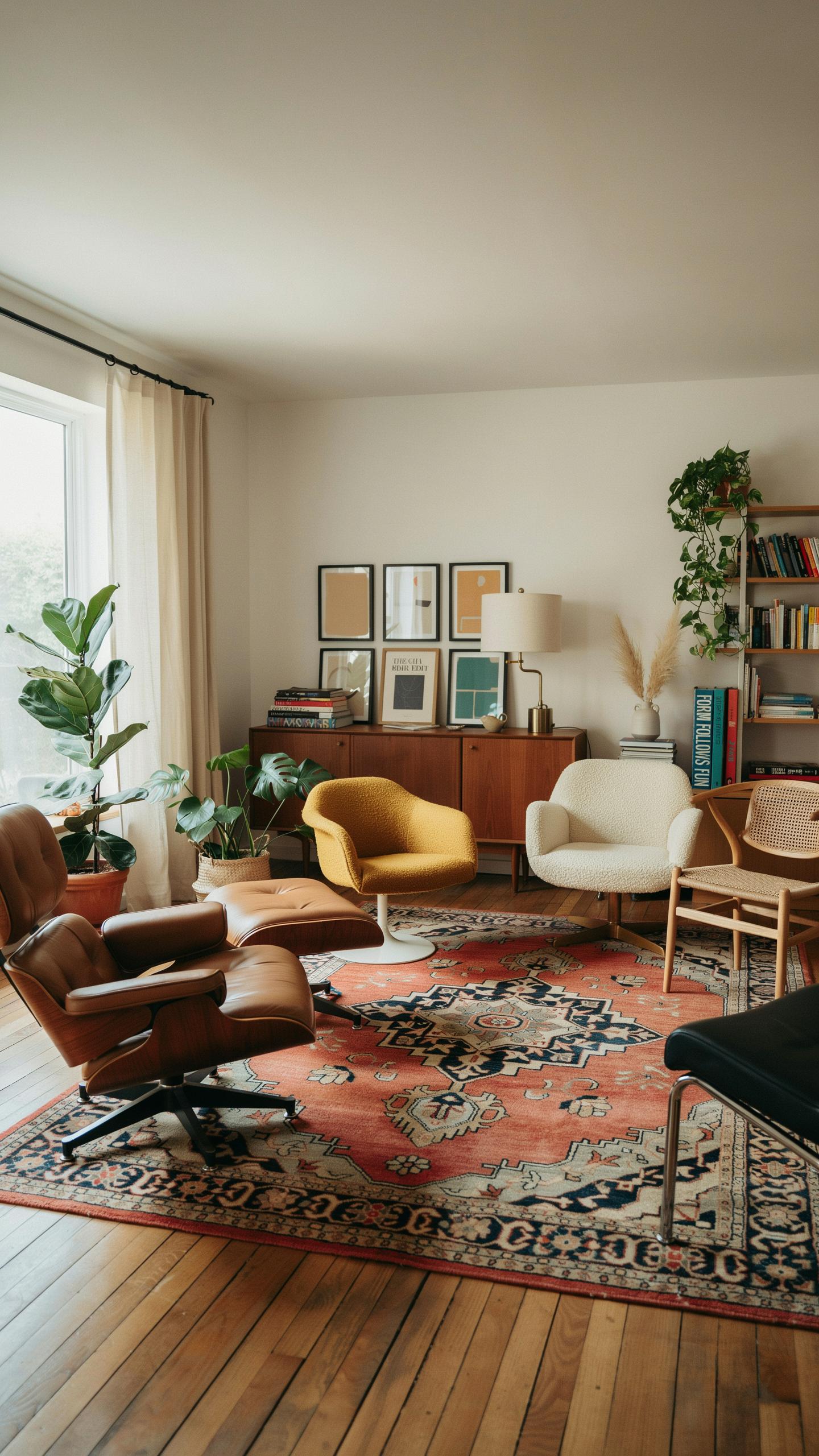
The Eames Lounge Chair, designed by Charles and Ray Eames in 1956, combines molded plywood shells with cushioned leather upholstery. Its construction prioritizes support through angled backrests and armrests that distribute weight efficiently. The chair’s appeal stems from solving real ergonomic problems while maintaining clean lines that integrate into modern interiors without visual clutter or unnecessary ornamentation.
The Womb Chair, created by Eero Saarinen in 1948, uses a fiberglass shell reinforced with metal framing to provide cocoon-like support. Its curved form accommodates the body’s natural contours, reducing pressure points during extended sitting. The Egg Chair, designed by Arne Jacobsen in 1958, employs a similar fiberglass construction that swivels on a pedestal base, maximizing floor space while offering 360-degree functionality in compact living areas.
Choosing The Right Fabrics And Finishes
Wool boucle offers durability and hides wear patterns effectively, making it practical for high-traffic living rooms. Leather develops a patina over time, becoming more supple and visually distinctive. Tweed patterns, woven with multiple thread colors, provide visual interest without requiring bold prints that date quickly. These materials pair with exposed wood frames in walnut, teak, or oak to create balanced compositions where upholstery and structure share visual weight equally.
Authentic midcentury pieces used natural fibers and genuine leather because synthetic alternatives didn’t exist or performed poorly. Modern reproductions maintain these material standards for aesthetic consistency and longevity. Select fabrics that complement your existing wood tones rather than contrasting sharply. Neutral palettes in cream, gray, or charcoal ensure your chair functions as a foundational piece rather than a design statement that demands complementary purchases.
How To Care For And Restore Vintage Mid Century Modern Treasures
Gentle Cleaning And Refinishing Techniques
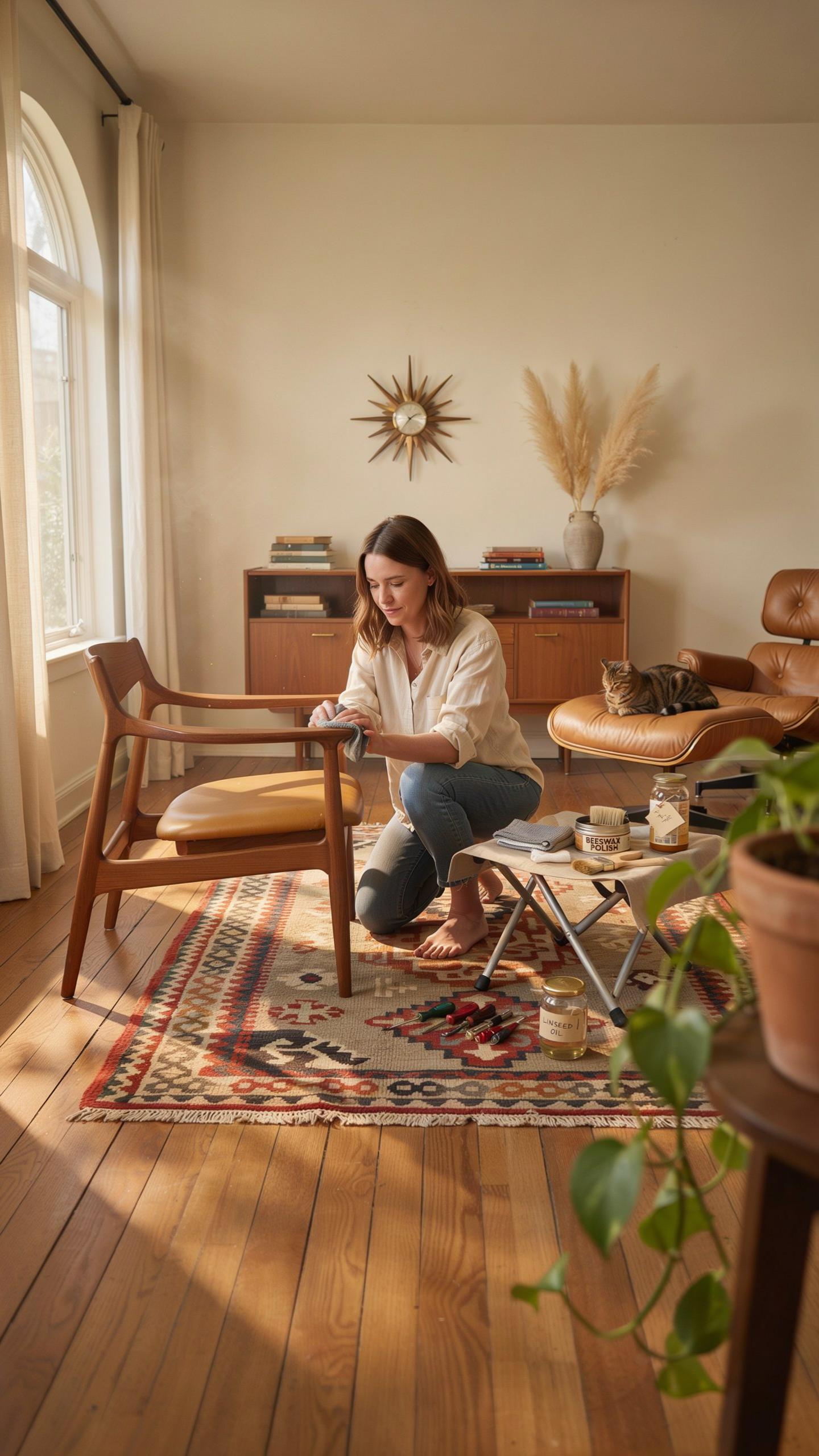
Teak oil finishes require specific handling to prevent damage. Use a soft cloth dampened with distilled water for routine cleaning. Never submerge teak pieces or expose them to excess moisture. For teak oil surfaces, apply a quality teak oil annually to maintain the wood’s integrity and prevent cracking. Test any cleaning solution on a hidden area first to ensure compatibility with the original finish.
Original veneers demand careful attention during restoration work. Avoid aggressive sanding or chemical strippers that compromise thin veneer layers. Water-based cleaners work better than solvent-based products for most mid-century finishes. If veneer begins separating, have a professional reglue it using period-appropriate adhesives. Prevention through climate control and humidity management stops most veneer problems before they start.
Upholstery Restoration And Preservation
Vintage mid-century seating often contains horsehair, cotton, or early synthetic foams that require specialized handling. Replace deteriorated foam with period-appropriate materials that match the original density and performance characteristics. Work with upholsterers experienced in mid-century restoration to maintain structural integrity and historical accuracy. Avoid modern high-density foams that alter the seat feel and change the piece’s original proportions and comfort profile.

Historical textiles deserve protection during the restoration process. Preserve original fabrics when possible by reinforcing them with backing support rather than replacing them immediately. Clean upholstery with dry methods first, using soft brushing to remove surface dust and debris. When reupholstering becomes necessary, source era-correct fabrics that match the original design aesthetic without inflating restoration costs or compromising the piece’s authentic character.
Living Room Inspiration Mid Century Layouts And Principles
Balancing Open Space And Furniture Scales
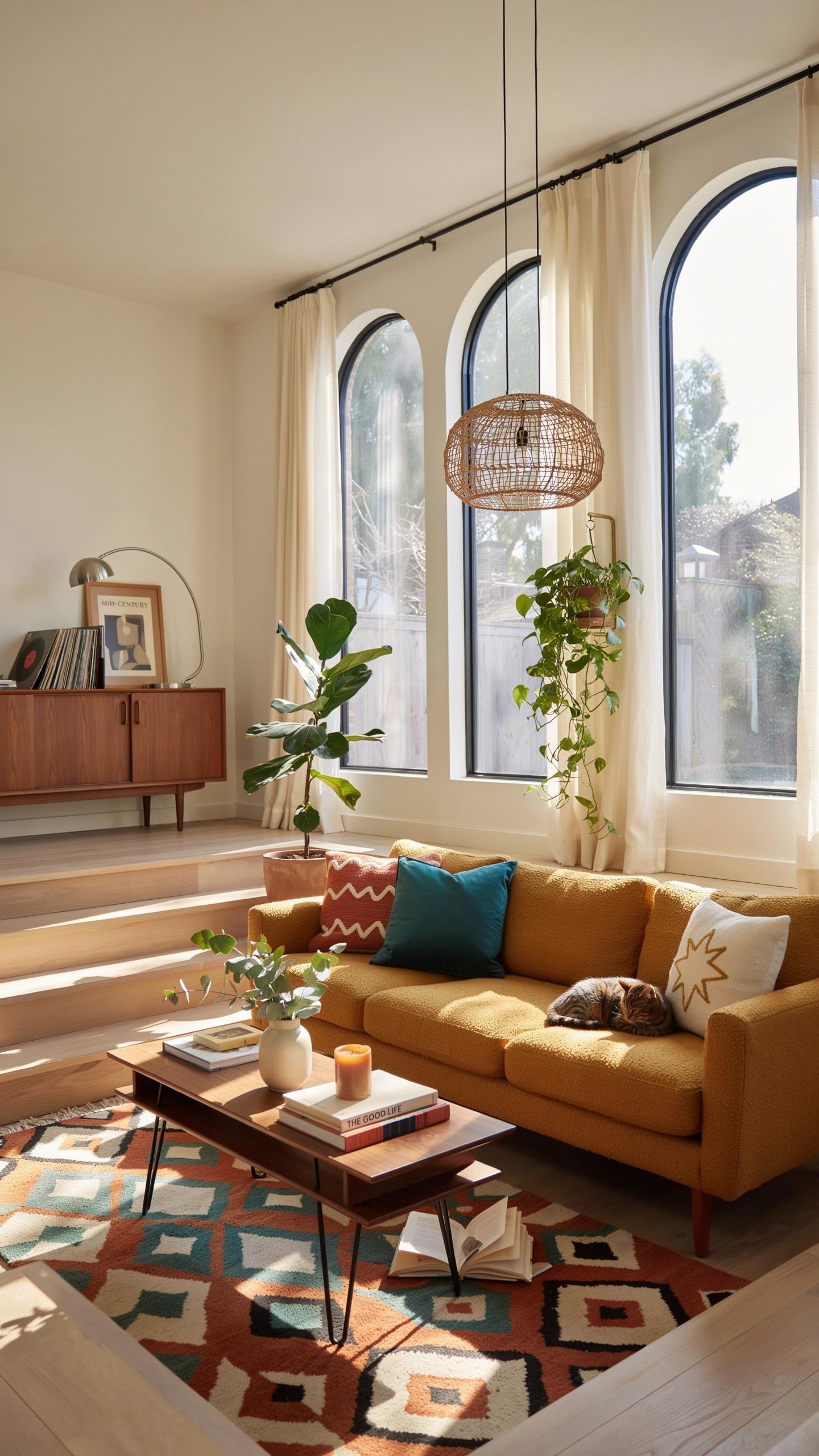
Mid-century design prioritizes visual breathing room. Low-profile sofas sit 12 to 18 inches off the ground, creating sightlines through the room. Tapered legs, typically angled outward at 45 degrees, elevate furniture and expose floor space. This approach makes rooms feel larger and prevents the heavy, grounded look of traditional furniture. The strategy works because it reduces visual mass and maintains sight lines across your space.
Furniture scale matters. Mid-century pieces use proportions that match human scale rather than overwhelming rooms. A sectional spans a wall without consuming it entirely. End tables reach arm height from seated position. Proper scale selection prevents cramped layouts that trap people in tight zones. Test furniture dimensions against your room’s proportions before purchasing.
Focal Points And Architectural Harmonization
Mid-century design treats architecture as the foundation for furniture placement. A fireplace becomes the anchor for seating arrangements. Sofas face the hearth while accent chairs angle inward. Floor-to-ceiling windows dictate furniture positioning to preserve sightlines and natural light flow. This method connects indoor and outdoor spaces visually. Furniture placement acknowledges and reinforces what your architecture already provides.
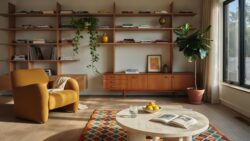
Glass walls and expansive windows demand strategic orientation. Position seating to frame views rather than block them. Low-back chairs and sofas preserve sightlines to landscape features. Side tables place at angles to maintain openness. This design principle, core to mid-century modernism, merges interior and exterior environments. Arrangement becomes functional art that works with your home’s structure, not against it.
Integrating Interior Design Mid Century Concepts Into Modern Homes
Mixing Mid Century With Contemporary Styles
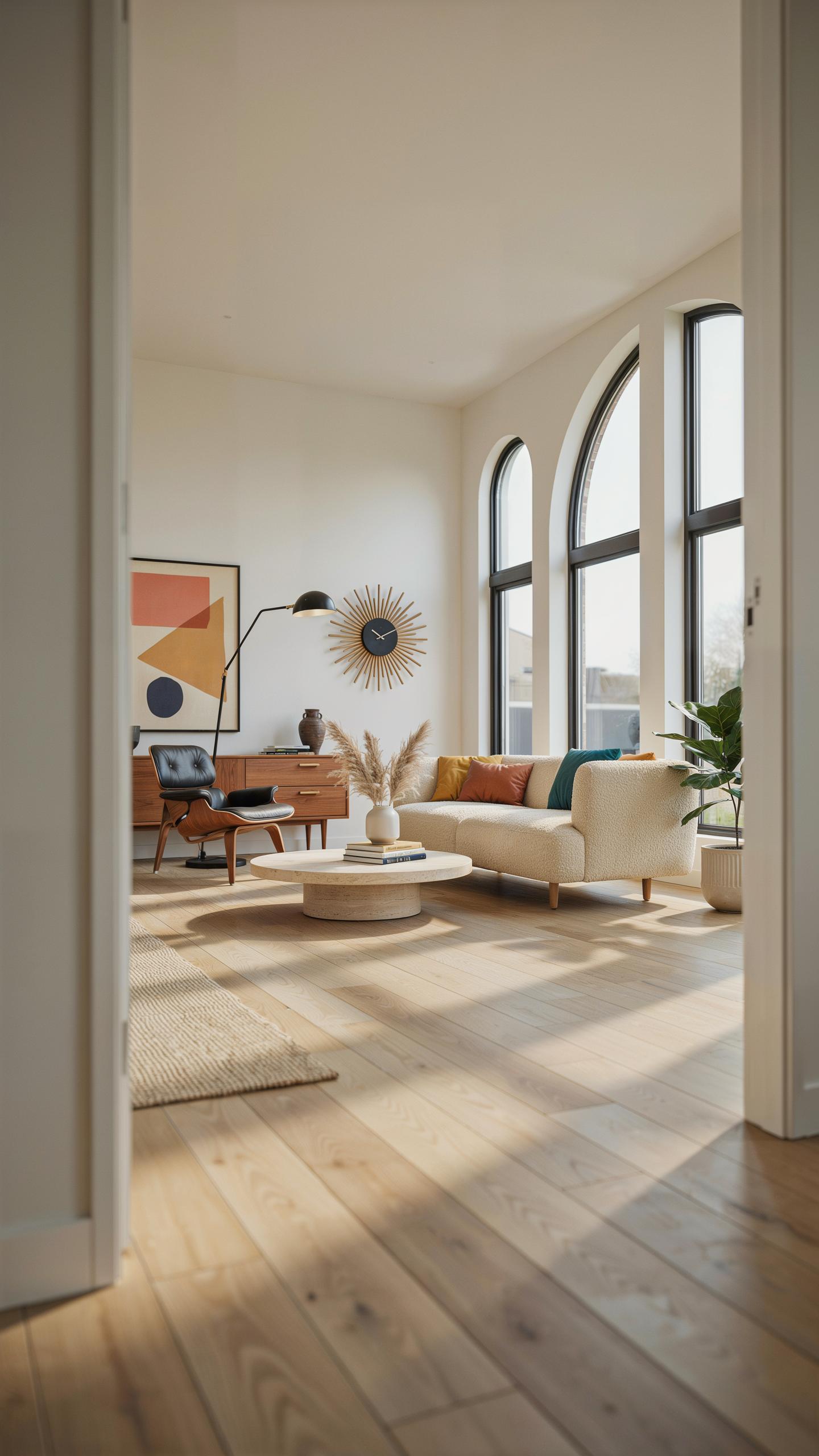
The key to blending mid-century furniture with modern interiors is restraint. Don’t recreate a 1950s room. Instead, anchor your space with one or two statement pieces from that era—a credenza, a lounge chair, or a dining table. Then build around them with clean-lined contemporary furnishings. This approach prevents your home from feeling like a design museum or themed showroom.
Mid-century design and contemporary minimalism share core values: form follows function, clean silhouettes, and rejection of unnecessary ornamentation. Pair a Knoll-style side table with glass and metal with modern concrete accents or minimalist shelving. Use negative space intentionally. The contrast between mid-century warmth and contemporary coolness creates visual interest without clashing. Successful integration means the pieces talk to each other, not compete.
Modern design is not a style, but an attempt to make the world a more beautiful and functional place for everyone. A piece of furniture is finished only when someone is using it.
Color Palettes And Textural Accents
Mid-century color theory relied on warm, saturated tones drawn from nature and mid-century industrial production. Mustard yellow, olive green, burnt orange, and teal defined the era’s palette. Use these colors strategically—on accent walls, upholstery, or smaller furnishings rather than painting entire rooms. Pair them with neutral grays and whites to prevent overwhelming modern spaces. This creates balance between period authenticity and current living standards.

Natural wood grains and brass hardware form the textural foundation of authentic mid-century pieces. Walnut, teak, and rosewood veneer finishes reflect period manufacturing techniques. Combine these with modern materials like concrete, matte black metal, and linen. Layer textures deliberately: smooth wood surfaces against woven upholstery, polished brass against rough stone. This mixing strategy grounds mid-century elements in contemporary environments without feeling mismatched.
Curating Timeless Mid Century Modern Furniture Ideas For Every Room
Transforming Dining And Entertaining Areas
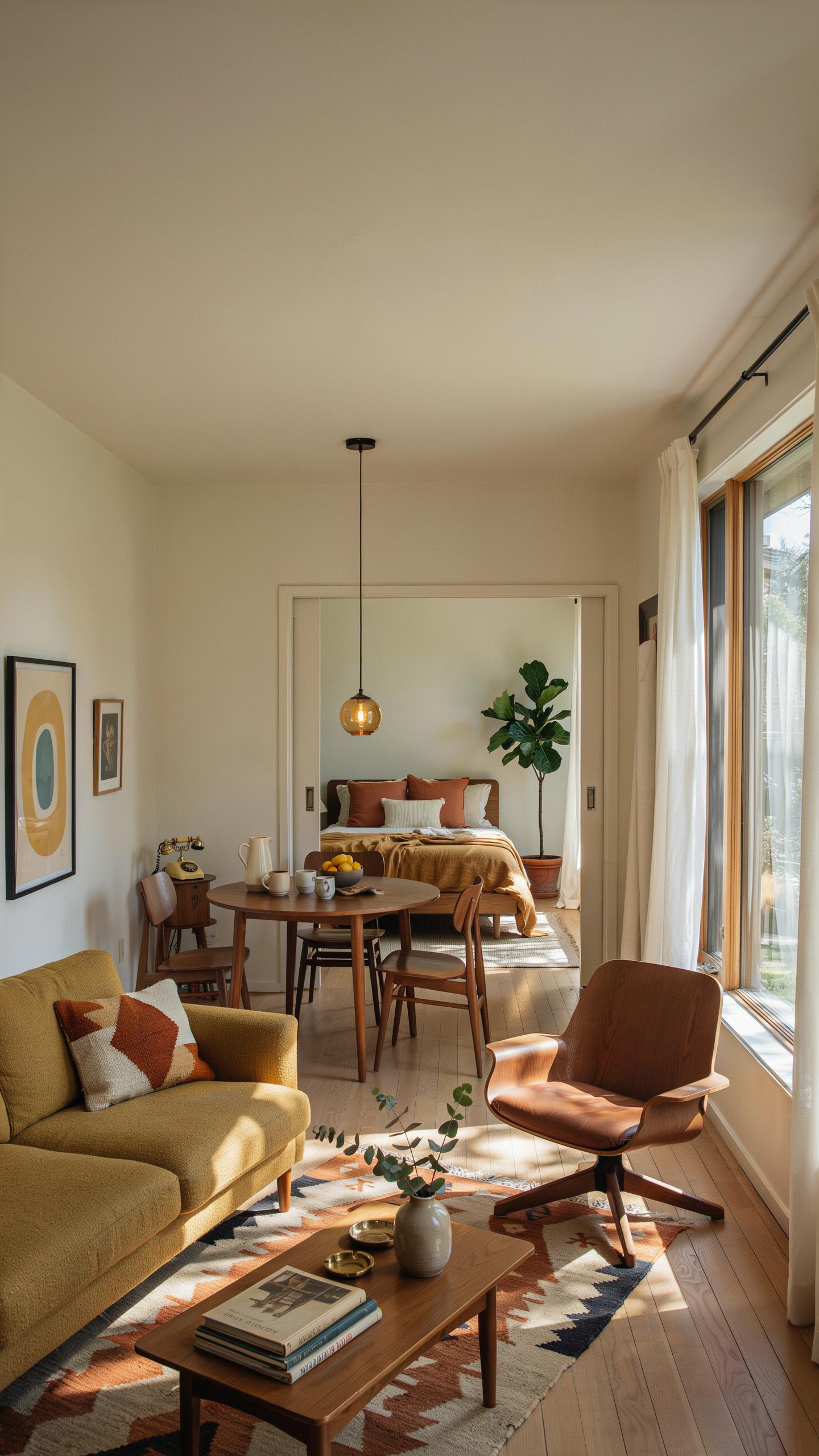
Teak wood dominates mid century dining design because it resists warping and delivers clean lines without ornamentation. Select dining tables with tapered legs and minimal aprons. Pair them with chairs featuring upholstered seats and exposed wooden frames. This combination balances function with visual lightness. Bar carts with metal frames and glass or wood shelves complete the entertaining setup, serving drinks and snacks while maintaining sightlines across the room.
Minimalist dining chairs anchor the mid century aesthetic. Look for designs with splayed legs angled outward for stability and visual interest. The seat height should position elbows at table level when seated. Avoid upholstered backs that block views between guests. Metal accents like brass or steel hardware on chairs and carts add industrial contrast without compromising the clean design philosophy central to the era.
Creating A Restful Mid Century Bedroom Oasis
Platform beds eliminate the visual clutter of box springs and heavy frames. They sit low to the ground, typically between 12 and 18 inches high, creating an open feeling underneath. The solid base supports the mattress directly. Pair platform beds with floating nightstands mounted to walls, which clear floor space and reduce visual weight. Tallboy dressers with signature tapered legs and simple hardware complete the bedroom without adding bulk or unnecessary detail.

Tapered legs define mid century bedroom furniture and serve a practical purpose. They reduce the furniture’s visual footprint by keeping sight lines clear to walls and floors. Floating nightstands mounted at arm’s reach from bed height eliminate bedside table legs entirely. This design approach creates breathing room in smaller bedrooms. Choose dressers with four to six drawers and minimal ornamentation to maintain the uncluttered aesthetic that defines restful mid century spaces.
Styling Your Home With Distinctive Mid Century Items And Decor
Lighting Accessories And Sculptural Fixtures
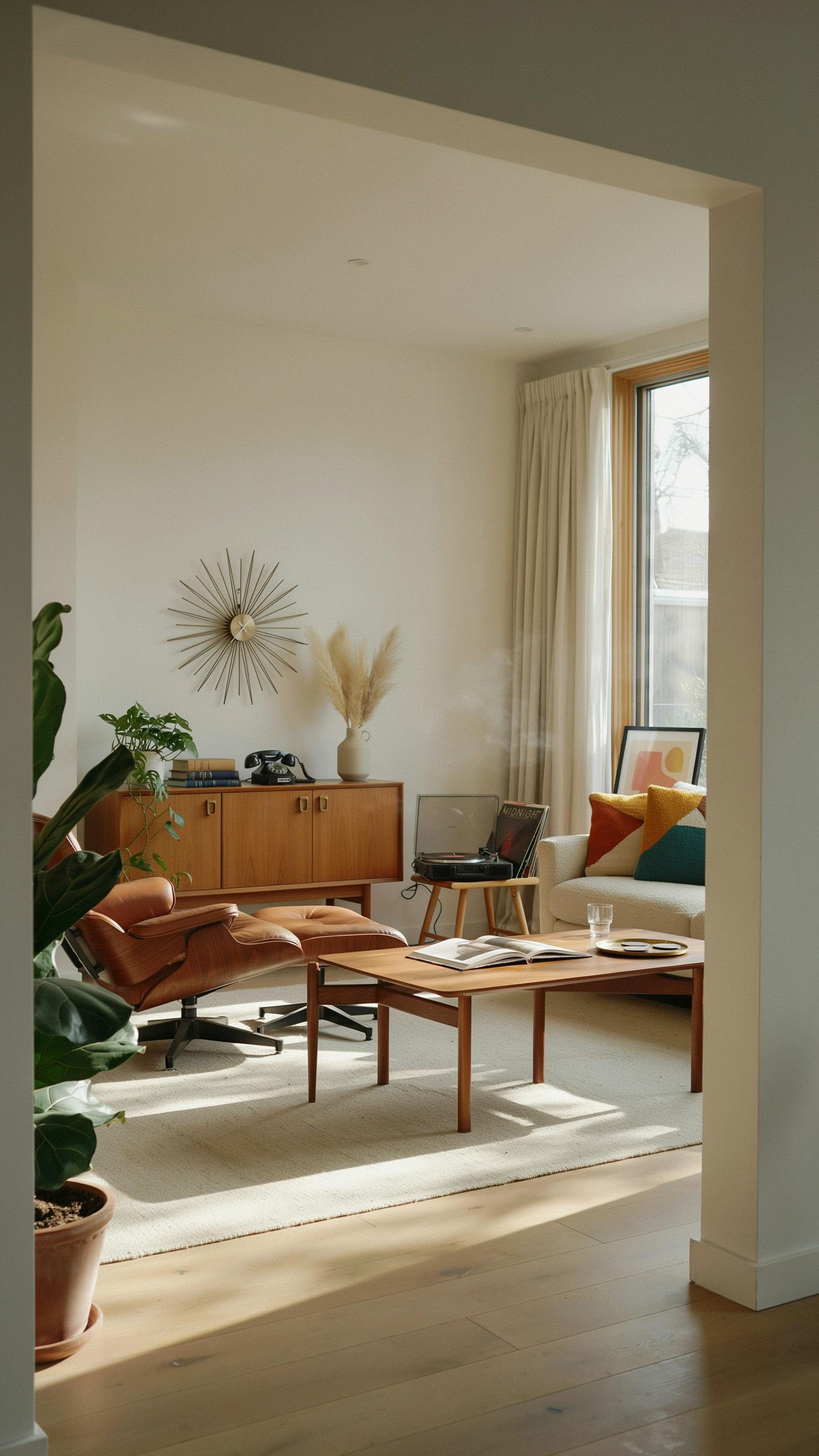
Lighting anchors mid-century interiors. Choose fixtures that serve function while making a visual statement. Sputnik chandeliers, with their radiating arms and spherical form, originated in the 1950s and remain the defining overhead fixture for the style. Brass arc floor lamps extend light across seating areas without cluttering floor space. Sculptural ceramic table lamps provide task lighting while functioning as decor objects in their own right.
The materials matter tactically. Brass, teak, and ceramic appear repeatedly in authentic mid-century lighting because manufacturers valued both durability and aesthetic impact. These materials age well and resist trends. Select fixtures with exposed bulbs or simple geometric shades that complement your furniture silhouettes. Avoid ornate designs that conflict with the clean lines of mid-century pieces.
Accents And Accessories To Elevate The Space
Accessories complete mid-century rooms by reinforcing the era’s design principles. Choose items that balance form and function rather than serving purely decorative purposes. The pieces below work across different room layouts and integrate seamlessly with core furniture selections.
- Sunburst Wall Clocks In Teak And Brass Finishes: These clocks feature radiating rods around a central face, mimicking atomic age aesthetics. Teak wood and brass construction connects to mid-century material preferences. Install one as a focal point above a console table or sofa.
- Abstract Geometric Artwork And Screen Prints: Artists produced bold prints with geometric shapes and limited color palettes during the 1950s and 1960s. Frame these pieces in simple wood or metal frames to maintain period accuracy. Hang collections of three to five prints for visual rhythm.
- Ceramic Planters On Raised Wooden Dowel Stands: Potters created hand-thrown vessels in earthy tones and organic forms. Pairing them with wooden stands elevates the display and adds vertical dimension. Group planters of varying heights to create visual interest.
- Wool Shag Rugs With Organic Pattern Layouts: Manufacturers wove wool shag rugs with natural fibers during the 1960s and 1970s. These rugs anchor furniture groupings and soften hard floors. Select neutral tones like cream, gray, or warm brown to complement furniture wood tones.

Layer these accessories strategically across your space. Place accessories on shelves, tables, and walls to create visual balance without overcrowding rooms. Each item should reference mid-century design principles while serving a practical purpose.
The Sustainability And Durability Of Mid Century Furniture
The Value Of Heirloom Quality Woodworking
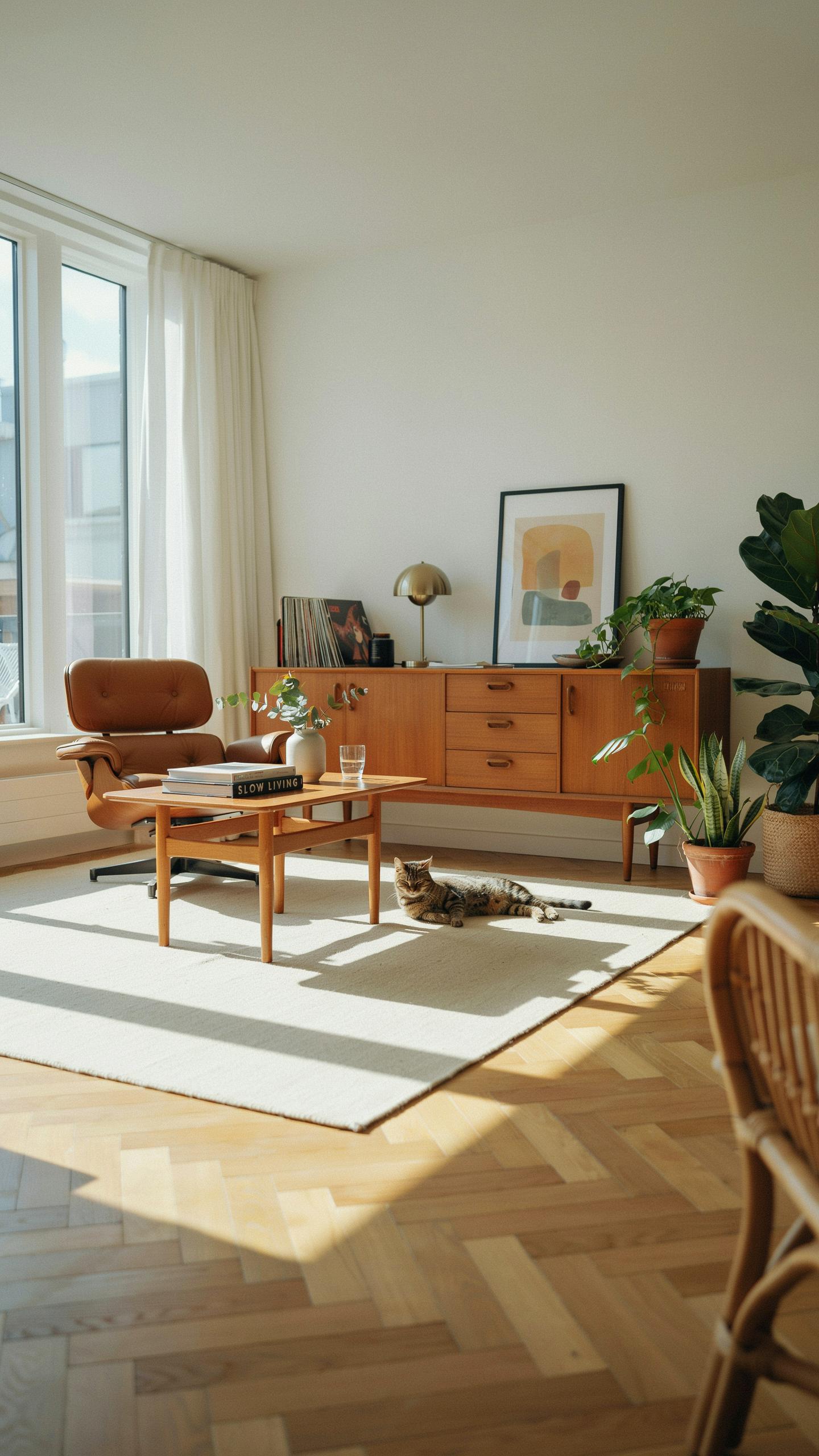
Mid-century manufacturers used solid hardwoods like walnut, teak, and oak instead of today’s medium-density fiberboard. These woods withstand decades of use without structural failure. Craftspeople employed traditional joinery techniques that locked pieces together mechanically, reducing reliance on adhesives. This approach created furniture that survives 60+ years with minimal deterioration.
The construction methods of mid-century pieces directly impact resale value and longevity. Solid wood expands and contracts predictably with humidity changes, whereas engineered materials delaminate and warp. Replacement parts remain available because manufacturers kept detailed specifications. You can repair a mid-century walnut credenza by replacing a single drawer front or refinishing the surface, whereas most modern pieces demand complete replacement after damage.
Eco Friendly Appeal Of Circulating Vintage Pieces
Buying vintage mid-century furniture keeps usable items out of landfills while eliminating the environmental cost of manufacturing new pieces. Production of new furniture generates carbon emissions through logging, milling, shipping, and factory operations. A vintage piece already exists in your community, ready for reuse without additional extraction of raw materials or energy expenditure.
The circular model of vintage furniture extends product lifecycles naturally. When you purchase a 1960s dining table, you prevent that resource from becoming waste while delaying demand for newly manufactured alternatives. This approach directly reduces your household carbon footprint compared to buying retail furniture. The durability of mid-century construction supports this cycle because pieces withstand multiple owners and decades of service without degradation.
How To Spot High Quality Authentic Mid Century Furniture Style Pieces
Inspecting Joinery And Construction Details
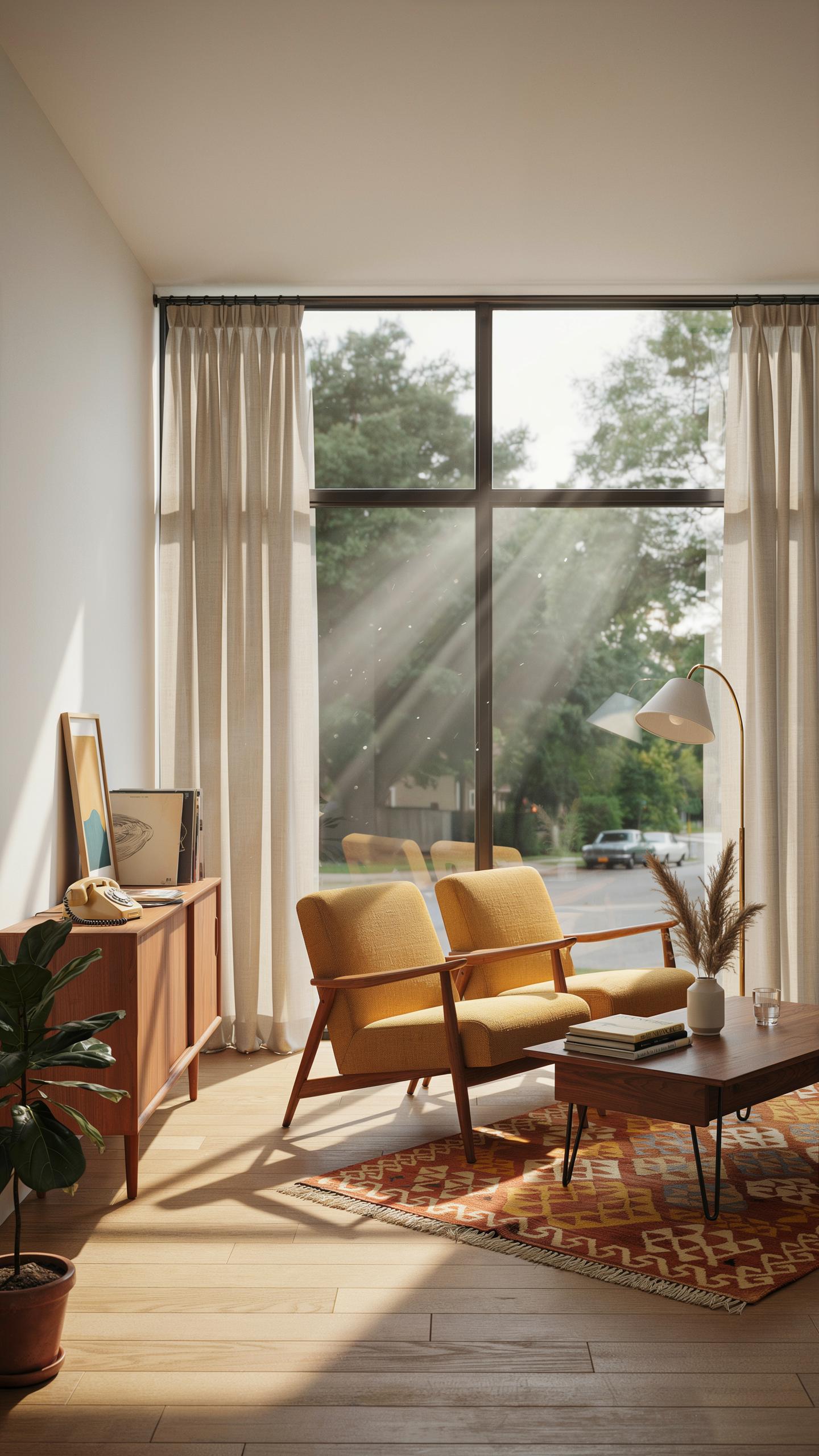
Quality mid century furniture style pieces use specific joinery methods that separate authentic pieces from reproductions. Dovetail joints on drawers indicate skilled craftsmanship and appear as interlocking tails and pins. Solid wood edge banding prevents veneer from peeling and shows manufacturers used durable construction methods. Mortise and tenon joints create structural integrity by connecting frame components without relying solely on nails or screws.
Examine the underside and interior surfaces of pieces for construction clues. Authentic mid century pieces show tool marks consistent with the era’s manufacturing processes. Screw placement, wood grain patterns, and finishing techniques vary by manufacturer and production method. Poor joinery, inconsistent wood color, or modern fastener types signal reproduction pieces made after the original period.
Researching Manufacturer Marks And Brand Stamps
Legitimate mid century furniture style pieces carry identifying marks from the manufacturer or designer. Heat brands burned directly into wood, paper labels affixed to frames, and stamped signatures provide verification points. American makers like Herman Miller, Knoll, and Drexel used consistent marking systems. Scandinavian manufacturers including Teak Furniture, Fritz Hansen, and various Danish producers applied stamps or labels to identify origin and designer.
Document any marks you find and cross reference them against manufacturer records and design databases. Photocopied labels or unclear stamps raise authenticity questions. Compare marked pieces against museum collections and authenticated examples from the same manufacturer. Designer signatures appearing on leg corners, frame edges, or hidden surfaces often indicate higher value pieces with verified provenance and production dates.
Frequently Asked Questions

What defines the mid century furniture style and why is it so popular today?
Mid century modern design emerged between the 1930s and 1960s, prioritizing functionality, organic shapes, and clean lines. These mid century furniture style pieces remain popular because they seamlessly blend form and function. Their minimalist aesthetic and use of natural materials, like teak and walnut, make them incredibly versatile for contemporary homes, offering a timeless look that feels both sophisticated and approachable for any room in your house.
How can I mix mid century furniture style pieces with my existing traditional decor?
The key to integrating mid century furniture style pieces into a traditional space is balance. Start small by introducing a sleek sideboard or an iconic armchair as a focal point. Use a consistent color palette to bridge the gap between different eras. By pairing the tapered legs and smooth curves of mid century design with your existing textures, you create a curated, transitional look that feels intentional rather than cluttered or mismatched.
Is it possible to achieve this high-end designer look on a limited budget?
Absolutely! You do not need a designer budget to enjoy this aesthetic. Many modern retailers offer affordable reproductions that capture the essence of the era beautifully. Additionally, vintage shops, thrift stores, and online marketplaces are goldmines for authentic finds that simply need a little polish. Focus on purchasing one high-quality statement piece first, then gradually layer in smaller accessories to build your dream space over time without overspending.