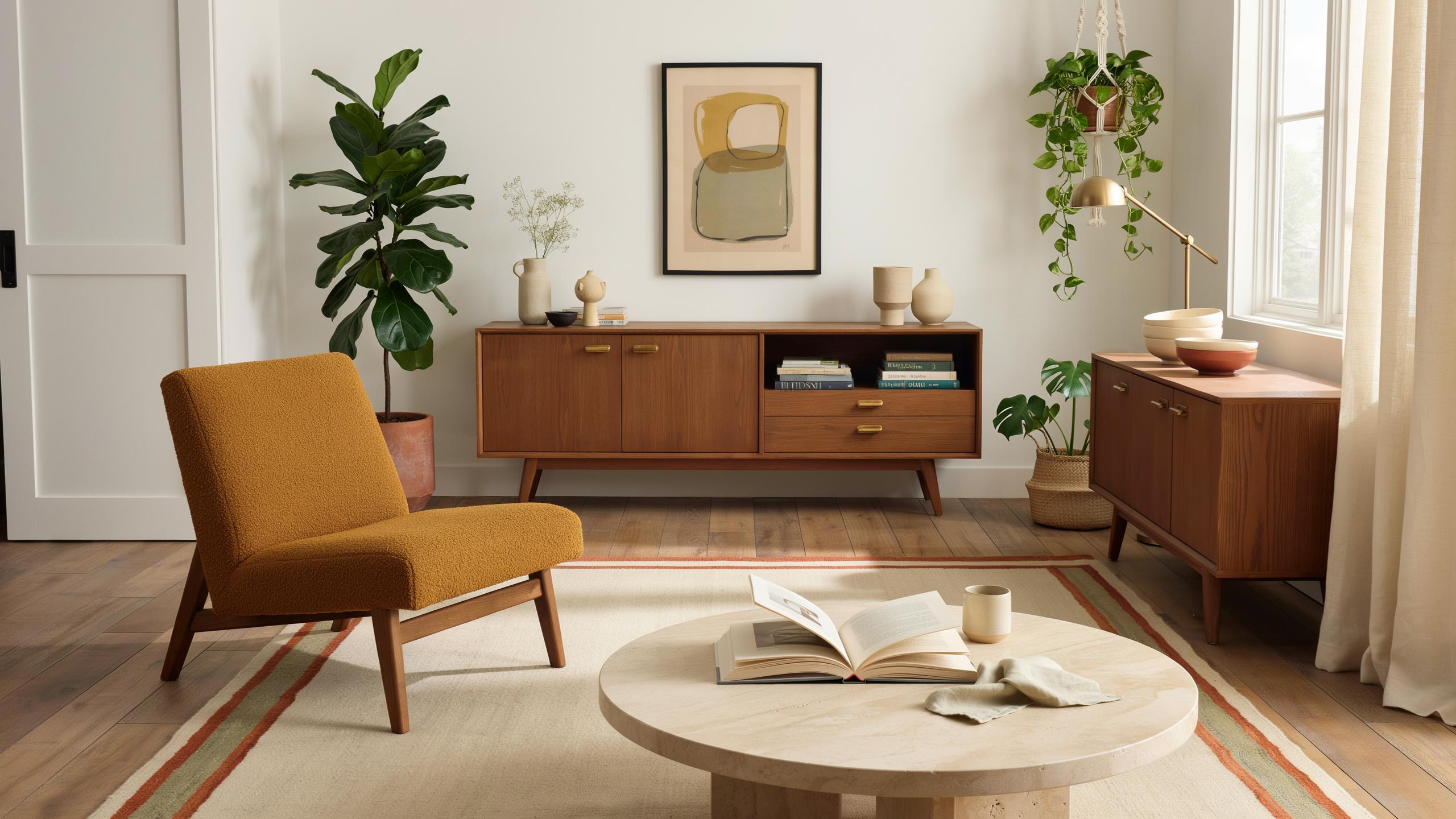
Embracing Mid Century Modern Furniture For Elegant Storage Solutions
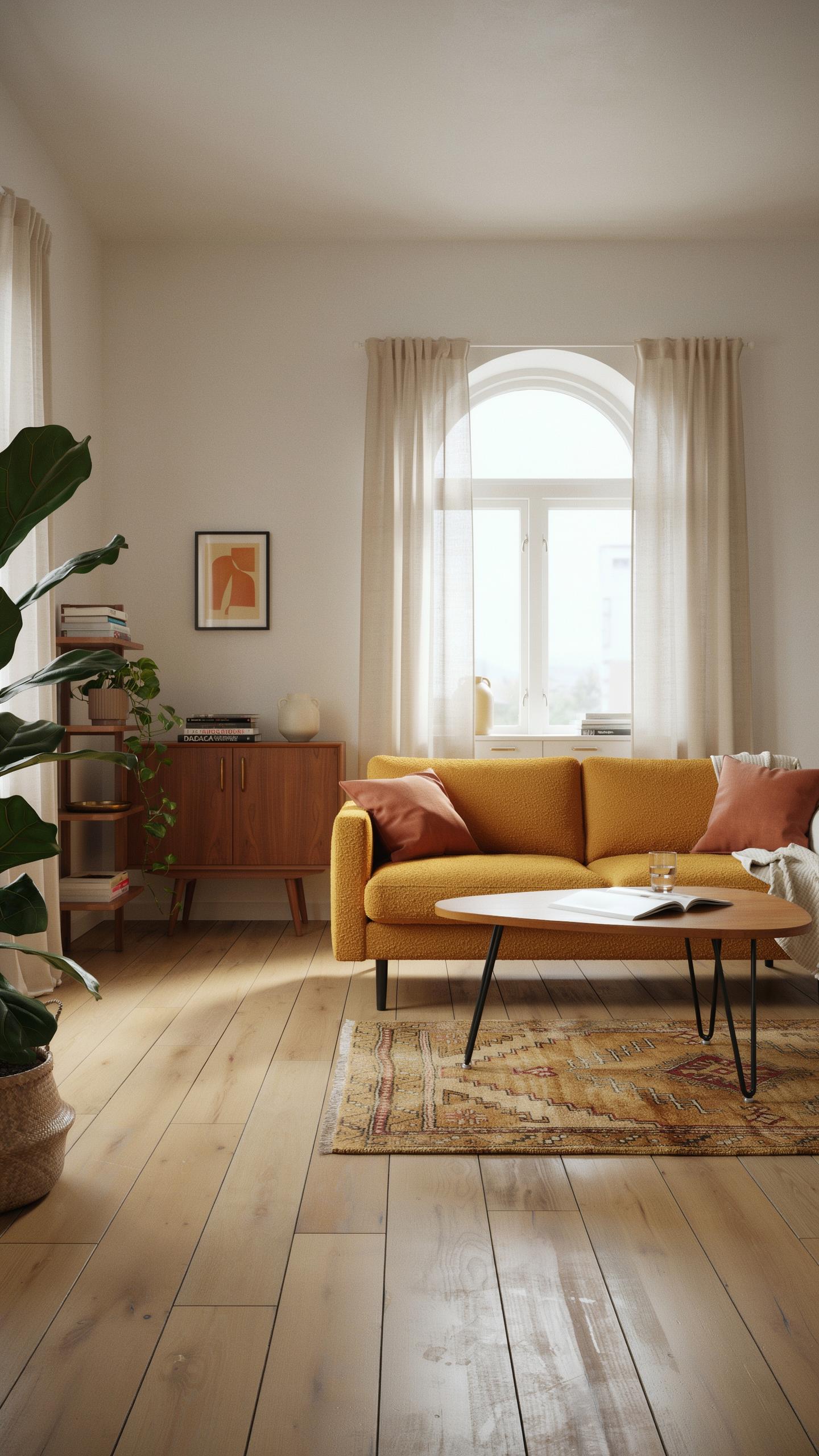
What Defines The Mid Century Aesthetic
Mid-century design emerged between the 1930s and 1960s across North America and Europe. The movement prioritized clean lines, geometric shapes, and minimal ornamentation. Designers rejected heavy Victorian styles in favor of functional pieces that served daily life without excess. Tapered legs, open frames, and horizontal proportions became signature elements. Materials like walnut, teak, and molded plywood replaced ornate carved wood. This approach solved a practical problem: post-war homes needed compact, multipurpose furniture that didn’t consume space.
The aesthetic centered on marrying form with function. Every design element served a purpose. Credenzas stored items behind doors while maintaining visual lightness through elevated legs. Console tables provided surfaces without the bulk of traditional furniture. Organic curves balanced geometric elements, creating visual interest without clutter. Mid-century designers understood that storage didn’t require visual heaviness. They proved that organization could be both practical and visually restrained, influencing interior design principles that remain relevant today.
Why Storage Is Key To Modern Homes
Modern homes face constant clutter challenges. Digital devices, seasonal items, and everyday belongings accumulate quickly. Strategic storage solves this problem by creating designated spaces for everything. Mid-century credenzas and console units address this need without dominating rooms. Their elevated bases create sight lines that make spaces feel larger. Closed storage hides mess while open elements prevent the bunker-like feeling of oversized cabinets. This balance keeps homes functional without sacrificing aesthetics or square footage perception.
Homeowners who integrate mid-century storage pieces maintain minimalist environments while keeping belongings accessible. Clean lines reduce visual noise, making rooms feel intentional rather than crowded. Horizontal storage units draw the eye across spaces, enhancing perceived width. Tapered legs expose floor area, preventing furniture from anchoring rooms visually. This approach works in apartments, houses, and transitional spaces. Strategic placement of credenzas, sideboards, and console tables transforms storage from necessary evil into design opportunity, allowing occupants to live organized without compromising style or comfort.

The Timeless Appeal Of Mid Century Modern Wooden Furniture
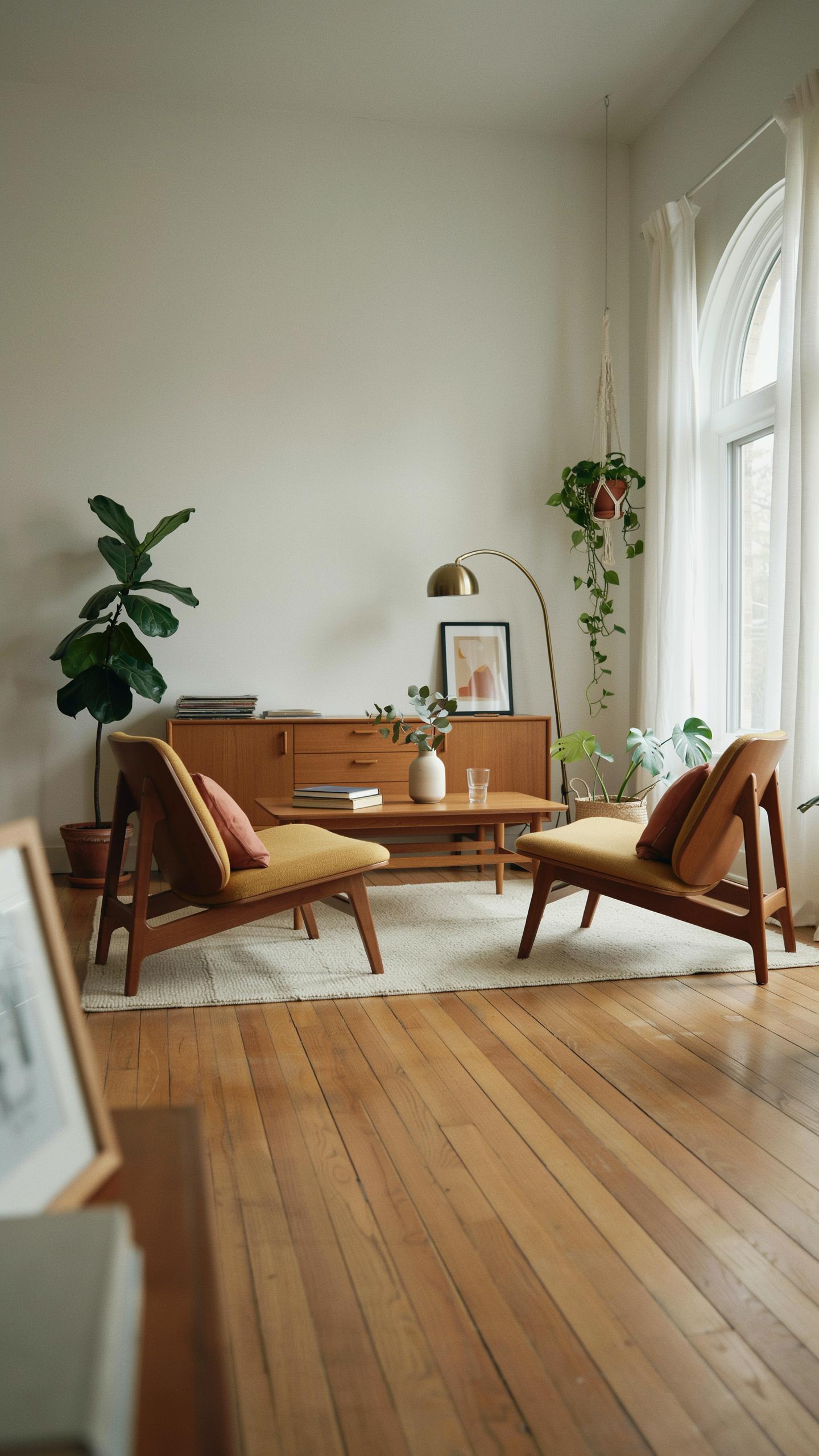
Classic Wood Types And Finishes
Mid century designers selected specific hardwoods for storage pieces based on durability, workability, and visual performance. These woods had to handle weight loads while delivering the clean lines and refined aesthetics that defined the era. Wood choice directly impacted both function and appearance of cabinets, dressers, and shelving systems.
- Teak: Dense tropical hardwood with natural oils providing water resistance. Golden to medium brown color darkens over time. Highly stable and resists warping in storage applications.
- Walnut: Dark chocolate to purple brown tones with figured grain patterns. Dense hardwood offering strength for structural components. Rich appearance requires minimal finishing work.
- Oak: Light tan to honey colored wood with pronounced grain visibility. Strong cellular structure supports heavy loads. Prominent medullary rays create distinctive linear patterns.
- Rosewood: Dark brown wood with dramatic black grain streaks and figuring. Expensive option reserved for high end pieces. Oily composition provides natural luster without heavy stains.
- Ash: Light cream to pale brown hardwood with open grain structure. Good bending properties for curved storage elements. Often used for frames and structural supports.
Manufacturing practices favored woods that could withstand humidity shifts without excessive movement. Finishes ranged from oil treatments that emphasized grain character to lacquer applications providing durability and sheen. The wood species and finish combination determined both longevity and maintenance requirements for storage furniture.
Identifying Authentic Wood Joinery
Mid century craftsmanship relied on traditional joinery methods that created structural integrity without relying on fasteners alone. Dovetail joints connected drawer sides to fronts and backs, distributing stress across a large surface area. Mortise and tenon joints secured legs to frames and rails, creating rigid assemblies capable of supporting significant weight. These methods separated quality pieces from inferior construction.

Inspect corners and connections where components meet. Authentic joints show hand tool marks and slight irregularities in fit. Joints cut by machine exhibit more uniform precision and consistent gaps. Storage pieces built with these traditional methods handle drawer operation, shelf loading, and furniture movement without loosening or developing play over decades.
Transforming Your Space With A Complete Room Makeover
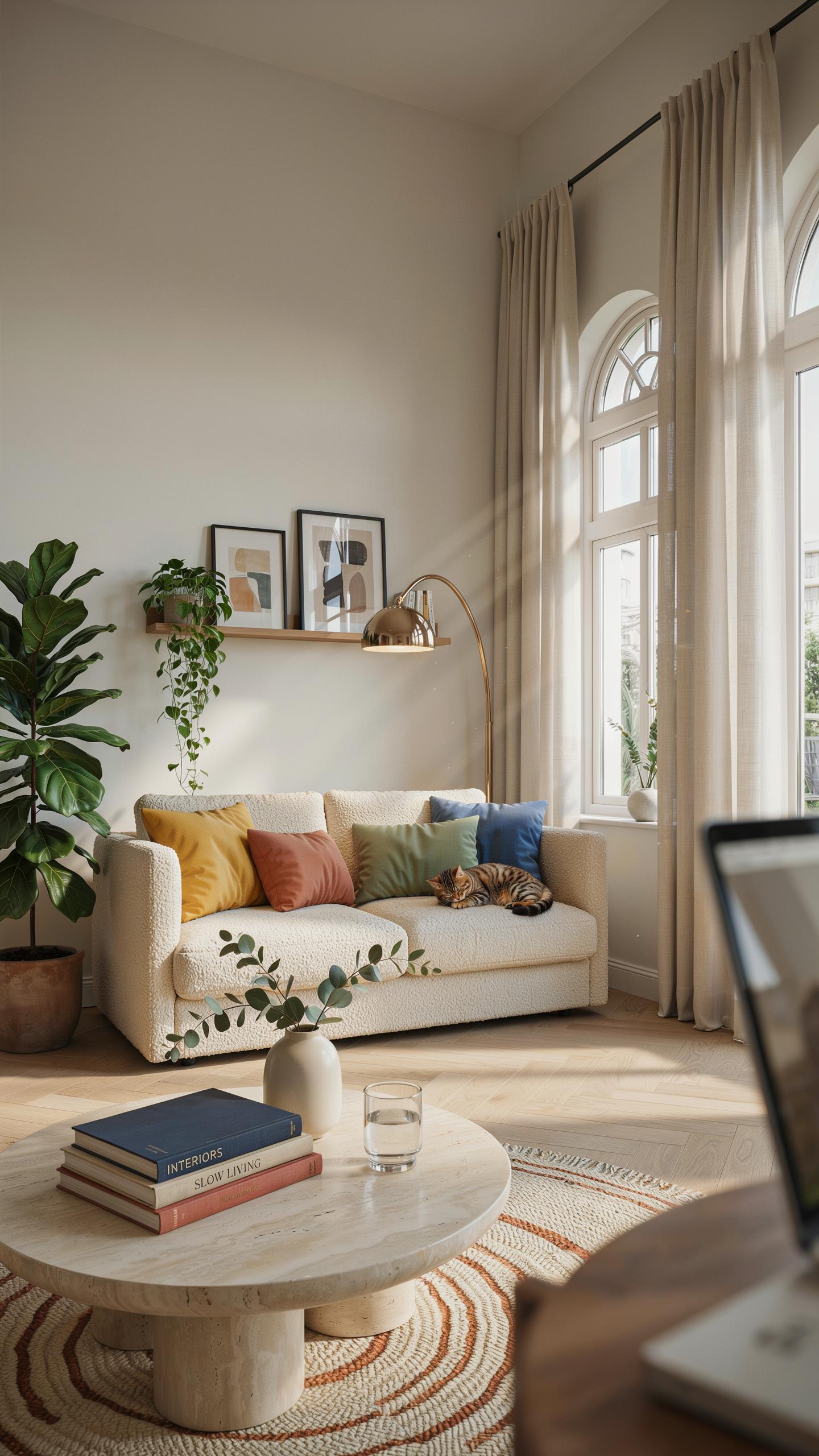
Creating A Balanced Focal Point
A credenza serves as the anchor point for room layout. Position it on the wall opposite your entry or seating area. This placement draws the eye immediately and organizes the entire room around it. Mid-century credenzas feature clean lines, tapered legs, and quality wood construction. These design elements command attention without competing for visual space with surrounding furniture.
Arrange seating and lighting to emphasize the credenza’s prominence. Place chairs at angles that face the storage unit rather than turning away from it. Position floor lamps or table lamps beside the credenza to highlight its materials and joinery. This arrangement creates functional zones while the credenza functions as both storage and design statement. The result is a room that feels intentional and properly scaled.
Modern design is not a fashion, but an attitude that blends the warmth of the past with the function of today.
Mixing Vintage Elements With Modern Decor
Mid-century storage pieces work alongside industrial metal shelving and concrete surfaces. The contrast prevents the room from feeling trapped in a single era. Mix warm wood tones from a credenza with cool steel accents or glass shelving. Incorporate bohemian textiles like woven rugs or macramé to soften the geometric lines of mid-century design. This layering approach respects each style’s integrity while creating visual depth.

Combine mid-century credenzas with contemporary artwork, modern lighting, and current textiles. The key is proportion. Keep the storage piece as your dominant vintage element while treating other accents as supporting details. Limit your color palette to three to four primary tones to maintain cohesion. This strategy allows distinct historical influences to coexist without clashing or feeling disjointed in the space.
Exploring Mid Century Modern Furniture Ideas For Every Room
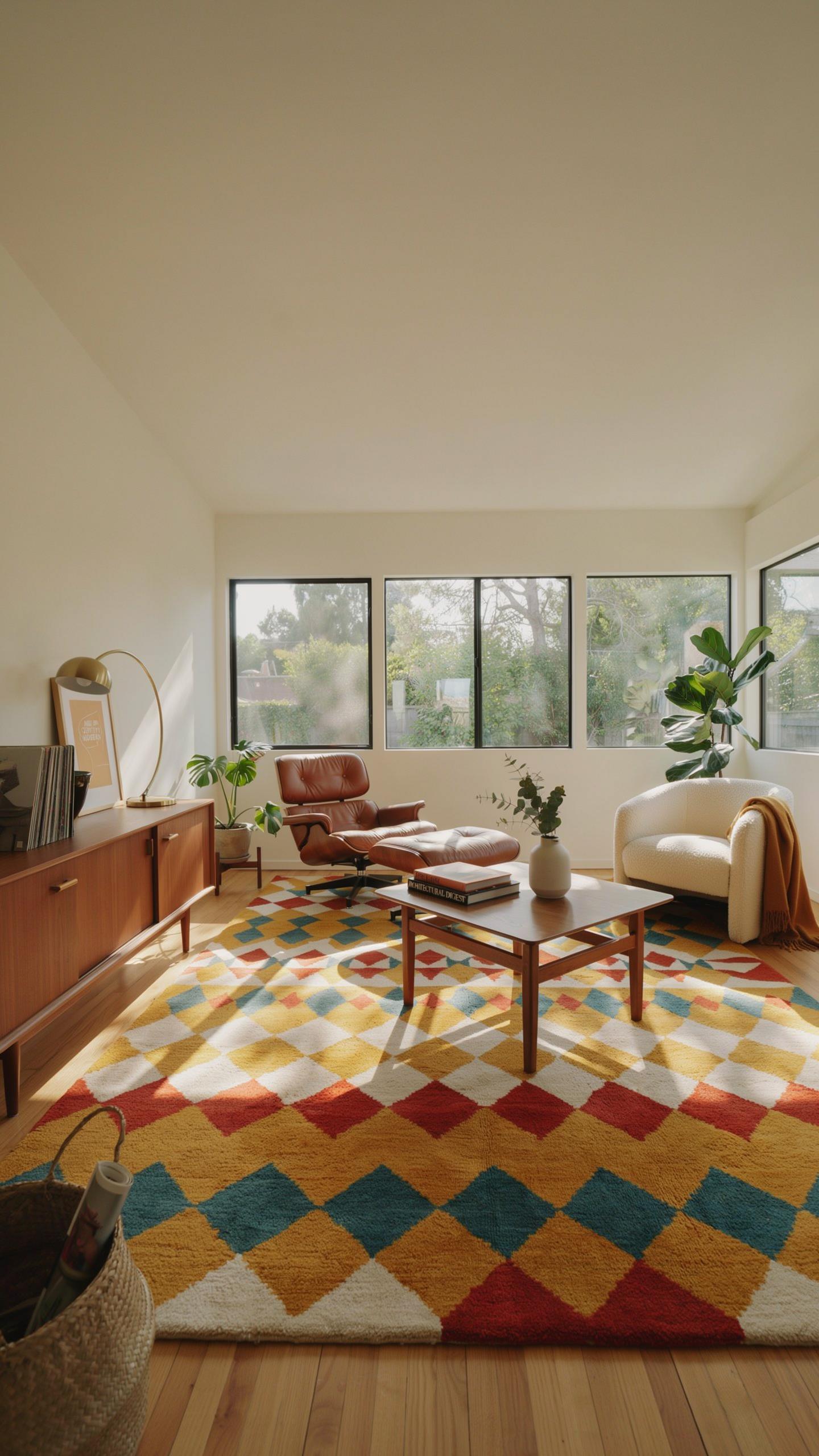
Functional Entryway Consoles
Entryway consoles from the mid century period solve a practical problem: managing clutter at your entry point. Low profile credenzas and narrow benches sit flush against walls, freeing floor space while holding keys, mail, and coats. These pieces typically feature tapered legs that lift the visual weight of the furniture. The design approach prioritizes function without sacrificing clean lines. Guests immediately encounter organized storage rather than scattered items on tables or floors.
Mid century console design borrowed from Scandinavian and American modernism, emphasizing utility and form working together. Recessed drawer pulls prevent snags on clothing. Wood finishes like teak or walnut resist wear from daily contact. The narrow profile fits snugly in tight entry halls without blocking traffic flow. This type of storage establishes order at your property’s threshold while maintaining the aesthetic principles of the era.
Bedroom Dressers And Wardrobes
Bedroom dressers evolved during the mid century period to address real storage challenges in smaller homes. Low horizontal dressers maximize wall space and provide ample drawer capacity for clothing without consuming excessive floor area. Tallboys stack drawers vertically to serve the same purpose in rooms with different layouts. Tapered legs reduce the visual bulk of wood construction, making large pieces appear lighter and less imposing in bedrooms.
Drawer pull design defines mid century bedroom storage. Recessed or cup pulls sit flush with drawer faces, eliminating protrusions that catch on fabric or skin. Solid wood construction withstands decades of regular opening and closing. Many pieces feature simple hardware that supports function rather than decoration. This straightforward approach to bedroom storage reflects the era’s commitment to durability and honest design without unnecessary ornamentation.
Designing Your Library With Inspired Book Shelf Design
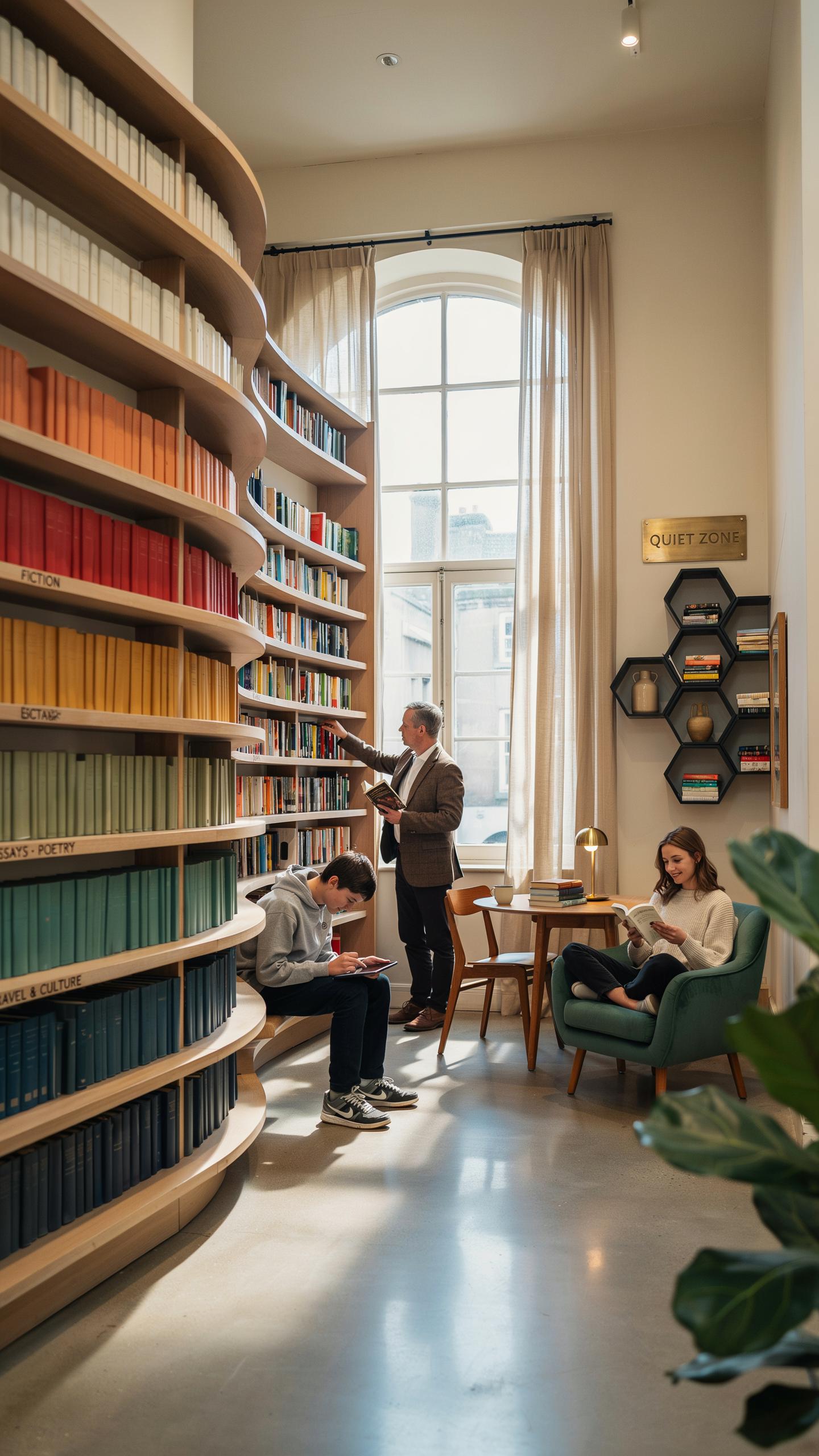
Modular Wall Units And Ladders
Mid century designers prioritized flexibility because collections grow and rooms change. Modular shelving systems use adjustable brackets and vertical supports to expand horizontally or vertically without replacing the entire unit. Floating desks integrate into these systems, creating work surfaces directly below book storage. Integrated drawers hide reference materials and less frequently accessed items. This approach solves a core problem: static furniture wastes space and forces you to work around your collection instead of adapting storage to your needs.
The mechanics are straightforward. Metal brackets anchor into wall studs at precise intervals, allowing you to reposition shelves in minutes. Teak, walnut, and oak shelves slide into these brackets without tools. Ladder options include rolling variants on tracks or stationary leaning designs that access upper shelves safely. This system scales with your library, eliminating the need to purchase new storage when your book count increases by fifty or two hundred titles.
Styling Books And Collectibles On Open Shelves
Open shelving exposes every item, so arrangement directly impacts how the entire wall reads. Weight distribution matters tactically. Position heavy books vertically on lower shelves to anchor the display visually and prevent shelf sag. Alternate orientations by stacking some books flat and standing others upright, which creates visual rhythm and breaks monotony. Intersperse pottery, plants, and framed items between book clusters. This prevents the crowded library look and lets each object breathe.

Color blocking works better than random placement. Group books by spine color or subject matter to create intentional zones across the wall. Place ceramic vases or small sculptures at eye level as focal points. Green plants soften hard lines and add depth. Personal items like photographs or travel memorabilia personalize the space without cluttering it. The goal is a curated display that reads as intentional, not a repository for overflow items.
Investing In Mid Century Items For Long Term Value
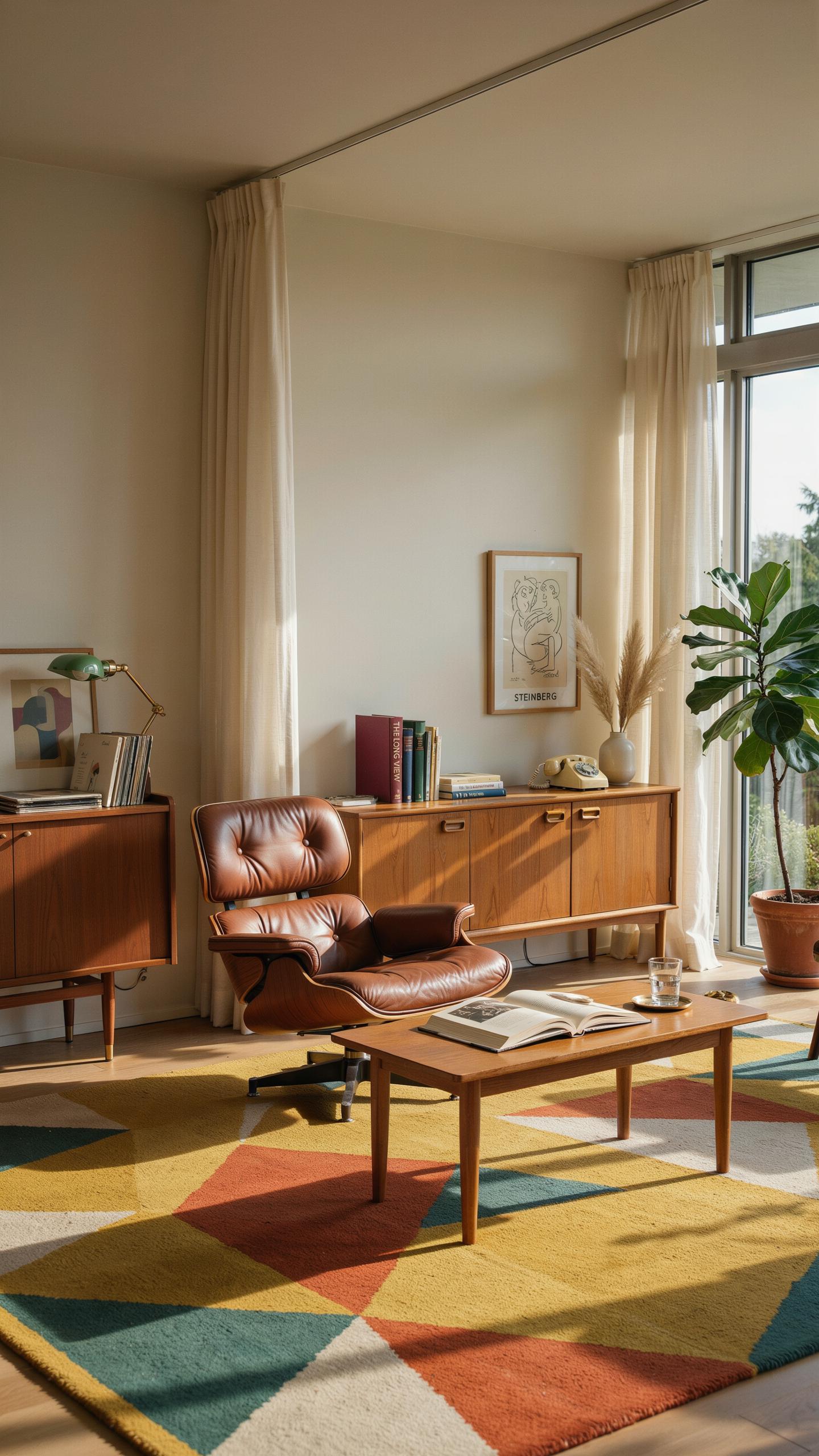
How To Spot Valuable Mid Century Originals
Authentic mid-century storage pieces command higher resale prices because they use superior materials and construction methods. Verification requires systematic inspection of specific markers that distinguish genuine items from reproductions or later-made pieces.
- Manufacturer Stamps Or Designer Signatures: Check inside drawers, underneath panels, and on back frames. Legitimate makers like Herman Miller, Knoll, and Danish manufacturers stamped or labeled their work consistently during production.
- Backing Material: Authentic pieces use solid wood veneer or plywood backs. Modern reproductions often substitute thin cardboard or particle board to cut costs, which compromises structural integrity and resale value.
- Hardware Quality: Inspect drawer pulls, knobs, and leg caps for brass, steel, or aluminum construction with period accurate patina. Cheap substitutes use lightweight alloys or mismatched hardware from different eras.
- Joinery And Construction: Look for mortise and tenon joints or dovetail construction rather than staples or nails. Hand planed wood surfaces and consistent grain patterns indicate mid-century manufacturing standards.
- Evidence Of Repairs Or Alterations: Identify replaced veneer, refinished surfaces, or modified hardware. Significant alterations reduce market value because collectors prioritize original condition and authenticity over cosmetic appeal.
Collectors and dealers assess value based on originality, condition, rarity, and documented provenance. A piece with factory documentation, original finish, and structural integrity outperforms repaired or refinished examples in competitive markets.
Restoring And Preserving Vintage Storage
Original finishes require different care approaches depending on the specific material applied during manufacturing. Danish oil, lacquer, and wax finishes each demand distinct cleaning and maintenance methods to prevent deterioration or finish failure.

Start with gentle cleaning using minimal moisture and pH neutral products designed for wood surfaces. Remove dust with soft cloths rather than abrasive materials. Apply period appropriate oils or waxes sparingly to maintain the original patina and character that defines mid-century pieces in the collector market.
How To Curate Inspiration Via Mid Century Modern Furniture Pinterest Boards
Finding Visual Patterns And Layout Ideas
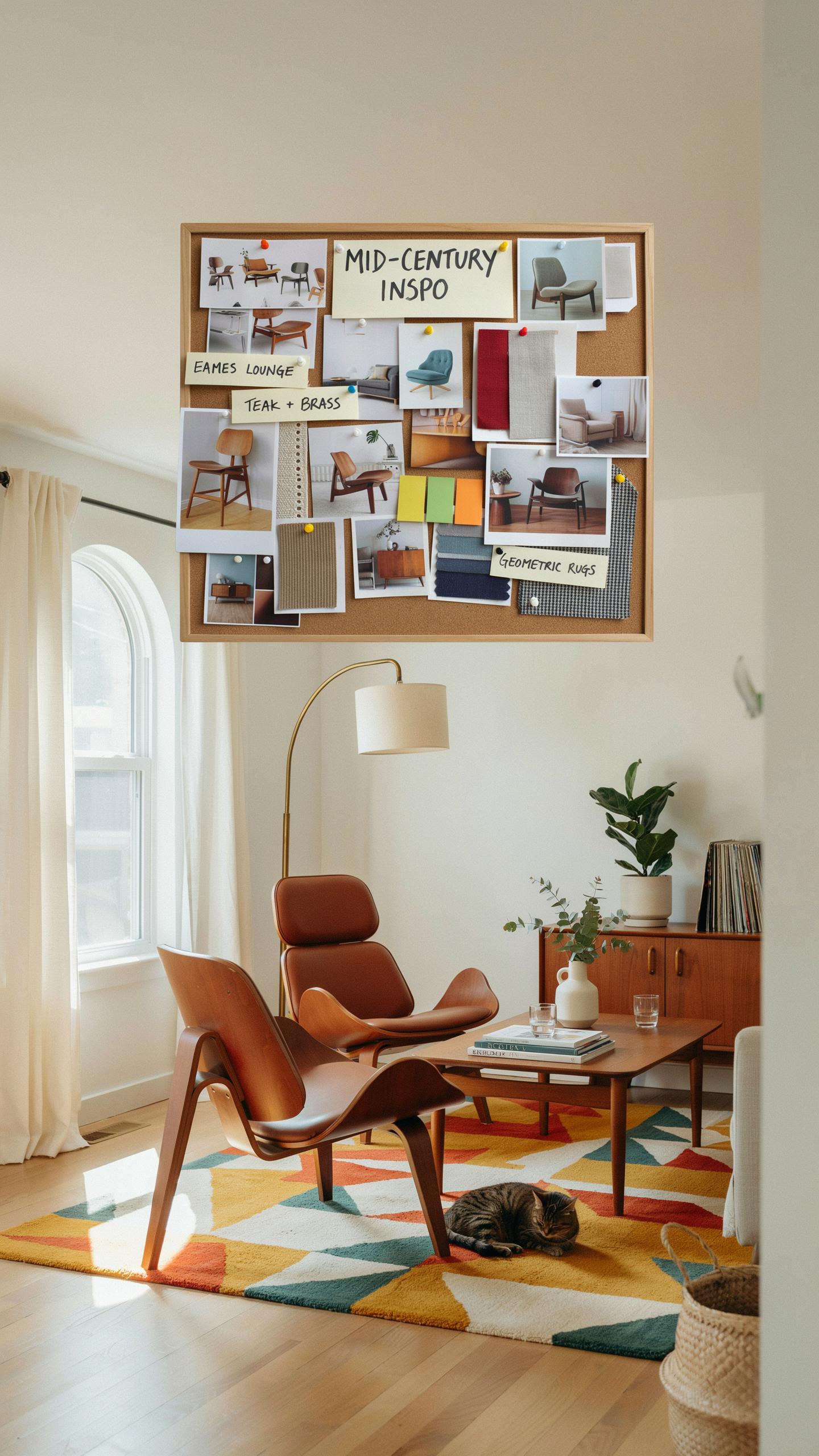
Pinterest boards expose you to hundreds of room configurations in seconds. You see how designers position storage pieces, pair them with wall colors, and arrange complementary items. This visual research reveals what actually works in real spaces rather than what manufacturers claim will work. Study photos that match your room dimensions and natural light conditions.
High-quality pins show specific design choices that solve storage problems. Notice which cabinetry styles integrate seamlessly into open floor plans. Examine color combinations between wood tones, wall paint, and flooring. Document layouts that maximize storage without creating visual clutter. This pattern recognition directly informs your purchasing decisions when you hunt vintage pieces locally or online.
Building A Cohesive Shopping Wishlist
Use Pinterest’s save and board organization features to track specific pieces you want to source. Record manufacturer names, model numbers, and approximate price ranges you see across multiple listings. Tag pins by room location, wood type, or storage function. This system prevents duplicate purchases and helps you negotiate better prices when you find similar items at different vendors.

Organize your wishlist by priority and available budget. Note dimensions and condition details from the photos you save. When you visit antique shops or scroll marketplace auctions, reference your board to make faster buying decisions. Compare new finds against your curated selections to ensure consistency in style, scale, and finish across your storage investments.
Selecting The Perfect Mid Century Modern Cabinet For Your Dining Room
The Versatile Sideboard And Buffet
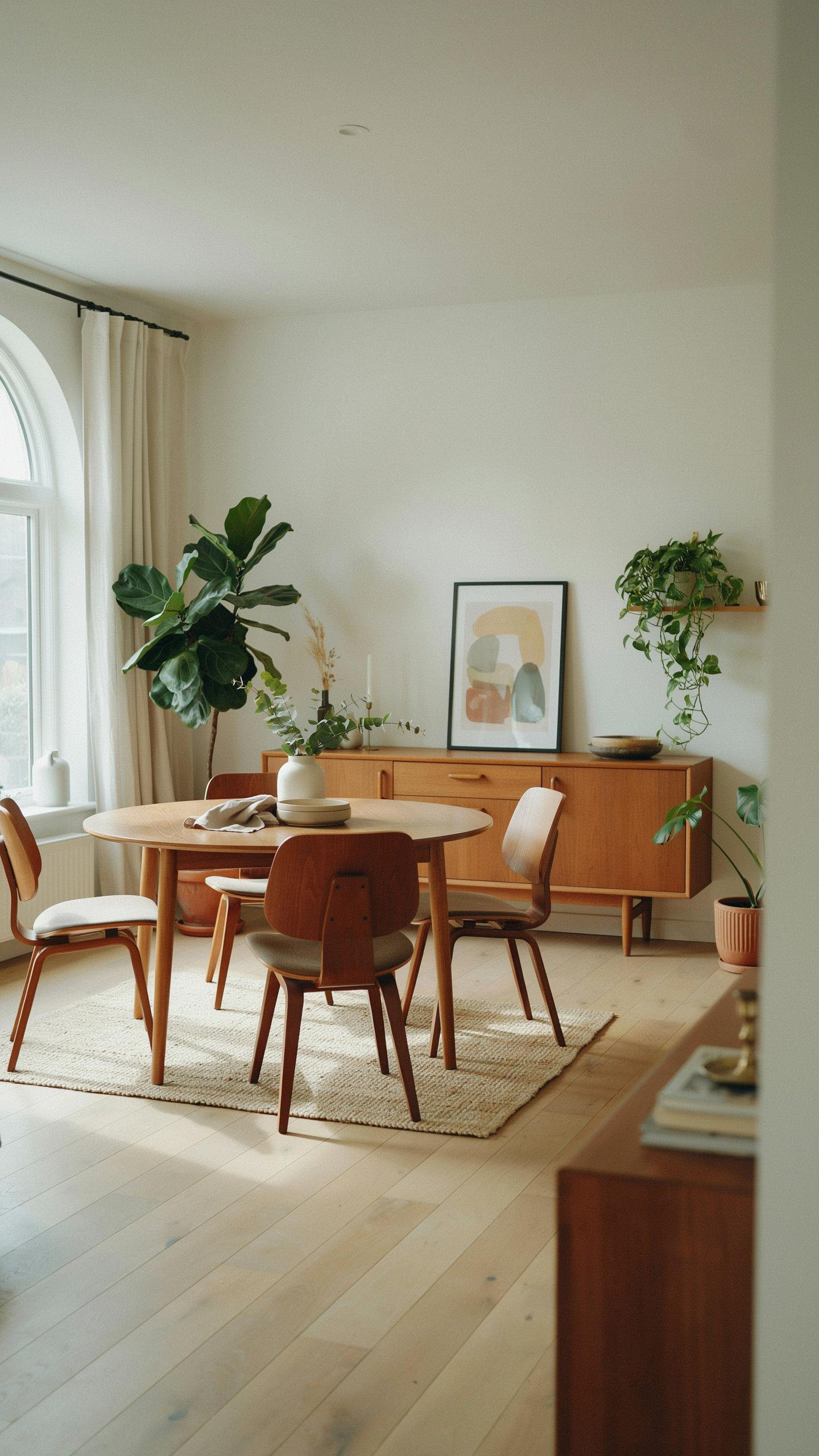
Mid century sideboards serve a specific function: they store dining essentials while occupying minimal floor space. These pieces typically measure 48 to 72 inches wide and feature shallow drawers above larger cabinet compartments. The design keeps dinnerware, fine china, and table linens organized and within arm’s reach during meals or entertaining. Integrated shelving provides flexible storage options for both everyday items and special occasion pieces.
The sideboard’s placement matters strategically. Position it along the dining room wall opposite the table or adjacent to it for efficient service during dinner parties. Tapered wooden legs lift the piece off the floor, creating visual lightness while maintaining sturdy construction. This design choice reduces the sense of bulk and allows for easier floor cleaning beneath the unit.
Incorporating Glass Front China Displays
Glass-front china cabinets showcase collectibles while protecting them from dust and handling damage. Mid century versions feature sliding or hinged glass doors that frame the contents without requiring constant opening and closing. Interior shelves use adjustable hardware to accommodate varying heights of glassware, pottery, and decorative objects. This display method transforms functional storage into a visual focal point within the dining room.

Integrated interior lighting amplifies the display cabinet’s impact. Designers incorporated small incandescent or LED fixtures along the top or sides of these units to highlight contents and create ambient lighting during evening gatherings. The glass doors reflect light throughout the room while drawing attention to valued pieces. This combination of storage and illumination delivers both practical organization and aesthetic presence in the dining space.
Why A Vintage Mcm Cabinet Is The Ultimate Storage Investment
The Evolution Of Cabinet Craftsmanship
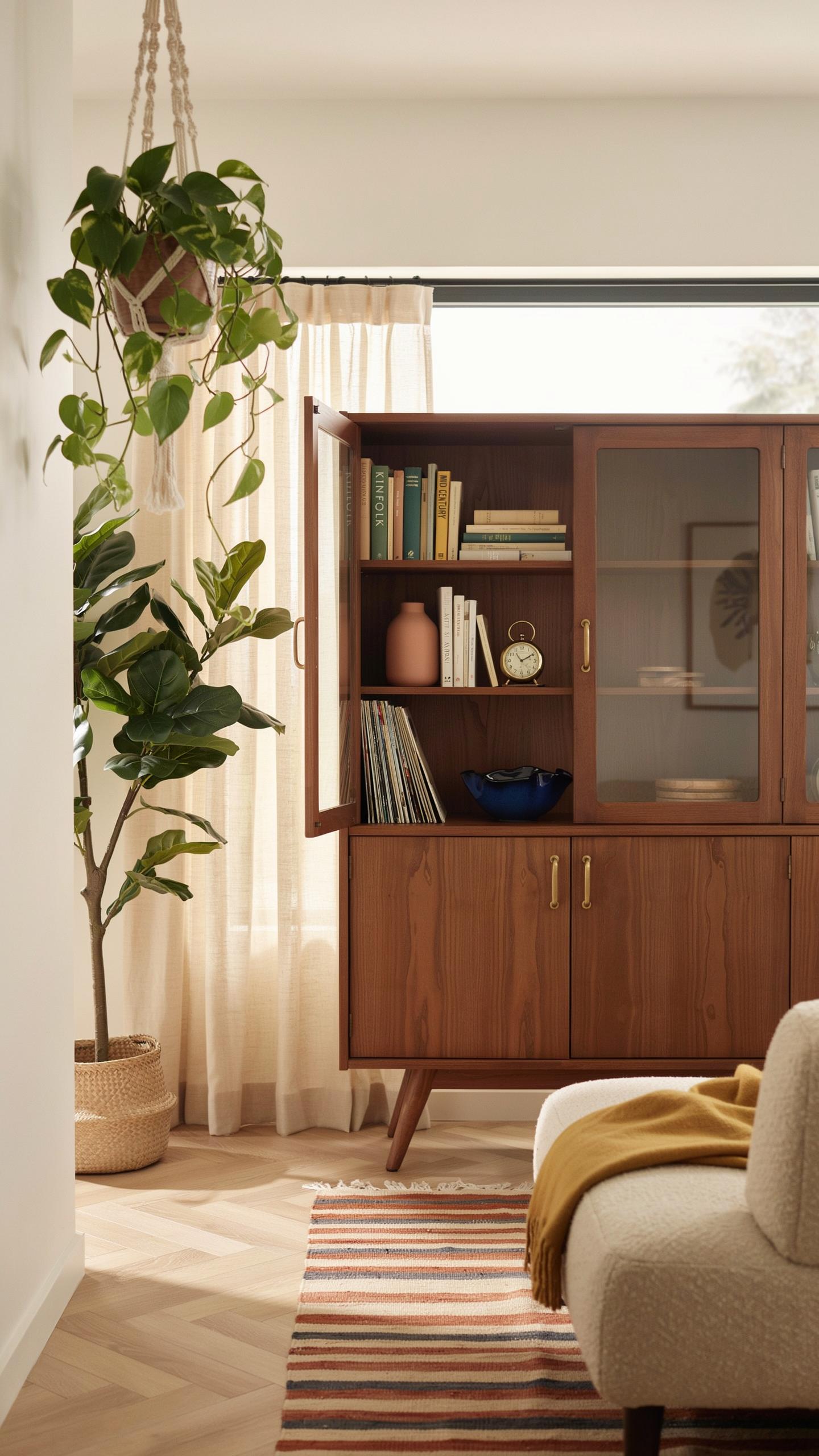
Victorian furniture makers prioritized ornamentation and hand-carved details. Drawers featured elaborate hardware, curved legs, and dense wood construction. These pieces required skilled artisans and consumed significant production time. Mid-century manufacturers stripped away excess decoration. They embraced flat surfaces, straight lines, and functional hardware. This shift enabled faster production without sacrificing durability or visual appeal.
Mid-century design combined minimalism with industrial efficiency. Cabinets used plywood, veneers, and engineered materials alongside solid wood. Tapered legs replaced bulky supports. Simple pulls and handles replaced ornate brass fixtures. This approach reduced production costs while maintaining quality. The result was furniture that lasted decades and adapted to multiple interior styles. Minimalist aesthetics proved more timeless than ornate Victorian design.
Sourcing Authentic Mcm Pieces Locally
Estate sales remain the most reliable source for original mid-century cabinets. Liquidation companies handle home clearances and often price pieces based on condition rather than historical value. Sellers frequently undervalue authentic pieces due to lack of knowledge. Arrive early to inspect quality, check drawer function, and verify wood type and construction methods. Document maker marks and hardware styles for authentication purposes.
Flea markets and antique malls offer accessible hunting grounds for mid-century storage solutions. Specialized mid-century modern galleries cater to serious collectors and provide authentication support. Prices vary dramatically based on designer attribution, rarity, and condition. Direct purchases from galleries cost more but guarantee provenance. Local antique shops often source inventory from estate sales, giving you secondary access to high-quality pieces at competitive prices.
Frequently Asked Questions

What defines mid century furniture style storage compared to other designs?
This iconic style is characterized by clean lines, organic curves, and a focus on functionality. Unlike bulky traditional pieces, mid century furniture style storage prioritizes a light, airy aesthetic using tapered “peg” legs and warm wood tones like teak or walnut. These pieces originated between the 1940s and 1960s, stripped of unnecessary ornamentation to highlight the natural beauty of the materials while providing efficient organizational solutions for modern homes.
How can I style a mid century sideboard to best elevate my living room?
To maximize the impact of mid century furniture style storage, use the surface of a sideboard or credenza as a curated display. Position a large round mirror or abstract art piece above it to create a focal point. Balance the look by adding a tall ceramic vase on one side and a stack of coffee table books on the other. This creates a sophisticated, layered appearance that blends storage with high-end interior design.
Is it possible to find quality mid century storage options on a budget?
Absolutely! You don’t need to purchase expensive original antiques to achieve this look. Many modern retailers offer high-quality reproductions that capture the vintage essence at a fraction of the cost. Additionally, check local thrift stores or online marketplaces for hidden gems. With a little bit of wood polish or new brass hardware, an affordable flea market find can become a stunning statement piece that adds timeless character to your property.