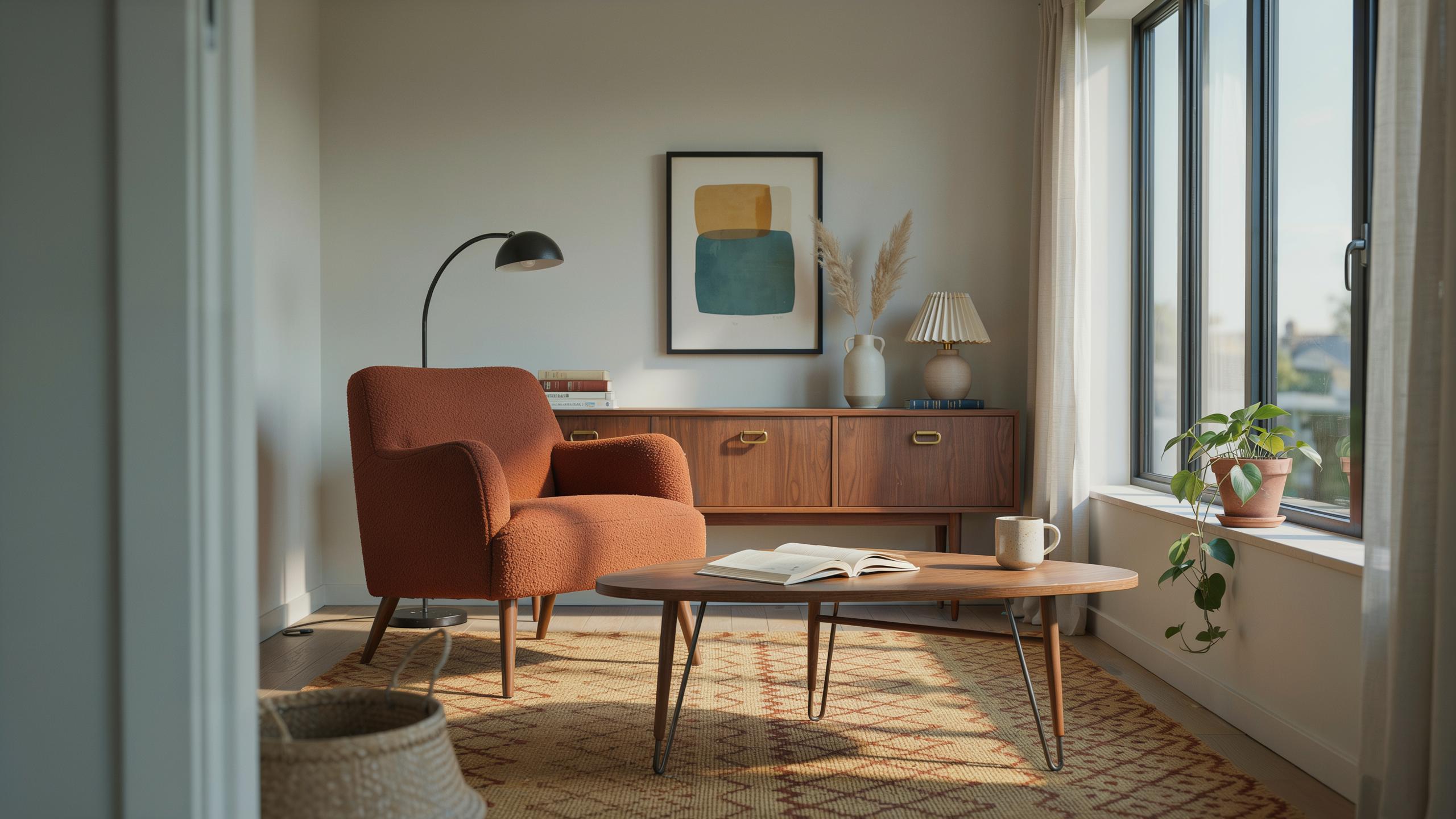
Understanding Mid Century Furniture Style Wood Tones In The Mid Century Modern Revival
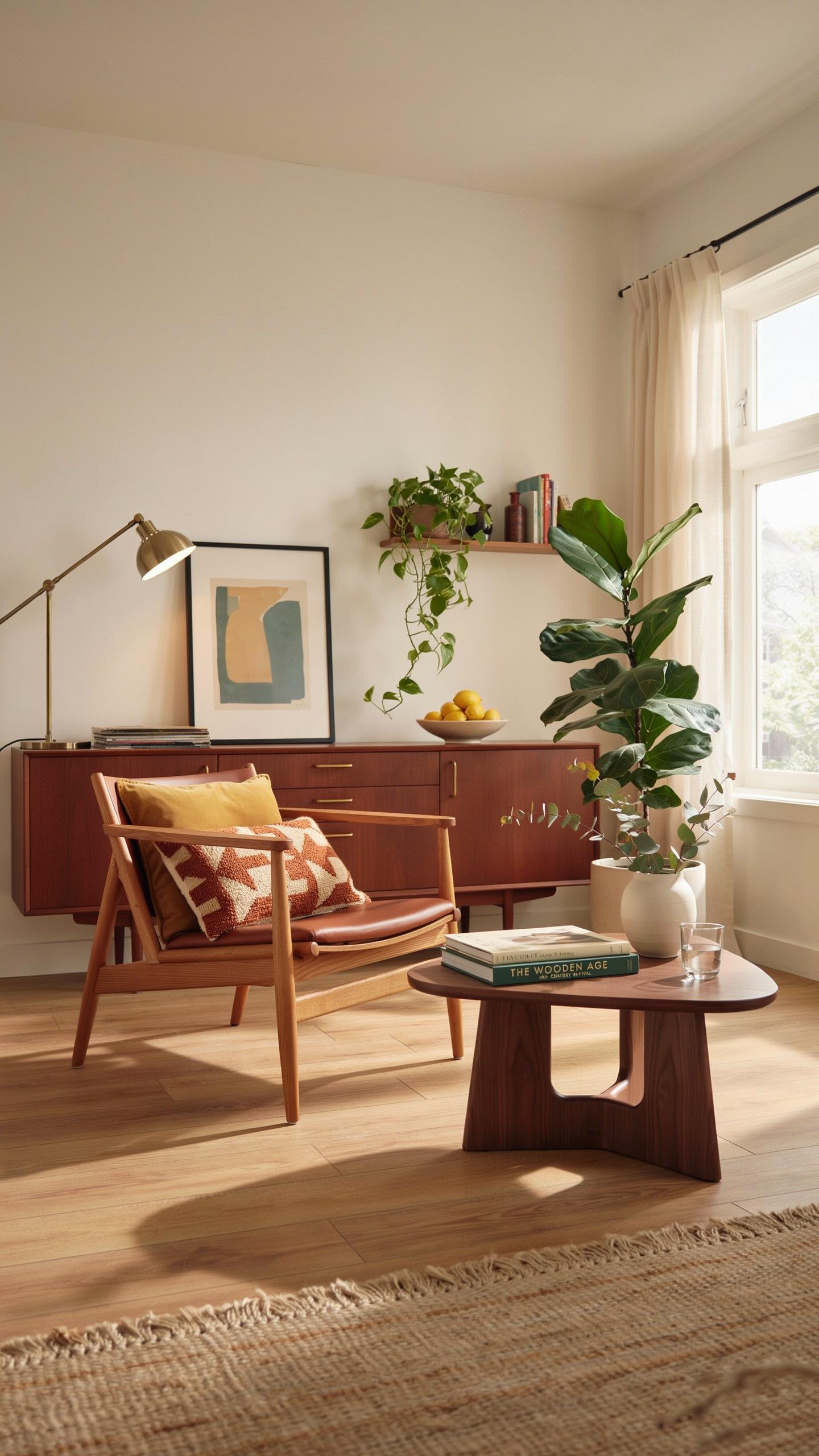
The Role Of Warm Woods In Teak And Walnut
Teak and walnut became the workhorses of mid-century modern design for practical reasons. Both woods resist warping and moisture damage, making them reliable for furniture that needed to last. Designers chose these woods specifically because their natural color required no stain or paint to look intentional. The warm honey and chocolate tones these woods offered aligned perfectly with the era’s design philosophy of honest material expression.
Teak dominated Scandinavian and Danish design circles during the 1950s and 1960s. Walnut gained traction in American mid-century pieces, particularly in case goods and seating frames. Both woods aged gracefully, developing deeper patina over time without losing structural integrity. Manufacturers prioritized these species because they delivered consistent quality and could handle the mass production demands of the growing furniture market.
Why Wood Grain Matters In This Timeless Aesthetic
Mid-century designers stopped hiding wood grain and started featuring it as a design statement. Unlike Victorian furniture that buried wood under veneers and finishes, mid-century pieces celebrated the natural variation in grain patterns. Each board became visually distinct, creating movement and depth without requiring applied decoration. This shift reflected a broader design movement toward authenticity and rejecting ornamental excess.
Grain visibility served a tactical purpose beyond aesthetics. It proved the furniture used solid wood rather than cheap substitutes. Consumers could see quality in the material itself. Open-grain walnut and teak’s characteristic striping became signatures of legitimate mid-century pieces. This transparency in material honesty became a selling point and design principle that still influences furniture evaluation today.

Identifying Key Wood Species For A Vintage Mid Century Modern Look
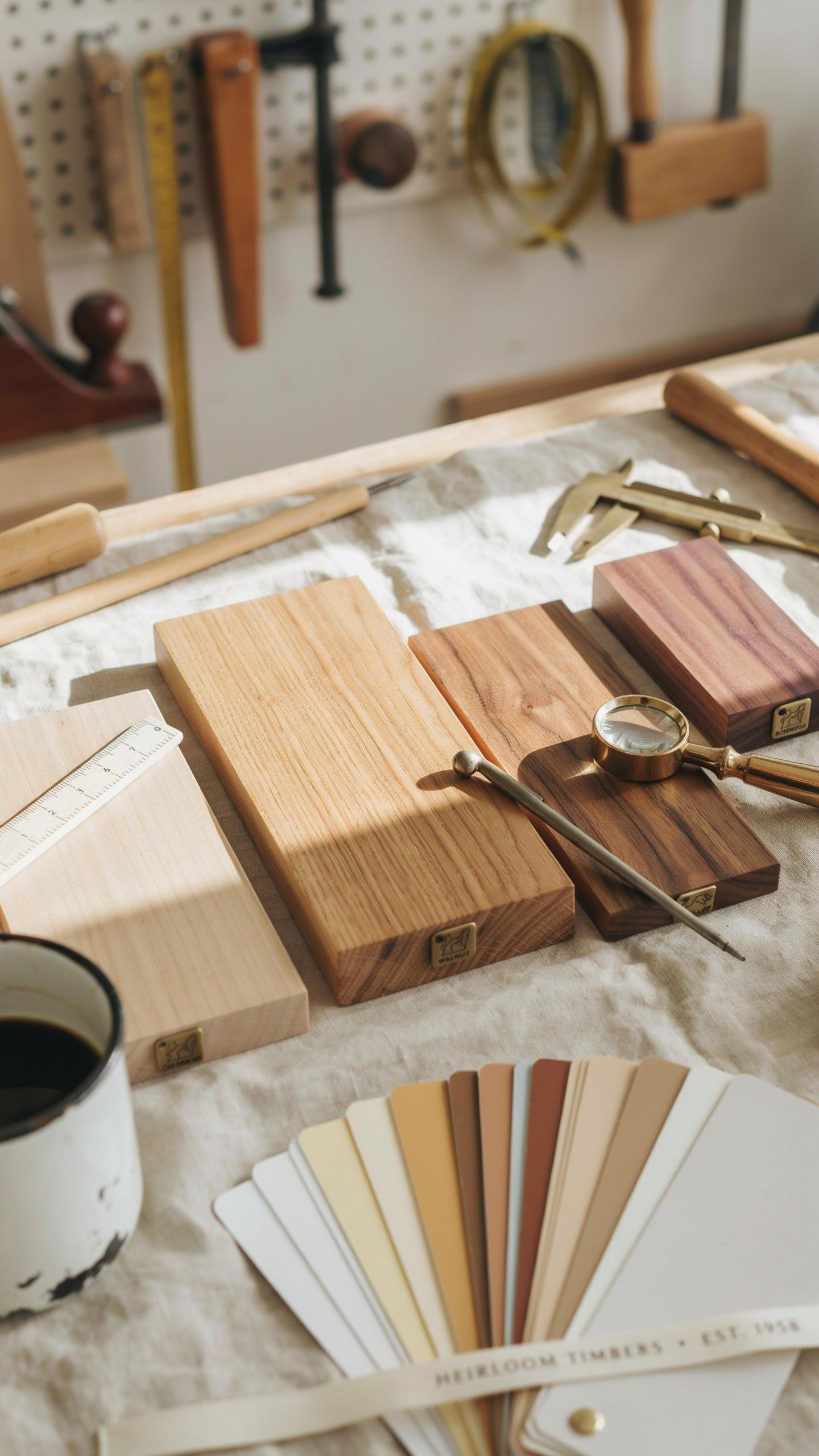
Teak Wood – The Golden Standard Of Scandinavian Design
Teak originates primarily from Burma, Thailand, and Indonesia. Burmese teak commands the highest prices due to its tight grain structure and natural oil content. This wood delivers a golden-brown tone that darkens slightly over time. It resists moisture and decay naturally, making it ideal for furniture that lasts decades without deterioration.
Scandinavian designers chose teak for its workability and appearance. The wood finishes to a smooth surface without excessive sanding. Teak’s stability means furniture legs don’t wobble or joints don’t loosen after years of use. Vintage teak pieces from the 1950s and 1960s still maintain their original integrity today because the material simply performs.
Walnut And Rosewood – Rich Tones With Dramatic Grains
American black walnut delivers deep chocolate and purple-brown tones with pronounced grain figuring. The wood machines cleanly and takes stain evenly across its surface. Rosewood, sourced from Brazil and India, produces even darker tones with dramatic striping patterns. Both woods command higher prices because the grain patterns make each piece visually distinct and they’re harder to source today.
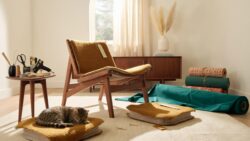
Walnut and rosewood appear throughout American and European mid-century modern designs from the 1950s forward. These woods photograph well, which made them popular for high-end furniture marketed in design magazines. The bold grain patterns add visual weight to pieces without requiring extra thickness. Craftsmen preferred these woods because they could achieve sharp, clean edges on legs and frames without splintering.
Curating The Perfect Mid Century Interior Colors To Highlight Wood Tones
Integrating Earthy Tones And Retro Hues
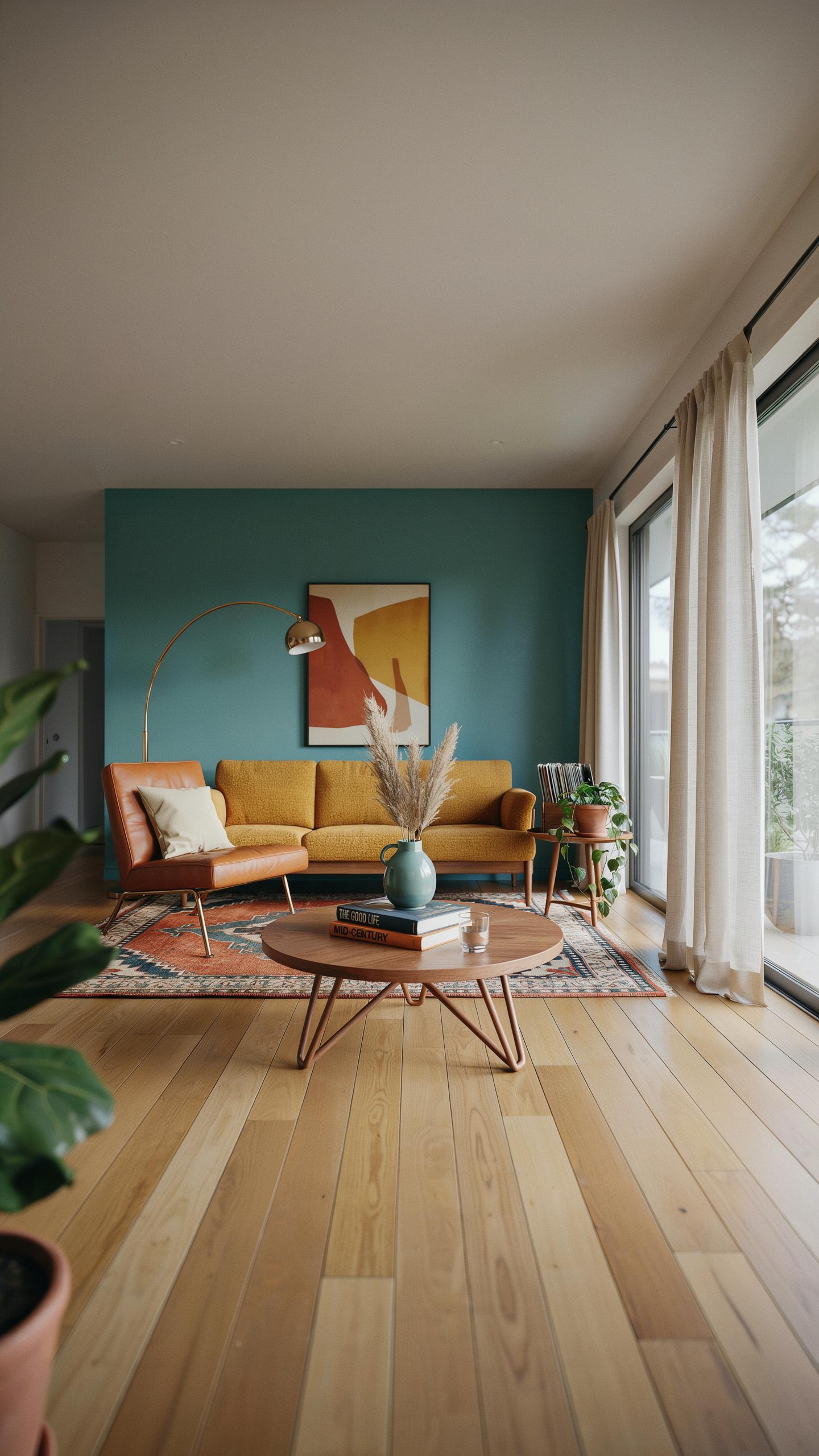
Mid century designers paired natural wood with specific color families that emerged during the 1950s and 1960s. Mustard yellow, avocado green, and tangerine worked because they shared warm undertones with the wood itself. These colors didn’t compete with grain patterns. Instead, they created visual balance by echoing the warmth already present in walnut, teak, and rosewood furniture pieces.
The reason these hues succeeded lies in color theory. Warm wall colors and fabric choices make warm wood tones recede slightly, preventing the room from feeling dominated by furniture. Avocado green specifically complemented mid century wood because both share earthy, muted qualities. Mustard and tangerine added energy without clashing. Applying these colors to walls, upholstery, or accent pieces lets wood remain the visual anchor while supporting it strategically.
Selecting Safe Neutrals To Let Wood Grain Shine
Cream and beige backgrounds eliminate visual noise, allowing wood grain to command attention. These neutrals work across all wood tones because they provide contrast without assertiveness. Cream specifically brightens spaces and makes medium to dark woods pop. Beige creates softer contrast and pairs well with lighter woods like ash or maple. Charcoal functions differently by creating drama through darkness, making warm wood tones feel warmer by comparison.

Deploy these neutrals on walls or large upholstered pieces to keep focus on your furniture collection. Cream works best in rooms with natural light where it won’t feel washed out. Beige suits spaces where you want approachable warmth without drama. Charcoal demands careful placement since it darkens rooms and works primarily as an accent color or in larger spaces. Match neutral wall colors to your wood’s undertone for maximum cohesion and visual clarity.
Applying Mid Century Interior Design Principles To Wood Selection
Balancing Warm And Cool Elements In Your Space
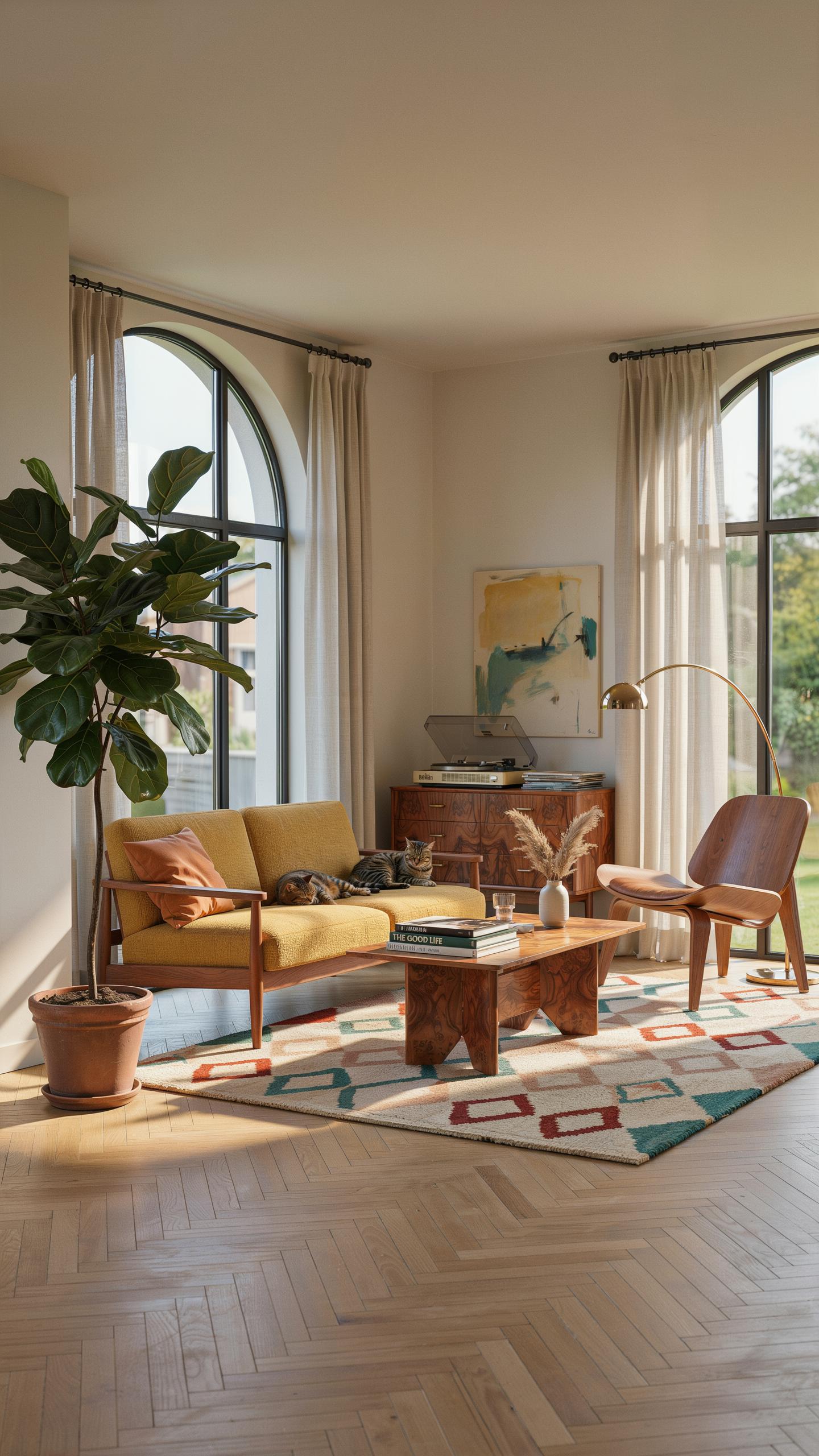
Mid century design emerged in the 1940s through 1960s with a core principle: balance opposing visual weights. Warm woods like oak and teak anchor spaces with organic energy. Cool materials such as chrome, brushed aluminum, and glass counteract wood warmth and prevent rooms from feeling heavy. Geometric fabrics in solid colors or abstract patterns reinforce this equilibrium without competing for attention.
Place warm wood furniture as your foundation pieces. Surround them with metal frames, glass table tops, and cool-toned upholstery to create visual breathing room. This strategy prevents wood from dominating the entire interior. The contrast between materials defines mid century aesthetics rather than wood alone. Your space stays grounded yet modern through this deliberate tension.
Tips For Harmoniously Mixing Different Wood Tones
Mixing multiple wood tones works when you establish a dominant wood, then layer in secondary tones strategically. Select one wood as your primary anchor, typically a medium tone like walnut or oak for cabinetry or large case pieces. This prevents visual confusion and gives your interior a coherent foundation that ties elements together.
- Use dark walnut for statement pieces: Walnut commands attention and works best for prominent furniture like credenzas or dining tables that anchor a room visually.
- Apply light birch to secondary items: Birch works well for smaller accent pieces, side tables, or chairs that support but don’t dominate your layout.
- Separate wood tones by function: Assign warm tones to seating and cool metals to tables to create natural visual zones without competing wood hues.
- Let negative space work for you: Space wood pieces apart rather than clustering them to prevent tonal clashing and allow each wood finish to breathe independently.
- Match wood finish quality across tones: Use similar sheen levels on all wood pieces, whether matte or satin, so different tones feel intentional rather than mismatched.

The key tactic is treating mixed woods as intentional design choices, not accidents. Space them throughout the room rather than grouping similar tones together. This distribution lets each wood tone contribute to the overall scheme without creating visual weight in one area.
Creating A Cozy Mid Century Home Aesthetic With Light And Medium Woods
The Charm Of Blonde Woods Like Beech And Elm
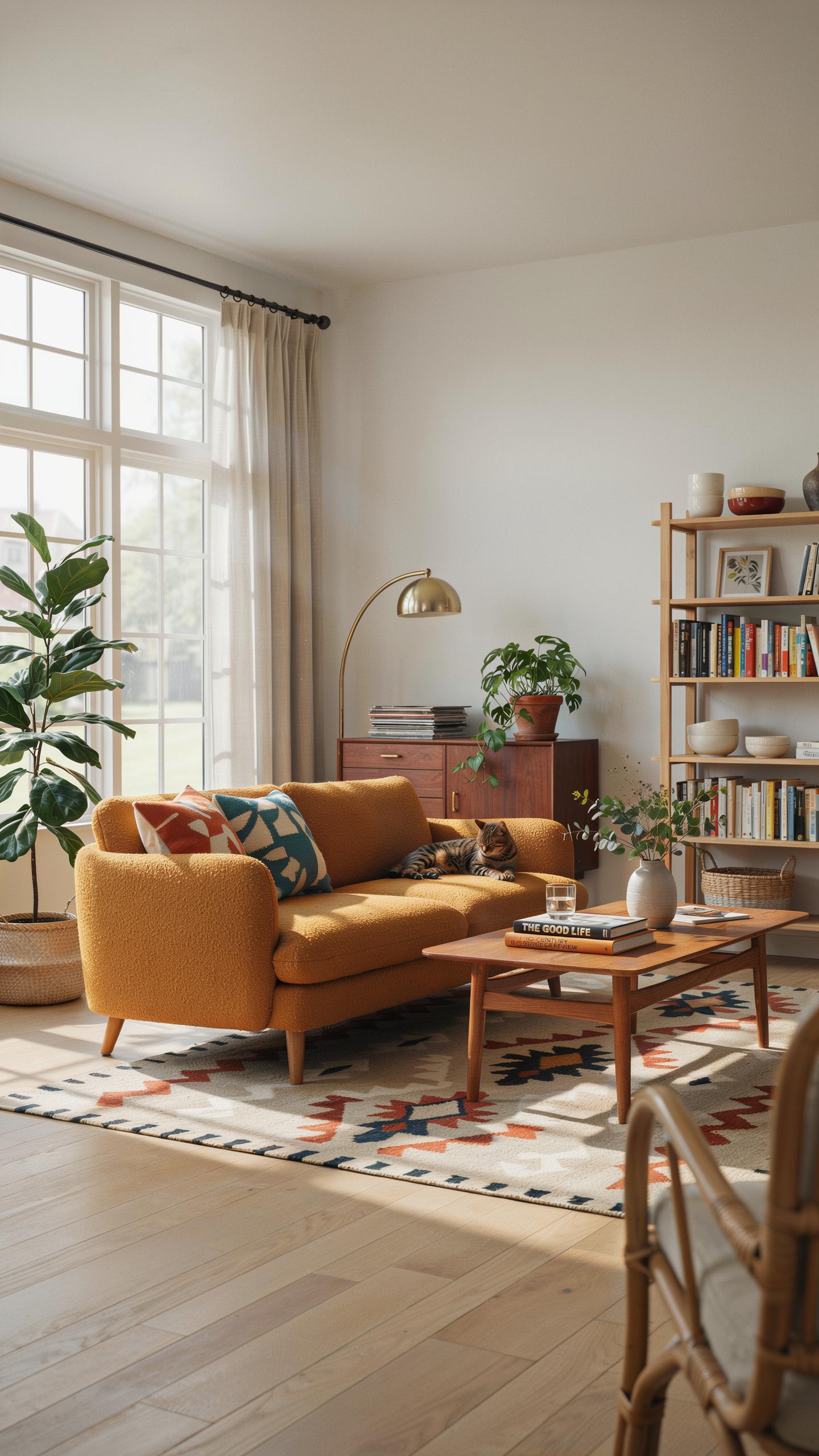
Blonde woods dominated mid century design because they matched the era’s desire for open, uncluttered spaces. Beech and elm have naturally pale grain patterns that reflect light throughout rooms. These woods became popular in Scandinavian furniture design during the 1950s and 1960s, spreading influence across European and American mid century aesthetics. Light tones make furniture feel less visually heavy, which aligned with the period’s functional approach to design.
Beech and elm work best in rooms with existing natural light. Their pale surfaces don’t compete with other design elements. Use these woods for case pieces like dressers, sideboards, or shelving units where their color becomes a visual anchor. Pairing blonde wood furniture with minimal hardware and clean lines reinforces authentic mid century character without adding visual clutter to your space.
Warm Oak And Cherry For A Welcoming Vibe
Medium toned oak and cherry provide warmth without the visual heaviness of darker woods like walnut. These species have more pronounced grain patterns than blonde woods, adding subtle texture that reads as intentional rather than rustic. Oak became standard in American mid century production furniture during the 1950s because it was affordable and worked with both modern and transitional styles. Cherry offered a premium alternative that appealed to higher end mid century manufacturers.
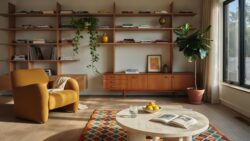
Cherry and oak work strategically in living areas where you want to establish comfort without sacrificing openness. Their warm undertones complement upholstered pieces and create conversation groupings that feel inviting but controlled. These woods perform well in medium sized rooms where they establish presence without dominating the visual field. Pair them with tapered legs and minimal ornamentation to maintain period accuracy while achieving a lived in quality.
Designing A Small Living Room Mid Century With Select Wood Pieces
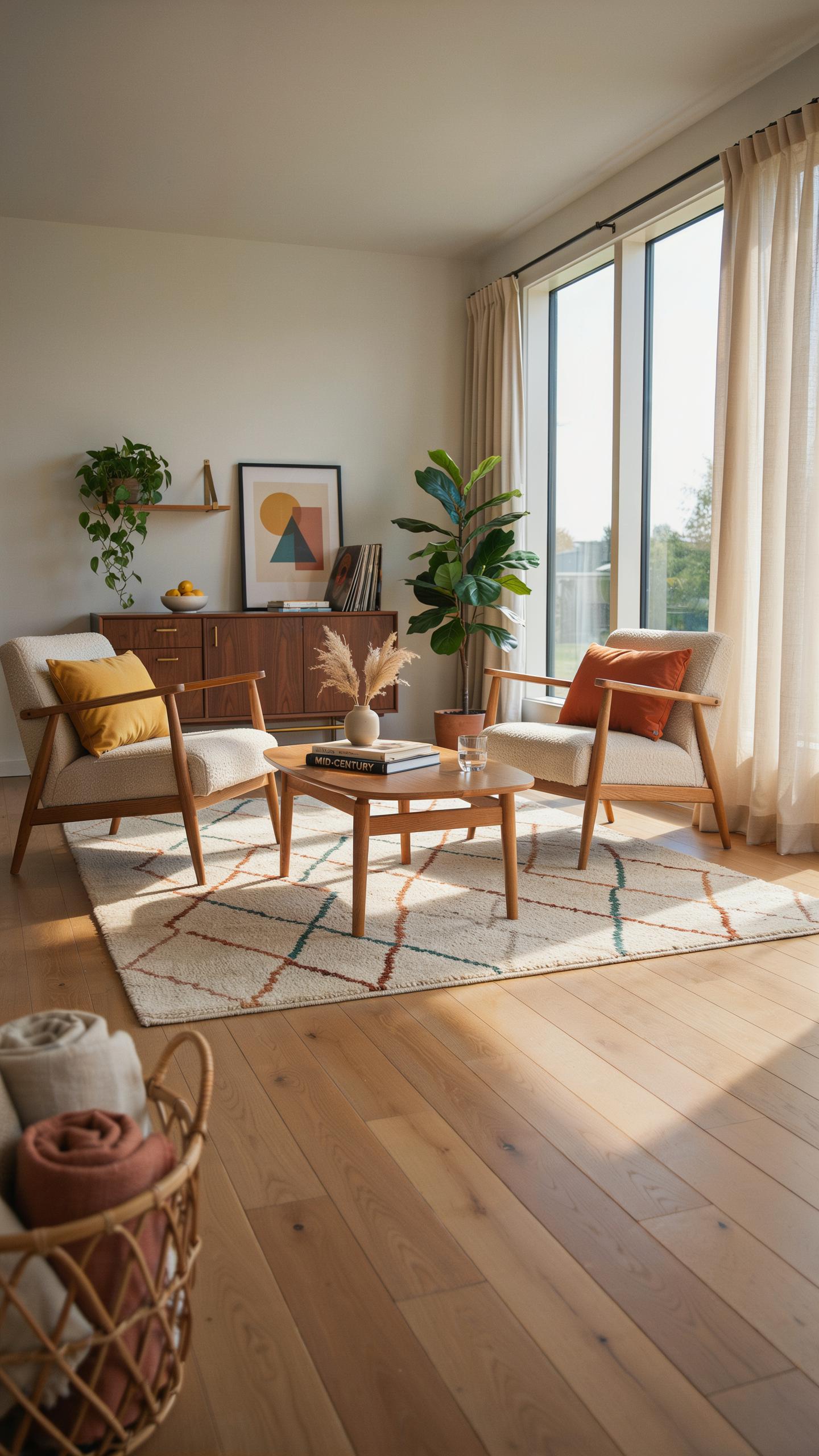
Choosing Leggy And Low Profile Furniture To Maximize Space
Tapered wooden legs became a defining feature of mid-century design because they accomplish a specific function: they lift furniture off the floor. This vertical gap creates sight lines that make rooms feel larger than they are. Low-profile pieces reinforce this effect by reducing visual bulk at eye level, which is crucial in tight layouts.
The math is straightforward. When you can see floor space beneath and around furniture, your brain registers the room as more open. Walnut and teak legs, common in authentic mid-century pieces, maintain visual lightness while supporting weight efficiently. Pair low seating with open shelving to compound the spacious feeling in compact living areas.
Smart Space Saving Wooden Furniture Ideas
Mid-century designers solved small space problems with multipurpose wooden pieces that earn their square footage. Nesting tables, modular units, and drop-leaf tables pack function into minimal footprints. These aren’t trendy gimmicks—they reflect how mid-century design addressed actual space constraints in post-war urban housing.
- Nesting Tables: Stacked walnut or teak tables tuck into tight corners and separate when you need extra surface area for entertaining or work.
- Modular Shelving: Wooden units stack vertically and horizontally, adapting to wall space without consuming floor area or blocking sightlines.
- Drop Leaf Tables: Expandable wooden dining surfaces accommodate daily use with sides down, then extend for guests without permanent space theft.
- Storage Benches: Low-slung wooden seating with interior storage doubles as display and concealment for clutter in compact rooms.
- Wall-Mounted Cabinets: Mid-century wall units in oak or walnut organize belongings vertically, freeing floor space entirely.

These pieces work because they refuse to waste space. A well-chosen wooden storage piece eliminates the need for multiple single-function furniture items. Small rooms demand strategy, not decoration.
How To Care For Wood In Mid Century Modern Interiors
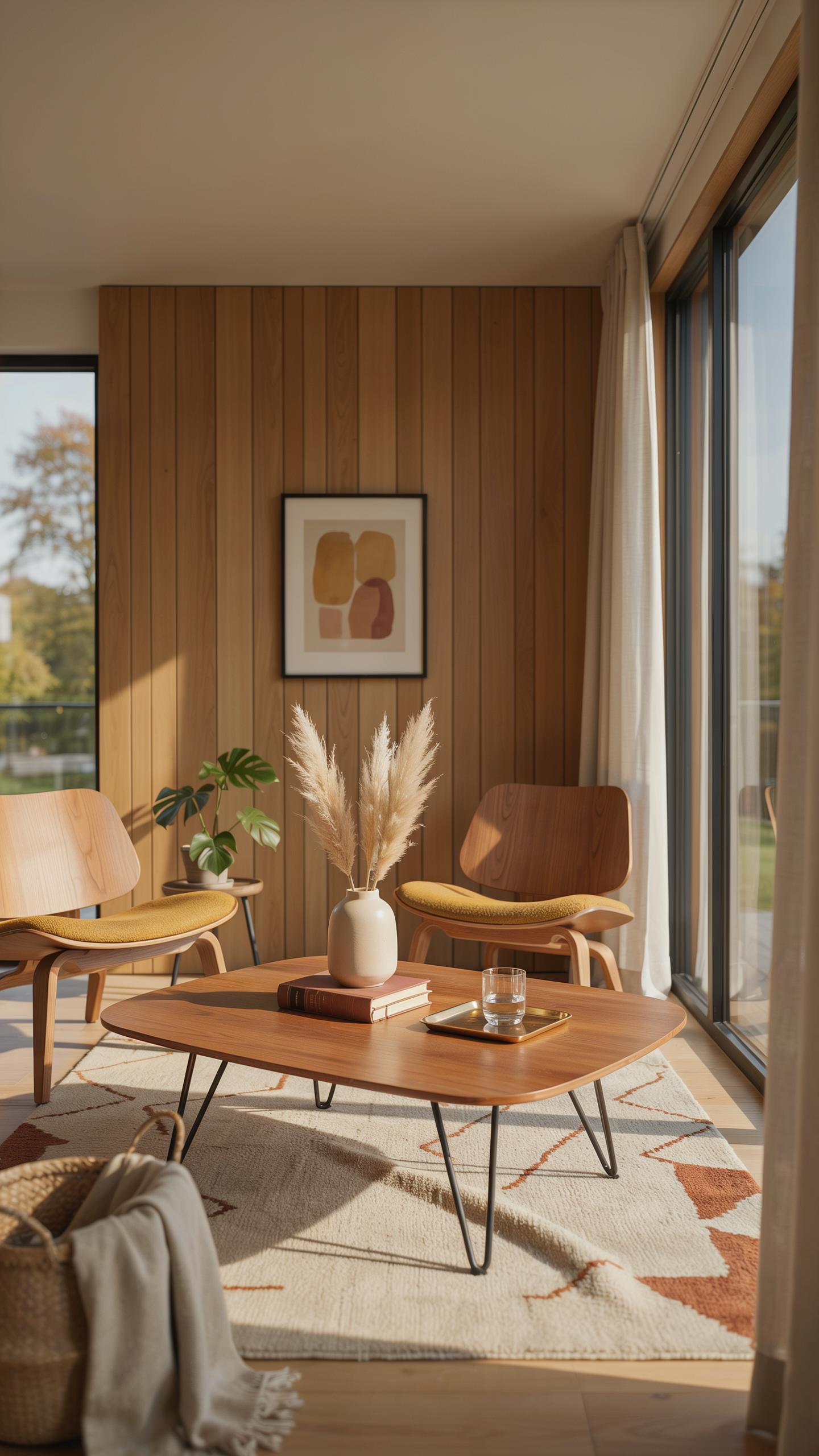
Simple Cleaning And Polishing Techniques For Beginners
Mid century modern furniture typically features oiled or lacquered finishes that need regular maintenance to stay functional. Dust with a soft, dry cloth weekly to prevent buildup. For oiled wood, use a slightly damp microfiber cloth monthly. Lacquered pieces need only dry cleaning. Never use water directly on the surface. This protects the finish and keeps wood stable.
Polishing restores luster and adds protection layers. Use furniture cream or paste wax every three to six months depending on use. Apply with a soft cloth in circular motions, then buff with a clean cloth. Test any product on an inconspicuous area first. This simple routine prevents deterioration and maintains the original appearance for years.
Embrace the simple beauty of warm walnut and teak to create a home that feels both timeless and lived-in. Start with one honest piece of wood, and let the natural grain tell its own story of modern comfort.
Dealing With Scratches And Faded Finishes Safely
Surface scratches on oiled finishes respond well to targeted treatment. Start with fine steel wool or 0000 grade to gently buff the damaged area. Follow with appropriate wood oil matching the original finish type. Lacquered surfaces need different tactics since steel wool can damage the coating. For lacquer, use specialized touch up markers or thin lacquer applications instead.

Faded finishes happen when wood loses its protective layer through sunlight or age. Address this by applying quality wood oil or wax to restore depth and protection. Multiple thin applications work better than one heavy coat. Allow drying time between applications per product instructions. This revives the wood tone without stripping and refinishing, saving time and expense.
Bringing The Concept Of Interior Design Mid Century Into Your Modern Home
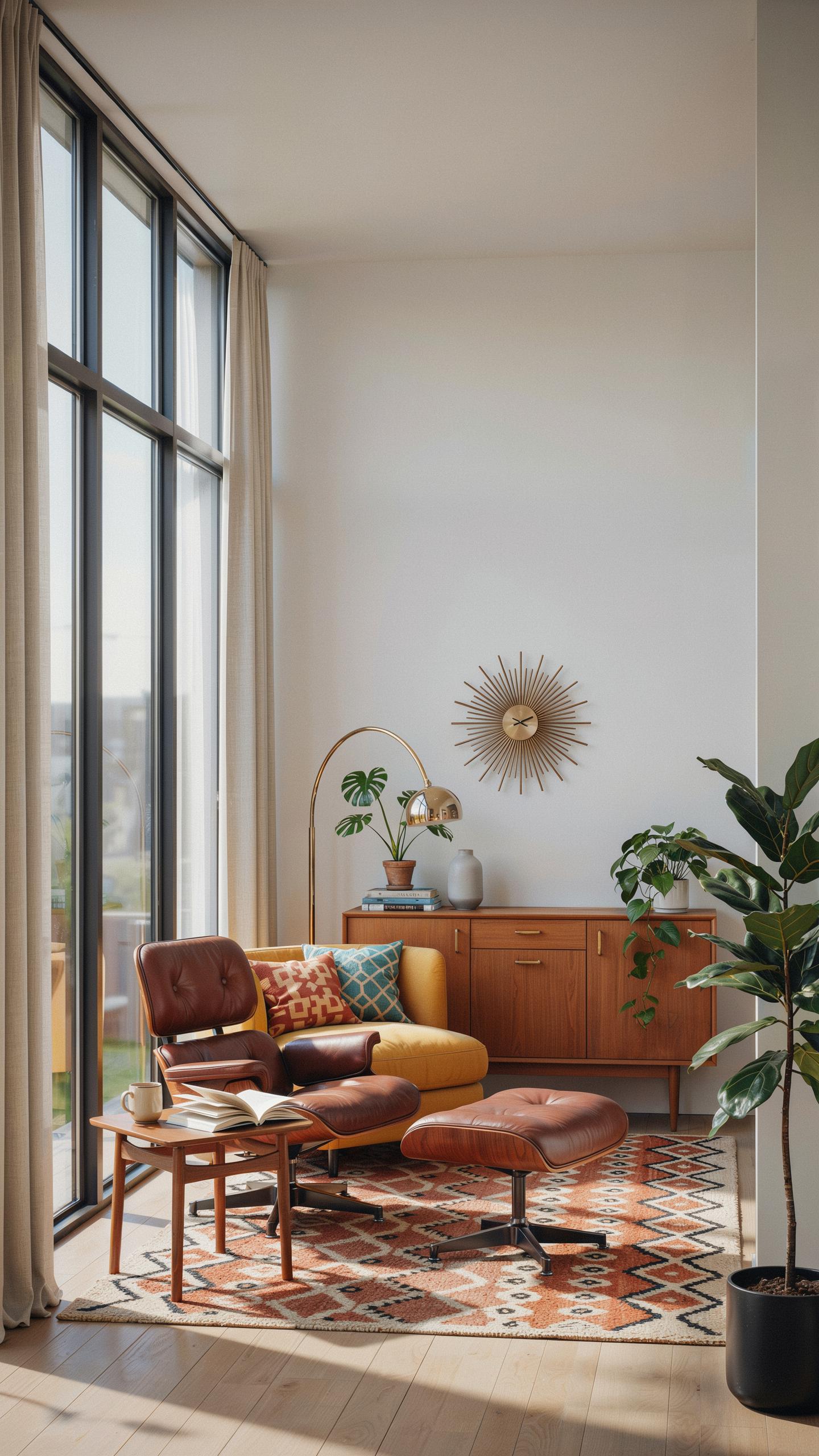
Sourcing Authentic Vintage Vs. High Quality Replica Wood Furniture
Authentic vintage mid century furniture carries specific markers you can verify. Check joinery methods, wood grain patterns, and hardware style against documented pieces from the 1945 to 1969 era. Real vintage shows wear patterns consistent with age and use. Legitimate sellers provide provenance documentation or clear sourcing history. Estate sales, auction houses, and specialized mid century dealers offer better odds than general antique shops where attribution errors run high.
Reproduction furniture from established manufacturers replicates construction methods and wood selections accurately. Companies like Herman Miller and Knoll produce documented replicas using original specifications. Quality reproductions use solid wood cores rather than veneer-only construction. Examine joints, stain application, and hardware finishes on reproductions. New pieces cost less than authentic vintage but carry warranties and consistent quality control that vintage purchases cannot guarantee.
Seamlessly Blending Mid Century Wood With Contemporary Styles
Mid century wood tones work in industrial settings when paired with metal and concrete elements. Walnut and teak credenzas contrast effectively against exposed brick and steel fixtures. The clean lines of mid century pieces complement industrial aesthetics without competing for visual attention. Low profile coffee tables from the era fit seamlessly under large contemporary artwork. Vintage wood furniture prevents industrial spaces from feeling cold or incomplete.

Minimalist interiors benefit from mid century wood pieces because both styles reject ornamentation. Walnut sideboards provide necessary storage without adding visual clutter to sparse rooms. Tapered legs on mid century tables maintain the open floor concept minimalist design demands. Eclectic decors absorb mid century wood furniture as anchor pieces that ground diverse elements. The simplicity of mid century construction allows other design styles to coexist without visual conflict.
Frequently Asked Questions

What are the most common mid century furniture style wood tones for beginners?
When starting your collection, look for warm, medium-depth hues. Teak is the gold standard of mid century furniture style wood tones, prized for its golden-honey glow. Walnut is another favorite, offering a deeper, rich chocolate finish with elegant grain patterns. For a lighter look, oak and birch provide a bright, airy aesthetic. Focusing on these iconic species helps beginners create a cohesive and authentic vintage foundation in any room.
How can I successfully mix different wood finishes in one room?
Mixing woods is easy if you identify the undertone. Most mid century furniture style wood tones lean toward warm oranges, yellows, or reds. To keep the space balanced, pick one dominant wood for your large pieces and use secondary tones for accents. Ensure there is enough contrast between the grains so the pairing looks intentional. A simple rule is to match the temperature of the wood rather than the exact color.
Can I achieve a mid century look if I am on a tight budget?
Absolutely. You don’t need expensive solid teak to capture the aesthetic. Look for “mid century inspired” pieces made from rubberwood or ash veneers, which are durable and cost-effective. Many affordable modern retailers use stains that mimic high-end walnut flawlessly. Additionally, hunting at thrift stores for older veneer pieces allows you to sand and restain them, making this timeless interior style accessible to everyone regardless of their starting budget.