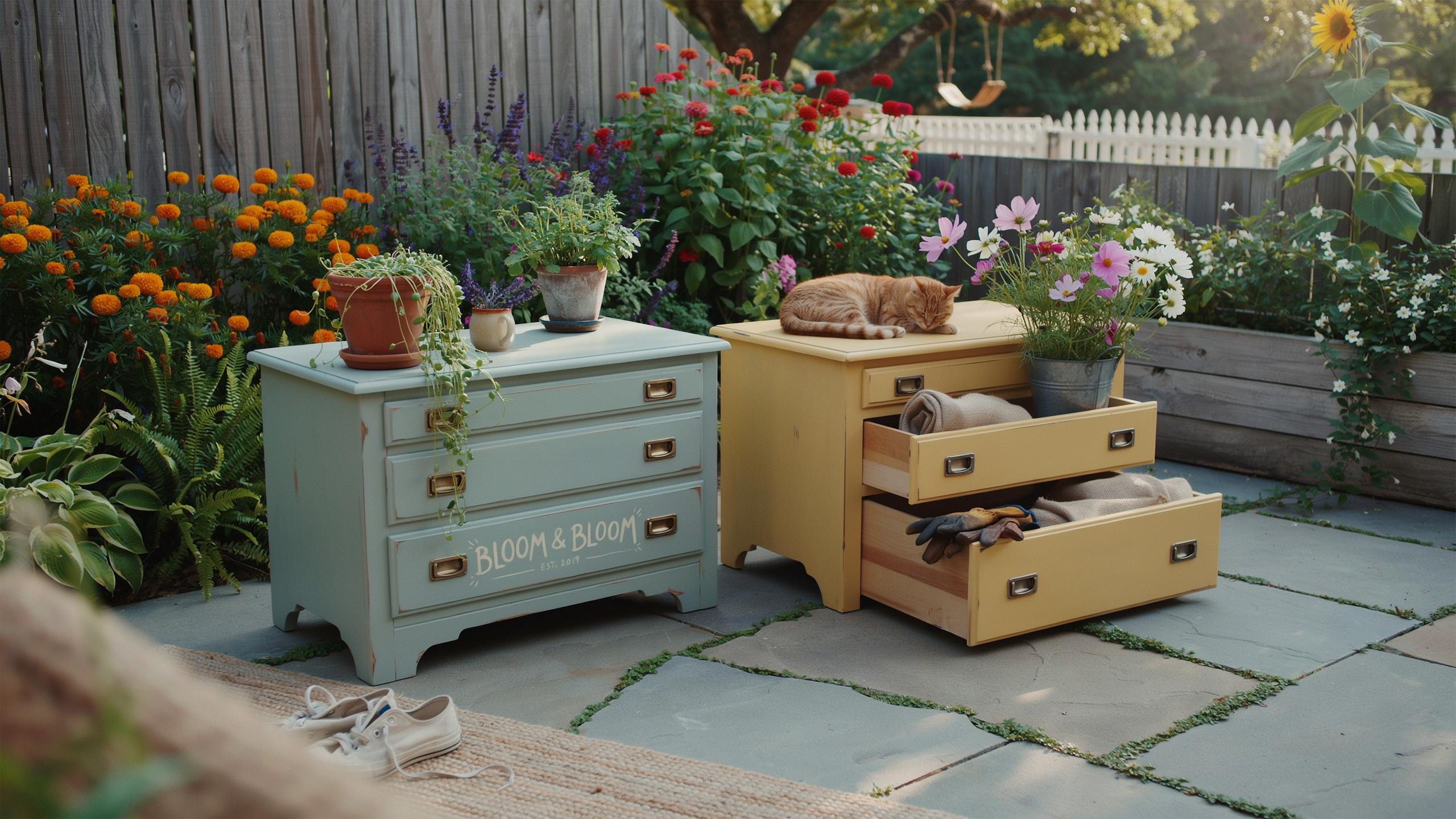
Innovative Upcycled Furniture Ideas For Dressers In Backyard Design

Outdoor Beverages
A vintage dresser transforms into a functional patio bar by removing the top drawers and installing a beverage cooler or ice bucket in the cavity. The structure provides storage for glasses, bottles, and bar tools in remaining drawers while the flat surface serves drinks. This approach repurposes existing furniture rather than purchasing new outdoor pieces.
The conversion requires minimal modifications to the dresser frame. You access the drawers for supplies, position glasses and bottles on top, and keep ice or beverages chilled in the cavity. The dresser’s height typically ranges from 30 to 36 inches, matching standard bar counter dimensions. Guests benefit from organized drink service in an authentic vintage setting.
Storage Solutions
Weatherproof coatings protect exterior dressers from moisture damage, UV rays, and temperature fluctuations. Marine-grade polyurethane and exterior wood sealants create barriers against rain and humidity that cause swelling, warping, and rot. Apply coatings in multiple thin layers rather than one thick application for even protection and durability.
Select coatings designed for outdoor wood furniture to ensure longevity. Polyurethane offers water resistance and UV protection for extended exposure to elements. Reapply sealant annually or after heavy weather seasons to maintain protection. The dresser’s drawer compartments store outdoor cushions, gardening tools, pool supplies, and seasonal decorations while remaining protected from weather damage.
Dresser Restoration Ideas For Creating Durable Garden Potting Benches
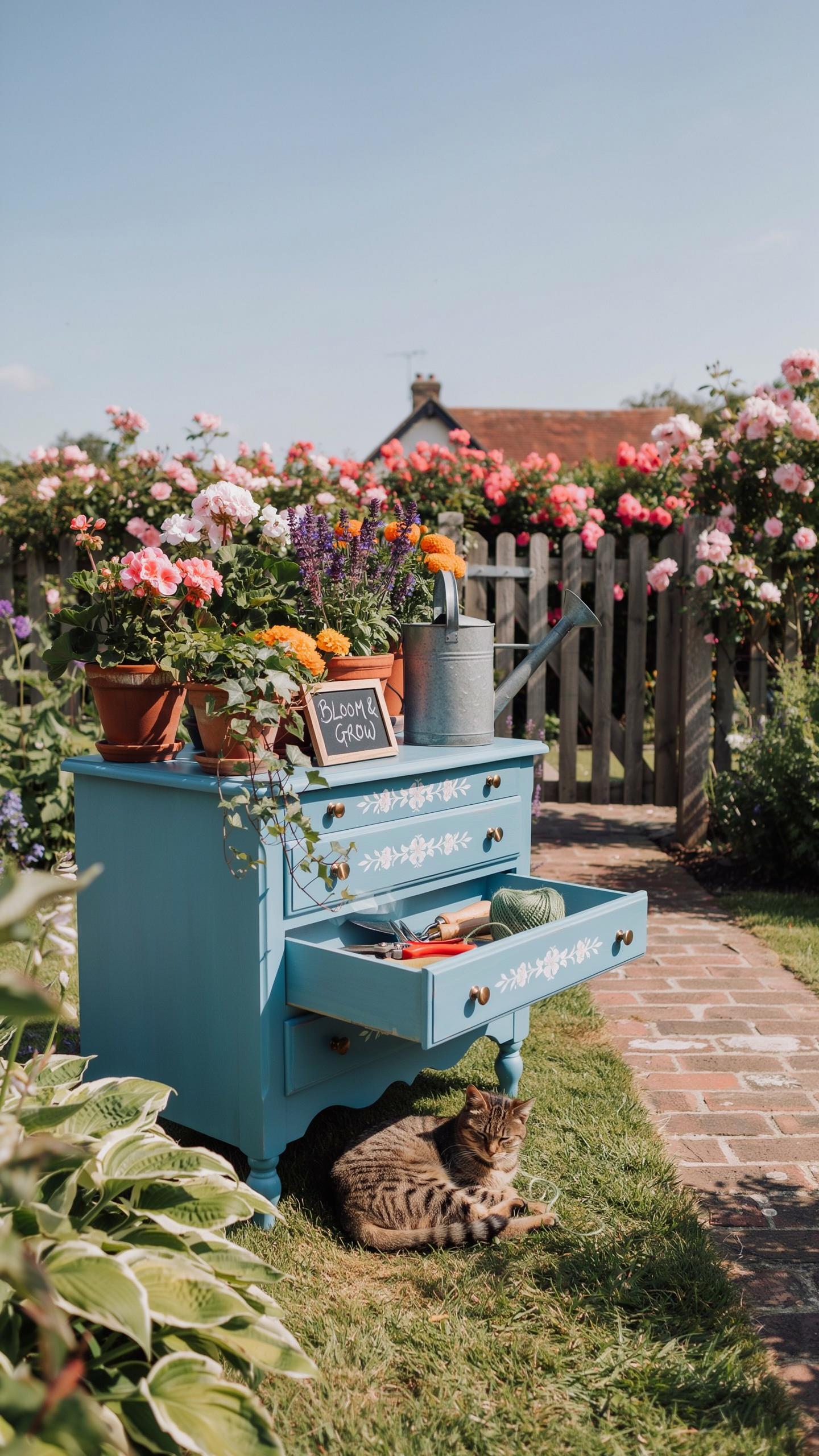
Essential Materials to Convert Your Old Dresser into a Functional Potting Station
Old dressers work as potting benches because they already have the right height and flat work surface. The key is reinforcing the structure and protecting it from weather and soil moisture. Most residential dressers stand between 30 to 36 inches tall, matching standard potting bench heights. You need materials that resist rot, rust, and constant water exposure in outdoor conditions.
- Wood sealant or exterior stain: Protects the dresser frame from water penetration and UV damage. Apply multiple coats to all surfaces, paying close attention to joints and drawer edges.
- Metal hardware replacement: Swap out original hinges and handles with stainless steel or galvanized alternatives. These resist corrosion when exposed to moisture and fertilizer residue.
- Exterior plywood or cedar boards: Line the work surface to create a durable top that handles soil weight and moisture. Cedar resists decay naturally without additional treatment.
- Landscape fabric or wire mesh: Install under the work surface to prevent soil from falling through drawer gaps. This extends the life of the dresser interior.
- Rust resistant fasteners: Use galvanized nails and bolts throughout the build. Standard fasteners corrode quickly in outdoor potting environments.
These materials cost between 50 to 150 dollars depending on the dresser condition and size. Focus spending on weather protection, not aesthetic upgrades. A sealed dresser outlasts an unsealed one by years.
How To Optimize Drawer Configurations For Soil, Pots, And Gardening Tools
Assign each drawer a specific purpose based on weight and frequency of access. Top drawers hold lightweight items like seeds, labels, and gloves since you reach them often and weight matters less. Middle drawers store medium-weight tools and small pots that you grab regularly during potting sessions.
Lower drawers handle bulk soil, bags of fertilizer, and heavy pots because they support more weight and require fewer reaches during a work day. Remove the bottom drawer completely and replace it with a pull-out wire basket for drainage. This lets you access stored items while moisture drains freely. Add dividers inside drawers using scrap wood or metal bins to keep categories separated. Label each section clearly so you find items without dumping contents.
Diy Dresser Makeover Ideas To Elevate Your Veranda Style
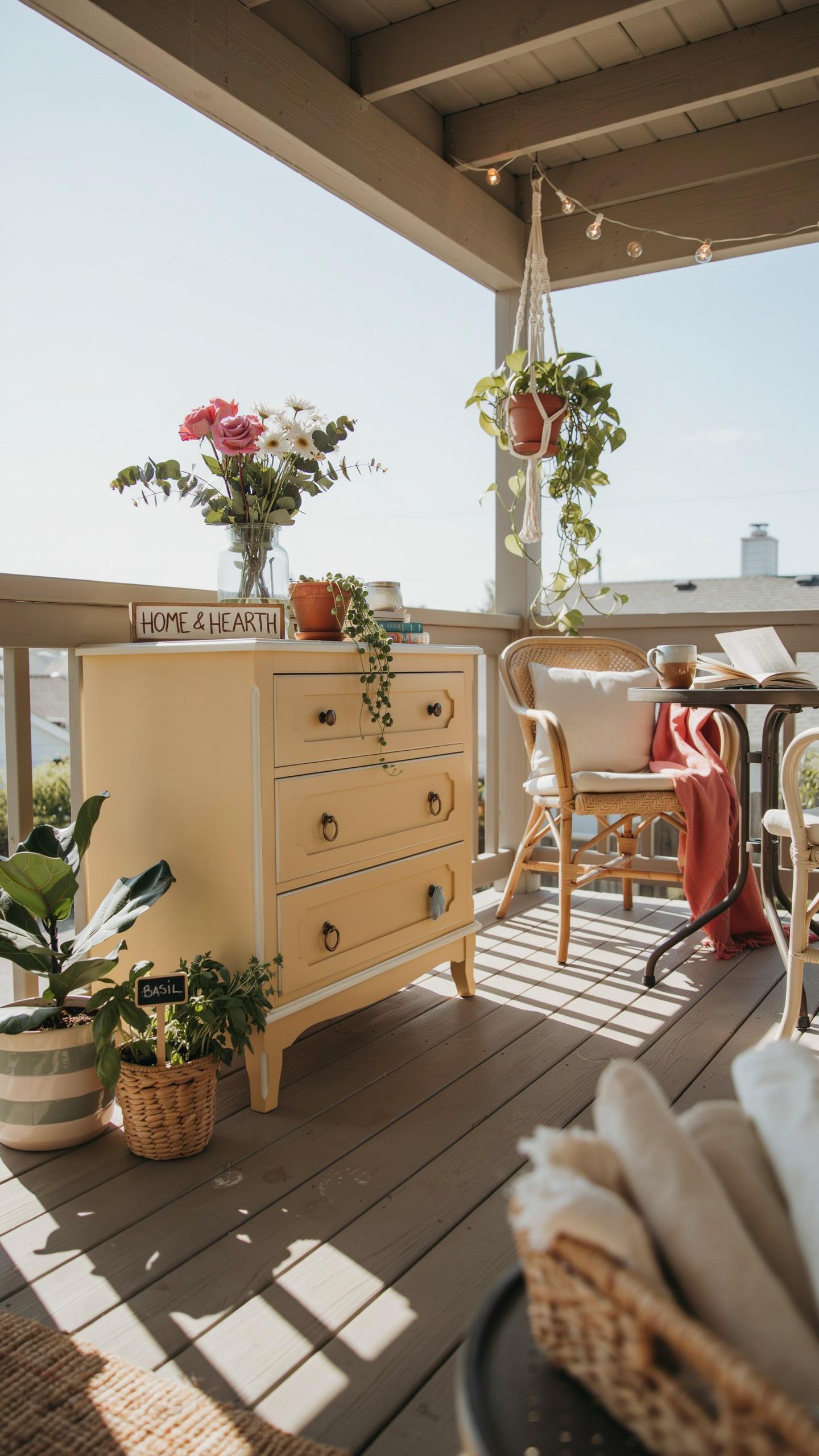
Veranda Aesthetics
Outdoor color choices differ from indoor palettes because UV exposure fades pigments faster. Select colors that withstand sun exposure: earth tones, grays, and deep blues retain their appearance longer than pastels or bright yellows. Match your dresser to existing veranda materials like stone, wood decking, or siding. This coordination creates visual continuity rather than a piece that looks disconnected or temporary.
Test paint samples on your dresser in actual sunlight before committing. Durable exterior-grade paints and stains designed for wood furniture resist weathering better than interior products. Consider the surrounding landscape and architectural style. A dresser near climbing vines needs different color treatment than one positioned against a neutral wall or fence backdrop.
Hardware Upgrades
Brass hardware outlasts steel in outdoor conditions because it resists corrosion from moisture and salt air. Ceramic hardware adds visual interest and requires minimal maintenance. Both materials connect to the contemporary design movement emphasizing natural materials and tactile surfaces. Upgrade existing hardware by removing old handles and installing new ones that align with your veranda’s overall design direction.

Installation requires only basic tools: a drill, screwdriver, and measuring tape. Mark hole positions carefully before drilling to avoid mistakes on finished surfaces. Choose hardware with stainless steel screws underneath brass or ceramic faces to prevent rust stains on the dresser. Proper installation ensures hardware functions reliably and withstands weather exposure over multiple seasons.
Restoring Dressers DIY Ideas For Vibrant Backyard Planters
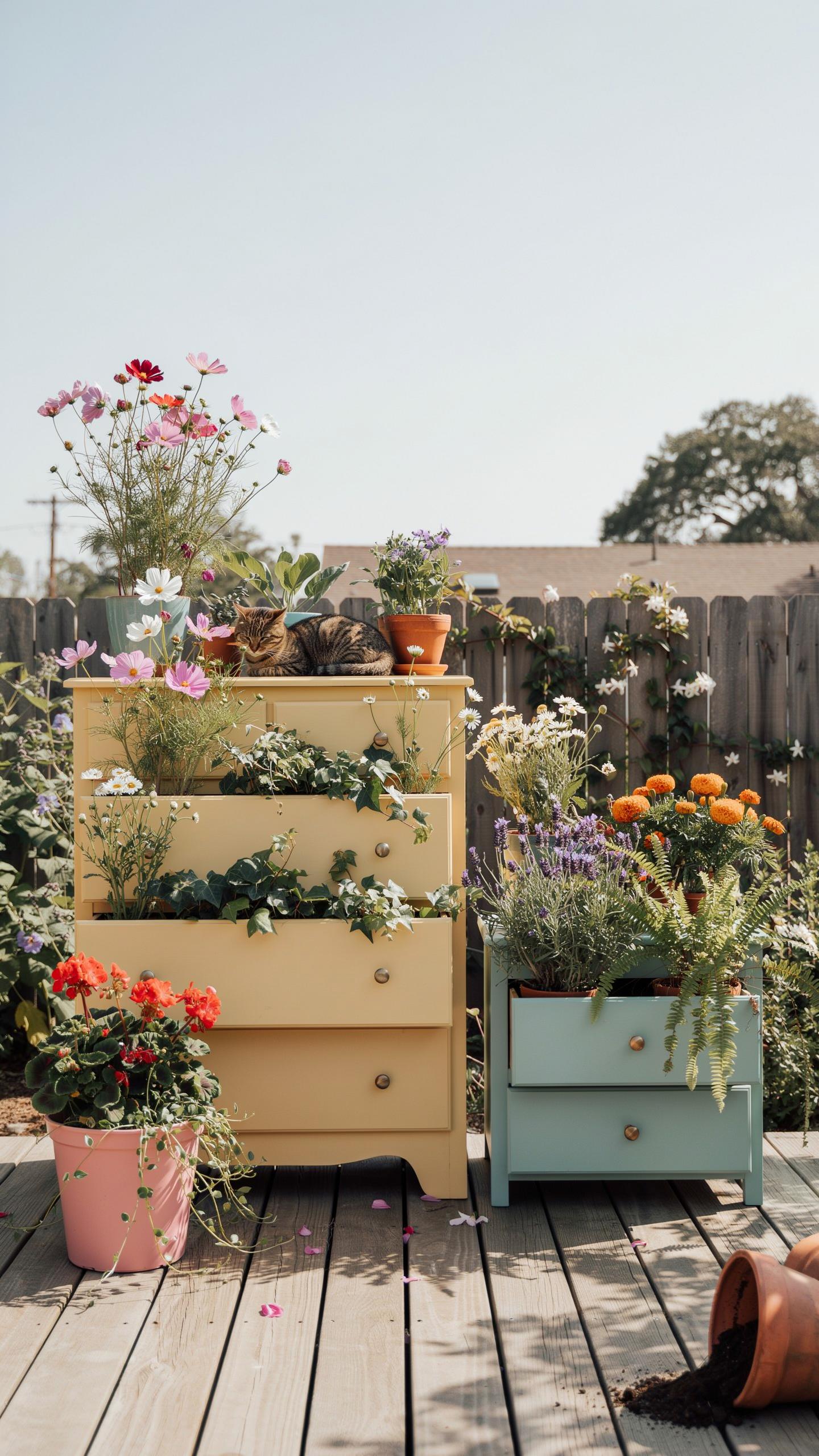
Cascading Plants
Open shelving units in repurposed dressers create natural tiers for trailing plants. Position shallow-rooted varieties like pothos, string of pearls, or creeping fig on upper shelves. These plants grow downward naturally, filling empty space without competing for root depth. Lower shelves hold larger succulents that need more soil volume and stability.
Arrange plants by water needs on each shelf tier. Drought-tolerant succulents cluster on higher shelves where water drains faster. Moisture-loving trailing plants occupy middle sections where soil retains water longer. This vertical stacking maximizes the dresser’s footprint while simplifying watering schedules for different plant types.
Drainage Techniques
Drill drainage holes into the dresser’s bottom drawers or shelves before planting. Space holes two inches apart to allow water to exit freely without pooling. Wood rot accelerates when moisture sits against untreated surfaces. Holes prevent standing water that kills both the furniture structure and plant roots.

Line each shelf with landscape fabric or hardware cloth before adding soil. The barrier stops soil from clogging drainage holes while letting water pass through. This extends the dresser’s lifespan significantly by protecting wood from direct soil contact. Replace liners annually or when they degrade to maintain consistent drainage performance.
Refurbished Dressers Transformed Into Cozy Outdoor Entertainment Centers
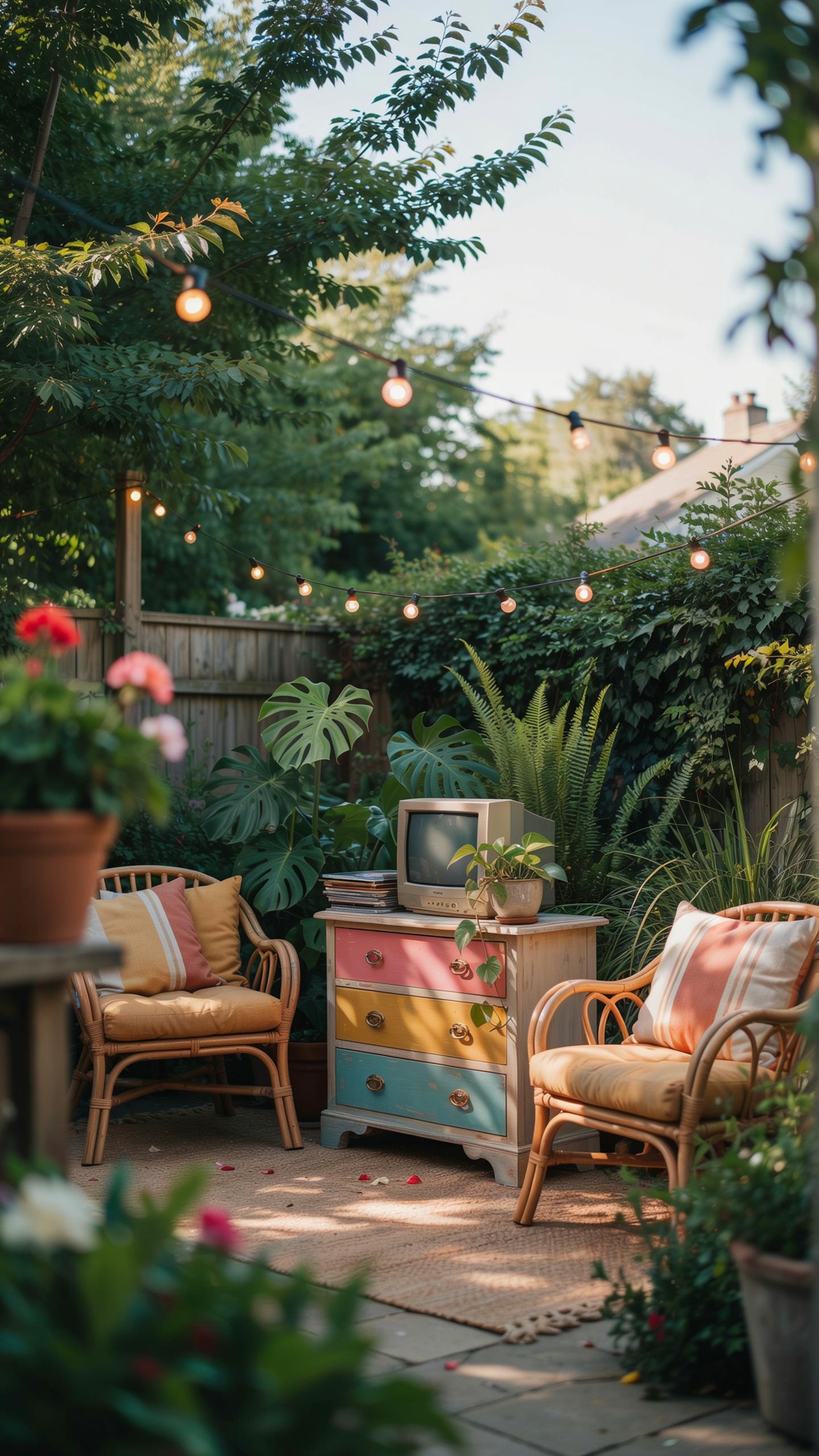
Media Consoles
Repurposing old dressers into outdoor media consoles requires selecting weather-resistant materials and strategic interior modifications. Remove drawers from the upper section to create open shelving for speakers, receivers, and streaming devices. Line the interior with marine-grade plywood or composite materials that resist moisture and UV damage. This approach preserves the dresser’s external structure while optimizing internal space for electronic equipment.
All-weather speakers demand proper ventilation inside the console to prevent heat buildup and condensation. Drill intake vents near the base and exhaust vents at the top to create airflow without exposing electronics to standing water. Mount equipment on vibration-isolating pads to minimize vibration transfer to the wooden frame. Seal all exposed wood with exterior-grade polyurethane or spar varnish to protect against rain and temperature fluctuations.
Cord Management
Drilling strategically placed cutouts in the dresser’s back panel or side panels routes cables cleanly without kinking or crushing wires. Mark hole locations before drilling to align with equipment placement inside the console. Use 1.25 inch to 1.5 inch drill bits for most power cords and audio cables, then insert grommets to protect wires from sharp wood edges. This prevents cable damage and extends the lifespan of outdoor electronics.

Bundle exterior cables with UV-resistant cord covers or conduit to shield them from sun exposure and physical damage. Run cables along the back of the dresser or underneath toward a weatherproof outlet box mounted at ground level. Label each cable at both ends for quick identification during maintenance or equipment changes. Test all connections before sealing the console to catch problems early without reopening finished work.
Remodel Dresser Frameworks Into Chic Al Fresco Dining Sideboards
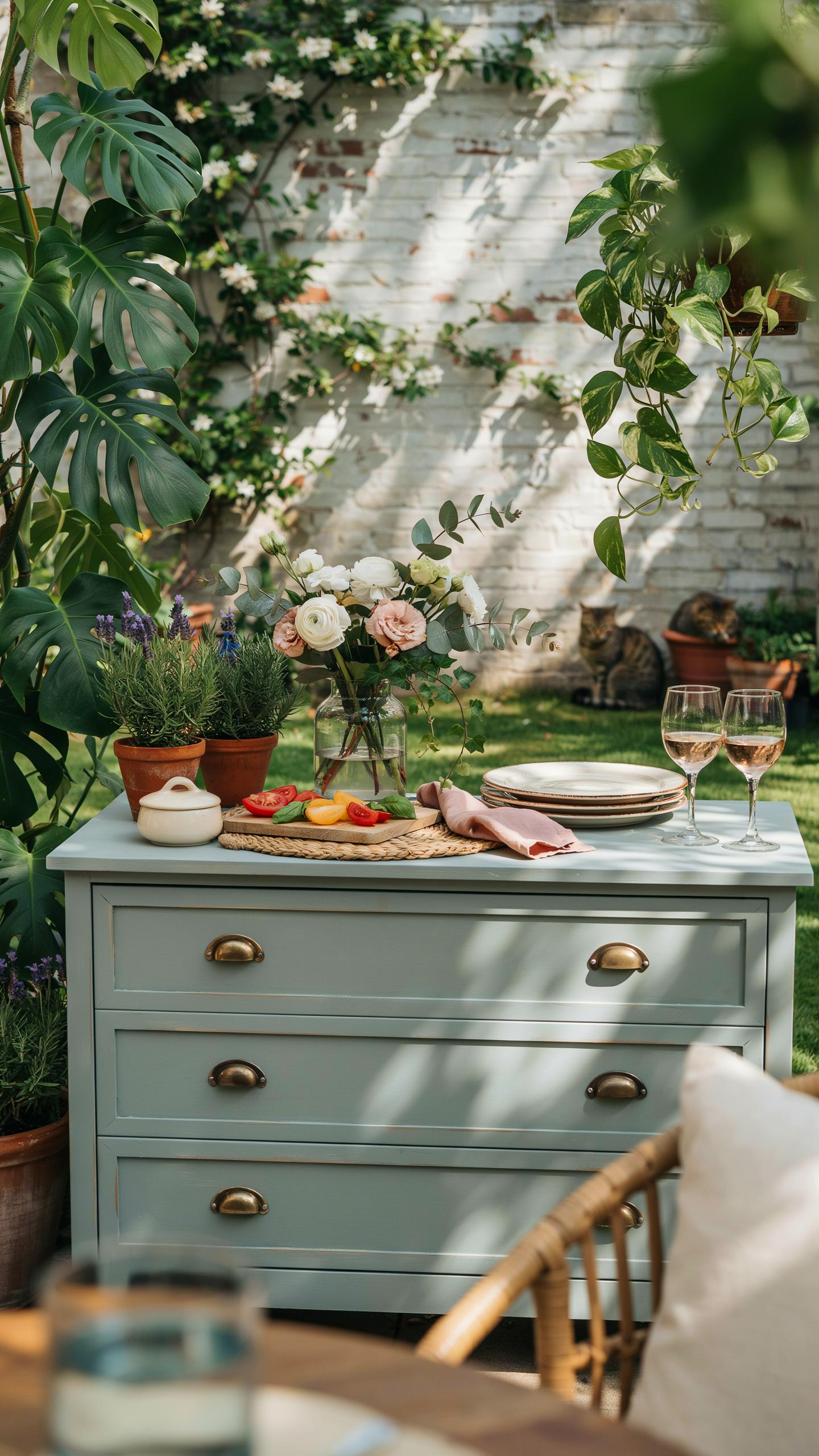
Buffet Styling
A dresser’s flat top surface works as a functional buffet without modification. The drawer configuration below provides storage for linens, utensils, and serving tools. Position plates, bowls, and platters across the top in organized zones. Group similar items together for faster guest access. This layout mimics restaurant buffet design principles that prioritize speed and flow during service.
The horizontal plane of a dresser accommodates standard serving equipment effectively. Tiered stands elevate smaller items and create visual depth. Chafing dishes or warming trays fit the surface area without requiring additional support structures. The dresser’s frame distributes weight evenly across the top, eliminating wobble that affects presentation. This stability matters when guests reach for items during outdoor gatherings.
Weatherproofing Tops
Stone or tile overlays create a protective barrier against moisture, temperature swings, and UV exposure. Granite, limestone, and slate withstand outdoor conditions for years without degradation. Tile options include porcelain and ceramic varieties rated for exterior use. Apply overlays using outdoor-grade adhesive and grout formulated to resist freeze-thaw cycles. This approach preserves the dresser base while creating a durable serving surface.

Zinc sheets offer a modern alternative that develops patina over time while resisting corrosion. Contractors cut zinc to fit the dresser’s top dimensions precisely. The material fastens with corrosion-resistant fasteners rather than adhesive. Zinc requires minimal maintenance and handles temperature fluctuations without cracking. Both overlay methods cost between moderate to high investment but extend the upcycled piece’s outdoor lifespan significantly.
Repurposing Upcycled Drawers For Modular Vertical Wall Gardens
Vertical Steps
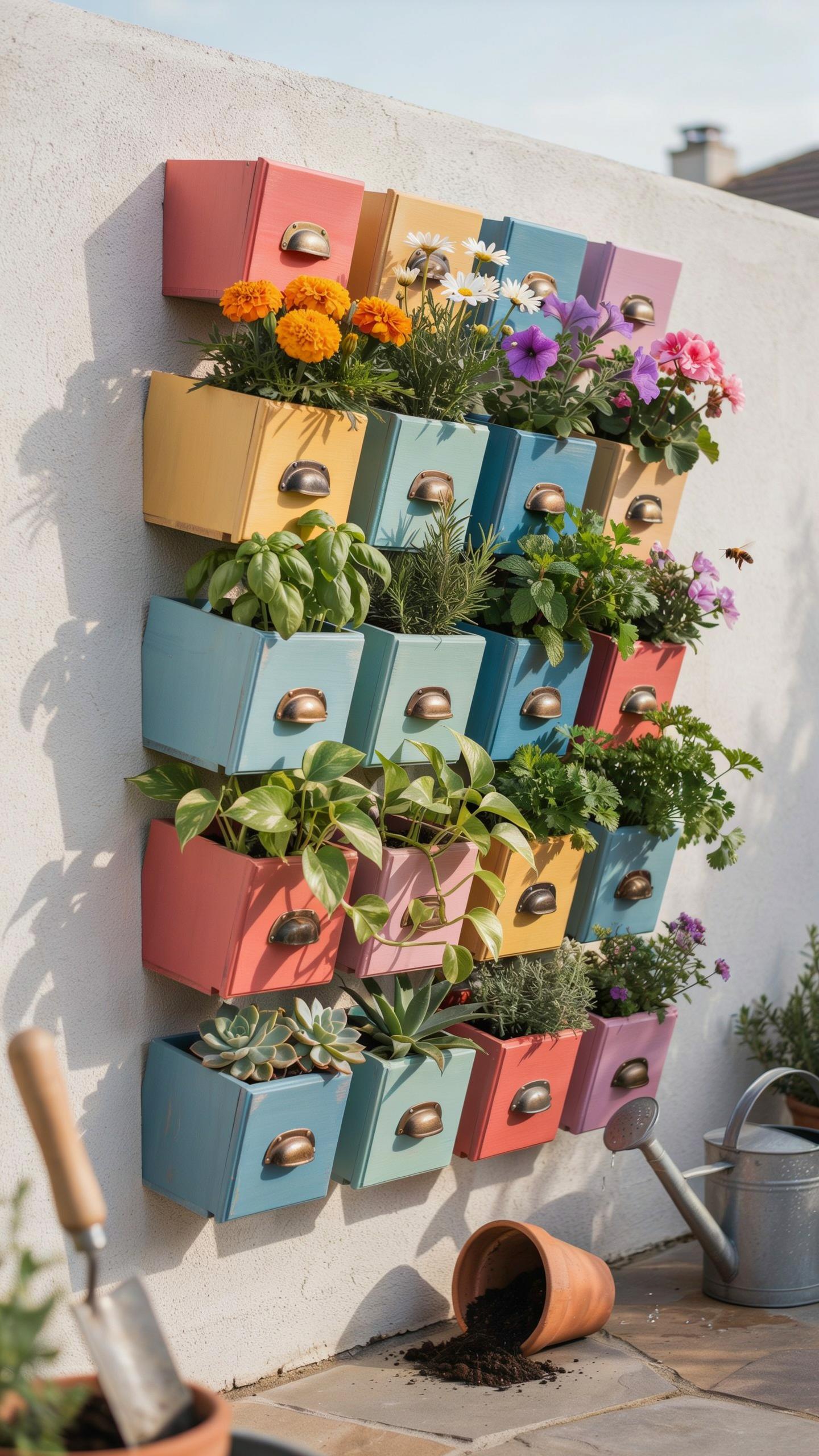
Drawer mounting requires structural assessment before installation. Inspect your exterior wall to identify load-bearing studs or solid concrete. Dressers typically have drawers weighing 10 to 30 pounds when empty. Soil and plants add significant weight, so calculate total load and choose appropriate fasteners accordingly.
- Locate Wall Studs: Use a stud finder to mark vertical framing members. Mount drawers directly into studs for maximum support. Studs are typically spaced 16 inches apart on standard construction.
- Use Heavy Duty Brackets: Install L-brackets rated for at least 50 pounds per drawer. Position brackets at the drawer’s center of gravity, typically one third from each end.
- Seal Drainage Holes: Drill holes in drawer bottoms before mounting to prevent water pooling. Slope holes toward one side to direct water away from your home’s foundation.
- Apply Weatherproof Sealant: Coat wood drawers with exterior-grade polyurethane or paint. This prevents rot and extends the drawer’s functional lifespan outdoors.
- Space Drawers Vertically: Leave at least 4 to 6 inches between mounted drawers. This gap allows water drainage and air circulation around soil and roots.
Start installation at eye level and work upward. This approach lets you verify plumb and level as you go. Test each drawer’s stability before filling with soil or plants.
Herb Gardens Drawers
Tiered drawer systems work well for herb cultivation because they maximize sunlight exposure and drainage. Position deeper drawers at the bottom tier for root-intensive herbs like rosemary and oregano. Reserve shallow drawers for shallow-rooted herbs such as chives and thyme that need minimal soil depth.
Herbs require six to eight hours of direct sunlight daily. Arrange your drawer tiers to face south or southwest for optimal light exposure. Use quality potting soil, not garden soil, to ensure proper drainage and prevent compaction that kills roots.
A Modern Dresser Upcycle Project For Durable Mudroom And Porch Entryways
Porch Organization
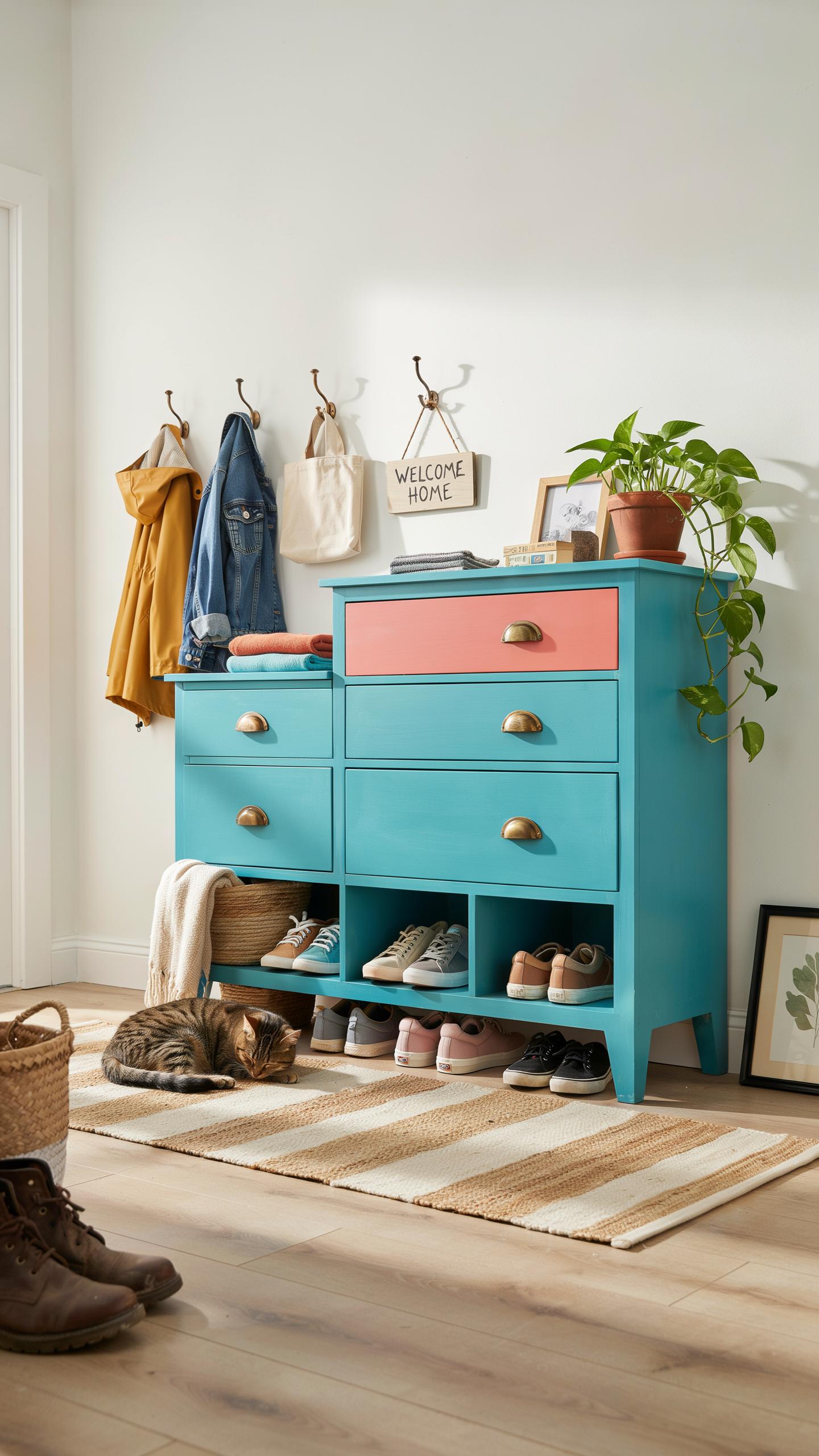
A repurposed dresser functions as outdoor storage because its structural frame handles weather exposure better than typical indoor furniture. The key is selecting a dresser with solid wood construction or quality plywood rather than particleboard. Position it under a covered porch or overhang to protect drawers from rain and direct sunlight. This placement keeps muddy footwear, pool towels, and gardening tools organized while maintaining accessibility for frequent use throughout the season.
Seal all wood surfaces with exterior-grade polyurethane or marine varnish before deployment. This prevents water infiltration into joints and wood fibers that cause rot and structural failure. Install a slight forward tilt to encourage water runoff from the top surface. Replace standard hardware with stainless steel handles and hinges to resist corrosion from moisture and salt air in coastal regions.
Breathing new life into an old dresser allows the memories of the past to bloom under the open sky. True style is found when we invite the warmth of our homes to live among the greenery of the garden.
Bench Integration
Remove the bottom two drawers completely and reinforce the frame where drawer slides attach. This creates an open cavity below the remaining upper drawers, forming a bench seat. Install a solid wood or plywood top cut to match the dresser’s width and depth, securing it with lag bolts through the frame. Sand and seal this new seat surface with the same exterior finish as the rest of the piece for weather consistency.

The resulting bench provides seating while maintaining storage capacity in upper drawers for smaller items. This configuration works specifically well for entryways where people need to sit while removing shoes or boots. The open space below accommodates larger items like pool noodles, folding chairs, or rolled garden hoses that wouldn’t fit in drawers. Test weight capacity before use to ensure the modified frame supports typical seating loads safely.
Upcycling Dresser Frames Into Whimsical ChildrenS Play Kitchens Outdoors

Sensory Play
Old dresser frames provide structural shells that adapt well to outdoor play stations. The drawer cavities hold materials for mud play, water tables, and sand exploration. Natural timber construction accepts finishes designed for exterior conditions. Plastic sinks salvaged from discarded kitchens or sourced cheaply fit into modified drawer openings. This configuration creates functional sensory stations without building from scratch.
Mud play develops tactile awareness and motor skills in children. Installing a basin or plastic sink into a dresser drawer creates contained play space. Water drains through gaps or designated holes. Timber frames support weight from wet materials without warping when treated properly. Positioning the dresser on level ground prevents pooling. This setup costs significantly less than commercial mud kitchens while delivering identical functional benefits.
Child Safety
Non-toxic sealants protect timber exposed to weather and frequent water contact. Polyurethane and water-based wood stains rated for outdoor use meet safety standards for children’s furniture. Sand all interior surfaces smooth before sealing. Rough edges catch skin and cause splinters during active play. Round corners on dresser frames using sandpaper or router tools. Pre-treat all wood before outdoor installation to prevent deterioration and potential hazards from splintering wood.
Inspect upcycled dressers regularly for structural damage from moisture and UV exposure. Check drawer slides and hinges for rust or corrosion. Tighten fasteners monthly during the play season. Remove or cover protruding hardware that children contact during use. Test weight capacity before filling with water or heavy materials. These maintenance steps prevent collapse and injury during active outdoor play sessions.
A Creative Dresser Update That Outlasts Harsh Outdoor Weather Elements
Paint Selection
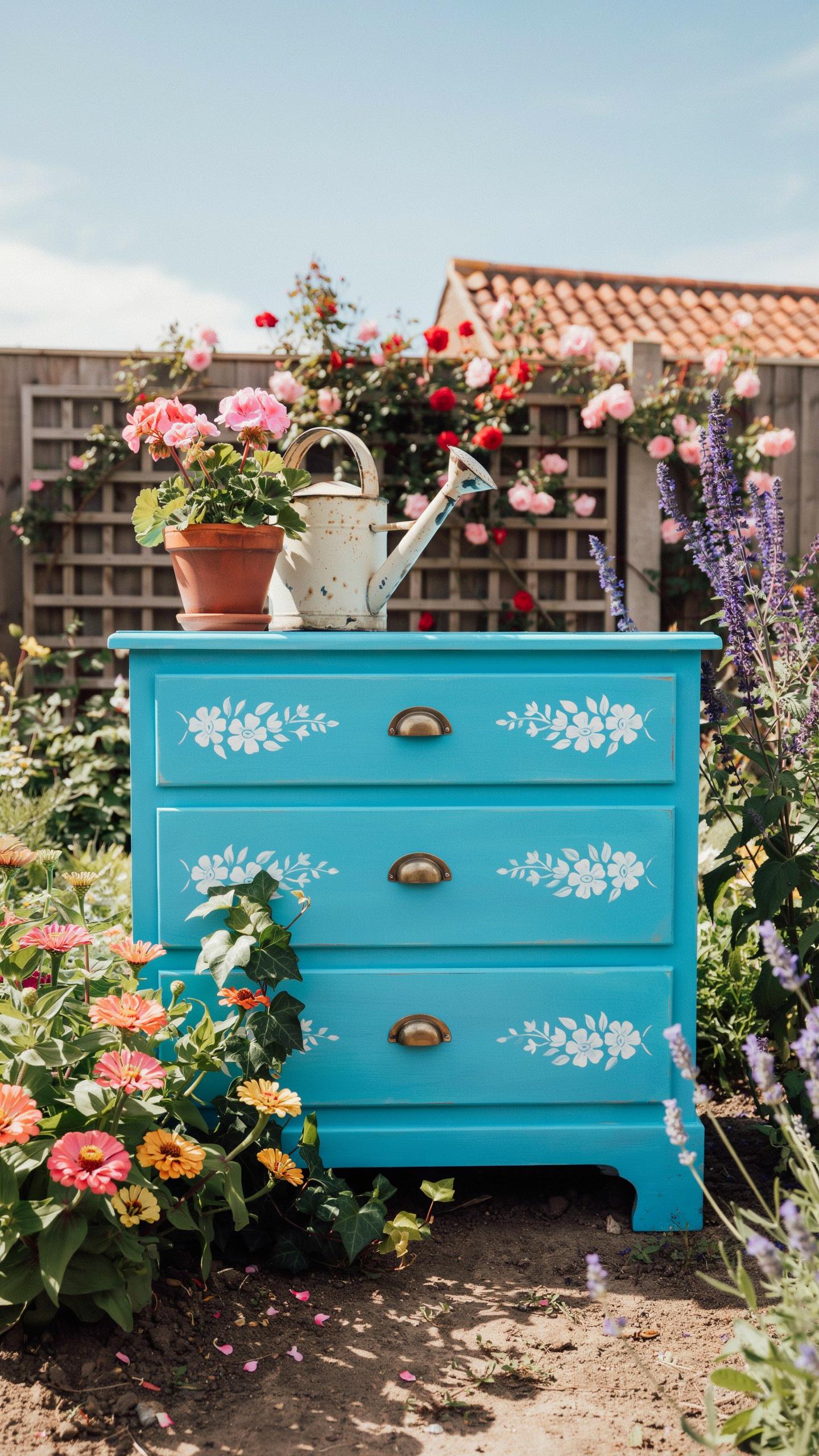
Marine grade varnish and exterior acrylic paints protect wood from UV damage, moisture, and temperature swings. Marine varnish creates a hard shell that resists water penetration better than standard finishes. Exterior acrylics bond to wood while allowing it to breathe, preventing trap moisture underneath. Both options require proper surface preparation: sand the dresser, remove old finishes, and apply primer designed for outdoor use. Reapply varnish every two to three years depending on climate conditions.
Exterior acrylic paints offer faster drying times and easier cleanup than oil-based alternatives. They resist fading and hold color longer in direct sunlight compared to interior formulations. Choose paints rated for deck or patio use to ensure durability against rain and freeze thaw cycles. Application matters as much as product selection. Use brushes designed for exterior work and apply thin, even coats rather than one thick layer that traps moisture.
Shelter Maintenance
Furniture covers rated for outdoor use prevent moisture accumulation during heavy rain and snow. Quality covers allow air circulation underneath to avoid mold and mildew growth on the dresser surface. Select covers sized for your specific dresser dimensions rather than oversized ones that trap wind and become safety hazards. Check covers monthly for tears or gaps that expose wood to elements. Winter storage in a garage, shed, or under a roof overhang eliminates the need for covers entirely.
Monsoon seasons demand covers with reinforced seams and drainage holes at the base. Snow load builds weight on standard covers, so use models designed for heavy precipitation in your region. Remove covers during extended dry periods to allow the dresser to dry completely and prevent fungal growth. Covers should sit loosely without compressing the piece or creating stress on drawers and joints. Seasonal cover removal and inspection prevents damage from moisture trapped between furniture and protective material.
Frequently Asked Questions

Can any indoor dresser be converted for outdoor use?
Most wooden dressers can transition outside, provided they are solid wood rather than particle board. When exploring upcycled furniture ideas for dressers, prioritize oak, teak, or cedar pieces as they naturally resist rot. If you have a vintage pine dresser, you can still use it outdoors by applying several coats of high-quality marine spar urethane to protect the wood grain from rain, humidity, and sun damage.
How do I properly weatherize an upcycled dresser for a patio or garden?
To ensure durability, start by sanding the piece down to the bare wood. Apply a mold-resistant primer followed by exterior-grade paint or stain. The most important step in these upcycled furniture ideas for dressers is sealing every surface, including the drawer interiors and the underside. Adding rubber feet or casters to the bottom helps prevent the wood from absorbing ground moisture, significantly extending your furniture’s lifespan.
What are some budget-friendly ways to style an outdoor dresser without spending much?
Turning a dresser into an outdoor statement piece doesn’t require a huge investment. You can create a stunning potting bench or alfresco bar by simply replacing old hardware with inexpensive matte black hooks or twine-wrapped handles. Use leftover exterior paint for a bold pop of color, and fill the drawers with affordable succulents or trailing ivy. Scouring thrift stores for “diamond in the rough” pieces keeps your total project costs remarkably low.