Integrating The Charm Of Mid Century Modern Light In Modern Backdrops
Understanding MCM Lighting
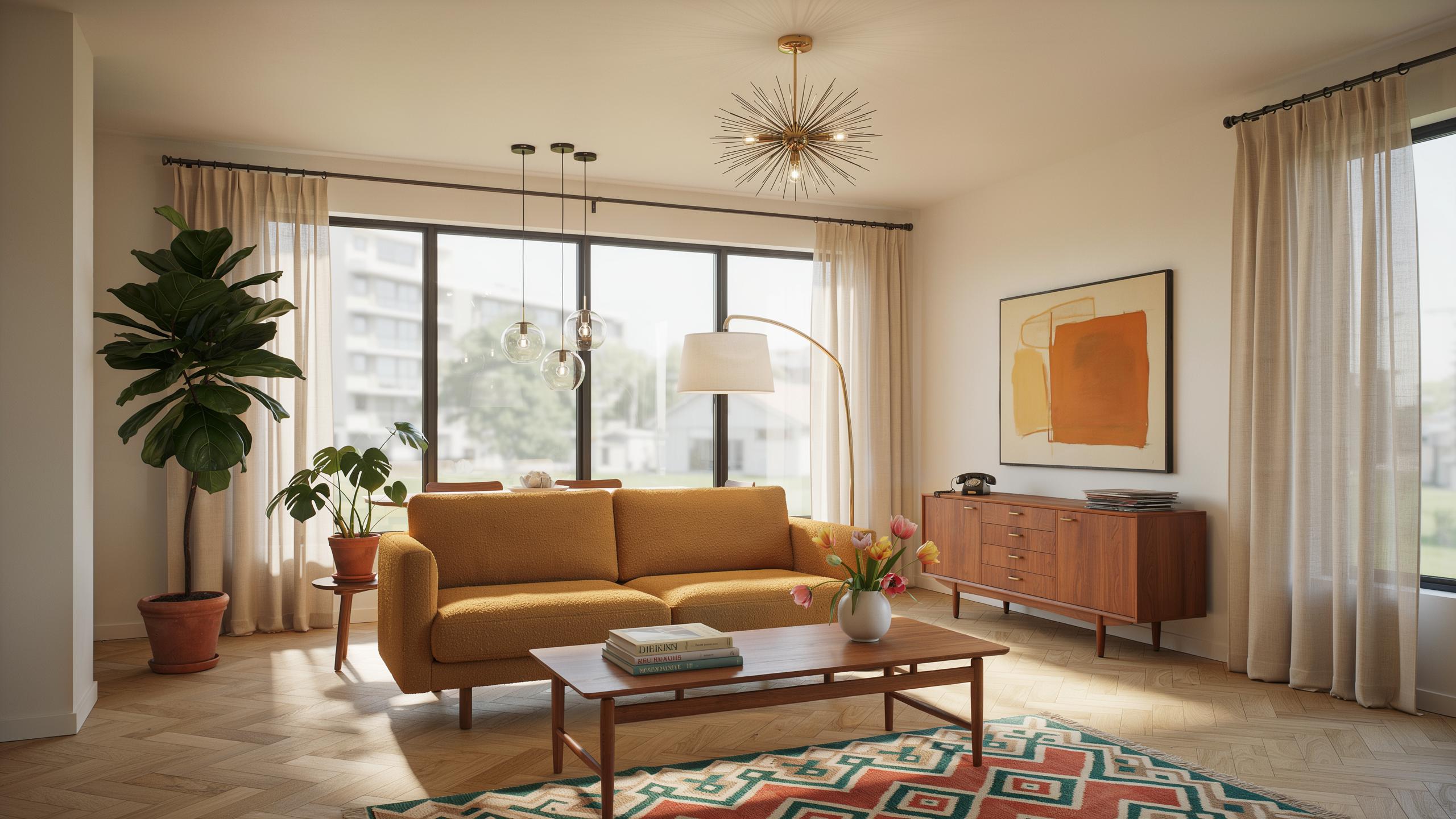
Mid-century modern lighting emerged between the 1930s and 1960s as designers rejected ornate Victorian styles. The movement favored geometric forms like spheres, cones, and cylinders alongside organic curves inspired by nature. Materials shifted toward chrome, brass, teak, and molded plastic. Designers prioritized function over decoration. This approach produced fixtures that still work in today’s homes because they solve real lighting problems with clean design.
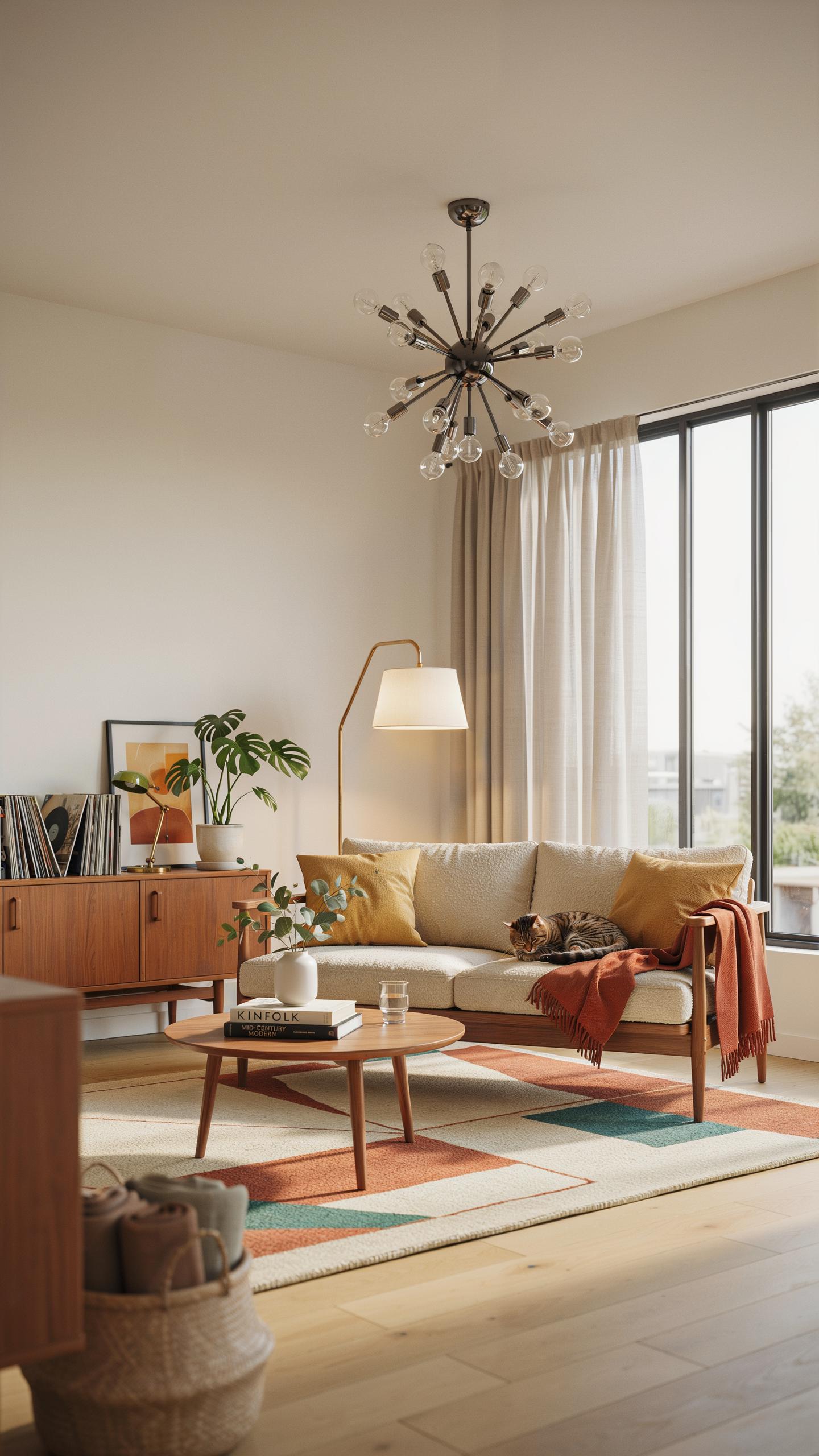
Iconic designers like Charles and Ray Eames, George Nelson, and Arne Jacobsen established core principles: minimal ornamentation, honest materials, and purposeful geometry. Their fixtures used newfound manufacturing techniques to create affordable quality pieces. The sputnik chandelier, arc floor lamp, and Nelson bubble lamp became standards because they balanced aesthetics with practical light distribution. These designs remain relevant because they address fundamental needs without unnecessary embellishment.
Blending New And Old
Integrating mid-century fixtures with modern smart home technology requires understanding both systems separately first. Smart bulbs fit into vintage sockets without modification, letting you control brightness and color temperature through apps or voice commands. The fixture’s form stays authentic while its function upgrades. This hybrid approach preserves design integrity while adding convenience. Select smart bulbs that match the warm color temperature mid-century designs originally used, typically between 2700K and 3000K.
Placement strategy matters more than technology alone. Position mid-century pieces where they serve dual purposes: ambient lighting for rooms and accent lighting for displaying the fixtures themselves. Install dimmer switches to replicate the lower light levels original mid-century interiors actually used. Avoid oversaturating spaces with automation features. The goal is enhancing the existing design language, not replacing it. Mid-century lighting works best when technology remains invisible to the eye while solving practical problems.

The Power Of Mid Century Modern Lights In Creating A Visual Focal Point
Sculptural Presence
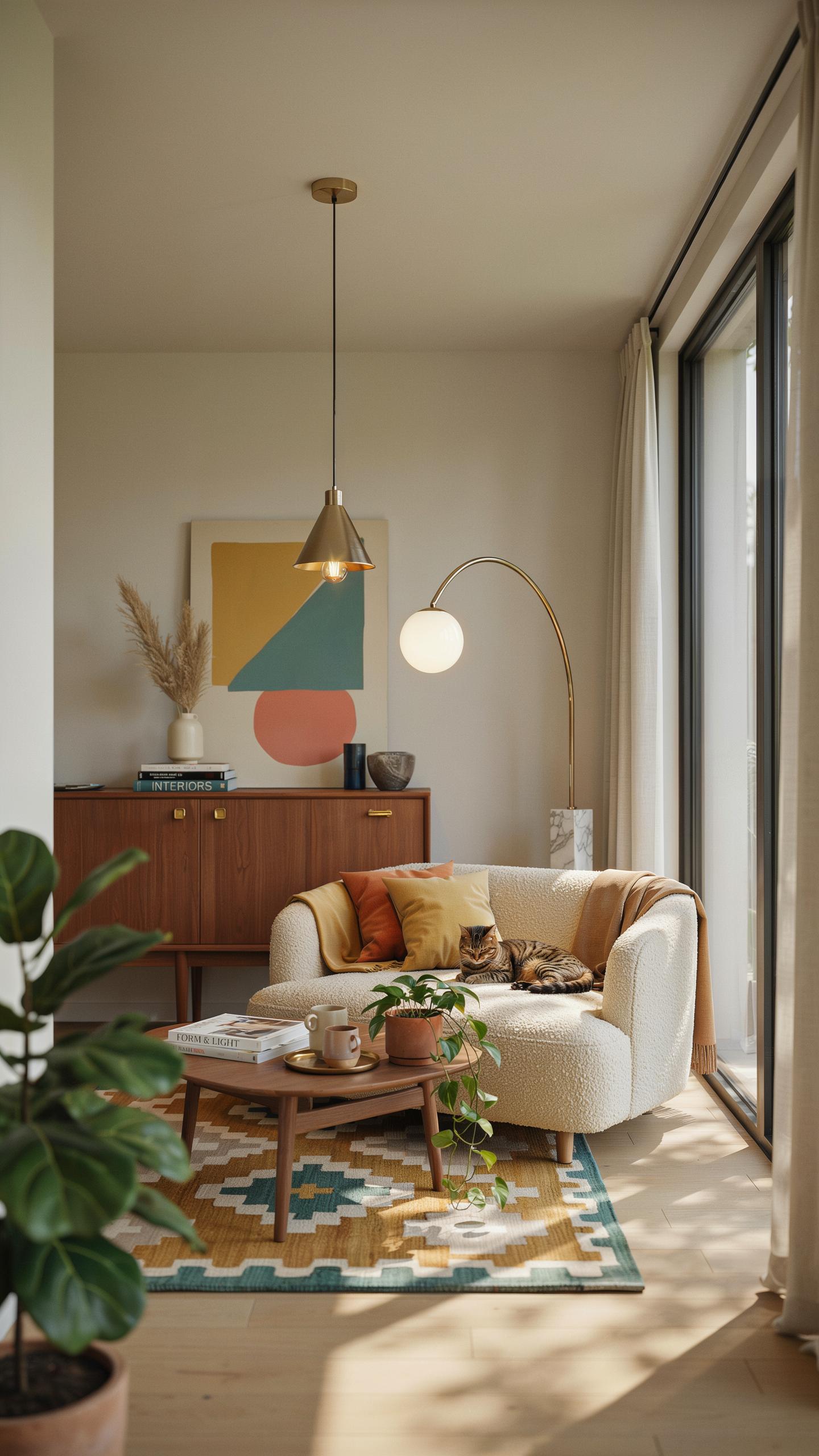
Mid century modern lighting fixtures function as three dimensional objects that anchor a room’s visual weight. Designers from the 1950s and 1960s treated light sources as standalone sculptures rather than mere utilities. The geometric forms, organic curves, and structural elements of these fixtures command attention in open floor plans where walls no longer define space. A statement pendant or floor lamp becomes the organizing principle around which you arrange furniture and traffic patterns.
The sculptural approach solves a practical problem in modern homes. Open concept layouts lack architectural features that traditional rooms provide. Strategic placement of a visually substantial light fixture fills this void. The fixture’s shape, scale, and material presence create definition and establish hierarchy in undifferentiated space. You anchor the eye and organize the room’s flow through light design alone.
Materials And Finishes Trends
Brushed brass and matte black finishes directly influence how light fixtures read within your interior hierarchy. These finishes emerged from mid century design principles that rejected chrome’s reflective shine in favor of surfaces that absorb and distribute light more intentionally. Brushed brass warms a space while maintaining visibility of the material’s grain and texture. Matte black grounds a room with visual weight and pairs effectively with wood, stone, and fabric elements common in period design.

Finish selection shapes perceived importance and visual balance. A matte black fixture draws the eye as a dark anchor point. Brushed brass catches ambient light without glare, creating subtle visual interest that pulls attention without aggression. These finishes outlast trend cycles because they serve functional purposes beyond aesthetics. They reduce glare, age gracefully, and coordinate with authentic mid century material palettes of walnut, leather, and linen that define the era’s design language.
Artistic Decoration Mid Century Modern Enthusiasts Love For Autumn
Curating Authentic Vibes
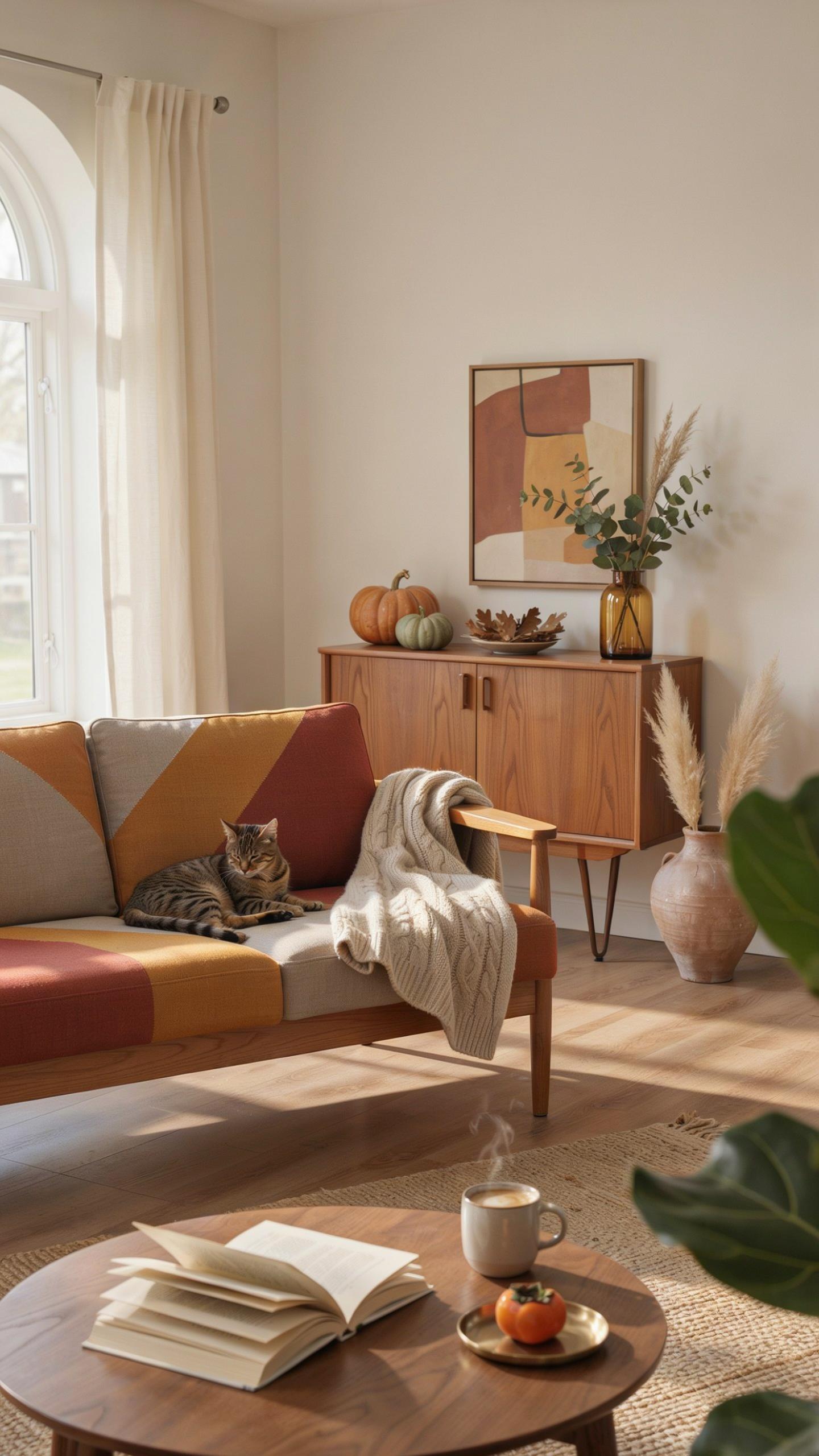
Mid century design thrives on restraint. Walnut furnishings dominated the 1950s and 1960s because the wood’s natural grain required no decoration to command a room. Pair these pieces with lighting that respects the wood’s warmth rather than competing with it. Select brass or teak accents that echo the furniture’s organic tone. Avoid introducing metals that clash, like chrome or polished nickel, which break the cohesive visual language. The goal is orchestration, not accumulation.
Autumn intensifies the case for warm materials and earth tones. Ochre, rust, and deep brown complement walnut without forcing the issue. Keep accessory count low. One ceramic vessel or a single wooden bowl on a side table does more than five scattered objects. This restraint defines mid century strategy. Lighting becomes the primary decorator because a well-placed floor lamp or pendant naturally draws attention where it matters most while other elements recede into supporting roles.
Accents And Accessories
Textural textiles anchor mid century spaces without cluttering them. Wool throws, linen cushions, and woven wall hangings introduce depth that solid-colored walls cannot achieve. These pieces work tactically under statement lighting because the light hits their surfaces and creates shadow play that enriches the entire composition. Choose textiles in charcoal, cream, or muted greens to maintain visual calm. Avoid synthetic fabrics that reflect light poorly and cheapen the overall aesthetic. Natural fibers age better and align with mid century material values.

Atomic art pieces and geometric prints serve as visual bridges between furniture and lighting. A starburst wall sculpture or abstract canvas positioned near a sculptural pendant light creates intentional dialogue between objects. The art doesn’t need to match the lighting exactly, but both should operate in the same design language. This approach makes statement lighting feel purposeful rather than isolated. Select one strong piece rather than gallery-wall density. The interplay between light, shadow, and form will do the actual work of defining the space.
Selecting The Perfect Mid Century Modern Light Fixture For Visual Depth
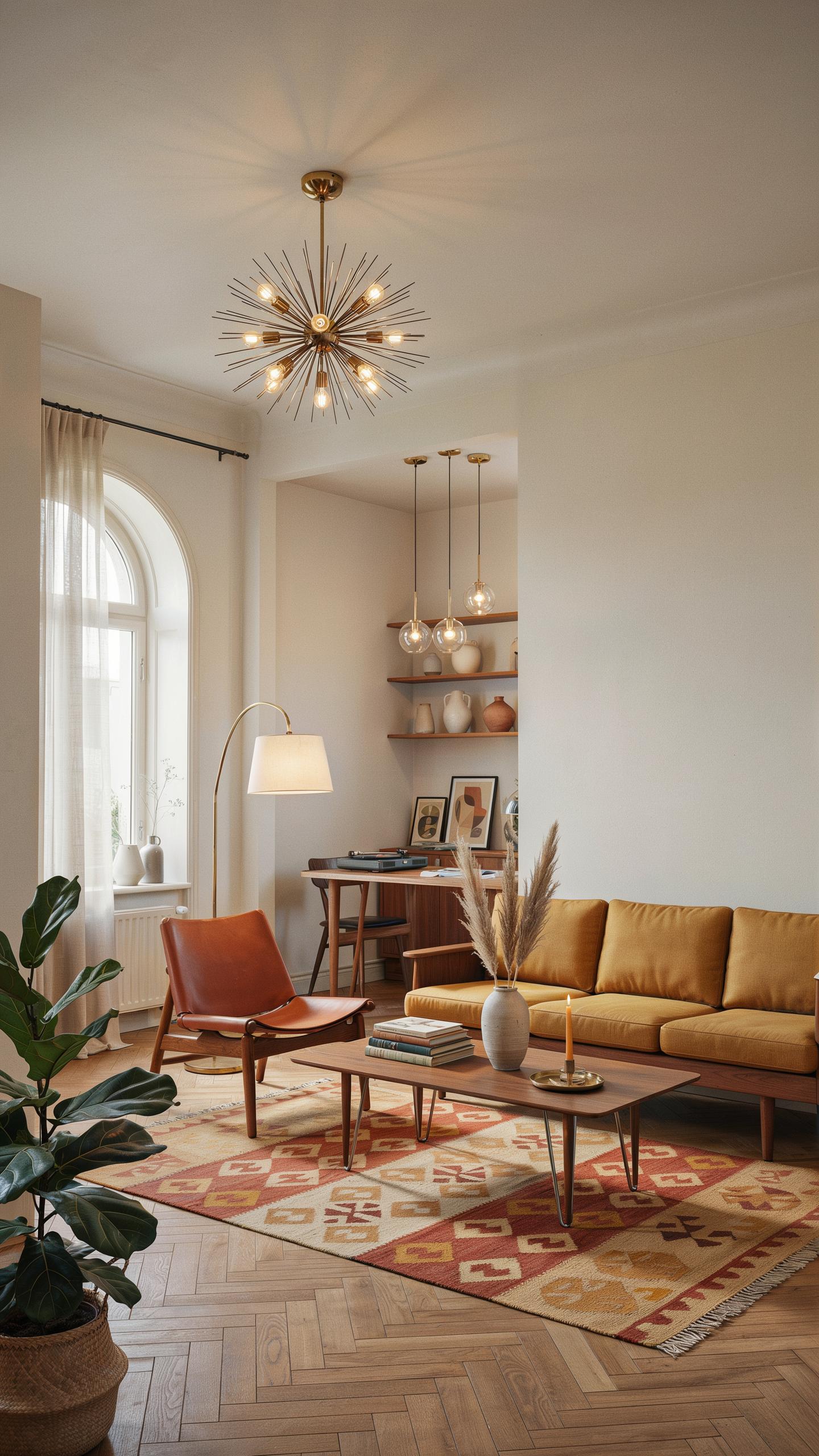
Top Fixture Styles
Mid century design drew from industrial production methods and materials available between the 1930s and 1960s. Designers prioritized function over decoration, which shaped how fixtures performed and looked. The five styles below dominate current demand because they deliver both task lighting and visual interest without excess ornamentation.
- Sputnik Chandeliers: Multi-arm fixtures with exposed bulbs radiating outward. Originally inspired by the 1957 Soviet satellite launch, these fixtures remain popular for dining areas and entryways because they provide ambient light while creating focal points.
- Arc Floor Lamps: Tall lamps with a curved arm extending over seating. These fixtures solve the problem of overhead lighting in small rooms by casting light downward from an angle without requiring ceiling installation.
- Tubular Pendant Lights: Cylindrical shades in metal or glass suspended from single cords. They work as individual units or in clusters and perform well in kitchens and over bars because they direct light downward while maintaining clean sight lines.
- Bullet Track Lights: Adjustable spotlights mounted on linear tracks. Originally developed for retail displays, these fixtures let you redirect light to artwork or specific zones, making them practical for galleries and accent lighting.
- Tripod and Wishbone Floor Lamps: Splayed leg bases supporting single shades in wood or metal. Their low visual weight makes them work in tight spaces while delivering focused reading light without blocking sightlines.
These styles command attention because they solve real lighting problems while maintaining the geometric clarity that defines mid century work. Contemporary manufacturers reproduce these designs accurately because the original construction methods remain cost effective and the forms require no modification to function in modern homes.
Proportional Scale Tips
Fixture scale determines whether lighting enhances or disrupts your room composition. A Sputnik chandelier measuring 24 inches across works in dining rooms with 9-foot ceilings, but the same fixture overwhelms a 7.5-foot kitchen. Measure your room dimensions first, then select fixtures that occupy roughly one-third to one-half the visual space of your surface area.

Pendant lights need clearance from counters, tables, and heads. Hang them 30 to 36 inches above work surfaces and 60 to 72 inches above floor level in passageways. Arc floor lamps should not extend past the center point of your seating area, or they create a tripping hazard and visually crowd the zone. Test proportions by sketching fixture placement on your floor plan before purchasing.
Designing A Welcoming Mid Century Interior Design Living Room Workspace
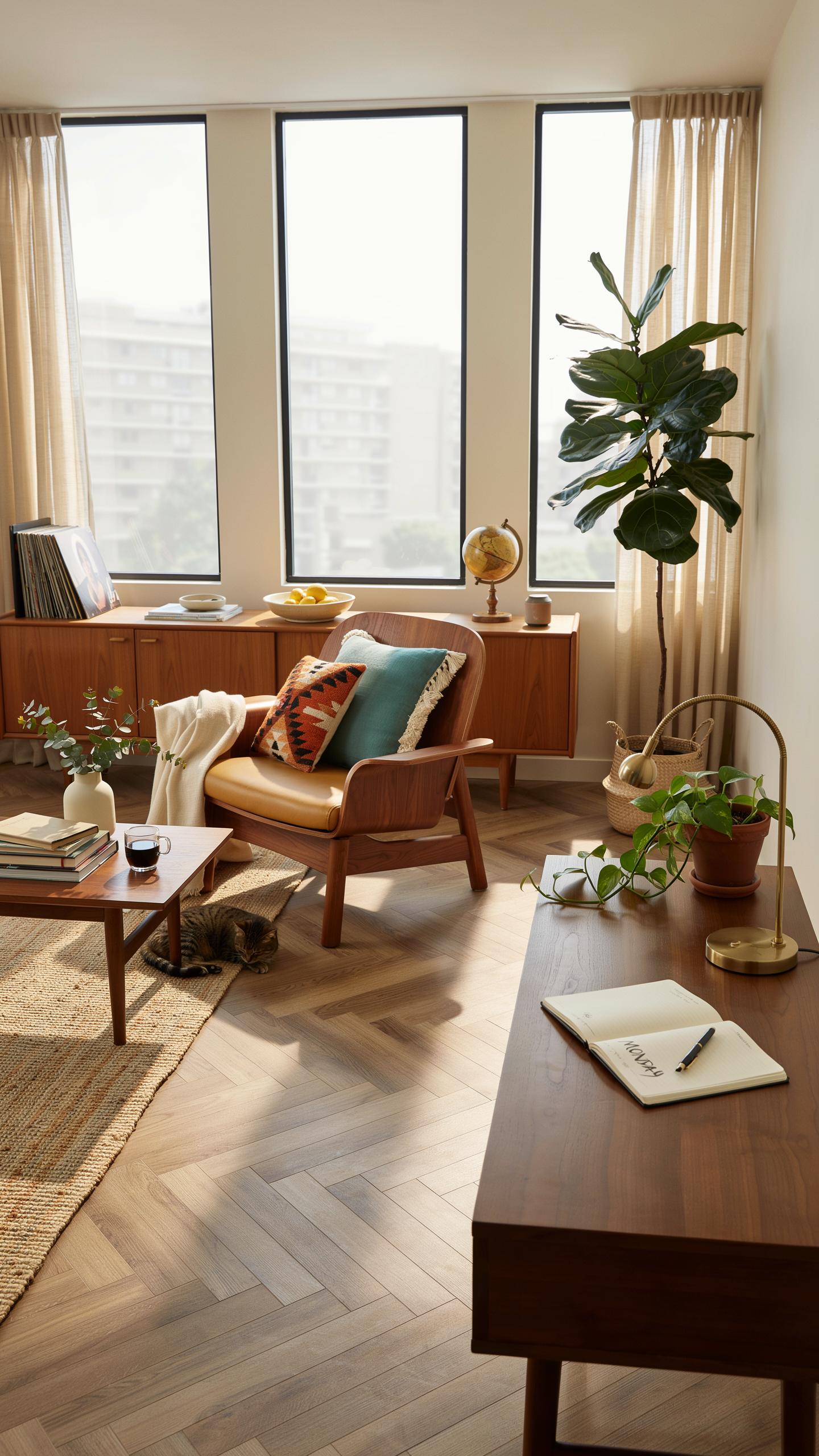
Zonal Luminescence
Mid century design separates function through layered lighting. Task lighting handles work surfaces. Ambient lighting fills the room. Place desk lamps at forty-five degrees to reduce glare on work surfaces. Use overhead fixtures for general fill. Position accent lighting on artwork or architectural features. This approach lets you control brightness by zone without affecting the entire room.
Zoning requires fixture placement strategy. Position task lights closest to work areas. Keep ambient sources indirect to avoid shadows. Use dimmers on ambient circuits to adjust overall brightness. Arc floor lamps work well for reading zones. Table lamps provide localized task light. This separation prevents eye strain and creates functional independence between areas.
The Role Of Warmth And Color
Mid century designers favored warm color temperatures between 2700K and 3000K. These temperatures highlight wood grain in teak, walnut, and oak furniture. Warm light complements earth tone walls common in that era. Kelvin temperature directly affects how materials appear. Lower Kelvin values make finishes look richer. Higher temperatures flatten colors and reduce depth perception. Select 2700K for living areas and workspaces with natural materials.

Warm lighting enhances material authenticity. Wood surfaces reflect warm tones more effectively than cool light. Fabric upholstery reads truer under warm illumination. Plaster walls and earthy paint colors gain dimension with proper warmth. Avoid cool white bulbs above 4000K in mid century spaces. They contradict design intent and wash out period-appropriate palettes. Test fixture warmth against your specific materials before installing permanently.
Choosing The Ideal Living Room Ceiling Lamp For Low Ceilings
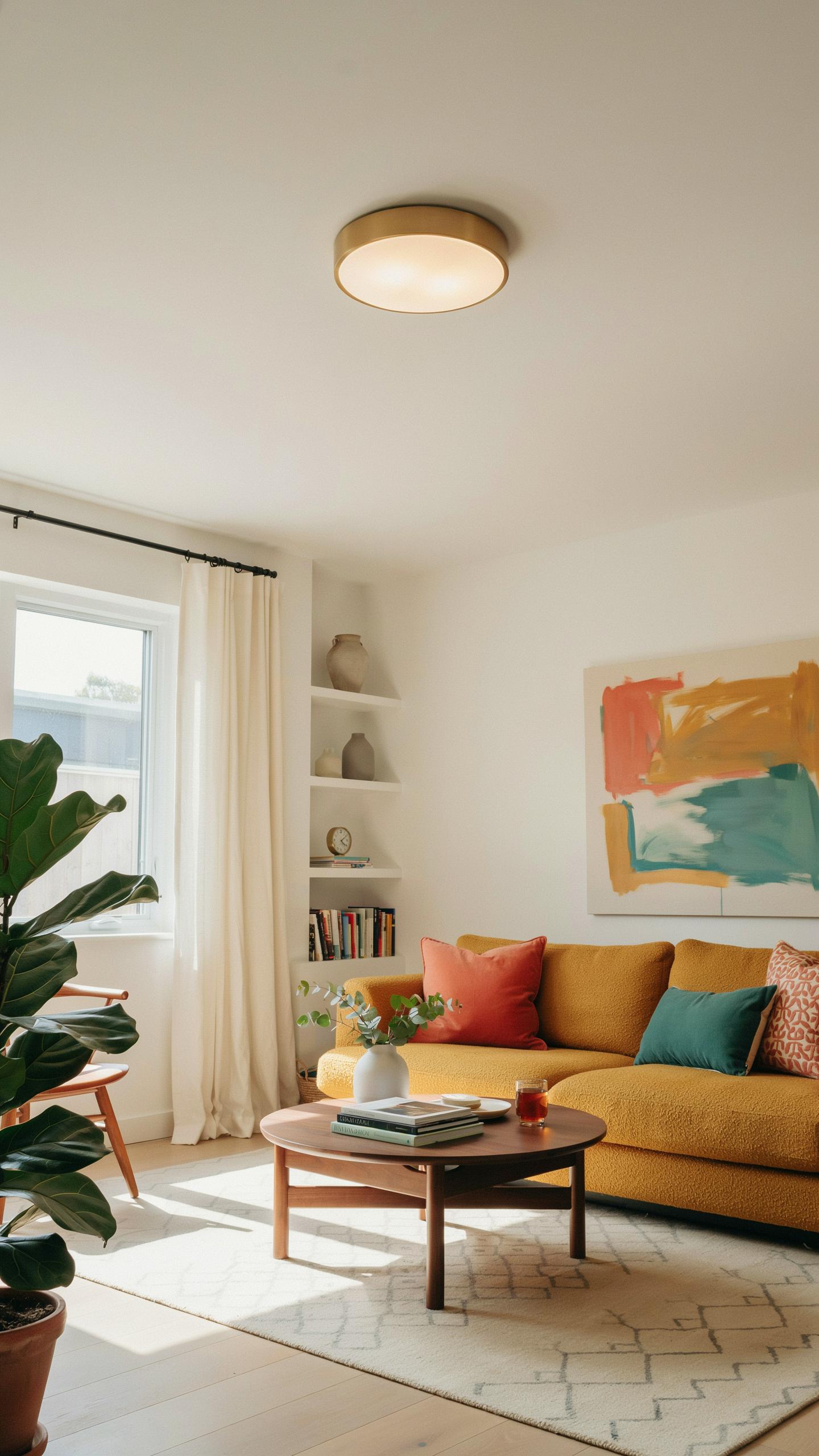
Semi Flush Mount Elegance
Semi-flush mounts solve the low ceiling problem by mounting close to the ceiling while keeping the fixture body compact. Mid-century designers favored this approach because it delivers light output without the visual bulk of traditional chandeliers. The fixture sits between a flush mount and a pendant, providing practical overhead illumination in rooms with eight-foot ceilings or less.
Brass, aluminum, and teak were standard materials for mid-century semi-flush designs. These fixtures typically featured geometric shades or open frameworks that allowed light to distribute evenly. The result is functional lighting that maintains visual breathing room while delivering the ambient light living rooms require for everyday use.
Lighting is the jewelry of the home, bridging the warmth of the past with the clarity of a new season.
Unobtrusive Profile Designs
Linear and slim-profile ceiling lights expand perceived height by drawing the eye upward without cluttering the visual field. Mid-century architects embraced horizontal light bars and track systems that hugged the ceiling plane. These designs use the ceiling as an anchor point rather than a focal point, making rooms feel taller and more open.

Thin metal rods, recessed channels, and minimalist geometric forms characterize this approach. Materials like brushed nickel and anodized aluminum keep the visual weight down while maintaining durability. Rooms with low ceilings benefit because the fixture becomes nearly invisible while the light itself dominates, creating an airy atmosphere without sacrificing illumination levels.
Must Have Light Fixtures Mid Century Modern Aficionados Recommend
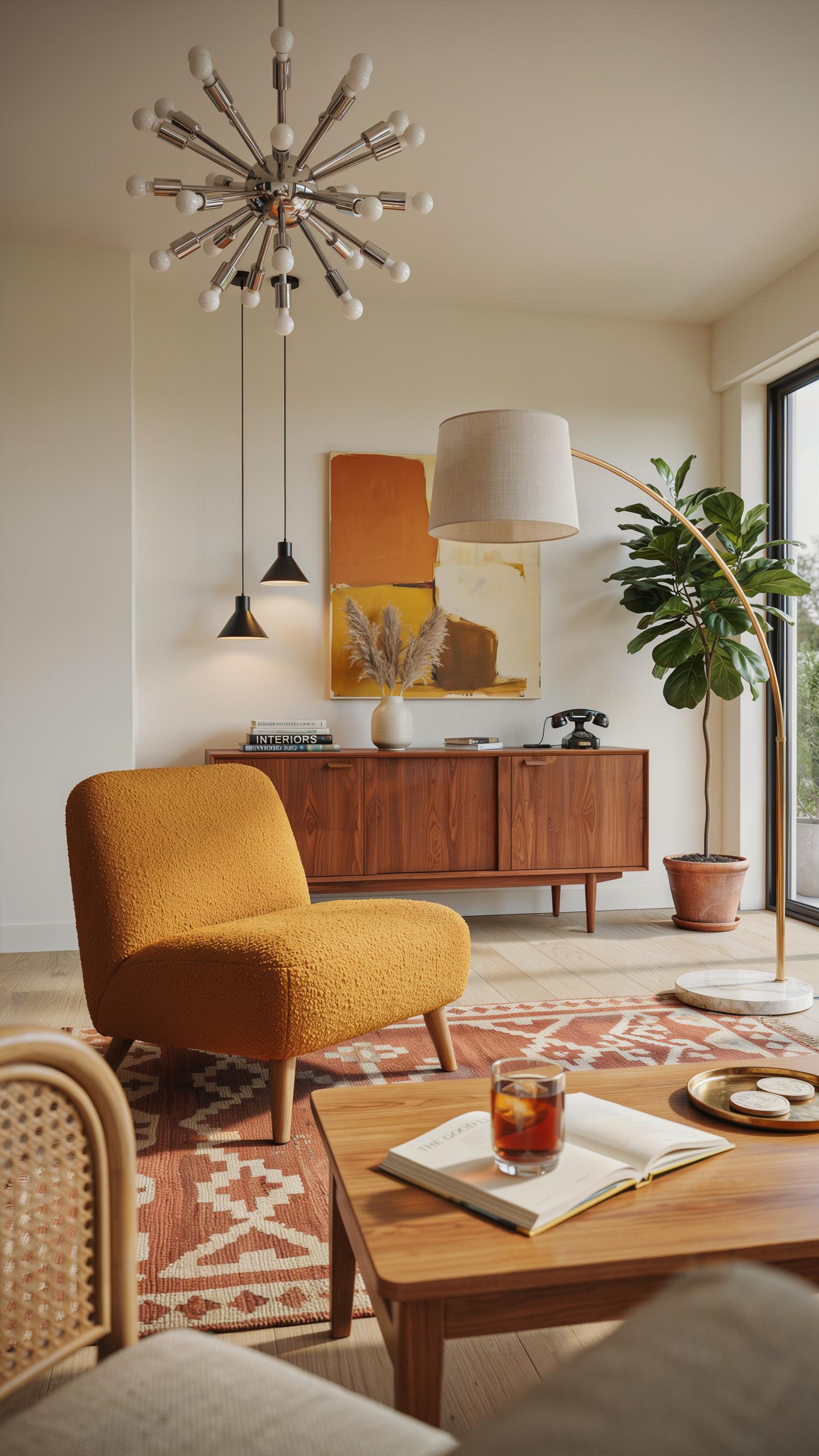
Iconic Design Checklist For Recreations
Authentic mid-century lighting relies on specific construction methods and material choices. Verify that reproductions use period-correct elements like brass, teak, or walnut for fixtures produced between 1945 and 1969. Examine the shade attachment system. Original designs featured direct socket connections or simple clips rather than modern threaded bases. Check the cord. Period fixtures used cloth-wrapped wiring, not plastic insulation. Inspect the bulb socket type. Mid-century fixtures typically accommodated standard incandescent bulbs, not LED retrofits designed decades later.
- Brass Construction: Verify the fixture uses solid brass or brass-plated steel, not chrome or aluminum. Brass develops natural patina over time and was the standard for high-quality mid-century designs.
- Proportional Scale: Confirm the fixture matches room dimensions. Mid-century designers calculated specific ratios between fixture size and ceiling height, typically 8 to 12 inches for pendants in standard residential spaces.
- Cord Routing: Check that wiring runs through the fixture body cleanly, not added externally. Designers integrated electrical systems during manufacturing, not as afterthoughts during assembly.
- Shade Materials: Ensure shades use paper, linen, or fiberglass, not acrylic or modern synthetics. These materials diffuse light authentically and match original specifications from manufacturers like Sputnik or Eames.
- Weight Distribution: Assess the fixture’s balance. Period designs used weighted bases or robust mounting hardware to handle the fixture’s mass without sagging or tilting over time.
Quality reproductions match the structural logic of originals from designers like Charles and Ray Eames, Arne Jacobsen, and George Nelson. Counterfeit versions cut corners with lighter materials, simplified assembly, and non-period electrical components. Purchase from manufacturers that publish exact specifications and material sourcing. Ask vendors for production methods and material certifications before committing to expensive pieces.
Innovative Glass Elements This Season
Opaline and structured milk glass returned to prominence in contemporary interiors during the 2020s as designers rejected the minimalism of prior decades. These materials diffuse light softly without harsh shadows, a quality mid-century designers valued for functional lighting in living spaces. Milk glass production involves adding bone ash or tin oxide to molten glass, creating opacity while maintaining translucence. This technique predates mid-century design but gained popularity during the 1950s and 1960s when manufacturers like Holophane and Luxo refined production processes for residential fixtures.

Structured milk glass differs from plain opaline through deliberate surface patterns pressed into the shade during manufacturing. These patterns control light direction more precisely than smooth surfaces. Modern designers pair structured milk glass with vintage-inspired brass or wood elements to create fixtures that reference mid-century aesthetics without copying exact historical models. The material works effectively with both warm incandescent light and contemporary LED technology, though LED sources require careful color temperature selection to avoid clinical coldness that contradicts mid-century design intent.
Maximized Lighting Solutions For A Small Living Room Mid Century Modern Style
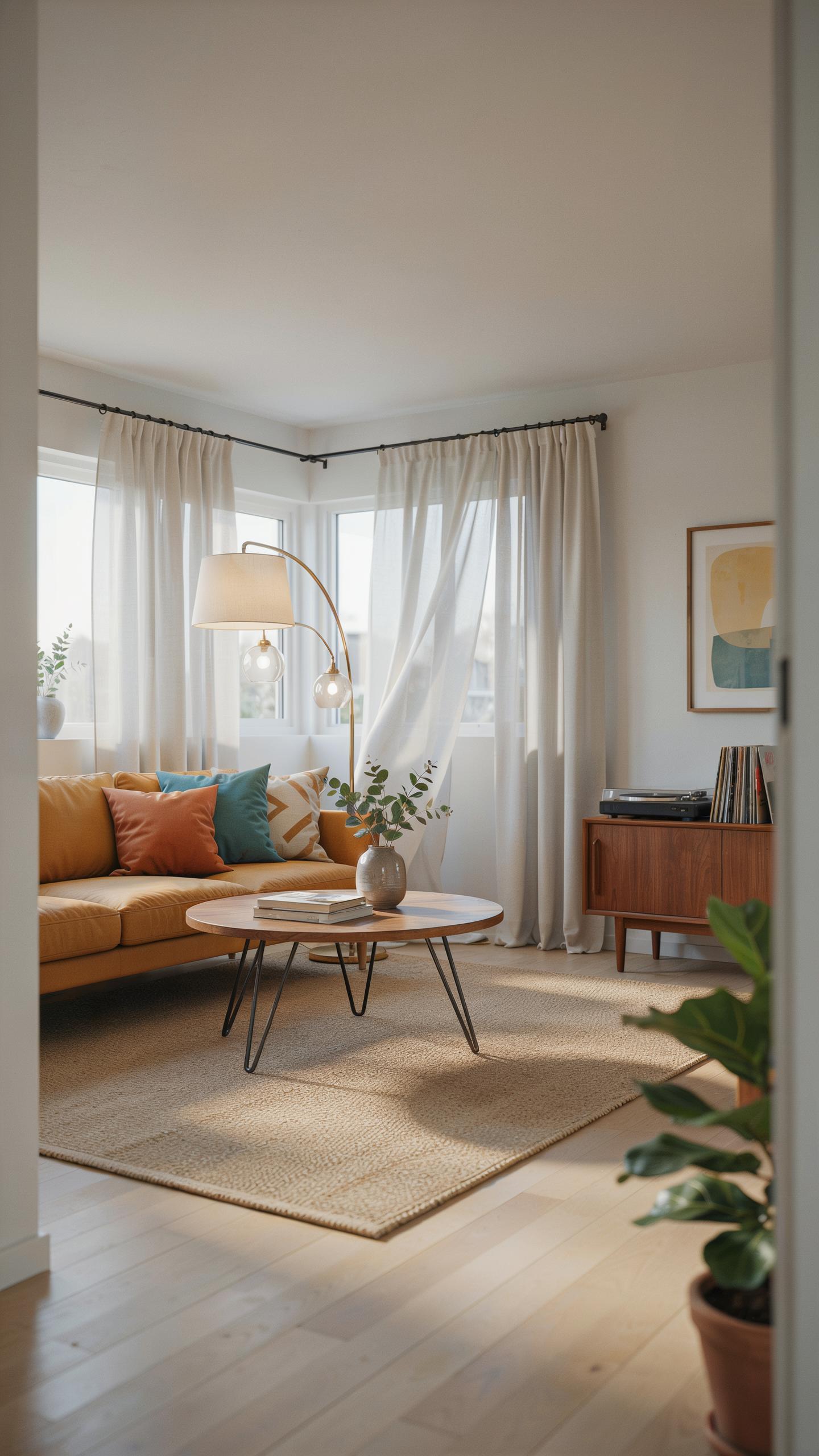
Accentuating Architectural Corners
Table lamps positioned in room corners create visual depth and eliminate dark zones. Mid century modern lamps with tripod bases or tapered legs occupy minimal footprint while delivering focused light. Upward-facing sconces mounted at corners bounce light off ceilings, amplifying perceived square footage without adding bulk to walls or floors.
Brass and teak fixtures from this era pair functionality with spatial efficiency. Corner placement of these lamps draws the eye upward and outward, making compact rooms feel less confined. The strategy works because concentrated pools of light create zones that mentally expand room perception beyond actual dimensions.
Creative Wall And Task Placement
Swing-arm wall lamps eliminate floor clutter entirely while providing directional task lighting for reading. These fixtures mount directly to walls at bedside or seating areas, freeing up surface space for other furnishings. Mid century swing-arm designs typically featured articulated metal arms with adjustable angles, allowing precise light control without repositioning furniture.

This approach solves the reading light problem in small spaces where table lamp placement competes for real estate. Mount swing-arms at 48 to 60 inches from floor level for optimal sight lines during seated activities. The combination of wall-mounted task lighting and corner ambient fixtures creates layered illumination that functions in tight quarters while maintaining authentic mid century aesthetic principles.
Styling Light Wood Furniture With Dark Floors And Perfect Illumination
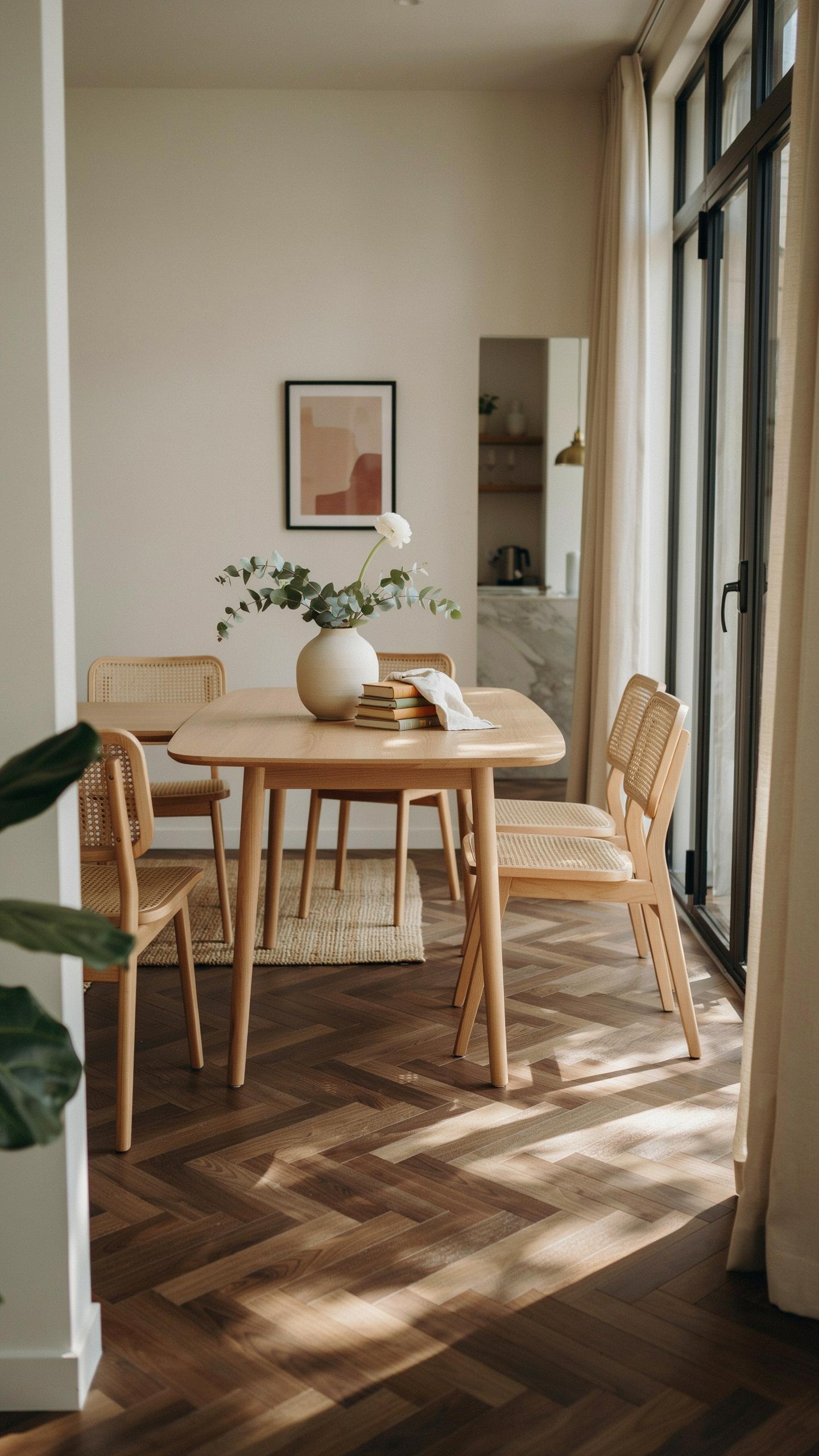
Balancing High Contrast Tones
Light wood furniture against dark floors creates visual tension that demands deliberate lighting choices. Neutral light temperatures in the 2700K to 3000K range work as a bridge between these surfaces. This warm spectrum prevents the space from feeling fragmented. Mid century designers relied on this principle to unify rooms with competing surface values.
Placement determines how effectively neutral lighting resolves contrast. Position overhead fixtures to distribute light evenly across both furniture and flooring. Avoid concentrating light solely on one surface. Balanced illumination makes the high contrast intentional rather than jarring.
Enhancing Wood Textures With Light
Directional spotlights expose grain patterns that flat, diffused light conceals. Birch, pine, and oak each display distinct grain characteristics when light hits them at shallow angles. Position spotlights to graze across wood surfaces rather than illuminate them straight on. This technique highlights the texture mid century designers valued in natural materials.
Adjust spotlight angles based on grain direction to maximize visibility. Grain running vertically requires different light placement than horizontal patterns. Test multiple angles before finalizing fixture positions. The goal is revealing wood character, not creating glare or hot spots on surfaces.
Frequently Asked Questions

What are the defining characteristics of mid century interior design lighting?
Mid century interior design lighting is best known for its focus on geometric forms, organic curves, and a “form follows function” philosophy. This season, the trend emphasizes bold materials like matte black metal, warm brass, and hand-blown glass. Whether it is a multi-arm chandelier or a sleek cone-shaped sconce, these fixtures act as sculptural focal points that bring a sophisticated, retro-modern energy to any contemporary living space.
How can I choose the right scale of lighting for a mid century modern living room?
When selecting mid century interior design lighting, consider the visual weight of the fixture relative to your furniture. For a dining area, a large Sputnik chandelier should hang roughly 30 to 36 inches above the table to create a dramatic anchor. In smaller rooms, opt for slender floor lamps with adjustable heads. Balancing these iconic silhouettes ensures the lighting enhances your decor without overwhelming the room’s architectural flow.
Are there affordable ways to achieve this high-end designer look on a budget?
Absolutely! You don’t need to purchase authenticated vintage originals to capture the aesthetic. Many accessible retailers now offer high-quality reproductions and “inspired-by” pieces that mimic classic 1950s silhouettes. Look for fixtures with clean lines and gold-tone finishes to get that luxury feel for less. Additionally, swapping out standard white globes for Edison bulbs can instantly elevate a basic fixture into a stylish mid-century statement piece.