
Understanding The Importance Of A Garden Maintenance Checklist Monthly

Why Consistent Soil And Plant Care Keeps Your Yard Thriving
Monthly maintenance stops problems before they take hold. Pests reproduce in cycles. Disease spreads through neglected plants. Weeds establish roots and become harder to remove. Regular soil checks catch nutrient deficiencies early. Pruning removes diseased branches and redirects plant energy. Feeding during growing seasons supports plant strength and resilience.
A garden without routine care deteriorates fast. Soil compacts and loses structure. Plants weaken and become vulnerable to stress. Pest populations explode unchecked. Disease spreads between plants undetected. Your investment in landscaping erodes. Monthly checkups take minimal time but prevent expensive damage. Consistent action keeps systems balanced and functional.
Maximizing Curb Appeal With A Reliable Garden Maintenance Schedule
A structured monthly schedule keeps your outdoor space presentable. Perennials bloom on schedule with timely deadheading and feeding. Turf stays green with regular watering and mowing. Beds stay clean with consistent weeding. Shrubs maintain shape through strategic pruning. Your property shows intent and care through visible results.
Neglected yards require expensive restoration work. Dead plants need replacement. Severely compacted soil demands aeration and amendment. Overgrown shrubs take years to recover from poor trimming. Monthly intervention prevents these costly scenarios. A few hours monthly saves thousands in repairs and replacements. Preventive action outperforms reactive spending every time.

How To Plan Garden Tasks Monthly For Long Term Success
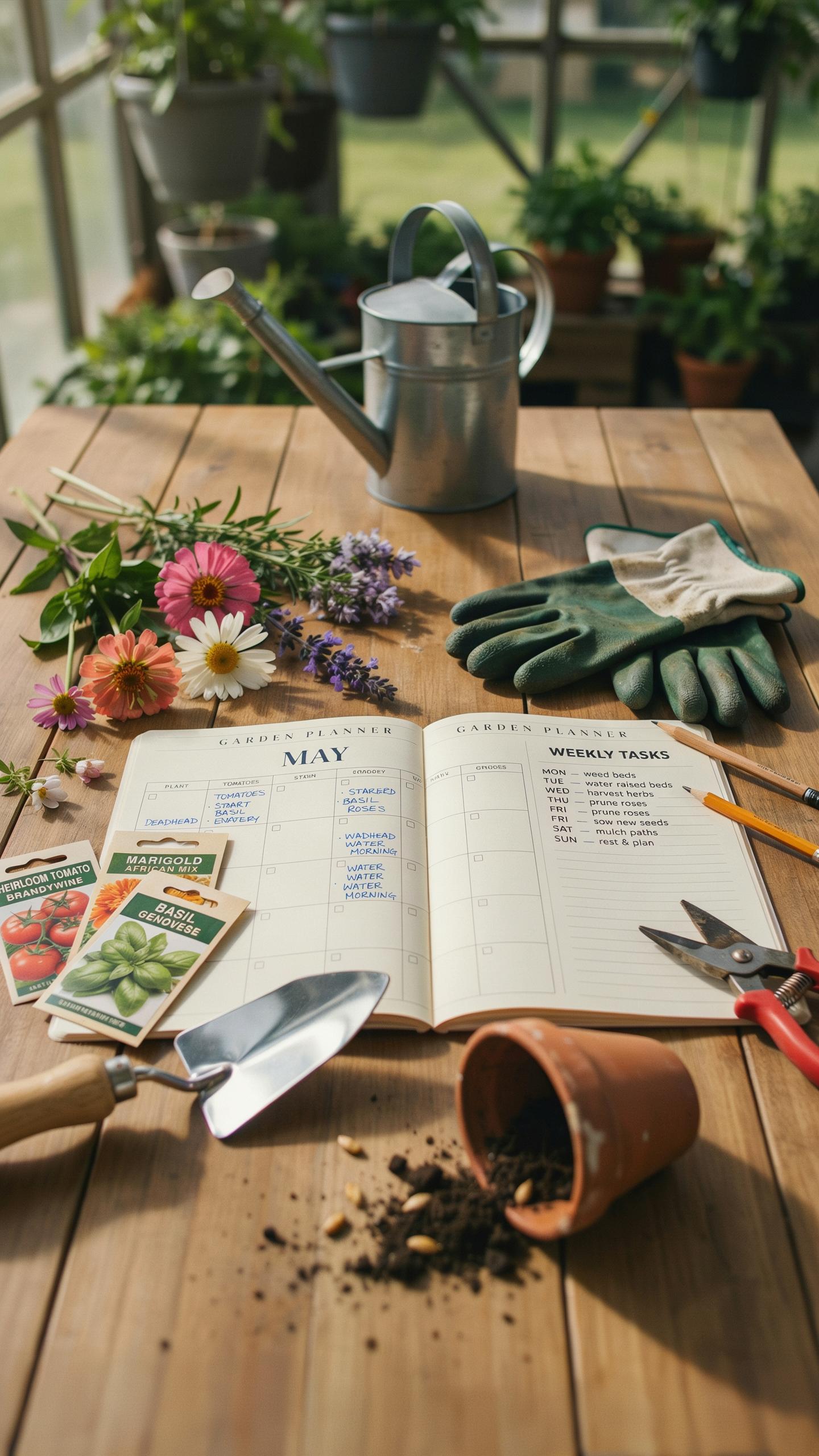
Mapping Out Your Seasonal Yard Maintenance Schedule
Temperature and plant growth cycles dictate what your yard needs each month. Spring requires aeration and soil preparation. Summer demands consistent watering and pest management. Fall calls for cleanup and mulching. Winter focuses on protection and planning. Working with these natural cycles prevents wasted effort and improves plant health outcomes.
Your calendar should reflect what actually happens in your climate zone, not generic advice. Check your local frost dates and growing season length. Mark when trees leaf out and when perennials emerge in your specific area. This data driven approach stops you from fertilizing dormant plants or pruning during active growth when it causes damage.
A garden is a grand teacher that rewards a simple monthly rhythm of care with a lifetime of beauty. The greatest gift of a garden is the restoration of the five senses.
Creating An Easy To Follow Plant Maintenance Schedule
Each plant species has specific watering frequency, fertilizer needs, and pruning windows. Annuals demand regular feeding during bloom. Perennials need fertilizer in early spring and again mid summer. Shrubs require less frequent feeding. Grouping plants by their actual needs prevents the common mistake of applying one schedule to everything.

Document what you grow and its requirements in a simple spreadsheet or calendar. Note when you last watered, fertilized, or pruned each type. This removes guesswork and stops repeated mistakes. Track results month to month. You build a personalized system that works for your specific plants and soil conditions, not someone else’s garden.
Spring Essentials On Your Monthly Gardening Tasks List

March And April Wake Up Call For Lawns And Flowerbeds
March and April demand immediate action on winter damage. Remove dead foliage, broken branches, and matted plant material that frost and snow compressed. This debris blocks sunlight and traps moisture against healthy growth. Clear it out first to prevent disease and mold development in your beds.
Aerate compacted soil after winter freeze thaw cycles finish. Foot traffic and heavy snow compress earth, restricting root penetration and water drainage. Use a core aerator or spike aerator to open the soil. Spread organic compost over aerated areas at one to two inches deep to feed seedlings and improve soil structure for the growing season ahead.
May Care Tips For Planting And Protecting Young Seedlings
May arrives with stable soil temperatures and minimal frost risk in most regions. Transplant summer annuals, perennials, and tender vegetables into garden beds now. Space plants according to their mature width to prevent overcrowding. Stake tall perennials immediately after planting to prevent wind damage and stem breakage during establishment.

Young root systems need consistent moisture as they establish in soil. Water deeply two to three times weekly during the first three weeks after transplanting. Check soil moisture daily by inserting your finger two inches into the earth. Reduce watering frequency once plants show new growth and leaves harden off, signaling root establishment and adaptation to garden conditions.
Summer Care Strategies In Your Outdoor Maintenance Schedule
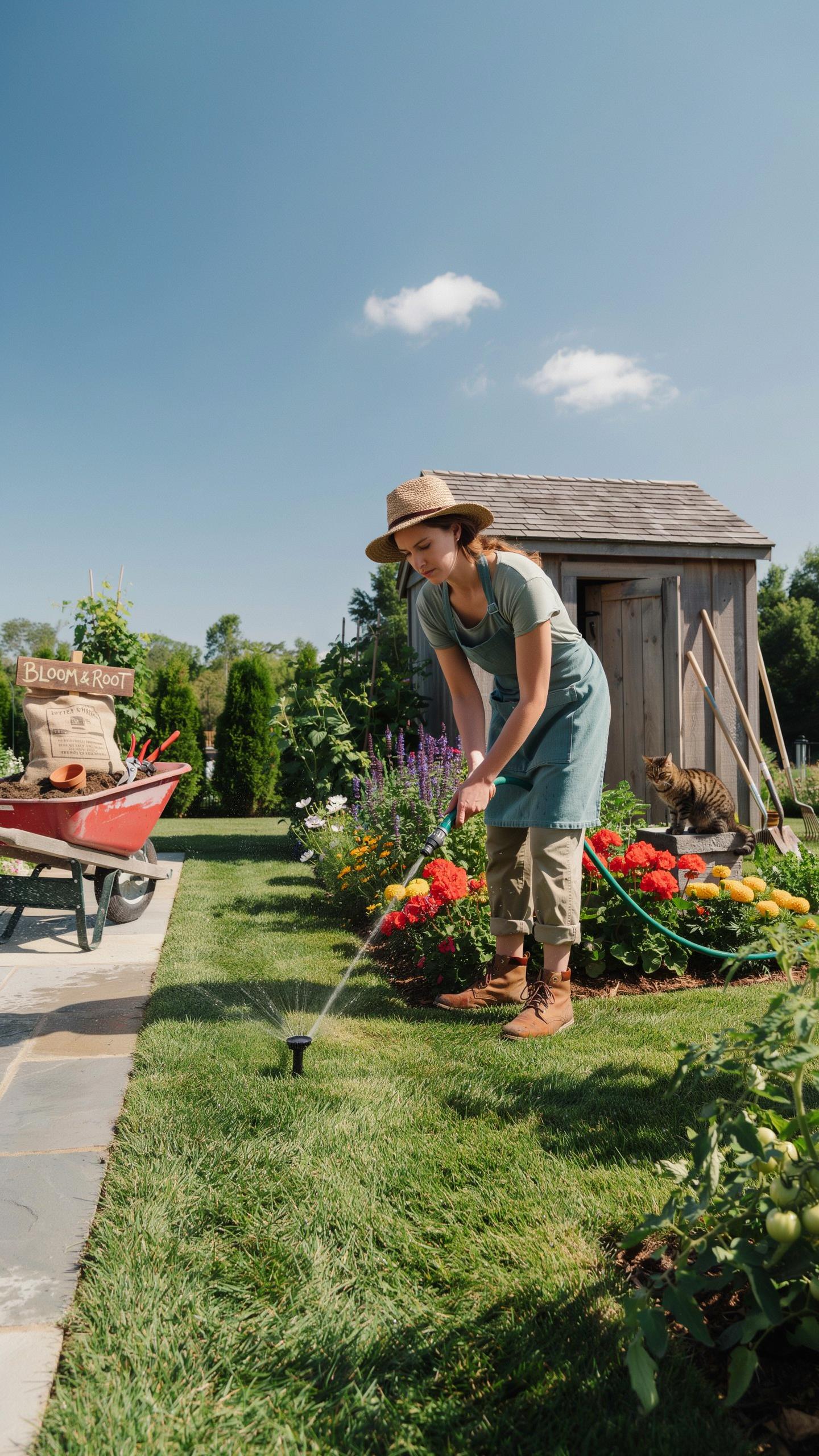
June And July Watering And Mulching Guidelines For Heat Resistance
Heat stress kills plants faster than most threats. Water deeply in early morning before temperatures spike. This timing lets roots absorb moisture before evaporation strips it away. Target the root zone directly. Skip overhead spraying, which wastes water and promotes fungal infections on foliage.
- Two inch organic bark mulch layer: Reduces soil temperature by up to 10 degrees and retains moisture longer than bare soil.
- Drip irrigation system: Delivers water straight to roots with minimal waste and maintains consistent soil moisture throughout hot days.
- Early morning watering schedule: Water between 5am and 8am when temperatures are lowest and plants absorb water most efficiently.
- Avoid overhead spraying: Wet foliage in heat creates conditions for powdery mildew and leaf spot diseases to establish.
- Check soil moisture daily: Stick your finger two inches into soil. If it feels dry, water immediately regardless of scheduled day.
Mulch acts as insulation for soil. It slows water evaporation and keeps root zones cooler during peak summer heat. Apply mulch two inches thick around plants, staying two inches away from plant stems to prevent rot and pest issues.
August Deadheading And Pest Monitoring To Extend Blooms
Remove spent flowers before seed pods form. This redirects plant energy back into bloom production instead of seed development. Deadheading keeps flowering plants productive through late summer and early fall. Check plants every three to four days during peak bloom season for maximum results.

Inspect leaf undersides weekly for pest damage. Aphids, spider mites, and whiteflies cluster underneath leaves where you miss them during casual observation. Catch infestations early before populations explode. Spray affected areas with water or neem oil as soon as you spot feeding damage or sticky residue on leaves.
Autumn Preparation And Your Essential Garden Checklist
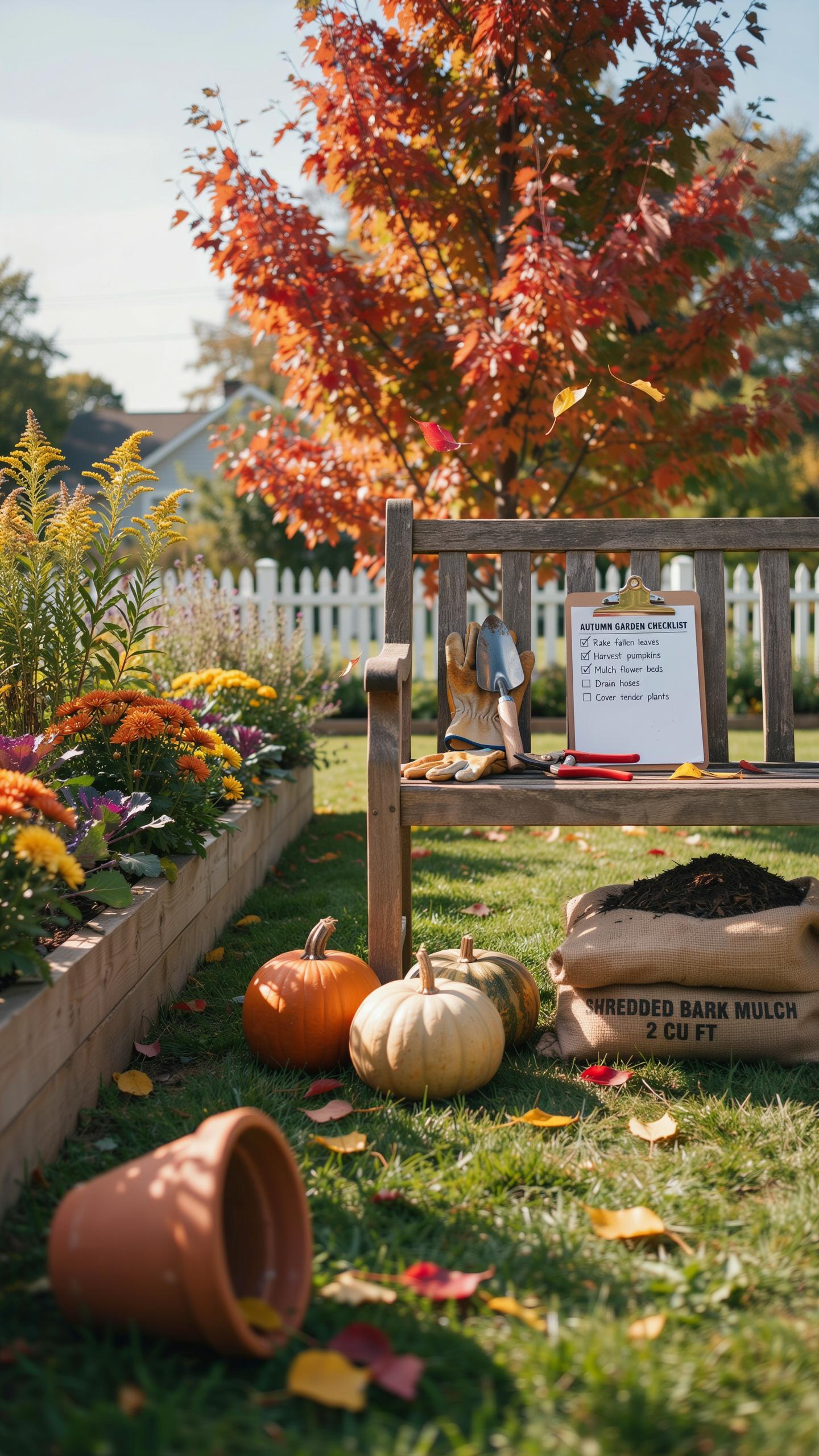
September And October Soil Amending And Bulb Planting
September and October represent your window to plant spring-flowering bulbs. Tulips, daffodils, and crocuses need cool soil temperatures to establish roots before winter arrives. Plant these bulbs in well-drained spots to prevent rot during wet months. This timing ensures blooms emerge when spring temperatures rise.
Amend your garden beds now with aged manure or leaf mold. These materials break down over winter and deliver nutrients when plants need them most in spring. Work amendments into the top six to eight inches of soil. Soil prepared in autumn outperforms spring-amended beds because decomposition occurs during dormant months.
November Lawn Clean Up And Winterization Tactics
Rake fallen leaves regularly throughout November to protect your lawn grass. Leaves block sunlight and trap moisture against grass blades, creating conditions for fungal diseases. Remove decaying leaves completely rather than leaving them to mat down. This single task prevents spring disease outbreaks before they start.

Clean up vegetable garden debris and dead plant material before winter sets in. Decaying vegetation provides shelter where pests and disease pathogens survive cold months. Removing this material breaks their lifecycle and reduces pest pressure next season. Discard diseased material in trash, not compost piles, to prevent spreading pathogens.
Winter Preservation Techniques For Optimal Garden Care

December And January Frost Protection And Tool Maintenance
Wrap sensitive woody shrubs with breathable burlap before hard freezes arrive. This material allows air circulation while blocking wind and ice damage. Target plants like rhododendrons, newly planted trees, and tender evergreens. Secure the wrap at the base with twine. Remove wraps when temperatures stabilize above freezing to prevent moisture buildup.
Winter downtime is ideal for tool maintenance work. Sharpen pruning shears, hedge clippers, and spades on a whetstone or sharpening stone. Clean dried soil and sap from all metal surfaces using a wire brush. Apply a light coat of oil to metal parts and wooden handles to prevent rust and splitting. Store tools in a dry location after maintenance completes.
February Planning And Pruning Dormant Trees And Shrubs
Prune deciduous trees and fruit shrubs while they lack leaves. Dormant pruning removes dead wood without stressing the plant. The branch structure becomes visible, making cuts precise and efficient. Remove branches at a 45-degree angle just above the branch collar. Avoid cutting flush to the trunk, as this damages the protective bark collar.

Dormant season pruning triggers vigorous spring growth in remaining branches. Fruit trees benefit most, producing stronger canes and improved yields. Make cuts on mild, dry days to minimize disease entry. Never prune more than 25 percent of the branch structure in a single year. Space pruning cuts evenly across the canopy to maintain natural form.
Maximizing Efficiency With A Printed Garden Checklist Pdf
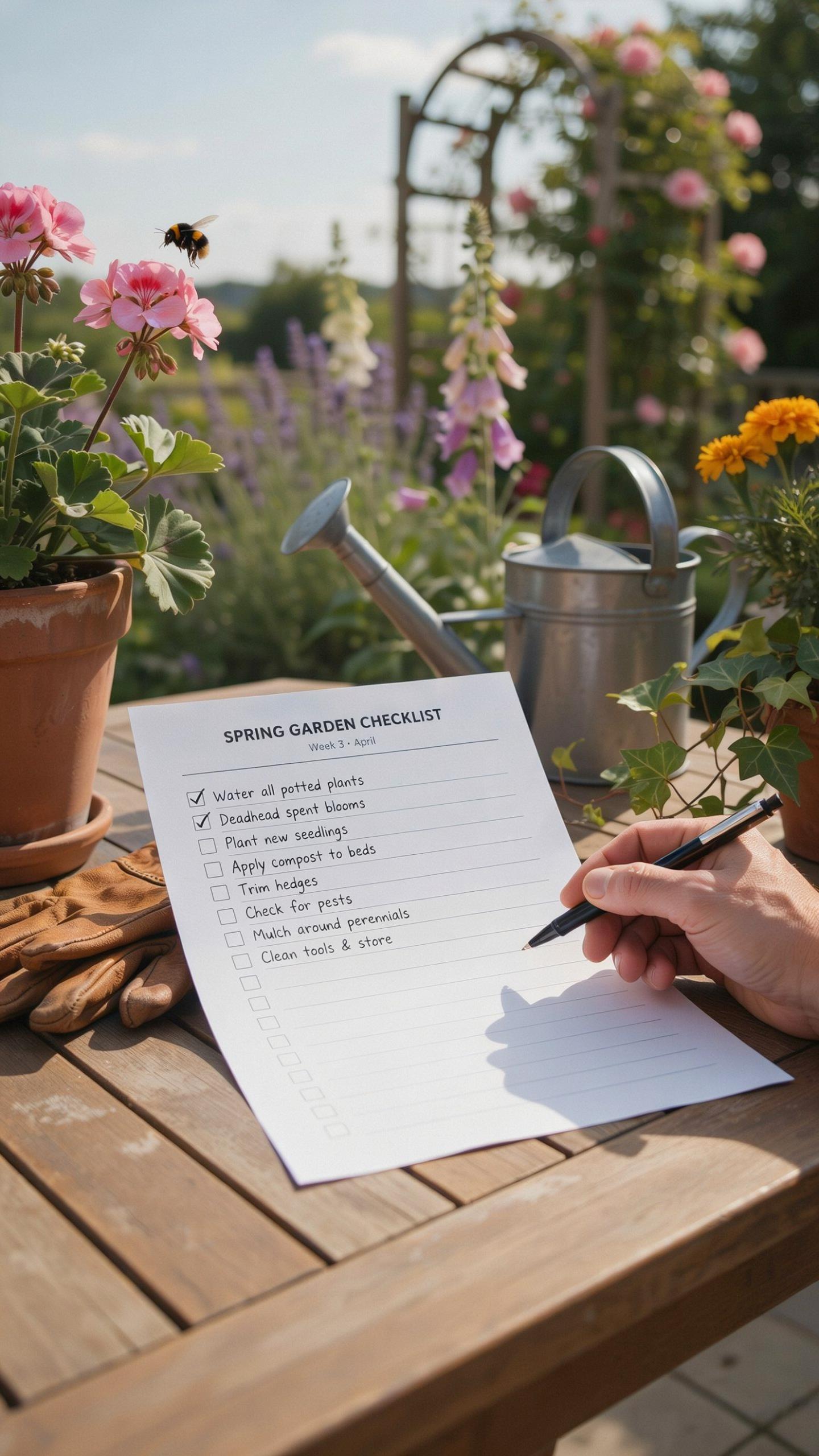
How To Track Gardening Tasks With A Physical Tracker
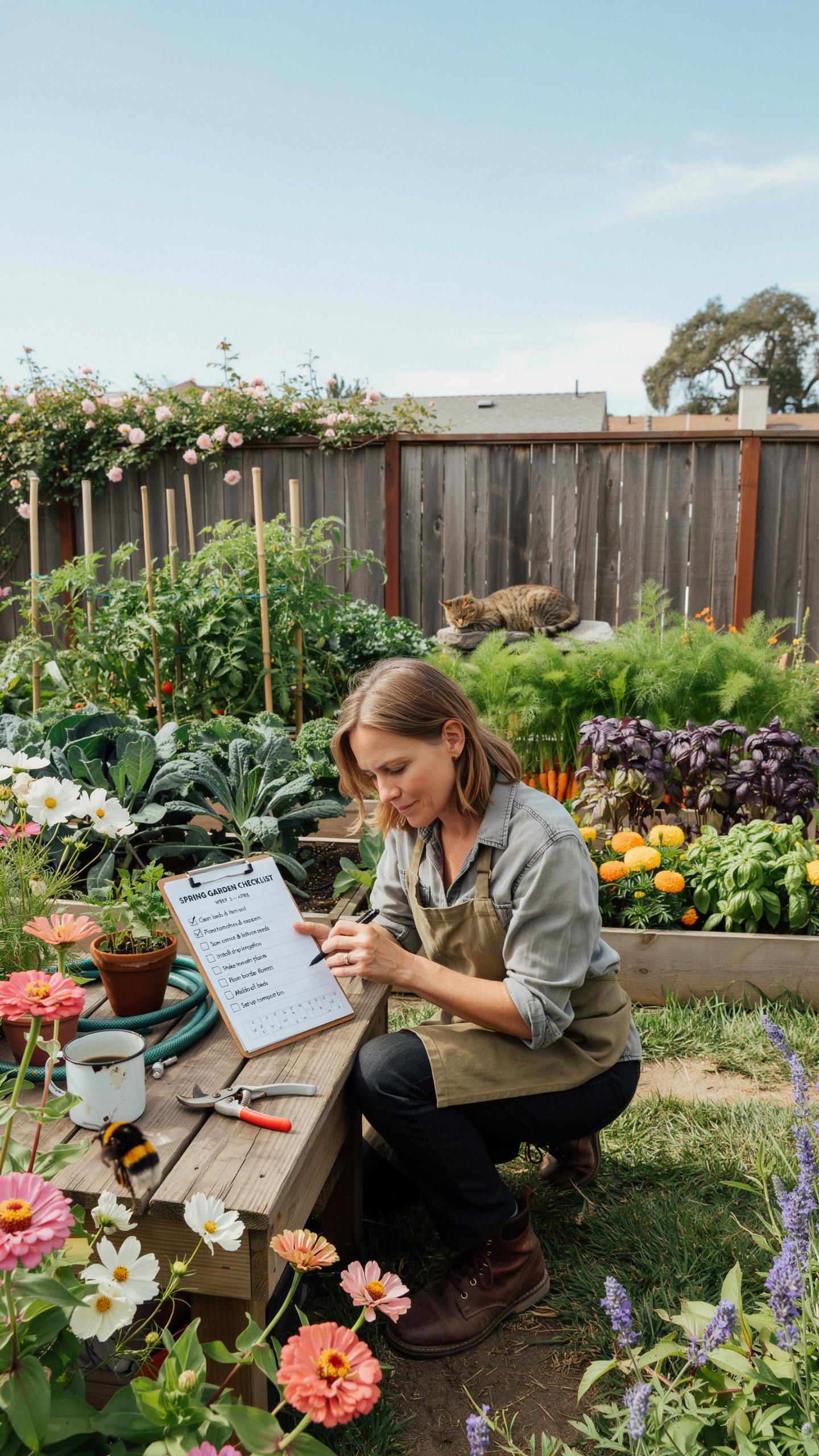
A printed checklist placed in your garden shed or on your refrigerator creates a visible reference point you check daily. You mark off completed tasks immediately, creating accountability and preventing duplicate work. This method works because you see progress physically, which reinforces your commitment to maintenance.
Physical trackers eliminate reliance on phone notifications you might miss or ignore. The act of writing or checking off items engages your brain differently than digital apps. You develop a rhythm around garden work because the checklist becomes part of your routine, not an afterthought.
Essential Sections To Include In Your Custom Printable Checklist
A functional checklist needs clear structure to guide your work throughout the year. Design columns that directly address your garden’s needs and seasonal patterns. This approach prevents missed tasks and ensures you address each gardening requirement at the right time.
- Monthly Weather Notes Column: Record temperature ranges, rainfall, and frost dates specific to your region. This data helps you predict optimal planting and maintenance windows for future months.
- Soil Fertilizer Application Dates: Log when you applied fertilizer and which type. Track results to establish patterns about what your soil needs and when it needs feeding.
- Vegetable Planting Target Dates: List specific vegetables with their ideal planting windows for your climate zone. Update these dates annually based on last frost date and growing season length.
- Pest and Disease Observations: Document pest sightings and disease symptoms by month. This creates a baseline to identify recurring problems and time preventative treatments accordingly.
- Tool Maintenance Schedule: Include dates for sharpening blades, cleaning equipment, and checking tool conditions. Preventative maintenance extends tool life and ensures proper performance during peak gardening season.

These sections work together to build a record of your garden’s patterns and needs. Over multiple seasons, your completed checklists become reference material that eliminates guesswork from future decisions.
Long Term Benefits Of Keeping A Structured Garden Checklist
Preventing Costly Landscape Redesign Projects And Plant Loss
Early detection stops expensive problems before they spiral. Monthly inspections catch root rot, nutrient deficiencies, and pest damage when intervention costs less. You identify struggling plants weeks before they die, saving replacement costs on mature trees and specimen shrubs that take years to establish.
Consistent maintenance preserves your landscaping investment. A plant discovered with scale insects in month two costs far less to treat than replacing a three year old shrub. Your initial spending on quality plants yields maximum return when you catch issues systematically rather than reacting to failure.
Fostering A Dynamic And Bio Diverse Backyard Ecosystem
Regular maintenance creates habitat conditions that attract beneficial insects. Honeybees, butterflies, and ladybugs colonize gardens with consistent plant health and diverse flowering schedules. These pollinators and predatory insects control pest populations naturally, reducing your dependence on chemical interventions.

Native plant care builds local food webs that sustain wildlife. Monthly monitoring ensures flowering plants bloom sequentially, providing nectar and pollen sources year round. A managed garden supports more species diversity than an ignored space, creating measurable ecological value in your yard.
Frequently Asked Questions

Why is it important to follow a garden maintenance checklist monthly?
Maintaining a consistent schedule prevents small outdoor tasks from becoming overwhelming seasonal projects. By using a garden maintenance checklist monthly, you can monitor plant health, identify pests early, and manage weeds before they go to seed. This proactive approach ensures your soil remains nutrient-rich and your landscape stays tidy, allowing you to enjoy a beautiful, flourishing garden throughout the year without the stress of intense, all-day cleanup sessions.
How do I organize my tasks to stay on top of seasonal changes?
The best way to organize is to categorize your chores into soil care, pruning, and protection. Each month, consult your garden maintenance checklist monthly to see which plants require deadheading or which areas need fresh mulch. Start with high-priority tasks like watering and weeding, then move to aesthetic pruning. Breaking these jobs into small, manageable weekend intervals ensures your outdoor space remains vibrant and healthy as the seasons transition smoothly.
Can I maintain a beautiful garden on a tight budget?
Absolutely! Great gardening doesn’t require expensive equipment or professional crews. You can save money by making your own compost, propagating plants from cuttings, and using natural mulches like fallen leaves or grass clippings. Prioritizing simple, routine care through a consistent schedule helps prevent costly plant losses. Focus on basic tasks like regular weeding and manual pest control to keep your outdoor area stunning without spending a fortune on chemical treatments.