Embracing The Cozy Charm Of Cool Season Crops
Understanding Frost Tolerant Plants
Cool season crops survive and thrive in temperatures between 40 and 70 degrees Fahrenheit. These plants tolerate light frosts without damage to their leaves or root systems. Broccoli, spinach, kale, and peas germinate faster in cooler soil and produce better flavor than warm season varieties. They grow during spring and fall when soil temperatures drop.
Frost tolerance varies by crop type. Leafy greens handle freezes down to 28 degrees. Root vegetables like carrots and beets store sugars that act as natural antifreeze. Cool season crops slow their growth in cold but continue producing. This biology makes them reliable for gardeners working in mild climates or temperate zones during shoulder seasons.
Setting A Relaxed Pace For Your Garden
Cool season gardening requires less intensive management than summer vegetable production. Plants need less water because cooler air reduces evaporation rates. You water once or twice weekly instead of daily. Fewer pests attack these crops during cooler months, cutting your pest management workload significantly. Disease pressure also drops in dry fall air.
This reduced maintenance creates space for deliberate gardening practices. You observe plant development without rushing through heat stress concerns. Tending hardy greens and root vegetables becomes a steady routine rather than a reactive scramble. The slower growth cycle matches human pacing better than the frenetic summer garden schedule.
Exploring Different Vegetable Growing Seasons
Distinguishing Between Warm And Cool Crops
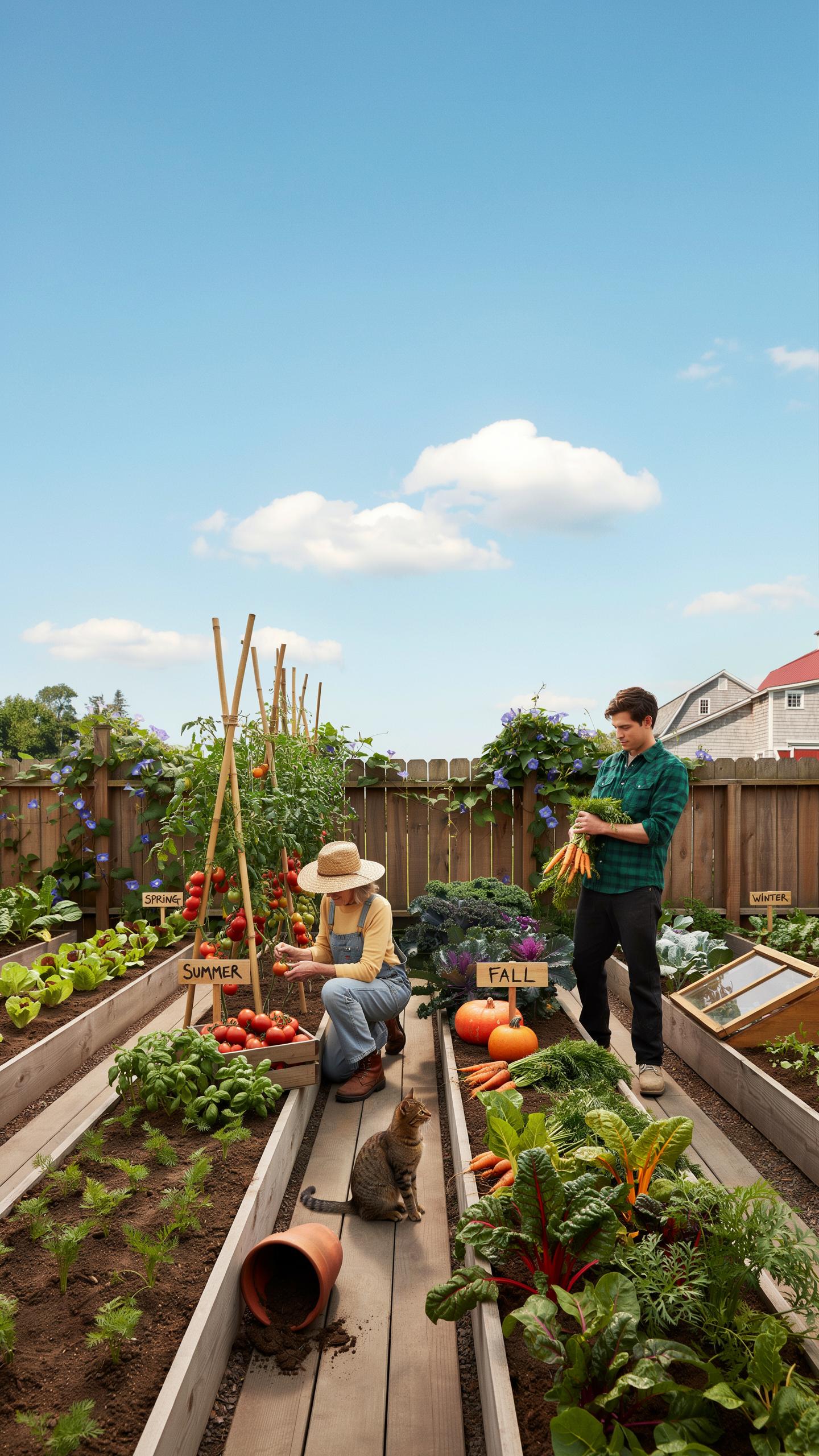
Cool season crops thrive when soil temperatures stay between 40 and 70 degrees Fahrenheit. Plants like lettuce, broccoli, kale, and peas germinate in cold soil and tolerate frost. Warm season crops require soil temperatures above 60 degrees and often 70 degrees or higher. Tomatoes, peppers, beans, and squash fail to germinate in cold conditions and suffer damage from frost.
Understanding this fundamental split determines your planting timing. Cool crops produce faster in spring and fall when temperatures favor their growth cycle. Warm crops need summer heat to develop properly. Planting cool crops in summer heat causes bolting and bitter flavors. Planting warm crops in cold soil results in rot and failure.
Mapping Out Your Yearly Harvest Cycles
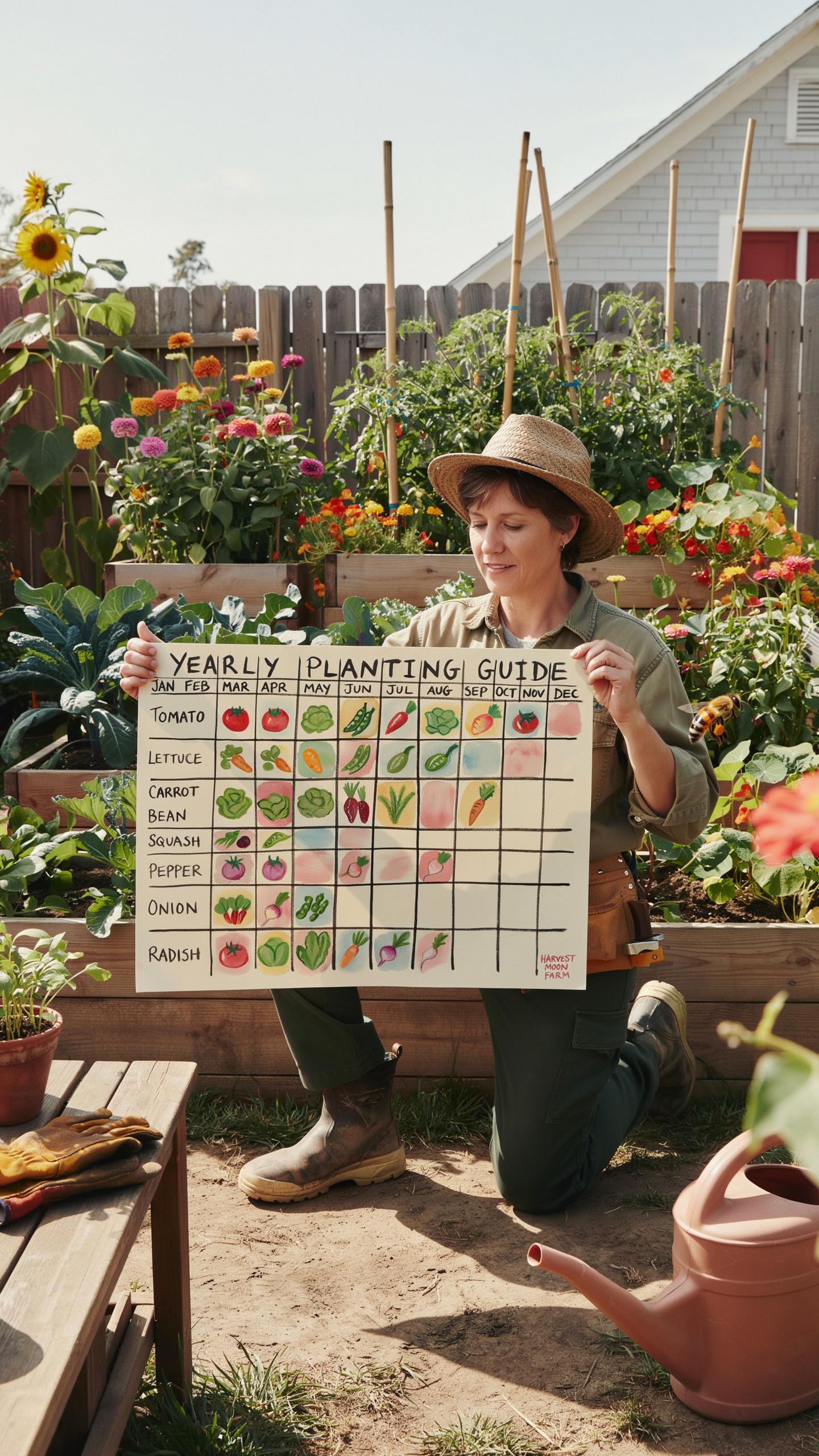
Your region’s first and last frost dates anchor your entire planting schedule. Cool crops go in the ground four to six weeks before the last spring frost and again eight to ten weeks before the first fall frost. This timing ensures mature plants before temperature stress arrives. Check your local extension office or USDA hardiness zone map for exact dates specific to your area.
Create a succession planting calendar by staggering cool crop plantings every two to three weeks in spring and again in late summer. This approach yields continuous harvests rather than one large crop. Warm crops occupy garden space only after frost danger passes completely. Plan your layout to transition cool crops out as warm crops move in, maximizing soil use throughout the year.
How To Read A Planting Season Chart Vegetable Garden
Interpreting Spring And Fall Planting Dates
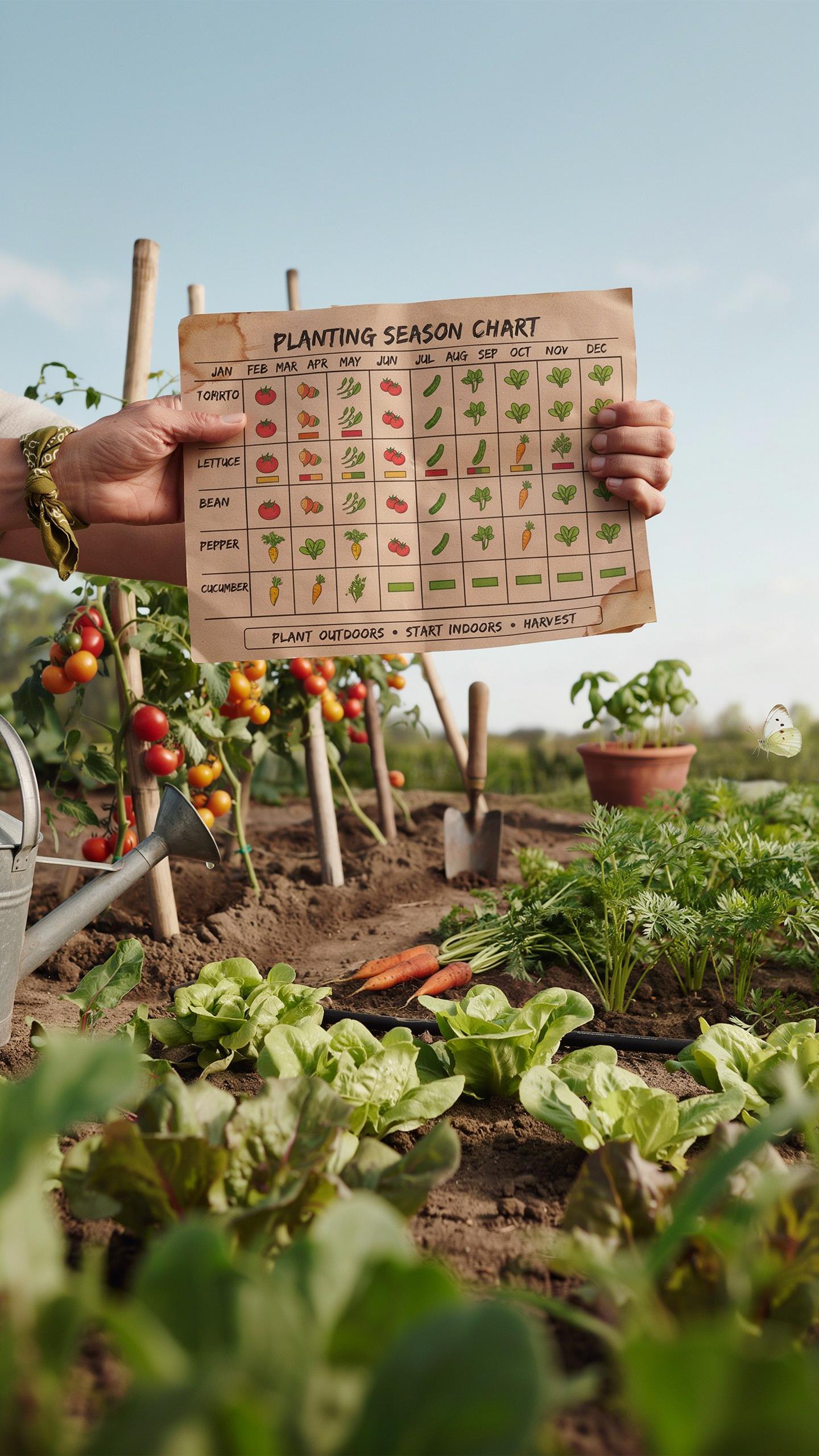
Planting charts use a grid system where columns represent weeks or months and rows represent specific crops. The shaded blocks indicate when to sow seeds directly or transplant seedlings outdoors. Green blocks typically mark the optimal planting window. Blue blocks often show harvest periods. Read your chart left to right, matching your intended planting date to the corresponding crop row.
The chart tells you timing, not instructions. A block spanning weeks 14 through 18 means you can plant during that four week window. Early planting within the window gives crops more time to mature. Late planting within the window risks shorter growing seasons before frost. Always cross reference the chart date with your local frost date calendar for accuracy.
Adjusting For Your Local Hardiness Zone
Your USDA hardiness zone determines frost dates, which anchor all planting timelines. Standard charts assume an average zone but your region may differ by weeks. Find your specific zone on the USDA Plant Hardiness Zone Map using your zip code. Once located, identify your spring frost date and fall frost date for your exact zone.

Shift all planting dates on the chart forward or backward based on your zone’s frost dates compared to the chart’s baseline. If your spring frost arrives two weeks later than the chart assumes, move all spring plantings two weeks later. If your fall frost comes early, move fall crops earlier. Microclimates within your zone also matter. South facing slopes warm faster. Low lying areas frost first. Adjust dates accordingly based on your specific garden location.
Your Essential Seasonal Vegetable Planting Guide
The Best Crops For Autumn Sowing
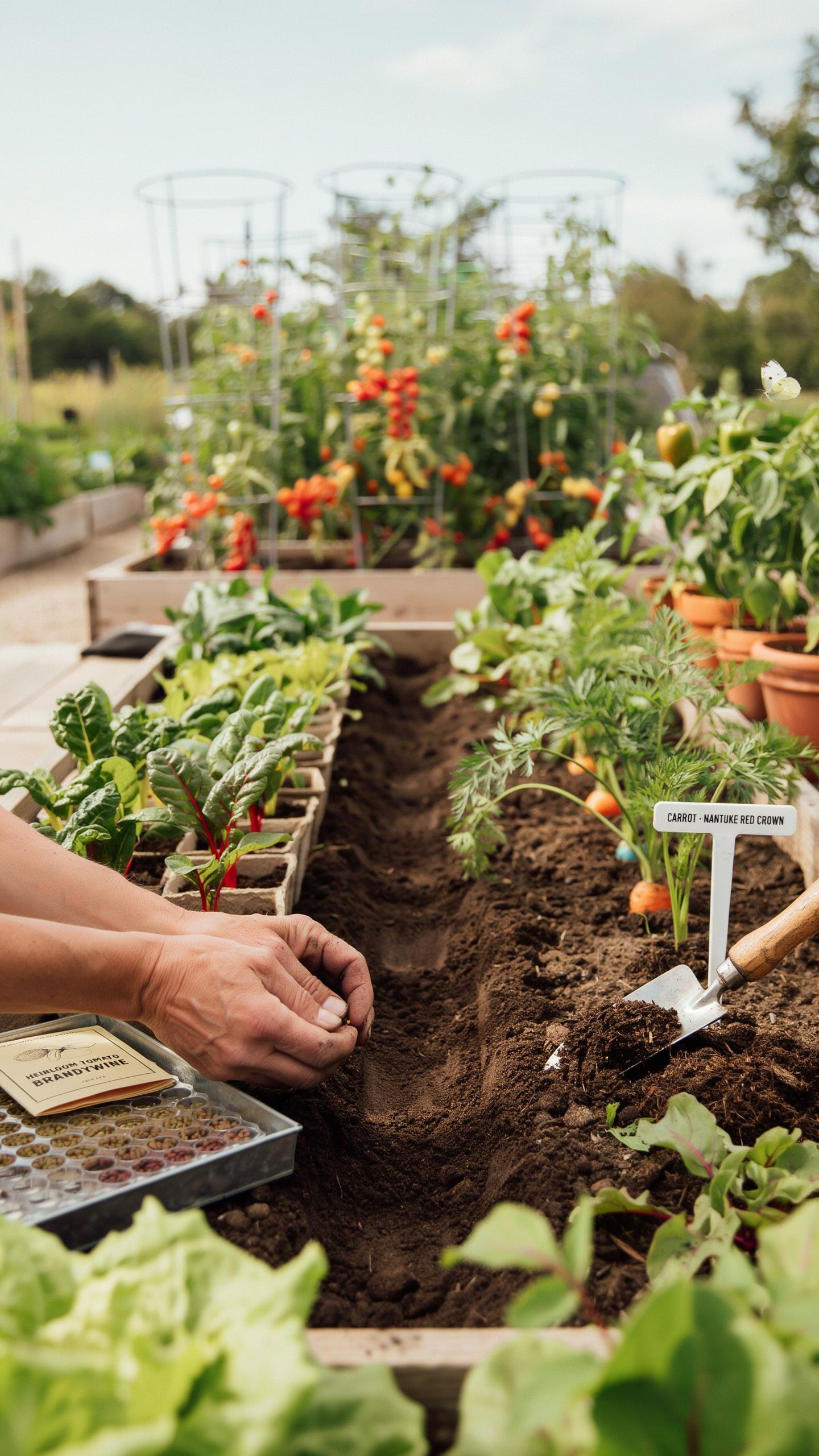
Autumn sowing works because cool season crops need temperature drops to trigger germination and growth cycles. Plant in late summer, roughly 8 to 12 weeks before your first frost date, so vegetables mature as temperatures fall. This timing prevents bolting and produces sweeter, more tender harvests than spring plantings.
Cool season crops tolerate frost and freezing better than warm season varieties. They allocate energy to root and leaf development rather than flowering when temperatures drop. This means faster maturity, higher yields, and extended harvest windows through winter months in many regions.
Essential Cool Season Varieties To Plant
Cool season crops handle frost, produce reliable yields, and store well for extended use. Each variety offers specific nutritional benefits and storage capabilities. Choose based on your climate zone, available space, and intended harvest timeline for maximum results.
- Broad Beans (Vicia faba): Nitrogen-fixing legumes that improve soil health. Plant in autumn for spring harvest. Mature plants reach 12 to 24 inches tall. Frost tolerant and require minimal maintenance once established.
- Garlic Cloves (Allium sativum): Plant individual cloves in autumn for summer harvest. Require cold period to develop proper bulbs. Store for months after drying. Pest and disease resistant when planted correctly.
- Winter Spinach (Spinacia oleracea): Harvest leaves continuously through winter in mild climates. Withstands freezing temperatures. Ready for picking within 40 to 50 days. Rich in iron and vitamins when grown in cool conditions.
- Kale (Brassica oleracea var. sabellica): Cold temperatures enhance sweetness and reduce bitterness. Produces leaves for months without replanting. Handles frost down to 15 degrees Fahrenheit. High in nutrients and improves with repeated harvests.
These varieties deliver consistent results across most climates when planted at proper times. Start with one or two varieties to test your growing conditions and refine your approach for future seasons.
Designing Your Vegetable Growing Season Chart
Sowing And Harvesting Timelines
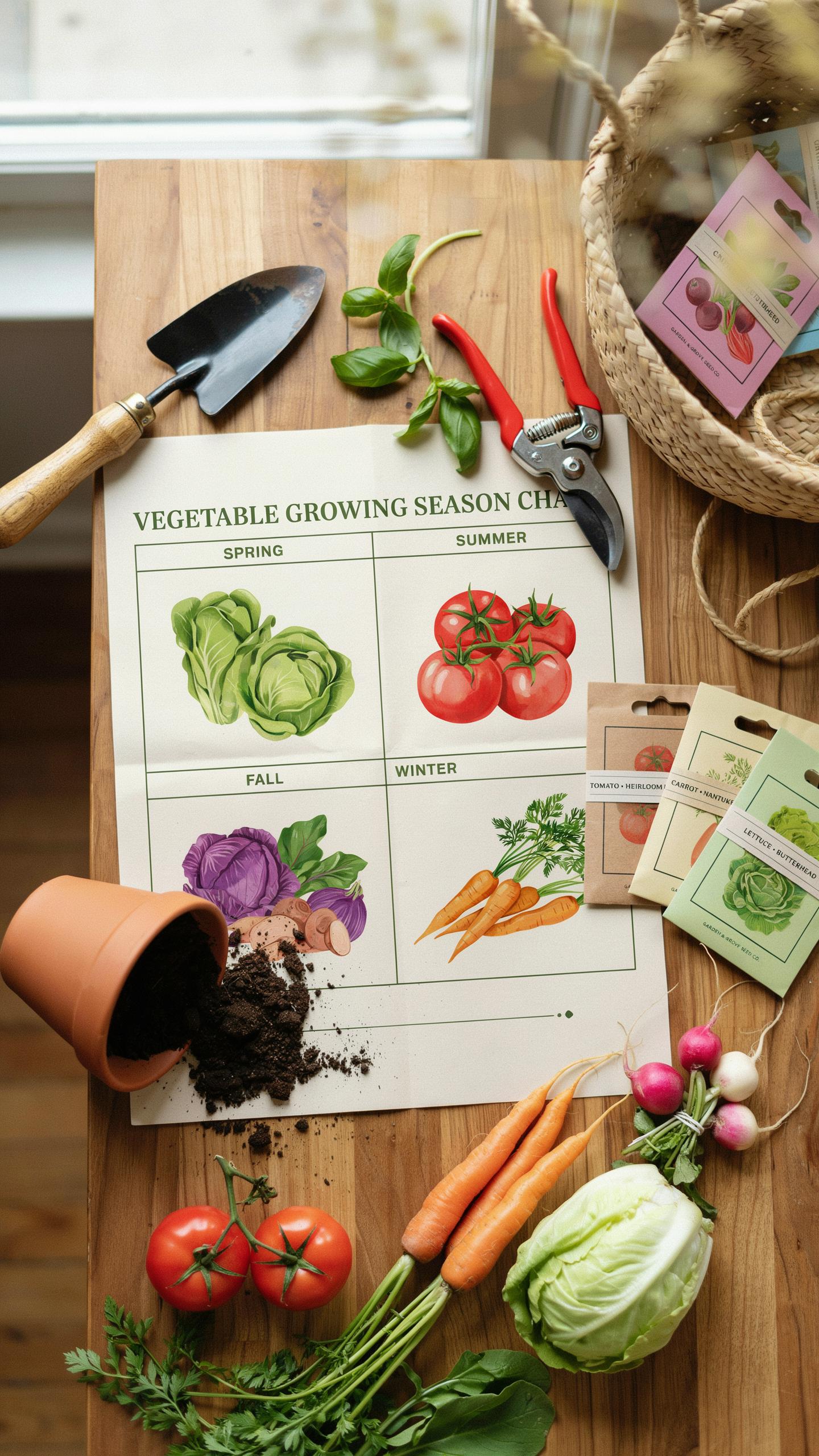
Map out your garden by recording when each cool season crop germinates and when you expect to harvest. This creates a visual blueprint that prevents overcrowding and ensures you use every square foot. Plot germination days against harvest windows. Most cool season crops mature between 45 to 70 days. Use this data to stagger plantings across your garden beds.
Succession planting extends your harvest window. Plant lettuce every two weeks from early fall through early spring in most climates. Spinach and kale follow similar patterns. Document actual dates in your first season. Use these records to refine timing for subsequent years. This approach transforms guesswork into a repeatable system.
Tracking Growth Benchmarks Under Cool Skies
Monitor specific plant development stages throughout the season. Cool season crops grow slower under reduced daylight hours, so track when seedlings emerge, when true leaves develop, and when plants reach harvestable size. Compare your observations to expected timelines. Shorter daylight slows photosynthesis and delays maturation.

Record growth rates weekly during peak growing periods. This reveals which varieties perform best in your specific conditions. Temperature fluctuations between fall and spring affect development speed differently. Cold frames and row covers accelerate growth by 7 to 14 days in many regions. Adjust future plantings based on these benchmarks rather than calendar dates alone.
Creating A Personalized Garden Planting Guide
Assessing Soil Preparation And Health
Cool season crops demand soil that drains well and holds moisture without becoming waterlogged. Winter rain and frost create conditions that trap water around roots, causing rot. Add 2 to 3 inches of compost to your beds before planting. This improves drainage, increases organic matter, and gives plants the nutrients they need to establish quickly in cold conditions.
Test your soil pH before planting. Cool season crops like lettuce, spinach, and broccoli thrive in soil with a pH between 6.0 and 7.0. If your soil is too acidic or alkaline, amend it accordingly. Healthy soil temperature matters too. Most cool season crops germinate and grow when soil sits between 40 and 60 degrees Fahrenheit.
Spacing And Companion Planting Strategies
Proper spacing prevents disease and competition for nutrients in dense cool season gardens. Crowded plants trap moisture, creating mildew and fungal issues. Space lettuce 6 to 8 inches apart, kale 12 to 18 inches apart, and cabbage 18 to 24 inches apart. Follow seed packet guidelines for your specific varieties. Good airflow around foliage keeps plants dry and healthy through winter months.
Pair compatible cool season crops to maximize garden efficiency. Plant spinach near beets, as both tolerate shade and share similar water needs. Lettuce grows well alongside peas and radishes. Avoid planting brassicas like cabbage and broccoli too close together, as they compete for the same nutrients. Strategic placement reduces pest pressure and allows you to harvest crops on your schedule without one plant strangling another.
Maximizing Success With A Seasonal Plant Planting Guide
Succession Planting For Continuous Harvests
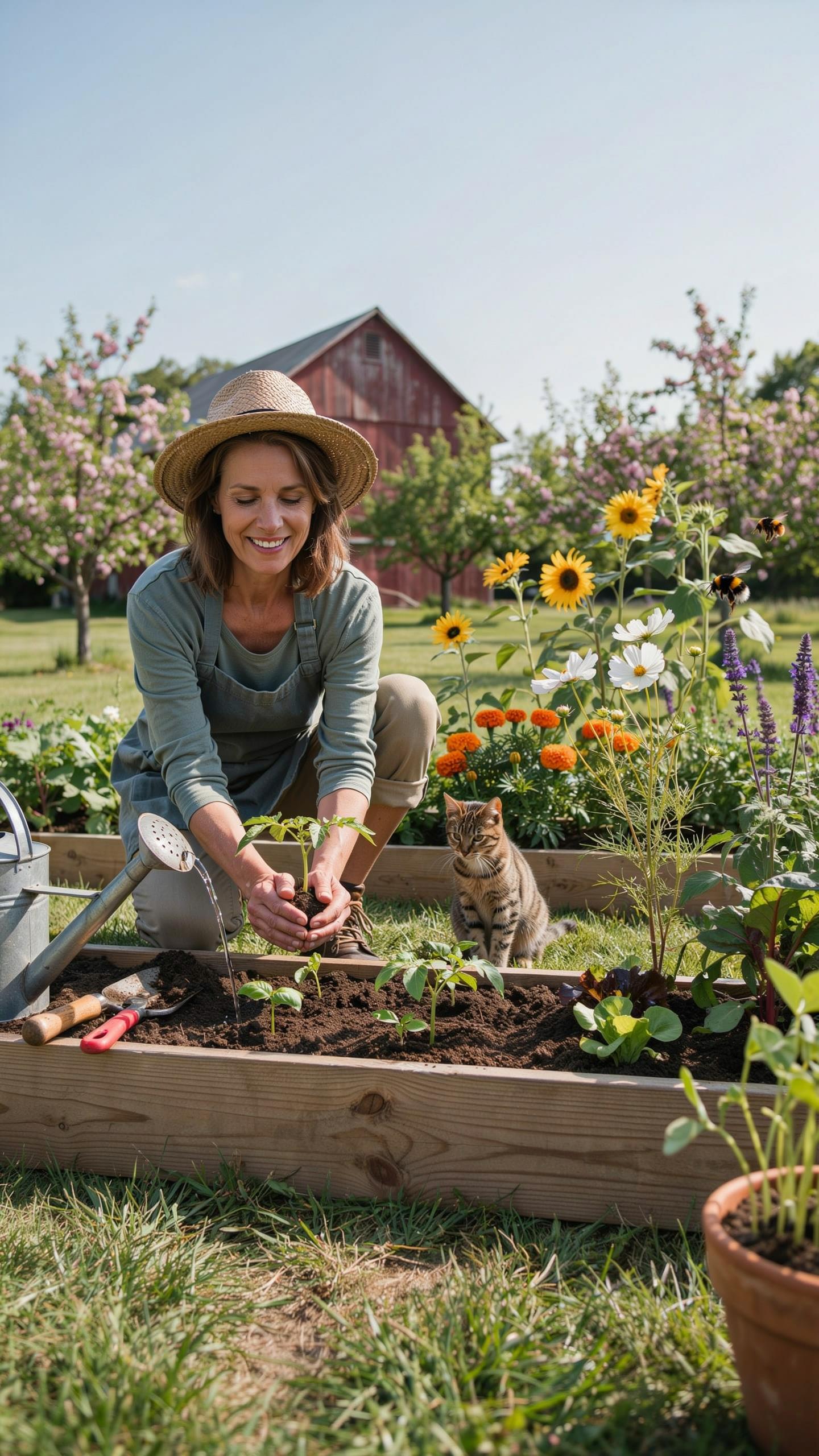
Stagger your seed sowing every two weeks to produce steady harvests rather than one overwhelming glut. This approach matches your consumption rate and prevents waste. Cool season crops like lettuce, spinach, and kale regrow quickly, making them ideal for succession planting. Sow seeds directly into prepared beds on a predictable schedule to maintain supply.
Time your plantings based on your garden’s first and last frost dates. Count backward from your first fall frost to determine when to start spring crops. Count forward from your last spring frost to plan summer succession sowings. This method eliminates guesswork and keeps production aligned with what you actually eat.
Protecting Tender Roots From Harsh Frosts
Use organic mulches like straw or leaves to insulate soil around root systems. Apply two to three inches around plants, keeping mulch away from stems to prevent rot. Mulch acts as a thermal buffer, slowing soil temperature drops during unexpected cold snaps. This protects shallow-rooted greens from freezing damage.

Deploy cold frames or cloches over vulnerable plants during frost events. These simple structures trap heat and create a microclimate several degrees warmer than outside air. Position them before temperatures drop and remove them on warm days to prevent overheating. Row covers provide another option for lightweight frost protection without installation complexity.
Navigating The Yearly Growing Season Chart
Adapting To Fluctuating Daylight Hours
Cool season crops respond directly to photoperiod changes. As autumn daylight decreases, growth slows naturally. This isn’t a problem; it’s the mechanism that triggers cold hardiness in plants like kale, spinach, and carrots. Spring’s increasing light accelerates growth rates significantly. You need to time plantings around these shifts to maximize yields before summer heat arrives.
Different cool season crops have distinct light requirements. Leafy greens tolerate lower light conditions better than root vegetables. Spinach produces acceptable yields with eight to ten hours of light daily. Carrots and beets need minimum ten to twelve hours for consistent root development. Plant early enough so your crops reach maturity before daylight hours peak in late spring.
The garden in winter occupies a special place in the soul, offering a quiet rhythm of growth that warms the heart as the air turns crisp.
Identifying Peak Harvest Windows
Visual cues trump calendar dates every time. Harvest leafy greens when leaves reach full size but before they show signs of wilting or yellowing. For spinach and arugula, pick outer leaves first to encourage continued production. Root vegetables signal readiness through shoulder diameter; carrots show orange shoulders at soil level when they’ve reached harvestable size. Check plants every two to three days during peak growth phases.
Temperature also signals harvest timing. Cool season crops actually improve in flavor after light frost exposure. The cold converts starches to sugars, making root vegetables sweeter. Harvest before any hard freeze damages tissues. Grab greens in early morning when they’re crisp and fully hydrated. Late afternoon harvests yield less firm produce with shorter shelf life.
Curious About What Vegetables Are In Season In Spring
Early Spring Leafy Greens And Radishes
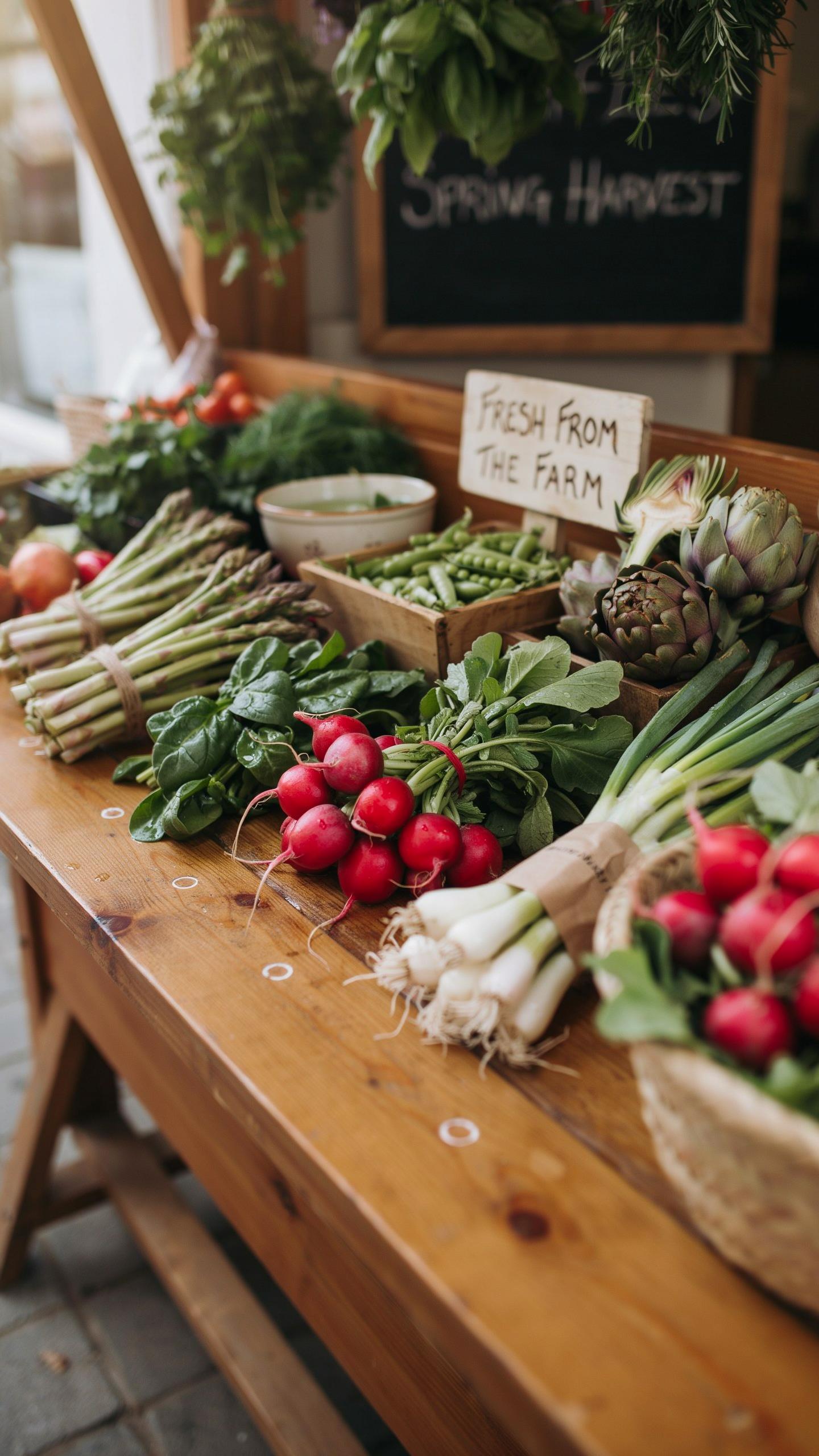
Radishes germinate in soil temperatures as low as 40°F and reach harvest in 25 to 30 days. Butterhead lettuce tolerates frost and produces tender leaves within 60 days of planting. Arugula thrives in cool weather and develops its characteristic peppery flavor when temperatures stay below 70°F. These crops deliver fast results once soil becomes workable.
Plant these vegetables as soon as you can work the soil in spring. They require minimal maintenance and handle temperature fluctuations that kill warm season crops. Successive plantings every two weeks extend your harvest through late spring. Stop planting these crops once consistent temperatures exceed 75°F.
Top Spring Crops To Sow Early
Direct sowing seeds into prepared beds eliminates transplant shock and saves time. Cool season vegetables withstand frost and establish strong root systems in cold soil. These crops occupy garden space efficiently and produce before summer heat arrives.
- Peas (Pisum sativum): Plant as soon as soil is workable. They fix nitrogen in soil, improve fertility, and produce for 6 to 8 weeks in cool conditions.
- Radishes (Raphanus sativus): Mature in 25 to 30 days. Plant every two weeks for continuous harvests throughout spring and early summer.
- Carrots (Daucus carota subsp. sativus): Require 60 to 80 days to maturity. Direct sow in loose, well draining soil for straight roots and better yields.
- Swiss Chard (Beta vulgaris subsp. vulgaris): Produces harvestable leaves in 50 to 60 days. Cut outer leaves regularly to encourage continued growth throughout the season.
These seeds perform best when soil temperatures reach 45°F or higher. Direct sowing reduces costs compared to purchasing transplants. Space seeds according to packet instructions and keep soil consistently moist until germination occurs.
Maintaining A Relaxed Outdoor Space All Winter

Low Maintenance Winter Garden Care
Cool season crops demand less intervention than warm season varieties. Kale, spinach, and arugula grow slowly in cold temperatures, reducing weekly maintenance. Winter soil stays moist longer, cutting watering frequency significantly. Slower growth means fewer weeds emerge compared to spring and summer gardens. You spend less time fighting nature and more time enjoying the space.
Focus your effort on the basics: mulching beds in fall and monitoring soil moisture during dry spells. Winter rain typically handles most watering needs in temperate climates. Remove dead leaves and debris to prevent pest habitats. These three tasks keep your garden functioning without constant attention or stress.
Enjoying The Quiet Magic Of Cold Weather Gardening
Winter gardens operate at a different pace than their busy summer counterparts. Fewer insects, slower plant growth, and dormant soil create natural downtime. This rhythm aligns with human needs for rest and reduced activity during colder months. The garden becomes a place for observation rather than constant labor.
Step outside during cold weather and notice details you miss during growing season chaos. Frost patterns on leaves, structural plant forms, and subtle color variations become visible. Winter gardening teaches patience and acceptance of natural cycles. You practice presence without demanding results, which builds genuine connection to your outdoor space.
Frequently Asked Questions

What are the best cool season crops for a beginner to start with?
If you are new to gardening, leafy greens like spinach, kale, and lettuce are the perfect starting point. These resilient plants thrive in lower temperatures and require minimal maintenance, making them ideal for a relaxed lifestyle. Following a seasonal planting guide cool season crops ensures you choose varieties that can handle light frosts, rewarding you with fresh, organic harvests from your own backyard or balcony without the stress of complex care routines.
How do I prepare my garden beds for autumn and winter planting?
Successful planting begins with refreshing your soil. Start by clearing away spent summer remains and mixing in several inches of organic compost to provide nutrients. This seasonal planting guide cool season crops approach emphasizes high-quality soil over quantity. Ensure your containers or garden beds have excellent drainage to prevent root rot during damp months. A layer of straw mulch can also help regulate soil temperature, keeping your hardy vegetables cozy and protected.
Can I grow a seasonal vegetable garden on a tight budget?
Absolutely! Growing your own food is highly accessible because many cool-weather plants, such as radishes, carrots, and peas, are incredibly inexpensive when purchased as seeds. You can also save money by repurposing household items like old wooden crates or tin cans for planters. Focusing on easy-to-grow staples ensures you get a high yield for a small investment, allowing you to enjoy a sustainable, cozy lifestyle regardless of your budget constraints.