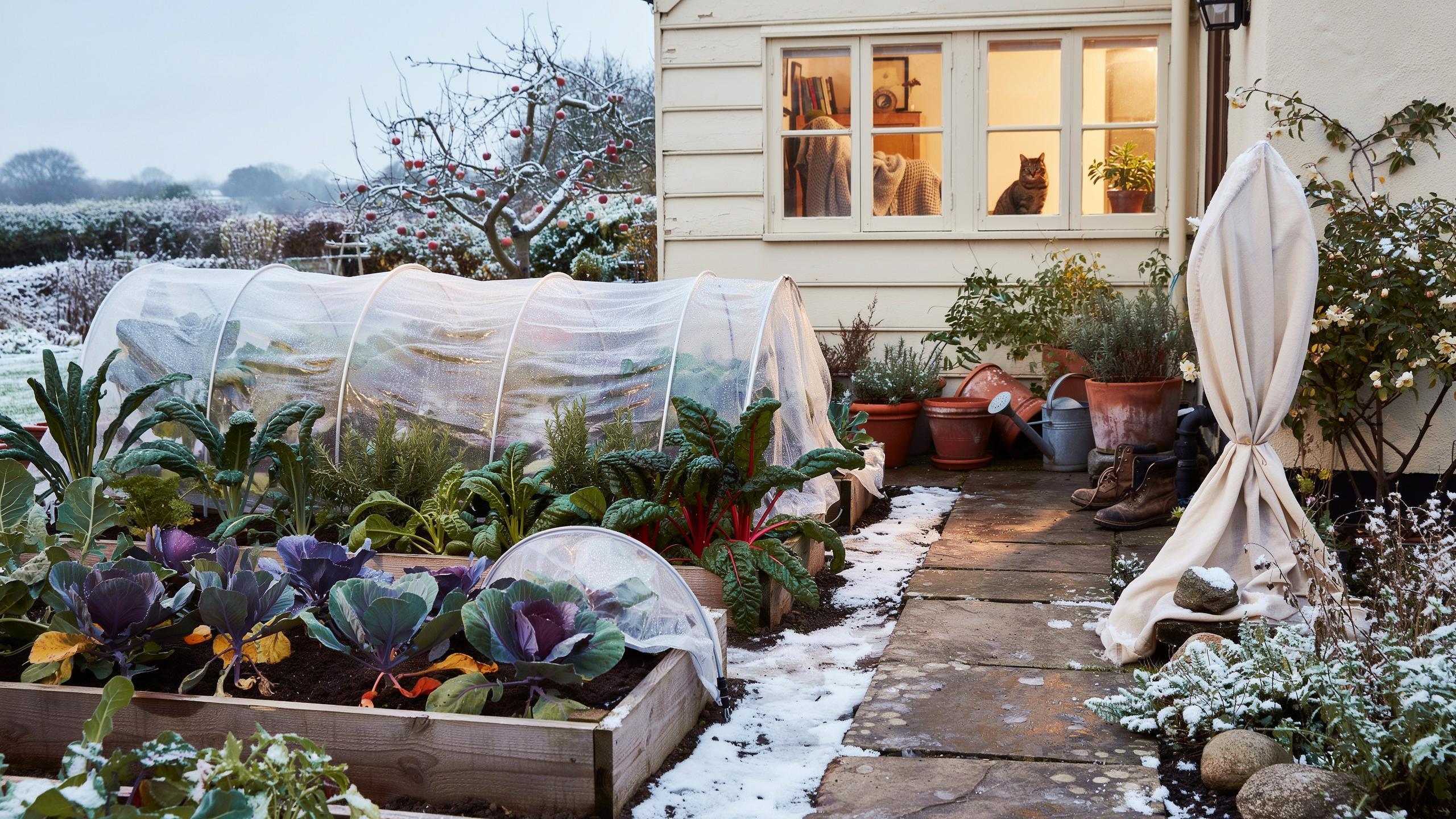
Understanding The Need For Winter Protection For Plants
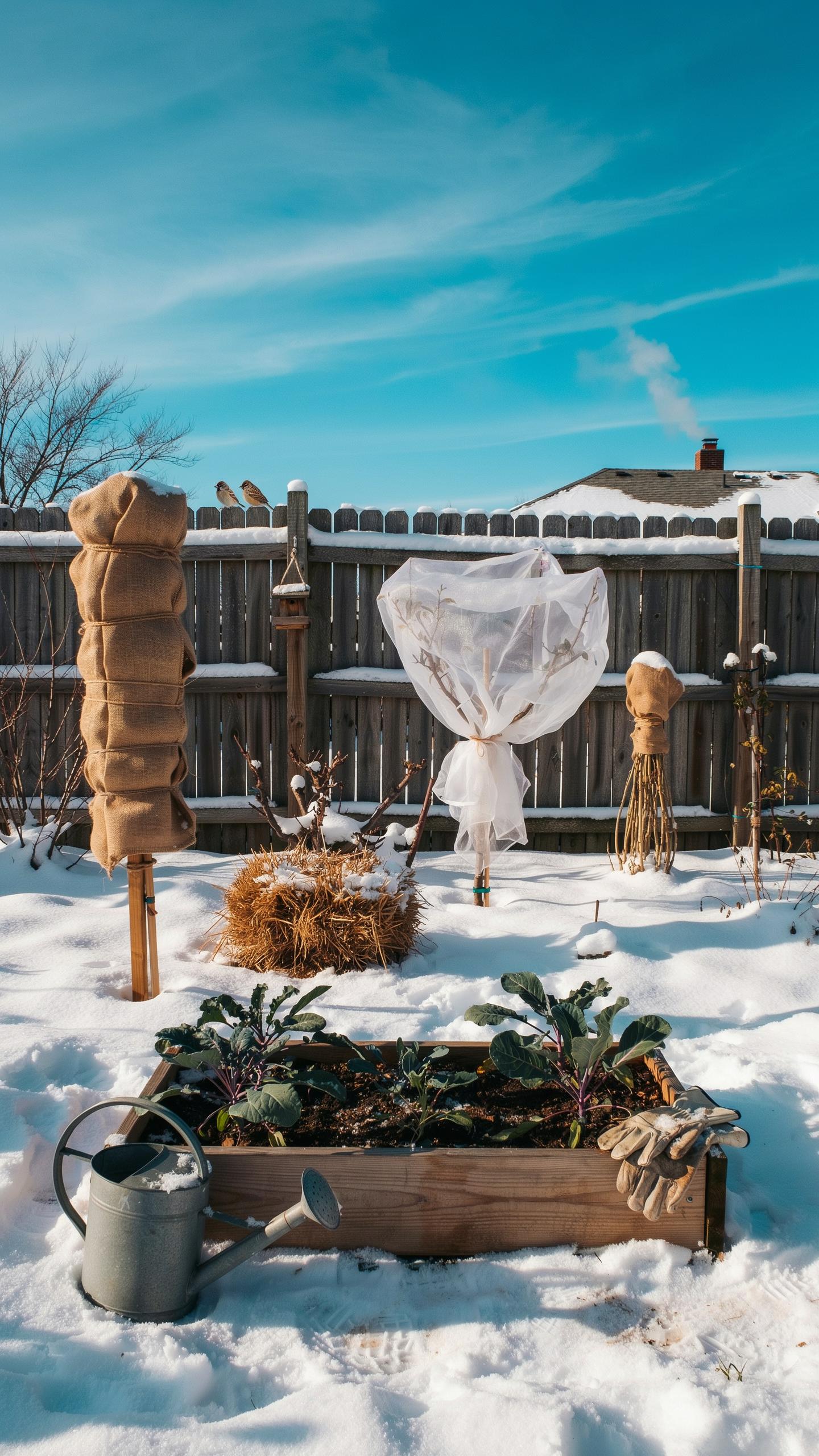
Why Plants Need Help
Freezing temperatures damage plants at the cellular level. Water inside plant cells expands when it freezes, rupturing cell walls and membranes. This process kills plant tissue. Root systems suffer the most damage because soil conducts cold directly into the ground, freezing roots that lack the insulation of above-ground growth. Plants cannot recover from severe cellular damage.
Freezing winds compound the problem by accelerating moisture loss from exposed foliage and stems. Wind removes the thin layer of warm air surrounding plant surfaces, exposing tissue to direct cold contact. Combination freezing and wind events kill plants faster than temperature alone. Evergreens face particular risk because they retain foliage year-round, increasing surface area exposed to harsh conditions and moisture loss.
Vulnerable Species List
Broadleaf evergreens top the vulnerability list. Plants like rhododendrons, boxwoods, and holly species maintain leaves through winter, making them targets for frost damage and desiccation. Their waxy leaf coatings provide limited protection against sustained cold and wind exposure. These species evolved in moderate climates and lack cold hardiness mechanisms that deciduous plants develop naturally.
Tender perennials and newly planted specimens require immediate shielding before hard freezes arrive. Young plants have underdeveloped root systems that cannot access deep soil moisture during dormancy. Tender perennials like lavender, rosemary, and butterfly bush die at temperatures below their hardiness rating. Protection covers trap heat and reduce wind penetration, buying these plants the survival advantage they need through winter months.

Selecting The Best Plant Covers For Cold Weather
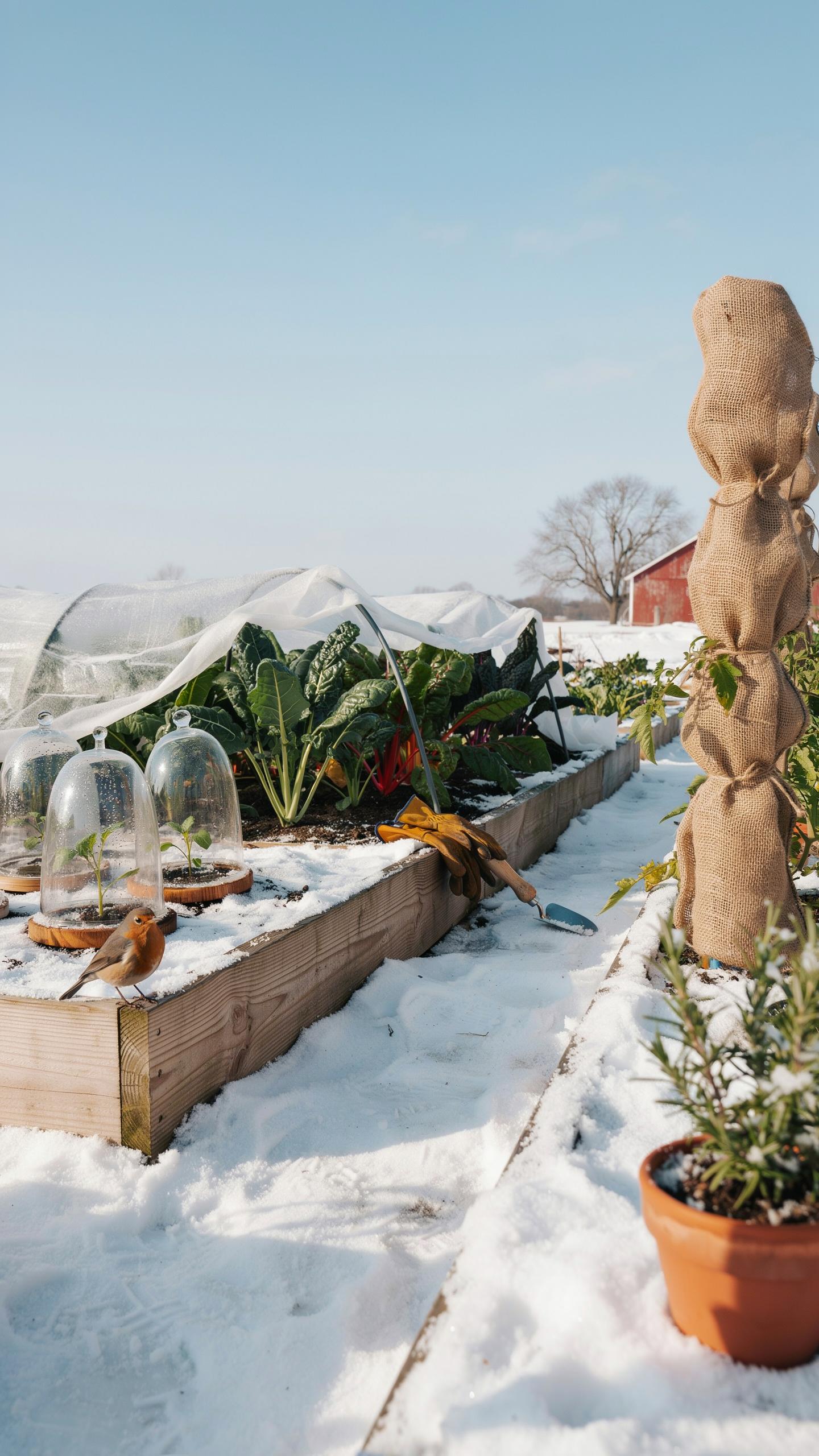
Best Materials For Covers
Material choice determines how well your plants survive frost and freeze cycles. Each fabric type offers different protection levels and cost structures. Understanding these options helps you match covers to your specific plants and climate zone.
- Burlap: Natural fiber that breathes while blocking wind and frost. Allows water and air penetration. Best for evergreens and shrubs. Reusable for multiple seasons with proper storage and maintenance.
- Polypropylene Fleece: Lightweight synthetic fabric rated by weight, typically 0.55 to 1.5 ounces per square yard. Traps air while remaining breathable. Prevents ice buildup on foliage. Easy to install and remove quickly.
- Horticultural Blankets: Multi-layer insulating fabric engineered for frost protection. Provides 2 to 8 degrees of frost protection depending on thickness. Retains soil moisture while blocking freezing air. Durable for repeated seasonal use.
- Spun Row Covers: Ultra-lightweight protection ideal for tender perennials and vegetables. Allows 85 percent light penetration. Removes easily without disturbing plants. Works best in mild cold snaps rather than extreme freezes.
- Woven Landscape Fabric: Blocks cold air while permitting water drainage. Dense weave provides moderate insulation. Resists tearing better than single-layer options. Suitable for protecting soil and plant bases year after year.
Select materials based on temperature drops in your region and plant hardiness zones. Thicker fabrics protect against harder freezes but reduce light and airflow. Thinner options work in mild winters with minimal temperature fluctuation. Layer multiple covers for extreme cold conditions requiring maximum protection.
Thermal Efficiency Of Fabrics
Air pockets within fabric layers function as insulators by trapping warm air near plants and soil. Denser weaves create smaller pockets that reduce convective heat loss. Fabric construction directly impacts how much warmth reaches plant tissues during below-freezing nights.

Ground warmth radiates upward continuously through soil layers. Covers positioned correctly trap this radiant heat before cold air removes it. Fabric density determines the rate at which heat escapes. Looser weaves allow more heat transfer but better airflow. Tighter weaves retain heat more effectively but increase condensation risk if moisture becomes trapped inside. Testing shows that multi-layer covers perform better than single sheets during extreme freeze cycles lasting multiple days.
Practical Steps On How To Cover Plants For Winter
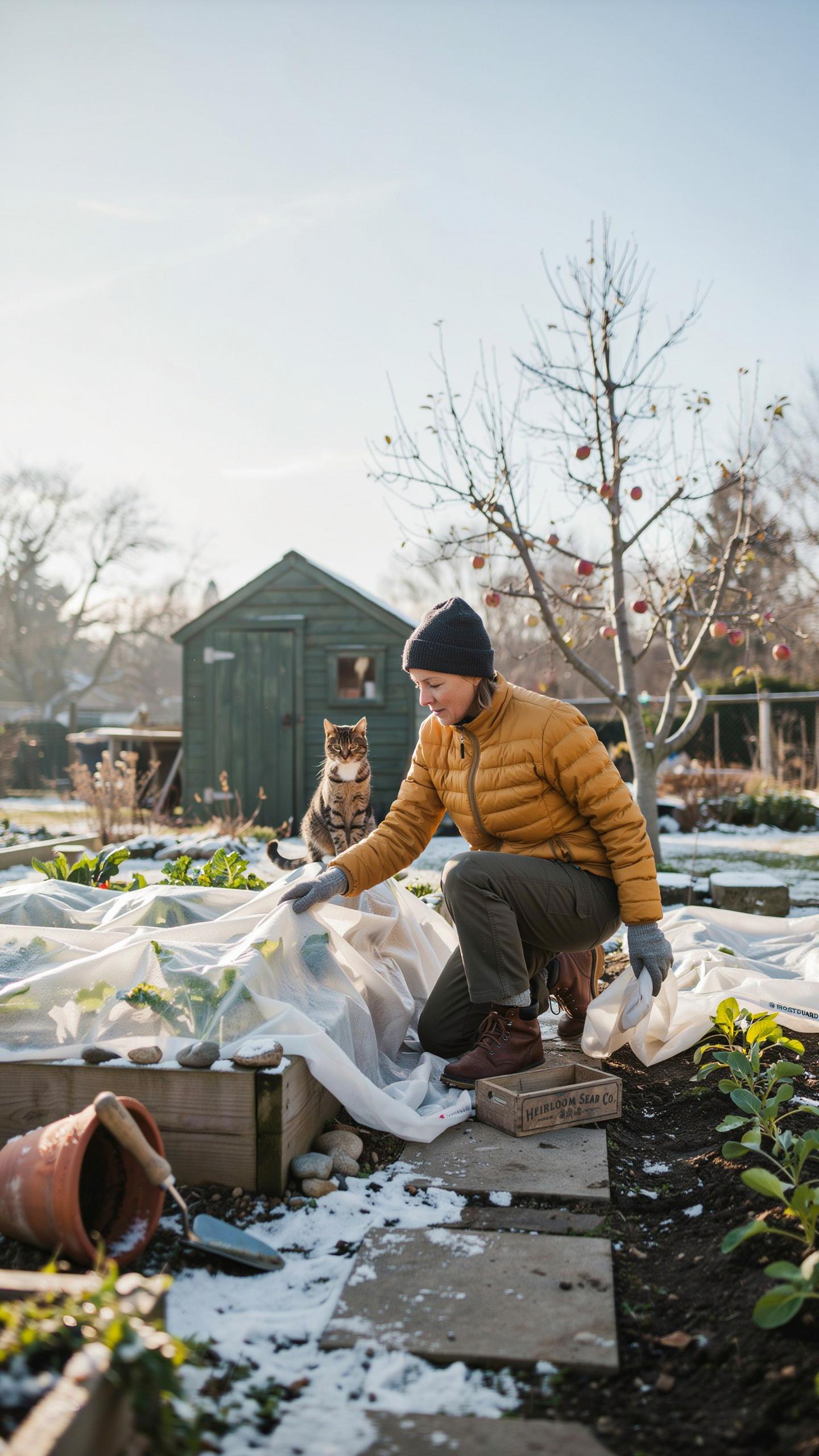
Timing Your Preparations
Monitor your local first frost date. This date marks when temperatures drop below 32 degrees Fahrenheit and kill tender plants. Check your USDA hardiness zone and regional weather patterns. Most regions experience their first hard freeze between late September and November. Set up covers before this date arrives, not after frost damage occurs.
Weather forecasts provide your tactical window. Watch for cold fronts moving into your area. Install covers two to three weeks before the predicted hard freeze. Early preparation beats emergency scrambling. Your plants need protection in place before extreme cold arrives, not when it’s already here.
Step By Step Anchoring
Wrap individual plants by loosely gathering stems together. Use soft twine or fabric strips, never tight rope. This prevents stem damage while creating a contained bundle. Start wrapping from the bottom and work upward. Leave the top partially open for air circulation. This method works for shrubs, small trees, and herbaceous plants that need frost protection.
- Secure fabric covers at the base: Anchor landscape fabric or burlap below the soil line using soil, rocks, or garden pins. This prevents wind from lifting the cover and exposing plants to freezing air.
- Weight down cover edges: Use bricks, sandbags, or soil to hold cover edges firmly to the ground. Wind can destroy unanchored covers during winter storms.
- Create proper frame support: Build sturdy frames from PVC pipe or wood around larger plants. Covers need structure to avoid collapsing under snow weight.
- Use double-layer protection for extreme zones: Layer two covers with air space between them for regions with severe winters. This creates an insulation buffer against harsh temperature swings.
- Check anchor points weekly: Winter winds loosen covers over time. Inspect and retighten anchors after storms and during windy periods.

Test your anchoring system before winter weather strikes. Wind speeds in winter can exceed 30 miles per hour. Loose covers fail during storms. Secure every edge and corner. Walk around your covered plants and pull on the covering to confirm it won’t shift. Tight anchoring means your plants survive winter intact.
Aesthetics Matters Creative Plant Protection With A Cozy Vibe
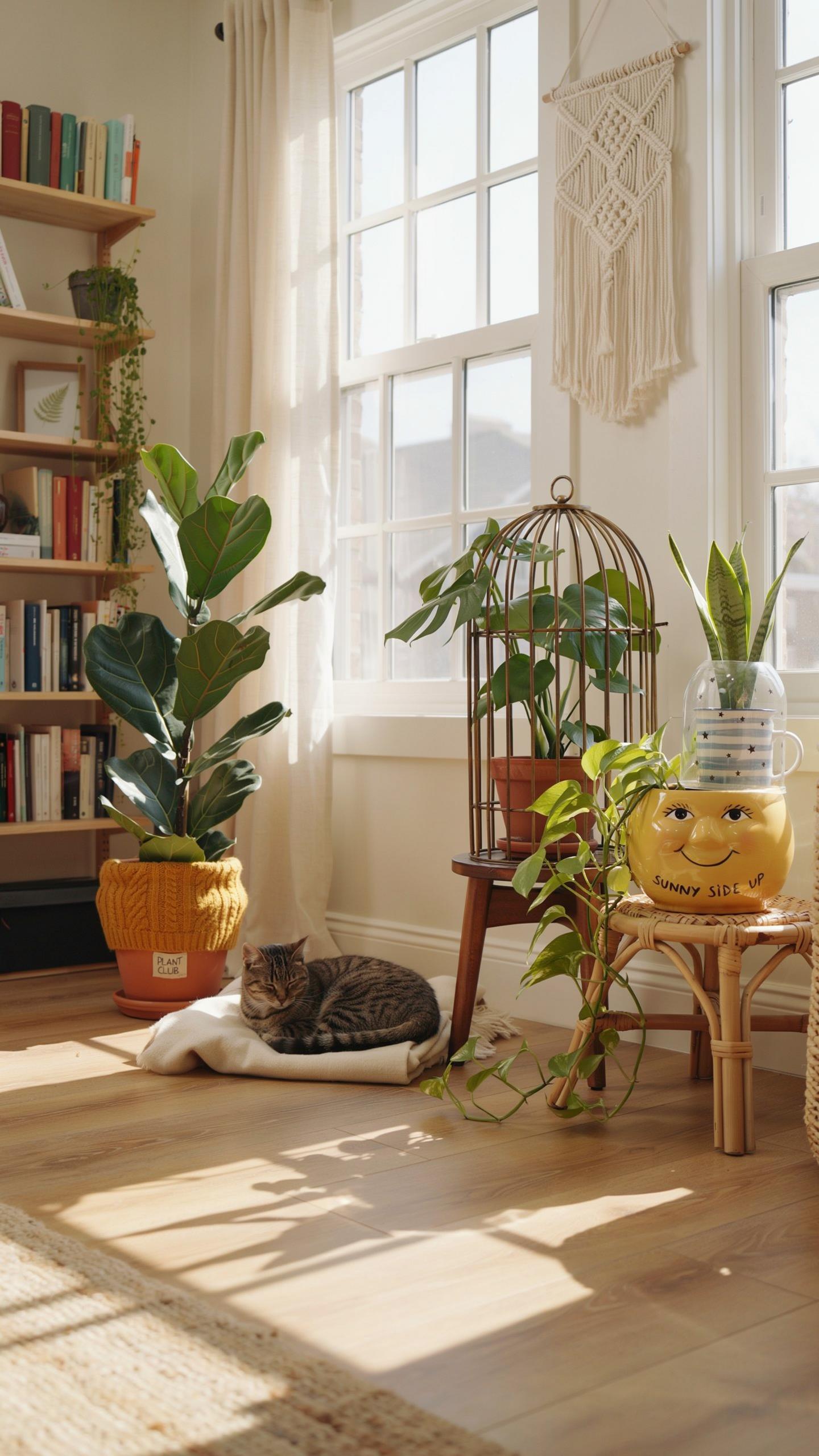
Decorative Burlap Designs
Burlap serves a dual function in winter garden protection. The material provides genuine insulation by trapping air around plant stems and branches while maintaining breathability to prevent moisture rot. Natural fibers like burlap also allow water penetration during thaw cycles, reducing ice damage risk that occurs when water pools on impermeable covers.
Wrapping techniques determine both protection quality and visual impact. Spiral wrapping around tree trunks uses twine to secure burlap in overlapping layers, creating a rustic appearance while anchoring the material against wind. This method works for trees up to fifteen feet tall and allows gardeners to achieve aesthetic consistency across multiple plantings without sacrificing functional coverage.
Integrating Warm Lighting
Micro LED string lights installed beneath protective covers create ambient illumination without generating heat that damages dormant plants. Weather-resistant LEDs rated for outdoor use produce minimal infrared output, meaning they light the garden rather than interfering with winter dormancy cycles. Battery-powered units eliminate extension cord hazards and provide flexible placement options around protected zones.

Positioning lights at ground level or along the base of covers maximizes visual effect while keeping wires away from plant tissue. Warm white LEDs around 2700 Kelvin produce the golden glow associated with cozy environments. This approach transforms utilitarian covers into design features while maintaining plant health during cold months.
Choosing The Right Plant Covers For Delicate Ornamentals

Protecting Standard Roses
Rose trees require targeted protection because graft unions freeze before other plant tissue. The union sits where the rootstock meets the scion, creating a weak point when temperatures drop. Wrap burlap or specialized rose cones around the base to a height of 12 to 18 inches. Secure the material loosely to allow air circulation and prevent moisture buildup that causes rot.
Climbing roses need different handling than shrub varieties. Tie canes horizontally against their support structure, then drape frost cloth over the entire plant. Avoid plastic sheeting, which traps moisture and causes frost damage. Remove covers during mild spells above 50 degrees Fahrenheit to prevent heat stress and fungal growth.
To nurture a garden is to feed not just the body, but the soul. Wrapping our plants in winter protection is like tucking our memories into a warm blanket until the spring returns.
Guarding Potted Topiaries And Conifers
Potted topiaries lose heat faster than in-ground plants because soil in containers freezes from all sides. Move containers against south-facing walls to capture radiant heat. Wrap pots with burlap or horticultural fleece, then cover the canopy with frost cloth. This dual-layer approach protects both roots and foliage from sustained cold exposure.

Conifers in containers tolerate cold better than broadleaf evergreens but still need protection in harsh winters. Use fitted fleece bags designed for container plants rather than wrapping, which can crush delicate branch structures. Ensure covers allow water penetration so you can water during dry spells. Check plants weekly to confirm covers remain secure and adjust as needed for wind damage.
Utilizing Frost Protection For Plants In Raised Beds
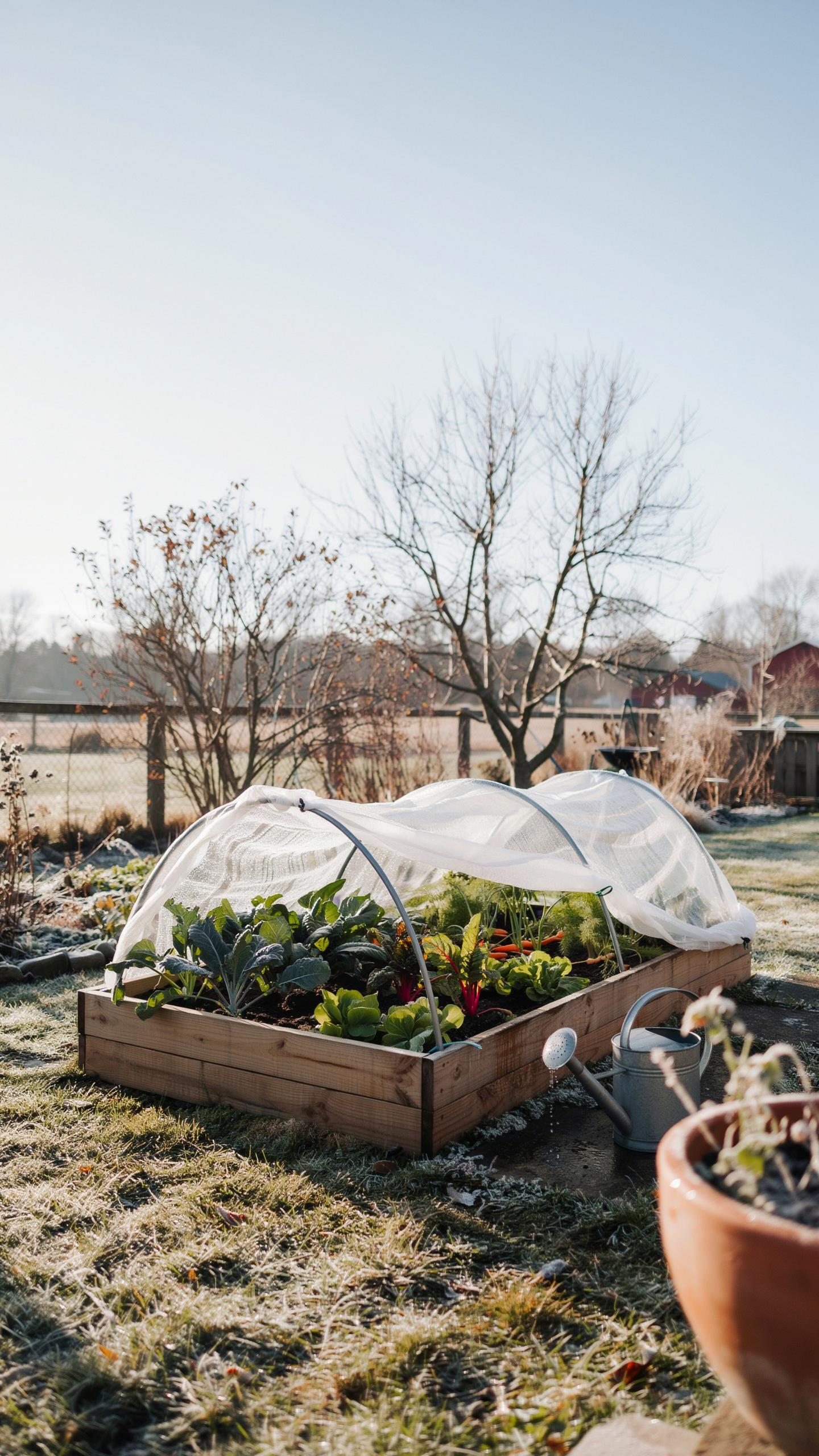
Constructing Low Tunnels
Low tunnels work because they trap heat from the sun during the day and prevent it from escaping at night. Build the frame using PVC pipes bent into hoops and secured to raised bed sides with fittings or ground stakes. Cover the hoops with clear floating row fabric, which transmits light while creating an insulating air pocket that keeps soil and plants warmer than outside temperatures.
Secure the fabric edges to the bed perimeter with boards, soil, or clips to prevent wind from entering underneath. The clear material allows you to monitor plants without removing the cover. In spring, remove the tunnel gradually to acclimate plants to outdoor temperatures and prevent shock from sudden temperature swings.
Insulating Raised Bed Soil Edges
Cold winds attack raised beds from the sides because soil has less thermal mass than in-ground gardens. Stuff straw or dried leaves between the outer bed walls and the soil surface to create a barrier that slows heat loss. This approach works because dead plant matter traps air pockets that resist cold wind penetration down toward the root zone where plants need protection most.

Apply the insulation material after plants are established but before the first hard freeze. Stack the material four to six inches high around bed perimeters, leaving space near plant stems to prevent rot and pest problems. Remove this insulation in early spring to allow soil to warm up and dry out before planting season begins.
Designing Cozy Shelters To Cover Plants From Frost
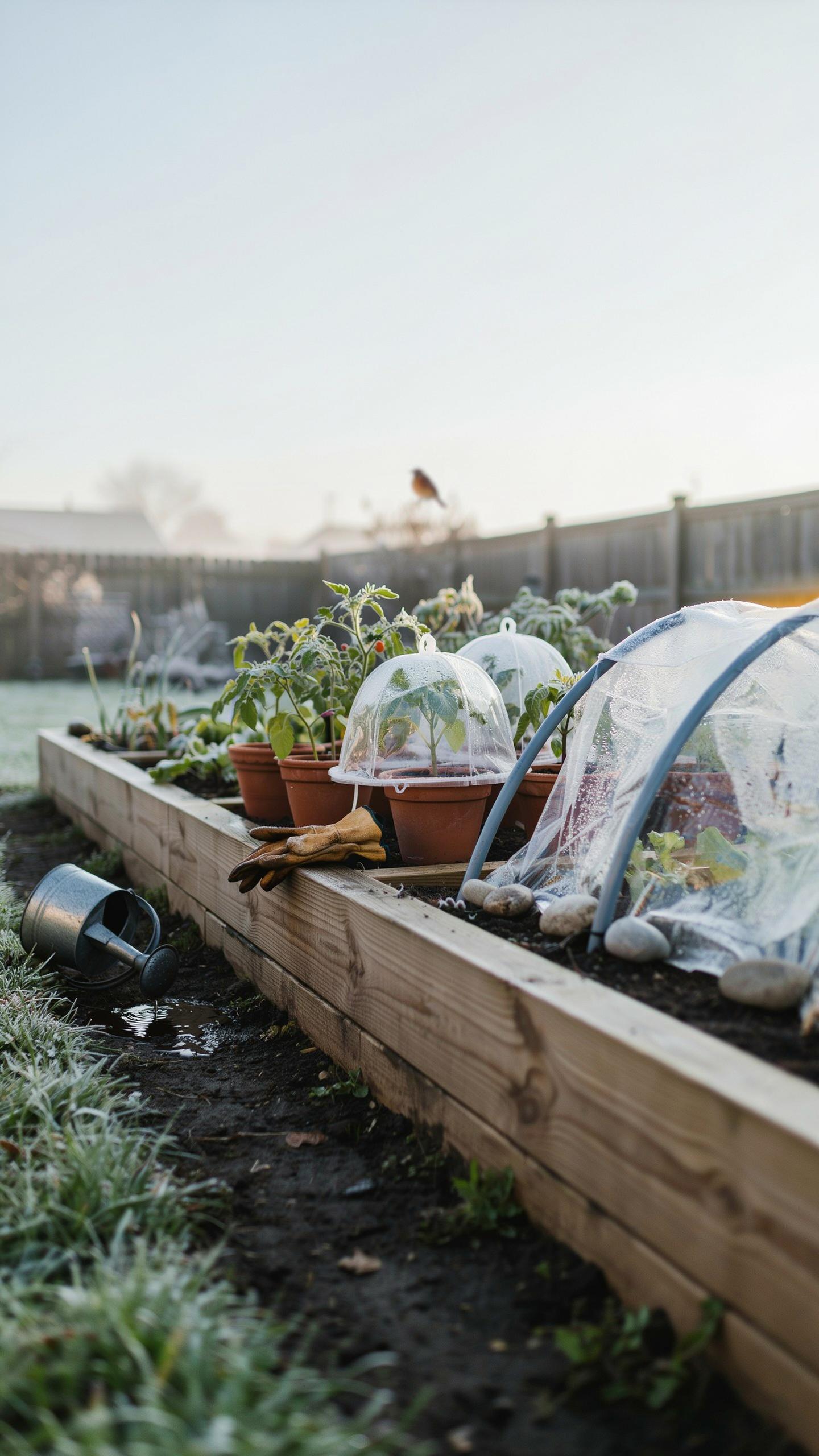
Cloche And Bell Jars Charm
Glass cloches trap heat around individual plants while allowing light penetration. The design works because trapped warm air prevents frost damage to tender herbs and vegetables. Plastic versions offer durability and cost savings, though glass provides better light transmission. Both materials create a physical barrier that raises soil temperature by several degrees during cold nights.
Cloches suit herb gardens and small vegetable patches near home entrances. You position them directly over plants before frost arrives. Remove them on warm days to prevent overheating. This targeted approach protects specific specimens without covering your entire garden, making maintenance straightforward and efficient.
Wooden Cold Frames As Features
Timber-framed cold frames function as miniature greenhouses that integrate into landscape design. The wooden structure houses a hinged glass top that opens for ventilation and watering. Wood materials match existing garden architecture and deck railings. Frames typically measure 3 to 6 feet long and 2 to 4 feet wide, accommodating multiple plants in one unit.

Cold frames extend growing seasons by 4 to 6 weeks on each end of winter. Wooden frames absorb and retain heat better than metal alternatives. Position frames facing south for maximum solar gain. Raise the glass lid on mild days to prevent condensation buildup and regulate interior temperature effectively.
Selecting Beautiful Winter Plants That True Gardeners Love

Evergreen Structural Interest Choices
Boxwoods, hollies, and conifers maintain their foliage year-round without dropping leaves in cold months. These plants provide visual structure when deciduous trees stand bare. Their dense branching creates defined garden lines and acts as natural windbreaks. Cold-hardy varieties withstand temperatures well below freezing. Light snow accumulation on their branches adds texture without causing damage.
These evergreens serve functional purposes beyond aesthetics. They anchor garden beds and define pathways during winter when other plantings disappear. Boxwoods tolerate heavy pruning and maintain compact shapes. Hollies produce berries that persist through winter, adding color contrast. Conifers range from dwarf varieties to tall specimens, offering flexibility in garden layouts.
Blooming Hellebores And Heaths Placement
Hellebores flower in late winter and early spring when most gardens sit dormant. Positioning them near walkways ensures visibility and foot traffic passes their blooms regularly. These plants tolerate shade and poor soil conditions that other flowers reject. Their flowers emerge before new foliage develops, creating early season interest. Heaths flower in winter months and attract early pollinators seeking nectar.

Strategic placement near entryways and pathways transforms these high-traffic zones into focal points. Visitors notice winter bloomers immediately upon arrival. Grouping multiple varieties extends the flowering window across several months. Hellebores and heaths require minimal maintenance once established. Both tolerate cold temperatures and poor drainage that challenges tender perennials.
Long Term Maintenance Of Winter Garden Protection Covers

Managing Condensation And Ventilation
Moisture accumulates under covers because warm soil and plant respiration release water vapor that condenses on the interior surface. This trapped humidity creates ideal conditions for fungal diseases like powdery mildew and damping off. On mild sunny days above 50 degrees Fahrenheit, crack open cover edges or lift corners for 2 to 4 hours. This simple action allows air circulation to escape excess moisture while maintaining temperature protection.
Check covers after rain or snow melt for water pooling on the fabric surface. Standing water indicates poor drainage or ventilation underneath. Prop up the cover at one end with a stick or wedge to create an air gap. Monitor weather forecasts and close covers before temperatures drop again in the evening. This routine prevents moisture-related plant diseases without compromising frost protection.
Clearing Heavy Snow Safely
Snow accumulation on fabric covers adds weight that can tear material or collapse support structures underneath. Brush snow off covers using a soft broom or your gloved hand before it compacts into ice. Work from the edges toward the center to avoid pushing debris onto plants. Clear covers after each snowfall rather than waiting until the load becomes heavy.
Never pour hot water on frozen covers to melt ice quickly. Thermal shock damages fabric and creates drainage problems. Instead, use a plastic snow shovel or soft brush to gently remove ice buildup. If ice bonds to the fabric, wait for natural thawing or slightly warmer weather. Patience prevents tearing covers and maintains their structural integrity for the remainder of winter.
Frequently Asked Questions

What exactly are winter garden protection covers and why do I need them?
These specialized covers are protective layers designed to shield your delicate plants and outdoor furniture from harsh seasonal elements like frost, heavy snow, and freezing winds. Beyond simple utility, high-quality winter garden protection covers help maintain a tidy, intentional aesthetic for your patio or backyard. They act as an essential barrier that preserves your investment, ensuring your garden remains a cozy, organized extension of your home even during the coldest months.
How do I properly install covers to ensure my outdoor space stays cozy and protected?
To install your winter garden protection covers effectively, start by grouping containers together to trap ambient heat. Drape the material loosely over your plants or furniture, ensuring it reaches the ground to seal in warmth. Use heavy-duty clips or twine to secure the edges against wind. Avoid wrapping too tightly, as airflow is crucial for preventing moisture buildup and mold, keeping your outdoor sanctuary fresh and ready for an early spring.
Can I find affordable protection options that still look stylish in my backyard?
Absolutely! You don’t need a massive budget to achieve a premium look. Many retailers offer cost-effective burlap rolls, canvas sheets, or insulated fleece jackets in neutral tones like cream, charcoal, or forest green. These shades blend seamlessly with a natural landscape, creating a sophisticated, curated feel. By choosing uniform colors for your protective gear, you can create a cohesive and welcoming winter garden atmosphere without overspending on custom-made solutions.