Understanding Shade The First Step In Any Shaded Garden Ideas Backyards Project
How To Identify The Type Of Shade In Your Yard
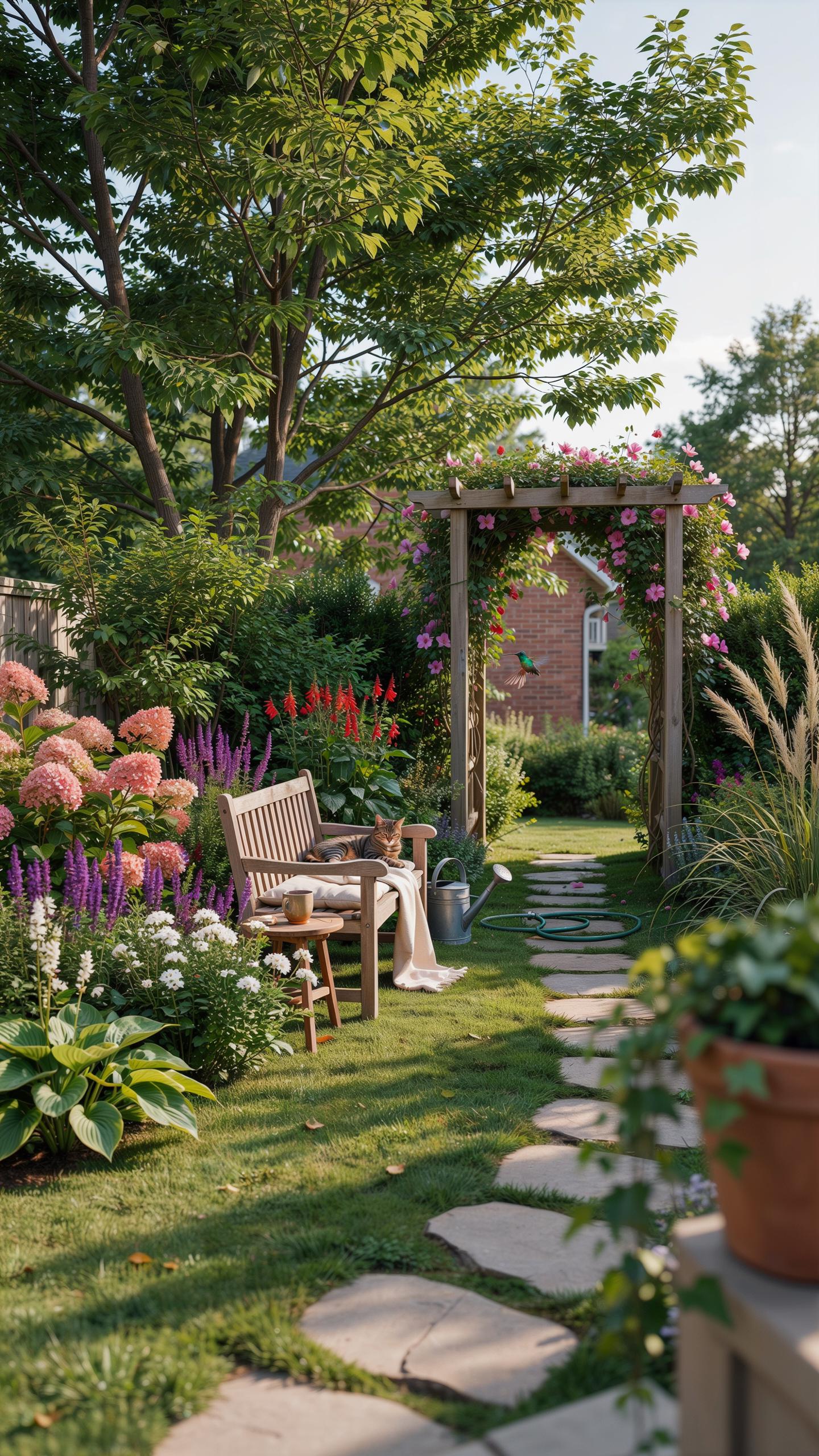
You must track sunlight patterns over a full day to identify your shade type. Light conditions change as the sun moves from east to west. Deep shade occurs under dense evergreen trees or tall buildings where no direct sun hits the ground. Part shade means your yard receives three to six hours of sun daily. Dappled shade happens when light filters through deciduous tree leaves.
Use a sun chart or a digital light meter for accuracy. Check the yard at 9 AM, noon, and 4 PM during the growing season. Note how shadows from structures move across the planting beds. You cannot guess these measurements. Accurate data prevents you from wasting money on plants that will die. High noon sun is more intense than morning light.
Why Knowing Your Shade Type Changes Everything About Your Garden Plan
Shade type dictates your plant selection and soil management. Plants evolved to thrive in specific light levels. Hostas thrive in deep shade but burn in direct sun. Most flowering plants require at least four hours of light to produce blooms. If you ignore the shade profile, your garden will fail. You must match the biological needs of the plant to your specific lighting.
Lighting also impacts moisture levels and fungal growth. Deep shade stays wet longer because the sun does not evaporate surface water. This creates a risk for root rot and powdery mildew. Dappled shade allows for more air circulation and faster drying. Your irrigation strategy must change based on these zones. Proper planning ensures you utilize the natural environment instead of fighting against it.

Best Shady Garden Ideas That Actually Thrive With Less Sunlight
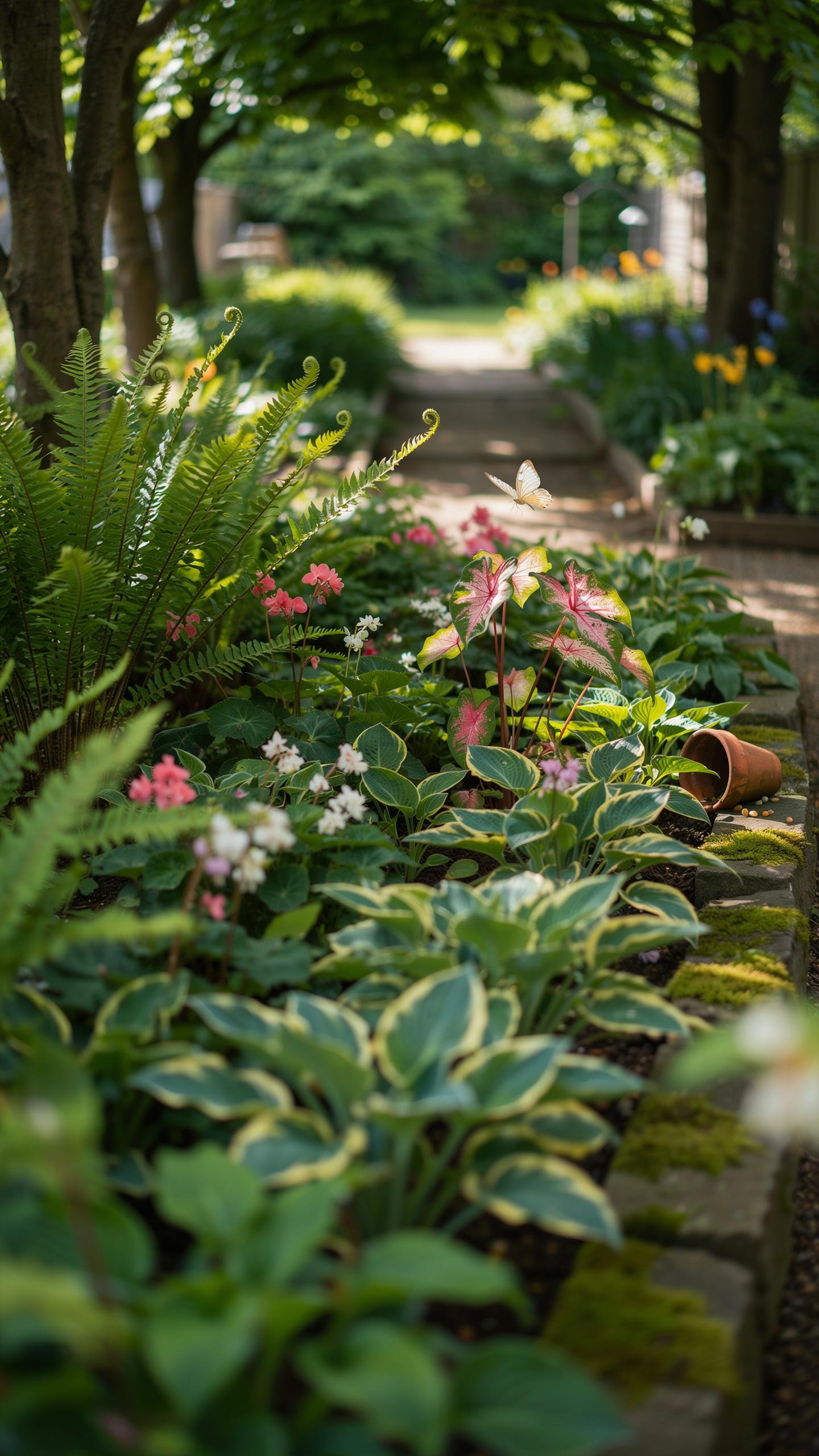
Ground Cover Plants That Flourish In Low Light Garden Conditions
Shade-tolerant ground covers solve the problem of bare soil where grass fails. These plants spread via rhizomes or runners to create a living mulch. This layer suppresses weeds and retains soil moisture. You must choose species that handle root competition from large trees. Pachysandra and Vinca minor are industry standards for dense coverage. They stabilize soil on slopes and require minimal maintenance once established.
Success depends on proper spacing and soil preparation during the planting phase. Do not plant ground covers in compacted dirt. Amend the area with organic matter to ensure fast drainage. Use a staggered grid pattern to help the plants fill gaps quickly. Most shade ground covers prefer consistent moisture but suffer in standing water. Once the canopy fills in, these plants eliminate most manual weeding tasks in your garden.
Flowering Shade Plants That Add Color Without Full Sun
Flowering plants for shade rely on leaf texture and subtle blooms rather than bright gluts of color. You must understand the difference between dappled light and deep shade. Astilbe and Hellebores provide reliable color in medium shade zones. Hellebores bloom in late winter when most plants are dormant. This timing provides early interest. Focus on species that offer variegated foliage to keep the garden visually active between bloom cycles.
Manage your expectations regarding flower density. Plants in shade produce fewer blooms than those in full sun. Maximize impact by planting in large groups rather than single specimens. Use white or pale yellow flowers to brighten dark corners of the yard. These colors reflect the limited light available. Ensure your soil pH matches the specific needs of your chosen plants. Most shade-loving bloomers thrive in slightly acidic soil conditions.
Shade Garden Ideas For Transforming Dull Spaces Into Stunning Landscapes
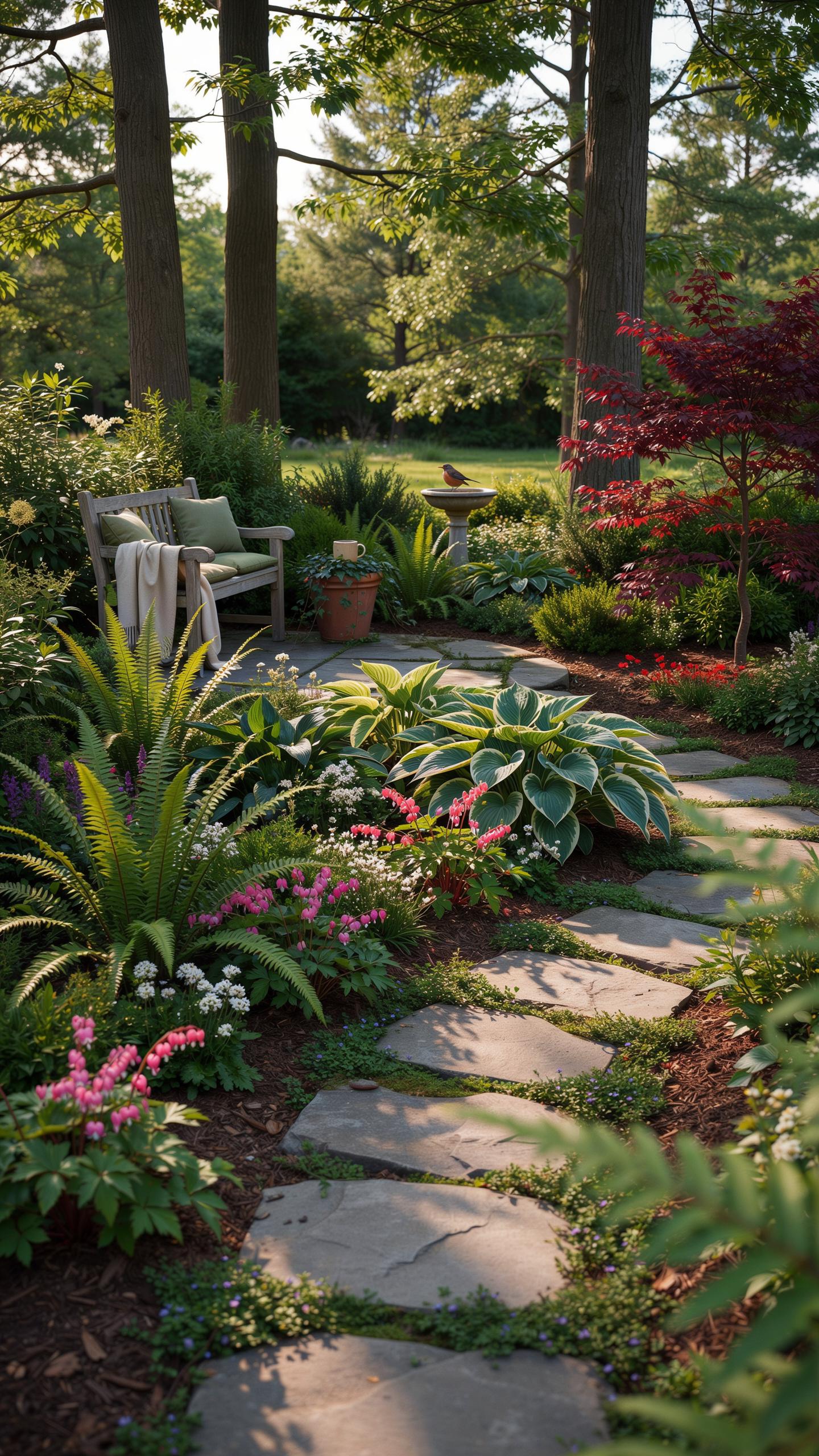
Using Layers Of Planting To Create Depth In A Shaded Space
Depth in shade gardens requires a structured vertical hierarchy. Start with a canopy of tall trees or existing structures to define the ceiling. Place mid-sized shrubs and small understory trees beneath them to bridge the vertical gap. This strategy mimics natural forest floors. It forces the eye to move upward and through the space. Layering transforms a flat area into a three-dimensional environment.
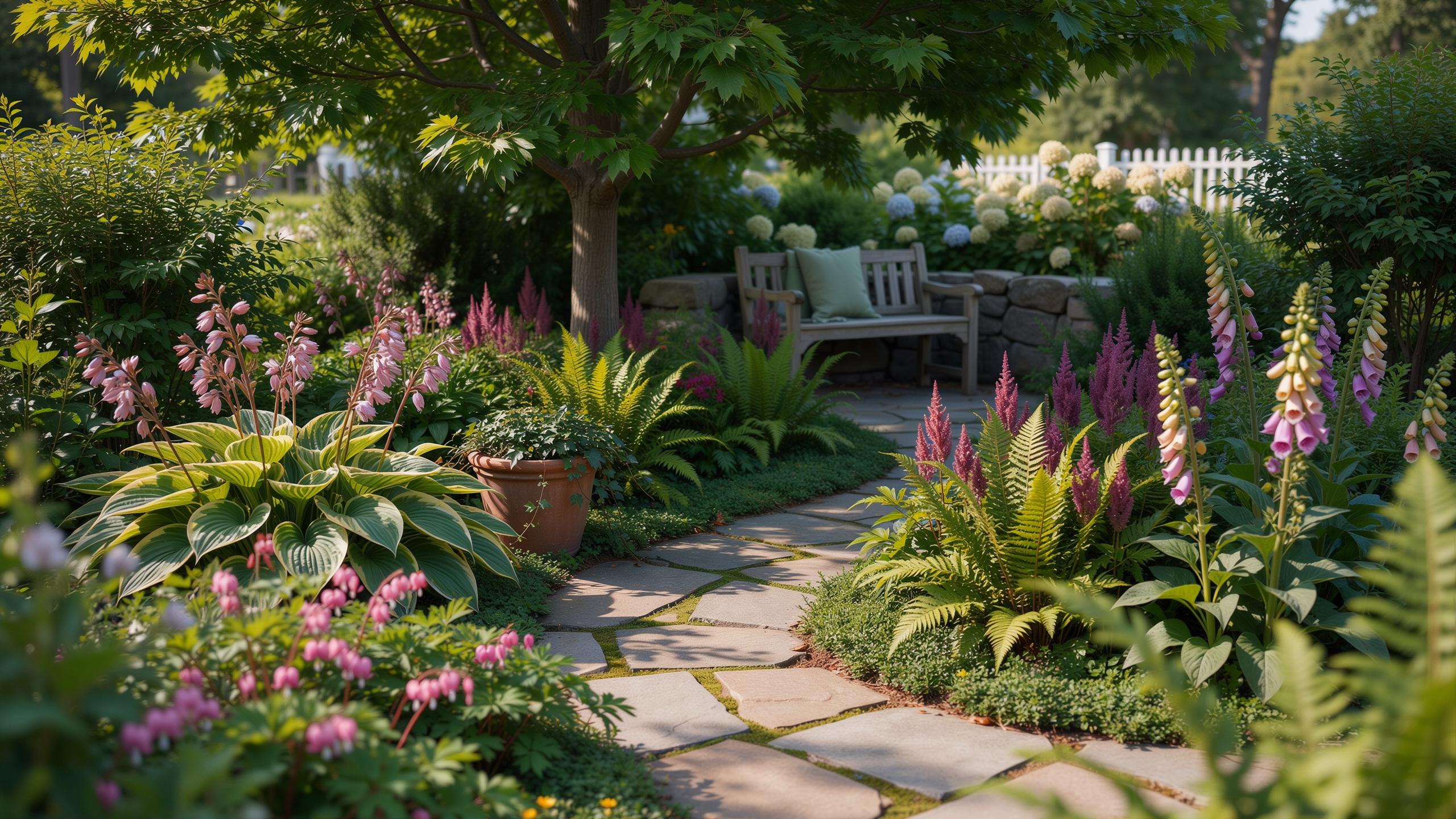
Incorporate a ground layer of low-growing plants to anchor the design. Use ferns or hostas to fill the space between larger shrubs. This dense planting prevents soil erosion and suppresses weeds effectively. Proper spacing ensures each layer receives adequate air circulation. High-density planting creates a lush appearance even with limited sunlight. Strategy dictates that you place the shortest plants at the front of your viewing angle.
How Texture And Foliage Color Can Replace The Need For Blooms
Shade gardens often lack the light needed for consistent flowering. Depend on foliage texture to create visual interest instead. Combine fine-textured plants like ornamental grasses with broad-leaved species like Bergenia. This contrast provides structural variety that lasts all season. Darker greens recede into the shadows while lighter textures catch available light. Tactical plant selection relies on these physical leaf traits for sustained impact.
Foliage color serves as your primary tool for brightening dark corners. Use variegated plants with white or yellow margins to reflect light. Select chartreuse or gold foliage to simulate sunbeams in deep shade. These colors remain constant while flowers fade quickly. Strategic designers use silver leaves to add a metallic sheen to the undergrowth. This approach ensures the garden remains vibrant regardless of the blooming cycle.
Shade Garden Ideas Backyards Designing A Private And Peaceful Outdoor Escape
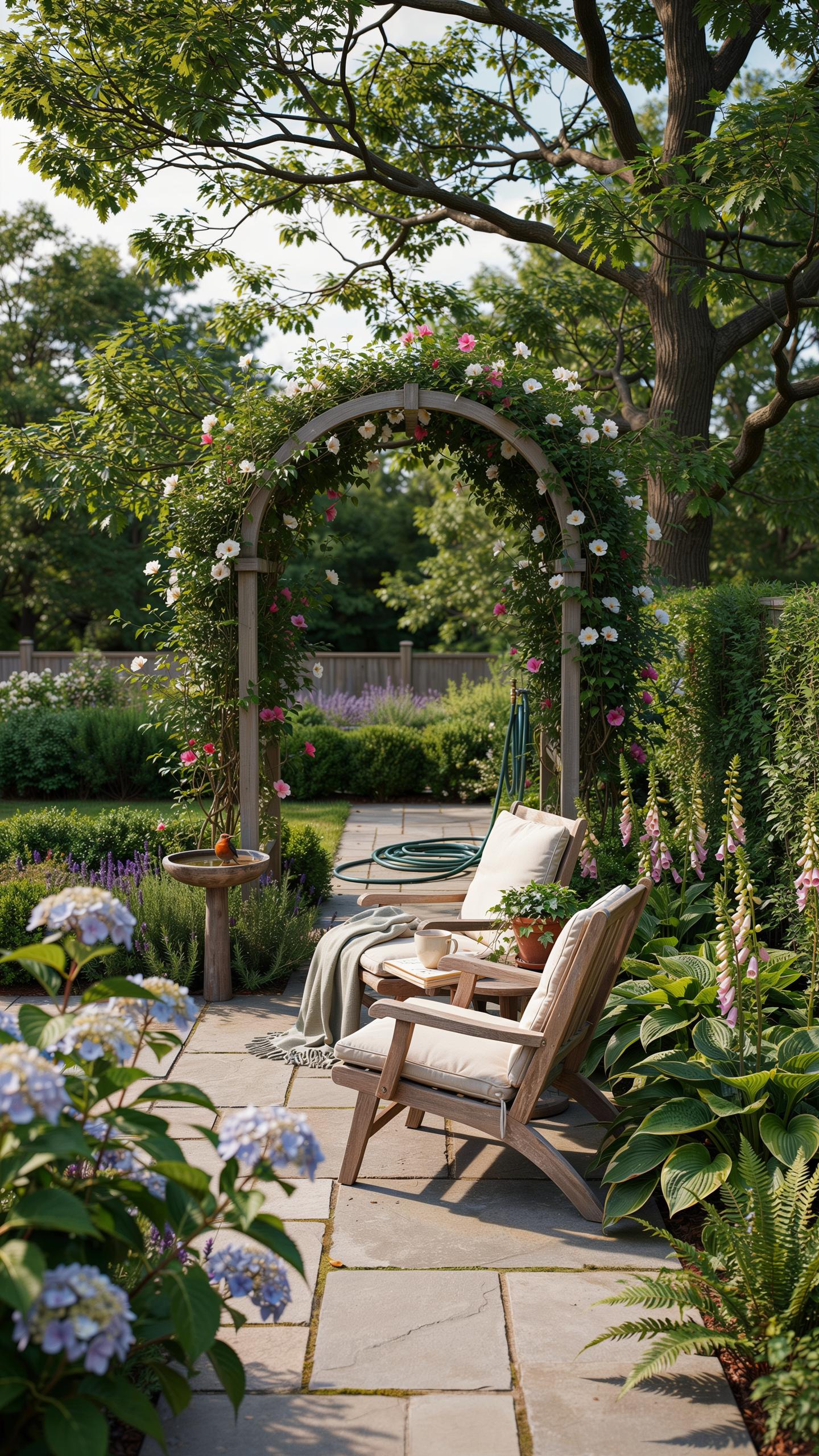
Creating Defined Zones In A Shaded Backyard For Relaxation And Planting
Effective garden design for shady yards requires clear spatial planning. You must divide the footprint into specific functional areas to avoid a cluttered look. Use low-growing groundcovers like Vinca minor to mark the edges of walking paths. Place seating in the deepest shade where temperatures stay lowest during peak summer heat. Use taller shade plants like Rodgersia to create natural screens between these zones.
Position your planting beds along the perimeter to maximize central floor space. This tactic mirrors the courtyard style found in traditional European shade gardens. You should group plants with similar water needs together to simplify maintenance. High-traffic areas require durable surfaces while quiet corners benefit from soft textures. Clear boundaries prevent the shade garden from looking like an overgrown forest. Stick to clean lines for a modern feel.
Hardscaping Elements That Complement A Shaded Backyard Garden
Hardscaping provides the structural backbone for every successful shade garden. Select light-colored materials like natural limestone or light gray granite to reflect available light. Dark stones absorb heat and disappear into the shadows. Use permeable pavers to manage moisture levels in damp, shaded soil. Stone serves as a thermal mass that stabilizes ground temperatures. This protection helps delicate ferns and mosses survive sudden weather shifts.

Incorporate wood elements like cedar or redwood for a classic organic appearance. These materials resist rot in high-moisture environments common to shaded areas. Elevate wooden decks slightly to allow airflow underneath the structure. This prevent mold growth and extends the life of the wood. Metal edging provides a sharp contrast against soft shade foliage. Use textured gravel in secondary paths to create audible cues when walking through the private space.
Shady Garden Ideas Landscapes Working With Trees And Natural Features
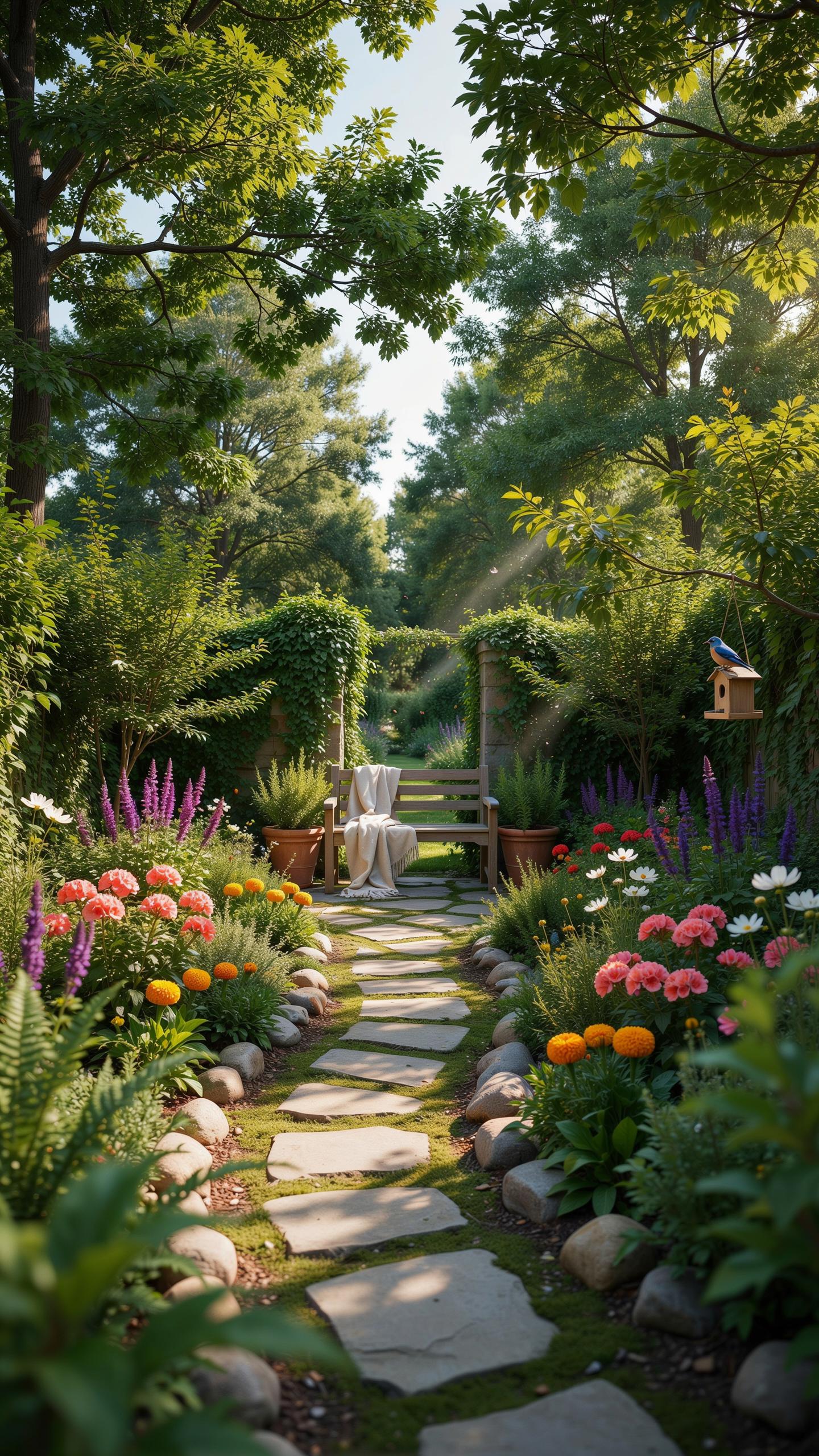
How To Design Around Mature Trees Without Damaging Their Root Systems
Mature trees possess critical root zones extending far beyond their canopy drip lines. Most feeder roots reside in the top twelve inches of soil. Digging large holes or tilling this area destroys the tree’s ability to take in water and nutrients. Avoid adding more than two inches of soil over existing roots. Excessive soil depth smothers roots by cutting off essential oxygen exchange.
Strategic planting requires working between major roots rather than cutting through them. Use small starts or plugs instead of large potted plants to minimize hole size. Hand-tools are safer than power equipment for this delicate work. Lay down a thin layer of organic mulch to retain moisture without buried roots. This method protects the tree while established shade plants fill the gaps.
Top Beginner Friendly Plants For Shady Garden Ideas Landscapes
Successful shady garden design for shady yards relies on selecting species that tolerate low light and root competition. These plants must adapt to dry conditions often found under large tree canopies. Focus on foliage texture and leaf color rather than blooms. Plants with variegated or light-colored leaves brighten dark corners. High-performing shade plants offer reliability for new gardeners looking for fast results.
- Hostas: These perennials are the backbone of most shade designs. They come in hundreds of sizes and colors ranging from deep blue-green to bright chartreuse. They prefer consistent moisture but tolerate various soil types. Use larger varieties to anchor the back of your garden beds.
- Hellebores: Often called Lenten Roses, these plants bloom in late winter or early spring. They feature leathery evergreen foliage that provides structure throughout the entire year. They are drought tolerant once established and resist deer or rabbit damage in most residential landscapes.
- Japanese Forest Grass: This ornamental grass brings motion and bright yellow tones to dark areas. It grows slowly and does not become invasive in the garden. Its cascading habit works well along the edges of paths or tucked between large tree surface roots.
- Coral Bells: Known botanically as Heuchera, these plants offer a massive range of foliage colors including purple, red, and silver. They grow in compact mounds that fit perfectly in small spaces. These perennials require well-draining soil to prevent root rot during wet seasons.
- Ferns: Various species like the Ostrich or Christmas fern provide classic texture to woodland settings. Ferns are ancient plants that evolved to thrive in forest understories with minimal direct sunlight. They help create a lush, layered look when planted in groups or clusters.
Select a mix of these species to ensure visual interest across different seasons. Grouping plants with similar water needs simplifies your maintenance routine. Place the tallest plants near the tree trunk and shorter species toward the edge. This creates a natural transition that mimics a forest floor. Proper spacing prevents overcrowding as your garden matures over the next three years.
Small Shade Gardens Making The Most Of A Compact Shady Space
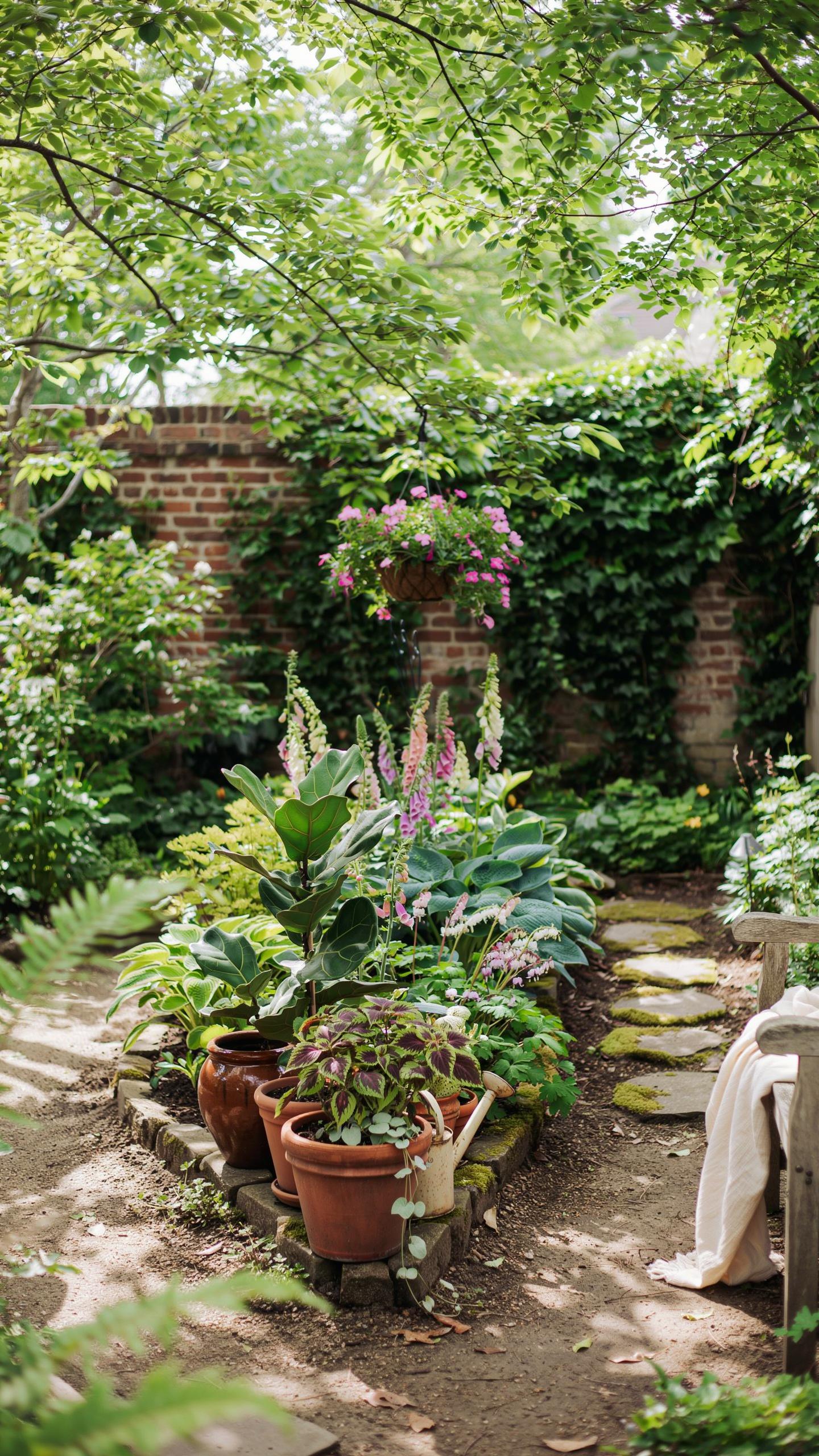
Design Principles That Make Small Shade Garden Ideas Feel Larger
Vertical layering maximizes limited square footage in low light areas. Use tall, narrow plants like clumping bamboo or upright yews to draw the eye upward. This technique makes the garden footprint feel larger than it is. Light colored foliage reflects what little sun reaches the ground. Use chartreuse or white variegated hostas to brighten dark corners. These bright tones create a visual depth that dark green plants lack.
Strategic path placement forces a longer perspective in small yards. Install narrow, winding walkways using light gray stone or gravel. Curved paths hide the back of the garden and suggest more space exists beyond the turn. Use fine textured plants in the background and coarse textures in the foreground. This trick of scale creates forced perspective. It makes the rear boundary of the yard appear further away than its actual physical location.
Broad leaves and cool greens are the heart’s quietest friends when the sun fades. A garden that thrives in the shadows is simply nature’s way of inviting you to slow down and rest.
Container Gardening Strategies For Small Shade Gardens With Limited Ground Space
Containers solve the problem of poor soil and root competition from large trees. Group pots in odd numbers to create a sense of abundance without clutter. Select non porous pots like glazed ceramic to retain moisture in dry shade. These heavy vessels stabilize tall plants and prevent tip over in wind. Elevating pots on stands or walls increases air circulation. Better airflow prevents fungal diseases common in damp, cool environments.

Movable planters allow you to rotate plants based on seasonal sun shifts. Use high quality potting mix designed for drainage to prevent root rot. Broad leaf plants like Caladiums grow well in pots and provide instant impact. Standardizing pot colors creates a unified look that prevents a small space from feeling busy. Darker pots disappear into shadows while light pots act as focal points. Systematic placement ensures every inch of the yard generates visual value.
Shade Garden Design Practical Layout Tips For Beginners
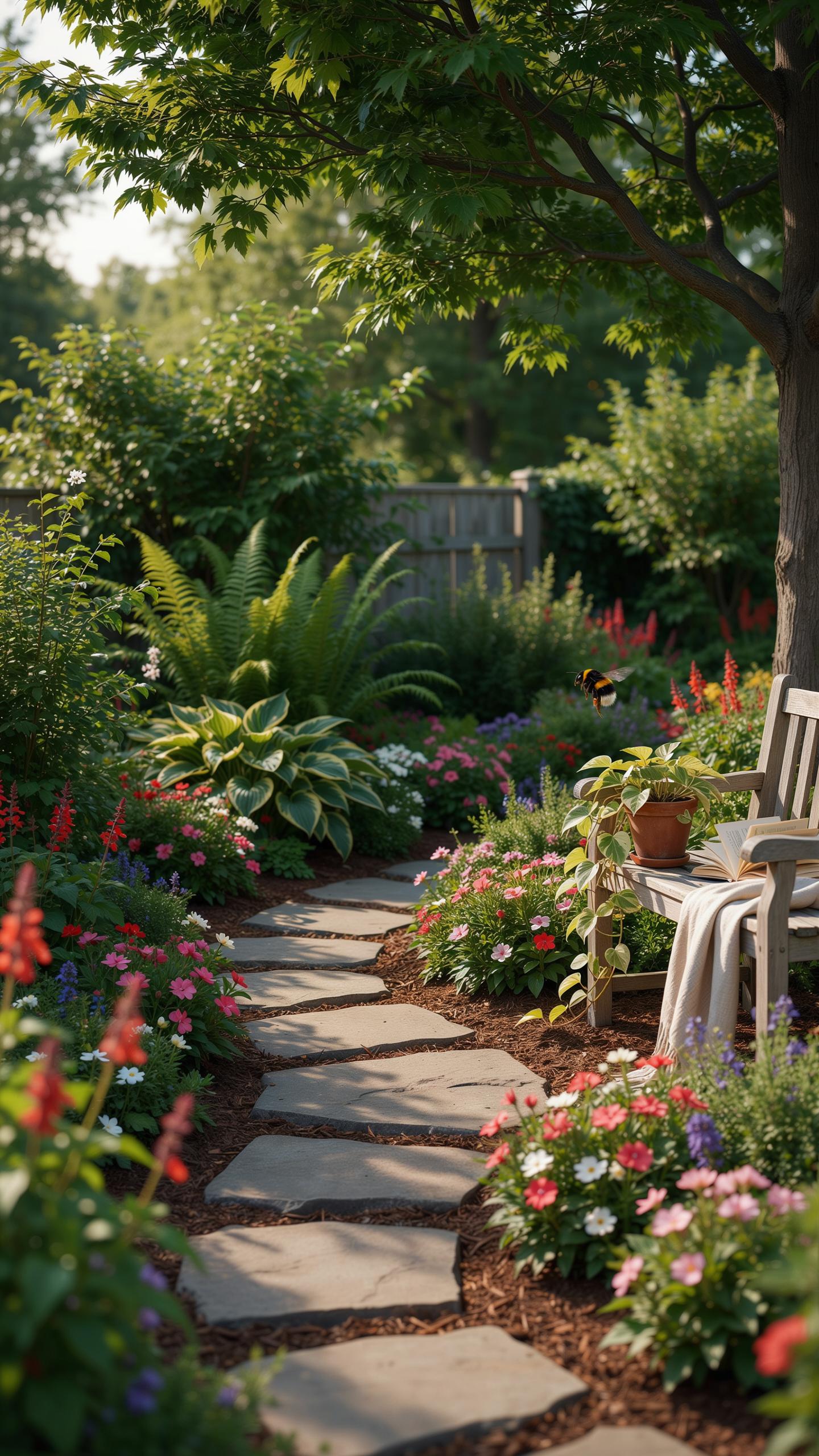
How To Sketch A Simple Garden Planning Layout Shade Map For Your Yard
Observe your yard at four specific times during the day. Start at eight in the morning and end at six in the evening. Track how shadows move across the ground. Mark areas that receive zero direct sun as deep shade. Label spots with two to four hours of sun as partial shade. Use graph paper to draw these zones to scale for accuracy.
Identify fixed structural elements like large trees, fences, and walls before choosing plants. These structures dictate light patterns and root competition. Draw the drip line of existing trees on your map. This circle shows where the soil stays driest and where shade is most consistent. Use this data to place moisture-loving plants away from thirsty tree roots for better survival rates.
Common Beginner Mistakes In Shade Garden Design And How To Avoid Them
Beginners often ignore the specific biological needs of shade-tolerant species. Light levels vary significantly under a dense canopy compared to the north side of a building. Many people fail to account for soil quality and drainage in dark corners. Without proper planning, these areas become stagnant mud pits or dusty dead zones. Avoid these common tactical errors by following a structured design approach.
- Ignoring Dry Shade Conditions: Large tree roots suck all moisture from the ground. Beginners often plant ferns that need wet soil in these bone-dry spots. Always check soil moisture levels before selecting your species to prevent immediate plant death after installation.
- Neglecting Foliage Texture Variety: Shade gardens lack the bright colors of sunny borders. New gardeners often pick plants with identical leaf shapes. This creates a flat and boring visual field. Contrast fine-textured ferns against broad-leaved hostas to create depth and visual interest.
- Overcrowding Developing Plants: Beginners pack plants too closely to get an instant full look. This restricts airflow and encourages fungal diseases like powdery mildew. Research the mature width of every plant. Space them according to their final size to ensure long-term health and reduces maintenance.
- Using Only Dark Green Tones: Dark corners disappear if you only use deep green foliage. Beginners forget to incorporate variegated leaves or chartreuse tones. Light colors reflect the limited light available. Use white or silver-edged leaves to brighten dark zones and make the space feel larger.
- Disregarding Vertical Layering: Many novices only plant at ground level. This leaves a massive visual gap between the floor and the tree canopy. Use shade-tolerant shrubs or climbing vines to fill the mid-story. Layering creates a professional look and maximizes the use of limited square footage.
Poor drainage kills more shade plants than low light ever will. Water evaporates slowly in the shade so soil stays wet longer. Beginners often overwater because the surface looks damp. Dig a test hole to check subsurface moisture before adding more water. Reliable designs incorporate organic matter to improve soil structure and prevent root rot in heavy clay environments.
Soil Water And Maintenance Basics For A Thriving Shade Garden
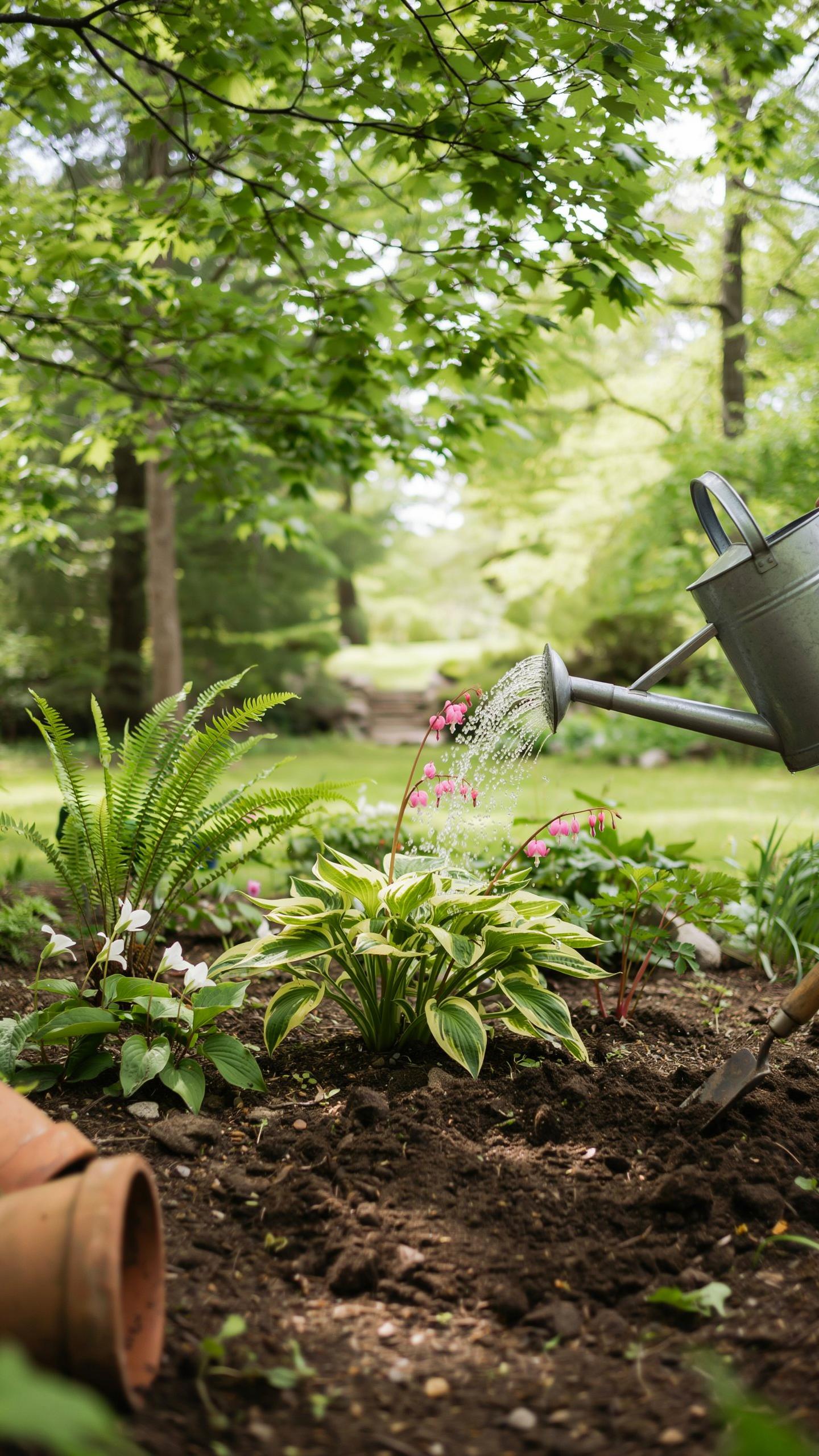
Why Soil Amendment Is Critical Under Trees And In Shaded Beds
Large trees dominate the soil ecosystem through aggressive root systems. They consume most available nitrogen and moisture before smaller plants can react. Shade gardens often suffer from extreme nutrient depletion because of this competition. You must feed the soil to support understory growth. Adding organic matter provides the necessary structures for roots to thrive. High-quality soil prevents plant death in these high-stress environments.
Mix three inches of compost or leaf mold into the top layer of your garden beds. This process mimics the natural forest floor cycle found in climax forests. Organic inputs improve soil tilth and help retain moisture during dry spells. You should apply amendments every spring to replace what the trees consume. Proper soil preparation reduces the need for chemical fertilizers later. Healthy soil builds strong plant immunity.
Low Maintenance Watering And Mulching Habits That Keep Shade Gardens Healthy
Shade gardens lose less water to evaporation than sun-drenched plots, but they face dry shade challenges. Tree canopies act like umbrellas and prevent rainwater from reaching the ground. You must check soil moisture levels manually rather than relying on the weather. Target the root zones of your plants with deep soaking methods. Consistent moisture prevents the physiological stress that leads to pest infestations and fungal diseases.

Apply a two-inch layer of wood chips or pine bark over your garden beds. Mulch regulates ground temperature and prevents weed seeds from germinating in the cool soil. It also slows down water runoff and keeps the roots hydrated for longer periods. Avoid piling mulch against the stems or trunks to prevent rot. Replenish this layer annually to maintain its effectiveness. Managed mulch reduces your total maintenance time.
Frequently Asked Questions

What are the best plants to use when starting a garden in a shaded area?
For beginners, the best approach to garden design for shady yards is to focus on “shade-loving” perennials like Hostas, Ferns, and Bleeding Hearts. These plants thrive with minimal direct sunlight and come in various textures. Don’t forget colorful options like Astilbe or Heuchera to add visual interest. Starting with these hardy varieties ensures your garden looks lush and professional without requiring advanced horticultural skills or intense maintenance schedules.
How do I arrange plants to create a professional look in a dark garden space?
To achieve a professional garden design for shady yards, use a tiered layering technique. Place taller shrubs like Hydrangeas in the back, medium plants like Ferns in the middle, and low-growing groundcovers like Sweet Woodruff at the front. Incorporating light-colored mulch or white flowering plants can also help reflect available light, making the darker corners of your yard feel brighter, more intentional, and much more spacious for relaxing.
Can I create a beautiful shade garden on a tight budget?
Absolutely! You can save money by purchasing smaller “starter” plants or asking gardening neighbors for divisions of their Hostas and Daylilies. Another budget-friendly tip is to use found materials, like natural stones or reclaimed wood, for edging. Focus on perennial plants that return every year rather than annuals; this one-time investment builds a sustainable landscape that grows more beautiful over time without requiring constant financial upkeep.