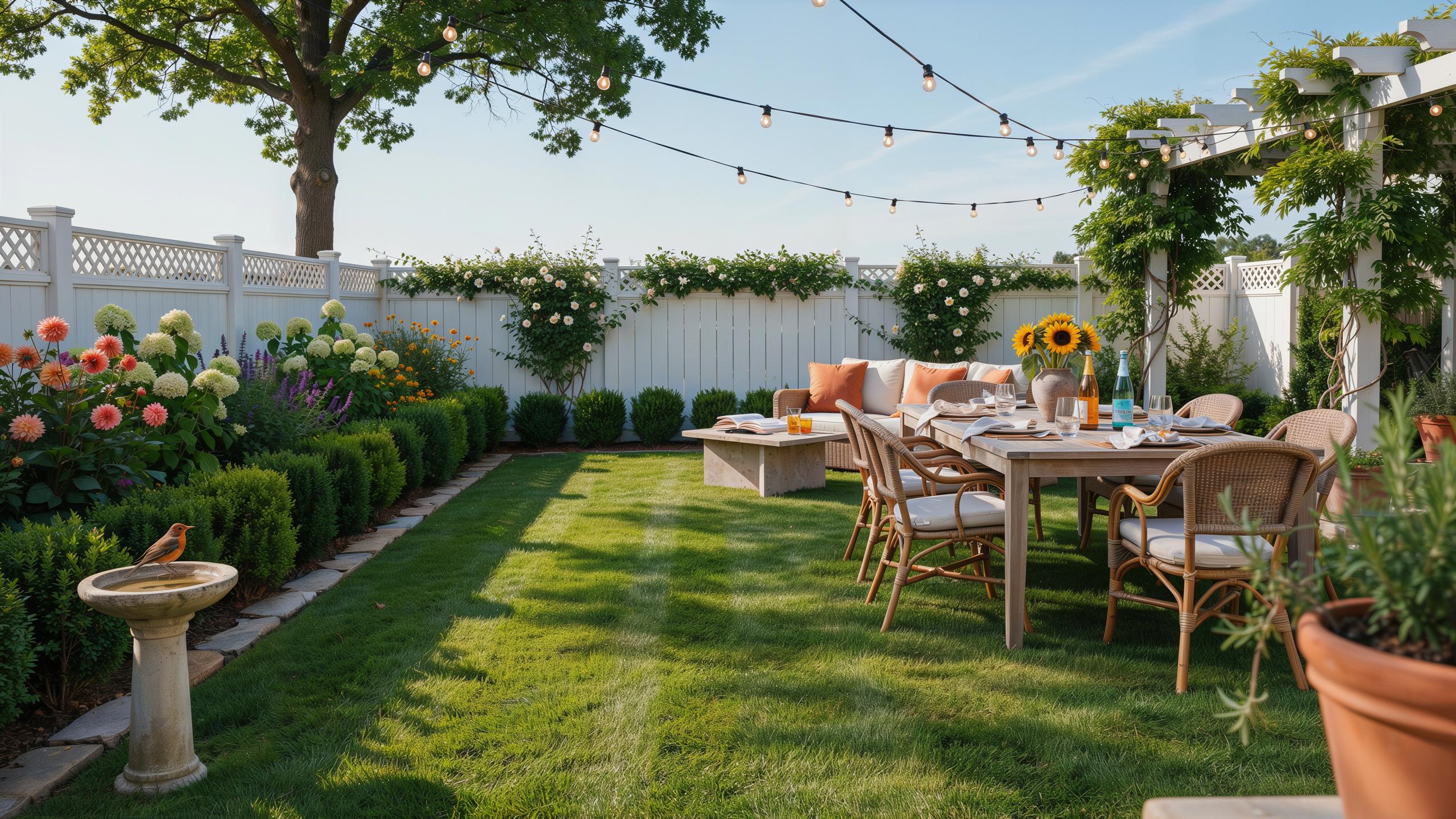
Why Backyard Landscaping For Entertaining Starts With A Perfect Backyard Plan
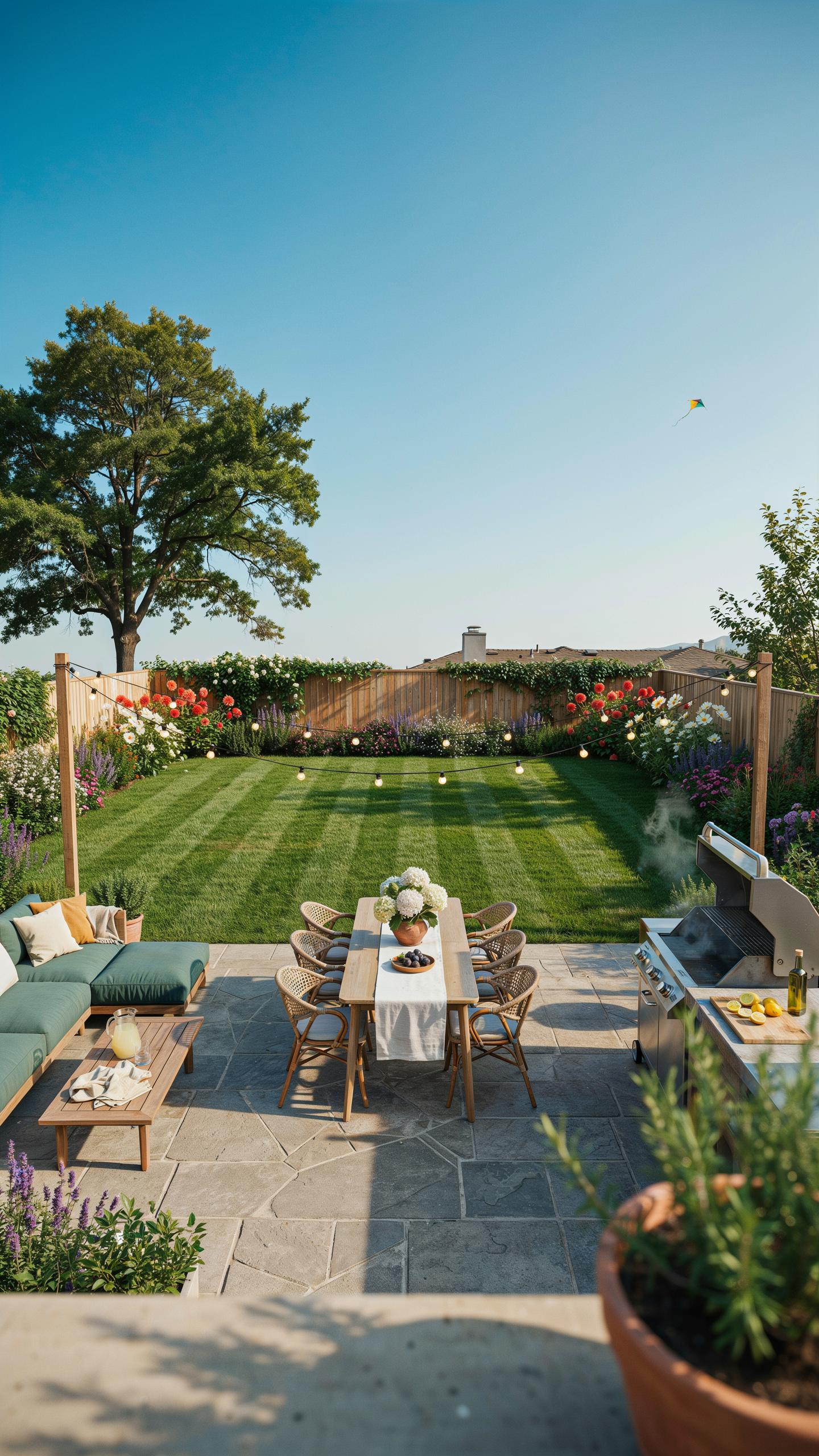
Assessing Your Space Before Designing For Guests And Gatherings
Analyze your lot dimensions and existing topography before sketching any designs. Measure the exact square footage of usable flat ground. Identify drainage patterns and soil quality to avoid structural failures in your patio or deck. Note the sun path throughout the afternoon and evening hours. This data dictates where you place seating to avoid direct glare or excessive heat during summer events.
Map existing utilities like gas lines, water pipes, and electrical circuits. Knowing these locations prevents expensive mistakes when installing outdoor kitchens or fire pits. Observe sightlines from inside the house to ensure the transition feels natural. Check local zoning laws and setback requirements for permanent structures. Proper site assessment ensures the final layout handles traffic flow without crowding guests or damaging your plants.
Setting A Budget That Aligns With Your Entertaining Goals
Establish a hard financial limit by prioritizing high-traffic infrastructure over decorative details. Heavy masonry and permanent pergolas require significant upfront capital but offer long-term durability. Allocate at least twenty percent of your total spend to site preparation and drainage. Many homeowners ignore these hidden costs and face flooding issues later. Focus your spending on durable materials like natural stone or composite decking to reduce future maintenance costs.
Determine if your primary goal is large parties or intimate dinners. Large scale entertaining requires wider walkways and more expansive paved surfaces. These hardscape elements cost more per square foot than softscaping or mulch. Research current market rates for labor and raw materials in your specific region. Stick to a phased construction approach if your vision exceeds your current cash flow. This strategy keeps your project debt-free while maintaining a polished look.

Outside Design Principles That Make Entertaining Spaces Feel Intentional
How Flow And Zoning Shape A Functional Outdoor Entertaining Layout
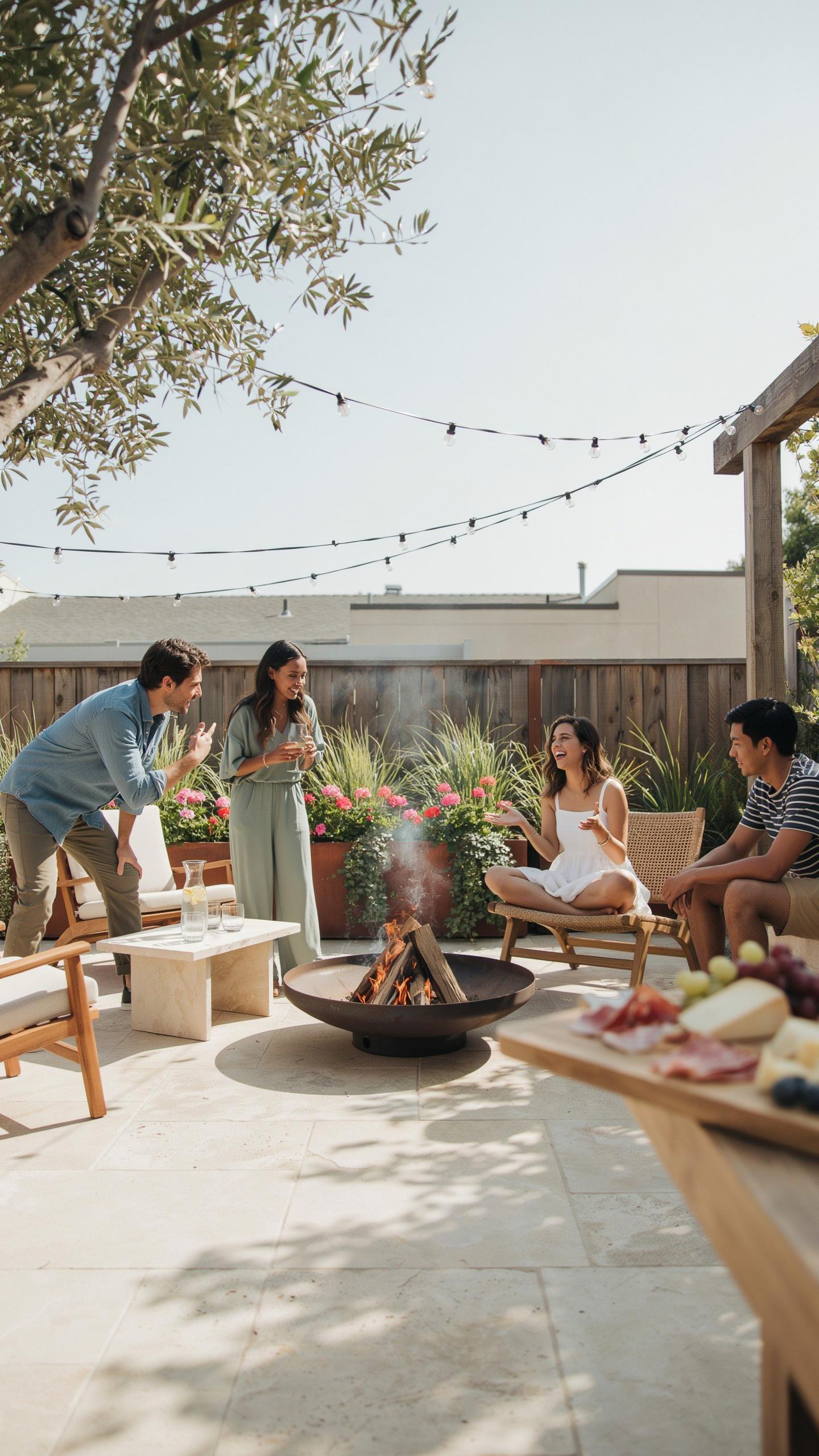
Effective backyard landscaping for entertaining starts with zoning. You must divide the yard into specific areas for cooking, dining, and lounging. This prevents guests from crowding one spot. Architects call this the room concept. You use physical markers like rugs or bushes to define borders. Plan your paths to guide people naturally between these zones. Clear paths keep foot traffic away from hot grills.
Zoning requires you to consider the distance between the kitchen and the dining table. Keep the food prep area close to the back door to save time. Use furniture placement to create sightlines. This ensures hosts can talk to guests while finishing meals. Proper flow prevents bottlenecks at doorways and narrow stairs. You must provide enough space for chairs to pull back without blocking the walking path.
Balancing Aesthetics And Practicality In Your Outdoor Design Approach
Modern design movements emphasize form following function. You should select materials that match your home architecture while resisting local weather. Hardscaping provides the foundation for any polished look. Choose stone or pavers that do not get too hot in the sun. Practicality means picking surfaces that are easy to clean after a party. Avoid delicate materials that stain from food spills or collect standing water.
Aesthetics should work with the existing land grade. Level ground is safer for tables and chairs. Use retaining walls to manage slopes and create extra seating. Lighting serves two roles by adding mood and ensuring safety on steps. Strategic plant choices provide privacy without blocking a breeze. High-quality materials reduce long-term maintenance costs. Effective design balances how the space looks with how much work it takes to keep.
Backyard Designs That Accommodate Guests Of All Group Sizes
Designing Seating Areas That Encourage Conversation And Comfort
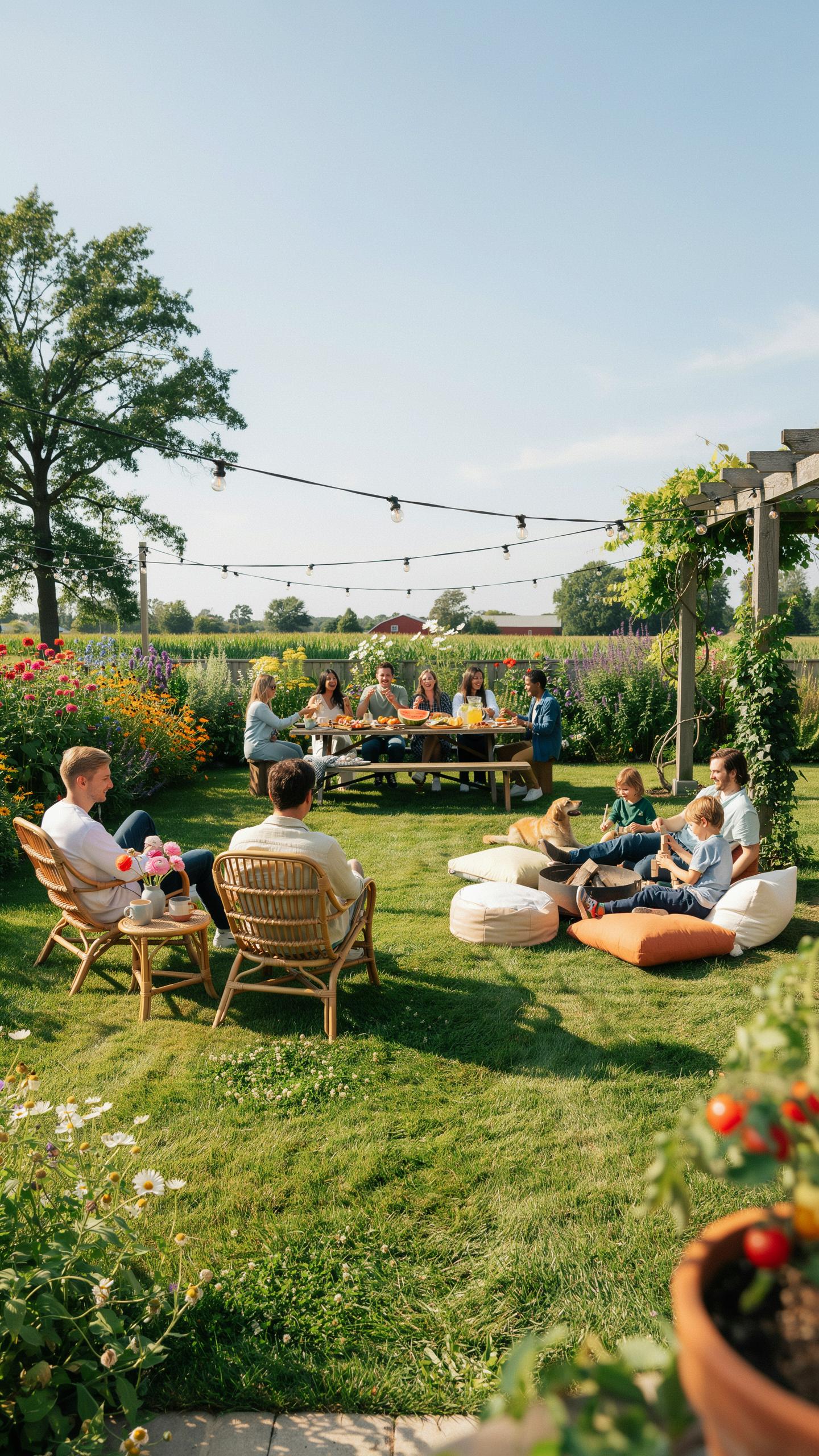
Position seating to facilitate face to face interaction. Use the rule of proximity. Place chairs no more than eight feet apart to ensure clear voice range. Human psychology favors defined boundaries for security. Use low walls or clipped hedges to create an outdoor room effect. This enclosure makes guests feel grounded and focused on the group. Choose firm support over deep cushions for active socializing.
Select materials that manage heat and moisture. Integrated stone benches provide permanent structure but require cushions for long stays. Arrange furniture in circular or U-shaped patterns to prevent social silos. Ensure the ground surface is level. Uneven pavers cause chair instability and guest discomfort. Good design directs the eye toward a central focal point like a fire feature. This tactic anchors the conversation naturally.
Incorporating Flexible Layouts That Adapt From Intimate Dinners To Large Parties
Design for modularity to handle shifting guest counts. Use lightweight furniture that stacks or moves easily. Large paved areas should serve multiple functions. A patio holds a dining table for six on weekdays. The same space hosts thirty standing guests on weekends. Use wide paths to manage foot traffic flow. Clear zones prevent bottlenecks at food and drink stations. Open layouts allow for easy reconfiguration.

Utilize multi-use hardscaping to maximize utility. Wide retaining walls double as overflow seating for large crowds. This eliminates the need for excess folding chairs. Define different zones using rugs or planters rather than permanent walls. Strategic lighting also shifts the mood. Dim lights work for small dinners. Bright floodlighting supports large mixers. Build a foundation that scales up or down without requiring physical renovation or heavy lifting.
Cool Outdoor Ideas To Elevate Your Backyard Entertaining Experience
Creative Feature Ideas Like Fire Pits, Water Elements, And Outdoor Kitchens
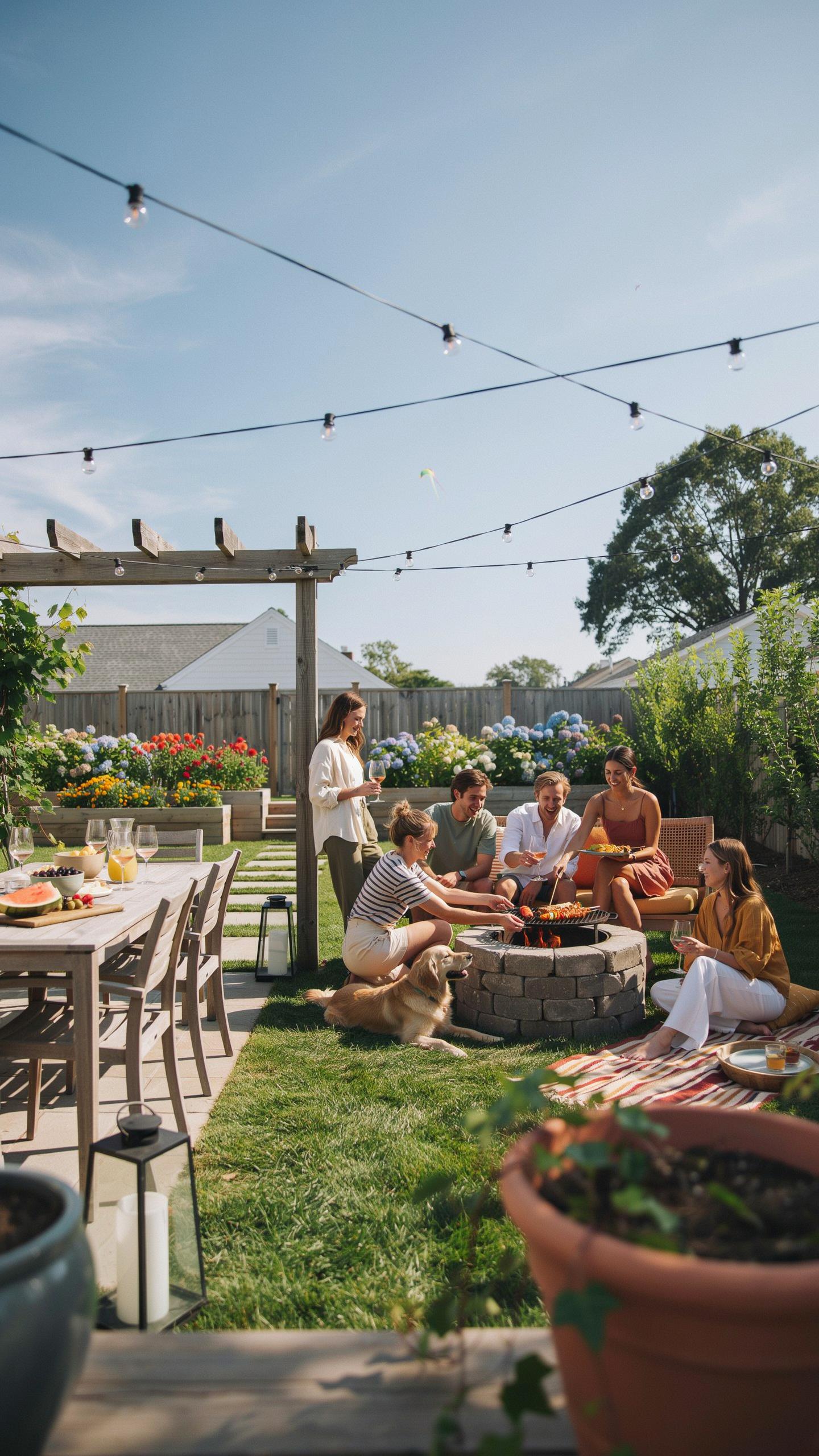
Fire pits serve as a primary focal point for social interaction. Use stone or brick to match the main architecture of your home. Hardline gas connections offer consistency and safety over wood burning options. Proper placement requires a ten-foot clearance from structures and low-hanging trees. Sunken fire pits provide wind protection and create intimate zones. Choose materials like basalt or concrete for a modern look.
Water features manage acoustic privacy by masking neighborhood noise. Use recirculating fountains or sheer descent waterfalls to create a consistent soundscape. Modular outdoor kitchens increase the utility of your property. Install stainless steel appliances for weather resistance and ease of cleaning. Place the cooking station near the indoor kitchen to limit trips back and forth. Effective layouts follow the work triangle principle used in indoor design.
Top Outdoor Entertaining Upgrades Worth The Investment
High-quality upgrades focus on durability and multi-season utility. Smart homeowners prioritize structural integrity over temporary trends. Investing in infrastructure like professional drainage and gas lines prevents future repair costs. Choose materials that withstand local climate extremes without regular staining or sealing. Quality lighting systems also extend the hours of use for any outdoor space. Good lighting improves safety and highlights key design features.
- Natural Stone Paving: Select flagstone or travertine for high-traffic patio areas. These materials offer superior longevity compared to poured concrete. Stone resists crack formation during freeze-thaw cycles common in temperate climates.
- Low-Voltage LED Lighting: Install hardwired systems with timers and dimmers for atmosphere control. LEDs consume eighty percent less energy than traditional halogen bulbs. Place lights along paths and stairs to ensure guest safety during night events.
- Built-In Seating Walls: Construct masonry walls at seat height around fire features or dining areas. This removes the need for extra furniture and provides permanent structure. Use capped stone to ensure a comfortable and level sitting surface.
- Pergolas and Pavilions: Install a permanent overhead structure to define the lounge area. These features provide shade and can support fans or heaters. Use cedar or aluminum for resistance to rot, insects, and rust damage.
- Outdoor Sound Systems: Integrate weather-resistant speakers into the landscaping or structures. Professional systems provide even sound distribution without the volume spikes of portable units. Conceal wiring in conduits underground to protect against moisture and garden tools.
Strategic investments increase the resale value of your home. Focus on permanent installations that require minimal annual maintenance. High-grade materials like Ipe wood or natural granite outlast cheaper alternatives by decades. Professional installation ensures that heavy features do not shift over time. Always verify local building codes before starting permanent structural work. Clear planning ensures your upgrades remain functional and aesthetically pleasing for years.
Backyard Styles To Match Your HomeS Architecture And Personal Taste
Popular Backyard Styles From Modern Minimalist To Rustic And Tropical
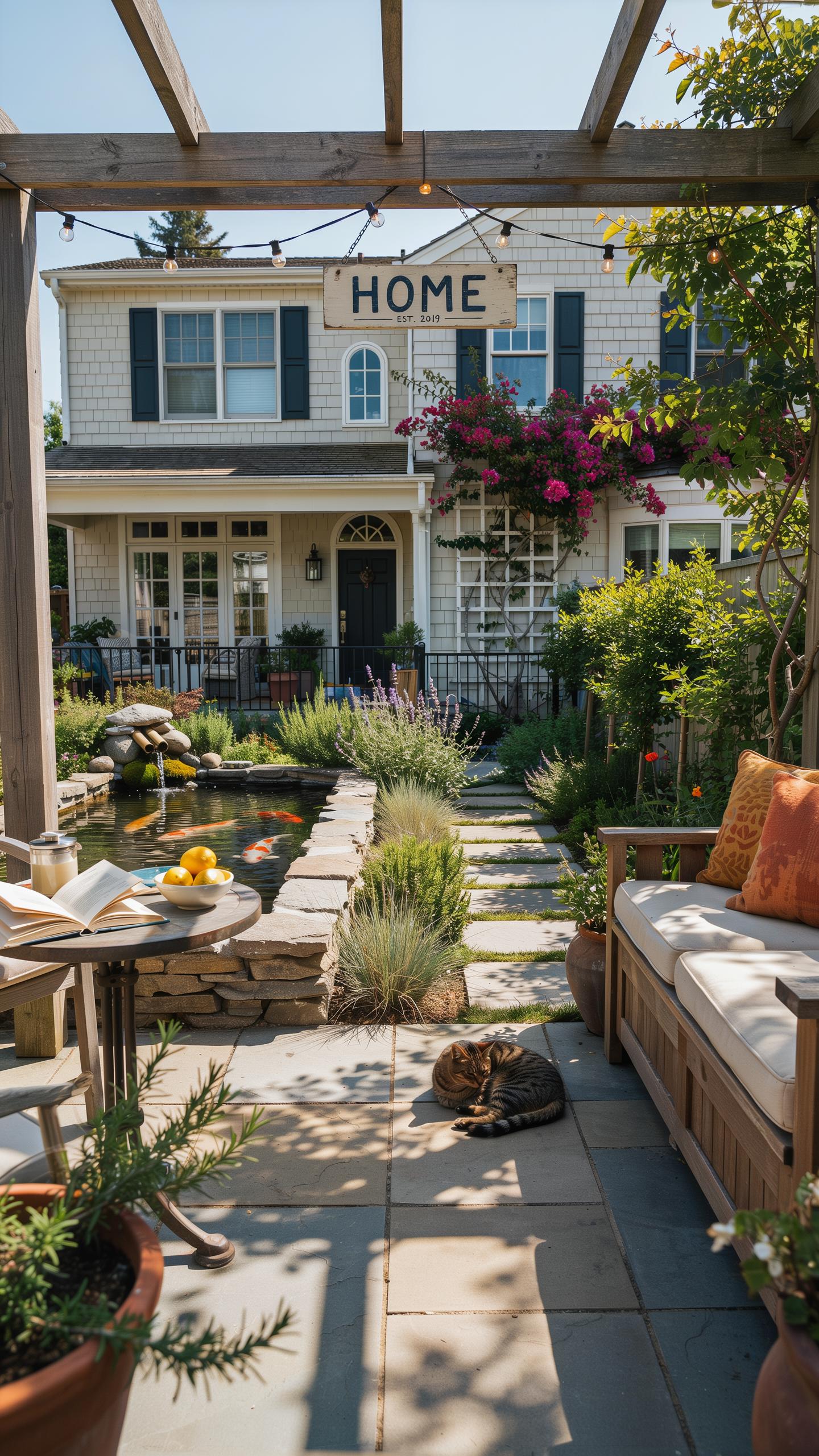
Modern minimalist design relies on clean lines and geometric shapes. It utilizes concrete, steel, and smooth stone to create a controlled environment. This style prioritizes function and open space for guest movement. Designers often use a limited color palette of grey, black, and white. Minimalist layouts reduce visual clutter and focus on high-quality materials. This approach works well for small urban yards requiring high efficiency.
Rustic and tropical styles offer different functional benefits. Rustic designs use reclaimed wood and natural fieldstone to mimic rural settings. These spaces feel sturdy and prioritize comfort over precision. Tropical landscapes use dense foliage and water features to provide natural cooling. Large-leaf plants create privacy barriers between neighbors. Both styles use organic textures to hide wear and tear from frequent use. They provide durable surfaces for heavy foot traffic.
A garden should be an effortless extension of the home, where the simplest beauty invites friends to linger long after the sun sets. When the landscape is polished yet natural, every evening becomes a timeless memory of laughter and ease.
How To Choose A Cohesive Style That Complements Your Indoor Living Space
A cohesive backyard requires matching the exterior materials to your interior flooring. Architects call this visual continuity. If your kitchen has slate tiles, use slate for your outdoor patio. This strategy expands the perceived size of your home. It makes the transition between rooms feel seamless for guests. Matching the floor levels prevents tripping hazards during evening events. Consistent flooring creates a professional and intentional look.
Color theory dictates the rest of your design choices. Use the same accent colors from your living room for outdoor cushions and planters. This repetition reinforces the design theme. Ensure the architectural lines of your house dictate the shape of your flower beds. A square house benefits from rectangular decks. A curved home exterior suits rounded patio edges. Aligning these shapes creates a unified property that looks planned rather than accidental.
Large Garden Ideas Landscaping Techniques For Spacious Entertaining Yards
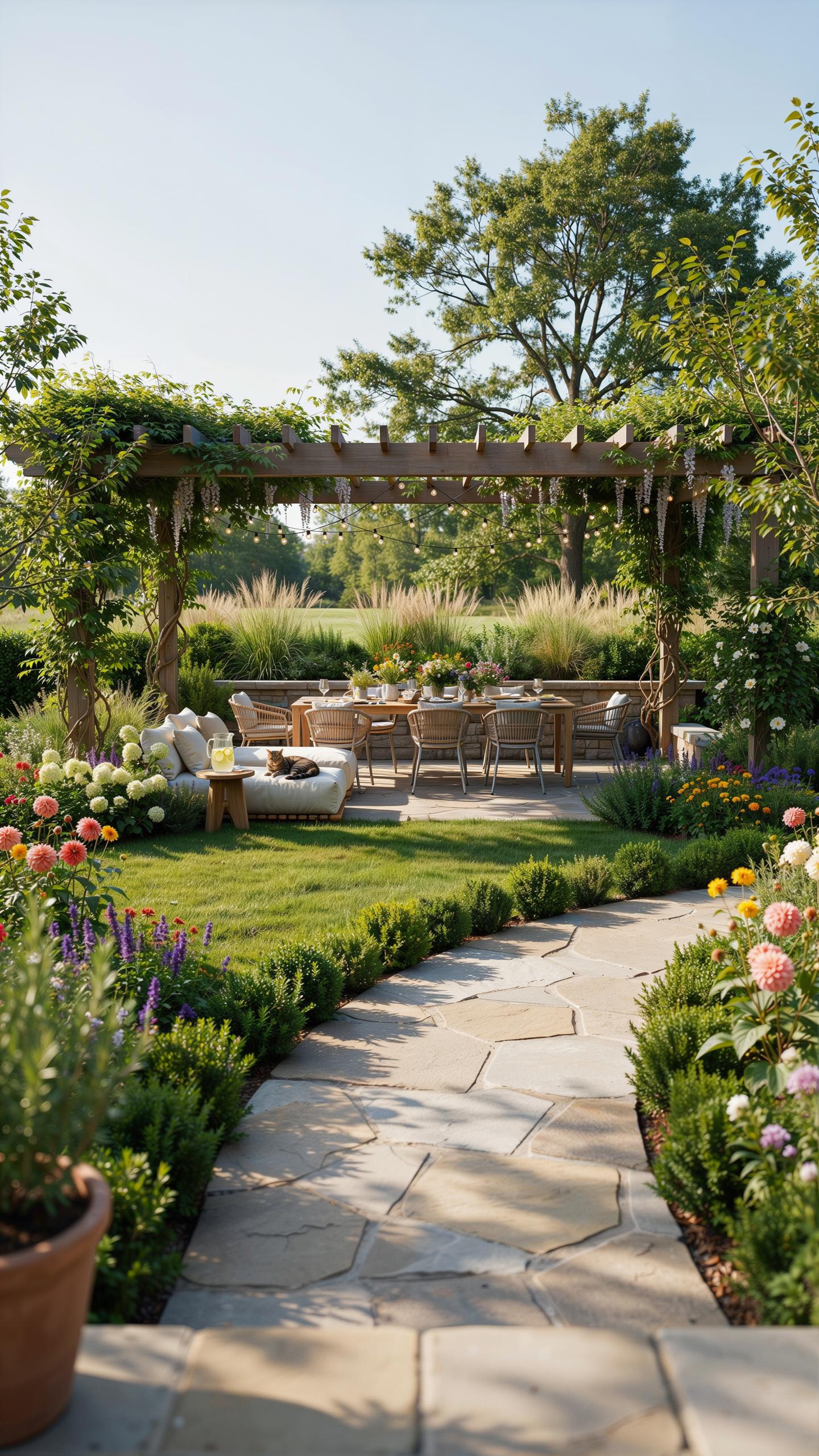
Guidance Using Native Plants And Garden Beds To Frame Your Entertaining Areas
Native plants provide the most efficient way to define large outdoor rooms. These species thrive in local soil and weather conditions without heavy chemical use. Use them to create soft walls around dining decks or fire pits. This tactic separates active social zones from the rest of the yard. Dense groupings of local shrubs also reduce wind and noise. They create a more intimate feel for guests.
Layered garden beds add structural depth to wide open spaces. Place taller wooden perennials at the back of the bed to block unwanted views. Use mid-sized grasses and low flowering plants in the front. This tiered approach mimics natural forest edges. It guides the eye toward the center of your entertaining space. Structured beds prevent a large yard from looking empty or unorganized. They keep focus on the hosting area.
Lawn Alternatives And Ground Cover Options For Low Maintenance Large Spaces
Traditional turf grass costs thousands in water and labor for large properties. Replace vast grass sections with gravel or crushed stone in high traffic zones. These materials allow water to drain quickly and prevent mud after rain. Use permeable pavers for walking paths between the house and the bar. This setup keeps shoes clean and simplifies maintenance. Hardscaping handles heavy foot traffic better than grass during large parties.

Ground covers like creeping thyme or clover offer a green look with less effort. These plants require almost no mowing and stay short naturally. Use wood mulch around the perimeter of the yard to suppress weeds. Large scale mulch beds reduce the total area you need to water. This strategy saves time on chores before guests arrive. Choosing these surfaces ensures your yard looks sharp year round with minimal manual intervention.
Backyard Hardscape Features That Anchor A Polished Entertaining Space
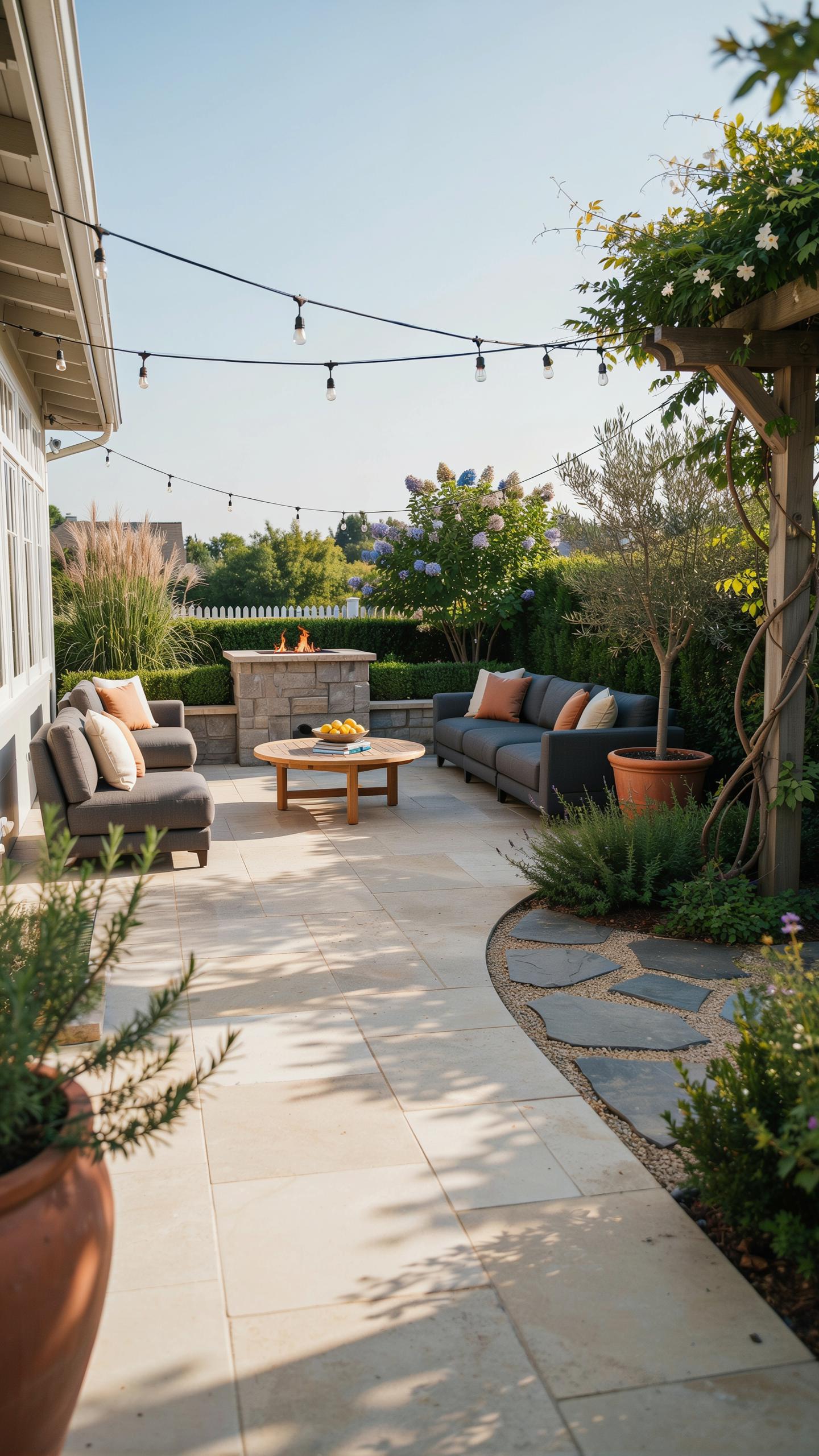
Choosing The Right Patio, Deck, Or Pathway Materials For Durability And Style
Hardscape materials must prioritize compression strength and slip resistance. Natural stone remains the gold standard for permanence and value. Flagstone and slate offer high density and resist weathering in freeze-thaw cycles. Concrete pavers provide a modular alternative. These pieces interlock to distribute weight and prevent cracking. Select textured finishes to ensure guest safety during wet conditions. Avoid cheap softwoods that rot quickly without heavy chemical treatment.
Proper installation requires a compacted sub-base of crushed stone and sand. This layer prevents settling and uneven surfaces over time. For high-traffic pathways, use large-format pavers to reduce trip hazards. Dense tropical hardwoods like Ipe offer fire resistance and longevity for decks. Ensure all stone choices match the architectural period of the home. Modern homes require clean lines. Older estates benefit from weathered edges and irregular patterns.
How Hardscape Elements Like Retaining Walls And Pergolas Define Outdoor Rooms
Structural elements create physical boundaries without closing off the environment. Retaining walls solve slope issues and provide built-in seating for large groups. These walls use gravity or mortar to hold back soil. They transform unusable hills into flat social tiers. Use stone veneers to hide structural concrete blocks. This creates a high-end look while maintaining the strength of the wall. Verticality adds visual depth to the yard.
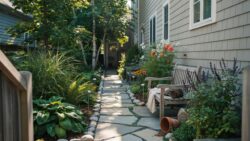
Pergolas Provide an overhead plane that mimics an indoor ceiling. This structure defines the dining or lounging zone as a specific room. Most designs use post-and-beam construction to support open rafters. This setup allows for light filtration while creating a sense of enclosure. Scale the structure to fit the furniture footprint. A small pergola looks weak on a large patio. Match the material to the deck for a unified aesthetic.
Bringing Your Backyard Landscape Idea To Life With Smart Plant Choices
Selecting Trees, Shrubs, And Perennials That Offer Year Round Visual Appeal
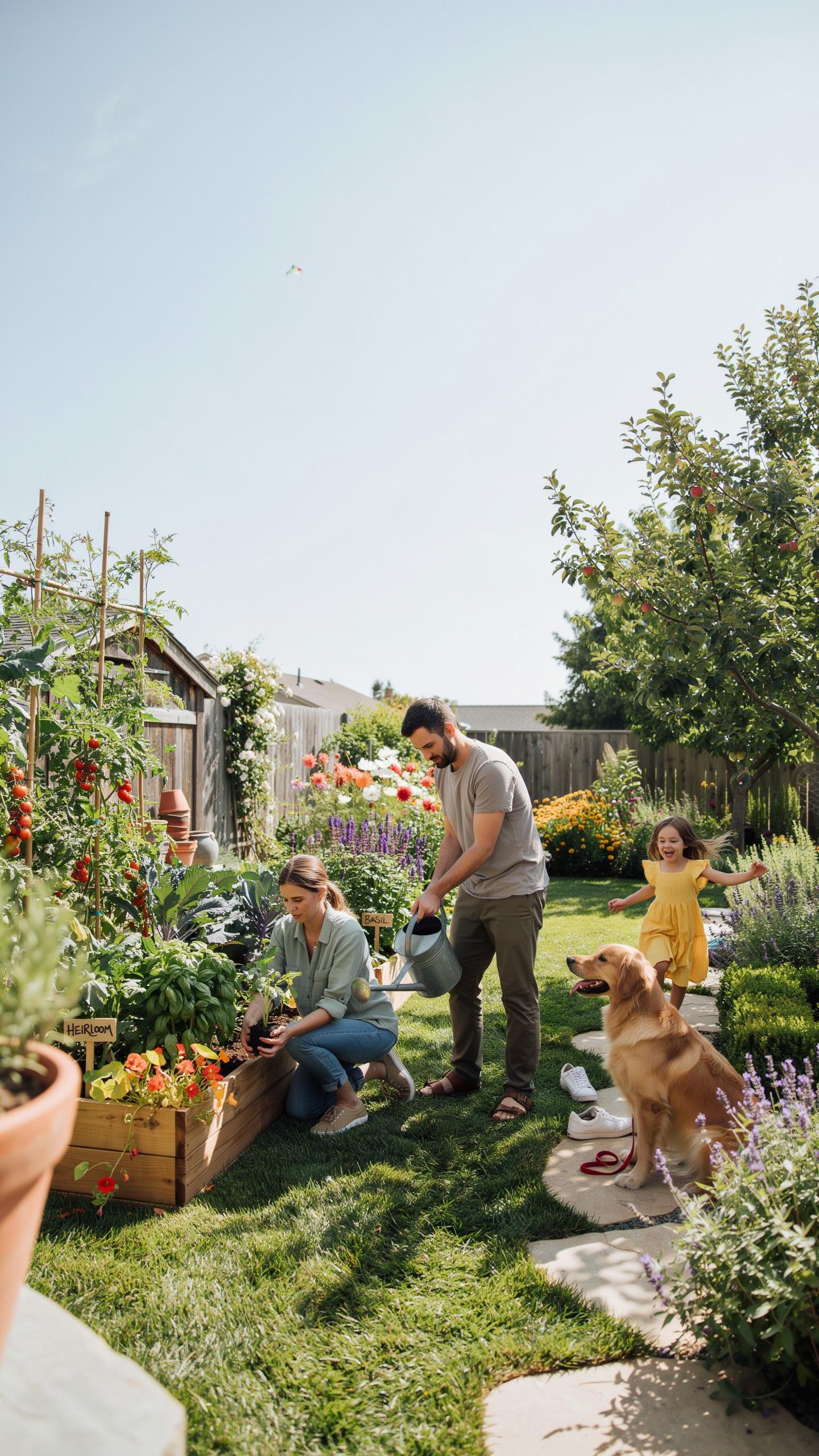
Functional landscapes require plants that maintain structure when the entertaining season peaks. Deciduous trees provide summer shade but leave gaps in winter. Use evergreens like Boxwood or Yew to define permanent boundaries. These species create a consistent green backdrop for your guests. Structure ensures the yard looks finished even when nothing is in bloom. This approach prevents the landscape from looking empty during colder months.
Layering plants by height creates depth in small entertaining spaces. Place tall trees at the perimeter to block wind and noise. Put mid-sized shrubs in the center to divide dining areas from lounge spots. Perennials add seasonal color without needing replanting every year. Select varieties with different bloom times to ensure constant visual interest. This strategy maintains a professional look through spring, summer, and autumn.
Essential Plant Selection Tips For A Polished Backyard Landscape
A polished look depends on a restricted color palette and intentional grouping. Random plant placement creates visual clutter that distracts guests. Instead, repeat specific species in odd-numbered groups of three or five. This technique mimics natural growth patterns while maintaining order. Choose plants that thrive in your local climate zone to minimize maintenance and prevent dead spots. Hardiness ensures your investment survives extreme weather.
- Mass Planting: Grouping the same species together creates a bold visual impact. This technique simplifies the landscape and makes the area feel larger. It reduces eye strain by providing a clean and unified texture across the garden beds.
- Native Species: Use plants indigenous to your specific region. These plants require less water and fewer chemicals to stay healthy. They are naturally resistant to local pests. Choosing natives ensures the landscape remains lush and hardy throughout the entire year.
- Focal Points: Position one unique specimen tree or large shrub as a central visual anchor. This draws the eye to a specific area of the yard. It creates a natural conversation piece and gives the outdoor room a clear sense of purpose.
- Leaf Texture: Mix fine-textured grasses with broad-leafed perennials for contrast. Texture adds sophistication without relying on short-lived flowers. High-contrast foliage keeps the yard looking designed and professional even when the plants are not currently blooming during the off-season.
- Size Scaling: Check the mature height and width of every plant before installation. Overgrown shrubs crowd walkways and block views of your guests. Proper scaling ensures that plants do not overtake the structural elements like patios, decks, or outdoor kitchens.
Maintenance dictates the long-term success of your entertaining space. High-maintenance plants require constant pruning and debris cleanup. This takes time away from hosting duties. Select low-litter trees to keep patios clean. Avoid fruit-bearing trees near seating areas to prevent stinging insects and stains. Strategic plant choices reduce the work needed to keep the yard ready for guests at any given moment.
Lights In Backyard How Strategic Lighting Transforms Evening Entertaining
Types Of Outdoor Lighting That Create Ambiance Without Overwhelming The Space
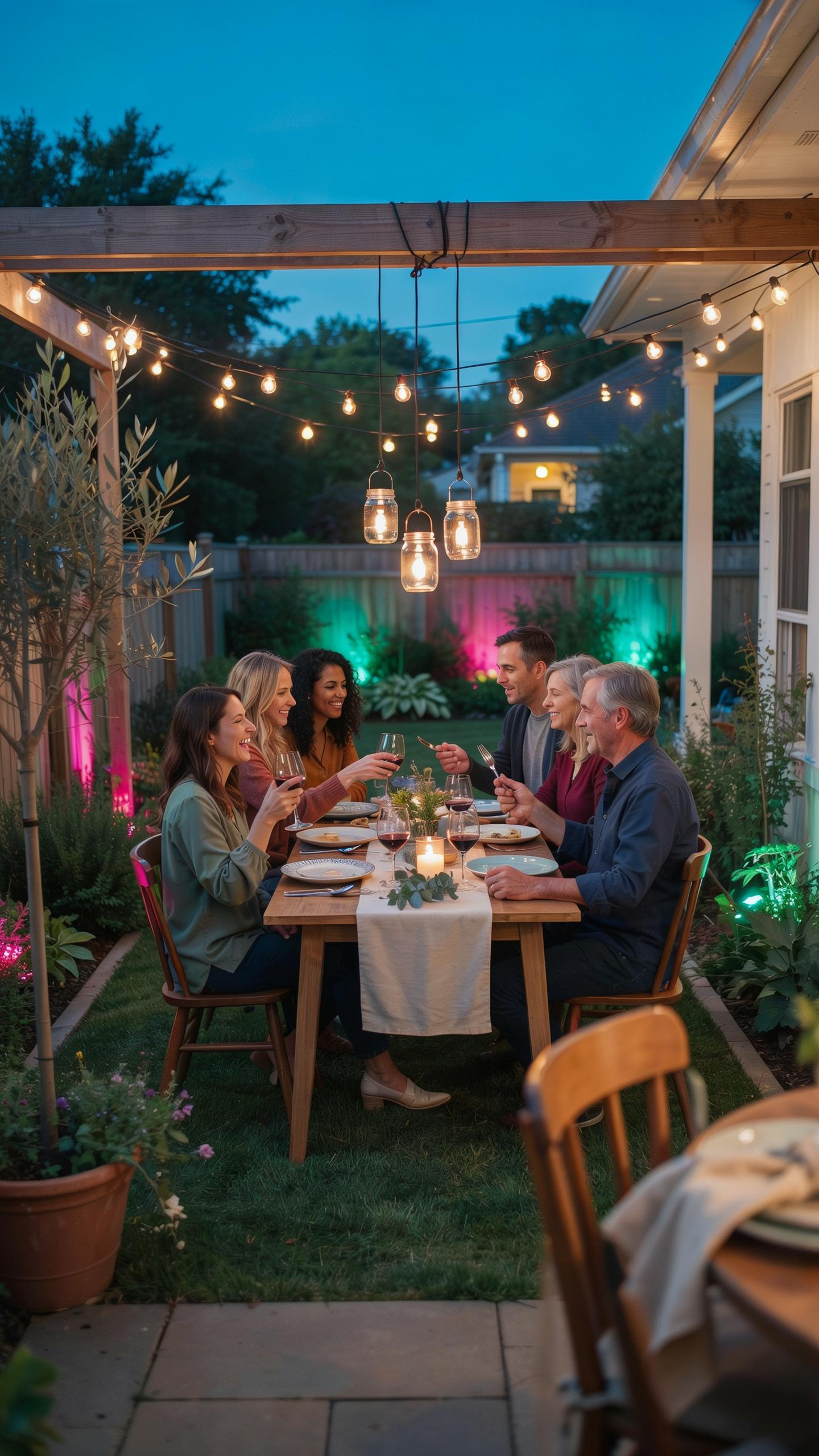
Effective lighting relies on low-voltage systems to maintain control over brightness levels. Warm white LEDs with a color temperature between 2700K and 3000K mimic incandescent bulbs. This range provides a welcoming glow without the harsh blue tones of high-kelvin industrial lights. Use frosted lenses on fixtures to diffuse glare. Proper fixture selection ensures the light focuses on the ground or target objects rather than the sky.
Moonlighting techniques place lights high in tree canopies to cast soft shadows downward. This method replicates natural lunar light and covers large areas efficiently. Task lighting remains essential for outdoor kitchens and grill stations to ensure safety during food preparation. Avoid high-wattage floodlights that flatten the landscape and cause discomfort for guests. Stick to specific, directed light sources to maintain a sophisticated atmosphere throughout the evening.
How To Layer Path Lights, String Lights, And Spotlights For Maximum Effect
Layering requires three distinct levels of light to create depth and dimension. Start with path lights to define walkways and ensure guest safety. Space these fixtures sporadically to avoid a runway effect. Next, use spotlights to highlight architectural features or specimen trees. This draws the eye to the perimeter of the yard. Uplighting builds a visual wall that makes the entertaining space feel larger and more secure.
String lights provide the middle layer of illumination over seating areas. Hang them in a zig-zag pattern to distribute light evenly across the patio. This overhead source creates a ceiling of light that defines the gathering zone. Integrate these layers on separate dimmers or zones. Adjusting each layer independently allows you to shift the mood as the night progresses. A balanced system prevents dark pockets while avoiding over-illumination.
Frequently Asked Questions

What are the essential elements of backyard landscaping for entertaining?
To create a polished look, focus on defining specific zones for dining, lounging, and socializing. Start with a solid foundation like a patio or deck, then incorporate comfortable seating and ambient lighting. Integrating focal points such as a fire pit or a water feature can anchor the space. Successful backyard landscaping for entertaining balances aesthetic beauty with functional layouts, ensuring your guests feel welcome while navigating the outdoor area with ease.
How can I create a seamless indoor-outdoor flow for my guests?
Achieving a cohesive transition starts with repeating design elements from your interior, such as similar color palettes or rug textures. Use wide sliding doors and consistent flooring materials to blur the boundaries. Ensure your backyard landscaping for entertaining includes wide pathways and clear sightlines, which encourage movement. Adding potted plants near the entrance and matching outdoor furniture styles to your indoor decor further enhances that sophisticated, polished look you desire.
Is it possible to design an elegant entertaining space on a strict budget?
Absolutely! You can achieve a high-end feel by using affordable materials like gravel or wood mulch to define seating areas or walkways. Focus on DIY projects like building a stone fire pit or hanging string lights for instant atmosphere. Upcycling vintage garden furniture with a fresh coat of paint and utilizing perennial plants provides a lush, permanent backdrop without the recurring costs, making sophisticated outdoor hosting accessible to everyone.